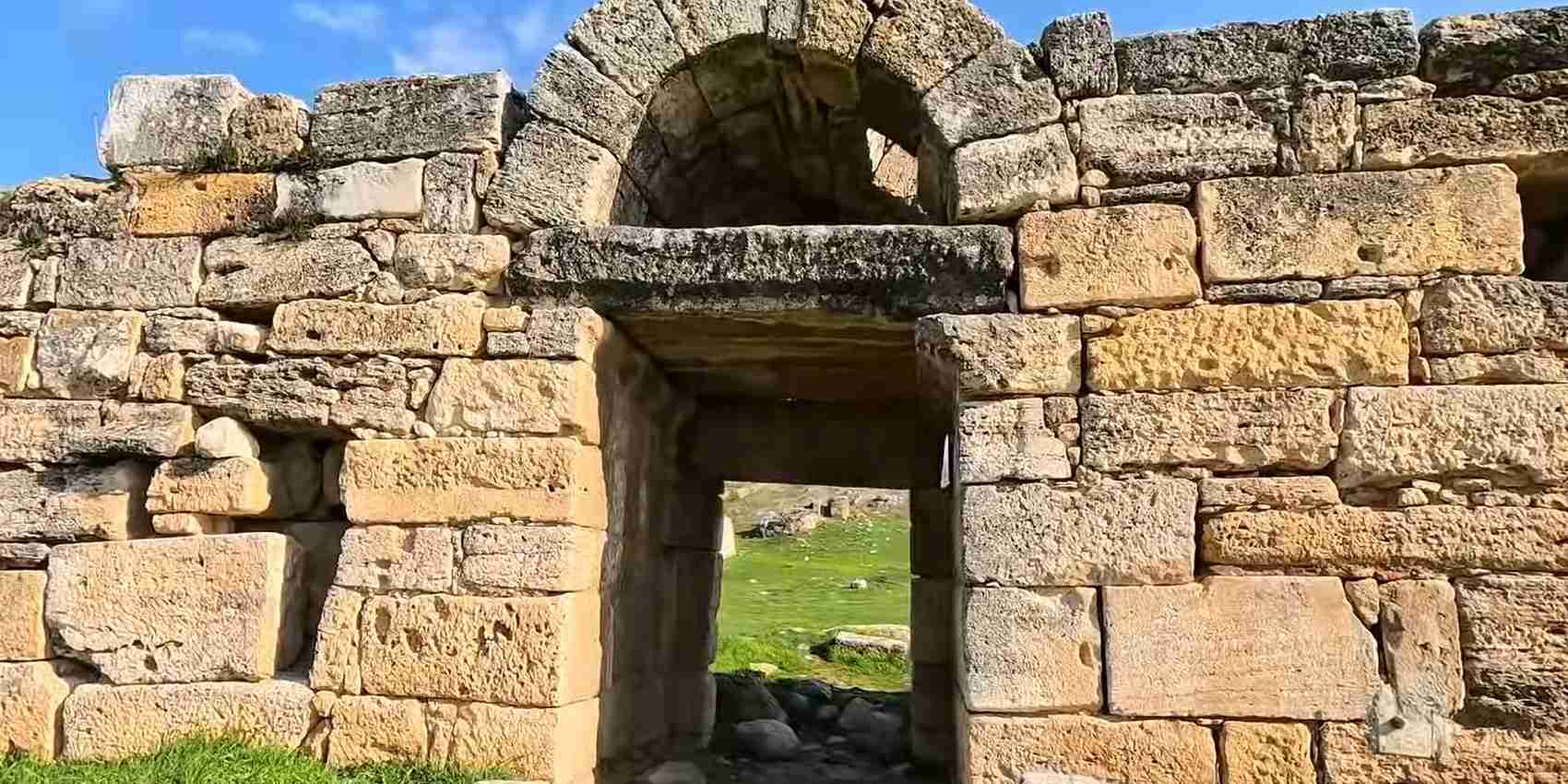
Day Trips from Antalya 2026: Best Excursions & Planning
Antalya serves as the perfect base for exploring some of Turkey’s most spectacular ancient cities and natural wonders, all accessible within a day’s journey. From UNESCO World Heritage travertine terraces to remarkably preserved Roman theaters, these excursions combine cultural immersion with practical accessibility for travelers planning 2026 visits.
Key Takeaways
- Pamukkale UNESCO Site: Full-day tours from Antalya cost €75-87 including transport, guide, and lunch, covering 240 kilometers each way with 3-4 hours at the white travertine terraces and Hierapolis ruins
- Perge and Aspendos Combined: Half-day tours cost $62-95 visiting two major Roman archaeological sites within 45 kilometers of Antalya, featuring the world’s best-preserved ancient theater and extensive city ruins
- Tour vs Independent Travel 2026: Organized tours provide superior value for Pamukkale (long distance, complex logistics) while Perge/Aspendos suits both guided tours and independent visits via public transport
- Optimal Timing Strategy 2026: Visit Perge and Aspendos early morning (8:00 AM arrival) to avoid midday heat and crowds, reserve Pamukkale for cooler months (October-March) when 14-hour tour days feel more comfortable
- Combined Itinerary Planning: Physically impossible to visit Pamukkale and Perge/Aspendos same day—plan separate days for each excursion to fully appreciate both experiences without exhaustion
People Also Ask About Antalya Day Trips 2026
Is Pamukkale Worth a Day Trip from Antalya in 2026?
Pamukkale justifies the 14-hour round-trip commitment for travelers prioritizing UNESCO World Heritage sites and unique geological formations. The white calcium carbonate travertine terraces cascading down the mountainside create landscapes found nowhere else in Turkey, while the adjacent Hierapolis ancient city adds 2,000 years of Roman and Byzantine history to the experience. Tour operators allocate 3-4 hours at Pamukkale itself, providing sufficient time to walk barefoot across the thermal pools, explore the necropolis and Roman theater, and photograph the iconic white cliffs against mountain backdrops.
The journey requires realistic expectations about time distribution—you spend 6-7 hours in comfortable air-conditioned buses traveling 240 kilometers each way through Anatolian countryside, with strategic rest stops at local villages. This extended travel time suits travelers who enjoy scenic drives and view transportation as part of the cultural experience rather than lost sightseeing time. Tour prices of €75-87 deliver exceptional value by including hotel transfers, professional English-speaking guides, entrance fees (€30 value), and traditional Turkish lunch buffets.
Consider skipping Pamukkale if you have limited time in Antalya (3 days or fewer), strongly prefer ancient Roman ruins over natural formations, or find extended bus journeys uncomfortable. The site receives approximately 2.45 million annual visitors, creating significant crowds during peak summer months (June-August) when heat intensifies the experience. Travelers with mobility limitations should note that the 1-kilometer terraces section requires barefoot walking on sometimes slippery calcium deposits, though alternative viewing points accommodate all abilities.
How Much Does a Perge and Aspendos Tour Cost in 2026?
Organized group tours from Antalya to Perge and Aspendos range $62-95 per person, while private tours cost approximately €190 for groups up to four people. Standard group tour packages include round-trip hotel transportation, English-speaking professional guides, entrance fees for both sites (€26 total value), and lunch at traditional Turkish restaurants. The price variation reflects tour company positioning, group size, and additional stops—some itineraries include Side ancient city and Manavgat Waterfall, extending the experience to 10 hours.
Independent travelers visiting without tours spend €26 on combined entrance fees (€11 Perge, €15 Aspendos), plus transportation costs. Public transport from Antalya requires taking the T1B tram to Aksu (₺15), then either walking 2 kilometers to Perge or taking a local taxi (₺50-100), followed by bus connections to Aspendos via Serik (₺30). Total independent costs reach €35-45 including transport and entrance fees, saving €20-40 compared to budget tours but requiring 2-3 hours additional time for transit logistics and eliminating professional historical context.
Premium private tours justify the €190 cost for 3-4 person groups seeking flexible schedules, personalized pacing, and intimate experiences without large tour groups. Private arrangements allow spending extra time at specific ruins that interest you, skipping crowded midday hours, and combining sites according to your preferences rather than fixed tour itineraries. Solo travelers or couples find better value in group tours where per-person costs remain under $100.
Can You Visit Both Pamukkale and Perge/Aspendos in One Day from Antalya in 2026?
Combining Pamukkale with Perge and Aspendos in a single day is physically impossible given the distances, site visit durations, and operating hours. Pamukkale tours alone consume 14 hours door-to-door (6:00 AM departure, 8:00 PM return) covering 480 kilometers round-trip, leaving zero time for additional stops. Perge and Aspendos lie in opposite directions from Pamukkale—Perge sits 18 kilometers northeast of Antalya while Pamukkale stretches 240 kilometers northwest, creating a triangular route exceeding 500 kilometers if combined.
Tour operators deliberately schedule these excursions on separate days because attempting both would require departing 4:00 AM and returning midnight, with insufficient time at either destination. Pamukkale deserves minimum 3 hours exploring the travertines and Hierapolis ruins, while Perge and Aspendos require 4-5 hours combined to appreciate the archaeological significance. Rushing through either destination defeats the purpose of visiting UNESCO-caliber sites that reward unhurried exploration.
Optimal planning allocates dedicated days: one full day for Pamukkale (14 hours), one half-day for Perge and Aspendos (8-10 hours). This pacing prevents exhaustion, allows photography during ideal lighting conditions, and provides mental space to absorb the historical narratives guides share. Travelers with only two days in Antalya must choose between Pamukkale’s natural wonder or the Roman ruins circuit—attempting both guarantees diminished experiences and travel fatigue.
What’s the Best Time to Visit Perge and Aspendos in 2026?
Early morning arrivals between 8:00-9:00 AM provide optimal conditions for visiting Perge and Aspendos year-round. Summer hours (April-October) extend until 7:00 PM, but temperatures exceeding 35°C (95°F) during midday June-August create uncomfortable conditions for exploring exposed archaeological sites with minimal shade. The ancient limestone ruins reflect and intensify heat, making 10:00 AM-3:00 PM particularly challenging for extended walking. Morning visits allow 2-3 hours at each site before heat peaks, with photography benefiting from softer light and fewer harsh shadows on the white stone structures.
Shoulder seasons (April-May, September-October) deliver ideal weather conditions combining comfortable temperatures (20-28°C/68-82°F), reduced tourist crowds, and full daylight hours for exploration. April and May offer wildflowers blooming around Perge’s colonnade street and stadium, while September and October provide crystal-clear skies for photographing Aspendos theater without summer haze. These months balance pleasant outdoor conditions with manageable visitor numbers, allowing unhurried appreciation of architectural details.
Winter months (November-March) suit dedicated archaeology enthusiasts and photography specialists despite shorter operating hours (8:00 AM-5:00/6:00 PM). Cool temperatures (10-18°C/50-64°F) enable comfortable all-day exploration without heat concerns, while dramatically reduced crowds create intimate experiences—sometimes having Aspendos theater entirely to yourself. Rain risk increases December-February, but sunny winter days deliver exceptional lighting conditions for photography, with low-angle sun emphasizing the relief carvings and architectural details invisible in harsh summer light.
Extended multi-day tours – 5+ days
Featured Antalya Multi-Day Tour Packages

9 days
Antalya to Istanbul + Olympos to Fethiye Cruise – 9 Day
- ✓ Comprehensive Antalya tour
- ✓ Expert local guides included
- ✓ All accommodation arranged
- ✓ Transportation provided

10 days
The Turkish Tour (20 destinations)
- ✓ Comprehensive Antalya tour
- ✓ Expert local guides included
- ✓ All accommodation arranged
- ✓ Transportation provided
6 days
18 to 35s Six Days in Turkey (6 destinations)
- ✓ Comprehensive Antalya tour
- ✓ Expert local guides included
- ✓ All accommodation arranged
- ✓ Transportation provided
9 days
Turkish Ring (22 destinations)
- ✓ Comprehensive Antalya tour
- ✓ Expert local guides included
- ✓ All accommodation arranged
- ✓ Transportation provided
Multi-day tour packages powered by TourRadar. Prices and availability subject to change.
Introduction to Antalya Day Trip Planning 2026
Antalya’s strategic Mediterranean coast position places travelers within striking distance of three ancient worlds: Pamukkale’s surreal calcium terraces 240 kilometers northwest, and the Roman cities of Perge and Aspendos just 18-47 kilometers east. These destinations represent fundamentally different excursion experiences—Pamukkale demands full-day commitment for long-distance travel rewarded by UNESCO World Heritage natural phenomena, while Perge and Aspendos offer accessible half-day immersions into remarkably preserved Roman urban planning and theater architecture.
Tour infrastructure serves both destinations extensively, with dozens of operators departing Antalya hotels daily throughout 2026. Competition among tour companies drives prices down while maintaining quality standards—English, German, Russian, and Polish-speaking guides, modern air-conditioned transport, and comprehensive packages including entrance fees. Independent travelers find Perge and Aspendos readily accessible via Antalya’s tram system and local buses, while Pamukkale’s remote location and complex logistics strongly favor organized tours.
Smart planning recognizes these excursions complement rather than compete with each other. Pamukkale satisfies geological curiosity and natural wonder appreciation, delivering Instagram-worthy landscapes and thermal pool experiences. Perge and Aspendos fulfill archaeology and classical history interests, providing tangible connections to Roman imperial power through monumentally preserved theaters, stadiums, and urban infrastructure. Travelers with 4-5 days in Antalya can comfortably experience both, while shorter stays require choosing based on primary interests.
This guide provides comprehensive 2026 planning information including verified pricing, transportation logistics, site-specific strategies, and seasonal considerations. Each section functions as a self-contained resource allowing direct application to your travel planning, whether booking organized tours or crafting independent itineraries. The information reflects current operational realities for 2026, accounting for recent price adjustments, transportation improvements, and evolving tourism patterns post-pandemic recovery.
Pamukkale Day Trip from Antalya 2026: Complete Planning Guide
Pamukkale tours from Antalya cost €75-87 per person for full-day group excursions including round-trip transportation, professional guides, entrance fees, and lunch. The 240-kilometer journey each way requires 3-3.5 hours driving through mountainous Anatolian terrain, with tours departing Antalya hotels 6:00-7:00 AM and returning 8:00-9:00 PM for total 14-hour experiences. Tour operators provide modern air-conditioned buses with reclining seats, onboard WiFi, and English-speaking guides who contextualize the region’s geology and history during transit.
Tour packages include €30 entrance fees covering both Pamukkale travertine terraces and Hierapolis ancient city, eliminating ticket purchasing logistics at the site. Standard itineraries allocate 3-4 hours at Pamukkale itself, structured as: 1 hour walking the white calcium pools barefoot (mandatory for preservation), 1-1.5 hours exploring Hierapolis necropolis and Roman theater, 30 minutes free time for photography, optional 45 minutes swimming in Cleopatra’s Pool (additional €10-15 fee). Lunch occurs either before Pamukkale arrival or afterward at traditional Turkish restaurants featuring regional specialties including gözleme (stuffed flatbreads) and fresh salads.
The journey incorporates strategic comfort stops every 90 minutes at service areas offering restrooms, cafes, and local product vendors. Morning departure stops (typically Korkuteli, 90 minutes from Antalya) provide breakfast options for €5-8, while return journey stops allow souvenir shopping for regional specialties including handwoven textiles and local honey. Some premium tours include Salda Lake stop en route, adding Turkey’s “Maldives” turquoise waters to the itinerary for an additional hour and €15-20 tour cost.
Understanding Pamukkale’s UNESCO World Heritage Significance 2026
UNESCO designated Pamukkale and Hierapolis jointly as World Heritage Site in 1988, recognizing both the unique calcium carbonate formations and the ancient spa city’s exceptional archaeological value. The white travertine terraces result from calcium-rich thermal waters (35°C/95°F) flowing from springs, depositing calcium carbonate as water cools and evaporates. This geological process continues actively today, requiring strict visitor management to prevent damage—hence the mandatory barefoot walking and designated pathways protecting fragile formations.
Hierapolis ancient city crowns the plateau above the travertines, founded as a thermal spa destination by the Attalid dynasty of Pergamon around 190 BCE. The city flourished under Roman and Byzantine rule, becoming a major healing center attracting visitors seeking therapeutic benefits from the mineral-rich waters. Extensive ruins include a 12,000-capacity theater, sprawling necropolis with over 1,200 tombs, agora, Roman baths complex, and monumental gates. The archaeological site spans 2 kilometers, revealing urban planning and architecture spanning 1,800 years of continuous occupation.
Modern conservation efforts balance tourism access with preservation imperatives. Visitor restrictions limit daily capacity, certain terrace sections close periodically for regeneration, and artificial water channels redistribute thermal flows to maintain white coloration across the formations. These measures reversed damage from 1970s-1980s uncontrolled tourism when hotels built atop the travertines and swimming pools diverted thermal waters. The site now receives approximately 2.45 million visitors annually under UNESCO-mandated sustainable management protocols.
Pamukkale Tour Logistics and Transportation 2026
Tour pickups begin 5:30-6:30 AM depending on your Antalya accommodation location—central Kaleiçi hotels get later pickups than Lara or Belek resorts due to route optimization. Tour companies provide specific pickup times 24 hours before departure via WhatsApp, email, or hotel front desk. Expect 30-60 minutes driving within Antalya collecting all passengers before highway departure toward Pamukkale. Total participant numbers range 20-40 people in standard coaches, with smaller 12-15 person minivan options available for €10-15 premium.
The route follows D650 highway northwest from Antalya, climbing through Taurus Mountains before descending onto the Anatolian plateau. Road quality varies between modern divided highway sections and older two-lane roads through mountain passes, but all tour operators use professional drivers experienced in the route. Winter months (December-February) occasionally bring snow to higher elevations, potentially adding 30-45 minutes to journey times, though roads remain passable with appropriate vehicles.
Return journey reverses the morning route, typically departing Pamukkale 3:30-4:00 PM to ensure Antalya arrival before 8:00 PM. Evening traffic entering Antalya can add 15-30 minutes during summer high season, with hotel drop-offs following reverse pickup sequence—expect to be among the first or last dropped depending on your accommodation location. Tour buses drop passengers at hotel entrances rather than central meeting points, ensuring door-to-door service throughout the extended day.
What to Expect at Pamukkale Travertine Terraces 2026
Pamukkale travertines stretch approximately 2,700 meters long and 600 meters wide cascading down the mountainside, with white calcium pools creating the iconic “Cotton Castle” appearance visible from 20 kilometers away. Visitors enter the terraces from the lower gate after purchasing tickets (included in tours), removing shoes and storing them in provided bags for the barefoot walk up the travertines. The calcium deposits feel smooth but can be slippery when wet from flowing thermal waters, requiring careful footing especially on steeper sections where handrails assist navigation.
Thermal water temperature remains constant 35°C (95°F) year-round, feeling warm but not hot—comfortable for extended wading during cool months, less refreshing in summer heat. Water depth in the pools varies from ankle-deep to knee-deep depending on location and season, with flowing sections creating gentle currents. The white calcium surface reflects intense sunlight, making sunglasses essential and sun protection critical during summer visits. Designated walking paths direct traffic flow up and down separate routes, preventing congestion during peak hours when hundreds of visitors simultaneously explore the terraces.
Photography opportunities abound throughout the travertines, with classic viewpoints including: the mid-level pools offering foreground white terraces against Hierapolis ruins backdrop, sunset positions capturing golden light on white formations, and upper plateau perspectives overlooking the entire cascade. Morning visits (when tours arrive) provide softer light and fewer crowds in photos, while late afternoon (when day-trippers depart) offers warmer light but requires independent transport to extend beyond tour schedules. Drone photography is prohibited throughout the UNESCO site.
Hierapolis Ancient City Exploration During Pamukkale Tours 2026
Hierapolis ruins occupy the plateau above the travertines, accessible via steep path from the upper terraces or through the North Gate entrance (where tour buses typically park). The archaeological site spans 2 kilometers north-south, requiring 1.5-2 hours minimum for major highlights including the theater, necropolis, and main colonnaded street. Tour groups receive 1-1.5 hours guided walking tour covering primary monuments, with 30-45 minutes free time allowing individual exploration or additional photography.
The Roman theater dominates the site, built during Emperor Hadrian’s reign (117-138 CE) with seating capacity for 12,000 spectators. The structure’s remarkable preservation includes ornate stage building facades, orchestra pit details, and intact cavea (seating sections) where visitors can climb to upper tiers for panoramic views across the Lycus Valley. Carved reliefs depicting Dionysus and Apollo decorate the stage building, representing some of the finest theatrical sculpture surviving from the Roman world. The theater hosts occasional concerts during summer months, though performance schedules don’t coincide with day tour timings.
Hierapolis necropolis extends over 2 kilometers north of the city, containing over 1,200 tombs ranging from simple sarcophagi to elaborate multi-story funeral monuments. The variety reflects the city’s cosmopolitan population—Romans, Greeks, Jews, and early Christians all buried here, creating archaeology’s most diverse ancient cemetery. Notable tomb types include house-shaped Lycian sarcophagi, circular tumuli, and ornate temple-tombs, many featuring detailed epitaphs and relief sculptures. The sheer scale prevents comprehensive necropolis exploration during limited tour time, but walking even the main avenue provides powerful perspective on ancient mortality and memorialization.
Cleopatra’s Pool Optional Addition at Pamukkale 2026
Cleopatra’s Pool (also called the Antique Pool) offers swimming among submerged Roman columns in warm mineral water, located adjacent to Hierapolis archaeological museum. The pool entrance costs €10-15 per person (not included in standard tour packages), with changing facilities, lockers (€5 deposit), and cafe on-site. The thermal water maintains constant 35°C (95°F) temperature and contains calcium, magnesium, sulfate, and carbon dioxide—the same mineral composition flowing through the travertines but in a swimable pool setting.
Roman and Byzantine column fragments litter the pool bottom, visible through the crystal-clear water and creating unusual swimming obstacles and photography subjects. Legend attributes the pool to Cleopatra, claiming Mark Antony built it as a gift, though no historical evidence supports this romantic story. The pool actually formed when a 7th-century earthquake collapsed the Roman bath complex into natural thermal spring pools below, inadvertently creating the submerged column landscape visitors enjoy today.
Tour schedules allow 30-45 minutes maximum for Cleopatra’s Pool visits, barely sufficient for changing, swimming, and returning to the bus departure point. This rushed timeframe suits quick dips and photos but frustrates travelers wanting extended relaxation in the thermal waters. Consider whether swimming takes priority over additional time exploring the travertines or Hierapolis ruins—tour timing prevents experiencing all three aspects thoroughly. Note that the pool closes periodically for maintenance, typically during November-December, with closures announced short notice and sometimes unknown when tours arrive.
Pamukkale Tour Seasonal Considerations 2026
Summer months (June-August) present challenging conditions for Pamukkale tours despite being peak tourism season. Temperatures frequently exceed 40°C (104°F) on the exposed plateau, with minimal shade across the white travertines and Hierapolis ruins. The calcium formations reflect and intensify solar radiation, creating furnace-like conditions during midday hours when tours typically arrive. Heat exhaustion becomes a genuine risk for unprepared visitors, requiring 3-4 liters water consumption and sun protection including wide-brimmed hats and high-SPF sunscreen. The 14-hour tour day feels significantly longer in summer heat, with return bus journeys offering welcome air-conditioned relief but arriving in Antalya after dark.
Shoulder seasons (April-May, September-October) deliver optimal Pamukkale visiting conditions combining comfortable temperatures (22-30°C/72-86°F), manageable crowds, and full daylight throughout the tour period. Spring visits feature green hillsides and wildflowers surrounding the white terraces, while autumn provides crystal-clear atmospheric conditions for photography. These months avoid summer’s oppressive heat while maintaining reliable weather with minimal rain risk. Tours operate daily year-round, but shoulder season bookings should occur 3-5 days advance to secure preferred dates, versus day-before booking typically possible in summer when multiple operators run concurrent tours.
Winter Pamukkale tours (November-March) suit travelers prioritizing uncrowded experiences and dramatic photography conditions over guaranteed sunshine. Cool temperatures (12-18°C/54-64°F) make the warm thermal pools more appealing for wading, while reduced visitor numbers create intimate experiences impossible during peak season. Occasional rain and overcast conditions affect 20-30% of winter days, but when clear skies occur, low-angle winter sun produces extraordinary lighting on the white travertines. Tours continue operating throughout winter, though frequency reduces to 4-5 weekly departures versus daily summer service, requiring advance booking through hotels or tour operators.
Perge and Aspendos Combined Tour 2026: Roman Archaeology Circuit
Perge and Aspendos combined tours cost $62-95 per person for organized group experiences departing Antalya 8:00-9:00 AM and returning 4:00-6:00 PM. These half-day or full-day itineraries visit two of Turkey’s most significant Roman archaeological sites within 50 kilometers of Antalya city center, featuring dramatically different but complementary ruins. Perge showcases Roman urban planning through its intact colonnaded streets, bath complexes, and stadium, while Aspendos preserves the Mediterranean world’s finest ancient theater still hosting modern performances. Tour packages include round-trip hotel transportation, professional English-speaking guides, entrance fees for both sites (€26 total value), and lunch at traditional Turkish restaurants.
Entrance fees purchased independently cost €11 for Perge Ancient City and €15 for Aspendos, covering access to all excavated areas within each archaeological zone. Perge’s ticket admits visitors to both the main city area and the theater located across the modern road—guides emphasize visiting the theater first since re-entry can be problematic if you explore the main ruins initially. Aspendos entrance provides access to the monumental theater, aqueduct remains, stadium ruins, and hilltop acropolis area. Turkey’s Museum Pass (€165 for 15 days, €90 for 7 days) covers both sites plus 350+ museums nationally, delivering value for travelers visiting multiple archaeological destinations during extended Turkey trips.
Tour itineraries typically structure as: hotel pickup 8:00-9:00 AM, 45-minute drive to Perge with 2 hours guided exploration and free time, 30-minute transfer to lunch restaurant in Serik district, 1-hour lunch break, 20-minute drive to Aspendos with 2 hours at the theater and surrounding ruins, return to Antalya by 4:00-6:00 PM depending on additional stops. Extended full-day versions add Side ancient city and Manavgat Waterfall, increasing tour duration to 10 hours and costs to $95-120. Most travelers find the two-site Perge/Aspendos combination sufficient for archaeological appreciation without the exhaustion of cramming four destinations into a single day.
Perge Ancient City Exploration Strategy 2026
Perge Ancient City opens daily 8:00 AM-7:00 PM summer season (April-October) and 8:00 AM-5:30 PM winter season (November-March), located 18 kilometers northeast of Antalya in modern Aksu district. The sprawling archaeological site requires 2-3 hours thorough exploration covering the theater, stadium, Hellenistic gates, Roman baths, colonnaded street, and nymphaeum fountain complex. Independent visitors arriving via public transport should visit the theater first immediately after purchasing tickets, as the structure sits across the road from the main city entrance and ticket verification becomes problematic if you initially enter the main ruins then attempt theater access later.
The theater represents Perge’s most impressive single structure, following traditional Greco-Roman design with cavea (seating area) carved into hillside capable of holding 12,000 spectators. Built during the 2nd century CE, the theater hosted dramatic performances, musical concerts, and gladiatorial spectacles throughout the Roman imperial period. The stage building (scaenae frons) preserves fragments of ornate decoration including relief sculptures depicting Dionysus, god of theater and wine. Climbing to the upper seating tiers provides panoramic views across the archaeological site and modern Aksu plain, contextualizing Perge’s strategic location near the Kestros River (modern Aksu River) that provided ancient access to the Mediterranean 12 kilometers south.
The main city entrance features monumentally scaled Hellenistic gates flanked by towers, rebuilt during Roman period with elaborate facades displaying niches that originally housed imperial statues. Beyond the gates, the colonnaded street extends 400 meters north-south, lined by ionic columns that created covered walkways protecting shops and pedestrians from sun and rain. A central water channel ran the street’s length, fed by the elaborate nymphaeum fountain complex at the southern end—one of Roman engineering’s showpiece structures decorated with marble statues and architectural ornament. The street’s exceptional preservation allows walking the same pavement ancient Pergeans traversed 2,000 years ago, with original paving stones showing cart-wheel rut marks from centuries of traffic.
Roman Bath Complex and Stadium at Perge 2026
Perge’s Roman bath complex ranks among Anatolia’s best-preserved thermae, demonstrating the sophisticated heating and water systems that made Roman bathing culture possible. The sprawling structure includes identifiable frigidarium (cold room), tepidarium (warm room), and caldarium (hot room) arranged in traditional sequence allowing bathers to progress through temperature zones. Hypocaust heating system remains visible beneath raised floors—hollow spaces where hot air circulated from furnaces, warming the floors and walls through which heated air passed via terracotta tubes. The bath complex served social functions beyond hygiene, functioning as community gathering space where business deals concluded, gossip circulated, and social hierarchies displayed themselves through bathing rituals.
The stadium stretches 234 meters long by 34 meters wide parallel to the colonnaded street, representing one of Western Turkey’s most complete ancient sporting venues. Seating capacity reached 12,000 spectators in tiered rows supported by barrel-vaulted galleries that also housed shops and taverns—ancient Romans literally shopped beneath the bleachers during athletic events. The track hosted foot races, wrestling matches, and other athletic competitions central to Greco-Roman culture, with starting gates and turning posts still visible at the stadium’s ends. Unlike later Roman circuses designed for chariot racing, Perge’s stadium follows earlier Greek traditions focused on human athletic achievement celebrated during periodic festivals honoring gods and emperors.
Archaeological excavations continue at Perge under Ankara University direction, with new discoveries announced regularly including mosaic floors, sculpture fragments, and architectural details. The site’s significance extends beyond physical remains to historical connections—St. Paul preached Christianity here during his first missionary journey (Acts 13:13-14), making Perge one of earliest documented Christian communities. Many sculptures and architectural ornaments excavated from Perge now display in Antalya Archaeological Museum, including the famous dancing girl statues and emperor portrait heads that establish the site’s artistic importance alongside its architectural significance.
Aspendos Roman Theater Architecture and Preservation 2026
Aspendos theater stands 47 kilometers east of Antalya, opening daily 8:00 AM-7:00 PM summer (April-October) and 8:00 AM-6:00 PM winter (November-March). The structure represents the ancient Mediterranean world’s best-preserved Roman theater, capable of seating 15,000 spectators in its original configuration. Architect Zenon designed and constructed the building 161-180 CE during Emperor Marcus Aurelius’s reign, as recorded in Greek inscriptions decorating the stage building. The exceptional preservation results from Seljuk Turks converting the theater into a palace during the 13th century, maintaining the structure rather than quarrying it for building materials as happened to most ancient theaters.
The stage building (scaenae frons) rises three stories tall, creating the theatrical backdrop against which ancient dramas, musical performances, and rhetorical contests unfolded. Five doorways pierce the facade at ground level, allowing actors to enter and exit dramatically while the upper stories housed machinery for special effects including lowering gods onto the stage via cranes. Ornate Corinthian columns, carved friezes, and statue niches decorated the exterior, though most sculptural elements disappeared over centuries. The cavea (seating area) rises in 41 rows divided by horizontal walkways (diazomata) and radial staircases into wedge-shaped sections, following mathematical principles ensuring every seat provided clear sightlines to the stage.
Aspendos theater’s legendary acoustics remain functional, demonstrated by guides dropping coins or speaking from the orchestra pit audible to visitors in the uppermost rows 30 meters distant. This acoustic perfection results from precise geometric ratios governing the cavea’s curve, careful positioning of reflecting surfaces, and the scaenae building’s role as acoustic shell projecting sound toward audiences. The theater continues hosting performances during the annual Aspendos International Opera and Ballet Festival each summer (June-July), proving 1,850-year-old architecture still functions for its intended purpose. Modern concerts install temporary seating protecting the ancient stone rows while accommodating contemporary audience expectations for comfort and sightlines.
Additional Aspendos Archaeological Features 2026
Aspendos ruins extend beyond the famous theater to include stadium, aqueduct system, agora (marketplace), basilica, and acropolis structures spread across the ancient city site. The stadium located east of the theater follows similar design to Perge’s sporting venue, though less completely preserved with sections collapsed or buried. The structure once hosted athletic competitions and potentially gladiatorial contests, serving as entertainment venue complementing the theater’s dramatic performances. Walking paths allow exploration of the stadium’s vaulted gallery structure, though vegetation obscures much of the seating area requiring imagination to visualize the complete facility.
Aspendos aqueduct system ranks among Roman engineering’s most impressive water delivery projects, transporting water from mountain springs 20 kilometers north across valleys and rivers via bridges, tunnels, and pressure pipes. The most photographed section features two-tiered stone arches creating dramatic silhouettes against sky, located 1 kilometer north of the theater along the footpath toward the acropolis. The aqueduct demonstrates Roman engineering sophistication, employing both gravity flow in open channels and siphon principles where water descended into valleys then rose on the opposite side through pressure—technology not replicated until the Renaissance 1,400 years later.
The acropolis hill north of the theater contains remains of earlier Greek city fortifications, temples, and civic buildings predating the Roman theater construction. The steep climb to the hilltop requires 20-30 minutes but rewards effort with panoramic views across the Pamphylian plain and Mediterranean Sea 12 kilometers distant. Most tour groups skip the acropolis due to time constraints and challenging terrain, but independent visitors with 3-4 hours at Aspendos can incorporate the hilltop exploration for comprehensive site appreciation. The Roman city walls extending from the acropolis demonstrate sophisticated defensive architecture adapted to the natural topography, creating protected zones for the urban population during sieges.
Perge and Aspendos Independent Visit Logistics 2026
Independent travelers reach Perge via Antalya’s T1B tram from city center to Aksu station (₺15, 45 minutes), then either walk 2 kilometers to the archaeological site entrance or take a taxi from Aksu station (₺50-100). The tram operates 6:00 AM-midnight at 10-minute intervals during daytime hours, providing reliable frequent service. Walking from Aksu station follows well-marked roads through residential areas, taking 25-30 minutes at moderate pace with minimal elevation change. Alternatively, local dolmuş minibuses occasionally run from Aksu to Perge entrance when sufficient passengers gather, costing ₺20-30 but operating irregular schedules making them unreliable for planning.
Reaching Aspendos independently requires taking intercity buses from Antalya Otogar (main bus terminal) to Serik (₺30, 1 hour departure every 30 minutes 7:00 AM-7:00 PM), then transferring to local dolmuş or taxi for the final 15 kilometers to Aspendos entrance. The Serik connection adds complexity since dolmuş schedules to Aspendos run sporadically, primarily serving local residents rather than tourists. Many independent travelers hire taxis in Serik for round-trip Aspendos visits (₺200-300 including 2 hours waiting time), which approaches guided tour costs when accounting for entrance fees and transportation totals.
Combining Perge and Aspendos independently in a single day requires careful timing and realistic expectations about transit hours. The route Antalya→Perge→Aspendos→Antalya involves: Tram to Aksu + taxi to Perge (1.5 hours), Perge visit (2 hours), taxi Perge to Serik bus station (30 minutes), bus Serik to Aspendos (30 minutes), Aspendos visit (2 hours), return journey (2 hours), totaling 8.5-9 hours with tight connections. This schedule offers minimal buffer for delays, skipped transport connections, or extended time at either site. Most independent travelers visit Perge and Aspendos on separate half-days, or conclude organized tours provide better value given the modest price premium over independent costs and the addition of professional historical context.
Combining Day Trips: Strategic Itinerary Planning 2026
Travelers with 4-5 days in Antalya can comfortably experience both Pamukkale and the Perge/Aspendos circuit without exhaustion by spacing excursions with rest days between. Optimal sequencing alternates intense touring days with beach relaxation, Old Town exploration, or hotel amenity enjoyment preventing fatigue accumulation. Sample 5-day Antalya itinerary structure: Day 1 arrival and orientation, Day 2 Pamukkale full-day tour, Day 3 beach and Old Town leisure, Day 4 Perge and Aspendos half-day tour with afternoon free, Day 5 departure logistics. This pacing prevents the overwhelming feeling that sometimes accompanies cramming multiple demanding excursions into compressed timeframes.
Visitors with only 2-3 days in Antalya must choose between Pamukkale or Perge/Aspendos based on primary interests and travel priorities. Pamukkale suits travelers prioritizing: UNESCO World Heritage natural phenomena, unique geological formations found nowhere else, thermal pool experiences, and willingness to invest 14 hours for singular destinations. Perge/Aspendos better serves visitors interested in: Roman archaeology and urban planning, world-class ancient theaters, shorter excursion duration allowing same-day Antalya exploration, and easier independent visit logistics. Neither choice proves objectively superior—the decision reflects personal preferences regarding natural wonders versus archaeological sites, long-distance commitment versus accessibility, and crowd tolerance (Pamukkale receives heavier tourism than Perge/Aspendos).
Weather considerations influence optimal day trip sequencing during shoulder and winter seasons when occasional rain affects touring comfort. Pamukkale experiences more precipitation than coastal Antalya during November-March, making flexible scheduling valuable—book Pamukkale tours 2-3 days advance rather than weeks early, allowing cancellation and rebooking if forecasts predict rain. Perge and Aspendos prove more weather-resilient since the sites offer some sheltered viewing areas and shorter exposure to elements, though heavy rain still diminishes experience. Summer touring (June-August) requires heat tolerance assessment—visitors struggling with high temperatures should prioritize early-morning Perge/Aspendos tours over midday Pamukkale arrival when heat peaks.
Tour vs Independent Travel: Cost-Benefit Analysis 2026
Pamukkale tour packages at €75-87 deliver superior value compared to independent travel when analyzing total costs and effort required. Independent Pamukkale visits require: bus Antalya to Denizli (₺150 round-trip, 4 hours each way), dolmuş Denizli to Pamukkale (₺40), entrance fees (€30), lunch (€15), totaling €75-80 plus 9-10 hours transit time. This matches tour prices while eliminating guide commentary, guaranteed transportation reliability, and the security of return transport arrangements. Independent travelers also face language barriers in rural bus stations, irregular dolmuş schedules creating connection uncertainties, and physical fatigue from managing multiple transport transfers after full days of sightseeing.
Perge and Aspendos present different economics favoring independent visits for budget-conscious travelers comfortable with public transport navigation. Independent costs total €35-45 (transport ₺75, entrance fees €26, lunch €10) versus $62-95 organized tours, saving €20-40 per person. The savings increase for couples or groups who can share taxis between sites, reducing per-person costs to €25-30. However, independent visitors sacrifice historical context that professional guides provide, spend 2-3 additional hours on transport logistics, and risk missing architectural details or historical connections that enhance site appreciation beyond simple tourism box-checking.
Premium private tours justify costs for specific traveler profiles: families with young children requiring flexibility for bathroom breaks and pacing adjustments, photography enthusiasts wanting extended time at optimal lighting hours, archaeology devotees seeking detailed historical discussions beyond group tour pace, and travelers with mobility limitations needing accessible transport and customized routing. Private tour costs (€190 for 4 people Perge/Aspendos, €300-400 Pamukkale) deliver value through personalization impossible in group settings, though solo travelers or couples find the premium unjustifiable compared to well-run group tour quality and costs.
Sample Day Trip Budget Breakdowns 2026
Pamukkale organized tour daily costs: Tour package €75-87, optional Cleopatra’s Pool €10-15, bottled water and snacks €5-8, souvenir purchases €10-20. Total day cost: €100-130 per person including all expenses and souvenirs. This represents exceptional value for a UNESCO World Heritage full-day experience covering nearly 500 kilometers transport, professional guidance, and comprehensive site access. Independent travelers attempting Pamukkale spend similar totals (€75-100) while managing complex logistics and foregoing guided interpretation, making tours the clear value choice for this specific excursion.
Perge and Aspendos organized tour costs: Tour package $62-95, additional bottled water €3-5, souvenirs €10-15. Total day cost: €70-100 per person for comprehensive experience. Independent visit budget: Transport (tram + buses + taxis) ₺150-200 (€15-20), entrance fees €26, lunch €10-15, snacks/water €5-8. Independent total: €56-69 per person, saving €15-35 compared to budget tours. The modest savings require 2-3 hours additional time for transit management, making independent visits worthwhile primarily for budget backpackers or travelers specifically interested in public transport cultural immersion as part of the experience.
Combined 2-day excursion budgets (Pamukkale + Perge/Aspendos): Organized tour costs €145-187 per person for both day trips, independent costs €131-169 per person, demonstrating €14-18 total savings over two days of independent touring. The minimal savings hardly justify the effort differential, language challenges, and schedule coordination required for independent visits. Travelers prioritizing budget over convenience achieve better value targeting accommodation and dining savings rather than tour costs, since Antalya offers 40-60% hotel price differences between budget and luxury options representing far larger budget optimization opportunities.
Practical Planning Considerations for Antalya Day Trips 2026
Booking Tours in Antalya: Advance vs On-Arrival 2026
Tour booking timing in Antalya balances price optimization with availability assurance, varying significantly by season and traveler flexibility. Peak summer months (June-August) benefit from advance online booking 1-2 weeks ahead, securing guaranteed seats and sometimes 10-15% early-bird discounts through platforms like GetYourGuide or Viator. However, Antalya’s competitive tour market means same-week booking remains viable even in high season, with hotel concierges and Old Town (Kaleiçi) tour agencies offering last-minute availability often at prices matching or undercutting online platforms once service fees factor into total costs.
Shoulder seasons (April-May, September-October) provide maximum booking flexibility and negotiating power—walking into Kaleiçi tour agencies 1-2 days before desired departure frequently produces 15-20% discounts off posted prices, especially for Pamukkale tours where operators consolidate smaller groups to ensure minimum viable participant numbers. These walk-in discounts rarely appear online since agencies use them strategically to fill seats tour-by-tour rather than advertising permanent price reductions. Travelers with flexible schedules maximize value through arrival-day assessment of available tours and pricing, booking next-day or day-after departures based on best deals discovered.
Winter booking (November-March) requires advance planning despite lower tourist volumes, because many operators reduce tour frequencies to 3-4 weekly departures rather than daily schedules. Pamukkale tours particularly see reduced winter frequency, with some days having no departures forcing multi-day wait times for the next available tour. Check tour availability immediately upon Antalya arrival during winter visits, booking confirmed spaces within 24 hours to avoid disappointment. Online advance booking proves more reliable than walk-in agency visits during winter, since consolidated tour groups often finalize participant lists 48-72 hours ahead rather than accepting day-before additions.
Essential Items and Preparation for Day Trips 2026
Pamukkale tour packing essentials include: swimsuit for optional Cleopatra’s Pool and travertine pool wading, towel (quick-dry microfiber recommended), comfortable walking shoes with socks that remove easily for barefoot sections, wide-brimmed sun hat, high-SPF waterproof sunscreen (reapply every 2 hours on exposed travertines), sunglasses, 2-liter water bottle for refilling, light jacket for air-conditioned bus, phone camera with full battery/portable charger. Many tours provide lunch but not beverages beyond one bottle, making refillable water bottles essential for hydration throughout the 14-hour day. Avoid bringing valuables beyond essentials since buses and site facilities offer limited secure storage options.
Perge and Aspendos require: sturdy walking shoes with good tread for uneven ancient paving stones, sun protection (hat, sunscreen, sunglasses), water bottles (1.5 liters minimum), light backpack for carrying purchased souvenirs, camera with spare batteries. The archaeological sites lack shade, making sun protection critical even during shoulder seasons when temperatures feel moderate initially but accumulate heat exposure over 2-3 hour site visits. Aspendos particularly offers minimal shaded rest areas, with the theater’s white limestone amplifying solar radiation throughout the cavea. Small portable fans or cooling towels provide comfort during summer visits, though most travelers find morning tour departures mitigate worst heat exposure.
General preparation for all day trips includes: confirming exact pickup times 24 hours before departure via tour operator WhatsApp or email, setting early alarms accounting for potential pickup time miscommunications, eating substantial breakfast before 6:00 AM Pamukkale departures, downloading offline maps of destinations in case internet access proves limited. Notify tour operators of dietary restrictions (vegetarian, halal, allergies) during booking since lunch restaurants receive advance notice enabling special meal preparation. Travelers prone to motion sickness should take preventive medication before departure given the mountain roads encountered during Pamukkale journeys especially.
Photography Strategy and Tips 2026
Pamukkale photography peaks during golden hour light (last 2 hours before sunset), when warm tones illuminate white travertines creating ethereal glowing effects impossible to replicate at midday. Unfortunately, standard day tours arrive midday (11:00 AM-12:00 PM) when harsh overhead sun creates blown-out highlights on the white calcium and hard shadows concealing detail. Mitigate midday lighting by: shooting pools with blue sky reflections rather than direct travertine surfaces, positioning yourself with sun behind you for front-lit rather than backlit shots, finding rare shaded areas for contrast, and accepting that professional-grade images require independent travel timing permitting sunrise or sunset arrivals.
Aspendos theater photography benefits from two distinct perspectives: ground-level shots from orchestra pit capturing the full scaenae building facade, and elevated positions from upper cavea rows shooting down toward the stage with countryside landscape beyond. Morning light (8:00-10:00 AM) provides soft illumination on the east-facing stage building, while late afternoon (4:00-6:00 PM) delivers warmer golden tones but requires timing against tour schedules that typically depart Aspendos by 3:00-4:00 PM. Wide-angle lenses (16-35mm full-frame equivalent) prove essential for capturing the theater’s monumental scale within single frames, though telephoto focal lengths (70-200mm) allow detail shots of carved relief decorations and architectural elements.
Perge photography emphasizes the colonnaded street perspective from the nymphaeum fountain looking north toward the Hellenistic gates—this iconic viewpoint appears in every archaeological guide and tourism brochure, justifying the cliché through sheer compositional power. The parallel columns create leading lines converging toward vanishing points, while the central water channel adds foreground interest and diagonal elements breaking perfect symmetry. Midday overhead sun actually enhances this particular composition by minimizing shadows between columns and evenly illuminating the scene front-to-back. Bring polarizing filters to deepen blue skies contrasting against white marble columns and reduce glare from polished stone surfaces.
Alternative and Extended Day Trip Options from Antalya 2026
Side Ancient City and Temple of Apollo Day Trip 2026
Side ancient city lies 75 kilometers east of Antalya on a small peninsula jutting into the Mediterranean, combining archaeological significance with active modern resort town atmosphere. The site features a well-preserved Roman theater seating 15,000-20,000 spectators, agora (marketplace) with columned porticoes, Roman baths complex converted into an archaeological museum, and the iconic Temple of Apollo perched dramatically on the waterfront. Unlike Perge and Aspendos which feel like deserted ancient cities, Side integrates ruins directly into the living town—restaurants occupy renovated ancient structures, shops line streets following Roman-era grid patterns, and harbor facilities continue operating in locations used 2,000 years ago.
Side tours from Antalya cost $50-75 for half-day excursions or combine with Perge/Aspendos for full-day itineraries at $95-120. The site entrance remains free (open-air ruins integrated into public spaces), though the museum housed in Roman baths charges €5 admission. Temple of Apollo access is complimentary, making Side financially accessible for independent travelers who reach the town via intercity buses from Antalya Otogar (₺45, 1.5 hours, departures every 30 minutes). Side’s beach resort character means abundant accommodation, dining, and tourist services if you prefer overnight stays allowing sunrise photography at the Temple of Apollo or evening exploration after day-trippers depart.
Temple of Apollo constitutes Side’s most photographed monument—five reconstructed columns and architrave fragments positioned dramatically where land meets sea, creating sunset silhouettes against Mediterranean horizons. The structure originally contained 20-30 columns supporting a complete temple dedicated to Apollo and his sister Artemis (a second adjacent temple), built during the 2nd century CE at Side’s commercial peak. Earthquake damage and medieval stone robbing reduced the temples to foundation platforms until partial 20th-century restoration reinstated the iconic column grouping. Modern mass tourism concentrates at this photogenic spot especially during sunset hours (arrive 90 minutes before sunset for prime positioning before crowds accumulate).
Termessos Mountain City Day Trip 2026
Termessos occupies a dramatic mountain setting 30 kilometers northwest of Antalya at 1,050 meters elevation within Güllük Dağı National Park, representing Turkey’s most scenically spectacular ancient city. The Pisidian settlement famously resisted Alexander the Great’s siege in 333 BCE, perched on naturally defensive cliffs that made conventional assault virtually impossible. Visitors willing to hike steep stone paths encounter remarkably preserved ruins including a theater positioned on the mountainside edge providing vertiginous views over the valley 400 meters below, extensive necropolis with Lycian-style rock-cut tombs, agora, gymnasium complex, and cliff-edge cisterns. The site’s remote location and challenging access preserved ruins from stone robbing that decimated more accessible cities.
Termessos tours from Antalya cost €55-75 including transportation, guide, and national park entrance fees (€15), departing 8:00 AM and returning 2:00-3:00 PM for half-day experiences. The site requires moderate-to-challenging hiking fitness—2 kilometers steady uphill walking on uneven ancient paving stones, with 300-meter elevation gain from parking area to main theater and upper ruins. Tour groups spend 2-2.5 hours at the site, insufficient for comprehensive exploration of the extensive ruins spreading across multiple mountain terraces. Independent travelers driving rental cars can access Termessos (parking €5) and spend 4-5 hours thoroughly exploring at personal pace, though the steep mountain roads require confident driving skills and the lack of on-site facilities necessitates bringing all food and water.
Termessos photography excels during late spring (April-May) when wildflowers blanket the mountain meadows surrounding ruins and visibility extends to the Mediterranean coast on clear days. The mountainside theater creates extraordinary compositional opportunities shooting across the cavea toward the stage with mountain peaks and valley landscapes as backdrop—arguably Turkey’s most dramatic ancient theater setting despite less architectural preservation than Aspendos. Winter visits (December-February) bring snow risk above 1,000 meters elevation occasionally closing the access road, while summer temperatures prove more moderate than coastal sites due to elevation effects and pine forest shade along hiking paths.
Kekova Sunken City Boat Trip 2026
Kekova Island preserves partially submerged Lycian city ruins visible through crystal-clear Mediterranean waters, located 150 kilometers southwest of Antalya near Kaş and Demre. The ancient settlement sank during Byzantine-era earthquakes, creating surreal underwater archaeology where stone walls, staircases, and building foundations lie 1-4 meters beneath the surface. Boat tours cruise alongside the submerged ruins (swimming and snorkeling prohibited in the protected zone), then continue to Simena Castle overlooking Kaleköy harbor, and Tersane Bay where Roman-era shipyard ruins occupy the shoreline. The full-day experience combines archaeological interest with scenic Mediterranean cruising, swimming opportunities at permitted beaches, and fresh seafood lunch at waterfront restaurants.
Kekova boat trips from Antalya require 2-hour drive to Demre harbor where boats depart, making combined 12-14 hour excursions when including round-trip transport. Tour costs range €80-110 including air-conditioned bus transport, boat trip, professional guide, lunch, and swimming stops. The boat portion lasts 5-6 hours aboard traditional Turkish wooden gulet vessels carrying 30-40 passengers, with shaded deck areas, toilet facilities, and onboard tea service. Swimming opportunities occur at 2-3 designated bays where water clarity reaches 15-20 meters visibility, allowing excellent snorkeling over rocky bottoms and seagrass meadows (bring your own snorkel equipment or rent from boat crew for €5).
Independent travelers can reach Kekova via bus to Kaş (₺150, 3 hours) then dolmuş to Üçağız village where local boat cooperatives operate Kekova tours (₺600-800 per boat shared among passengers). This option suits travelers planning multi-day stays in the Kaş region rather than day-tripping from Antalya, since the extensive transport time leaves minimal hours for actual boat touring when attempting same-day return. The sunken city creates dramatic underwater photography opportunities using waterproof cameras or action cameras, though the no-swimming restriction in the immediate ruins zone limits artistic perspectives to surface-level shots from boats slowly cruising above the submerged structures.
Frequently Asked Questions About Antalya Day Trips 2026
Are Pamukkale day trips from Antalya too rushed for proper enjoyment in 2026?
Pamukkale day trip pacing feels rushed for travelers expecting leisurely exploration comparable to independent multi-day visits, but proves adequate for experiencing the site’s essential highlights within tour time constraints. The standard 3-4 hours at Pamukkale proper allows walking the travertine terraces barefoot (1 hour), exploring Hierapolis theater and necropolis with guide (1-1.5 hours), and free time for photography and Cleopatra’s Pool if desired (1-1.5 hours). This compressed schedule prevents in-depth archaeological examination of every Hierapolis monument or extended relaxation in the thermal pools, but captures the UNESCO site’s core experience most visitors prioritize.
The perception of “rushed” largely reflects expectations management—travelers understanding the day trip format as a comprehensive introduction rather than exhaustive exploration report satisfaction with the time allocated. Those feeling constrained by tour schedules typically want activities the day trip never intended to provide: 2+ hours swimming in Cleopatra’s Pool, sunrise/sunset photography on the travertines, detailed necropolis exploration, or leisurely thermal pool soaking. Such experiences require independent overnight stays in Pamukkale village, fundamentally different trips than the Antalya day excursion structure.
Tour operators balance time at Pamukkale against realistic coach travel hours and participant endurance for 14-hour days. Allocating 5-6 hours at the destination while reducing transport efficiency would extend total tour duration to 16-18 hours, creating exhaustion that diminishes rather than enhances enjoyment. The current 3-4 hour allocation represents tested optimization delivering worthwhile experience without overtaxing participants. Travelers specifically interested in Pamukkale beyond surface-level tourism should plan 2-day independent visits staying overnight in Pamukkale village, treating the Antalya day trip as reconnaissance determining whether extended return visits warrant future planning.
Can families with young children manage the Perge and Aspendos tours in 2026?
Families with children ages 6-12 generally manage Perge and Aspendos tours successfully when properly prepared with realistic expectations about attention spans, walking distances, and heat exposure. The archaeological sites involve 2-3 kilometers walking across uneven ancient paving stones, requiring children comfortable with sustained outdoor physical activity for 4-5 hours including bus transport and lunch stops. Aspendos theater particularly captivates children’s imagination—the monumental scale, echo acoustics demonstrations, and climbing the ancient seating rows create interactive engagement beyond passive monument viewing. Tour guides skilled with family groups incorporate storytelling about gladiatorial contests and Roman daily life capturing children’s interest.
Children under 6 years old present more significant challenges given the extended duration, limited shade for rest breaks, and lack of child-specific entertainment at archaeological sites. The uneven stone surfaces and absence of guardrails at dangerous drop-offs (Aspendos theater’s upper rows, Perge’s stadium galleries) require constant parental supervision preventing relaxed site appreciation. Very young children tire during the midday heat and multi-hour walking, potentially creating family stress affecting everyone’s enjoyment. Families with toddlers or preschoolers should consider private tours allowing flexible pacing and early departure if children reach their limit, or simply skip archaeological tours in favor of Antalya’s beaches, waterparks, and aquarium better suited to young age groups.
Tour operator age policies vary—some accept all ages while others set minimum age recommendations of 8-10 years, though these remain unenforced guidelines rather than strict requirements. Lunch restaurant stops provide welcome breaks with playground equipment or open spaces where restless children can run, though these comprise 45-60 minutes within 8-10 hour days. Families should pack extensive entertainment (tablets with downloaded content, favorite toys, books) for bus portions, bring plenty of snacks and water beyond provided lunch, apply liberal sunscreen every 90 minutes, and maintain realistic expectations that children may not share adult enthusiasm for ancient Roman urban planning principles.
What happens if tours are cancelled due to weather in 2026?
Tour cancellations due to weather occur rarely in Antalya given the region’s Mediterranean climate averaging 300+ sunny days annually. Heavy rain affecting tour operations concentrates in December-February when occasional storm systems bring sustained precipitation incompatible with outdoor sightseeing. When cancellations occur, reputable tour operators provide 24-48 hours advance notice via email, WhatsApp, or hotel concierge communication, offering: full refund of tour cost, rescheduling to alternative date if your Antalya stay permits, or credit toward different tours operating despite weather conditions (aquarium visits, museum tours, cooking classes).
Snow rarely affects coastal Antalya but occasionally closes mountain roads to Termessos during winter months when accumulation exceeds 10-15 centimeters above 1,000 meters elevation. Operators cancel Termessos tours when road conditions create safety concerns, providing the refund/reschedule options described above. Pamukkale tours continue operating in rain since the travertines remain accessible year-round (thermal waters maintain constant temperature) though photography conditions diminish and outdoor comfort decreases. Tours to Perge and Aspendos proceed during light rain with guides adjusting schedules to maximize time under partial shelter (theater stage buildings, bath complex covered sections), though heavy sustained rainfall prompting official site closures triggers full cancellations.
Tour insurance through booking platforms (GetYourGuide, Viator) typically covers weather-related cancellations with full refunds if you purchased the optional €8-12 insurance during booking. Standard tour pricing excludes insurance, placing cancellation risk on travelers unless operators voluntarily offer refunds or rescheduling (most do for weather events beyond participant control). Always confirm the cancellation policy specific to your tour operator during booking, particularly for winter season travel when weather variability increases. Independent travelers visiting sites without organized tours should check weather forecasts 24-48 hours ahead, avoiding wasted entrance fees and transport costs to destinations offering poor experiences during adverse conditions.
Are there age restrictions or fitness requirements for day trips in 2026?
Tour operators set no formal age restrictions for Pamukkale or Perge/Aspendos excursions, theoretically welcoming all ages from infants to elderly participants. However, practical fitness requirements make certain tours unsuitable for individuals with significant mobility limitations. Pamukkale travertine walking requires ascending the 1-kilometer slope barefoot on sometimes slippery calcium deposits, challenging for people with balance issues or joint problems. The smooth calcium surface provides no traction compared to regular footpaths, and uneven pool edges create trip hazards requiring careful footing. Wheelchair access is limited—wheeled visitors can view the travertines from upper and lower viewing platforms but cannot navigate the actual pool-stepping route.
Perge and Aspendos involve extensive walking on uneven 2,000-year-old paving stones with surfaces cracked, tilted, and occasionally missing sections creating gaps and holes. Aspendos theater requires climbing 41 rows of ancient stone seating to reach upper viewing levels—each step rises 40-50 centimeters requiring significant leg strength and stamina. Handrails exist only at modern entrance areas, with the archaeological zones preserving original stonework without safety modifications. People with moderate mobility limitations can still enjoy substantial portions of both sites by limiting how far they walk and how high they climb, but those requiring walkers or wheelchairs face significant access challenges that organized tours cannot fully accommodate.
Senior travelers (65+) comprise significant percentages of tour participants and generally manage the standard itineraries without issues provided they maintain regular physical activity at home and wear appropriate footwear. The key distinction separates “active seniors” comfortable with 4-5 hour walking days from “sedentary seniors” whose limited daily physical activity makes archaeological site tours physically demanding beyond enjoyable limits. Tour operators recommend self-assessment—if you regularly walk 5+ kilometers during normal weeks, you’ll likely handle Perge/Aspendos comfortably. If routine daily activity involves minimal sustained walking, consider hotel-based vacation styles focusing on pool relaxation and gentle Old Town strolling rather than demanding day trips to archaeological sites.
Should we book tours before arriving in Antalya or purchase from local agencies in 2026?
Both advance online booking and on-arrival local agency purchases offer advantages depending on your travel style, risk tolerance, and seasonal timing. Advance online booking through established platforms (GetYourGuide, Viator) provides: guaranteed tour availability during peak season, price certainty without surprise fees, customer reviews informing quality expectations, secure payment processing, and cancellation insurance options. These benefits appeal to planners who prioritize predictability and feel uncomfortable with vacation uncertainties, particularly first-time Turkey visitors unfamiliar with local tourism industry operations.
Local agency booking in Kaleiçi (Old Town Antalya) creates opportunities for: negotiating discounts 10-20% below online prices especially during shoulder/low seasons, selecting tours based on same-day weather conditions, comparing multiple operators side-by-side before committing, asking detailed questions about itineraries and group sizes, and building rapport with agency staff who can assist with additional travel needs throughout your stay. Experienced travelers comfortable with uncertainty and negotiation often prefer local booking, viewing the agency interactions as cultural experiences themselves while saving money through strategic timing and bargaining skills.
Hybrid approaches balance both methods’ strengths—research online to understand standard pricing, itineraries, and operator reputations, then walk into Kaleiçi agencies armed with this knowledge to negotiate better rates or added value (private transport, smaller groups, customized stops). Tour agencies respect informed customers and respond positively to specific requests backed by competitive market knowledge. However, avoid aggressive bargaining expecting 40-50% discounts—tour operators work on thin margins and cannot sustainably discount that deeply while maintaining service quality. Realistic negotiations achieve 10-15% price reductions, free upgrades, or value-adds like extended site time, premium lunch venues, or private guide options without group size increases.
What’s included in typical Pamukkale and Perge/Aspendos tour packages for 2026?
Standard Pamukkale tour packages include: round-trip hotel transportation via air-conditioned coaches, professional English-speaking tour guide, entrance fees for Pamukkale travertines and Hierapolis archaeological site (€30 value), lunch buffet at traditional Turkish restaurants, and tour liability insurance. Excluded costs include: Cleopatra’s Pool entrance (€10-15), beverages beyond provided lunch water bottle, breakfast during morning rest stops, souvenirs, personal expenses, and guide gratuities (€5-10 per person customary). Tours clearly specify inclusions during booking, with reputable operators providing itemized breakdowns distinguishing included elements from optional extras. Total participant costs typically reach €100-130 accounting for excluded elements, setting realistic budgets beyond base tour pricing.
Perge and Aspendos tour packages include: hotel pickup and drop-off within Antalya/Belek/Lara/Kemer areas, transportation in air-conditioned vehicles, English-speaking professional guides, entrance fees for Perge and Aspendos (€26 combined value), lunch at Turkish restaurants, and insurance coverage. Extended versions adding Side and Manavgat Waterfall include those sites’ entrance fees within package pricing. Excluded elements include: additional beverages during lunch, souvenir purchases, photography fees for professional cameras at some sites (rarely enforced), and guide gratuities (€3-5 per person standard). Budget €75-100 total including excluded elements for comprehensive half-day experiences, or €100-130 for extended full-day tours incorporating additional destinations.
Tour inclusions verification prevents unpleasant surprises—always confirm whether lunch is provided or participants need to purchase their own, whether entrance fees are bundled in tour cost or paid separately at sites, and if hotel transportation serves your specific accommodation location or requires meeting at central pickup points. Written confirmations via email provide documentation for disputes if operators later claim certain elements weren’t included in agreed pricing. Photography at archaeological sites remains universally free for standard tourist cameras and smartphones, though professional DSLR equipment theoretically requires small permits (₺50-100) that tour guides usually bypass through local relationships with site managers.
How do tour pickup times and locations work in Antalya in 2026?
Tour operators schedule staggered hotel pickups optimizing route efficiency based on geographic clustering—Lara Beach hotels get earliest pickups (5:30-6:00 AM for Pamukkale), central Kaleiçi follows (6:00-6:30 AM), Konyaaltı Beach area next (6:30-7:00 AM), with Belek resort areas last given their position along the eastbound route. Operators provide specific pickup times via WhatsApp, email, or hotel reception 24 hours before tour departure, specifying exact meeting locations. Most full-service hotels accommodate tour buses at main entrances where coaches collect passengers, while smaller boutique properties in Kaleiçi’s narrow streets require meeting at nearby accessible pickup points (often the McDonald’s near Hadrian’s Gate serves as Kaleiçi consolidation point).
Passengers should wait at designated pickup locations 10 minutes before scheduled time, as coaches sometimes arrive early when traffic patterns allow faster progress. Operators attempt maintaining schedules within 15-minute windows but occasionally delays accumulate from earlier pickups, traffic conditions, or navigation challenges in resort complexes. If your bus hasn’t arrived within 20 minutes past scheduled pickup, call the emergency contact number provided during booking confirmation—never assume you’ve been forgotten and wander away from the pickup location, as missed connections while the bus waits elsewhere create complicated retrieval logistics.
Drop-off sequences reverse pickup routes, making passengers first collected last returned. This timing variability means tours advertised as returning “6:00 PM” deliver some participants at 5:30 PM while others reach hotels at 6:30 PM depending on drop-off sequence. Account for this 60-minute variability when scheduling evening activities—don’t book 7:00 PM restaurant reservations assuming tour returns everyone at 6:00 PM sharp. Operators drop passengers at hotel entrances directly, requiring no walking from central points to accommodations, with drivers confirming each guest exits safely before continuing the route.
What are the best photography tips for Pamukkale and ancient sites in 2026?
Pamukkale photography succeeds through careful white balance management preventing the calcium terraces from appearing as featureless blown-out whites in your images. Shoot in RAW format enabling exposure adjustment during post-processing, expose for the highlights (travertines) allowing shadows to go darker rather than losing detail in bright areas, and use graduated neutral density filters balancing bright terraces against darker valley backgrounds. The azure blue pools create color contrast against white formations—emphasize this by shooting pools reflecting sky rather than empty white terraces alone. Wide-angle lenses (16-35mm) capture the cascading terraces’ scale, while telephoto focal lengths (70-200mm) isolate individual pool formations for abstract compositions.
Aspendos theater photography benefits from ultra-wide lenses capturing the full cavea sweep in single frames from ground level orchestra pit positions. The monumental architecture rewards symmetrical compositions placing the central stage doorway as your vertical axis with seating rows radiating outward in balanced patterns. Morning light (8:00-10:00 AM) illuminates the east-facing stage building without harsh shadows, while afternoon light (2:00-4:00 PM) creates dramatic sidelight emphasizing the scaenae frons architectural relief. Climb to upper seating rows for elevated perspectives shooting down across the theater with countryside landscape horizons, using polarizing filters to deepen blue skies contrasting against cream-colored limestone.
Perge’s colonnaded street demands centered compositions from the nymphaeum fountain looking north, creating perfect symmetry as parallel columns converge toward distant Hellenistic gates. Shoot low angles (knee-height) emphasizing the central water channel as foreground leading line, or elevate your perspective by standing on the nymphaeum base for overhead views showing the street’s full 400-meter length. Early morning or late afternoon sidelight reveals texture in the worn paving stones and carved column capitals, while midday overhead sun creates the even illumination appearing in classical archaeological photography. Bring tripods for long-exposure water channel shots creating smooth flowing effects, though midday tourist crowds may limit tripod setup opportunities at the iconic viewpoint positions.
Are there any health or safety concerns for day trips in Antalya 2026?
Heat-related illness represents the primary health concern during summer day trips (June-August) when temperatures exceed 35°C (95°F) and exposed archaeological sites offer minimal shade. Heat exhaustion symptoms include excessive fatigue, dizziness, headache, nausea, and excessive sweating—untreated cases progress to dangerous heat stroke requiring emergency medical intervention. Prevention requires drinking 3-4 liters water daily during tours, wearing wide-brimmed sun hats and light-colored loose clothing, applying SPF 50+ sunscreen every 90 minutes, and recognizing early warning signs to rest in shade when symptoms emerge. Tour buses provide air-conditioned refuge during transport, but participants spend 4-6 hours outdoors at sites where temperature effects accumulate throughout the day.
Slip, trip, and fall injuries occur frequently at archaeological sites featuring 2,000-year-old uneven paving stones, stadium gallery debris, and theater seating without safety modifications. Proper footwear—closed-toe athletic shoes or hiking boots with good ankle support and grippy soles—prevents most incidents. Avoid flip-flops, heeled shoes, or smooth-soled dress shoes entirely inadequate for archaeological site terrain. Pamukkale’s barefoot travertine walking creates specific hazards from slippery wet calcium deposits and sharp pool edges, requiring slow careful movement rather than rushing photography between positions. Children and elderly participants need extra vigilance around unfenced drop-offs at Aspendos theater upper rows where 15-meter falls would cause serious injury.
Motion sickness affects some passengers during the winding mountain roads en route to Pamukkale, particularly those predisposed to car sickness. Preventive medication (Dramamine, ginger capsules) taken 30-60 minutes before departure mitigates symptoms, while choosing window seats and focusing on distant horizons rather than reading or phone screens reduces triggering factors. Tour buses generally maintain smooth professional driving, but mountain switchbacks and curvy Taurus Mountain passes unavoidably create motion that sensitive passengers find challenging. Severe motion sickness occasionally requires mid-journey stops for affected passengers to recover, though this becomes disruptive for remaining tour participants.
Can vegetarians and people with dietary restrictions manage tour lunches in 2026?
Turkish cuisine naturally accommodates vegetarian diets through abundant meze (appetizer) selections including hummus, ezme (spiced tomato dip), cacık (yogurt cucumber sauce), stuffed grape leaves, fresh salads, grilled vegetables, and bulgur pilafs. Tour restaurant lunches typically offer buffet formats where vegetarians select among 15-20 dishes, easily composing complete meals without meat components. However, strict vegetarians should note that some seemingly plant-based dishes may include meat stocks in rice pilafs or soups, and cross-contamination occurs at buffet serving stations. Notify tour operators during booking about vegetarian requirements—restaurants receiving advance notice prepare dedicated vegetarian plates avoiding meat-based ingredients and cross-contamination concerns.
Vegan dietary restrictions prove more challenging given Turkish cuisine’s heavy use of yogurt, butter, and cheese in traditional preparations. Tour restaurants rarely understand veganism as distinct from vegetarianism, potentially offering butter-dressed rice or yogurt sauces when you specify “no meat.” Bringing detailed dietary cards in Turkish language (available through vegan travel websites) clarifies requirements beyond basic “I don’t eat meat” communication that gets misinterpreted. Self-sufficient vegans pack supplementary food (trail mix, dried fruit, nut butter packets) ensuring adequate nutrition if restaurant options prove limited or unreliable. Some premium tour operators arrange special vegan meals when booked 48+ hours advance, though this service remains inconsistent across budget operators focusing on majority participant needs.
Gluten-free requirements face similar communication challenges, though fresh salads, grilled vegetables, and rice dishes provide safe options at most restaurants. Cross-contamination risks exist at shared buffet stations and frying oil, complicating celiac disease management beyond simple gluten preference. Dairy allergies require vigilant attention since yogurt-based sauces and butter appear extensively in Turkish cooking, often undeclared in buffet dishes. Nut allergies warrant bringing emergency epinephrine since many Turkish desserts and some savory dishes incorporate pistachios, walnuts, or almonds sometimes mentioned on buffet labels and sometimes not. Severe food allergies necessitate comprehensive advance planning including Arabic/Turkish language allergy cards and direct restaurant communication through guides rather than relying on buffet self-service selections.
Conclusion: Maximizing Your Antalya Day Trip Experience 2026
Successful day trip planning from Antalya balances destination prioritization with realistic assessments of time availability, physical capabilities, and primary travel interests. Pamukkale’s UNESCO travertines deliver unique natural phenomena justifying the 14-hour commitment, while Perge and Aspendos provide accessible Roman archaeology showcasing Mediterranean antiquity’s architectural achievements. Neither destination proves objectively superior—your choice reflects whether geological wonders or archaeological heritage excites you more, whether you prefer concentrated full-day experiences or flexible half-day formats, and how you value guided expertise versus independent exploration freedom.
The competitive tour market ensures quality options across price ranges, from budget group tours maximizing cost-efficiency to premium private experiences delivering personalization. Smart travelers research standard offerings establishing baseline expectations, then negotiate strategic improvements (smaller groups, extended site time, customized routing) that enhance experiences without inflating costs dramatically. The modest savings from fully independent touring rarely justify the logistical complexity and lost interpretive context compared to well-organized group tours, particularly for Pamukkale where distance and rural transport systems strongly favor tour infrastructure.
Timing considerations—seasonal weather patterns, crowd levels, optimal photography light—significantly impact satisfaction levels sometimes exceeding destination selection importance. A perfectly-timed April shoulder season visit to Aspendos with moderate temperatures, minimal crowds, and ideal morning light creates transcendent experiences, while an August midday tour through crushing heat and tourist masses diminishes even spectacular ruins. Build flexibility into your Antalya itinerary allowing day trip rescheduling based on weather forecasts and energy levels rather than rigid advance commitment to specific dates potentially compromised by rain or exhaustion from previous days’ activities.
These excursions transform Antalya from simple beach resort into comprehensive Turkish cultural introduction, complementing coastal relaxation with historical education and natural wonder appreciation. The memories and photographs from walking Pamukkale’s ethereal white pools, standing in Aspendos’ 15,000-seat theater imagining Roman spectacles, or exploring Perge’s remarkably preserved city streets will outlast generic beach resort experiences by years if not decades. Invest the planning effort these day trips deserve, approach them with realistic expectations about what concentrated timeframes allow, and you’ll return from Antalya with transformative travel experiences exceeding typical Mediterranean holiday narratives.