Danube Bend Day Trip from Budapest 2026: Complete Travel Guide
The Danube River curves dramatically north of Budapest, creating the scenic Danube Bend where three historic towns—Szentendre, Visegrád, and Esztergom—preserve medieval architecture, royal history, and riverside charm. Just 40-80 kilometers from Budapest, this region offers Hungary’s most accessible day trip, combining baroque streets, hilltop fortresses, and Hungary’s largest basilica. This comprehensive guide helps you plan the perfect Danube Bend adventure for 2026.
Key Takeaways
- Three towns offer distinct experiences: Szentendre charms with baroque architecture and artist galleries, Visegrád impresses with medieval castle ruins and panoramic views, Esztergom showcases Hungary’s largest basilica and crosses into Slovakia
- Multiple transport options suit different preferences: HÉV suburban train reaches Szentendre in 40 minutes for approximately 700 HUF, organized tours cost €85-100 with lunch included, and seasonal boat cruises operate May-September
- Organized tours provide comprehensive coverage: Full-day Danube Bend tours visit all three towns with guided commentary, include 3-course lunch, and return via scenic Danube boat ride (summer only) for approximately €85-100 per person
- Independent travel offers flexibility and savings: Public transport allows customized itineraries, extended stays in favorite towns, and total costs under 5,000 HUF including transport, meals, and entry fees
- Seasonal timing affects experiences significantly: May-September enables boat returns from Szentendre, summer brings peak crowds and heat, spring and autumn offer ideal weather with fewer tourists
- Full-day trips require early starts: Visiting all three towns independently needs departure from Budapest by 8:00-9:00 AM, allowing 1.5-2 hours per town plus transport time between destinations
People Also Ask About Danube Bend Day Trips 2026
How much does a Danube Bend day trip cost in 2026?
Organized full-day Danube Bend tours cost approximately €85-100 per person in 2026, including coach transport, English-speaking guide, visits to all three towns (Esztergom, Visegrád, Szentendre), 3-course lunch in Visegrád, and return boat cruise from Szentendre to Budapest during summer months (May-September). These tours depart from central Budapest hotels around 8:30-9:00 AM and return by 6:00-6:30 PM. The price represents good value for convenience, comprehensive coverage, and included meals.
Independent travel costs significantly less but requires more planning. HÉV train to Szentendre costs approximately 700 HUF round-trip. Bus connections between towns add 500-800 HUF per segment. Entry to Visegrád Castle costs 1,000-1,500 HUF, Esztergom Basilica operates on donation basis. Meals at local restaurants range 2,500-4,000 HUF for lunch, 800-1,200 HUF for coffee and cake. Total independent day trip costs approximately 4,000-6,000 HUF per person excluding any boat rides, which add 3,000-5,000 HUF one-way.
Budget-conscious travelers can minimize costs further by packing lunch, skipping paid attractions in favor of town walking, and using only public transport. A basic Szentendre-only day trip costs as little as 1,500-2,000 HUF total (train fare plus coffee), making it Budapest’s most affordable quality day trip destination.
Can I visit all three Danube Bend towns in one day in 2026?
Visiting all three Danube Bend towns (Szentendre, Visegrád, Esztergom) in a single day proves feasible with organized tours or careful independent planning. Organized tours solve the logistics by following optimized routes: Budapest → Esztergom (1 hour drive) → Visegrád (30 minutes) → Szentendre (20 minutes) → boat return to Budapest (summer) or bus return (winter). These tours allocate approximately 1 hour in Esztergom, 1.5 hours in Visegrád including lunch, and 1.5 hours in Szentendre.
Independent travelers can accomplish the three-town circuit by departing Budapest by 8:00-8:30 AM and maintaining strict timing. Take the HÉV train to Szentendre (40 minutes), explore for 1.5 hours, catch bus to Visegrád (40-50 minutes), visit the castle and enjoy lunch (2 hours), continue by bus to Esztergom (30 minutes), tour the basilica (1 hour), and return to Budapest by bus (1.5 hours). This demanding schedule requires discipline and luck with bus connections but saves money compared to organized tours.
Most independent travelers find visiting two towns more realistic and enjoyable. Popular combinations include Szentendre + Visegrád for art and history, or Visegrád + Esztergom for castles and churches. Spending half a day in each location allows relaxed exploration, proper meals, and flexibility if buses run late or interesting discoveries merit extra time. The less rushed pace makes independent travel worthwhile despite the logistical challenges.
What’s the best way to reach Szentendre from Budapest in 2026?
The HÉV suburban train (H5 line) provides the fastest, cheapest, and most reliable connection between Budapest and Szentendre. Trains depart from Batthyány tér station (on Metro line M2 red line) every 20 minutes during daytime hours. The journey takes approximately 40 minutes, arriving at Szentendre station about 10 minutes walk from the historic town center. Service operates from early morning (approximately 4:30 AM) until late evening (11:00 PM), accommodating various schedule preferences.
Tickets require two components: a Budapest public transport ticket covering the portion within city limits, plus a supplementary ticket (approximately 310 HUF) for the section beyond Budapest’s boundary to Szentendre. Purchase both at the HÉV station ticket machines or from conductors on board. Alternatively, regular Budapest transport passes (24-hour, 72-hour) cover the Budapest portion; you still need the supplementary ticket. The combined cost totals approximately 700 HUF round-trip.
Seasonal boat services provide scenic alternatives during summer months (typically May-September). Boats operated by Mahart PassNave depart from Vigadó tér in Budapest, following the Danube north to Szentendre. The journey takes approximately 1.5-2 hours, offering beautiful river views but costing significantly more—approximately 3,000-5,000 HUF one-way. Boats typically depart 2-3 times daily during peak season; check schedules as they vary by month and day of week.
Is the Danube Bend suitable for families with children in 2026?
The Danube Bend creates excellent family day trip opportunities with age-appropriate planning. Szentendre’s compact town center, short walking distances, ice cream shops, and artist galleries suit families with younger children (ages 5-12). The main square’s cafes provide rest stops, public restrooms are available, and the gentle pace allows frequent breaks. Children enjoy spotting colorful buildings, churches, and the miniature train that runs through town during summer.
Visegrád Castle appeals to older children and teenagers who can handle the uphill climb and appreciate medieval history. The castle ruins encourage exploration and imagination—children can climb towers, walk defensive walls, and envision medieval battles. The hilltop location provides exercise while panoramic views reward the effort. Families should budget 1.5-2 hours for the castle visit including the climb. Lunch in Visegrád town offers kid-friendly options at local restaurants.
Esztergom Basilica’s grandeur impresses all ages, though younger children may find the lengthy church visit boring. Families can shorten the basilica tour to 30-45 minutes, focusing on the main interior and treasury highlights. The walk across the bridge to Slovakia provides a fun “visiting another country” experience for children. The riverside promenade and parks near the basilica allow children to run and play after the cultural portion.
Extended multi-day tours – 5+ days
Featured Budapest Multi-Day Tour Packages
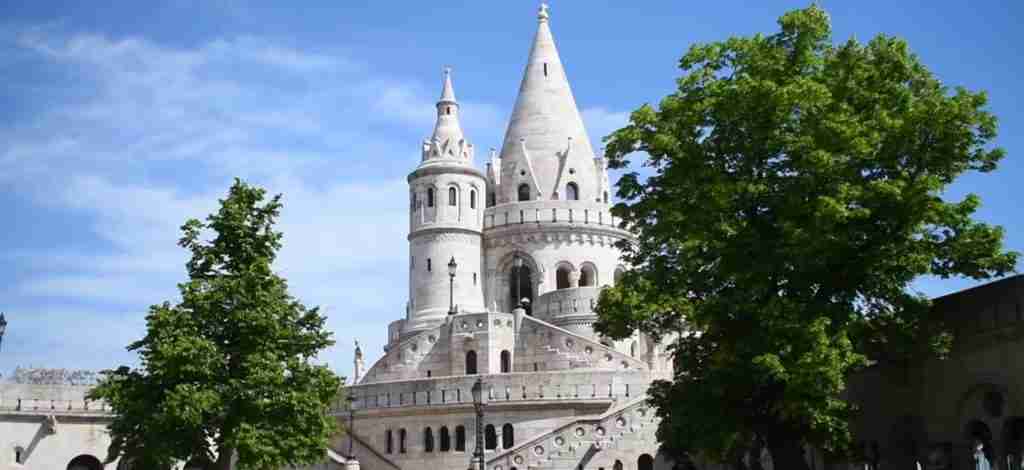
3 days
Budapest 3-Day Discovery Tour
- ✓ Comprehensive Budapest experience
- ✓ Expert local guides included
- ✓ All accommodation included
- ✓ Transportation provided
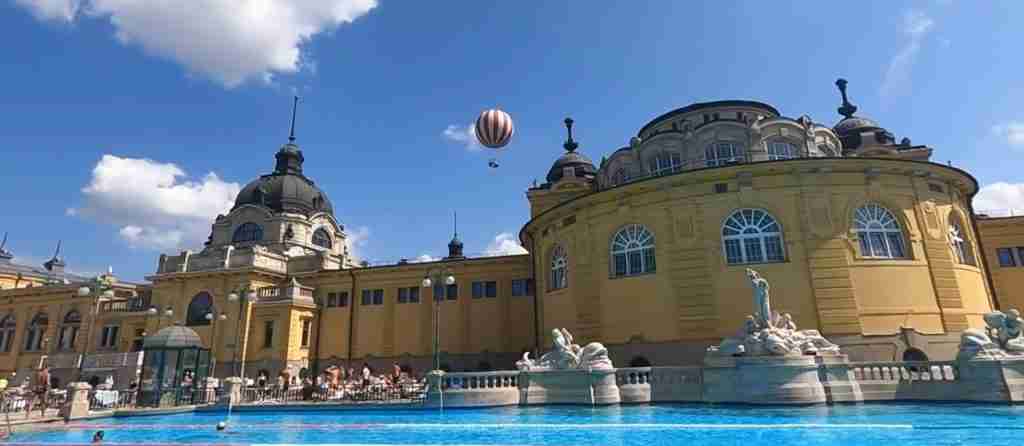
5 days
Budapest 5-Day Highlights Experience
- ✓ Comprehensive Budapest experience
- ✓ Expert local guides included
- ✓ All accommodation included
- ✓ Transportation provided
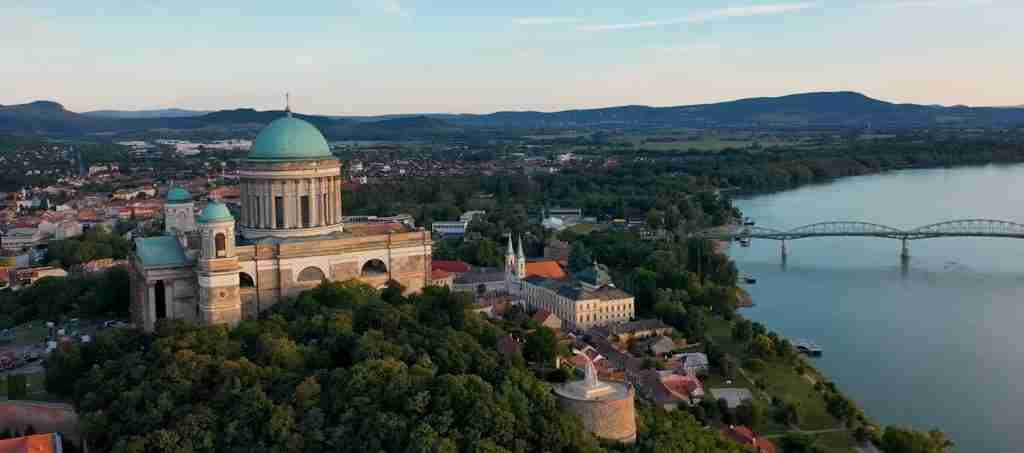
7 days
Budapest 7-Day Cultural Journey
- ✓ Comprehensive Budapest experience
- ✓ Expert local guides included
- ✓ All accommodation included
- ✓ Transportation provided
10 days
Budapest 10-Day Complete Adventure
- ✓ Comprehensive Budapest experience
- ✓ Expert local guides included
- ✓ All accommodation included
- ✓ Transportation provided
Multi-day tour packages powered by TourRadar. Prices and availability subject to change.
Introduction to the Danube Bend Region
The Danube River flows 2,850 kilometers from Germany’s Black Forest to Romania’s Black Sea coast, creating Central Europe’s defining waterway. Of this vast distance, one 40-kilometer stretch north of Budapest stands out for scenic and historical significance. Here the river, flowing east from the Austrian border, curves sharply south in a dramatic bend before continuing to Budapest. This curve, flanked by the Visegrád Mountains and Börzsöny Hills, creates the Danube Bend—Hungary’s most picturesque river landscape.
Three towns occupy strategic positions along the Danube Bend, each preserving distinct historical chapters. Szentendre, closest to Budapest at 20 kilometers north, began as a Roman settlement, flourished under Serbian refugees in the 17th-18th centuries who built baroque churches and houses, and evolved into an artist colony in the 20th century. Today it functions as a living baroque museum combined with active artist community.
Visegrád, positioned at the bend’s apex 40 kilometers from Budapest, commanded the Danube valley from its hilltop fortress. Medieval Hungarian kings built a magnificent palace here in the 14th-15th centuries, hosting European royalty and conducting state affairs. Though wars destroyed the palace, the fortress ruins and archaeological excavations reveal the site’s former glory. The location still provides the Danube Bend’s most spectacular panoramas.
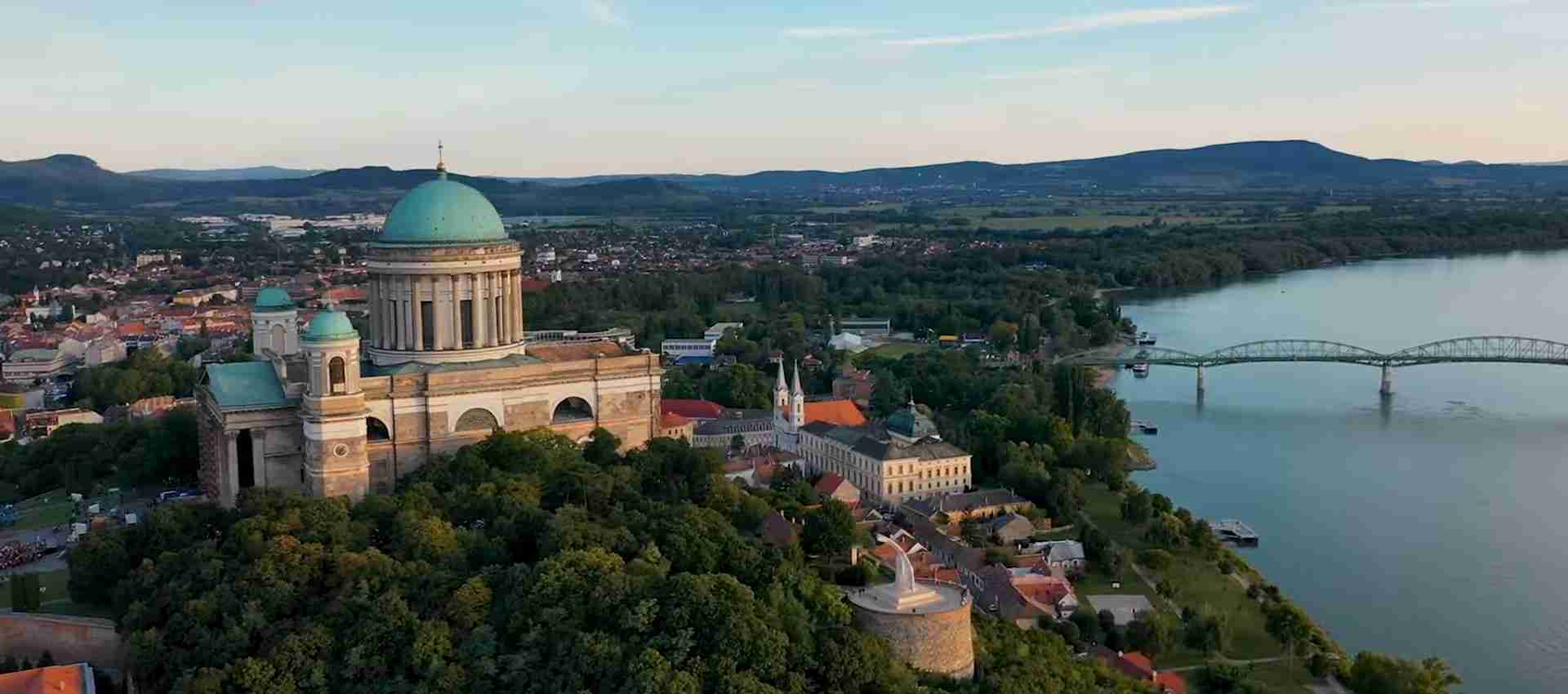
Esztergom, 60 kilometers north of Budapest at the Slovak border, served as Hungary’s capital from the 10th-13th centuries and remains the seat of Hungarian Catholicism. The massive Esztergom Basilica, completed in 1869, dominates the skyline as Hungary’s largest church. The town’s dual significance—political capital and religious center—shaped Hungarian history for centuries. Today it maintains importance as a pilgrimage site and border crossing.
The Danube Bend’s strategic value explains the historical concentration. The river narrows here, creating a natural crossing point and defensive position. Mountains flank both banks, channeling traffic through the valley. Medieval kingdoms recognized this tactical importance, building fortresses to control river traffic and defend against invasions. The same geography that attracted medieval strategists now draws modern visitors seeking scenic beauty and historical resonance.
Day trippers from Budapest discovered the Danube Bend’s appeal in the late 19th century as railway and steamboat connections improved. Budapesti families escaped summer heat to Szentendre’s cooler riverside setting. Artists sought inspiration in the baroque architecture and Danube vistas. This tradition continues today with enhanced transport options, better tourist infrastructure, and international visitor interest replacing the primarily domestic tourism of previous eras.
The region’s accessibility makes it Hungary’s most popular day trip destination. Unlike more distant attractions requiring overnight stays, the Danube Bend offers significant historical and scenic value within 1-2 hours of Budapest. Visitors can experience medieval castles, baroque towns, and Hungary’s religious center while returning to Budapest accommodation the same evening. This convenience explains the area’s enduring popularity among both tourists and locals.
Modern development hasn’t overwhelmed the Danube Bend’s character. Szentendre maintains strict architectural controls preserving baroque streetscapes. Visegrád remains a small town despite tourist traffic, avoiding the commercialization that plagues other European castle sites. Esztergom balances religious significance with modern city functions without excessive tourist development. The towns function as living communities rather than museum pieces, creating authentic experiences alongside historical exploration.
Planning Your Danube Bend Day Trip 2026
Successful Danube Bend day trips begin with fundamental decisions: organized tour or independent travel, one town or multiple destinations, full day or half day. These choices determine budget, flexibility, and experience quality. No single approach suits everyone; the optimal plan depends on your priorities, travel style, and available time.
Organized tours provide maximum convenience with minimum planning. Book online 2-3 days before your preferred date, arrive at the designated meeting point (typically near Parliament Building or major hotels), board an air-conditioned coach, and follow the guide’s itinerary. Tours handle all logistics: transport between towns, entry fees where applicable, restaurant reservations for lunch, and return transport to Budapest. English-speaking guides provide historical context, answer questions, and manage timing.
The typical organized tour itinerary departs Budapest 8:30-9:00 AM, drives directly to Esztergom (1 hour), allocates 45-60 minutes for basilica visit and Slovakia bridge crossing, continues to Visegrád (30 minutes), provides 1.5-2 hours for castle climb and included lunch, proceeds to Szentendre (20 minutes), allows 1-1.5 hours for town exploration, and returns to Budapest by boat (summer, May-September) or bus (winter, October-April), arriving 6:00-6:30 PM.
Independent travel offers flexibility and cost savings at the expense of logistics management. You control timing in each town, choose which attractions to visit, select restaurants based on preference rather than tour contracts, and potentially spread the Danube Bend across multiple days if staying in the region. However, you must research bus/train schedules, navigate Hungarian-language signage, manage connections between towns, and handle unexpected delays without guide assistance.
Single-town day trips provide the most relaxed independent option. Visiting only Szentendre allows a leisurely morning departure from Budapest, 4-5 hours exploring the town and surroundings, a proper lunch at a chosen restaurant, and return to Budapest by late afternoon. This pace suits travelers who prefer depth over breadth, want time for photography, or plan to visit museums and galleries that organized tours rush past.
Two-town combinations balance coverage and comfort. Szentendre + Visegrád works well using public transport: HÉV train to Szentendre (8:00-9:00 AM), explore 2-3 hours, bus to Visegrád (11:00-12:00), climb castle and lunch (2.5-3 hours), return bus to Budapest (3:00-4:00 PM arrival). Alternatively, Visegrád + Esztergom appeals to history enthusiasts: early bus from Budapest to Esztergom, basilica visit, bus to Visegrád, castle exploration, return to Budapest. Both combinations allow meaningful time in each location without the rush of three-town circuits.
Three-town independent circuits require discipline but prove possible. The logical route follows Szentendre → Visegrád → Esztergom → Budapest, matching the geographic progression along the Danube. Departure from Budapest by 8:00 AM allows 1-1.5 hours in each town with bus travel time between destinations. This aggressive schedule suits energetic travelers who prioritize breadth, want to “complete” the Danube Bend, or plan return visits to specific towns for deeper exploration.
Seasonal considerations significantly affect the experience. Spring (April-May) brings blooming gardens, comfortable temperatures (15-20°C), and manageable tourist crowds. The towns look beautiful without summer’s heat or winter’s gray skies. Summer (June-August) enables boat returns, extends daylight hours for evening exploration, but brings peak crowds and occasional heat waves (30°C+). Autumn (September-October) combines pleasant weather with fall colors in the surrounding hills. Winter (November-March) offers the smallest crowds and lowest prices but cold weather, reduced hours, and bus-only returns.
Weather contingencies matter for this outdoor-oriented day trip. Rain affects castle climbing, town walking, and photography. Check forecasts before departure; if heavy rain seems likely, consider postponing for a better day. Szentendre’s museums provide indoor backup options, but the Danube Bend’s essential appeal—river views, hilltop panoramas, baroque streets—suffers under gray skies and precipitation.
Packing appropriately enhances comfort. Comfortable walking shoes handle Szentendre’s cobblestones and Visegrád’s castle climb. Layered clothing accommodates variable temperatures and the shift from coach/train air conditioning to outdoor walking. Sun protection (hat, sunscreen, sunglasses) proves essential during summer months. Small backpacks carry water, snacks, cameras, and purchased souvenirs without burden. Bring cash (forints) as smaller establishments in all three towns may not accept cards.
Photography equipment depends on your goals. Wide-angle lenses capture Szentendre’s baroque squares and Esztergom Basilica’s interior. Telephoto lenses help photograph distant castle details from valley viewpoints. Smartphone cameras handle all situations adequately for casual photography. The best Danube Bend photos come from Visegrád Castle’s upper levels (bring zoom for distant river views) and Szentendre’s colorful building facades (wide-angle for streets and squares).
Szentendre: Baroque Artist Town 2026
Szentendre presents the Danube Bend’s most accessible and photogenic destination. Located just 20 kilometers north of Budapest, this compact riverside town preserves baroque architecture from Serbian settlers, supports an active artist community with numerous galleries, and maintains tourist appeal without excessive commercialization. The town center can be explored in 2-3 hours, though art enthusiasts and photographers easily spend full days discovering galleries, museums, and riverside corners.
The town’s character derives from 17th-18th century Serbian refugees who fled Ottoman-occupied territories and resettled in Habsburg-controlled Hungary. These Orthodox Christians built distinctive churches with colorful facades, established merchant businesses, and created the baroque townscape surviving today. The Serbian population gradually assimilated or emigrated, but their architectural legacy defines modern Szentendre’s appeal.
Fő tér, Szentendre’s main square, concentrates the essential sights within a compact space. Colorful baroque buildings surround the irregularly-shaped square, creating picturesque compositions from every angle. The Blagovestenska Church, dating from 1752, stands at the square’s center with its distinctive red tower and Serbian Orthodox decorations. The Memorial Cross, erected in 1763 to commemorate plague victims, provides a focal point for photographs. Cafes and restaurants line the square’s perimeter, offering outdoor seating for observing town life.
Szentendre’s art scene ranges from traditional folk crafts to contemporary galleries. Dozens of galleries occupy the narrow streets radiating from Fő tér, displaying paintings, sculptures, ceramics, textiles, and mixed media works. Quality varies from tourist kitsch to serious contemporary art; exploration reveals gems among the souvenir-focused shops. The Margit Kovács Ceramic Museum showcases Hungary’s most celebrated ceramic artist, worth visiting for art enthusiasts. Entry costs approximately 1,000-1,500 HUF.
The Danube riverbank promenade provides scenic walking away from the main tourist streets. Follow the path north from the town center to enjoy river views, watch boat traffic, and discover quieter residential areas. The promenade continues several kilometers, offering as much walking as you desire. Spring and summer bring outdoor restaurants to the riverside, creating pleasant lunch or coffee breaks with water views.
Churches reflect Szentendre’s multi-denominational heritage. The Serbian Orthodox cathedral, hidden up a steep lane from Fő tér, contains elaborate iconostasis and religious artwork. The Catholic parish church occupies the high point of the town center, providing elevated views over the rooftops to the Danube beyond. Several smaller Orthodox and Catholic churches scatter through the old town, most open for respectful visits during daytime hours.
The Hungarian Open Air Museum (Skanzen), located 3 kilometers from the town center, preserves traditional village architecture from across Hungary. Full-scale village buildings, farmhouses, churches, and workshops demonstrate rural life from the 18th-20th centuries. The museum requires dedicated time—allow 2-3 hours minimum for meaningful exploration. Reaching Skanzen requires bus 7 from Szentendre station (10-12 minutes), with limited midday service requiring careful schedule checking. Entry costs approximately 2,000-2,500 HUF for adults.
Szentendre’s compact size makes walking the natural exploration method. From the HÉV station, walk 10 minutes through residential streets to reach Fő tér. The entire historic center measures roughly 500 meters by 500 meters, easily covered on foot. Hills provide elevation gain—the Catholic church sits atop the highest point—but nothing too strenuous for moderately fit visitors. Allow 2-3 hours for thorough old town exploration, or 4-5 hours including riverside walks and detailed gallery browsing.
Dining in Szentendre offers traditional Hungarian cuisine and tourist-oriented options. Restaurants around Fő tér charge premium prices for prime locations but provide people-watching value. Side streets reveal better value with slightly lower quality. Typical lunch costs 3,000-4,500 HUF for soup, main course, and drink at a mid-range restaurant. Cafes serve excellent cakes and coffee (1,200-1,800 HUF for coffee and cake), perfect for afternoon breaks during town exploration.
Shopping focuses on folk art, ceramics, paintings, and handcrafts. Quality ranges dramatically; careful selection distinguishes authentic Hungarian crafts from Chinese imports. Prices vary equally widely—negotiate at market stalls, accept fixed prices in established galleries. Unique Szentendre items include ceramics following Margit Kovács’ style, naive paintings by local artists, embroidered textiles, and wooden folk toys. Budget 3,000-15,000 HUF for quality souvenirs depending on size and artist reputation.
Timing Szentendre visits for optimal experience means avoiding midday crowds during summer weekends when tour buses fill the main square. Early morning (arriving by 9:00-9:30 AM) provides quiet streets for photography before crowds arrive. Late afternoon (after 4:00 PM) sees tour groups departing, leaving tranquil evening atmosphere. Weekday visits reduce crowds significantly compared to weekends year-round. Spring and autumn offer the best balance of pleasant weather and manageable visitor numbers.
Visegrád: Medieval Castle and Panoramas 2026
Visegrád occupies the Danube Bend’s most dramatic position, where the river curves sharply south between forested hills. A hilltop fortress crowns the 350-meter peak, offering panoramic views across the river valley. Medieval palace ruins near the riverbank preserve traces of royal luxury. The town itself remains small and unpretentious, serving primarily as gateway to the castle and viewing platform for the Danube Bend’s scenic climax.
The fortress’s strategic value spans centuries. Romans built the first fortification here in the 4th century to control the Danube crossing. Following the 13th-century Mongol invasion, Hungarian kings constructed a powerful citadel on the hilltop, making Visegrád virtually impregnable. The fortress functioned as royal treasury, prison (famously holding Vlad III “Dracula” Țepeș in the 1460s), and defensive stronghold. Ottoman conquest and later wars reduced the fortress to ruins, but enough remains to convey the medieval power projected from this commanding position.
Climbing to Visegrád Castle requires 20-30 minutes of uphill walking from the town. The path, clearly marked and reasonably maintained, ascends through forest providing shade during hot weather. The climb involves steady uphill progress but nothing technically difficult—families with school-age children manage fine, though elderly visitors or those with mobility limitations may struggle. The path’s final section includes stairs and steeper grades before emerging at the fortress.
Entry to the castle complex costs 1,000-1,500 HUF per adult in 2026 (check the ticket office for current pricing). This covers access to all fortress areas: defensive walls, towers, courtyard, and museum displays. Audio guides are available for additional fee, providing historical context in English and other languages. The castle operates daily with seasonal hours—typically 10:00 AM-5:00 PM in winter extending to 6:00 PM or later during summer months.
The panoramic view from Visegrád Castle justifies the climb effort. From the upper fortifications, the Danube valley spreads in both directions—north toward Esztergom, south toward Szentendre and distant Budapest. The river’s dramatic curve becomes visually obvious, explaining the “Danube Bend” name. Forested mountains frame the scene, while the town sits directly below, small and picturesque from this elevated perspective. Photography opportunities abound; bring zoom lenses to capture distant details.
Walking the fortress walls and towers provides multiple viewpoints. The main keep (citadel) occupies the highest point, offering 360-degree vistas. Lower defensive walls create different angles on the river valley. Towers accessible via internal stairs provide framed views through window openings. Allow 1-1.5 hours for thorough castle exploration including photography, tower climbing, and view appreciation. History enthusiasts spending time reading displays and imagining medieval life may extend to 2 hours.
The royal palace ruins near the riverbank constitute a separate attraction below the castle. Excavations revealed elaborate 14th-15th century palace structures built by King Matthias Corvinus, who transformed Visegrád into a Renaissance center. The Renaissance Fountain, Gothic hall foundations, and various architectural fragments demonstrate the palace’s former magnificence. The ruins operate as an open-air museum with interpretive signs. Entry costs 800-1,200 HUF separately from the castle ticket.
Visegrád town itself offers limited attractions beyond the castle and palace. The small settlement functions primarily to serve fortress visitors with restaurants, cafes, and souvenir shops. The riverbank provides pleasant walking, and a few minor museums occupy historical buildings. Most visitors focus their Visegrád time on the castle, treating the town as dining and resting point rather than destination itself.
Dining in Visegrád serves both tour groups and independent travelers. Restaurants along the main street and near the riverbank offer Hungarian cuisine at moderate prices. Expect to pay 3,500-5,000 HUF for three courses including drink at mid-range establishments. The local specialty, Danube fish dishes, appears on most menus. Quality matches typical tourist-area standards—good but not exceptional, reasonably priced but not bargain-level. Organized tours typically include lunch at contracted restaurants, removing choice but ensuring adequate food.
Reaching Visegrád by public transport requires bus connections from either Budapest or other Danube Bend towns. Direct buses from Budapest (Újpest-Városkapu station, accessible by metro M3) run several times daily, taking approximately 1.5 hours. More frequent service connects Visegrád with Szentendre (40-50 minutes) and Esztergom (30 minutes), allowing multi-town circuits. Check current bus schedules on the Volánbusz website or app, as frequencies vary by day and season.
Alternatively, taking the train from Budapest to Nagymaros (across the river from Visegrád), then ferry across the Danube, provides a scenic if indirect route. The ferry operates hourly during daytime, costs minimal amounts, and delivers you directly to Visegrád town. However, this multi-stage journey takes longer than direct buses and requires coordinating train and ferry schedules.
Esztergom: Basilica and Slovak Border 2026
Esztergom served as Hungary’s capital from the 10th-13th centuries, making it the nation’s oldest city and birthplace of Hungarian Christianity. Today the massive Esztergom Basilica dominates the skyline as the country’s largest church and seat of Hungarian Catholicism. The city’s position at the Slovak border adds international interest—visitors can walk across the Maria Valeria Bridge to Slovakia within minutes of viewing Hungary’s most important religious building.
The Esztergom Basilica, formally titled the Primatial Basilica of the Blessed Virgin Mary Assumed Into Heaven and St Adalbert, ranks as one of Europe’s largest churches. Construction spanned 1822-1869, creating a neoclassical structure with a distinctive green dome visible from kilometers away. The church measures 118 meters long with the dome rising 100 meters above ground, creating overwhelming interior scale. The treasury contains priceless religious artifacts, while the crypt holds tombs of Hungarian cardinals including József Mindszenty, the anti-communist church leader.
Entering the basilica costs nothing—it’s an active church welcoming worshippers and respectful visitors. Donations are appreciated and collection boxes appear at various points. The treasury museum requires separate admission (approximately 800-1,200 HUF) but rewards visitors with elaborate vestments, medieval reliquaries, and religious artworks spanning centuries. Climbing to the dome’s cupola costs an additional fee (700-1,000 HUF) and involves 400+ stairs, but provides exceptional views across the Danube to Slovakia and the surrounding countryside.
The basilica’s interior impresses through sheer scale rather than elaborate decoration. The main nave stretches toward the altar with simple classical proportions. The dome interior, painted with religious scenes, soars overhead creating vertical grandeur. Side chapels contain various artworks and altars, though nothing matching the ornate rococo decoration found in some European churches. The overall effect emphasizes dignity and power befitting Hungary’s primary religious building.
The organ, one of Europe’s largest, occasionally plays during masses or concerts. Check the basilica’s schedule if interested in hearing the instrument’s full power—the sound filling the massive space creates an unforgettable experience. Regular masses occur daily, with Sunday services particularly well-attended. Visitors can attend services respectfully, experiencing the basilica as functioning religious space rather than tourist attraction.
The Maria Valeria Bridge, connecting Esztergom with the Slovak town of Štúrovo, provides an easy international experience. Walk across the pedestrian-friendly bridge (approximately 500 meters) to technically visit Slovakia, though Schengen Area membership means no border controls or passport checks. The Slovak side offers riverside cafes and restaurants with views back to the basilica. The bridge itself provides excellent basilica photography angles with the green dome reflected in the Danube.
Esztergom’s old town, spreading below the basilica hill, preserves baroque architecture and narrow medieval streets. The town center maintains authentic Hungarian character with limited tourist development. Szent István tér (St. Stephen’s Square) forms the commercial center with cafes, shops, and the town hall. The Danube Museum occupies a baroque building near the river, displaying the Danube’s natural history and cultural significance. Entry costs approximately 500-800 HUF.
The Castle Museum, located in reconstructed sections of the medieval royal palace adjacent to the basilica, exhibits archaeological finds and historical artifacts from Esztergom’s capital period. The Romanesque chapel, preserved within the museum complex, ranks among Hungary’s oldest Christian structures. Museum admission costs 1,200-1,500 HUF, worthwhile for history enthusiasts though not essential for casual visitors focused primarily on the basilica.
Dining in Esztergom serves locals and Slovak day-trippers more than international tourists. Restaurants around Szent István tér offer Hungarian cuisine at reasonable prices. Expect to pay 2,500-4,000 HUF for a full meal including drink. The riverside promenade contains seasonal cafes operating during warmer months. Slovak restaurants across the bridge provide interesting menu variations and sometimes lower prices, though language challenges (Slovak vs. Hungarian) may complicate ordering.
Reaching Esztergom from Budapest requires buses from Újpest-Városkapu station (metro M3 blue line). Multiple buses depart daily, taking approximately 1.5 hours for the 60-kilometer journey. Return buses operate with similar frequency, though checking schedules ensures you don’t miss the last departure. The bus station in Esztergom sits about 1 kilometer from the basilica—walk uphill through the old town or take a local taxi for minimal cost.
Timing Esztergom visits for optimal experience means arriving mid-morning (10:00-11:00 AM) after the bus journey from Budapest. This allows 1-1.5 hours for basilica visit, 30-45 minutes for town exploration or bridge crossing, and lunch before the return journey. Organized tours typically allocate 45-60 minutes for Esztergom, sufficient for basilica visit but limited for detailed exploration. Independent travelers staying longer gain deeper appreciation of Hungary’s religious center and this lesser-known Danube Bend town.
Organized Danube Bend Tours 2026: Complete Comparison
Multiple companies operate full-day Danube Bend tours from Budapest with similar itineraries but varying quality and price points. Understanding the standard tour format, price ranges, and selection criteria helps choose the option matching your preferences and budget. All organized tours provide significant value compared to independent travel complexity, though prices vary based on included services and group sizes.
The standard full-day Danube Bend tour follows this template: Morning departure (8:30-9:00 AM) from central Budapest meeting points or hotel pickup. Air-conditioned coach transport to Esztergom (1 hour), guided basilica visit (45-60 minutes), photo stop in Slovakia after crossing Maria Valeria Bridge. Coach to Visegrád (30 minutes), castle visit with guided tour (1 hour), included 3-course Hungarian lunch at a contracted restaurant (1 hour). Coach to Szentendre (20 minutes), guided town tour (45 minutes) plus free time (30-45 minutes). Return to Budapest by boat during summer (May-September) or coach during winter (October-April), arriving 6:00-6:30 PM.
Pricing for these tours ranges €85-100 per person in 2026, with most operators charging €90-95 for the standard package. This price typically includes all transport (coach and boat), English-speaking guide, entrance fees where applicable, and lunch with one drink. Additional expenses might include optional gratuities (not required but appreciated at €5-10 per person), drinks beyond the one included with lunch, and any optional activities like Visegrád Castle dome climbing or museum visits not covered in the basic package.
Tour quality varies primarily based on guide knowledge and group size. Smaller groups (15-20 people) provide better experiences than large coaches (40-50 people). Guides range from excellent historians and cultural interpreters to adequate information providers following scripts. Reviews on TripAdvisor, Viator, and GetYourGuide provide insights into specific tour operators’ quality—read recent reviews (within past 6 months) as companies change guides and policies.
The included lunch typically features goulash soup or similar starter, a main course of Hungarian meat dish with sides, and dessert or coffee. Vegetarian options are usually available with advance notice at booking. The meal won’t win culinary awards but provides adequate fuel and saves planning a restaurant in Visegrád. One drink (soft drink, beer, or wine) typically comes included; additional drinks cost extra.
Summer’s boat return from Szentendre to Budapest adds significant value and justifies slightly higher prices May-September tours might charge. The 1-hour river cruise provides relaxing conclusion to the day, beautiful Danube views, and photo opportunities of Budapest’s riverbank sights. The boat typically includes cash bar for drinks. Winter tours substituting coach return for the unavailable boat cruise sometimes reduce prices €5-10 to reflect the changed itinerary.
Booking organized tours works best through major tour aggregator websites (Viator, GetYourGuide) rather than directly with operators. These platforms provide customer reviews, competitive pricing, and secure payment. Book 2-7 days ahead during high season (May-September), though last-minute availability often exists during low season (October-April). Morning departure times are fixed and crucial—late arrival means missing the coach departure without refund.
Meeting points typically cluster near the Budapest Parliament Building or major hotels in District V. Specific locations vary by operator; confirmation emails provide detailed instructions and maps. Arriving 15 minutes early prevents stress and allows time for check-in, coach identification, and bathroom stops before departure. Hotel pickup costs extra (€5-15 per person) and extends the tour by 30-45 minutes collecting passengers from various hotels.
Organized tour advantages include: Complete logistics handling, expert guide commentary, guaranteed visits to all three towns regardless of bus schedules or complications, social interaction with fellow travelers, included meals eliminating restaurant research, and boat return (summer) that independent travelers struggle to arrange. The price, while higher than independent travel, represents good value for the convenience and comprehensive coverage.
Organized tour disadvantages include: Fixed timing limiting flexibility if you want longer in specific towns, contracted restaurants sometimes disappointing compared to independent choices, potentially large groups reducing intimacy, inability to skip locations if one town doesn’t interest you, and set departure/return times preventing earlier starts or later returns based on your schedule.
Independent Danube Bend Travel 2026: Routes and Strategies
Independent travel to the Danube Bend provides flexibility, cost savings, and personalized experiences at the expense of logistics complexity. Success requires understanding Hungarian public transport, managing connections between towns, and accepting uncertainties inherent in self-guided travel. The rewards—freedom to linger in favorite spots, ability to skip less interesting locations, and authentic interactions navigating local systems—appeal to travelers valuing independence over convenience.
The HÉV train to Szentendre forms the easiest starting point for independent Danube Bend exploration. Departing from Batthyány tér (Metro M2 red line) in Budapest, trains run every 20 minutes during daytime. The 40-minute journey ends at Szentendre station, about 1 kilometer from the town center. Purchase a Budapest transport ticket plus supplementary ticket (total approximately 350 HUF each way) from station machines or conductors. This simple, reliable connection requires minimal planning and provides frequent service allowing flexible timing.
Bus connections link Szentendre to Visegrád and Esztergom, though less frequently and with more complexity than the Szentendre HÉV. Volánbusz company operates regional buses from Szentendre station to both destinations. Szentendre-Visegrád buses (routes 880-889) run several times daily, taking 40-50 minutes and costing approximately 500-700 HUF. Visegrád-Esztergom buses operate less frequently (2-4 times daily depending on day/season), taking 30 minutes and costing 400-600 HUF.
Direct Budapest-Esztergom buses depart from Újpest-Városkapu station (Metro M3 blue line) multiple times daily. The journey takes approximately 1.5 hours and costs 800-1,200 HUF each way. This route works for visitors planning Esztergom-focused trips or those doing the Danube Bend in reverse order (Esztergom → Visegrád → Szentendre → Budapest). Buses return to Budapest until early evening; check the last departure time to avoid stranding yourself in Esztergom.
The optimal independent route depends on your starting town preference. The geographic progression Szentendre → Visegrád → Esztergom matches the river’s flow upstream and allows building from smaller/easier town to larger/more complex. The reverse Esztergom → Visegrád → Szentendre starts with the most impressive sight (basilica) and ends with the most charming town (Szentendre) for afternoon shopping and dining. Either direction works; choose based on morning vs. afternoon light preferences for specific photography goals.
Recommended independent schedule for three-town circuit: Depart Budapest 8:00 AM via HÉV to Szentendre (arrive 8:40 AM). Explore Szentendre 8:40-11:00 AM (2 hours 20 minutes). Bus to Visegrád departing 11:15-11:30 AM (arrive 12:15-12:30 PM). Climb to castle and explore 12:30-2:30 PM (2 hours). Lunch in Visegrád 2:30-3:30 PM. Bus to Esztergom departing 3:45-4:00 PM (arrive 4:15-4:30 PM). Visit basilica 4:30-5:30 PM. Bus to Budapest departing 6:00-6:30 PM (arrive 7:30-8:00 PM). This aggressive schedule assumes perfect bus connections; factor in contingency time if buses run late.
More realistic two-town options: Szentendre + Visegrád (detailed exploration, relaxed lunch, return by 4:00-5:00 PM). Visegrád + Esztergom (castle and church focus, skip artist town). Szentendre only (full day in baroque town, museums, riverside walks, leisurely meals). Two-town circuits allow breathing room for photography, unexpected discoveries, and meal enjoyment without constant clock-watching.
Cost breakdown for independent three-town circuit: Budapest-Szentendre HÉV round-trip 700 HUF, Szentendre-Visegrád bus 600 HUF, Visegrád-Esztergom bus 500 HUF, Esztergom-Budapest bus 1,000 HUF. Total transport: 2,800 HUF. Add Visegrád Castle entry 1,200 HUF, lunch in Visegrád 3,500 HUF, coffee and cake in Szentendre 1,500 HUF. Grand total approximately 9,000 HUF (€22-24) per person excluding souvenirs—less than one-third the cost of organized tours.
Essential tools for independent travel include the BudapestGO app for HÉV schedules, the Volánbusz website/app for intercity bus information, Google Maps for navigation, and offline Hungarian dictionary in Google Translate. Download all apps before departure and test functionality. Screenshot key schedules and addresses in case mobile data proves unreliable in rural areas. Carry sufficient cash as small-town bus stations and attractions may not accept cards.
Language challenges increase outside Budapest. Bus drivers and ticket sellers speak primarily Hungarian. Restaurant menus may lack English translations. Attraction signage appears in Hungarian with limited English. Solutions: Point at bus destinations on printed schedules, use Google Translate’s camera function for menus, ask younger people for English assistance, and embrace the adventure of navigating with limited language skills. These challenges create authentic travel experiences rather than insurmountable obstacles.
Seasonal Danube Bend Experiences 2026
The Danube Bend offers distinct seasonal experiences, each with advantages and drawbacks. Understanding how weather, crowds, services, and landscape change across the year helps schedule visits for optimal conditions matching your priorities. No single “best” season exists—rather, different seasons suit different travel styles and preferences.
Spring (April-May) brings renewed energy to the Danube Bend as gardens bloom, trees green, and comfortable temperatures (15-22°C) enable pleasant outdoor exploration. Szentendre’s flower boxes overflow with colorful blooms. Visegrád’s forested hillsides turn vivid green after winter’s dormancy. The riverside promenades become inviting for extended walks. This season sees moderate crowds—more than winter but significantly fewer than summer peaks. Most attractions and restaurants operate full schedules. Early spring (April) can still bring occasional cool, rainy days; late spring (May) provides more reliable warm weather.
Summer (June-August) maximizes tourist infrastructure with boat services operating, extended opening hours at attractions, and full restaurant selections. The warm weather (25-30°C typically, occasionally higher) suits river activities and outdoor dining. Daylight extends until 8:00-9:00 PM, allowing evening exploration after cooler temperatures arrive. However, summer brings peak crowds, particularly weekends when both international tourists and Budapest locals flood the region. Popular sites like Szentendre’s main square and Visegrád Castle can feel overcrowded midday. Heat occasionally becomes uncomfortable, especially during the castle climb. Prices may increase 10-20% for tours and accommodations compared to shoulder seasons.
Autumn (September-October) rivals spring for ideal visiting conditions. Temperatures moderate (15-20°C) from summer heat while remaining comfortable for walking and outdoor activities. The hills surrounding the Danube Bend display golden and red autumn colors, creating photogenic landscapes. September still sees summer-level services and boat operations extending into the month, while October transitions toward winter schedules. Tourist crowds thin significantly, particularly after mid-September when school holidays end. This combination of pleasant weather, beautiful scenery, manageable crowds, and full services makes autumn an excellent choice for quality Danube Bend experiences.
Winter (November-March) dramatically reduces Danube Bend tourism, creating intimate experiences for cold-weather travelers. The towns return to local life rhythms with minimal tourist presence. Basilica visits and town exploration continue regardless of weather, though outdoor castle climbing becomes less appealing in cold, wind, or snow. Boat services cease completely; all returns happen by bus. Some restaurants and attractions reduce hours or close entirely. Prices drop as off-season rates apply. The Danube Bend under snow creates beautiful if stark landscapes. However, the combination of cold (often below 5°C, sometimes below 0°C), gray skies, reduced services, and shorter daylight hours (sunset by 4:30-5:00 PM in December-January) limits appeal except for travelers specifically seeking winter solitude.
Christmas markets and winter events provide limited compensation for cold weather challenges. Esztergom’s basilica hosts Christmas masses and events. Szentendre sometimes organizes holiday markets. However, these occasions don’t match Budapest’s large Christmas market infrastructure, making the capital more rewarding for winter holiday travel while the Danube Bend works better in warmer months.
Optimal timing within each season: Spring—late April to mid-May (blooms, warmth, pre-summer crowds). Summer—June or September (avoid July-August peak heat/crowds). Autumn—September (still warm, beautiful colors, services operating). Winter—December for Christmas atmosphere (cold but festive) or skip entirely in favor of spring/autumn. Shoulder season transitions (late March, late May, early October) offer the best crowd/weather balance for flexible travelers.
Practical Danube Bend Information 2026
Accommodation in the Danube Bend suits travelers wanting multi-day exploration or seeking alternatives to Budapest hotels. Szentendre offers the widest selection, from budget guesthouses (8,000-15,000 HUF per night) to riverside hotels (20,000-35,000 HUF). Staying in Szentendre allows evening town exploration after day-trippers depart, morning photography before crowds arrive, and potential day trips to other Danube Bend towns or back to Budapest. Esztergom and Visegrád have limited accommodation options primarily serving domestic travelers.
However, most visitors base in Budapest and day-trip to the Danube Bend. The capital’s superior restaurant scene, nightlife, and accommodation variety outweigh the advantage of staying in smaller Danube Bend towns. Budapest’s excellent transport connections make reaching Szentendre, Visegrád, or Esztergom straightforward. The time spent traveling (40 minutes to Szentendre, 1.5 hours to Esztergom) remains manageable for day trips.
Dining costs in the Danube Bend fall below Budapest prices while maintaining quality. Tourist-oriented restaurants in Szentendre’s main square charge 3,000-4,500 HUF for main courses, comparable to Budapest tourist areas. Side street restaurants reduce prices to 2,000-3,000 HUF for mains. Visegrád and Esztergom offer even better value at 2,000-3,500 HUF for complete meals. Hungarian specialties—goulash, chicken paprikash, stuffed cabbage, fish soups—appear widely. Vegetarian options exist but remain limited compared to major cities.
Safety throughout the Danube Bend matches or exceeds Budapest standards. These small towns function primarily as Hungarian residential communities with low crime rates. Standard precautions (watching belongings in crowded areas, being aware of surroundings) cover virtually all situations. The main “dangers” involve traffic when crossing streets, slippery cobblestones when wet, and steep climbs to Visegrád Castle. Emergency services operate normally; major hospitals exist in Esztergom while Budapest’s facilities remain accessible within 1-2 hours for serious issues.
Weather preparation matters given the outdoor nature of Danube Bend visits. Summer requires sun protection (hat, sunscreen, sunglasses) and water for castle climbing and town walking. Spring and autumn demand layered clothing as temperatures fluctuate between morning cool and afternoon warmth. Rain gear proves essential for shoulder seasons when unpredictable showers occur. Winter visiting needs warm coats, hats, gloves, and waterproof footwear.
Photography opportunities abound across all three towns. Szentendre’s baroque facades, colorful buildings, and narrow streets provide endless compositions. Shoot from Fő tér toward surrounding buildings, photograph down narrow lanes from elevated positions, capture riverside promenade scenes. Visegrád Castle offers sweeping Danube valley panoramas—bring telephoto lenses for distant details, wide-angle for fortress architecture and landscape views. Esztergom Basilica’s massive scale works best with wide-angle lenses inside; photograph the exterior from the Slovak side of the river for impressive distance views with Danube reflection.
Children and families find the Danube Bend generally suitable with age-appropriate expectations. Szentendre’s compact size and visual interest engage children 6+. Ice cream shops, colorful buildings, and riverside walking maintain interest. Visegrád Castle appeals to older children (8+) who can handle the climb and appreciate castle exploration. Very young children (under 5) may struggle with walking distances and attention spans required. Family bathrooms and changing facilities exist in main tourist areas though not universally.
Accessibility for mobility-limited visitors varies significantly. Szentendre’s flat main square and some streets accommodate wheelchairs, though cobblestones and hills challenge access. Visegrád Castle’s hilltop location makes it inaccessible for wheelchair users; the steep climb proves difficult even for ambulatory visitors with reduced mobility. Esztergom Basilica’s main floor allows wheelchair access, though the dome climb and crypt remain inaccessible. Organized tour coaches can accommodate wheelchairs with advance notice, though the actual site visits pose challenges.
Frequently Asked Questions
Is one day enough for the Danube Bend in 2026?
One day proves sufficient for experiencing the Danube Bend’s highlights, though the quality of that experience depends on your approach. Organized full-day tours cover all three towns (Esztergom, Visegrád, Szentendre) in approximately 9 hours, allocating 45-90 minutes per location. This timing allows seeing major sights—Esztergom Basilica, Visegrád Castle, Szentendre old town—without deep exploration. You’ll experience the region’s diversity and photograph key attractions, though the rapid pace prevents detailed museum visits or extensive wandering.
Independent travelers choosing two towns create more satisfying single-day experiences. Spending half a day each in Szentendre and Visegrád allows proper exploration, photography time, and relaxed meals. You’ll climb Visegrád Castle without rushing, browse Szentendre galleries at leisure, and enjoy the journey as much as the destinations. This focused approach trades comprehensive regional coverage for meaningful experiences in selected locations.
Multi-day Danube Bend visits suit travelers wanting deeper engagement. Staying overnight in Szentendre enables evening ambiance after day-trippers leave and morning photography before crowds arrive. Second days allow adding smaller attractions like the Hungarian Open Air Museum, hiking in the Visegrád hills, or exploring Esztergom’s museums beyond the basilica. However, most visitors find one well-planned day adequate for introducing the Danube Bend’s character and major sights.
What’s better for the Danube Bend in 2026: organized tour or independent travel?
Organized tours excel for travelers prioritizing convenience, guaranteed comprehensive coverage, and social interaction. You’ll visit all three towns regardless of bus schedules or complications, receive expert historical commentary, enjoy included lunch, and potentially experience the summer boat return—all without researching schedules or navigating Hungarian public transport. The €90-100 price includes significant value given the logistics managed. Tours particularly suit first-time Hungary visitors, those uncomfortable with independent navigation, travelers on tight schedules, and anyone valuing guided expertise over flexibility.
Independent travel rewards those valuing flexibility, authentic experiences, and budget considerations. You’ll spend as much or little time as you want in each town, choose restaurants based on preference rather than tour contracts, potentially focus on just one or two locations for deeper exploration, and save 60-70% compared to organized tour costs. Independent travel suits experienced travelers comfortable with public transport, those with flexible schedules allowing contingency time, photography enthusiasts wanting specific timing/lighting, and budget-conscious visitors maximizing value from limited funds.
The practical reality: Neither approach is objectively “better.” Organized tours and independent travel serve different preferences and priorities. First-time visitors often choose tours for convenience and comprehensive coverage, while return visitors might independently explore specific towns in depth. The best approach matches your travel style, experience level, budget constraints, and what you value most—ease and expertise (tour) or flexibility and authenticity (independent).
Can I combine the Danube Bend with other day trips from Budapest in 2026?
The Danube Bend can be combined with other Budapest day trips across multiple days but not typically within a single day due to distance and time constraints. A realistic itinerary dedicates separate days to: Day 1—Danube Bend (Szentendre/Visegrád/Esztergom), Day 2—Lake Balaton or Eger wine region, Day 3—Gödöllő Palace or Hollókő village. This multi-day approach allows proper exploration of each destination without exhausting rushed combinations.
Geographic proximity does enable some combinations for travelers with extremely limited time. Szentendre (being closest to Budapest at 20km) could theoretically combine with an early morning or late afternoon Budapest activity—visiting Szentendre 9:00 AM-1:00 PM, returning to Budapest for afternoon museum visits or thermal baths. Similarly, an extremely early Szentendre departure (8:00 AM arrival, 11:00 AM departure) might allow afternoon visits to nearby Visegrád, though this aggressive schedule sacrifices enjoyment for tick-box coverage.
More sensibly, consider the Danube Bend as one element in a Budapest-centered itinerary dedicating different days to various experiences: major Budapest sights (2-3 days), Danube Bend (1 day), another day trip destination (1 day), rest/shopping/local experiences (1 day). This balanced approach prevents burnout while maximizing your Hungary experience across a week-long visit. Quality individual day trips surpass rushed attempts at combining multiple destinations.
How does winter affect Danube Bend visits in 2026?
Winter (November-March) transforms the Danube Bend experience significantly, primarily through weather conditions, reduced services, and altered transportation options. Temperatures typically range 0-10°C with occasional drops below freezing. Snow and rain occur regularly, creating slippery cobblestones in Szentendre, challenging castle climbs in Visegrád, and generally uncomfortable outdoor walking. Daylight hours shrink dramatically—sunset occurs by 4:30-5:00 PM in December and January, limiting afternoon exploration time.
Seasonal boat services between Szentendre and Budapest cease entirely during winter, eliminating the scenic river return option. All transportation happens via bus or train, removing one of organized tours’ most appealing summer features. Some tours suspend operations entirely November-March; those continuing charge lower prices (typically €75-85 vs. €90-100 summer rates) reflecting the missing boat component and reduced demand.
Attraction hours reduce during winter months. Visegrád Castle might close earlier (4:00 PM vs. 6:00 PM summer closing). Some Szentendre museums operate limited hours or close certain weekdays. Restaurants in all three towns reduce schedules, with some closing entirely for winter season. This service reduction doesn’t prevent Danube Bend visits but requires more careful planning and lower expectations for dining/shopping options.
However, winter offers distinct advantages for specific traveler types. Virtually no crowds mean intimate experiences at all attractions—you might have Esztergom Basilica nearly to yourself, a powerful experience in Hungary’s most important church. Photographers find dramatic winter light and potential snow-covered landscapes creating moody atmospheric shots impossible during sunny summer months. Budget travelers benefit from lower tour prices and accommodation rates. The key is accepting winter’s limitations while appreciating its unique qualities.
What are the best photo opportunities in the Danube Bend for 2026?
Visegrád Castle provides the Danube Bend’s most spectacular photography—specifically the panoramic views from the upper fortress. Photograph the dramatic river curve looking north toward Esztergom or south toward Szentendre with distant Budapest barely visible on clear days. The forested mountains framing the valley create layered depth. Early morning (8:00-10:00 AM) offers soft light from the east, while late afternoon (4:00-6:00 PM summer, 2:00-4:00 PM winter) brings golden hour light. Bring telephoto lenses (70-200mm minimum) to compress distance layers and wide-angle lenses (16-35mm) for expansive valley vistas.
Szentendre’s baroque architecture rewards urban photography enthusiasts. Fő tér (main square) provides colorful building compositions from multiple angles—shoot from the square center toward surrounding facades, photograph down narrow lanes leading off the square, capture the Blagovestenska Church’s red tower against blue sky. Morning light (8:00-11:00 AM) illuminates south-facing buildings on the square’s north side. The Danube riverbank offers sunset shots looking across water to the Pilis Mountains. Standard zoom lenses (24-70mm) handle most Szentendre photography; bring polarizing filters to manage reflections on colorful building windows.
Esztergom Basilica photographs best from the Slovak side of the Maria Valeria Bridge. Cross the river for distance shots showing the full basilica with Danube reflection. The green dome creates a distinctive landmark visible across the region. Interior photography inside the basilica requires wide-angle lenses (16-24mm) to capture the massive nave and dome. The treasury’s religious artifacts benefit from macro lenses (90-105mm) for detail shots. Afternoon light (2:00-5:00 PM) provides good illumination on the basilica’s facade when photographed from Slovakia.
Are there any hidden gems in the Danube Bend beyond the main three towns?
The Etyek wine region, located 30 kilometers southwest of Budapest (technically not in the Danube Bend but nearby), offers excellent Hungarian wine tasting in a rural setting. Several family-owned wineries welcome visitors for tours and tastings, specializing in crisp white wines and traditional sparkling wines. This half-day excursion from Budapest provides authentic Hungarian wine culture without tourist crowds. Reaching Etyek requires a car or organized wine tour; public transport options remain limited.
Dobogókő, the highest point in the Visegrád Mountains at 699 meters, attracts Hungarian hikers but few international tourists. The summit provides panoramic views across the Danube Bend region and beyond. Well-marked hiking trails connect Dobogókő to Visegrád, creating opportunities for active travelers to combine castle visits with mountain hiking. The trails range from moderate to challenging, requiring 3-4 hours for the castle-to-summit route. This experience suits physically fit visitors seeking nature-focused alternatives to town tourism.
The Pilis Nature Reserve, encompassing the mountains between Szentendre and Visegrád, contains numerous hiking trails, caves, and natural springs. The landscape combines forested hills, limestone rock formations, and panoramic viewpoints. Local hiking maps (available in Szentendre) detail various routes. These trails see primarily Hungarian weekend hikers rather than international visitors, providing authentic outdoor experiences. Proper hiking gear and basic Hungarian trail navigation skills prove essential as signage appears primarily in Hungarian.
How do I maximize my Danube Bend experience in 2026 on a tight budget?
Focus on Szentendre only for the most budget-friendly Danube Bend experience. The HÉV train costs approximately 700 HUF round-trip from Budapest. Exploring the baroque town center costs nothing—wander streets, admire architecture, photograph churches and squares, browse gallery windows. Pack lunch from Budapest supermarkets rather than restaurant dining, saving 3,000-4,000 HUF. Enjoy coffee and cake at one cafe (1,500 HUF) as your splurge. Total day cost: approximately 2,500 HUF per person, making this an extremely affordable quality day trip.
For multi-town circuits on a budget, use public transport exclusively and skip paid attractions. Budapest-Szentendre HÉV (700 HUF) → explore town free → bus to Visegrád (600 HUF) → admire castle from town without paying entry, enjoy views from lower levels accessible free → bus to Esztergom (500 HUF) → basilica entry free (donation appreciated but not required) → bus to Budapest (1,000 HUF). Total transport: 2,800 HUF. Pack lunch and snacks, drink from public water fountains, limit cafe stops to one coffee (600-800 HUF). Daily total: approximately 4,000-4,500 HUF per person for three-town coverage.
Alternative budget strategy: use the free walking in towns as your main activity, paying only for one or two premium experiences. Visit Szentendre free, pay for Visegrád Castle (1,200 HUF) as the region’s most worthwhile paid attraction, skip Esztergom Basilica treasury and dome climb. This selective approach maximizes value from limited funds while ensuring you experience the Danube Bend’s genuine highlight (Visegrád views) without attempting impossible comprehensive coverage on a tight budget.
What should I pack for a Danube Bend day trip in 2026?
Comfortable, broken-in walking shoes top the essential packing list. You’ll walk extensively in all three towns, encounter cobblestones in Szentendre, and potentially climb to Visegrád Castle on uneven paths. Athletic shoes or supportive walking shoes work perfectly; avoid new shoes that might cause blisters or dress shoes lacking support. In wet weather, waterproof shoes prevent miserable sloshing through puddles on historic cobblestones.
Layer clothing for temperature flexibility. Spring and autumn days start cool (10-15°C) and warm to comfortable (18-22°C) by afternoon. A light jacket or sweater over a T-shirt allows adjusting to changing conditions. Summer requires sun protection: wide-brimmed hat, sunscreen SPF 30+, sunglasses with UV protection. The Visegrád castle climb in full sun can be intense; protect yourself adequately. Winter demands warm coat, hat, gloves, and scarf as temperatures hover near freezing with potential wind chill.
Small backpack or day bag carries essentials: water bottle (refill at public fountains or restaurants), snacks (fruit, energy bars), camera with extra batteries and memory cards, phone and portable charger, sunscreen and sun protection items, light rain jacket during shoulder seasons, small first aid kit with blister treatment and pain relievers. Cash in forints—bring 10,000-15,000 HUF covering entry fees, meals, and contingencies; not all locations accept cards.
Documentation needed: passport or EU ID card (for Slovakia bridge crossing from Esztergom—usually unchecked but theoretically required), printed or digital tour confirmations if using organized tours, offline maps and saved Hungarian phrases in Google Translate, bus schedules screenshot for independent travel, and travel insurance card. These documents ensure smooth experiences if questions arise, though realistically you’ll rarely need most of them.
Can I visit the Danube Bend from Vienna or Bratislava in 2026?
Visiting the Danube Bend from Vienna or Bratislava proves logistically possible but impractical as a day trip. Vienna sits 243 kilometers from Budapest; even express trains take 2.5-3 hours each way. Adding Danube Bend transport on top makes same-day return to Vienna extremely rushed or impossible. Similarly, Bratislava lies 200 kilometers from Budapest with 2-hour train journeys. The combined travel time leaves insufficient hours for meaningful Danube Bend exploration while returning to your base city the same day.
More realistic approaches: Stay overnight in Budapest, using the capital as your base for Danube Bend day trips. Vienna → Budapest overnight → full Danube Bend day → return to Vienna next day allows proper exploration without exhausting travel. Alternatively, if traveling between Vienna/Bratislava and Budapest, stop in Esztergom as a brief visit since it’s relatively close to the Slovak border—though you’ll still need transport from your route to reach the town.
Organized multi-day tours from Vienna sometimes include Danube Bend as part of broader Hungary itineraries: Vienna → Bratislava → Esztergom → Visegrád → Budapest → Vienna over 3-4 days. These package tours solve logistics but cost significantly more than independent Budapest-based exploration. Search “Vienna to Budapest tours” for companies offering such itineraries, expecting €300-500+ per person for multi-day packages including accommodation, transport, and guides.