Dachau Day Trip from Munich 2026: Transport & Tips
This guide provides comprehensive 2026 planning information for Dachau day trips from Munich, covering all transportation options, detailed timing recommendations, cost breakdowns, sample itineraries, and practical tips that ensure respectful memorial visits while efficiently using your travel time. Whether you prefer completely independent exploration or structured guided experiences, understanding your options allows informed decisions that match your travel style, budget, and educational goals.
Key Takeaways:
- Dachau Memorial lies just 16 kilometers from Munich with journey time of 55-65 minutes via S-Bahn S2 and bus 726 connection
- Public transport costs €13.20 for unlimited day ticket covering all Munich zones M-1-2, including round-trip to Dachau and memorial bus
- Optimal departure from Munich: 8:00-8:30 AM arrival ensures quieter memorial experience before peak crowds at 10-11 AM
- Plan 4-5 hours at the memorial for comprehensive visit, allowing return to Munich by early-mid afternoon for additional sightseeing
- Organized half-day tours from Munich cost €32-45 and include guide, transport, and guaranteed departure/return times
- Combine morning Dachau visit with afternoon Munich attractions like Marienplatz, English Garden, or Viktualienmarkt for full day itinerary
Introduction: Planning Your Dachau Day Trip in 2026
Visiting Dachau Concentration Camp Memorial from Munich represents one of the most significant day trips available in Bavaria, combining accessible transportation with profound historical education just 16 kilometers from the city center. This proximity makes Dachau feasible as a half-day or full-day excursion that fits seamlessly into any Munich itinerary, whether you’re visiting for a weekend, week-long stay, or extended European tour.
The journey from Munich to Dachau requires minimal planning yet offers maximum historical impact. The combination of S-Bahn suburban rail and local bus connection creates straightforward access to one of Europe’s most important Holocaust education sites, while Munich’s excellent public transportation infrastructure ensures reliable, economical travel regardless of where you’re staying in the city.
Planning a successful Dachau day trip in 2026 involves several key decisions: independent travel versus organized tours, optimal timing for meaningful memorial experience while preserving energy for additional Munich sightseeing, budget allocation across transport and optional guided services, and itinerary sequencing that respects the memorial’s emotional weight while maximizing your limited time in the Munich area.
People Also Ask About Dachau Day Trips 2026
How long does a Dachau day trip from Munich take in 2026?
A complete Dachau day trip from Munich requires 6-8 hours total including 55-65 minutes each way for transport and 4-5 hours at the memorial site. Travel time breaks down as: S-Bahn from Munich center to Dachau station (22-25 minutes), bus 726 from Dachau station to memorial (10 minutes), same route return. The memorial visit itself demands minimum 3-4 hours for meaningful experience, with many visitors spending 4-5 hours to thoroughly explore exhibitions, memorial sites, and allow emotional processing time. Departing Munich 8:00-8:30 AM allows arrival at memorial opening (9 AM), 4-5 hours on site, and return to Munich by 2:00-3:00 PM, leaving afternoon free for additional sightseeing or rest. Full-day trips departing Munich 9 AM and returning 4-5 PM provide more relaxed pacing with lunch breaks and extended reflection time.
Is it better to take a tour or visit Dachau independently in 2026?
Both independent visits and organized tours offer distinct advantages for Dachau day trips from Munich in 2026. Independent travel costs just €13.20 for unlimited day ticket, provides complete schedule flexibility, and allows self-paced memorial exploration. You can arrive at memorial opening (9 AM) for quietest experience, spend as much time as desired in specific areas, and return to Munich whenever you choose. Organized tours cost €32-45 but include professional guide providing historical context, guaranteed departure/return times eliminating navigation stress, and comprehensive explanations that significantly enhance understanding. Tours suit first-time visitors wanting structured experience, travelers uncomfortable navigating German public transport, or anyone preferring expert historical interpretation. Many visitors combine approaches: traveling independently for cost savings and flexibility, then purchasing memorial audio guide (€4.50) or joining on-site guided tour for educational depth. Choose based on your comfort with independent travel, budget priorities, and preference for structured versus self-directed experiences.
Can you visit Dachau and see Munich in one day in 2026?
Yes, visiting Dachau and experiencing Munich highlights in one day is completely feasible with efficient planning. Morning Dachau visits (depart Munich 8 AM, return 1-2 PM) leave full afternoon for Munich sightseeing including Marienplatz, Viktualienmarkt, Hofbräuhaus, English Garden, or museum visits. Alternatively, explore Munich morning attractions, then visit Dachau afternoon (depart 12:30-1 PM, return 6-7 PM), though afternoon memorial visits offer less quiet reflection time due to higher attendance. The emotional weight of Dachau affects your capacity for additional sightseeing—many visitors find they need quiet time after the memorial rather than immediately jumping into tourist activities. Consider your emotional resilience and whether one intense day serves you better than separating Dachau and Munich across different days. Some visitors prefer dedicating one full day exclusively to Dachau for proper emotional processing, then focusing on Munich’s cultural attractions the following day without mixing the heavy historical content with lighter sightseeing.
What’s the cheapest way to visit Dachau from Munich in 2026?
Independent public transportation represents the most economical option at €13.20 for Munich Single Day Ticket (zones M-1-2) covering unlimited S-Bahn, bus, tram, and U-Bahn travel throughout the day. This ticket includes round-trip to Dachau plus any additional Munich public transport you use the same day, making it ideal for combined Dachau-Munich itineraries. For groups of 2-5 people, the Group Day Ticket costs €28.30 total and provides better per-person value (€5.66-14.15 per person depending on group size). Admission to Dachau Memorial is free, so your only mandatory costs are transportation. Optional enhancements include audio guide (€4.50) or on-site guided tour (€13-18), both worthwhile investments for deeper historical understanding. Organized tours from Munich (€32-45) cost more than independent travel but include guide expertise and eliminate navigation stress. Budget travelers prioritizing minimum expense should use public transport day ticket (€13.20) and skip optional audio guide, totaling €13.20 for complete Dachau day trip. Adding audio guide (€4.50) increases cost to €17.70 but significantly enhances educational value.
Do you need to book Dachau visits in advance for 2026?
No advance booking is required for independent visits to Dachau Memorial in 2026—the site offers free admission with no capacity limits or timed entry requirements. Simply arrive during opening hours (9 AM – 5 PM daily) and enter freely. However, several elements benefit from advance planning: guided tours (€13-18) often fill during peak season (May-September) and should be booked 7-14 days ahead through the memorial’s official tour partners to guarantee preferred times. Audio guide rental (€4.50) operates first-come, first-served with limited devices, though availability is generally good except during very busy periods (summer weekends, school trip season March-June). Organized tours from Munich (€32-45) require advance booking as they operate on fixed schedules with limited capacity. Public transportation requires no reservations—S-Bahn and buses run on regular schedules throughout the day. For maximum flexibility, visit independently without bookings and decide on-site whether to rent audio guide or join next available guided tour, but during peak season this risks audio guide unavailability or missing preferred tour times.
Extended multi-day tours – 5+ days
Featured Dachau Multi-Day Tour Packages

3 days
Munich Oktoberfest – Hotel & Hostel Packages
- ✓ Comprehensive Dachau tour
- ✓ Expert local guides included
- ✓ All accommodation arranged
- ✓ Transportation provided

4 days
Munich Christmas Markets
- ✓ Comprehensive Dachau tour
- ✓ Expert local guides included
- ✓ All accommodation arranged
- ✓ Transportation provided
Multi-day tour packages powered by TourRadar. Prices and availability subject to change.
Essential Planning Information 2026
Understanding Your Transportation Options
Three main transportation options connect Munich to Dachau Memorial in 2026, each with distinct advantages, costs, and travel experiences. Understanding these options helps you choose the approach best suited to your comfort level with public transport, budget constraints, scheduling preferences, and desire for independent versus structured experiences.
Public transportation via S-Bahn and bus represents the most economical and flexible option. This combination costs €13.20 for unlimited day ticket, operates frequently throughout the day (S-Bahn every 10-20 minutes, bus every 10-15 minutes weekdays, every 20 minutes weekends), and provides door-to-door service from any Munich S-Bahn station to the memorial entrance. The journey requires one train change (boarding S2 at Munich station, exiting at Dachau station, transferring to bus 726) but remains straightforward with clear signage in German and English. Total travel time: 55-65 minutes including transfer time.
Organized half-day tours cost €32-45 per person and include round-trip transportation from central Munich meeting points, professional English-speaking guide, comprehensive 2.5-hour memorial tour, and guaranteed departure/return times. Tours eliminate navigation stress, provide historical context from trained educators, and operate on fixed schedules (typically 9 AM – 2 PM or 1 PM – 6 PM). Tours suit travelers uncomfortable with German public transport, first-time visitors wanting structured experiences, or anyone prioritizing convenience over cost savings.
Driving from Munich to Dachau takes 30-40 minutes via A92 autobahn or B13 highway, with free parking at the memorial. Rental cars cost €40-70 per day depending on vehicle class and booking timing, making driving economical only for groups of 3-4 people splitting costs or travelers already renting cars for broader Bavaria exploration. Driving offers flexibility for creating custom itineraries combining Dachau with other Bavaria destinations (Neuschwanstein, Oberammergau, Bavarian Alps), but provides no advantages for simple Munich-Dachau-Munich round-trips where public transport excels.
Memorial Operating Hours and Seasonal Considerations
Dachau Concentration Camp Memorial opens daily 9 AM to 5 PM throughout 2026, including weekends and most German holidays. The memorial closes only December 24 annually. Last admission occurs 4:30 PM, providing 30 minutes before closing to enter the grounds. Plan arrivals no later than 1 PM if you want 4 hours at the memorial before closing.
Seasonal attendance patterns significantly affect your memorial experience quality. Summer months (June-August) see highest visitation with tour groups, school trips, and individual tourists creating busy conditions particularly 10 AM – 2 PM. School group season (March-June) brings large student groups on educational visits, typically arriving mid-morning weekdays. Shoulder seasons (April-May, September-October) offer moderate crowds with pleasant weather ideal for extensive outdoor memorial exploration. Winter months (November-March) provide quietest conditions but require warm clothing as much of the memorial experience occurs outdoors.
Weather impacts Dachau visits significantly since substantial portions of the memorial grounds are outdoor spaces. Summer heat (temperatures occasionally reaching 30°C/86°F) requires sun protection, water, and heat management during extended outdoor walking. Winter cold (temperatures sometimes below 0°C/32°F) demands warm layered clothing, though the memorial remains powerful during winter months when the cold helps visitors understand some of what prisoners endured. Rain gear proves essential during wet seasons (April-May, October-November) as pathways between memorial buildings require outdoor walking.
Public Transportation from Munich 2026
Step-by-Step S-Bahn and Bus Route
The most economical and reliable method for reaching Dachau Memorial from Munich involves combining S-Bahn suburban rail with local bus service, totaling 55-65 minutes door-to-door and costing just €13.20 for unlimited day ticket covering all Munich public transport.
Step 1: Purchase Munich Day Ticket
Before boarding S-Bahn, purchase Single Day Ticket for zones M-1-2 from ticket machines at any S-Bahn or U-Bahn station. Machines accept cash (coins and bills) and credit/debit cards, with menu options in English, German, and several other languages. Select “Single Day Ticket” (Einzeltageskarte), then choose zones “M-1-2” (Munich city center plus Dachau). The ticket costs €13.20 and provides unlimited travel on all S-Bahn, U-Bahn, tram, and bus lines within these zones until 6 AM the following day. Validate your ticket at blue validation machines before boarding (day tickets print with date/time, but validation ensures full validity). Keep your ticket with you throughout travel—random inspections occur on S-Bahn and buses, with fines of €60 for riding without valid ticket.
Alternative Group Option: Groups of 2-5 people should purchase Group Day Ticket for zones M-1-2 at €28.30 total, providing unlimited travel for entire group and better per-person value than individual tickets.
Step 2: Board S-Bahn S2 Line
Navigate to S-Bahn platforms and find the S2 line toward Petershausen or Altomünster (direction signs clearly marked on platforms and digital displays). The S2 stops at all major Munich stations including Hauptbahnhof (central station), Marienplatz (city center), Karlsplatz/Stachus, Ostbahnhof (east station), and continues northwest through Munich suburbs to Dachau.
S2 trains depart every 10 minutes during peak hours (6-9 AM, 4-7 PM weekdays) and every 20 minutes during off-peak times and weekends. Trains are modern, clean, with electronic destination boards showing upcoming stops. Announcements in German (and sometimes English) identify each station. Count 11 stops from Munich Hauptbahnhof to Dachau station, taking 22-25 minutes total travel time.
Board any S2 car (all cars reach the same destination) and find seating or standing space. Trains get crowded during Munich rush hours (7-9 AM, 4-6 PM) but remain manageable with luggage or backpacks. Store bags securely and watch for pickpockets on crowded trains, though S-Bahn crime rates are very low.
Step 3: Exit at Dachau Station
Exit the S-Bahn at Dachau station (not Dachau-Ost, an earlier stop). Electronic displays and announcements clearly identify Dachau station. The platform signs read “Dachau” with no additional suffix. Follow other passengers exiting toward the station building—most passengers exiting at Dachau station continue to the memorial, so following the crowd works well.
Navigate through the small Dachau station building to the main exit facing the bus terminal. Clear signs throughout the station direct passengers to “KZ-Gedenkstätte” (Concentration Camp Memorial) with bus symbols. The bus stop for bus 726 is directly outside the main station exit in the central bus bay, clearly marked with route number and destination.
Step 4: Transfer to Bus 726
Board bus 726 toward “KZ-Gedenkstätte” from the bus bay directly outside Dachau station. Your Munich day ticket covers this bus—no additional ticket purchase necessary. Simply board through any door (Munich transport operates on honor system with random inspections rather than conductor ticket checking).
Bus 726 departs every 10-15 minutes on weekdays, every 20 minutes on weekends and holidays. Electronic displays at the bus stop show next departure times in real-time. The bus journey takes exactly 10 minutes with several stops through Dachau town before reaching the memorial. The final stop is “KZ-Gedenkstätte Dachau” directly at the memorial entrance—the bus driver announces this stop clearly, and most passengers exit here, so following the crowd ensures you don’t miss your stop.
Step 5: Arrive at Dachau Memorial
Exit bus 726 at the KZ-Gedenkstätte stop, which places you immediately adjacent to the memorial visitor center and main entrance. Follow signs to the visitor center for restrooms, information, audio guide rental, and orientation materials. The main memorial entrance lies 100 meters from the bus stop, with clear directional signs guiding visitors to the historic gatehouse with “Arbeit macht frei” inscription.
Return Journey to Munich
The return journey follows the reverse route: exit the memorial grounds and walk to the bus stop where you arrived (clearly visible from memorial entrance). Board bus 726 toward “Bahnhof Dachau” (Dachau Station). The bus takes 10 minutes back to Dachau train station. At Dachau station, follow signs to S-Bahn platforms and board S2 toward Munich direction (displays show “München” or specific Munich station names like “Erding” or “Markt Schwaben”). The S2 returns to central Munich in 22-25 minutes.
Your day ticket remains valid until 6 AM the following day, so return journeys any time before midnight use the same ticket with no additional purchase required. This allows flexible return timing based on how long you spend at the memorial—there’s no pressure to catch specific trains or meet rigid schedule requirements.
Timing and Frequency Considerations
S-Bahn S2 operates approximately 5:00 AM to 1:00 AM daily with varying frequencies. Early morning (before 9 AM) and late afternoon (after 4 PM) see highest frequencies during weekday rush hours (every 10 minutes). Mid-day and weekends maintain every 20-minute service, still providing ample flexibility for Dachau trips. Late evening service (after 9 PM) reduces to every 30-40 minutes, though few visitors remain at the memorial this late (closing time 5 PM).
Bus 726 operates approximately 6:00 AM to 9:00 PM Monday-Friday with reduced weekend and holiday schedules. Weekday frequencies range 10-15 minutes during peak hours, 20 minutes during mid-day and late afternoon. Weekend service operates every 20-30 minutes throughout the day. The last bus from memorial to Dachau station departs approximately 8:30 PM weekdays, 7:30 PM weekends, ensuring return transportation even for visitors staying until memorial closing (5 PM).
Connection timing between S-Bahn arrival and bus 726 departure typically ranges 5-15 minutes. The Dachau station bus terminal is immediately outside the train station exit, requiring under 2 minutes walking. Electronic displays at the bus stop show real-time next departure, allowing you to gauge whether you need to hurry or have time to use station restrooms, purchase snacks from station kiosks, or simply wait comfortably on platform benches.
Organized Tours from Munich 2026
Half-Day Tour Options and Pricing
Multiple tour operators offer half-day Dachau Memorial tours departing from central Munich locations, typically operating 9 AM – 2 PM or 1 PM – 6 PM schedules. These 5-5.5 hour experiences include round-trip transportation, professional English-speaking guide, comprehensive memorial tour, and time for independent exploration after the guided portion concludes.
Standard half-day tours cost €32-45 per person depending on operator, group size, and inclusions. Check booking platforms for current rates and availability during your 2026 travel dates. Tours typically include S-Bahn and bus tickets, expert guided tour of memorial lasting 2.5 hours, and 60-90 minutes for independent exploration, documentary film viewing, or cafe breaks. Tours meet at central Munich locations like Hauptbahnhof (main train station) or Karlsplatz/Stachus, then travel together via public transport to Dachau, ensuring no one gets lost during navigation.
Small group tours (maximum 15-20 participants) cost €45-55 per person but provide more intimate experiences with better guide-to-visitor ratios, easier question asking, and personalized attention. These tours suit travelers wanting deeper engagement, comfortable discussion environments, and less rushed pacing compared to larger groups of 25-30 people.
Morning departure tours (9 AM – 2 PM) align better with optimal memorial visiting times, arriving at opening or shortly after for quieter conditions before peak crowds. Afternoon tours (1 PM – 6 PM) encounter more visitors at the memorial but work for travelers wanting morning Munich sightseeing followed by afternoon Dachau visit.
What’s Included in Organized Tours
Organized Dachau tours from Munich typically include comprehensive packages covering transportation, guidance, and support throughout your visit. Standard inclusions: round-trip S-Bahn and bus tickets from Munich to Dachau Memorial, professional English-speaking guide with specialized Holocaust education training, 2.5-hour guided tour covering main memorial sites (gatehouse, permanent exhibition highlights, prisoner barracks, crematorium area, memorial sculptures), post-tour free time for independent exploration (60-90 minutes), and return transportation to Munich on fixed schedule.
Tours generally exclude memorial audio guides (€4.50, optional personal enhancement), meals and beverages (bring your own or purchase at memorial cafe), and tips for guides (customary €3-5 per person for excellent service, though not required). Some premium tours include audio guide rental in their package price—verify specific tour inclusions when booking.
Meeting point logistics: Tours depart from easily accessible central Munich locations with clear instructions provided via booking confirmation email. Arrive 10-15 minutes before departure time for check-in and orientation. Late arrivals may miss departure as tours operate on fixed schedules and cannot delay for individuals.
Advantages and Disadvantages of Organized Tours
Organized tours provide significant advantages for certain travelers: comprehensive historical context from expert guides with specialized Holocaust education training, no navigation stress or public transport confusion, guaranteed return transportation to Munich on fixed schedule eliminating late-day travel planning, structured experience beneficial for first-time memorial visitors, facilitated group discussion and shared processing of difficult content, and all logistics handled by operator (tickets purchased, route planned, timing optimized).
However, tours also present limitations: higher cost (€32-45 vs €13.20 for independent travel), fixed schedules reducing flexibility for extended memorial time or early departure, group pacing that may feel rushed or too slow depending on your learning style, limited independent exploration time compared to full-day self-guided visits, and inability to customize your memorial experience based on personal interests or emotional needs during the visit.
Organized tours suit travelers who: are first-time concentration camp memorial visitors wanting expert guidance, feel uncomfortable navigating German public transportation, prioritize historical education over cost savings, prefer structured experiences to independent exploration, or appreciate shared group processing of emotionally difficult content. Tours work less well for: budget-conscious travelers prioritizing cost minimization, visitors wanting extensive independent reflection time, travelers with strong preferences for self-paced learning, or anyone desiring flexible schedules that adapt to emotional needs during the memorial visit.
Sample Day Trip Itineraries 2026
Morning Dachau Visit with Afternoon Munich Sightseeing
This itinerary maximizes both meaningful Dachau memorial experience and Munich cultural exploration in one efficient day, ideal for travelers with limited time in the Munich area who want comprehensive Bavaria experiences without sacrificing depth at either destination.
7:30 AM – Breakfast at Munich accommodation. Eat substantial meal as memorial visit proves emotionally and physically demanding. Pack water and snacks for the journey.
8:00 AM – Depart Munich Hauptbahnhof (or nearest S-Bahn station to your accommodation) via S2 toward Petershausen. Purchase Single Day Ticket zones M-1-2 (€13.20) from station ticket machines before boarding.
8:25 AM – Arrive Dachau station, transfer to bus 726 toward KZ-Gedenkstätte. Connection time typically 5-10 minutes depending on S-Bahn arrival timing and next bus departure.
8:45 AM – Arrive Dachau Memorial as gates open at 9 AM. Visit visitor center for restrooms, orientation, optional audio guide rental (€4.50). Early arrival ensures quietest memorial experience before tour groups arrive 10-11 AM.
9:00 AM – Begin memorial exploration with permanent exhibition “The Path of the Prisoners” in main museum building. Allocate 75-90 minutes for thorough review of photographs, documents, artifacts, and historical context covering camp history from 1933 establishment through 1945 liberation.
10:30 AM – Explore prisoner barracks area with two reconstructed barracks demonstrating living conditions and daily prisoner life. Spend 15-20 minutes in each structure understanding sleeping arrangements, daily routines, and harsh conditions prisoners endured.
11:15 AM – Walk roll-call square perimeter path, visiting memorial sculptures and reading informational plaques about camp layout, SS training facilities, and forced labor assignments. Allow 20-25 minutes for complete circuit.
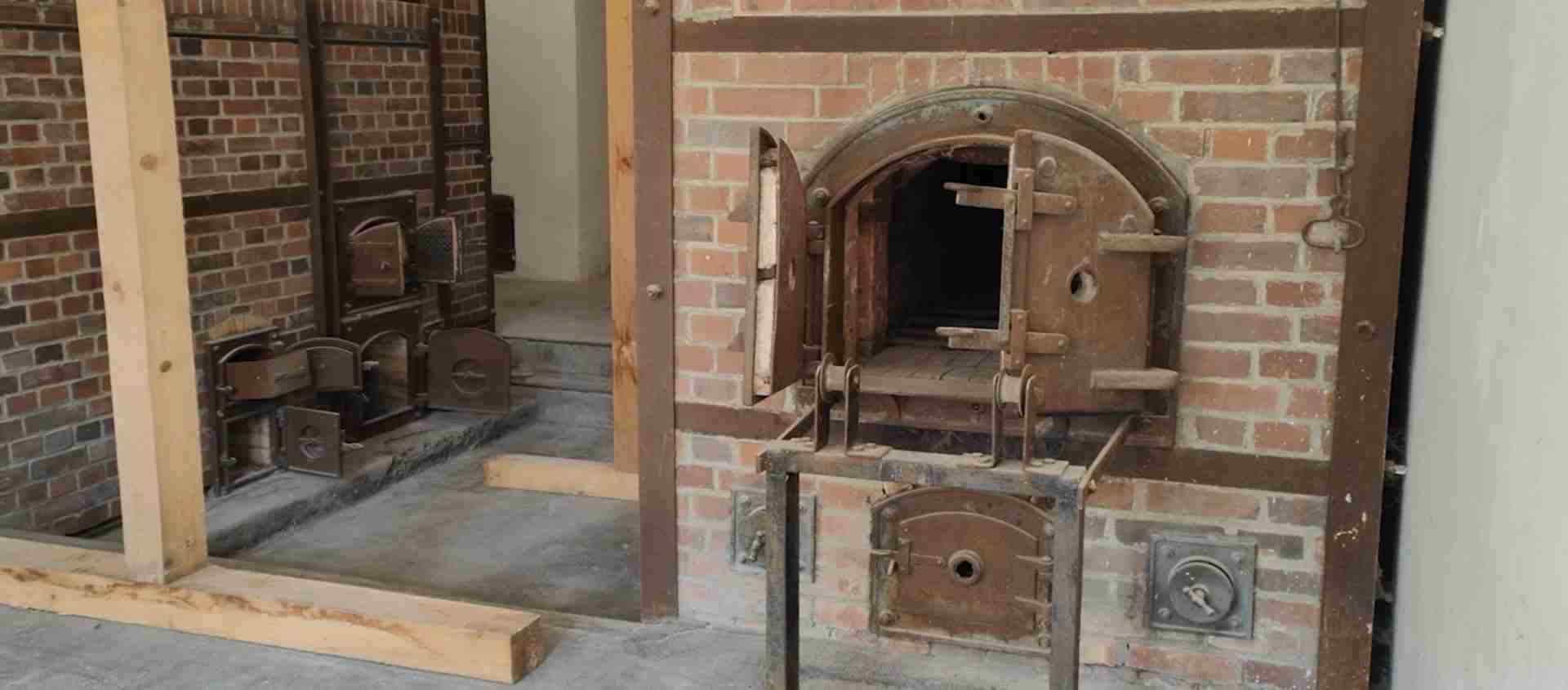
11:45 AM – Approach crematorium and gas chamber area with respectful silence. Photography prohibited in this section. Spend 30-40 minutes in contemplative observation, visiting memorial sculptures and religious memorials providing spaces for reflection and prayer.
12:30 PM – Watch 22-minute documentary film in visitor center screening room (shown in multiple languages throughout the day). The film provides liberation footage and survivor testimonies contextualizing your memorial experience.
1:00 PM – Light lunch at memorial cafe or exit memorial and catch bus 726 back to Dachau station for S-Bahn return to Munich. Many visitors prefer eating in Munich rather than at memorial cafe to separate the intense memorial experience from normal tourist activities.
1:45 PM – Arrive Munich Hauptbahnhof or central Munich. Take 30-45 minutes quiet break at accommodation or hotel to rest, process emotions from memorial visit, and prepare for afternoon Munich exploration. The memorial visit creates significant emotional impact—attempting immediate tourist activities often feels inappropriate without transition time.
2:30 PM – Begin Munich afternoon sightseeing. Your day ticket remains valid for all Munich public transport until 6 AM tomorrow, allowing unlimited U-Bahn, S-Bahn, tram, and bus use for Munich exploration at no additional cost.
Afternoon Munich Options:
- Marienplatz and New Town Hall (Neues Rathaus): Free to walk through, famous Glockenspiel performance at 5 PM (12 PM and 5 PM in summer)
- Viktualienmarkt: Historic food market perfect for afternoon coffee and traditional Bavarian snacks (€5-10 for coffee and pastry)
- English Garden: Free public park offering peaceful walking, beer garden at Chinesischer Turm (Chinese Tower), and river surfing observation at Eisbach wave
- Hofbräuhaus: Iconic beer hall for traditional Bavarian atmosphere, beer (€8-10 per liter), and hearty meals (€12-18 for main courses)
- Residenz Museum: Munich royal palace with opulent rooms and treasury (€9 admission, closes 5 PM, last entry 4 PM)
- Deutsches Museum: World’s largest science and technology museum (€15 admission, closes 5 PM)
6:00-7:00 PM – Dinner at Munich restaurant. Traditional Bavarian options include Augustiner-Bräu, Schneider Bräuhaus, or countless other beer halls and restaurants throughout city center. Budget €20-35 for dinner with beer.
Cost Summary for Morning Dachau + Afternoon Munich Day: Munich Single Day Ticket €13.20, optional Dachau audio guide €4.50, afternoon museum admission €9-15 (if applicable), coffee/snacks €5-10, dinner €20-35. Total day cost: €47.70-77.70 per person (excluding accommodation).
Full-Day Dachau Focused Itinerary
This itinerary dedicates the entire day to comprehensive Dachau Memorial exploration with ample time for emotional processing, detailed exhibition review, and reflective contemplation without rushing to fit Munich sightseeing into the same day.
8:30 AM – Depart Munich accommodation via S-Bahn S2 to Dachau after substantial breakfast. Purchase Single Day Ticket zones M-1-2 (€13.20).
9:15 AM – Arrive Dachau Memorial shortly after opening. Visit visitor center for orientation and audio guide rental (€4.50 recommended for full-day detailed exploration).
9:30 AM – 11:30 AM – Comprehensive review of permanent exhibition with audio guide providing detailed commentary on photographs, documents, and artifacts. Full exhibition contains extensive historical content requiring 2+ hours for thorough engagement rather than quick overview.
11:30 AM – Join 11 AM or 11:30 AM guided tour (€13-18, booked in advance) for expert-led memorial tour providing historical context and answering questions about concentration camp history. Tours last 2.5 hours and significantly enhance understanding beyond self-guided exploration.
2:00 PM – Lunch break at memorial cafe (€8-12 for sandwich, soup, or salad plus beverage). Use this time to rest, process emotions, and prepare for additional memorial exploration.
2:45 PM – Independent exploration of memorial areas not covered in detail during morning exhibition or guided tour. Return to specific sites that resonated strongly, spend extended time in memorial gardens and religious memorials, or review particular exhibition sections more thoroughly.
3:30 PM – Watch documentary film in memorial screening room (22 minutes). Even after extensive memorial exploration, the liberation footage and survivor testimonies provide powerful conclusion to your visit.
4:00 PM – Final reflection time at memorial site of your choosing—crematorium area, memorial sculptures, religious memorials, or simply sitting in memorial gardens contemplating the day’s experiences.
4:45 PM – Exit memorial grounds before 5 PM closing, allowing final restroom visit at visitor center and any bookstore purchases of educational materials or literature for continued learning.
5:00 PM – Depart memorial via bus 726 to Dachau station, then S-Bahn S2 to Munich. Return journey takes 55-65 minutes, arriving Munich 6:00-6:15 PM.
6:30 PM – Quiet dinner at Munich restaurant near accommodation. After intensive full-day Dachau visit, most people prefer low-key evening rather than energetic sightseeing or nightlife activities.
Cost Summary for Full-Day Dachau Visit: Munich Single Day Ticket €13.20, audio guide €4.50, guided tour €13-18, lunch at memorial cafe €10-15, dinner in Munich €20-30. Total day cost: €60.70-80.70 per person (excluding accommodation).
Combined Munich Morning + Dachau Afternoon
This alternative sequencing visits Munich attractions morning hours, then travels to Dachau for afternoon memorial experience. This approach works for travelers who prefer tourist activities before emotionally heavy historical content, or who want to visit Dachau after other travelers have departed for quieter late-afternoon conditions.
9:00 AM – Breakfast followed by morning Munich exploration. Visit Marienplatz, shop at Viktualienmarkt, explore Residenz, or tour Deutsches Museum depending on interests.
12:30 PM – Lunch in Munich (€10-18 for casual restaurant meal).
1:15 PM – Depart Munich via S-Bahn S2 to Dachau. Purchase Single Day Ticket zones M-1-2 (€13.20) covering all day’s Munich transport plus round-trip to Dachau.
2:15 PM – Arrive Dachau Memorial for afternoon visit. Rent audio guide (€4.50) at visitor center.
2:30 PM – 4:30 PM – Memorial exploration including permanent exhibition, prisoner barracks, roll-call square, crematorium area, and memorial sites. Afternoon visits offer quieter conditions as many morning visitors depart, though you have less total time before 5 PM closing.
4:45 PM – Exit memorial before closing, return to Munich via bus 726 and S-Bahn S2.
6:00 PM – Arrive Munich for evening dinner and activities.
Cost Summary: Munich Single Day Ticket €13.20, morning museum admission €9-15 (if applicable), Munich lunch €10-18, Dachau audio guide €4.50, evening dinner €20-30. Total day cost: €56.70-80.70 per person (excluding accommodation).
Timing and Logistics Optimization 2026
Best Departure Times from Munich
Optimal Munich departure timing significantly impacts your Dachau memorial experience quality by affecting crowd levels, available memorial time before closing, and energy levels during emotionally demanding visit.
7:30-8:30 AM Departure (Recommended for Independent Visits): Arriving at Dachau Memorial 9:00-9:30 AM as gates open provides quietest conditions before tour groups and school visits arrive 10-11 AM. Early arrival allows 5-6 hours at memorial before needing to depart for afternoon Munich activities or accommodates extended memorial time for those wanting full-day focus. Morning energy levels remain high for emotionally demanding content. Drawback: Early departure requires morning person temperament and may conflict with hotel breakfast timing.
9:00-9:30 AM Departure (Standard Timing): Arriving memorial 10:00-10:30 AM balances reasonable departure time with adequate memorial hours before closing. Still allows 4-5 hours for comprehensive visit. Moderate crowd levels as memorial attendance builds but hasn’t reached peak. Works well for travelers preferring 10 AM starts over very early departures. Returns to Munich 2:30-3:30 PM for afternoon activities.
12:00-1:00 PM Departure (Afternoon Visit Option): Arriving memorial 1:00-2:00 PM provides only 3-4 hours before 5 PM closing—minimum adequate time for meaningful visit but requires efficient exploration without extended reflection periods. Crowd levels often decrease afternoon as morning visitors depart. Suits travelers wanting Munich morning sightseeing before Dachau, or those who process difficult content better with tourist activities preceding rather than following the memorial. Returns to Munich 5:30-7:00 PM for evening dining and activities.
How Much Time to Allocate at the Memorial
Plan minimum 4 hours at Dachau Memorial for comprehensive visit covering permanent exhibition, memorial sites, prisoner barracks, crematorium area, documentary film, and adequate emotional processing time. Attempting to visit in less than 3 hours results in rushed experience that dishonors the memorial’s significance and prevents meaningful engagement with historical content.
Detailed time allocation guidelines based on memorial components:
Permanent Exhibition “The Path of the Prisoners”: 75-90 minutes for thorough review. The exhibition contains extensive photographs, documents, artifacts, and explanatory text covering camp establishment, daily prisoner life, forced labor, medical experiments, death, and liberation. Speed reading through in 30-45 minutes misses crucial historical details and emotional weight of personal testimonies.
Prisoner Barracks (2 Reconstructed Buildings): 30-40 minutes total (15-20 minutes each). These structures demonstrate living conditions, sleeping arrangements, daily routines, and the harsh reality of prisoner existence. Quick walk-throughs fail to communicate the claustrophobic conditions and dehumanizing environment.
Roll-Call Square and Memorial Grounds: 20-30 minutes for perimeter path, memorial sculptures, and informational plaques explaining camp geography and prisoner labor assignments.
Crematorium and Gas Chamber Area: 30-45 minutes including memorial sculptures and religious memorials. This area creates strongest emotional impact and demands respectful, contemplative approach rather than rushed observation.
Documentary Film: 30 minutes (22-minute film plus time to locate screening room, find seating, and process content afterward).
Audio Guide Self-Tour: 2.5-3 hours following the complete numbered route with all 50 listening stations.
Guided Educational Tour: 2.5 hours for complete tour covering main memorial sites with expert commentary.
Breaks and Reflection Time: 30-60 minutes for restrooms, cafe breaks, sitting in memorial gardens, or processing emotions. Memorial visits create powerful responses requiring pause time rather than continuous movement through sites.
Weather Considerations and Seasonal Planning
Weather significantly impacts Dachau memorial visits since substantial portions of the experience occur outdoors, including the roll-call square, prisoner barracks area, crematorium complex, and memorial pathways connecting different buildings.
Summer visits (June-August 2026) require sun protection including hat, sunscreen, and sunglasses as portions of memorial grounds offer minimal shade during midday hours. Temperatures occasionally reach 30°C (86°F), making hydration essential—bring water bottle and refill at visitor center. Summer also brings highest tourist attendance, particularly June-July when European and American school holidays coincide. Plan early arrivals (9 AM opening) for quieter conditions before peak crowds 11 AM – 2 PM.
Spring and autumn (April-May, September-October) provide ideal weather conditions with moderate temperatures (15-20°C / 59-68°F), lower tourist volumes than summer, and comfortable conditions for extensive outdoor walking. These shoulder seasons offer optimal balance of weather, crowds, and memorial atmosphere. Pack light jacket as temperatures vary throughout the day and some memorial buildings remain unheated.
Winter visits (November-March) demand warm layered clothing as temperatures often drop below 5°C (41°F), and the memorial experience includes significant outdoor time. Cold weather actually enhances certain aspects of memorial understanding by helping visitors comprehend some of what prisoners endured without adequate clothing or heating. Winter also offers quietest conditions with minimal tour groups and lowest tourist attendance. Pack warm coat, gloves, hat, and layered clothing allowing temperature adjustment as you move between heated exhibition spaces and cold outdoor memorial areas.
Rain gear proves essential during wet seasons (April-May, October-November) when rain showers interrupt outdoor memorial exploration. Umbrella or rain jacket allows continuing your visit without retreating to covered areas, though persistent heavy rain may require adjusting your route to prioritize indoor exhibition spaces during storms.
Cost Breakdown and Budget Planning 2026
Transportation Costs
Munich Single Day Ticket (zones M-1-2): €13.20 per person covering unlimited S-Bahn, U-Bahn, tram, and bus travel throughout the day including round-trip to Dachau Memorial. This ticket provides best value for independent travelers visiting Dachau and exploring Munich on the same day, as it includes both memorial transport and all Munich public transport until 6 AM the following morning.
Group Day Ticket (zones M-1-2): €28.30 total for groups of 2-5 people, working out to €14.15 per person for 2 people, €9.43 per person for 3 people, €7.08 per person for 4 people, or €5.66 per person for 5 people. Groups of any size save money using Group Day Ticket versus individual Single Day Tickets.
Single Journey Tickets: €6.60 per person one-way (zones M-1-2), totaling €13.20 round-trip. This provides no cost advantage over Single Day Ticket and offers zero flexibility for additional Munich transport, making it poor value except for travelers making no other public transport journeys that day (very rare scenario).
Organized tour transportation: Included in €32-45 tour price, so no separate ticket purchase required. Tours use standard public transport but operator handles all ticketing logistics.
Driving costs: Rental car €40-70 per day depending on vehicle class and booking timing, plus fuel (approximately €5-8 for Munich-Dachau round-trip given short distance). Parking at memorial is free. Driving becomes cost-effective only for groups of 3-4 people splitting rental costs, or travelers already renting vehicles for broader Bavaria exploration.
Memorial Admission and Enhancement Costs
Dachau Memorial admission: Free (€0) for all visitors including access to permanent exhibitions, memorial grounds, reconstructed barracks, crematorium buildings, documentary film screenings, and all outdoor memorial areas. The memorial operates as public educational institution funded by Bavarian State with mission to provide free Holocaust education access.
Audio guide rental: €4.50 per device available in 10 languages with 2.5-hour route covering approximately 50 memorial sites. Excellent value providing far more historical detail than reading informational plaques alone. Highly recommended for first-time visitors wanting comprehensive understanding without guided tour expense.
Guided educational tours: €13-18 per person for 2.5-hour professional tour led by trained Holocaust educators. Tours provide expert historical context, structured narrative connecting memorial sites, and opportunities for questions and discussion. Check official memorial tour partners for current 2026 rates.
Organized tours from Munich: €32-45 per person for half-day experience including round-trip transport, guided memorial tour, and independent exploration time. Small group tours (€45-55) offer more intimate experiences with better guide ratios.
Memorial bookstore: Educational materials €8-35 for books covering Dachau history, Holocaust education, and survivor memoirs. Purchases support memorial’s educational mission.
Food and Beverage Costs
Memorial cafe: Sandwiches €4-7, soups €5-6, salads €6-8, coffee and tea €2-3, soft drinks €2-3. The cafe provides adequate options for memorial day lunch though limited menu compared to Munich restaurants. Budget €8-15 for lunch including beverage.
Bring your own: Water bottles permitted throughout memorial grounds (highly recommended given extensive walking). Snacks and packed lunches can be eaten in designated areas near visitor center, saving €8-15 versus cafe purchase. However, many visitors prefer purchasing memorial cafe food to support the institution.
Munich meals: Breakfast at hotel/accommodation typically €8-15 if not included in room rate. Lunch in Munich restaurants €10-18 for casual dining. Dinner €20-35 for traditional Bavarian restaurant meal including beer. Budget travelers can reduce costs using bakeries (€4-6 for sandwich and drink) or grocery stores for picnic supplies.
Complete Day Cost Scenarios 2026
Budget Independent Visit (Minimal Spending):
Munich Single Day Ticket €13.20, packed lunch and water from grocery store €5, skip audio guide and guided tour. Total: €18.20 per person. This bare-bones approach works for tight-budget travelers but sacrifices educational depth by skipping audio guide. Not recommended unless budget absolutely requires minimum spending.
Standard Independent Visit (Recommended):
Munich Single Day Ticket €13.20, audio guide €4.50, lunch at memorial cafe €10, afternoon Munich coffee and snack €5. Total: €32.70 per person (excluding accommodation). This represents optimal value-to-experience ratio for independent travelers wanting comprehensive memorial visit without tour guide expense.
Enhanced Independent Visit with Guided Tour:
Munich Single Day Ticket €13.20, on-site guided tour €15, lunch at memorial cafe €12, afternoon Munich activities €10. Total: €50.20 per person (excluding accommodation). This approach combines independent travel cost savings with expert guide educational value for travelers wanting both flexibility and historical context.
Organized Tour Package:
Half-day tour €35 (includes transport and guide), afternoon Munich activities €15. Total: €50 per person (excluding accommodation and meals). Tours provide convenience and expert guidance but cost more than independent travel.
Premium Full-Day Experience:
Munich Single Day Ticket €13.20, audio guide €4.50, on-site guided tour €15, memorial cafe lunch €15, afternoon Munich museum admission €12, dinner €30. Total: €89.70 per person (excluding accommodation). This comprehensive approach combines morning Dachau visit with afternoon Munich cultural exploration for travelers wanting maximum experiences in one day.
Combining Dachau with Other Munich Activities 2026
Half-Day Dachau + Half-Day Munich Itinerary Ideas
The efficiency of Munich-Dachau transportation (55-65 minutes each way) allows combining meaningful memorial visits with substantial Munich sightseeing in single-day itineraries. Your Munich day ticket covers all transport for both destinations, making these combinations economical and logistically seamless.
Dachau + Munich City Center Historic Sites: Morning Dachau visit (8 AM departure, return 1-2 PM) followed by afternoon exploration of Marienplatz, New Town Hall, Viktualienmarkt, Frauenkirche, and Residenz. This combination balances morning historical education with afternoon cultural immersion in Bavaria’s capital. Free walking through city center with optional Residenz admission (€9) or simply window shopping and people watching at zero cost.
Dachau + English Garden Relaxation: Morning memorial visit followed by afternoon at English Garden for peaceful walking, beer garden refreshments at Chinesischer Turm, watching river surfers at Eisbach wave, or simply lying in grass reading or reflecting. The memorial visit creates emotional intensity that many visitors prefer processing in calm natural settings rather than busy tourist sites. English Garden provides free tranquil environment perfect for post-memorial contemplation.
Dachau + Museum Exploration: Combine morning Dachau with afternoon Munich museum visits. Options include Deutsches Museum (€15, closes 5 PM), Alte Pinakothek art gallery (€7 Sundays, €4-10 other days), BMW Museum (€10), or NS-Dokumentationszentrum (Documentation Center for Nazi Party Rally Grounds, free admission). Multiple museums in one afternoon stretches attention span, so choose one museum for thorough exploration rather than rushing through several.
Dachau + Traditional Bavarian Experience: Morning memorial followed by afternoon Bavarian cultural immersion at Hofbräuhaus (iconic beer hall), traditional Bavarian lunch/dinner, exploration of pedestrian shopping district, and evening at beer garden. This sequence progresses from morning solemnity to afternoon celebration of living culture, though some visitors find the tonal shift from concentration camp memorial to raucous beer hall jarring. Consider your emotional processing needs when planning this combination.
Multi-Day Munich Itinerary Integration
Visitors spending 3+ days in Munich benefit from dedicating one full day to Dachau rather than combining it with other activities. This approach honors the memorial’s significance, provides adequate emotional processing time, and prevents the exhausting pace of trying to see everything in one compressed day.
Sample 3-Day Munich Itinerary with Dachau:
Day 1: Arrive Munich, explore city center (Marienplatz, Viktualienmarkt, Frauenkirche), orientation to public transport system, traditional Bavarian dinner, rest from travel.
Day 2: Full-day Dachau Memorial visit (depart 8:30 AM, return 5-6 PM). Quiet dinner and early evening rest for emotional processing.
Day 3: Munich cultural attractions (Residenz, museums, English Garden, BMW Welt, shopping) plus afternoon day trip to Neuschwanstein Castle or Bavarian Alps if desired.
This pacing separates intense historical education from lighter tourist activities, allowing appropriate mental and emotional space for each experience type. Trying to compress all three days’ activities into 1-2 days results in rushed memorial visit and exhausted tourists unable to appreciate Munich’s cultural offerings.
When NOT to Combine Dachau with Munich Sightseeing
Some travelers should consider dedicating full days exclusively to Dachau without combining it with Munich activities:
First-time Holocaust memorial visitors who may be unprepared for the emotional impact and need extended processing time without pressure to move on to next activity. Visitors with strong personal connections to Holocaust history (family members who lost relatives, Jewish travelers, descendants of survivors) who require more contemplative space than standard itineraries provide. Travelers interested in deep historical engagement including archive access, extended exhibition review, or multiple documentary viewings. Anyone who finds transitions between emotionally heavy content and lighthearted sightseeing jarring or disrespectful.
In these cases, plan Dachau as standalone full-day experience with quiet evening afterward rather than immediately proceeding to Munich tourist activities. The memorial deserves full attention and emotional investment, not treatment as one checkbox in a busy sightseeing schedule.
Practical Tips for Your 2026 Day Trip
What to Bring from Munich
Bring comfortable walking shoes essential for extensive memorial grounds with gravel pathways, cobblestones, and uneven surfaces. You’ll walk 2-3 kilometers during typical 4-hour visit across outdoor memorial areas. Uncomfortable shoes transform educational experience into physical endurance test.
Bring water bottle (permitted throughout memorial) for hydration during extensive walking. While memorial cafe and visitor center offer beverages, having personal water supply prevents interrupting memorial exploration for refreshment purchases. Bring snacks if you’re prone to low blood sugar or plan extended memorial time beyond cafe hours.
Bring weather-appropriate clothing covering shoulders and knees (recommended for respectful memorial attire) and suitable for outdoor exploration. Summer: hat, sunscreen, sunglasses for sun protection. Winter: warm layered clothing, coat, gloves, hat. Shoulder seasons: light jacket for temperature fluctuations between heated buildings and outdoor areas. Rain gear during wet months.
Bring small notebook and pen if you find writing helpful for processing emotions or recording questions for later research. Many visitors benefit from journaling their thoughts and reactions during or immediately after memorial visits. Bring camera if you wish to document your visit (photography permitted in most areas except crematorium buildings and gas chamber).
Bring passport or ID required as deposit for audio guide rental (€4.50). The memorial returns documents when you return the audio device at visit conclusion. Bring cash or card for optional audio guide purchase, memorial cafe, and bookstore—the memorial accepts both payment methods.
What NOT to Bring
Large backpacks and suitcases prohibited in exhibition areas. The memorial provides free lockers at visitor center for storing bags, coats, and personal items. Do not attempt bringing large luggage to Dachau during Munich day trips—store bags at hotel or Munich Hauptbahnhof lockers (€4-6 depending on size) before departing for memorial.
Food and beverages (except water) not permitted while touring memorial grounds. Eating restricted to memorial cafe and designated bench areas near visitor center. Do not bring picnic supplies expecting to eat throughout memorial exploration—this behavior disrespects the site’s significance.
Inappropriate items including Nazi memorabilia, offensive clothing with political slogans, or anything trivializing Holocaust history. Security may refuse entry to visitors with obviously inappropriate items or attitudes.
Language and Communication
The memorial provides extensive English-language materials including informational plaques throughout grounds (German and English), permanent exhibition text panels (German and English), audio guides (10 languages including English), and English-speaking guided tours. Non-German speakers face minimal language barriers at the memorial itself.
Munich public transportation announcements occur in German with occasional English on newer trains and buses. However, electronic displays show station names clearly, and S-Bahn/bus routes to Dachau are straightforward enough that minimal German knowledge suffices. Download Munich public transport app (MVG Fahrinfo) for English-language journey planning and real-time departure information.
Memorial visitor center staff speak English and assist with orientation, audio guide rental, and answering basic questions. Café staff generally speak functional English for ordering meals and beverages. Bookstore carries English-language titles alongside German publications.
Photography Etiquette and Restrictions
Photography is permitted in most memorial areas for personal, non-commercial documentation. However, absolute photography prohibition applies in crematorium buildings and gas chamber area—these restrictions are clearly marked with signage and must be respected completely. Security monitors these areas and will ask visitors to stop photographing if restrictions are violated.
Throughout permitted areas, photograph respectfully without selfies, posed shots, or behavior treating memorial as casual tourist attraction. Documentary-style photography capturing memorial architecture, informational plaques, memorial sculptures, and historical context is acceptable. Photographing other visitors without permission is inappropriate and potentially illegal under German privacy laws.
Professional photography equipment or commercial filming requires advance permission from memorial administration. Contact the memorial office weeks in advance if you need professional photography access for media, educational, or commercial purposes.
Emotional Preparation and Self-Care
Prepare yourself mentally for emotionally challenging content before departing Munich. Dachau Memorial confronts visitors with graphic historical documentation, disturbing photographs, survivor testimonies describing extreme suffering, and physical spaces where mass death occurred. This emotional difficulty is inherent to the memorial’s purpose and should be expected rather than surprising you during the visit.
Build flexibility into your schedule allowing breaks when needed. Benches throughout memorial grounds provide rest areas. Memorial gardens offer quiet spaces away from intense exhibition content. You can exit and re-enter the memorial freely (free admission) if you need complete breaks outside memorial grounds.
Recognize that your emotional capacity after Dachau visit may be reduced compared to normal tourist energy levels. Plan lower-key Munich afternoon activities rather than ambitious sightseeing schedules requiring sustained attention and enthusiasm. Many visitors prefer quiet reflection, calm walks through English Garden, or simple beer garden relaxation over museum marathons or intense cultural activities immediately after memorial visits.
Discuss your experience with travel companions, write in a journal, or simply allow yourself quiet processing time. The memorial creates powerful responses that benefit from acknowledgment and reflection rather than immediate suppression to maintain tourist cheerfulness.
Frequently Asked Questions About Dachau Day Trips 2026
Is one day enough to visit both Dachau and see Munich?
Yes, one day suffices for meaningful Dachau Memorial visit (4 hours) plus Munich highlights exploration (3-4 hours), though this creates full, intense day. Efficient planning with early Dachau departure (8 AM) allows return to Munich by 1-2 PM for afternoon sightseeing including Marienplatz, Viktualienmarkt, English Garden, or one museum. However, many visitors find Dachau emotionally draining and prefer quiet reflection rather than immediately continuing tourist activities. Consider your emotional resilience and whether combining intense memorial visit with cheerful sightseeing feels appropriate. Some travelers benefit from dedicating full day to Dachau exclusively, using evening for rest and emotional processing, then exploring Munich the following day with fresh energy and unencumbered emotions.
Should I pre-book Dachau tours or decide on arrival?
Pre-booking organized tours from Munich (€32-45) is required as they operate on fixed schedules with limited capacity. Book 7-14 days ahead during peak season (May-September) for guaranteed availability and preferred departure times. For independent visits, no advance booking is necessary for memorial admission (free, no capacity limits). On-site guided tours (€13-18) can be booked online in advance to guarantee space, particularly during summer months and school trip season (March-June), or purchased same-day at visitor center subject to availability. Audio guides (€4.50) operate first-come, first-served, generally available except during very busy periods. Maximum flexibility: travel independently without bookings and decide on-site whether to rent audio guide or join next available guided tour, accepting slight risk of audio guide unavailability or missing preferred tour times during peak season.
What if I’m traveling alone to Dachau from Munich?
Solo travel to Dachau via public transport is completely safe and straightforward. The S-Bahn and bus routes are well-marked, operate frequently, and service thousands of passengers daily including many solo travelers. Dachau Memorial receives extensive solo visitor traffic—you’ll encounter numerous individual travelers exploring independently throughout the day. Solo visits allow personal pacing, extended time in areas of particular interest, and private emotional processing without group dynamics. However, some solo travelers find organized tours (€32-45) worthwhile for the structured experience, guide expertise, and opportunities to meet other travelers making similar journeys. Solo travelers may also appreciate on-site guided tours (€13-18) for the educational depth and facilitated discussion without committing to full-day group tour from Munich. Choose based on your comfort with solo exploration versus preference for shared experiences during emotionally challenging memorial visits.
Can I use the Munich day ticket for other transportation the same day?
Yes, absolutely—this represents one of the Munich day ticket’s major advantages. The Single Day Ticket zones M-1-2 (€13.20) provides unlimited travel on all Munich public transport (S-Bahn, U-Bahn, tram, bus) within the ticket’s coverage zones until 6 AM the following morning. After returning from Dachau to Munich, use the same ticket for any additional Munich travel including hotel-to-city center trips, museum visits, restaurant commutes, or evening entertainment venues. The ticket essentially provides “free” Munich transport if you’re already purchasing it for Dachau trip, making combined itineraries economical. For example: morning Dachau visit using day ticket for transport, afternoon use of same ticket for U-Bahn to Munich Residenz, evening tram to Hofbräuhaus dinner, late-night S-Bahn return to hotel—all included in the single €13.20 ticket purchase.
What happens if I miss the last bus or train from Dachau?
This scenario is extremely unlikely given memorial closing time (5 PM) and extensive late-afternoon/evening bus and S-Bahn service. Bus 726 from memorial to Dachau station operates until approximately 8:30 PM weekdays, 7:30 PM weekends—hours after memorial closing. S-Bahn S2 runs until approximately 1 AM with trains every 20-40 minutes during evening hours. However, if you somehow miss final public transport (extremely rare scenario), alternatives include: Taxi from Dachau to Munich costs €60-80 for the 16-kilometer journey and takes 25-35 minutes. Ride-sharing services (Uber, Free Now) operate in Dachau with similar pricing. As absolute backup, Dachau town center offers several small hotels (€70-120 per night) if you need emergency overnight accommodation, though this scenario requires extraordinary circumstances given the generous public transport schedules extending hours beyond memorial closing time.
Is Dachau suitable for children, and if so, what age?
The memorial provides guidance suggesting children under age 13 may struggle with graphic content and emotional weight of the site. Children ages 13-18 can visit meaningfully if appropriately prepared by parents about Holocaust history, concentration camps, and what they will encounter. Preparation should include age-appropriate education about Nazi persecution, discussion of death and human cruelty, and realistic expectations about the visit’s disturbing content. The memorial offers audio guide sections designed for children 12-15 with simplified explanations. Parents should assess their own children’s emotional maturity, prior education about difficult historical topics, and capacity to handle disturbing photographs, survivor testimonies describing extreme suffering, and physical spaces where mass death occurred. School groups commonly visit with students ages 14-18 as part of Holocaust education curriculum. Very young children (under 10) generally should not visit Dachau as they lack developmental capacity to process the content appropriately. Teenagers 14+ can have profound educational experiences if properly prepared and supported by adults during and after the visit.
How does visiting Dachau compare to other concentration camp memorials?
Dachau offers unique advantages as concentration camp memorial compared to alternatives like Auschwitz-Birkenau (Poland), Mauthausen (Austria), or Sachsenhausen (Germany). Dachau’s proximity to major city (Munich) provides easy access via public transport—you can visit as comfortable day trip without overnight travel or complex logistics. As the first Nazi concentration camp (established March 1933), Dachau provides historical context for the entire concentration camp system’s development. The memorial preserves significant original structures including gatehouse, administration building, bunker, and crematorium buildings that were destroyed at many other camps. Dachau’s comprehensive permanent exhibition and decades of memorial development create excellent educational infrastructure with multilingual materials, professional guides, and extensive documentation. However, Dachau was primarily labor camp rather than extermination camp, so visitors seeking to understand the industrial-scale killing operations should also consider visiting Auschwitz-Birkenau where gas chambers and crematoria operated on massive scale. Each memorial provides important but distinct historical perspectives on Nazi crimes.
What should I do if I feel overwhelmed during my Dachau visit?
Feeling overwhelmed during Dachau visits is completely normal and indicates appropriate emotional engagement with the memorial’s content. If you need breaks, benches throughout memorial grounds provide rest areas. Memorial gardens near religious memorials offer quiet spaces away from intense exhibition content. The visitor center has indoor seating where you can sit quietly, use restrooms, or compose yourself away from memorial sites. Take as many breaks as needed—there is no requirement to complete entire memorial in one continuous visit. Many visitors find alternating between intense exhibition content and quieter outdoor memorial areas helps manage emotional responses. If you need to leave memorial entirely, you can exit and return later (free admission). Walking outside memorial perimeter in parking area or simply sitting on benches outside grounds provides complete separation if necessary. Memorial staff understand the emotional impact and can direct you to quiet areas if you ask for assistance. Most visitors find that taking 10-15 minute breaks allows them to continue their visit meaningfully rather than leaving prematurely due to overwhelming emotions.
Are there storage facilities at Dachau for luggage if I’m visiting during travel days?
The memorial provides lockers at visitor center for small bags, coats, and personal items, but these lockers cannot accommodate large suitcases or full-size travel backpacks. Do not bring large luggage to Dachau Memorial. Instead, use Munich Hauptbahnhof luggage storage (located in the main station building, €4-6 per bag per day depending on size) to store bags before departing for Dachau. This allows you to visit memorial unburdened by luggage, then collect your bags when returning to Munich for onward travel. Some Munich hotels offer luggage storage for guests even after checkout—confirm this option when planning Dachau visits on arrival/departure days. Alternative: Many travelers schedule Dachau visits on middle days of Munich stays when they don’t have luggage logistics concerns, rather than attempting to combine memorial visits with arrival/departure travel days that involve bag management complications.
Can I visit Dachau in winter, and is it still meaningful in cold weather?
Yes, Dachau Memorial remains open and meaningful year-round including winter months (November-March). Winter visits offer advantages: lowest tourist attendance providing quietest, most contemplative conditions; minimal tour group presence allowing personal pacing; and cold weather that helps visitors understand some of what prisoners endured without adequate clothing or heating. The memorial’s impact doesn’t diminish in winter—if anything, the cold and gray conditions enhance certain aspects of the experience by creating atmosphere more similar to what prisoners faced. Dress warmly with layered clothing, coat, gloves, and hat, as significant portions of the visit occur outdoors even in winter. Exhibition buildings are heated, but outdoor memorial areas, roll-call square, and pathways between buildings expose you to cold conditions. Winter daylight hours are shorter (sunrise approximately 8 AM, sunset 4:30-5 PM) but memorial opening hours (9 AM – 5 PM) accommodate full visits. Many winter visitors find the stark, cold conditions appropriate for the memorial’s somber content and appreciate the absence of summer’s tourist crowds.