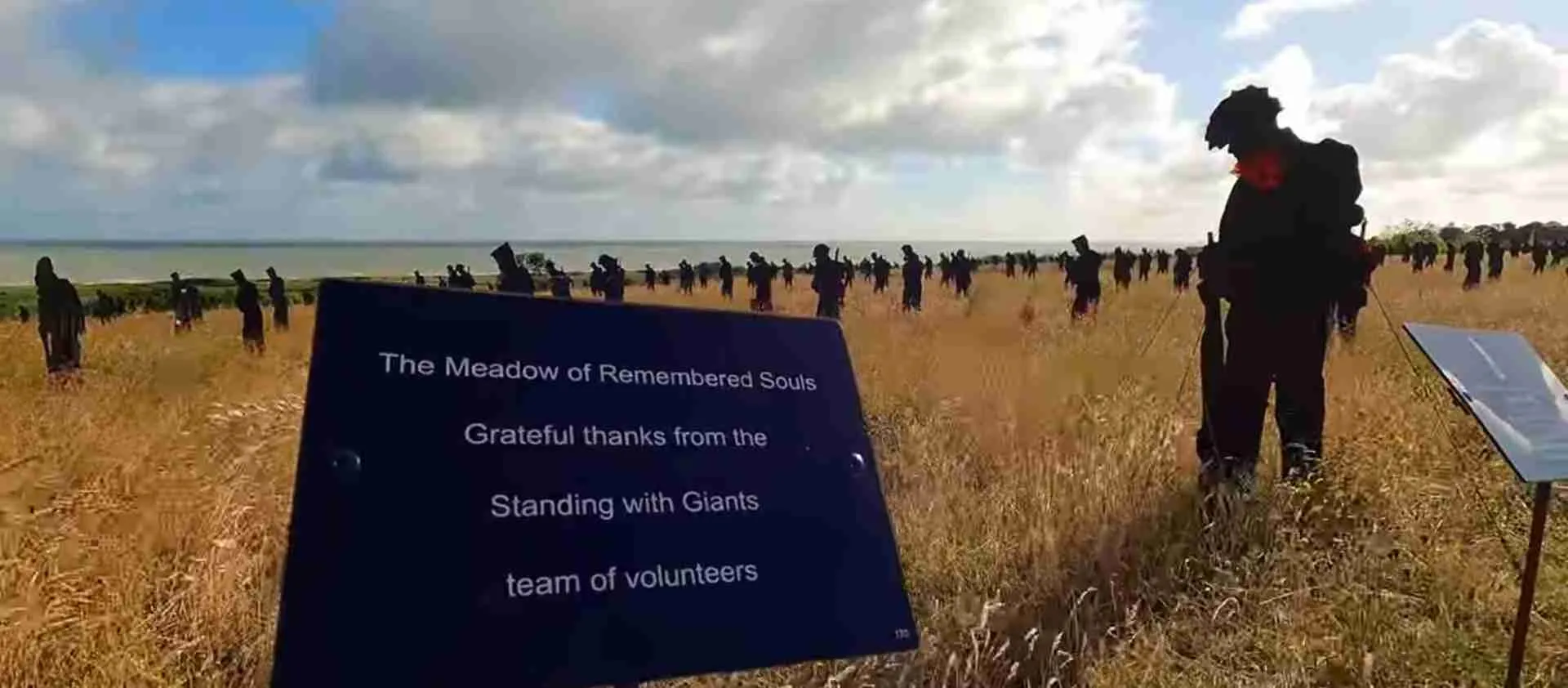
D-Day Beaches Normandy Guide 2026: Complete WWII Sites
Key Takeaways:
- Guided tours from Paris cost €189-259 per person in 2026, including transportation and expert guides
- Independent visits require careful planning with multiple memorial sites spread across 80 kilometers of coastline
- Spring (April-May) and early fall (September) offer optimal visiting conditions with fewer crowds than summer months
- Allocate 2-3 days for comprehensive exploration of all five beach sectors and major memorial sites
- Advance reservations essential for American Cemetery tours and Airborne Museum visits during peak season
- Budget €120-180 per day for independent travel excluding accommodation, €350-450 for guided experiences
Planning Your D-Day Beaches Visit in 2026
The Normandy landing beaches represent one of the most significant military operations in modern history, where Allied forces launched the liberation of Western Europe on June 6, 1944. Today, this 80-kilometer stretch of Norman coastline preserves the memory of Operation Overlord through meticulously maintained memorial sites, museums, and cemeteries that attract over 3 million visitors annually.
Planning your 2026 visit requires understanding the geographic scope of the D-Day sites. The five landing sectors—Utah, Omaha, Gold, Juno, and Sword—span from Sainte-Mère-Église in the west to Ouistreham in the east. Each sector contains distinct memorial sites, museums, and preserved fortifications that tell different aspects of the invasion story. The American sectors (Utah and Omaha) feature the iconic Normandy American Cemetery and the challenging terrain that made Omaha Beach the bloodiest landing zone. The British and Canadian sectors (Gold, Juno, Sword) showcase their nations’ contributions through museums, memorials, and preserved Atlantic Wall defenses.
Transportation logistics form the foundation of successful D-Day beach tours. Rental cars provide maximum flexibility for independent exploration, costing €45-75 per day for compact vehicles with GPS navigation. Public transportation exists but requires careful coordination—trains connect Paris to Bayeux (2 hours 20 minutes, €35-55 one-way), where local bus routes serve major sites during summer months. Organized tours eliminate navigation challenges while providing expert historical context, making them the preferred choice for first-time visitors and those without vehicles.
Accommodation in Normandy ranges from historic town centers to coastal villages near the landing beaches. Bayeux serves as the primary base for D-Day tourism, offering mid-range hotels at €90-140 per night and maintaining its medieval character despite modern tourism infrastructure. Caen provides urban amenities at similar rates while offering access to the comprehensive Caen Memorial Museum. Coastal villages like Arromanches and Sainte-Mère-Église provide atmospheric lodging closer to the beaches, though availability tightens during peak season and anniversary commemorations.
People Also Ask About D-Day Beaches 2026
How much does it cost to visit D-Day beaches in 2026?
Visiting D-Day beaches in 2026 costs €120-180 per day for independent travelers excluding accommodation, or €189-259 for comprehensive guided tours from Paris. The Normandy American Cemetery offers free admission with complimentary audio guides, while major museums charge €8-12 entry fees. Private guided tours range €350-450 per person for small group experiences with expert historians. Rental cars add €45-75 daily, while train tickets from Paris to Bayeux cost €35-55 one-way. Budget travelers can visit primary sites for €80-100 daily using public transportation and picnic lunches, while comprehensive experiences including multiple museums, guided battlefield walks, and restaurant meals reach €200-250 per day before accommodation costs.
What is the best time to visit D-Day beaches in 2026?
April through May and September offer optimal conditions for visiting D-Day beaches in 2026, combining favorable weather with manageable crowd levels. Spring temperatures range 12-18°C with longer daylight hours for beach exploration, while early fall provides 15-20°C conditions with golden light ideal for photography. June attracts maximum crowds for anniversary commemorations, particularly around June 6 when special ceremonies and reenactments fill accommodation across Normandy. Summer months (July-August) bring warmest weather at 18-24°C but also peak tourism that requires advance reservations for popular museums and guided tours. Winter visits (November-March) offer solitude for reflection at memorial sites, though some museums operate reduced hours and weather conditions can limit beach access.
Do you need a guide for D-Day beaches in 2026?
Guided tours significantly enhance D-Day beach experiences through expert historical context, efficient routing between sites, and access to lesser-known locations. Professional guides transform landscape features into tactical explanations, pointing out German defensive positions, landing craft approach routes, and key strategic terrain that independent visitors often miss. Full-day tours from Paris include round-trip transportation, eliminating navigation challenges on rural Norman roads while maximizing time at memorial sites. Independent exploration remains viable for history enthusiasts with personal research and rental vehicles, particularly those spreading visits across multiple days. The American Cemetery provides excellent self-guided experiences with detailed audio tours and visitor center exhibits, while museums like the Caen Memorial and Airborne Museum offer comprehensive displays requiring no guide interpretation.
Can you visit all five beaches in one day in 2026?
Visiting all five D-Day beaches in one day requires structured planning and proves extremely rushed for meaningful exploration. The 80-kilometer distance between Utah Beach in the west and Sword Beach in the east demands 90-120 minutes driving time without stops, leaving minimal time for museum visits or memorial site contemplation. Realistic one-day itineraries focus on 2-3 beaches with strategic museum selections—typical tours combine Utah Beach with Sainte-Mère-Église and Pointe du Hoc before visiting Omaha Beach and the American Cemetery. Two-day itineraries provide comprehensive coverage, dedicating day one to American sectors (Utah, Omaha) and day two to British-Canadian sectors (Gold, Juno, Sword). Three-day visits allow thorough museum exploration, guided battlefield walks, and time for reflection at cemetery memorials.
Extended multi-day tours – 5+ days
Featured Normandy Multi-Day Tour Packages
3 days
Normandy 3-Day Discovery Tour
- ✓ Comprehensive Normandy experience
- ✓ Expert local guides included
- ✓ All accommodation included
- ✓ Transportation provided
5 days
Normandy 5-Day Highlights Experience
- ✓ Comprehensive Normandy experience
- ✓ Expert local guides included
- ✓ All accommodation included
- ✓ Transportation provided
7 days
Normandy 7-Day Cultural Journey
- ✓ Comprehensive Normandy experience
- ✓ Expert local guides included
- ✓ All accommodation included
- ✓ Transportation provided
10 days
Normandy 10-Day Complete Adventure
- ✓ Comprehensive Normandy experience
- ✓ Expert local guides included
- ✓ All accommodation included
- ✓ Transportation provided
Multi-day tour packages powered by TourRadar. Prices and availability subject to change.
Essential Planning Information 2026
Current Costs and Pricing Breakdown for 2026
Entry fees for D-Day sites vary significantly by location and type. The Normandy American Cemetery and Memorial maintains free admission year-round with complimentary audio guides available in multiple languages. The American Battle Monuments Commission operates the site with no entry charges, though donations support ongoing preservation efforts. Major museums charge admission fees: the Caen Memorial costs €19.80 for adults in 2026, the Airborne Museum in Sainte-Mère-Église charges €12, and the Overlord Museum near Omaha Beach costs €9.50 (check official museum websites for current rates as pricing may vary). Combined tickets offer savings—the Liberty Pass provides access to five Normandy museums for €38, representing 30% savings versus individual admissions.
Guided tour pricing reflects service levels and group sizes. Full-day tours from Paris cost €189-259 per person including round-trip minibus transportation, expert guide services, and admission to selected sites. Small group tours (8-15 participants) command premium pricing at €220-259, while larger coach tours accommodate 40-50 participants at €189-210. Private tours start at €450 per person for couples, dropping to €200-250 per person for groups of 6-8. Half-day tours focusing on specific sectors cost €95-140 per person from Bayeux or Caen. Multi-day tour packages combining accommodation, meals, and guided experiences range €650-950 per person for two days, €950-1,400 for three days all-inclusive.
Transportation costs impact budget calculations significantly. Train service from Paris Gare Saint-Lazare to Bayeux operates hourly with journey times of 2 hours 20 minutes, costing €35-55 one-way for second class tickets, €55-85 for first class comfort. Advance booking through SNCF provides 25-40% discounts on flexible fares. Rental cars from Bayeux or Caen cost €45-75 per day for compact vehicles, €65-95 for mid-size cars with automatic transmission. Fuel costs add €15-25 daily for typical beach route circuits. Taxis between major sites prove expensive at €2.50 per kilometer, making shared rides or organized tours more economical for groups without vehicles.
Accommodation Options and Pricing for 2026
Bayeux offers the widest range of accommodation options for D-Day beach visitors. Mid-range hotels charge €90-140 per night for double occupancy, providing central locations within walking distance of the Bayeux Tapestry Museum and cathedral. Budget accommodations including chain hotels and guest houses cost €60-85 per night, while boutique properties and historic manor houses reach €160-240 for premium experiences. Caen provides urban hotel options at similar rates with easier highway access to western beach sectors. Coastal villages offer atmospheric lodging—Arromanches seafront hotels cost €100-160 per night with beach views, while Sainte-Mère-Église accommodations range €85-130 near the famous church and Airborne Museum.
Vacation rentals provide economical options for families and groups. Two-bedroom apartments in Bayeux cost €110-170 per night, sleeping four comfortably with kitchen facilities for meal preparation. Rural gîtes (self-catering cottages) near the beaches range €130-220 per night for properties sleeping 4-6, offering authentic Norman countryside experiences. These properties require advance booking during peak season, particularly for June anniversary dates and July-August summer holidays. Off-season rates (November-March) drop 30-40% across all accommodation categories, though some coastal properties close entirely during winter months.
Transportation Options for 2026 Visits
Getting to Normandy from Paris in 2026
Direct train service connects Paris to Bayeux with hourly departures from Gare Saint-Lazare throughout the day. The 2 hour 20 minute journey provides comfortable travel with power outlets, WiFi, and onboard refreshments available in first class. Trains depart Paris between 6:30 AM and 8:30 PM, with last return services leaving Bayeux around 8:00 PM. Second class fares cost €35-55 one-way, €70-110 return when booking 2-3 weeks ahead. Same-day tickets reach €75-95 one-way during peak travel periods. First class upgrades add €20-30 per journey, providing guaranteed seating and quieter carriages.
Driving from Paris to Normandy takes 2.5-3 hours covering 260 kilometers via the A13 motorway. The route proves straightforward with clear signage and good road conditions year-round. Motorway tolls cost €18-25 one-way depending on exact destination and vehicle type. Rental cars from Paris airports cost €55-95 per day for compact vehicles, €75-120 for mid-size cars. Airport pickups avoid Paris city driving, connecting directly to the A13 motorway. Parking in Bayeux costs €1-2 per hour in city center lots, free overnight parking available at most hotels. The American Cemetery provides free parking with ample capacity except during major commemorative events.
Local Transportation Between D-Day Sites in 2026
Rental cars provide maximum flexibility for visiting multiple beach sectors and museums. GPS navigation proves essential as rural Norman roads lack clear signage between minor sites. Compact cars handle narrow village streets effectively while providing adequate space for 2-3 passengers and luggage. Automatic transmission vehicles cost €15-25 more per day but eliminate stress of manual shifting on unfamiliar roads. Insurance coverage (collision damage waiver) adds €12-18 daily, mandatory for most rental agreements. Fuel-efficient models achieve 45-55 miles per gallon, keeping daily fuel costs to €15-25 for typical 150-kilometer beach circuits.
Public bus service operates limited routes between major D-Day sites during summer months (July-August). Bus Verts du Calvados operates route 70 connecting Bayeux to Arromanches and Gold Beach, route 74 serving Omaha Beach area. Service runs 3-4 times daily with single journey fares of €2.50, day passes at €5. Winter schedules reduce to skeleton service or suspend entirely, making buses impractical for November-March visits. Taxis from Bayeux charge €80-120 for half-day beach tours, €160-200 for full-day circuits. These rates apply to vehicle hire not per passenger, making them economical for groups of 3-4 splitting costs.
Budget Planning for 2026 D-Day Tours
Budget Traveler Options for 2026
Budget-conscious visitors can explore D-Day beaches for €80-120 per day excluding accommodation through strategic planning. Train travel from Paris to Bayeux costs €35-55 one-way with advance booking, establishing the baseline transportation expense. Once in Bayeux, summer bus routes (€5 day pass) provide access to Arromanches, Gold Beach, and Omaha Beach sectors. The free American Cemetery visit and complimentary museums like the Liberation Museum in Quinéville eliminate major admission costs. Budget travelers pack picnic lunches from Bayeux supermarkets (€8-12 for sandwiches, drinks, snacks) rather than restaurant meals costing €15-25 per person.
Accommodation represents the largest budget variable. Bayeux hostels charge €28-35 per night for dormitory beds, while budget chain hotels (Ibis, Campanile) cost €60-75 for private double rooms. Sharing rooms cuts per-person costs significantly—two travelers splitting €70 hotel rooms pay €35 nightly each. Three-night itineraries allow comprehensive beach exploration: accommodation €90-105 per person (shared double room), transportation €50-70 (return Paris trains plus local buses), food €40-60 (self-catered breakfasts and lunches, budget dinners), museum admissions €20-30 (Liberty Pass), miscellaneous €15-25. Total budget trip cost: €215-290 per person for three days excluding Paris-Normandy trains, €305-400 including all transportation.
Mid-Range Visitor Budgets for 2026
Mid-range travelers budget €180-250 per day for comfortable D-Day beach experiences. Rental cars (€55 per day including insurance and fuel) provide flexibility for visiting remote sites and lesser-known memorials. Mid-range Bayeux hotels cost €100-140 per night for double occupancy (€50-70 per person), offering central locations and breakfast included. Restaurant meals add €35-50 per person daily: café breakfast €8-12, lunch at local creperie €15-20, dinner at traditional Norman restaurant €25-35. Museum admissions total €30-40 across two days visiting major sites (American Cemetery free, Caen Memorial €19.80, Airborne Museum €12, Overlord Museum €9.50).
Three-day mid-range itineraries cost €540-750 per person: accommodation €150-210 (three nights shared double), rental car €165 (three days including fuel and insurance), meals €105-150 (mix of restaurants and casual dining), museum admissions €40-50, miscellaneous expenses €30-40. This budget allows thorough exploration without time pressure, guided battlefield walk participation (€35-45 per person), and comfortable travel conditions. Four-person groups sharing rental car costs reduce transportation to €40-50 per person for three days, bringing total trip costs to €475-600 per person including all expenses except Paris-Normandy trains.
Premium Experience Planning for 2026
Premium D-Day beach experiences prioritize expert guidance and exclusive access. Private guided tours cost €450-650 per person for full-day experiences with PhD-level historians, visiting sites closed to general public and providing deep tactical analysis beyond standard tour commentary. Small group tours limited to 6-8 participants charge €280-350 per person, offering semi-private experiences with flexible itineraries. Multi-day premium packages combining luxury accommodation, private guides, and exclusive museum access cost €850-1,200 per person for two days, €1,400-1,900 for three days all-inclusive.
Luxury accommodation elevates the experience beyond standard hotels. Château hotels near the beaches charge €240-380 per night for double occupancy, providing historic settings, gourmet restaurants, and extensive grounds. Boutique hotels in renovated Norman manor houses cost €180-260 per night with personalized service and local character. Fine dining at Michelin-starred restaurants adds €90-150 per person for multi-course meals celebrating Norman cuisine with local cider and Calvados pairings. Private helicopter tours operate from Paris, flying directly to Normandy beaches for aerial perspectives of invasion routes before landing for guided ground tours—these ultimate experiences cost €2,500-3,500 per person for full-day private services.
Sample 2026 Itineraries
One-Day Express Tour from Paris 2026
One-day tours from Paris maximize D-Day beach exposure within tight time constraints. Departure from Paris hotels at 6:30-7:00 AM allows arrival at Normandy beaches by 9:30 AM after the 2.5-hour motorway journey. The itinerary focuses on American sectors, beginning at Sainte-Mère-Église (45 minutes) to visit the Airborne Museum and famous church where paratrooper John Steele hung from the steeple. Next stop: Utah Beach (30 minutes) with its excellent museum explaining amphibious assault tactics and beach obstacles. Lunch break in a local village (12:30-1:30 PM, €18-25 per person) provides authentic Norman cuisine and rest before afternoon sites.
Afternoon visits include Pointe du Hoc (45 minutes), where US Rangers scaled 100-foot cliffs under intense fire—the preserved crater-marked battlefield and German bunkers provide dramatic evidence of the fierce fighting. The tour culminates at Omaha Beach and the Normandy American Cemetery (90 minutes), offering time for cemetery walks among 9,388 marble crosses, visitor center exhibits, and reflection at the memorial overlooking the beach. Return departure at 5:00 PM allows arrival in Paris by 8:00-8:30 PM. Guided tour €12 entry, lunch €18-25, bottled water €4-6. Total day cost: €34-43 per person (tour admission costs only, excluding the €189-259 tour package price which includes transportation and guide).
Two-Day Comprehensive Circuit 2026
Two-day itineraries provide thorough coverage of all five beach sectors without excessive rushing. Day one focuses on American sectors departing Bayeux at 9:00 AM. Utah Beach Museum (90 minutes, €8) explains amphibious operations through authentic landing craft and personal artifacts. Sainte-Mère-Église Airborne Museum (75 minutes, €12) displays complete C-47 aircraft and detailed airborne assault exhibits. Lunch in Sainte-Mère-Église (€18-28 per person) at traditional Norman restaurants near the famous church. Afternoon visits include Pointe du Hoc (60 minutes, free) for cliff-top bunker exploration and Omaha Beach overlook (45 minutes, free) understanding terrain challenges faced by assault troops. The day concludes at the American Cemetery (90 minutes, free) for comprehensive visitor center tour and cemetery walks. Return to Bayeux by 6:30 PM.
Accommodation €100-140 per night (mid-range Bayeux hotel). Museum entry €8 Utah Beach, €12 Airborne Museum, lunch €18-28, dinner in Bayeux €28-38, snacks and drinks €8-12. Total day one cost: €74-102 per person (excluding accommodation).
Day two explores British and Canadian sectors departing 9:00 AM. The Caen Memorial Museum (2.5 hours, €19.80) provides comprehensive D-Day context through innovative exhibits and documentary films covering pre-invasion Europe through post-war reconstruction. Juno Beach Centre (90 minutes, €12) honors Canadian contributions with bilingual exhibits and beach access. Arromanches (2 hours) combines the remarkable D-Day Museum (€9.50) explaining Mulberry Harbor construction with waterfront walks viewing remaining concrete caissons still visible offshore. Gold Beach sector includes remains of German Atlantic Wall fortifications. Return to Bayeux by 6:00 PM concludes the comprehensive two-day circuit.
Caen Memorial €19.80, Juno Beach Centre €12, Arromanches Museum €9.50, lunch €20-30, snacks €8-12. Total day two cost: €69.30-83.30 per person (excluding accommodation and dinner).
Three-Day In-Depth Experience 2026
Three-day itineraries allow museum exploration without time pressure plus guided battlefield walks enhancing understanding of tactical operations. Day one matches the two-day itinerary first day: Utah Beach, Sainte-Mère-Église, Pointe du Hoc, Omaha Beach, American Cemetery. Day two begins with an early start (8:30 AM) for the Caen Memorial Museum, spending 3+ hours exploring comprehensive exhibits before lunch in Caen (€22-32 per person). Afternoon visits include Pegasus Bridge Museum (€8) honoring British airborne troops who captured this vital crossing in the war’s first minutes, plus Sword Beach with Atlantic Wall bunkers and seafront memorials.
Day three provides specialized exploration based on interests. Military history enthusiasts join guided battlefield walks (€35-45 per person) with expert historians analyzing tactical decisions, German defensive strategies, and specific unit actions. These 3-4 hour walks cover terrain features invisible to casual visitors, explaining how hedgerows, stone walls, and Norman topography affected combat operations. Alternative day three options include visiting lesser-known museums (Batterie de Longues-sur-Mer, Dead Man’s Corner Museum), exploring Norman towns like Honfleur or Deauville, or simply revisiting favorite sites from previous days for deeper contemplation. This flexible approach accommodates fatigue from intensive museum days while maintaining historical focus.
Day one: €74-102 per person. Day two: €89.30-103.30 per person (including Pegasus Bridge). Day three: €50-75 per person (guided walk €35-45, lunch €18-25, snacks €8-12). Three-day museum and activity total: €213.30-280.30 per person (excluding accommodation €300-420 for three nights and dinners).
Major Memorial Sites and Museums 2026
Normandy American Cemetery and Memorial 2026
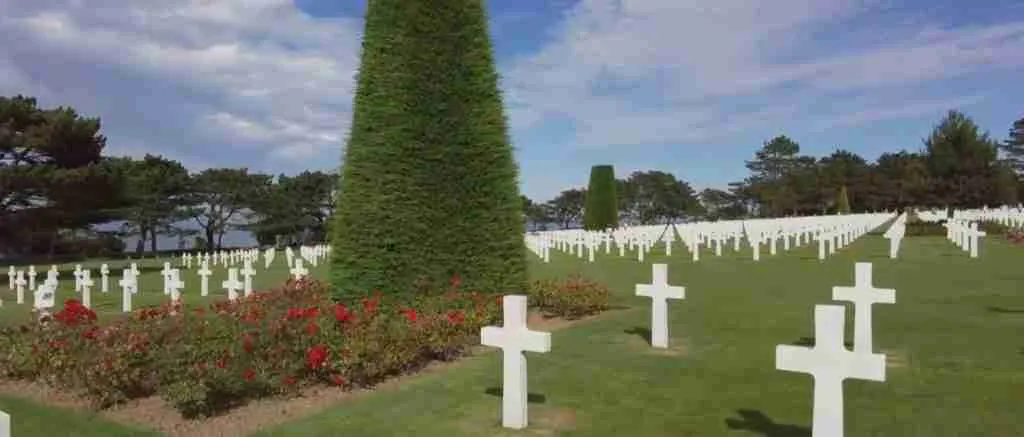
The Normandy American Cemetery overlooks Omaha Beach on a 172-acre site honoring American forces who gave their lives during the Normandy campaign. The cemetery contains 9,388 marble headstones arranged in graceful curves across manicured lawns, representing soldiers who fell during the D-Day landings and subsequent Normandy breakthrough battles. The memorial colonnade at the cemetery’s eastern end bears the names of 1,557 missing soldiers whose remains were never recovered or identified. The reflecting pool, memorial chapel, and bronze statues create spaces for contemplation overlooking the beach where thousands stormed ashore on June 6, 1944.
The visitor center opened in 2007 provides comprehensive context through interactive exhibits, personal stories, and the excellent “Sacrifice for Freedom” film. Exhibits explain pre-invasion planning, individual unit actions, and the strategic importance of Normandy operations. Audio guides available in French, English, German, Spanish, and Italian provide detailed cemetery tour information including specific graves of notable soldiers. The center operates daily 9:00 AM – 5:00 PM September through April, extended to 6:00 PM May through August. Admission remains free as an American Battle Monuments Commission site. Plan 90-120 minutes for thorough visits combining visitor center exhibits with cemetery walks.
Utah Beach and Museum 2026
Utah Beach marked the westernmost Allied landing sector, where American 4th Infantry Division came ashore beginning at 6:30 AM on D-Day. Strong currents pushed landing craft 2,000 yards south of intended beaches, fortuitously depositing troops in a lightly defended sector. This stroke of luck reduced Utah Beach casualties to 197 compared to Omaha Beach’s devastating 2,400+ losses. The beach extends for miles as a wide sandy expanse, now popular with French families for summer holidays despite its somber historical significance.
The Utah Beach Museum occupies the original German bunker complex right on the beachfront, providing authentic setting for exhibits. The centerpiece display features an actual B-26 bomber recovered from the English Channel, plus landing craft, personal equipment, and detailed dioramas explaining assault wave tactics. Interactive exhibits allow visitors to experience soldier perspectives, while the beach access provides views of the actual landing zones. The museum charges €8 admission in 2026, operating daily 9:30 AM – 6:00 PM April through September, 10:00 AM – 5:00 PM October through March with closures during January. Audio guides included with admission explain tactical operations and unit actions across the beach sector. Plan 75-90 minutes for comprehensive museum visits plus beach walks.
Airborne Museum Sainte-Mère-Église 2026
Sainte-Mère-Église achieved immortality when American paratroopers from the 82nd and 101st Airborne Divisions dropped on the town in the early hours of June 6. Private John Steele became famous after his parachute caught on the church steeple, leaving him hanging as a battle raged below—a mannequin paratrooper hangs from the church tower today commemorating this incident. The town served as a crucial objective for airborne forces tasked with securing the western flank of the invasion beaches and blocking German reinforcement routes.
The Airborne Museum features two buildings plus a new wing opened in 2014. Exhibits include complete C-47 aircraft and authentic Waco gliders used for troop insertions, plus comprehensive displays of paratrooper equipment, weapons, and personal effects. The immersive “Operation Neptune” simulator places visitors inside a C-47 during the actual jump, complete with aircraft motion, engine sounds, and antiaircraft fire effects. Museum displays explain airborne tactics, navigation challenges during night operations, and the chaos of scattered drops across the Norman countryside. Admission costs €12 for adults in 2026, with family tickets at €35 for two adults and children. The museum operates daily 9:30 AM – 6:30 PM April through September, 10:00 AM – 5:00 PM October through March. Plan 75-90 minutes for thorough visits exploring both buildings and simulator experience.
Pointe du Hoc 2026
Pointe du Hoc represents one of D-Day’s most dramatic assault objectives, where 225 US Army Rangers scaled 100-foot cliffs under intense German fire to silence artillery batteries threatening both Utah and Omaha beaches. The elite Ranger force reached the clifftop after climbing using rocket-propelled grappling hooks and rope ladders, only to discover the German guns had been moved inland. Despite this setback, the Rangers held their position against fierce counterattacks, sustaining 135 casualties before relief forces arrived on June 8.
The preserved battlefield remains pockmarked with bomb and artillery craters creating a lunar landscape that conveys the battle’s intensity. German bunkers and observation posts remain intact, connected by trenches visitors can walk through. The clifftop position provides spectacular views across the Channel and along the invasion beaches, helping visualize the strategic importance of this heavily fortified point. The site operates as a free American Battle Monuments Commission memorial, open daily year-round from sunrise to sunset. No visitor center exists, but interpretive signs explain tactical operations and unit actions. Plan 45-60 minutes for clifftop exploration, bunker inspection, and crater field walks. The exposed location proves very windy—bring appropriate jackets even during summer months.
Caen Memorial Museum 2026
The Caen Memorial provides the most comprehensive D-Day and World War II museum in Normandy through innovative exhibits covering the entire conflict from Treaty of Versailles through Cold War division of Europe. The museum’s location in Caen, the Norman capital devastated during the 75-day Battle for Caen following D-Day, adds historical authenticity to exhibits. The building itself incorporates symbolic architecture including a fractured entrance representing Europe’s division and reconstruction.
Museum exhibits occupy three levels exploring “Failed Peace” (interwar period and rise of fascism), “World War” (global conflict and Holocaust), and “World for Peace” (post-1945 reconstruction and nuclear age). D-Day specific exhibits include detailed invasion planning displays, personal testimonies from soldiers and French civilians, and the excellent “D-Day and Battle of Normandy” section explaining tactical operations. The museum features documentary films, authentic military vehicles, and interactive exhibits allowing visitors to explore strategic decisions. Admission costs €19.80 for adults in 2026, with combination tickets including related Normandy museums available. The museum operates 9:00 AM – 7:00 PM daily except January closure weeks. Plan minimum 2.5-3 hours for comprehensive visits, longer for history enthusiasts wanting to absorb all exhibits and films.
Arromanches and Mulberry Harbor 2026
Arromanches became the site of one of D-Day’s greatest engineering achievements—the Mulberry artificial harbor that enabled supply delivery without capturing a port. British and American forces towed massive concrete caissons across the English Channel, sinking them to create breakwaters and piers capable of unloading 7,000 tons of vehicles and supplies daily. The harbor operated for 100 days after D-Day, landing 2.5 million men, 500,000 vehicles, and 4 million tons of supplies that sustained Allied advances across France.
Remnants of the concrete caissons remain visible offshore today, particularly at low tide when their massive scale becomes apparent. The beach at Arromanches provides access for close examination of these structures, now covered with barnacles and seaweed but still impressive engineering monuments. The D-Day Museum overlooks the harbor remains, featuring detailed scale models explaining harbor construction and operation. The museum uses original film footage, photographs, and artifacts to convey the logistics challenge of supplying the invasion force. Museum admission costs €9.50 for adults in 2026, operating daily 9:00 AM – 7:00 PM May through August, 10:00 AM – 5:00 PM September through April with January closure. Plan 60-90 minutes for museum visits plus waterfront walks viewing the harbor remains.
Accommodation Strategies 2026
Bayeux Base Strategy 2026
Bayeux functions as the ideal base for D-Day beach exploration, positioned centrally between American and British landing sectors. The town survived World War II undamaged, preserving its medieval cathedral, timber-framed houses, and cobblestone streets that create atmospheric settings for evening strolls after intensive museum days. Bayeux offers the widest accommodation range in Normandy, from budget chain hotels to boutique properties in converted townhouses. The compact historic center concentrates hotels, restaurants, and shops within easy walking distance, eliminating driving needs during non-touring hours.
Mid-range hotel options include the Hotel Churchill (€110-150 per night) offering D-Day themed decor and central location, Hotel Le Lion d’Or (€100-140 per night) with traditional Norman character and excellent restaurant, and Hotel d’Argouges (€95-135 per night) set in an 18th-century mansion with garden courtyard. These properties provide comfortable bases with private parking, buffet breakfasts, and helpful staff offering tour recommendations. Budget travelers find reliable accommodations at Ibis Bayeux (€65-85 per night) or Hotel Reine Mathilde (€70-95 per night), sacrificing character for clean, functional rooms at competitive rates.
Bayeux restaurants range from casual creperies (€12-18 for complete meals) to gastronomic establishments serving traditional Norman cuisine. La Rapière specializes in local specialties including duck, Camembert-based dishes, and apple tarts with Calvados, with three-course menus at €32-45. Le Pommier offers creative modern French cuisine at €42-58 for multi-course dinners. The Saturday morning market fills Place Saint-Patrice with local producers selling cheese, cider, produce, and prepared foods ideal for picnic provisions. Supermarkets including Carrefour and Intermarché provide self-catering supplies for budget-conscious travelers.
Coastal Village Accommodations 2026
Staying in villages near the landing beaches provides atmospheric locations with direct beach access, though accommodation options remain limited compared to Bayeux. Arromanches offers seafront hotels with harbor views and proximity to Gold Beach sites. Hotel de la Marine (€120-160 per night) overlooks Mulberry Harbor remains with modern rooms and restaurant serving fresh seafood. Smaller properties like Hotel d’Arromanches (€85-115 per night) provide budget options within walking distance of the D-Day Museum and beach.
Sainte-Mère-Église accommodations place visitors in the heart of American airborne history. Hotel Sainte-Mère (€90-130 per night) occupies a modern building near the famous church and Airborne Museum, offering comfortable rooms and restaurant serving Norman specialties. Vacation rentals in the village range €110-170 per night for two-bedroom apartments, providing kitchen facilities and local character. The village location proves ideal for visitors focusing on American sectors but requires driving to Bayeux (30 minutes) or British beaches (60+ minutes).
Caen provides urban accommodation with excellent highway access to all beach sectors. The city offers chain hotels at competitive rates (€70-100 per night), plus boutique properties in the restored historic quarter near the castle and old port. Staying in Caen works well for visitors wanting evening cultural activities including restaurants, cinemas, and the comprehensive Memorial Museum. The tradeoff involves less Norman village atmosphere and highway driving to reach beach sites rather than scenic country roads from Bayeux.
Booking and Reservations 2026
Advance Planning Requirements 2026
June anniversary periods require the earliest booking for accommodation and guided tours. The June 6-9 commemoration weekend attracts veterans, military delegations, and history enthusiasts from around the world, filling Normandy hotels months in advance. Major anniversary years (every five years, with special emphasis on decades) create even tighter availability—2024’s 80th anniversary filled accommodations a year ahead. Non-anniversary June visits still demand 2-3 month advance booking for quality Bayeux hotels and preferred guided tour times.
Summer peak season (July-August) requires 4-6 week advance booking for mid-range to upscale accommodation. Budget chain hotels maintain better availability but popular properties in Bayeux’s historic center book solid during French school holidays (first three weeks of August). Guided tours from Paris operate daily during summer with multiple departure times, but small group tours (8-12 participants) with premium guides sell out 2-4 weeks ahead. Museum visits require no advance booking except for large group visits, though arriving early (9:00-9:30 AM) avoids crowds at popular sites like the Caen Memorial and American Cemetery visitor center.
Shoulder seasons (April-May, September-October) offer easier booking with 2-3 week advance reservations securing preferred accommodation and tours. These periods provide optimal visiting conditions with comfortable weather, manageable crowds, and full museum operations. Winter visits (November-March) can be booked week-of in most cases, though some coastal village hotels close entirely and reduced museum hours (10:00 AM – 5:00 PM) limit daily planning options.
Official Booking Channels 2026
The Normandy Tourism Board website (normandie-tourisme.fr) provides comprehensive planning resources including accommodation listings, transportation information, and downloadable itinerary suggestions. The site offers direct links to official museum websites for current pricing and hours. The American Battle Monuments Commission website (abmc.gov) provides Normandy American Cemetery information including virtual tours, educational resources, and details on cemetery services for families visiting relative graves.
Guided tour booking operates through multiple channels. Major tour operators including Viator, GetYourGuide, and Paris City Vision offer online booking with instant confirmation for scheduled departures. These platforms provide customer reviews, detailed itineraries, and flexible cancellation policies (typically 24-48 hours before tour dates). Booking directly through small tour companies often provides better pricing, particularly for multi-day packages or private tours. Specialized D-Day tour operators like Normandy American Heroes and Overlord Tour maintain excellent reputations for expert guides and comprehensive itineraries.
Accommodation booking through major platforms (Booking.com, Expedia, Hotels.com) provides wide selection with verified reviews and competitive pricing. Many Bayeux hotels offer better rates through direct booking via their own websites, particularly for multi-night stays. Vacation rental platforms including Airbnb and VRBO feature numerous Norman properties, though quality varies significantly—read recent reviews carefully and verify exact locations relative to beach sites before committing to rural properties requiring car access.
Money-Saving Strategies 2026
Combination Tickets and Passes 2026
The Liberty Pass provides admission to five major Normandy museums for €38 in 2026, representing significant savings versus individual tickets totaling €53. The pass includes the Caen Memorial (€19.80), Airborne Museum (€12), Utah Beach Museum (€8), Arromanches D-Day Museum (€9.50), and Juno Beach Centre (€12). The pass activates upon first museum entry and remains valid for unlimited visits to included museums within one year. Purchase the pass at any participating museum or online through the Normandy Tourism Board website. The pass proves worthwhile for visitors planning 2+ days exploring multiple museums, breaking even after just three museum visits.
Family tickets offer savings for groups traveling with children. Most museums provide family rates covering two adults plus children under 18 for €30-45, compared to €40-55 for separate adult tickets. The Airborne Museum charges €35 for family admission versus €48 for individual tickets (two adults and three children). Caen Memorial family tickets cost €45 versus €60+ for individual admissions. Children under 10 often enter free at many sites including the American Cemetery and Pointe du Hoc. Some museums offer student discounts of 10-20% with valid ID cards.
Transportation Cost Optimization 2026
Rental car costs decrease significantly for 3+ day rentals and early booking. Compact cars booked 4-6 weeks ahead cost €45-55 per day for 1-2 day rentals, dropping to €35-45 per day for 3+ day bookings. Weekly rates provide maximum value at €210-280 total, equivalent to €30-40 daily. Booking directly through rental companies (Europcar, Hertz, Sixt) versus third-party aggregators sometimes provides better rates plus loyalty program benefits. Decline unnecessary insurance coverage if personal auto insurance or credit cards provide European rental coverage, saving €12-18 daily on collision damage waivers.
Train ticket discounts require advance planning through SNCF’s dynamic pricing system. Tickets purchased 2-3 months ahead cost €35-45 for Paris-Bayeux second class travel, rising to €55-75 for bookings 2-3 weeks out, and reaching €75-95 for same-day purchases. Youth cards (ages 12-27) provide 30% discounts on off-peak trains. Senior cards (60+) offer similar savings. Weekend return tickets sometimes feature promotional pricing 20-30% below standard fares. Families traveling together benefit from companion discounts where second passenger pays 50% of first passenger’s fare on some routes and times.
Dining and Meal Strategies 2026
Picnic lunches eliminate the single largest daily expense beyond accommodation and tours. Bayeux supermarkets stock excellent cheese selections, fresh bread, prepared salads, and regional cider for €10-15 total per person. Packing these lunches allows scenic beach picnics while saving €20-30 daily versus restaurant meals. Most memorial sites provide benches or waterfront areas suitable for outdoor eating, though avoid food inside museums or cemetery grounds out of respect.
Lunch menus (menu du jour) at traditional restaurants offer 2-3 course meals for €15-22, significantly cheaper than evening à la carte dining at €35-50 per person. These daily specials feature seasonal ingredients and regional dishes, providing authentic experiences at budget-friendly prices. Creperies serve savory galettes (buckwheat crepes with various fillings) for €8-14 plus sweet dessert crepes for €5-8, creating filling meals under €20 per person. Bakeries sell sandwiches, quiches, and salads for €4-8, ideal for quick lunches between museum visits.
Wine and beverage costs add up quickly—restaurant wine by the glass costs €5-8 compared to €2-3 for bottles from supermarkets. Norman cider provides regional alternatives at €3-5 per bottle, complementing cheese and charcuterie perfectly. Bottled water at museums and tourist sites costs €2.50-4 versus €1 or less from supermarkets. Bringing refillable water bottles cuts this recurring expense, though French tap water quality varies by location and some prefer bottled for taste preferences.
2026 Updates and Current Information
New Developments for 2026 Season
The Normandy Tourism Board continues expanding English-language resources for international visitors. New mobile apps provide GPS-guided audio tours following landing routes with soldier testimonies and tactical explanations. These apps operate offline using downloaded content, eliminating data roaming charges for international visitors. Virtual reality experiences at major museums allow immersive participation in invasion events, placing visitors in landing craft approaching beaches or inside gliders during airborne assaults.
Transportation improvements include expanded summer bus routes connecting Bayeux to more beach sector sites. New bike rental programs in Bayeux and Caen provide cycling alternatives for reaching nearby beaches, though distances between sectors (20-40 kilometers) limit cycling to single-sector exploration. Electric bike rentals address the hilly Norman terrain challenges. Improved parking facilities at Omaha Beach and Utah Beach accommodate growing visitor volumes during peak season.
80th Anniversary Legacy Projects 2026
The 80th anniversary commemorations in 2024 left enhanced visitor facilities and restored sites benefiting 2026 travelers. Extensive bunker restoration at Atlantic Wall sites improved access and safety for underground exploration. New interpretive signage in French and English explains tactical situations and unit actions at specific locations. Video installations at beach access points show historical footage juxtaposed with modern beach views, creating powerful before-and-after visualizations.
Memorial expansions include new exhibits at the American Cemetery visitor center focusing on individual soldier stories and Medal of Honor recipients. The Utah Beach Museum added interactive displays explaining amphibious assault logistics and the crucial role of naval bombardment in reducing beach defenses. Arromanches Museum upgraded its Mulberry Harbor models with augmented reality features showing harbor construction sequences and supply operations at full scale.
Sustainable Tourism Initiatives 2026
Normandy museums and memorial sites increasingly emphasize sustainable tourism practices. Electric vehicle charging stations now operate at major parking areas including the American Cemetery, Bayeux, and Caen. Rental companies offer hybrid and electric vehicle options at premium rates (€10-20 more per day) for environmentally conscious visitors. Museums encourage off-season visits through variable pricing—some sites offer 10-15% admission discounts November through March, redirecting tourism pressure from overcrowded summer months.
Digital ticketing reduces paper waste while streamlining admission processes. Most museums accept smartphone tickets purchased online, eliminating queues at ticket windows during peak hours. Audio guides increasingly use personal smartphones via museum apps rather than distributing physical devices requiring cleaning and battery maintenance. These initiatives improve visitor experiences while reducing environmental impact of heritage tourism.
Frequently Asked Questions About D-Day Beaches 2026
What should I wear when visiting D-Day beaches?
Comfortable walking shoes prove essential as many sites require walking on uneven terrain, gravel paths, and grassy areas. The American Cemetery features extensive paved walkways but beach access and clifftop positions like Pointe du Hoc demand sturdy footwear. Layers work best for variable Norman weather—mornings start cool (10-15°C) even in summer, warming to 18-24°C by afternoon. Coastal breezes create wind chill particularly at exposed sites. Bring rain jackets as Normandy experiences frequent light showers year-round. Respectful attire befits memorial sites and cemeteries—avoid overly casual beach wear when visiting cemeteries and indoor museums.
How long does it take to see D-Day beaches?
Minimum one full day covers highlights of American sectors (Utah Beach, Sainte-Mère-Église, Pointe du Hoc, Omaha Beach, American Cemetery) with limited museum time. Two days allow comprehensive coverage of all five beach sectors plus major museums without excessive rushing. Three days provide thorough museum exploration, guided battlefield walks, and time for contemplation at memorial sites. Week-long visits enable deep dives into specific aspects including lesser-known museums, town explorations, and related Normandy sites beyond immediate invasion beaches.
Can you visit D-Day beaches for free?
Several major sites offer free admission. The Normandy American Cemetery provides free entry, audio guides, and comprehensive visitor center exhibits. Pointe du Hoc operates as free American Battle Monuments Commission site with self-guided access to preserved battlefield. All beaches allow free access for walking and contemplation. However, major museums charge admission: Caen Memorial €19.80, Airborne Museum €12, Utah Beach Museum €8, Arromanches Museum €9.50. The Liberty Pass (€38) provides economical access to five major museums for visitors planning multiple museum visits.
Is it worth getting a guide for D-Day beaches?
Expert guides transform D-Day beach visits from simple sightseeing to deep historical understanding. Professional guides explain tactical decisions, point out terrain features affecting combat operations, and share soldier testimonies that bring events to life beyond museum exhibits. Small group tours (8-12 participants) allow questions and discussion impossible in large coach tours. Private guides customize itineraries to specific interests whether armored operations, airborne tactics, or medic experiences. Independent visits work well for history enthusiasts with extensive background knowledge, but most visitors gain far more from guided experiences.
What is the most important D-Day site to visit?
The Normandy American Cemetery functions as the single most significant D-Day memorial, combining cemetery walks among 9,388 graves with excellent visitor center exhibits and the dramatic clifftop position overlooking Omaha Beach. If visiting only one site, this provides the most comprehensive and emotionally powerful experience. For broader understanding, add the Caen Memorial Museum for invasion context plus one beach museum (Utah Beach or Arromanches) explaining assault tactics and engineering achievements.
How crowded are D-Day beaches in summer?
July and August bring peak crowds to major sites, particularly the American Cemetery where visitor center queues form mid-morning through early afternoon. Popular museums like the Caen Memorial and Airborne Museum experience their busiest periods 11:00 AM – 2:00 PM. Arriving at opening times (9:00-9:30 AM) avoids most crowds. Beach sectors themselves remain relatively uncrowded as tourism distributes across 80 kilometers of coastline. June 6 anniversary dates attract maximum crowds requiring arrival at American Cemetery before 9:00 AM for parking and avoiding visitor center congestion.
Can you swim at D-Day beaches?
Swimming occurs at D-Day beaches as they now function as public beaches for French families during summer months. Utah Beach and Omaha Beach see regular swimming and beach recreation, though many visitors find this jarring given the sites’ historical significance. British and Canadian sector beaches at Arromanches, Courseulles-sur-Mer, and Ouistreham operate as active beach resorts with lifeguards during summer. Some areas near memorial sites discourage swimming out of respect. Water temperatures reach 16-18°C in summer, cool but tolerable for hardy swimmers accustomed to Atlantic conditions.
What currency and payment methods work in Normandy?
France uses the euro with credit cards widely accepted at hotels, restaurants, and museums. American credit cards with chip technology work without issues, though contactless payment remains less common than in UK or Scandinavia. ATMs throughout Bayeux and Caen dispense euros, typically charging €3-5 per withdrawal in international fees. Small village restaurants and markets sometimes accept cash only—carry €50-100 in small bills for these situations. Most museums accept both cards and cash, though ticket machines sometimes require exact change for cash payments.
Are D-Day beaches accessible for people with mobility challenges?
The American Cemetery provides full wheelchair accessibility including paved paths throughout cemetery grounds, accessible visitor center with elevators, and designated parking near the entrance. Modern museums including the Caen Memorial, Airborne Museum, and Utah Beach Museum meet accessibility standards with ramps, elevators, and accessible restrooms. Beach access proves more challenging—sand and gravel surfaces limit wheelchair use though some beaches provide beach wheelchair loans during summer. Pointe du Hoc presents significant accessibility challenges due to clifftop location and crater-marked terrain requiring considerable walking on uneven ground.
What languages are museum exhibits and tours available in?
Major museums provide English translations for exhibits and audio guides. The American Cemetery visitor center operates in French and English with audio guides available in German, Spanish, and Italian. The Caen Memorial offers exhibits in French and English with audio guides in multiple languages. Guided tours from Paris operate primarily in English and French, with some operators offering Spanish, German, or Italian guides for private bookings. Small village museums may have limited English signage, though most provide basic English audio guides or printed translations.