Cusco was once the heart of the Inca Empire. Today, it’s a city that draws visitors with its beautiful churches, museums, and narrow streets. It’s a place where Inca and Spanish styles meet, offering a unique cultural experience.
With many places to stay, eat, and explore, Cusco is the ideal spot for an Andean adventure. It’s a city that promises unforgettable moments.
Key Takeaways
- Cusco, the former capital of the Inca Empire, is a city that seamlessly blends Inca and Spanish colonial architecture.
- Cusco offers a wide range of accommodations, dining options, and day trips to explore the Andes region.
- The city is a popular starting point for travelers seeking to experience the rich culture and history of Peru.
- Cusco’s high altitude of 11,155 feet (3,400 m) requires visitors to acclimatize before engaging in strenuous activities.
- The city is well-connected, with various transportation options, including walking, taxis, and organized tours.
- Contact us for a comfortable and personalized itinerary (Free Service)
Introducing Cusco: The Heart of the Inca Empire
Overview of Cusco’s History and Significance
Cusco’s history goes back centuries. The Killke culture was there as early as 900 AD. Then, the Inca civilization started as a city-state in 1200 AD.
By the 15th century, they had grown into a vast empire. Pachacutec rebuilt Cusco in the shape of a puma. This showed the Inca’s engineering skills.
The Spanish arrived in 1531, ending the Inca Empire. Many Inca buildings were destroyed. The stones were used for Spanish churches and buildings.


Stunning Architecture: A Fusion of Inca and Spanish Influences
Cusco’s buildings mix Inca and Spanish styles. Many Inca structures were lost, but some were kept. This created a unique mix of old and new.
Places like the Santa Clara Monastery and Palacio Nazarenas show this mix. They have Inca walls. This shows the Inca legacy and the cultural exchange with the Spanish.
| Incan Sites in Cusco | Significance |
|---|---|
| Tambomachay | Known as the “Water Temple,” with structures used for agriculture, bathing, and rituals, representing the Incan principles of Knowledge, Work, and Love. |
| Puka Pukara | Served as a hotel for travelers visiting Cusco, featuring architectural innovations like double door systems and angled structures to counteract earthquakes. |
| Q’enqo | Includes a cave with an altar believed to have been used for worship, with offerings of coca leaves. |
| Saqsaywaman | A grand Incan site used for festivals, with large stone structures and reflecting pools used for astronomy studies by Inca astronomers. |
The Cusco Cathedral was built by the Spaniards on Inca foundations. Inca workers were treated as slaves. Plaza de Armas is the heart of Cusco, filled with restaurants and shops.
“Cusco is the gateway to Machu Picchu and offers a blend of Inca and colonial architecture that captivates visitors from around the world.”
Cusco’s Climate: When to Visit and What to Expect
Planning a trip to Cusco means knowing about its climate. The city has a rainy season from December to March. This time matches South America’s summer. Rainstorms can happen, but they’re usually short.
January and February get the most rain. Skies are often cloudy, but sometimes the sun comes out. Daytime temperatures are around 60°F (16°C), and nights are cooler, around 46°F (8°C).
Dry Season in Cusco
The dry season runs from June to August. This is Cusco’s winter. The weather is usually sunny and clear. Daytime temperatures are about 65°F (18°C), but nights can get very cold, around 25°F (4°C).
Best Time to Visit Cusco
Visiting Cusco has its pros and cons, no matter the season. The dry season is popular for its weather but is busier. The rainy season is quieter but might cause travel delays. The shoulder seasons of April, May, September, and October are a nice middle ground.
Choosing the best time to visit Cusco depends on what you want to do. Whether you prefer the dry season’s buzz or the rainy season’s calm, Cusco has something for everyone.
Getting Around Cusco: Transportation Options
Walking is the best way to see the historic center of Cusco. Most attractions, restaurants, and nightlife are within 15-20 minutes from the Plaza de Armas. But, the streets get steeper as you go to areas like San Blas, San Cristobal, and Santa Ana. Uber and taxis are good for a break from the hills.
Buses, or colectivos, are cheap but have limited routes. They cost about 0.80 soles (around $0.25 USD) per person, no matter the distance. There are about 1,200 public transport buses in Cusco.
For trips to the Sacred Valley or nearby places, a guided tour is best. The Andes’ terrain and cell service can be tough to handle on your own.
| Transportation Option | Approximate Cost | Key Details |
|---|---|---|
| Taxi | S/3–S/5 (day) S/5–S/8 (night) |
Taxis charge around S/15 to S/20 from the city center to the airport, and around S/10 to the distant Terminal Terrestre (bus station). |
| Public Bus (colectivo) | S/1.50 | Buses from Cusco to towns in the Sacred Valley such as Pisac, Chinchero, Urubamba, and Ollantaytambo cost between S/5 to S/10. |
| Rental Car | $45 – $95 per day | Rental car rates in the Cusco region range from $45 per day for a standard four-door vehicle to $95 or more per day for a Toyota Hilux four-wheel-drive. |
| Organized Tour | Varies | Tour packages for the Inca Trail include transportation, food, guide service, and entrance to Machu Picchu. |
For easy travel in Cusco, use trusted taxi services like Taxi Peru, Peru Taxi, and Cusco Taxi. They have modern cars and can be booked through their offices or apps.
Where to Stay in Cusco: Accommodations for All Budgets
Cusco, the ancient capital of the Inca Empire, has many places to stay for all budgets. You can find charming hotels in the historic center or cozy spots in the San Blas neighborhood. Each area offers something special for every taste and wallet.
Historic Center Hotels
The historic downtown of Cusco is famous for its top hotels. These places are close to many restaurants, museums, and Inca ruins. Staying here means you’re near the city’s main attractions, but it might cost more.
San Blas Neighborhood Stays
The San Blas neighborhood is a charming area near the Plaza de Armas. It’s known for its colorful buildings and vibrant culture. Here, you can enjoy the local scene and still be close to the city’s highlights.
Cusco has many places to stay, from hostels to hotels with free breakfast. If you’re on a tight budget, consider the San Cristobal neighborhood.
For luxury, Cusco has high-end hotels like the Palacio del Inca and Casa Cartagena. They offer modern rooms and spas. Mid-range options, like Hostal Corihuasi, mix traditional charm with modern comforts.
Whether you’re looking for luxury or something more affordable, Cusco has it all. You’re sure to find a place that makes your stay unforgettable.
Cusco’s Top Attractions: Inca Ruins and Colonial Gems
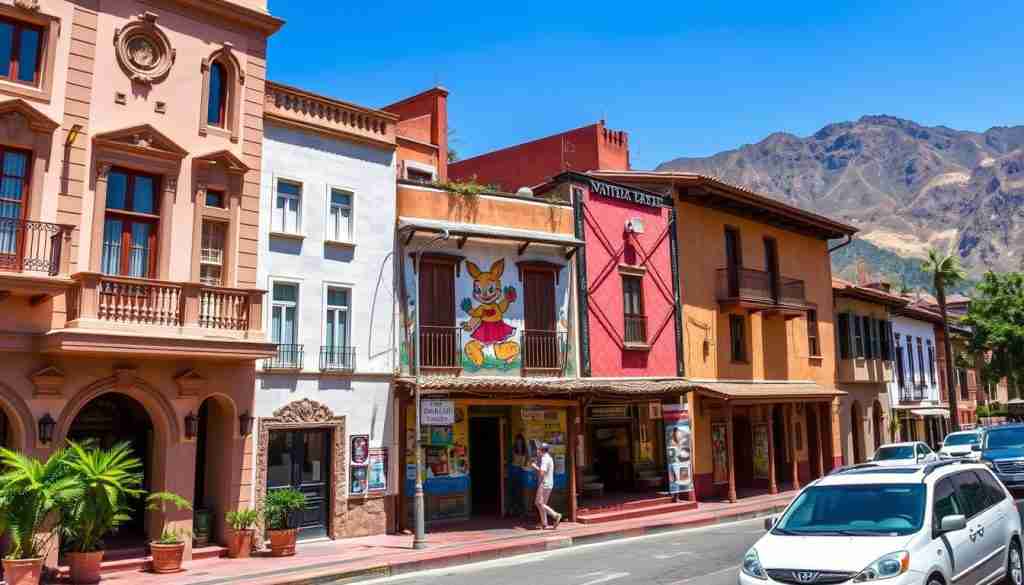
Cusco, once the Inca Empire’s capital, is a city full of history and culture. It has a mix of Inca and Spanish architecture. The Plaza de Armas and the Sacsayhuaman citadel are two of its most famous spots.
Plaza de Armas: The Heart of Cusco
The Plaza de Armas, or Huacaypata in Inca times, is Cusco’s cultural center. It was where the Inca Empire held key rituals. Today, it shows the city’s mix of old, colonial, and modern styles.
Many restaurants and bars line the plaza. It’s great for watching people and enjoying the lively atmosphere. Visitors can get used to the high altitude of 11,152 feet here.
Sacsayhuaman: Marvel of Inca Engineering
Sacsayhuaman is a top spot for tourists in Cusco. It’s a wonder of Inca engineering. The stone walls are huge and fit together perfectly without mortar.
It was named a UNESCO World Heritage site in 1983. Along with Cusco’s historic center, it shows the city’s amazing mix of old and colonial architecture.
- The stone blocks used in its construction weigh between 100 and 200 tons each.
- Nearby Inca sites accessible with the Cusco Tourist Ticket include Qenko, Tambomachay, and Puka Pukará.
- Sacsayhuaman hosts the annual Inti Raymi festival, a vibrant celebration of the Inca Sun God, every June 24th.
Cusco’s mix of Inca and colonial architecture makes it a key place to visit. It’s perfect for those wanting to dive into the Andean region’s rich history and culture.
Culinary Delights: Exploring Peruvian Cuisine in Cusco
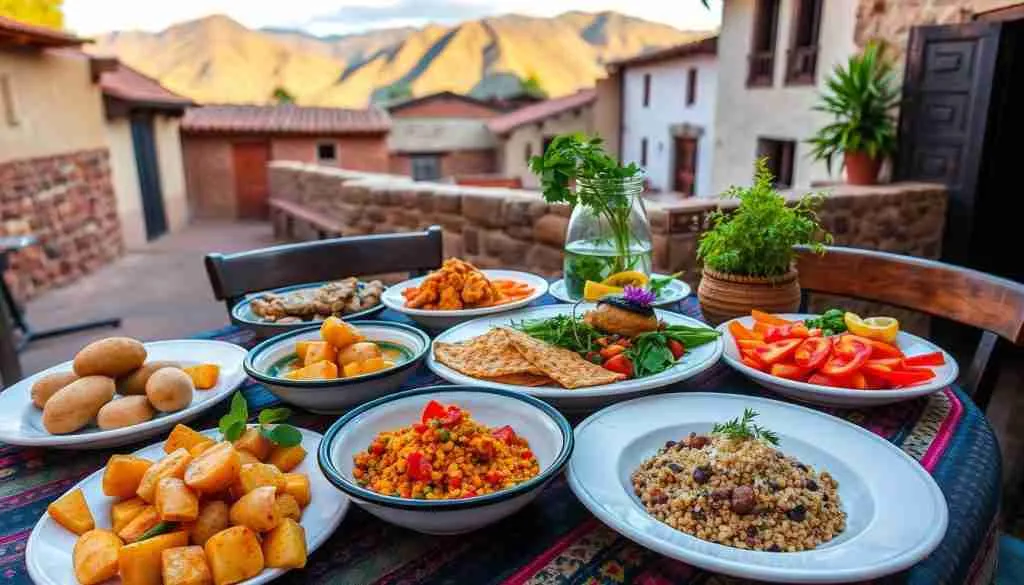
Cusco is a food lover’s paradise, with a wide range of Peruvian restaurants. You can try traditional Andean dishes or modern fusion foods. Enjoy classics like ceviche, lomo saltado, and cuy in the city’s lively atmosphere.
Don’t miss the local markets, like Mercado de San Pedro. They offer a taste of Peruvian ingredients and flavors. Try quinoa soup and picarones to experience the country’s rich heritage.
Top spots include Chicha by Gastón Acurio and Cicciolina. They mix traditional and modern flavors. Limo Restaurant, Morena Peruvian Kitchen, and Uchu Peruvian Steakhouse also offer unique dishes.
“Cusco’s dining scene is a true celebration of Peru’s rich culinary heritage, blending traditional flavors with modern flair.”
Exploring Cusco’s Culinary Gems
Cusco’s local markets are a must-see. The Mercado de San Pedro is a lively place to find traditional dishes. Here, you can see the ingredients and foods that have fed the Andean people for centuries.
Try choclo corn and anticuchos at the market. You’ll find everything from lomo saltado to ceviche. Cusco’s food will surely impress your taste buds.
Cusco Travel Information: Tips for a Smooth Trip
Packing List for Cusco
When you pack for Cusco, think about the city’s changing weather and high altitude. In the dry season, wear light, comfy clothes and a warm jacket for cooler nights. For rainy times, choose quick-drying clothes and bring rain gear.
Always pack a daypack, sun protection, and comfy shoes. These are key for exploring Cusco’s steep, cobblestone streets.
Dealing with Altitude Sickness
Altitude sickness is common in Cusco, at 11,155 feet (3,400 meters) high. It takes different people different times to adjust, but start with a few days of rest. Symptoms include headaches, tiredness, trouble sleeping, and loss of appetite.
See your doctor about preventing altitude sickness. Take it easy, drink lots of water, and eat light meals in the first days.
- Arrive in Cusco a few days early to acclimatize
- Stay hydrated by drinking plenty of water
- Avoid strenuous activities during the first 24-48 hours
- Eat light, easily digestible meals
- Consider taking altitude sickness medication as prescribed by your doctor
By being ready and taking the right steps, you can have a great time in Cusco.
Day Trips from Cusco: Sacred Valley and Beyond
Machu Picchu: The Iconic Inca Citadel
Machu Picchu is a top spot for anyone visiting Cusco. It’s about 4 hours by train from the city. You can get there by bus and train or by hiking the famous Inca Trail.
It’s important to book your tickets and permits early. They often sell out fast, especially when lots of people are traveling.
Visiting Machu Picchu is a memorable experience. You’ll see the beauty of the Inca Empire. The ancient site is surrounded by mountains and is a sight to behold.
The Sacred Valley is another great place to visit. It’s near Cusco and is known for its terraced fields and the Urubamba River. You can see Inca ruins, markets, and colonial towns here.
To get to the Sacred Valley, you can take a bus, taxi, or join a tour. The trip takes about 1-2 hours, depending on where you’re going.
Exploring Machu Picchu or the Sacred Valley is a great way to see Cusco’s beauty. With some planning, you can have an amazing adventure in the Andes.
Conclusion: Embracing the Magic of Cusco
Cusco is a city that grabs your attention and pulls you into its rich history and lively culture. It’s known for its Inca ruins and the mix of Inca and Spanish architecture. Visitors will find it hard to forget their time here, whether they explore the city, try the food, or go on trips like to Machu Picchu.
The city’s mix of old and new, set against beautiful nature, makes it a top spot to visit. It’s full of cultural sights, outdoor fun, and tasty food. Cusco offers a journey that is both enriching and unforgettable, leaving a mark on everyone who visits.
When you start planning your trip to the Andes, let Cusco’s magic take you away. It’s a place where history and today blend together beautifully. Get ready to be amazed by its history, architecture, and friendly people. It’s an experience you’ll want to have again and again.
