Cusco, once the Inca Empire’s capital, has a charm that’s hard to describe. It boasts beautiful churches, great museums, and narrow streets in the historic center. These sights alone are worth spending a few days exploring.
But that’s not all. The city is also home to stunning Inca ruins, both inside and outside the city. Cultural festivals like Señor de los Temblores and Inti Raymi show off the area’s rich heritage. These events celebrate the mix of Spanish and indigenous traditions.
This city is a treasure trove of history and culture. It’s a place you’ll never forget.
Key Takeaways
- Cusco is the former capital of the Inca Empire and a hub of Andean culture and history
- The city offers a wealth of must-see sights, including stunning Inca ruins, exquisite colonial architecture, and lively cultural festivals
- Explore the historic center’s cobblestone streets, visit top attractions like Sacsayhuamán and Qorikancha, and immerse yourself in Cusco’s unique blend of Spanish and indigenous influences
- Cusco’s high-altitude location (3,399 meters) means visitors should allow time to acclimatize before embarking on strenuous activities
- With a mix of accommodation options, convenient transportation, and a range of day trips available, Cusco is a must-visit destination on any Peru itinerary
- Contact us for a comfortable and personalized itinerary (Free Service)
Overview of Cusco
Cusco, the ancient capital of the Inca Empire, is a city that mixes old and new cultures. It sits high in the Andes, at 11,155 feet (3,400 meters). This place is full of history and lively traditions.
The Cusco area has been home to people for over a thousand years. The Killke culture was there as early as 900 AD. Later, the Inca civilization came in the 13th century, making Cusco their main city.
The Inca Empire grew under Pachacutec-Cusi Yupanqui in the 15th century. Cusco was expanded and reorganized during this time. Its streets, shaped like a puma, show the Inca’s skill in planning and building.
Now, Cusco is a lively place that combines Inca and Spanish cultures. The historic center, a UNESCO World Heritage Site, is full of cobblestone streets and old buildings. It’s a key spot for anyone visiting Peru.
Cusco has many cusco attractions summary for visitors to see. You can explore cusco history, cusco culture, or just enjoy the city’s vibe. Cusco is a place that promises a memorable cusco overview.
Climate and Weather in Cusco
Cusco, the heart of the Inca Empire, has a unique highland climate. It has distinct rainy and dry seasons. Knowing the weather is key to a great visit.
Rainy Season
The rainy season in Cusco runs from November to March. The most rain falls in January and February. Expect about 23 days of rain each month, with 80-90 mm of rain.
Temperatures range from a maximum of 26°C to a minimum of 4°C. The average is between 18°C and 23°C.
The rainy season brings lush landscapes and fewer tourists. But, the Inca Trail is closed in February due to rain.
Dry Season
The dry season in Cusco is from April to October. The coldest months are June and July. Expect fewer rainy days with only 4-11 days of rain per month.
Temperatures can be extreme. Mornings are warm (between 17°C and 19°C), while nights are very cold. The highest recorded temperature is around 20°C, and the lowest can reach -1.6°C.
The dry season is the busiest time for tourists. Prices are higher, and it’s harder to find places to stay.
Visitors to Cusco must prepare for high altitude. The city is over 3,400 meters (11,150 feet) above sea level. Altitude sickness can cause headaches, nausea, and vomiting. Some people need days to get used to it.
Best Time to Visit Cusco
Cusco, the ancient capital of the Inca Empire, is a captivating destination all year round. The best time to visit Cusco depends on what you want to see and do. Let’s look at the best times to explore this historic city.
The dry season runs from April to October. This is the peak tourist time. The weather is usually sunny with little rain, perfect for seeing the Inca ruins and cultural spots. Daytime temperatures are around 17°C (62°F), but nights can get chilly, especially in June and July.
The rainy season is from November to April, with January and February being the wettest months. This season has fewer tourists and lush landscapes. But, be ready for unpredictable weather and possible travel delays.
The shoulder seasons, April, May, September, and October, offer a good balance. These months have mild weather and fewer crowds, making them great for visiting Cusco.
Cusco is a year-round destination that captivates everyone. Whether you love festivals, Inca ruins, or cultural heritage, there’s always something magical to discover.
| Season | Months | Weather | Crowds |
|---|---|---|---|
| Dry Season | April to October | Sunny, minimal rain, cool nights | High |
| Rainy Season | November to April | Unpredictable weather, heavy rain | Low |
| Shoulder Season | April, May, September, October | Temperate weather | Moderate |
When planning your trip to Cusco, think about what you want to see and do. Each season offers unique experiences. Whether it’s festivals, ruins, or culture, Cusco has something magical for everyone.


Geography and Location
The city of Cusco, Peru, is a treasure in the Andes Mountains. It’s in the Huatanay valley in southeastern Peru. Cusco is the capital of the province and region of Cusco. It’s also a key stop for those going to Machu Picchu.
Cusco sits at an elevation of 11,155 ft (3,400 m). It’s surrounded by high Andean peaks. The city’s geography and coordinates (13°31′S 71°58′W) attract visitors worldwide. They come for its Inca and colonial architecture and natural beauty.
The population of Cusco is about 430,000. It’s a lively city that connects to the Sacred Valley and the Andes. Knowing Cusco’s geography and location helps you enjoy your trip more.

| Geographical Feature | Measurement |
|---|---|
| Elevation of Plaza de Armas | 11,150 ft (3,400 m) |
| Elevation of Sacsayhuaman | 12,142 ft (3,701 m) |
| Coordinates | 13°31′S 71°58′W |
| Population | Approximately 430,000 |
History of Cusco
Inca Origins
Cusco is a mix of many cultures from the southern Andes of Peru. Archaeologists found old temples and artifacts from the Killke Culture, dating back to 900 AD. The Inca civilization started as a city-state in 1200 AD. They merged with other groups over time.
Spanish Conquest
In the 16th century, the Spanish conquistadors changed Cusco’s history. In 1535, Francisco Pizarro’s forces took over the Inca capital. This ended the Inca Empire. The Spanish built churches and buildings on top of Inca structures.
This mix of Inca and Spanish architecture is still seen in Cusco’s historic center today.
| Key Dates in Cusco’s History | Event |
|---|---|
| 900 AD | Killke Culture establishes settlements in the Cusco basin |
| 1200 AD | Inca civilization begins to develop as a city-state in Cusco |
| 1535 AD | Spanish conquistadors led by Francisco Pizarro conquer the Inca capital of Cusco |
Cusco’s history shows the strength and adaptability of its people. They have kept their culture alive through tough times. Today, the city is a mix of Inca and Spanish, welcoming visitors to learn about its cusco history, inca empire history, and spanish conquest of cusco.
Travel Tips for Cusco
Visiting Cusco, the historic capital of the Inca Empire, needs some planning. Here are a few cusco travel tips to remember before you go:
- Acclimatize to the high altitude: Cusco is at 3,400 meters (11,155 feet). This can cause altitude sickness. Give yourself 1-2 days to adjust before doing much.
- Pack layers of clothing: The weather in Cusco changes a lot. It’s cool in the mornings and evenings but warms up during the day. Wear different layers to stay comfortable.
- Book accommodations and transportation in advance: Visiting Cusco in peak season (June-August) means booking early. Hotels, flights, and train tickets get booked up fast.
- Obtain necessary permits: If you want to hike the Inca Trail to Machu Picchu, get your permits early. They sell out quickly.
- Familiarize yourself with the local currency: The Peruvian sol is what you’ll use in Cusco. Having small bills for tips, taxis, and small buys is helpful.
Remembering these tips for visiting Cusco will help you have a great time in this amazing Andean city.
| Cusco Travel Essentials | Recommendation |
|---|---|
| Altitude Acclimatization | Allow 1-2 days to adjust to the high elevation |
| Clothing | Pack layers for varying temperatures and weather conditions |
| Accommodations and Transportation | Book well in advance during peak season (June-August) |
| Permits | Obtain Inca Trail permits months ahead if planning to hike |
| Local Currency | Have Peruvian soles on hand for tips, taxis, and small purchases |
By remembering these what to know before going to Cusco tips, you’ll have a great time exploring this amazing Andean city.
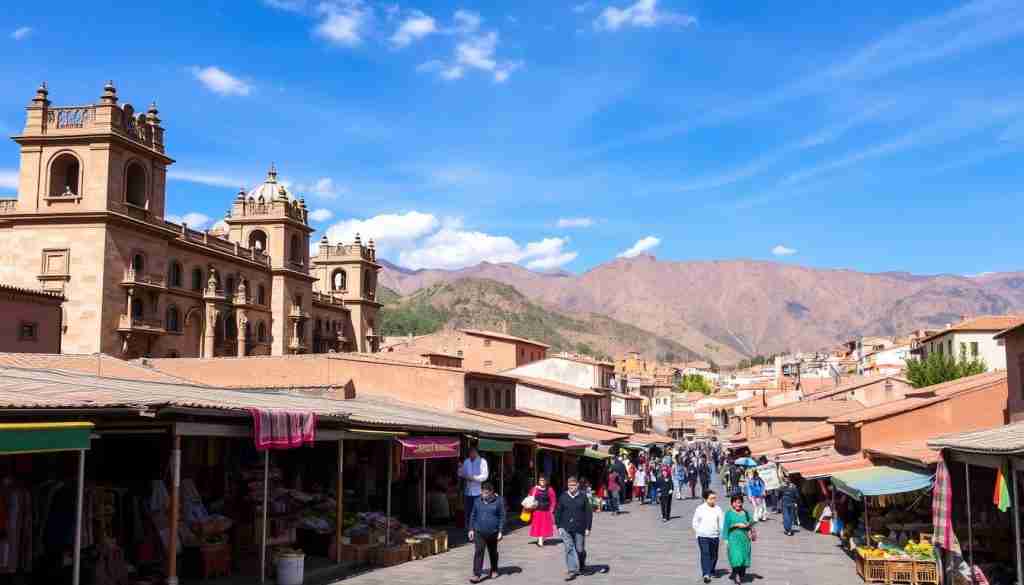
“Cusco is a city that demands your attention, with its rich history, stunning architecture, and vibrant culture.”
Must-See Sights in Cusco Travel Information
Cusco, the ancient capital of the Inca Empire, is full of top things to do and best attractions. You can explore the city’s iconic sights and learn about its rich history. From the Plaza de Armas to the impressive Inca ruins, Cusco is a place that will leave you with unforgettable memories.
Plaza de Armas
The Plaza de Armas is at the heart of Cusco’s historic district. It was once the main stage for the Inca Empire’s rituals. Today, it shows the city’s mix of old and new architecture, making it a stunning place to visit.
Sacsayhuaman
Sacsayhuaman is one of Cusco’s most famous Inca ruins. It’s known for its huge stone blocks and the amazing skill of the Inca stonework. This site, along with Qenqo, Pucapucara, and Tambomachay, shows the engineering skills of the Inca civilization.
Coricancha and Santo Domingo
The Coricancha, or the Temple of the Sun, was once covered in gold. It was a sacred site for the Inca Empire. Even though the conquistadors took the gold, the Inca stonework remains, forming the base of the Santo Domingo church.
Museo Inka and Museo Casa Concha
To learn more about Inca culture and history, visit the Museo Inka. It has a huge collection of artifacts like ceramics, textiles, and metalwork. The Museo Casa Concha, on the other hand, has over 360 artifacts from the Inca royal residence and Machu Picchu.
| Top Things to Do in Cusco | Best Attractions in Cusco |
|---|---|
|
|
Cusco has something for everyone, from its iconic Inca sights to its rich culture and vibrant atmosphere. It’s a place that will captivate visitors from all over the world.
“Cusco is a treasure trove of top things to do and best attractions in Cusco, offering a glimpse into the past and an unforgettable travel experience.”
Where to Stay in Cusco
Planning your trip to Cusco, Peru, means choosing where to stay is key. Cusco, a UNESCO World Heritage site, is full of must-see sights and attractions. The historic downtown is the best place to stay. It’s close to restaurants, museums, Inca ruins, and more.
Cusco has many places to stay, from hostels to luxury hotels. San Blas is a charming area, but it’s uphill from Plaza de Armas. It’s perfect for those wanting to dive into the city’s heart.
The best areas to stay are Plaza de Armas, San Blas, and San Cristobal. Top hotels like Palacio del Inka A Luxury Collection Hotel and Inkaterra La Casona are here. For more options, check out Saqray Hostel and Rumi Punku.
| Neighborhood | Highlights | Recommended Hotels |
|---|---|---|
| Plaza de Armas | Vibrant, central location with numerous attractions | La Posada del Viajero, Casa Andina – Cusco Plaza, Inkaterra La Casona, Monasterio, A Belmond Hotel |
| San Blas | Charming, walkable barrio with cafes, restaurants, and shopping | Hostal El Grial, Casona Les Pleiades, Hotel Rumi Punku, Tocuyeros Boutique Hotel |
| San Cristobal | Offers great views, but requires a steep uphill trek from the center | Pariwana Hostel, Saqray Hostel |
Cusco has many cusco accommodation recommendations for all budgets. You’re sure to find a place that makes your stay unforgettable.
Getting Around Cusco
Walking is the best way to see Cusco’s historic heart. You can walk from one side of the historic center to the other in 15 to 20 minutes. This lets you easily visit the Plaza de Armas and other top spots, restaurants, and lively nightlife.
The area around the main plaza is mostly flat. But, the streets get steeper as you head towards San Blas, San Cristobal, or Santa Ana. These hills give you a real look at Cusco’s history.
Reliable Transportation Options
When you need a break from walking, Cusco has good transport:
- Taxis: Taxi fares in the historic core during the day are S/3 to S/5. At night, they’re S/5 to S/8. Taxis cost about S/15 to S/20 to the airport.
- Buses: Local buses, or colectivos, micros, and combis, cost S/1.50. Prices go up after midnight, on Sundays, and holidays.
- Rental Cars: You can rent a car to see Cusco and nearby areas. Prices start at $45 a day for a standard car. A Toyota Hilux four-wheel-drive costs $95 or more a day.
- Trains: To visit Machu Picchu, take a train from Cusco to Ollantaytambo and Machu Picchu. Book in advance, especially in high season (May-Sept).
No matter how you travel, Cusco’s small historic center and good public transit make it easy to explore. You can see all the city’s wonders with ease.
How to Get from Cusco to Machu Picchu
Many travelers to Peru want to see Machu Picchu. It’s about 4 hours from Cusco by train. Here are the main ways to get from Cusco to Machu Picchu:
- Train: The train is the most popular way to get to Machu Picchu. It takes about 4 hours one-way. Peru Rail and Inca Rail offer different classes, from budget-friendly to luxury. Prices range from $120 to $1,000 per person for a round trip.
- Bus and Train Combo: This option involves a bus to the Hydroelectric train station, then a 45-minute train ride to Aguas Calientes. The total journey takes 5-6 hours. Costs range from $50 to $500 per person, depending on the class.
- Inca Trail Trekking: The famous Inca Trail is a 4-day, 3-night hike. It ends at the Sun Gate above Machu Picchu. This trek is a popular way to get from Cusco to Machu Picchu while enjoying the Andean scenery.
Be ready for a long day of travel, as the round-trip journey can take 14-15 hours. Stay hydrated and acclimatize to the high altitude. With the right planning, your visit to Machu Picchu will be unforgettable.
| Transportation Method | Travel Time | Estimated Cost |
|---|---|---|
| Train | 4 hours one-way | $120 – $1,000 per person round-trip |
| Bus and Train Combo | 5-6 hours | $50 – $500 per person |
| Inca Trail Trekking | 4 days, 3 nights | Varies based on tour package |
Conclusion
Cusco is a fascinating place that mixes Incan and colonial history. It has stunning architecture, lively markets, and is close to famous sites like Machu Picchu. It offers something for everyone, whether you love history, culture, outdoor activities, or just enjoying the local vibe.
This guide has given you all the key info to plan an amazing trip. You now know the best times to visit, travel tips, and how to get around. Remember, it’s important to respect local customs and traditions. Booking a tour with a trusted company like TOUR IN PERU can make your trip smooth and fun.
When you go to Cusco, the ‘Rome of America,’ you’ll dive into its rich history and culture. You’ll also see its stunning natural beauty. Knowing the important things about Cusco will make your visit unforgettable. You’ll leave with wonderful memories and a greater love for this amazing Peruvian place.