Cusco Budget Guide 2026: Complete Cost Breakdown
Key Takeaways
- Daily budget ranges from $40-60 for backpackers, $80-120 for mid-range travelers, and $200+ for luxury experiences in 2026
- Book Machu Picchu tickets 3-4 months in advance to secure the $50-70 entrance fees before they sell out during peak season
- Accommodation costs $12-25 for hostels, $50-80 for mid-range hotels, and $150-300 for luxury properties in central Cusco
- Transportation within Cusco costs $0.50-1 per bus ride, while taxis charge $3-8 for most destinations within the historic center
- Save 30-40% on total costs by visiting during shoulder season (April-May or September-October) instead of peak months
- The Boleto Turístico costs $45 and provides access to 16 archaeological sites, offering significant savings over individual tickets
- Contact us by filling out the trip planner form, our expert travel advisors will work closely with you to create your tailor-made itinerary (Free Service)
Introduction: Planning Your Cusco Budget for 2026
Cusco stands as the archaeological capital of South America and the gateway to Machu Picchu, offering travelers an extraordinary blend of Inca heritage and Spanish colonial architecture. The former capital of the Inca Empire attracts over 3 million visitors annually, making budget planning essential for maximizing your experience while controlling costs. The 2026 travel season brings updated pricing structures across accommodations, tours, and attractions, requiring strategic planning to balance affordability with authentic cultural experiences.
The UNESCO World Heritage Site of Cusco presents diverse budget options catering to backpackers, mid-range travelers, and luxury seekers. The city’s high-altitude location at 3,400 meters (11,150 feet) demands acclimatization time, influencing both trip length and associated costs. The historic center concentrates most attractions within walking distance, reducing transportation expenses while providing immediate access to archaeological wonders, colonial churches, and vibrant markets.
Currency exchange rates significantly impact travel budgets, with the Peruvian Sol (PEN) offering favorable conversion for most international currencies. This guide provides comprehensive cost breakdowns across all expense categories, enabling you to construct realistic budgets aligned with your travel style. Strategic timing, advance bookings, and informed choices about tours versus independent exploration can reduce total costs by 30-50% compared to last-minute planning.
The 2026 season introduces new booking requirements for popular attractions, extended opening hours at major sites, and enhanced transportation options connecting Cusco to the Sacred Valley. Understanding current pricing structures, seasonal variations, and money-saving strategies empowers you to experience Cusco’s rich cultural heritage without exceeding your financial limits. This complete cost breakdown addresses every expense category from international flights to daily meals, creating a transparent foundation for your 2026 trip planning.
People Also Ask About Cusco Budget 2026
How much does it cost to visit Cusco in 2026?
Daily costs in Cusco range from $40-60 for budget travelers, $80-120 for mid-range experiences, and $200-300 for luxury visits in 2026. These totals include accommodation, meals, local transportation, and attraction entries but exclude international flights. Budget travelers staying in hostels, eating at local markets, and using public transport spend $40-60 daily. Mid-range travelers choosing comfortable hotels, dining at tourist-zone restaurants, and taking occasional taxis allocate $80-120 per day. Luxury travelers selecting 4-5 star hotels, fine dining establishments, and private tours invest $200-300 daily or more.
A typical week-long trip to Cusco costs $500-700 for backpackers, $1,000-1,400 for mid-range travelers, and $2,500-3,500 for luxury experiences, excluding international airfare. These figures include accommodation for 6 nights, all meals, local transportation, major attraction tickets including Machu Picchu, and either the Boleto Turístico or individual site entries. Adding an Inca Trail trek increases costs by $500-800 for budget operators or $800-1,500 for premium companies.
What is the cheapest month to visit Cusco in 2026?
February represents the most affordable month to visit Cusco in 2026, with accommodation prices 40-50% lower than peak season and fewer tourists reducing pressure on restaurants and tours. The rainy season runs November through March, with February experiencing the highest precipitation but also the lowest visitor numbers. Hotels offer substantial discounts ranging from 30-60% compared to June-August rates. Budget hostels charge $12-18 per night compared to $20-25 during high season, while mid-range hotels drop from $80-100 to $50-70 nightly.
November and early December also provide budget advantages before the holiday rush begins, with shoulder-season pricing across most categories. Tour operators reduce prices by 20-30% during these months to attract travelers willing to risk occasional rain showers. March offers transitional pricing as the rainy season ends, combining lower costs with improving weather conditions. The trade-off involves reduced visibility at mountain viewpoints and muddy trail conditions, particularly affecting photography and hiking experiences.
Is Cusco expensive for tourists in 2026?
Cusco offers exceptional value for budget-conscious travelers compared to other major South American destinations, with daily costs 30-40% lower than Buenos Aires or Rio de Janeiro. The local economy accommodates diverse budget levels through extensive hostel infrastructure, authentic local markets serving $2-4 meals, and free or low-cost cultural experiences throughout the historic center. Public transportation costs $0.50-1 per ride, while walking remains the primary method for exploring the compact colonial core.
Expense levels depend entirely on traveler choices regarding accommodation standards, dining preferences, and tour selections. Budget travelers avoiding expensive restaurants, choosing shared hostel rooms, and exploring independently maintain $40-60 daily budgets. Mid-range travelers balancing comfort with value consciousness allocate $80-120 daily for superior accommodations and occasional splurges on specialized tours or fine dining. Luxury experiences including 5-star hotels, private guides, and premium restaurants elevate daily costs to $200-300 or beyond.
Do I need travel insurance for Cusco in 2026?
Travel insurance proves essential for Cusco visits in 2026, providing critical coverage for high-altitude medical emergencies, trip cancellations, and lost luggage. Comprehensive policies cost $40-80 for week-long trips, covering emergency medical treatment, evacuation from remote locations, and reimbursement for cancelled tours or flights. The high altitude poses genuine health risks including altitude sickness affecting 50-75% of visitors, making medical coverage particularly important.
Insurance becomes mandatory for adventure activities including the Inca Trail, mountain biking, and whitewater rafting, with many tour operators requiring proof of coverage before accepting bookings. Policies covering adventure sports cost slightly more at $60-100 weekly but protect against significant medical expenses that could reach thousands of dollars. Trip cancellation coverage protects advance payments for Machu Picchu permits, Inca Trail bookings, and non-refundable hotel reservations, recovering 80-100% of prepaid costs if emergencies force cancellation.
Extended multi-day tours – 5+ days
Featured Cusco Multi-Day Tour Packages

3 days
Cusco 3-Day Discovery Tour
- ✓ Comprehensive Cusco experience
- ✓ Expert local guides included
- ✓ All accommodation included
- ✓ Transportation provided
5 days
Cusco 5-Day Highlights Experience
- ✓ Comprehensive Cusco experience
- ✓ Expert local guides included
- ✓ All accommodation included
- ✓ Transportation provided

7 days
Cusco 7-Day Cultural Journey
- ✓ Comprehensive Cusco experience
- ✓ Expert local guides included
- ✓ All accommodation included
- ✓ Transportation provided
10 days
Cusco 10-Day Complete Adventure
- ✓ Comprehensive Cusco experience
- ✓ Expert local guides included
- ✓ All accommodation included
- ✓ Transportation provided
Multi-day tour packages powered by TourRadar. Prices and availability subject to change.
Essential Planning Information 2026
Currency and Exchange Rates for 2026
The Peruvian Sol (PEN) serves as the official currency, with exchange rates fluctuating between 3.6-3.8 soles per US dollar throughout 2026. ATMs throughout central Cusco dispense both soles and dollars, charging withdrawal fees of $4-7 per transaction plus potential foreign transaction fees from your home bank. Banks offer the best exchange rates with 1-2% spreads, while currency exchange houses (casas de cambio) charge 2-4% commission. Hotels provide the least favorable rates with 5-8% spreads, making them suitable only for emergency exchanges.
Credit cards gain acceptance at established restaurants, hotels, and tour agencies, but small shops, markets, and local eateries operate cash-only. Visa and Mastercard work reliably throughout the city, while American Express sees limited acceptance outside major hotels and tour operators. Foreign transaction fees of 2-3% apply to most credit card purchases, making cash advantageous for daily expenses. Carrying a mix of small denomination bills (10, 20, and 50 sole notes) facilitates transactions at markets and with taxi drivers who rarely carry change for large bills.
Notify your bank before traveling to avoid card blocks triggered by unusual geographic spending patterns. Bring backup cards from different banks and store them separately from your primary payment methods. The US dollar functions as a secondary currency at major establishments, though exchange rates applied at point of purchase typically favor the business rather than the consumer. Budget $200-300 in initial cash withdrawal to cover first days’ expenses while you establish reliable ATM locations and assess daily cash needs based on your activity plans.
Accommodation Cost Overview 2026
Cusco offers diverse accommodation spanning backpacker hostels, colonial-style guesthouses, boutique hotels, and luxury properties, with nightly rates ranging from $12 for basic dorm beds to $400 for premium suites. Location significantly impacts pricing, with properties in the San Blas neighborhood and main plaza commanding 20-30% premiums over equivalent establishments in less central areas. The 2026 season brings increased demand during peak months (May-September), making advance reservations essential for securing preferred properties at advertised rates.
Budget hostels charge $12-25 per night for dormitory beds, typically including basic breakfast, WiFi, and shared bathroom facilities. Private rooms in budget properties cost $35-55 nightly for doubles, offering modest comfort with private bathrooms but basic amenities. Mid-range hotels price rooms at $60-100 per night, providing colonial charm, central locations, and comfortable furnishings with modern bathrooms. Superior mid-range properties in the $100-150 range add upscale touches including courtyards, rooftop terraces, and more extensive breakfast offerings.
Luxury hotels start at $150-250 nightly for standard rooms, featuring restored colonial mansions, oxygen-enriched rooms addressing altitude concerns, heated bedding, gourmet restaurants, and concierge services. Premium properties exceed $300 nightly, offering butler service, spa facilities, fine dining, and exceptional locations directly on the Plaza de Armas. Booking 2-3 months ahead secures the best rates and availability, particularly for travel during June-August peak season or around Inti Raymi festival in late June.
Breaking Down Daily Costs in Cusco 2026
Budget Traveler Daily Costs 2026
Budget-conscious travelers maintain daily expenses of $40-60 in Cusco through strategic choices about accommodation, food, and activities. Hostel dormitory beds cost $12-18 per night in the historic center, rising to $20-25 during peak season. These establishments provide basic breakfast (bread, jam, coffee, fruit), reducing morning meal costs. Lunch at local markets costs $2-4 for set menus (menu del día) including soup, main course, juice, and sometimes dessert. Dinner at simple restaurants ranges $4-8 for substantial portions of traditional Peruvian dishes.
Local transportation via colectivos (shared minivans) charges $0.50-1 per ride within Cusco, while walking covers most tourist attractions within the historic center. Free activities include exploring the San Pedro Market, walking through San Blas artisan quarter, observing ceremonies at the Cathedral exterior, and hiking to viewpoints above the city. The Boleto Turístico costs $45 for 10-day access to 16 sites including Sacsayhuamán, Pisac, and Ollantaytambo, offering excellent value compared to individual tickets.
Typical budget day breakdown: Hostel bed $15, breakfast included, market lunch $3, street snack $2, restaurant dinner $6, local bus rides $2, bottled water $2, museum entry $8, snacks $2. Total day cost: $40 per person (excluding accommodation $15). Budget travelers allocating one week in Cusco spend $280-420 total including six nights accommodation, all meals, local transport, and attraction entries. Adding Machu Picchu via economical train option increases the weekly budget to $450-550.
Mid-Range Traveler Daily Costs 2026
Mid-range travelers balancing comfort with reasonable costs allocate $80-120 daily in Cusco. Private rooms in good hotels cost $60-80 per night, featuring colonial architecture, central locations, private bathrooms, and substantial breakfasts. Lunch at tourist-zone restaurants prices at $10-15 for quality dishes with table service, while dinner at recommended establishments costs $18-28 for appetizers, main courses, and beverages. Cafes charge $3-5 for coffee and pastries during afternoon breaks.
Transportation mixes walking with occasional taxis costing $3-8 for rides across the city, providing convenience and saving energy at high altitude. Guided tours enhance cultural understanding, with half-day city tours priced at $25-35 per person and full-day Sacred Valley excursions costing $45-65 including transportation and guide services. The Boleto Turístico remains essential, supplemented by entries to specific attractions like Qorikancha Temple ($4) or Cathedral entrance ($11).
Mid-range daily breakdown: Hotel room $70, breakfast included, lunch $12, coffee break $4, dinner $25, taxi rides $8, entrance fees $15, tour guide tip $5. Total day cost: $69 per person (excluding accommodation $70). A week-long mid-range trip totals $900-1,200 including accommodation, meals, transportation, tours, and attraction entries. Incorporating Machu Picchu via Vistadome train and guided tour increases weekly costs to $1,200-1,500.
Luxury Traveler Daily Costs 2026
Luxury travelers seeking exceptional comfort and exclusive experiences spend $250-400 daily in Cusco. Five-star hotels charge $200-350 per night for rooms featuring oxygen enrichment, heated floors, premium bedding, butler service, and fine dining restaurants. Breakfast buffets include extensive international and Peruvian options, gourmet coffee, fresh juices, and made-to-order dishes. Lunch at upscale establishments costs $25-40 for innovative takes on traditional cuisine, while dinner at the city’s finest restaurants ranges $50-80 per person including appetizers, entrees, desserts, and wine or pisco cocktails.
Private transportation via hired drivers costs $40-60 daily, eliminating navigation concerns and providing flexible schedules. Private guides offer personalized experiences at $80-120 for half-day tours and $150-220 for full-day excursions, delivering expert knowledge and exclusive access to locations closed to general visitors. Luxury spa treatments at hotel facilities cost $60-120 for massage or altitude-relief therapies. Premium tour experiences including hot air balloon rides over the Sacred Valley or helicopter flights to Machu Picchu range $300-600 per person.
Luxury daily breakdown: Boutique hotel $275, breakfast included, lunch $35, afternoon tea $15, dinner $70, private driver $50, private guide $100, spa treatment $80, wine tasting $40. Total day cost: $390 per person (excluding accommodation $275). Week-long luxury experiences total $2,800-3,500 including premium accommodation, fine dining, private tours, and exclusive activities. Adding helicopter access to Machu Picchu and luxury train service increases weekly budgets to $3,800-4,500.
Accommodation Strategies for 2026
Budget Accommodation Options 2026
Cusco’s budget accommodation sector offers exceptional value, with dozens of hostels competing for backpacker attention through competitive pricing and social atmospheres. Dormitory beds in the San Blas neighborhood cost $12-16 per night in 8-12 bed rooms, rising to $18-22 for 4-6 bed dorms with more privacy and better facilities. Peak season (June-August) increases these rates by $4-6 per night, making advance booking essential during high-demand periods. Most hostels include simple breakfast, hot showers, WiFi, and common areas facilitating traveler connections.
Private budget rooms range $35-45 per night for doubles with shared bathrooms, increasing to $45-60 for ensuite facilities. These rooms suit couples or friends wanting privacy without hostel prices. Budget hotels in the historic center provide basic comfort at $40-55 per night for double rooms, offering private bathrooms, daily cleaning, and small included breakfasts. Properties farther from Plaza de Armas reduce costs by 15-25% while remaining within 15-20 minute walks of major attractions.
Strategic booking through platforms like Booking.com or Hostelworld secures promotional rates and allows comparison shopping. Properties offering free cancellation provide flexibility for uncertain travel plans. Reading recent reviews identifies establishments maintaining quality standards versus those declining in service or cleanliness. Budget travelers spending 6 nights in Cusco allocate $90-130 for dormitory beds or $240-330 for private budget rooms, representing 20-30% of total weekly expenses.
Mid-Range Hotel Selection 2026
Mid-range accommodations balance comfort, location, and value, with Cusco offering numerous colonial-converted properties at $60-100 per night. These hotels occupy restored Spanish mansions featuring interior courtyards, original stone walls, wood-beam ceilings, and modern amenities adapted to historic structures. Rooms include private bathrooms with hot water, comfortable beds, WiFi, and daily housekeeping. Breakfast buffets provide substantial fuel for days spent exploring, including eggs, bread, cereals, fruits, yogurt, coffee, and juice.
Properties in the $80-100 range add rooftop terraces with mountain views, more spacious rooms, better heating systems addressing cold Andean nights, and helpful concierge services booking tours and transportation. Some feature small courtyards with cafes serving light meals, reducing the need to venture out for every dining occasion. Location near San Blas or within three blocks of Plaza de Armas minimizes walking distances to restaurants, ATMs, and tour departure points.
Booking directly through hotel websites sometimes yields better rates than third-party platforms, particularly for stays exceeding 3-4 nights. Packages combining accommodation with airport transfers or city tours provide modest savings of 10-15% compared to booking separately. Mid-range travelers appreciate features like luggage storage after checkout, allowing final-day exploration without carrying bags. Six nights at mid-range hotels costs $360-600, representing 35-45% of weekly budgets.
Luxury Hotel Experiences 2026
Cusco’s luxury hotels transform colonial monasteries and aristocratic mansions into extraordinary properties, with rates starting at $150-200 per night for entry-level rooms and exceeding $350-500 for suites in premiere establishments. These properties feature oxygen-enriched rooms addressing altitude concerns, heated floors combating cold nights, premium bedding ensuring restful sleep, and bathrooms with rain showers and luxury toiletries. Suites add separate living areas, bathtubs, and private terraces overlooking the city or surrounding mountains.
Five-star services include 24-hour concierge arranging every aspect of your stay, from private guides and exclusive dining reservations to helicopter charters and specialized tours. On-site restaurants serve gourmet Peruvian cuisine prepared by celebrated chefs, while bars create signature pisco cocktails using rare regional spirits. Spa facilities offer altitude-adjustment massages, coca leaf treatments, and therapeutic baths addressing travel fatigue. Some properties provide private museum-quality art collections, with guided tours explaining the cultural significance of displayed pieces.
Butler service delivers personalized attention including unpacking assistance, laundry pressing, shoe shining, and custom itinerary planning. Complimentary afternoon tea service with pastries and sandwiches provides elegant respite after morning sightseeing. Premium properties arrange exclusive after-hours access to normally closed sites or private ceremonies at archaeological locations. Six nights at luxury hotels costs $900-2,100, representing 30-40% of high-end weekly budgets but delivering exceptional comfort and service justifying the investment for travelers prioritizing premium experiences.
Food and Dining Budget 2026
Street Food and Market Dining 2026
Cusco’s street food scene and traditional markets offer authentic Peruvian cuisine at remarkably low prices, with complete meals costing $2-5. San Pedro Market serves as the epicenter of budget dining, with dozens of stalls offering menu del día (set lunch menus) for $2-4. These menus include soup, main course, rice, potatoes, salad, juice, and sometimes dessert, providing substantial nutrition for minimal cost. Breakfast at market stalls costs $1.50-3 for dishes like tamales, empanadas, or bread with cheese and coffee.
Street vendors throughout the historic center sell snacks including anticuchos (grilled beef heart skewers) for $1.50-3, picarones (sweet potato doughnuts) for $1-2, and fresh fruit cups for $1-2. Bakeries offer empanadas for $0.80-1.50 each, providing portable energy for walking tours. Juice bars blend fresh fruit smoothies for $1.50-3, offering vitamins and hydration. These budget options maintain quality and flavor while dramatically reducing daily food expenses compared to tourist restaurants.
Food safety at established market stalls proves generally reliable, with high customer turnover ensuring fresh ingredients and proper cooking. Avoid meat or dairy items sitting unrefrigerated for extended periods, and choose stalls with active local patronage indicating quality and safety. Budget travelers eating primarily at markets and street vendors spend $8-15 daily on all meals, stretching food budgets while enjoying authentic local flavors. A week of market dining totals just $55-105 for all meals, representing exceptional value for travelers prioritizing affordability over upscale dining experiences.
Restaurant Dining Costs 2026
Tourist-oriented restaurants in central Cusco charge moderate prices for quality food and pleasant atmospheres, with lunch costing $8-15 and dinner ranging $15-30 per person. Casual restaurants serving traditional Peruvian dishes including lomo saltado (stir-fried beef), ají de gallina (creamy chicken), or cuy (guinea pig) price main courses at $8-14. Set lunch menus at tourist restaurants cost $6-10, offering better quality and ambiance than market stalls while remaining affordable. Beverages add $2-4 for soft drinks, $3-5 for beers, or $4-7 for pisco cocktails.
Mid-range establishments with enhanced ambiance, better service, and more refined cuisine charge $18-28 for main courses, with appetizers adding $6-12 and desserts costing $5-8. These restaurants feature creative interpretations of traditional dishes, international wine lists, and attentive service. Pizzerias and Italian restaurants offer alternatives to Peruvian cuisine at $10-18 for pizzas or pasta dishes. Asian restaurants including Chinese chifas and Japanese nikkei establishments price dishes at $10-16.
Coffee shops charge $2-4 for lattes or cappuccinos, with cafes near Plaza de Armas adding 20-30% premiums for prime locations. Bakeries sell pastries for $1.50-3 and cakes for $2-4 per slice. Mid-range travelers dining at tourist restaurants for most meals spend $30-50 daily including three meals and beverage. Weekly restaurant dining totals $210-350, representing 25-35% of mid-range budgets. Mixing restaurant meals with occasional market lunches reduces costs by 20-30% while maintaining diverse dining experiences.
Fine Dining Experiences 2026
Cusco’s emerging fine dining scene showcases innovative Peruvian gastronomy through restaurants earning international recognition, with tasting menus ranging $50-90 per person and à la carte dining costing $35-55 for main courses. Celebrity chefs operate establishments combining traditional Andean ingredients with modern techniques, creating unique flavor profiles impossible to replicate elsewhere. These restaurants require advance reservations, particularly during peak season when limited seating fills weeks ahead.
Wine pairings add $25-45 to tasting menu prices, featuring selections from Peru’s developing wine regions alongside Argentine, Chilean, and European bottles. Premium pisco cocktails cost $8-14, showcasing rare varietals and creative mixology. Appetizers range $12-22, while desserts cost $10-16 for artistic presentations completing the culinary journey. Service charges of 10% appear on final bills, with additional tipping of 5-10% expected for exceptional service.
Fine dining establishments occupy stunning colonial settings, with tables surrounding illuminated courtyards or offering mountain views from rooftop locations. The multi-course experiences last 2-3 hours, emphasizing leisure and appreciation of culinary artistry. Luxury travelers allocating one or two fine dining experiences during week-long stays budget $100-180 per dinner including beverages and service. These meals create memorable highlights justifying higher costs through exceptional quality, service, and atmosphere unavailable at conventional restaurants.
Transportation Costs in Cusco 2026
Getting to Cusco 2026
International flights to Lima followed by domestic connections to Cusco represent the standard arrival pattern, with round-trip costs varying significantly based on departure cities, booking timing, and travel dates. Flights from North American cities to Lima cost $400-800 for economy class when booked 2-3 months ahead, rising to $700-1,200 for last-minute bookings or peak season travel. European departures range $600-1,000 for advance purchases. LATAM, Avianca, and Copa Airlines dominate routes, with occasional deals from budget carriers like JetBlue or Spirit reaching $350-500 from US East Coast cities.
Domestic flights from Lima to Cusco cost $80-150 each way, with prices fluctuating based on demand and booking lead time. Morning flights see higher prices at $120-180 due to popularity, while afternoon or evening departures drop to $80-120. LATAM and Sky Airlines operate multiple daily flights, with journey times of 1 hour 20 minutes. Booking Lima-Cusco connections simultaneously with international flights through airline websites sometimes provides packaged discounts of 10-15% compared to separate bookings.
The overland alternative via bus from Lima takes 20-22 hours, costing $40-70 for semi-cama (reclining) seats or $80-110 for fully flat cama beds. Companies like Cruz del Sur and Oltursa operate overnight services departing Lima evening and arriving Cusco following afternoon. This option suits budget travelers with flexible schedules willing to sacrifice comfort and time for significant savings. Total round-trip transportation to Cusco ranges $650-1,000 for most international travelers, representing a major budget component requiring early booking for optimal pricing.
Local Transportation Options 2026
Walking serves as the primary transportation method within Cusco’s compact historic center, with most attractions located within 15-20 minute walks of Plaza de Armas. The steep cobblestone streets challenge fitness levels and altitude adjustment, making pace moderation essential. Comfortable walking shoes with good traction prevent slips on smooth stones, particularly after rain showers. The historic core’s pedestrian-friendly layout concentrates restaurants, hotels, shops, and colonial sites within easily explorable boundaries.
Local buses and colectivos (shared minivans) charge $0.50-1 per ride, serving routes connecting the center to outlying neighborhoods and nearby sites like Sacsayhuamán. These vehicles operate without fixed schedules, departing when full and following set routes marked by destination signs. Asking locals or hotel staff about appropriate routes helps navigate the informal system. Colectivos to the airport cost $2-3 per person, offering economical alternatives to private taxis while requiring some flexibility regarding departure timing.
Taxis provide convenient point-to-point transportation at $3-5 for short rides within the historic center and $6-12 for longer distances to outlying neighborhoods or nearby attractions. Negotiate fares before entering, as meters rarely function. Uber and local app-based services operate in Cusco, offering transparent pricing typically 10-20% lower than street taxis. Budget $5-10 daily for occasional taxi use supplementing walking, totaling $35-70 weekly for local transportation within the city limits.
Regional Transportation to Sacred Valley 2026
Reaching Sacred Valley sites including Pisac, Ollantaytambo, and Chinchero requires transportation from Cusco, with options ranging from budget colectivos to private drivers. Shared minivans to Pisac cost $2-3 each way, departing from Puputi Street when full and taking 45 minutes to 1 hour. Ollantaytambo colectivos charge $3-4 per person for 1.5-2 hour journeys. These informal services operate throughout daylight hours, providing flexible departure options without advance booking requirements.
Organized tours offer transportation, guide services, and structured itineraries at $35-55 per person for full-day Sacred Valley tours visiting multiple sites. These excursions include pickup from Cusco hotels, stops at Pisac market and ruins, lunch in Urubamba, and visits to Ollantaytambo fortress before returning to Cusco evening. The convenience justifies higher costs versus independent travel, particularly for first-time visitors wanting cultural context from Spanish or English-speaking guides.
Private drivers charge $80-120 for full-day Sacred Valley tours accommodating up to four passengers, offering flexibility for custom itineraries, extended photo stops, and travel at your preferred pace. This option suits small groups or families where per-person costs become comparable to organized tours while providing personalized service. Split among four travelers, private driver costs reach just $20-30 per person for comprehensive valley exploration. Budget travelers using colectivos spend $8-12 for round-trip valley transportation, while tour participants allocate $35-55, and private driver users invest $20-30 per person for shared costs.
Attraction and Activity Costs 2026
Boleto Turístico Investment 2026
The Boleto Turístico serves as Cusco’s most valuable sightseeing investment, providing access to 16 archaeological and cultural sites throughout the region. The complete 10-day ticket costs $45 for international visitors in 2026 (check official tourism office for current rates), covering major attractions including Sacsayhuamán, Q’enqo, Puka Pukara, Tambomachay, Pisac ruins, Ollantaytambo fortress, Chinchero, Moray, and several museums. Purchasing individual entry tickets for these sites totals over $90, making the Boleto Turístico a 50% savings for travelers visiting multiple locations.
Partial Boleto options cost $25 for either Cusco-area circuit (Sacsayhuamán and nearby sites plus museums) or Sacred Valley circuit (Pisac, Ollantaytambo, Chinchero, Moray), valid for 2 days. These reduced versions suit travelers with limited time focusing on specific regions. Students with valid ISIC cards receive 50% discounts on all Boleto versions. Children under 10 enter free when accompanied by parents. The ticket office operates at Avenida El Sol 103, opening 8 AM to 6 PM Monday through Saturday and 8 AM to 12 PM Sundays.
The Boleto Turístico excludes major attractions requiring separate tickets: Machu Picchu ($50-70 depending on circuit), Cathedral ($11), Qorikancha Temple ($4), and private museums. Strategic planning visits included sites over 2-3 days, maximizing the 10-day validity period. Most sites open 7 AM to 6 PM, with last entry at 5 PM. Bringing the ticket and passport to each location for verification prevents complications. The investment delivers exceptional value for culture-focused travelers, effectively reducing per-site costs to just $2.80 each.
Machu Picchu Access Costs 2026
Visiting Machu Picchu represents the primary motivation for most Cusco travelers, with total costs ranging $120-280 per person depending on transportation and tour choices. Entrance tickets cost $50 for adults accessing Machu Picchu circuit alone, $65 for circuits including Huayna Picchu mountain, and $70 for circuits with Machu Picchu Mountain in 2026 (check machupicchu.gob.pe for current official pricing). Tickets sell out 2-4 months ahead during peak season, making advance online booking essential. Check official Peruvian government websites for current rates as pricing may vary.
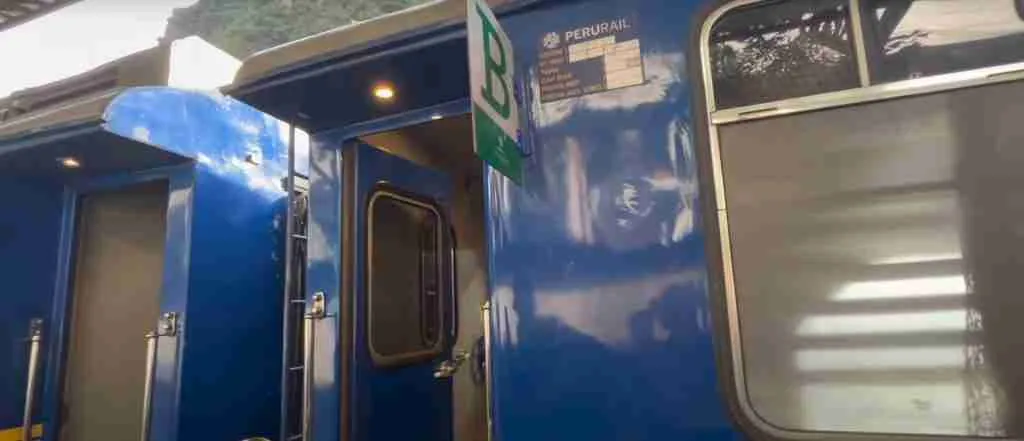
Train transportation from Ollantaytambo to Aguas Calientes costs $60-80 round-trip for tourist-class Expedition service through PeruRail or Inca Rail, operating 1 hour 45 minutes each direction. Upgraded Vistadome trains charge $100-130 round-trip, featuring panoramic windows, refreshments, and more comfortable seating. The luxury Hiram Bingham train costs $400-550 round-trip, including gourmet meals, live music, and exclusive service. Budget travelers choosing the cheaper Hydroelectric route walk 2-3 hours along railway tracks, reducing transportation to $10-15 each way via van from Cusco to Hydroelectric station.
Bus tickets from Aguas Calientes up to Machu Picchu entrance cost $12 each way or $24 round-trip, climbing 400 meters via switchback roads in 20 minutes. Walking up takes 1-1.5 hours on steep stairs, while descent requires 40-60 minutes. Guided tours at Machu Picchu cost $25-40 for 2-2.5 hour group tours in English or Spanish, providing historical context and explaining architectural features. Basic budget visit totals $120-150 (Hydroelectric route + entrance + guide), mid-range experiences cost $180-230 (tourist train + entrance + bus + guide), while comfort-oriented trips reach $240-280 (Vistadome train + full services + guide).
Museum and Church Entries 2026
Cusco’s museums and churches charge separate admission fees beyond the Boleto Turístico coverage, with the Cathedral being the most significant at $11 for adults. The massive colonial structure contains baroque altars, colonial paintings, and elaborate silver work. Audio guides rent for $3, providing detailed explanations in multiple languages. Qorikancha Temple (Temple of the Sun) charges $4 entrance, revealing Inca stone foundations beneath colonial Santo Domingo Convent. This attraction proves essential for understanding Inca architectural mastery and Spanish conquest impact.
Museo de Arte Precolombino (MAP) costs $8 entry, displaying pre-Columbian artifacts in beautifully curated galleries within a colonial courtyard mansion. Museo Inca charges $3, focusing on Inca civilization through pottery, textiles, and everyday objects. Museo Machu Picchu Casa Concha costs $7, housing artifacts recovered from Machu Picchu displayed with modern museography. Chocolate Museum offers free entry with optional paid workshops teaching chocolate-making at $15-25 per person. Planetarium Cusco charges $20 for evening astronomy shows explaining Inca sky knowledge and Southern Hemisphere constellations.
Free attractions include San Blas Church (small donation requested), San Pedro Market, Hatunrumiyoc Street with the 12-angled stone, and various overlook viewpoints reached by walking steep streets. Budget travelers limiting paid attractions to Cathedral, Qorikancha, and one museum spend $18-25 for church and museum entries beyond Boleto Turístico sites. Mid-range travelers visiting all major museums and churches allocate $35-50 for admission fees. These cultural experiences enhance understanding of Cusco’s layered history, justifying moderate costs through educational value and preserved heritage appreciation.
Tour and Activity Pricing 2026
Popular Tour Options and Costs 2026
Guided tours enhance Cusco experiences through expert knowledge, organized logistics, and access to locations difficult to reach independently. Half-day city tours cost $20-30 per person, visiting Qorikancha, Cathedral, Sacsayhuamán, and nearby Inca sites with English or Spanish-speaking guides. Full-day Sacred Valley tours charge $35-55, including transportation, guide services, stops at Pisac market and ruins, lunch in Urubamba, and Ollantaytambo fortress exploration. These comprehensive tours operate daily with morning hotel pickup and evening return, eliminating navigation concerns.
Rainbow Mountain (Vinicunca) excursions cost $35-50 for basic service or $60-80 for premium options including breakfast, buffet lunch, smaller group sizes, and better transportation. The 14-hour day trip departs Cusco at 3-4 AM, drives 3 hours to trailhead, involves 2-3 hour hikes to the colorful mineral formations at 5,200 meters altitude, and returns to Cusco by 6-7 PM. Alternative Palccoyo Rainbow Mountain tours offer easier access at similar prices. Both require good physical condition and altitude acclimatization, with additional costs for horseback riding ($15-25) for those struggling with high-altitude hiking.
Whitewater rafting on Urubamba River charges $30-45 for half-day adventures on Class II-III rapids suitable for beginners. Mountain biking tours descending from Abra Malaga pass cost $45-70 for full-day experiences including transport, bikes, safety equipment, and lunch. Quad bike tours to surrounding countryside and Inca ruins price at $40-60 for 2-3 hour excursions. Cooking classes teaching traditional Peruvian dishes cost $35-55 for 3-4 hour experiences including market visits, meal preparation, and dining on created dishes. Budget-conscious travelers choosing 2-3 tours weekly spend $80-150, while active travelers participating in multiple activities allocate $150-280 for diverse experiences.
Multi-Day Trek Options 2026
The classic 4-day/3-night Inca Trail represents Peru’s most famous trek, with permit-regulated access limiting daily entries and requiring advance bookings through authorized operators. Budget operator prices start at $500-650 per person, including permits, guides, porters, camping equipment, and meals. These companies use larger groups (12-16 people), basic campsites, and standard equipment. Mid-range operators charge $650-900 for better food quality, smaller groups (8-12 people), upgraded equipment, and more experienced guides. Premium services cost $900-1,500, offering luxury touches including larger tents, air mattresses, private portable toilets, gourmet meals, and private guides.
Alternative treks avoiding Inca Trail permit complications include Salkantay Trek (5 days/4 nights) at $280-450, Lares Trek (4 days/3 nights) at $250-400, and Choquequirao Trek (5 days/4 nights) at $350-550. These routes reach Machu Picchu through different mountain passes, visiting alternative archaeological sites and remote Andean communities. Prices include guides, meals, camping equipment, and some transportation but exclude Machu Picchu entrance fees and final train tickets to return to Cusco. Budget trekkers choosing alternative routes save $200-400 compared to Inca Trail while experiencing equally spectacular Andean scenery and cultural encounters.
Shorter 2-day/1-night Inca Trail versions cost $350-500, hiking the final section to Machu Picchu without the longer approach. This option suits travelers with limited time or concerns about 4-day physical demands. Prices include permits, transportation to trailhead, camping at Wiñay Wayna ruins, guided Machu Picchu tour, and return train tickets. All treks require reasonable fitness levels, with altitude and steep ascents/descents challenging unprepared hikers. Booking 4-6 months ahead secures permits for preferred travel dates, particularly essential for June-August high season when Inca Trail permits sell out within days of release.
Adventure Activity Costs 2026
Cusco’s surrounding mountains and valleys offer diverse adventure activities beyond trekking, with prices varying based on activity type, duration, and included services. Paragliding tandem flights cost $80-120 for 15-20 minute flights over Sacred Valley, providing aerial perspectives of Inca agricultural terraces and mountain vistas. Zip-lining adventures in Sacred Valley charge $25-40 for courses featuring multiple lines crossing valleys at heights reaching 400 meters. These activities require advance booking with established operators maintaining safety standards and proper insurance coverage.
Horseback riding tours exploring countryside and small archaeological sites cost $40-70 for half-day excursions or $80-120 for full-day adventures including lunch. These experiences suit travelers wanting gentler activity than hiking while accessing remote areas. Hot air balloon rides over Sacred Valley offer spectacular dawn flights at $250-350 per person, including champagne celebration upon landing. These premium experiences book out weeks ahead during peak season, making early reservation essential. Rock climbing instruction and guided climbs on limestone cliffs near Cusco charge $60-100 for half-day experiences with all equipment provided.
Via ferrata courses installed on cliffs outside Cusco cost $80-120 for 3-4 hour adventures combining hiking, climbing, and zip-lining along fixed cable routes. Stand-up paddleboarding or kayaking on Piuray Lagoon charges $40-60 for half-day experiences including transportation from Cusco, equipment, and basic instruction. Bungee jumping from bridges in Sacred Valley costs $40-60 per jump. Active travelers incorporating 2-3 adventure activities spend $150-300 on specialized experiences beyond standard tours, while adrenaline enthusiasts pursuing multiple activities allocate $300-600 for diverse adventure pursuits.
Money-Saving Strategies for 2026
Advance Booking Discounts 2026
Planning and booking 2-4 months before travel dates secures significant savings across multiple expense categories while ensuring availability for limited-capacity experiences. Accommodation costs drop 15-30% for advance bookings compared to last-minute walk-in rates, with additional promotional discounts appearing on booking platforms for early reservations. Hotels offer best rates through direct website bookings for stays exceeding 3-4 nights, sometimes including complimentary extras like airport transfers or welcome dinners. Booking.com and similar platforms provide “early bird” deals specifically targeting advance planners.
Flights to Cusco see dramatic price variations based on booking timing, with 2-3 month advance purchases saving $150-300 on round-trip international and domestic combinations compared to bookings made 2-3 weeks before travel. Price tracking tools like Google Flights or Hopper identify optimal purchase moments and alert when rates drop to target prices. Flying Tuesday-Thursday rather than weekends reduces ticket costs by 10-20% on most routes. Booking Lima-Cusco domestic connections simultaneously with international flights through airline websites sometimes provides packaged discounts.
Tour operators reward advance bookings with 10-15% discounts for Inca Trail and multi-day treks booked 4-6 months ahead. This timing proves essential anyway for securing required permits before they sell out. Machu Picchu tickets release 4 months in advance, with peak dates selling out within weeks, making early purchase essential rather than optional. Train tickets to Machu Picchu offer promotional rates for bookings made 60+ days ahead, saving 15-25% versus last-minute purchases. Budget travelers booking the complete trip 3-4 months in advance save $200-400 on week-long Cusco visits compared to spontaneous booking patterns.
Shoulder Season Value 2026
Visiting during shoulder months (April-May or September-October) reduces costs by 25-40% across accommodation, tours, and some attractions while maintaining favorable weather conditions. Hotels drop prices significantly outside June-August peak season, with mid-range properties charging $50-70 versus $80-100 during high season. Hostels reduce dorm bed rates from $20-25 to $12-16, creating substantial savings for budget travelers. October represents particularly good value as the rainy season hasn’t started yet rainfall remains minimal, creating crisp weather ideal for photography and hiking.
Tour operators competing for fewer tourists during shoulder periods offer promotional pricing or upgrade available services without price increases. Sacred Valley tours costing $45-55 in peak season drop to $35-45, while adventure activities see similar 15-25% reductions. Rainbow Mountain tours decrease from $45-60 to $35-50, partially compensating for potentially reduced visibility from occasional clouds. Restaurant demand decreases, making reservations easier at popular establishments and sometimes resulting in complimentary appetizers or drinks offered to attract customers.
Machu Picchu experiences improve during shoulder season through smaller crowds reducing congestion at key viewpoints and structures. Inca Trail permits remain available closer to departure dates, providing flexibility for spontaneous trip additions. Train tickets see reduced demand, meaning better availability and occasional promotional rates. The main trade-off involves slightly higher rain chances in April-May and September-October compared to dry season guarantees, but shoulder month precipitation remains much lower than full rainy season (November-March). Shoulder season visitors save $150-350 on week-long trips while enjoying enhanced experiences through reduced tourist density at major sites.
Free and Low-Cost Activities 2026
Cusco offers numerous free and inexpensive activities providing cultural experiences, photo opportunities, and entertainment without straining budgets. Walking through San Blas artisan neighborhood costs nothing while providing access to galleries, handicraft shops, and stunning views over terracotta rooftops from steep cobblestone streets. Visiting San Pedro Market explores local life through produce stalls, handicraft sections, juice bars, and food vendors, with only purchase costs for snacks or souvenirs. The 12-angled stone on Hatunrumiyoc Street demonstrates Inca masonry perfection without entry fees, attracting photographers throughout the day.
Free walking tours operate on tips-only models, with English and Spanish tours departing Plaza de Armas daily at 10 AM and 2 PM. Guides work for tips, typically receiving $5-10 per person for 2-2.5 hour tours covering historic center highlights, Inca history, colonial architecture, and local legends. Sunday markets at Chinchero offer free entry to cultural experiences, with traditional dress, handicraft demonstrations, and agricultural exchanges providing authentic Andean interactions. Hiking to Cristo Blanco statue overlooking Cusco takes 30-45 minutes from San Blas, rewarding effort with panoramic city views and photo opportunities.
Parks and plazas throughout the city provide free public spaces for people-watching, relaxing, and observing daily rhythms of Cusco life. Plaza de Armas bustles with activity from dawn to late evening, featuring fountain shows, street performers, and architectural illumination after dark. Museums offer free entry on specific days, with Museo Inca providing complimentary access first Sunday monthly and several municipal museums offering free admission certain weekdays. Budget travelers focusing on free activities combined with low-cost market meals maintain daily budgets under $30 while experiencing authentic Cusco culture beyond commercial tourist offerings.
Sample Budget Breakdowns for 2026
One Week Budget Traveler Itinerary 2026
This budget-focused itinerary demonstrates maintaining costs at $500-700 for seven days in Cusco through strategic choices about accommodation, dining, and activities. Accommodation uses hostel dormitory beds at $14 per night in central locations, totaling $84 for six nights. Arrival day includes airport colectivo ($2), lunch at San Pedro Market ($3), dinner at local restaurant ($6), exploring Plaza de Armas (free). Daily cost: $25 per person (excluding accommodation $14).
Day two covers city walking tour ($10 tip for free tour), Qorikancha entry ($4), Cathedral admission ($11), market lunch ($3), restaurant dinner ($7), local bus rides ($2), snacks ($3). Daily cost: $40 per person (excluding accommodation $14). Day three purchases Boleto Turístico ($45), visits Sacsayhuamán complex (included), picnic lunch from market purchases ($5), dinner restaurant ($8), colectivo rides ($2), water ($2). Daily cost: $62 per person (excluding accommodation $14).
Day four takes colectivo to Pisac ($2 each way), explores ruins (Boleto Turístico), market lunch ($4), returns evening, hostel dinner ($7), snacks ($2). Daily cost: $17 per person (excluding accommodation $14). Day five reaches Machu Picchu via Hydroelectric route ($15 van), entrance ticket ($50), walks to ruins (free), group tour ($30), walks down (free), street dinner Aguas Calientes ($10), overnight in cheap hostel ($10). Daily cost: $115 per person (excluding regular accommodation).
Day six returns from Aguas Calientes, lunch in Ollantaytambo ($5), visits fortress (Boleto Turístico), colectivo to Cusco ($4), celebration dinner ($12), snacks ($3). Daily cost: $24 per person (excluding accommodation $14). Day seven involves departure day activities, breakfast market ($2), last-minute shopping (variable), airport colectivo ($2), snacks ($3). Daily cost: $7 per person.
Week total breakdown: Accommodation $94 (6 nights + Aguas Calientes), meals $120, Machu Picchu visit $95, Boleto Turístico $45, cathedral and museums $25, local transportation $30, free tour tip $10, snacks and drinks $30, miscellaneous $25. Grand total: $474 per person for seven days including Machu Picchu, demonstrating budget travel feasibility through hostel dormitories, market dining, public transportation, and strategic activity selection. Adding $26-100 creates comfortable buffer for unexpected expenses or occasional splurges.
One Week Mid-Range Traveler Itinerary 2026
Mid-range travelers balancing comfort with reasonable costs allocate $1,100-1,400 for comprehensive week-long Cusco experiences. Accommodation selects private rooms in good colonial hotels at $70 per night, totaling $420 for six nights. Arrival day includes airport taxi ($8), lunch at tourist restaurant ($12), dinner at recommended establishment ($25), evening plaza stroll (free). Daily cost: $45 per person (excluding accommodation $70).
Day two books half-day city tour ($30), includes Qorikancha ($4) and Cathedral ($11), tour lunch included, free afternoon exploring San Blas, dinner upscale restaurant ($35), dessert cafe ($6), taxis ($8). Daily cost: $94 per person (excluding accommodation $70). Day three purchases Boleto Turístico ($45), takes taxi to Sacsayhuamán ($8), explores sites, lunch with view ($18), dinner colonial restaurant ($30), coffee break ($5), return taxi ($6). Daily cost: $112 per person (excluding accommodation $70).
Day four joins organized Sacred Valley tour ($50), includes transportation and guide, visits Pisac and Ollantaytambo, buffet lunch included, returns evening, light dinner ($18), drinks ($8). Daily cost: $76 per person (excluding accommodation $70). Day five travels to Machu Picchu on Expedition train ($140 round-trip from Ollantaytambo), entrance ticket ($50), bus to ruins ($24 round-trip), guided tour ($35), lunch at Sanctuary Lodge ($45), return evening, late snack ($12). Daily cost: $306 per person (excluding accommodation $70).
Day six takes Rainbow Mountain tour ($45), includes transportation and meals, returns afternoon, relaxation massage ($40), dinner celebration ($40), drinks ($12). Daily cost: $137 per person (excluding accommodation $70). Day seven involves departure activities, hotel breakfast included, last shopping (variable), airport taxi ($8), lunch near airport ($15). Daily cost: $23 per person.
Week total breakdown: Accommodation $420, meals $280, Machu Picchu visit $294, Sacred Valley tour $50, Rainbow Mountain tour $45, Boleto Turístico $45, city tour $30, museums $15, transportation $80, massage $40, miscellaneous $75. Grand total: $1,374 per person, demonstrating mid-range travel combining comfortable accommodation, mix of tours and independent exploration, quality dining, and comprehensive attraction coverage. This budget provides balanced experiences without excessive luxury costs or budget sacrifices affecting comfort or convenience.
One Week Luxury Traveler Itinerary 2026
Luxury-focused travelers investing in exceptional experiences allocate $3,200-4,200 for week-long Cusco adventures combining premium accommodation, fine dining, private services, and exclusive activities. Accommodation books 5-star colonial hotel at $280 per night, totaling $1,680 for six nights including breakfast buffets, oxygen-enriched rooms, and butler service. Arrival day includes private airport transfer ($25), lunch at boutique restaurant ($40), evening fine dining ($90), champagne bar ($25). Daily cost: $180 per person (excluding accommodation $280).
Day two arranges private city tour with expert guide ($120 for full day), includes Qorikancha and Cathedral entries, gourmet lunch at MAP restaurant ($55), afternoon spa treatment ($100), evening tasting menu at celebrity chef restaurant ($120 including wine pairing), nightcap drinks ($20). Daily cost: $415 per person (excluding accommodation $280). Day three purchases Boleto Turístico ($45), books private driver Sacred Valley exploration ($120 divided by 2 = $60), visits multiple sites with flexible schedule, lunch at Mil Restaurant ($80), returns evening, light dinner hotel restaurant ($45). Daily cost: $230 per person (excluding accommodation $280).
Day four travels to Machu Picchu on Vistadome train ($250 round-trip), entrance ticket with mountain access ($70), private vehicle to ruins ($40), private guide ($80), lunch Sanctuary Lodge buffet ($60), returns evening first-class service, late champagne ($35). Daily cost: $535 per person (excluding accommodation $280). Day five experiences hot air balloon over Sacred Valley ($320), includes champagne breakfast, private cooking class ($90), afternoon wine tasting ($50), evening fine dining ($95). Daily cost: $555 per person (excluding accommodation $280).
Day six arranges helicopter Cusco overview flight ($280), spa day with multiple treatments ($180), gourmet lunch ($50), evening farewell tasting menu ($140), premium drinks ($40). Daily cost: $690 per person (excluding accommodation $280). Day seven involves departure activities, hotel breakfast included, private airport transfer ($25), lounge access ($40). Daily cost: $65 per person.
Week total breakdown: Accommodation $1,680, fine dining $750, Machu Picchu luxury visit $500, private tours and guides $380, hot air balloon $320, helicopter flight $280, spa treatments $280, Boleto Turístico $45, cooking class $90, wine tasting $50, transportation $140, champagne and drinks $120, miscellaneous $150. Grand total: $4,785 per person, demonstrating luxury travel prioritizing exceptional service, exclusive experiences, premium comfort, and gourmet cuisine throughout the journey. This investment delivers world-class experiences justifying costs through unmatched quality, personalized attention, and memory-creating moments impossible to achieve at lower price points.
Planning Your 2026 Cusco Visit
Best Time to Visit for Budget Optimization 2026
Budget-conscious travelers optimize costs through strategic timing, with shoulder season months (April-May and September-October) providing 25-35% savings compared to June-August peak season while maintaining favorable weather conditions. April marks the end of rainy season, with decreasing precipitation, green landscapes from recent rains, and fewer tourists creating intimate site experiences. Accommodation prices during April drop 30-40% below peak rates, with hostels charging $12-16 versus $20-25, mid-range hotels at $50-70 versus $80-100, and luxury properties at $150-200 versus $250-350.
May represents ideal budget timing with excellent weather conditions, minimal rainfall (averaging 2-3 rain days monthly), comfortable daytime temperatures of 18-20°C (64-68°F), and continued shoulder-season pricing before June’s rush. Tour operators maintain promotional rates 15-25% below high season, while train tickets to Machu Picchu see better availability and occasional discounted fares. September mirrors May’s advantages, offering post-peak-season rate reductions while weather remains dry and clear. October provides similar benefits with occasional afternoon clouds developing but morning conditions ideal for sightseeing and photography.
February represents the absolute lowest-cost period, with accommodation discounts reaching 40-50% and tour prices at annual minimums. The trade-off involves significant rainfall, with February averaging 14-18 rain days and persistent clouds reducing mountain visibility. Budget travelers comfortable with rain gear and flexible schedules achieve remarkable savings, though some trails and sites may close temporarily due to conditions. November offers transitional pricing as rainy season begins, with early-month weather still favorable while prices start dropping 20-30% from peak levels.
Currency Management and Money Tips 2026
Effective currency management reduces transaction costs and prevents exchange rate losses. ATM withdrawals in Peruvian Soles provide better rates than currency exchange offices, with spreads of just 1-2% versus 3-5% at cambios. International ATM networks including Cirrus and Plus work at major banks throughout Cusco’s historic center, with Banco de Crédito (BCP) and Interbank offering reliable service. Withdrawal limits reach 400-700 soles ($105-185) per transaction, making multiple withdrawals necessary for larger cash needs. Transaction fees of $4-7 per withdrawal plus potential foreign transaction fees from home banks make fewer, larger withdrawals more economical than frequent small amounts.
Notify banks of Peru travel dates to prevent fraud blocks, bringing backup cards from different issuers in case primary cards malfunction. Charles Schwab checking accounts refund all ATM fees worldwide, effectively eliminating withdrawal costs for Americans. Credit cards work at established businesses but carry 2-3% foreign transaction fees unless using cards specifically waiving these charges. Cards offering no foreign transaction fees and travel rewards provide optimal value for larger purchases. Always choose to pay in Peruvian Soles when given currency choice at point of sale, as “dynamic currency conversion” to your home currency adds 3-6% premium benefiting the merchant rather than you.
Carrying small denominations (10, 20, 50 sole notes) facilitates transactions at markets, street vendors, and taxis unable to change large bills. Refusing to accept torn or heavily worn bills prevents problems using them later, as locals often reject damaged currency. Keeping daily spending cash separate from larger reserves reduces risk if theft or loss occurs. Budget $250-400 in total cash withdrawals for week-long stays, adjusting based on accommodation advance payment and credit card usage frequency. Small bills for tips remain essential, with guides, porters, and restaurant servers expecting cash gratuities impossible to provide using cards.
Safety and Health Budget Considerations 2026
Health and safety costs represent essential budget allocations preventing more serious expenses from emergencies or inadequate preparation. Travel insurance with medical coverage, evacuation, and trip cancellation costs $60-100 for week-long trips, providing peace of mind and financial protection against unexpected events. Comprehensive policies cover high-altitude medical issues, adventure activity accidents, and trip interruptions from flight cancellations or illness. Review policy terms to confirm coverage limits, deductibles, and exclusions affecting specific activities like trekking or extreme sports.
Altitude medication including acetazolamide (Diamox) costs $15-30 for week-long supply, helping prevent or reduce altitude sickness symptoms. Consulting doctors before departure for prescriptions proves cheaper than obtaining medication in Peru. Coca tea bags, coca candies, and altitude pills sold at Cusco pharmacies range $3-10, providing traditional remedies locals swear by. Hydration remains critical at high altitude, with bottled water costing $0.50-1 per liter, requiring 3-4 liters daily to maintain health. Reusable water bottles with built-in filters ($25-40) reduce plastic waste and long-term costs while ensuring safe drinking water.
Basic first aid supplies including pain relievers, anti-diarrheal medication, bandages, and hand sanitizer cost $15-25 at home pharmacies, providing cheaper alternatives than purchasing at inflated tourist-area prices. Sunscreen becomes essential at high altitude where UV exposure increases dramatically, with quality brands costing $8-15 per bottle. Travel-size toiletries purchased before departure cost less than buying full-size products in Cusco. Vaccinations including hepatitis A and typhoid add $100-200 to pre-trip costs but provide important protection against food and waterborne illnesses. Budget $200-350 for health, safety, and preparedness items ensuring comfortable, protected travels throughout your Cusco adventure.
2026 Updates and Current Information
New Regulations and Requirements 2026
The 2026 season introduces updated regulations affecting Cusco visitors, requiring attention during planning stages. Machu Picchu implements stricter entry time slots with four distinct entry periods daily, eliminating previous all-day access. Tickets specify exact entry times between 6-7 AM, 7-8 AM, 8-9 AM, or 9-10 AM, requiring adherence to selected slots. This change reduces congestion and improves visitor experiences but demands precise planning regarding train schedules and accommodation timing. Late arrivals forfeit entry without refunds, making buffer time essential for transportation delays.
Inca Trail permits now require submission of passport information 4 months before trek dates, with changes requiring $25 administrative fees per person. Previous policies allowing name changes closer to departure dates no longer apply. Tour operators strictly enforce these rules, making accurate initial bookings critical. Sacred Valley archaeological sites implement guided tour requirements for large groups exceeding 10 people, encouraging smaller, more intimate explorations. Solo travelers and small groups continue accessing sites independently using Boleto Turístico admission.
COVID-19-related health documentation requirements have been removed for Peru entry as of late 2023, with standard passport validity (6 months beyond entry) and return tickets remaining the only requirements for most nationalities. Travel insurance remains highly recommended though not mandatory. Drone regulations prohibit flying at all archaeological sites throughout Cusco region, with significant fines for violations. Selfie sticks face bans at Machu Picchu and several museums, requiring hand-held photography only. These regulations protect heritage sites while managing visitor impacts, requiring flexibility and advance research to ensure compliance and smooth experiences.
Digital Tools and Apps for Budget Travel 2026
Smartphone apps dramatically simplify budget travel through price comparisons, booking management, and real-time information access. Booking.com and Hostelworld provide accommodation search, comparison, and direct booking with user reviews guiding selection. Both apps offer “deals” sections highlighting promotional rates and last-minute discounts. Setting price alerts notifies you when preferred properties drop rates, enabling opportunistic bookings. Google Maps proves essential for navigation, with offline map downloads allowing GPS use without data charges. Restaurant locations, reviews, and walking directions reduce taxi dependency while discovering hidden local establishments.
Peru Rail and Inca Rail apps enable direct train booking to Machu Picchu, often offering promotional rates unavailable through third-party sellers. Real-time schedule updates and electronic tickets eliminate paper ticket concerns. WhatsApp functions as Peru’s primary communication tool, with tour operators, hotels, and transportation services maintaining business accounts for reservations and questions. Uber operates in Cusco with transparent pricing typically 15-20% below street taxis, though driver availability fluctuates. XE Currency app provides real-time exchange rates for calculating fair prices and evaluating purchase decisions.
Trail Wallet app tracks expenses across categories, helping maintain daily budgets and identify spending patterns. Simple spreadsheet apps achieve similar results for those preferring manual tracking. Google Translate’s offline mode translates menus, signs, and basic conversations when Spanish skills prove insufficient. Photo translation function instantly converts written Spanish to English through camera view. TripAdvisor consolidates restaurant reviews, attraction ratings, and tour company reputations, though exercising skepticism regarding overly positive or suspiciously negative reviews prevents manipulation influence. These digital tools cost nothing beyond existing smartphone ownership, delivering tremendous value for organized, budget-conscious travel management.
Booking Resources and Official Websites 2026
Knowing official booking channels prevents overpayment and ensures legitimate reservations. Machu Picchu tickets purchase exclusively through official Peruvian government website machupicchu.gob.pe, with third-party sellers charging unnecessary markup. Train tickets book directly through perurail.com or incarail.com, both offering English-language interfaces and secure payment processing. Promotional rates appear on these official sites before reaching third-party aggregators. Creating accounts enables faster future bookings and provides access to loyalty programs offering occasional discounts.
Inca Trail permits process through authorized tour operators approved by Ministry of Culture, with official lists available at peru.travel. Booking directly with operators eliminates intermediary costs, though careful research regarding company reputations, safety standards, and service quality prevents problems. Reading recent reviews on TripAdvisor, Google, and specialized trekking forums identifies reliable operators versus those cutting corners. Accommodation booking balances direct hotel websites against platforms like Booking.com, Hostelworld, and Airbnb, with best rates sometimes appearing on direct sites for longer stays or promotional periods.
Transportation within Cusco uses informal colectivo system without online booking, requiring in-person arrangements. Established taxi companies including Alo Cusco (alocusco.com) accept WhatsApp reservations for airport transfers and day rentals at fixed rates. Official tourism information appears on peru.travel (national) and cusco.gob.pe (regional), providing current regulation updates, festival schedules, and safety advisories. Utilizing these official channels protects against scams, ensures fair pricing, and provides recourse if problems arise, making research investment worthwhile for significant cost savings and booking security.
Frequently Asked Questions About Cusco Budget 2026
How much money should I budget per day in Cusco?
Budget $40-60 daily for backpacker-style travel using hostels and market meals, $80-120 for mid-range comfort with good hotels and restaurant dining, or $200-300 for luxury experiences with premium accommodation and fine dining. These amounts cover lodging, food, local transportation, and attraction entries but exclude international flights and Machu Picchu visits.
Is Cusco cheaper than Machu Picchu?
Cusco maintains significantly lower daily costs than Machu Picchu visit expenses. Accommodation in Cusco ranges $12-100 nightly versus $80-400 in Aguas Calientes. Meals cost $2-20 in Cusco versus $12-45 in the tourist-dependent gateway town. However, Machu Picchu entrance ($50-70) and train tickets ($60-140 round-trip) represent one-time expenses rather than daily costs. Budget travelers staying in Cusco and taking day trips minimize Machu Picchu expenses to $120-180 total versus $200-300 for overnight stays in Aguas Calientes.
What costs most in Cusco?
Machu Picchu access represents the single largest expense for most visitors, with entrance fees ($50-70), train transportation ($60-140 round-trip), and optional guided tours ($25-40) totaling $135-250. Multi-day Inca Trail treks cost even more at $500-1,500 depending on operator quality. After Machu Picchu, accommodation consumes the largest portion of daily budgets, ranging from 25-35% of total trip costs depending on hotel selection. International flights to Cusco represent another major expense at $650-1,000 round-trip for most travelers.
Can you use US dollars in Cusco?
US dollars work at major hotels, tour agencies, and some restaurants, though exchange rates applied at point of purchase typically favor the business by 5-10% versus official rates. Using Peruvian Soles for all transactions provides better value and universal acceptance at markets, local eateries, and small shops. ATMs dispense both currencies, but withdrawing Soles avoids unfavorable exchange rate spreads. Bring small denomination dollar bills if planning to use dollars, as change remains scarce and businesses sometimes refuse to accept large bills.
How much does food cost in Cusco?
Food expenses range dramatically based on venue selection. Market meals cost $2-4 for substantial set menus including soup, main course, and juice. Tourist restaurant meals charge $8-20 for lunch and $15-30 for dinner. Fine dining establishments cost $35-80 per person for multi-course meals with beverages. Budget travelers eating primarily at markets spend $8-15 daily on all meals, mid-range diners allocate $30-50, while luxury travelers invest $80-150 for premium dining experiences.
Is tipping expected in Cusco?
Tipping customs differ from North American standards, with 10% representing generous gratuity in restaurants. Many establishments add 10% service charge to bills, eliminating additional tipping need. For exceptional service, adding 5% more shows appreciation. Tour guides expect $5-10 per person for half-day tours and $10-20 for full-day excursions. Inca Trail porters and cooks receive $20-40 per trekker for multi-day services. Taxi drivers don’t expect tips, though rounding up to next whole number proves convenient. Leaving small tips at budget hotels or for particularly helpful service demonstrates appreciation without major budget impact.
How expensive is shopping in Cusco?
Cusco offers excellent value for handicrafts, textiles, and souvenirs compared to other tourist destinations. Alpaca wool sweaters range $20-50 depending on quality and size, with 100% alpaca commanding premium prices over alpaca-synthetic blends. Textiles including blankets, throws, and weavings cost $15-80 based on size and intricacy. Jewelry with semi-precious stones ranges $10-50. Bargaining proves acceptable at markets, with initial asking prices 30-50% above vendors’ acceptable rates. Starting negotiations at 50-60% of asking price typically results in fair agreements. Shopping budget depends entirely on personal interest and restraint, with minimal purchases costing $30-50 or extensive buying reaching $200-400.
What activities are free in Cusco?
Cusco provides numerous free activities including walking through San Blas neighborhood, exploring Plaza de Armas, visiting San Pedro Market (purchases optional), viewing the 12-angled stone, hiking to Cristo Blanco viewpoint, observing street performances, attending Sunday markets at Chinchero (transport required), exploring colonial streets and architecture, visiting churches during mass times, and watching sunset from overlook points. Free walking tours operate on tips-only basis ($5-10 suggested). These activities create meaningful experiences without budget impact, particularly valuable for budget travelers or those balancing occasional splurges on paid attractions.
Is altitude sickness medication expensive?
Altitude medication proves affordable in both home countries and Peru. Acetazolamide (Diamox) prescriptions in the US cost $15-30 for week-long supplies with insurance, or $40-60 without coverage. Peruvian pharmacies sell altitude medications for $10-25 without prescriptions required. Coca tea, candies, and traditional altitude remedies cost $3-10 at local shops and markets. Many visitors successfully acclimatize using free methods including gradual altitude adjustment, increased hydration, avoiding alcohol initially, and allowing rest days, eliminating medication costs entirely.
How much should I budget for souvenirs?
Souvenir budgets vary wildly based on shopping enthusiasm and chosen items. Basic souvenirs including keychains, magnets, and postcards total $10-20. Mid-range shopping for quality alpaca products, textiles, and handicrafts ranges $50-150. Serious shoppers purchasing multiple sweaters, large weavings, jewelry, and ceramic works allocate $200-400. Antique textiles and high-quality art pieces reach $300-1,000 or more. Budget travelers limiting purchases to small, meaningful items spend $20-50, while those embracing Peruvian craftsmanship as major trip souvenirs invest $100-300. Planning souvenir budgets prevents overspending and ensures room in luggage for purchases made throughout the trip rather than desperate last-day shopping.