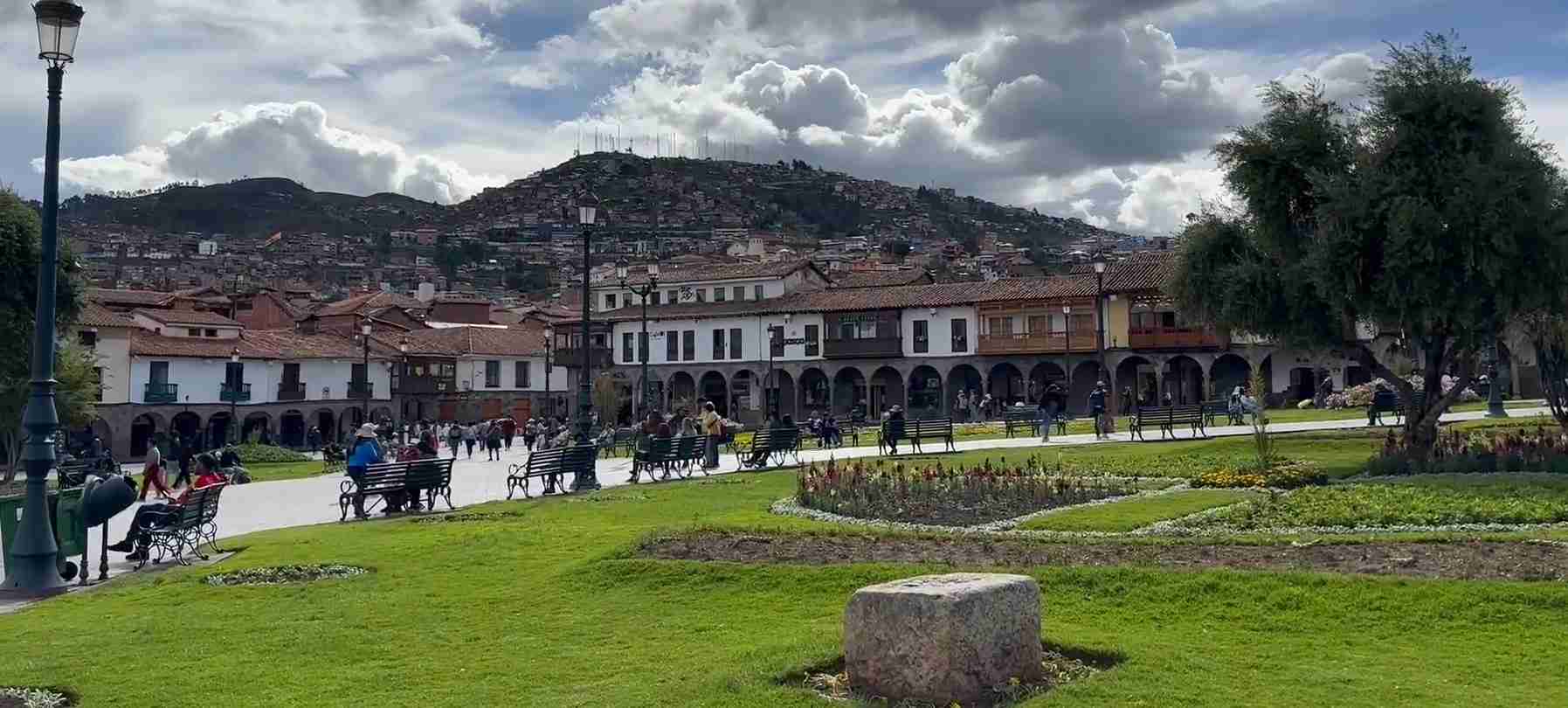
Cusco Altitude Sickness: Essential Tips to Survive Your First 48 Hours
Cusco sits at 3,400 meters (11,150 feet) above sea level, where oxygen levels drop to roughly 70% of what your body expects at sea level. Most visitors experience some degree of altitude sickness during their first two days, ranging from mild headaches to severe symptoms requiring medical intervention. This guide provides evidence-based strategies to minimize discomfort and recognize when symptoms require professional attention.
Key Takeaways
- Altitude Impact: Cusco’s 3,400-meter elevation reduces oxygen availability by approximately 30%, triggering physiological stress responses in nearly all sea-level residents during their first 48 hours.
- Symptom Timeline: Mild altitude sickness symptoms typically appear 6-12 hours after arrival, peak during the first 24-36 hours, and gradually diminish over 2-4 days as acclimatization progresses.
- Prevention Foundation: Arriving well-hydrated, avoiding alcohol and heavy meals during the first 24 hours, and limiting physical exertion dramatically reduces symptom severity.
- Pharmaceutical Support: Acetazolamide (Diamox) taken prophylactically 24 hours before arrival accelerates acclimatization, while local soroche pills provide symptomatic relief without requiring prescriptions.
- Critical Warning Signs: Severe headache unrelieved by medication, persistent vomiting, confusion, extreme fatigue, or breathing difficulty at rest require immediate medical evaluation for potentially dangerous high-altitude cerebral or pulmonary edema.
- Acclimatization Strategy: Spending your first night at lower elevations (Sacred Valley at 2,800 meters) before ascending to Cusco reduces symptom severity by 40-60% compared to flying directly to Cusco.
- Contact us by filling out the trip planner form, and our partner’s expert travel advisors will work closely with you to create your tailor-made itinerary (Free Service)
People Also Ask About Cusco Altitude Sickness
What does altitude sickness feel like in Cusco?
Altitude sickness in Cusco manifests as a persistent headache (often described as pressure behind the eyes), fatigue disproportionate to activity level, shortness of breath during normal walking, nausea without appetite, and disrupted sleep with frequent waking. Most visitors describe feeling “hungover” despite not drinking alcohol. Symptoms typically begin 6-12 hours after arrival, intensify overnight, and peak during the second day. The headache differentiates altitude sickness from other conditions—it responds poorly to standard pain relievers and worsens with physical activity or bending over.
How long does it take to adjust to Cusco altitude?
Initial acclimatization to Cusco’s altitude requires 2-4 days for most healthy adults, with noticeable symptom improvement after 48 hours. Complete physiological adaptation takes 1-2 weeks as your body increases red blood cell production and improves oxygen utilization efficiency. During the first 48 hours, your body undergoes rapid adjustments—increased breathing rate, elevated heart rate, and enhanced blood circulation to vital organs. By day three, most visitors can resume normal activities with only mild breathlessness during exertion. However, high-altitude treks above 4,000 meters require additional acclimatization time even after adjusting to Cusco’s elevation.
Should I take altitude sickness pills before going to Cusco?
Taking acetazolamide (Diamox) beginning 24 hours before arrival in Cusco reduces altitude sickness incidence by approximately 75% and decreases symptom severity significantly. The standard prophylactic dose is 125-250 mg twice daily, continued through your first two days at altitude. Acetazolamide works by acidifying your blood slightly, stimulating faster breathing and accelerating acclimatization. However, it requires a prescription in most countries and causes side effects including increased urination, tingling in fingers and toes, and altered taste (particularly with carbonated beverages). Consult your physician before departure, especially if you have sulfa drug allergies or kidney conditions.
Can you drink coca tea for altitude sickness in Cusco?
Coca tea (mate de coca) provides mild symptomatic relief for altitude sickness through its alkaloid content, which includes trace amounts of cocaine’s parent compound. Hotels and restaurants throughout Cusco serve coca tea freely, and locals recommend drinking 2-3 cups daily during acclimatization. The tea acts as a mild stimulant, suppresses appetite (reducing nausea), and may improve oxygen utilization marginally. While scientific evidence for its effectiveness remains limited, coca tea’s cultural significance and absence of harmful side effects make it a reasonable complementary strategy alongside proven interventions like hydration and gradual acclimatization. Many visitors report subjective improvement, though this may partially reflect placebo effects.
Extended multi-day tours – 5+ days
Featured Peru Multi-Day Tour Packages
7 days
Inca Adventures – 7 Days (Lima, Paracas, Ica, Cusco, Machu Picchu & Rainbow Mountain) – With Domestic Flights
- ✓ Comprehensive Peru tour
- ✓ Expert local guides included
- ✓ All accommodation arranged
- ✓ Transportation provided
10 days
Peru Express – 10 Days (Lima – Cusco – Machu Picchu & Puno) With Domestic Flights
- ✓ Comprehensive Peru tour
- ✓ Expert local guides included
- ✓ All accommodation arranged
- ✓ Transportation provided
7 days
7 Day Cusco Travel Package: Cusco, Sacred Valley, Machu Picchu, Humantay Lake, and Rainbow Mountain.
- ✓ Comprehensive Peru tour
- ✓ Expert local guides included
- ✓ All accommodation arranged
- ✓ Transportation provided
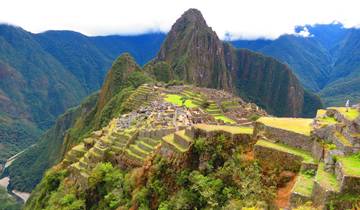
8 days
Southern Treasures – 8 Days
- ✓ Comprehensive Peru tour
- ✓ Expert local guides included
- ✓ All accommodation arranged
- ✓ Transportation provided
Multi-day tour packages powered by TourRadar. Prices and availability subject to change.
Introduction
Cusco’s dramatic elevation presents the single greatest physiological challenge for visitors to Peru’s former Inca capital. At 3,400 meters (11,150 feet) above sea level, the city sits higher than most peaks in the Appalachian Mountains and rivals the elevation of many European Alpine ski resorts. This altitude places Cusco firmly in the range where acute mountain sickness (AMS) affects the majority of unacclimatized visitors, regardless of fitness level or prior travel experience.
The fundamental issue is oxygen scarcity. Atmospheric pressure at Cusco is approximately 65% of sea-level pressure, meaning each breath delivers 35% less oxygen to your lungs. Your body responds to this oxygen deficit through multiple compensatory mechanisms—increased breathing rate, elevated heart rate, and enhanced red blood cell production—but these adaptations require time to develop. During the critical first 48 hours, the mismatch between oxygen demand and oxygen availability produces the constellation of symptoms known as altitude sickness.
Understanding altitude sickness transforms it from an unpredictable misery into a manageable challenge. The condition follows predictable patterns, responds to specific interventions, and resolves naturally as acclimatization progresses. This guide synthesizes medical research, local expertise, and traveler experiences to provide actionable strategies for your first two days in Cusco. The goal is not to eliminate all discomfort—some degree of altitude stress is physiologically inevitable—but to minimize symptoms, maintain functionality, and recognize the rare situations requiring medical intervention.
Most importantly, altitude sickness is not a sign of weakness, poor fitness, or inadequate preparation. Olympic athletes experience the same symptoms as sedentary travelers when ascending to high altitude without acclimatization. Age, gender, and physical conditioning offer no protection against altitude sickness. What matters is the speed of ascent, your body’s individual response patterns, and the preventive strategies you employ. Even experienced high-altitude mountaineers take altitude sickness seriously and follow conservative acclimatization protocols.
Understanding Altitude Sickness: Physiology and Mechanisms
Altitude sickness results from your body’s struggle to function with reduced oxygen availability. At sea level, atmospheric pressure compresses air molecules tightly, allowing your lungs to extract abundant oxygen with each breath. At 3,400 meters, lower atmospheric pressure means fewer oxygen molecules per breath despite the atmosphere retaining the same 21% oxygen composition. Your blood oxygen saturation, normally 95-100% at sea level, drops to 85-92% in Cusco during the first days before acclimatization.
Your body initiates immediate compensatory responses to this oxygen deficit. Breathing rate increases automatically—you’ll notice yourself breathing faster and deeper even at rest. Heart rate accelerates to pump oxygen-depleted blood more quickly through your circulatory system. Blood vessels constrict in peripheral tissues to prioritize oxygen delivery to vital organs, particularly your brain and heart. These adjustments help maintain organ function but create uncomfortable side effects.
The brain is exceptionally sensitive to oxygen reduction. Cerebral blood vessels dilate in response to low oxygen, increasing blood flow to maintain oxygen delivery. This vasodilation causes the characteristic altitude headache—essentially, your swollen blood vessels press against your skull’s interior. The headache typically manifests as a dull, throbbing pressure behind the eyes or across the forehead, worsening with physical activity or when lying flat.
Fluid balance disruptions contribute significantly to altitude sickness symptoms. Reduced atmospheric pressure triggers hormonal changes that alter kidney function, causing your body to retain less water. Simultaneously, faster breathing increases water loss through respiration—you exhale moisture with every breath, and the cold, dry mountain air amplifies this effect. The resulting mild dehydration intensifies headaches and nausea while reducing your body’s ability to transport oxygen efficiently.
Sleep disruption represents another universal altitude sickness feature. Low oxygen levels stimulate periodic breathing patterns—your breathing alternates between rapid shallow breaths and brief pauses (apneas). These pauses trigger sudden gasping breaths that wake you repeatedly throughout the night. Most visitors sleep poorly during their first 1-2 nights in Cusco, waking frequently with a sensation of suffocation or racing heart. This sleep disruption compounds fatigue and reduces your body’s recovery capacity.
Individual variation in altitude sickness susceptibility remains poorly understood. Genetic factors influence how efficiently your body processes oxygen, how rapidly you produce red blood cells, and how your blood vessels respond to hypoxia. Previous altitude exposure provides no reliable immunity—travelers who breezed through Cusco on a prior trip may struggle significantly on subsequent visits. The unpredictability underscores the importance of following preventive protocols regardless of past experiences.
Recognizing Altitude Sickness Symptoms: Severity Spectrum
Altitude sickness exists along a severity spectrum from mild discomfort to life-threatening conditions. Recognizing where your symptoms fall on this spectrum determines appropriate responses—whether to rest and hydrate, seek over-the-counter remedies, or obtain emergency medical care. Most Cusco visitors experience mild to moderate symptoms that resolve within 48 hours, but awareness of severe warning signs is essential for safety.
Mild Altitude Sickness (Affects 60-75% of Cusco Arrivals)
Mild altitude sickness produces noticeable discomfort without significantly impairing function. The primary symptom is a persistent headache, typically beginning 6-12 hours after arrival and intensifying overnight. This headache differs from normal tension headaches—it feels like pressure or fullness in your head, responds poorly to standard pain relievers, and worsens with bending over or physical exertion. Accompanying symptoms include mild nausea without vomiting, reduced appetite, fatigue disproportionate to activity level, and difficulty sleeping despite exhaustion.
Mild symptoms allow you to continue basic activities like walking short distances, eating light meals, and engaging in conversation. However, you’ll notice yourself moving slower than usual, needing frequent rest breaks, and lacking energy for sightseeing or exploration. Most visitors with mild symptoms can manage their scheduled activities with modifications—shorter walking tours, more frequent breaks, and reduced intensity.
The key differentiator for mild altitude sickness is stability or gradual improvement. Symptoms may persist for 24-48 hours but should not intensify progressively. If your headache responds partially to ibuprofen, you can eat small amounts despite nausea, and you sleep 4-6 hours even if restlessly, you fall within the mild category. Continue preventive strategies, maintain hydration, and expect improvement by day three.
Moderate Altitude Sickness (Affects 20-35% of Cusco Arrivals)
Moderate altitude sickness significantly impairs function and requires deliberate management strategies. The headache becomes severe, often unrelieved by over-the-counter pain medications, and may be accompanied by intense nausea with occasional vomiting. Physical exertion becomes genuinely difficult—even walking to the bathroom requires effort and leaves you breathless. Fatigue reaches debilitating levels where sitting upright feels exhausting. Sleep becomes nearly impossible despite overwhelming tiredness, with frequent waking gasping for air.
Moderate symptoms prevent normal activities. You cannot tour archaeological sites, walk through the city center, or participate in scheduled excursions. Meals become unappealing or impossible to tolerate, though you may manage small amounts of bland foods. Conversation requires effort, and you prefer lying down despite this position worsening headaches. The overall experience resembles severe influenza or extreme hangover symptoms.
Moderate altitude sickness demands rest and pharmaceutical intervention. Cancel scheduled activities for 24-48 hours and remain at your accommodation. Use prescription acetazolamide if available, or obtain soroche pills from local pharmacies. Consider supplemental oxygen if your hotel provides it. Most moderate cases improve significantly within 36-48 hours with appropriate management, though complete resolution takes 3-4 days. Importantly, moderate symptoms that improve—even slowly—do not require descent or emergency care.
Severe Altitude Sickness: High-Altitude Cerebral Edema (HACE) and High-Altitude Pulmonary Edema (HAPE)
Severe altitude sickness represents medical emergencies requiring immediate intervention. High-altitude cerebral edema (HACE) occurs when brain swelling from altitude progresses beyond compensation capacity. Warning signs include severe headache unrelieved by any medication, persistent vomiting preventing fluid intake, mental status changes (confusion, irrational behavior, difficulty with coordination), extreme lethargy where the person cannot be fully roused, and loss of balance or ability to walk in a straight line.
High-altitude pulmonary edema (HAPE) develops when fluid accumulates in the lungs. Symptoms include severe shortness of breath at rest (not just with exertion), persistent cough producing pink or frothy sputum, rapid breathing and heart rate even when lying down, chest tightness or pressure, extreme weakness, and blue lips or fingernails indicating inadequate oxygenation. HAPE can progress rapidly from mild symptoms to critical illness within hours.
If you or a traveling companion exhibits any severe symptoms, seek emergency medical care immediately. In Cusco, contact your hotel for assistance reaching clinics equipped for altitude illness (several clinics specialize in treating altitude-related conditions). Severe altitude sickness requires descent to lower elevation, supplemental oxygen, medications including dexamethasone (for HACE) or nifedipine (for HAPE), and often hospitalization. Attempting to “tough out” severe symptoms is dangerous and potentially fatal.
Fortunately, severe altitude sickness remains uncommon in Cusco. The city’s elevation, while challenging, rarely triggers HACE or HAPE in healthy individuals during brief stays. Most severe cases occur in trekkers ascending rapidly to peaks above 4,500-5,000 meters without proper acclimatization. However, pre-existing medical conditions (heart disease, lung disease, sleep apnea) increase severe altitude sickness risk even at Cusco’s elevation. Travelers with significant health conditions should consult physicians specializing in high-altitude medicine before departure.
Pre-Arrival Prevention Strategies: Setting Yourself Up for Success
The most effective altitude sickness prevention begins before you board your flight to Cusco. While you cannot entirely prevent physiological stress from rapid ascent to high altitude, strategic preparation significantly reduces symptom severity and shortens recovery time. Pre-arrival strategies focus on optimizing your baseline health, timing your ascent appropriately, and considering pharmaceutical prophylaxis.
Gradual Ascent Strategy: Sacred Valley Acclimatization
The single most effective altitude sickness prevention strategy is ascending gradually rather than flying directly to Cusco. Travelers who spend their first night at intermediate elevation (2,800-3,000 meters) before ascending to Cusco experience 40-60% reduction in symptom severity compared to those arriving directly. The Sacred Valley—including towns like Urubamba, Ollantaytambo, and Pisac—sits at approximately 2,800 meters, providing an ideal acclimatization stepping stone.
A gradual ascent itinerary positions Sacred Valley visits at the beginning of your trip rather than as day trips from Cusco. After arriving at Cusco airport (which sits slightly higher than the city center at 3,600 meters), travel directly to the Sacred Valley for your first 1-2 nights. This allows partial acclimatization at moderate elevation before ascending the additional 600 meters to Cusco proper. Tour operators increasingly recommend this itinerary structure, though it requires careful planning since most travelers book Cusco accommodations first.
If your itinerary constraints require flying directly to Cusco, consider alternative routing that includes lower-elevation stops. Travelers coming from Lima can spend a night in Arequipa (2,400 meters) or the Colca Canyon rim villages (3,300 meters) before continuing to Cusco. Those with more time might visit the Manu jungle (500 meters) or other Amazon regions before ascending to the highlands. Even imperfect acclimatization—arriving from 1,500 meters rather than sea level—provides meaningful symptom reduction.
Pharmaceutical Prevention: Acetazolamide (Diamox)
Acetazolamide represents the gold standard pharmaceutical prevention for altitude sickness, reducing symptom incidence by approximately 75% when taken prophylactically. The medication works by creating mild metabolic acidosis (slightly increasing blood acidity), which stimulates your respiratory center to breathe faster and deeper. This accelerated breathing pattern delivers more oxygen per minute and speeds the acclimatization process that would otherwise take 2-3 days to develop naturally.
Optimal acetazolamide dosing begins 24 hours before reaching high altitude and continues through your first 48 hours at elevation. The standard prophylactic dose is 125-250 mg taken twice daily (morning and evening). Lower doses (125 mg twice daily) provide substantial benefit with fewer side effects for most travelers. Some altitude medicine specialists recommend taking the first dose the evening before your flight, ensuring the medication reaches effective blood levels before ascent.
Acetazoamide produces predictable side effects that, while annoying, indicate the medication is working effectively. Increased urination occurs universally—expect to wake 1-2 times nightly to use the bathroom and plan bathroom access during travel days. Tingling or numbness in fingers, toes, and around the mouth affects most users but resolves after stopping the medication. Carbonated beverages taste flat or metallic, making beer and soda unappealing. These side effects represent the medication’s intended effects and do not indicate problems.
Obtaining acetazolamide requires advance planning since most countries classify it as prescription-only. Schedule a pre-travel consultation with your physician 4-6 weeks before departure to request the prescription, allowing time for pharmacy fulfillment and resolving any issues. Explain your destination’s elevation and planned activities to help your physician assess appropriateness. Travelers with sulfonamide (sulfa drug) allergies cannot use acetazolamide and should discuss alternatives like dexamethasone with their physicians.
Physical Preparation and Baseline Health Optimization
Physical fitness does not prevent altitude sickness—Olympic athletes suffer the same symptoms as untrained travelers at high elevation. However, good cardiovascular health may help your body compensate for reduced oxygen more efficiently during acclimatization. If you exercise regularly already, maintain your routine leading up to departure. If you’re currently sedentary, beginning a sudden intense training program weeks before departure provides no altitude-specific benefit and may increase injury risk.
Arriving well-hydrated significantly impacts altitude symptom severity. Dehydration worsens headaches, increases nausea, and reduces your body’s oxygen transport efficiency. Begin hydrating aggressively 24 hours before your flight—drink water consistently throughout the day rather than forcing large quantities immediately before departure. Avoid alcohol entirely for 24 hours before reaching Cusco, as alcohol causes dehydration and independently affects sleep quality.
Address any developing illnesses before departure. Respiratory infections, sinus congestion, or gastrointestinal problems compound altitude challenges and increase complication risks. If you develop cold or flu symptoms in the days before departure, consult your physician about whether postponing travel is advisable. Altitude sickness symptoms overlap significantly with viral illness symptoms, making diagnosis difficult and potentially dangerous if serious altitude complications develop.
Adequate sleep before travel helps your body handle the stress of rapid altitude change. Sleep deprivation impairs cognitive function, increases headache susceptibility, and reduces your body’s stress response capacity. Avoid all-night packing marathons or late flights that eliminate sleep before arrival. If your international flight arrives in Cusco during morning or early afternoon, adjust your sleep schedule in advance to match Cusco time, facilitating easier transition.
First 24 Hours Survival Protocol: Critical Dos and Don’ts
Your actions during the first 24 hours after arriving in Cusco dramatically influence symptom severity and recovery speed. This initial period requires conservative behavior, resisting the temptation to explore immediately despite excitement about reaching your destination. The strategies outlined below minimize oxygen demand, support your body’s acclimatization responses, and prevent symptom escalation.
Immediate Post-Arrival Actions
Upon arriving at your Cusco accommodation, resist the urge to immediately explore the city or unpack energetically. Instead, sit quietly for 15-20 minutes, breathing deeply and slowly while your body adjusts to the new elevation. Hotels in Cusco’s historic center often require climbing stairs to reach rooms—ascend slowly, pausing frequently, and breathing deliberately rather than rushing upward. If you feel dizzy, breathless, or lightheaded after climbing stairs, lie down immediately with your head slightly elevated.
Accept coca tea if your hotel offers it upon arrival. While its medical efficacy remains debated, the warm liquid provides hydration, the ritual offers psychological comfort, and the mild stimulant effect may help counteract altitude-induced fatigue. Drink the tea slowly over 15-20 minutes rather than gulping it quickly. Many hotels also offer oxygen in common areas—use it freely if available, breathing supplemental oxygen for 5-10 minutes after arrival and again before attempting sleep.
Unpack only essentials during your first hour. Full unpacking requires physical exertion that increases oxygen demand unnecessarily. Lay out items needed for the next 24 hours (toiletries, sleep clothes, medications) and leave the rest of your luggage for later. This seemingly trivial advice prevents many travelers from overexerting themselves through unconscious activity while their bodies struggle to adapt.
Activity Restrictions and Energy Conservation
The cardinal rule for your first 24 hours is radical energy conservation. Cancel or postpone all sightseeing, archaeological site visits, and strenuous activities scheduled for arrival day. Even if you feel “fine” initially—many travelers experience a 6-8 hour symptom-free window before altitude effects manifest—overexertion during this period dramatically worsens subsequent symptoms. The oxygen deficit you create through activity takes hours to repay, and the debt comes due with enhanced headaches and nausea.
Limit walking to short, essential trips. If your hotel sits in Cusco’s historic center near the Plaza de Armas, a 10-15 minute gentle walk to the plaza for a light meal is acceptable. Longer walks, uphill routes, or multiple stair-climbing episodes should wait until day two. If you must walk, move at half your normal pace, stop frequently to rest, and breathe deliberately. Accept that you’ll feel breathless from activities that normally wouldn’t challenge you—this breathlessness is normal, not dangerous, as long as it resolves with rest.
Avoid all strenuous activity absolutely. This includes gym workouts, running, hiking, vigorous dancing, and athletic sexual activity. Your body channels available oxygen toward acclimatization; diverting oxygen to exercise delays adaptation and worsens symptoms. Even travelers who exercise daily at home should rest completely during their first 24 hours at altitude. You can resume moderate exercise on day three or four once acclimatization progresses.
Hydration Protocol: Aggressive and Consistent
Proper hydration during your first 24 hours reduces headache severity, minimizes nausea, and supports your body’s acclimatization mechanisms. Aim for 4-5 liters of total fluid intake during your first day—approximately double your normal consumption. This sounds excessive but becomes necessary given the combination of faster breathing (increased respiratory water loss), lower humidity (increased evaporative loss), and altitude-induced hormonal changes affecting kidney function.
Drink water continuously throughout the day rather than consuming large quantities at once. Keep a water bottle within reach always and sip every 15-20 minutes, even when not thirsty. Your thirst mechanism becomes unreliable at altitude, failing to signal dehydration until symptoms develop. Structured drinking—setting phone reminders to drink every 20 minutes—ensures adequate intake when you’re focused on adjusting to your new environment.
Coca tea, herbal teas, and clear broths count toward your fluid intake goal. While plain water provides optimal hydration, warm beverages offer psychological comfort and combat the cold temperatures common in Cusco. Avoid excessive caffeine consumption despite its presence in coca tea—limit caffeinated beverages to 2-3 cups daily as caffeine’s diuretic effect partially counteracts hydration efforts. Electrolyte solutions or oral rehydration salts provide superior hydration compared to plain water if you’re experiencing significant nausea or have vomited.
Dietary Approach: Light, Bland, and Frequent
Altitude suppresses appetite through multiple mechanisms—nausea, altered taste perception, and gastrointestinal motility changes. Despite reduced hunger, maintaining caloric intake supports your body’s increased metabolic demands during acclimatization. The key is eating small quantities of bland, easily digestible foods every 2-3 hours rather than attempting normal-sized meals that your stomach cannot process.
Ideal first-day foods include plain bread or crackers, rice, potatoes, bananas, applesauce, and clear soups. These bland carbohydrates provide necessary calories without challenging your digestive system. Peruvian quinoa soup (sopa de quinoa) is particularly well-suited—the warm broth hydrates, the quinoa provides easily digestible protein and carbohydrates, and the dish is universally available in Cusco restaurants. Avoid rich, greasy, or heavily spiced foods that increase nausea risk even when you think you can tolerate them.
Skip alcohol entirely during your first 24 hours. Alcohol dehydrates, disrupts sleep, and independently causes headaches that combine with altitude headaches to produce severe discomfort. Even a single beer or glass of wine affects you more intensely at altitude due to faster alcohol absorption and slower metabolism. Many travelers who ignored this advice report it as their biggest regret. Save your celebratory pisco sour for day three or later when acclimatization has progressed.
Sleep Strategy Despite Disruption
Sleep during your first night at altitude will be poor regardless of preparation—accept this reality and manage expectations accordingly. Altitude-induced periodic breathing causes repeated waking, often with gasping or sensation of suffocation that triggers anxiety. Understanding these episodes as normal physiological responses rather than dangerous events helps you remain calm when they occur.
Create optimal sleep conditions despite knowing sleep will be disrupted. Sleep with your head elevated on multiple pillows or with the head of your bed raised if possible—this position reduces blood pooling in your head and slightly decreases headache severity. Keep water within reach for middle-of-night sipping. Use earplugs and eye masks to eliminate environmental sleep disruption (Cusco can be noisy at night). Set room temperature slightly cool as overheating worsens sleep quality at altitude.
Consider sleep medication cautiously and only after consulting medical professionals familiar with altitude. Standard sleep aids like diphenhydramine (Benadryl) can worsen altitude symptoms by suppressing breathing. Some altitude medicine specialists recommend low-dose sleeping pills (zolpidem, temazepam) for the first 1-2 nights to improve sleep quality despite periodic breathing, but only for travelers without sleep apnea or respiratory conditions. Discuss this option with your physician when obtaining altitude sickness medications before departure.
Critical Don’ts for First 24 Hours
Avoid hot showers or baths during your first evening. Hot water causes blood vessel dilation throughout your body, diverting blood from your brain and potentially triggering fainting. Lukewarm showers provide adequate hygiene without cardiovascular stress. If you must shower, sit down if you feel lightheaded and keep the bathroom door unlocked in case you need assistance.
Don’t take sleeping pills, anti-anxiety medications, or narcotic pain relievers without consulting altitude medicine specialists. These medications suppress breathing, counteracting your body’s compensatory increased respiration and potentially causing dangerous oxygen desaturation during sleep. Ibuprofen and acetaminophen are safe for headache management; stronger medications require medical guidance.
Resist the urge to exercise or “push through” symptoms with physical activity. Some travelers believe exercise helps acclimatization—this is false. Your body acclimatizes through physiological changes at the cellular level, not through forcing physical exertion. Exercising while symptomatic worsens symptoms and delays recovery. Rest is not weakness; it’s the evidence-based approach to altitude adaptation.
Hours 24-48: Transitioning from Survival to Acclimatization
Your second day at altitude marks a turning point in the acclimatization process. Most travelers notice symptom improvement during this period, though complete resolution takes another 1-2 days. The strategies for hours 24-48 differ from the first day—you begin introducing light activity while maintaining conservative behavior and monitoring for symptom progression rather than improvement.
Assessing Your Symptom Trajectory
Start your second day with honest symptom assessment. Compare your current state to 24 hours prior—is your headache less severe, even if still present? Can you eat breakfast despite lingering nausea? Did you sleep at least 4-5 hours total, even if restlessly? Positive answers indicate normal acclimatization progress. Your symptoms may persist but should not intensify. Stable or improving symptoms allow you to cautiously resume light activities.
Concerning patterns include worsening headaches despite medication, new symptoms appearing (confusion, severe shortness of breath at rest, persistent vomiting), or inability to perform basic self-care tasks that you managed the previous day. If symptoms worsen rather than stabilize or improve during your second day, consult medical professionals. Progressive symptom worsening after 24 hours suggests your body is not acclimatizing appropriately and may require pharmaceutical intervention or descent to lower elevation.
Introducing Light Activity Gradually
If your symptoms are stable or improving, begin introducing light activities during your second day. Start with short walks—15-20 minutes at very slow pace around your neighborhood or to nearby sites. The goal is gentle movement that increases circulation without creating oxygen debt. Walk at a pace where you can maintain conversation without breathlessness. Stop immediately if you develop increased headache, dizziness, or significant breathlessness, and return to your accommodation for rest.
Visiting nearby museums or architectural sites represents appropriate second-day activity. Indoor touring involves less exertion than outdoor walking, provides frequent rest opportunities, and keeps you close to services if symptoms worsen. Cusco’s cathedral, churches, and museums near the Plaza de Armas make ideal second-day destinations. Avoid sites requiring significant stair-climbing (the San Blas neighborhood’s steep streets, the Cristo Blanco viewpoint) until day three or later.
Continue avoiding strenuous activities. Do not attempt day trips to high-elevation sites (Rainbow Mountain at 5,200 meters, Machu Picchu at 2,430 meters, Sacred Valley archaeological sites requiring significant walking). Save these excursions for day four or later when acclimatization is complete. Do not join walking tours longer than 2 hours or those described as “moderate to strenuous.” Your activity capacity remains significantly reduced during day two despite feeling better than day one.
Continuing Hydration and Dietary Management
Maintain aggressive hydration during your second day with the same 4-5 liter target as day one. As symptoms improve, travelers often forget to drink adequately, causing symptom recurrence. Continue structured drinking with frequent small quantities rather than relying on thirst. If you’re urinating every 2-3 hours and your urine is pale yellow, you’re achieving adequate hydration.
Expand your diet gradually as appetite returns. Continue emphasizing easily digestible carbohydrates but introduce moderate protein (eggs, chicken, fish) in small quantities. Peruvian cuisine offers many altitude-appropriate options during this transition period—quinoa soup, causa (potato-based dish), papas a la huancaína (potatoes with mild cheese sauce), and simple grilled trout all provide nutrition without overwhelming your recovering digestive system. Avoid street food during your first 48 hours regardless of appetite, as gastrointestinal upset compounds altitude challenges.
You may cautiously introduce moderate alcohol consumption during evening of day two if your symptoms have significantly improved. Limit intake to a single drink with a substantial meal and abundant water. Monitor your response—if you feel lightheaded, develop renewed headache, or sleep poorly that night, avoid alcohol entirely until day four. Many travelers find alcohol tolerance remains reduced for their entire stay at altitude, requiring half their normal intake to achieve the same effects.
Medication Management and Symptom Relief
Continue acetazolamide through day two if you began prophylactic treatment before arrival. Most protocols recommend continuing the medication through 48 hours at altitude, then discontinuing if symptoms have resolved. Some travelers continue acetazolamide for 3-4 days if planning immediate treks to higher elevations, but this requires physician guidance. The medication’s side effects (frequent urination, finger tingling) typically motivate discontinuation once acclimatization is established.
Use pain relievers liberally for persistent headaches. Ibuprofen works more effectively than acetaminophen for altitude headaches due to its anti-inflammatory properties addressing the blood vessel inflammation underlying the pain. Maximum dose is 800 mg three times daily with food. Combine ibuprofen with caffeine (coffee, tea, or coca tea) for enhanced headache relief—caffeine constricts blood vessels, partially counteracting the vasodilation causing altitude headaches.
Soroche pills (available over-the-counter at any Cusco pharmacy) provide symptomatic relief if you did not obtain prescription acetazolamide before arrival. These tablets typically contain aspirin, caffeine, and sometimes salicylamide in various combinations. While less effective than acetazolamide for acclimatization, soroche pills help manage headaches and nausea during the adjustment period. Follow package directions and avoid combining with other pain relievers to prevent excessive medication intake.
Planning for Days 3-4: Achieving Full Functionality
By day three, most travelers experience substantial symptom resolution and can resume normal activities with minor limitations. Headaches typically diminish to barely noticeable levels or resolve completely. Appetite returns to near-normal. Sleep quality improves significantly with fewer wakings and less periodic breathing. Energy levels support full-day sightseeing, including moderate hiking and extended walking tours.
Day three or four represents the appropriate time for most planned excursions. Machu Picchu day trips become feasible (though the site’s lower elevation of 2,430 meters means you may feel dramatically better there than in Cusco). Day trips to Sacred Valley archaeological sites (Ollantaytambo, Pisac, Chinchero) are manageable. Walking tours of Cusco’s neighborhoods, including hilly areas like San Blas, no longer require excessive effort. However, maintain awareness of your limitations—you remain less fit than at sea level even after 3-4 days of acclimatization.
Reserve high-altitude treks (Rainbow Mountain, Salkantay, Ausangate) for at least day five or later. These excursions reach 4,800-5,200 meters, well above Cusco’s elevation, and require additional acclimatization beyond adjusting to Cusco itself. Many tour operators recommend 5-7 days at altitude before attempting these extreme-elevation sites. Travelers who push too quickly to high-altitude destinations after insufficient acclimatization experience severe symptoms and often cannot complete their intended activities.
Medications and Pharmaceutical Support
Pharmaceutical interventions for altitude sickness range from preventive medications taken before ascent to symptomatic treatments addressing specific discomforts. Understanding available options, appropriate usage, and realistic expectations helps you make informed decisions about medication use during your Cusco visit. Some medications require prescriptions obtained before departure, while others are available over-the-counter in Peruvian pharmacies.
Acetazolamide (Diamox): The Gold Standard
Acetazolamide remains the most studied and effective altitude sickness prevention and treatment medication. The drug works through multiple mechanisms—mild diuretic effects, blood acidification stimulating increased breathing, and enhanced kidney bicarbonate excretion. These combined effects accelerate acclimatization that would otherwise require 2-3 days to develop naturally, reducing symptom incidence by approximately 75% and decreasing severity in cases where symptoms still develop.
Optimal prophylactic use begins 24 hours before reaching high altitude. Take 125-250 mg twice daily (morning and evening) starting the evening before your flight to Cusco. Continue through your first 48 hours at altitude, then discontinue if symptoms have resolved. Some altitude medicine specialists recommend lower doses (125 mg twice daily) for prevention, reserving higher doses (250 mg twice daily or three times daily) for treatment if moderate symptoms develop despite prophylaxis.
Acetazolamide’s side effects are predictable, universal, and harmless despite being annoying. Increased urination occurs because the medication is a diuretic—expect to wake 1-2 times nightly to urinate and plan bathroom access during travel. Tingling sensations (paresthesias) affect fingers, toes, and lips in most users, creating an odd “pins and needles” feeling that resolves after discontinuing the medication. Carbonated beverages taste flat or metallic—beer, soda, and sparkling water become unpalatable while on acetazolamide. Very rarely, vision changes occur (blurred vision, sensitivity to light) requiring medication discontinuation.
Contraindications to acetazolamide use include sulfonamide (sulfa drug) allergies, as acetazolamide is a sulfa derivative. Inform your physician of any sulfa allergies when requesting altitude medications. Other relative contraindications include kidney disease, liver disease, chronic respiratory conditions with carbon dioxide retention, and electrolyte abnormalities. Pregnant women should discuss acetazolamide use with obstetricians familiar with high-altitude travel.
Dexamethasone: The Alternative for Severe Cases
Dexamethasone, a potent corticosteroid, serves as both an alternative to acetazolamide for prevention and a treatment for severe altitude sickness. The medication reduces inflammation throughout the body, including brain swelling that causes altitude headaches and cerebral edema. Unlike acetazolamide, which accelerates acclimatization, dexamethasone masks symptoms without promoting adaptation—it treats consequences without addressing underlying oxygen deficit.
Dexamethasone use is typically reserved for specific situations: travelers with sulfa allergies who cannot use acetazolamide, treatment of moderate to severe altitude sickness not responding to other measures, and emergency treatment of suspected high-altitude cerebral edema. Prophylactic dosing is 2 mg every 6 hours or 4 mg every 12 hours, beginning on ascent day. Treatment dosing for severe symptoms is 4 mg every 6 hours. Due to steroid side effects (sleep disruption, mood changes, blood sugar elevation), dexamethasone should be used for shortest duration possible.
Important limitations apply to dexamethasone use. The medication only masks symptoms—it does not help your body acclimatize. After stopping dexamethasone, symptoms return unless you’ve descended to lower altitude or spent sufficient time acclimatizing. Therefore, dexamethasone is inappropriate for masking symptoms to continue ascending to higher elevations. Its primary role is facilitating descent during emergencies or providing temporary relief while arranging medical evacuation.
Soroche Pills: Over-the-Counter Relief in Cusco
Soroche pills represent the most accessible pharmaceutical option for Cusco visitors, available without prescription at any pharmacy (farmacia) throughout the city. These combination tablets typically contain aspirin or acetaminophen for pain relief, caffeine as a vasoconstrictor and mild stimulant, and sometimes additional ingredients like salicylamide or phenacetin. While less effective than prescription acetazolamide, soroche pills provide meaningful symptom relief and can be obtained immediately upon arrival without advance planning.
Standard soroche pill usage involves taking 1-2 tablets every 6-8 hours as needed for symptoms. Begin taking them upon arrival in Cusco or at first symptom onset. The medication addresses headaches through pain reliever and caffeine vasoconstriction, reduces nausea through antiemetic effects, and provides mild stimulation counteracting altitude fatigue. Many travelers report significant subjective improvement with soroche pills even though scientific evidence for their effectiveness remains limited.
Exercise caution when combining soroche pills with other medications. Since soroche pills contain pain relievers and caffeine, avoid taking additional ibuprofen, acetaminophen, or aspirin concurrently to prevent excessive doses. If you’re taking prescription acetazolamide, you can use soroche pills for additional symptom management, but be aware of cumulative caffeine effects causing jitteriness or sleep disruption. Read package labeling carefully as formulations vary between brands.
Supplemental Oxygen: Immediate Relief
Supplemental oxygen provides immediate symptom relief by directly addressing the root cause of altitude sickness—insufficient oxygen. Many Cusco hotels maintain oxygen tanks for guest use, particularly hotels in the historic center frequented by international tourists. Tour companies also carry portable oxygen for excursions. Using supplemental oxygen for 10-15 minutes reduces headache severity, alleviates breathlessness, and temporarily improves cognitive function.
Optimal oxygen use involves brief sessions when symptoms feel overwhelming rather than continuous use throughout your stay. Upon arrival, breathe supplemental oxygen for 10-15 minutes while resting at your hotel. Use oxygen again before attempting sleep if you’re experiencing significant symptoms. If you wake with severe headache during the night, a brief oxygen session often provides enough relief to return to sleep. However, avoid becoming psychologically dependent on oxygen—your goal is natural acclimatization, with oxygen serving as temporary support during the worst symptoms.
Portable oxygen canisters are sold at pharmacies and sporting goods stores in Cusco. These small canisters provide 15-30 minutes of oxygen, suitable for carrying during day trips or keeping in your hotel room. While more expensive than sharing your hotel’s oxygen supply, personal canisters ensure access during excursions. Budget approximately $15-25 per canister. Some travelers purchase multiple canisters at arrival to keep one in their hotel room and one in their daypack.
Medications to Avoid at Altitude
Several medication classes require caution or avoidance at altitude due to effects on breathing or cognition. Sedating medications—including benzodiazepines (Xanax, Valium, Ativan), older antihistamines (Benadryl, doxylamine), and narcotic pain relievers (codeine, morphine, oxycodone)—suppress respiratory drive, counteracting your body’s compensatory increased breathing at altitude. This respiratory suppression can cause dangerous oxygen desaturation during sleep, potentially triggering severe altitude complications.
If you regularly take medications in these categories for chronic conditions, consult physicians specializing in high-altitude medicine before travel. In some cases, temporary dose reductions or alternative medications may be advisable during high-altitude exposure. Do not discontinue prescribed medications without medical guidance, but ensure your physicians understand your travel plans and destination elevation.
Standard over-the-counter pain relievers (ibuprofen, acetaminophen, aspirin) are safe and effective at altitude. These medications do not suppress breathing and address the inflammation underlying altitude headaches. Use them liberally during your first days at altitude—properly managing pain improves sleep quality, maintains appetite, and supports overall acclimatization.
Coca Tea and Traditional Remedies: Cultural Context and Effectiveness
Coca leaf (Erythroxylum coca) holds profound cultural significance throughout the Andean highlands, where indigenous populations have used the plant for thousands of years to combat altitude effects, suppress hunger during long work periods, and maintain energy at high elevation. Visitors to Cusco encounter coca products constantly—hotels serve coca tea at check-in, restaurants offer it as a beverage option, and markets sell coca leaves for traditional chewing. Understanding coca’s role, effects, and limitations helps you appreciate this cultural tradition while maintaining realistic expectations about its medical efficacy.
Coca Tea: Preparation and Effects
Coca tea (mate de coca) is prepared by steeping whole dried coca leaves or commercial tea bags containing ground coca leaves in hot water for 5-10 minutes. The resulting beverage has a mild, slightly bitter, grassy flavor often improved with honey or lemon. Hotels typically offer coca tea continuously in common areas, and restaurants include it on menus alongside coffee and herbal teas. Drinking 2-3 cups daily represents common practice among both locals and tourists during altitude adjustment.
Coca tea contains small quantities of cocaine alkaloid and related compounds that provide mild stimulant effects, appetite suppression, and possible enhancement of oxygen utilization at the cellular level. The stimulation is subtle—less intense than coffee—and manifests as mild energy increase and reduced fatigue sensation. Many visitors report subjective improvement in altitude symptoms after drinking coca tea, though distinguishing pharmacological effects from placebo response, hydration benefits from warm liquid, and psychological comfort from cultural ritual remains difficult.
Scientific evidence for coca tea’s effectiveness in preventing or treating altitude sickness is limited and contradictory. Small studies have shown minor improvements in exercise capacity and reduced subjective symptoms among coca users, but these studies lack the rigor and sample sizes necessary for definitive conclusions. The coca alkaloid content varies dramatically between preparations, making standardized dosing impossible. Most altitude medicine specialists view coca tea as a harmless complementary strategy that provides hydration and cultural engagement but should not replace proven interventions like gradual ascent, acetazolamide, or proper hydration.
Legal Status and Drug Testing Considerations
Coca leaf is entirely legal in Peru, where it’s recognized as an important cultural tradition and economic commodity. You can purchase coca leaves, coca tea, coca candies, and other coca products freely throughout Cusco and bring them to your hotel or consume them publicly without any legal concerns. However, coca leaves and products containing coca alkaloids are illegal in many countries, including the United States, Australia, and most European nations.
Consuming coca tea or chewing coca leaves can cause positive results on drug screening tests for several days after use. The cocaine metabolite benzoylecgonine, detected by standard drug tests, appears in urine after consuming coca products even though you’ve ingested no cocaine. If you’re subject to workplace drug testing, athletic competition testing, or legal probation testing, be aware that coca use in Peru may trigger positive results days or weeks after returning home. While you can explain the positive test with documentation of Peru travel, the burden falls on you to prove legitimate use.
Traditional Chewing Practice
Indigenous Andean populations traditionally chew whole coca leaves (often with a small amount of alkaline ash or lime to enhance alkaloid extraction) rather than brewing tea. This practice, called acullico or pijcheo, provides stronger effects than tea because chewing extracts alkaloids more efficiently and delivers them through buccal mucosa directly into the bloodstream, bypassing first-pass liver metabolism. Chewing creates a wad of leaves held in the cheek for 30-60 minutes, producing numbness of the mouth and cheek similar to dental anesthesia.
While tourists can purchase coca leaves for chewing in markets, the practice requires technique to avoid nausea and maximize effects. Without the traditional addition of lime (cal) or alkaline ash (lejia), alkaloid extraction from whole leaves remains minimal. Moreover, the taste and texture of chewed coca leaves are unpleasant to those unaccustomed to the practice. Most visitors find coca tea a more accessible introduction to coca’s effects without the learning curve, social context requirements, and physical discomfort of traditional chewing.
Other Traditional Remedies
Cusco residents and guides recommend various traditional remedies beyond coca for altitude adaptation. Muña (Andean mint) tea is suggested for digestive complaints accompanying altitude sickness. Garlic is claimed to improve oxygen utilization, with some guides recommending eating raw garlic cloves or drinking garlic tea. Soursop leaves (graviola) tea is promoted as generally supportive during acclimatization. These remedies lack scientific evidence but remain popular among locals who ascribe generations of traditional knowledge to their use.
Approaching traditional remedies with respectful skepticism represents the appropriate stance. These practices offer cultural insight, may provide placebo benefits through expectation and ritual, and generally cause no harm when used reasonably. However, traditional remedies cannot substitute for evidence-based strategies like gradual ascent, proper hydration, acetazolamide prophylaxis, and activity restriction during initial acclimatization. Use traditional approaches as complementary strategies alongside proven medical interventions rather than as primary or sole treatments.
When to Seek Medical Care: Warning Signs and Available Services
Most altitude sickness cases in Cusco resolve with conservative home management—rest, hydration, over-the-counter medications, and time. However, certain warning signs indicate potentially serious complications requiring professional medical evaluation. Understanding when self-care is sufficient versus when medical attention becomes necessary ensures your safety while avoiding unnecessary emergency room visits for normal altitude adjustment symptoms.
Clear Medical Emergency Indicators
Seek immediate emergency medical care if you or a traveling companion exhibits any of these severe symptoms: inability to walk in a straight line (ataxia) or loss of coordination suggesting high-altitude cerebral edema; severe confusion, disorientation, or irrational behavior indicating altered mental status; persistent vomiting preventing all fluid intake and causing dehydration; extreme shortness of breath at rest, rapid breathing with severe chest tightness, or coughing producing pink or frothy sputum suggesting high-altitude pulmonary edema; severe headache unrelieved by maximum-dose pain medications taken over 4-6 hours; blue lips, fingernails, or skin indicating severe oxygen deprivation; seizures or loss of consciousness.
These symptoms indicate potentially life-threatening complications (high-altitude cerebral edema or pulmonary edema) requiring immediate intervention including supplemental oxygen, medications (dexamethasone, nifedipine), and often descent to lower elevation. Do not attempt to “sleep it off” or wait to see if symptoms improve. Contact emergency services (dial 105 in Peru) or have your hotel arrange immediate transport to medical facilities. Minutes matter in severe altitude emergencies.
Non-Emergency Situations Warranting Medical Consultation
Schedule medical consultation within 12-24 hours if you experience moderate symptoms not improving after 36 hours at altitude; symptoms that initially improved but then worsened significantly; inability to tolerate any food or fluids for more than 12 hours due to persistent nausea and vomiting; severe headache that’s worse than any headache you’ve previously experienced, even if pain medications provide partial relief; shortness of breath that significantly worsens rather than improving over your first 48 hours; development of persistent rapid heartbeat (over 120 beats per minute at rest) or irregular heartbeat patterns; fever combined with altitude symptoms, suggesting possible infection requiring treatment.
These situations indicate that self-care measures are insufficient but don’t represent immediate life-threatening emergencies. Medical professionals can provide prescription-strength medications, intravenous fluids for rehydration, supplemental oxygen therapy, and evaluation for underlying complications. Early intervention for moderate symptoms prevents progression to severe complications and often resolves problems that would otherwise prolong recovery for days.
Medical Facilities in Cusco
Cusco maintains several medical clinics experienced in treating altitude-related conditions, recognizing that altitude sickness represents the most common health problem among the city’s substantial tourist population. Clinica Pardo (Avenida de la Cultura) operates a hyperbaric chamber for severe altitude sickness and provides 24-hour emergency services with English-speaking staff. Clinica CIMA Cusco offers general emergency services and has physicians familiar with altitude medicine. Several smaller clinics near the Plaza de Armas specialize in treating tourists and maintain oxygen supplies and altitude sickness medications.
Your hotel concierge can arrange transportation to medical facilities and often maintains relationships with specific clinics that provide preferential service to hotel guests. Many Cusco hotels employ staff trained in basic altitude sickness recognition who can help assess whether your symptoms require professional evaluation. Travel insurance typically covers emergency medical treatment in Peru, though you’ll usually pay upfront and seek reimbursement later—bring your insurance card and policy documents to facilitate this process.
Pharmacies (farmacias) throughout Cusco sell various altitude sickness remedies, including soroche pills, and maintain oxygen canisters for purchase. Pharmacists, while not able to diagnose conditions, can suggest over-the-counter treatments for mild symptoms and help you obtain oxygen supplies for hotel use. Inkafarma and Mifarma represent reliable pharmacy chains with multiple locations in central Cusco and standardized pricing.
Travel Insurance Considerations
Comprehensive travel insurance covering medical emergencies, medical evacuation, and trip interruption provides crucial protection for high-altitude travel. Standard travel insurance policies typically cover altitude sickness treatment up to specified elevation limits (usually 3,600-4,500 meters), but check policy details to confirm Cusco’s 3,400-meter elevation falls within covered range. Medical evacuation coverage is particularly important—if you develop severe altitude complications requiring descent and stabilization at lower elevation, evacuation costs can exceed $10,000-20,000 without insurance.
Pre-existing medical conditions often complicate insurance coverage. Cardiovascular disease, respiratory conditions, previous altitude sickness episodes, and certain medications may require medical clearance letters or policy riders for coverage. Purchase travel insurance immediately after booking your trip to ensure pre-existing condition waivers apply. Read policy exclusions carefully—some policies exclude coverage for altitude-related problems if you fail to follow reasonable precautions like gradual ascent or physician-recommended prophylactic medications.
Special Populations: Children, Elderly, and Medical Conditions
While altitude sickness affects all populations, certain groups face elevated risks or require modified approaches to altitude travel. Children, elderly travelers, and those with pre-existing medical conditions need special consideration when planning Cusco visits. Understanding these populations’ unique vulnerabilities allows appropriate precautions and informed decision-making about whether high-altitude travel is advisable.
Children and Altitude Sickness
Children experience altitude sickness at similar rates to adults but face additional challenges in recognizing and communicating symptoms. Young children cannot articulate headache severity, distinguish nausea from hunger, or report breathing difficulty accurately. Parents must watch for behavioral changes indicating altitude distress—unusual fussiness or crying, refusal to eat or play, lethargy and excessive sleepiness, difficulty sleeping despite exhaustion, or rapid breathing during rest.
Acetazolamide can be used prophylactically in children, though dosing must be calculated based on body weight and requires pediatric consultation before departure. Many pediatricians lack altitude medicine experience, so seeking specialists familiar with pediatric high-altitude travel is advisable. Children should follow the same gradual ascent recommendations as adults—spending first nights at intermediate elevation rather than flying directly to Cusco. The Sacred Valley approach benefits children even more than adults given their communication limitations.
Particular caution applies to infants under 12 months. Some altitude medicine specialists recommend avoiding elevations above 3,000 meters for infants under 6 months due to their immature respiratory control systems. Sudden infant death syndrome (SIDS) risks may increase at high altitude during the first months of life. If traveling with infants, discuss altitude exposure thoroughly with your pediatrician and consider alternative lower-elevation destinations or scheduling trips after your child reaches 12 months of age.
Elderly Travelers and Age-Related Considerations
Age itself does not increase altitude sickness susceptibility—healthy 70-year-olds adapt to altitude similarly to healthy 30-year-olds. However, elderly travelers more commonly have conditions affecting altitude tolerance: cardiovascular disease, chronic obstructive pulmonary disease (COPD), medications affecting breathing or circulation, and reduced physiological reserve limiting stress response capacity. These underlying factors, not age per se, increase complications risk.
Elderly travelers should undergo pre-travel medical evaluation with physicians who can assess altitude travel appropriateness given individual health status. Cardiovascular stress testing may be recommended for those with known heart disease or cardiac risk factors. Pulmonary function testing helps assess whether existing lung disease leaves sufficient reserve for altitude adaptation. Medication review ensures prescriptions won’t interact negatively with altitude or altitude sickness prophylaxis medications.
Conservative planning benefits elderly travelers regardless of baseline health. Choosing gradual ascent itineraries that spend multiple days at intermediate elevations before reaching Cusco, scheduling more rest days throughout the trip, purchasing comprehensive travel insurance including medical evacuation coverage, and traveling with companions able to assist if difficulties arise all reduce risks. Many elderly travelers successfully visit and thoroughly enjoy Cusco when appropriate precautions are implemented.
Cardiovascular Disease Considerations
Heart disease requires careful evaluation before high-altitude travel. Altitude increases cardiac workload through faster heart rate, higher blood pressure, and greater oxygen extraction demands. People with coronary artery disease (narrowed heart arteries), heart failure, arrhythmias, or history of heart attacks face elevated risks at altitude, where reduced oxygen availability stresses already compromised cardiovascular systems.
Travelers with well-controlled heart disease can often safely visit Cusco with proper precautions. Requirements include medical clearance from cardiologists, current cardiac stress testing demonstrating adequate functional capacity, optimization of cardiac medications before departure, and acetazolamide prophylaxis to minimize altitude stress. Some cardiologists recommend supplemental oxygen use during sleep for patients with significant heart disease. Travel insurance covering medical emergencies and evacuation is essential given elevated complication risks.
Absolute contraindications to high-altitude travel include recent heart attacks (within 6 months), unstable angina (chest pain occurring unpredictably or at rest), severe heart failure with symptoms at minimal exertion, and serious arrhythmias requiring recent adjustments to medications. If your cardiovascular disease falls into these categories, consider alternative lower-elevation destinations or postpone high-altitude travel until cardiac conditions stabilize.
Respiratory Conditions: Asthma and COPD
Lung diseases create obvious concerns for altitude travel since altitude stress predominantly affects respiratory function. However, mild to moderate asthma typically improves at altitude—the cold, dry air and reduced allergen exposure at high elevation benefit many asthmatics. Travelers with well-controlled asthma using daily inhaled corticosteroids usually tolerate Cusco’s elevation well. Bring adequate supplies of rescue inhalers and continue controller medications as prescribed.
Chronic obstructive pulmonary disease (COPD) presents greater challenges. COPD patients already struggle with oxygen exchange at sea level, and altitude exacerbates these difficulties. Travelers with moderate to severe COPD (requiring continuous oxygen at sea level, severely limited exercise capacity, or frequent exacerbations) should generally avoid elevations above 3,000 meters. Those with mild COPD may attempt high-altitude travel with medical clearance, supplemental oxygen availability, comprehensive trip insurance, and conservative activity planning.
Obstructive sleep apnea (OSA) worsens significantly at altitude where periodic breathing occurs even in people without baseline sleep disorders. CPAP machine users should bring equipment to Cusco and use it nightly throughout their stay. The combination of altitude-induced periodic breathing and underlying OSA can cause dangerous oxygen desaturation during sleep. Acetazolamide actually helps OSA by stimulating more regular breathing patterns, making it particularly beneficial for OSA patients visiting altitude.
Pregnancy and High-Altitude Considerations
Pregnancy adds complexity to altitude travel decisions. The developing fetus requires continuous adequate oxygenation, and altitude reduces oxygen availability. Most obstetricians recommend avoiding travel above 3,600 meters during pregnancy, though Cusco’s 3,400-meter elevation falls just below this threshold. However, individual variation in altitude tolerance and pregnancy-related physiological changes mean blanket recommendations provide limited guidance.
Pregnant travelers planning Cusco visits should consult obstetricians, preferably those with altitude medicine expertise. First trimester travel poses concerns because early pregnancy often involves nausea and fatigue that altitude worsens. Third trimester travel raises logistical concerns about delivering in foreign healthcare systems if early labor occurs. Second trimester generally represents the optimal window for altitude travel during pregnancy if your obstetrician approves.
Acetazolamide use during pregnancy remains controversial. Animal studies suggest potential risks to developing fetuses, but human data is limited. Most altitude medicine specialists avoid acetazolamide during pregnancy unless severe altitude sickness develops, in which case immediate descent represents the primary treatment. Pregnant travelers must rely heavily on non-pharmaceutical prevention strategies—gradual ascent, aggressive hydration, activity restriction, and close symptom monitoring.
Long-Term Acclimatization and Extended Cusco Stays
Travelers spending weeks or months in Cusco experience acclimatization phases extending beyond the initial 48-hour survival period. Understanding long-term adaptation processes helps you maintain health during extended stays and optimize performance for high-altitude treks requiring further acclimatization beyond Cusco’s elevation. Complete physiological adaptation to 3,400 meters takes 2-4 weeks, with additional adjustments continuing for months in permanent high-altitude residents.
Week One: Initial Adaptation Phase
Your first week at altitude encompasses rapid physiological changes as your body mobilizes immediate compensatory mechanisms. Breathing rate remains elevated even after acute symptoms resolve—you’ll notice yourself breathing faster and deeper during exercise compared to sea-level patterns. Heart rate stays higher than normal for the same activities. Sleep quality improves significantly after days 2-3 but doesn’t fully normalize until week two. Appetite typically returns to normal by days 4-5, though some travelers report persistent taste alterations and reduced interest in large meals throughout their first week.
By day 5-7, most travelers feel subjectively “normal” despite ongoing physiological adaptations. You can undertake full-day sightseeing, moderate hiking on well-maintained trails, and most planned activities without excessive fatigue or breathlessness. However, your exercise capacity remains approximately 70-80% of sea-level performance. Activities requiring sustained exertion—running, vigorous cycling, high-intensity workouts—feel disproportionately difficult and produce faster heart rate and breathing than equivalent sea-level efforts.
Week Two Through Four: Intermediate Acclimatization
Weeks 2-4 bring continued adaptation through increased red blood cell production. Your kidneys secrete erythropoietin (EPO), the hormone stimulating bone marrow to produce more red blood cells, increasing your blood’s oxygen-carrying capacity. This process takes 1-2 weeks to produce measurable hemoglobin and hematocrit increases. By week three, your blood oxygen saturation at rest approaches sea-level values despite lower atmospheric oxygen—your body has adapted by improving oxygen extraction and delivery efficiency.
Exercise performance improves substantially during weeks 2-4. By the end of your first month, your capacity for sustained moderate-intensity activity approaches 85-90% of sea-level performance. You can undertake multi-day treks, full-day strenuous hikes, and vigorous activities with manageable exertion levels. Sleep normalizes completely for most people, though some individuals maintain slightly disrupted sleep patterns throughout high-altitude stays. Appetite and digestive function return to completely normal patterns.
Preparing for Higher Altitude Excursions
Even after fully acclimatizing to Cusco’s 3,400 meters, excursions to significantly higher elevations require additional preparation. Popular Cusco-area destinations like Rainbow Mountain (5,200 meters), Ausangate Trek (passes at 5,000+ meters), and Salkantay Trek (highest pass 4,650 meters) exceed Cusco’s elevation by 1,200-1,800 meters. This additional altitude increment produces renewed altitude stress even in well-acclimatized travelers.
Best practice involves spending 5-7 days at Cusco’s elevation before attempting these extreme-altitude excursions. Some trekking companies recommend a “pre-acclimatization hike” to 4,000-4,200 meters for several hours 2-3 days before your main high-altitude trek, allowing your body to experience higher elevation briefly before multi-day exposure. This strategy follows mountaineering principles of “climb high, sleep low” that facilitate adaptation.
Continuing acetazolamide prophylaxis for high-altitude treks makes sense even if you discontinued it after initial Cusco acclimatization. Restart the medication 24 hours before beginning treks to elevations above 4,000 meters, using the same 125-250 mg twice-daily dosing. Many trekkers use acetazolamide for the entire trek duration plus 1-2 days after returning to Cusco. This pharmaceutical support provides meaningful symptom reduction during high-pass crossings where altitude effects can be severe.
De-Acclimatization After Returning to Sea Level
Acclimatization adaptations reverse after returning to lower elevations. Red blood cell levels remain elevated for 2-3 weeks after descent, giving you temporarily enhanced oxygen-carrying capacity at sea level. Endurance athletes sometimes exploit this effect through “altitude training,” living at altitude to stimulate red blood cell production, then competing at sea level while elevated hemoglobin levels persist. For most travelers, this manifests as feeling unusually energetic and having exceptional endurance for 1-2 weeks after returning from Cusco.
However, don’t expect permanent benefits from altitude exposure. Within 3-4 weeks of returning to sea level, your physiology reverts to baseline. If you return to Cusco months or years later, you’ll experience altitude sickness again similarly to your first visit. Previous altitude exposure provides no lasting immunity or accelerated acclimatization during subsequent visits. Each high-altitude trip requires repeating the same careful acclimatization process.
Frequently Asked Questions
Does physical fitness prevent altitude sickness?
No—physical fitness provides no protection against altitude sickness. Olympic athletes experience altitude sickness at the same rates and severity as sedentary individuals when ascending to high elevation without acclimatization. Altitude sickness results from reduced oxygen availability affecting cellular metabolism, not from cardiovascular or muscular fitness levels. In fact, very fit individuals sometimes experience more difficulty because they’re accustomed to higher exertion levels and attempt activities beyond what partially acclimatized physiology can support. Fitness helps you perform better once acclimatized, but it doesn’t prevent initial symptoms or accelerate adaptation.
Can I drink alcohol during my first days in Cusco?
Avoid alcohol entirely during your first 24 hours at altitude and limit consumption significantly during days 2-3. Alcohol causes dehydration, suppresses breathing during sleep, and independently produces headaches that compound altitude headaches. Alcohol also impairs judgment about symptom severity and appropriate activity levels. If you choose to drink after your first day, limit intake to single drinks with substantial meals and abundant water. Many travelers find alcohol tolerance remains reduced throughout altitude stays, requiring half their normal intake to achieve the same effects while side effects intensify. Save celebratory drinks for day four or later when acclimatization is established.
How much water should I really drink at altitude?
Aim for 4-5 liters of total fluid intake daily during your first week at altitude—approximately double your normal sea-level consumption. This includes water, coca tea, herbal teas, soups, and other non-alcoholic beverages. Structure your drinking with frequent small quantities every 15-20 minutes rather than forcing large amounts at once. A useful guideline: you should urinate every 2-3 hours, and urine should be pale yellow rather than dark or concentrated. Increased thirst at altitude is unreliable—you must drink before feeling thirsty. The combination of faster breathing, lower humidity, and altitude-induced hormonal changes dramatically increases fluid requirements. Proper hydration reduces headache severity, minimizes nausea, and supports all acclimatization mechanisms.
Is it safe to take sleeping pills at altitude?
Most sleeping medications should be avoided at altitude because they suppress breathing, counteracting your body’s compensatory increased respiration. Sedating antihistamines (Benadryl, doxylamine), benzodiazepines (Xanax, Valium, Ativan), and narcotic medications all reduce respiratory drive and can cause dangerous oxygen desaturation during sleep. However, some altitude medicine specialists prescribe low-dose non-benzodiazepine sleep aids (zolpidem, temazepam) for the first 1-2 nights to improve sleep quality despite periodic breathing, but only for travelers without sleep apnea or respiratory conditions. Discuss this option with physicians familiar with altitude medicine when obtaining altitude sickness prophylaxis medications before departure. Never use over-the-counter sleep aids without medical guidance at altitude.
Can I go directly to Machu Picchu from Cusco on day one?
While Machu Picchu sits lower than Cusco (2,430 meters versus 3,400 meters), traveling there on arrival day is inadvisable. The journey requires a 3-4 hour train ride and significant walking at Machu Picchu itself, creating excessive exertion during your most vulnerable period. Additionally, you must pass through Cusco first, experiencing 3,400-meter elevation before descending to Machu Picchu. Most travelers feel dramatically better at Machu Picchu’s lower elevation compared to Cusco, but arrival-day trips prevent rest your body needs. Plan Machu Picchu visits for day 3-5 when initial acclimatization is complete. You’ll enjoy the experience far more with energy for exploring rather than struggling with altitude symptoms while trying to appreciate one of the world’s great archaeological sites.
What should I do if my travel companion has severe symptoms but refuses medical care?
Severe altitude sickness impairs judgment—confusion and irrational decision-making are actually symptoms of high-altitude cerebral edema. If your companion exhibits severe symptoms (inability to walk straight, persistent vomiting, severe confusion, extreme breathlessness at rest) but refuses care, seek emergency assistance anyway. Contact your hotel for help arranging medical transport. In genuine emergencies where the person cannot make rational decisions due to altitude-induced mental status changes, err on the side of obtaining care over respecting their refusal. High-altitude cerebral and pulmonary edema can be fatal within hours if untreated. Better to face a companion’s anger over unwanted medical care than face tragic outcomes from delayed treatment. Document symptoms clearly when contacting emergency services to convey urgency.
Are children more susceptible to altitude sickness than adults?
No—children experience altitude sickness at similar rates to adults. However, young children face challenges communicating symptoms accurately, making recognition more difficult. Parents must watch for behavioral indicators: excessive fussiness, refusal to eat or play, unusual lethargy, difficulty sleeping despite exhaustion, or rapid breathing at rest. Altitude sickness prophylaxis (acetazolamide) can be used in children with weight-based dosing calculated by pediatricians. The same prevention strategies apply: gradual ascent, adequate hydration, activity restriction during first days, and close monitoring. Particular caution applies to infants under 12 months, for whom many altitude specialists recommend avoiding elevations above 3,000 meters due to immature respiratory control systems.
Will coca tea cause me to fail a drug test?
Yes—consuming coca tea or chewing coca leaves can cause positive results on drug screening tests for cocaine metabolites. The benzoylecgonine detected by standard drug tests appears in urine for several days after consuming coca products, even though you’ve ingested no cocaine. If you’re subject to workplace drug testing, athletic competition testing, or legal probation testing, be aware that coca use in Peru may trigger positive results upon returning home. While you can explain positive tests with documentation of Peru travel and coca’s legal status there, the burden falls on you to prove legitimate use. If you face drug testing within 2-3 weeks after returning, consider avoiding coca products during your trip or accepting potential testing complications.
How long does it take to fully acclimatize to Cusco’s altitude?
Initial acclimatization allowing resumption of normal activities takes 2-4 days for most healthy adults. Acute symptoms (headache, nausea, sleep disruption) resolve or become minimal by day 3-4. However, complete physiological adaptation takes 1-2 weeks as your body increases red blood cell production and optimizes oxygen utilization. Exercise performance reaches 85-90% of sea-level capacity by week 2-3. Some subtle adaptations continue for months in permanent high-altitude residents. For typical Cusco visits of 5-7 days, you’ll feel functionally normal by days 3-4 but won’t be fully physiologically adapted. This partial acclimatization suffices for most tourist activities but requires additional preparation for extreme-altitude excursions (Rainbow Mountain, high mountain passes above 4,500 meters).
Should I buy travel insurance specifically for altitude-related medical emergencies?
Yes—comprehensive travel insurance covering medical emergencies, medical evacuation, and trip interruption is essential for Cusco visits. Medical evacuation coverage is particularly critical: if you develop severe altitude complications requiring descent and stabilization at lower elevation, evacuation costs can exceed $10,000-20,000 without insurance. Standard travel insurance policies typically cover altitude sickness treatment up to specified elevation limits (usually 3,600-4,500 meters), and Cusco’s 3,400-meter elevation falls within this range for most policies. Check policy details to confirm coverage, understand exclusions, and verify that altitude-related conditions are explicitly covered. Purchase insurance immediately after booking your trip to ensure pre-existing condition waivers apply if relevant.