Crafting Tuscany: A Cultural Journey Into Ancient Arts and Hilltop Studios
Tuscany’s artistic legacy extends far beyond Renaissance paintings and marble sculptures into living workshops where master artisans preserve techniques passed down through countless generations. From hilltop villages where potters spin clay using methods unchanged since Etruscan times to Florence leather studios crafting goods with medieval tools, the region’s craft traditions create an immersive cultural experience that connects visitors directly to centuries of artistic heritage.
Key Takeaways: Tuscan Artisan Heritage
- Ancient Continuity: Tuscan craft traditions trace direct lineage to Etruscan, Roman, and medieval origins, with techniques like terracotta pottery, stone carving, and leather tooling practiced continuously for over two millennia in the same geographic locations.
- Studio Village Networks: Hilltop communities including Montelupo Fiorentino (ceramics), Volterra (alabaster), Pietrasanta (marble), and Anghiari (textiles) maintain concentrated artisan populations where entire towns function as living museums of traditional craft.
- Master-Apprentice System: Traditional Tuscan workshops operate on bottega principles where masters train apprentices through years of hands-on practice, ensuring technical knowledge transfers intact across generations without written documentation.
- Regional Material Specialization: Each Tuscan area developed expertise based on local geological resources—Carrara marble in Apuan Alps, Impruneta clay near Florence, Volterra alabaster, Elba iron—creating distinct regional identities tied to specific materials and techniques.
- Working Studio Access: Unlike museum experiences, many Tuscan artisan studios welcome visitors into active workspaces where travelers observe real production, interact with craftspeople mid-project, and understand the physical demands and time investments traditional techniques require.
- Hands-On Learning Opportunities: Workshops throughout Tuscany offer immersive classes ranging from single-session introductions to week-long intensive courses where participants create finished pieces using authentic tools and traditional methods under master guidance.
People Also Ask About Tuscan Artisan Traditions
What Traditional Crafts Is Tuscany Famous For?
Tuscany gained international recognition for terracotta pottery and ceramics, leather goods, marble sculpture, textile weaving, paper making, and metalwork. The region’s ceramic tradition centers in Montelupo Fiorentino where artisans produce maiolica pottery using techniques dating to the 14th century. Florence established Europe’s premier leather crafting industry during the Renaissance, a position the city maintains through workshops concentrated in Santa Croce and Oltrarno districts. Carrara and Pietrasanta became synonymous with marble sculpture due to access to Apuan Alps quarries that supplied Michelangelo. Tuscan textile arts flourished in Prato and Anghiari, where weavers created renowned fabrics for European nobility. These traditions persist in contemporary studios where artisans practice the same fundamental techniques their predecessors developed centuries ago, adapted minimally to incorporate modern tools while preserving core methodologies.
Where Can Visitors Experience Authentic Artisan Workshops in Tuscany?
Authentic artisan experiences concentrate in specific Tuscan communities that maintained craft traditions despite industrialization. Montelupo Fiorentino hosts over forty ceramic studios along Via Baccio da Montelupo and surrounding streets, most welcoming walk-in visitors during business hours. Florence’s Oltrarno neighborhood contains hundreds of small botteghe where leather workers, gold beaters, frame makers, and book binders operate visible street-level workshops. Volterra’s historic center features alabaster studios on nearly every block, particularly along Via dei Sarti and Via Matteotti. Pietrasanta’s Piazza del Duomo area serves as an outdoor gallery surrounded by marble studios and bronze foundries. Anghiari preserves traditional textile workshops in restored medieval buildings along Via Garibaldi. These communities maintain artisan concentrations dense enough that visitors encounter working studios naturally while exploring historic centers rather than seeking isolated tourist attractions.
How Do Traditional Tuscan Craft Techniques Differ From Modern Production Methods?
Traditional Tuscan crafts rely on hand tools, natural materials, and time-intensive processes that industrial methods replaced elsewhere. Ceramic artisans hand-throw each piece on kick wheels, apply glazes with natural brushes, and fire work in wood-burning kilns—processes requiring weeks where factory production takes hours. Leather workers cut hides with specialized knives, tool decorative patterns by hand using medieval stamps, and stitch seams with waxed linen thread rather than machine stitching. Stone carvers work marble with hammer and chisel following methods Michelangelo used, rejecting power tools that would alter the stone’s character. These traditional approaches produce unique variations in each piece, prioritize material quality and longevity over production speed, and preserve tacit knowledge about material behavior that only develops through years of hands-on practice. The resulting works exhibit craftsmanship qualities impossible to replicate through mechanized production, justifying higher prices and attracting collectors who value authentic traditional artistry.
What Background Knowledge Enhances Understanding of Tuscan Artisan Culture?
Understanding Tuscany’s craft heritage requires familiarity with the bottega system, guild structures, and material-specific traditions. The bottega workshop model organized artistic production around master craftspeople who trained apprentices through years of progressive skill development, creating knowledge transfer systems that preserved techniques across centuries. Medieval guilds regulated craft standards, controlled material access, and maintained quality through inspection systems—structures that influenced Tuscan artisan culture even after guilds formally dissolved. Material traditions reflect geological resources: Tuscan clay contains iron oxides producing characteristic terracotta colors; Carrara marble’s fine grain allows detailed carving; Volterra alabaster’s translucency creates lighting effects impossible in other stones. Recognition of these historical and material contexts transforms workshop visits from simple shopping opportunities into deeper cultural experiences where visitors appreciate how geography, social organization, and artistic ambition combined to create Tuscany’s distinctive craft heritage.
Extended multi-day tours – 5+ days
Featured Tuscany Multi-Day Tour Packages

3 days
Tuscany 3-Day Discovery Tour
- ✓ Comprehensive Tuscany experience
- ✓ Expert local guides included
- ✓ All accommodation included
- ✓ Transportation provided

5 days
Tuscany 5-Day Highlights Experience
- ✓ Comprehensive Tuscany experience
- ✓ Expert local guides included
- ✓ All accommodation included
- ✓ Transportation provided
7 days
Tuscany 7-Day Cultural Journey
- ✓ Comprehensive Tuscany experience
- ✓ Expert local guides included
- ✓ All accommodation included
- ✓ Transportation provided
10 days
Tuscany 10-Day Complete Adventure
- ✓ Comprehensive Tuscany experience
- ✓ Expert local guides included
- ✓ All accommodation included
- ✓ Transportation provided
Multi-day tour packages powered by TourRadar. Prices and availability subject to change.
Introduction: Tuscany’s Living Artisan Heritage
The hilltop villages scattered across Tuscany’s rolling landscapes preserve more than medieval architecture and Renaissance art. Within these stone settlements, contemporary artisans practice ancient crafts using tools and techniques their predecessors developed centuries ago, maintaining cultural traditions that define regional identity as distinctly as Brunelleschi’s dome or Dante’s verse. A journey into Tuscany’s artisan workshops reveals not historical recreation but living practice—potters spinning clay on wheels their grandparents used, leather workers cutting hides with knives passed down through families, stone carvers following patterns carved into workshop walls two hundred years ago.
This continuity distinguishes Tuscan craft culture from regions where industrialization severed connections to traditional methods. While factories mass-produce goods worldwide, Tuscan botteghe maintain production systems organized around individual mastery, where a single artisan controls an entire creative process from raw material selection through finished work. The persistence of these workshops reflects not romantic preservation but economic viability—Tuscan craft goods command premium prices that sustain small-scale traditional production, supported by collectors and travelers who value authentic craftsmanship over industrial efficiency.
Tuscany’s craft heritage developed through unique historical circumstances that concentrated artistic talent, technical innovation, and material resources within a relatively small geographic area. The region’s Etruscan inhabitants pioneered sophisticated pottery and metalworking techniques before Rome’s founding. Medieval prosperity funded guild systems that standardized craft excellence and trained generations of specialized artisans. Renaissance patronage transformed workshops into creative laboratories where artists like Ghiberti, Cellini, and della Robbia advanced their respective crafts to unprecedented technical and artistic heights. This accumulated expertise became embedded in regional culture, transmitted through apprenticeship systems that preserved knowledge outside formal documentation.
The geographic distribution of Tuscan crafts reflects underlying geology and historical trade patterns. Ceramic production concentrated near Florence where clay deposits combined with river access facilitated transport. Marble carving clustered in Carrara and Pietrasanta adjacent to Apuan Alps quarries. Leather working dominated Florence and its surrounding towns where tanning required abundant water from the Arno River. Textile production flourished in Prato where wool trade routes intersected. This material-driven specialization created distinct regional identities—visitors experience different craft cultures in Volterra than Montelupo, despite their proximity.
Contemporary Tuscan artisans navigate tensions between tradition and innovation, market demands and artistic integrity, preservation and evolution. Most maintain deep respect for historical techniques while adapting their work to modern contexts. A ceramic artist might use traditional maiolica glazing methods to create contemporary sculptural forms. A leather worker applies medieval tooling patterns to modern bag designs. This synthesis distinguishes living crafts from museum reproductions—Tuscan artisans practice tradition rather than reenacting it, allowing their work to evolve while maintaining technical and aesthetic continuity with the past.
The economic realities of traditional craft production shape workshop organization and output. Hand production imposes time costs that limit quantities—a skilled potter might complete six pieces daily where factory production achieves hundreds. This scarcity justifies higher prices but restricts market reach. Most Tuscan artisan workshops remain small family operations, often occupying the same spaces for generations, selling primarily to local customers and travelers who visit their studios. Digital commerce expanded markets for some craftspeople, though many resist online sales, preferring face-to-face transactions where they explain their work’s context and answer questions about materials and techniques.
Visiting Tuscan artisan studios provides cultural experiences fundamentally different from conventional tourism. Rather than observing completed artifacts in museum cases, travelers encounter works in progress, witness active creation, and interact with makers who possess encyclopedic knowledge about their materials and methods. The best workshop visits become informal apprenticeships where artisans demonstrate techniques, explain material properties, and share stories connecting their practice to broader cultural traditions. This direct transmission of craft knowledge creates understanding impossible through written or video documentation—the physical reality of working materials, the skill demands of traditional tools, the judgment required to execute techniques successfully.
The preservation of Tuscan craft traditions faces ongoing challenges despite tourism interest and cultural significance. Declining apprenticeship rates threaten knowledge transfer as younger generations pursue less physically demanding careers. Rising real estate costs in historic centers force some workshops to relocate from traditional neighborhoods. Global competition from regions with lower labor costs pressures pricing. Yet many Tuscan craft traditions demonstrate resilience, adapting to changed circumstances while maintaining core practices. Some workshops formed cooperatives sharing equipment and space costs. Others developed hybrid models combining traditional techniques with contemporary designs appealing to younger markets. These adaptations suggest Tuscan craft culture will persist, though perhaps in forms different from its historical expression.
Understanding Tuscan Artisan Heritage and Bottega Culture
The bottega system forms the organizational foundation of Tuscan craft culture, structuring how knowledge transfers across generations and how workshops function as social and economic units. Unlike modern businesses where employees perform specialized tasks within divided labor systems, traditional Tuscan botteghe operate as integrated production units where a master artisan oversees all aspects of creation from material acquisition through finished work, assisted by apprentices learning through progressive responsibility.
This workshop model traces to medieval guild systems that regulated craft practice throughout European cities. Tuscan guilds established particularly sophisticated organizational structures, with the Arte della Lana (Wool Guild) and Arte di Calimala (Cloth Merchants Guild) wielding political power comparable to noble families. Guild regulations specified apprenticeship durations, mandated quality standards, controlled material supplies, and protected members from outside competition. Although guilds formally dissolved during the 19th century, their influence persists in how contemporary Tuscan artisans organize workshops and train successors.
Traditional apprenticeship follows a graduated progression where beginners perform basic tasks—cleaning tools, preparing materials, maintaining workshop order—while observing masters work. As skills develop, apprentices receive instruction in fundamental techniques, practicing under supervision until achieving competence. Advanced apprentices take on increasingly complex tasks, eventually producing complete works while the master provides guidance and quality control. This process typically extends seven to ten years before an apprentice achieves independent mastery, far longer than most modern vocational training.
The bottega environment facilitates learning through constant observation and incremental practice rather than formal instruction. Masters rarely articulate explicit rules or techniques; instead, apprentices absorb tacit knowledge by watching, attempting, failing, and adjusting based on master feedback. This immersive approach develops intuitive understanding of materials, tools, and processes that proves difficult to acquire through written instruction or classroom teaching. The physical presence in a working studio, surrounded by completed works and ongoing projects, creates learning contexts where skills develop naturally through repeated exposure and practice.
Family succession commonly perpetuates Tuscan craft traditions, with children growing up in workshop environments where they absorb craft culture before formal apprenticeship begins. Many contemporary master artisans describe learning their trades through childhood play with workshop tools and materials, graduating to serious practice during adolescence. This early immersion creates profound connections to craft identity—artisans don’t simply practice a trade but embody cultural traditions central to family and regional identity.
The bottega’s role extends beyond skill transmission to social and economic functions within Tuscan communities. Workshops serve as neighborhood gathering places where locals stop for conversation, craftspeople exchange technical advice, and community news circulates. This social integration helps sustain craft traditions by maintaining their relevance to contemporary life rather than relegating them to heritage tourism categories. Successful artisans gain social status within their communities regardless of formal education levels, recognition based on demonstrated mastery and cultural contribution rather than academic credentials.
Contemporary botteghe adapt traditional organizational structures to changed economic conditions. While historical workshops employed numerous apprentices, many modern artisan businesses operate with just the master craftsperson and perhaps one or two assistants, limiting capacity for knowledge transfer. Some workshops established informal consortia where multiple artisans share space and equipment while maintaining independent practices, creating environments where younger craftspeople learn from multiple masters. Others developed formal educational partnerships with vocational schools, combining traditional apprenticeship with academic instruction.
The economic sustainability of traditional bottega operations reflects complex factors including market positioning, production efficiency, and cultural capital. Workshops producing high-end goods for collectors and museums often sustain traditional practices through premium pricing. Those serving local markets balance traditional techniques with practical adaptations that reduce production time without compromising quality perception. Some artisans supplement workshop income through teaching, offering classes that provide revenue while transmitting skills to interested learners who may not pursue full apprenticeships.
Understanding bottega culture transforms how visitors approach Tuscan artisan workshops. Rather than viewing studios as retail shops, informed travelers recognize them as cultural institutions preserving knowledge systems developed across centuries. This perspective encourages more meaningful interactions—asking about techniques and materials rather than just prices, showing interest in process not only finished products, respecting the years of training and practice embodied in master craftspeople’s abilities. Such engagement honors the cultural significance of traditional crafts while supporting the artisans who maintain these living traditions.
Traditional Pottery and Ceramics: Montelupo to Impruneta
Tuscan ceramic traditions extend back three millennia to Etruscan civilization, which developed sophisticated pottery techniques including black bucchero ware whose production methods remained mysterious until modern archaeological analysis. This ancient foundation evolved through Roman terracotta production, medieval utilitarian pottery, Renaissance maiolica artistry, and contemporary ceramic sculpture, creating layers of technical knowledge that contemporary Tuscan potters inherit and practice.
Montelupo Fiorentino emerged as Tuscany’s premier ceramic center during the 15th century, when local workshops supplied Florence’s elite with decorated maiolica tableware. The town’s position along the Arno River provided clay deposits, transportation access, and water for processing materials. By the 16th century, Montelupo ceramics gained international recognition, exported throughout Europe and inspiring imitations. Contemporary Montelupo maintains this ceramic identity with over forty active studios producing both traditional maiolica and contemporary ceramic art.
Traditional Tuscan maiolica production involves multiple specialized processes, each requiring distinct skills. Clay preparation begins with extracting deposits from local pits, then removing impurities through settling and screening before adding feldspar and quartz to improve workability and finished strength. Potters hand-throw forms on kick wheels or shape them using plaster molds for standardized items. After initial drying, works receive a first firing in kilns reaching temperatures around 1,000 degrees Celsius, transforming clay into durable bisque.
The distinctive white coating characteristic of maiolica results from tin-glazing techniques that Tuscan potters refined during the Renaissance. Craftspeople prepare white glaze by combining lead oxide, tin oxide, quartz, and other minerals, then dipping or brushing this mixture onto bisque-fired pieces. While still powdery-dry, decorators paint designs using mineral pigments—cobalt for blue, copper for green, manganese for purple, iron for yellow and brown. A second firing melts the glaze into a glossy white surface with painted decoration permanently fused beneath. This complex process demands precise timing and technical judgment at each stage.
Traditional decorative patterns reflect centuries of stylistic evolution influenced by Islamic pottery, Chinese porcelain, and Renaissance artistic movements. Geometric designs called “a quartieri” divide plates into colored sections. Narrative scenes depict biblical stories, mythological themes, or daily life. Grotesque patterns feature fantastical creatures and botanical motifs. Contemporary Montelupo potters study historical examples in local museums while developing personal styles that honor traditional aesthetics without mere copying.
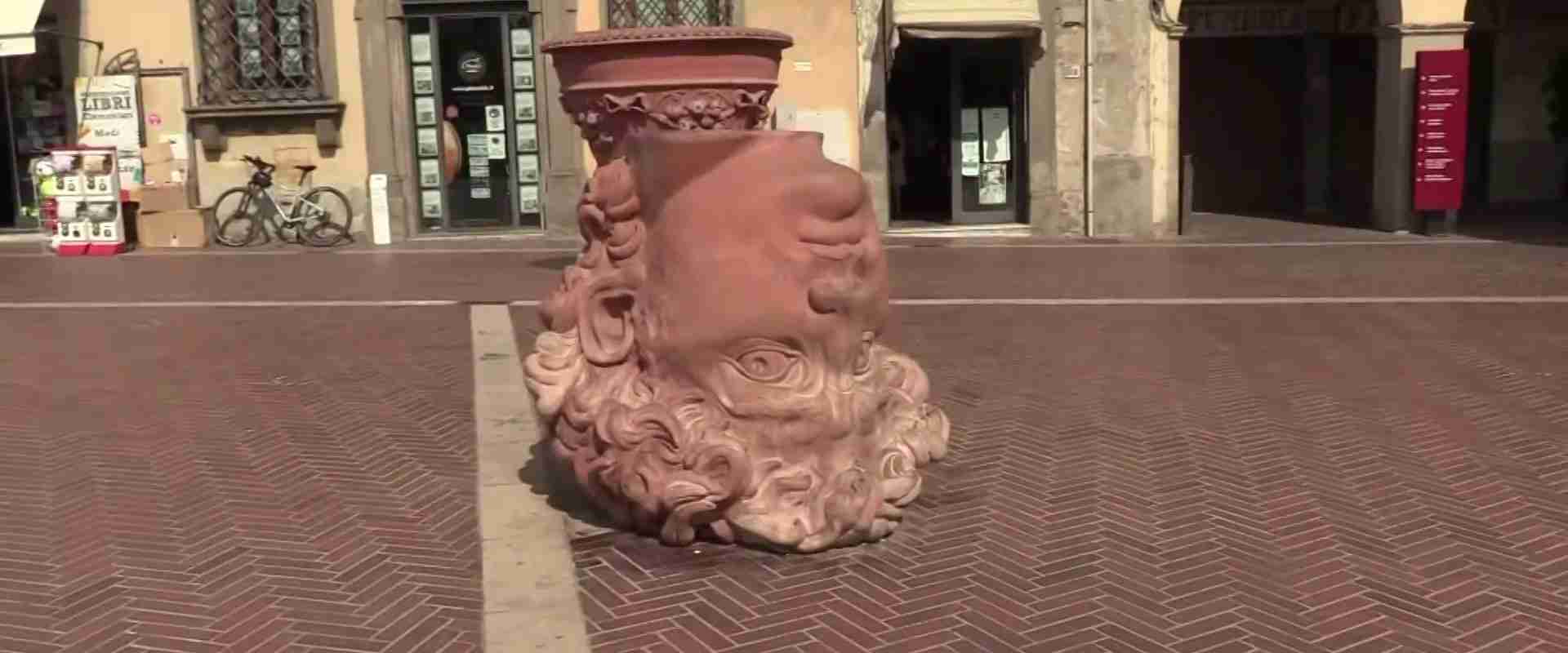
Impruneta, another major Tuscan ceramic center located south of Florence, specializes in terracotta production rather than decorated maiolica. Impruneta clay contains high iron oxide content that produces characteristic deep red-orange colors after firing. Local terracotta traditionally supplied building materials including roof tiles, floor pavers, and architectural ornaments that define Tuscan landscape aesthetics. Contemporary Impruneta artisans create both functional terracotta and decorative pieces, from large garden urns to intricate sculptural works.
Terracotta production techniques differ significantly from maiolica processes. Clay preparation requires less refinement since slight impurities enhance rather than detract from terracotta’s rustic appearance. Forming methods include hand-building coil and slab techniques for large works, wheel-throwing for vessels, and press-molding for architectural elements. Unlike glazed ceramics, most terracotta remains uncoated, with visual interest created through surface texturing, applied relief decoration, and the clay’s natural color variations. Firing temperatures stay lower than maiolica, typically 900-950 degrees Celsius, producing porous material that develops attractive weathered patinas over time when exposed to outdoor elements.
Visiting Montelupo and Impruneta provides comprehensive understanding of Tuscan ceramic traditions. Montelupo’s Museo della Ceramica houses extensive collections documenting local production history, showing stylistic evolution from medieval utility wares through Renaissance masterpieces to contemporary art ceramics. The town’s annual Festa della Ceramica in June transforms streets into open-air galleries and workshops. Impruneta’s Festa dell’Uva in September celebrates terracotta traditions alongside wine harvest, with demonstrations of traditional firing techniques.
Contemporary Tuscan ceramic artists navigate between tradition and innovation in diverse ways. Some focus on recreating historical styles with exacting attention to period-appropriate techniques and designs. Others apply traditional maiolica or terracotta methods to contemporary forms and imagery. Still others experiment with material innovations while maintaining connections to local ceramic heritage. This range ensures Tuscan ceramic culture remains vital rather than ossified, adapting to contemporary contexts while honoring accumulated technical knowledge.
The physical demands of traditional ceramic production shape workshop organization and output. Clay preparation requires significant strength for wedging (kneading clay to remove air bubbles and achieve uniform consistency). Wheel-throwing demands stamina to maintain centering and control throughout forming processes. Kiln loading and unloading involves careful planning to maximize space while preventing works from touching during firing. These practical considerations mean most ceramic artisans work with assistants or family members who share physical labor while developing skills through hands-on involvement.
Understanding Tuscan ceramic traditions enhances appreciation for finished works encountered in galleries, shops, and museums. The time investment in hand-thrown and hand-decorated pieces—often weeks from initial forming through final firing—justifies prices that may seem high compared to factory ceramics. The unique variations in each handmade work reflect human touch and judgment rather than mechanical repetition. The knowledge embodied in master potters’ abilities represents decades of practice and study. Recognizing these factors transforms ceramic pieces from mere decorative objects into tangible expressions of living cultural traditions.
Florentine Leather Crafting: From Medieval Tools to Contemporary Design
Florence’s leather crafting traditions established the city as Europe’s premier source for luxury leather goods during the Middle Ages, a reputation that persists six centuries later through workshops clustered in the Santa Croce and Oltrarno districts. This dominance emerged from multiple advantages including proximity to tanning resources along the Arno River, guild organizations that maintained quality standards, and artistic innovations that elevated leather working from functional craft to decorative art form.
Traditional Florentine leather production encompasses multiple specialized trades, each historically organized into distinct guilds. Tanners (Arte dei Cuoiai) processed raw hides into usable leather using vegetable tanning methods that required months of soaking in solutions made from tree bark. Saddlers and harness makers (Arte dei Sellai) created equestrian equipment. Glovers (Arte dei Guantai) produced hand-fitted gloves. Trunk makers (Arte dei Valigiai) constructed leather-covered travel cases. Shoemakers (Arte dei Calzolai) crafted footwear. This specialization created deep expertise within each trade while encouraging technical innovations that advanced leather working collectively.
The leather working process begins with hide selection, where experienced craftspeople assess quality based on grain pattern, thickness uniformity, and defect presence. Traditional Tuscan leather workers prefer vegetable-tanned hides that develop rich patinas with age and handling, contrasting with chrome-tanned leather’s uniform appearance and resistance to weathering. Premium hides come from cattle raised in conditions that minimize scarring and damage—scratches, brands, and insect damage create unusable areas that increase material waste and cost.
Pattern cutting represents the first critical skill leather workers master, requiring understanding of how leather stretches, where grain runs strongest, and how pieces will fit together. Master craftspeople create patterns by hand, adjusting proportions based on leather characteristics and intended use. Cutting follows patterns precisely using specialized knives that differ from common cutting tools—curved blades for smoothly flowing lines, straight blades for geometric cuts, click knives for repetitive shapes. Proper cutting technique minimizes waste while ensuring each piece utilizes leather’s strongest grain orientation.
Edge preparation distinguishes fine leather work from crude construction. Traditional Florentine edge finishing involves multiple steps: beveling edges with grooved tools to remove sharp corners, sanding to smooth surfaces, applying edge paint or dye, burnishing with heated tools or vigorous friction to compress and seal fibers, creating a smooth polished appearance that enhances durability and aesthetic quality. Machine-turned edges, common in industrial production, lack the hand-finished look that characterizes traditional Florentine leather goods.
Decorative tooling represents Florentine leather working’s most distinctive artistic contribution. Using metal stamps heated over open flames, leather workers press designs into dampened leather surfaces, compressing fibers to create permanent impressions. Traditional patterns include geometric borders, floral motifs, heraldic devices, and narrative scenes. Master toolers possess extensive stamp collections accumulated across careers, including antique tools passed through generations. The rhythmic hammering sound of tooling work echoes from Oltrarno workshops, an auditory signature of traditional production that persists despite noise regulations.
Assembly techniques vary based on item type and quality level. Hand-stitching with waxed linen thread creates strongest, most durable seams, particularly for items subject to stress like bags and belts. Artisans prepare for hand-stitching by marking stitch lines with dividers, then piercing holes with diamond awls before passing needles through in a saddle-stitch pattern that locks threads together. This process takes considerably longer than machine stitching but produces seams that can be repaired by replacing worn thread without leather damage, extending product lifespan decades.
Hardware selection and attachment require careful consideration of both function and aesthetics. Traditional Florentine leather goods use solid brass or bronze fittings that develop attractive patinas matching leather aging. Craftspeople attach hardware through carefully planned rivet or screw placements that distribute stress while maintaining clean appearance. Lower-quality production uses cheaper zinc alloy hardware prone to corrosion and breakage, a difference experienced leather workers recognize immediately.
Contemporary Florentine leather workshops occupy a spectrum from pure traditionalists to design innovators. Some botteghe recreate historical forms—medieval book bindings, Renaissance document cases, baroque-style frames—using period-appropriate techniques and materials. Others apply traditional tooling and construction methods to contemporary designs addressing modern needs. Still others push leather as artistic medium, creating sculptural works that reference craft traditions while pursuing avant-garde aesthetic goals.
The Santa Croce neighborhood historically concentrated leather tanning and processing, with workshops utilizing Arno River water and disposing waste into its flow. Environmental regulations ended tanning within Florence during the 20th century, relocating these operations to industrial zones while finished leather working remained in historic districts. Contemporary Santa Croce workshops import pre-tanned hides, then focus on cutting, tooling, and assembly stages. This shift changed the neighborhood’s character—reduced odors from tanning processes made the area more pleasant for residents and tourists, though some craftspeople lament lost connections to material preparation stages.
Oltrarno’s artisan district preserves denser concentrations of active leather workshops, with botteghe often occupying ground-floor spaces visible from streets. Via dei Bardi, Via Santo Spirito, and surrounding lanes contain dozens of small workshops where single craftspeople or small teams produce goods. Many workshops welcome visitors during business hours, allowing observation of work in progress. The neighborhood’s artisan identity attracts leather workers who value community connections and shared technical knowledge over isolated production in anonymous industrial spaces.
The economic challenges facing traditional Florentine leather working reflect broader tensions between artisan production and mass manufacturing. Hand-crafted leather goods require time investments that translate to prices significantly above mass-produced alternatives sold in chain stores. Educating consumers about quality differences—construction methods, material grades, durability expectations—becomes essential marketing for artisan workshops. Some craftspeople find this education process rewarding, forming relationships with customers who return for repairs and additional purchases over decades. Others struggle with constant explanation of why their goods cost more than superficially similar industrial products.
Understanding Florentine leather craft traditions enhances appreciation for works encountered in workshops and shops. The weight and hand-feel of quality leather differs noticeably from bonded or split hides used in cheap goods. Hand-tooled decoration shows slight variations and tool marks impossible in machine-stamped patterns. Hand-stitching creates straighter, more uniform seam lines than machine work. These quality markers, once recognized, allow informed evaluation of leather goods’ actual value regardless of marketing claims or brand prestige. Such knowledge protects travelers from tourist-trap shops selling factory goods at artisan prices while supporting genuine craftspeople who maintain traditional production methods.
Stone Carving and Marble Sculpture: Carrara, Pietrasanta, and Beyond
Tuscany’s marble and stone carving traditions emerged from geological fortune—the Apuan Alps contain some of Earth’s finest marble deposits, providing sculptural material that shaped Western art history from Roman antiquity through Renaissance masterpieces to contemporary sculpture. The techniques Tuscan stone carvers developed to work these materials represent accumulated knowledge spanning two millennia, transmitted through workshop apprenticeships where masters train students in physically demanding skills that machines cannot fully replicate.
Carrara’s marble quarries supplied sculptors since Roman times, when engineers developed sophisticated extraction techniques using metal wedges, wooden levers, and water-assisted cutting to remove massive blocks from mountainsides. Medieval and Renaissance quarrying relied on similar methods, enhanced with improved metal tools and more refined understanding of marble geology. Contemporary quarrying employs diamond wire saws and mechanized equipment, yet many traditional techniques persist where geological conditions make modern machinery impractical or where artisans prefer hand-selected material.
Different Carrara marble varieties suit specific sculptural purposes. Statuario marble, pure white with minimal veining, provides ideal material for figurative sculpture where color uniformity allows fine detail without visual distraction—Michelangelo preferred this grade for major commissions. Venatino marble contains gray veining that adds character for architectural applications. Calacatta marble features dramatic gold and gray veining prized for decorative uses. Bardiglio marble ranges from light to dark gray, offering tonal variety. Understanding these distinctions allows sculptors to select materials appropriate for planned works’ scale, subject, and intended setting.
Traditional marble carving follows logical progression from rough block to finished sculpture. Carvers begin by marking reference points on the block, establishing proportions and major forms. Heavy pneumatic or electric point chisels remove large amounts of waste material, roughly approximating the intended form. As work progresses, carvers switch to progressively lighter tools—toothed chisels that leave parallel grooves while refining shapes, flat chisels for smoothing surfaces, rifflers and rasps for detail work. Final polishing uses abrasive powders applied with felt pads, creating glossy surfaces that reveal marble’s translucent qualities.
The pointing system, developed during the Renaissance and refined over subsequent centuries, allows accurate enlargement from small models to full-scale sculptures. Carvers establish a three-dimensional coordinate system using pointing machines with adjustable arms, measuring specific points on the model then transferring these measurements to the marble block. This technique enables creation of precise replicas while preserving the spontaneity of original sketch models. Many contemporary Tuscan sculptors still use pointing systems despite availability of digital scanning and CNC milling, valuing the direct physical engagement with stone that traditional methods require.
Pietrasanta emerged as Tuscany’s second major marble working center, positioned strategically between Carrara quarries and the Mediterranean coast. While Carrara focused on extraction, Pietrasanta developed as a finishing and export hub where rough blocks were carved then shipped. This role attracted sculptors who established permanent studios, creating an international artistic community that persists today. The town contains over two hundred marble studios and bronze foundries, many operated by families who’ve worked stone for generations alongside contemporary artists from worldwide origins.
Bronze casting represents Pietrasanta’s complementary craft tradition, with foundries using lost-wax techniques to create metal sculptures often designed to complement marble works. Traditional bronze casting involves creating wax models, encasing them in heat-resistant molds, melting out the wax, then pouring molten bronze into the resulting cavity. Foundry workers then clean castings, weld multiple pieces together for large works, and apply patinas through chemical treatments that create diverse surface colors and textures. Several Pietrasanta foundries maintain Renaissance-era techniques alongside contemporary innovations, offering sculptors access to full production capabilities from initial design through finished bronze.
Other Tuscan regions developed stone carving specializations based on local materials. Volterra’s alabaster deposits created a carving tradition focused on this translucent material’s unique properties. Softer than marble, alabaster allows more delicate detail work and transmits light in ways solid stone cannot. Volterran carvers produce small sculptures, decorative vessels, and lamps exploiting alabaster’s luminous qualities. The town’s Museo Etrusco Guarnacci displays ancient alabaster funerary urns alongside contemporary works, demonstrating technical continuity spanning 2,500 years.
Fiesole’s pietra serena, a gray sandstone, supplied Florence’s architectural needs from Brunelleschi’s columns to contemporary restoration projects. Easier to carve than marble yet sufficiently durable for building applications, pietra serena became Renaissance Florence’s preferred architectural stone. Traditional pietra serena working techniques differ from marble carving—the material’s granular structure responds better to specific tool angles and cutting approaches, knowledge Fiesole craftspeople possess through generations of practice.
Learning traditional stone carving requires years of physical conditioning alongside skill development. The repetitive hammer blows of chiseling develop specific muscle groups while demanding ergonomic awareness to prevent injury. Carvers learn to read stone—recognizing subtle color variations indicating internal flaws, understanding how different marble varieties respond to tools, developing tactile sensitivity to surface qualities invisible to sight alone. This embodied knowledge cannot be acquired through observation or instruction; only direct practice builds the physical intelligence successful stone carving demands.
Contemporary Tuscan stone carvers balance preservation of traditional techniques with incorporation of modern tools that reduce labor while maintaining artistic control. Pneumatic hammers speed rough carving stages without eliminating need for judgment about cutting angles and depths. Diamond-tipped tools enable certain operations impossible with traditional steel chisels. Yet most carvers insist on hand-finishing final surfaces, arguing that only direct tool contact allows the subtle surface variations that distinguish fine carving from mechanical cutting.
The economics of traditional stone carving present challenges similar to other craft traditions—high material costs combined with slow production rates limit market reach. A life-size marble portrait might require six months’ skilled labor, justifying prices affordable only to serious collectors or institutional buyers. Many Tuscan stone carvers supplement sculpture commissions with restoration work, teaching, or production of smaller decorative pieces with broader market appeal. This economic diversity allows maintenance of carving skills while providing sustainable income.
Visiting Carrara and Pietrasanta offers unparalleled access to marble traditions. Carrara’s marble museum documents extraction history through tools, photographs, and geological specimens. Quarry tours allow observation of contemporary extraction operations and abandoned sites where marble working’s physical scale becomes apparent. Pietrasanta’s studio district welcomes visitors into working spaces where internationally recognized sculptors work alongside local craftspeople, creating unusually rich artistic environments. The town’s museums and outdoor sculpture displays provide context for understanding contemporary marble work’s relationship to historical traditions.
Traditional Textile Arts: Weaving, Dyeing, and Fabric Production
Tuscan textile traditions developed over centuries into sophisticated industries that shaped European fashion and economic power. From medieval wool production that funded Florence’s rise to Renaissance silk weaving that dressed nobility across the continent, textile crafts created wealth while advancing technical knowledge about fiber processing, dye chemistry, weaving patterns, and fabric finishing. Contemporary Tuscan textile artisans inherit this accumulated expertise, maintaining traditional techniques in workshops where looms operate following principles established centuries ago.
Wool processing dominated medieval Tuscan textile production, with Florence’s Arte della Lana guild organizing all aspects from raw fleece importation through finished fabric export. This vertical integration required coordination of multiple specialized tasks: wool sorting and cleaning, carding to align fibers, spinning into yarn, dyeing with plant and mineral colorants, weaving into cloth, fulling to compact and strengthen fabric, and finishing operations including shearing and pressing. Each stage demanded specific skills and equipment, creating employment for thousands of workers in hierarchical workshop systems.
The weaving process itself involves multiple technical operations and decisions. Warp threads—those running lengthwise through fabric—must be prepared with uniform tension and spacing on the loom. Weft threads—those crossing perpendicular to create fabric width—require careful color and texture selection to achieve desired patterns and surface qualities. Traditional foot-powered looms allow weavers to control complex pattern sequences through treadle combinations that raise and lower different warp thread groups, creating designs from simple plains to intricate brocades.
Natural dyeing techniques preserved in some Tuscan workshops demonstrate sophisticated color chemistry developed through centuries of experimentation. Madder root produces reds ranging from orange to deep burgundy depending on mordants and processing methods. Indigo from woad plants creates blues through fermentation processes requiring precise timing and temperature control. Weld and saffron yield yellows. Mixing these primary colors and varying mordants—metal salts that help dyes bond to fibers—produces full color palettes. Contemporary artisans researching historical dye recipes often achieve colors impossible with synthetic dyes, demonstrating that traditional techniques offer aesthetic advantages beyond historical authenticity.
Prato established itself as Tuscany’s textile manufacturing center during the 14th century, evolving from wool production to become Italy’s premier textile district. Contemporary Prato maintains this identity with hundreds of textile businesses ranging from small artisan workshops to large factories. The city’s Museo del Tessuto preserves extensive collections documenting local textile history while contemporary production facilities demonstrate how traditional knowledge adapts to modern manufacturing systems. Some Prato workshops specialize in recreating historical fabrics for museum restoration projects, applying traditional weaving and dyeing techniques to produce authentic reproductions.
Anghiari, a hilltop town in eastern Tuscany, preserved specialized linen and hemp weaving traditions when other regions abandoned labor-intensive natural fiber production. The town’s Busatti workshop, operating since the 19th century, maintains hand-looms weaving traditional patterns using techniques unchanged across generations. Visiting Busatti allows observation of complete production processes from yarn preparation through weaving to hemming and quality inspection. The rhythmic clacking of shuttle movements through warp threads creates hypnotic soundscapes while demonstrating physical demands hand-weaving imposes—weavers maintain consistent rhythm and tension throughout days of continuous work to produce uniform fabric.
Silk weaving emerged as Florence’s luxury textile specialty during the Renaissance, when Medici patronage funded looms producing brocades, damasks, and velvets for European nobility. Silk’s unique properties—strength, luster, dye receptiveness—enabled effects impossible with wool or linen. Complex silk weaving required drawlooms where assistants lifted pattern threads while weavers inserted weft, allowing creation of elaborate designs with multiple colors and textures. This labor-intensive process produced fabrics so valuable that single garments represented fortunes, demonstrating how craft mastery generated economic and cultural capital.
Contemporary Tuscan silk production largely shifted to commercial operations, though a few artisan workshops maintain hand-weaving traditions. The Antico Setificio Fiorentino, established in 1786, operates original warping and weaving equipment in its Florence workshop, producing silk fabrics using traditional techniques for restoration projects and luxury clients. The workshop welcomes visitors by appointment, offering rare opportunities to observe historical equipment in operation and understand silk weaving’s technical complexity.
Embroidery represents another Tuscan textile tradition with deep historical roots and contemporary practitioners. Traditional Florentine embroidery employs counted-thread techniques creating geometric patterns in silk thread on linen backgrounds. Assisi embroidery, despite its Umbrian name, found enthusiastic practitioners in Tuscan convents where nuns created religious textiles. Contemporary embroidery artisans often work independently in home studios, selling finished works through galleries and boutiques rather than maintaining public workshops.
The physical demands of traditional textile production shape workshop organization and output. Loom operation requires sustained attention and repetitive movements that cause fatigue, limiting daily production. Warping large looms—setting up warp threads for weaving—demands strength and precision, often requiring multiple workers. These practical realities mean most traditional textile workshops operate as small family businesses where several people share labor, passing skills through direct participation rather than formal instruction.
Understanding Tuscan textile traditions enhances appreciation for fabrics encountered in museums, shops, and contemporary fashion. The density and evenness of hand-woven fabrics differs noticeably from machine production’s mechanical perfection. Natural dye colors possess subtle variations and depth that synthetic dyes cannot fully replicate. Hand-finished seams and hems show care and attention beyond industrial construction standards. Recognizing these quality markers allows informed evaluation of textile goods’ actual value and supports artisans who maintain traditional production methods despite economic challenges.
Metalwork, Jewelry, and Gold Beating: Florentine Excellence
Tuscan metalworking traditions encompass diverse specialized crafts from architectural ironwork to microscopic jewelry techniques, with Florence particularly renowned for goldsmithing and the unique art of gold beating—hammering gold into sheets thin enough to read through. These metal crafts developed sophisticated technical knowledge about material properties, tool design, and manipulation techniques that continue to inform contemporary practice centuries after their initial development.
Goldsmithing emerged as one of Florence’s most prestigious crafts during the Middle Ages, organized under the Arte dei Vaiai e Orafi guild that regulated quality and training. The Ponte Vecchio’s shops—originally butchers—converted to goldsmiths during the 16th century when Grand Duke Ferdinando I banished meat sellers from the prime location. Contemporary Ponte Vecchio workshops maintain this goldsmithing tradition, though many focus on retail rather than on-site production. More authentic artisan experiences occur in Oltrarno workshops where goldsmiths still practice traditional techniques.
Traditional goldsmithing encompasses multiple specialized techniques. Die-stamping uses engraved steel dies to impress patterns onto gold sheet, creating raised decorative elements. Repoussé involves hammering gold from the reverse side to create sculptural relief while chasing refines detail from the front. Granulation, an ancient Etruscan technique revived by Florentine goldsmiths, involves fusing tiny gold spheres onto surfaces to create textured patterns. Filigree work twists fine gold wire into delicate lacelike patterns that can be freestanding or soldered onto backing sheets.
The gold beating process represents one of Tuscany’s most unusual traditional crafts, producing gold leaf thin enough for gilding applications from architecture to book illumination. Gold beaters begin with small pure gold ingots, rolling them into ribbons about one millimeter thick. These ribbons are cut into squares, stacked between parchment sheets, then hammered repeatedly with specialized hammers weighing several kilograms. Through hours of rhythmic hammering, gold spreads into sheets approximately 0.0001 millimeters thick—translucent and so delicate that breath or static electricity can tear them.
Florence’s Giusto Manetti Battiloro workshop maintains gold beating traditions using techniques essentially unchanged since the 13th century. The workshop produces gold leaf for restoration projects on churches, palaces, and artworks throughout Tuscany and beyond. Visiting the workshop demonstrates gold beating’s physical demands—the constant hammering requires strength, stamina, and precisely controlled strikes that spread gold evenly without tearing. Master gold beaters develop calluses and specific muscle development reflecting years of repetitive work.
Silver smithing represents Florence’s complement to goldsmithing, historically focused on ecclesiastical objects including chalices, reliquaries, and altar furnishings. Traditional silver working techniques parallel goldsmithing methods, with additional emphasis on larger-scale hollowware construction through raising—hammering flat silver sheet into vessel forms. Contemporary Florentine silver smiths produce both religious commissions and secular objects, maintaining traditional hand-raising techniques alongside modern fabrication methods.
Ironwork traditions in Tuscany focused primarily on architectural applications—gates, railings, balconies, hinges, and other functional elements that gained decorative significance through blacksmiths’ artistic ambitions. Traditional forge work requires understanding iron’s behavior at different temperatures, when it becomes workable, how different hammering techniques shape it, and how to join pieces through forge welding or riveting. Contemporary Tuscan blacksmiths maintain these traditional skills while incorporating modern welding techniques for efficiency.
Bronze casting, discussed earlier in the sculpture context, also produces smaller decorative and functional metalwork. Traditional sand casting creates one-off bronze pieces through pressing patterns into sand molds, pouring molten bronze, then breaking molds to retrieve castings. This technique allows complex forms impossible through forging or fabrication. Contemporary bronze workers often combine casting with forging and fabrication, selecting appropriate techniques based on design requirements.
Copper and brass working developed as specialized trades distinct from iron forging or precious metal smithing. Coppersmith shops produced cooking vessels, storage containers, and architectural elements, shaping sheet metal through hammering and folding techniques. Brass founding involved casting alloy components then machining and finishing them for specific applications. These trades declined during industrialization but persist in workshops focused on restoration and custom fabrication.
Learning traditional metalworking requires extensive apprenticeship developing physical skills alongside technical knowledge. Metal responds differently to hammering depending on thickness, alloy composition, and temperature. Reading these subtle variations requires experience that cannot be acquired through observation alone. Successful metalworkers develop intuitive understanding allowing rapid judgment about when metal needs annealing (heating to relieve stress), how much force specific operations require, and when pieces approach their limits before cracking or distorting.
Contemporary Florentine metalwork balances tradition with practical business realities. Custom commission work—jewelry, architectural elements, restoration projects—provides income while allowing application of traditional techniques. Production pieces using traditional methods at smaller scales reach broader markets. Teaching workshops share skills with hobbyists while generating supplemental revenue. This economic diversity allows metalworkers to maintain craft practices despite limited demand for purely traditional works at prices hand-production requires.
Understanding Tuscan metalwork traditions enhances evaluation of metal objects encountered in shops and galleries. The tool marks visible in hand-hammered gold or silver differ from die-struck commercial production. The organic forms in forged ironwork show evidence of heat and hammer impossible in machined or cast pieces. The layering in hand-applied gold leaf creates depth that machine application cannot replicate. Recognizing these quality markers allows appreciation for genuine craftsmanship while identifying mass-produced goods marketed as artisan works.
Paper Making, Book Binding, and Restoration Arts
Florence’s papermaking and book binding traditions emerged during the Renaissance when the city’s intellectual culture created demand for high-quality materials supporting scholarship, commerce, and artistic production. Contemporary Tuscan artisans maintain these traditions through workshops producing handmade papers and bound volumes using techniques essentially unchanged from methods developed five centuries ago, preserving knowledge systems crucial for historical document conservation and restoration.
Traditional papermaking begins with fiber preparation—historically linen and cotton rags soaked, beaten, and reduced to pulp. Papermakers add water creating a slurry, then dip wire-mesh molds into vats, lifting them with even horizontal movements that distribute fibers uniformly. Water drains through mesh leaving thin fiber mats on mold surfaces. Workers carefully transfer these wet sheets onto felt blankets, stacking alternating paper and felt layers. Press pressure removes additional water before papers dry on racks or outdoor lines. This process produces papers with unique surface textures and irregular edges called deckle edges that distinguish handmade sheets from machine production.
Contemporary Florentine paper workshops, concentrated in the Oltrarno district, often add decorative elements to handmade sheets. Marbling techniques involve floating oil-based pigments on water thickened with carrageenan or gum Arabic, manipulating colors into patterns with rakes and combs, then laying paper on the surface to transfer designs. Each marbled sheet becomes unique as patterns cannot be exactly repeated. Paste paper decoration applies colored pastes to sheets then manipulates them with combs, sponges, or crumpled fabric to create textured patterns. These decorative papers serve as endpapers in fine bindings or sell as artistic objects.
Il Papiro, established in Florence during the 1970s, helped revive traditional papermaking and marbling techniques while expanding to multiple workshop-retail locations throughout Tuscany. The business trains apprentice papermakers, maintaining craft knowledge while producing decorative papers, journals, and gift items. Visitors to Il Papiro workshops observe papermaking and marbling demonstrations, understanding processes through direct observation rather than written description.
Book binding traditions developed sophisticated techniques for creating durable, functional, and beautiful volumes. Traditional binding begins with gathering printed signatures (folded sheets), sewing them together through their folds using linen thread, then attaching sewn book blocks to covers made from wood or thick paperboard covered in leather, cloth, or decorative paper. Historical bindings often included decorative elements—gold tooling on leather, raised bands on spines, decorative endpapers, edges gilded or painted.
The binding process requires multiple specialized skills. Sewing must be even and tight enough to hold pages securely without causing binding stiffness that prevents proper opening. Cover attachment must distribute stress appropriately so books open smoothly without pulling away from covers. Leather covering requires careful skiving (thinning edges), molding over raised elements, and cornering without wrinkles. Gold tooling uses heated brass tools to impress gold leaf into leather following patterns marked during design stages.
Florence’s Legatoria Cornici specializes in traditional book binding and frame making, occupying a small Oltrarno workshop where a master craftsman and assistants maintain techniques passed through family generations. The workshop accepts custom binding commissions, repairs antique volumes, and creates leather-covered boxes, portfolios, and decorative objects. Visiting during business hours allows observation of work in progress and conversation with craftspeople about techniques and materials.
Restoration represents a specialized application of traditional papermaking and binding knowledge, requiring understanding of historical techniques to successfully repair damaged works. Restorers must match papers by fiber type, density, and surface treatment. They recreate period-appropriate inks and adhesives. They address damage—tears, stains, deterioration—using minimally invasive techniques that preserve original materials. This work demands extensive training combining craft skills with conservation science, typically requiring university education plus apprenticeship with established restoration studios.
Florence’s major libraries and museums employ restoration workshops maintaining institutional collections. The Biblioteca Nazionale Centrale’s restoration laboratory handles thousands of volumes annually, addressing damage from age, handling, and environmental factors. Some restoration workshops accept visitors by appointment, offering rare opportunities to observe conservation techniques applied to historically significant works. These visits demonstrate how traditional craft knowledge serves contemporary preservation needs, maintaining connections between past and present.
Contemporary paper artists push traditional techniques into experimental directions, creating sculptural works, installations, and mixed-media pieces that reference papermaking traditions while pursuing contemporary artistic goals. These innovations demonstrate that traditional crafts remain vital when practitioners view them as foundations for creative exploration rather than rigid formulas requiring faithful reproduction. Such experimental work attracts younger generations to traditional crafts by showing their contemporary relevance and creative possibilities.
The economic realities of traditional papermaking and book binding reflect broader craft challenges—time-intensive hand production results in prices significantly above industrial alternatives. Decorative papers compete with cheap imports, while fine binding serves small markets of collectors and institutions. Many Tuscan paper and binding workshops diversify income through teaching, offering classes that provide revenue while transmitting skills. Others develop production lines of moderately priced items—journals, albums, portfolios—using traditional techniques at smaller scales that reach broader markets.
Understanding paper and book traditions enhances appreciation for bound volumes and paper arts encountered in shops and libraries. The surface qualities of handmade paper differ noticeably from machine production—irregular fibers, subtle thickness variations, soft deckle edges. Leather bindings show tool marks and hand-worked characteristics absent in mechanical production. Marbled papers display fluid organic patterns impossible to achieve through printing. Recognizing these qualities allows informed evaluation of materials and techniques while supporting artisans who maintain traditional practices.
Glass and Crystal Arts: Empoli and Traditional Techniques
While Venice’s Murano monopolized Italian glassmaking fame, Tuscan glass traditions developed distinctive character focused primarily on utilitarian production—bottles, flasks, storage vessels—that evolved into decorative arts as craftspeople explored their material’s artistic possibilities. Contemporary Tuscan glass working maintains connections to traditional forms and techniques while incorporating contemporary design sensibilities that honor heritage without mere historical reproduction.
Empoli emerged as Tuscany’s glass production center during the Middle Ages, with workshops producing the distinctive green glass bottles and flasks used throughout the region for wine and olive oil storage. This green color resulted from iron impurities in sand sources, initially considered a defect but eventually embraced as characteristic of Tuscan glass. Traditional Empoli bottles featured bulbous bodies and narrow necks sealed with cork and wax, forms optimized for storage and transport while using minimal glass material.
Glassblowing techniques require specialized equipment and significant skill development. Glassworkers gather molten glass on hollow steel pipes from furnaces maintained at temperatures around 1,100 degrees Celsius. By blowing through pipes while rotating them and manipulating glass with hand tools, artisans inflate bubbles that can be shaped into vessels, expanded into large forms, or worked into intricate shapes. The glass must remain within specific temperature ranges—hot enough to stay workable but cool enough to hold shape without collapsing—requiring constant reheating during forming processes.
Traditional tool sets for glassblowing include blocks (wooden paddles soaked in water), jacks (large tweezers for gripping and shaping), shears (scissors for cutting hot glass), and punties (solid rods for holding finished pieces while working their bases). Master glassblowers demonstrate seemingly effortless control using these simple tools, though this ease reflects years of practice developing hand-eye coordination, timing judgment, and physical stamina necessary for successful glassworking. The heat exposure from working near furnaces and handling hot glass makes glassblowing one of traditional crafts’ most physically demanding specializations.
Empoli’s Museo del Vetro documents local glass production history through extensive collections showing evolution from utilitarian vessels to decorative arts. The museum displays include historical examples of traditional green glass bottles and flasks alongside contemporary art glass produced by local studios. Demonstrations during peak tourist seasons allow visitors to observe glassblowing techniques, understanding the skill and timing required for successful production.
Contemporary Tuscan glass studios balance traditional techniques with artistic innovation. Some focus on recreating historical Empoli forms, producing green glass bottles and flasks using period-appropriate methods. Others apply traditional glassblowing to contemporary designs, creating sculptural vessels, lighting fixtures, and decorative objects that reference Tuscan glass heritage while pursuing modern aesthetics. Still others push glass as artistic medium through experimental techniques, installations, and collaborations with other craft traditions.
Crystal cutting and engraving represents a specialized glass technique requiring different skills from glassblowing. Crystal’s higher lead content produces superior optical properties—greater brilliance and refractive index—making it ideal for fine tableware and decorative objects. Traditional crystal cutting uses copper wheels loaded with abrasive slurries to grind decorative patterns into crystal surfaces. Wheel sizes, abrasive grades, and cutting angles create different effects—deep cuts catch light dramatically, shallow cuts produce subtle patterns, polished cuts maximize brilliance while frosted cuts diffuse light softly.
Crystal engraving employs smaller wheels to inscribe fine lines and detailed images onto crystal surfaces. This technique requires steady hands and precise control as wheels remove material irreversibly—mistakes cannot be corrected. Master engravers often work from preliminary sketches but execute final designs freehand, relying on accumulated experience to judge cutting depths and angles. The resulting images show three-dimensional depth impossible to achieve through surface painting or etching.
Stained glass represents another traditional glass technique practiced in some Tuscan workshops, particularly those focused on ecclesiastical commissions or historical restoration. Traditional stained glass construction involves cutting colored glass into shapes defined by design patterns, assembling pieces with lead cames (H-shaped channels holding adjacent glass pieces), soldering joints, and waterproofing with putty. Painting and firing can add details impossible through colored glass alone. Contemporary stained glass artists employ these traditional techniques while expanding subject matter and design approaches beyond historical religious imagery.
The economics of traditional glassworking reflect familiar craft challenges—expensive equipment (furnaces, annealers, tools) combined with slow hand production limits market reach. Studio glass movements since the 1960s created new markets for artistic glass, though competition remains intense. Many Tuscan glass artisans supplement production income through teaching, custom commissions, and small production runs of decorative items with broader appeal than unique art pieces.
Understanding Tuscan glass traditions enhances appreciation for glass objects encountered in shops and museums. The pontil mark on bottle bases shows hand production versus molded manufacture. The irregular walls in blown glass reflect human touch rather than mechanical uniformity. The depth and fire in hand-cut crystal exceeds machine pressing or molding. The painterly qualities in stained glass derive from traditional lead came construction and fired paint techniques. Recognizing these characteristics allows evaluation of actual craftsmanship versus mass production marketed as artisan work.
Hilltop Studio Villages and Artisan Communities
Tuscany’s hilltop villages evolved into artisan communities through combinations of geographic isolation, material access, historical guild concentrations, and cultural factors that sustained craft traditions after industrialization eliminated them elsewhere. These towns function as living craft museums where traditional production continues in historic settings, creating immersive cultural experiences fundamentally different from conventional tourism focused on monuments and museums.
Montelupo Fiorentino exemplifies this artisan village model, with ceramic production defining the town’s identity since the 14th century. The historic center contains concentrated ceramic studios—over forty active workshops—along streets where generations of potters worked. Walking through town reveals workshops at ground level with open doors allowing glimpses of work in progress. Clay dust and glaze materials visible outside studios indicate active production rather than tourist-oriented retail spaces. The town’s annual ceramic festival transforms streets into outdoor galleries where artisans display works, demonstrate techniques, and engage visitors in conversations about their practice.
Volterra maintains similar concentrated artisan culture focused on alabaster. The town’s Etruscan origins and nearby alabaster deposits created carving traditions spanning twenty-five centuries. Contemporary Volterra contains dozens of alabaster studios along main pedestrian routes and tucked into side streets. Many workshops welcome visitors, with artisans carving at visible workbenches. The translucent nature of alabaster allows studios to function as informal galleries where finished works glow from within when backlit, demonstrating material qualities that photographs cannot adequately convey.
Pietrasanta’s transformation into an international sculpture center occurred during the 20th century when artists including Henry Moore and Fernando Botero established studios there, drawn by marble access and skilled craftspeople who could execute large-scale works. This influx created hybrid culture—local artisans working alongside internationally recognized artists, traditional techniques applied to contemporary forms, Italian craft heritage enriched by global artistic perspectives. The town now contains over two hundred studios and foundries representing diverse nationalities and approaches unified by commitment to direct material engagement and technical excellence.
Anghiari preserved textile traditions through Busatti’s family workshop, which became nucleus for broader artisan community. The hilltop town’s medieval character and textile heritage attracted additional craftspeople drawn by combination of functional space in historic buildings, community of practitioners sharing technical knowledge, and tourism traffic interested in authentic craft experiences. This organic growth created artisan density transforming entire towns rather than isolated workshops, making craft practice visible throughout daily life.
These artisan villages share common characteristics distinguishing them from regions where crafts exist as isolated tourist attractions. Multiple practitioners working in the same tradition create critical mass supporting shared resources—clay suppliers serving ceramic studios, tool makers providing specialized equipment, master artisans available for consultation on technical problems. This concentration enables knowledge exchange and technical innovation as craftspeople observe peers’ work and adapt successful techniques. Competition coexists with cooperation—artisans recognize that collective vitality benefits all participants more than isolated success benefits individuals.
The social integration of craft production into daily community life sustains artisan cultures beyond purely economic factors. Children growing up in these towns absorb craft knowledge through environmental exposure before formal apprenticeship. Local residents purchase handmade goods from neighbors, creating markets independent of tourism fluctuations. Civic identity connects to craft heritage—Montelupo residents take pride in their town’s ceramic history, Volterra celebrates alabaster carving, Pietrasanta identifies as sculpture center. This cultural embedding helps preserve traditions through changed economic circumstances that might otherwise eliminate them.
Festivals and markets provide crucial economic and social functions in artisan communities. Regular events attract outside visitors, creating concentrated sales opportunities for craftspeople whose daily traffic might not sustain businesses. These gatherings also serve social functions—artisans from surrounding areas gather, share technical information, observe each other’s work, and maintain networks crucial for long-term craft vitality. For travelers, festivals offer exceptional access to concentrated craft production, demonstrations, and opportunities to engage directly with practitioners.
The preservation challenges facing artisan villages reflect broader tensions between tradition and modernization, economic viability and cultural authenticity, local residents and tourist influx. Rising real estate costs driven by tourism and remote workers price out younger artisans seeking studio space. Commercial pressures encourage production of tourist-oriented goods over more challenging traditional work. Municipal regulations sometimes conflict with craft needs—noise ordinances restricting hammering hours, environmental rules limiting kiln operations. Yet these communities demonstrate resilience, adapting to constraints while maintaining core traditions.
Understanding artisan village culture enhances travel experiences in these communities. Rather than treating them as outdoor shopping malls, informed visitors recognize them as working towns where craft production serves local needs alongside tourist markets. This perspective encourages behaviors supporting long-term sustainability—purchasing directly from makers, showing interest in techniques not just finished products, respecting workshop schedules and production demands, understanding that high-quality handmade goods require time investment justifying prices exceeding mass-produced alternatives.
Visiting Working Studios: Etiquette and Best Practices
Tuscan artisan workshops welcome visitors seeking authentic craft experiences, though successful visits require understanding appropriate behaviors that respect craftspeople’s working environments while enabling meaningful cultural exchange. Unlike museums where visitor protocols are explicit, workshop visits involve implicit expectations that travelers unfamiliar with craft cultures may not recognize. Knowledge of these conventions transforms encounters from awkward intrusions into rewarding interactions benefiting both visitors and artisans.
The fundamental principle governing workshop visits recognizes that studios function as active production spaces where artisans earn livelihoods through skilled labor. Visitors enter working environments, not entertainment venues designed for tourist consumption. This distinction shapes appropriate behaviors—observing without disrupting, asking informed questions showing genuine interest, recognizing that craftspeople may have limited time for extended conversations, understanding that purchases support continuation of traditional practices visitors claim to value.
Timing significantly impacts visit quality and welcome received. Most artisans work regular schedules, typically beginning early morning when focus comes easily and continuing through mid-afternoon with breaks for meals. Visiting during core working hours allows observation of active production but may limit conversation if artisans concentrate on time-sensitive tasks. Late afternoon visits after intensive production often permit more extended discussions, though some workshops close. Many craftspeople welcome spontaneous visits during business hours, while others prefer appointments allowing schedule adjustment. Checking workshop websites or calling ahead demonstrates respect for craftspeople’s time while ensuring availability.
Photography practices require sensitivity and explicit permission. Many artisans willingly allow photographs of finished works and general workshop interiors but may restrict images of specific techniques or works in progress. Proprietary techniques, competitive advantages, or incomplete works intended for important commissions might justify such restrictions. Always ask before photographing, clearly state intended uses (personal documentation versus commercial publication), and respect denials without argument. Some craftspeople appreciate social media mentions and tags promoting their work; others value privacy and prefer anonymity. Following artisans’ preferences on these matters demonstrates basic courtesy.
Questions showing informed interest in techniques, materials, and tradition generally receive enthusiastic responses. Artisans appreciate when visitors recognize craftsmanship quality, understand technical challenges their work entails, and show curiosity about learning processes. Conversely, questions focused solely on prices, production speed, or comparisons to cheaper alternatives may offend, implying that craft value reduces to economic efficiency rather than cultural significance. Demonstrating knowledge about craft traditions—even basic familiarity with terminology and processes—signals serious interest distinguishing travelers genuinely curious about artisan culture from casual shoppers seeking souvenirs.
Purchase considerations should balance genuine desire for works with realistic assessment of practical utility, aesthetic preferences, and budget constraints. Artisans recognize when visitors buy from obligation rather than authentic appreciation, creating awkward dynamics. Better to engage meaningfully without purchasing than to buy works that will gather dust. When genuinely interested in acquiring pieces, discussing practical concerns—dimensions, shipping, care requirements—demonstrates serious intention. Many craftspeople negotiate prices on expensive items, particularly for visitors showing deep engagement with their work. Others maintain fixed pricing reflecting material costs and labor investment.
Children require careful supervision in workshop environments containing fragile objects, dangerous tools, and materials requiring protection from contamination. Well-behaved children showing genuine interest often charm artisans, who may offer simplified demonstrations or allow supervised handling of tools. Uncontrolled children disrupting work or endangering themselves create stress for everyone. Parents should honestly assess whether particular workshop visits suit children’s attention spans and behavior capacities. Some artisans welcome family visits, others prefer adult-only environments—asking before visiting with children shows consideration.
Language barriers need not prevent meaningful workshop interactions, though basic Italian phrases demonstrate respect for local culture and facilitate communication. Many Tuscan artisans speak some English, particularly in regions with significant tourism. When language difficulties arise, focusing on visual observation, allowing artisans to demonstrate techniques, and using gestures and sketches often communicates effectively. Translation apps can help, though showing patience and good humor when communication falters matters more than perfect linguistic precision.
Group size affects visit dynamics significantly. Individual travelers or couples often receive more personalized attention and extended conversations. Small groups of three to five allow reasonable interaction without overwhelming workshop spaces. Larger groups should always arrange advance appointments, allowing artisans to prepare for visitor influx and potentially modify schedules to accommodate. Tour groups descending unexpectedly on small workshops create chaos disrupting work and preventing meaningful exchange.
Departure timing requires judgment reading craftspeople’s engagement levels. When artisans appear eager to continue conversation, rushing away seems rude. Conversely, monopolizing time when work demands attention or other visitors wait shows poor awareness. Most workshops visits last fifteen to thirty minutes—sufficient for observation, conversation, and potential purchases without excessive time demands. Visitors forging genuine connections might spend an hour or more, though such extended visits should flow naturally from mutual engagement rather than imposed by travelers seeking maximum cultural extraction.
Follow-up contact after visits can build lasting relationships with artisans whose work genuinely resonated. Sending photographs of purchased pieces in their new contexts, sharing social media posts mentioning workshops by name, or maintaining occasional email correspondence shows appreciation extending beyond transactional encounters. Some travelers develop years-long relationships with Tuscan craftspeople, returning for additional purchases, following their artistic evolution, and sometimes commissioning custom works. These ongoing connections represent the deepest engagement with traditional craft culture, transforming anonymous tourism into meaningful cross-cultural relationships.
Hands-On Learning: Workshops and Master Classes
Tuscany’s artisan traditions extend beyond observation and appreciation into hands-on participation through workshops offering travelers direct engagement with traditional techniques under master guidance. These educational experiences range from single-session introductions providing basic skill exposure to intensive week-long courses developing competence in specific techniques. Participating in craft workshops creates understanding impossible through observation alone—the physical demands of working materials, the judgment required for successful execution, the satisfaction of creating functional objects through traditional methods.
Ceramic workshops represent the most widely available craft learning opportunities throughout Tuscany, particularly in Montelupo Fiorentino where numerous studios offer classes. Typical introductory sessions last three to four hours, teaching basic hand-building techniques like pinch pots, coil construction, or slab assembly. More advanced workshops introduce wheel throwing, requiring multiple sessions to develop centering skills and basic vessel forming abilities. Decorating workshops focus on traditional maiolica painting techniques, teaching brush handling, pattern application, and color usage on pre-fired bisque forms. Week-long intensive courses guide participants through complete production cycles from clay preparation through glaze application and firing, resulting in finished pieces to take home.
Leather working classes in Florence allow participants to create small projects—wallets, belts, journals—using traditional tools and techniques. These workshops typically begin with leather selection, teaching quality assessment and appropriate material matching to intended uses. Instructors demonstrate pattern cutting, edge finishing, hand-stitching, and hardware installation. Participants execute each step under guidance, experiencing the precision and patience hand leather working demands. Most classes produce finished projects within single sessions lasting four to six hours, providing tangible results demonstrating learned skills.
Stone carving workshops, less common than ceramic or leather classes due to equipment requirements and physical demands, offer unique opportunities to work traditional materials. Pietrasanta and Carrara studios occasionally offer carving courses ranging from single-day introductions to week-long intensives. Beginning classes teach basic chisel handling, stone reading, and simple relief carving on soft stones like alabaster or pietra serena. Advanced workshops might guide experienced participants through small sculptural projects in marble. The physical intensity of stone carving—the hammering force, the dust exposure, the sustained attention—creates vivid appreciation for master carvers’ skills and stamina.
Textile workshops explore weaving, dyeing, embroidery, and fabric printing techniques. Anghiari’s textile museum offers periodic weaving classes on traditional looms, teaching basic plain weave patterns and simple color work. Natural dyeing workshops demonstrate historical pigment extraction and application methods, often incorporating botanical walks identifying local plant species used in traditional dye recipes. Participants prepare dye baths, mordant fabrics, and achieve various colors through process manipulation. Block printing workshops teach pattern transfer techniques using carved blocks and textile inks, producing decorated fabrics or finished items like scarves or bags.
Paper making and book binding classes combine well, allowing participants to create complete handmade books from paper production through binding. Florence’s paper workshops offer sessions forming sheets from pulp, creating marbled decorative papers, and assembling simple bindings. These classes appeal to travelers interested in bookish pursuits, providing practical skills applicable to personal projects after returning home. The relatively low equipment costs for paper making and simple binding—compared to ceramics or metalwork—make these crafts accessible for continued practice without professional workshop access.
Metalworking workshops, particularly goldsmithing and jewelry making, require specialized equipment limiting availability outside established schools. However, some Florence workshops offer introductory jewelry classes teaching basic techniques like wire wrapping, bead setting, and simple fabrication methods. These classes produce wearable results—rings, pendants, earrings—while demonstrating metalworking fundamentals. More intensive jewelry courses spanning multiple days or weeks guide participants through complex projects incorporating traditional techniques like repoussé, granulation, or stone setting.
Glass blowing workshops operate primarily in Empoli where furnace access and instruction make this typically inaccessible craft available to learners. Due to safety considerations and skill requirements, most glassblowing experiences involve instructor assistance rather than fully independent work. Participants learn basic blowing techniques, create simple forms like paperweights or ornaments, and observe demonstrations of advanced techniques. The intense heat exposure and quick working pace provide visceral understanding of glassblowing’s physical demands.
Workshop selection requires honest assessment of skill levels, time availability, and learning goals. Travelers seeking authentic cultural experiences rather than marketable skills benefit from introductory classes exposing them to craft fundamentals without false expectations of achieving mastery. Those with existing craft backgrounds or serious interest in specific techniques might pursue intensive courses developing actual competence. Researching instructors’ credentials, reading previous participants’ reviews, and clarifying course objectives before booking helps ensure workshop experiences match expectations.
Language considerations affect workshop accessibility. Many craft schools serving international travelers offer instruction in English, though Italian-language classes provide more authentic immersion experiences. Working with materials provides universal language reducing communication barriers—demonstrating techniques and correcting through hands-on guidance transcends verbal instruction. Some travelers relish language challenges as part of cultural immersion; others prefer English instruction for complex technical information.
Cost structures vary widely based on workshop duration, materials provided, and instructor expertise. Single-session classes typically range from fifty to one hundred fifty euros including materials. Multi-day courses cost several hundred to over a thousand euros depending on intensity and instruction quality. While not insignificant expenses, these prices reflect instructor time, material costs, and space overhead. Comparing workshop costs to other travel expenditures—guided tours, museum entries, meals—often reveals craft classes offer exceptional value in cultural engagement and lasting memories.
The long-term value of craft workshops extends beyond immediate experiences. Participants gain practical skills applicable to continued practice, develop appreciation for handmade objects informing future purchasing decisions, and create personal connections to Tuscan artisan culture deepening subsequent interactions with traditional crafts. The physical memory of working materials persists—years later, participants remember the resistance of leather to cutting, the wetness of clay on spinning wheels, the weight of hammers striking chisels. These embodied memories create lasting connections to traditional craft knowledge that observation alone cannot generate.
Photography Guide: Capturing Artisan Workshops and Traditional Crafts
Photographing Tuscan artisan workshops presents unique challenges and opportunities requiring different approaches than typical travel photography. Working studios combine dynamic action with detailed still lifes, dramatic lighting with constrained spaces, human subjects focused on skilled labor with material beauty demanding equal attention. Successfully capturing these elements requires technical competence, compositional creativity, and sensitivity to craftspeople’s legitimate concerns about workspace disruption and proprietary technique documentation.
Permission represents the fundamental prerequisite for workshop photography. Always ask before photographing in artisan spaces, clearly explaining intended uses—personal documentation, social media sharing, commercial publication. Some artisans welcome photography promoting their work; others restrict images to protect competitive advantages or maintain privacy. Respect refusals without argument or covert shooting. When permission is granted, clarify boundaries—are works in progress acceptable subjects, or only finished pieces? Can techniques be photographed, or should images avoid revealing proprietary methods? These conversations prevent misunderstandings while demonstrating respect for artisans’ legitimate interests.
Natural light characterizes many traditional workshops, with large windows illuminating work areas. This lighting creates photographic advantages—soft directional illumination flattering to both human subjects and objects, dynamic quality changing throughout the day, authentic atmosphere impossible to replicate with artificial lighting. However, natural light also challenges exposure control, particularly in workshops with bright windows and dark interiors creating extreme contrast ratios exceeding camera sensor latitude. Shooting during morning or late afternoon when sun angles reduce direct window illumination helps manage contrast. Alternatively, exposing for highlights and lifting shadows in post-processing preserves detail across tonal ranges.
Artificial workshop lighting often consists of overhead fluorescents or work lamps creating color casts and harsh shadows. Setting custom white balance corrects color temperature issues while shooting RAW files allows post-processing adjustment. When mixed lighting combines daylight from windows with artificial interior sources, correcting for both proves challenging. Choosing the dominant light source as white balance reference then accepting color shifts from secondary sources often produces most natural results. Some photographers prefer the warm/cool tonal split that mixed lighting creates, embracing it as atmospheric rather than correcting it.
Action photography in workshops demands fast shutter speeds freezing motion—potters’ hands shaping spinning clay, leather workers’ mallets striking stamps, stone carvers’ hammers driving chisels. Speeds of 1/250 second or faster typically freeze most craft motions, though slower speeds like 1/60 or 1/125 second introduce motion blur suggesting activity while maintaining overall sharpness. Anticipating action peaks—the moment hammers strike chisels, the instant stamps contact leather—requires observation developing timing sense. Pre-focusing on action locations and shooting burst sequences increases success rates.
Detail photography showcases material qualities and technique evidence often invisible to casual observation. Macro lenses or close-up capabilities reveal tool marks in metal, glaze crazing in ceramics, leather grain patterns, stone crystal structures. These details communicate craftsmanship quality and material character that wider views cannot convey. Shallow depth of field isolates details while softening distracting backgrounds. Side lighting emphasizes surface textures through shadow definition. These technical approaches transform simple documentation into artistic interpretation revealing craft work’s subtle qualities.
Environmental portraits place artisans within workshop contexts, showing relationships between makers and their spaces. Wide angle lenses include workspace surroundings while keeping subjects prominent. Standard focal lengths from 35mm to 85mm approximate natural perspective while allowing comfortable working distances. Telephoto lenses compress space and isolate subjects but require more physical distance potentially disruptive in small workshops. Available light portraiture preserves authentic atmosphere but demands high ISO settings or wide apertures managing limited illumination. Posed portraits allow controlled lighting and composition but sacrifice spontaneous authenticity.
Tool and material still lifes document craft equipment and materials as subjects worthy of individual attention. Arranging tools on workbenches, displaying material samples, showcasing finished works—all provide photographic opportunities celebrating objects central to artisan practice. Classic still life lighting with single directional sources creates form-defining shadows while maintaining detailed highlight areas. Styling choices range from pristine arrangements emphasizing aesthetic beauty to authentic working disorder showing real usage. Both approaches offer valid interpretations depending on communicative intent.
Workshop interiors benefit from architectural photography techniques emphasizing spatial qualities and environmental character. Wide angle lenses capture entire spaces, showing equipment arrangements and spatial relationships. Attention to vertical line convergence—common with tilted cameras—maintains architectural integrity or intentionally exaggerates perspective for dramatic effect. Multiple exposures combined in post-processing extend dynamic range, preserving detail in both bright windows and dark corners. These spatial photographs provide context situating detailed work views within broader workshop environments.
Black and white conversion often enhances workshop photography by eliminating color distractions while emphasizing form, texture, and lighting. The tonal richness in properly converted black and white images reveals detail and atmosphere color photographs might obscure. Selective color desaturation preserving strategic hues—terracotta red, gold leaf, copper patina—creates hybrid approaches combining black and white’s graphic strength with strategic color accents. These processing choices transform documentary records into artistic interpretations expressing personal vision while honoring subject matter.
Sequential documentation following production processes from raw materials through finished works tells comprehensive stories single images cannot convey. Planning shot lists covering all major stages ensures complete coverage. Mixing detail shots showing specific techniques with overview images providing context creates visual variety maintaining viewer engagement. Considering narrative sequence during shooting—what information each image communicates, how images relate to each other—produces stronger story-telling than random shooting hoping to organize materials later.
Ethical considerations extend beyond permission to include respectful behavior during photography. Avoid excessive time demands when artisans accommodate shooting—work quickly and efficiently, setup equipment beforehand, thank subjects explicitly for their cooperation. Don’t rearrange workshop elements without permission—artisans organize spaces for functional efficiency, not photographic aesthetics. Share resulting images with photographed artisans—print quality images as thank-you gifts or provide digital files they can use for self-promotion. Credit artisans by name when publishing images, provide workshop contact information allowing interested viewers to connect directly. These practices honor subjects who enabled photography while supporting their continued work.
Preservation, Innovation, and the Future of Tuscan Crafts
The preservation of Tuscan artisan traditions confronts complex tensions between historical authenticity and contemporary relevance, economic viability and cultural value, knowledge transmission and creative evolution. Understanding these dynamics reveals that craft preservation involves active adaptation rather than static maintenance—traditional techniques survive through practitioners who honor historical foundations while engaging modern contexts, ensuring crafts remain living practices rather than museum curiosities.
The master-apprentice system faces fundamental challenges in contemporary society where educational paths increasingly emphasize academic credentials over workshop training. Young people who might have entered craft apprenticeships historically now pursue university degrees, viewing traditional crafts as economically precarious careers unsuited to modern aspirations. This shift threatens knowledge transmission as master artisans age without finding apprentices willing to commit years to skill development. Some workshops close when masters retire without successors; others simplify production methods to continue with less skilled labor; still others innovate training approaches combining traditional apprenticeship with contemporary educational models.
Formal craft education programs attempt to supplement declining apprenticeship systems through structured instruction. Florence’s Istituto Statale d’Arte and similar institutions offer craft training combining practical workshop experience with academic coursework. These programs produce graduates with technical skills and theoretical knowledge, though sometimes lacking the deep embodied understanding that years-long traditional apprenticeships develop. Graduates often pursue hybrid careers combining craft production with teaching, design, or artistic practice, adapting traditional skills to contemporary contexts rather than replicating historical workshop models.
Economic pressures intensify as global markets flood with cheap manufactured goods superficially resembling handmade crafts. Mass-produced ceramics stamped with “hand-decorated” labels, machine-cut leather goods marketed as artisan pieces, factory castings sold as hand-carved sculptures—all undercut authentic traditional production through prices hand labor cannot match. Artisans respond through various strategies: emphasizing quality differences and durability advantages of genuine handmade goods; developing unique designs impossible to mass produce; building direct relationships with customers who value authentic craftsmanship; pursuing luxury markets where buyers appreciate and afford traditional work’s true costs.
Tourism presents both opportunities and risks for craft preservation. Travelers seeking authentic cultural experiences support artisan workshops through purchases and visibility, creating markets sustaining traditional production. However, tourism pressure can distort craft practices toward easily understood, quickly produced tourist goods rather than more challenging traditional works. Workshops might shift from serving local needs with regionally appropriate goods toward producing items tourists prefer—decorative objects over functional wares, generic Tuscan imagery over region-specific traditions. Balancing tourism income with artistic integrity requires conscious decisions about what to produce, how to market work, and which market segments to pursue.
Digital technologies offer new preservation and transmission mechanisms while raising questions about their appropriateness for traditionally embodied knowledge. Video documentation allows recording techniques before master craftspeople die, preserving at least visual records of processes otherwise lost. Online instruction makes craft knowledge globally accessible, though questions remain whether techniques truly transfer through digital media without hands-on guidance. Virtual reality and augmented reality technologies promise immersive learning experiences simulating workshop environments, though their educational effectiveness remains uncertain. Most craftspeople embrace digital tools selectively—websites and social media for marketing, video for certain documentation—while maintaining that core skill transmission still requires direct physical apprenticeship.
Material access issues threaten some craft traditions as resource availability changes. Environmental regulations limit clay extraction in certain locations, forcing ceramicists to source materials from distant suppliers. Marble quarrying faces restrictions balancing economic benefits against environmental impacts, potentially affecting sculptors’ material access. Traditional dye plant cultivation declined as synthetic dyes dominated markets, though recent revival interest faces agricultural challenges as knowledge about cultivation and processing largely disappeared. These material supply issues force adaptations—using alternative materials, accepting changed aesthetic qualities, developing synthetic-natural hybrid approaches—that alter traditional practices whether craftspeople prefer such changes or not.
Innovation within tradition represents perhaps the healthiest approach ensuring craft vitality without abandoning cultural foundations. Artisans applying traditional techniques to contemporary designs maintain technical knowledge while remaining culturally relevant. Ceramic artists creating sculptural works with maiolica glazing methods preserve technical traditions while exploring new aesthetic possibilities. Leather workers making modern bags with medieval tooling patterns honor craft heritage while addressing current consumer needs. Such synthesis respects tradition as living practice capable of evolution rather than historical artifact requiring frozen preservation.
Collaborative models create new organizational structures supporting traditional crafts. Some artisan groups formed cooperatives sharing expensive equipment, reducing individual overhead while maintaining independent practices. Cross-disciplinary collaborations between traditional craftspeople and contemporary designers produce works neither could create alone, combining technical mastery with fresh aesthetic perspectives. Educational partnerships between workshops and institutions formalize knowledge transmission while providing craftspeople with teaching income supplementing production revenue. These innovative organizational approaches allow traditional skills to persist in economic and cultural contexts very different from historical conditions that originally fostered them.
The role of collectors, museums, and cultural institutions significantly impacts craft preservation. Museum acquisitions validate traditional work’s cultural importance while providing economic support for practitioners. Commission programs employing craftspeople on restoration projects maintain skills while generating income. Documentation initiatives recording techniques and interviewing elder master craftspeople preserve knowledge for future reference. Exhibitions presenting traditional crafts as serious artistic practices rather than folk curiosities elevate cultural status encouraging younger generations to consider craft careers. These institutional supports help sustain traditional practices that market forces alone might eliminate.
Personal consumption choices profoundly affect craft preservation despite individuals feeling powerless regarding broad cultural trends. Travelers who purchase authentic handmade goods from working artisans provide crucial economic support. Taking time to visit workshops and understand production processes demonstrates cultural value beyond economic transactions. Sharing experiences through social media and word-of-mouth recommendations directs attention toward genuine craftspeople and away from exploitative tourist traps. Commissioning custom works provides income while exercising traditional skills at their highest levels. These individual actions, multiplied across thousands of culturally engaged travelers, create aggregate impacts sustaining artisan communities.
The ultimate survival of Tuscan craft traditions depends on their continued relevance to contemporary life. Crafts persisting purely as heritage preservation face inevitable decline without constituencies genuinely valuing their products and practices. However, traditions that evolve while maintaining technical and aesthetic continuity with historical foundations can remain vital cultural forces. The most successful Tuscan artisans navigate this balance—honoring techniques and knowledge systems developed across centuries while creating works that speak to contemporary sensibilities, address current needs, and inspire younger generations to continue craft traditions into uncertain futures.
Frequently Asked Questions About Tuscan Artisan Traditions
What Distinguishes Authentic Tuscan Crafts From Tourist Market Goods?
Authentic Tuscan crafts display characteristics resulting from hand production using traditional techniques: visible tool marks showing human touch rather than machine uniformity, material quality reflecting careful selection rather than cost minimization, construction details revealing time investment in finishing rather than efficiency-driven shortcuts. Genuine maiolica ceramics show slight variations in painted patterns from piece to piece, with brush strokes visible under magnification. Hand-tooled leather displays depression patterns where heated stamps compressed fibers, with slight irregularities impossible in machine embossing. Hand-carved stone reveals chisel marks and surface variations that digital milling cannot replicate. Additionally, authentic works come directly from workshop environments where travelers observe production, meet makers, and understand creation contexts—very different from generic tourist shop merchandise of uncertain origin. The price differential between authentic handmade goods and tourist market reproductions reflects real cost differences in materials, labor time, and skill levels, not arbitrary markup.
How Long Does Traditional Artisan Training Typically Require?
Traditional Tuscan craft apprenticeships extend seven to ten years from beginner to independent mastery, though timeline varies by craft complexity and individual aptitude. Ceramic training might progress faster than stone carving or goldsmithing due to different skill demands. The first years focus on fundamental technique development through repetitive practice under master supervision. Intermediate stages introduce increasingly complex tasks while building speed and consistency. Advanced apprentices produce complete works with decreasing guidance, eventually achieving technical competence and aesthetic judgment allowing independent practice. This extended timeline reflects craft knowledge’s embodied nature—skills that must develop through physical practice rather than intellectual understanding alone. Contemporary vocational programs sometimes compress timelines through intensive coursework, though many traditional craftspeople argue that shortened training produces technically competent workers lacking the deep material understanding and creative problem-solving abilities that years-long apprenticeships develop. Even after achieving independent mastery, most artisans describe continuous learning throughout careers as they refine techniques, expand capabilities, and deepen understanding of their materials and traditions.
Can Travelers Commission Custom Pieces From Tuscan Artisans?
Most Tuscan artisan workshops accept custom commissions, though processes, timelines, and costs vary significantly by craft type and project complexity. Simple projects like custom-tooled leather journals or personalized ceramic serving pieces might complete within days or weeks. Complex sculptural commissions or elaborate furniture pieces could require months or years. Commission processes typically begin with consultations where clients describe desires, artisans assess feasibility and provide cost estimates reflecting materials, labor time, and shipping if necessary. Deposits secure commitments before work begins. Clear communication about expectations, design approval processes, and timeline flexibility prevents misunderstandings. Some artisans hesitate accepting commissions from distant clients due to communication difficulties and shipping risks, preferring local or repeat customers with established relationships. Others welcome international commissions as significant income sources and creative opportunities. Language barriers can complicate commission discussions, making English-speaking assistants or translators valuable. When commissioning work, allow generous timelines accounting for other obligations in busy workshop schedules and potential complications during complex production. The resulting pieces carry enhanced meaning as uniquely personal works created through direct collaboration with skilled craftspeople.
What Workshop Visiting Etiquette Should Travelers Observe?
Workshop visits should respect artisan spaces as working environments rather than tourist attractions. Request permission before entering workshops not explicitly open to public—many artisans welcome visitors but appreciate advance notice. Ask before photographing, clearly stating intended uses to allow informed consent. Avoid touching materials, tools, or works in progress without explicit permission—innocent-seeming contact might damage pieces or contaminate prepared materials. Children require careful supervision around fragile objects and dangerous equipment. Questions showing genuine interest in techniques and traditions receive warmer reception than inquiries focused solely on prices or production speed. Purchases support craftspeople’s livelihoods, though buying from obligation rather than authentic appreciation creates awkwardness—engage meaningfully whether purchasing or not. Schedule awareness matters—arriving during peak work hours when artisans focus on time-sensitive tasks may limit conversation, while late afternoon visits often permit more extended discussion. Thank hosts explicitly for allowing access to their workspace and consider purchasing small items or future commission commitments as tangible appreciation. These behaviors demonstrate respect for artisans’ expertise and hospitality while supporting cultural traditions visitors claim to value.
How Do Tuscan Craft Traditions Connect to Broader Italian Artisan Culture?
Tuscan crafts represent one regional expression of broader Italian artisan traditions sharing common historical roots in medieval guild systems, Renaissance patronage, and Catholic Church commissions that sustained skilled trades across the peninsula. However, each Italian region developed distinctive specializations based on local materials, trade connections, and cultural preferences. Venice’s glassmaking differed significantly from Tuscan pottery due to different raw material access and market focuses. Neapolitan metalwork evolved distinct aesthetic qualities from Florentine goldsmithing despite similar techniques. Lombardy textile production specialized in silk while Tuscan weavers emphasized wool. These regional variations within shared national craft heritage created Italy’s extraordinary artisan diversity. Trade and migration spread techniques between regions—Tuscan potters brought maiolica skills to southern Italy, Venetian glassmakers influenced Tuscan production—creating hybrid traditions. Contemporary Italian craft culture recognizes both national unity and regional distinctiveness, with artisans often identifying strongly with local traditions while acknowledging connections to broader Italian heritage. This layered identity—local, regional, national—enriches Italian craft culture by preserving diverse technical approaches and aesthetic traditions within a shared cultural framework.
What Resources Support Continued Learning About Tuscan Crafts After Returning Home?
Multiple resources enable post-travel engagement with Tuscan craft traditions. Many workshops maintain websites and social media accounts sharing production updates, new works, and technical information. Following these channels sustains connections while supporting artisans through visibility. Books documenting specific craft traditions provide deeper technical and historical knowledge—ceramic history texts, leather working manuals, stone carving technique guides. Museums with Italian craft collections offer opportunities to study historical examples informing understanding of traditional techniques. Online communities focused on specific crafts connect practitioners worldwide, facilitating technical discussion and knowledge exchange. Some Tuscan artisans offer online workshops teaching basic techniques through video instruction, though these cannot fully replace hands-on learning. Visiting Italian cultural centers or language schools sometimes provides access to craft demonstrations or short courses. Attempting personal practice of learned techniques—even at rudimentary levels—maintains embodied memory and appreciation for skills observed during travel. Reading Italian craft publications in translation offers perspectives from practitioners themselves rather than external observers. These varied resources collectively support ongoing engagement with Tuscan craft culture beyond brief travel encounters, transforming temporary tourism into lasting cultural relationships.
How Have Modern Technologies Impacted Traditional Tuscan Crafts?
Modern technologies affect traditional crafts in complex, sometimes contradictory ways. Power tools speed certain production stages without fundamentally altering techniques—electric potter’s wheels spin like kick wheels, pneumatic chisels strike like manual hammers. Many artisans selectively adopt such tools while maintaining hand-finishing that defines their work’s character. Digital design software allows precise planning but most traditional craftspeople prefer sketching and direct material exploration during creative processes. 3D printing and CNC milling could replicate handmade forms but lack the subtle surface qualities and unique variations that distinguish authentic traditional works. Social media and e-commerce platforms expand market reach for artisans previously limited to local sales, though managing online presence demands time away from production. Digital photography documents techniques and finished works, aiding marketing while creating archival records of traditional knowledge. However, most traditional craftspeople maintain that core skills require hands-on transmission—the physical intelligence developed through years of direct practice cannot transfer through digital mediation alone. The most successful approaches balance selective technology adoption for efficiency and marketing while preserving hand-work centrality and direct apprenticeship for knowledge transmission.
What Economic Factors Sustain Traditional Craft Production in Tuscany?
Multiple economic factors enable Tuscan craft traditions to persist despite industrial competition and changing consumer preferences. Tourism creates markets for authentic handmade goods among travelers seeking cultural experiences beyond conventional sightseeing. Wealthy collectors and institutions commission high-end works that only traditional techniques can produce, providing income sustaining master craftspeople. Restoration projects employ artisans with specialized skills needed for historical building and artwork conservation. Local markets still value certain traditional goods—terracotta plant containers, leather bags, ceramic tableware—maintaining practical demand beyond tourist purchases. Teaching workshops generate supplemental income while transmitting skills to interested learners. Some artisans develop production lines of moderately priced items using traditional techniques at smaller scales, reaching broader markets than unique expensive pieces. Government and European Union cultural heritage programs sometimes provide grants or subsidies supporting traditional craft preservation. Economic diversity—combining production, commissions, teaching, and restoration—allows artisans to sustain practices that single income streams might not support. Additionally, quality-focused consumers willing to pay premium prices for genuinely handmade goods that offer superior durability and aesthetic qualities create niches where traditional production remains economically viable despite cheaper mass-manufactured alternatives.
How Do Family Succession and Workshop Inheritance Patterns Work?
Traditional Tuscan craft workshops often pass through family lines, with children inheriting both physical spaces and accumulated knowledge. However, succession patterns vary significantly based on family circumstances, craft economics, and younger generations’ career preferences. In ideal scenarios, children grow up in workshop environments naturally absorbing craft culture, then formally apprentice during adolescence, eventually assuming workshop leadership as parents retire. This smooth succession preserves not only techniques but also customer relationships, supplier networks, and workshop reputation built across generations. Reality often proves more complicated—children pursue different careers, requiring workshops to close or transfer to non-family apprentices. Some families adapt by maintaining ownership while hiring skilled workers to continue production. Others transition to teaching rather than production, preserving knowledge while adjusting to changed market realities. Succession negotiations can create tensions around workshop valuation, inheritance division among multiple siblings, and expectations about preserving versus evolving traditional practices. Contemporary legal and tax structures sometimes complicate transfers compared to historical guild systems where workshop succession followed clearer patterns. Despite these challenges, family succession continues supporting traditional crafts by providing strong personal motivations for preservation alongside economic incentives.
What Cultural Significance Do Traditional Crafts Hold in Contemporary Tuscany?
Traditional crafts maintain profound cultural significance in contemporary Tuscany despite changed economic circumstances and modernization pressures. These practices connect present-day communities to centuries of regional history, embodying cultural continuity in tangible forms. Towns identify with their craft specializations—Montelupo with ceramics, Volterra with alabaster—creating civic pride extending beyond tourism marketing to genuine cultural identity. Craft knowledge represents collective achievement passed through generations, making its preservation a matter of cultural heritage rather than merely economic utility. Traditional workshops function as social spaces where community members gather, maintaining neighborhood connections in an increasingly atomized society. Artisans serve as culture bearers, preserving and transmitting knowledge systems about materials, techniques, and aesthetic traditions that document regional history and identity. The physical landscape of Tuscan towns—featuring ceramic facades, wrought iron balconies, stone fountains—reflects craft traditions shaping built environment across centuries. Educational systems increasingly recognize crafts as valid career paths and cultural expressions worthy of institutional support. Museums dedicate resources to craft documentation and display, validating traditions’ artistic and historical importance. This cultural valuation extends beyond romantic nostalgia to recognition that traditional crafts represent knowledge systems, creative practices, and community structures valuable regardless of their economic competitiveness with industrial production.