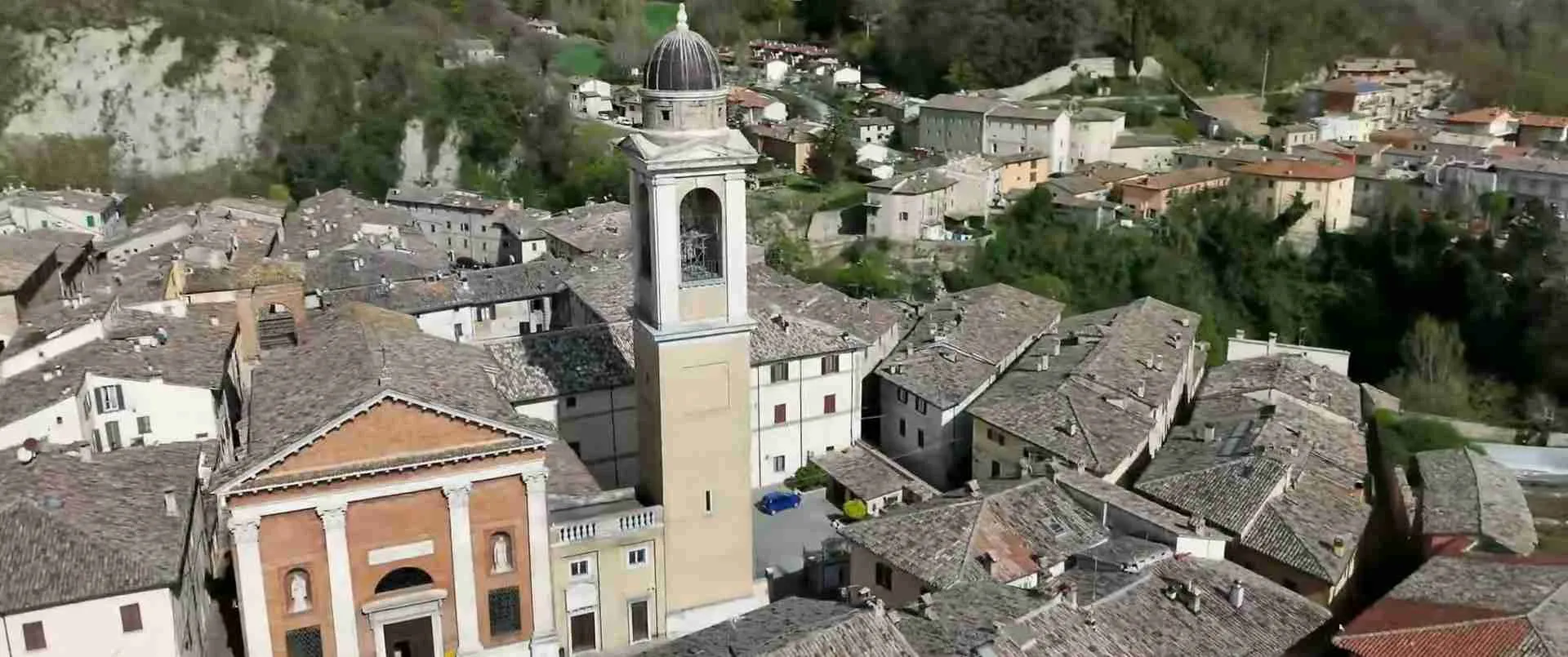
Crafting Identity: An Itinerary Through Le Marche’s Historic Textile and Ceramic Villages
Le Marche preserves Italy’s most concentrated artisan heritage in a constellation of medieval hilltop villages where craftspeople still practice centuries-old techniques in family workshops. Unlike Tuscany’s crowded craft centers, these villages remain working communities where bobbin lace makers sit outside their doorways, ceramic masters fire Renaissance-era majolica designs in traditional kilns, and third-generation shoemakers stitch leather with methods unchanged since the 1800s. This guide maps an itinerary through the region’s textile, ceramic, and leather craft villages, revealing how medieval guild traditions evolved into modern artisan excellence while maintaining their distinctive regional character.
Key Takeaways: Le Marche’s Artisan Village Heritage
- Renaissance Ceramic Capital: Urbania (formerly Casteldurante) produced some of Italy’s finest Renaissance majolica alongside Urbino and Pesaro, distinguishing itself through istoriato narrative painting techniques and refined craftsmanship supported by the Della Rovere ducal family.
- Medieval Lace Tradition: Offida has maintained continuous bobbin lace production since the 14th century, with artisans still creating intricate merletto a tombolo patterns using traditional wooden bobbins and cylindrical cushions in doorways throughout the historic center.
- Italy’s Footwear Valley: The Fermano-Maceratese shoemaking district encompasses Sant’Elpidio a Mare, Montegranaro, Monte Urano, and surrounding villages, producing handcrafted leather footwear for Tod’s, Santoni, and international luxury brands through techniques rooted in 15th-century guild traditions.
- Luxury Fashion Supply Chain: Mogliano’s remaining wicker and leather weavers produce basket bags for Prada, Fendi, and Dolce & Gabbana, representing centuries of peasant basketry tradition transformed into haute couture accessories.
- Working Heritage: Unlike museum-preserved craft traditions, Le Marche’s artisan villages function as active production centers where contemporary craftspeople maintain historical techniques while serving modern markets, creating living cultural continuity across generations.
- Geographic Concentration: The region’s craft villages cluster in the provinces of Pesaro-Urbino, Ancona, Macerata, and Fermo, connected by medieval trade routes that once distributed their wares throughout the Papal States and Kingdom of Naples.
People Also Ask About Le Marche’s Artisan Villages
What makes Le Marche’s ceramic tradition distinctive from other Italian pottery centers?
Le Marche’s ceramic tradition centers on Urbania (Renaissance-era Casteldurante), which distinguished itself from Faenza, Deruta, and other Italian majolica centers through istoriato narrative painting—elaborate scenes from mythology, religion, and classical literature rendered on pharmacy jars, commemorative plates, and table services. Supported by the Duchy of Urbino’s Della Rovere family, 16th-century Casteldurante operated over 40 kilns producing historiated ceramics for European aristocracy. The tradition combined locally sourced Metauro River clay, metallic oxide pigments from copper, iron, and manganese, and imported tin and zaffre for brilliant whites and deep blues transported along the Via Flaminia. Contemporary Urbania artisans maintain DOC certification for traditional ceramic production, blending Renaissance forms with modern design while preserving centuries-old glazing and firing techniques.
How did Le Marche become Italy’s dominant shoemaking region?
Le Marche’s shoemaking dominance evolved from 15th-century artisan guilds documented in municipal statutes to early 19th-century industrial production centered on Sant’Elpidio a Mare, Montegranaro, Monte Urano, and Monte San Giusto. These villages initially produced chiochiere—simple fabric or leather slippers with lightweight foal-skin soles for regional markets—then expanded into the Papal States and Kingdom of Naples. Post-World War II transformation converted agrarian communities into specialized footwear districts: Montegranaro focuses on men’s shoes, Monte Urano on children’s footwear, and the Civitanova Marche-Sant’Elpidio a Mare-Porto Sant’Elpidio corridor on women’s luxury shoes. The region’s advantage lies in its complete supply chain—local tanneries, heel factories, upper workshops, and finishing facilities—combined with generational craft knowledge and proximity to waterways that supported historic tanning operations.
Which villages should visitors prioritize for authentic artisan experiences?
Prioritize Urbania for ceramic workshops where artisans demonstrate majolica painting techniques and fire pieces in traditional kilns, Offida for bobbin lace demonstrations by women working outside their homes using centuries-old patterns, and Mogliano to observe the Nardi family weaving wicker and leather basket bags for luxury fashion houses in their garage workshop. Sant’Elpidio a Mare offers factory outlet shopping at Tod’s headquarters and access to numerous shoemaking workshops, while Montappone’s Museum of Hats illustrates complete straw hat production from picking through plaiting to sewing. Treia preserves the unique tradition of hand-stitching leather balls for pallone col bracciale, an ancient regional sport. These villages maintain working craft traditions rather than tourist-focused demonstrations, providing authentic insight into living artisan heritage where techniques remain economically viable rather than merely preserved.
Can visitors purchase directly from artisan workshops in these villages?
Most artisan workshops welcome direct purchases, with craftspeople selling finished pieces from their studios at prices below retail gallery markups. Offida’s lace makers sell directly from their doorways or small shops throughout the historic center, while Urbania’s ceramic studios like Ceramica d’Arte L’Antica Casteldurante maintain showrooms displaying traditional and contemporary majolica. Mogliano’s weavers occasionally offer pieces beyond luxury brand commissions, though their primary production serves fashion house contracts. The Fermano-Maceratese footwear district villages feature numerous factory outlets where brands like Tod’s, Nero Giardini, and independent shoemakers sell directly to visitors. Montappone’s hat workshops including Ferruccio Vecchi operate outlet shops alongside production facilities. Direct workshop purchases support artisan livelihoods while providing authenticity guarantees and often access to custom commissions or special pieces not available through commercial channels.
Extended multi-day tours – 5+ days
Featured Lazio Marche Abruzzo Multi-Day Tour Packages

3 days
Lazio Marche Abruzzo 3-Day Discovery Tour
- ✓ Comprehensive Lazio Marche Abruzzo experience
- ✓ Expert local guides included
- ✓ All accommodation included
- ✓ Transportation provided

5 days
Lazio Marche Abruzzo 5-Day Highlights Experience
- ✓ Comprehensive Lazio Marche Abruzzo experience
- ✓ Expert local guides included
- ✓ All accommodation included
- ✓ Transportation provided
7 days
Lazio Marche Abruzzo 7-Day Cultural Journey
- ✓ Comprehensive Lazio Marche Abruzzo experience
- ✓ Expert local guides included
- ✓ All accommodation included
- ✓ Transportation provided

10 days
Lazio Marche Abruzzo 10-Day Complete Adventure
- ✓ Comprehensive Lazio Marche Abruzzo experience
- ✓ Expert local guides included
- ✓ All accommodation included
- ✓ Transportation provided
Multi-day tour packages powered by TourRadar. Prices and availability subject to change.
Introduction: Understanding Le Marche’s Artisan Heritage
Le Marche occupies central Italy’s Adriatic coast between the Apennine Mountains and the sea, historically fragmented into small duchies, papal territories, and independent communes that developed distinct craft specializations based on local resources and aristocratic patronage. Unlike Tuscany’s Florence-dominated craft production or Lombardy’s urban manufacturing centers, Le Marche’s artisan traditions evolved in small hilltop villages where medieval guild structures persisted into the industrial age, creating micro-districts of specialized craftspeople who maintained traditional techniques while serving contemporary markets.
The region’s craft heritage reflects its geographic advantages: abundant Metauro River clay for ceramics, mountain sheep providing wool for textiles, water-powered mills for fulling and tanning, and strategic position along the Via Flaminia connecting Rome to the Adriatic. Renaissance patronage from the Duchy of Urbino’s Montefeltro and Della Rovere families elevated local artisans to international prominence, particularly in majolica ceramics that competed with Faenza, Deruta, and other renowned Italian pottery centers.
Post-Renaissance decline reduced aristocratic commissions, forcing artisans to adapt techniques for bourgeois and peasant markets. This democratization preserved craft traditions that elsewhere disappeared when aristocratic patronage ended. Textile workers shifted from luxury fabrics to utilitarian production—straw hats, lace for ecclesiastical vestments, wicker baskets for agricultural use. Ceramic workshops produced everyday pottery alongside decorative majolica. Shoemaking guilds transitioned from custom boots for nobility to mass production of regional footwear styles.
Twentieth-century transformation converted these village crafts into industrial districts serving global luxury markets. Family workshops that once produced for local fairs now manufacture for Prada, Fendi, and Tod’s. Traditional techniques became competitive advantages as luxury brands sought authentic artisan production to differentiate from mass manufacturing. Contemporary Le Marche maintains this dual identity: villages appear unchanged from centuries past, their medieval cores intact, while workshops employ historical methods to serve twenty-first-century fashion and design industries.
This itinerary traces craft specializations through Le Marche’s provinces—Pesaro-Urbino’s ceramics and lace, Ancona and Macerata’s textiles and basket weaving, Fermo’s legendary shoemaking district. Each village section details historical development, technical processes, contemporary practitioners, and visiting practicalities. The geographic arrangement follows logical touring routes connecting multiple craft centers in day-trip clusters, allowing visitors to experience the region’s artisan diversity while understanding how isolated village specializations created Italy’s most concentrated craft heritage.
Urbania and the Renaissance Majolica Tradition
Historical Development of Casteldurante Ceramics
Urbania operated as Casteldurante from its medieval founding until 1636, when Pope Urban VIII renamed it during his campaign to create an idealized Renaissance city. Many residents still use the historical name, particularly when discussing the town’s ceramic heritage. Archaeological evidence places pottery production in the area from medieval times, with 1361 records documenting active ceramic craftsmen and established workshops serving regional markets.
The town’s transformation into one of Italy’s premier majolica centers occurred during the 15th and 16th centuries under Duchy of Urbino patronage. The Della Rovere family, rulers of Urbino from 1508, maintained Casteldurante as a seasonal retreat and actively promoted ceramic arts. The duchy’s cultural patronage—which attracted Raphael, Piero della Francesca, and other Renaissance masters to Urbino—extended to ceramic workshops, where artisans received commissions for elaborate table services, pharmacy jars, commemorative plates, and decorative vessels for European aristocracy.
Casteldurante’s ceramics distinguished themselves through istoriato painting—narrative scenes covering entire vessel surfaces with detailed illustrations from classical mythology, biblical stories, and contemporary historical events. While Faenza pioneered majolica techniques and Deruta developed distinctive lustre glazes, Casteldurante masters specialized in pictorial complexity and refined draftsmanship that elevated ceramic painting to fine art status. Workshop masters studied drawing, composition, and classical iconography, approaching ceramic decoration as serious artistic practice rather than craft ornamentation.
The town operated over 40 kilns during its 16th-century peak, employing hundreds of artisans in specialized roles—clay preparation, wheel throwing, painting, glazing, kiln management. Cipriano Piccolpasso, a Casteldurante native, wrote Li tre libri dell’arte del vasaio (The Three Books of the Potter’s Art) in 1548, documenting complete ceramic production techniques, material formulations, and decorative methods. This treatise became the authoritative technical reference for Italian majolica production, codifying Casteldurante practices and disseminating them throughout Italian ceramic centers.
Economic decline following the Renaissance reduced aristocratic commissions, and many Casteldurante masters emigrated, establishing workshops in other Italian cities and spreading regional techniques internationally. Local production continued at reduced scale, shifting toward utilitarian pottery and less elaborate majolica for middle-class markets. The tradition maintained continuous practice through the 18th and 19th centuries, preserving technical knowledge even as production volume decreased.
Contemporary Urbania Ceramic Production
Modern Urbania earned DOC (Denominazione di Origine Controllata) certification for traditional ceramic production in 1994, becoming Le Marche’s first municipality to receive this designation under Italian craft protection laws. The designation requires artisans to demonstrate mastery of historical techniques, use traditional materials and processes, and maintain quality standards matching Renaissance-era production. Urbania is one of 35 Italian municipalities belonging to the Associazione Italiana delle Città Ceramiche (Italian Association of Ceramic Cities), recognizing its continued significance in Italian ceramic arts.
Contemporary Urbania workshops blend historical reproduction with innovative design, applying Renaissance techniques to modern forms. Master ceramicists maintain traditional istoriato painting while developing personal artistic vocabularies. Several workshops specialize in faithful reproductions of Renaissance pieces for museums, private collections, and decorative arts markets, requiring extensive research into historical pigment formulations, firing temperatures, and period-appropriate iconography.
Ceramica d’Arte L’Antica Casteldurante, operated by master ceramicists Gilberto Galavotti and Giuliano Smacchia, exemplifies contemporary practice rooted in historical technique. The workshop specializes in Renaissance reproductions, including a major commission reproducing Raphael’s Vatican frescoes in ceramic format—a multi-year project demonstrating technical mastery of large-scale istoriato work. Their studio in Piazza Cavour welcomes visitors to observe production processes and purchase finished pieces directly.
Other contemporary masters pursue personal artistic directions while maintaining technical foundations. Linda, working from her Cagli studio (relocated from Urbania), developed distinctive innovations including “Linda blue”—a signature glaze color—and contemporary figurative work depicting strong women against traditional floral backgrounds. Her technique combines classical white-ground majolica with modern scratching methods, removing dried pigment to create fine linear details before final firing.
Urbania’s ceramic revival attracts young artisans seeking to learn historical techniques, with several workshops offering apprenticeships and short courses. The Associazione Amici della Ceramica (Friends of Ceramics Association) organizes classes, exhibitions, and cultural events promoting ceramic arts. Annual festivals celebrate the town’s ceramic heritage with demonstrations, markets, and master classes open to visitors.
Technical Processes and Materials
Traditional Urbania majolica production follows methods documented in Piccolpasso’s treatise. Artisans source clay from the Metauro River valley, the same deposits used in Renaissance production. The clay’s mineral composition and plasticity make it ideal for wheel throwing and hand modeling of complex forms. Prepared clay undergoes initial firing (biscuit firing) at lower temperatures, creating a porous ceramic body ready for glazing.
The characteristic white ground results from tin-based glaze applied to biscuit-fired pieces. Tin oxide creates opaque white surface that provides the canvas for painted decoration. Pigments derive from metallic oxides: copper produces greens and turquoise, cobalt creates blues, manganese yields browns and blacks, iron generates yellows and reds. These oxides, ground into fine powders and mixed with water, behave unpredictably during firing—colors transform dramatically in the kiln, requiring craftspeople to paint visualizing how pigments will appear after high-temperature transformation.
Istoriato painting demands precise brushwork applying liquid pigments to powdery, absorbent glaze surface. Unlike canvas painting allowing corrections and overpainting, majolica painting offers no second chances—each brushstroke immediately soaks into the glaze. Mistakes cannot be removed or covered. This technical constraint explains why majolica masters trained extensively in drawing and composition before attempting narrative scenes on curved ceramic surfaces.
Final firing reaches temperatures transforming the tin glaze into glossy, glasslike surface while permanently fusing painted pigments. Kiln management requires expertise controlling temperature curves, oxygen levels, and firing duration to achieve desired glaze effects without cracking, bubbling, or color distortion. Traditional wood-fired kilns produce subtle variations between pieces, contributing to the handcrafted character Renaissance patrons valued.
Visiting Urbania’s Ceramic Workshops
Urbania occupies a hilltop position in the Metauro River valley, 35 kilometers southwest of Pesaro and 35 kilometers north of Urbino. The medieval town center, encircled by defensive walls, contains ceramic workshops clustered near Piazza Cavour and along Via Garibaldi. Several studios welcome drop-in visitors during business hours, while others prefer advance contact for demonstrations and purchases.
Ceramica d’Arte L’Antica Casteldurante (Piazza Cavour 4) maintains regular showroom hours displaying Renaissance reproductions and contemporary pieces. The workshop occasionally offers demonstrations of majolica painting techniques, particularly during summer tourist season and ceramic festival periods. Their extensive portfolio includes historiated plates, pharmacy jars, decorative tiles, and custom commissions for private clients and institutions.
Americo Salvatori’s studio (Via Garibaldi 41-45) presents contemporary interpretations of ceramic art, moving beyond strict historical reproduction toward personal artistic expression while maintaining traditional technique foundations. His work explores color relationships and surface treatments informed by but not limited to Renaissance precedents.
The town lacks a dedicated ceramic museum, though historical pieces appear in Urbino’s Ducal Palace collections and private galleries throughout the region. Visitors seeking comprehensive ceramic history should combine Urbania workshop visits with Urbino’s museum resources, creating a full-day ceramic-focused itinerary.
Urbania celebrates its ceramic heritage through annual festivals, typically scheduled in summer months. These events feature outdoor demonstrations, temporary markets where multiple artisans display work, master classes open to participants, and evening cultural programs. Festival schedules vary annually—check municipal tourism offices or ceramic association websites for current event calendars.
Fratte Rosa: Everyday Pottery and Rural Ceramic Traditions
Fratte Rosa, a small agricultural village 15 kilometers northwest of Urbania, developed ceramic production parallel to Casteldurante’s aristocratic majolica but serving entirely different markets. While Urbania artisans created decorative pieces for nobility, Fratte Rosa workshops produced utilitarian pottery for rural households—cooking vessels, storage jars, agricultural containers, and everyday tableware. This parallel tradition preserved different techniques and forms reflecting peasant rather than aristocratic aesthetic values.
The village’s pottery tradition exploited local clay deposits and served agricultural communities throughout the Metauro and Cesano valleys. Fratte Rosa ceramics prioritized function over decoration, emphasizing durability, heat resistance for cooking applications, and practical forms for food storage and preparation. Simple glazes in earth tones—browns, yellows, greens derived from local minerals—characterized the utilitarian aesthetic. Decoration, when present, consisted of basic geometric patterns, slip-trailed designs, or sgrafitto techniques scratching through colored slips rather than elaborate painted narratives.
Contemporary Fratte Rosa maintains small-scale pottery production, though fewer workshops operate than during the tradition’s peak. Remaining artisans serve local markets, regional craft fairs, and visitors seeking authentic rustic pottery. The village preserves examples of traditional kiln structures and occasionally hosts demonstrations during cultural heritage events. Visiting Fratte Rosa provides counterpoint to Urbania’s refined majolica, illustrating how ceramic traditions bifurcated based on market demands and patronage systems.
Cagli: Contemporary Majolica Innovation
Cagli, positioned 40 kilometers west of Urbania along the Via Flaminia, maintains ceramic traditions rooted in its historic position on the Rome-to-Adriatic trade route. While less prominent than Casteldurante during Renaissance peak, Cagli sustained continuous pottery production and recently experienced revival through contemporary artisans blending traditional majolica techniques with modern design sensibilities.
Linda’s relocated studio in Cagli’s historic center exemplifies this contemporary approach. Her work references Casteldurante’s white-ground tradition and Pesaro’s rose motifs while developing distinctive personal innovations. The scratching technique she employs—removing dried pigment before firing to create fine linear details—expands traditional majolica vocabulary. Her “Linda blue” signature glaze demonstrates how contemporary masters innovate within technical constraints, developing new colorants while maintaining historical firing and application methods.
Cagli’s central location makes it convenient base for exploring wider ceramic traditions. The town itself preserves medieval and Renaissance architecture, with ceramic workshops integrated into the historic fabric. Linda’s studio, prominently positioned facing the town theater, displays work in street-level windows, making contemporary majolica visible to casual visitors and creating informal gallery atmosphere. She occasionally offers workshops teaching basic majolica techniques to interested participants.
Offida: Centuries of Bobbin Lace Tradition
Historical Development of Merletto a Tombolo
Offida’s bobbin lace tradition (merletto a tombolo in Italian) dates from the 14th century, establishing the town as one of Italy’s significant lace centers alongside Burano, Cantù, and other renowned production areas. The technique involves braiding and twisting multiple cotton threads wound on wooden bobbins (tomboli), creating intricate geometric and floral patterns through precise manipulation of dozens or hundreds of individual threads simultaneously.
Lace production originated in convents and aristocratic households, where women created delicate trimmings for ecclesiastical vestments, altar cloths, and noble garments. The craft required minimal materials—threads, bobbins, pins, and a cylindrical cushion holding the pattern—making it accessible to women across economic classes. Patterns passed through generations as family knowledge, with each lace maker developing signature variations on traditional designs.
By the Renaissance, Offida lace achieved recognition throughout central Italy for technical quality and design complexity. The town’s geographic isolation in the Tronto River valley, distant from major urban centers, paradoxically preserved lace traditions that elsewhere succumbed to industrial competition. Women continued making lace by hand when 19th and 20th-century mechanization made handmade lace economically unviable in most European centers.
Offida’s lace tradition became defining element of local identity. Women gathering in doorways and piazzas working lace cushions created social spaces for conversation, news exchange, and intergenerational knowledge transmission. Young girls learned techniques from mothers and grandmothers, perpetuating craft knowledge through apprenticeship rather than formal instruction. This informal transmission system proved remarkably resilient, maintaining the tradition through economic upheavals that eliminated other artisan crafts.
Technical Process and Materials
Bobbin lace creation begins with pattern preparation. Traditional patterns, drawn on parchment or sturdy paper, define the lace design through pricked holes indicating pin placements. The pattern attaches to a cylindrical cushion (tombolo), typically stuffed firmly with sawdust or other materials providing resistance for pins. Pins inserted through pattern holes hold threads in position as the lace maker works.
Cotton threads of varying thickness wind onto small wooden bobbins, each typically 10-15 centimeters long with decorative turned shapes. A single lace piece might require dozens or hundreds of bobbins, depending on pattern complexity. Lace makers organize bobbins in groups, manipulating multiple threads simultaneously through braiding, twisting, and crossing movements.
The technique demands extraordinary manual dexterity and spatial reasoning. Lace makers must visualize three-dimensional thread structure from two-dimensional pattern, maintaining consistent tension across all threads while executing rapid, repetitive movements. Experienced practitioners work primarily by muscle memory, hands moving automatically through familiar sequences while eyes monitor overall pattern development rather than individual thread manipulations.
Complex pieces require weeks or months of work. Traditional lace makers often specialized in particular pattern categories—geometric designs, floral motifs, figurative scenes. Offida developed distinctive regional patterns recognizable to connoisseurs, including characteristic border designs and corner treatments appearing in ecclesiastical commissions and domestic textiles.
Contemporary Lace Production in Offida
Offida preserves living lace tradition more successfully than most European lace centers. Women continue working bobbin lace in doorways throughout the historic center, particularly along main streets and in residential neighborhoods. Visitors encountering lace makers can observe working technique, discuss patterns and processes, and purchase finished pieces directly. This visible, accessible craft practice distinguishes Offida from museums where historical lace appears behind glass.
The Museo del Merletto (Lace Museum), housed in the 19th-century Palazzo de Castellotti, documents regional lace history through permanent exhibitions displaying historical and contemporary examples. Collections include ecclesiastical vestments, household linens, bridal accessories, and documentary photographs showing lace production through different historical periods. Museum displays contextualize lace within broader social and economic history, explaining how domestic craft transformed into commercial production and how changing fashion influenced pattern development.
Contemporary Offida lace makers serve multiple markets. Traditional ecclesiastical commissions continue, with local churches and religious orders ordering vestment trimmings, altar cloths, and liturgical accessories. Domestic market includes wedding veils, table linens, decorative accessories for traditional households. Tourist market sustains production of smaller pieces—bookmarks, handkerchiefs, doilies—accessible to visitors seeking authentic craft souvenirs at moderate prices.
Several lace makers maintain workshops offering classes to visitors, typically structured as day-long or multi-day intensives introducing basic bobbin lace techniques. These workshops allow participants to create simple patterns under expert guidance, experiencing the technical and cognitive demands of the craft. The Associazione Merlettaie Offidane (Offida Lace Makers Association) coordinates educational programming, preservation initiatives, and promotional activities supporting the lace community.
Visiting Offida’s Lace Tradition
Offida occupies a dramatic hilltop position overlooking the Tronto River valley, 30 kilometers south of Ascoli Piceno. The medieval town center, remarkably intact within original walls, preserves narrow streets and stone architecture creating atmospheric setting for artisan traditions. Lace makers concentrate in residential areas radiating from the central Piazza del Popolo, though specific locations vary as individual artisans work from their homes rather than fixed commercial premises.
The most reliable encounter approach involves walking residential streets, particularly during morning and late afternoon hours when women often sit outside working. Lace makers generally welcome respectful observation and conversation, answering questions about techniques and offering finished pieces for sale. Prices vary based on complexity and size—simple bookmarks cost a few euros, while elaborate table linens or wedding veils command hundreds of euros reflecting dozens of hours of skilled labor.
The Museo del Merletto (located in Palazzo de Castellotti in the historic center) operates regular hours with seasonal variations. Museum admission provides access to historical collections and typically includes short demonstrations of bobbin lace technique. Staff can direct visitors to active lace makers in the town and provide information about workshops or special events.
Offida celebrates its lace heritage through annual festivals, particularly the Mostra del Merletto a Tombolo (Bobbin Lace Exhibition) typically held in summer months. The festival features expanded demonstrations, temporary exhibitions, markets where multiple lace makers display work, and cultural programming celebrating the tradition. Visit timing coinciding with festival dates offers concentrated exposure to the craft community.
Combining Offida with nearby Ascoli Piceno creates full-day itinerary—Ascoli’s extraordinary travertine architecture and Renaissance monuments complement Offida’s artisan focus. The two towns lie 30 kilometers apart via well-maintained regional roads, easily traveled by car or local bus services.
Montappone: The Straw Hat Weaving District
Historical Development of Hat Production
Montappone developed straw hat production during the 19th century, transforming from agricultural village to specialized manufacturing center producing hats for Italian and international markets. The craft originated as rural necessity—peasants plaited straw to create sun protection for field work—then evolved into commercial production serving bourgeois fashion demand for straw hats as summer and leisure accessories.
The surrounding Tenna River valley provided ideal wheat cultivation, producing straw with appropriate characteristics for hat making—long, flexible, and uniform. Farmers harvested wheat for grain while reserving straw for artisan use. Initial processing involved selecting premium stalks, bleaching to achieve desired color, and preparing material for plaiting. Women and children performed much of this preparatory work, making straw processing a household economic activity supplementing agricultural income.
Plaiting technique involves braiding thin straw strips into continuous bands varying in width and pattern complexity. These plaited bands, meters in length, form the raw material for hat construction. Skilled workers sew plaited bands into spiral patterns, creating hat crowns and brims through careful shaping and joining. The technique allows considerable design variation—band width, plait pattern, crown height, brim width, decorative elements—producing diverse hat styles from single material.
Montappone’s hat industry expanded through the late 19th and early 20th centuries, establishing the village as Italy’s primary straw hat center. Factories coordinated production chains—straw procurement, plaiting, hat construction, finishing, distribution—while maintaining reliance on skilled handwork for critical steps. The industry employed hundreds of workers in Montappone and surrounding villages, creating economic prosperity unusual for rural central Italian communities.
Mid-20th-century decline in hat wearing reduced demand, forcing industry contraction. Many factories closed, and worker numbers decreased dramatically. However, several producers adapted, focusing on quality production for fashion markets and exporting to international customers valuing authentic Italian craftsmanship. Contemporary Montappone maintains diminished but viable hat industry, with remaining manufacturers producing premium handmade hats for boutique retailers and direct consumers.
Museum of Hats and Contemporary Production
The Museo del Cappello di Paglia (Museum of Straw Hats), located in Montappone’s historic center, documents complete hat production process from straw cultivation through final finishing. Exhibitions display historical equipment—plaiting tools, sewing machines, shaping forms, blocking devices—alongside finished hats representing different periods and styles. The museum preserves Federico Fellini’s last hat, donated after the filmmaker’s death, connecting Montappone’s production to Italian cultural history.
Museum displays organize hat production into distinct stages: picking and preparing straw, plaiting techniques and patterns, sewing plaited bands into hat forms, shaping and blocking, adding bands, ribbons, and decorative elements. Interactive displays allow visitors to attempt basic plaiting, experiencing the manual skill required. Photographs and video footage document historical production methods and contemporary workshop practices.
Contemporary Montappone maintains several hat manufacturers operating factory-outlet shops where visitors can purchase directly. Ferruccio Vecchi, based in nearby Massa Fermana, exemplifies successful adaptation to modern markets. The company produces stylish, high-quality straw hats exported to Japan, the United States, and European markets. Their outlet shop offers current collections at factory prices, providing access to authentic Italian hat-making tradition at accessible cost.
Other manufacturers maintain Montappone workshops, some offering factory tours by appointment. Tours typically demonstrate plaiting techniques, hat construction processes, and finishing methods. Visitors observe skilled workers performing rapid, precise handwork that mechanization cannot fully replicate. The combination of museum context and working factory observation provides comprehensive understanding of straw hat traditions.
Visiting Montappone
Montappone, a small village perched on a hillside overlooking the Tenna River valley, lies approximately 50 kilometers south of Macerata and 15 kilometers inland from the coastal town of Porto San Giorgio. The compact historic center preserves medieval character, with the hat museum occupying a prominent position. Museum visiting hours vary seasonally—verify current schedule before visiting. Admission fees are modest, typically a few euros.
Factory outlets scatter throughout the village and neighboring Massa Fermana. Ferruccio Vecchi’s showroom in Massa Fermana operates regular retail hours during tourist season, reduced hours in winter. Other manufacturers maintain varying schedules—some welcome walk-in visitors, others prefer advance contact. Local tourist information can provide current manufacturer contact information and visiting arrangements.
Montappone works well as component of broader Marche footwear district exploration. Combining hat tradition with nearby shoemaking villages (Sant’Elpidio a Mare, Montegranaro) creates craft-focused day itinerary showcasing the region’s diverse artisan heritage. The geographic concentration allows visiting multiple centers without extensive driving.
Mogliano: Wicker and Leather Basket Weaving for Luxury Fashion
From Peasant Necessity to Haute Couture
Mogliano exemplifies artisan tradition’s transformation from local necessity to global luxury market participant. The village’s wicker and leather weaving evolved from peasant craft—farmers creating agricultural baskets from locally harvested willow and leather scraps—to specialized production serving Prada, Fendi, Dolce & Gabbana, Louis Vuitton, and other prestigious fashion houses.
Traditional Mogliano basket weaving combined wicker framework with leather reinforcement, creating durable containers for agricultural use. The technique required no expensive materials—willow grew wild in valley bottoms, leather scraps came from local tanning operations. Families wove baskets for personal use and local barter economy, teaching techniques informally through household apprenticeship.
Mid-20th century saw craft decline as plastic and mass-produced alternatives replaced handwoven baskets for agricultural use. By the early 2000s, only a handful of Mogliano families maintained the tradition, primarily elderly practitioners with limited markets for their work. The craft approached extinction, preserved more as cultural memory than viable economic activity.
Luxury fashion industry’s rediscovery of authentic artisan production reversed this trajectory. Fashion houses seeking distinctive accessories that mass manufacturing couldn’t replicate discovered Mogliano’s remaining weavers. In 2008, Prada commissioned the Nardi family workshop, transforming their economic situation and validating traditional techniques’ contemporary relevance. Other luxury brands followed, recognizing handwoven basket bags’ appeal to customers seeking authenticity and craft heritage.
The Nardi Family Workshop
Tonino Nardi, his wife Morena, brother Dino, mother, and daughter operate their workshop from a garage at Mogliano’s base, a modest facility producing accessories for the world’s most prestigious fashion brands. Their workspace exemplifies artisan production’s reality—not romantic studio settings but functional work environments where family members practice inherited techniques serving contemporary markets.
The workshop’s production process combines traditional basket weaving with fashion industry specifications. Luxury brands provide designs, dimensions, and quality requirements; the Nardis translate these specifications into handwoven reality using techniques learned from previous generations. Morena Nardi demonstrates extraordinary speed and precision, weaving a Louis Vuitton basket bag in approximately 90 minutes through rapid, practiced movements blending dexterity and artistry.
The family describes their work with mixture of pride and pragmatism. Tonino notes that “everyone in Mogliano used to do this,” emphasizing how common craft became rare specialty. Only four wicker weavers remain in the village, down from dozens during the tradition’s peak. Before Prada’s commission, the family questioned whether continuing the craft remained economically viable. Fashion house interest rescued the tradition while transforming it into premium production serving global markets.
The workshop maintains some capacity for direct sales beyond brand commissions, though fashion house contracts absorb most production. Visitors interested in basket purchases should contact the family in advance, as availability varies based on current production schedules. Even if purchases aren’t possible, the Nardis occasionally welcome visitors to observe weaving processes, particularly those demonstrating genuine interest in craft preservation.
Visiting Mogliano
Mogliano occupies a hilltop position with panoramic views across the Macerata province countryside toward the Apennine Mountains. The medieval village center, compact and well-preserved, clusters around a central piazza with the Nardi workshop located at the town’s base, accessible by descending from the historic center. The workshop lacks fixed visiting hours—advance contact is essential, respecting family’s work schedule and current production commitments.
Approaching the Nardis requires understanding that this is working production facility, not tourist attraction. Demonstrations occur within context of ongoing work, not staged performances. Visitors should expect informal, authentic artisan environment rather than polished gallery experience. Photography and questions are generally welcome, provided they don’t interrupt work flow or compromise brand confidentiality regarding specific designs.
Mogliano combines well with Macerata (approximately 20 kilometers north), a significant cultural and university city offering Renaissance and Baroque architecture, museums, and the spectacular Sferisterio opera venue. The traditional weaving workshop in Macerata, mentioned in regional craft surveys, provides additional textile heritage context, though specific visiting arrangements require advance research.
Sant’Elpidio a Mare and the Fermano-Maceratese Footwear District
Origins of Le Marche’s Shoemaking Dominance
Sant’Elpidio a Mare anchors the Fermano-Maceratese Footwear District, Italy’s largest concentration of artisan shoe production and home to brands recognized worldwide for leather craftsmanship quality. The district’s origins trace to 15th-century shoemaking guilds documented in municipal statutes and trade association records, though industrial-scale production emerged during the early 19th century.
Initial production focused on chiochiere—simple, heelless slippers made from cloth or leather with lightweight foal-skin soles. These basic shoes served regional markets, with artisans working in small workshops supplying local populations. The Papal States and Kingdom of Naples provided expanded markets as product quality improved and distribution networks developed. By the mid-1800s, Sant’Elpidio a Mare, Montegranaro, Monte Urano, and Monte San Giusto established reputations for reliable, well-constructed footwear.
Post-World War II transformation converted agricultural villages into specialized industrial districts. Farmers wanting better economic prospects for their children encouraged craft apprenticeships rather than agricultural labor. Andrea Santoni, founder of the prestigious Santoni shoemaking company, began factory work at age 13, exemplifying this generational transition from agriculture to artisan production. By the 1960s, hundreds of small workshops and several larger factories operated throughout the district, producing millions of pairs annually for Italian and international markets.
The district developed vertical integration encompassing complete supply chain—tanneries processing leather, heel factories, upper manufacturers, sole producers, finishing specialists—all concentrated within small geographic area. This clustering created efficiency advantages: factories could source components locally, specialized workshops emerged serving specific production stages, and craft knowledge circulated through worker mobility between companies. The system combined artisan technique with industrial scale, maintaining handwork quality while achieving production volumes.
District Specialization by Village and Product Type
The Fermano-Maceratese district organized itself into specialized production zones, with different villages concentrating on particular footwear categories:
Montegranaro specializes in men’s footwear, particularly dress shoes, casual leather shoes, and boots. The town’s workshops serve luxury brands and produce house-brand collections. Men’s footwear requires different construction techniques than women’s shoes—heavier leather, more substantial soles, different last shapes—creating specialized technical knowledge concentrated in Montegranaro workshops.
Monte Urano focuses on children’s footwear, developing expertise in smaller sizes, growth-appropriate construction, and durability requirements for active young wearers. Children’s shoe production represents distinct market segment with specialized design and construction considerations, supporting Monte Urano’s focused specialization.
The Civitanova Marche-Sant’Elpidio a Mare-Porto Sant’Elpidio corridor dominates women’s footwear production, particularly high-heeled dress shoes, luxury boots, and fashion-forward designs. Women’s footwear represents the district’s largest market segment and highest value production, with premium brands like Cesare Paciotti, Santoni, and Strategia maintaining headquarters and primary production in this zone. Women’s shoes demand different technical approaches—delicate leathers, complex heel structures, fashion-driven design cycles—creating distinct specialization.
This geographic specialization persists despite some production overlap. Individual companies may produce multiple categories, but village-level expertise concentrations remain evident in workforce skills, supplier networks, and production equipment distribution. The specialization pattern reflects historical market development and continues influencing current production organization.
Contemporary Production: Tradition Meets Luxury Markets
Contemporary district production serves global luxury footwear markets while maintaining craft techniques. Major brands like Tod’s, Hogan, Santoni, Nero Giardini, and Loriblu combine Le Marche manufacturing heritage with contemporary design and marketing. These companies employ hundreds of skilled workers in district factories, maintaining commitment to Italian production despite cost pressures favoring offshore manufacturing.
Production processes blend handwork and mechanization. Critical steps—lasting (stretching leather upper over wooden form), hand-sewing uppers to soles, finishing details—remain manual operations performed by skilled craftspeople. Santoni’s Goodyear welted shoes stay on the last for three weeks, allowing leather to conform properly before hand-sewing upper to sole—a time-intensive process mechanization cannot replicate. This extended production timeline reflects artisan values prioritizing quality over speed.
The district’s workforce maintains generational craft knowledge. Many workers learned techniques from fathers and grandfathers who worked in district factories. This intergenerational transmission preserves subtle skills—judging leather quality by touch, controlling stitch tension by feel, recognizing proper fit through experienced eye—that formal training cannot fully convey. Younger generation artisans balance traditional knowledge with contemporary design sensibilities, maintaining technical foundations while adapting to evolving fashion markets.
Factory outlet shopping represents significant visitor attraction. Most major brands operate outlet stores in their headquarters towns, offering current and previous season collections at reduced prices. Tod’s Sant’Elpidio a Mare outlet, Nero Giardini’s Monte San Pietrangeli location, and numerous independent brand outlets throughout the district provide access to authentic Italian footwear at factory pricing. Outlet shopping combines with artisan tourism, allowing visitors to purchase products while understanding manufacturing heritage.
Visiting the Footwear District
Sant’Elpidio a Mare occupies a hillside position approximately 8 kilometers inland from Porto Sant’Elpidio on the Adriatic coast. The town serves as district center and logical base for exploring footwear heritage. Tod’s headquarters and outlet in Sant’Elpidio a Mare provide flagship experience of Italian luxury footwear production. The facility combines corporate offices, production workshops, and retail outlet, offering visitors comprehensive engagement with the brand.
Montegranaro, located approximately 12 kilometers southwest of Sant’Elpidio a Mare, contains numerous men’s footwear manufacturers with factory outlets. The town’s industrial zones feature modern factories alongside older workshop buildings, illustrating production evolution. Many outlets welcome walk-in visitors, while some workshops offer factory tours by appointment.
Monte Urano, positioned between Sant’Elpidio a Mare and Montegranaro, houses children’s footwear specialists. The town maintains smaller scale than Montegranaro, with production concentrated in compact industrial area. Several manufacturers operate outlet stores with seasonal hours.
Civitanova Marche, the district’s largest town and a significant Adriatic resort city, combines footwear production with beaches, restaurants, and shopping. Major women’s footwear brands including Cesare Paciotti and Strategia maintain headquarters and outlets in the city. Civitanova’s coastal position and tourism infrastructure make it attractive base for visitors combining artisan heritage with beach vacation.
Torre San Patrizio, a small village hosting Rocco P. designer brand, offers intimate artisan experience. Rocco Pistolesi employs 32 master shoemakers producing distinctive boots and shoes from exotic leathers including snake and crocodile. The brand store showcases complete collections in village setting far removed from urban fashion districts.
Monte San Giusto: Leather Goods and Accessories
Monte San Giusto, positioned in Macerata province approximately 30 kilometers inland from the coast, developed leather goods specialization parallel to footwear district’s shoe production. While sharing leather craftsmanship heritage with nearby shoemaking centers, Monte San Giusto artisans focused on handbags, belts, small leather accessories, and luxury goods beyond footwear.
Rossano Pergolesi exemplifies contemporary Monte San Giusto leather craftsmanship. After operating a café, Pergolesi transitioned to handbag design, establishing Pergolesi by Tosca with his wife Franca in 1990. Their workshop produces minimalist handbags emphasizing leather quality through restrained design that showcases material characteristics. Pergolesi’s artistic background (the brand name references his family’s musical heritage and his favorite opera) informs design philosophy prioritizing elegant simplicity over decorative complexity.
The workshop maintains strict “Made in Italy” commitment, sourcing premium Italian leathers and manufacturing entirely in their Monte San Giusto facility. Production emphasizes traditional handwork techniques—hand-cutting leather pieces, hand-stitching seams and attachments, hand-finishing edges and surfaces. This artisan approach produces limited quantities of high-quality pieces rather than mass production, appealing to customers seeking authentic craft heritage in contemporary accessories.
Monte San Giusto’s leather goods tradition reflects district-wide specialization patterns—geographic proximity to footwear production created leather supply infrastructure and craft knowledge pools that leather goods artisans leveraged. Contemporary practitioners serve overlapping markets with footwear manufacturers while maintaining distinct product focus and aesthetic approaches.
Treia and the Pallone col Bracciale Tradition
Treia preserves unique craft tradition unrelated to textile or ceramic production: hand-stitching leather balls for pallone col bracciale, an ancient Italian sport played with cylindrical wooden bracers. Daniele Rango, working from his cobbler’s workshop, maintains this specialized skill, producing balls costing approximately €100 each through labor-intensive hand-stitching of leather strips onto spherical cores.
The craft demands extraordinary manual strength and endurance. Rango notes that hand-stitching balls “ruins your shoulders,” acknowledging physical toll while accepting it as necessary for preserving Treia’s sporting heritage. Each ball requires hours of precise stitching, pulling heavy leather strips taut around the core and securing them with durable thread capable of withstanding impact forces during play.
This hyper-specialized craft illustrates how even obscure traditions persist in Le Marche villages where cultural identity remains tied to specific practices. Rango’s workshop serves diminishing market—pallone col bracciale maintains limited player base—yet the craft continues because practitioners consider preservation culturally important beyond economic return. Visiting Treia provides encounter with artisan dedication at its most extreme: maintaining difficult, physically demanding craft for cultural heritage rather than commercial viability.
Castelfidardo: Accordion Manufacturing Heritage
Castelfidardo, located in the Osimo-Castelfidardo-Recanati industrial triangle, became Italy’s accordion manufacturing center through legendary origin story and sustained technical development. According to tradition, in 1863 an Austrian pilgrim traveling to Loreto’s sanctuary took shelter with Paolo Soprani, a Castelfidardo peasant. In gratitude, the pilgrim gave Soprani a peculiar instrument producing sound through expanding and contracting bellows. Soprani studied the mechanism, perfected its construction, and began manufacturing accordions, establishing an industry that made Castelfidardo synonymous with Italian accordion production.
Whether legend or history, Castelfidardo accordion production became reality during the mid-19th century, expanding rapidly to serve growing popular music demand. By the early 20th century, multiple factories operated in the town, employing skilled craftspeople building accordions by hand. The instruments combined complex mechanical systems—bellows, reeds, keys, valves—requiring precision manufacturing and careful assembly. Castelfidardo workshops developed expertise in reed tuning, bellows construction, and keyboard action mechanisms, creating competitive advantage in quality and sound characteristics.
Contemporary Castelfidardo maintains accordion production, though at reduced scale compared to 20th-century peak. Several manufacturers continue handcrafting instruments for professional musicians, collectors, and enthusiasts. The Museo Internazionale della Fisarmonica (International Accordion Museum) documents instrument evolution, local manufacturing history, and accordion’s role in Italian popular music. Museum collections display historical instruments, manufacturing tools, and multimedia presentations explaining accordion construction and musical applications.
Visiting Castelfidardo allows engagement with specialized musical instrument craftsmanship rare in contemporary Italy. The town combines accordion heritage with proximity to Loreto’s famous sanctuary and Recanati’s literary associations (birthplace of poet Giacomo Leopardi), creating cultural itinerary possibilities beyond artisan focus.
Supporting Craft Heritage: Bookbinding, Papermaking, and Minor Traditions
Le Marche preserves numerous minor craft traditions beyond headline textile, ceramic, and leather specializations. These smaller-scale practices demonstrate the region’s comprehensive artisan heritage encompassing virtually every traditional craft category.
Bookbinding persists in several villages where craftspeople practice traditional binding techniques for restoration work, limited edition productions, and artistic book projects. Emiliano Scattolini, working with Luigi Mecella, operates a bookbinding workshop producing hand-bound volumes using historical methods—sewing signatures by hand, creating leather or cloth covers, decorating end papers, constructing traditional binding structures. Contemporary bookbinding serves niche markets—book collectors, artists producing limited editions, institutions requiring conservation services—but maintains craft knowledge applicable to historical book restoration.
Hemp paper production, documented in regional craft surveys, represents another specialized tradition. Traditional papermaking processes using hemp fiber create distinctive papers prized for archival qualities and aesthetic characteristics. Hemp cultivation, once common throughout Italian agriculture, declined during the 20th century, making hemp paper increasingly rare specialty product. Le Marche artisans maintaining hemp papermaking preserve knowledge of complete production process from fiber preparation through sheet formation and finishing.
Wood carving, metalworking, glassmaking, and other traditional crafts operate at small scale throughout the region. The 1-Marche Eccellenza certification system, recognizing outstanding artisan enterprises, includes goldsmithing, mosaics, woodcarving, clock restoration, gunsmithing, and rosary-making among protected specializations. Of the region’s 180,000 businesses, approximately 50,000 operate as craft enterprises, with 5,000 receiving Eccellenza status for demonstrating exceptional quality and traditional technique mastery.
This broad craft base distinguishes Le Marche from regions where artisan production concentrates in single specialization. The diversity reflects historical village economies where each community developed particular skills based on local resources, market access, and patronage opportunities. Contemporary preservation efforts recognize this diversity, supporting minor traditions alongside major ceramic, textile, and leather industries.
Planning Your Artisan Village Itinerary
Geographic Organization and Routing
Le Marche’s craft villages cluster in several geographic zones allowing efficient multi-village itineraries. Organizing visits by province and thematic focus maximizes time while providing comprehensive regional exposure:
Northern Ceramic Circuit (Pesaro-Urbino Province): Urbania forms the centerpiece, with Cagli providing contemporary innovation and Fratte Rosa illustrating rural pottery traditions. This circuit works as day trip from coastal Pesaro or from Urbino, combining ceramic workshops with Renaissance art and architecture. Total driving distance among these three villages: approximately 50 kilometers.
Lace and Hat Route (Southern Ascoli and Fermo Provinces): Offida and Montappone lie approximately 60 kilometers apart, creating logical pairing for textile-focused itinerary. Include Ascoli Piceno (near Offida) for architectural contrast, and consider extending to Sant’Elpidio a Mare for footwear district introduction. This creates comprehensive full-day or two-day craft exploration.
Footwear District Intensive (Fermo-Macerata Provinces): Sant’Elpidio a Mare, Montegranaro, Monte Urano, Civitanova Marche, and Torre San Patrizio form compact cluster covering approximately 30 kilometers total. Serious footwear enthusiasts could visit multiple outlets and workshops in single day. Adding Monte San Giusto for leather goods extends the circuit by 15 kilometers.
Macerata Province Craft Diversity: Mogliano, Treia, Montappone, and connections to Macerata city create inland itinerary showcasing wicker weaving, traditional sports equipment, hat production, and urban craft traditions. This route requires more driving (approximately 80 kilometers total) but delivers exceptional variety.
Coastal-Inland Balance: Visitors based in coastal resort towns (Pesaro, Fano, Civitanova Marche, San Benedetto del Tronto) can organize craft village excursions as inland day trips, balancing beach relaxation with cultural exploration. This approach suits summer visitors seeking periodic escapes from seaside environments.
Seasonal Considerations
Le Marche’s artisan traditions operate year-round, though visitor experiences vary by season:
Summer (June-September) brings peak tourism, with workshops and museums maintaining extended hours and villages hosting craft festivals and cultural events. Heat can be intense in inland villages, particularly during July and August, though hilltop positions often provide breezes moderating temperatures. Summer offers maximum accessibility but also largest crowds at major centers.
Spring (April-May) and Fall (September-October) provide ideal visiting conditions—moderate temperatures, manageable visitor numbers, villages operating normal schedules without summer tourist intensity. Landscapes achieve particular beauty during spring wildflowers and fall harvest periods. These shoulder seasons offer optimal balance of accessibility and authentic atmosphere.
Winter (November-March) sees reduced hours at some workshops and museums, with occasional closures during Christmas and New Year holidays. However, winter visits provide most authentic experiences—artisans working normal routines without tourist interruption, villages appearing as working communities rather than destinations. Winter landscapes possess stark beauty, particularly in snow-dusted mountain views visible from hilltop villages.
Practical Visiting Considerations
Most craft villages lack extensive tourism infrastructure, requiring visitors to adapt expectations:
Accommodation: Major base towns (Urbino, Pesaro, Ascoli Piceno, Macerata, Fermo) offer conventional hotels, while smaller villages sometimes feature agriturismi (farm stays) or bed-and-breakfasts. Coastal resort cities provide extensive accommodation with easy inland access.
Dining: Village restaurants emphasize local cuisine rather than tourist menus. Traditional osterie and trattorie serve regional specialties—vincisgrassi (Marche lasagna), olive ascolane (stuffed fried olives), brodetto (fish stew in coastal areas), local wines including Verdicchio and Rosso Piceno. Meal times follow Italian conventions—lunch 12:30-14:30, dinner 19:30-22:00.
Transportation: Personal vehicle provides greatest flexibility for multi-village itineraries. Public transportation exists but requires careful schedule coordination and limits daily reach. Regional trains connect major towns, with bus services extending to villages, though infrequent schedules make efficient multi-stop visits challenging without private transport.
Language: English proficiency varies—more common in larger towns and established tourist venues, less so in small village workshops. Basic Italian phrases facilitate interaction, though artisans generally accommodate interested visitors regardless of language barriers. The language challenges sometimes enhance authenticity, requiring communication through gesture, demonstration, and mutual effort.
Workshop Visits: Many artisan workshops operate as working production facilities rather than dedicated tourist venues. Respectful visiting practices include: contacting in advance when possible, arriving during business hours, avoiding disruption of work flow, asking permission before photography, understanding if visits aren’t feasible due to production demands. This respectful approach typically earns welcome reception and detailed demonstrations.
Combining Craft Heritage with Broader Regional Exploration
Le Marche offers extensive cultural resources beyond artisan villages. Comprehensive regional exploration integrates:
Renaissance Heritage: Urbino’s Ducal Palace (UNESCO World Heritage Site) contains Raphael’s birthplace and extraordinary Renaissance art collections. The palace and surrounding Renaissance city provide context for understanding patronage systems that supported ceramic and other craft traditions.
Medieval Architecture: Ascoli Piceno’s travertine medieval center, preserved remarkably intact, represents Italian medieval urbanism at its finest. The town’s combination of lace tradition with architectural splendor creates compelling cultural experience.
Coastal Resources: The Adriatic coastline offers beaches, seafood cuisine, and resort amenities balancing inland cultural intensity.
Mountain Landscapes: The Sibillini Mountains National Park, occupying the region’s western border, provides hiking, scenic drives, and traditional mountain villages far removed from artisan production centers but complementing comprehensive regional understanding.
Culinary Traditions: Le Marche’s diverse cuisine—combining mountain, hill, and coastal traditions—merits dedicated attention. Local specialties vary by area, reflecting geographic diversity and historical isolation that preserved distinctive preparations.
The Economics and Future of Le Marche Artisan Traditions
Contemporary Economic Realities
Le Marche artisan traditions survive through complex economic circumstances balancing heritage preservation with commercial viability. Different craft sectors face distinct challenges and opportunities:
Luxury Fashion Integration: Wicker weavers, premium shoemakers, and leather goods artisans successfully transitioned to luxury brand supply chains, ensuring economic sustainability while maintaining traditional techniques. This integration provided craft validation—luxury brands specifically sought handwork quality impossible through mechanization—while creating dependence on fashion industry cycles and brand contracting decisions.
Tourism and Direct Sales: Ceramic artisans, lace makers, and hat producers increasingly rely on tourist purchases and direct sales supplementing wholesale markets. This shift requires artisans to manage retail operations, marketing, and customer service alongside production work—skills not traditionally part of craft training. Success varies based on location, individual marketing capabilities, and product positioning.
Niche Market Specialization: Bookbinders, specialized craftspeople, and minor traditions survive serving small, dedicated markets—collectors, restoration projects, custom commissions. Economic returns remain modest, often requiring supplementary income sources, but dedicated practitioners maintain traditions valuing cultural preservation alongside financial considerations.
Generational Succession Challenges: Most craft traditions face uncertain generational transitions. Younger Italians increasingly pursue professional careers over artisan paths, viewing craft work as economically precarious and socially undervalued. Workshops often lack obvious successors when current practitioners retire, threatening knowledge transmission. Some craft categories—particularly physically demanding work like leather ball stitching or intensive handwork like bobbin lace—struggle attracting young practitioners regardless of economic compensation.
Preservation Initiatives and Cultural Policy
Regional, national, and private initiatives attempt supporting artisan tradition survival:
Legal Protections: Italian craft protection laws, including DOC certification systems and 1-Marche Eccellenza recognition, provide official validation and marketing advantages. These systems require demonstrating historical technique mastery and quality standards, creating incentives for maintaining traditional practices.
Educational Programming: Craft associations, museums, and individual practitioners offer workshops teaching traditional techniques to interested learners. These programs serve multiple purposes—generating income, building public appreciation, potentially recruiting future practitioners. Success varies—most participants pursue hobby engagement rather than career transitions, though occasional serious students emerge.
Marketing and Promotion: Regional tourism promotion increasingly highlights artisan heritage as attraction, driving visitors to craft villages and creating awareness supporting direct sales. This marketing positions Le Marche as alternative to overcrowded Tuscany, emphasizing authenticity, working traditions, and undiscovered character.
Museum and Cultural Documentation: Museums in Urbania, Offida, Montappone, and elsewhere document craft histories, preserve examples, and maintain institutional knowledge even if working traditions decline. This documentation ensures techniques remain accessible for potential revival even if contemporary practice contracts.
Prospects and Challenges Ahead
Le Marche artisan traditions face uncertain but not necessarily dire futures. Several factors influence prospects:
Luxury Market Demand: Continuing global appetite for authentic handcrafted goods, particularly from established Italian craft centers, provides market foundation for traditions integrated into luxury supply chains. Fashion industry commitment to Italian manufacturing, while subject to economic pressures, maintains demand for skilled artisan production.
Cultural Tourism Growth: Increasing traveler interest in authentic cultural experiences beyond conventional sightseeing supports craft village tourism. Le Marche’s positioning as “undiscovered Italy” attracts visitors specifically seeking alternatives to overcrowded destinations, creating advantages for artisan traditions.
Lifestyle Migration: Some traditions benefit from incoming residents—often foreigners or Italians from other regions—seeking artisan careers or rural lifestyles. These new practitioners bring fresh perspectives while learning from established masters, potentially revitalizing traditions threatened by local disinterest.
Technology and Tradition Balance: Contemporary artisans increasingly integrate selective mechanization or digital tools (design software, marketing platforms, e-commerce) while maintaining handwork for critical production stages. This pragmatic approach preserves technique essence while adapting to modern business realities.
Economic Fragility: Craft traditions remain vulnerable to economic downturns affecting luxury markets, tourism disruptions, or generational succession failures. The COVID-19 pandemic demonstrated this fragility, with tourism cessation and fashion industry contraction simultaneously threatening multiple craft sectors. Recovery patterns vary—some traditions rebounded quickly, others suffered sustained impacts.
Realistic assessment suggests Le Marche artisan heritage will persist but evolve. Some traditions will thrive through successful market integration and generational renewal. Others will contract to small practitioner numbers maintaining knowledge without achieving broader revival. A few may disappear despite preservation efforts, their specific techniques and contexts too unique to sustain beyond current generation. This mixed outcome reflects broader pattern of cultural change—continuity and loss coexisting rather than absolute preservation or complete disappearance.
Frequently Asked Questions About Le Marche’s Craft Villages
How many days should visitors dedicate to exploring Le Marche’s artisan villages?
A thorough craft-focused itinerary requires minimum four to five days: one day for northern ceramic circuit (Urbania, Cagli, Fratte Rosa), one day for southern lace and hat route (Offida, Montappone), one to two days for footwear district exploration (Sant’Elpidio a Mare, Montegranaro, and surrounding villages), and one day for central Marche diversity (Mogliano, Treia, regional connections). This schedule allows meaningful workshop visits, direct artisan interactions, and time for spontaneous discoveries rather than rushed checklist completion. Visitors with limited time should prioritize based on specific craft interests—ceramic enthusiasts focus on northern villages, fashion and leather devotees concentrate on footwear district, textile historians emphasize lace and basket weaving centers. Even partial coverage provides substantial insight into regional artisan heritage, as villages within each cluster share sufficient characteristics that visiting representative examples conveys broader patterns.
Do artisan workshops require advance appointments or accept walk-in visitors?
Visiting protocols vary by workshop type and size. Museums and established studios with regular showroom hours (Urbania ceramic workshops, Offida lace museum, Montappone hat museum) generally welcome walk-in visitors during posted business hours. Small family operations working from homes or garages (Mogliano basket weavers, individual lace makers, bookbinders) typically require advance contact or operate unpredictably based on production schedules and personal availability. Footwear district factory outlets maintain retail hours but workshop tours usually need appointments. The most reliable approach combines advance research identifying specific workshops of interest, contacting those requiring appointments, and maintaining flexibility for spontaneous discoveries during village exploration. Local tourist information offices can facilitate contacts and clarify current visiting arrangements. Language barriers sometimes complicate direct communication—email contact through tourism offices or craft association coordinators helps bridge language gaps. Understanding that artisans prioritize production work over visitor accommodation ensures appropriate expectations and respectful interactions.
What price ranges should visitors expect when purchasing directly from artisan workshops?
Direct workshop purchases range from modest to significant investments based on craft category, piece complexity, and time investment. Bobbin lace bookmarks or small doilies start around €5-15, with elaborate table linens or wedding veils reaching €200-500 reflecting dozens of skilled labor hours. Urbania majolica plates range €30-100 for standard decorated pieces, with large historiated chargers or custom commissions commanding €200-1,000+. Straw hats from Montappone workshops typically cost €30-80, comparable to retail boutique prices but with artisan direct access. Footwear district outlet shopping offers luxury brand shoes at €80-200, often 30-50% below regular retail while maintaining authentic Made-in-Marche quality. Wicker basket bags, when available beyond luxury brand contracts, typically price €100-300. Small leather goods from Monte San Giusto artisans range €50-250 depending on size and finish complexity. Workshop purchases generally cost less than gallery or boutique retail while providing authenticity assurance and often access to custom options or special pieces. Negotiation rarely occurs—artisans price work based on material costs, time investment, and market positioning rather than bargaining culture. Cash payment sometimes secures small courtesy discounts, though most workshops accept credit cards for larger purchases.
Are craft workshops accessible to visitors with mobility limitations?
Accessibility varies significantly as most craft villages occupy medieval hilltop settings with steep streets, cobblestone surfaces, and historic buildings lacking modern accessibility features. Urbania’s compact historic center presents moderate accessibility challenges—steep approaches from parking areas, uneven surfaces, workshops often located in buildings with steps. The ceramic museum and some larger studios may offer limited accessibility, though comprehensive access shouldn’t be assumed. Offida’s steep topography and medieval layout create substantial mobility challenges, with lace makers often working from upper-floor residences accessed via stairs. Footwear district villages, being more modern industrial centers, generally offer better accessibility—factory outlets and larger workshops typically occupy ground-level facilities with parking proximity. Mogliano’s Nardi workshop, located at the village base, provides relatively accessible approach though the historic center above requires steep climbs. Visitors with mobility limitations should research specific destinations, contact workshops in advance regarding accessibility, and potentially prioritize more accessible locations (footwear district outlets, museums with modern facilities) over medieval village centers. Companion assistance often proves necessary for comprehensive craft village exploration. The authentic character that makes these villages compelling—medieval urbanism, historic workshop buildings, integrated community fabric—inherently limits accessibility modifications that would compromise heritage integrity.
Can visitors participate in hands-on craft workshops or classes?
Several villages and individual artisans offer participatory craft workshops, though availability and structure vary. Offida’s lace museum and local artisans occasionally conduct bobbin lace introductory classes, typically day-long sessions teaching basic techniques and simple patterns under expert guidance. Urbania’s Associazione Amici della Ceramica organizes periodic majolica workshops covering ceramic painting, glazing, and decorative techniques, usually scheduled during summer months or special events. These sessions range from single-day introductions to week-long intensive courses for serious students. Linda’s Cagli studio and other individual ceramic artists sometimes accept private workshop participants by arrangement. Montappone hat museum occasionally hosts straw plaiting demonstrations where visitors attempt basic technique. Footwear district workshops rarely offer hands-on participation due to specialized equipment requirements and production demands, though some provide detailed demonstrations explaining shoemaking processes. Participatory opportunities depend heavily on timing—scheduling visits during announced craft festivals or cultural events increases likelihood of encountering workshop sessions. Advance research through village tourism offices, craft association websites, or museum contacts helps identify upcoming opportunities. Language instruction varies—some workshops operate in Italian only, while others accommodate English-speaking participants particularly during tourist season. Participants should expect authentic craft education rather than simplified tourist activities—workshops maintain technical rigor reflecting actual craft demands, producing genuine learning experiences alongside traditional hospitality.
What role do these craft traditions play in contemporary village life beyond tourism?
Craft traditions remain integral to village identity and economy rather than serving primarily tourist functions. In footwear district communities, shoe and leather goods production provides primary employment for significant portions of local populations—hundreds of workers across Sant’Elpidio a Mare, Montegranaro, and surrounding villages derive livelihoods from district factories and workshops. These remain working industrial communities where craft isn’t heritage display but contemporary economic foundation. Offida’s lace tradition functions differently—fewer active practitioners remain, but the craft maintains deep cultural significance as defining community characteristic. Local women still learn basics even if not pursuing professional practice, and lace appears in ecclesiastical contexts, weddings, and civic ceremonies as living tradition rather than museum artifact. Urbania residents take pride in ceramic heritage, with contemporary artisans respected as community members maintaining historical legacy while contributing to local economy through workshop operations and tourism draw. Mogliano’s remaining weavers represent both economic success story (luxury brand connections) and cultural continuity (preserving techniques nearly lost). Villages celebrate craft traditions through annual festivals that serve community cohesion functions alongside tourist attraction—residents participate in events honoring shared heritage, maintaining social bonds around craft identity. The interweaving of economic function, cultural identity, and community practice distinguishes Le Marche traditions from purely touristic craft displays created for visitor consumption without authentic local roots.
How do Le Marche’s craft traditions compare to similar Italian regions like Tuscany or Umbria?
Le Marche, Tuscany, and Umbria share central Italian craft heritage roots but developed distinct specializations and preservation patterns. Tuscany’s craft centers—particularly Florence leather, Prato textiles, and scattered ceramic villages—achieved greater historical prominence and contemporary tourist visibility, creating both advantages (market access, cultural prestige) and disadvantages (commercialization, mass tourism impacts). Umbria’s Deruta and Gubbio majolica traditions parallel Urbania ceramics in technical sophistication and historical significance, though Umbria’s successful tourist marketing integrated crafts into broader cultural packages earlier than Le Marche. Le Marche distinguishes itself through comprehensive craft diversity—the region preserves extraordinary range of specializations from ceramics and lace to footwear and accordion manufacturing concentrated in compact geographic area. The footwear district’s scale and continuing industrial viability exceeds anything in neighboring regions, representing successful transition from historical craft to modern luxury production. Le Marche traditions also maintain more authentic working character versus Tuscany’s often tourist-oriented craft presentations—villages function primarily as production centers rather than heritage attractions, preserving lived cultural continuity alongside economic function. Market positioning matters: Tuscany’s established reputation creates higher prices and greater competition among vendors, while Le Marche’s relative obscurity often yields better value for comparable quality while providing less crowded, more intimate artisan encounters. Technique quality compares favorably—Renaissance majolica from Urbania matches Deruta standards, Le Marche shoemaking rivals or exceeds any Italian footwear district, Offida lace demonstrates comparable sophistication to Burano traditions. Geographic accessibility favors Tuscany for international visitors, as Florence’s dominance as entry point facilitates regional exploration, whereas Le Marche requires more intentional routing. Overall comparison suggests Le Marche offers superior authenticity and value for serious craft enthusiasts willing to travel slightly off main tourist circuits.
What language skills benefit visitors exploring artisan workshops?
Basic Italian significantly enhances craft village experiences, allowing direct communication with artisans, reading informational materials, and navigating villages independently. Essential phrases covering greetings, polite requests, questions about craft processes, price inquiries, and purchase negotiations facilitate productive interactions. However, serious language barriers shouldn’t prevent visits—artisans generally welcome interested visitors regardless of communication limitations, demonstrating techniques visually, using gesture, and occasionally enlisting bilingual family members or neighbors as informal interpreters. Museums typically provide English informational materials and sometimes English-speaking staff, particularly in larger facilities. Workshop visits sometimes succeed through technical vocabulary—craft terms often cognate across languages or comprehensible through demonstration. Photography requests work universally through gesture. Le Marche’s relative isolation from mass tourism means English proficiency varies more than in regions like Tuscany where sustained international visitor flows pushed language adaptation. Smaller villages and individual artisans less commonly speak English than larger towns or established tourist venues. This language challenge contributes to authentic character—visitors engage with working communities on their terms rather than tourist-adapted environments. Smartphone translation apps provide practical backup for critical communication needs, though limited rural internet connectivity sometimes restricts their utility. Travelers seriously interested in artisan traditions might consider basic Italian study before visiting or engaging local guides who facilitate deeper conversations about techniques, history, and contemporary practice. The communication effort itself often earns respect—artisans appreciate visitors attempting Italian regardless of proficiency, interpreting effort as genuine interest rather than tourist entitlement.
Are photography and social media sharing encouraged in artisan workshops?
Photography policies vary by workshop and context. Most artisans welcome photography of general working processes, finished products, and workshop environments, appreciating documentation and social media sharing that promotes their work. However, several limitations apply: luxury brand contractors (Mogliano weavers, certain footwear workshops) cannot authorize photography of proprietary designs or branded products under development—commercial confidentiality prohibits sharing work-in-progress for major fashion houses. Artisans request permission before photographing, both as courtesy and to clarify any restrictions. Some craftspeople, particularly older practitioners, feel uncomfortable with personal photography or social media presence—respecting these preferences maintains positive relationships. Photography shouldn’t disrupt work flow or require artisans to pose or pause production—candid documentation of authentic processes honors craft practice better than staged demonstrations. Social media sharing generally benefits artisans by expanding awareness, though some prefer tags or credits allowing viewers to locate workshops if interested in purchases. Museums typically allow non-flash photography for personal use while prohibiting commercial reproduction without permission. The ethical approach balances documentation supporting craft preservation and promotion against respecting artisan privacy, commercial confidentiality, and work environment integrity. When uncertain, asking permission demonstrates respect and usually earns positive response if photographer’s intentions seem genuine rather than exploitative.
What distinguishes authentic artisan production from tourist-oriented crafts in the region?
Several indicators distinguish authentic Le Marche artisan traditions from tourist crafts: working production facilities rather than demonstration workshops—authentic artisans produce for actual markets (luxury brands, local customers, ecclesiastical commissions) with tourism as secondary income rather than primary purpose; visible integration into community life—real workshops occupy normal village buildings, artisans live locally and participate in community, production serves regional needs beyond visitor sales; technical sophistication demonstrating serious skill—authentic practices show mastery accumulated over years, subtle quality differences evident to knowledgeable observers, work meets professional standards rather than simplified tourist versions; economic viability independent of tourism—traditions survived pre-tourism and would continue if visitor flows ceased, indicating genuine cultural continuity versus tourism-dependent operations; family or generational knowledge transmission—authentic artisans learned from family members or long apprenticeships rather than short courses designed for tourism employment; pricing reflecting actual labor and material costs—authentic work appropriately valued rather than inflated for tourist markets or cheapened through mass production shortcuts; artisan engagement focused on craft explanation and customer education rather than aggressive sales tactics—real practitioners take pride in technical demonstration, answering questions substantively, treating visitors as potential appreciators rather than just revenue sources. Le Marche’s relative isolation from mass tourism means tourist-craft operations remain rare compared to heavily visited regions where entire villages transformed into craft-themed retail districts. Most Le Marche workshops represent genuine traditions, though increasing tourism will inevitably spawn more tourist-oriented operations. Visitors prioritizing authenticity should seek working production facilities, engage artisans in technical conversations revealing depth of knowledge, observe actual community integration rather than isolated tourist venues, and accept that authentic craftspeople sometimes lack time or interest in extended tourist interactions when production demands press.