
Cotswolds Day Trip from London 2026: Villages & Complete Itinerary
Key Takeaways
- Organized tours cost £65-95 per person in 2026 and visit 4-6 villages including Bibury, Bourton-on-the-Water, and Stow-on-the-Wold with expert guides and comfortable transportation
- Train and bus combinations reach major Cotswolds villages for £45-60 return from London, offering flexibility but requiring 2.5-3 hours each way with careful connection planning
- Spring (April-May) and autumn (September-October) provide optimal visiting conditions with pleasant weather, manageable crowds, and villages displaying seasonal charm without peak summer congestion
- Self-drive options allow maximum flexibility for £80-120 including car rental and fuel, enabling visits to remote villages and personalized timing across the Area of Outstanding Natural Beauty
- Budget £120-180 per person for organized tours including transportation and guide, or £80-140 for independent travel combining train tickets, local transport, and village expenses
- Book tours 4-6 weeks ahead for 2026 summer season to secure preferred dates, while spring and autumn departures can be reserved 2-3 weeks in advance
Planning Your Cotswolds Day Trip from London in 2026
The Cotswolds represents England’s quintessential countryside escape, spreading across 790 square miles of rolling hills, honey-colored stone villages, and pastoral landscapes just 90 miles west of London. This Area of Outstanding Natural Beauty encompasses six counties and contains some of Britain’s most photographed villages, where medieval wool trade prosperity created architectural masterpieces that remain virtually unchanged for centuries. Planning a day trip from London in 2026 requires understanding transportation logistics, village selection priorities, seasonal timing considerations, and budget allocation across various touring options.
The region’s accessibility from London makes it ideal for day trips, with organized tours departing major hotels between 8:00-8:30 AM and returning by 7:00-7:30 PM. Independent travelers using train connections leave Paddington Station as early as 7:15 AM to maximize village exploration time before catching return trains departing the Cotswolds between 5:30-6:30 PM. The compact clustering of villages along the main routes allows visits to 3-5 locations within a single day, though rushing between villages diminishes the contemplative experience that defines Cotswolds charm.
Successful day trips balance transportation efficiency with adequate time in each village for walking medieval streets, visiting historic churches, enjoying cream teas, and photographing iconic cottages and bridges. Most visitors allocate 45-90 minutes per village depending on size and attractions, with popular destinations like Bourton-on-the-Water warranting extended stays while smaller villages like Lower Slaughter require only 30-45 minutes for thorough exploration. Understanding these timing dynamics shapes realistic itineraries that capture the region’s essence without exhausting participants through overly ambitious village-hopping schedules.
People Also Ask About Cotswolds Day Trips from London 2026
How much does a Cotswolds day trip from London cost in 2026?
Organized coach tours from London cost £65-95 per person in 2026, with standard group tours at £65-75 including transportation and guide, while small group luxury experiences cost £85-95 with premium vehicles and extended village time (check tour operators for current official rates). Independent travel using train and bus combinations costs £45-60 for return transportation plus £20-40 for meals and village expenses, totaling £65-100 per person. Self-drive options including car rental, fuel, and parking range £80-120 per person when sharing costs among 3-4 passengers, offering maximum flexibility for customized itineraries.
What’s the best way to visit the Cotswolds from London in 2026?
Organized tours provide the most efficient experience for first-time visitors, eliminating navigation complexity while visiting 4-6 villages with expert commentary about history, architecture, and local culture across 10-11 hour excursions. These tours handle all logistics including hotel pickup, comfortable coach transportation, timed village stops, and coordinated departures maximizing daylight hours. Independent travelers preferring flexibility choose train service to Moreton-in-Marsh or Kemble followed by local bus connections or taxi transfers to villages, allowing personalized timing and spontaneous schedule adjustments though requiring more planning and coordination between transportation segments.
Can you visit the Cotswolds from London without a car in 2026?
Public transportation reaches major Cotswolds villages through train service from Paddington Station to stations at Moreton-in-Marsh, Kemble, Charlbury, and Ascott-under-Wychwood, with journey times of 90-120 minutes. Local bus routes 801, 853, and 855 connect railway stations to villages including Bourton-on-the-Water, Stow-on-the-Wold, Bibury, and the Slaughters, though services run limited schedules with 4-6 departures daily. Organized tours eliminate public transport complexity while providing comprehensive village coverage, making them the preferred option for visitors prioritizing convenience over independent exploration flexibility.
Which Cotswolds villages should you visit on a day trip from London in 2026?
Bibury ranks as the most photographed village featuring Arlington Row’s 14th-century weavers’ cottages beside the River Coln, warranting 45-60 minutes for walking paths and photography. Bourton-on-the-Water earns its “Venice of the Cotswolds” designation through five elegant bridges spanning the River Windrush through the village center, requiring 60-90 minutes to explore shops, museums, and riverside walks. Stow-on-the-Wold offers market square charm with antique shops and traditional inns around the historic wool trading center, while Castle Combe provides quintessential village perfection with no modern intrusions disrupting its medieval character across compact streets explored in 30-45 minutes.
Extended multi-day tours – 5+ days
Featured Cotswolds Multi-Day Tour Packages
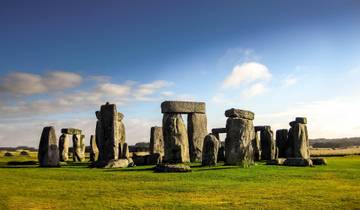
2 days
Windsor, Stonehenge, Bath & Oxford from London – 2 Days
- ✓ Comprehensive Cotswolds tour
- ✓ Expert local guides included
- ✓ All accommodation arranged
- ✓ Transportation provided
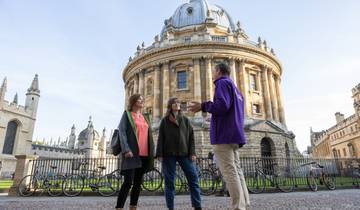
6 days
Oxford, Cotswolds, Bath, Avebury & Cambridge – 6 Days (Small-Group)
- ✓ Comprehensive Cotswolds tour
- ✓ Expert local guides included
- ✓ All accommodation arranged
- ✓ Transportation provided
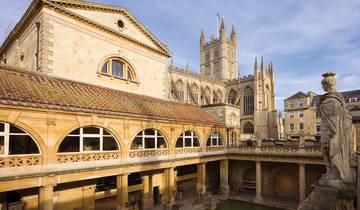
7 days
London Daytripper – 7 Days/6 Nights
- ✓ Comprehensive Cotswolds tour
- ✓ Expert local guides included
- ✓ All accommodation arranged
- ✓ Transportation provided
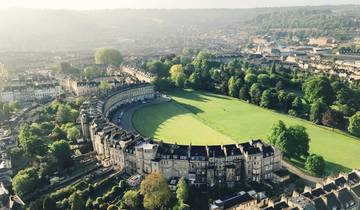
4 days
Oxford, Cotswolds, Bath & Avebury – 4-Day Small-Group Tour
- ✓ Comprehensive Cotswolds tour
- ✓ Expert local guides included
- ✓ All accommodation arranged
- ✓ Transportation provided
Multi-day tour packages powered by TourRadar. Prices and availability subject to change.
Essential Planning Information for 2026
Understanding 2026 Transportation Options from London
Organized coach tours depart London hotels between 8:00-8:30 AM with pickup service included for accommodations in Westminster, Kensington, and Paddington areas, or meeting points at Victoria Coach Station for travelers staying outside pickup zones. These tours use comfortable motor coaches with air conditioning, restrooms, and reclining seats for the 2-2.5 hour journey to the first village, typically arriving by 10:30-11:00 AM. Return departures from the final village leave between 5:00-5:30 PM, arriving back in central London by 7:00-7:30 PM after navigating evening traffic on the M4 motorway.
Standard group tours accommodate 40-50 passengers in full-size coaches with professional drivers and guides, stopping at 4-6 villages with timed 30-60 minute visits at each location. Small group tours limit capacity to 16-20 passengers in luxury minibuses, allowing more intimate experiences with extended village stops of 45-90 minutes and flexibility for group interests. Premium tours include additional benefits like guided walks through village highlights, priority seating at lunch venues, and extended time at particularly scenic locations for photography and detailed exploration.
Train service from Paddington Station to the Cotswolds runs hourly throughout the day, with fastest direct services reaching Moreton-in-Marsh in 90 minutes on Great Western Railway routes. These services connect at Oxford or Didcot Parkway depending on time of day, with total journey times of 100-120 minutes including connection time. Advance purchase tickets cost £25-35 return when booked 2-4 weeks ahead, while same-day flexible tickets cost £50-70 return providing unlimited travel on any train that day.
Local bus service from railway stations to villages operates limited schedules with main routes running 6-8 times daily Monday-Saturday and reduced service on Sundays. The 801 route connects Moreton-in-Marsh station to Stow-on-the-Wold and Bourton-on-the-Water every 90-120 minutes, while the 855 links Kemble station to Cirencester, Bibury, and surrounding villages 4-6 times daily. Single bus fares cost £3-6 depending on distance, with day passes at £8-12 providing unlimited travel within the operator’s network for passengers planning multiple village visits.
Current Costs and 2026 Budget Planning
Standard organized tours cost £65-75 per person including all transportation from London, professional guide services, and comfortable coach travel with restroom facilities and air conditioning (check operator websites for current official rates as pricing may vary). These tours visit 4-6 villages across 10-11 hours with coordinated timing allowing 30-60 minutes at each location, though meals and attraction admissions remain passenger responsibility with typical lunch costs of £15-25 per person at village pubs or cafes.
Small group luxury tours range £85-95 per person with benefits including reduced group size of 16-20 passengers maximum, premium minibus transportation, extended village visit times of 45-90 minutes, and expert guides providing detailed historical and architectural commentary. These tours often include guided walks through village highlights, priority arrangements at lunch venues, and flexibility for spontaneous stops at particularly scenic viewpoints or lesser-known locations based on group interests.
Independent travel using train and bus combinations costs £45-60 for return transportation, with advance purchase train tickets at £25-35 return from Paddington to Cotswolds stations, and local bus fares adding £8-15 for day passes or multiple single journeys between villages. Additional expenses include village meals at £15-25 for lunch, £8-15 for cream tea, and £5-10 for museum admissions or attraction entries, bringing total independent travel costs to £85-115 per person for comprehensive day trip experiences.
Self-drive options cost £80-120 per person when sharing among 3-4 passengers, including car rental at £55-80 per day for compact to mid-size vehicles, fuel costs of £20-35 for 180-220 miles round trip, and parking fees of £2-5 at village car parks. Solo drivers or couples face higher per-person costs of £120-180 due to fixed car rental and fuel expenses, though benefits include complete schedule flexibility, ability to visit remote villages inaccessible by public transport, and freedom to extend or shorten visits based on personal preferences.
Best Time for Cotswolds Day Trips in 2026
Seasonal Analysis for 2026 Planning
Spring season from April through May offers optimal Cotswolds visiting conditions with temperatures of 12-18°C (54-64°F), flowering gardens transforming village landscapes, and manageable tourist crowds before summer peak. Countryside displays brilliant green grass covering rolling hills, wildflowers blooming along footpaths, and historic gardens surrounding manor houses reaching their finest presentation. April weather remains unpredictable with occasional rain showers requiring waterproof layers, while May provides more consistent conditions with longer daylight hours extending village exploration time to 6:30-7:00 PM before needing to catch return transportation.
Summer months of June through August deliver peak tourist season with maximum crowds at popular villages like Bourton-on-the-Water and Bibury, where parking fills by mid-morning and narrow streets become congested with tour groups and independent visitors. Temperatures reach 20-25°C (68-77°F) with extended daylight until 9:00 PM, allowing early morning or late afternoon village visits avoiding midday congestion. Summer provides reliable weather for outdoor activities including riverside walks, garden visits, and photography sessions, though advance tour bookings become essential 6-8 weeks ahead for preferred dates.
Autumn from September through October recreates spring’s appeal with fewer crowds, comfortable temperatures of 14-18°C (57-64°F), and stunning landscape transformations as deciduous trees display golden and amber foliage. September maintains summer’s warmth with reduced visitor numbers after school holidays end, while October brings autumn colors and harvest season atmosphere to villages and surrounding countryside. Daylight hours decrease to 5:30-6:30 PM by late October, requiring earlier departure times from London to maximize village exploration before dark.
Winter months from November through March present challenging conditions with temperatures of 4-8°C (39-46°F), reduced daylight hours from 4:00-5:00 PM, and higher rainfall probability affecting outdoor activities. Many tour operators reduce schedules or suspend services during January-February due to low demand and weather uncertainties, though villages display atmospheric character with fewer tourists, holiday decorations in December, and opportunities for cozy pub lunches and traditional English tea rooms. Independent travelers face limited public transport schedules and early darkness constraining village visit times to 2-3 hours maximum.
Weather Patterns and Crowd Predictions for 2026
Peak summer weekends from late June through August see maximum crowds at major villages, with Bourton-on-the-Water, Bibury, and Castle Combe attracting thousands of day visitors creating parking shortages and restaurant waiting times of 30-45 minutes. Tour buses arrive continuously between 11:00 AM-3:00 PM when photo opportunities become compromised by crowds around iconic locations like Arlington Row and the Model Village. Midweek visits during summer reduce congestion significantly while maintaining good weather and full service availability at shops, restaurants, and attractions.
Spring and autumn shoulder seasons offer ideal balance of pleasant weather and manageable crowds, with visitor numbers 40-60% lower than summer peaks while maintaining nearly full service availability. April and September weekdays provide nearly private experiences at smaller villages like Lower Slaughter and Upper Slaughter, where visitors encounter only 20-30 other tourists compared to 200-300 during summer peaks. October weekends attract autumn foliage enthusiasts and photography groups, creating moderate crowds still well below summer levels.
Bank holiday weekends throughout the year generate elevated visitor numbers regardless of season, with Easter weekend, May Day, and August Bank Holiday approaching summer-level congestion at popular villages. British domestic tourists dominate these periods, filling village accommodations and restaurants while tour operators increase departure frequency to meet demand. Independent travelers avoiding these peak weekends enjoy better transportation availability, easier parking, and shorter restaurant waits while still experiencing good weather during spring and autumn holiday periods.
Transportation Strategies for 2026 Day Trips
Organized Tour Options and Booking in 2026
Standard coach tours from major London hotels include transportation, professional guide services, and coordinated village visits across 10-11 hour excursions visiting 4-6 locations with typical itineraries covering Bibury, Bourton-on-the-Water, Stow-on-the-Wold, and 1-2 additional villages. Tours depart between 8:00-8:30 AM with hotel pickup in Westminster, Victoria, Kensington, and Paddington areas, or designated meeting points at Victoria Coach Station for other accommodations. Comfortable motor coaches provide air conditioning, restrooms, reclining seats, and large windows for countryside viewing during the 2-2.5 hour journey to the first village.
Village visits follow timed schedules with 30-60 minutes at each location allowing walking exploration, photography, shopping, and brief café stops though limiting in-depth museum visits or extended countryside walks. Guides provide historical background, architectural details, and local legends during coach segments between villages and brief walking orientations upon arrival. Free time in each village allows independent exploration following personal interests, with designated meeting times and departure points clearly communicated before disembarking.
Small group luxury tours accommodate 16-20 passengers maximum in premium minibuses with leather seating, increased legroom, and panoramic windows for enhanced countryside viewing. These tours extend village visit times to 45-90 minutes allowing more thorough exploration, guided walks through village highlights, and flexibility to adjust timing based on group interests. Expert guides provide deeper historical context, architectural analysis, and cultural insights beyond standard tour commentary, while coordinating lunch reservations at renowned village pubs and priority access to popular attractions.
Booking procedures for 2026 tours require advance reservations 4-6 weeks ahead for summer season (June-August) when demand peaks and departure frequency increases to accommodate visitor numbers. Spring and autumn seasons allow booking 2-3 weeks ahead with good availability for preferred dates, while winter tours operate reduced schedules requiring 1-2 weeks advance notice. Online booking systems provide instant confirmation, secure payment processing, and digital vouchers eliminating paper tickets, with 24-48 hour free cancellation policies for schedule changes.
Independent Travel: Train and Bus Combinations for 2026
Direct train service from London Paddington to Moreton-in-Marsh operates hourly throughout the day with journey times of 90 minutes on fastest services or 100-120 minutes on trains connecting at Oxford. Morning departures at 7:15 AM, 8:15 AM, and 9:15 AM arrive by 9:45-11:15 AM providing full day exploration time, while return services from Moreton-in-Marsh at 5:30 PM, 6:30 PM, and 7:30 PM reach London by 7:30-9:00 PM. Advance purchase tickets booked 2-4 weeks ahead cost £25-35 return, while flexible same-day tickets at £50-70 allow unlimited travel on any train that day.
Kemble station serves the southern Cotswolds with services from Paddington taking 90-110 minutes including a connection at Swindon or direct services on select departures. This station provides access to Cirencester, Bibury, and surrounding villages via bus route 855, though service frequency of 4-6 daily departures requires careful schedule coordination. Charlbury and Ascott-under-Wychwood stations in the northern Cotswolds offer alternative access points with reduced service frequency of 2-4 trains daily each direction.
Local bus route 801 operates between Moreton-in-Marsh station and Bourton-on-the-Water via Stow-on-the-Wold every 90-120 minutes Monday-Saturday, with reduced Sunday service of 4-6 departures total. The 15-minute journey to Stow-on-the-Wold and 30-minute continuation to Bourton-on-the-Water costs £3-6 single fare or £8-12 for unlimited day passes allowing multiple village visits. Route 853 connects Bourton-on-the-Water to Lower Slaughter and Upper Slaughter 4-6 times daily, requiring coordination with 801 schedule for seamless village-hopping.
Southern Cotswolds bus route 855 links Kemble station to Cirencester, then continues to Bibury and surrounding villages with 4-6 daily departures Monday-Saturday and limited Sunday service. The 35-minute journey from Kemble to Bibury costs £4-6 single fare, with day passes at £10-15 providing return travel flexibility. Timetables require careful planning as gaps between services reach 2-3 hours during midday periods, constraining village visit durations to align with return bus departures.
Self-Drive Options for Maximum Flexibility in 2026
Car rental from London provides complete itinerary control allowing visits to multiple villages, remote locations inaccessible by public transport, and flexible timing for extended stays at preferred locations. Compact and mid-size vehicles cost £55-80 per day including collision damage waiver and unlimited mileage, with manual transmissions at lower rates and automatic transmissions adding £10-20 daily. Major rental companies at Heathrow, Paddington, and Victoria stations offer convenient pickup locations, though early morning availability at 7:00-8:00 AM requires advance reservation confirmation.
Primary route from London follows M4 motorway west to Junction 15, then A419 and A429 reaching the central Cotswolds in 90-120 minutes depending on traffic conditions. Alternative routes via M40 to Oxford then A44 westward access the northern Cotswolds in similar journey times, offering scenic countryside driving through Oxfordshire before entering the designated Area of Outstanding Natural Beauty. Saturday morning departures from London encounter moderate motorway traffic, while Friday afternoon and Sunday evening returns face heavier congestion extending journey times by 30-45 minutes.
Village parking requires understanding limited availability and narrow street constraints in historic centers like Bourton-on-the-Water, where main car park at Station Road accommodates 150 vehicles filling by 11:00 AM-12:00 PM during summer weekends. Long-stay parking costs £2-5 for 3-4 hours with pay-and-display machines accepting coins and cards, though some villages offer free parking with 2-3 hour limits enforced during peak season. Bibury’s designated parking area beside Arlington Row fills early with tour buses and cars competing for 40-50 spaces, making arrival before 10:00 AM essential for convenient parking during popular periods.
Navigation through narrow village streets and rural lanes requires careful attention to width restrictions, blind corners, and occasional livestock crossings on unfenced roads across common land. Single-track roads with passing places connect smaller villages like the Slaughters, requiring drivers to use designated pull-outs when encountering oncoming traffic. GPS systems and smartphone mapping apps provide reliable route guidance, though printed maps offer backup navigation given occasional cellular signal gaps in remote valley locations.
Sample 2026 Village Itineraries
Classic Four-Village Circuit: Full Day Exploration
Morning departure from London at 8:00 AM reaches Bibury by 10:15-10:30 AM for first village exploration before peak crowds arrive. Spend 45-60 minutes walking Arlington Row’s famous 14th-century weavers’ cottages, photographing honey-colored stone facades reflecting in the River Coln, and exploring St. Mary’s Church with its Saxon foundations and Victorian restoration. The Swan Hotel’s gardens provide riverside seating for mid-morning coffee if desired, though many visitors continue directly to the next destination maximizing village visit time.
Bourton-on-the-Water receives 90 minutes for comprehensive exploration starting 11:30 AM-1:00 PM, allowing thorough coverage of the village center’s five stone bridges, riverside paths, and compact attraction cluster. Visit the Model Village depicting Bourton in 1:9 scale across 30 minutes, walk the River Windrush banks observing ducks and swans beneath willow trees, and browse gift shops along High Street offering Cotswolds souvenirs and local crafts. Lunch options include The Mousetrap Inn, The Duke of Wellington, or Bakery on the Water, with typical pub meals costing £15-20 and café sandwiches at £8-12.
Afternoon continues to Stow-on-the-Wold arriving 2:00-2:15 PM for 60 minutes exploring England’s highest town at 800 feet elevation. The historic market square surrounded by antique shops, galleries, and traditional coaching inns maintains authentic character without excessive tourist development. St. Edward’s Church features a Norman north door and distinctive tower visible across the surrounding hills, while narrow alleyways called “tures” between buildings preserve medieval market town layout. Browse antique shops offering furniture, paintings, and collectibles, or enjoy afternoon tea at Lucy’s Tea Room with traditional scones, jam, and clotted cream.
Final village stop at Lower Slaughter from 3:30-4:30 PM provides contemplative conclusion to the day’s explorations through arguably the Cotswolds’ most pristine village. Walk beside the River Eye flowing through the village center beneath stone footbridges, visit the restored Old Mill with working waterwheel and museum, and photograph quintessential Cotswolds scenes of honey-stone cottages with perfectly manicured gardens. The village’s compact size allows thorough exploration in 45-60 minutes before beginning the return journey to London by 4:45 PM, arriving back by 7:00-7:30 PM depending on traffic.
Accommodation not required for day trip. Village visits cost Model Village £4-6, Old Mill £3-5, lunch £15-20, coffee/tea £4-8, snacks £5-10. Total day cost: £31-49 per person (excluding transportation already covered in organized tour or separate train/bus tickets).
Hidden Gems Route: Lesser-Known Village Discovery
Alternative itinerary avoiding peak-season crowds focuses on lesser-visited villages maintaining authentic rural character without commercial tourism development. Depart London 8:00 AM reaching Castle Combe by 10:30 AM for 60 minutes in England’s prettiest village, where no modern intrusions disrupt the perfect medieval streetscape. Honey-colored cottages descend steep hillsides to the By Brook, with the Market Cross, St. Andrew’s Church, and 14th-century bridge creating photographer’s paradise. The village prohibits overhead wires, street parking, and modern shop fronts, preserving exceptional historical integrity.
Continue to Lacock 11:45 AM-12:45 PM for exploration of the National Trust village famous as filming location for Pride and Prejudice, Harry Potter films, and numerous period productions. Medieval street layout with timber-framed buildings and stone cottages remains virtually unchanged since the 15th century, while Lacock Abbey’s cloisters, great hall, and grounds provide architectural interest beyond village streets. Village pubs offer lunch options with The George Inn serving traditional fare at £15-25, or packed lunches consumed in riverside meadows adjacent to the village center.
Afternoon explores Painswick from 2:00-3:30 PM in the “Queen of the Cotswolds,” where elegant townhouses line steep streets descending from St. Mary’s Church famous for its 99 topiary yew trees and renowned churchyard. Rococo Garden outside the village displays 18th-century landscaping across six acres with kitchen garden, geometric plantings, and woodland walks requiring 60-90 minutes for complete exploration. The village’s authentic residential character with working shops and services provides contrast to more tourism-focused destinations.
Final stop at Chipping Campden 4:15-5:15 PM showcases a prosperous wool trading town where limestone High Street contains some of the Cotswolds’ finest architecture, including the 15th-century Market Hall, Jacobean almshouses, and St. James’ Church with its impressive tower and perpendicular Gothic architecture. The village maintains thriving local community with butchers, bakers, and independent shops serving residents alongside visitors. Browse galleries featuring local artists and craftspeople, or enjoy final cream tea before returning to London by 5:30 PM.
Accommodation not required for day trip. Village visits cost Lacock Abbey £14-16, Rococo Garden £9-11, lunch £15-25, coffee/tea £4-8, snacks £8-12. Total day cost: £50-72 per person (excluding transportation).
Photography-Focused Itinerary: Golden Hour Planning
Specialized itinerary for photography enthusiasts maximizes golden hour light at most photogenic locations through strategic timing and village selection. Very early departure from London at 6:30 AM reaches Bibury by 8:45 AM for sunrise photography at Arlington Row with soft morning light illuminating honey-colored facades and minimal tourist interference. The River Coln provides foreground reflections while surrounding meadows display morning mist in favorable conditions, creating atmospheric images impossible during midday crowds. Spend 90 minutes covering multiple angles and compositions before breakfast at The Swan Hotel.
Mid-morning focuses on Lower and Upper Slaughter from 10:30 AM-12:30 PM when directional light enhances architectural details and river scenes. Lower Slaughter’s restored watermill benefits from morning light hitting the building frontage, while the River Eye’s multiple stone footbridges provide varied compositional opportunities. Upper Slaughter’s stone ford and ancient church offer additional photographic subjects less frequently captured than Lower Slaughter’s famous scenes. The connected villages allow walking between locations across 1.5 miles of countryside footpaths for landscape photography.
Afternoon break from 1:00-3:00 PM accommodates harsh midday light unsuitable for architectural photography, utilizing this period for lunch, village exploration beyond photography, and travel to final location. This timing accounts for photography’s golden hours occurring early morning and late afternoon when low sun angles create dimensional lighting and warm color temperatures enhancing honey-stone villages and countryside scenes. The break also prevents photographic fatigue that diminishes creative output during less favorable midday conditions.
Evening golden hour at Bourton-on-the-Water from 3:30-5:30 PM (adjusted for season) captures the village’s iconic bridges and riverside scenes in optimal light. Position along the River Windrush for bridge compositions with honey-stone reflections, use willow trees for natural framing, and explore side lanes for intimate architectural details. Late afternoon crowds thin compared to midday peaks while maintaining sufficient activity for environmental portraits and authentic village life scenes. Sunset departure by 6:00 PM allows return to London by 8:30 PM after full day capturing the Cotswolds’ most photogenic locations in best possible light.
Accommodation not required for day trip. Village stops cost breakfast £12-18, lunch £15-25, coffee/tea £4-8, Old Mill admission £3-5, snacks £5-10. Total day cost: £39-66 per person (excluding transportation).
Booking and Reservations for 2026 Trips
Tour Operator Selection and Reservation Process
Major tour operators serving London-Cotswolds routes include Golden Tours, Evan Evans Tours, Premium Tours, and The International Friends, each offering similar core itineraries with variations in village selection, departure times, and included services. Golden Tours operates large coach groups of 40-50 passengers with competitive pricing at £65-75 per person and frequent summer departures accommodating walk-in bookings during low season. Premium Tours and International Friends focus on small groups with 16-20 passenger maximum, charging £85-95 per person for enhanced experience with luxury vehicles and extended village times.
Comparison shopping across operators reveals minimal price variation for standard tours, making departure times, hotel pickup locations, and specific village itineraries the primary differentiation factors. Review operator websites for detailed itineraries noting which villages receive visits and duration allocated to each location, as some tours spend more time at larger villages like Bourton-on-the-Water while others distribute time more evenly across multiple smaller destinations. Customer reviews on TripAdvisor, Google, and tour company websites provide insights into guide quality, vehicle comfort, and overall experience satisfaction.
Booking procedures start with online reservation forms selecting date, number of passengers, and hotel pickup location if staying within covered zones. Immediate confirmation arrives via email with digital voucher containing meeting point details, departure time, operator contact information, and cancellation policy terms. Payment processes through secure systems accepting major credit cards, PayPal, and digital wallets, with full payment required at booking rather than deposit-balance systems. Confirmation vouchers display on smartphones eliminating paper tickets, though printing backup copies provides insurance against battery failure or technical issues.
Cancellation policies allow free cancellation up to 24-48 hours before departure depending on operator, with full refunds processed to original payment method within 5-7 business days. Cancellations within 24 hours of departure or no-shows forfeit full payment unless extraordinary circumstances warrant exception consideration. Weather cancellations by operators due to unsafe road conditions trigger automatic full refunds or rebooking options, though poor weather alone without safety implications proceeds as scheduled since covered coaches provide protection from rain and cold.
Independent Travel Ticket Purchase for 2026
Train tickets from London Paddington to Cotswolds stations book through Great Western Railway’s website, mobile app, or third-party booking platforms like Trainline offering price comparison across available services. Advance purchase tickets locked to specific trains cost £25-35 return when booked 2-4 weeks ahead, providing significant savings versus flexible same-day tickets at £50-70 while requiring commitment to fixed departure and return times. Peak/off-peak restrictions apply on many tickets with cheaper off-peak fares valid outside commute hours typically before 9:30 AM and after 4:00 PM on weekdays.
Split ticketing strategies occasionally reduce costs by purchasing separate tickets for journey segments rather than single through tickets, with apps like TrainSplit automatically identifying these opportunities during booking process. Example savings involve booking London-Oxford then Oxford-Moreton segments separately rather than direct London-Moreton ticket, though this requires ensuring adequate connection time between services. Railcard discounts of 33% apply when purchasing valid railcards for £30 annual fee, providing savings for anyone making three or more rail journeys beyond the Cotswolds trip.
Local bus tickets purchase onboard using contactless payment cards, cash, or through operator mobile apps for Pulhams Coaches and other local services. Day passes at £8-12 offer better value than multiple single fares when planning 3+ bus journeys during the day, with coverage including unlimited travel within operator networks. Bus schedules display at stations and stops with reduced service Sundays and bank holidays requiring careful timetable verification before planning village visit durations and connections. Apps like BusTracker and Traveline provide real-time arrival information preventing missed connections due to schedule variations.
Accommodation Not Required: Day Trip Planning
Day trips from London eliminate accommodation costs and booking requirements, though visitors preferring overnight stays in the Cotswolds find extensive options from budget B&Bs at £80-120 per night to luxury country house hotels at £250-450 per night. Overnight stays allow evening village exploration after day crowds depart, multiple-day touring covering additional villages and attractions, and immersive experiences in rural English countryside unavailable during brief day visits. However, most London-based visitors choose day trip format combining Cotswolds exploration with separate London accommodations maximizing urban and rural experiences during limited vacation time.
Multi-day Cotswolds stays warrant advance planning for village accommodation, restaurant reservations, and extended itineraries covering attractions like Blenheim Palace, Sudeley Castle, and gardens at Hidcote and Kiftsgate requiring 2-3 hours each. These expanded itineraries suit travelers prioritizing Cotswolds depth over London attractions, families seeking countryside relaxation, and photography enthusiasts requiring multiple golden hours and seasonal variations across several days. Day trip format remains optimal for time-constrained visitors seeking Cotswolds highlights while maintaining London-based accommodations.
Money-Saving Strategies for 2026 Trips
Budget Optimization Techniques
Advance train ticket booking 2-4 weeks ahead secures lowest fares at £25-35 return compared to £50-70 for flexible same-day tickets, with specific train commitment acceptable when coordinating return departures with village bus schedules. Midweek travel Tuesday-Thursday typically offers £5-10 lower fares than weekend services experiencing higher demand, though summer weekday pricing approaches weekend levels during peak season. Off-peak ticket restrictions requiring travel after 9:30 AM provide minimal inconvenience for day trips where early departures still reach the Cotswolds by mid-morning for full day exploration.
Packed lunches prepared at London accommodations or purchased from supermarkets before departure eliminate £15-25 per person restaurant lunch expenses, with simple sandwich, snack, and drink combinations costing £5-8 total. Many villages feature riverside benches, churchyard seating areas, and village greens providing scenic picnic locations without requiring pub or café patronage. This strategy particularly benefits families and groups where restaurant costs multiply significantly, though supporting village businesses through coffee purchases, afternoon tea, or dinner maintains connection with local economy.
Free attractions dominate Cotswolds village experiences with no admission required for walking streets, viewing historic buildings, photographing scenic locations, or exploring village centers where centuries-old architecture creates the primary appeal. Churches typically request £1-2 donations rather than mandatory admission fees, while village museums and specialty attractions like the Model Village charge £3-6 admission. Walking between connected villages like Lower and Upper Slaughter eliminates transport costs while providing countryside immersion across 1.5 miles of footpaths through meadows and along rivers.
Small group cost sharing for self-drive options distributes rental car expenses across 3-4 passengers reducing per-person costs to £20-30 for vehicle rental and £5-10 for fuel share, totaling £25-40 per person versus £45-60 for train and bus combinations. This strategy proves most economical when groups comprise 3+ adults splitting costs, though couples and solo travelers face higher per-person expenses making organized tours or public transport more economical. Fuel-efficient vehicles and consolidated itineraries visiting multiple villages in compact geographic areas minimize driving distances and fuel costs.
Seasonal Timing for Cost Reduction
Shoulder season visits in April-May and September-October capture spring and autumn advantages while benefiting from lower tourist numbers and comparable weather to peak summer months. Tour operators occasionally offer £5-10 discounts during these periods when demand decreases, while train advance purchase tickets show similar pricing across seasons with savings opportunities from midweek rather than seasonal travel. The primary benefit involves enhanced village experiences with reduced crowds rather than direct cost savings, though some attractions and tours reduce hours or close entirely during low season requiring schedule verification.
Winter months from November-March see lowest visitor numbers and occasional tour operator promotions of £10-15 per person discounts attempting to maintain service viability during slow periods. However, reduced daylight hours from 4:00-5:00 PM sunset, higher rainfall probability, and cold temperatures of 4-8°C limit outdoor exploration making summer’s higher prices worthwhile for enhanced weather and experience quality. January-February represent absolute lowest season with minimal tour operations and public transport reductions, while November-December and March offer transition periods balancing reasonable weather and some seasonal pricing benefits.
Practical Tips for 2026 Village Visits
What to Bring and Wear
Comfortable walking shoes with good traction handle cobblestone streets, unpaved footpaths, and occasional muddy sections along riverside walks particularly during spring and autumn when rainfall keeps ground conditions soft. Athletic walking shoes or hiking boots provide adequate support for full day exploration across multiple villages, while fashion footwear with smooth soles proves impractical for uneven stone surfaces. Avoid new shoes causing blisters during extended walking, and consider waterproof footwear during wet seasons for puddle crossing and damp grass walking.
Layered clothing accommodates variable English weather with morning chill, midday warmth, and evening coolness across spring and autumn seasons when temperatures fluctuate 10-15°C throughout the day. Start with base layer, add fleece or light sweater, and carry waterproof jacket for sudden showers common in English countryside regardless of forecast. Summer days warm to 20-25°C allowing lighter clothing while maintaining light jacket for air-conditioned coach comfort and occasional cloudy periods reducing temperatures quickly.
Camera equipment for photography enthusiasts includes wide-angle lens capturing village streetscapes and architectural compositions, standard zoom lens for detailed shots and riverside scenes, and optional telephoto lens for church towers and distant countryside views. Polarizing filter reduces reflections in river shots and enhances sky contrast, while lens hood prevents flare from low-angle sun during golden hours. Smartphone cameras capture high-quality images for casual photography, with HDR mode helpful for challenging lighting in narrow village lanes with contrasting bright and shadowed areas.
Reusable water bottle fills at village fountains, pub taps, and accommodation before departure, maintaining hydration during walking without purchasing bottled water at £1-2. Many villages feature public water taps near churchyards or village centers, while restaurants and pubs provide free tap water when requested. Small backpack or shoulder bag carries water, camera equipment, snacks, extra layers, and purchased items from village shops without requiring hand-holding throughout day.
Village Etiquette and Local Customs
Residential villages maintain active local communities where tourists walk through people’s front gardens and past their bedroom windows when photographing famous cottage rows like Arlington Row. Respect private property boundaries, avoid peering into windows, and keep noise levels appropriate for residential areas where families live daily lives amid constant tourist traffic. Village residents generally welcome respectful visitors while understandably frustrated by intrusive photography, excessive noise, and large groups blocking narrow lanes preventing local vehicle and pedestrian passage.
Church visits require respectful behavior recognizing these remain active places of worship beyond tourist attractions, with services occurring regularly throughout the week. Remove hats upon entering, silence mobile phones, avoid loud conversation, and contribute voluntary donation of £1-2 supporting maintenance of these ancient buildings. Photography typically allowed without flash, though verify posted policies as some churches restrict interior photography or request permission before shooting. Notice boards near entrances provide historical information and architectural highlights guiding self-directed exploration.
Shopping in village stores and markets supports local economy while providing authentic products including local foods, handmade crafts, and specialty items unavailable in cities. Traditional butchers, bakers, and farm shops offer regional specialties like Cotswolds cheese, locally baked bread, and specialty preserves making excellent souvenirs with cultural authenticity. Small purchases even of £5-10 contribute significantly to village businesses depending on tourist spending, while major purchases at antique shops and galleries warrant negotiation when buying multiple items or high-value pieces.
Alternative Day Trips from London for 2026
Comparing Cotswolds to Other London Day Trip Destinations
Bath combines Roman history with Georgian architecture across UNESCO World Heritage city visiting Roman Baths, Royal Crescent, and Pulteney Bridge in urban setting contrasting the Cotswolds’ rural village charm. Train service from Paddington reaches Bath in 90 minutes with regular departures, making independent travel easier than Cotswolds multi-stop bus connections. Bath accommodates all weather conditions through extensive museum and indoor attractions, while Cotswolds village experiences depend heavily on walking outdoors requiring favorable weather for optimal enjoyment.
Oxford offers university colleges, medieval streets, and cultural attractions including Bodleian Library, Christ Church, and Ashmolean Museum across historic academic city. Closer proximity to London with 60-minute train journey and frequent service provides easier logistics than Cotswolds access, while covered college courtyards and museums function well during poor weather. Oxford combines educational touring with urban amenities contrasting the Cotswolds’ pastoral relaxation and village atmosphere, appealing to different travel preferences and interests.
Stonehenge and Salisbury Cathedral create archaeological and medieval itinerary focusing on specific major monuments rather than village exploration. Organized tours commonly combine both sites in single day trip from London, with drive times similar to Cotswolds access but concentrated time at two primary attractions rather than distributed across multiple villages. Weather impacts outdoor Stonehenge experience significantly, while Salisbury Cathedral provides covered alternative maintaining itinerary viability during rain.
The Cotswolds’ distributed rural charm across multiple villages creates unique appeal for travelers seeking authentic English countryside without dominant single attraction. Village-hopping format allows varied experiences from bustling Bourton-on-the-Water to serene Upper Slaughter within single day, providing landscape and architectural diversity beyond single-site destinations. Photography enthusiasts particularly favor Cotswolds villages for varied compositions and authentic rural settings unavailable at monument-focused day trips or urban destinations.
FAQ: Cotswolds Day Trips from London 2026
How long does it take to reach the Cotswolds from London?
Organized coach tours take 2-2.5 hours from central London hotels to the first Cotswolds village, covering approximately 90-100 miles depending on specific destination. Train service from Paddington Station reaches Moreton-in-Marsh in 90-120 minutes including any connection time, with additional 15-30 minutes by local bus to reach village destinations. Self-drive options take 90-150 minutes depending on traffic conditions, departure location in London, and specific Cotswolds destination.
Can you visit multiple Cotswolds villages in one day from London?
Standard day trips visit 4-6 villages with 30-60 minutes at each location allowing walking exploration, photography, and brief café stops across 10-11 hour excursions. Independent travelers using bus connections realistically visit 2-3 villages due to limited service frequency requiring 90-120 minute gaps between connections. Self-drive options allow 4-5 village visits with flexible timing adjusting for personal preferences, though rushing between locations diminishes the contemplative experience characterizing Cotswolds appeal.
What’s included in organized Cotswolds tour prices?
Standard tour prices of £65-75 include return transportation from London in comfortable coach, professional guide providing commentary, and coordinated village visits with timed stops. Tours do not include meals, attraction admissions, or gratuities for guides, requiring additional budget of £25-40 per person for lunch, snacks, and optional attraction entries. Small group luxury tours at £85-95 provide the same core services in premium vehicles with smaller passenger numbers and extended village times.
Do Cotswolds villages have good facilities for visitors?
Major villages including Bourton-on-the-Water, Bibury, and Stow-on-the-Wold feature public toilets, multiple cafés and restaurants, gift shops, and visitor information providing necessary amenities for day visitors. Smaller villages like Upper Slaughter have limited or no public facilities requiring advance planning for restroom access, typically available at pubs or churches during visiting hours. Most villages lack large supermarkets or chain stores, maintaining authentic character through independent shops and traditional businesses.
Is the Cotswolds suitable for families with children?
Cotswolds villages appeal to families through riverside walks, feeding ducks, exploring narrow lanes, and visiting attractions like Bourton-on-the-Water’s Model Village engaging children 5-12 years old. Organized tours accommodate families with restroom-equipped coaches, though long days with limited free time may challenge very young children requiring flexible scheduling. Independent travel provides better flexibility for families adjusting timing around children’s needs, though bus schedules and village walking may prove tiring for toddlers and preschoolers.
What happens if weather is poor during the Cotswolds visit?
Tours operate in rain and cold conditions as covered coaches protect during transportation while village visits proceed with umbrellas and waterproof clothing for outdoor walking. Severe weather including heavy snow or dangerous road conditions may trigger tour cancellations with full refunds, though typical English drizzle and overcast skies do not prevent operations. Churches, museums, and covered market halls provide brief shelter during village walks, while cafés and pubs offer extended indoor time if weather becomes particularly unpleasant.
Can you visit Cotswolds villages year-round from London?
Summer season from May through September offers peak tour frequency with daily departures from multiple operators, while winter months see reduced schedules with some operators suspending service during January-February. Public transport maintains year-round service though with reduced frequency during winter, requiring careful schedule coordination for independent travelers. Spring and autumn provide optimal balance of reasonable weather, moderate crowds, and full service availability from tours and public transport.
Are guided walking tours available in Cotswolds villages?
Some organized tours include brief guided walks of 15-30 minutes in selected villages providing historical context and architectural highlights before releasing passengers for independent exploration. Local walking tour companies based in villages offer 90-120 minute guided tours focusing on single locations, though these require advance booking and operate independent schedules not coordinating with London day trip timing. Most village exploration occurs independently using information boards, guidebooks, and smartphone research rather than formal guided tours.
What payment methods work in Cotswolds villages?
Major villages accept contactless card payments, chip-and-PIN cards, and mobile payment apps at restaurants, shops, and attractions, though carrying £20-40 cash provides backup for smaller establishments, church donations, and public toilet fees. Some traditional pubs and small cafés prefer cash for small purchases under £10, while village car parks increasingly require payment apps or card machines rather than coin-operated meters. ATMs appear in larger villages like Bourton-on-the-Water and Stow-on-the-Wold but absent in smaller destinations requiring cash withdrawal before village visits.
How accessible are Cotswolds villages for mobility-impaired visitors?
Village centers feature cobblestone streets, uneven surfaces, steps, and narrow lanes creating challenges for wheelchairs and limited mobility visitors, though main through-routes typically offer paved surfaces suitable for careful navigation. Organized tours use coaches equipped with small steps requiring climbing ability, while village car parks sit within 200-400 meters of village centers involving moderate walking distances. Some attractions including churches have wheelchair access while others present barriers through historic building structures unchanged for centuries.