Costa Brava Day Trip from Barcelona 2026: Beaches & Villages
Key Takeaways:
- Direct trains from Barcelona to Costa Brava towns run hourly with tickets €10-20 in 2026, providing easy access to Mediterranean beaches and medieval villages within 60-120 minutes
- Sample day trips range €45-85 per person including transportation, meals, and beach activities, with significant savings possible through advance planning and strategic timing
- Tossa de Mar, Calella de Palafrugell, and Cadaqués offer distinct experiences from fortified medieval towns to pristine coves and artistic heritage, all accessible as single-day excursions from Barcelona
- May-June and September-October provide optimal conditions for 2026 visits with warm weather, fewer crowds, and better accommodation availability compared to peak July-August season
- Advance booking for coastal restaurants during summer weekends saves €10-15 per person and guarantees waterfront seating in popular villages like Calella and Begur
- Combined multi-town itineraries using regional buses allow exploration of 2-3 villages in one day, maximizing coastal diversity and photographic opportunities for €50-70 total cost
Planning Your Costa Brava Day Trip in 2026
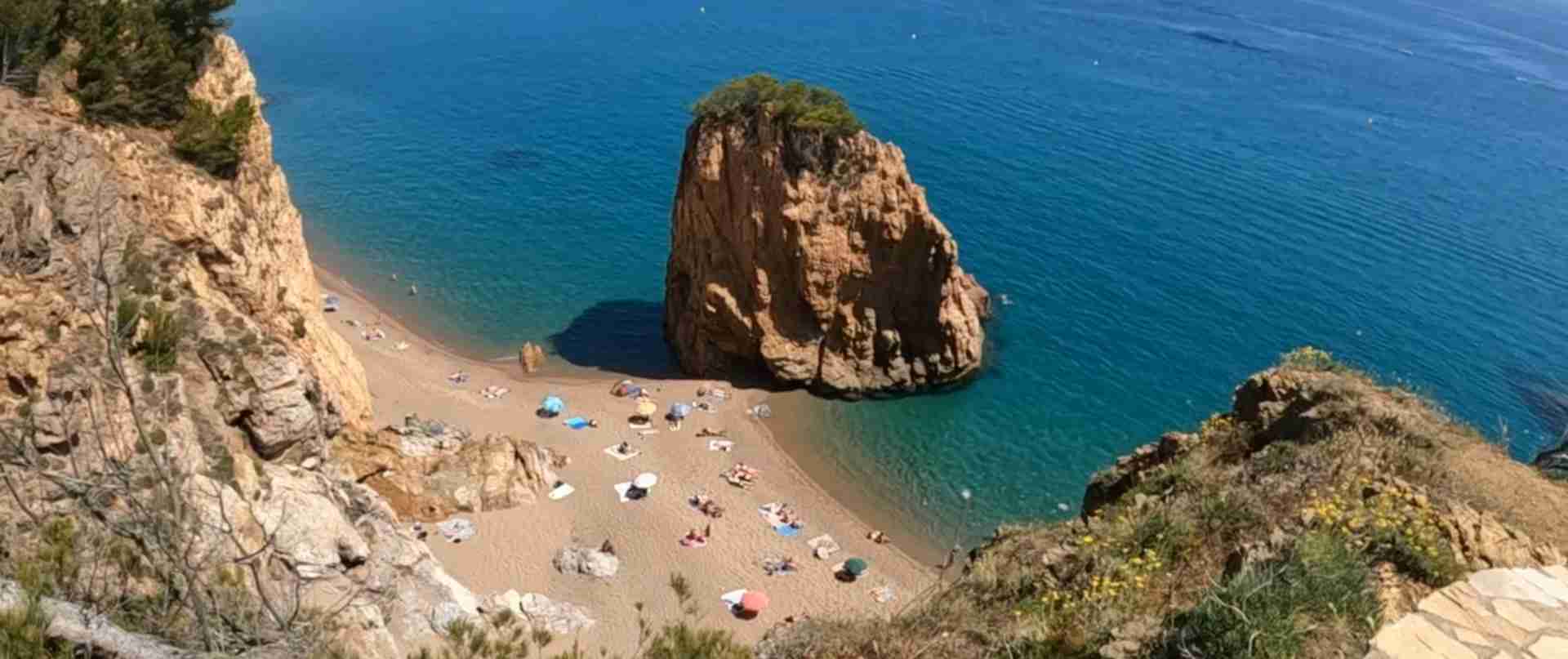
The Costa Brava stretches 214 kilometers along Catalonia’s northeastern Mediterranean coastline, from Blanes north to the French border near Portbou. This rugged “Wild Coast” combines dramatic cliffs, hidden coves, medieval fishing villages, and crystal-clear turquoise waters, creating one of Spain’s most spectacular coastal regions. From Barcelona, the southern Costa Brava towns lie 60-90 minutes away by train, while the northern reaches require 2-2.5 hours, making strategic planning essential for maximizing your 2026 day trip experience.
Regional train services operated by Rodalies de Catalunya and RENFE connect Barcelona with major Costa Brava destinations throughout the day. Trains depart Barcelona Sants and Passeig de Gràcia stations every 30-60 minutes depending on the destination and time of day. The coastal route provides stunning Mediterranean views as trains hug cliffsides and pass through tunnels carved into rocky promontories. Summer schedules from June through September offer increased frequency with additional morning and early evening departures to accommodate beach visitors.
The Costa Brava encompasses diverse geographical zones, each offering distinct characteristics. The southern coast from Blanes to Palamós features wider sandy beaches, larger resort towns, and easier accessibility from Barcelona. The central coast around Begur and Palafrugell showcases the region’s most iconic landscape: small rocky coves (calas) surrounded by pine forests, with charming stone villages perched on clifftops. The northern Cap de Creus area near Cadaqués presents dramatic windswept terrain, artistic heritage linked to Salvador Dalí, and a more remote, contemplative atmosphere.
Transportation infrastructure along the Costa Brava varies significantly by location. Major towns like Lloret de Mar, Tossa de Mar, and L’Estartit have direct train or bus connections from Barcelona, while smaller villages require bus transfers or rental vehicles. The winding coastal road GI-682 connects villages but adds significant travel time compared to inland routes. Planning your 2026 itinerary around transportation logistics determines which destinations you can realistically visit in a single day while allowing sufficient time to enjoy beaches, explore medieval quarters, and experience local cuisine.
People Also Ask About Costa Brava Day Trips 2026
How much does a Costa Brava day trip from Barcelona cost in 2026?
A Costa Brava day trip from Barcelona costs €45-85 per person in 2026 depending on destination, activities, and dining choices. Budget travelers spending €45-55 take regional trains (€10-15 round-trip), bring picnic lunches, use public beaches, and dine at casual beachfront chiringuitos for €12-18. Mid-range visitors spending €60-75 take faster trains or organized tours (€25-35), enjoy sit-down restaurant meals (€25-35 total), and may rent beach equipment or kayaks (€15-25). Premium day trips costing €75-85 include guided tours, waterfront restaurant dining with wine, and water sports activities or boat excursions.
Transportation represents the largest variable cost factor. Direct trains to southern towns like Blanes or Lloret de Mar cost €8-12 round-trip and take 60-75 minutes, while reaching northern destinations like Cadaqués requires €18-25 for train-plus-bus combinations taking 2.5-3 hours each way. Organized day tours from Barcelona range €55-75 including transportation and sometimes guided walks but exclude meals and activities. Rental cars cost €35-50 per day plus €15-20 fuel, becoming economical for groups of 3-4 splitting costs but adding parking fees of €8-15 in popular villages during summer.
Meal expenses vary dramatically between casual and upscale options. Beach chiringuitos serve fresh grilled fish plates for €12-18, paella for €15-20, and simple bocadillos for €6-9. Traditional restaurants in medieval village centers charge €18-28 for seafood mains, €12-16 for salads and starters, and €3-5 for drinks. Waterfront restaurants with premium locations command €25-38 for seafood dishes, €8-12 for appetizers, and €5-8 for wine glasses. Bringing picnic supplies from Barcelona supermarkets reduces lunch costs to €8-12 per person while allowing flexibility to eat at scenic coves.
Which Costa Brava town is best for a day trip from Barcelona in 2026?
Tossa de Mar ranks as the best single-destination Costa Brava day trip from Barcelona in 2026 for first-time visitors, offering the perfect combination of accessibility (90 minutes by direct bus), stunning beach and fortification scenery, well-preserved medieval quarter, diverse dining options, and manageable size for half-day exploration. The town’s Vila Vella (Old Town) enclosed by 12th-century walls creates instantly recognizable Instagram-worthy vistas, while the main Platja Gran beach provides excellent swimming and amenities. Tossa delivers quintessential Costa Brava experiences without the transportation complications or time constraints of more remote villages.
Calella de Palafrugell attracts visitors seeking authentic fishing village atmosphere with spectacular cove beaches, traditional whitewashed architecture, and excellent seafood restaurants. This destination suits travelers prioritizing natural beauty and gastronomic experiences over historical monuments. The town’s compact size, absence of high-rise development, and string of small coves connected by coastal paths create intimate Mediterranean ambiance. However, reaching Calella requires train to Flaçà then bus transfer, adding 30-45 minutes compared to Tossa, making it better suited for relaxed full-day visits.
Cadaqués appeals to art enthusiasts and photography lovers drawn to Salvador Dalí heritage, dramatic Cap de Creus landscape, and distinctive white-painted architecture against rocky terrain. The town’s remote location (2.5 hours from Barcelona) and limited beach space make it less suitable for beach-focused day trips, but exceptional for cultural exploration and scenic appreciation. The journey itself through mountainous terrain provides memorable vistas. Cadaqués works best for visitors willing to dedicate 12+ hours to travel and exploration or those combining it with overnight stays.
Do you need advance bookings for Costa Brava day trips in 2026?
Advance bookings provide significant advantages for Costa Brava day trips during June through September 2026, particularly for weekend visits and popular destinations like Tossa de Mar, Calella de Palafrugell, and Cadaqués. Waterfront restaurants in these villages reach capacity by 12:30-1:00 PM on summer Saturdays and Sundays, with walk-in diners facing 45-90 minute waits or settling for interior tables. Booking restaurants 3-7 days ahead guarantees preferred seating times and terrace tables with sea views. The most acclaimed seafood restaurants like La Sirena in Calella or Can Rafa in Cadaqués require 1-2 week advance reservations during peak season.
Water activities including kayak rentals, snorkeling tours, and boat excursions operate on first-come, first-served basis but reach capacity by mid-morning on busy summer days. Booking these activities one day in advance ensures availability and preferred departure times. Stand-up paddleboard rentals and beach equipment rarely require advance booking except at the smallest coves with limited inventory. Glass-bottom boat tours and coastal cruises departing from towns like L’Estartit or Roses benefit from advance online booking, offering 10-15% discounts compared to dock prices and guaranteed spots on popular sunset cruises.
Transportation requires minimal advance booking for independent travelers using regional trains and buses, as services run frequently and rarely reach capacity except during major Spanish holiday weekends (Semana Santa, August 15, October 12). Organized day tours from Barcelona sell out 3-7 days ahead for July-August departures and 1-3 days ahead during shoulder seasons. Booking tours 1-2 weeks before your desired date ensures availability and sometimes offers early-bird discounts of €5-10. Car rentals during summer weekends require 1-2 week advance booking to secure reasonable rates and vehicle availability, with last-minute rentals costing 30-50% more.
What’s the best time to visit Costa Brava from Barcelona in 2026?
May through June and mid-September through October represent optimal periods for Costa Brava day trips from Barcelona in 2026, offering warm swimming weather (19-24°C water temperatures), uncrowded beaches, lower accommodation costs for overnight extensions, and pleasant conditions for walking medieval village streets and coastal paths. Late May and early June provide spring wildflowers along clifftop trails, comfortable air temperatures of 22-27°C, and restaurant availability without advance booking. September maintains summer warmth while adding golden afternoon light ideal for photography and fewer families as schools resume.
July and August deliver peak summer conditions with guaranteed hot weather (28-32°C air, 24-26°C water) and maximum daylight hours extending beach time until 8:30-9:00 PM. However, popular towns experience significant crowding, with beaches at Tossa de Mar, Lloret de Mar, and Calella packed by late morning. Waterfront restaurants require advance reservations, beach equipment rentals face longer waits, and parking lots fill by 10:00-11:00 AM. Budget travelers face higher meal prices during peak season, with many restaurants adding 15-20% to menu prices compared to shoulder periods. Transportation services increase frequency but also experience higher passenger loads, particularly on weekend return journeys.
April and early May offer value-focused visits with lower costs but variable weather patterns including occasional cool days (15-20°C) and spring rain systems. Water temperatures remain cold for swimming (14-17°C) until late May, limiting beach activities to sunbathing and coastal walks. Many seasonal beach bars and water sports operators remain closed until mid-May. However, these months provide excellent conditions for hiking the Camí de Ronda coastal path, exploring medieval villages without crowds, and experiencing authentic local life as communities prepare for summer season. Fall storms occasionally impact October visits, though early October maintains reliable weather patterns similar to late September.
Extended multi-day tours – 5+ days
Featured Barcelona Multi-Day Tour Packages
2 days
Montserrat, Girona and Costa Brava in 2 days from Barcelona
- ✓ Comprehensive Barcelona tour
- ✓ Expert local guides included
- ✓ All accommodation arranged
- ✓ Transportation provided

5 days
Best of Catalonia, Self-drive
- ✓ Comprehensive Barcelona tour
- ✓ Expert local guides included
- ✓ All accommodation arranged
- ✓ Transportation provided

7 days
Lisbon, Madrid and Barcelona
- ✓ Comprehensive Barcelona tour
- ✓ Expert local guides included
- ✓ All accommodation arranged
- ✓ Transportation provided
5 days
Trip to Barcelona in 5 Days
- ✓ Comprehensive Barcelona tour
- ✓ Expert local guides included
- ✓ All accommodation arranged
- ✓ Transportation provided
Multi-day tour packages powered by TourRadar. Prices and availability subject to change.
Essential Planning Information 2026
Transportation Options and Costs for 2026
Regional trains operated by Rodalies de Catalunya provide the most economical and environmentally friendly access to southern Costa Brava destinations from Barcelona. The R1 line connects Barcelona Sants, Passeig de Gràcia, and El Clot-Aragó stations with Blanes (€5.85 one-way, 75 minutes), Calella (€4.60, 65 minutes), and intermediate coastal towns. Trains depart every 30 minutes during peak hours (7:00-10:00 AM and 4:00-8:00 PM) and hourly during midday periods. Check Rodalies website for current schedules and real-time departure information as construction projects occasionally affect weekend services.
Direct bus services reach destinations not served by trains, including the crucial Barcelona-Tossa de Mar route operated by Moventis. Buses depart from Barcelona Nord bus station (Metro L1 Arc de Triomf) with tickets costing €12.80 round-trip in 2026. Check official websites for current rates as pricing may vary. The 90-minute journey follows coastal roads providing scenic Mediterranean views. Summer schedules include 8-10 daily departures from 7:00 AM through 7:00 PM, while winter reduces to 4-6 daily buses. The Barcelona-Palafrugell bus route connects to regional services reaching Calella de Palafrugell, Begur, and surrounding coves.
Organized day tours eliminate transportation planning complexity while adding professional guides and curated itineraries. Full-day Costa Brava tours from Barcelona cost €55-75 per person including transportation, guided walks through medieval quarters, free time at beaches, and sometimes lunch. Tours typically visit 2-3 destinations such as Tossa de Mar, Calella de Palafrugell, and Begur, departing Barcelona 8:00-8:30 AM and returning 6:30-7:30 PM. Small group tours limited to 8-15 participants cost €75-95 but offer more personalized experiences and flexibility. Book through reputable operators with strong reviews, as service quality varies significantly across providers.
Rental cars provide maximum flexibility for exploring multiple villages and remote coves inaccessible by public transportation. Compact cars rent for €35-50 per day from Barcelona airport or city center locations, with fuel costs adding €15-20 for a full day of Costa Brava exploration. International driving permits required for non-EU visitors. Parking in popular villages costs €1.50-3.00 per hour or €10-15 for all-day lots during summer. Navigate using GPS or smartphone apps, as coastal roads include numerous curves and turnoffs easily missed without guidance. The AP-7 toll motorway offers fastest access north from Barcelona (€8-12 tolls one-way) while the free N-II coastal road takes 30-45 minutes longer but provides better scenery.
Current Costs and Pricing Breakdown for 2026
Transportation expenses form the foundation of Costa Brava day trip budgeting. Round-trip train tickets to southern destinations cost €8-12, mid-range towns require €12-16, while reaching northern villages via combined train-bus routes totals €18-25. Direct buses to Tossa de Mar run €12.80 round-trip. Organized tour transportation plus basic guiding costs €55-75, becoming economical for solo travelers or those preferring hassle-free logistics. Rental cars at €35-50 daily plus fuel and parking total €60-80, making sense only when split among 3-4 people or when visiting multiple remote locations requiring private transport.
Meal costs vary dramatically based on venue selection and dining style. Budget-conscious visitors spending €18-25 total for the day eat breakfast in Barcelona before departure, bring snacks for beach time, enjoy hearty seafood paella lunch at beach chiringuito (€15-18), and purchase evening tapas back in Barcelona. Mid-range dining costing €30-45 daily includes waterfront restaurant lunch with wine (€25-35), afternoon gelato or drinks (€5-8), and light dinner or snacks during return journey. Premium dining approaching €50-60 encompasses upscale seafood restaurant lunch (€35-45), afternoon refreshments at seaside cafés (€8-12), and quality take-away for travel back.
Beach and activity expenses add optional costs depending on interests and chosen destination. Public beach access remains free, but renting sunbeds and umbrellas costs €8-15 for the day at popular beaches. Kayak rentals range €15-25 for 1-2 hours, stand-up paddleboard rentals cost €12-18 hourly, and snorkeling equipment rents for €8-12. Glass-bottom boat tours exploring coastal caves and coves run €15-25 per person for 60-90 minute excursions. Admission to historical sites like Tossa de Mar’s medieval walls remains free, while small museums charge €3-5 entry. Bring beach essentials (towels, sunscreen, water) from Barcelona to avoid inflated resort pricing.
Best Time to Visit Costa Brava in 2026
Seasonal Analysis for 2026 Planning
Late spring from mid-May through June represents the ideal window for Costa Brava day trips, combining warm pleasant weather with minimal crowding and optimal conditions for both beach relaxation and village exploration. Air temperatures range 22-27°C with abundant sunshine, while water temperatures climb from 18°C in May to 22°C by late June, becoming comfortable for swimming. Beaches remain relatively empty until late June when school vacations begin. Mediterranean vegetation reaches peak spring bloom with wildflowers covering clifftop paths and pine forests exhaling fragrant resin in warm afternoon sun. Restaurants operate full menus without summer price increases, and waterfront tables rarely require advance booking except holiday weekends.
Peak summer from July through August delivers guaranteed hot weather and maximum beach season atmosphere but comes with significant crowds and inflated prices. Air temperatures consistently reach 28-32°C while water temperatures peak at 24-26°C, providing perfect swimming conditions. Beaches at major towns like Tossa de Mar, Lloret de Mar, and Calella fill by mid-morning with sunbathers and families. Parking lots reach capacity by 10:00-11:00 AM, restaurants require advance reservations for waterfront seating, and beach equipment rentals face longer waits. However, summer offers the longest days with sunset around 9:00 PM, allowing extended beach time and evening village strolls. Cultural festivals and events proliferate across coastal towns, adding entertainment options beyond beaches.
Early autumn from September through mid-October rivals late spring as the optimal visitation period, offering summer warmth without peak season intensity. September maintains water temperatures of 23-25°C with air temperatures of 25-29°C, while October gradually cools to 19-22°C air and 20-22°C water. Families return home as schools resume after first week of September, dramatically reducing crowds while weather remains excellent. The Mediterranean develops especially clear turquoise colors as summer sediment settles. Golden afternoon light creates exceptional photography conditions. Restaurants reduce prices by 10-15% compared to July-August while maintaining full service. However, some seasonal beach bars and water sports operators close after mid-September, and occasional autumn storms begin appearing in late October.
Weather Patterns and Crowd Predictions for 2026
Mediterranean climate patterns create predictable weather windows ideal for planning Costa Brava visits months ahead. The region experiences 300+ sunny days annually with rainfall concentrated in autumn and spring. May through September delivers minimal rain with less than 40mm monthly precipitation, while October through April sees 50-80mm monthly with occasional storm systems. The Tramuntana wind blowing from Pyrenees affects the northern Costa Brava near Cadaqués, creating choppy seas but clear skies and dramatic wave action against rocky coasts. Summer sea breezes moderate afternoon heat along the coast while inland valleys reach higher temperatures.
Crowd patterns follow predictable annual cycles allowing strategic timing for quieter experiences. Spanish school vacations from late June through early September bring domestic tourism to peak levels, with Catalans and residents from interior Spain filling coastal towns. August represents the absolute peak with many Barcelona businesses closing while owners vacation on the Costa Brava. European tourism concentrates in July-August with significant British, French, and German visitors. Weekends throughout summer experience day-tripper surges from Barcelona, with beaches filling Friday afternoon through Sunday evening then emptying Monday through Thursday.
Specific dates in 2026 requiring particular attention include Easter week (April 17-20) when domestic tourism surges, Spanish Constitution Day long weekend (December 6-8), and August 15 Feast of the Assumption creating mid-August peak. The Corpus Christi holiday in late May or early June triggers carpet festivals in several Costa Brava towns. Plan visits during weekday periods outside major holidays for optimal combination of good weather and manageable crowds. September represents the sweet spot with ideal weather, warm water, and dramatically reduced visitor numbers compared to summer.
Transportation Guide 2026: Getting to Costa Brava
Train Services and Regional Connections
Barcelona’s integrated commuter rail network operated by Rodalies de Catalunya provides efficient access to southern and central Costa Brava destinations with frequent service throughout the day. The R1 regional line runs from Barcelona Sants (main railway station) north through Passeig de Gràcia (city center), El Clot-Aragó, and coastal towns to Maçanet-Massanes, Blanes, and beyond. Trains depart every 30 minutes during morning and evening rush hours (6:30-9:30 AM and 4:00-8:00 PM) and hourly during midday periods. Weekend schedules maintain hourly service with slightly adjusted timing. Purchase tickets from automated machines in stations accepting credit cards and cash, or use the Rodalies mobile app for digital tickets.
Key destinations along the R1 line include Malgrat de Mar (60 minutes, €4.10 one-way), Calella (65 minutes, €4.60), and Blanes (75 minutes, €5.85). Connections to other Costa Brava towns require bus transfers from these rail hubs. The R1 line continues north from Maçanet-Massanes to Girona (90 minutes from Barcelona, €8.90), where transfers to buses serve Pals, L’Estartit, Begur, and northern coastal villages. Plan connections carefully as some bus routes operate limited schedules with 2-3 hour gaps between departures.
Return journey planning requires attention to final train times, particularly for evening returns from beach towns. Summer schedules extend service with trains departing coastal stations until 10:00-11:00 PM, while winter reduces to 8:00-9:00 PM final departures. Missing the last train creates expensive taxi options (€80-120 back to Barcelona) or requires overnight accommodation. Purchase return tickets on departure to avoid lines at small coastal stations with limited ticket windows. Keep tickets throughout journey as inspectors conduct random checks with significant fines for ticketless riders.
Bus Services and Coastal Routes
Direct bus services fill gaps in the train network, particularly for destinations like Tossa de Mar, Palafrugell, and villages surrounding these hubs. Moventis operates the primary Barcelona-Tossa de Mar route with 8-10 daily departures during summer from Barcelona Nord station (Metro L1 Arc de Triomf). First buses depart around 7:00-8:00 AM, allowing full-day visits, while return buses operate until 6:00-7:00 PM. The 90-minute journey follows coastal highway with several intermediate stops. Purchase tickets online in advance or at the bus station, though online booking provides guaranteed seats during busy summer weekends.
Regional bus company Sarfa connects coastal towns along shorter routes including Palafrugell to Calella de Palafrugell (15 minutes, €2.40), Begur (20 minutes, €2.80), and surrounding beach villages. These local services operate hourly or every 2 hours depending on season and route. Summer schedules increase frequency to meet beach visitor demand, while winter reduces to minimal service. Buses stop at marked paradas in town centers and major beaches. Pay drivers directly with cash (exact change preferred) or use contactless payment cards where available.
The Barcelona-Palafrugell direct bus operated by Sarfa provides another key route accessing the central Costa Brava. Buses depart Barcelona Estació del Nord with 5-7 daily services taking 2 hours to Palafrugell (€15-18 round-trip). From Palafrugell’s central bus station, transfer to local services reaching Calella de Palafrugell, Tamariu, Llafranc, and Begur. Coordinate connections carefully by checking schedules online before departure, as buses between smaller villages may require 1-2 hour waits. The Sarfa website and mobile app provide real-time scheduling information and booking capabilities.
Organized Tours and Guided Options
Full-day guided tours eliminate transportation complexity while providing expert commentary about Costa Brava history, culture, and geography. Standard tours cost €55-75 per person including air-conditioned bus transportation from Barcelona, professional English-speaking guides, and curated itineraries visiting 2-3 destinations. Tours typically depart Barcelona between 8:00-8:30 AM from central meeting points near Catalunya Square or major hotels, returning 6:30-7:30 PM. Itineraries commonly combine Tossa de Mar’s medieval quarter with beach time in Calella de Palafrugell and village visits to places like Begur or Pals.
Small group tours limited to 8-15 participants offer more personalized experiences at premium pricing of €75-95 per person. These tours provide greater flexibility for adjusting schedules based on group interests, stopping at hidden viewpoints for photographs, and allowing more extensive free time in each destination. Guides in small group settings answer individual questions more thoroughly and provide restaurant recommendations tailored to dietary preferences. Transportation uses mini-buses rather than full-size coaches, enabling access to narrow village streets and parking locations closer to attractions.
Specialized tours focus on specific themes including Costa Brava gastronomy (€85-110 with wine tastings and multi-course meals), photography workshops (€120-150 with professional instruction), or active adventures combining kayaking and snorkeling (€90-120 with equipment and instruction). These thematic tours attract enthusiasts willing to pay premium pricing for expert guidance and unique experiences beyond standard sightseeing. Book specialized tours 2-4 weeks ahead during summer as spaces limit to 6-12 participants. Read recent reviews carefully as quality varies significantly across operators, with some delivering exceptional experiences while others provide generic service.
Sample 2026 Itineraries: Costa Brava Day Trips
Classic Tossa de Mar Day Trip
This itinerary showcases the quintessential Costa Brava experience combining medieval history, beach relaxation, and coastal Mediterranean atmosphere in one highly accessible destination perfect for first-time visitors.
7:30 AM – Departure from Barcelona: Board direct Moventis bus from Barcelona Nord station to Tossa de Mar (€6.40 one-way, 90 minutes). Bus follows coastal highway providing glimpses of Mediterranean through pine forests. Arrive Tossa de Mar bus station 9:00 AM, walk 5 minutes downhill to beach and old town.
9:00-10:30 AM – Explore Vila Vella: Begin at the medieval fortified town entrance gates, walking cobblestone lanes between 12th-century walls. Climb to castle viewpoint overlooking three beaches and rocky coastline for spectacular photos. Free entrance to walls and public areas. Visit small municipal museum (€3 admission) displaying Roman archaeological finds and art connected to artists who frequented Tossa in early 20th century. Wander whitewashed lanes discovering craft shops, art galleries, and traditional architecture.
10:30 AM-1:00 PM – Beach Time at Platja Gran: Descend to main town beach for swimming and sunbathing. Rent umbrella and loungers (€12 for the day) or spread towel on free beach areas. Crystal-clear water ideal for swimming and snorkeling along rocky areas at beach edges. Beach bars provide drink service to loungers. Walk the seafront promenade observing fishing boats and yachts in small harbor.
1:00-2:30 PM – Seaside Lunch: Select from beachfront restaurants along Platja Gran. Budget option: beach chiringuito serving grilled sardines (€12-15) or calamari (€14-17). Mid-range choice: traditional restaurant offering seafood paella (€18-22 per person, minimum two people), grilled fish of the day (€20-25), house wine (€3-4 per glass). Premium option: upscale restaurant with terrace tables offering tasting menus (€35-45) and extensive wine selection.
2:30-4:30 PM – Coastal Walk or Additional Beach Time: Walk the Camí de Ronda coastal path north from Platja Gran toward neighboring coves. The trail follows clifftops through pine forests with constant sea views, reaching secluded Cala Giverola (30 minutes one-way) or continuing to Cala Pola (60 minutes). Alternatively, spend additional time at Tossa’s smaller beaches like Platja Es Codolar beneath the castle walls, quieter than the main beach.
4:30-5:00 PM – Afternoon Break: Return to town center for gelato (€3-4 per cone) or coffee (€2-3) at terrace café. Last chance for souvenir shopping or photography as afternoon light illuminates medieval walls and creates long shadows across beach.
5:15 PM – Return Bus to Barcelona: Walk to bus station for 5:15 or 6:15 PM departure (check current schedules). Arrive Barcelona Nord around 6:45-7:45 PM with time for dinner in Barcelona or evening activities.
Budget Day Cost Summary: Bus €12.80 round-trip, lunch €14, afternoon gelato €4, beach lounger €6 (optional). Total day cost: €30-37 per person.
Mid-Range Day Cost Summary: Bus €12.80, lunch with wine €28, museum €3, lounger €12, coffee/gelato €7. Total day cost: €62-63 per person.
Multi-Village Northern Costa Brava Adventure
This ambitious itinerary explores the dramatic northern Costa Brava, visiting three distinct villages for comprehensive regional experience. Requires early start and efficient time management but rewards with diverse landscapes and cultural insights.
7:00 AM – Train to Figueres: Board R11 regional train from Barcelona Sants to Figueres (€12 one-way, 2 hours). Bring breakfast purchased from Barcelona station or nearby bakery (€4-6). Train climbs inland through agricultural landscapes toward Pyrenees foothills.
9:00-10:00 AM – Figueres Art Detour (Optional): If interested in Salvador Dalí, quick visit to Dalí Theatre-Museum near station (€18 admission). Otherwise, proceed directly to bus station for Cadaqués connection.
9:15/10:15 AM – Bus to Cadaqués: Regional bus from Figueres to Cadaqués (€5.60, 60 minutes) through spectacular mountain scenery. Service runs 3-4 times daily, coordinate timing with train arrival. Reserve bus route traverses dramatic curves descending to coast.
10:15/11:15 AM-1:30 PM – Cadaqués Exploration: Arrive whitewashed seaside village famous for Dalí connections and artistic heritage. Walk waterfront promenade admiring cube-shaped houses and blue-trimmed windows. Visit Church of Santa Maria (free) on hilltop. Browse art galleries and craft shops in narrow lanes. Walk to Dalí House in Port Lligat (20 minutes from town center, €15 admission with required advance booking) or enjoy beach time at small village cove.
1:30-2:45 PM – Cadaqués Lunch: Choose from excellent seafood restaurants along waterfront. Can Rafa offers traditional preparations (€25-35 per person), Casa Anita provides rustic atmosphere (€20-28), while beachfront chiringuitos serve simpler fare (€15-20). Reservations strongly recommended for summer weekends.
3:00 PM – Bus to Roses: Return bus toward Figueres, transferring at road junction to Roses coastal route (€4.20, 30 minutes total). Time connections carefully as mid-afternoon gaps can reach 2 hours.
3:30-5:00 PM – Roses Beach Stop: Brief visit to large sandy beach at Roses for swimming and relaxation. This contrasts dramatically with rocky Cadaqués landscape. Walk bay promenade or visit ancient Ciutadella ruins (€3 admission).
5:30 PM – Bus Return to Figueres: Regional bus from Roses to Figueres (€5.80, 45 minutes). Coordinate timing for train connection back to Barcelona.
6:30 PM – Train Return to Barcelona: Board R11 regional train from Figueres to Barcelona (€12 one-way, 2 hours). Arrive Barcelona Sants around 8:30 PM.
Full Day Cost Summary: Train €24 round-trip, buses €15.60 total, lunch €25-30, Dalí House €15 (optional), drinks/snacks €8-12. Total day cost: €72-81 per person (excluding Dalí Theatre-Museum if visited).
Active Beach-Hopping Central Costa Brava
This itinerary targets active travelers interested in exploring multiple hidden coves and smaller beaches along the central Costa Brava, combining walking, swimming, and authentic village experiences away from major resort towns.
7:45 AM – Train to Calella: Depart Barcelona on R1 regional train to Calella (€4.60 one-way, 65 minutes). Coastal route provides sea views as train follows Mediterranean.
9:00 AM – Bus to Palafrugell: Transfer at Calella station to Sarfa bus toward Palafrugell (€6.40, 45 minutes). Service operates hourly during summer with reduced winter frequency.
9:45-11:00 AM – Calella de Palafrugell Arrival: Arrive this perfectly preserved fishing village with traditional architecture and stunning cove beaches. Walk Port Bo and Canadell beaches connected by seaside promenade. Photograph whitewashed houses climbing hillside above turquoise waters. Visit Cap Roig botanical gardens (€6 admission, optional) or begin Camí de Ronda coastal walk.
11:00 AM-1:00 PM – Coastal Path to Llafranc: Walk 3.5-kilometer Camí de Ronda trail along clifftops connecting Calella to Llafranc (60-90 minutes). Well-marked path offers constant sea views, passes through pine forest, and reveals hidden swimming coves. Stop at viewpoint platforms for photos. Arrive Llafranc, larger beach town with long sandy beach and curved bay.
1:00-2:30 PM – Llafranc Lunch and Beach: Select waterfront restaurant along beach promenade. Options range from casual chiringuitos (€15-20 per person) to upscale seafood restaurants (€30-40). Swim at expansive Llafranc beach or rent kayak (€15-20) to explore coastal caves accessible only by water.
2:30-4:30 PM – Continue to Tamariu: Take local bus from Llafranc to Tamariu (€2.40, 15 minutes, hourly summer service) or walk coastal trail (5 kilometers, 90-120 minutes). Tamariu offers smallest and most intimate cove of the three villages, with horseshoe-shaped beach protected by pine-covered cliffs. Swimming, sunbathing, or final coastal walk segment toward Aiguablava.
4:45 PM – Return Bus to Palafrugell: Regional bus from Tamariu back to Palafrugell central station (€2.80, 20 minutes). Time connection to Calella-bound bus.
5:30 PM – Bus to Calella, Train to Barcelona: Connect buses back through Calella to train station. Board R1 train to Barcelona (€4.60, 65 minutes), arriving Barcelona around 7:00-7:30 PM.
Full Day Cost Summary: Train €9.20 round-trip, buses €17.60 total, lunch €20-25, kayak €18 (optional), drinks/snacks €8-10. Total day cost: €54-70 per person.
Budget Planning for 2026 Costa Brava Visits
Money-Saving Strategies and Cost Optimization
Strategic planning reduces Costa Brava day trip costs by 30-40% compared to spontaneous visits while maintaining enjoyable experiences. Purchase train tickets in advance through the Rodalies website or app to guarantee lowest fares and avoid station queues, though regional train prices remain consistent regardless of booking timing unlike long-distance services. Book bus tickets online 1-3 days ahead during summer for popular routes like Barcelona-Tossa de Mar, as buses can sell out on busy weekends, forcing expensive last-minute alternatives.
Pack breakfast, snacks, and beverages from Barcelona supermarkets to avoid inflated beach resort pricing. A substantial breakfast before departure plus trail mix, fruit, and sandwiches for beach snacking costs €8-12 per person compared to €15-25 purchasing equivalent food at coastal destinations. Bring refillable water bottles (fountains available in all villages) rather than purchasing bottled water at €2-3 each. Picnic lunches at scenic coves or park benches with supermarket supplies (deli meats, cheese, bread, fruit) cost €10-15 per person while providing flexibility to eat at optimal timing and locations.
Visit during shoulder seasons (May-June, September-October) to access lower accommodation rates if extending visits overnight, reduced restaurant prices at establishments offering 10-15% discounts outside peak July-August, and occasional promotional pricing for water sports and tours. Weekday visits reduce costs compared to premium weekend pricing at some beach equipment rental operations and eliminate Saturday-Sunday surcharges some restaurants add. Travel in groups of 3-4 to split rental car costs (if using vehicle) and potentially share accommodation if extending to multi-day trips, reducing per-person transportation to €15-20 compared to €35-50 for solo travelers.
Free and Low-Cost Activities
Public beach access remains free throughout the Costa Brava with no entry fees or restrictions at any locations. All beaches provide basic amenities including changing rooms and outdoor showers at no charge. Bring towels and beach gear from Barcelona to avoid rental costs, saving €10-15 per person daily on equipment. Swimming, sunbathing, beach games, and coastal relaxation require zero additional spending beyond transportation to reach destinations.
Hiking the Camí de Ronda coastal path system connecting villages and coves throughout the Costa Brava offers spectacular free recreation. Well-maintained trails require only comfortable walking shoes and provide constant Mediterranean vistas, access to hidden swimming coves, and passes through coastal pine forests and protected natural areas. Popular sections include Lloret de Mar to Tossa de Mar (10 kilometers, 3-4 hours), Calella de Palafrugell to Tamariu (5 kilometers, 90 minutes), and Sant Feliu de Guíxols to Platja d’Aro (7 kilometers, 2-3 hours). Download offline maps as cellular service proves spotty along remote coastal sections.
Medieval quarter exploration in villages like Tossa de Mar, Begur, Pals, and Peratallada costs nothing while providing rich historical and architectural experiences. Walk ancient stone lanes, photograph centuries-old buildings, discover hidden plazas and churches, and absorb authentic local atmosphere. Most historical sites including castle walls, viewpoints, and public monuments remain free. Small municipal museums charge modest €3-5 admission but often prove skippable for budget travelers focused on outdoor experiences. Seaside promenades, fishing harbors, and waterfront areas invite endless wandering and people-watching at zero cost.
Booking Strategies for 2026 Season
Official Booking Channels and Reservations
Book regional train tickets through the official Rodalies de Catalunya website or mobile app for guaranteed authentic pricing and digital ticket delivery. The system accepts international credit cards and provides English language options. Tickets display as QR codes scanned at platform validators, eliminating paper tickets. Purchase one-way or round-trip tickets, though round-trip provides no discount over separate one-way purchases. Children under 4 travel free, ages 4-13 receive 50% discount. Groups of 10+ qualify for modest group discounts when booking 7+ days ahead.
Reserve bus services through official operator websites including Moventis (Barcelona-Tossa de Mar routes) and Sarfa (regional connections) for authentic tickets and guaranteed seats. Most routes allow purchasing tickets directly from drivers with cash or contactless payment, but online booking during summer prevents sold-out situations on popular weekend departures. Print tickets or display mobile versions for boarding. Some smaller regional routes operate by smaller carriers with minimal online presence, requiring purchases at bus stations or from drivers.
Book organized tours through reputable platforms including GetYourGuide, Viator, or direct from tour operator websites. Compare offerings and prices across multiple sources as identical tours sometimes appear at different prices on various booking platforms. Read recent reviews (within past 6 months) carefully to assess current service quality, guide knowledge, and value provided. Small group tours frequently sell out 1-2 weeks ahead during summer, while larger tours usually maintain availability 3-5 days before departure. Understand cancellation policies as strict 48-72 hour cancellation deadlines commonly apply with no refunds for late cancellations.
Restaurant and Activity Reservations
Reserve waterfront restaurants in popular villages like Calella de Palafrugell, Cadaqués, and Tamariu 3-7 days ahead for summer weekend lunch service. Premier seafood restaurants including Can Rafa in Cadaqués, La Sirena in Calella, and Pa i Raim in Begur require 1-2 week advance booking during July-August peak season. Call restaurants directly (English spoken at most) or book through websites where available. Specify preferred seating (terrace with sea views most desirable) and approximate arrival time within 30-minute windows. Walk-in diners face 45-90 minute waits at peak times (1:00-3:00 PM) or settle for interior seating without views.
Book water activities including kayak tours, snorkeling excursions, and stand-up paddleboard rentals one day ahead during summer to guarantee equipment availability and preferred time slots. Glass-bottom boat tours and coastal cruises sell out quickly for sunset departures, requiring 2-3 day advance booking during peak season. Some kayak rental operations accept reservations through their websites with deposit payments, while others operate walk-up first-come basis. Arrive early (9:00-10:00 AM) for best equipment selection at walk-up operations.
Car rentals require 1-2 week advance booking during summer months to secure reasonable rates and vehicle availability. Last-minute rentals command premium pricing 30-50% above advance booking rates. Compare prices across multiple companies including both major chains (Europcar, Hertz, Avis) and local operators, as rates vary significantly. Book through aggregator sites initially but always verify final pricing on rental company direct websites, as sometimes direct booking matches or beats aggregator prices. Add comprehensive insurance coverage (€15-25 daily) for peace of mind on narrow winding coastal roads.
Day Trip Planning Essentials for 2026
What to Pack for Costa Brava Day Trips
Bring essential beach items from Barcelona to avoid paying inflated resort pricing for basic necessities. Pack large beach towel (small European towels prove inadequate for comfortable beach lounging), high-SPF waterproof sunscreen (Mediterranean sun intensifies through June-August), wide-brimmed hat for sun protection, and sunglasses with UV protection. Include lightweight beach cover-up or long-sleeve shirt for sun breaks and village exploration when moving between beach and town centers. Waterproof bag protects phones and valuables during swimming.
Wear comfortable walking shoes suitable for cobblestone streets, coastal trails, and uneven medieval village lanes. Sandals or flip-flops serve for beach time but prove impractical for extensive village exploration or Camí de Ronda hiking. Pack complete outfit in neutral colors appropriate for lunch at nice restaurants, as beach attire draws disapproval at upscale establishments. Lightweight layer (cardigan or hoodie) protects against air-conditioned trains and buses plus occasional evening breezes, particularly during shoulder seasons.
Bring refillable water bottle as hydration needs increase dramatically with beach activities and sun exposure. Public fountains in village centers and train stations provide free water refills. Pack snacks including energy bars, fruit, nuts, or sandwiches to supplement purchased meals and provide flexibility for eating when hungry rather than constrained by restaurant hours. Small first-aid kit with bandages, pain relievers, and any personal medications proves valuable as pharmacies in small villages maintain limited hours and may close during afternoon siesta periods.
Safety and Practical Considerations
Monitor Mediterranean sea conditions before entering water, as coastal currents and wave patterns can change rapidly, particularly at exposed coves without lifeguard supervision. Most popular beaches including Tossa de Mar, Lloret de Mar, and Calella maintain lifeguard service from mid-June through mid-September with red/yellow flag systems indicating swimming safety. Yellow flags indicate caution with moderate waves, while red flags prohibit swimming due to dangerous conditions. Small coves and remote beaches lack lifeguard presence, requiring careful personal judgment about water conditions.
Protect valuables while at beaches where theft occasionally occurs despite generally safe environment. Use waterproof pouches for phones and small amounts of cash when swimming, leaving other valuables secured in hotel safes if staying overnight or locked in car trunks (never visible on seats). Take only necessary items to beach, leaving passports, excess cash, and jewelry secured elsewhere. Many beaches offer paid locker services (€3-5 daily) for secure storage while swimming and playing on beach.
Understand train and bus return schedules before departing Barcelona, noting last departure times from coastal destinations. Missing final trains necessitates expensive taxi rides (€80-120 to Barcelona) or finding overnight accommodation in small villages where options may be limited or fully booked during summer. Photograph or save screenshot of return schedule information, as cellular data coverage proves inconsistent in some coastal areas and you may not be able to access schedules when needed. Build 30-minute buffer time before last trains/buses to account for getting to stations from beaches or restaurants.
Costa Brava Region Overview for 2026
Understanding the Costa Brava Geography
The Costa Brava region stretches 214 kilometers from Blanes north to the French border near Portbou, encompassing the entire Mediterranean coastline of Girona province. Geological formation created dramatic contrasts between rugged cliff sections, hidden coves carved into rocky coastline, and broader sandy beaches at river mouths and protected bays. The name “Wild Coast” references the untamed rocky terrain and pine-covered cliffs rising directly from turquoise waters, distinguishing this coast from the flatter, sandier Costa Dorada to the south.
Three distinct geographical zones divide the coast. Southern Costa Brava from Blanes to Palamós features largest beaches, most accessible transportation infrastructure, and greatest concentration of larger resort towns. This area experiences heaviest tourist development with high-rise hotels in places like Lloret de Mar while maintaining charming medieval villages like Tossa de Mar. Central Costa Brava around Palafrugell and Begur showcases the region’s most iconic landscape: small rocky coves (calas) surrounded by pine forests, traditional fishing villages with whitewashed architecture, and excellent hiking trails connecting beaches.
Northern Costa Brava from L’Escala to the French border presents more remote, windswept character with dramatic Cap de Creus headland, traditional fishing villages like Cadaqués and Roses, and links to Salvador Dalí heritage. This zone attracts fewer visitors due to longer travel times from Barcelona (2.5-3 hours) but rewards with unspoiled landscapes, authentic local culture, and artistic history. The Tramuntana wind shapes northern Costa Brava character, creating clear skies and choppy seas that sculptors and artists have celebrated for centuries.
Cultural and Historical Context
Ancient Greek traders established the settlement of Empúries near modern L’Escala around 575 BCE, making the Costa Brava one of the earliest Greek colonies in Iberia. Romans later expanded Empúries into a major city whose ruins remain accessible today (€6 admission). Medieval period saw construction of fortified villages like Tossa de Mar, Pals, and Peratallada as protection against Mediterranean pirates. Coastal watchtowers built during 16th-18th centuries to warn of pirate raids still dot the coastline, now serving as distinctive landmarks along hiking trails.
Fishing traditions shaped Costa Brava culture for centuries, with villages like Calella de Palafrugell, Palamós, and Roses developing around natural harbors. Traditional fishing boats called llaguts still work from village harbors, and fish auctions (llonja) in ports like Palamós allow public observation of fresh catch sales. Distinctive local cuisine centers on seafood including suquet de peix (fish stew), sardines grilled over open flames, and fresh prawns from Palamós. The region’s gastronomy has achieved international recognition through restaurants including El Celler de Can Roca in Girona (3 Michelin stars).
Artistic heritage particularly defines northern Costa Brava where Salvador Dalí lived and worked in Portlligat near Cadaqués. The artist’s house-museum (requiring advance booking), his museum in Figueres, and his castle in Púbol form the “Dalí Triangle” attracting art enthusiasts worldwide. Other artists including Pablo Picasso, Marc Chagall, and Marcel Duchamp spent time on the Costa Brava, drawn by the intense Mediterranean light and inspiring coastal landscapes. This artistic legacy continues through numerous galleries, outdoor sculpture parks, and summer festivals celebrating visual arts.
2026 Updates and Current Information
Infrastructure and Service Changes for 2026
Regional rail operator Rodalies de Catalunya continues infrastructure modernization projects affecting weekend service on R1 coastal line during 2026. Check official website for scheduled service disruptions, as construction work occasionally requires bus substitutions for train segments, adding 15-30 minutes to journey times. The operator provides advance notice of disruptions through website announcements and mobile app notifications. Summer 2026 schedules (June 15-September 15) increase train frequency on coastal routes by adding extra morning and evening services to accommodate beach visitors.
New coastal bus routes launched in 2025 improve connections between smaller villages in the Begur-Palafrugell area, with services running June through September. These routes specifically target beach access, with stops at major coves and viewpoints rather than just village centers. Fares remain consistent at €2-3 per segment. The expanded network reduces reliance on private vehicles for exploring multiple coves in single days, particularly benefiting travelers without rental cars.
Digital evolution continues throughout the region with most restaurants, tour operators, and activity providers now offering online booking capabilities and contactless payment options. QR code menus have become standard at restaurants, though paper menus remain available on request. Free WiFi expands across coastal villages, with municipal networks covering main beaches and town centers in most destinations. Download region-specific apps including Visit Costa Brava and individual town tourism apps providing offline maps, event calendars, and updated practical information.
Environmental and Sustainability Initiatives
Single-use plastics bans implemented across Costa Brava municipalities eliminate plastic bags, straws, and disposable utensils at beaches and restaurants. Bring reusable shopping bags for souvenir purchases and markets. Beach cleaning programs maintain pristine conditions, with volunteers and municipal workers conducting daily sweeps during summer season. Visitors should dispose of trash in marked receptacles, as littering faces significant fines (€150-300).
Marine protected areas expand along the coast, with restrictions on anchoring, fishing, and motorized water sports in sensitive habitats around Medes Islands, Cap de Creus, and other designated zones. These protections improve underwater visibility and marine life diversity, benefiting snorkelers and divers. Respect marked boundaries and regulations to support conservation efforts. Several beaches implement “quiet hours” zones with restrictions on loud music and ball games to preserve peaceful atmosphere, particularly at smaller coves favored by families.
Sustainable tourism initiatives encourage public transportation use, bike rentals, and walking rather than private vehicles. Several towns including Palafrugell and Begur offer bike sharing programs (€5-8 daily) providing eco-friendly alternatives to cars or buses for exploring nearby beaches. Electric vehicle charging stations multiply throughout the region, appearing at major beaches, town centers, and hotels. Visitors using electric or hybrid rental vehicles find increasing support infrastructure, though coastal parking lots still offer limited charging points during peak season.
Frequently Asked Questions: Costa Brava Day Trips 2026
Can you swim at Costa Brava beaches year-round? Water temperatures support comfortable swimming from June through October when temperatures range 20-26°C, with peak warmth in July-August reaching 24-26°C. May sees water warming to 18-19°C, tolerable for hardy swimmers but cool for extended swimming. Winter months from November through April bring water temperatures of 13-16°C, suitable only for wetsuit-equipped surfers or dedicated cold-water swimmers. Beach season for most visitors runs June-September, with September offering warmest water combined with fewer crowds compared to July-August peak.
Are Costa Brava beaches family-friendly? Many Costa Brava beaches offer excellent family conditions including shallow gradual entries, calm protected waters, lifeguard supervision, nearby amenities, and playground facilities. Tossa de Mar’s Platja Gran provides all these features plus nearby medieval attractions entertaining children. Lloret de Mar features wide sandy beach with full services, though party atmosphere in town center may not suit all families. Calella provides excellent facilities with Water World nearby. Small coves like those around Palafrugell offer intimate settings but limited facilities and sometimes require walking access. Northern beaches around Roses provide vast sandy expanses ideal for children’s play but face stronger winds and waves.
Do you need a car to visit Costa Brava from Barcelona? Cars provide flexibility but are unnecessary for visiting major Costa Brava destinations well-served by trains and buses. Tossa de Mar, Lloret de Mar, Blanes, and Calella connect directly via regional trains or dedicated bus services. Organized tours eliminate transportation concerns while providing curated experiences. Cars become advantageous for exploring multiple small villages in one day, accessing remote coves reachable only by private vehicle, or visiting northern Cap de Creus area with limited public transportation. Parking challenges and costs in popular summer destinations offset some car advantages.
What’s the difference between calas and playas? Calas are small rocky coves typically 50-200 meters wide with pebble or coarse sand beaches surrounded by cliffs and accessed by steep paths or stairs. These intimate settings offer crystal-clear water, excellent snorkeling, dramatic scenery, and quieter atmospheres but limited facilities and challenging access. Playas are larger sandy beaches 500+ meters wide with gentle entries, extensive amenities, lifeguard services, restaurants, and easy access from towns. Playas accommodate families, diverse beach activities, and larger crowds, while calas attract couples, snorkelers, and visitors seeking secluded natural settings.
Are there nude beaches on the Costa Brava? Several Costa Brava beaches traditionally accommodate naturism including specific sections at Platja de Pals, Platja del Torn near L’Estartit, and various small remote coves particularly around Cap de Creus. Spanish law technically allows nudity on all beaches, though social norms restrict practice to designated areas or very secluded locations. Mainstream family beaches including those at Tossa de Mar, Lloret de Mar, and Calella maintain clothed-only expectations. Research specific beach policies before visiting if naturism interests you, and respect local customs regarding appropriate behavior.
Can you drink tap water in Costa Brava villages? Tap water throughout the Costa Brava meets EU safety standards and is safe for drinking. Taste varies between municipalities based on local sources and treatment methods, with some coastal towns showing slight salinity from proximity to sea. Public fountains in village squares provide fresh drinking water for refilling bottles. Most visitors drink tap water without issues, though those with sensitive digestion may prefer bottled water widely available at supermarkets and shops.
What marine life can you see snorkeling? Costa Brava waters host diverse Mediterranean marine species visible while snorkeling at rocky coves. Commonly observed fish include striped bream, rainbow wrasse, damselfish, and schools of silver seabream. Rocky areas shelter octopuses, crabs, sea urchins, and occasionally small lobsters. Protected areas near Medes Islands (accessible by boat from L’Estartit) offer exceptional underwater biodiversity including groupers, moray eels, starfish, and seasonal jellyfish. Water visibility typically reaches 10-20 meters in calm conditions, improving to 25+ meters during autumn. Bring underwater camera or GoPro to document colorful fish and interesting rock formations.
Are there any dangerous marine animals? The Mediterranean around Costa Brava contains few dangerous marine species, with jellyfish representing the primary concern for swimmers. Pelagia noctiluca (mauve stinger jellyfish) appear seasonally, particularly after storms or during warm water periods, delivering painful but not dangerous stings. Lifeguarded beaches post warning signs when jellyfish concentrations increase. Rare weever fish buried in sandy bottoms deliver painful stings if stepped on; shuffle feet when entering water at sandy beaches. Sea urchins abundant on rocky areas cause sharp spines to break off in skin if stepped on; wear water shoes when exploring rocky areas. Actual risks remain minimal with basic awareness and precautions.
Do I need to speak Spanish or Catalan? Most tourism industry workers in Costa Brava destinations speak functional English, particularly in larger towns, restaurants, hotels, and tour operations. Menus at major restaurants include English translations. Smaller villages and local establishments feature less English fluency, making basic Spanish phrases helpful for ordering food, asking directions, and showing courtesy. Catalans speak Catalan as primary language in daily life, though virtually all understand Spanish. Learning simple greetings in Catalan (“bon dia” for good morning, “gràcies” for thank you) earns appreciation from locals. Translation apps bridge communication gaps at establishments without English speakers.
What souvenirs should I buy from Costa Brava? Regional products make authentic souvenirs including ceramic pottery handcrafted in traditional Catalan designs, particularly from La Bisbal d’Empordà pottery center. Local olive oil, anchovy products from L’Escala, and sea salt from salt flats near Roses represent quality edible souvenirs. Espadrilles (traditional rope-soled shoes) come from regional manufacturers. Art galleries sell paintings, prints, and sculptures by local artists inspired by coastal landscapes. Cork products including bags, wallets, and home goods use material from regional cork oak forests. Avoid mass-produced tourist trinkets imported from Asia, instead seeking locally-made items supporting regional artisans and producers.