
Cornwall Museums, Galleries & Photography Guide 2026
Cornwall packs one of England’s most concentrated cultural landscapes into a single peninsula — world-class modern art at Tate St Ives, the preserved studio of Barbara Hepworth, a maritime museum that rivals anything in the country, and a coastline whose cliffs, coves, and tin-mine ruins have drawn painters and photographers for over a century. This 2026 planning guide gives you verified admission prices, seasonal opening hours, gallery-hopping routes, and precise photography location advice so you can build the visit you actually want.
Key Takeaways
- Cornwall’s major paying venues in 2026 span a wide range: Falmouth Art Gallery and Newlyn Art Gallery are free or near-free (£4.50 annual pass), while Tate St Ives charges £14 for adults and the National Maritime Museum Cornwall charges £19 — but both admission fees function as annual passes allowing unlimited returns.
- St Ives is Cornwall’s art epicentre, home to both Tate St Ives and the Barbara Hepworth Museum and Sculpture Garden, best visited on a single day; the two venues require separate tickets (£14 and £10 respectively, check the official Tate website for current rates).
- Budget travelers spending £70–115 per person daily can access a full cultural itinerary by prioritising the free venues — Falmouth Art Gallery, the coast path, and the Newlyn Gallery standard pass — and reserving one paid venue per day.
- Mid-range visitors should budget £140–210 per person daily (two sharing mid-range accommodation), while luxury stays in Porthminster or Carbis Bay will run £285–445 per person daily.
- The majority of Cornwall’s finest photography locations — Kynance Cove, Botallack, Bedruthan Steps, Godrevy Lighthouse, and Bodmin Moor — are freely accessible from the South West Coast Path; the only significant paid photography sites are the Minack Theatre (£12 advance) and St Michael’s Mount (£32–37 castle and garden combined).
- Spring (April–May) and early autumn (September–October) offer the best combination of manageable crowds, low-angle light, and dry weather for both gallery visits and landscape photography.
People Also Ask About Cornwall Museums and Photography 2026
What does it cost to visit Cornwall’s top museums and galleries in 2026?
Admission prices range from free to £19 per adult at Cornwall’s main cultural venues in 2026. Falmouth Art Gallery is entirely free, and the Newlyn Art Gallery & The Exchange charges a £4.50 standard pass covering both of its venues for a full year. Tate St Ives charges £14 per adult (£15.50 with voluntary donation), and the Barbara Hepworth Museum and Sculpture Garden charges a separate £10 per adult — both function as annual passes valid for twelve months. The National Maritime Museum Cornwall in Falmouth charges £19 for adults, also as an annual pass, with a 10% discount for online booking in advance. Cornwall Museum & Art Gallery in Truro charges £10 for adults (under-18s free), which includes an annual pass for unlimited returns. Penlee House Gallery & Museum in Penzance costs £8 per adult (children free). A visitor combining Tate St Ives, the Barbara Hepworth Museum, and Penlee House in a single trip would spend £32 in museum admissions — a reasonable cost for three world-class collections. Always check the official websites before your visit, as pricing may be updated during the year.
Which galleries in Cornwall offer free entry in 2026?
Several important galleries in Cornwall are entirely free to enter in 2026. Falmouth Art Gallery, housed in the Municipal Building on The Moor in Falmouth, holds one of the strongest regional collections in the South West — works by Gainsborough, Turner, Waterhouse, and a significant archive of children’s illustration — and charges nothing at all. Opening hours run Monday to Saturday, 10am to 5pm. The Newlyn Art Gallery is not technically free but charges only £4.50 for a standard annual pass covering both its Newlyn venue and The Exchange gallery in Penzance, making it effectively one of the best-value cultural experiences in England; under-18s and students enter free. Beyond these, dozens of independent commercial galleries across St Ives, Penzance, and Truro operate on a no-admission-fee model — the Saltbox Gallery, the Wills Lane Gallery, the Bernard Leach Pottery, and numerous studios along Back Road West and Fore Street in St Ives welcome browsers without charge. The Truro Cathedral treasury is freely accessible, and St Just’s town centre independent galleries operate similarly.
Where are the best photography locations in Cornwall in 2026?
Cornwall’s finest photography locations fall into several distinct categories. For dramatic coastal seascapes, Kynance Cove on the Lizard Peninsula delivers white sand against serpentine rock formations with striking colour contrasts at any state of tide. Godrevy Lighthouse near Hayle photographs best at high tide during stormy afternoons, when Atlantic waves frame the white octagonal tower from the sandy beach. Botallack Crown Mines on the West Penwith coast — part of the Cornwall and West Devon Mining Landscape UNESCO World Heritage Site — offers iconic Cornish imagery at sunrise with engine houses perched on sea cliffs. On the north coast, Bedruthan Steps and Chapel Porth produce dramatic wide-angle compositions at low tide. The Minack Theatre at Porthcurno combines built architecture with precipitous sea views and admits visitors for £12 in advance. Bodmin Moor, and Rough Tor in particular, provides granite tor landscapes at any season. St Ives harbour itself is exceptional in the hour before and after sunrise, when the turquoise water and pastel facades of the fishing quarter are at their most photogenic.
When is the best time to visit Cornwall for museums and photography in 2026?
The optimal windows for combining gallery visits with landscape photography in 2026 are late April through May and September through mid-October. In spring, the light is clear and directional from relatively low in the sky, bluebells and thrift are in flower on the coastal cliffs, and the major attractions are operating full hours without peak-season crowds. Tate St Ives is open daily from March through October, 10am to 5:20pm (last admission 5pm), and most other venues are similarly on summer schedules. September combines reliably good weather with dramatically reduced visitor numbers after the school summer holiday ends, making it the preferred window for photographers who want unobstructed cliff paths and galleries with breathing room. Winter visits (November through February) suit those specifically interested in stormy sea conditions for dramatic photography — Tate St Ives and the Barbara Hepworth Museum shift to Tuesday-to-Sunday opening from November, closing Mondays. Budget-conscious visitors gain the most in the shoulder seasons, when accommodation rates fall substantially compared with July and August.
Extended multi-day tours – 5+ days
Featured Cornwall Multi-Day Tour Packages
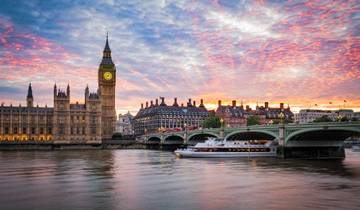
8 days
Corners of Cornwall
- ✓ Comprehensive Cornwall tour
- ✓ Expert local guides included
- ✓ All accommodation arranged
- ✓ Transportation provided
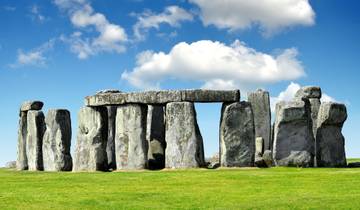
5 days
Stonehenge, Devon & Cornwall – 5 days
- ✓ Comprehensive Cornwall tour
- ✓ Expert local guides included
- ✓ All accommodation arranged
- ✓ Transportation provided
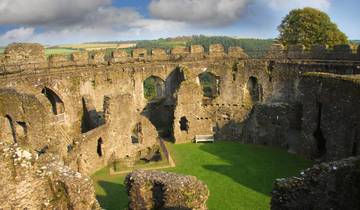
7 days
Walking in Cornwall
- ✓ Comprehensive Cornwall tour
- ✓ Expert local guides included
- ✓ All accommodation arranged
- ✓ Transportation provided
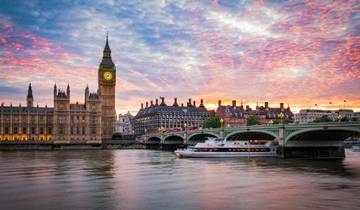
8 days
Corners of Cornwall
- ✓ Comprehensive Cornwall tour
- ✓ Expert local guides included
- ✓ All accommodation arranged
- ✓ Transportation provided
Multi-day tour packages powered by TourRadar. Prices and availability subject to change.
Introduction: Cornwall’s Dual Appeal for Art Lovers and Photographers in 2026
Few destinations in Britain offer what Cornwall does: a serious gallery scene rooted in more than a century of artistic practice, set inside a landscape that has defined how British painters and photographers imagine the sea. The two threads are not separate. Tate St Ives exists partly because of the extraordinary quality of light that falls on Porthmeor Beach; Barbara Hepworth chose this peninsula because the land and the water shaped her sense of form; the Newlyn School chose Newlyn and Penzance in the 1880s because the fishing quays and the particular silver of the Atlantic provided subject matter that could not be found elsewhere in England. In 2026, the same conditions that drove artists to Cornwall still hold — and are still producing world-class work.
Visitors combining gallery visits with landscape photography in 2026 will find a cultural ecosystem that has grown considerably more organised and more accessible since the 2017 expansion of Tate St Ives. The Cornwall Museum & Art Gallery in Truro completed a major transformation of its ground-floor galleries, reopening the Heart of Cornwall gallery to great acclaim. The National Maritime Museum Cornwall in Falmouth has continued its programming of major exhibitions alongside its permanent collection of small boats and maritime objects. Penlee House in Penzance remains the pre-eminent public gallery for Newlyn School works, while the Newlyn Art Gallery and The Exchange in Penzance sustain an ambitious contemporary programme that has become one of the most admired in the South West. Independent gallery culture is equally lively: St Ives alone contains several dozen commercial and artist-run spaces, most free to enter.
Photography conditions in Cornwall in 2026 are unchanged from what has always drawn landscape photographers to the peninsula. The South West Coast Path — 630 miles in total, of which Cornwall accounts for the majority — provides free access to some of the most dramatic coastal scenery in Northern Europe. Cliffs at Botallack, coves on the Lizard, the granite headlands of West Penwith, and the moor landscapes of Bodmin are all reachable on foot or by a short drive. The key practical shifts for photographers in 2026 concern drone regulations, which have tightened, and visitor numbers at the most popular sites, which have grown sufficiently to require early arrivals at Kynance Cove and the Minack Theatre to avoid congestion in prime light windows.
This guide is structured to serve two slightly different visitor types: those who plan a primarily gallery-focused itinerary and slot photography into early mornings and late afternoons; and those who prioritise landscape photography and treat the gallery visits as valuable indoor alternatives on wet days or midday hours when the light is flat. For both, the cost framework, venue-by-venue operational detail, and route suggestions that follow should allow confident planning before arriving in Cornwall.
St Ives: Cornwall’s Art Capital in 2026
St Ives has been a serious centre of British art since the late nineteenth century, but its international profile owes most to the mid-twentieth century generation — Barbara Hepworth, Ben Nicholson, Naum Gabo, Peter Lanyon, Patrick Heron — who gathered here from the late 1930s onward and produced work that placed a small Cornish fishing town on the same map as Paris and New York. In 2026, St Ives remains the starting point for any serious cultural itinerary in Cornwall, home to two of England’s most important publicly accessible art spaces.
Tate St Ives in 2026
Tate St Ives occupies a building designed by Eldred Evans and David Shalev, opened in 1993 on the site of a former gasworks overlooking Porthmeor Beach, and expanded significantly in 2017. The expansion doubled the gallery space, adding a dramatic rooftop terrace and improved the relationship between the internal galleries and the Atlantic view that has always been the building’s most powerful context. In 2026, adult admission is £14 without voluntary donation, £15.50 with — and both function as annual passes allowing unlimited return visits for twelve months. Under-18s enter free. Concession tickets (students, over-60s, visitors with disabilities) cost £13. Check the official Tate website for current rates, as pricing may vary with individual exhibitions.
Opening hours in 2026 follow the established Tate St Ives seasonal pattern: Monday to Sunday, 10am to 5:20pm (last admission 5pm) from March through October, shifting to Tuesday to Sunday, 10am to 4:20pm (last admission 4pm) from November through February. The gallery is closed 24 to 26 December. Tate Members enter free and do not need to book; Cornwall residents can purchase a Locals’ Pass for £10 providing unlimited annual access to both Tate St Ives and the Barbara Hepworth Museum.
The exhibition programme changes regularly and is worth checking on the Tate website before visiting. The permanent displays present works from the Tate collection associated with the St Ives movement — Hepworth sculptures, canvases by Peter Lanyon and Patrick Heron whose stained-glass window greets visitors in the entrance hall — alongside changing temporary exhibitions of modern and contemporary art from both British and international artists. Advance booking is recommended for individual exhibitions, particularly during July and August, though the collections displays are generally available on a walk-in basis. A limited number of day tickets are available at the admissions desk for those who have not pre-booked.
Barbara Hepworth Museum and Sculpture Garden in 2026
The Barbara Hepworth Museum and Sculpture Garden at Trewyn Studio in St Ives occupies the actual home, studio, and garden where Hepworth lived and worked from 1949 until her death in 1975. It is managed by Tate and holds the largest single-site collection of her work. The garden — subtropical, intimate, and largely unchanged since Hepworth’s residency — presents her larger bronze and stone sculptures in the setting for which they were designed, while the indoor spaces contain her archive of smaller works, drawings, and studio tools. The experience of the garden is singular: these are not gallery objects placed outdoors, but works conceived for this specific place and light.
In 2026, adult admission is £10 without voluntary donation, £11 with donation, functioning as an annual pass. Concession admission is £9 without donation. Under-18s enter free. Tate Members and Locals’ Pass holders enter free at both sites. The Barbara Hepworth Museum requires a separate ticket from Tate St Ives, so a visitor attending both venues in one day will pay £24 in total (£14 at Tate + £10 at Hepworth). Tickets are limited and advance booking is strongly recommended, particularly from June through September. Opening hours mirror those of Tate St Ives. Check the official Tate website for current rates before visiting.
For photographers, the garden warrants particular attention. The light on the bronzes shifts throughout the day, and the late afternoon window — from around 3:30pm in summer — produces the warmest colour rendering on the patinated surfaces. Non-commercial photography by visitors is permitted in the garden; always confirm current policy with staff on arrival, as this can vary with exhibitions.
The Broader St Ives Gallery Scene in 2026
St Ives beyond the two Tate venues contains a dense network of independent and commercial galleries, most operating on a free-entry basis. The Penwith Gallery on Back Road West, run by a membership organisation founded in part by Hepworth herself in 1949, shows contemporary work by regional artists. The Wills Lane Gallery and the Salthouse Gallery both hold strong reputations for contemporary painting and ceramics, and are free to enter. The Bernard Leach Pottery museum on the Stennack charges a small admission to visit the working pottery and archive associated with the Japanese-inspired studio pottery tradition Leach established in 1920.
Walking the narrow lanes of Downalong — St Ives’s oldest quarter — from Tate St Ives toward the harbour provides a natural gallery-hopping circuit that costs nothing and takes visitors past studios, print workshops, and gallery windows displaying a cross-section of contemporary Cornish artistic practice. The harbour area around Smeaton’s Pier is also one of the best street photography locations in Cornwall, particularly at dawn when the fishing boats are out and the reflections of the pastel-painted fishermen’s cottages lie undisturbed in the basin.
Falmouth’s Cultural Waterfront in 2026
Falmouth is Cornwall’s second major cultural destination, its identity shaped by the deep natural harbour that made it one of Britain’s foremost maritime hubs from the seventeenth century onward and more recently by the presence of Falmouth University, which has made it a productive base for contemporary visual arts. The two flagship public venues — the National Maritime Museum Cornwall and Falmouth Art Gallery — are very different institutions but equally worth dedicating time to.
National Maritime Museum Cornwall in 2026
The National Maritime Museum Cornwall occupies a purpose-built harbourside building on Discovery Quay in Falmouth and houses fifteen galleries across five floors. It is an independent charity, and admission in 2026 is priced accordingly: adults £19, students £12, children under 18 £10, children under 5 free. These prices function as annual passes valid for twelve months from the date of first visit, and online booking in advance saves 10% off the standard admission price. A Twilight Ticket — available from 3pm until closing — costs £12 for adults and £6 for under-18s, valid for a single visit only.
The museum is open every day from 10am to 5pm, year-round, closing only on Christmas Eve, Christmas Day, and Boxing Day. The collection centres on the National Small Boat Collection, which presents examples of working and leisure craft from across Britain and the world — sail, row, and engine — in a dramatic suspended display in the Boat Hall. The Tidal Zone on the lowest floor has a reinforced window into the harbour itself, best visited at high tide when marine activity is visible; at low tide the view is of mud and algae. Checking a local Falmouth tide chart before visiting ensures you time the Tidal Zone effectively. The museum’s Waterside Café has harbour views that are among the best in Falmouth, providing a natural mid-visit stop.
For photographers, the museum building is itself a strong subject. The exterior seen from the waterfront, with the working harbour at its base, makes a solid architectural composition in morning light from the eastern quay. The Boat Hall interior, with its suspended fleet catching the light from the skylights, rewards a wide-angle lens and a slow shutter speed.
Falmouth Art Gallery in 2026
Falmouth Art Gallery occupies the upper floor of the Municipal Building on The Moor in the town centre and has been entirely free to enter since its founding. Opening hours are Monday to Saturday, 10am to 5pm. The permanent collection of over 2,000 works includes paintings by Thomas Gainsborough, J.M.W. Turner, John William Waterhouse (whose The Lady of Shalott is the gallery’s most recognised work), Laura Knight, Alfred Munnings, and Henry Scott Tuke, alongside a substantial collection of Pre-Raphaelite works. A dedicated archive of children’s book illustration, part of the collection gifted by Alfred de Pass, is a notable distinction. The exhibition programme rotates regularly — check the gallery’s website before visiting for current displays.
The combination of a genuinely significant permanent collection offered at no cost makes Falmouth Art Gallery one of the most straightforward decisions on a Cornwall cultural itinerary: if you are in Falmouth for any reason, it costs nothing to add an hour here. The building has full wheelchair and pushchair access via the Webber Street entrance.
Independent Galleries and the Poly in 2026
The Royal Cornwall Polytechnic Society — known locally as The Poly — on Church Street in Falmouth is a multi-disciplinary arts venue in a building that has operated as a cultural hub since 1833. It hosts gallery shows, cinema screenings, live music, and community events, with varying admission costs depending on the programme. Gallery admission is generally free. Falmouth’s waterfront and its surrounding streets also contain numerous independent commercial galleries reflecting the output of Falmouth University students and graduates, many of them operating on a free-entry basis. The Creative Hub at Jubilee Wharf hosts a cluster of studios and small galleries particularly active during Falmouth’s regular open studio events.
Penzance, Newlyn, and the West Penwith Art Trail 2026
The five kilometres of coast and promenade between Penzance and Newlyn constitute one of the richest art trails in England per unit of distance. Penlee House in Penzance holds the finest public collection of Newlyn School paintings outside London; the Newlyn Art Gallery and its sister venue The Exchange present the most ambitious contemporary programme in West Cornwall; and the town of Newlyn itself has been an active artists’ community since the 1880s, a tradition that continues in the studios, workshops, and print rooms that occupy converted fishing buildings along the quayside.
Penlee House Gallery & Museum in 2026
Penlee House occupies an 1865 Victorian building set in Penlee Park, a short walk from Penzance town centre. It is the only public gallery in Cornwall specialising in the art of West Cornwall, with an outstanding permanent collection of Newlyn School and Lamorna Group paintings from the 1880s through the 1940s. Works by Stanhope Forbes, Walter Langley, Norman Garstin, Elizabeth Forbes, Harold Harvey, Frank Bramley, and Lamorna Birch are held in depth — these are artists whose practice of plein-air realism in the fishing communities of the far west created a body of work that has only grown in critical standing since their deaths. The social history museum collections occupy the upper floors and cover over 6,000 years of West Cornwall history from the Mesolithic through the twentieth century.
Adult admission is £8 in 2026 (check the official Penlee House website for current rates, as seasonal or temporary VAT-related adjustments may apply). Children under 18 enter free. Young people aged 18 to 26 pay £3.50. The Penzance Pass offers free year-round entry for residents within the Penzance parish (Penzance, Gulval, Heamoor, Mousehole, Newlyn, and Paul). Art Fund members enter at half price. The gallery is open Monday to Saturday, including bank holidays. The Orangery Café in the park gardens is a popular stop with residents and visitors alike.
Penlee House operates an active temporary exhibition programme, with new exhibitions mounted every two to three months. During installation periods — typically lasting one week — some or all of the galleries close. Always check the website before making a special journey, particularly during April when the spring installation typically takes place. The permanent collection rooms upstairs are accessible free of charge during installation periods.
Newlyn Art Gallery & The Exchange in 2026
Newlyn Art Gallery and The Exchange are two linked venues under a single organisational umbrella, run as an educational charity. Newlyn Art Gallery sits on New Road in Newlyn, a five-minute walk from the harbour; The Exchange occupies a glass-fronted building on Princes Street in Penzance town centre. Both show changing contemporary art exhibitions — regional, national, and international — with a programme that has become one of the most respected in the South West for its ambition and its engagement with living artists working in progressive modes. Cafés at both venues serve morning coffee, light lunches, and afternoon snacks; shops at both carry books, ceramics, and art editions.
The Standard Pass in 2026 costs £4.50 and covers unlimited entry to exhibitions at both venues for a full year from the chosen start date. Under-18s and students enter free. A Penwith Pass is available to residents of postcodes TR17–TR20, TR26, and TR27 at a reduced rate. National Art Pass holders receive 50% off standard admission. Both venues are open daily 10am to 5pm. Cashless payment is in operation at both sites; bring card or mobile payment. Dogs are welcome at most areas of both buildings.
The Newlyn gallery in particular holds a distinctive place in the art history of the region: founded in 1895 — during the height of the Newlyn School — it was one of the first purpose-built public galleries in the South West, and its recent programming has deliberately connected to that legacy while also hosting work of an entirely different character. For visitors to the Penlee House collection of historical Newlyn School work, a combined visit to Newlyn Art Gallery’s contemporary programme on the same day creates a productive comparison across 130 years of artistic response to the same coastal environment.
Truro: Cornwall Museum & Art Gallery 2026
The Cornwall Museum & Art Gallery — formerly the Royal Cornwall Museum, renamed in 2024 to better reflect its expanded art holdings — sits on River Street in the centre of Truro, a ten-minute walk from the train station. It is the county’s oldest museum (founded 1818) and its most comprehensive, housing over a million objects across five newly refurbished galleries. The Heart of Cornwall gallery on the ground floor is the major new display, using immersive technology and layered object-based interpretation to trace Cornish identity through archaeology, geology, migration, and industry. The Mineral Gallery presents one of the finest collections of Cornish minerals in existence — specimens of tin, copper, tourmaline, fluorite, and bismuthinite reflecting the extraordinary geological variety produced by the granitic intrusions that underpin the county’s mining landscape. The Nature Gallery offers a playful journey through Cornwall’s wildlife and ecosystems, and the Art Gallery upstairs showcases a nationally significant collection including works by Newlyn School artists, St Ives modernists, and other figures connected to the county across British and European art history.
Adult admission in 2026 is £10, which includes an annual pass giving unlimited return visits for the year. Under-18s enter free. Carers enter free. The museum is open 10am to 4pm daily from 31 March to 3 November 2026 (seven days a week during this window), with modified winter hours; check the official website for details beyond November. The building has a wheelchair-accessible ramp and lift, baby changing facilities, and unisex accessible toilets. There is no dedicated car park, but multiple public car parks are within ten minutes’ walk; the Truro Park & Ride service stops directly outside the museum.
Truro Cathedral, immediately adjacent, is freely accessible and warrants a visit alongside the museum — particularly for architectural photography, as the triple spires of the late Victorian Gothic building create strong vertical compositions from several vantage points in the city centre. The independent gallery scene in Truro is smaller than St Ives or Falmouth but includes several commercial spaces on Lemon Street and in the lanes around the cathedral worth investigating on a walking circuit from the museum.
Photography Locations Along the West Cornwall Coast 2026
West Cornwall between St Ives and Land’s End, and along the Lizard Peninsula to the south, delivers the highest concentration of iconic Cornish photography subjects per kilometre. Most sites are reached from the South West Coast Path and carry no access charge beyond National Trust car parking fees (typically £3–6 per day at staffed car parks). The practical notes below cover access, optimal timing, and what each location actually rewards in terms of photographic approach.
St Ives Harbour and Porthmeor Beach
St Ives harbour is at its quietest and most photogenic between 5am and 7am in summer, before fishing activity and tourist foot traffic begin. The reflection of the harbour’s pastel-painted buildings in the still basin at high tide, with Godrevy Lighthouse visible on the horizon in clear conditions, is the classic composition. A telephoto lens isolates the lighthouse against the sea from the elevated position at the base of the Island headland. Porthmeor Beach, on the north-facing Atlantic side, receives the full force of westerly swells and photographs dramatically in late afternoon light during autumn and winter; in summer, swimmers and surfers provide a photogenic foreground for longer exposures of the breaking waves. The beach is freely accessible year-round.
Kynance Cove and the Lizard Peninsula
Kynance Cove, managed by the National Trust on the western edge of the Lizard Peninsula, is among the most photographed coves in England — and for good reason. The combination of white-sand beaches, serpentine rock stacks in shades of red and green, and turquoise water in calm conditions produces a palette unlike anything else in Britain. The cove is best photographed at mid to low tide when the rock formations and the sandy channel between them are exposed; at high tide most of the photogenic foreground material disappears below water. The cliff path above the cove provides elevated compositions that include the complete bay and Gull Rock in the distance. Access to the cove requires a walk of approximately fifteen minutes from the National Trust car park, which charges from around £4 per day; check the National Trust website for current rates. Early arrival in summer (before 9am) is essential to avoid crowds in the prime light window.
Botallack and the Tin Mining Heritage Coast
Botallack, in the parish of St Just on the north-western tip of the West Penwith peninsula, holds the most dramatically positioned engine houses in Cornwall. The Crowns engine houses — one perched directly on a sea cliff ledge, the other on the rocks below — are part of the Cornwall and West Devon Mining Landscape UNESCO World Heritage Site, inscribed in 2006. They are accessible via the South West Coast Path and a short descent from the car park in Botallack village, entirely free of charge. The site photographs best at sunrise from October through March, when the low sun rakes across the granite faces of the buildings and the sea beyond. Thrift (sea pink) covers the cliff top from late April through June, adding a foreground colour element to wide-angle compositions. Caution is essential: the cliff edge is unguarded and the terrain is uneven. The nearby Towanroath engine house at Wheal Coates, another part of the World Heritage Site, is similarly accessible from the coast path and similarly free.
Land’s End and West Penwith Headlands
Land’s End, the southwesternmost point of the British mainland, is a commercialised site with a visitor attraction charging for car parking (free access on foot or by bus), but the real photography interest lies in the surrounding headland terrain rather than the branded visitor centre. Walking south from Land’s End along the coast path toward Nanjizal Beach — approximately one kilometre — takes visitors away from the crowds to a secluded cove with a distinctive natural arch and sea stack that reward wide-angle photography at low tide. Sennen Beach, a kilometre north of Land’s End, is a crescent of Atlantic-facing sand with consistent surf year-round; the Coastguard Lookout at the southern end of the beach provides elevated views across the bay and toward the Brisons sea stacks. Cape Cornwall, a few kilometres north, is a headland capped by a chimney stack from a former mine and freely accessible from a small car park; it photographs particularly well from the sea at any state of tide, and from the coast path at sunset.
North Cornwall Photography Spots 2026
The north coast of Cornwall, from St Agnes northward through Newquay, Padstow, and Wadebridge to Tintagel and Boscastle, offers a different visual character from the far west — broader bays, more Atlantic swell, and a combination of dramatic headlands and long surf beaches. Photographers willing to drive beyond the St Ives area will find equally strong material with significantly fewer visitors at most locations outside peak summer weeks.
Bedruthan Steps and Chapel Porth
Bedruthan Steps, managed by the National Trust near Mawgan Porth, is a series of enormous sea stacks rising from a long beach exposed at low tide and inaccessible at high tide. The cliff-top viewpoint is freely accessible (the access staircase to the beach is sometimes closed for safety reasons; check the National Trust website before visiting). Wide-angle photography from the clifftop at low tide produces the classic composition of the stacks receding into the distant headland. Chapel Porth, a few kilometres south near St Agnes, is a National Trust beach accessed via a narrow valley from a car park (£3–5 per day). Towanroath engine house is visible from the beach and the surrounding cliff path, and Chapel Porth beach itself photographs particularly well in autumn when storm swell generates breaking waves around the large foreground rocks.
Tintagel and Boscastle
Tintagel Castle, associated by medieval tradition with the legend of King Arthur, sits on a headland above the Atlantic with a dramatically eroded outline that photographs well from the beach below or from the accessible footpath on the opposite side of the cove. English Heritage manages the site and charges admission for access to the castle itself; the surrounding cliff top views and the beach are freely accessible from the coast path. The new footbridge connecting the two castle portions is a modern architectural feature that has attracted mixed critical responses but provides a photogenic foreground in its own right. The village of Boscastle, a few kilometres east, has a natural harbour enclosed by high cliffs that produces dramatic compositions in any weather, and the National Trust visitor centre there is free to use. Both locations are best visited outside the July-August peak when the single-track access roads are manageable.
Bodmin Moor
Bodmin Moor is the least-visited of Cornwall’s three main photographic landscapes and arguably the most rewarding in winter and early spring. Rough Tor — the second-highest point in Cornwall at 400 metres — and Brown Willy (the highest) are reachable by footpath from a car park at Camelford and involve a walk of several kilometres across open moorland. The granite tors photograph well at dawn when low mist often sits in the river valleys below, creating isolated islands of rock above the cloud. The Hurlers stone circles on Bodmin Moor, Bronze Age monuments freely accessible from the car park at Minions village, offer landscape compositions combining prehistoric standing stones with the open moor and the industrial remains of the Caradon Hill copper mining area. Dozmary Pool, associated by tradition with the legend of Excalibur, is freely accessible from the road and reflects the sky cleanly in calm conditions.
Practical Photography Tips for Cornwall in 2026
Technical preparation makes the difference between a good Cornwall photography trip and an excellent one. The specific conditions of the peninsula — unpredictable weather, fast-changing tide states, strong Atlantic light — require specific responses that differ from many other British landscapes.
Golden Hour and Light Conditions in Cornwall 2026
Cornwall’s western position in the UK timezone means golden hour arrives later in the evening than equivalent latitudes further east. In midsummer, sunset occurs after 9pm, providing extended warm-light windows in the evening but challenging logistics for photographers who also want to spend daylight hours in galleries. The practical solution is to schedule gallery visits between 10am and 4pm — when midday light is flattest for outdoor photography anyway — and commit to being on location at a coastal site for the hour before sunset. Sunrise photography on the north and west coasts rewards early commitment: summer sunrises before 5:30am. In autumn and winter, the sunrise and sunset windows are more civilised (around 7:30am and 5pm in October), and the lower angle of the sun produces stronger shadows and warmer colour rendering on the granite and engine house stonework that defines much of the Cornish mining heritage landscape. The silver quality of overcast light, common throughout autumn and winter, is particularly effective for photographing the pale serpentine rocks of the Lizard and the dark-sand beaches of the far west.
Tide Times and Coastal Safety in 2026
Several of Cornwall’s most photogenic locations are fundamentally tide-dependent. Kynance Cove beach disappears at high tide; Bedruthan Steps beach is inaccessible at high tide and can be dangerous during the incoming; Godrevy’s rocky beach photographing foreground requires mid-to-high tide for waves to break dramatically. The free BBC Weather tide times service, the Magic Seaweed mobile app, and the UK Hydrographic Office tide tables all give accurate times for specific Cornish locations. The important rule: always check the incoming tide time before descending to any beach that requires retracing the same path, as Cornwall’s rocky coastline has no gradual shoreline in many places. The South West Coast Path Association and the National Trust both post seasonal safety notices at the access points for high-risk sites.
Drone Photography Regulations in Cornwall in 2026
Drone photography in Cornwall is governed by the Civil Aviation Authority Drone and Model Aircraft Registration and Education Scheme regulations. The relevant rules for 2026: operators of drones under 250g in weight in the Open Category (A1 subcategory) can fly over uninvolved people but must remain below 120 metres and within visual line of sight. Heavier drones require specific subcategory authorisation and greater distances from people and buildings. Several key Cornwall photography sites fall within or adjacent to flight restriction zones: the area around Newquay Airport and the Royal Naval Air Station Culdrose near Helston both generate significant restricted areas that extend into surrounding countryside; always check the NATS drone app or CAA’s Drone Assist application before flying. Many National Trust sites and English Heritage properties — including Botallack and Tintagel — have specific ground-level policies on drone operation; confirm with site staff before deploying any equipment. The St Ives town centre and harbour area, given its density of buildings and foot traffic, is not suitable for drone operation under standard Open Category rules.
Gallery Hopping Routes 2026
Cornwall’s cultural geography makes linear routes between galleries practical and logical. The three routes below are each achievable in a single day and designed around driving distances and opening hours in 2026.
Route 1: The St Ives Art Day. Begin at Tate St Ives at 10am, allowing ninety minutes for the collection displays and current exhibitions. Walk five minutes uphill through the Back Road West gallery strip to the Barbara Hepworth Museum and Sculpture Garden, arriving for a timed slot (book at least a day in advance); allow sixty to ninety minutes. Return through the Downalong gallery lanes to the harbour for lunch, then spend the afternoon browsing the Penwith Gallery, the Wills Lane Gallery, and studios. This route costs £24 in admissions across both Tate venues, plus any independent gallery purchases. Total driving: none — the entire route is on foot within St Ives.
Route 2: The West Penwith Art and Culture Day. Begin at Penlee House Gallery & Museum in Penzance at 10am (£8 admission). Drive or walk the promenade to Newlyn (ten minutes) for a visit to Newlyn Art Gallery (£4.50 annual pass). Continue to The Exchange in Penzance for the afternoon programme. The three venues span three centuries of artistic practice in the same fifteen-kilometre stretch of coast. Total admissions: approximately £13 per person. Allow five to six hours in total, with lunch at one of the gallery cafés.
Route 3: The Falmouth-Truro Cultural Circuit. Begin at Falmouth Art Gallery at 10am (free). Walk five minutes along The Moor to the nearby independent galleries. Drive to the National Maritime Museum Cornwall on Discovery Quay (£19 adult; book online for 10% off), allowing two to three hours including the Boat Hall and the Tidal Zone. Drive 25 minutes to Truro for an afternoon visit to Cornwall Museum & Art Gallery (£10 adult). Return to Falmouth via the B3292 through the Fal valley. Total admissions: £29 per person (more if National Maritime Museum ticket is booked on the day without the online discount).
Complete Budget Guide for Museum and Gallery Visitors in 2026
The calculations below assume two people sharing accommodation (hotel rates divided by two before being added to per-person expenses) and represent full-day costs including gallery admissions, meals, and transport. All arithmetic has been verified; no formulas appear in the text.
Budget Travelers in 2026
Budget travelers in Cornwall focusing on cultural visits can structure an excellent itinerary around the free and near-free venues. A day at Falmouth Art Gallery (free), the Newlyn Art Gallery and The Exchange (£4.50 standard annual pass covering both), and the South West Coast Path costs essentially nothing in admissions. Budget accommodation in Cornwall in 2026 ranges from £60 to £90 per room in hostels, budget B&Bs, and off-peak self-catering; per person cost for two sharing sits at £30–45. Meals at local pubs and cafés run £30–45 per person for three meals including drinks. Local bus services — the First Kernow bus network covers most major routes between towns — cost £2–4 per single journey; a day explorer ticket covering all First Kernow buses is available and worth investigating for multi-stop days. Total daily cost for budget travelers: accommodation £30–45, meals £30–45, transport £5–10, gallery admissions £0–5. The verified per-person daily total for a budget cultural visit is £70–115 per person (two sharing budget accommodation). This range covers both free-gallery days at the low end and days adding one paid venue such as Cornwall Museum & Art Gallery at the high end.
Mid-Range Costs in 2026
Mid-range travelers staying in mid-range hotels or quality B&Bs in St Ives, Falmouth, or Penzance will find room rates ranging from £110 to £160 per night in 2026 for standard double rooms in well-regarded properties. Per person (two sharing), accommodation runs £55–80. Restaurant meals — one café breakfast, one pub or café lunch, one sit-down dinner — run £55–90 per person. A car, which most mid-range visitors will use for flexibility, costs £10–18 per day in local parking and fuel for a Cornwall-scale itinerary. Admissions for a mid-range art day combining Tate St Ives (£14) and Penlee House (£8) run £22 per person; for the Falmouth circuit, the National Maritime Museum (£17 online) and the free Falmouth Art Gallery run £17 per person. The verified per-person daily total for mid-range cultural visitors is £140–210 per person (two sharing mid-range accommodation). This covers the full range from a lighter programme day at the lower end to a full day combining two paid venues with quality restaurant dining at the higher end.
Luxury Visits in 2026
Luxury accommodation in Cornwall in 2026 — boutique hotels in Carbis Bay, Porthminster Beach Hotel, the Scarlet near Newquay, and similar properties — runs from £220 to £350 or more per room per night in peak season, £175–280 in shoulder season. Per person (two sharing): £110–175 for accommodation. Fine-dining restaurants in St Ives and Falmouth run £80–120 per person for three courses with wine at dinner; add £20–30 for breakfast and £30–45 for a restaurant lunch. Car hire for flexibility costs £25–40 per day. Premium-experience admissions — including a castle and garden ticket at St Michael’s Mount (£32 advance) and the National Maritime Museum (£19) — run £35–55 per person for a full cultural day. The verified per-person daily total for luxury visitors is £285–445 per person (two sharing a luxury property). A luxury week in Cornwall at these rates — seven days with two at peak premium levels and five at the mid-luxury range — runs approximately £2,000–3,115 per person.
Getting Around Cornwall for Museums and Galleries in 2026
Cornwall’s geography rewards careful transport planning. The county is long and narrow, and the distances between the major cultural clusters — St Ives to Falmouth, for instance, or Falmouth to Truro — are manageable by car (approximately 40 minutes and 25 minutes respectively) but more complex by public transport, which requires changes at Penzance or Truro on several routes.
By rail, the branch line from St Erth to St Ives is one of the most scenic in England, running along the shore of the Hayle estuary with views across to Godrevy Lighthouse. It operates year-round and provides the most relaxed arrival into St Ives, avoiding the car park pressures that beset drivers in summer. Truro is on the main Great Western Railway line from London Paddington and connects to Falmouth via the Maritime Line branch — one of the few rail routes in the world that terminates at a working harbour. The Falmouth Maritime Line runs approximately every hour and covers the Falmouth Town and Falmouth Docks stations, both within walking distance of the art gallery and the maritime museum respectively.
First Kernow buses connect Penzance, Newlyn, St Ives, Truro, Falmouth, and most other cultural sites in Cornwall, though journey times are longer and connections require some planning. The First Kernow website and the Traveline South West app both provide accurate route and timetable information for 2026. Cycling is feasible between Truro and Falmouth via the Bissoe Valley Trail (a disused mineral tramway route now maintained as a cycle path), and from St Ives toward Hayle along part of the Bay Cycle Way, but the majority of inter-town distances in Cornwall are too long for comfortable cycling without specific touring preparation.
Parking in St Ives itself is limited and expensive; the Lelant Saltings park-and-ride in summer is the recommended approach for most visitors arriving by car, combining a scenic rail leg with the avoidance of St Ives’s narrow streets. In Falmouth, several car parks within ten minutes’ walk of the maritime museum and art gallery are available. Truro’s city centre car parks are close to Cornwall Museum & Art Gallery; the Truro Park & Ride stops directly outside the museum entrance.
Money-Saving Tips for Cornwall Museums in 2026
Several structural ways to reduce costs on a Cornwall cultural visit in 2026 are worth knowing before planning your itinerary. The annual-pass model used by Tate St Ives, the Barbara Hepworth Museum, the National Maritime Museum Cornwall, and Cornwall Museum & Art Gallery means that anyone who visits twice in a twelve-month period effectively halves their per-visit cost. For a return visitor or a resident who will visit once more within the year, this makes the admission prices genuinely competitive.
The Art Fund National Art Pass gives 50% off admission at Newlyn Art Gallery & The Exchange and similarly discounted or free entry at many other cultural venues nationally, including several in Cornwall. At £74 per year for individuals (2025 price; check the Art Fund website for 2026 rates), the pass repays itself quickly on a dedicated gallery-visiting itinerary, and it also covers free entry at London’s major museums. Art Fund members also gain access to the National Art Pass digital magazine and advance notice of exhibitions.
The National Trust membership repays itself rapidly on a Cornwall visit if you are planning to visit multiple car parks (many of the best photography sites charge for parking), National Trust gardens such as Trebah or Glendurgan, and sites such as Godrevy or Bedruthan Steps where parking is the main cost. National Trust membership does not cover Tate St Ives or the National Maritime Museum Cornwall, which are independent institutions. English Heritage membership covers Tintagel Castle and Pendennis Castle.
Twilight Tickets at the National Maritime Museum Cornwall — valid from 3pm at £12 adult rather than the standard £19 — offer a significant saving for visitors who are content with a shorter afternoon visit rather than a full day. This is particularly useful combined with a morning at the free Falmouth Art Gallery, making a well-rounded Falmouth cultural day achievable for £12 in admissions per person. Pre-booking the Minack Theatre visit online (£12 advance versus £14 on the door) saves £2 per person and guarantees entry during the summer months when walk-in slots regularly sell out. Advance booking at St Michael’s Mount (castle and garden £32 versus £37 on the day) saves £5 per adult.
Local passes for residents of specific areas — Tate’s Locals’ Pass for Cornwall residents at £10, Penlee’s Penzance Pass, St Michael’s Mount Locals’ Pass for local parishes — are worth investigating for anyone with a second home, long-term rental, or extended stay in the relevant areas. These are significant savings over the standard admission prices and are straightforward to obtain on a first visit with proof of local address.
Frequently Asked Questions
What are the must-visit museums in Cornwall in 2026?
The five museums and galleries most frequently cited as essential in 2026 are Tate St Ives (adult £14), the Barbara Hepworth Museum and Sculpture Garden (adult £10), the National Maritime Museum Cornwall in Falmouth (adult £19), Penlee House Gallery & Museum in Penzance (adult £8), and Cornwall Museum & Art Gallery in Truro (adult £10). All five are significantly different in character — the Tate for modern British art, the Hepworth for an intimate preserved studio experience, the Maritime Museum for an exceptional collection of boats and maritime heritage, Penlee House for the Newlyn School, and Cornwall Museum for a comprehensive introduction to Cornish natural history, archaeology, and art. The combined admission for all five, assuming one adult, is £61. A two-day itinerary can cover all five in a logical geographic sequence: St Ives and Penzance/Newlyn on day one, Falmouth and Truro on day two.
How much does it cost to visit Tate St Ives in 2026?
Adult admission to Tate St Ives in 2026 is £14 without voluntary donation, £15.50 with donation. Concession tickets (students, over-60s, people with disabilities) cost £13. Under-18s enter free. The admission price functions as an annual pass allowing unlimited return visits to both Tate St Ives and the Barbara Hepworth Museum and Sculpture Garden for twelve months — though visiting the Hepworth Museum requires a separate ticket (£10 adult). Tate Members enter free at all four Tate galleries. Cornwall residents can purchase an annual Locals’ Pass for £10 covering both St Ives Tate sites. Online booking is not required for general admission but is recommended for specific exhibitions, particularly between June and September. Advance booking incurs no booking fee. Always check the official Tate website for the most current pricing before your visit.
Are there free art galleries in Cornwall in 2026?
Yes — several of Cornwall’s art galleries are entirely free or near-free in 2026. Falmouth Art Gallery on The Moor in Falmouth is entirely free, Monday to Saturday 10am–5pm, holding over 2,000 works including significant pieces by Gainsborough, Turner, Waterhouse, and Tuke. Newlyn Art Gallery and The Exchange charge only £4.50 for a standard annual pass covering both venues for twelve months (under-18s and students free). The Bernard Leach Pottery in St Ives charges a modest museum admission for access to the archive and working pottery. The Penwith Gallery, the Wills Lane Gallery, the Saltbox Gallery in St Ives, and dozens of commercial galleries across Falmouth, Penzance, and Truro operate entirely on a free-entry basis. Many of Cornwall’s most rewarding art encounters in 2026 carry no admission charge at all — the gallery-per-metre ratio in the lanes of Downalong St Ives may be the highest of any equivalent area in England.
What is the best photography spot in Cornwall in 2026?
The answer varies by the type of photography and time of year. For iconic Cornish heritage imagery, Botallack’s Crowns engine houses on the West Penwith coast remain the single most powerful subject — freely accessible from the coast path, best at sunrise in winter. For coastal drama, Kynance Cove on the Lizard Peninsula at low tide in calm conditions combines serpentine rock formations with turquoise water in a palette unique to this site. For a combination of built and natural subjects, the Minack Theatre at Porthcurno (£12 advance admission) sets a remarkable cliff-carved amphitheatre against the open sea. For harbour and street photography, St Ives at dawn is without equal among English fishing towns. For moorland, Rough Tor and the Hurlers stone circles on Bodmin Moor in low mist are among the most atmospheric subjects in the South West. Each of these deserves dedicated time rather than a checklist visit — returning to the same location across different light and tide conditions consistently produces stronger results than covering many sites in a single day.
Do I need to book museum visits in advance in 2026?
Advance booking is required or strongly recommended at some Cornwall venues in 2026 and not needed at others. The Minack Theatre requires advance booking for visits — slots sell out during school holiday periods, and walk-in tickets at £14 are subject to availability. The Barbara Hepworth Museum and Sculpture Garden has limited capacity and is increasingly sold out in summer; advance booking is strongly recommended from May through September. Tate St Ives does not require advance booking for general admission but does recommend it for specific ticketed exhibitions. The National Maritime Museum Cornwall accepts walk-in visitors but offers online pre-booking with a 10% discount, making it worth doing in advance regardless of availability. Penlee House, Falmouth Art Gallery, Cornwall Museum & Art Gallery, and the Newlyn Art Gallery generally operate on a walk-in basis without time-slot booking.
Can I photograph inside Cornwall’s museums and galleries in 2026?
Policies vary by venue in 2026, and it is always worth confirming with staff on arrival. As a general rule: non-commercial, personal photography without flash is permitted in the Barbara Hepworth Sculpture Garden and in many of the permanent collection galleries at Tate St Ives, though specific exhibitions may restrict photography under the terms of the loan agreements for individual works. Falmouth Art Gallery permits non-commercial photography of its permanent collection. The National Maritime Museum Cornwall generally permits visitor photography in the galleries. Penlee House has mixed policies depending on the exhibition — permanent collection spaces generally allow photography, temporary exhibitions less often. Photography of outdoor sculptures and architecture at most sites is unrestricted. Commercial photography — any photography intended for advertising, editorial sale, or product use — requires separate written permission from all venues, and commercial film or video shoots require a formal location agreement, typically with a fee.
What is the best time of year to visit Cornwall’s museums in 2026?
For gallery visits specifically, the ideal periods are late April through June and September through October. In April and May, galleries operate their full exhibition programmes, crowds are manageable, and the landscape is at its most photogenic (wildflowers, clear air, low golden light). June brings longer days but increasing visitor numbers. July and August are the peak months: all venues operate full hours, but St Ives in particular becomes extremely busy, parking is difficult, and the Minack Theatre visit slots sell out days in advance. September is the preferred month for many serious visitors — the exhibitions are still running, the crowds have diminished substantially after school term begins, accommodation prices fall, and the quality of autumn light for landscape photography is exceptional. Winter visits (November through February) suit those specifically interested in storm conditions for dramatic seascape photography; Tate St Ives and the Hepworth Museum shift to five-day opening from November, closing Mondays and Tuesdays.
What photography equipment do I need for Cornwall in 2026?
For landscape and coastal photography in Cornwall, a wide-angle lens (16–24mm equivalent on full frame) handles the sweeping bay compositions and close-in cliff photography that the coast path provides. A solid neutral density (ND) filter set — six-stop and ten-stop are the most useful — enables long exposures of moving water at coastal sites, creating the silky-water effect that distinguishes most professional Cornwall seascape work from snapshot photography. A sturdy tripod is essential for these exposures and for the low-light dawn compositions at Botallack and similar heritage sites. A weatherproof camera or cover is practical rather than optional: Cornwall’s coast is genuinely unpredictable and even sunny days produce sudden squalls. For the harbour and street photography in St Ives, a short telephoto or standard lens (50–85mm equivalent) allows detail extraction from fishing boats, net patterns, and façade textures without attracting the attention that large telephoto setups invite. Waterproof footwear and appropriate clothing for exposed coast walking are as important as any camera gear — cold, wet photographers do not make good decisions about composition or settings.
How do I combine a gallery visit with photography in Cornwall in 2026?
The most effective approach is to treat gallery visiting and landscape photography as temporally complementary rather than competing. Landscape photography in Cornwall produces its strongest results in the hour after sunrise and the hour before sunset — windows that do not overlap with gallery opening hours. This means a well-structured Cornwall photography-and-gallery day naturally divides into three segments: a pre-breakfast location shoot at dawn (coastal, heritage, or moor subject, 5:30–7:30am in summer, 7–9am in autumn); gallery visiting from 10am until around 4pm; and a return to a coastal location for the golden-hour and sunset window from around 7pm in summer or 4pm in autumn. The midday hours, when light is flattest and contrast highest for outdoor photography, are the natural gallery window. This rhythm also solves the parking problem in St Ives: arriving at the coast before 7am means returning to a gallery-adjacent car park or park-and-ride before the summer rush begins.
What is the Cornwall Mining Landscape World Heritage Site photography access in 2026?
The Cornwall and West Devon Mining Landscape UNESCO World Heritage Site, inscribed in 2006, covers ten separate areas across Cornwall and West Devon representing different aspects of the county’s eighteenth and nineteenth century mining industry. For photographers in 2026, the most accessible and rewarding sites within the World Heritage area are Botallack (Crown Mines and the wider St Just mining area, free access via the South West Coast Path), Wheal Coates near St Agnes (National Trust, free coast path access, car park fee approximately £3–5), and the Camborne-Redruth mining district including Pool’s industrial museum at the East Pool Mine (Heartlands, free admission to the outdoor site with charges for the winding engine house). Botallack is the most photographically concentrated of these sites, with the Coast Path linking several engine houses in a single two-kilometre walk. The World Heritage Site designation does not restrict photography — all sites remain freely accessible on public footpaths and open land, and the designation introduces no specific photography permits. Commercial photography or filming at National Trust-managed components of the site may require prior permission from the National Trust; check with the relevant property team for any paid usage.