
Corfu Budget Guide 2026: Complete Cost Breakdown
Corfu combines stunning Venetian architecture, crystal-clear Ionian beaches, and rich cultural heritage at prices significantly lower than popular Mediterranean destinations like Santorini or the French Riviera. Budget travelers spend €45-70 daily while mid-range visitors allocate €100-150 per person, with costs varying dramatically between shoulder season (May, September) and peak summer months (July, August).
Key Takeaways: Essential Budget Planning for Corfu 2026
- Seasonal price variation is extreme: Accommodation doubles in price between May and August, with shoulder season offering identical weather at 40-50% lower costs across all categories.
- Public transportation delivers exceptional value: Green and Blue buses connect the entire island for €1.10-8 per ride compared to taxis at €15-90 for equivalent routes.
- Accommodation location drastically impacts pricing: Hotels in Corfu Town cost €50-120 nightly versus €40-100 in coastal villages, while hostels start at €14-20 per bed year-round.
- Local tavernas offer authentic meals for €8-15 per person: Budget €20-30 daily for food when eating at traditional restaurants rather than tourist-oriented venues charging €15-25 per dish.
- Free attractions dominate Corfu’s offerings: Most beaches, hiking trails, historic villages, and several museums charge no entry fee, with paid attractions rarely exceeding €10.
- Self-catering reduces costs by 50-60%: Supermarket shopping (LIDL, local markets) costs €15-25 for multiple meals versus €20-30 per restaurant meal for two people.
People Also Ask About Corfu Budget 2026
How much money do I need per day in Corfu in 2026?
Daily budgets in Corfu range €45-70 for budget travelers, €100-150 for mid-range visitors, and €200-300+ for luxury experiences in 2026. Budget travelers staying in hostels (€14-20 per bed), eating at tavernas (€20-30 daily), using buses (€3-10 daily), and visiting free attractions spend €45-70 daily. Mid-range travelers in hotels (€50-80 per person in shared room), dining at varied restaurants (€40-60 daily), mixing buses and occasional taxis (€10-20 daily), and visiting paid attractions (€10-20 daily) allocate €100-150 daily. These figures exclude international flights but include accommodation, meals, local transport, and activities.
Is Corfu cheaper in 2026 than other Greek islands?
Corfu costs 30-40% less than Santorini or Mykonos in 2026 but prices similarly to Rhodes and Crete. Summer accommodation in Corfu averages €80-120 nightly for mid-range hotels compared to €150-250 in Santorini for equivalent quality. Restaurant meals cost €8-15 per person in Corfu tavernas versus €15-25 in Santorini tourist areas. Transportation expenses align closely with other large Greek islands, with local buses costing €1.10-8 per ride. Corfu’s advantage lies in authentic village dining options and free beach access, whereas Santorini’s caldera views command premium pricing across all categories.
What is the cheapest month to visit Corfu in 2026?
May and September offer the best value in Corfu during 2026, with accommodation prices 40-50% lower than July-August while maintaining excellent weather conditions. Mid-range hotels charging €120-150 nightly in August drop to €50-80 in May and September, with temperatures still reaching 24-28°C (75-82°F) and minimal rainfall. October and November provide even cheaper rates (additional 20-30% reduction) but face increased rain probability and some restaurant closures. January through March sees the lowest prices (€30-50 for hotels) but many seasonal businesses close and weather becomes unreliable for beach activities.
How much should I budget for food in Corfu per day in 2026?
Budget €20-30 daily for food when eating primarily at traditional tavernas, €40-60 for mixed dining experiences, or €10-15 when self-catering from supermarkets in Corfu during 2026. Budget approach: breakfast from bakery (€3-5), gyros or light lunch (€6-8), taverna dinner (€10-15). Mid-range approach: café breakfast (€6-10), restaurant lunch (€12-18), nicer restaurant dinner (€20-30). Supermarket self-catering: LIDL shopping provides breakfast items (€2-4 daily), sandwich ingredients (€3-5 daily), and dinner components (€5-8 daily). Alcohol adds €8-15 daily for budget beer/house wine or €20-40 for cocktails and premium drinks.
Extended multi-day tours – 5+ days
Featured Corfu Multi-Day Tour Packages

3 days
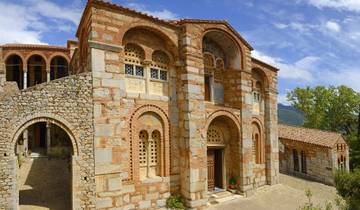
Meteora (Greece) & Albania; Semi – Private Tour with Dedicated Tour Leader & Car
- ✓ Comprehensive Corfu tour
- ✓ Expert local guides included
- ✓ All accommodation arranged
- ✓ Transportation provided
7 days
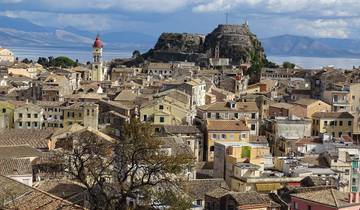
Peloponnese and Meteoras
- ✓ Comprehensive Corfu tour
- ✓ Expert local guides included
- ✓ All accommodation arranged
- ✓ Transportation provided
6 days
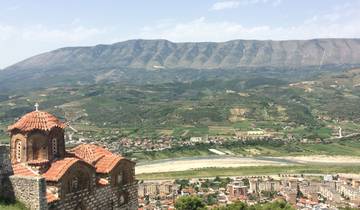
6-Day Private Greece Tour, UNESCO Sites, Culinary & Corfu Island
- ✓ Comprehensive Corfu tour
- ✓ Expert local guides included
- ✓ All accommodation arranged
- ✓ Transportation provided
7 days
Tirana to Corfu: Ancient Towns & the Albanian Riviera
- ✓ Comprehensive Corfu tour
- ✓ Expert local guides included
- ✓ All accommodation arranged
- ✓ Transportation provided
Multi-day tour packages powered by TourRadar. Prices and availability subject to change.
Introduction to Corfu Budget Planning 2026
Corfu distinguishes itself among Mediterranean destinations through its combination of UNESCO World Heritage architecture, pristine beaches, mountain villages, and moderate pricing that remains accessible to budget-conscious travelers in 2026. Unlike the celebrity-driven costs of Santorini or Mykonos, Corfu maintains authentic Greek island character with pricing structures that reward travelers who venture beyond Corfu Town’s tourist center, visit during shoulder seasons, and embrace local transportation networks.
The island’s budget landscape divides clearly between peak season intensity (July-August) when accommodation doubles in price and crowds maximize, versus shoulder season value (May, September) offering identical beach weather, functioning restaurants, and significantly reduced costs. Winter months (November-March) provide dramatic savings but sacrifice reliable weather and face widespread seasonal business closures. Strategic timing alone creates 40-60% cost variations without compromising the Corfu experience.
Geographic pricing patterns create additional opportunities for savings in 2026. Corfu Town charges premium rates for its Venetian architecture and UNESCO designation, while coastal villages like Sidari, Kavos, Paleokastritsa, and Benitses offer equivalent beach quality and restaurant authenticity at 20-40% lower costs. The trade-off involves longer bus rides into the capital but unlocks superior value for multi-day stays focused on beaches, hiking, and village exploration rather than urban sightseeing.
This comprehensive budget guide provides verified 2026 pricing across all expense categories – accommodation from hostels to hotels, food from supermarkets to seafood tavernas, transportation via buses and taxis, attractions from free beaches to museum entry fees, and activities from boat rentals to guided tours. Each section presents pricing in both euros and approximate US dollar equivalents, accounts for seasonal variations, and identifies money-saving strategies specific to Corfu’s unique characteristics.
Understanding Corfu’s Seasonal Pricing Structure in 2026
Corfu’s tourism economy operates on extreme seasonal pricing that creates dramatic cost variations throughout 2026, with accommodation prices doubling and restaurant capacity varying by 300% between winter and summer months. Understanding these patterns enables strategic planning that can reduce total trip costs by 40-60% without sacrificing weather quality or experience availability.
Peak Season Pricing (July-August 2026)
July and August represent maximum pricing across all categories in Corfu, with accommodation reaching annual peaks, restaurants fully operational but crowded, and beaches at capacity. Mid-range hotels charge €120-180 nightly compared to €50-80 in shoulder season for identical rooms. Budget hotels and hostels increase from €30-50 to €60-90 nightly. Restaurant prices remain relatively stable year-round, but table availability becomes problematic without reservations, and tourist-oriented venues dominate coastal areas.
Peak season advantages justify higher costs for some travelers. All restaurants, beach clubs, water sports operators, and tour companies operate at full capacity. Ferry connections to Albania and Paxos islands run daily with multiple departure times. Evening entertainment, beach parties, and cultural festivals concentrate in these months. Weather reliability reaches maximum with minimal rain probability and temperatures consistently 28-32°C (82-90°F).
Transportation capacity expands significantly during peak season, with Green Bus frequencies doubling on popular routes to Paleokastritsa, Sidari, and Kavos. However, this creates paradoxical situations where increased buses still fill to capacity, and rental car availability tightens with prices rising 30-50% compared to shoulder season. Budget travelers face crowds at free beaches and competition for hostel beds, making advance reservations essential.
Shoulder Season Value (May, September, Early October 2026)
May and September deliver optimal value-to-quality ratios in Corfu during 2026, combining excellent weather with 40-50% lower accommodation costs and significantly reduced tourist density. Mid-range hotels drop to €50-80 nightly from peak €120-180, while maintaining identical room quality and amenities. Hostel beds cost €14-25 compared to peak €30-50. Sea temperatures remain warm (21-24°C in May, 23-25°C in September), and air temperatures consistently reach 24-28°C with minimal rainfall.
Restaurant availability remains excellent through September, with most seasonal establishments operating full menus and maintaining peak season hours. May sees slightly reduced capacity as some businesses delay opening until June, but all major tourist areas maintain adequate dining options. Tourist crowds thin dramatically, eliminating reservation requirements and reducing wait times at popular attractions and restaurants.
Transportation costs remain identical to peak season (bus fares are fixed year-round), but reduced demand means guaranteed seating and easier connections. Rental cars and scooters decrease 20-30% in price, and ferry services to Albania and Paxos maintain regular schedules through September before reducing frequency in October. Beach clubs and water sports operators remain fully operational through September, with some closing in early October.
Early October extends shoulder season advantages with additional 10-20% accommodation reductions, though weather reliability decreases and some businesses begin seasonal closures. Budget travelers willing to accept occasional rain days and limited evening entertainment access the year’s lowest prices while maintaining beach usability and restaurant availability.
Off-Season Economics (November-April 2026)
November through April presents dramatic savings in Corfu with accommodation costs dropping 60-70% from peak season, but widespread business closures and unreliable weather create significant limitations for traditional beach vacations. Mid-range hotels charge €30-50 nightly compared to peak €120-180, and budget options fall to €20-35. However, many coastal hotels close entirely November-March, concentrating available options in Corfu Town and requiring advance research to identify operational properties.
Restaurant availability contracts severely outside Corfu Town, with most beach villages closing 60-80% of dining establishments November-March. Corfu Town maintains year-round restaurant operations serving local populations, creating opportunities for authentic experiences at off-season prices. Supermarkets remain open throughout winter, making self-catering viable for budget travelers.
Transportation frequencies decrease significantly during off-season, with Green Bus routes to northern and southern villages reducing from hourly to 3-4 daily departures. Blue Buses maintaining Corfu Town and airport connections continue regular service. Ferry connections to Albania suspend entirely November-March, and Paxos ferries reduce to 1-2 weekly departures.
Weather creates the primary limitation for off-season visits, with November-February averaging 10-15 rainy days monthly and temperatures of 10-16°C (50-61°F). Beach activities become unsuitable, though hiking, cultural sightseeing, and olive harvest experiences remain viable. March-April sees improving conditions (16-20°C, reduced rainfall) as businesses begin reopening, creating a transition period with moderate savings and increasing availability.
Accommodation Costs in Corfu 2026
Accommodation costs in Corfu for 2026 range from €14-20 nightly for hostel dormitories to €300+ for luxury resorts, with mid-range hotels averaging €50-120 depending on location and season. Check booking platforms for current rates as pricing varies significantly based on exact travel dates, booking timing, and property-specific factors.
Budget Accommodation in Corfu 2026 (€14-50 Per Night)
Hostel dormitory beds in Corfu cost €14-20 nightly in shoulder season (May, September) and €20-30 in peak summer months (July-August) at properties like Local Hostel Corfu, Sunrock Corfu, and Corfu Backpackers in Agios Gordios. Most hostels include free WiFi, communal kitchens for self-catering, and swimming pools, with locations concentrated in Corfu Town, Sidari, and Kavos beach areas. Private hostel rooms cost €35-60 nightly depending on season.
Budget hotels and guesthouses charge €30-50 nightly in shoulder season and €50-80 in peak season for basic double rooms with air conditioning and private bathrooms. Properties like Kerkyra Beach Hotel, Anita Hotel in Benitses, and River Studios near Moraitika provide clean accommodation 15-25 km from Corfu Town at the lower end of this range. Corfu Town budget hotels cost €10-20 more nightly for equivalent quality due to location premium.
Budget accommodation typically excludes breakfast, lacks pools or extensive facilities, and occupies older buildings with basic furnishings. However, cleanliness standards remain high across Greek tourism properties, and air conditioning functions reliably despite building age. Budget travelers should book 2-3 months advance for July-August to secure availability, as hostel beds and budget rooms fill completely during peak weeks.
Geographic strategy maximizes budget value: staying in Sidari (north coast), Kavos (south), or Benitses (east) rather than Corfu Town reduces accommodation costs by €15-30 nightly while maintaining beach access and restaurant proximity. Green Bus connections from these villages to Corfu Town cost €3-5 one-way, creating net savings of €10-25 daily even accounting for transportation.
Mid-Range Accommodation in Corfu 2026 (€50-150 Per Night)
Mid-range hotels in Corfu charge €50-80 nightly in shoulder season (May, September, early October) and €100-150 in peak summer (July-August) for double rooms with modern amenities, pools, breakfast buffets, and seafront or town center locations. Properties like Hotel Bretagne in Corfu Town (from €93/night), Konstantinoupolis near the port (from €74/night), and Ray Hotel Corfu (boutique property with pool) represent this category’s quality and pricing.
Corfu Town mid-range hotels cost €80-150 nightly in peak season, providing walking access to UNESCO Old Town, Liston promenade, museums, and ferry port. Coastal village mid-range properties (Paleokastritsa, Sidari, Kassiopi, Benitses) charge €60-120 for equivalent quality, trading urban convenience for direct beach access and quieter environments. Room quality remains comparable between locations – the price differential reflects demand patterns rather than facility differences.
Mid-range accommodations typically include breakfast buffets (valued at €8-12 if purchased separately), swimming pools, air conditioning, balconies with sea or garden views, and English-speaking reception staff. Many properties offer free parking (significant in Corfu Town where public parking costs €2-3 hourly) and provide tourist information, tour bookings, and car rental arrangements.
Booking strategies affect mid-range pricing significantly in 2026. Direct hotel bookings 3-4 months advance sometimes offer 10-15% discounts compared to booking platforms. Last-minute bookings (1-2 weeks before arrival) occasionally access unsold inventory at reduced rates during shoulder season but risk complete unavailability during peak summer. Package deals combining flights and hotels sometimes achieve 15-20% savings compared to separate bookings, though flexibility decreases.
Luxury and Resort Accommodation in Corfu 2026 (€150-400+ Per Night)
Luxury resorts and 5-star hotels in Corfu charge €150-250 nightly in shoulder season and €250-400+ in peak summer for premium beachfront properties, all-inclusive resorts, and heritage hotels. Properties like Angsana Corfu Resort & Spa, Grecotel Daphnila Bay, Mareblue Beach (all-inclusive), and Corfu Holiday Palace Hotel provide full-service spas, multiple pools, private beaches, gourmet dining, and comprehensive facilities.
All-inclusive resorts dominate Corfu’s luxury segment, with properties charging €200-350 per person nightly including unlimited meals, drinks, water sports, and entertainment. While appearing expensive initially, all-inclusive rates can match or undercut mid-range travel costs when accounting for eliminated meal expenses (€40-80 daily), drinks (€20-40 daily), and activities (€20-50 daily). Families particularly benefit from all-inclusive structures that eliminate constant spending decisions and accommodate children’s varied appetites.
Boutique luxury hotels in Corfu Town like The Calliston, Albergo Botti, and Acanthus Blue offer heritage building accommodations with contemporary luxury at €150-300 nightly. These properties provide intimate experiences with 10-30 rooms, personalized service, rooftop terraces, and central locations within UNESCO-listed Old Town. They substitute resort facilities for cultural immersion and walking access to restaurants, museums, and nightlife.
Luxury accommodation value calculations differ from budget analysis. While per-night costs increase 3-5x compared to mid-range hotels, included amenities, dining quality, service levels, and exclusive experiences justify premiums for travelers prioritizing comfort, convenience, and comprehensive resort environments over independent exploration and budget optimization.
Food and Dining Expenses in Corfu 2026
Daily food costs in Corfu range €20-30 for budget taverna dining, €40-60 for mixed restaurant experiences, or €10-15 when self-catering from supermarkets, with traditional Greek tavernas offering superior value compared to tourist-oriented restaurants. Food prices remain relatively stable year-round unlike accommodation, though tourist-area establishments charge 30-50% premiums over village tavernas serving local populations.
Budget Dining Strategies in Corfu 2026 (€20-30 Daily)
Budget travelers eating primarily at traditional tavernas and bakeries spend €20-30 daily on food in Corfu during 2026: bakery breakfast with pastry and coffee (€3-5), gyros or souvlaki lunch (€6-8), taverna dinner with house wine (€10-15). This approach provides authentic Greek cuisine, generous portions, and experiences at family-run establishments frequented by locals rather than tourist-targeted venues.
Greek tavernas throughout Corfu villages serve complete meals for €8-15 per person including mains like moussaka (€8-10), grilled fish (€10-15), lamb kleftiko (€9-12), Greek salad (€4-6), and house wine or beer (€3-4). Portions typically suffice for hearty appetites, and sharing dishes between diners reduces costs further. Tavernas in villages like Paleokastritsa, Kassiopi, Sidari, and mountain villages offer identical quality to Corfu Town establishments at 15-25% lower prices.
Bakeries provide exceptional value for breakfast and light meals, with spanakopita (spinach pie) costing €3-4, tiropita (cheese pie) €2.50-3.50, bougatsa (custard pastry) €3-4, and fresh orange juice €2-3. These items constitute complete, filling meals for €5-8 total. Corfu Town bakeries along Theotoki Street and in San Rocco Square area serve locals rather than tourists, maintaining authentic pricing.
Street food and casual dining options reduce costs further: gyros (pita with grilled meat, vegetables, tzatziki) costs €5-7 and provides a complete meal, souvlaki skewers €1.50-2 each, Greek coffee €1.50-2, Freddo espresso €3.50-4. Budget lunch assembled from these items costs €6-10 per person and supports quick eating between beach activities or sightseeing without sit-down restaurant time requirements.
Mid-Range Dining in Corfu 2026 (€40-60 Daily)
Mid-range dining budgets of €40-60 daily enable varied restaurant experiences mixing traditional tavernas, contemporary Greek restaurants, and occasional upscale venues. Typical daily allocation: café breakfast with fresh juice and Greek yogurt (€8-12), lunch at beachfront restaurant with wine (€15-25), dinner at recommended taverna or modern restaurant (€20-30 including drinks).
Breakfast at Corfu cafés costs €8-15 per person for continental spreads including Greek yogurt with honey and walnuts (€4-6), fresh orange juice (€3-4), coffee (€3-5), and pastries or eggs (€5-8). Seafront cafés along Liston promenade in Corfu Town charge premium prices (€12-18 for breakfast) for location ambiance, while neighborhood cafés 2-3 blocks inland serve identical quality for €8-12.
Lunch at coastal restaurants averages €15-25 per person for mains (€12-18), Greek salad or starter (€5-8), house wine or beer (€3-5), and coffee (€3-4). Seafood-focused tavernas in Benitses, Paleokastritsa, and Kassiopi provide fresh fish priced by weight (€40-60 per kilo, serving 2-3 people) alongside traditional preparations like grilled octopus (€12-15), fried calamari (€10-12), and seafood pasta (€12-16).
Dinner at recommended restaurants costs €20-35 per person for multi-course experiences with wine. Modern Greek restaurants in Corfu Town like Etrusco, Bellissimo, and Rex reinterpret traditional dishes using local ingredients at €15-25 for mains. Portions remain generous by international standards, and sharing appetizers between diners remains culturally acceptable, reducing per-person costs while enabling tasting variety.
Supermarket Self-Catering in Corfu 2026 (€10-15 Daily)
Self-catering from supermarkets reduces daily food costs to €10-15 per person while requiring accommodation with kitchen facilities. LIDL stores in Corfu Town, Gouvia, and other locations offer the lowest prices: bread (€0.80-1.50), feta cheese (€3-5 for 400g), olive spread (€2-3), tomatoes (€1.50-2/kg), Greek yogurt (€2-4 for 1kg), honey (€4-6), fresh fruit (€2-4/kg), pasta (€0.80-1.50), and bottled water (€0.50-1 for 1.5L).
Weekly shopping budget for breakfast and lunch items costs €40-60 per person: bread and spreads for seven breakfasts (€15-20), sandwich ingredients for seven lunches (€15-25), fruit and yogurt (€10-15). Combined with taverna dinners (€10-15 nightly), total weekly food cost reaches €110-165 compared to €140-210 for three daily restaurant meals at budget tavernas.
Local markets in Corfu Town (Wednesday and Saturday mornings) and village markets provide fresh produce, cheeses, and olives at prices 20-30% below supermarkets. Markets operate morning hours only (7 AM-1 PM typically), requiring early shopping, but deliver superior quality and authentic Greek market experiences. Olive oil, honey, and wine purchased at markets provide take-home value and cost significantly less than airport or tourist shop pricing.
Budget considerations for self-catering: accommodation with kitchens costs €5-15 more nightly than hostel dormitories without cooking facilities, requiring 3-4 nights minimum stay to recover costs through food savings. Grocery shopping consumes time that could otherwise allocate to beach activities or sightseating. However, families with children and travelers staying 1-2 weeks achieve substantial savings (€200-400 weekly) making kitchen accommodations strategically valuable.
Beverage Costs in Corfu 2026
Alcoholic beverages in Corfu cost €3-5 for local beer or house wine at tavernas, €8-15 for cocktails at beach bars and lounges, and €1.50-4 for coffee depending on venue and style. Domestic beers like Mythos, Alfa, and Fix cost €3-4 for 500ml at restaurants, while imported beers increase to €4-6. House wine (krasí) served by carafe costs €3-4 per glass or €8-12 per liter, providing exceptional value compared to bottled wines at €15-30.
Cocktails and premium drinks vary dramatically by venue: beach clubs charge €10-15 for standard cocktails, Corfu Town bars €8-12, and village tavernas €6-8 when available. Nightclubs in Kavos and Sidari targeting younger tourists charge €8-12 for basic mixed drinks, with entry fees of €10-15 sometimes including first drink. Budget-conscious drinkers purchasing beer at supermarkets (€0.80-1.50 per bottle) and consuming at accommodations or beaches reduce daily alcohol costs to €3-8 compared to €20-40 for bar/restaurant consumption.
Coffee culture in Corfu offers multiple price points: traditional Greek coffee costs €1.50-2.50 at local cafés, Freddo espresso (iced espresso) €3-4 at mid-range venues, cappuccino €3-5, and specialty coffees €4-6. Liston cafés in Corfu Town charge €5-7 for coffee served on the UNESCO-listed promenade, while neighborhood cafés 100 meters away serve identical quality for €2.50-4. Budget coffee drinkers purchasing instant coffee or French press supplies from supermarkets (€3-6 for week’s supply) eliminate daily coffee shop expenses entirely.
Water costs €0.50-1 for 1.5L bottles at supermarkets versus €1.50-3 at restaurants and €2-4 at beach clubs. Tap water in Corfu meets European safety standards but often tastes heavily chlorinated, leading most travelers to prefer bottled water. Budget strategy: purchase large bottles at supermarkets and refill reusable bottles rather than buying individual €1.50-3 bottles at tourist locations, saving €5-10 daily.
Transportation Costs and Strategies in Corfu 2026
Transportation costs in Corfu range from €1.10-8 for public buses covering most island destinations to €15-90 for taxi rides, with strategic bus usage reducing weekly transport expenses to €20-40 compared to €150-300 for rental cars or €100-200 for frequent taxi use. Public buses operate on cash-only systems requiring exact change or small bills.
Blue Bus Network (Corfu Town and Suburbs 2026)
Blue Buses serve Corfu Town, airport, and nearby suburbs for €1.10-1.80 per ride depending on distance, with tickets purchased before boarding from vending machines at major stops, the station office at San Rocco Square, or kiosks near bus stops. Tickets purchased on board cost €2-2.50 (40-50% premium) making advance purchase essential for budget optimization. Day passes cost €5 for unlimited Blue Bus travel, becoming cost-effective with 3+ rides daily.
Critical Blue Bus routes for travelers include: Line 15 (Airport to San Rocco Square in Corfu Town, €1.50, 15-20 minutes), Line 2A (Corfu Town to Benitses, €1.80, 30 minutes), Line 6 (Corfu Town to Gouvia and Dassia, €1.50, 20 minutes), Line 10 (Corfu Town to Pelekas for sunset viewpoint, €1.80, 30 minutes), and Line 11 (Corfu Town to Kanoni and Mouse Island, €1.20, 15 minutes). Buses run approximately every 30-60 minutes on main routes, reducing to 2-3 daily on minor routes.
Blue Bus timetables change seasonally with increased frequencies May-September and reduced winter service. Official timetables available at San Rocco Square station office and posted at major stops, though real-time tracking apps are not reliably available. Travelers should arrive 5-10 minutes before scheduled departure as buses sometimes run slightly ahead of timetable and will not wait for passengers not visibly present at stops.
Blue Bus limitations include crowding during peak hours (8-10 AM, 4-7 PM), limited luggage space requiring passengers to hold large bags, and no service after 10 PM requiring taxi use for late-night airport arrivals or evening activities. Buses stop only when passengers wave clearly at approaching buses or press stop buttons before desired destinations, following practices unfamiliar to some international visitors.
Green Bus Network (Intercity Routes 2026)
Green Buses (KTEL) operate intercity routes throughout Corfu for €1.60-8 depending on distance, connecting Corfu Town to all major villages, beaches, and attractions. Tickets must be purchased before boarding at the Green Bus Terminal (Leoforos Eptanisou Avenue), ticket offices in destination villages, or authorized kiosks. Cash-only payment requires exact change or bills under €20.
Essential Green Bus routes include: Corfu Town to Paleokastritsa (€3.20, 45 minutes, 6-8 daily departures peak season), Corfu Town to Sidari (€5.50, 1.5 hours, 4-6 daily), Corfu Town to Kavos (€6, 1.5 hours, 4-6 daily), and Corfu Town to Kassiopi (€5, 1 hour, 3-5 daily). Summer frequencies (May-September) double compared to winter service, with some routes operating hourly during peak July-August versus 2-3 daily departures in winter months.
Large luggage stores in underbus compartments on Green Buses, solving the space constraints of Blue Buses and enabling multi-day trips between Corfu Town and beach villages without accommodation changes. Air conditioning functions reliably on most Green Buses, making summer travel comfortable despite 1-1.5 hour durations on longer routes.
Budget strategy using Green Buses: base accommodation in Corfu Town (€50-80 mid-range hotels) and take day trips to Paleokastritsa (€3.20 each way), Sidari (€5.50 each way), or Kassiopi (€5 each way). Total weekly accommodation plus transport costs €410-560 compared to €490-700 for staying in each village separately, while maintaining flexibility and evening access to Corfu Town restaurants and nightlife. Alternatively, base in beach villages (€40-70 hotels) and take occasional trips to Corfu Town for sightseeing, reversing the calculation with similar savings.
Taxi Costs in Corfu 2026
Taxis in Corfu charge government-regulated rates calculated via taximeter: €3.60 starting fare plus €1.10 per kilometer, with fixed-price routes from airport to common destinations ranging €15-90. Luggage over 10kg costs €3.60 per piece, and fifth passengers in larger taxis incur €3.60 surcharge. Night rates (midnight-6 AM) and public holiday rates increase by approximately 20-30% though regulations specify exact surcharges vary.
Common taxi routes and approximate costs: Corfu Airport to Corfu Town center (€15, 10 minutes), Airport to Paleokastritsa (€45-50, 35 minutes), Airport to Kavos (€85-90, 60 minutes), Airport to Sidari (€65-70, 50 minutes), Corfu Town to Benitses (€20-25, 20 minutes), Corfu Town to Pelekas (€25-30, 25 minutes). Taxi rank at Corfu Airport operates 24/7 opposite Terminal A, with ranks also at Spianada Square in Corfu Town and ferry port.
Pre-booking taxis through services like Welcome Pickups provides fixed pricing avoiding meter uncertainty and guarantees airport pickups, particularly valuable for late-night arrivals when bus service ceases and taxi ranks may have limited vehicles. Fixed-price quotes typically match or exceed meter rates by €3-8 but eliminate communication barriers and payment disputes.
Budget analysis: taxis cost 5-15x public bus equivalents for identical routes (Corfu Town to Paleokastritsa: €45 taxi versus €3.20 bus). However, 3-4 person groups sharing taxis sometimes achieve competitive per-person costs for routes with infrequent bus service, and taxi flexibility enables combinations of destinations impossible via fixed bus routes. Solo budget travelers should prioritize buses for all feasible routes, reserving taxi use for airport transfers outside bus hours or emergency situations.
Car and Scooter Rental Costs in Corfu 2026
Car rentals in Corfu cost €25-45 daily for economy models (Fiat Panda, Toyota Aygo) in shoulder season (May, September) and €45-70 daily in peak summer (July-August), with weekly rates providing 15-25% discounts compared to daily calculations. International companies (Hertz, Budget, Europcar) charge 20-40% premiums over local Greek rental agencies while providing standardized service and familiar booking processes. Comprehensive insurance adds €10-18 daily, and fuel costs approximately €8-12 daily for typical sightseeing use.
Scooter rentals cost €15-25 daily for 50cc models requiring no special license and €20-35 for 125cc models requiring motorcycle licenses. Scooter advantages include superior parking availability in Corfu Town (finding car parking requires 10-30 minutes in peak season), lower fuel consumption (€3-6 daily), and easier navigation of narrow village streets. Disadvantages include weather exposure, limited luggage capacity, and safety concerns on mountainous roads with inexperienced riders.
Weekly rental costs including insurance and fuel: economy car (€300-600), scooter 50cc (€150-250). These compare unfavorably to weekly public bus costs (€30-60 using day passes or individual tickets) but provide significant flexibility for beach hopping, mountain village exploration, and schedule independence from fixed bus timetables. Families with children and groups of 3-4 adults achieve per-person rental costs competitive with bus travel while eliminating waiting time and schedule restrictions.
International driving permits recommended but not always required for EU license holders. Greek traffic regulations require headlights on at all times, right-side driving (opposite UK/Ireland/Australia), and zero tolerance for drunk driving (0.05% blood alcohol limit, 0.02% for new drivers). Mountain roads to Pantokrator, Paleokastritsa, and northern villages feature steep grades, hairpin turns, and occasional poor surface quality requiring confident driving skills.
Attractions and Activities Costs in Corfu 2026
Most of Corfu’s primary attractions charge no entrance fees, with free beaches, hiking trails, viewpoints, and village exploration dominating tourism activities, while paid attractions range €2-10 for museums to €30-80 for boat tours and organized excursions.
Museum and Monument Entrance Fees 2026
Museum entrance fees in Corfu range €2-10, with several significant museums offering free admission: Archaeological Museum of Corfu (€6-10, closed Tuesday in summer, closed Tuesday-Thursday in winter), Municipal Art Gallery (€2), Palace of St. Michael and St. George Museum of Asian Art (€6), Casa Parlante museum of aristocratic life (€10 including guided tour), Old Fortress (€6-8), New Fortress (€4-6), Mon Repos Estate and Museum (free), Serbian Museum (free), Music Museum (donation-based).
Free admission days eliminate entrance fees at most state-run museums and archaeological sites: March 6 (Melina Mercouri remembrance), April 18 (International Monuments Day), May 18 (International Museums Day), last weekend of September (European Heritage Days), October 28 (Greek National Holiday), and first Sunday of each month November-March. These free days create significant crowds at popular sites, requiring early arrival to avoid lines and congestion.
Combined tickets do not exist for Corfu museums unlike Athens or other major Greek destinations, requiring separate €2-10 purchases for each attraction. Budget travelers prioritizing cultural activities should allocate €20-40 for comprehensive museum exploration covering Archaeological Museum, Art Gallery, Casa Parlante, and both fortresses. Many museums close on specific weekdays (commonly Tuesday) requiring schedule planning to avoid disappointment.
Photography policies vary by museum: Archaeological Museum permits photography without flash, Casa Parlante prohibits all photography during guided tours, fortresses allow unrestricted photography. Museum quality ranges from modern, air-conditioned Archaeological Museum with professional presentations to smaller village museums with basic labeling and limited English translations.
Beach Activities and Water Sports 2026
Beach access throughout Corfu remains completely free, with no entrance fees at even the most popular beaches like Paleokastritsa, Glyfada, Sidari, or Corfu Town beaches. Sunbed and umbrella rentals cost €8-15 for two sunbeds plus umbrella per day, though beachgoers can freely use beach areas without rental equipment. Some organized beaches require minimum food/drink purchases (€10-20 per person) when using sunbeds, essentially creating consumption-based beach access fees.
Water sports pricing at major beaches: jet ski rental (€40-60 for 15-30 minutes), parasailing (€50-70 per person for 10-15 minute flight), banana boat rides (€15-20 per person), pedal boat rental (€15-25 per hour), kayak rental (€10-20 per hour), stand-up paddleboard (€15-25 per hour). Operators at Paleokastritsa, Glyfada, Sidari, and Kavos provide competitive pricing, with slight 10-15% variations between beaches based on competition levels.
Snorkeling equipment rentals cost €10-15 daily at beach operators, though purchasing mask and snorkel at Corfu Town sports shops (€15-25 for basic quality) makes economic sense for 3+ day use. Corfu’s clear Ionian waters provide excellent snorkeling at rocky beaches like Paleokastritsa, Agios Gordios, and smaller coves with minimal equipment investment.
Scuba diving introduction dives cost €60-80 for 2-3 hour experiences including equipment, instruction, and 20-30 minute guided underwater exploration. PADI certification courses range €350-450 for 3-4 day programs. Diving operators concentrate at Paleokastritsa with additional options at Kassiopi and Agios Georgios, providing access to Corfu’s underwater caves, reefs, and marine life.
Boat Tours and Island Excursions 2026
Boat tours from Corfu range €30-80 per person for day trips to Paxos and Antipaxos islands (€40-60, 8-10 hour trips including swimming stops at Blue Caves), Albania day trips (€50-70, full day with Saranda and Butrint visits), Corfu coastal tours (€30-50, half-day exploring beaches and caves), and private boat rentals (€100-300 for half-day, 4-6 people capacity).
Paxos and Antipaxos represent Corfu’s most popular boat excursion, departing Corfu Town port at 9-10 AM and returning 6-7 PM. Included in standard pricing: round-trip ferry transport, 2-3 hours free time in Paxos main town (Gaios), swimming stops at Antipaxos turquoise water beaches, and passage through Blue Caves. Not included: meals (bring picnic or budget €15-25 for lunch in Gaios), drinks beyond basic water provision, and optional activities like Blue Cave swimming (sometimes €10 supplement).
Albania day trips via ferry from Corfu Town to Saranda cost €50-70 including return transport and organized tour of Butrint UNESCO archaeological site. Additional costs: Albanian visa fees for non-EU visitors if applicable (check current requirements), lunch in Saranda (€10-20), optional Blue Eye spring visit (€10-15 additional). These tours operate May-October only, with 8-10 AM departures and 6-7 PM returns, requiring passport for international border crossing.
Self-drive boat rentals without license requirements (30-40 horsepower limit) cost €80-150 for 4 hours depending on boat size and season, plus fuel costs of €20-40 depending on distance traveled. This enables independent exploration of Corfu’s coast, hidden beaches, and swimming in remote coves without group tour constraints. Rental operators provide basic navigation instruction and coastal maps, typically limiting range to specific safe zones avoiding open water and commercial shipping lanes.
Walking Tours and Guided Experiences 2026
Walking tours in Corfu Town cost €15-30 per person for 2-3 hour guided experiences covering UNESCO Old Town, Venetian architecture, Liston promenade, and fortresses. Free walking tours operating on tip-based models (suggested €10-15 per person) provide alternative budget options with quality depending heavily on individual guide skills and group sizes. Private tours cost €100-200 for personalized small-group experiences with flexible timing and customized itineraries.
Olive oil farm tours cost €20-30 per person for 2-3 hour experiences including grove walks, pressing demonstrations, and multi-variety oil tastings. Several producers near Corfu Town offer these experiences, providing agricultural insights and opportunities to purchase estate-bottled oils at below-retail pricing. Wine estate tours cost similar €20-30 ranges with vineyard exploration and multi-wine tastings, though Corfu’s wine production remains smaller scale than olive cultivation.
Cooking classes range €60-90 per person for half-day experiences including market visits, hands-on cooking instruction for 3-4 traditional dishes, and dining on prepared meals with wine. These typically accommodate 6-12 participants, creating social experiences alongside culinary education. Advance booking essential as many classes operate specific days weekly rather than daily availability.
Hiking does not require guide services on most Corfu trails, with the Corfu Trail (220 km full trail, subdivided into day sections) and multiple mountain paths offering free hiking experiences. Detailed trail maps available from tourist offices and online resources eliminate guide necessity for experienced hikers comfortable with basic navigation. However, guided hiking tours (€40-60 per person for full-day mountain hikes) provide local knowledge about flora, history, and village culture while ensuring route-finding success.
Sample Daily Budget Breakdowns for Corfu 2026
These comprehensive daily budgets demonstrate realistic spending across different travel styles, showing how strategic choices in accommodation location, dining venues, and transportation methods create 50-100% cost variations while maintaining quality Corfu experiences.
Ultra-Budget Backpacker Day (€45-55 Per Person)
Accommodation in hostel dormitory bed outside Corfu Town €18, breakfast from bakery with spanakopita and coffee €4, Green Bus to Paleokastritsa beach €3.20, picnic lunch from supermarket ingredients €5, beach time swimming and snorkeling using own equipment €0, Green Bus return to accommodation €3.20, dinner at village taverna with house wine €12, evening relaxing at hostel or free beach €0. Total daily cost €45.40 per person excluding accommodation.
This ultra-budget approach requires hostel accommodation with kitchen facilities enabling picnic lunch preparation, willingness to purchase snorkel mask/fins (€15-25 one-time cost amortized across trip), and flexibility dining at authentic village tavernas rather than tourist-oriented restaurants. Costs assume shoulder season hostel rates; peak July-August dormitory rates increase to €25-30 raising daily total to €52-57.
Weekly cost calculation: seven nights accommodation (€126 shoulder season, €175 peak season), daily expenses for six days (€163 excluding accommodation). Seven-day total: €289 shoulder season, €338 peak season for solo traveler. Monthly Corfu budget approximates €1,200-1,400 demonstrating long-term budget travel viability on the island.
Budget Traveler Day (€70-85 Per Person)
Accommodation in budget hotel double room shared between two people €30 per person, breakfast at neighborhood café with Greek yogurt and coffee €7, Blue Bus from accommodation to Corfu Town €1.80, Archaeological Museum entrance €8, lunch at Old Town taverna €15, walk through UNESCO area and Liston promenade €0, coffee at affordable café €3, Blue Bus to Kanoni and Mouse Island €1.20, sunset watching at Kanoni viewpoint €0, taxi return to accommodation €12 (split €6 per person), dinner at local restaurant with wine €18. Total daily cost €59.00 per person excluding accommodation.
Budget traveler approach balances cost consciousness with experience quality, allocating funds for selective paid attractions (one museum rather than comprehensive coverage), mixing public transport with occasional taxis for convenience, and dining at authentic establishments rather than exclusively lowest-cost options. Couples or friends sharing double rooms achieve significantly better value than solo travelers paying full room rates.
Weekly variation: seven nights accommodation (€210 per person shoulder season, €350 peak season), six days expenses (€354 per person excluding accommodation). Seven-day total: €564 shoulder season, €704 peak season per person. This budget enables comprehensive Corfu exploration including beaches, cultural sites, mountain villages, and varied dining without severe limitations.
Mid-Range Comfort Day (€120-150 Per Person)
Accommodation in mid-range seafront hotel €60 per person (double room shared), breakfast buffet at hotel included in room rate €0, rental car for the day €25 (split €12.50 per person), drive to northern Corfu with stops at Paleokastritsa €0, boat tour to Blue Caves €35, lunch at beachfront restaurant with wine €22, afternoon at Sidari Canal d’Amour beach €0, coffee and pastry at beach café €6, drive to Mount Pantokrator sunset viewpoint €0, return to hotel €0, dinner at recommended restaurant in Corfu Town €28, drinks at Liston bar €12. Total daily cost €115.50 per person excluding accommodation.
Mid-range travel provides flexibility combining rental car freedom with selective tour participation, hotel comfort with included breakfast reducing daily food costs, and dining choices based on preference rather than price optimization. This budget supports Corfu’s full range of activities – boat tours, varied restaurants, evening drinks – without financial stress or constant cost calculations.
Weekly calculation: seven nights mid-range accommodation (€420 shoulder season, €700 peak season), car rental full week (€175-300), six days additional expenses (€618 per person). Seven-day total: €1,213 shoulder season, €1,618 peak season per person. This represents comfortable Corfu vacation standards accessible to most Western European and North American travelers.
Luxury Experience Day (€250-350 Per Person)
Accommodation in 5-star resort all-inclusive €180 per person (summer rates, includes all meals and drinks), morning spa treatment at resort €60, private boat rental with captain for group excursion €150 (split among 4 people = €37.50 per person), swimming at remote beaches and Blue Caves €0, return to resort for gourmet lunch included €0, afternoon pool time and activities included €0, sunset cocktails included in all-inclusive €0, premium restaurant dinner in Corfu Town €50, taxi to/from restaurant €30 (split €15 per person), cocktails at upscale bar €20. Total daily cost €182.50 per person excluding accommodation.
Luxury approach emphasizes comprehensive resort experiences where all-inclusive rates eliminate constant payment decisions, supplemented with selective premium experiences like private boat rentals and fine dining in Corfu Town’s best restaurants. This budget provides maximum comfort, service quality, and exclusive activities while maintaining some cost consciousness through strategic all-inclusive selection versus à la carte luxury hotel alternatives.
Weekly luxury vacation: seven nights all-inclusive resort (€1,260), private boat rental one day (€262 split among four people), two fine dining experiences in town (€130), spa treatments (€120), upscale evening cocktails three nights (€60). Seven-day total: €1,832 per person. While expensive compared to budget travel, this compares favorably to Santorini or Mykonos luxury costs (typically €2,500-3,500 weekly) while providing comparable quality facilities and services.
Money-Saving Strategies for Corfu 2026
Strategic planning reduces Corfu travel costs by 40-60% through timing optimization, geographic positioning, and selective splurging on high-value experiences while economizing on commodity services delivering limited marginal benefit from premium pricing.
Timing and Seasonal Optimization
Visit during shoulder season (May, early June, September, early October) to access 40-50% lower accommodation costs while maintaining excellent weather (24-28°C, minimal rain, warm sea temperatures 21-25°C). A couple spending seven nights in mid-range Corfu Town hotel saves €280-420 in accommodation alone compared to identical July-August dates, funding additional experiences like boat tours, fine dining, or activity participation without increasing total budget.
Book accommodation 3-4 months advance for summer travel, when hotels offer early-bird discounts of 10-15% compared to last-minute rates and guarantee room availability during peak weeks when properties fill completely. Last-minute bookings work only during shoulder season and risk limited availability or forced upgrade to higher-priced properties when preferred options sell out.
Avoid Greek Orthodox Easter week (dates vary, April 20-27 in 2025, April 28-May 5 in 2026) when domestic Greek tourists maximally occupy Corfu and prices spike 20-30% above normal high-season rates. The week before and after Easter offers better value with similar weather and reduced crowds.
Geographic and Accommodation Strategies
Base accommodation outside Corfu Town in beach villages (Benitses, Gouvia, Dassia, Sidari, Kavos) to save €15-30 nightly on mid-range hotels while maintaining beach access and restaurant proximity. Green Bus connections to Corfu Town for cultural sightseeing cost €3-6 round-trip, creating net savings of €10-25 daily even accounting for transportation. This strategy works best for travelers prioritizing beaches over urban nightlife and willing to plan around bus schedules.
Choose accommodation with kitchen facilities when staying 4+ nights to enable partial self-catering. Breakfast and lunch from supermarkets (€8-12 daily combined) versus restaurants (€15-25 daily) saves €50-90 weekly while maintaining taverna dinners for authentic dining experiences. Kitchen-equipped hotels cost €5-15 more nightly than equivalent properties without kitchens, achieving break-even at 3-4 nights and substantial savings on week-long stays.
Consider hostels even for couples and older travelers, as many Corfu hostels offer private rooms (€35-60 nightly) providing hotel-like privacy at significantly lower costs than actual hotels (€60-100 for equivalent comfort). Modern hostels include pools, common areas, and tour booking services while eliminating the dormitory sharing that deters many travelers from hostel consideration.
Dining and Food Cost Reduction
Eat lunch as the main meal when restaurants offer identical menus at 20-30% lower prices than evening dinner service. Greek culture traditionally emphasizes substantial midday meals, with many tavernas offering special lunch pricing on complete meals including wine for €10-15 versus €15-20 for identical evening service. Supplement with light bakery dinner (€4-6) to maintain daily food budgets while experiencing authentic restaurant dining.
Avoid restaurants on Liston promenade in Corfu Town and waterfront tourist zones in beach villages, where identical food quality costs 30-50% premiums for location atmosphere. Walk 2-3 blocks inland to neighborhood tavernas serving local populations where moussaka costs €8 versus €12-15 at waterfront venues and house wine remains €3-4 versus €5-7 per glass.
Purchase wine, beer, and spirits at supermarkets (€3-8 for wine bottles versus €15-30 at restaurants, €0.80-1.50 beer bottles versus €3-5 at bars) for consumption at accommodations or during beach days. Carrying a small cooler or insulated bag enables transporting cold drinks to beaches, saving €10-20 daily compared to beach bar pricing while maintaining beverage quality.
Transportation and Activity Optimization
Prioritize Blue and Green Bus networks for all routes with adequate service frequency, reserving taxis exclusively for airport transfers outside bus hours, late-night returns, or routes requiring 2+ bus transfers. Weekly public transport costs remain under €40 per person versus €150-300 for rental cars or €100-200 for frequent taxi use. Purchase Blue Bus day passes (€5) when planning 3+ rides, reducing per-ride costs from €1.50-1.80 to under €1.
Share taxis among 3-4 people when buses prove inconvenient, transforming €45 Paleokastritsa taxi rides into €11-15 per person compared to €6.40 bus cost but adding schedule flexibility and door-to-door convenience. Groups of three travelers often find taxi costs competitive with rental cars when accounting for parking fees (€10-20 daily in Corfu Town), fuel costs (€8-12 daily), and insurance (€10-18 daily).
Combine free activities – beaches, hiking, village exploration, sunset viewpoints, UNESCO Old Town walking – with selective paid experiences. Allocate €30-50 for one premium activity weekly (boat tour, diving, cooking class) rather than attempting comprehensive paid activity participation. Corfu’s primary attractions cost nothing, making expensive daily activities unnecessary for excellent experiences.
Booking and Payment Strategies
Compare direct hotel booking prices versus platforms like Booking.com and Expedia, as direct bookings sometimes offer 10-15% discounts while providing flexibility for special requests and better customer service for problems. Some Corfu hotels operate dated booking systems requiring email or phone reservations rather than online platforms, creating opportunities for negotiation on longer stays (5+ nights) or shoulder season periods with low occupancy.
Pay with credit cards offering no foreign transaction fees (typically 1-3% of purchase value) and favorable exchange rates. Avoid currency exchange booths charging 3-5% commissions plus unfavorable rates, using bank ATMs instead for cash withdrawals at better rates. However, minimize ATM frequency as Greek banks charge €3-5 per withdrawal regardless of amount, making larger infrequent withdrawals more economical than small frequent ones.
Book accommodation and flights as packages when available from tour operators, sometimes achieving 15-20% savings compared to separate bookings while sacrificing some flexibility. Package deals work best for fixed-date travelers with clear itineraries rather than flexible wanderers modifying plans based on weather or spontaneous opportunities.
Regional Destination Budget Variations in Corfu 2026
Corfu’s diverse regions present distinct budget profiles, with Corfu Town commanding premium pricing for UNESCO heritage and urban amenities, northern beaches balancing value and quality, southern party zones offering budget backpacker infrastructure, and western coastal areas providing mid-range resort experiences.
Corfu Town Budget Considerations
Corfu Town represents the island’s highest-cost zone with mid-range hotels averaging €80-150 nightly (€50-100 in shoulder season) compared to €60-100 peak season in beach villages. Restaurant pricing runs 20-30% above village equivalents, with Liston promenade cafés charging €5-7 for coffee versus €2.50-4 at neighborhood establishments 100 meters inland. However, Corfu Town concentrates museums, cultural attractions, and architectural heritage making multi-day stays worthwhile despite premium costs.
Budget optimization in Corfu Town: stay in neighborhoods like Mandouki or Garitsa rather than Old Town proper, saving €15-25 nightly on accommodation with 10-15 minute walks to UNESCO sites. Eat at tavernas on parallel streets behind Liston rather than waterfront venues. Use free attractions extensively – Old Town walking, Spianada Square, Liston architecture viewing, parks – saving paid museum visits for highest-interest selections (Archaeological Museum and one fortress typically suffice).
Transportation costs favor Corfu Town through comprehensive Blue Bus connections (€1.10-1.80) to beaches, airport, and suburbs versus requiring rental cars or expensive taxis from remote villages. However, parking costs €2-3 hourly at paid lots and finding street parking requires 20-40 minutes during summer peaks, creating frustration for rental car users basing in the capital.
Northern Corfu Beach Villages (Sidari, Kassiopi, Roda)
Northern Corfu villages offer mid-range value with accommodation averaging €50-90 peak season for hotels (€40-70 shoulder season), positioned between Corfu Town premiums and southern budget options. These areas cater to families and couples rather than party-focused youth travelers, creating quieter nighttime environments but fewer budget-oriented hostels and party bars.
Restaurant quality and pricing in northern villages matches Corfu Town without location premiums, with tavernas serving €8-15 mains and fresh seafood priced competitively. Sidari’s Canal d’Amour beach and Kassiopi’s harbor provide free attractions complementing paid boat tours and water sports. Green Bus connections to Corfu Town (€5-5.50 each way) enable cultural sightseeing while maintaining beach-focused bases.
Budget advantage: northern villages combine beach proximity with moderate pricing and authentic Greek atmosphere, avoiding both Corfu Town’s tourist density and southern Kavos’s party-centric development. Travelers seeking relaxed beach vacations with occasional cultural excursions find optimal value in this region.
Southern Corfu Party Zones (Kavos)
Kavos and southern villages target budget youth travelers with hostel beds from €15-25, basic hotels at €40-70, and restaurant-bars offering €5-10 meals designed for pre-party fueling rather than culinary experiences. Nightclub entry fees (€10-15, sometimes including first drink) and bar drinks (€6-10 cocktails) constitute primary expenses rather than dining or accommodation.
Ultra-budget approaches work effectively in Kavos through hostel accommodation (€100-175 weekly), supermarket self-catering (€10-15 daily), and beach activities (free). However, party atmosphere creates spending pressure with constant bar promotions and group dynamics encouraging alcohol consumption raising daily budgets above initial projections.
Transportation challenges affect southern villages with Green Bus connections to Corfu Town (€6 each way, 1.5 hours) making cultural sightseeing inconvenient. Kavos functions best for travelers prioritizing beach activities and nightlife over architectural heritage and museums, essentially creating self-contained vacation experiences rarely venturing north.
Western Coastal Areas (Paleokastritsa, Agios Gordios, Glyfada)
Western beaches represent Corfu’s most scenic coastline with dramatic cliffs, turquoise waters, and monastery viewpoints creating premium resort locations with accordingly higher prices. Accommodation ranges €70-140 peak season for mid-range hotels (€50-100 shoulder season), positioned between budget southern villages and luxury northern properties.
Paleokastritsa particularly commands premiums through its combination of six beaches, monastery, boat tours, and diving operations creating concentrated tourism infrastructure. However, authentic tavernas still exist alongside tourist-oriented restaurants, with price-conscious diners finding €10-15 meal options 2-3 blocks from waterfront venues charging €18-25.
Budget strategy for western areas: stay in Paleokastritsa or Glyfada for beach quality rather than Corfu Town, using rental car (€40-60 daily) or occasional taxis (€25-35 to Corfu Town) for sightseeing rather than daily Green Bus commutes. Western coastal bases work best for travelers prioritizing beach quality over budget minimization, accepting 15-25% higher costs versus eastern villages for superior swimming and scenery.
Special Budget Considerations for Different Traveler Types in Corfu 2026
Different traveler profiles face distinct budget challenges and opportunities in Corfu, with solo travelers confronting single supplement penalties, families leveraging apartment value and children’s discounts, couples optimizing through sharing, and seniors accessing off-season advantages.
Solo Traveler Budget Strategies
Solo travelers face the “single supplement” penalty in hotel pricing, typically paying 70-100% of double room rates for single occupancy rather than the expected 50%. A double room costing €100 (€50 per person for couples) charges €70-100 for solo occupancy, effectively doubling per-person accommodation costs. This penalty makes hostels particularly valuable for solo travelers, with dormitory beds at €14-25 eliminating supplement issues while providing social environments facilitating meeting other travelers.
Food costs remain relatively stable for solo travelers as Greek taverna portions accommodate single diners without waste, and sharing dishes – common for couples to reduce costs – provides minimal advantage given generous individual servings. However, supermarket self-catering becomes less economical when purchasing full packages of cheese, bread, and produce exceeding single-person consumption over 3-4 day stays.
Transportation costs affect solo travelers negatively when taxis become necessary (€15-90 routes cannot split costs) but equally when using public buses (€1.10-8 fares remain identical). Car rentals make poor economic sense for solo travelers (€40-70 daily for single user) while functioning well for couples (€20-35 per person daily). Solo travelers should prioritize bus networks and occasional taxi use rather than rental car expenses.
Activity costs sometimes disadvantage solo travelers through group-oriented pricing structures: private boat rentals (€100-300) designed for 4-6 people, cooking classes at per-person rates regardless of group size, and some tours with minimum participant requirements. However, joining group tours, utilizing hostels’ organized activities, and connecting with other solo travelers mitigates these limitations.
Family Budget Optimization
Families with children achieve superior value through apartment rentals providing full kitchens, multiple bedrooms, and laundry facilities at costs comparable to or below hotel double rooms. A two-bedroom apartment costing €80-120 nightly houses family of four at €20-30 per person versus €100-200 for two hotel double rooms (€25-50 per person). Kitchen facilities enable breakfast and lunch preparation (saving €40-60 daily on restaurant meals) while allowing dinner flexibility.
Children’s museum discounts reduce cultural attraction costs, with most Greek state museums offering free admission for children under 18 (EU citizens) or under 6 (non-EU). Private attractions like Achilleion Palace typically charge 50% child rates. However, boat tours and water sports often maintain full adult pricing above age 6-8, limiting family discount advantages for older children.
Restaurant family expenses decrease through sharing appetizers and mains among children rather than ordering individual kids’ meals. Greek taverna portions typically feed 1.5-2 moderate appetites, enabling creative ordering strategies: two mains plus Greek salad and bread serves family of four for €25-35 versus €40-60 ordering individually. However, not all restaurants welcome sharing, particularly tourist-oriented venues.
Free activities particularly benefit families: beaches (children’s primary interest) cost nothing beyond sunbed rental (optional), playgrounds throughout Corfu villages provide entertainment, and hiking suitable trails like Paleokastritsa coastal paths combines exercise with scenery. Families allocating €100+ daily on adult-focused paid activities (museums, wine tours, diving) redirect to free beaches and occasional children-oriented experiences (water parks, boat tours with swimming) achieving similar satisfaction at lower costs.
Couple and Group Travel Economics
Couples gain maximum flexibility in Corfu budgeting through ability to share double rooms, split taxi costs, and choose between budget hostels (private rooms €35-60) and mid-range hotels (€50-120) based on daily comfort preferences. Couples can implement mixed-budget strategies – hostels some nights for beach proximity, hotels other nights for comfort – impossible for solo travelers facing similar per-night costs regardless of property type.
Restaurant costs favor couples through sharing strategies: ordering three appetizers and two mains between two people, sharing wine by carafe (cheaper than by-glass), and splitting desserts. These approaches typically save 15-20% versus individual ordering while enabling greater menu variety. However, some tourist restaurants discourage sharing through service charges or minimum orders.
Groups of 3-4 travelers achieve optimal economies through rental car splitting (€10-18 per person daily versus €40-70 solo), taxi sharing (€5-15 per person for routes costing €20-60 total), apartment rentals (€20-40 per person versus €50-120 hotel doubles), and private tour/boat rental division (€25-75 per person versus €100-300 total). Groups require coordination and compromise but deliver superior value across nearly all expense categories.
Senior and Off-Season Travelers
Senior travelers visiting during shoulder or off-season periods (October-May excluding Easter) access the best accommodation value-to-quality ratios in Corfu, with mid-range hotels charging €40-70 for rooms costing €100-150 during peak summer. Weather limitations (November-March particularly) restrict beach activities but enable cultural sightseeing, hiking, and restaurant experiences without crowds or heat discomfort.
Some museums and attractions offer senior discounts (EU citizens 65+), though Greek state museums already maintain low €2-10 entrance fees minimizing savings. Transportation costs remain identical regardless of age. However, off-season restaurant and hotel negotiations sometimes yield senior-friendly rates through direct booking when occupancy runs low.
Health considerations affect senior budget planning: comprehensive travel insurance costs more for seniors, particularly those with pre-existing conditions requiring specialized coverage. European Health Insurance Cards (EHIC) for EU citizens provide basic coverage but exclude repatriation, advanced care, and some services. Budgeting €100-200 for quality travel insurance becomes essential rather than optional for senior travelers.
Currency, Banking, and Financial Practicalities for Corfu 2026
Greece uses the euro (€) with extensive ATM networks, widespread credit card acceptance in hotels and restaurants, though cash requirements persist for buses, small tavernas, and market purchases. Exchange rates fluctuate continuously with approximate parity between USD and EUR (±5-10%) making rough equivalence calculations reasonable for American travelers while requiring precise checking for final budgeting.
Cash and Card Usage Patterns
Cash remains essential in Corfu for: public buses (Blue and Green buses accept only cash with exact change or small bills preferred), small tavernas and family restaurants (30-40% accept only cash), market purchases, taxi drivers (though many accept cards), museum entry fees at some sites, and tipping (always cash to ensure direct recipient benefit). Budget travelers should maintain €100-200 cash reserves for these inevitable cash-only situations.
Credit cards work reliably at: hotels (all categories), established restaurants in tourist areas (80-90% acceptance), supermarkets, gas stations, larger shops, tour operators, and car rental agencies. However, minimum purchase requirements (€10-15) exist at some establishments, and 2-3% surcharges occasionally apply for card payments though this practice violates Greek law. Visa and Mastercard acceptance reaches 95%+, American Express and Discover significantly lower (40-60%).
ATMs throughout Corfu charge €3-5 per withdrawal regardless of amount, making larger infrequent withdrawals (€200-300) more economical than frequent small amounts. Check your home bank’s foreign ATM fees (typically $3-5 or 2-3% of withdrawal) and combined fees often reach €8-12 per transaction. Some banks reimburse ATM fees, significantly improving economics for travelers with fee-free accounts.
Tipping Culture and Service Charges
Tipping in Greece remains optional rather than obligatory as service charges theoretically include staff compensation in menu prices. However, expressing satisfaction through 5-10% tips at restaurants or rounding up taxi fares has become standard practice in tourist areas. Budget calculations should include €5-10 daily for tipping across restaurants, taxis, and services rather than treating tips as purely discretionary additions.
Restaurant tipping practices: leave €2-5 on small bills (€10-20), €5-10 on mid-range bills (€30-50), or 8-10% on larger groups. Tip in cash even when paying by card, placed on table after payment to ensure server receipt. Upscale restaurants sometimes add 10% service charges to bills, though this practice remains uncommon in Corfu versus Athens. Check final bill carefully to avoid double-tipping when service already included.
Taxi tipping: round up fare to nearest €5 increment or add €1-2 for standard trips, €3-5 for airport transfers with luggage assistance. Hotel staff appreciate €1-2 per bag for porter service, €3-5 daily for room cleaning (left in room on checkout rather than daily), and €5-10 for concierge services arranging tours or restaurant reservations.
Budget Tracking and Expense Management
Track daily spending categories (accommodation, meals, transport, activities, shopping) rather than total daily amounts to identify cost reduction opportunities. Travelers consistently overspend in categories invisible to casual awareness – €3-5 coffees accumulating €20-35 weekly, €5-8 bottled water reaching €40-60 monthly, €10-15 cocktails becoming €70-100 weekly habits.
Envelope budgeting works effectively for Corfu visits: withdraw total weekly budget in cash (€300-500 for budget travel, €700-1000 mid-range) excluding accommodation prepaid online. Subdivide into daily envelopes (€50-70 budget, €100-150 mid-range) and spend only that day’s allocation. Remaining cash at week’s end enables extra splurges or extends future budgets. This tangible system creates stronger spending awareness than card-based purchases lacking immediate financial feedback.
Emergency fund maintenance: retain €200-300 credit card availability or cash reserve separate from daily budgets for unexpected situations – medical emergencies, missed ferries requiring alternative transport, accommodation problems requiring rapid changes, or opportunity seizures like last-minute boat tour availability. Budget travelers operating at maximum efficiency risk inability to handle problems or capitalize on chances without safety margins.
Frequently Asked Questions About Corfu Budget 2026
Is Corfu expensive for tourists in 2026?
Corfu costs moderately for Mediterranean destinations in 2026, positioning 30-40% cheaper than Santorini or Mykonos but similarly to Rhodes and Crete. Budget travelers spend €45-70 daily, mid-range visitors €100-150, and luxury travelers €200-300+, with costs varying dramatically between peak season (July-August) and shoulder months (May, September). Compared to Western European cities, Corfu delivers superior value with €10-15 restaurant meals versus €20-30 in Paris or London, though more expensive than Eastern European alternatives like Albania (30-40% cheaper) or Bulgaria (40-50% cheaper).
How much spending money do I need for a week in Corfu in 2026?
Weekly spending money for Corfu excluding accommodation and flights ranges €300-400 for budget travelers, €600-900 for mid-range visitors, and €1,200-1,800 for luxury experiences. Budget allocation covers food (€20-30 daily = €140-210 weekly), transportation (€30-60 weekly via buses), activities (€50-100 weekly for selective paid attractions), and incidentals (€50-100 weekly for shopping, coffees, unplanned expenses). Peak season (July-August) requires 15-20% higher budgets than shoulder season (May, September) due to increased restaurant prices and activity costs. Include €200-300 emergency buffer for unexpected situations or spontaneous opportunities.
What is cheaper, Corfu or Crete, in 2026?
Corfu and Crete price comparably overall in 2026 with minor variations favoring each island in different categories. Crete offers 10-15% cheaper accommodation in non-resort areas (Chania, Rethymno old towns) but similar pricing in beach resorts. Restaurant costs match closely at €8-15 for taverna meals both islands. Corfu provides cheaper transportation through compact size enabling efficient bus coverage (€20-40 weekly) versus Crete requiring longer-distance buses or rental cars (€150-300 weekly) to explore diverse regions. Activity costs align similarly (museums €2-10, boat tours €30-60) though Crete offers more archaeological sites requiring cumulative entrance fees. Budget-conscious travelers find minimal difference between islands, while transportation economics favor Corfu for compact week-long visits and Crete for travelers with rental cars exploring comprehensively.
Do I need to bring cash to Corfu in 2026?
Yes, budget €100-200 cash upon arrival for essential cash-only services in Corfu during 2026: public buses accept only cash (exact change or small bills), 30-40% of family tavernas remain cash-only, markets and small shops require cash, and tipping works best with cash to ensure direct server benefit. ATMs throughout Corfu charge €3-5 per withdrawal plus home bank foreign fees (typically €3-5), making larger infrequent withdrawals more economical than multiple small amounts. Credit cards function reliably at hotels, supermarkets, established restaurants, and tour operators, but cash ensures backup for inevitable cash-only situations. Avoid currency exchange booths charging 3-5% commissions; use bank ATMs instead for better rates despite withdrawal fees.
Are restaurants in Corfu expensive in 2026?
Restaurants in Corfu range from inexpensive traditional tavernas (€8-15 per person for complete meals) to upscale establishments (€30-50 per person) with pricing determined more by location and tourist orientation than food quality. Village tavernas serving locals offer moussaka (€8-10), grilled fish (€10-15), Greek salads (€4-6), and house wine (€3-4 per glass) totaling €15-25 for substantial two-course meals with drinks. Tourist-oriented restaurants along Liston promenade in Corfu Town and waterfront locations charge 30-50% premiums for identical dishes. Budget dining strategies: eat at tavernas 2-3 blocks inland from waterfront areas, make lunch the main meal when restaurants offer lower pricing than dinner service, and purchase wine from supermarkets (€3-8 bottles) for accommodation consumption rather than restaurant markups (€15-30 bottles).
Is it better to visit Corfu in May or September 2026?
Both May and September offer excellent value and weather in Corfu, with September delivering marginally better conditions for most travelers. September provides warmer sea temperatures (23-25°C versus 21-23°C in May), fuller restaurant and tour operator availability as seasonal closures wait until October, and guaranteed warm weather without spring rain variability. May offers spring wildflowers, slightly cheaper accommodation (5-10% below September), and fewer tourists as summer season builds gradually. Water sports, boat tours, and beach clubs operate fully both months. Budget travelers find minimal cost differences (€5-10 daily) between May and September; prioritize September for swimming-focused trips or May for hiking and cultural sightseeing with occasional beach days. Avoid late September (after September 20) when some businesses begin seasonal closures.
Can I visit Corfu on a budget without renting a car in 2026?
Yes, Corfu’s comprehensive public bus network (Blue and Green buses) enables excellent budget travel without rental cars, covering all major destinations for €1.10-8 per ride versus €40-70 daily car rental costs. Green Buses reach Paleokastritsa, Sidari, Kavos, Kassiopi, and other beaches from Corfu Town for €3-6 one-way. Blue Buses connect airport, Corfu Town, and suburbs for €1.10-1.80. Weekly transport costs via buses total €30-60 compared to €300-600 for rental cars including insurance and fuel. Bus limitations include fixed schedules (typically hourly on main routes, 3-4 daily on minor routes), crowding during peak hours, and evening service ending around 10 PM. Budget travelers prioritizing cost minimization over schedule flexibility achieve substantial savings using buses exclusively, though couples or groups of 3-4 sometimes find taxi sharing competitive for specific routes.
What are the hidden costs in Corfu that tourists should budget for in 2026?
Hidden costs frequently surprising Corfu visitors include: ATM withdrawal fees (€3-5 per transaction, often totaling €30-60 weekly for multiple withdrawals), sunbed and umbrella rentals at beaches (€8-15 daily, €56-105 weekly for regular beach use), bottled water accumulation (€1.50-3 per bottle at beaches and restaurants versus €0.50-1 at supermarkets, totaling €30-50 weekly), coffee habits (€3-5 per coffee reaching €40-70 weekly for two daily coffees), luggage fees on budget flights (€25-60 each way if not prepaid), travel insurance (€30-80 weekly depending on coverage and age), and taxi rides when buses don’t serve destinations or schedules (€15-45 per trip versus planned bus routes). Budget €100-200 weekly beyond primary accommodation, food, and transport allocations to cover these overlooked expenses without budget stress.
Is tipping expected in Corfu restaurants and taxis in 2026?
Tipping in Corfu remains optional rather than obligatory as service charges theoretically include wages in menu prices, but 5-10% tips at restaurants and rounded-up taxi fares have become standard practice in tourist areas during 2026. Restaurant tipping guidelines: leave €2-5 on bills under €30, €5-10 on €30-50 bills, or 8-10% on larger amounts, always in cash even when paying by card to ensure server receipt. Taxi tipping: round up to nearest €5 increment or add €1-2 for standard trips, €3-5 for airport transfers with luggage assistance. Some upscale restaurants add 10% service charges to bills making additional tips unnecessary; check final bill carefully. Budget travelers should allocate €5-10 daily for tipping across restaurants and services rather than treating tips as purely optional additions. Local Greeks tip minimally in neighborhood tavernas but tourists maintaining home-country tipping habits support service staff substantially.
What costs more in peak season versus shoulder season in Corfu 2026?
Peak season (July-August) costs 40-100% more than shoulder season (May, September) in Corfu with dramatic variations across categories. Accommodation doubles in price (mid-range hotels €100-150 peak versus €50-80 shoulder season, budget hotels €60-90 versus €30-50). Rental cars increase 30-50% (€45-70 daily peak versus €25-45 shoulder). Restaurant prices remain relatively stable (5-10% variation) but availability tightens requiring reservations. Transportation costs stay identical (bus fares are fixed year-round). Activities like boat tours maintain similar pricing but operate more frequent departures peak season. Beach sunbed rentals sometimes increase €2-3 daily in peak versus shoulder. Overall trip cost for mid-range week-long Corfu vacation: €1,400-1,800 in peak season versus €900-1,200 shoulder season per person including accommodation, food, transport, and activities. Budget travelers achieve greatest savings timing visits to shoulder months as accommodation – the largest single expense – sees maximum variation