
Córdoba Day Trip from Seville 2026: Complete Planning Guide
Key Takeaways
- Córdoba ranks as Seville’s best day trip destination, combining Spain’s most important Islamic architectural legacy with accessible 45-minute AVE train journey, manageable 6-8 hour excursion timeframe, and flexible same-day booking availability
- Round-trip AVE train tickets cost €27-42 in 2026 with hourly departures 7 AM-9 PM (check renfe.com for current official rates as pricing may vary), while advance Promo fares reduce costs to €26-42 when booked 1-4 weeks ahead
- The UNESCO Mezquita-Cathedral admission costs €13 for adults in 2026, featuring the spectacular forest of 856 columns with red-and-white horseshoe arches representing Spain’s finest Islamic architectural achievement (check catedraldecordoba.es for current rates)
- Compact historic center concentrates attractions within 1.5-kilometer walking radius enabling comprehensive Córdoba exploration: Mezquita (2 hours), Jewish Quarter (1.5 hours), Roman Bridge (30 minutes), and Alcázar gardens (1 hour) totaling 5-6 hours including lunch
- Complete day trip costs €45-90 per person depending on dining choices, guided tour selections, and additional attractions, making Córdoba the most affordable major UNESCO heritage excursion from Seville
- Optimal visiting strategy prioritizes early morning 9-10 AM Mezquita access before tour group arrivals, late morning Jewish Quarter wandering, afternoon lunch in traditional patio restaurant, and optional Alcázar fortress visit before evening return train to Seville
Planning Your Córdoba Day Trip in 2026
Córdoba delivers Seville’s most accessible and rewarding UNESCO World Heritage day trip, combining exceptional Islamic architectural masterpiece (Mezquita-Cathedral), charming medieval Jewish Quarter, Roman engineering legacy, and authentic Andalusian culture within a compact walkable historic center just 45 minutes northeast by high-speed AVE train. The city evolved as capital of Moorish Al-Andalus Caliphate during its 10th-century zenith when Córdoba ranked among the world’s largest cities rivaling Baghdad and Constantinople with 500,000 inhabitants, 300+ mosques, advanced libraries, and cultural sophistication unmatched in medieval Europe. The transition from Islamic to Christian rule beginning 1236 created unique architectural fusion still visible throughout the historic quarter inscribed as UNESCO World Heritage Site in 1984, expanded 1994 to include surrounding medieval city areas and 2018 to incorporate Medina Azahara palatial complex 8 kilometers west.
Planning optimal 2026 Córdoba excursions requires understanding the destination’s exceptional convenience advantages over alternative Seville day trips. The 45-minute AVE journey operates hourly throughout the day enabling flexible departure timing from 7 AM through evening, eliminating rigid tour group schedules that constrain Granada (2.5 hours each way) or Ronda (2.5 hours by bus) alternatives. Córdoba’s compact 1.5-kilometer historic center radius concentrates all major attractions within easy walking distance from the central train station, avoiding complex local transportation logistics or expensive taxi transfers required at dispersed destinations. The Mezquita and supporting monuments accept same-day ticket purchases year-round except peak Easter week and early May Patio Festival, providing spontaneous booking flexibility impossible at Granada’s Alhambra requiring 2-4 months advance reservation. These practical advantages combine with exceptional cultural and architectural significance creating the ideal introduction to Andalusian Islamic heritage for first-time regional visitors.
Seasonal considerations influence Córdoba day trip experiences and planning strategies throughout 2026. Spring (April-May) represents peak visiting season with comfortable 20-28°C temperatures, blooming patios during famous Patio Festival first two weeks of May, and maximum tourist volumes requiring early morning Mezquita arrivals avoiding 10:30 AM-2 PM crowd peaks. Summer (June-August) delivers intense 35-42°C heat creating challenging midday conditions inside the stone Mezquita interior and across exposed Roman Bridge, though reduced tourist crowds and discounted accommodation rates offset discomfort for heat-tolerant travelers. Fall (September-October) combines ideal weather, moderate visitor density, and post-summer reopening of monuments after August maintenance closures. Winter (November-March) offers mild 12-20°C temperatures perfect for intensive walking tours, minimal crowds creating intimate Mezquita experiences, and authentic local atmosphere as domestic Spanish tourism replaces international visitors. Your seasonal choice determines advance booking requirements, optimal daily schedules, and clothing preparation for Córdoba’s Mediterranean continental climate showing greater temperature extremes than coastal Seville’s moderated conditions.
People Also Ask About Córdoba Day Trips 2026
How long does a day trip from Seville to Córdoba take in 2026?
Complete Córdoba day trips from Seville require 8-10 total hours including 90 minutes round-trip AVE train travel and 6-8 hours Córdoba exploration time in 2026. The high-speed AVE train covers the 143-kilometer distance in exactly 45 minutes station-to-station, with hourly departures from Seville Santa Justa starting 7 AM through 9 PM enabling flexible scheduling. Typical itineraries depart Seville 8-9 AM arriving Córdoba 8:45-9:45 AM, explore monuments and neighborhoods until 5-6 PM, then return to Seville 6-7 PM arriving home base 6:45-7:45 PM. This comfortable pacing allows 2 hours comprehensive Mezquita visit, 1.5 hours Jewish Quarter wandering, 1.5 hours lunch experience, and 1-2 hours additional attractions (Roman Bridge, Alcázar, museums) without exhausting rushing or sacrificing depth for superficial coverage.
Condensed visits completing Córdoba highlights in 6-7 total hours (including travel) suit extremely time-constrained schedules, though sacrifice leisurely lunch experiences and optional secondary attractions for focused Mezquita and Jewish Quarter concentration. Extended 10-12 hour day trips enable comprehensive monument coverage including Medina Azahara palatial ruins (30-minute bus from Córdoba center, 2-3 hour visit), multiple museum stops, or relaxed multi-course lunch at acclaimed restaurant celebrating Córdoba’s distinctive salmorejo and rabo de toro specialties. The train frequency and schedule flexibility permit customizing day trip duration to personal priorities – cultural depth seekers allocate 8-9 hours Córdoba time, while efficiency-focused visitors compress to 5-6 hours on-site covering essential highlights before returning Seville for evening plans.
How much does a Córdoba day trip from Seville cost in 2026?
Independent Córdoba day trips from Seville cost €45-90 per person in 2026 depending on transportation booking timing, dining selections, and attraction inclusions. Budget approaches total €45-65: AVE train Promo advance tickets €26-42 round-trip (check renfe.com for current official rates as pricing may vary), Mezquita entrance €13 (check catedraldecordoba.es for current rates), simple menu del día lunch €12-18, and optional audio guide €5. Mid-range experiences cost €65-90: standard AVE fares €27-42 booked closer to travel dates, Mezquita guided tour €25-35 including admission and expert interpretation, quality traditional restaurant lunch €20-30, plus Alcázar fortress gardens €5 and Calahorra Tower museum €4.50. Luxury private guide experiences reach €150-250 per person including first-class AVE seats, exclusive expert-led tours, and gourmet dining at Michelin-recommended establishments.
Organized group tours from Seville cost €55-75 all-inclusive covering round-trip coach transportation, guided Mezquita visit, Jewish Quarter walking tour, and sometimes lunch. These packages provide convenience for travelers preferring coordinated logistics versus independent planning, though sacrifice flexibility in timing, restaurant selection, and spontaneous exploration impossible with fixed group schedules. Calculate independent versus tour costs carefully: €42 AVE round-trip + €13 Mezquita + €18 lunch = €73 independent baseline versus €55-75 organized tour delivering comparable experiences. Independent travelers save €0-20 while gaining complete schedule control, preferred dining venue selection, and ability to extend or abbreviate visits based on personal interest levels emerging during the day.
Is Córdoba worth visiting from Seville in 2026?
Córdoba absolutely merits day trip priority from Seville as Spain’s most important Islamic architectural heritage site and one of Europe’s most historically significant medieval cities. The Mezquita-Cathedral represents an irreplaceable architectural masterpiece impossible to experience elsewhere in the Western world – the forest of 856 columns supporting distinctive red-and-white horseshoe arches creates a mesmerizing space unique in global architecture. The building’s evolution from 8th-century mosque to Christian cathedral insertion preserves Islamic artistic achievement rare in post-Reconquista Spain where most mosques were destroyed rather than converted. UNESCO World Heritage inscription recognizes Córdoba’s “exceptional importance in history as the capital of the Caliphate and center of one of the great civilizations of Islam in the West,” creating cultural significance rivaling Granada’s Alhambra while offering vastly superior accessibility from Seville base (45 minutes versus 2.5 hours each way).
Beyond the Mezquita, Córdoba rewards day trip investments through exceptional medieval Jewish Quarter atmosphere, important Roman archaeological sites (bridge, temple ruins, mosaics), flowering patio tradition showcased in May festival, and authentic Andalusian gastronomy impossible to replicate in tourist-heavy Seville restaurants. The compact walkable historic center enables comprehensive cultural immersion within realistic 6-8 hour day trip timeframes, avoiding the exhausting 12-14 hour commitments required for Granada’s Alhambra excursions. For travelers with limited Andalusia time prioritizing UNESCO heritage over beach/nature destinations, Córdoba delivers maximum cultural value per hour invested through accessible world-class monuments, manageable logistics, and flexible booking timelines suiting spontaneous travel styles.
Can you do Córdoba as a day trip without a tour in 2026?
Independent Córdoba day trips succeed easily through straightforward logistics and intuitive historic center navigation in 2026. Book AVE train tickets online through renfe.com or purchase same-day at Seville Santa Justa station (premium pricing), selecting morning departure 8-9 AM and return train 5-7 PM based on desired on-site time. Córdoba station locates 1.2 kilometers northeast of Mezquita, reachable via pleasant 15-minute walk following signposted pedestrian routes through modern city center transitioning to historic quarter, or €6-8 taxi for direct monument delivery. The Mezquita, Jewish Quarter, Roman Bridge, and Alcázar cluster within 800-meter radius enabling easy walking navigation using smartphone maps or free printed guides from tourist information office adjacent to Mezquita entrance. Purchase Mezquita tickets online at catedraldecordoba.es (€13) or same-day at entrance (except peak hours 10 AM-1 PM when advance booking eliminates 20-40 minute queues).
Independent exploration provides advantages over organized tours including flexible timing adjusting Mezquita visit duration based on personal interest (90-180 minutes range versus rigid 120-minute group allocations), spontaneous restaurant selection discovering authentic neighborhood establishments versus tour group contracted venues prioritizing capacity over quality, and freedom to extend or abbreviate secondary attractions (Alcázar, museums, synagogue) based on energy levels and emerging interests impossible with fixed itineraries. Audio guides (€5 rental) provide comprehensive Mezquita interpretation rivaling guided tour commentary while maintaining self-paced exploration freedom. The straightforward logistics, English signage throughout tourist zones, and abundant online resources (Google Maps restaurant reviews, monument websites with current hours) enable confident independent day tripping for travelers comfortable navigating European cities without constant tour leader guidance.
Extended multi-day tours – 5+ days
Featured Andalucia Multi-Day Tour Packages
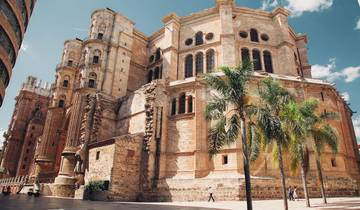
6 days
6 Day Malaga including visit to Gibraltar, Granada, Alhambra and Caminito del Rey
- ✓ Comprehensive Andalucia tour
- ✓ Expert local guides included
- ✓ All accommodation arranged
- ✓ Transportation provided
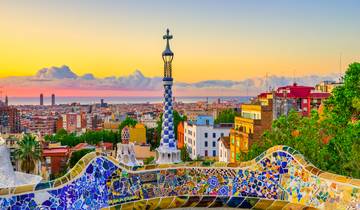
11 days
Flavors of Spain: A 11 Day Journey Through Madrid, Seville, Granada & Barcelona
- ✓ Comprehensive Andalucia tour
- ✓ Expert local guides included
- ✓ All accommodation arranged
- ✓ Transportation provided
11 days
A Taste of Spain: : 11 Days Across Madrid, Seville, Granada & Barcelona
- ✓ Comprehensive Andalucia tour
- ✓ Expert local guides included
- ✓ All accommodation arranged
- ✓ Transportation provided
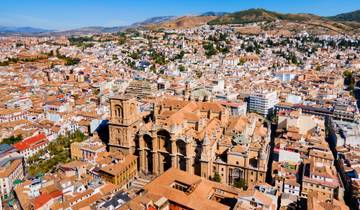
5 days
Granada: Crossroads of Arab and Christian Cultures
- ✓ Booking needs min. 2 travelers
Multi-day tour packages powered by TourRadar. Prices and availability subject to change.
Essential Planning Information 2026
Transportation from Seville to Córdoba 2026
High-speed AVE trains provide optimal Seville-Córdoba connections operating hourly 7 AM-9 PM daily throughout 2026. The 45-minute journey departs from Seville Santa Justa station (2 kilometers northeast of historic center, accessible via €8-12 taxi, €1.40 C1/C2 bus, or 25-minute walk) arriving Córdoba central station perfectly positioned 1.2 kilometers from Mezquita entrance. Round-trip tickets cost €27-42 in 2026 for standard tourist class depending on booking timing and train departure selected (check renfe.com for current official rates as pricing may vary). Morning peak trains 8-9 AM and evening returns 6-7 PM charge premium rates €35-42 round-trip versus midday off-peak fares €27-35, though all trains cover identical distance in same 45-minute timeframe making schedule flexibility a strategic cost consideration.
Advance booking 1-4 weeks ahead captures Promo and Promo+ discount fares reducing costs to €13-21 one-way versus standard €21-27, creating €26-42 versus €42-54 round-trip savings for flexible travelers confirming dates early. Promo tickets impose date/time restrictions with €10-15 change fees and limited availability (20-30% of seats on popular departures), requiring commitment to specific trains versus standard flexible tickets permitting free changes up to departure time. Book through official renfe.com website or Renfe app accepting international credit cards and delivering e-tickets to smartphone eliminating paper printing requirements. Same-day ticket purchases at station automated machines or staffed counters pay premium pricing often €5-10 higher than advance online rates, though maintain maximum flexibility for spontaneous travel decisions.
Alternative bus connections operate through ALSA company departing Seville Plaza de Armas terminal, requiring 2 hours journey time versus AVE’s 45 minutes at cost savings (€12-18 round-trip bus versus €27-42 train). The extended travel time and peripheral Córdoba bus station location 2 kilometers west of historic center (requiring additional taxi €8-10 or 30-minute walk) make buses impractical for day trippers prioritizing on-site exploration time over marginal €10-15 transportation savings. Rental cars enable flexible scheduling and potential Medina Azahara combination visits (8 kilometers west of Córdoba requiring vehicle access), though €35-55 daily rental, €15-20 fuel, €12-18 Córdoba parking, and highway tolls create total costs €70-95 exceeding AVE train convenience and time efficiency for single-day Córdoba-focused itineraries.
Current Córdoba Attraction Costs 2026
Mezquita-Cathedral admission costs €13 for adults in 2026 covering comprehensive interior access including prayer hall forest of columns, Christian cathedral nave, treasury, choir, and bell tower (exterior viewpoints only, no climb) according to current published rates at catedraldecordoba.es. Reduced admission at €7 applies for students under 25 with valid international student ID, seniors 65+ with age verification, and children 10-14 years. Children under 10 enter free when accompanied by ticket-purchasing adults. Audio guides cost €5 additional, available in 12 languages with detailed 90-minute commentary explaining architectural evolution, artistic elements, and religious significance impossible to glean from minimal English signage inside the monument. Monday-Saturday free entry period 8:30-9:30 AM enables budget access for early risers willing to visit during pre-opening tourist hours, though eliminates audio guide availability and expert interpretation enhancing understanding of the complex’s layered history.
Guided Mezquita tours cost €25-35 per person in 2026 including monument admission, expert bilingual guide, and skip-the-line access during peak 10 AM-1 PM periods when standard entrance queues reach 30-45 minutes. Book through GetYourGuide, Viator, or local Córdoba operators for English, French, German, or Italian language options with 2-4 daily departures. The guided approach proves valuable for first-time visitors lacking Islamic architectural knowledge or historical context connecting Córdoba’s Caliphate period to broader European medieval development. Independent travelers comfortable with audio guide self-interpretation save €12-22 compared to guided tours while maintaining flexible pacing and extended photography time impossible with group schedules limiting Mezquita visit to strict 90-120 minute windows.
Additional attraction pricing includes Alcázar de los Reyes Cristianos fortress and gardens at €5 admission (€2.50 reduced rates), Calahorra Tower bridge museum €4.50, Synagogue €0.30 (one of Spain’s three surviving medieval Jewish temples), Archaeological Museum €1.50, and various palace-museums €5-8 each. The Roman Bridge costs nothing to cross providing free viewpoint photography of Mezquita facade and Guadalquivir river. Combined attraction passes bundling multiple monuments rarely provide value for day trippers concentrating on Mezquita and Jewish Quarter free walking exploration – calculate individual entry costs for planned visits comparing to any multi-site pass pricing before purchasing bundled tickets potentially including museums you won’t have time to visit during compressed day trip schedules.
Advance Booking Requirements 2026
Córdoba monuments maintain flexible booking policies requiring minimal advance planning compared to Granada’s months-ahead Alhambra reservations. The Mezquita accepts both advance online tickets through catedraldecordoba.es and same-day entrance purchases year-round, though advance booking eliminates 20-45 minute queue times developing 10 AM-1 PM during peak spring and fall seasons. Summer visits benefit from online reservation avoiding outdoor queue exposure during 35-40°C afternoon heat, while winter same-day purchases rarely encounter significant waits outside major holiday periods. Book Mezquita tickets 1-7 days ahead for guaranteed access during peak May Patio Festival and Easter week when daily visitor volumes surge beyond typical seasonal averages. Off-peak November-March periods accommodate spontaneous same-day approaches for most monument attractions.
AVE train tickets warrant earlier booking discipline capturing Promo discount fares released 60 days before departure dates. Monitor renfe.com when desired travel dates enter the 60-day booking window, purchasing immediately upon Promo allocation appearance (limited seats on each departure, selling out quickly for popular morning 8-9 AM southbound and evening 6-7 PM northbound trains). Standard flexible fares remain available up to departure time though cost €5-15 more than advance Promo options, creating worthwhile booking discipline for budget-conscious travelers. Guided tours book 3-10 days ahead ensuring English-language guide availability and preferred morning departure times, though afternoon tours and Spanish-language options often accommodate last-minute 1-2 day advance reservations.
Restaurant reservations prove unnecessary for lunch at most traditional establishments serving menu del día €12-18 fixed-price options with walk-in seating, though acclaimed restaurants like Noor (Michelin-starred modern Andalusian cuisine) and Casa Pepe de la Judería (historic venue in Jewish Quarter) benefit from 2-7 day advance booking during peak season ensuring preferred seating times. The compact historic center concentrates dozens of quality dining options within 5-minute walking radius of major monuments, eliminating advance reservation requirements through abundant alternative venues if first choices show full capacity. Spontaneous travelers discover authentic neighborhood establishments impossible to locate without local recommendations or serendipitous wandering off main tourist thoroughfares.
Mezquita-Cathedral Visit Guide 2026
The Mezquita-Cathedral dominates Córdoba’s architectural and spiritual landscape as Spain’s most important Islamic heritage building, originally constructed 784-987 CE as grand mosque during Córdoba Caliphate’s zenith, then converted to Christian cathedral following 1236 Reconquista conquest. The massive structure measures 24,000 square meters covering entire city block, containing 856 columns supporting distinctive red-and-white horseshoe arches creating the famous “forest of columns” effect unique in world architecture. Plan 90-180 minutes comprehensive exploration depending on personal interest levels, photography priorities, and whether utilizing audio guide (€5, recommended for historical context) or independent wandering absorbing the space’s aesthetic power and contemplative atmosphere. Morning visits 8:30-10:30 AM capture optimal natural lighting filtering through decorative windows before harsh midday sun creates excessive contrast and tour group arrivals create crowd congestion after 10:30 AM.
Enter through Puerta del Perdón gateway accessing the Patio de los Naranjos (Orange Tree Courtyard), the former mosque ablution area retaining original fountains and citrus trees planted in geometric rows reflecting Islamic garden traditions. The courtyard provides orientation context before entering the prayer hall interior – notice the bell tower (former minaret) rising 54 meters above the patio demonstrating architectural continuity between Islamic and Christian building phases. Proceed into the main prayer hall beginning exploration at the northwest corner moving systematically through the column forest, observing the evolution from original 8th-century construction using recycled Roman and Visigothic columns to 10th-century expansions incorporating custom-made marble columns demonstrating Caliphate wealth and architectural ambition at civilization’s peak.
The prayer hall’s hypnotic effect derives from mathematical precision and repetitive rhythm creating infinite perspectives between column rows. The distinctive red-and-white voussoir arches employ alternating brick and stone creating structural strength while establishing visual pattern repeated 850+ times throughout the space. Maximum architectural impact concentrates in the original mihrab (prayer niche indicating Mecca direction) section featuring gold mosaic decorations, intricate carved plasterwork, and marble columns surpassing any other surviving Moorish architectural element in Spain. The Christian cathedral insertion occupies the building’s center, controversial 16th-century addition that destroyed dozens of columns and arches creating Renaissance-Gothic nave within Islamic prayer hall. This architectural collision provokes strong reactions – some viewers appreciate the layered history and religious continuity, others lament the destruction of Islamic architectural purity for Christian imperial assertion.
Complete Mezquita circuits by exploring peripheral chapels, treasury displaying liturgical silver and religious art, choir stalls with carved walnut seats depicting Biblical scenes, and climbing accessible sections of the former minaret (exterior terraces only, full interior climb restricted). The treasury and choir areas require separate entry beyond main prayer hall, adding 20-30 minutes to basic architectural visit timeframes. Photography permitted throughout interior (no flash required with modern camera sensitivity levels), though commercial tripod use prohibited and religious services (check daily mass schedule posted at entrance) close sections temporarily to sightseeing creating photography restrictions. Exit through Puerta del Perdón after completing interior circuit, pausing in Orange Tree Courtyard for final contemplative moments and souvenir purchases at official shop offering quality books, prints, and architectural guides impossible to find at generic tourist shops surrounding the monument.
Jewish Quarter Exploration 2026
Córdoba’s Judería (Jewish Quarter) spreads northwest of the Mezquita across medieval street labyrinth characterized by whitewashed buildings, flower-filled patios, narrow lanes, and intimate plazas creating atmospheric wandering impossible to replicate through rigid route planning. The neighborhood evolved during Córdoba’s 10th-13th century golden age when Jewish community thrived under Islamic rule and initial Christian tolerance, contributing physicians, philosophers, poets, and merchants to Caliphate civilization before 14th-15th century persecutions culminating in 1492 expulsion destroyed centuries of cultural achievement. Contemporary Jewish Quarter retains medieval urban fabric though functions primarily as tourist zone with restaurants, souvenir shops, and artisan workshops replacing historical residential character. Allocate 90-120 minutes for comprehensive exploration combining specific monument visits (Synagogue, Casa Andalusí) with aimless wandering discovering hidden courtyards and photogenic corners impossible to locate without serendipitous discoveries.
Begin Jewish Quarter exploration at the Synagogue (€0.30 admission, Tuesday-Sunday 9 AM-2 PM, closed Mondays) on Calle Judíos, one of only three surviving medieval Jewish temples in Spain following 1492 community expulsion and systematic synagogue destruction. The small-scale structure (built 1315, measuring just 6.4 by 6.3 meters) preserves exceptional Mudéjar plasterwork decorations showing Islamic artistic influences on Jewish sacred architecture, Hebrew inscriptions citing Biblical psalms, and women’s gallery accessed via narrow staircase demonstrating gender-separated worship practices. The intimate scale creates powerful emotional impact contrasting with grand Christian cathedral spaces dominating most Spanish religious architecture, providing rare window into medieval Sephardic community life before expulsion trauma created lasting diaspora scattering Iberian Jews across Mediterranean and Atlantic worlds.
Continue through Calleja de las Flores (Flower Alley), the Jewish Quarter’s most photographed lane creating perfect postcard compositions framing Mezquita bell tower through narrow street perspective lined with flower pots cascading from whitewashed walls. Arrive before 10 AM or after 4 PM avoiding midday tour group congestion when 50+ visitors simultaneously attempt photographs in space accommodating comfortable 10-15 person capacity. Discover Plaza del Potro maintaining medieval character with 16th-century fountain and traditional posada (inn) building, then explore Casa Andalusí (€2.50 admission) recreating 12th-century Moorish house interior with period furniture, water features, and roof terrace providing elevated neighborhood views impossible from narrow street-level perspectives. The house museum requires 20-30 minutes visit offering respite from outdoor heat while educating visitors on domestic architecture and daily life during Caliphate period.
Extend Jewish Quarter exploration to peripheral areas less trafficked by tour groups: Calle de los Judíos discovering artisan workshops continuing traditional leather craft, silver jewelry, and ceramic tile production; Plaza de Tiberiades (also called Plaza de Maimónides) honoring the medieval Jewish philosopher-physician who contributed medical and philosophical texts influencing European intellectual development; and various patio houses opening doors during May Patio Festival revealing flower-filled interior courtyards competing for annual decoration prizes. The neighborhood’s labyrinthine character encourages getting lost then reorienting using the Mezquita tower as navigation landmark visible from most open spaces. Budget extra time beyond strict 90-minute architectural circuit for spontaneous coffee breaks at plaza cafes, artisan workshop conversations, and photography sessions capturing distinctive Andalusian aesthetic of whitewashed walls, wrought-iron balconies, and ceramic tile accents defining Córdoba’s visual identity.
Roman Bridge and Riverfront 2026
The Puente Romano (Roman Bridge) spans 247 meters across the Guadalquivir River connecting Córdoba’s historic center to southern Calahorra Tower, representing 16 arches of 1st-century BCE engineering substantially reconstructed during Moorish and medieval Christian periods while retaining Roman foundations and strategic river-crossing function. The bridge provides essential architectural photography viewpoint capturing Mezquita facade with bell tower, historic quarter roofline, and riverside mills creating classic Córdoba panorama impossible to replicate from other angles. Walk the full bridge length (10-15 minutes leisurely pace) pausing at the mid-point statue of Saint Raphael (Córdoba’s patron) for optimal photography angles both directions: Mezquita northward, Calahorra Tower southward. Early morning 8-9 AM and late afternoon 5-7 PM golden hour light creates dramatic illumination across stone arches and river reflections enhancing photography versus harsh midday overhead sun flattening architectural details.
The bridge restoration 2006-2008 created pedestrian-only access eliminating centuries of vehicle traffic, installing period-appropriate lanterns, and revealing Roman foundation stones previously covered by medieval modifications. Information panels along the span explain engineering techniques, historical crossing importance connecting Córdoba to southern Iberian territories, and architectural evolution documenting successive civilization contributions. The bridge functions as pleasant promenade escaping historic quarter congestion while providing elevated river valley perspectives and cooling breezes moderating summer heat 3-5°C compared to enclosed medieval streets trapping warm air. Street performers, portrait artists, and souvenir vendors concentrate at both bridge entrances creating lively cultural atmosphere though sometimes aggressive sales approaches requiring polite but firm declinations.
Calahorra Tower (Torre de la Calahorra, €4.50 admission) anchors the bridge’s southern terminus, offering museum exhibitions documenting Christian-Muslim-Jewish coexistence during medieval Córdoba’s cultural golden age and rooftop viewpoints providing reciprocal panoramas back to Mezquita and historic quarter impossible from ground-level perspectives. The tower museum requires 45-60 minutes comprehensive visit appealing to history enthusiasts interested in detailed medieval civilization context, though casual visitors achieve similar viewpoints from free bridge access without museum admission costs. Riverside promenades extending east and west from the bridge provide 2-3 kilometer walking paths along restored mills, gardens, and parks creating peaceful afternoon strolling alternatives to intensive monument touring, particularly valuable during summer heat when shaded tree-lined riverside paths offer 5-8°C temperature reductions compared to exposed stone plaza environments.
Alcázar Fortress and Gardens 2026
The Alcázar de los Reyes Cristianos (Fortress of the Christian Monarchs) occupies strategic riverside location immediately west of the Mezquita, serving as military fortress, royal palace, and Inquisition tribunal across 700+ year evolution from 14th-century Christian construction on earlier Islamic palace foundations. The modest fortress architecture (compared to Seville’s spectacular Royal Alcázar) emphasizes military defensive function over palatial decoration, though extensive gardens covering 55,000 square meters create exceptional botanical displays combining Renaissance geometric parterres, Moorish water channels, and contemporary landscaping showcasing Mediterranean and subtropical species impossible to cultivate in northern European climates. Admission costs €5 (€2.50 reduced rates for students, seniors, children 8-13) covering fortress interior rooms displaying Roman mosaics discovered during Córdoba excavations and tower climbs providing elevated city views, plus comprehensive garden access requiring 60-90 minutes full exploration.
Gardens divide into upper terrace featuring geometric Renaissance-style parterres with precisely trimmed hedges and seasonal flower displays, and lower terrace incorporating Moorish-influenced water features including linear canals, fountain pools, and cascades creating cooling visual and acoustic effects. The water engineering demonstrates Islamic hydraulic expertise transferred through Christian rulers maintaining sophisticated irrigation systems enabling garden cultivation despite Córdoba’s semi-arid climate averaging just 600mm annual rainfall. Tree coverage provides essential summer shade creating 5-8°C temperature reductions compared to exposed fortress courtyards, making afternoon garden visits preferable to morning sessions when better lighting illuminates fortress interiors and tower climbs offer clearest distant views before midday haze accumulation.
Fortress interior highlights include Tower of the Lions providing panoramic viewpoints across gardens, Mezquita, and historic quarter from 30-meter elevation accessible via 100+ step spiral staircase (no elevator, limiting accessibility for mobility-impaired visitors), Hall of Mosaics displaying exceptional 2nd-3rd century Roman floor mosaics depicting mythological scenes discovered during 1950s archaeological excavations, and royal chambers showcasing period furniture and artwork illustrating Christian monarchs’ Córdoba residence periods. The fortress served as Isabel and Ferdinand’s headquarters during Granada campaign 1486-1492, where Christopher Columbus presented his Americas exploration proposal receiving royal support ultimately enabling 1492 voyage. This historical connection appears in exhibitions and guided tours emphasizing Córdoba’s role in launching Age of Discovery despite city’s declining importance following Reconquista shift of political power to Seville and later Madrid.
Visit timing strategies balance fortress interior priorities versus garden exploration depending on weather and personal interests. Summer visits prioritize morning 9-11 AM fortress tours while stone interiors remain cool from overnight temperatures, then transition to shaded garden wandering during increasing afternoon heat. Winter approaches reverse sequencing with afternoon 2-4 PM fortress visits capturing warmer interior temperatures and low-angle sunlight streaming through windows, following morning garden tours under comfortable cool conditions. Spring and fall permit flexible timing though morning garden visits showcase flowering displays at peak freshness before midday sun wilts delicate blooms. Budget 60-90 minutes comprehensive Alcázar experience, reducing to 45 minutes for gardens-only visits if time constraints eliminate fortress interior tour or tower climbs from compressed day trip itineraries.
Budget Planning for 2026 Córdoba Trips
Independent Córdoba day trips cost €45-90 per person covering transportation, monument admissions, meals, and optional guided tours in 2026. Budget approaches totaling €45-65 combine advance Promo AVE tickets €26-42 round-trip (check renfe.com for current official rates as pricing may vary), Mezquita admission €13 (check catedraldecordoba.es for current rates), simple menu del día lunch €12-18 at neighborhood restaurants, coffee/refreshments €5-8, and optional Synagogue €0.30 or Calahorra Tower €4.50. These minimalist itineraries sacrifice guided tour interpretation and premium dining experiences while delivering comprehensive UNESCO heritage access and authentic cultural immersion through strategic cost management selecting budget transport options, free walking exploration, and traditional local restaurants versus tourist-oriented establishments charging premium prices for mediocre quality.
Mid-range experiences costing €65-90 upgrade transportation to standard AVE fares €27-42 booked closer to travel dates maintaining schedule flexibility, add Mezquita guided tour €25-35 providing expert architectural interpretation impossible to glean from audio guides, select quality patio restaurant lunch €20-30 featuring regional specialties (salmorejo, rabo de toro, flamenquín) in atmospheric historic courtyard settings, and include Alcázar fortress admission €5 expanding monument coverage beyond minimal Mezquita-only approaches. Additional costs accumulate through audio guide rental €5, Calahorra Tower €4.50, souvenir purchases €10-20, and coffee breaks €4-6 each creating realistic €75-95 total for comfortable comprehensive day trips without luxury excess but also without constant budget stress limiting spontaneous discoveries and quality dining experiences enhancing cultural immersion.
Detailed cost breakdown for typical mid-range Córdoba day trip: AVE round-trip €35 (standard fare purchased 1 week ahead), Mezquita €13, audio guide €5, Synagogue €0.30, lunch €25 (quality patio restaurant three-course menu with wine), Alcázar €5, Calahorra Tower €4.50, coffee/snacks €8, souvenirs €15. Total: €110.80 per person representing realistic comprehensive experience including all major monuments, guided interpretation, quality dining, and margin for spontaneous additions. Budget reductions target transportation (€26 Promo fare saves €9), eliminate guided elements (skip €5 audio guide, €4.50 Calahorra Tower saves €9.50), and reduce dining costs (€15 simple lunch versus €25 quality restaurant saves €10) creating €82.80 budget approach. Luxury upgrades add guided tour (€25-35), gourmet lunch (€40-60), and first-class AVE (€15-20 premium) reaching €150-180 per person for premium single-day Córdoba immersion.
Sample 2026 Córdoba Itineraries
Classic Full-Day Córdoba Experience
7:00 AM: Departure from Seville
Wake early at Seville accommodation, light breakfast, walk or taxi to Santa Justa station arriving 15 minutes before 8 AM AVE departure. Purchase coffee/pastry at station café if skipping hotel breakfast.
8:00 AM: Board AVE Train to Córdoba
Depart Seville on hourly AVE service (€27-42 round-trip standard fare), 45-minute journey arriving Córdoba 8:45 AM. Use travel time reviewing monument background reading, checking restaurant recommendations, or simply resting for intensive walking day ahead.
9:00 AM: Arrive Córdoba, Walk to Mezquita
Exit Córdoba station, walk 15 minutes (1.2 kilometers) southeast through modern city center following pedestrian signs to historic quarter. Alternatively taxi directly to Mezquita entrance (€6-8, 5 minutes).
9:15 AM-11:15 AM: Mezquita-Cathedral Visit
Enter Mezquita at opening hour avoiding tour group crowds developing after 10:30 AM. Purchase admission €13 (or use advance online ticket), rent audio guide €5. Explore systematically: Patio de los Naranjos courtyard, prayer hall forest of columns, mihrab prayer niche, Christian cathedral insertion, treasury, choir. Allow 2 hours comprehensive visit including photography time and contemplative pauses absorbing architectural magnificence.
11:30 AM-1:00 PM: Jewish Quarter Wandering
Exit Mezquita, walk north into Judería exploring Synagogue (€0.30, 20-minute visit), Calleja de las Flores (flower alley photography), Casa Andalusí (€2.50, optional), and aimless lane wandering discovering hidden patios and artisan workshops. Visit tourist information office collecting free maps and current cultural event schedules.
1:15 PM-3:00 PM: Traditional Lunch
Lunch at authentic patio restaurant: Casa Pepe de la Judería, Bodegas Mezquita, or Taberna Salinas. Order Córdoba specialties: salmorejo (thick cold tomato soup richer than gazpacho), flamenquín (breaded pork roll), rabo de toro (oxtail stew), berenjenas con miel (fried eggplant with honey). Menu del día €18-25 including three courses, wine, bread. Leisurely 90-minute meal respecting Spanish dining pace.
3:15 PM-4:45 PM: Roman Bridge and Alcázar
Walk to Puente Romano crossing full bridge length for Mezquita photography from riverside perspective (15-20 minutes). Optional Calahorra Tower museum visit €4.50 (45 minutes) or continue directly to Alcázar fortress and gardens €5 (60-90 minute comprehensive exploration of mosaics, towers, Renaissance parterres, Moorish water features).
5:00 PM: Final Coffee and Shopping
Return to Jewish Quarter plaza cafe for coffee/refreshment (€4-6), souvenir shopping at leather goods or ceramic tile workshops, final photography in golden hour lighting across Mezquita facade and historic quarter lanes.
6:00 PM: Walk to Station, Board Return Train
Walk 15 minutes to Córdoba station or taxi €6-8. Board 6:15-6:30 PM AVE return to Seville, arriving Santa Justa 7:00-7:15 PM.
7:15 PM: Arrive Seville
Return to accommodation or continue evening plans in Seville (dinner, flamenco show, tapas bars).
Budget Breakdown: AVE round-trip €35, Mezquita €13, audio guide €5, Synagogue €0.30, lunch €22, Alcázar €5, coffee €5, souvenirs €12. Total day cost: €97.30 per person (excluding Seville accommodation).
Budget Explorer Córdoba Day Trip
8:30 AM: Seville Departure
Board 9 AM AVE using advance Promo tickets €26 round-trip booked 2-3 weeks ahead. Bring packed breakfast from Seville accommodation or markets reducing €8-12 station café costs.
9:45 AM-11:45 AM: Mezquita Self-Guided Visit
Walk from station to Mezquita (15 minutes), enter at opening to avoid crowds. Admission €13, skip audio guide (€5 savings) using free smartphone apps or printed guides downloaded before arrival. Allow 2 hours comprehensive self-paced exploration.
12:00 PM-1:30 PM: Jewish Quarter Free Walking
Explore Judería lanes, photograph Calleja de las Flores, visit Synagogue €0.30 (skip €2.50 Casa Andalusí). Free walking discovering plazas, artisan workshops, and neighborhood atmosphere without paid attractions.
1:45 PM-2:45 PM: Budget Lunch
Simple menu del día at neighborhood bar €12-15 avoiding tourist-heavy restaurants. Alternatively picnic lunch with supplies from Mercado Victoria gourmet market (€8-12 total for bread, cheese, ham, fruit, water) consumed in public gardens or riverfront parks.
3:00 PM-3:30 PM: Roman Bridge Walk
Cross Puente Romano (free) for photography, skip €4.50 Calahorra Tower museum. Riverside promenade strolling discovering free viewpoints and public gardens.
3:45 PM-4:45 PM: Free Attractions and Relaxation
Visit free Archaeological Museum (closed Mondays, €1.50 very modest admission other days), public plazas, or simply relax at Alcázar exterior gardens viewpoints (free from outside walls) avoiding €5 interior admission. Alternative: Plaza de las Tendillas modern center shopping and people-watching.
5:15 PM: Return to Station
Walk 15 minutes to catch 5:45 PM return AVE, arriving Seville 6:30 PM.
Budget Breakdown: AVE Promo round-trip €26, Mezquita €13, Synagogue €0.30, lunch €14, refreshments €6. Total day cost: €59.30 per person (excluding Seville accommodation). Substantial savings through advance transport booking, audio guide elimination, budget dining, and free attraction prioritization.
Premium Guided Córdoba Experience
8:30 AM: First-Class AVE Departure
Board 9 AM AVE with Preferente (first-class) upgrade €15-20 additional providing wider seats, power outlets, complimentary snacks, and business lounge access at stations.
10:00 AM-12:30 PM: Private Mezquita Tour
Meet expert art historian guide for private 2.5-hour Mezquita exploration (€90-120 per person for 2-person booking). Comprehensive architectural interpretation, privileged photography access during quiet hours, detailed artistic analysis impossible in large group tours.
12:45 PM-2:00 PM: Jewish Quarter Specialized Walk
Continue with private guide through Judería emphasizing Sephardic heritage, medieval coexistence period, and architectural evolution. Visit Synagogue, Casa Sefarad museum, and hidden courtyards closed to general public.
2:15 PM-4:15 PM: Gourmet Lunch
Reserved table at Noor (Michelin-starred modern Andalusian tasting menu €65-85) or Choco (contemporary regional cuisine €45-65). Wine pairings additional €25-40. Leisurely 2-hour dining experience showcasing Córdoba’s evolving gastronomic scene beyond traditional tavern offerings.
4:30 PM-6:00 PM: Medina Azahara Private Tour
Pre-arranged private vehicle and guide to palatial ruins 8 kilometers west (€80-120 per person including transport and expert archaeological interpretation). Comprehensive 90-minute exploration of 10th-century Caliphate palace complex impossible to access via public transport during day trip timeframes.
6:30 PM: Return Seville
Private car transfer directly to Seville accommodation (€120-150 versus return train €21-27, justified by door-to-door convenience and Medina Azahara combination enabling extended Córdoba time).
Budget Breakdown: AVE Preferente upgrade €18, private Mezquita tour €105, private Jewish Quarter guide €45, gourmet lunch €75, Medina Azahara tour €100, private return transfer €135. Total day cost: €478 per person for luxury comprehensive Córdoba immersion exceeding typical day trip experiences through exclusive access and expert interpretation.
Dining Recommendations for 2026
Córdoba’s distinctive gastronomy emphasizes thick cold soups (salmorejo), braised meat dishes (rabo de toro oxtail, flamenquín pork rolls), and Moorish-influenced preparations (berenjenas con miel fried eggplant with honey) impossible to experience authentically in tourist-heavy Seville restaurants catering to international palates. Traditional establishments concentrate in Jewish Quarter and surrounding historic center, though careful selection avoids tourist traps offering mediocre quality at inflated prices along main thoroughfares near Mezquita. Menu del día lunch specials (€12-18 for three courses plus wine) provide excellent value at neighborhood bars frequented by local workers and residents, while dinner service á la carte pricing increases 30-50% for identical dishes creating strategic lunch-focused dining approaches for budget-conscious travelers.
Budget dining options (€12-18 menu del día) include Taberna Salinas (traditional Córdoba tavern since 1879 serving authentic regional specialties), Bodega Guzmán (working-class bar with €12 three-course lunch menu including half-liter wine), and market stall restaurants at Mercado Victoria gourmet food hall (€10-15 individual dishes, modern casual atmosphere contrasting historic tavern ambiance). These establishments deliver genuine Córdoba flavors without English menus or tourist-oriented service, requiring basic Spanish phrases or pointing-and-ordering approaches for non-Spanish speakers. The authentic local atmosphere and budget pricing justify minor communication challenges creating cultural immersion impossible at bilingual tourist restaurants.
Mid-range quality restaurants (€20-35 per person) offer atmospheric patio dining, professional service, and comprehensive regional cuisine menus balancing traditional preparations with contemporary presentations. Casa Pepe de la Judería occupies historic Jewish Quarter mansion with interior courtyard dining under orange trees, serving classic Córdoba dishes €15-25 per plate. Bodegas Mezquita provides traditional tavern atmosphere steps from the monument, menu del día €18 or á la carte €25-35. Taberna La Montillana specializes in Montilla-Moriles regional wines paired with local cheeses, charcuterie, and seasonal specialties €20-30 per person. These mid-range establishments accept walk-in lunch traffic though benefit from advance booking (1-3 days) securing preferred patio seating during peak spring and fall seasons.
Premium dining experiences include Noor (Michelin-starred modern Andalusian cuisine by chef Paco Morales recreating medieval Al-Andalus flavors through contemporary techniques, tasting menus €65-95 requiring 3-7 day advance reservations), Choco (creative regional cooking €35-55 per person, wine pairings additional €25-40), and Arbequina (innovative tapas and sharing plates €30-45 per person in minimalist contemporary setting). These upscale options suit special occasion day trips or serious food enthusiasts prioritizing gastronomic exploration equally with architectural heritage touring. The culinary investments transform Córdoba from simple monument day trip into comprehensive cultural immersion combining UNESCO heritage, medieval history, and evolving contemporary Andalusian cuisine impossible to experience through budget approaches focusing solely on efficient monument coverage.
Practical Tips for 2026 Visits
Optimal arrival timing prioritizes early morning Mezquita access before tour group arrivals creating interior congestion and extended photography waits for popular column forest perspectives. The 8-9 AM AVE departure from Seville delivers 8:45-9:45 AM Córdoba arrival, enabling 9:15-10 AM Mezquita entrance when soft morning light illuminates the prayer hall and visitor density remains minimal. This strategic timing completes core monument touring before midday heat intensifies (particularly critical May-September when temperatures exceed 35°C) and tour group peaks develop 10:30 AM-1 PM overwhelming intimate spaces with 30-40 person groups simultaneously attempting Mezquita navigation. Later arrivals sacrifice optimal conditions though provide greater Seville morning flexibility for travelers prioritizing relaxed breakfast versus intensive early sightseeing schedules.
Walking navigation throughout Córdoba historic center proves straightforward despite medieval street labyrinth character. The Mezquita bell tower provides constant visual landmark visible from most open spaces, enabling reorientation after deliberate getting-lost wandering through atmospheric Jewish Quarter lanes. Smartphone mapping (Google Maps, Apple Maps) functions reliably though sometimes struggles with pedestrian-only lane routing versus vehicle-accessible streets, creating occasional misdirections through longer alternate paths. Download offline maps before arrival eliminating data roaming costs and enabling navigation during cellular dead zones in thick-walled medieval buildings. Street signs appear in Spanish only with minimal English translations, requiring basic directional vocabulary (derecha/right, izquierda/left, recto/straight) or simply following tourist flow toward major monuments during peak hours.
Dress appropriately for intensive walking across cobblestone streets and uneven historic surfaces totaling 5-8 kilometers during comprehensive day trips. Comfortable cushioned walking shoes with arch support prevent foot fatigue and blister formation impossible to remedy mid-visit. Mezquita dress code requires covered shoulders and knees year-round – bring light cardigan or shawl satisfying requirements while providing layering flexibility for air-conditioned interior temperature variations. Summer visits demand sun protection (wide-brimmed hat, sunglasses, SPF 30+ sunscreen) combating intense solar radiation and 35-42°C temperatures, while spring and fall require adaptable layers managing 15-20°C daily temperature swings between cool mornings and warm afternoons. Winter travelers pack light rain jacket for occasional showers though Córdoba averages just 600mm annual precipitation concentrated November-March months.
Bathroom facilities appear irregularly throughout historic center with most located inside paid attractions (Mezquita, Alcázar, museums) or restaurant establishments expecting patronage purchases. Public restrooms operate at train station and select plazas though sometimes require €0.50-1 coin payment for access. Plan bathroom stops strategically around monument visits and meal times rather than relying on abundant facilities characteristic of northern European tourist infrastructure. Cafes welcome restroom use with small purchase expectations (€2-4 coffee or soft drink creating reasonable facilities access trade). Avoid dehydration concerns during summer heat through regular water consumption from refillable bottles (public fountains throughout historic center enable free refills) versus €2-3 repeated bottled water purchases accumulating €10-15 daily unnecessary expenses.
Transportation Tips for 2026
Strategic AVE ticket booking maximizes value through Promo fare timing and flexible departure selection. Monitor renfe.com beginning 60 days before desired travel dates when Promo allocations release, purchasing immediately upon availability for popular morning southbound (8-9 AM Seville departures) and evening northbound (6-7 PM Córdoba returns) trains. Promo tickets reduce costs to €13-21 one-way versus standard €21-27, creating €26-42 versus €42-54 round-trip savings justifying advance planning discipline for budget-conscious travelers. Accept date/time restrictions and €10-15 change fees inherent in Promo pricing, or maintain schedule flexibility through standard fares permitting free modifications until departure time at modest €5-10 per ticket premium over discount options.
Same-day flexibility suits spontaneous travelers comfortable paying €5-10 ticket premiums for freedom to adjust plans based on weather, energy levels, or emerging interests discovered during Seville days preceding Córdoba excursion. Purchase tickets at Seville Santa Justa automated machines (English language option available, accepts credit cards and cash) or staffed Renfe counters (longer queues, especially 7-9 AM peak departure hours). Arrive station 20-30 minutes before desired departure providing buffer time for ticket purchase, platform location, and boarding without stressful rushing creating missed train risks. Train frequency (hourly departures throughout day) reduces missed connection consequences versus long-distance routes with limited daily service – simply board next hourly AVE if delays occur rather than facing hours-long waits or complete itinerary disruptions.
Córdoba station to Mezquita walking route follows well-signed pedestrian paths totaling 1.2 kilometers requiring 15-20 minutes comfortable pace through modern city center transitioning to historic quarter approaches. Exit main station entrance, proceed straight on Avenida de América passing through Plaza de las Tres Culturas, continue on Avenida del Gran Capitán (main boulevard with shops and cafes), then turn right on any street after crossing Ronda de los Tejares (ring road marking historic center boundary) following “Centro Histórico” and “Mezquita” directional signs. The route traverses flat terrain suitable for all fitness levels though cobblestone final approaches create minor challenges for wheeled luggage (day trip travelers avoid this concern through daypack-only packing). Alternative taxi option costs €6-8 for direct 5-minute monument delivery, valuable for mobility-limited visitors or extremely compressed schedules prioritizing maximum on-site time over marginal cost savings.
Frequently Asked Questions
Is one day enough for Córdoba from Seville in 2026?
Single-day Córdoba visits absolutely suffice for comprehensive UNESCO Mezquita experience plus Jewish Quarter exploration, Roman Bridge photography, and traditional Andalusian lunch creating satisfying cultural immersion within realistic 8-10 hour total timeframe including round-trip AVE travel. The compact historic center concentrates essential attractions within 1.5-kilometer radius enabling efficient routing impossible at dispersed destinations requiring extensive local transportation. Córdoba’s manageable scale suits day trip formats better than Granada’s Alhambra complexity requiring 3-4 hours intensive palace exploration plus separate Albaicín neighborhood time justifying overnight stays for relaxed comprehensive coverage. Most visitors complete Córdoba highlights feeling culturally satisfied without regret about insufficient time, though serious architecture enthusiasts, history buffs, and photography specialists justify multi-day stays enabling Medina Azahara palatial ruins, peripheral museums, extended patio wandering, and relaxed dining experiences impossible during compressed single-day schedules.
What is the best time of year for a Córdoba day trip in 2026?
Spring (April-May) and fall (September-October) deliver optimal Córdoba visiting conditions combining comfortable 20-28°C temperatures, 8-9 hours daily sunshine, blooming patio displays (especially May Patio Festival first two weeks), and moderate tourist volumes requiring minimal advance planning beyond 1-2 week booking windows. These shoulder seasons enable extended outdoor exploration without summer heat exhaustion risks or winter’s compressed daylight limiting photography opportunities. Avoid May Patio Festival dates (typically first 10-15 days) if preferring quiet contemplative Mezquita experiences, as visitor volumes surge 40-60% beyond typical spring averages creating crowd congestion diminishing monument appreciation. Summer visits face challenging 35-42°C temperatures July-August creating uncomfortable midday conditions though benefit from reduced tourist numbers, discounted accommodation if combining with Seville overnight stays, and extended evening daylight (sunset 9-9:30 PM) permitting later sightseeing schedules. Winter months provide authentic local atmosphere, minimal crowds creating intimate Mezquita encounters, and mild 12-20°C weather though shorter days (sunset 6 PM) compress afternoon activities and increase likelihood of occasional rain showers disrupting outdoor monument photography.
Can you visit Córdoba and Granada in one day from Seville in 2026?
Combining Córdoba and Granada in single-day excursion from Seville creates extremely impractical logistics sacrificing meaningful cultural engagement for superficial monument checklist completion. The route requires minimum 5-6 hours total transportation: Seville-Córdoba 45 minutes, Córdoba-Granada 90 minutes direct AVE or 2.5 hours via Seville transfer, Granada-Seville 2.5 hours return. This leaves only 3-4 hours combined sightseeing time split between two major UNESCO destinations each deserving minimum 3-4 hours comprehensive exploration for satisfying experiences. Attempting dual-city visits results in rushed 60-90 minute Mezquita speed tours eliminating Jewish Quarter wandering and Roman Bridge photography, plus equally abbreviated Granada Alhambra circuits missing Generalife gardens and Nasrid palace details creating transformative heritage experiences. Optimal strategy dedicates separate full days to each destination: Córdoba full day from Seville base (6-8 hours on-site), Granada full day or overnight enabling relaxed Alhambra morning plus Albaicín afternoon. The UNESCO heritage significance merits dedicated time versus exhausting transportation marathons sacrificing quality for quantity in misguided efficiency attempts.
Do you need a guide for the Mezquita in 2026?
Audio guides (€5 rental) or human-led tours (€25-35 including admission) significantly enhance Mezquita appreciation through expert interpretation connecting architectural features to historical events and religious significance invisible to casual observers lacking specialized Islamic architecture knowledge. The building’s complex evolution from 8th-century mosque through 10th-century expansions to 16th-century Christian cathedral insertion creates layered narrative impossible to understand through visual observation alone without contextual explanation. Guides identify original Roman and Visigothic column recycling, explain horseshoe arch structural innovations, interpret mihrab prayer niche decorative symbolism, and discuss controversial Christian nave insertion dividing expert opinions between architectural vandalism versus layered historical documentation. Independent visitors without audio guides miss crucial interpretive context creating superficial aesthetic appreciation versus transformative educational experiences justifying modest €5-35 investment.
That said, some travelers prefer contemplative unmediated encounters with sacred spaces, finding audio commentary intrusive during personal spiritual or aesthetic engagement with architectural magnificence. The Mezquita’s hypnotic column forest effect creates powerful emotional impact independent of historical knowledge, appealing to visitors prioritizing sensory immersion over intellectual understanding. Photography enthusiasts focusing on compositional exploration and lighting conditions benefit from guide-free flexibility enabling extended time at preferred locations impossible with group tour schedules limiting Mezquita visits to rigid 90-120 minute windows. Calculate decision based on personal priorities: first-time visitors and history enthusiasts select guided options, repeat visitors and contemplative travelers choose independent approaches, photography specialists avoid guided tours maintaining flexible timing around optimal natural lighting conditions throughout morning-to-afternoon progression.
What should you eat in Córdoba in 2026?
Córdoba’s distinctive regional cuisine emphasizes dishes rare or unavailable in tourist-heavy Seville restaurants, creating gastronomic exploration opportunities beyond architectural heritage touring. Salmorejo represents the city’s signature dish – thick cold tomato soup richer and creamier than standard gazpacho, garnished with chopped hard-boiled egg and jamón serrano creating textural contrast. Every restaurant offers salmorejo variations though quality ranges dramatically from watery tourist versions to authentic thick preparations requiring spoon versus glass consumption. Rabo de toro (oxtail stew) evolved from bullfighting culture utilizing whole animal parts, braised for hours creating tender meat in rich wine-based sauce served with fried potatoes. Order at traditional taverns like Taberna Salinas or Casa Pepe de la Judería for authentic preparations versus tourist-oriented establishments serving inferior quality at premium prices.
Flamenquín represents another Córdoba specialty – thin pork loin wrapped around jamón serrano, breaded and fried creating elongated cylindrical shape, sliced and served with french fries. The dish showcases Andalusian comfort food aesthetic contrasting with refined contemporary cuisine trends. Berenjenas con miel (fried eggplant drizzled with honey or sugarcane molasses) demonstrates Moorish culinary influences surviving centuries after Islamic rule ended, balancing savory vegetable preparation with sweet topping creating unusual flavor combination. Montilla-Moriles regional wines from nearby denomination provide local pairing alternatives to ubiquitous Jerez sherry, featuring similar fortified wine production methods though distinct flavor profiles worth exploring during Córdoba meals. Complete lunch with tocino de cielo (egg yolk custard) for dessert, showcasing convent-produced sweets traditional throughout Andalusia though particularly excellent in Córdoba preparations using specific ratios and cooking techniques perfected across generations.
Is Córdoba safe for solo travelers in 2026?
Córdoba maintains excellent safety standards for solo travelers including solo women, with violent crime rates among Spain’s lowest and tourist-targeted incidents limited to occasional pickpocketing in crowded Mezquita surroundings and distraction thefts at outdoor restaurant terraces. Standard urban safety practices suffice: secure valuables in front pockets or zippered bags versus loose backpack exterior pockets, maintain awareness in crowded monument queues where pickpockets operate, avoid displaying expensive cameras and jewelry attracting opportunistic theft, and decline aggressive street vendor approaches firmly but politely without engaging extended conversations enabling distraction techniques. The compact walkable historic center eliminates isolated area navigation concerns characteristic of larger Spanish cities, while abundant tourist infrastructure (hotels, restaurants, shops) creates constant foot traffic deterring criminal activity even during quieter winter periods. Evening safety remains excellent throughout illuminated historic quarter though peripheral residential neighborhoods warrant taxi use after dark versus walking unfamiliar unlit streets.
Can you do Córdoba with children in 2026?
Córdoba day trips accommodate families with children ages 8+ capable of sustained walking (5-8 kilometers total) and maintaining interest during 90-120 minute Mezquita visits, though younger children struggle with intensive monument touring and architectural focus lacking interactive elements engaging limited attention spans. The compact distances between attractions enable frequent movement preventing restlessness from extended single-location sessions, while plaza breaks, gelato stops, and Roman Bridge crossing provide activity variety beyond continuous museum-style touring. Families prioritize morning Mezquita visit when children maintain fresh energy and focus, then transition to Jewish Quarter exploration incorporating treasure hunt elements (finding specific tiles, counting lanterns, photographing doorways) maintaining engagement through participation versus passive observation. Afternoon activities emphasize parks, riverside promenades, and interactive market visits over additional monument touring when child fatigue increases and attention deteriorates.
Practical family considerations include bathroom facility planning (locate restrooms in Mezquita, Alcázar, and restaurant stops versus searching desperately during urgent needs), snack packing (preventing hunger-driven meltdowns between structured meal times), and realistic itinerary pacing (allocating 8-9 total hours versus ambitious 10-12 hour schedules exhausting children and parents equally). Private family-specific tours (€150-250 total for 3-5 person family groups) customize content incorporating stories, visual examples, and age-appropriate explanations maintaining children’s engagement versus adult-oriented standard tours losing young attention immediately. Alternatively, split day between adult intensive monument touring (one parent with older children visiting Mezquita while another explores parks with younger siblings) and combined family activities (lunch, bridge crossing, gelato, shopping) creating balanced experiences recognizing varying interest and endurance levels across different age children.
How does Córdoba compare to Granada for day trips from Seville in 2026?
Córdoba excels as Seville day trip destination through superior accessibility (45 minutes versus 2.5 hours each way), flexible spontaneous booking (same-day Mezquita tickets versus months-ahead Alhambra reservations), manageable 6-8 hour comprehensive coverage (versus 12-14 hour Granada marathons), and lower total costs (€45-90 versus €105-170 per person). The Mezquita delivers comparable UNESCO heritage significance and architectural magnificence to Granada’s Alhambra while requiring less advance planning discipline and time investment, suiting travelers with compressed Andalusia itineraries or spontaneous touring preferences. Córdoba’s compact walkable scale eliminates local transportation complexity characteristic of Granada’s dispersed attractions (Alhambra, Albaicín, Cathedral, Sacromonte) requiring taxis or buses between neighborhoods. The authentic small-city atmosphere and lower tourist density create more intimate cultural experiences versus Granada’s overwhelming international visitor volumes and commercial tourism infrastructure.
Granada rewards multi-day commitments through spectacular Alhambra palace architecture representing Islamic artistic apex in Western Europe, dramatic Sierra Nevada mountain backdrop creating postcard-worthy scenery impossible in flat Guadalquivir valley Córdoba, and vibrant Albaicín Moorish quarter requiring separate half-day exploration beyond Alhambra time commitments. The Nasrid palaces’ intricate stucco decorations and Generalife water gardens surpass Córdoba’s Mezquita column forest in decorative elaboration and landscape integration, justifying intensive 12-14 hour day trip investments for serious Islamic architecture enthusiasts. Most travelers benefit from experiencing both destinations through separate dedicated trips: Córdoba full day from Seville base early in Andalusia visits establishing Islamic heritage context, then Granada overnight stay later in itinerary enabling relaxed two-day comprehensive exploration without exhausting single-day travel marathons. The combined experiences create complementary understanding of Al-Andalus civilization’s architectural legacy impossible to achieve through single-destination focus.
What time does the Mezquita close in 2026?
Mezquita-Cathedral operating hours vary by season and day of week throughout 2026. Monday-Saturday opening hours run 10 AM-7 PM March-October high season, reducing to 10 AM-6 PM November-February winter months (check catedraldecordoba.es for current schedules as religious services may alter access). Sunday and holiday schedules typically restrict tourist visits to afternoon 3-7 PM slots accommodating morning mass services, though specific times fluctuate based on religious calendar requiring verification before visit planning. Morning free entry period operates Monday-Saturday 8:30-9:30 AM enabling budget access though eliminates audio guide availability and sometimes closes sections for maintenance or religious preparations. Last entry occurs 30 minutes before official closing time (6:30 PM summer, 5:30 PM winter standard days) providing minimum 30-minute visit window though insufficient for comprehensive exploration requiring 90-180 minutes realistic timeframes. Plan Mezquita visits for 10 AM-5 PM window ensuring adequate interior time without rushed final hour pressure compromising photography and contemplative appreciation of architectural magnificence.