
Copenhagen Travel Guide 2026: Best Things to Do & See
Copenhagen combines fairy-tale charm with modern Scandinavian design, offering visitors world-class museums, historic palaces, innovative cuisine, and a cycling culture that makes exploration effortless. This comprehensive 2026 guide provides everything you need to plan your perfect Copenhagen adventure, from iconic attractions to practical travel tips.
Key Takeaways for Copenhagen 2026
- Transport: Copenhagen Card (24-120 hours) provides unlimited public transport plus free entry to 80+ attractions, excellent value for sightseers
- Best Value: City Pass Small covers central Copenhagen and airport (zones 1-4) for 100 DKK per 24 hours, perfect for first-time visitors
- Top Attractions: Tivoli Gardens, Nyhavn canal, Rosenborg Castle, and The Little Mermaid form the essential Copenhagen experience
- Cycling City: Over 400km of bike lanes make cycling the fastest and most authentic way to explore Copenhagen
- Budget Planning: Daily costs range 600-1,200 DKK ($85-170) excluding accommodation, with excellent free attractions available
- Seasonal Timing: Tivoli operates seasonally (Spring, Summer, Halloween, Christmas), plan visits around these periods for the full experience
People Also Ask About Copenhagen Travel 2026
What is the best time to visit Copenhagen in 2026?
Late May through August 2026 offers the best weather for Copenhagen, with temperatures of 15-22°C (59-72°F) and longest daylight hours. This period provides optimal conditions for cycling, canal tours, and outdoor dining in Nyhavn. Tivoli Gardens operates its full summer season from late April through September, featuring evening concerts and fireworks. However, prices peak in July-August when cruise ships arrive.
For budget travelers, April-May or September-October 2026 provide excellent alternatives. Spring brings cherry blossoms to the Botanical Gardens and fewer crowds, while autumn offers pleasant temperatures (10-15°C/50-59°F) and lower hotel rates. Tivoli’s Halloween season (October) transforms the gardens with themed decorations and special events. Winter visitors (November-March) enjoy cozy hygge atmosphere, Christmas markets, and hotel prices 30-40% lower than summer, though daylight hours are limited (8 hours in December).
How much does it cost to visit Copenhagen per day in 2026?
Budget travelers can experience Copenhagen for 600-800 DKK ($85-115) daily in 2026, including hostel accommodation (200-300 DKK), public transport City Pass (100-200 DKK), supermarket meals (150-250 DKK), and free attractions like The Little Mermaid, Kastellet, and botanical gardens. Mid-range visitors should budget 1,200-1,800 DKK ($170-255) daily, covering mid-range hotels (800-1,200 DKK), restaurant meals (400-600 DKK), attraction tickets (200-400 DKK), and transport.
Luxury travelers planning 2,500+ DKK ($355+) daily enjoy boutique hotels, Michelin-starred dining, private tours, and premium experiences. The Copenhagen Card (24 hours: 459 DKK adult, 72 hours: 889 DKK) provides excellent value, including unlimited transport and free entry to 80+ attractions like Rosenborg Castle (normally 130 DKK), Tivoli Gardens entrance (prices vary), and canal tours (normally 100-130 DKK). Many of Copenhagen’s best experiences—cycling along harbor fronts, exploring Christiania, visiting Assistens Cemetery—are completely free.
Is the Copenhagen Card worth it in 2026?
The Copenhagen Card delivers exceptional value for visitors planning to visit multiple attractions in 2026. The 72-hour card (889 DKK adult) pays for itself after visiting just 3-4 major sites: Rosenborg Castle (130 DKK), Tivoli Gardens entrance (100-180 DKK depending on date), Round Tower (40 DKK), and Christiansborg Palace (190 DKK for all sections), plus unlimited metro, bus, and train travel across zones 1-99.
First-time visitors typically save 400-600 DKK over three days compared to purchasing individual tickets and transport passes. The card covers 80+ attractions including all major museums, castles, canal tours with certain operators, and Experimentarium science center. However, budget travelers using free attractions, cyclists avoiding public transport, or visitors staying beyond the card’s validity period may find better value with individual City Pass transport tickets (100-200 DKK per 24 hours) and selective attraction purchases. The card does NOT cover Tivoli rides (separate ticket required), special exhibitions, or restaurant discounts.
How many days should I spend in Copenhagen in 2026?
Three to four days provides ideal time to experience Copenhagen’s essential attractions in 2026 without rushing. Day one covers central highlights: Nyhavn morning canal cruise (1 hour), Amalienborg Palace changing of guards (12:00 daily), The Little Mermaid statue, and Kastellet citadel walk. Day two explores royal heritage with Rosenborg Castle and Crown Jewels (2-3 hours), King’s Garden stroll, Round Tower climb, and Tivoli Gardens evening visit (4-5 hours including dinner).
Day three ventures to Christiania freetown, Christiansborg Palace (reception rooms and tower), and Latin Quarter shopping. Day four allows day trips to Kronborg Castle in Helsingør (Hamlet’s castle, 40 minutes by train) or Frederiksborg Castle (baroque palace, 35 minutes). Five to seven days enable deeper neighborhood exploration: Nørrebro’s multicultural markets, Vesterbro’s craft breweries, Islands Brygge harbor swimming, Louisiana Museum of Modern Art (35km north), and cycling to Dragør fishing village. Weekend visitors can cover top highlights in 48 hours with careful planning, prioritizing Nyhavn, Tivoli, one palace, and waterfront exploration.
Extended multi-day tours – 5+ days
Featured Copenhagen Multi-Day Tour Packages
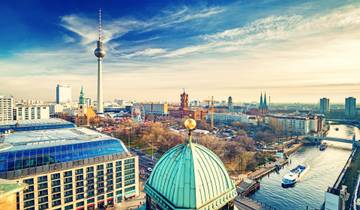
7 days
Explore Berlin to Stockholm (9 destinations)
- ✓ Comprehensive Copenhagen tour
- ✓ Expert local guides included
- ✓ All accommodation arranged
- ✓ Transportation provided

4 days
Copenhagen and Malmö: Two Countries in One Quick Trip
- ✓ Booking needs min. 2 travelers
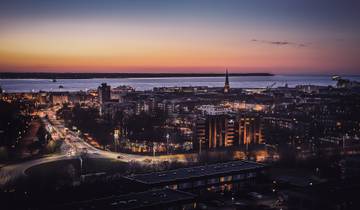
6 days
6 Days in Copenhagen: Day Trips to Helsingør, Lund & Malmö, and Hop-On Hop-Off Sightseeing
- ✓ Comprehensive Copenhagen tour
- ✓ Expert local guides included
- ✓ All accommodation arranged
- ✓ Transportation provided
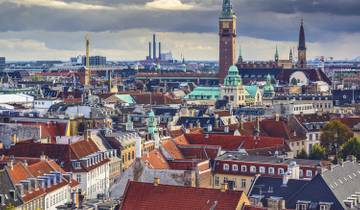
3 days
Copenhagen City Stay – 3 days
- ✓ Comprehensive Copenhagen tour
- ✓ Expert local guides included
- ✓ All accommodation arranged
- ✓ Transportation provided
Multi-day tour packages powered by TourRadar. Prices and availability subject to change.
Introduction to Copenhagen in 2026
Copenhagen continues to evolve as one of Europe’s most livable and visitable capitals, balancing 1,000 years of royal history with cutting-edge sustainability and design innovation. The Danish capital’s compact 88km² city center makes it perfectly suited for exploration by bicycle, with dedicated cycle superhighways connecting every neighborhood and attraction. In 2026, Copenhagen maintains its position as a culinary powerhouse, home to 18 Michelin-starred restaurants while simultaneously perfecting the art of the humble smørrebrød (open-faced sandwich) and organic hot dogs.
The city’s unique character emerges from its contrasts: Renaissance palaces stand beside contemporary glass architecture, traditional canal boat tours pass modern harbor swimming areas, and centuries-old Tivoli Gardens hosts electronic music festivals. Copenhagen’s commitment to sustainability manifests everywhere—from the CopenHill waste-to-energy plant with a ski slope on its roof to the goal of carbon neutrality by 2025, making 2026 an exciting time to witness this green transformation. The Danish concept of hygge (cozy contentment) permeates cafe culture, making even rainy days pleasant with warm interiors, candlelight, and excellent coffee.
Copenhagen’s 1.3 million metropolitan residents create a welcoming atmosphere for the 10+ million annual visitors, with English spoken universally and a refreshingly honest culture where bicycle theft rates shock locals more than violent crime. The city’s compact nature means most major attractions lie within 5km of City Hall Square, easily reached by efficient metro, bus, and harbor boat systems. Whether you’re drawn to Viking history at the National Museum, contemporary art at Louisiana, New Nordic cuisine at Noma, or simply cycling along tree-lined streets eating cardamom-spiced pastries, Copenhagen delivers experiences that feel both sophisticated and approachable.
Top Copenhagen Attractions 2026
Tivoli Gardens
The world’s second-oldest operating amusement park (opened 1843) remains Copenhagen’s most visited attraction, inspiring Walt Disney himself during his 1950s visit. Tivoli reopens March 28, 2026, for its spring season, operating through summer (April-September), Halloween (October), and Christmas (November-January 4, 2026) with distinct seasonal themes transforming the 8-hectare gardens. The park combines historic charm—original wooden roller coaster Rutschebanen dates to 1914—with modern thrills like Vertigo, Denmark’s tallest ride at 100 meters.
Entrance tickets use dynamic pricing based on visit dates and time slots, typically ranging 100-180 DKK for adults in 2026 (check official website for current rates as pricing varies). The Copenhagen Card covers park entrance but NOT rides, which require separate tickets (50-90 DKK each) or unlimited ride passes (199 DKK). Located directly across from Copenhagen Central Station, Tivoli’s beautifully landscaped gardens, 30+ restaurants (from organic hot dogs to Michelin-starred Nimb), and evening illuminations create magical experiences beyond the rides. Free re-entry same-day with stamp allows exploring nearby attractions between Tivoli visits.
Summer brings outdoor concerts (Scandinavian rock, classical performances), Friday night fireworks, and extended hours until 23:00-midnight. Halloween transforms the gardens with 20,000+ pumpkins, themed decorations, and family-friendly spooky activities. Christmas features traditional Danish market stalls, glögg (mulled wine), ice skating, and enchanting light displays across 100,000+ bulbs. Plan 4-6 hours for full experience including rides, shows, dining, and garden strolls. Arrive mid-afternoon to enjoy daylight gardens, then stay for magical evening atmosphere when thousands of lights illuminate pathways and architecture.
Nyhavn and Canal District
Copenhagen’s postcard-perfect waterfront dates to 1673 when King Christian V commissioned this “New Harbor” as a commercial shipping channel connecting the sea to Kongens Nytorv square. The 17th-century townhouses lining the north quay—painted in brilliant yellows, oranges, blues, and reds—originally housed sailors and merchants, with several buildings dating to the 1680s surviving today. Hans Christian Andersen lived at Nyhavn 67 (1845-1864) where he penned iconic fairy tales including “The Little Mermaid” and “The Ugly Duckling.”
Today’s Nyhavn functions as Copenhagen’s premier outdoor dining and drinking zone, with 30+ restaurants and cafes offering harborfront tables (though prices run 30-50% higher than nearby streets). The canal serves as departure point for popular sightseeing cruises: Stromma Danmark operates tours for 129 DKK adults (60 DKK children 6-15), while budget operator Netto-Bådene charges approximately 60 DKK adults, both offering hour-long English-narrated tours past The Little Mermaid, Opera House, Christianshavn, and modern harbor architecture. Tours depart every 20-30 minutes from late March through October 2026, with reduced winter schedules.
Beyond tourist activities, Nyhavn preserves working maritime heritage with historic wooden ships moored along the south quay, including museum vessels open for tours during summer months. The waterfront promenade extends 3km along Copenhagen’s inner harbor, connecting Nyhavn to Amalienborg Palace, BLOX architecture center, and the Royal Library’s modern Black Diamond extension. Visit early morning (before 10:00) for photography without crowds, or evening when restaurants buzz with locals and tourists enjoying Denmark’s long summer twilight. Free harbor buses (line 991/992) provide alternative transport along the waterfront included in standard transit tickets.
Rosenborg Castle and Crown Jewels
King Christian IV’s favorite residence, built 1606-1634 in Dutch Renaissance style, serves as living museum displaying 400 years of Danish royal history across 24 meticulously preserved rooms. The castle’s fairytale turrets and spires, constructed from red brick with sandstone detailing, sit within the King’s Garden (Kongens Have), Copenhagen’s oldest park and popular picnic spot for locals. Unlike Versailles-scale palaces, Rosenborg’s intimate rooms—including Christian IV’s tiny writing closet and preserved toilet—provide surprisingly personal glimpses into royal daily life spanning four centuries.
The basement treasury houses Denmark’s Crown Jewels and Royal Regalia, including the crown of Christian IV (1596) embellished with table-cut stones and enamel, the coronation throne from 1840 (last used for Danish coronations), and the crown jewels actively worn by Queen Margrethe for state occasions. Three life-size silver lions guard the Knights’ Hall, which displays one of the world’s finest Venetian glass collections. Admission costs 130 DKK for adults in 2026 (check official website for current rates), with free entry for children under 18. The Copenhagen Card provides free access, though time-slot reservations are still required.
Opening hours vary seasonally: January-February 10:00-16:00 Tuesday-Sunday (closed Mondays), expanding to 10:00-17:00 daily during peak season (May-October). Reserve timed entry tickets online to avoid disappointment, especially during summer when all slots frequently sell out days in advance. Allow 2-3 hours for complete castle tour including treasury visit. Audio guides available in multiple languages for 50 DKK enhance the self-guided experience with detailed room histories. Combine your visit with stroll through King’s Garden (free entry), which fills with sunbathing Copenhageners during summer and displays stunning autumn colors September-October.
The Little Mermaid Statue
Copenhagen’s diminutive (1.25m tall) bronze icon, unveiled August 23, 1913, commemorates Hans Christian Andersen’s tragic fairy tale of a mermaid who sacrifices her voice for human love. Sculptor Edvard Eriksen modeled the face after ballerina Ellen Price and the body after his wife Eline, creating Denmark’s most photographed monument perched on a harborside rock at Langelinie promenade. The statue’s modest size surprises many first-time visitors expecting grander proportions, yet her lonely position gazing seaward captures the melancholic essence of Andersen’s story.
The sculpture has endured multiple vandalism incidents—beheaded twice (1964, 1998), arms sawn off (1984), painted various colors—yet survives as essential Copenhagen pilgrimage site, attracting 1+ million visitors annually. The statue is accessible 24/7 year-round with no admission fee, though surrounding areas near Kastellet citadel sometimes host events requiring temporary closures. Best viewing times are early morning before 9:00 when cruise ship groups haven’t arrived, or late evening for golden-hour photography against harbor backdrop.
Reach The Little Mermaid via pleasant 2km waterfront walk from Nyhavn (25-30 minutes), by bus 26 from central station, or include on canal boat tours that pass remarkably close to the statue. The surrounding Langelinie Park offers peaceful harborside walking paths, commemorative fountains, and views toward Øresund strait separating Denmark from Sweden. Combine your Little Mermaid visit with nearby Kastellet star fortress (free admission, beautiful grounds perfect for jogging or picnicking) and Gefion Fountain depicting Nordic goddess plowing Zealand from Sweden according to Norse mythology.
Amalienborg Palace and Changing of Guards
Four identical rococo palaces arranged around an octagonal courtyard serve as official residence for Danish Royal Family, with Queen Margrethe II occupying Christian IX’s Palace when flag flies overhead. The architectural complex, designed by architect Nicolai Eigtved and completed 1750-1760, creates one of Europe’s finest examples of rococo town planning. The Amalienborg Museum occupies Christian VIII’s Palace, displaying royal apartments decorated 1863-1947 with period furniture, family photographs, and personal belongings providing intimate portrait of modern Danish monarchy.
Museum admission costs 120 DKK adults (free with Copenhagen Card) with opening hours Tuesday-Sunday 10:00-16:00 (extended to 17:00 June-August). The palace’s ceremonial changing of guards ceremony occurs daily at 12:00, with the Royal Life Guards marching from Rosenborg Castle through Copenhagen streets, arriving at Amalienborg precisely at noon. When the Queen is in residence (flag flying), guards perform full ceremony with music; when absent, a simpler watch change occurs. The 30-minute spectacle is completely free to watch from the cobblestone courtyard—arrive 11:45 to secure good viewing positions near the palace gates.
The harbor-side location at Amalienborg places you beside modern waterfront development, with the Royal Opera House (2005) visible directly across water—its zinc-clad roof and cantilevered stage make architectural statement complementing historic palace. Free harbor bus stops at Nyhavn and Opera House provide water-based transport alternative to walking or cycling. The palace square, despite royal residents, remains public space where locals cross-country ski during winter and children play between cobblestones, embodying Denmark’s refreshingly democratic approach to monarchy where royals bicycle through streets like ordinary citizens.
Copenhagen Neighborhoods to Explore 2026
Indre By (Inner City)
Copenhagen’s medieval heart, defined by ramparts until 1856, concentrates major attractions within walkable 2km² including Tivoli, Strøget shopping street (one of Europe’s longest pedestrian streets at 1.1km), Round Tower observatory, and Latin Quarter student neighborhood. This area blends 17th-century architecture with contemporary design, exemplified by Torvehallerne food market (opened 2011) where 60+ vendors sell New Nordic ingredients, artisan cheeses, organic produce, and international specialties under glass pavilions.
The Round Tower (Rundetårn), built 1637-1642, offers 360-degree Copenhagen views from 34.8m height reached via unique spiral ramp rather than stairs—designed so horse-drawn carriages could transport astronomical equipment to the observatory. Admission 40 DKK (free with Copenhagen Card). Strøget connects City Hall Square to Kongens Nytorv, lined with international brands, Danish design shops (Royal Copenhagen porcelain, Georg Jensen silver), and historic passages like Pistolstræde alley filled with cafes. The pedestrian-only streets enable pleasant wandering among street performers, outdoor cafes, and architectural gems spanning seven centuries.
Christianshavn and Christiania
This island district, connected to central Copenhagen by bridges, features picturesque canals modeled after Amsterdam, historic Dutch-style merchant houses with stepped gables, and Copenhagen’s most controversial neighborhood: Freetown Christiania. Established 1971 when squatters occupied abandoned military barracks, Christiania operates as self-governing community with 1,000 residents, colorful murals, alternative architecture, and cannabis trade tolerated within its boundaries (though technically illegal in Denmark). Pusher Street closed in 2024, transforming Christiania’s character, but the community maintains autonomous identity with unique cultural attractions.
Visitors can freely explore Christiania’s public areas (photography restrictions apply in certain zones—respect posted signs and residents’ privacy). The community operates cafes, art galleries, music venues, and the annual Christiania Jazz Festival. Our Saviour’s Church (Vor Frelsers Kirke) dominates Christianshavn’s skyline with distinctive golden spiral spire—400 external steps lead to panoramic viewing platform (60 DKK admission). The church’s baroque interior features impressive altar, pulpit, and one of Denmark’s finest organs. Christianshavn’s cozy cafes along Wildersgade and Overgaden canals serve excellent coffee and pastries in peaceful settings away from tourist crowds, while new harbor developments like Copenhagen Street Food closed 2022, replaced by residential construction.
Nørrebro
Copenhagen’s most multicultural district pulses with creative energy, independent boutiques, ethnic restaurants, coffee roasters, and vibrant nightlife. Historically working-class neighborhood transformed since 1990s into hipster haven while maintaining diverse immigrant communities creating unique cultural blend. Jægersborggade, once seedy street, now hosts Denmark’s best independent shops: artisan chocolate makers, vintage clothing stores, craft breweries, and Relæ (Michelin-starred New Nordic restaurant at accessible prices).
Assistens Cemetery (free entry, open dawn-dusk) serves as both burial ground for famous Danes—Hans Christian Andersen, Søren Kierkegaard, physicist Niels Bohr—and beloved park where locals picnic, sunbathe, and jog among historic gravestones. This dual function exemplifies Danish practical attitude toward death and public space. Nørrebro also hosts Superkilen, striking urban park designed by internationally renowned architects combining Moroccan fountains, Japanese cherry trees, Spanish benches, and other elements representing the neighborhood’s global residents. The area offers more affordable dining than tourist zones, with excellent Middle Eastern, Turkish, Thai, and Vietnamese restaurants serving authentic cuisine at reasonable prices (100-200 DKK for mains).
Vesterbro
Once Copenhagen’s red-light district, Vesterbro gentrified dramatically since 2000s while maintaining edgy charm. The Meatpacking District (Kødbyen) exemplifies the transformation: abandoned slaughterhouses converted to galleries, clubs, restaurants, and Michelin-starred dining. White, grey, and brown painted buildings originally coded different meat types; today they house experimental cocktail bars, microbreweries, and late-night food venues attracting sophisticated crowds.
Vesterbrogade, the main thoroughfare, runs from Central Station to Frederiksberg, lined with organic cafes, vintage shops, tattoo parlors, and Copenhagen’s best beer bars. Carlsberg City District, the old Carlsberg brewery site, transforms into sustainable neighborhood combining historic brewery architecture (1847 Elephant Gate towers remain) with contemporary housing, cultural venues, and the new Carlsberg Museum showcasing 175 years of brewing heritage (entrance 100 DKK, free with Copenhagen Card). Vesterbro Station neighborhood offers excellent value mid-range hotels positioned perfectly for Tivoli access while avoiding central Copenhagen’s premium hotel prices.
Essential Planning Information 2026
Getting to Copenhagen 2026
Copenhagen Airport Kastrup (CPH), Scandinavia’s busiest airport, lies just 8km from city center with excellent connections. The Metro M2 line reaches Central Station in 14 minutes, operating 24/7 every 4-6 minutes during day, every 15-20 minutes overnight. Single ticket costs 39 DKK (3 zones), or use City Pass Small (100 DKK for 24 hours) covering airport-city transport plus unlimited travel within zones 1-4. Trains also connect airport to Central Station (13 minutes, similar price), while taxis cost 250-300 DKK to central hotels depending on traffic.
International trains arrive from Sweden via Øresund Bridge (Malmö 35 minutes, Stockholm 5 hours), Germany via ferries or land route through Jutland, and throughout Scandinavia. Overnight ferries from Oslo (17 hours, DFDS Seaways) provide scenic alternative combining transport and accommodation. Within Denmark, efficient train network connects major cities: Århus 3 hours, Odense 90 minutes, Aalborg 4.5 hours. Long-distance buses (FlixBus, others) offer budget alternative to trains with comparable journey times at 30-50% lower prices.
Transportation Within Copenhagen 2026
Copenhagen’s integrated public transport system (buses, metro, trains, harbor buses) uses zone-based pricing where tickets validate across all modes within time limits. The Rejsebillet app simplifies ticket purchasing, automatically calculating required zones and providing countdown timer showing ticket validity. Single tickets start at 24 DKK for 2-zone journeys (most central trips), valid 75 minutes including transfers. City Pass Small (zones 1-4) costs 100 DKK for 24 hours, 200 DKK for 72 hours—excellent value for tourists covering central Copenhagen plus airport.
The Metro system operates 24/7 with automated trains running every 2-6 minutes during day. Four lines (M1, M2, M3 Cityringen, M4) cover major tourist areas, with M3 circular line connecting central attractions including Tivoli, Kongens Nytorv, Nørreport, and Frederiksberg. Buses reach areas metros miss, operating 5:00-1:00 with night buses (N-routes) covering later hours. Harbor buses (lines 991/992) provide free transport between waterfront attractions using standard tickets, operating every 30 minutes connecting Nyhavn, Little Mermaid, Opera House, and Islands Brygge.
Cycling dominates Copenhagen transport with 400+ km dedicated bike lanes, traffic lights timed for 20km/h cycling speed, and infrastructure making cycling safer than most cities. Rent city bikes from numerous shops (100-150 DKK daily, 400-500 DKK weekly) or use bike-sharing systems. Traffic rules apply: ride on right, signal turns, use lights after dark, walk bikes in pedestrian zones. Copenhagen’s flat terrain and compact size make cycling fastest option for distances 1-5km, with dedicated bike parking at every major attraction. Walking remains pleasant for central area exploration, with most key sights lying within 30-minute walks of each other.
Where to Stay in Copenhagen 2026
Copenhagen accommodation ranges from budget hostels to luxury design hotels, with neighborhood choice significantly affecting experience and cost. Indre By (Inner City) places you steps from Tivoli, Strøget shopping, and major attractions, commanding premium prices (hotels 1,200-2,500 DKK nightly, mid-range 800-1,200 DKK). Budget travelers find excellent value in modern hostels: Steel House Copenhagen, Generator Copenhagen, and Next House Copenhagen offer stylish dorms (200-350 DKK per bed) and private rooms (600-900 DKK) with social atmospheres, rooftop terraces, and central locations.
Vesterbro provides best value for mid-range travelers, with hotels 600-1,000 DKK nightly positioned near Central Station enabling easy Tivoli access while avoiding premium central prices. The neighborhood’s excellent restaurants, cafes, and nightlife compensate for slightly peripheral location. Nørrebro suits travelers seeking local experiences over tourist convenience, with apartments and small hotels (500-800 DKK) immersing you in multicultural neighborhood life. Christianshavn offers canal-side charm and proximity to Christiania, though accommodation options remain limited.
Book 2-4 months advance for summer 2026 (June-August) when prices peak and availability tightens. Shoulder seasons (April-May, September-October) deliver 20-30% savings with pleasant weather still suitable for outdoor activities. Winter visitors (November-March) enjoy lowest rates—hotels drop 30-50% below summer prices, with Christmas markets and hygge atmosphere compensating for limited daylight hours. Many hotels include breakfast buffets (Danish pastries, cheeses, meats, cereals) adding 100-150 DKK value, making “room only” rates misleading for budget comparisons.
Money-Saving Strategies 2026
Copenhagen’s reputation for expense proves partially justified—restaurant meals, alcohol, and attractions cost significantly more than Southern Europe—yet strategic planning enables affordable visits. The Copenhagen Card (459 DKK for 24 hours, 889 DKK for 72 hours) pays for itself visiting 3-4 attractions plus transport, covering Tivoli entrance, Rosenborg Castle, canal tours, and 75+ additional sites while providing unlimited metro/bus travel. Purchase online before arrival for immediate activation at airport.
Free attractions deliver quality experiences: The Little Mermaid, Kastellet star fortress, changing of guards at Amalienborg, Assistens Cemetery, Botanical Gardens, and Frederik’s Church cost nothing. Copenhagen’s extensive cycle lane network enables cheap transport—rent bikes 100-150 DKK daily versus buying transit passes. Supermarkets (Netto, Fakta, Føtex) stock picnic supplies, organic produce, and Danish specialties at 50-70% below restaurant prices. The harbor baths at Islands Brygge provide free swimming with changing facilities and lifeguards during summer months.
Lunch menus (frokost) offer same quality as dinner at 30-50% lower prices—many Michelin-starred restaurants serve accessible lunch sets 200-400 DKK versus 800-1,500 DKK dinner menus. Happy hours at bars (typically 16:00-19:00) feature half-price drinks. Museums often offer free entry one day monthly or extended hours with reduced admission—check individual websites for details. Street food markets like Torvehallerne provide authentic Danish specialties (smørrebrød 65-95 DKK, organic hot dogs 50-65 DKK) in atmospheric settings without full restaurant prices.
Copenhagen Food and Dining 2026
Traditional Danish Cuisine
Danish culinary tradition centers on smørrebrød (open-faced sandwiches), dense dark rye bread (rugbrød) topped with combinations of pickled herring, liver pâté, roast pork with crackling (flæskesteg), shrimp with lemon and mayonnaise, or aged cheese. Traditional smørrebrød restaurants like Aamanns, Schønnemann (since 1877), and Ida Davidsen craft elaborate versions where toppings pile artfully high—expect 65-125 DKK per piece, with 2-3 constituting substantial meal. The key lies in precise ingredient quality and layering technique perfected over generations.
Frikadeller (Danish meatballs) typically appear at lunch, served with potatoes, red cabbage, and brown gravy—comfort food found in traditional restaurants and home kitchens. Hot dogs (pølser) from street carts constitute Danish fast food institution, with DØP organic stands elevating the concept using local meats, fresh-baked buns, and remoulade sauce (sweet pickle relish mayonnaise). Cardamom-spiced pastries fill bakeries: kanelsnegle (cinnamon swirls), tebirkes (poppy seed pastries), and wienerbrød (what Danes actually call “Danish pastries”). Juno the Bakery, Hart Bageri, and Lagkagehuset produce exceptional versions worth seeking out.
New Nordic Cuisine
Copenhagen pioneered the New Nordic food movement emphasizing local, seasonal ingredients, foraging, fermentation, and minimalist presentation. While Noma (four-time World’s Best Restaurant) defined the genre, the philosophy spread throughout Copenhagen’s dining scene. Restaurants like Amass, Barr, and Kadeau execute New Nordic principles at more accessible price points (600-1,200 DKK tasting menus versus Noma’s 3,500 DKK). The movement elevated previously overlooked Nordic ingredients: sea buckthorn, elderflower, wild garlic, and various foraged elements.
Torvehallerne food market showcases New Nordic philosophy democratically, with vendors selling organic vegetables, wild game, artisan cheeses, and foraged herbs. The market functions as delicious classroom in seasonal Danish eating—September brings wild mushrooms, summer offers Danish strawberries and new potatoes, winter features root vegetables and preserved items. Coffee culture thrives with specialty roasters (Coffee Collective, Prolog) serving Nordic-style light roasts emphasizing fruity, floral notes contrasting Italian dark espresso traditions. Copenhagen’s 18 Michelin stars (as of 2025) demonstrate the city’s culinary seriousness, though budget travelers can sample the ethos through market visits and lunch menus.
International Dining
Copenhagen’s multicultural population, particularly concentrated in Nørrebro and Vesterbro, supports excellent international dining beyond Danish traditions. Nørrebro’s Stefansgade and Jægersborggade streets host authentic Middle Eastern, Turkish, and Vietnamese restaurants serving generous portions at reasonable prices (100-180 DKK mains). These family-run establishments deliver quality rivaling central Copenhagen’s expensive restaurants at fraction of cost. Vesterbro’s Meatpacking District features innovative fusion concepts blending Nordic ingredients with global techniques.
Reffen, Copenhagen’s harbor-side street food market (April-October), gathers 35+ food stalls representing global cuisines from Mexican tacos to Japanese ramen, Korean BBQ to Ethiopian injera—most dishes 75-120 DKK. The informal outdoor setting beside industrial harbor creates relaxed atmosphere for trying multiple vendors. Italian restaurants cluster around central streets serving reliable pasta and pizza (150-200 DKK mains), while Asian dining ranges from budget buffets to upscale omakase. Wine bars concentrate in Latin Quarter and Indre By, offering European selections alongside local craft beers from Mikkeller, To Øl, and other innovative Danish breweries.
Day Trips from Copenhagen 2026
Kronborg Castle (Helsingør)
The setting for Shakespeare’s Hamlet, this UNESCO World Heritage fortress overlooks Øresund strait from strategic position controlling entrance to Baltic Sea. Built 1574-1585 by King Frederik II, the Renaissance castle features dramatic fortifications, royal apartments, ballroom, and underground casemates housing artillery and legendary sleeping statue of Holger Danske who supposedly awakens when Denmark faces danger. The castle hosts annual summer Shakespeare performances in the courtyard, with Hamlet naturally dominating the program.
Trains depart Copenhagen Central Station every 20 minutes reaching Helsingør in 45 minutes (106 DKK return, zones 5-6 extension to City Pass). The castle lies 15-minute walk from station. Admission costs 145 DKK adults (free with Copenhagen Card), with opening hours 11:00-16:00 November-March, extending to 10:00-17:30 June-August. Allow 2-3 hours for complete castle tour including casemates exploration. Combine the visit with Helsingør’s historic quarter, Maritime Museum of Denmark (award-winning underground architecture by BIG), and ferry crossing to Helsingborg, Sweden (20 minutes, frequent departures) for international dimension to your day trip.
Frederiksborg Castle (Hillerød)
Denmark’s most magnificent castle, built 1560-1630 by Kings Frederik II and Christian IV, showcases Dutch Renaissance architecture at its finest with three islands, ornate spires, and elaborate baroque gardens. The Museum of National History occupies 60+ rooms displaying 500 years of Danish paintings, furniture, and decorative arts chronologically arranged. The Great Hall reconstruction (after 1859 fire) demonstrates 19th-century craftsmanship, while the chapel survived with original carved wooden interior from 1600s.
S-train line A reaches Hillerød station from Copenhagen in 40 minutes (departures every 10 minutes, 72 DKK zones 6-7 extension). Walk 15 minutes through town’s pedestrian streets or around castle lake to entrance. Admission 90 DKK adults (free with Copenhagen Card), opening 11:00-15:00 January-March, 10:00-17:00 April-October. The baroque garden (separate ticket 40 DKK, free November-March) recreates symmetrical French-style landscaping with fountains, cascades, and geometric plantings. Summer ferry crosses castle lake providing picturesque approach. Plan 3-4 hours for comprehensive visit including gardens and town exploration. Hillerød offers budget lunch options near station contrasting castle’s royal grandeur.
Louisiana Museum of Modern Art
Scandinavia’s most visited art museum combines world-class contemporary collections with stunning coastal architecture and sculpture park overlooking Øresund. The museum building integrates modernist wings (designed 1958-present by various architects) with 1855 villa, creating flowing spaces where art meets nature. Permanent collection features Giacometti, Picasso, Warhol, and comprehensive modern Danish art, while special exhibitions attract international attention. The sculpture park positions major works by Calder, Henry Moore, and others against sea views and surrounding beech forest.
Trains depart Copenhagen toward Helsingør, stopping at Humlebæk station (35 minutes, every 20 minutes, 72 DKK zones 4-5). Museum lies 10-minute walk from station following pedestrian path. Admission 150 DKK adults (free with Copenhagen Card), open Tuesday-Friday 11:00-22:00, weekends 11:00-18:00. The extended Thursday-Friday evening hours enable visiting after Copenhagen sightseeing. Museum cafe overlooks sound with excellent Nordic-influenced light meals (150-200 DKK). Allow 2-4 hours for exhibitions plus outdoor spaces—many visitors spend entire afternoons enjoying art, architecture, and waterfront setting. Children appreciate interactive installations and sculpture park exploration. Combine with nearby Hamlet’s Kronborg Castle for culture-packed day trip.
Frequently Asked Questions About Copenhagen Travel 2026
Is Copenhagen safe for tourists in 2026?
Copenhagen ranks among Europe’s safest capitals, with violent crime extremely rare and locals comfortable cycling and walking at night. Pickpocketing concentrates in tourist areas (Nyhavn, Tivoli, Strøget) and crowded public transport—standard precautions apply. Bicycle theft remains locals’ primary concern, so always lock rental bikes using both wheel and frame locks provided. Emergency number 112 works throughout EU, with English-speaking operators. Denmark’s honest culture means lost wallets often get returned with contents intact. Women traveling solo report feeling very safe, though standard awareness applies late-night.
Do I need to speak Danish in Copenhagen?
English proficiency in Copenhagen approaches 90%, with virtually everyone under 50 speaking fluent English, making Danish knowledge unnecessary for tourists. Restaurant menus, museum signage, and transport information appear in both Danish and English. Older Copenhageners appreciate basic Danish courtesies: “Hej” (hi), “Tak” (thanks), “Undskyld” (excuse me), though they’ll quickly switch to English for conversations. Service industry, museums, and attractions employ English speakers. Learning Danish pronunciation helps with place names and street signs, though Google Maps navigation works perfectly with English input. Danes appreciate linguistic courtesy but never expect tourists to speak Danish.
What’s the best way to get around Copenhagen?
Cycling provides the fastest, cheapest, and most authentic Copenhagen transport for distances 1-5km, with 400+ km of protected bike lanes making it safer than most cities. Rent bikes 100-150 DKK daily from shops near hotels or stations. The Metro operates 24/7 reaching major areas quickly, while buses cover neighborhoods metros miss. City Pass Small (100 DKK for 24 hours) provides unlimited metro, bus, train, and harbor boat transport across central zones including airport. Walking works excellently for compact Inner City area where most attractions cluster within 2km. Taxis cost 25-40 DKK per km, practical only for late-night transport or multiple passengers sharing costs.
How expensive is Copenhagen compared to other European cities?
Copenhagen typically costs 20-40% more than Southern European capitals but proves comparable to Stockholm, Oslo, and Zurich. Restaurant meals average 150-300 DKK (entrees), alcohol carries particularly high prices due to Danish taxes (beer 50-80 DKK, cocktails 100-150 DKK in bars). Accommodation prices mirror other Scandinavian capitals (hostels 200-350 DKK per bed, mid-range hotels 800-1,200 DKK nightly). Public transport and museums cost reasonably—metro tickets 24-40 DKK, most museums 80-150 DKK. Groceries prove less shocking than restaurants, making picnics practical budget strategy. The Copenhagen Card delivers genuine value, while free attractions and harbor swimming reduce daily costs significantly.
What should I pack for Copenhagen in different seasons?
Summer (June-August): Pack layers as temperatures fluctuate 15-25°C, light rain jacket (frequent showers), comfortable walking shoes, sunglasses, and sun protection. Evenings cool down requiring light sweater even in July. Spring/Autumn (April-May, September-October): Waterproof jacket essential, layering pieces for 10-18°C temperatures, scarf for wind near harbor. Winter (November-March): Heavy coat, gloves, warm hat, waterproof boots for occasional snow, thermal layers as temperatures drop to -2 to 5°C. Danish buildings heat well but streets prove chilly. Year-round: Comfortable walking shoes (expect 10,000+ steps daily), adapters for Danish Type K/C outlets, reusable water bottle (tap water excellent quality), and backpack for daily essentials. Dress casually—Copenhagen style leans minimalist and practical rather than formal.
Can I visit Copenhagen on a budget?
Budget travel in Copenhagen requires strategy but proves entirely feasible. Stay in hostels (200-350 DKK per bed) rather than hotels, buy groceries from discount supermarkets (Netto, Fakta) for breakfast and lunch, saving restaurants for one dinner. Free attractions provide full days: Little Mermaid, Kastellet, changing of guards, botanical gardens, Assistens Cemetery, harbor baths (summer). Rent bikes instead of buying transport passes. Happy hours (16:00-19:00) offer half-price drinks, while lunch menus deliver restaurant quality at dinner prices minus 40-50%. The Copenhagen Card costs 459 DKK for 24 hours but saves money visiting multiple attractions plus unlimited transport. Budget 600-800 DKK daily covering hostel, supermarket meals, bike rental, one attraction, and evening beer—tight but achievable.
Is the tap water safe to drink in Copenhagen?
Copenhagen’s tap water ranks among the world’s cleanest and best-tasting, sourced from protected groundwater aquifers. Restaurants automatically serve tap water when requested, hotels provide free water bottles for refilling, and public fountains throughout the city offer safe drinking water. Buying bottled water proves completely unnecessary and environmentally wasteful—even locals drink exclusively from taps. The water contains no chlorine taste (unlike many cities), requiring no filtering or treatment. Carry reusable bottle to refill at hotel, restaurants, or fountains rather than purchasing plastic bottles. This represents one of Copenhagen’s greenest features and significant budget savings for visitors accustomed to buying bottled water elsewhere.
What are typical opening hours in Copenhagen?
Shops typically open 10:00-18:00 weekdays, 10:00-17:00 Saturdays, with many closed Sundays except first Sunday monthly when major stores open 10:00-17:00. Supermarkets maintain longer hours (8:00-20:00 daily) with some 24-hour options near Central Station. Restaurants serve lunch 11:30-14:30, dinner from 17:30-22:00, though cafes remain open continuously for coffee and light meals. Museums generally open 10:00-17:00 Tuesday-Sunday, often closed Mondays especially November-March. Banks operate 10:00-16:00 weekdays only. Late-night shopping occurs Fridays in city center (stores open until 19:00-20:00). These patterns shift during summer tourist season when attractions and shops extend hours to capture visitor spending.
Do I need travel insurance for Copenhagen?
European Health Insurance Card (EHIC) provides EU citizens emergency medical coverage equivalent to Danish residents, but doesn’t cover repatriation, trip cancellation, or lost belongings. Non-EU visitors should purchase comprehensive travel insurance covering medical emergencies (Danish healthcare is excellent but expensive for uninsured foreigners), trip interruption, lost luggage, and bicycle theft if renting. Medical evacuation insurance proves particularly important for serious illness requiring transport home. Denmark’s high costs mean replacing lost belongings or changing flights proves expensive without coverage. Many credit cards include basic travel insurance for trips booked with them—verify coverage levels and exclusions. Budget €30-60 for comprehensive week-long coverage providing genuine peace of mind in expensive destination.
What’s the tipping culture in Copenhagen?
Service charges include in all Danish bills (restaurants, taxis, hotels), making tipping optional rather than expected. Restaurant servers earn living wages (minimum 120-140 DKK/hour) unlike US system relying on tips. Locals round up bills or add 5-10% for exceptional service but never feel obligated. Credit card payment systems don’t prompt for tips—any gratuity requires cash or specifying amount to charge. Taxi drivers appreciate rounding up (187 DKK becomes 200 DKK), hotel housekeepers welcome 20-50 DKK left in room, while tour guides expect nothing though 50-100 DKK shows appreciation for exceptional work. This no-tipping culture reduces stress for visitors and ensures service quality doesn’t depend on gratuities.