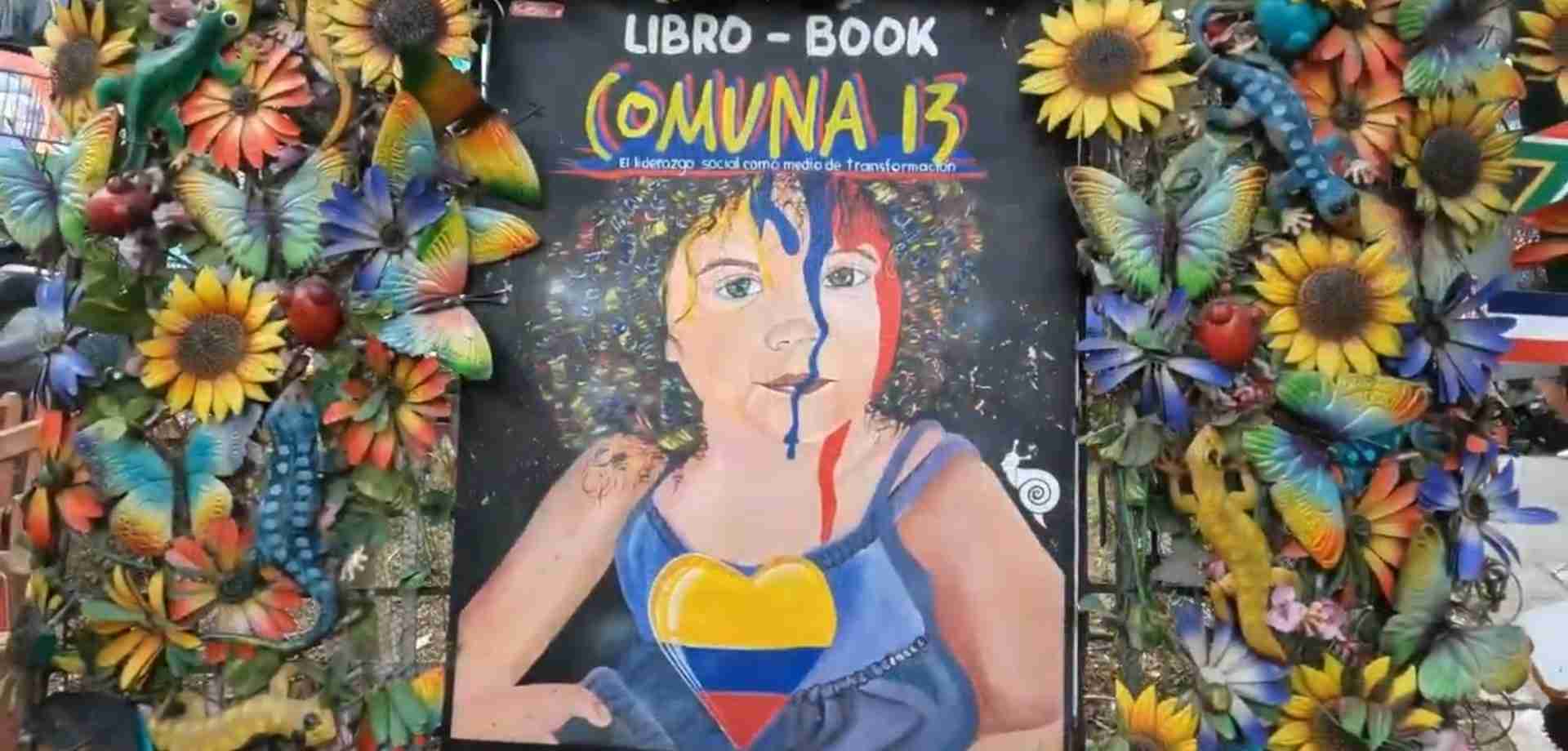
Comuna 13 Medellín 2026: Street Art & Transformation Tour
Key Takeaways:
- Graffiti tours cost $20-30 in 2026 for 3-4 hour experiences with local guides (check tour operators for current rates as pricing may vary)
- Public escalators installed in 2011 cut commute times from 35 minutes to 6 minutes, catalyzing neighborhood transformation
- Tours depart from Poblado metro station with included transportation costing only the $0.93 metro fare
- Local guides who grew up in Comuna 13 provide firsthand accounts of the area’s violent past and remarkable recovery
- Weekend visits offer more energy with hip-hop performances and art shows, weekdays provide calmer exploration
- All organized tours include safe passage through the neighborhood with experienced local guides ensuring visitor security
Introduction to Comuna 13 Transformation 2026
Comuna 13, officially known as San Javier, represents one of the world’s most dramatic urban transformation stories. This hillside neighborhood in western Medellín evolved from being labeled the most dangerous place in the most dangerous city during the 1990s and early 2000s into a vibrant outdoor art gallery attracting thousands of international visitors weekly. The transformation didn’t happen overnight or through simple gentrification, but through deliberate government investment in public infrastructure, grassroots community organizing, and the power of art as a tool for healing and hope.
The neighborhood’s story intertwines with Medellín’s broader history of violence during the drug war era. Comuna 13’s strategic location on transportation routes made it contested territory between drug cartels, paramilitaries, and guerrilla groups. Operation Orion in October 2002 saw government forces attempt to retake control through massive military intervention involving helicopters, tanks, and hundreds of soldiers. While the operation established government presence, it also resulted in civilian casualties and disappeared persons, creating deep community trauma that residents still process today.
The turning point arrived in 2011 when the city government installed outdoor escalators connecting steep hillside sections to the San Javier metro station below. These six escalator sections replaced exhausting stairway climbs equivalent to a 28-story building, cutting residents’ commutes from 35 minutes of steep climbing to just 6 minutes of comfortable escalator riding. This infrastructure investment demonstrated government commitment to marginalized communities while creating accessibility that hadn’t previously existed. The escalators became symbols of social inclusion and catalysts for further transformation.
Street artists began covering walls with colorful murals depicting the neighborhood’s painful history, ongoing struggles, and hopeful futures. What started as individual artistic expressions evolved into a coordinated community effort supported by local government funding for artists’ work. Today, Comuna 13’s streets overflow with spectacular graffiti covering entire building facades, narrow alleyways, and public spaces. Hip-hop culture flourishes with regular performances by local artists, breakdancers, and rappers who view their art as continuation of the transformation story.
Visiting Comuna 13 in 2026 means experiencing this transformation firsthand through organized tours led by local residents who lived through the violence and actively participate in the ongoing renaissance. The neighborhood welcomes tourism as part of its economic recovery while maintaining authentic community character. Visitors encounter not a sanitized tourist attraction but a living community where residents go about daily lives, children play on escalators, and the art serves as both reminder of past pain and declaration of present hope.
People Also Ask About Comuna 13 2026
Is Comuna 13 safe for tourists in 2026?
Yes, Comuna 13 is safe for tourists visiting with organized tours led by local guides in 2026. The neighborhood has undergone remarkable security improvements since the violent years of the 1990s and early 2000s. Thousands of visitors explore Comuna 13 weekly without incident, following established tour routes through areas where the community welcomes tourism. Tour operators work directly with neighborhood residents, ensuring routes remain safe and appropriate. Guides who grew up in Comuna 13 navigate their own neighborhood with intimate knowledge of which areas welcome visitors and which remain private residential spaces.
Independent visits without tours require more caution and Spanish language capability. While the main escalator route and primary graffiti areas see regular foot traffic, wandering into unmarked side streets or residential areas risks entering spaces where outsiders aren’t expected or welcomed. The community has embraced tourism along specific routes but maintains privacy in residential sections. Tour groups provide safety in numbers, local knowledge, and cultural mediation that independent exploration cannot replicate.
Evening visits create more complicated safety considerations. Most tours operate during daylight hours when neighborhood energy peaks and visibility remains good. Late afternoon tours that extend toward evening provide opportunities to see Comuna 13 during “magic hour” lighting and early evening when city lights begin twinkling across the valley. However, visiting after dark without local guidance is not recommended. The tour operators who schedule evening departures ensure appropriate timing and safe return routes.
How much does a Comuna 13 tour cost in 2026?
Comuna 13 graffiti tours cost 80,000-120,000 COP ($20-30) for 3-4 hour experiences including metro transportation from Poblado station, local guide services, graffiti art explanations, and often street food samples like empanadas and mango ice cream in 2026. Check tour operators for current official rates as pricing may vary. Standard tours depart from Poblado metro station, travel via metro to San Javier station (fare included in tour price), and explore the neighborhood for 2.5-3 hours before returning. The metro fare itself costs only 3,900 COP ($0.93), meaning the tour fee primarily covers guide expertise, community access, and food inclusions.
Free walking tours operate on tips-only basis, with guides working for gratuities rather than fixed fees. These tours provide budget alternatives but create uncertainty around guide compensation and may receive lower priority for community engagement compared to paid tours supporting local economy directly. Suggested tips for free tours range 40,000-80,000 COP ($10-20) per person depending on group size and tour quality, bringing effective costs close to standard paid tours while creating less predictable guide income.
Private tours for small groups or families cost 200,000-400,000 COP ($50-100) total depending on group size and customization. These provide flexibility in timing, pacing, and focus areas while delivering more personalized experiences. Private tours work well for families with young children, photographers wanting extended time at specific murals, or groups with particular interests in hip-hop culture, urban development, or social transformation topics.
What should I wear to Comuna 13 in 2026?
Comfortable walking shoes are essential for Comuna 13 tours as routes involve significant stair climbing (despite the escalators), uneven surfaces, and 2-3 hours of constant movement. Sneakers or athletic shoes work better than sandals or fashion footwear. The neighborhood sits on steep hillsides where secure footing matters. Escalators eliminate the most extreme climbing, but connecting paths between escalator sections still involve stairs and inclines.
Dress casually and avoid displaying expensive jewelry, watches, or accessories. Comuna 13 remains a working-class neighborhood where flashy wealth displays create uncomfortable dynamics and potential security risks. Simple, comfortable clothing appropriate for warm weather (t-shirts, light pants or shorts, casual dresses) fits the environment. Bring layers as Medellín’s elevation can create cool breezes even during warm days. Sunscreen and hats protect against strong equatorial sun during outdoor walking portions.
Cameras and phones are welcome and expected for photographing spectacular street art. However, keep devices secured when not actively taking photos. Use camera straps, keep phones in front pockets or secure bags, and maintain awareness of surroundings. The community welcomes photography of public art while expecting respect for private spaces and individual privacy. Ask permission before photographing specific individuals, particularly children or vendors at their workplaces.
Can you visit Comuna 13 independently without a tour in 2026?
Independent visits to Comuna 13 are possible but require Spanish language capability, cultural sensitivity, and awareness of appropriate boundaries. The main escalator route from San Javier metro station upward through the six escalator sections provides clear pathways that independent visitors can follow. Signs at the metro station direct toward “Escaleras Eléctricas” (electric stairs). Major graffiti areas concentrate along and near these escalator routes, creating self-guided art walking opportunities.
However, independent visits miss crucial historical and cultural context that local guides provide. The murals tell specific stories about Operation Orion, disappeared community members, ongoing struggles, and future hopes that aren’t apparent without explanation. Hip-hop performances, artisan markets, and community interactions happen more naturally within organized tours where guides introduce visitors and facilitate cultural exchange. The small cost difference between independent metro fare (3,900 COP/$0.93) and organized tours (80,000-120,000 COP/$20-30) seems minimal compared to the dramatically enhanced experience tour guides deliver.
Safety considerations also favor organized tours. While the main routes remain generally safe, knowing which side streets welcome exploration versus which represent private residential areas requires local knowledge. Tour guides navigate these boundaries naturally, ensuring visitors see spectacular art while respecting community space. The guides also provide real-time awareness of any unusual situations, street closures, or areas to avoid on particular days. For first-time visitors, the modest tour investment provides dramatically better experiences than independent exploration could achieve.
Extended multi-day tours – 5+ days
Featured Medellin Multi-Day Tour Packages
6 days
Ruta del Encanto
- ✓ Comprehensive Medellin tour
- ✓ Expert local guides included
- ✓ All accommodation arranged
- ✓ Transportation provided
7 days
Private Service I Best-Selling Journey: One Week in Bogotá, Medellín & Cartagena — Domestic Flights Included
- ✓ Booking needs min. 2 travelers

6 days
6-Day Medellin & Pereira Coffee Region Experience, Private Tour
- ✓ Comprehensive Medellin tour
- ✓ Expert local guides included
- ✓ All accommodation arranged
- ✓ Transportation provided
5 days
A Colombian Glimpse: Medellin and Cartagena Tour
- ✓ Comprehensive Medellin tour
- ✓ Expert local guides included
- ✓ All accommodation arranged
- ✓ Transportation provided
Multi-day tour packages powered by TourRadar. Prices and availability subject to change.
Essential Planning Information 2026
Best Tour Operators and Booking 2026
Several established operators provide high-quality Comuna 13 tours with different approaches and specializations. Free Walking Tour Medellín operates tip-based tours departing daily from Poblado metro station at 10 AM and 2 PM. These tours work for budget travelers willing to tip appropriately (40,000-80,000 COP/$10-20 suggested) while accepting larger group sizes (15-25 people common) and less personalized attention. The organization employs local guides from Comuna 13, ensuring community benefit from tourism.
Real City Tours charges 80,000-100,000 COP ($20-25) for 3.5-hour experiences including metro transportation, English or Spanish-speaking local guides, and small group sizes (maximum 12-15 participants). Reviews consistently praise guide knowledge, community connections, and balanced presentation of neighborhood history acknowledging both painful past and hopeful transformation. Tours include stops at key murals, escalator explanations, hip-hop performances (schedule permitting), and street food samples. Book through their website or WhatsApp for guaranteed spots, particularly during peak seasons.
Viator and GetYourGuide platform numerous Comuna 13 tour options ranging 80,000-150,000 COP ($20-37) depending on inclusions like extended food tastings, additional neighborhoods, or combined city tours. These platform bookings provide cancellation flexibility, review transparency, and customer protection but often charge slightly higher prices than direct operator booking. Reading recent reviews helps identify which operators maintain quality and which have declined. Look for tours emphasizing local guides from Comuna 13 rather than general city guides without neighborhood connection.
Private tour operators like Colombia Travel Operator and Medellin VIP offer customized experiences for 200,000-400,000 COP ($50-100) depending on group size. Private tours accommodate families with young children, photographers wanting extended time at specific locations, or visitors with mobility considerations requiring modified routes. These operators arrange hotel pickup, flexible timing, and specialized focus areas (street art techniques, hip-hop culture, urban development, social programs) based on group interests.
Booking 2-7 days ahead secures spots during most periods, though peak seasons (December-January, July-August, major Colombian holidays) benefit from 1-2 week advance reservations. Last-minute bookings often work for weekday tours but weekend tours fill quickly. Tour operators accept reservations via websites, WhatsApp, email, or in-person at Poblado hostels and hotels where they maintain partnerships. Payment methods include cash (Colombian pesos preferred), credit cards (sometimes with small surcharges), or online platforms for advance booking.
Typical Tour Structure and Timeline 2026
Standard Comuna 13 tours follow consistent structures optimized for cultural immersion, safety, and comprehensive neighborhood exposure. Tours begin with metro travel from Poblado station (or other designated meeting points) to San Javier station in western Medellín. The 20-minute metro journey allows guides to introduce Comuna 13’s history, explain the transformation, and prepare visitors for what they’ll experience. Guides often share personal stories during transit, building rapport and contextualizing the neighborhood before arrival.
Upon reaching San Javier station, groups walk short distances to the base of the first escalator section. Here, guides explain the escalators’ significance: the 2011 installation, how they function, the 35-to-6-minute commute transformation, and what the infrastructure symbolizes for social inclusion. Riding the escalators upward through the neighborhood provides constantly changing perspectives as elevation increases and city views expand. Each escalator section connects to platforms where major murals appear.
Key stops include: – The “Memory” mural depicting Operation Orion helicopters and disappeared community members – “Hope and Transformation” pieces showing evolution from violence to art and culture – Hip-hop performance spaces where local artists demonstrate breakdancing, freestyle rap, or musical performances – Artisan markets where community members sell handmade crafts, paintings, and neighborhood-themed souvenirs – Viewpoints overlooking Medellín’s valley with explanations of city geography and Comuna 13’s strategic location – Casa Morada or other community art spaces featuring rotating exhibitions and cultural programs – Food stops for traditional snacks: empanadas, patacón with hogao sauce, butifarras, and salt-lemon mango ice cream
Guides pause frequently for photos, questions, and deeper explanations of specific murals’ meanings. Artists who created particular pieces sometimes appear, allowing direct interaction and purchasing original artworks. The escalator descent provides additional viewing opportunities and different lighting angles for photography. Return metro travel to Poblado includes Q&A sessions where guides answer broader questions about Medellín, Colombian culture, or travel recommendations.
Total tour duration runs 3-4 hours including metro transportation. Active walking portions consume approximately 2-2.5 hours with frequent pauses. Physical exertion remains moderate despite hillside location because escalators eliminate extreme climbing. However, connecting stairs between escalator sections and walking along steep streets creates more exercise than flat urban walking.
Best Time to Visit Comuna 13 in 2026
Weekend visits offer maximum energy with larger crowds, more hip-hop performances, enhanced artisan market activity, and vibrant community atmosphere. Saturday and Sunday bring local families, domestic tourists, and peak international visitor numbers creating bustling scenes. Street performers appear more regularly during weekends when tourist numbers justify their time investment. The communal energy peaks on Sundays when many Medellín residents incorporate Comuna 13 visits into their weekly routines.
Weekday visits provide calmer experiences with smaller tour groups, less crowding on escalators and viewing platforms, easier photography without people obstructing murals, and more intimate guide interactions. The neighborhood maintains working-class rhythms on weekdays: children attending school, adults working, local businesses operating for residents rather than tourists. This creates more authentic atmospheric glimpses into daily life beyond tourism. Wednesday, Thursday, and Friday mornings offer optimal balance between activity levels and manageable crowds.
Morning tours (9-11 AM departures) benefit from softer lighting for photography, cooler temperatures, and fresher energy from both guides and visitors. Afternoon tours (1-3 PM departures) encounter stronger sun creating dramatic shadows on murals but also more heat. Late afternoon tours (3-4 PM departures) capture “golden hour” lighting and transition toward evening energy when some residents return from work and street life intensifies. However, tours finishing after 5:30-6 PM experience declining light affecting photo quality and shifting neighborhood dynamics as tourist infrastructure closes for the day.
Seasonal considerations remain minimal given Medellín’s year-round spring-like climate. December-January and July-August see maximum international tourist volumes creating larger tour groups and more crowded viewing areas. March-May and September-November offer quieter periods while maintaining good weather and full tour schedules. Occasional rain arrives most often during April-May and October-November but arrives in short afternoon showers rarely disrupting full tours. Guides carry umbrellas and know covered areas for weather protection if needed.
Understanding Comuna 13’s Story 2026
The Violent Years: 1990s-Early 2000s
Comuna 13’s history cannot be separated from Medellín’s broader drug war violence and Colombia’s internal armed conflict. The neighborhood’s location on western hillsides overlooking major transportation routes to Colombia’s Pacific coast made it strategically valuable for drug trafficking organizations. Throughout the 1990s, Pablo Escobar’s Medellín Cartel, competing cartels, paramilitary groups, urban militias, and guerrilla organizations fought for territorial control. Residents found themselves caught between armed groups demanding allegiance, collaboration, or silence.
Violence escalated through kidnappings, assassinations, forced disappearances, and armed confrontations in residential streets. Residents developed survival strategies: staying indoors during peak conflict hours, learning which armed group controlled which blocks, avoiding questions about violence, and leaving the neighborhood when possible. Schools and businesses closed during peak violence periods. Children played indoors or in protected courtyards rather than streets. The neighborhood’s reputation as dangerous became self-fulfilling as government services withdrew and economic opportunities disappeared.
Operation Orion in October 2002 represented the Colombian government’s massive attempt to retake control. Involving 1,500 soldiers, police officers, tanks, helicopters, and house-to-house searches, the operation sought to eliminate guerrilla presence and paramilitary influence. While achieving military objectives of establishing government control, the operation resulted in civilian casualties, arbitrary detentions, and disappeared persons whose fates remain unknown. Many residents watched from windows as helicopters circled overhead and armed forces moved through streets. The psychological trauma of this military intervention compounded existing violence trauma.
The years following Operation Orion brought gradual security improvements but also new challenges. Paramilitary groups sometimes filled power vacuums left by defeated organizations. Criminal bands emerged controlling drug sales, extortion rackets, and informal taxation. While spectacular violence decreased, residents still navigated complex social control dynamics. Trust remained scarce as community members had witnessed neighbors collaborating with different armed groups. This fractured social fabric required deliberate healing beyond security improvements.
The Transformation: 2011-Present
The 2011 escalator installation catalyzed visible transformation but built upon years of quieter community organizing and government policy shifts. Medellín’s mayors beginning in 2004 adopted “social urbanism” philosophy: directing public investment toward marginalized neighborhoods, improving infrastructure, building libraries and schools in poor areas, and treating physical improvement as tools for social change. Comuna 13 became showcase project demonstrating this approach.
The escalators’ impact extended beyond transportation efficiency. They demonstrated government commitment to communities long ignored or controlled through violence. They attracted media attention highlighting positive transformation rather than negative violence. They created accessibility enabling elderly residents to leave homes more easily, encouraging commercial development, and reducing physical barriers isolating the hillside from the city below. The infrastructure became symbol: if government could invest millions in escalators for poor neighborhoods, perhaps broader social inclusion was possible.
Street art emerged organically as young community members began painting murals depicting neighborhood experiences. Some artists had participated in hip-hop culture using graffiti as expression since the 1990s. Others emerged after Operation Orion wanting to process trauma visually. Initial murals appeared illegally on abandoned buildings and walls. The city government, recognizing art’s therapeutic and community-building potential, began funding artists’ work rather than removing it as vandalism. This policy shift legitimized street art while providing income for local artists.
Hip-hop culture flourished alongside visual art. Rappers used music to narrate Comuna 13’s story, preserving oral histories that official records omitted. Breakdancers created spectacular street performances attracting crowds. DJs provided soundtracks for community celebrations. This cultural renaissance created youth opportunities beyond limited formal employment. Young people could achieve recognition, income, and purpose through artistic rather than criminal activities. The culture also attracted positive attention: journalists covering transformation stories, tourists seeking authentic experiences, and international artists collaborating with local creators.
Tourism emerged as unexpected economic opportunity beginning around 2015. Initial visitors came through word-of-mouth or adventurous travel blogs. By 2018, Comuna 13 had become must-see Medellín attraction with thousands of weekly visitors. The community established tour guide cooperatives ensuring residents benefit from tourism rather than external operators extracting value. Artisan markets emerged selling neighborhood-made crafts. Cafes and restaurants opened serving street food and beverages to tourist and local clientele. While some residents question tourism’s impacts and commodification concerns arise, many view economic opportunity as part of broader transformation deserving support.
Current Challenges and Ongoing Evolution
Comuna 13’s transformation remains incomplete and faces ongoing challenges. Crime hasn’t disappeared: petty theft, drug sales, and territorial disputes continue at reduced levels. Some armed groups maintain influence in specific sectors. Poverty persists with unemployment higher than Medellín averages and many residents working informal jobs without benefits or stability. Infrastructure improvements haven’t reached all areas—some hillside sections still lack proper roads, drainage, or building codes enforcement.
Gentrification concerns emerge as tourism increases property values and rents. Some longtime residents face displacement as landlords prefer short-term tourist rentals or redevelopment. Young people with artistic talent sometimes leave the neighborhood for opportunities elsewhere, creating talent drain. The delicate balance between welcoming tourism and maintaining authentic community culture creates tensions. Some residents appreciate economic opportunities while others resent constant tourist presence, photography, and commercialization of painful history.
The art itself evolves continuously. New murals replace older ones as walls become available or community priorities shift. Some original transformation-era pieces have been painted over, creating preservation questions about which art merits protection versus allowing ongoing creative expression. Artists debate whether maintaining murals as permanent monuments or allowing constant renewal better serves community memory and artistic vitality. These conversations reflect broader questions about how transformation stories should be told, remembered, and evolved.
COVID-19 pandemic impacts severely affected Comuna 13 when tourism ceased. The community that had built economic strategies around visitor flows suddenly lost income sources. Artists, guides, restaurant workers, and artisans faced months without work. Government support programs provided limited relief. The pandemic revealed vulnerability of tourism-dependent economic models while also demonstrating community resilience as residents organized mutual aid, creative online content, and alternative income sources. Recovery since 2021 has been gradual but steady, with 2026 visitor numbers approaching or exceeding pre-pandemic levels.
The Street Art: Major Murals and Meanings 2026
Memory and History Murals
“Operation Orion Helicopter” mural depicts the military helicopters that circled during the 2002 intervention, with faces of disappeared community members integrated into the background. This piece confronts painful history directly rather than sanitizing past violence. The artist, a Comuna 13 resident who witnessed Operation Orion as teenager, created the mural as memorial and processing tool. The location near the second escalator section ensures every tour passes this powerful reminder of recent history.
“Las Madres” (The Mothers) honors women who searched for disappeared family members, demanded accountability, and led grassroots organization during violent years. The mural shows determined faces of mothers holding photos of lost sons, daughters, and spouses. Below, text lists names of disappeared persons from Comuna 13, creating public memorial where official recognition remains incomplete. This piece receives emotional responses from visitors learning about family separation and ongoing uncertainty about loved ones’ fates.
“Memory Path” stretches across multiple walls depicting Comuna 13’s chronological story: pre-violence community life, escalating conflict, Operation Orion, gradual recovery, and transformation through art and culture. The sequential narrative helps visitors understand timeline and progression. Original community photos from the 1990s integrate into painted scenes, blending documentation with artistic interpretation. This mural series appears near the fourth escalator section where most tours allow extended viewing time.
Hope and Transformation Murals
“Roots and Wings” shows a massive tree with roots extending into Comuna 13’s hillside while branches reach toward sky filled with colorful birds. The symbolism represents community rootedness in place despite pain while aspiring toward futures beyond past limitations. Children play among tree roots while birds carry messages of hope upward. This mural, one of Comuna 13’s largest, covers entire building facade near the sixth escalator platform.
“Hip-Hop Nation” celebrates the culture that became central to transformation. The mural features breakdancers in dynamic poses, rappers with microphones, DJs at turntables, and graffiti artists with spray cans. Text proclaims hip-hop’s four elements: MCing, DJing, breakdancing, and graffiti writing. Local hip-hop artists who participated in creating the mural sometimes perform nearby, creating direct connection between visual art and live culture. The piece occupies strategic location where many hip-hop performances occur, integrating art and performance space.
“La Escuela” (The School) depicts children climbing colorful stairs toward a bright school building representing education as transformation path. Each stair displays a different subject: mathematics, science, literature, art, music. The mural emphasizes education’s role in creating alternatives to violence and poverty. Located near actual school building, the mural serves students daily while communicating community values to visitors. Teachers sometimes bring classes to view the mural while discussing neighborhood history and transformation possibilities.
Contemporary and Rotating Art
Comuna 13’s art scene continues evolving with new murals regularly replacing or augmenting existing pieces. Some walls function as rotating galleries where artists create new works every 6-12 months. This constant evolution means each visit potentially reveals new art while some favorite pieces disappear. Photography-focused visitors sometimes discover that specific murals they’ve seen online no longer exist, replaced by new creations.
International artists occasionally collaborate with local creators through cultural exchange programs. These partnerships produce fusion styles blending Comuna 13 storytelling with techniques from Mexico, Brazil, United States, or Europe. Some residents appreciate global artistic dialogue while others prefer maintaining distinctly local aesthetic and narrative control. The balance between local ownership and international influence creates ongoing community conversations about art’s purpose and proper stewardship.
Smaller artworks appear in unexpected locations: stairwells, doorways, shop fronts, and hidden corners. Walking slowly and looking carefully reveals details casual observation misses. Some pieces address current issues: environmental concerns, gender equality, LGBTQ+ rights, economic justice. These contemporary themes demonstrate that transformation art isn’t locked in past violence narratives but evolves with community concerns and aspirations. The living, breathing art scene reflects ongoing community life rather than static museum preservation.
Practical Logistics and Tips 2026
Photography Etiquette and Best Practices
Comuna 13 offers spectacular photography opportunities but requires respectful approach balancing artistic documentation with community privacy and dignity. The murals themselves welcome unlimited photography—they exist as public art meant for viewing and sharing. Photograph murals from different angles, times of day, and distances to capture varied perspectives. Morning light (9-11 AM) provides softer illumination with fewer harsh shadows. Late afternoon (4-6 PM) creates dramatic side lighting emphasizing texture and dimension.
Photographing residents, particularly children, requires explicit permission. The community has experienced photographers treating residents as props or exotic subjects rather than neighbors with agency and dignity. Ask permission before photographing specific individuals, accept refusals graciously, and consider purchasing items from vendors you photograph to provide reciprocal benefit. Street performers typically welcome photography but appreciate tips (5,000-10,000 COP/$1.25-2.50) acknowledging their role in creating experiences you’re documenting.
Drone photography requires permits and community authorization. The narrow streets, escalator infrastructure, and helicopter trauma history make unauthorized drone flying inappropriate and potentially illegal. Professional photographers planning commercial drone work should contact tour operators or community organizations for proper permissions. Casual visitors should leave drones at accommodations to avoid complications and cultural insensitivity.
Supporting Local Economy Responsibly
Tourism can benefit Comuna 13’s economy when spending directly reaches community members rather than external operators extracting value. Choose tours employing local guides from Comuna 13 rather than general city guides without neighborhood connection. The price premium supporting local employment and community benefit justifies slightly higher costs than budget alternatives. Ask tour companies about their relationship with Comuna 13 and how revenue distribution works.
Artisan markets along escalator routes sell handmade crafts, paintings, photography books, and neighborhood-themed items created by community members. Purchasing souvenirs here rather than downtown shops ensures money reaches artists and vendors who created products. Paintings range 30,000-150,000 COP ($7.50-37) depending on size and complexity. Handmade bags, jewelry, and crafts cost 10,000-40,000 COP ($2.50-10). These purchases provide tangible income to families while offering authentic mementos more meaningful than mass-produced tourist merchandise.
Food and beverage purchases at local vendors support community economy. The empanadas, ice cream, and refreshments offered during tours come from neighborhood vendors who’ve built relationships with tour operators. Additional purchases of coffee, fresh juice, or snacks provide direct economic benefit. Restaurants and cafes in Comuna 13 serve both tourists and local residents, creating economic activity beyond tourism dependence. Eating lunch or dinner in the neighborhood extends economic impact beyond tour fees.
Combining Comuna 13 with Other Medellín Experiences 2026
Comuna 13 tours consume half days, making them perfect morning or afternoon activities combined with other Medellín experiences. Morning Comuna 13 tours (9 AM-12:30 PM) allow afternoon exploration of downtown cultural attractions: Botero Plaza, Museo de Antioquia, or Botanical Gardens. The metro provides direct connections from San Javier station to downtown, enabling seamless transition between experiences. This combination creates full-day immersion in Medellín’s transformation story: Comuna 13’s grassroots community transformation and downtown’s cultural renaissance through infrastructure and public space improvements.
Afternoon Comuna 13 tours (1-4:30 PM) pair well with morning neighborhood exploration in El Poblado or Laureles. Spend mornings walking through accommodation neighborhoods, visiting cafes, exploring parks, and experiencing local daily life. The early afternoon tour departure allows relaxed morning pacing while dedicating afternoon energy to Comuna 13’s intensive walking and cultural absorption. Evening returns to El Poblado enable dinner and nightlife in familiar territory after absorbing Comuna 13’s intense stories and emotions.
Some tour operators offer combined experiences including Comuna 13 plus additional neighborhoods or attractions. Full-day city tours visit Comuna 13, downtown Botero Plaza, Pueblito Paisa viewpoint, and El Poblado, providing comprehensive Medellín overview in single day. These extended tours cost 150,000-250,000 COP ($37-62) depending on inclusions but maximize efficiency for visitors with limited time. However, the packed itineraries can feel rushed without time for deep reflection on Comuna 13’s stories. First-time Medellín visitors benefit from dedicating focused half-day attention to Comuna 13 rather than combining it into broader city tours.
FAQ Section
Can children visit Comuna 13?
Yes, Comuna 13 tours accommodate children and families, though parents should consider their children’s ages, maturity levels, and ability to process heavy historical content. The physical requirements—walking, stairs between escalators, standing during explanations—suit children ages 8+ with average fitness. Younger children can participate physically but may struggle with 3-4 hour duration and limited entertainment specifically designed for kids. The escalator rides themselves often fascinate children, providing exciting elements balancing educational components.
Historical content addressing violence, disappearances, and military intervention requires parental judgment about age-appropriateness. Some guides modify language and emphasis when families with young children participate, focusing more on transformation and art than graphic violence details. Parents can communicate with guides before tours about children’s ages and preferred content approach. The powerful stories of community resilience and creativity provide valuable educational content for mature children and teenagers interested in history, social justice, or artistic expression.
How long does a Comuna 13 tour last?
Standard Comuna 13 tours last 3-4 hours including round-trip metro transportation from Poblado station to San Javier and return. Active walking and exploration in Comuna 13 itself consumes approximately 2-2.5 hours. The escalator rides, mural viewings, hip-hop performances, artisan market browsing, and guide explanations fill this time with constant activity and information. Tours include multiple pauses for photographs, questions, and rest breaks, preventing the experience from feeling rushed despite substantial ground coverage.
Shorter 2-hour tours exist focusing exclusively on main escalator route and most famous murals, though these compressed versions sacrifice depth for efficiency. Extended 5-6 hour tours sometimes add Comuna 13 to broader city experiences, visiting multiple neighborhoods or attractions in single day. However, most visitors find the standard 3-4 hour duration optimal: long enough for meaningful engagement without creating fatigue or information overload. The timing also enables combination with morning or afternoon activities in other Medellín areas.
What languages do Comuna 13 tours offer?
English and Spanish represent the primary languages for Comuna 13 tours. Most established operators offer both languages with equivalent tour quality and local guides fluent in the respective languages. Some guides grew up bilingual or learned English specifically for tourism work. Others partner with translators who accompany tours providing interpretation. Tours advertise language capabilities clearly in booking descriptions, enabling language matching during reservation.
Tours in other languages appear less frequently but sometimes available for large groups or through private bookings. French, German, Portuguese, and Italian tours operate occasionally when sufficient demand exists or through specialized operators serving those language markets. However, these less common languages often involve one bilingual guide working between Spanish and the target language rather than truly native speakers of non-Spanish/English languages. Groups wanting tours in languages beyond English and Spanish should contact operators well in advance to arrange appropriate guides.
Is Comuna 13 wheelchair accessible?
The escalators themselves provide wheelchair accessibility, dramatically improving mobility compared to pre-2011 steep stairways. Wheelchair users can ride escalators between major sections, accessing spectacular views and many prominent murals. However, the complete tour route includes connecting stairs between escalator platforms, uneven sidewalks, and steep inclines that create accessibility challenges. Wheelchair users can access portions of Comuna 13 independently or with assistance but cannot complete standard tour routes without mobility support.
Private tours can be customized for wheelchair users, identifying accessible viewpoints, focusing on murals reachable via escalators, and modifying routes to eliminate impossible stairs. These adapted tours provide meaningful Comuna 13 experiences while acknowledging infrastructure limitations. Contact tour operators in advance to discuss specific mobility needs and arrange appropriate accommodations. Some areas remain inherently inaccessible due to steep terrain and limited infrastructure, but creative route planning enables substantial engagement despite these constraints.
What should I do if someone in my group speaks only Spanish or only English?
Book tours matching the group’s primary language or ensure everyone understands the selected language. Mixed-language groups create challenges as guides cannot simultaneously deliver quality experiences in multiple languages. If group members speak different primary languages, consider booking private tours where guides can alternate languages or provide translated summaries. Alternatively, group members with stronger Spanish or English skills can provide informal translation during tours, though this creates extra work and potentially disrupts tour flow.
Translation apps help bridge gaps during free time, market interactions, or casual conversations. However, relying on apps for comprehensive tour content proves unsatisfying as the rapid information flow and contextual nuance don’t translate well through automated systems. Comuna 13’s powerful stories deserve full understanding, making language matching a priority in tour selection. Groups should honestly assess language capabilities during booking to avoid disappointing experiences where some members miss crucial content.
Can I tip the tour guide separately from the tour price?
Yes, tipping guides beyond stated tour prices is appropriate and appreciated when service exceeds expectations. Standard paid tours (80,000-120,000 COP/$20-30) include guide compensation, but additional tips reward exceptional service, personal storytelling, extra time answering questions, or going beyond basic tour requirements. Tips of 20,000-40,000 COP ($5-10) per person represent generous appreciation for outstanding guides. Smaller tips of 10,000-15,000 COP ($2.50-3.75) acknowledge good service without implying exceptional performance.
Free walking tours rely entirely on tips for guide income. These tours should receive tips equivalent to or exceeding what paid tours would cost (40,000-80,000 COP/$10-20 per person) to ensure guides earn fair compensation for their time, expertise, and energy. Paying less creates exploitation where guides work for inadequate income. If satisfied with free tour experiences, tip generously recognizing the economic realities of tip-dependent work.
What happens if it rains during my Comuna 13 tour?
Medellín’s rain arrives in short afternoon showers rather than all-day downpours, meaning tours rarely experience constant rain throughout. Guides carry umbrellas and know covered areas—building overhangs, shops, community centers—where groups can wait out brief showers. The escalators themselves provide some overhead protection during rain. Tours continue during light rain with groups using umbrellas or light rain jackets. Heavy rain may cause temporary route modifications to emphasize covered murals or indoor spaces until weather improves.
Tours cancel only during dangerous weather conditions like thunderstorms with lightning or extremely heavy rain creating flooding or safety hazards. These cancellations remain rare given Medellín’s climate patterns. Operators typically offer rescheduling for following days without penalties when weather prevents tours from operating safely. Bringing light rain jackets or small umbrellas provides personal weather protection without adding significant weight or bulk to daypack loads. Wearing quick-dry clothing rather than cotton ensures comfort if clothes become damp during brief showers.