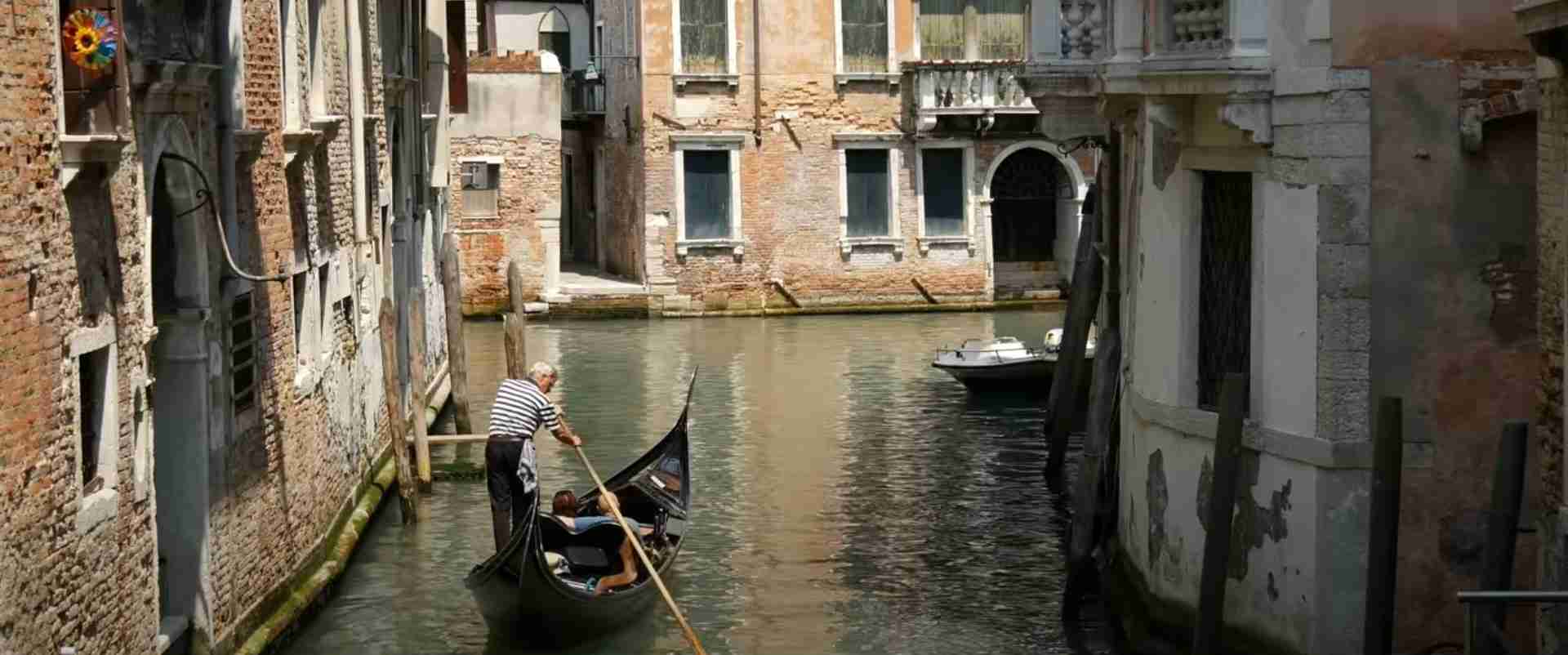
Complete Venice Gondola Guide: Prices, Tips & Best Experiences
The sleek silhouette of a gondola cutting through Venice’s mirror-like canals represents one of the world’s most iconic travel experiences, embodying over 1,000 years of maritime heritage that defines this UNESCO World Heritage Site. Far from a mere tourist attraction, gondolas remain essential working vessels that preserve ancient techniques while providing intimate access to Venice’s architectural treasures impossible to appreciate from land or larger boats.
🔑 Key Takeaways
- Official gondola rates are €90 daytime and €110 evening (8 PM-7 AM) for 30-minute private rides accommodating up to 6 passengers, with prices set by Venice municipality and non-negotiable
- Only 433 licensed gondoliers operate in Venice, maintaining this exclusive profession through hereditary traditions and rigorous training that preserves 1,000 years of maritime heritage
- Strategic timing for optimal experiences includes early morning (8-10 AM) for peaceful canals and golden light, or sunset (6-8 PM) for romantic atmosphere and stunning photography
- Hidden route options beyond the Grand Canal explore quiet residential areas, secret gardens, and artisan workshops while avoiding crowded tourist corridors
- Authentic gondola experiences emphasize cultural heritage over entertainment, with knowledgeable gondoliers sharing historical insights about palazzi, traditions, and maritime techniques
- Booking strategies include direct stazio negotiations for flexibility versus online reservations for guaranteed timing, with shared rides offering budget alternatives to private experiences
This comprehensive guide reveals how to experience authentic gondola culture while avoiding tourist traps, understanding the rich traditions that shaped these elegant craft, and maximizing the magical potential of floating through the world’s most beautiful city aboard vessels virtually unchanged since the Renaissance.
Understanding Gondola Heritage: More Than Tourist Transportation
A Thousand Years of Maritime Evolution
Venice’s gondolas represent the culmination of centuries of boat-building innovation, perfectly adapted to the unique requirements of lagoon navigation. These asymmetrical vessels—slightly curved to compensate for single-oar propulsion—demonstrate remarkable engineering that enables effortless maneuverability through the narrowest canals while maintaining elegant stability in choppy Grand Canal waters.
Traditional gondola construction requires eight different types of wood, each selected for specific structural properties: oak for the hull frame, cherry for decorative elements, walnut for the seats, larch for the bottom, lime for the oar, and fir for the deck. Master boat builders in the Squero San Trovaso and other historic shipyards maintain these techniques using hand tools and methods passed through generations.
The iconic black color dates to a 1562 sumptuary law requiring all gondolas be painted black to prevent ostentatious displays of wealth that were disrupting social harmony. Previously, wealthy families decorated their private gondolas with gold leaf, colorful fabrics, and elaborate ornamentation that transformed water transportation into competitive status displays.
The Gondolier Profession: Preserving Living Heritage
Venice maintains exactly 433 licensed gondoliers, a number controlled through hereditary traditions and extremely difficult licensing examinations that ensure quality while preserving the profession’s exclusivity. Becoming a gondolier requires mastering Venetian history, foreign languages, navigation techniques, and the physical stamina necessary for propelling heavy boats through sometimes challenging conditions.
The traditional gondolier costume—striped shirt, straw hat, and black pants—reflects practical considerations for water work while maintaining the elegant appearance expected by passengers. Modern gondoliers often speak multiple languages and function as informal cultural ambassadors, sharing knowledge about Venetian architecture, history, and traditions during rides.
Many gondolier families trace their heritage back multiple generations, with sons learning the trade from fathers in a continuous transmission of maritime knowledge. This hereditary system preserves not only technical skills but also intimate knowledge of canal conditions, tidal patterns, and the thousands of subtle techniques required for masterful gondola handling.
Official Pricing and Rate Structure
Municipal Rate Regulations
Venice’s municipal government sets official gondola rates that all licensed operators must follow, preventing price gouging while ensuring fair compensation for this skilled profession. Current rates stand at €90 for 30-minute daytime rides (7 AM to 8 PM) and €110 for evening rides (8 PM to 7 AM), with prices covering the entire gondola regardless of passenger number up to the six-person maximum capacity.
Extensions beyond the standard 30 minutes cost €40 for each additional 20-minute period, enabling longer explorations for those desiring comprehensive canal tours. These rates apply citywide, though some gondoliers may attempt to charge premium prices near major tourist attractions by claiming special routes or services.
Tips are appreciated but not mandatory, with 10-15% considered generous for exceptional service. Some gondoliers may suggest mandatory tip amounts, but these requests exceed official guidelines and can be politely declined. Quality service—smooth navigation, interesting commentary, and cultural insights—merits appropriate recognition through voluntary gratuities.
Comparing Value: Gondola vs. Alternative Options
While gondola rides represent significant expense compared to vaporetto public transportation (€7.50 per ride), they provide unique access to narrow canals inaccessible to larger vessels while offering intimate cultural experiences impossible through mass transit. The price reflects not only transportation but also cultural heritage participation and support for traditional craftsmanship.
Private water taxi services cost €110+ for basic trips without cultural elements or canal access capabilities that gondolas provide. Tourist boat tours charge €20-30 per person for group experiences lacking the personalized attention and flexibility that private gondola rides offer.
Consider gondola rides as cultural experiences rather than transportation, comparable to guided tours, cultural performances, or museum visits that provide unique insights into Venetian heritage. The cost becomes reasonable when viewed as supporting living traditions while accessing exclusive perspectives of the world’s most beautiful city.
Booking Strategies: Direct vs. Online Reservations
Stazio (Station) Direct Booking
Venice maintains approximately 80 official gondola stations (stazi) throughout the city, marked by distinctive striped poles and small signs indicating “Servizio Gondole.” Each station covers specific canal areas and routes, with gondoliers taking turns serving customers in rotation systems that ensure fair work distribution.
Direct booking at stazi provides maximum flexibility for timing and route selection while enabling personal interaction with gondoliers to discuss preferences, language options, and special interests. This approach works best for spontaneous travelers comfortable with wait times during busy periods.
Popular stazi include St. Mark’s Square, Rialto Bridge, Campo Santa Maria Formosa, and Ca’ Rezzonico, though these locations experience the highest demand and potentially longest waits. Lesser-known stations in residential areas often provide immediate availability with access to quieter, more authentic canal routes.
Online Booking Advantages and Limitations
Online reservations guarantee specific timing and departure locations while often including additional services like multilingual guides, route customization, or combined packages with other attractions. This approach suits travelers with fixed schedules or those visiting during peak season when availability becomes limited.
Reputable online booking platforms include official Venetian tourism websites, established tour companies, and hotel concierge services that maintain relationships with licensed gondoliers. Avoid unauthorized booking sites that may not guarantee licensed operators or official rate compliance.
Online bookings typically charge 10-20% premiums above official rates for reservation convenience and guarantee services. These costs may prove worthwhile for travelers prioritizing schedule certainty over budget optimization, particularly during high-demand periods.
Route Selection: Beyond the Grand Canal
Classic Grand Canal Experience
The Grand Canal route provides the most spectacular architectural showcase, passing iconic landmarks including Ca’ d’Oro, Palazzo Grassi, Santa Maria della Salute, and the Peggy Guggenheim Collection. This route offers maximum photographic opportunities while demonstrating Venice’s evolution through different architectural periods.
Grand Canal traffic during peak hours creates congestion that may diminish the peaceful gondola experience, while vaporetto wake and motorboat waves can make rides less comfortable. However, the architectural grandeur and iconic views often compensate for these challenges, particularly during optimal timing windows.
Sunset Grand Canal rides provide extraordinary lighting conditions for photography while showcasing how venetian palazzi were designed to capture and reflect changing light throughout the day. The golden hour transforms familiar landmarks into magical scenes worthy of Renaissance paintings.
Hidden Canal Routes: Intimate Venice Discovery
Secondary canal routes through residential neighborhoods provide authentic experiences of daily Venetian life while accessing narrow waterways impossible for larger boats. These routes reveal hidden gardens, traditional workshops, and architectural details overlooked during standard tourist circuits.
The Cannaregio district route explores the former Jewish Ghetto, traditional bacari neighborhoods, and quiet residential areas where laundry hangs between buildings and locals tend rooftop gardens. This area maintains authentic community life while offering peaceful canal experiences away from tourist crowds.
Dorsoduro’s western canals provide access to artisan workshops, university areas, and the Zattere waterfront with views across the Giudecca Canal. These routes combine cultural discovery with scenic beauty while demonstrating Venice’s continued function as a living city rather than merely a tourist destination.
Timing Your Gondola Experience: Seasonal and Daily Considerations
Optimal Daily Timing
Early morning rides (8-10 AM) offer the most peaceful canal experiences with minimal traffic, optimal lighting for photography, and opportunities to witness Venice awakening as locals begin daily routines. This timing provides authentic experiences while avoiding afternoon crowd pressures.
Morning gondola rides enable exploration during Venice’s most magical atmospheric conditions, with mist rising from canals and golden light illuminating architectural details impossible to appreciate during busy afternoon hours. Gondoliers often provide more leisurely service and detailed commentary when not rushed by afternoon appointment schedules.
Sunset timing (6-8 PM) creates romantic atmosphere with warm lighting and evening tranquility as day-trippers depart. This timing combines beautiful photography opportunities with intimate experiences ideal for couples while demonstrating how Venice transforms between day and night energy.
Seasonal Considerations for Gondola Experiences
Spring and autumn provide optimal weather conditions for comfortable gondola rides with moderate temperatures and beautiful lighting. These seasons offer fewer crowds while maintaining reliable service availability and pleasant conditions for extended exploration.
Summer evening rides avoid daytime heat while capitalizing on extended daylight hours and warm temperatures ideal for outdoor water activities. However, summer also brings maximum tourist density and potentially longer wait times at popular departure locations.
Winter gondola experiences offer unique atmospheric conditions with fewer tourists and dramatic lighting, though weather unpredictability requires flexible scheduling. Some gondoliers provide blankets during cold weather, creating cozy experiences while exploring Venice’s mysterious winter character.
Cultural Etiquette and Passenger Guidelines
Appropriate Behavior and Expectations
Respect gondoliers as skilled professionals maintaining centuries-old traditions rather than entertainment performers. Engage with genuine interest in their craft, Venice’s history, and cultural heritage while avoiding demands for singing or theatrical performances unless specifically offered.
Many gondoliers possess extensive knowledge about Venetian architecture, history, and local culture, providing educational experiences that enhance understanding beyond simple sightseeing. Ask thoughtful questions about canal engineering, building techniques, or neighborhood history to unlock deeper cultural insights.
Photography courtesy includes asking permission before taking close-up photos of your gondolier and respecting their comfort with social media sharing. Many appreciate tag credits that promote their services while maintaining professional dignity.
Group Dynamics and Seating Arrangements
Gondolas accommodate up to six passengers with optimal comfort for four adults. Weight distribution affects boat stability and navigation ease, so follow gondolier instructions regarding seating arrangements that ensure safe, comfortable experiences for all passengers.
Couples should consider sitting side-by-side rather than facing each other to maximize shared views and photographic opportunities while reducing boat imbalance. Solo travelers often receive preferential seating positions that optimize visibility and comfort.
Large groups might consider booking multiple gondolas that can travel together through canals while maintaining optimal comfort and safety for individual boats. This approach enables group experiences while respecting vessel capacity limitations and navigation requirements.
Authentic vs. Tourist-Trap Experiences
Identifying Genuine Gondola Services
Licensed gondoliers display official identification and operate from marked stazi with posted rate information. Authentic operators wear traditional costumes, maintain well-maintained boats, and provide professional service without aggressive sales tactics or pricing pressure.
Beware of unlicensed operators offering discounted rides or special deals that may involve unsafe boats, inexperienced operators, or fraudulent pricing schemes. Official gondola services maintain consistent quality standards enforced through municipal regulation and professional organization oversight.
Quality gondolas feature traditional construction with hand-crafted details, comfortable seating, and proper safety equipment. Well-maintained boats reflect professional pride while ensuring passenger comfort and safety during canal navigation.
Avoiding Common Tourist Traps
Preset package deals combining gondola rides with restaurant meals or shopping excursions often prioritize tourism revenue over authentic experiences. These packages typically involve tourist-oriented establishments rather than genuine local businesses that provide cultural value.
Resist pressure for unnecessary add-ons like mandatory photography services, expensive drinks, or souvenir purchases that inflate costs without enhancing the cultural experience. Authentic gondola rides focus on navigation skills and cultural education rather than commercial sales opportunities.
Gondolier singing has become largely commercialized for tourist entertainment rather than authentic tradition. While some gondoliers possess genuine musical abilities, most traditional service focuses on navigation expertise and cultural knowledge sharing.
Special Occasion and Customized Experiences
Romantic and Proposal Gondola Rides
Proposal gondola rides can be coordinated with gondoliers experienced in creating romantic atmospheres through route selection, timing, and discretionary photography assistance. Many operators appreciate advance notice for special occasions while maintaining reasonable expectations about customization possibilities.
Consider sunset timing and quiet canal routes for maximum romantic impact while avoiding crowded areas that may diminish intimate atmosphere. Some gondoliers can recommend specific locations with beautiful backdrops or symbolic significance for special moments.
Private celebrations including anniversaries, honeymoons, or special birthdays can benefit from extended rides that allow leisurely exploration while creating memorable experiences in Venice’s unparalleled romantic setting.
Photography and Videography Considerations
Professional photography sessions during gondola rides require advance coordination with gondoliers regarding route selection, timing, and safety considerations for equipment and positioning. Many operators accommodate reasonable photography requests while maintaining passenger safety and navigation priorities.
Consider optimal lighting conditions for photography, including golden hour timing and route selection that provides attractive backgrounds while avoiding harsh shadows or backlighting that diminishes image quality.
Social media considerations should respect gondolier privacy and professional dignity while capturing memorable moments. Many operators appreciate thoughtful tag credits that promote their services while maintaining authentic cultural representation.
Accessibility and Special Needs Accommodations
Physical Accessibility Options
Several Venice gondola operators provide accessibility accommodations for passengers with mobility limitations, including modified boarding procedures and seating arrangements that ensure safe, comfortable experiences. Advanced notification enables gondoliers to prepare appropriate assistance and safety measures.
Wheelchair accessibility varies among gondola designs, with some operators maintaining specially modified boats that accommodate transfer procedures while ensuring passenger dignity and safety. Contact operators directly to discuss specific requirements and available accommodations.
Venice’s numerous boarding points include locations with easier access for passengers with mobility challenges, while some stazi feature improved dock designs that facilitate safer transfers between walkways and gondola seating areas.
Language and Communication Services
Many gondoliers speak multiple languages including English, French, German, and Spanish, enabling cultural exchange and detailed explanations about Venice’s heritage. Language preferences can often be accommodated through advance requests or selection at multi-gondolier stations.
Cultural interpretation services vary among individual gondoliers, with some specializing in art history, architecture, or local traditions while others focus primarily on navigation expertise. Express interests in specific topics to maximize educational value during rides.
Safety Considerations and Weather Factors
Canal Navigation Safety
Professional gondoliers possess extensive training in canal navigation, weather assessment, and emergency procedures that ensure passenger safety even during challenging conditions. Their expertise includes understanding tidal patterns, traffic management, and boat handling that prevents accidents.
Venice’s canals present unique navigational challenges including narrow passages, bridge clearances, and busy water traffic that require skilled boat handling and constant awareness. Licensed gondoliers demonstrate mastery of these techniques through rigorous testing and ongoing experience.
Life jacket availability varies among operators, though drowning risks remain minimal due to shallow canal depths and proximity to assistance. Passengers with swimming concerns should discuss safety measures with gondoliers before departure.
Weather Adaptation and Seasonal Operations
Winter operations continue despite cold weather, with many gondoliers providing blankets and weather protection for passenger comfort. Service availability may be limited during severe weather conditions including strong winds or heavy rain that affect passenger safety.
Acqua alta (high water) events may temporarily suspend gondola operations when canal levels create unsafe navigation conditions or when flooding affects boarding areas. Advance weather monitoring enables schedule adjustments during predicted flooding periods.
Summer heat protection includes shade options and hydration recommendations for comfortable experiences during hot weather. Early morning or late afternoon timing helps avoid peak temperatures while maintaining optimal comfort throughout rides.
Venice’s gondolas represent far more than tourist transportation—they embody living heritage that connects directly to the maritime traditions underlying the city’s UNESCO World Heritage designation. Your gondola experience supports not only skilled craftspeople maintaining ancient techniques but also the preservation of cultural practices essential to Venice’s authentic character.
Whether gliding through the Grand Canal’s architectural wonders or exploring hidden waterways where authentic Venetian life continues, a well-planned gondola ride provides intimate access to the city’s extraordinary beauty while supporting traditions that have shaped Venetian culture for over a millennium. Choose your experience thoughtfully, engage respectfully with this living heritage, and treasure the unique perspective that only these elegant vessels can provide.
The investment in an authentic gondola experience rewards you with memories and cultural understanding impossible to achieve through any other means of exploring Venice’s aquatic realm, while your patronage helps ensure that future generations can experience these remarkable traditions in the world’s most beautiful floating city.
🤔 Frequently Asked Questions
Are gondola prices really fixed or can I negotiate a better rate?
Official rates are set by Venice municipality and non-negotiable: €90 daytime, €110 evening for 30 minutes. Licensed gondoliers must honor these prices. Any “discounts” likely indicate unlicensed operators using unsafe boats or fraudulent services.
Do I need to tip my gondolier, and how much is appropriate?
Tips are appreciated but not mandatory. 10-15% is generous for exceptional service including cultural insights, smooth navigation, and friendly interaction. Some gondoliers may suggest mandatory tips, but these exceed official guidelines and can be politely declined.
Can gondoliers really sing, or is that just for tourists?
Traditional gondolier singing was historically rare and primarily occurred during special occasions. Modern singing is largely tourist-oriented entertainment. Authentic experiences focus on navigation expertise and cultural knowledge rather than musical performances.
What happens if it rains during my gondola ride?
Light rain typically doesn’t prevent gondola rides, and many passengers enjoy the unique atmospheric conditions. However, heavy rain or storms may prompt cancellations for safety reasons. Most operators offer rescheduling or refunds for weather cancellations.
Is it worth paying extra for online bookings vs. just showing up?
Online bookings (10-20% premium) guarantee specific timing and departure locations, valuable during peak season or for fixed schedules. Direct stazio booking offers flexibility and personal interaction but may involve wait times during busy periods.
How many people can fit in a gondola comfortably?
Gondolas accommodate up to 6 passengers maximum, but 4 adults provide optimal comfort. Weight distribution affects navigation and stability, so gondoliers may adjust seating arrangements for safety and comfort optimization.
Are there accessible gondola options for passengers with mobility issues?
Several operators provide accessibility accommodations including modified boarding procedures and specially adapted boats. Contact gondola services directly with advance notice to discuss specific requirements and available assistance options.
Which canal routes provide the best experience for first-time visitors?
Grand Canal routes offer maximum architectural spectacle and photo opportunities, while secondary canals provide authentic neighborhood experiences with peaceful atmosphere. Choose based on priorities: iconic views vs. intimate cultural discovery.
Can I bring food and drinks on a gondola ride?
Most gondoliers allow passengers to bring beverages and light snacks, though food policies vary among operators. Avoid messy foods or alcoholic beverages that might create safety concerns or boat cleanliness issues.
What’s the difference between shared and private gondola experiences?
All official gondola rides are private for your group up to 6 passengers—you don’t share with strangers. “Shared” options typically refer to group bookings where friends/family split costs among themselves rather than public group tours.