Machu Picchu, in the Peruvian Andes, draws over 1.5 million visitors each year. It’s one of the world’s most famous spots, offering unique challenges for travelers. Knowing the hidden issues can make your trip unforgettable.
Visiting this ancient Incan city needs careful planning. There are many hurdles, like limited tickets and tricky travel arrangements. Our guide will show you the common problems and hidden issues on Machu Picchu tours.
Machu Picchu is a New Seven Wonders of the World site. It requires detailed planning. Tourists need to think about the weather, ticket availability, and physical challenges that can affect their trip.
Key Takeaways
- Advance ticket booking is crucial, even in the off-season
- Expect limited daily entrance tickets for certain trails
- Physical fitness is key to enjoying the tour
- Weather can greatly impact your tour experience
- Knowing local rules helps avoid tour disruptions
- Contact us by filling out the trip planner form, our expert travel advisors will work closely with you to create your journey (Free Service)
Weather Challenges and Seasonal Impacts
Planning your trip to Machu Picchu means being ready for anything. The weather can change fast, affecting your visit. Knowing the seasons and weather surprises is key for a great trip.
Dealing with Unexpected Rain and Fog
The weather at Machu Picchu can change quickly. Visitors need to be ready for:
- Rapid fog formations that can obscure stunning views
- Unexpected rainfall even during the dry season
- Visibility challenges that can transform the landscape in minutes
“In the Andes, weather is as unpredictable as the ancient Incan spirits,” local guides often say.
Best Times to Visit vs. Reality
April starts the dry season, with about 5 inches of rain at high elevations. But, the ideal visiting times don’t always mean perfect weather.
| Season | Characteristics | Visitor Considerations |
|---|---|---|
| Dry Season (April-October) | Lower humidity (below 30%) | More predictable weather, peak tourist season |
| Rainy Season (November-March) | Higher precipitation | Fewer tourists, potential discounts |
Temperature Fluctuations Throughout the Day
Temperatures at Machu Picchu can drop a lot. Daytime is around 60°F, but nights can be freezing. Pack layers for big temperature swings of up to 30°F.
Our advice is to see the weather as part of the adventure. With the right prep, you’ll have an amazing time.
Overcrowding and Tourist Management Issues
Machu Picchu faces big challenges with too many tourists during peak times. Only 5600 people in the high season and 4500 in the low season can enter daily. This creates huge crowds that ruin the experience for many.
- Limited personal space during tours
- Restricted movement on narrow pathways
- Reduced opportunities for photography
- Potential damage to historical structures
There are efforts to deal with the crowds. These include:
- Strict daily visitor limits
- Timed entry tickets
- Mandatory guided tour requirements
- Designated walking paths
| Season | Visitor Density | Management Approach |
|---|---|---|
| Peak Season (June-August) | High (3,500-5,000 daily) | Strict entry controls |
| Shoulder Season (April-May) | Moderate (2,000-3,000 daily) | Flexible entry |
| Low Season (November-March) | Low (1,500-2,500 daily) | Relaxed regulations |
Travelers can make their visit better by choosing less busy times. Strategic timing and advanced booking are key to a great experience at this famous site.
Transportation Difficulties and Access Problems
Getting to Machu Picchu is not easy. Travelers face many challenges on their way to this famous site. They need to plan well and know about possible problems.
There are three main ways to get to Machu Picchu. Each has its own safety concerns:
- Train Service from Cusco/Ollantaytambo
- Inca Trail Hiking Route
- Hidroeléctrica Alternative Route
Bus Journey Safety Concerns
The roads to Machu Picchu are very tough. They are narrow and have a lot of traffic. Drivers need to be very careful and know the local rules.
“Transportation in this region demands patience and careful preparation.” – Local Travel Expert
Train Service Limitations
Trains to Machu Picchu run on a tight schedule and can get full fast. It’s important to book early, even more so during busy times.
Hiking Trail Challenges
The Inca Trail is tough for the brave. It’s steep, high, and the weather can change quickly. You need to be in good shape and have the right gear.
To stay safe, travelers should:
- Check the route conditions
- Get the right equipment
- Know their own limits
What are some common complaints and hidden challenges in Machu Picchu tours?
Visiting Machu Picchu can surprise even the most experienced travelers. The site’s stunning views and rich history are undeniable. Yet, many visitors face unexpected hurdles during their trip.
Common complaints about Machu Picchu tours include:
- Extreme altitude challenges
- Overcrowding during peak seasons
- Unpredictable weather conditions
- Transportation complications
- Hidden costs and expenses
Altitude sickness is a big worry at 7,972 feet. It can cause headaches, fatigue, and breathing problems. These symptoms can make exploring harder.
“Preparation is key when visiting Machu Picchu. Understanding potential challenges can transform a frustrating experience into an incredible adventure.” – Experienced Travel Guide
June to August is the busiest time. It brings:
- Limited daily entrance permits
- Extended waiting times
- Restricted movement within archaeological sites
Traveling by train from Cusco is another issue. It takes 3 hours and many get motion sickness.
| Challenge Category | Impact Level | Recommended Mitigation |
|---|---|---|
| Altitude Sickness | High | Acclimatize 1-2 days before visit |
| Overcrowding | Medium | Book during shoulder seasons |
| Transportation | Medium | Choose reliable tour operators |
Knowing about these challenges can help you prepare better. This way, your visit to Machu Picchu can be enjoyable and unforgettable.


Health and Safety Concerns at High Altitude
Visiting Machu Picchu is a unique adventure due to its high elevation of 2,400 meters (7,874 feet) above sea level. Machu Picchu altitude sickness can affect even the most prepared travelers. This makes health concerns a key part of planning your trip.
Visitors need to know about the physical challenges of high-altitude places. The lower oxygen levels can put a lot of strain on the body. So, keeping safe is a top priority for travelers.
Mosquitos are often another issue. To enjoy Machu Picchu, you must protect yourself from bugs. Use strong repellent, wear protective clothes, and avoid dawn and dusk, knowing how to keep them at bay makes your trip better.
Altitude Sickness Prevention Strategies
To avoid altitude-related health risks, you need to prepare well. Important prevention steps include:
- Gradual acclimatization in Cusco or the Sacred Valley
- Staying hydrated with 0.5 liters per hour during activities
- Avoiding alcohol and eating foods rich in carbohydrates
- Listening to your body and recognizing early symptoms
Physical Demands of the Visit
The terrain at Machu Picchu is tough, with steep paths and uneven stone steps. Travelers should get ready for a lot of physical effort. Remember, oxygen levels are about 33% lower than at sea level.
Medical Facilities Availability
“Preparedness is the best medicine in high-altitude environments.”
Medical facilities are limited nearby, but guided tours often have trained professionals. These guides can help with health emergencies. They can lower the risk of altitude sickness by up to 38%.
| Altitude Location | Elevation | Oxygen Reduction |
|---|---|---|
| Machu Picchu | 7,874 feet | 33% |
| Cusco | 11,152 feet | 40% |
By understanding these health concerns and taking the right precautions, travelers can safely enjoy Machu Picchu. This way, they can minimize risks from high-altitude environments.
Accommodation Issues in Aguas Calientes
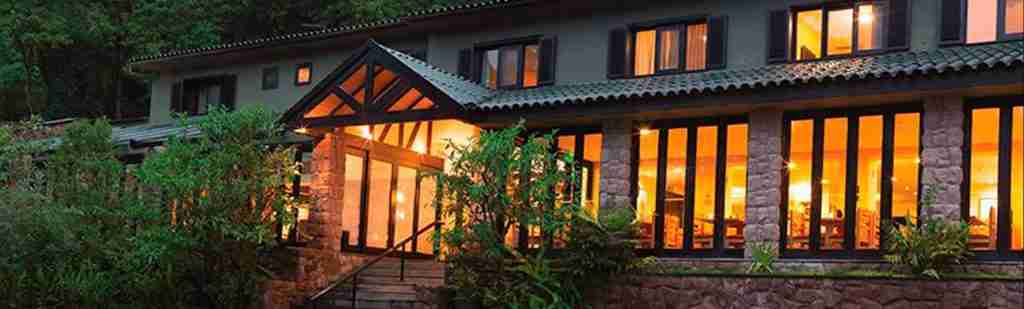
Travelers looking for a place to stay in Aguas Calientes face big challenges. This small town is at the base of Machu Picchu. Finding a place to stay needs careful planning and smart choices.
The hotels in Aguas Calientes are few and far between. With little space, travelers must pick wisely to have a good stay. Overcrowding and tourist-focused development can make staying here less enjoyable.
- Limited room availability during peak seasons
- Varying quality of hotel amenities
- Potential noise from nearby train stations
- Higher than average pricing
Choosing the right place to stay is key. Knowing the challenges helps visitors make better choices in this mountain town.
| Accommodation Type | Average Price Range | Proximity to Machu Picchu |
|---|---|---|
| Budget Hostels | $20-$50/night | Walking distance |
| Mid-Range Hotels | $80-$150/night | Central location |
| Luxury Accommodations | $200-$500/night | Premium views |
Travelers should book early, from June to October is the busiest time. Doing your homework and booking ahead can help avoid common problems in this small town.
Photography Challenges and Viewing Restrictions
Getting the perfect shot of Machu Picchu needs careful planning. This ancient Incan site offers amazing photo chances but also big challenges for photographers. It’s a UNESCO World Heritage Site.
Photographers at Machu Picchu face several big photo challenges. These can make it hard to get stunning pictures:
- Restricted daily visitor numbers limit photographic opportunities
- Unpredictable weather conditions affecting lighting
- Crowded viewing areas
- Strict site regulations on photography equipment
Best Photo Spots and Timing
Finding the best spots for photos is key. The top places for amazing shots include:
- Sun Gate (Inti Punku) – Early morning panoramic views
- Guard House – Classic postcard-style composition
- Huayna Picchu backdrop – Dramatic landscape perspective
Lighting and Weather Effects
Weather greatly affects photos at Machu Picchu. The site has two main seasons, each changing photo conditions:
| Season | Photography Characteristics | Best Time |
|---|---|---|
| Dry Season (April-October) | Clear skies, consistent lighting | 6:00 AM – 8:00 AM |
| Rainy Season (November-March) | Dramatic fog, challenging lighting | Early morning hours |
Pro photographers suggest buying tickets early. Also, arrive early to get the best spots and light for your Machu Picchu photos.
Hidden Costs and Unexpected Expenses

Travelers planning a trip to Machu Picchu often don’t think about the hidden costs. These costs can quickly add up and surprise you. It’s important to know about these expenses to plan your budget well and avoid surprises.
Unexpected costs can really affect your trip. Here are some financial things to consider for your Machu Picchu trip:
- Entry ticket variations:
- Machu Picchu Only: Basic access
- Machu Picchu + Huayna Picchu: Additional climbing permit
- Machu Picchu + Museum: Comprehensive experience
- Transportation fees:
- Bus tickets from Aguas Calientes: Approximately $24 round trip
- Train service to site: Variable pricing
- Guide service costs:
- Professional guides: $50-$100 per day
- Group tours: More budget-friendly option
Pro tip: Budget an extra 15-20% above your initial estimate to cover unexpected expenses during your Machu Picchu adventure.
“Preparation is the key to managing your travel budget effectively” – Experienced Machu Picchu Traveler
Good budget planning can help you deal with the costs of Machu Picchu. Do your research, book things early, and be flexible. This way, you can have a great time without worrying about money.
Conclusion: Making the Most of Your Machu Picchu Experience
Visiting Machu Picchu needs careful planning and preparation. Our tips can turn a tough trip into an amazing adventure. With the right strategies, you can overcome the challenges of this UNESCO World Heritage Site.
To make the most of your visit, know the terrain and its limits. The Inca Trail is 45 km long and reaches 4,200 meters high. This means it’s physically demanding. With only 500 permits daily, booking early is key to seeing this wonder.
Start by setting realistic goals and doing your homework. Spend 2-3 days in Cusco to get used to the altitude. Be ready for temperature changes and choose the right train, like the Vistadome or Belmond Hiram Bingham. With knowledge and flexibility, you can turn obstacles into unforgettable moments.
Machu Picchu is a special place that rewards those who are patient and prepared. Your trip to this ancient Incan city will be a deep and unique experience.
