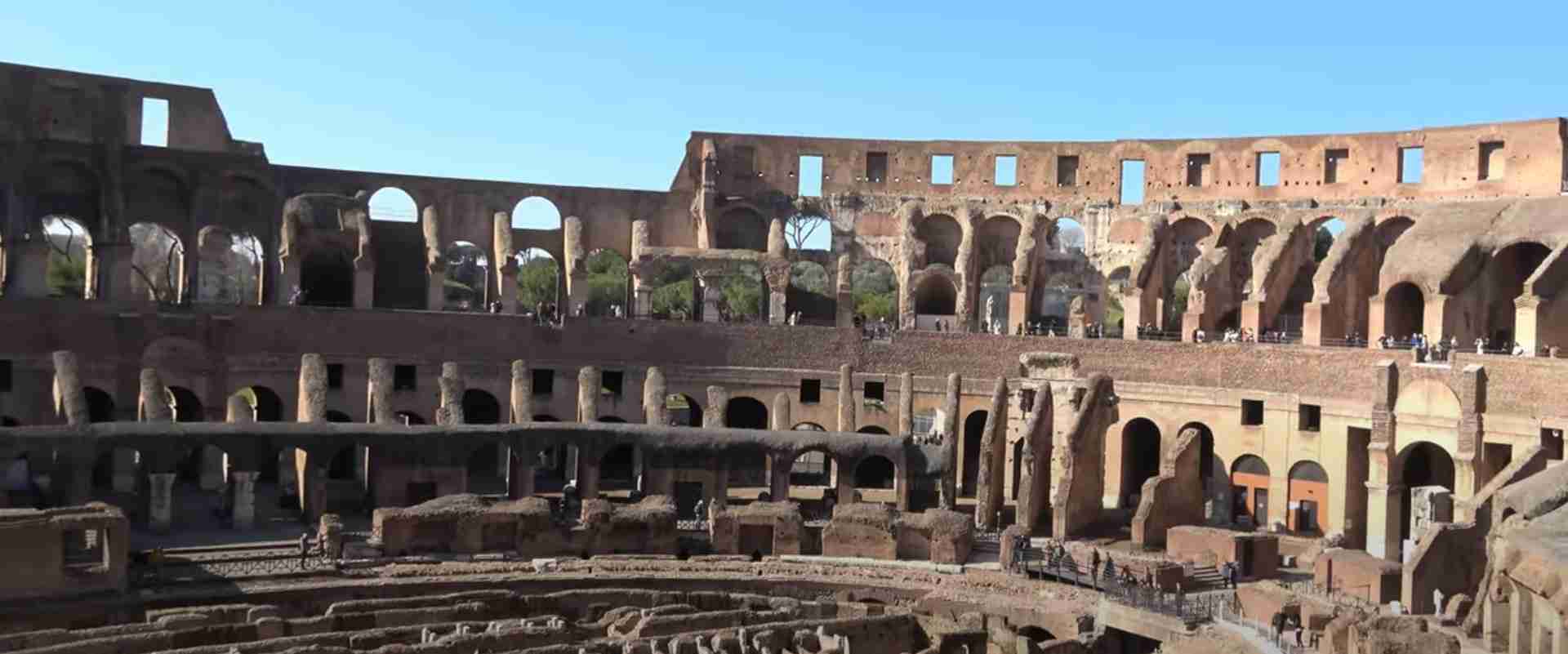
Colosseum Opening Hours, Best Times & Crowd-Beating Strategies
Colosseum Opening Hours 2025
The Colosseum operates on a seasonal schedule that varies throughout the year, with extended hours during peak tourist season and shorter hours in winter months. Understanding these schedules is crucial for planning your visit and maximizing your experience at Rome’s most famous landmark.
The amphitheater opens daily at 8:30 AM year-round, but closing times fluctuate based on daylight hours and seasonal tourist patterns. Last entry is always one hour before closing, making timing critical for your visit planning.
2025 Seasonal Schedule
Winter Hours (January 1 – February 15)
- Opening: 8:30 AM
- Closing: 4:30 PM
- Last entry: 3:30 PM
- Duration: 8 hours daily
Late Winter (February 16 – March 15)
- Opening: 8:30 AM
- Closing: 5:00 PM
- Last entry: 4:00 PM
- Duration: 8.5 hours daily
Early Spring (March 16 – March 31)
- Opening: 8:30 AM
- Closing: 5:30 PM
- Last entry: 4:30 PM
- Duration: 9 hours daily
Spring/Summer (April 1 – September 30)
- Opening: 8:30 AM
- Closing: 7:15 PM
- Last entry: 6:15 PM
- Duration: 10 hours 45 minutes daily
Early Fall (October 1 – October 26)
- Opening: 8:30 AM
- Closing: 6:30 PM
- Last entry: 5:30 PM
- Duration: 10 hours daily
Late Fall/Early Winter (October 27 – December 31)
- Opening: 8:30 AM
- Closing: 4:30 PM
- Last entry: 3:30 PM
- Duration: 8 hours daily
Holiday Closures
The Colosseum is closed on only two days per year:
- December 25 (Christmas Day)
- January 1 (New Year’s Day)
The monument operates on regular hours during all other holidays, including Easter, though these days typically experience higher visitor volumes.
Peak Times vs. Quiet Periods
Understanding crowd patterns is essential for planning an optimal Colosseum visit. Visitor volumes vary dramatically based on time of day, day of week, and season, with some periods experiencing up to 10 times more visitors than others.
Daily Crowd Patterns
Busiest Times (Avoid if Possible)
- 11:00 AM – 2:00 PM: Peak tourist hours when tour groups converge
- 2:00 PM – 4:00 PM: Secondary peak as afternoon visitors arrive
- First Sunday of month: Free entry day creates extreme overcrowding
Moderate Crowd Times
- 9:30 AM – 11:00 AM: Increasing crowds as day progresses
- 4:00 PM – 5:30 PM: Crowds begin to thin in late afternoon
- Weekend mornings: Busy but manageable with advance tickets
Best Times (Recommended)
- 8:30 AM – 9:30 AM: Opening hour with smallest crowds
- 5:30 PM – 6:15 PM: Final entry period with dramatic lighting
- Winter weekdays: Consistently lower visitor numbers
Weekly Crowd Variations
Monday through Thursday
- Smallest crowds of the week
- Best availability for same-day tickets
- Optimal conditions for photography
- Shorter wait times for security and entry
Friday
- Moderate crowds as weekend tourism begins
- Good compromise between availability and atmosphere
- Still manageable with advance planning
Saturday and Sunday
- Heaviest crowds of the week
- Longer wait times for all activities
- Higher noise levels and congestion
- Premium prices for some tour options
Seasonal Crowd Analysis
Seasonal variations in visitor numbers can dramatically affect your Colosseum experience. Understanding these patterns helps you choose the best time for your specific interests and tolerance for crowds.
Peak Season: June – August
Visitor Volume: Extremely high (25,000+ daily visitors)
Weather Impact: Temperatures reach 85-95°F (29-35°C)
Crowd Characteristics:
- International tour groups dominate
- Families with children on summer vacation
- Cruise ship passengers create sudden crowd surges
- Long queues despite advance tickets
- Intense heat makes outdoor waiting uncomfortable
Advantages:
- Extended opening hours (until 7:15 PM)
- Maximum tour availability and frequency
- Vibrant atmosphere with fellow travelers
- Best weather for combining with other outdoor sites
Disadvantages:
- Extreme crowding at all times
- Uncomfortable heat, especially midday
- Higher accommodation and tour prices
- Difficult photography due to crowds
Shoulder Season: April-May & September-November
Visitor Volume: Moderate to high (15,000-20,000 daily visitors)
Weather Impact: Ideal temperatures 60-75°F (15-24°C)
Crowd Characteristics:
- Mix of independent travelers and small groups
- Adult-focused tourism with fewer families
- More experienced travelers seeking optimal conditions
- Balanced mix of nationalities
Why Shoulder Season is Ideal:
- Perfect weather for outdoor exploration
- Manageable crowds with shorter wait times
- Excellent lighting for photography
- Reasonable accommodation prices
- Good availability for special access tours
Low Season: December-March
Visitor Volume: Low (8,000-12,000 daily visitors)
Weather Impact: Cool temperatures 45-60°F (7-15°C), occasional rain
Crowd Characteristics:
- Serious history enthusiasts and culture seekers
- Local and European visitors on winter breaks
- Photographers seeking dramatic winter lighting
- Budget travelers taking advantage of low prices
Low Season Benefits:
- Peaceful, contemplative atmosphere
- Excellent opportunities for detailed exploration
- Best prices for accommodation and tours
- Easy ticket availability, often same-day
- Dramatic lighting conditions for photography
Considerations:
- Shorter daylight hours limit visiting time
- Potential for cold, rainy weather
- Some tour options may have reduced frequency
- Limited outdoor dining and evening activities
Strategic Timing for Different Visitor Types
Different types of visitors have varying priorities and constraints. Here’s how to optimize your timing based on your specific interests and travel style.
Photography Enthusiasts
Optimal Times:
- Golden Hour Morning: 8:30-9:30 AM for warm, soft lighting
- Late Afternoon: 5:00-6:15 PM for dramatic shadows
- Winter months: Lower sun angle creates better contrast
- Overcast days: Even lighting eliminates harsh shadows
Specific Photography Benefits by Time:
- Early morning: Crowd-free shots, dewy atmosphere
- Midday: Strong architectural details, avoid for portraits
- Late afternoon: Warm lighting, dramatic sky backdrops
- Blue hour: Just after closing for exterior night shots
History and Culture Enthusiasts
Recommended Strategy:
- Weekday mornings: Better interaction with guides
- Off-season visits: More time to absorb information
- Underground tours: Less crowded, more detailed explanations
- Shoulder season: Optimal balance of weather and crowds
Best Touring Conditions:
- Small group sizes for better guide interaction
- Comfortable temperatures for extended listening
- Quiet environments for audio guide use
- Adequate time to read informational displays
Family Visitors with Children
Family-Friendly Timing:
- Early morning: Children are fresh and engaged
- Weekdays: More space for children to move safely
- Spring/Fall: Comfortable temperatures for all ages
- Shorter visits: 1.5-2 hours maximum for younger children
Special Considerations for Families:
- Stroller accessibility on ground floor only
- Baby changing facilities available
- Child-friendly tours with interactive elements
- Break areas for snacks and rest
Budget Travelers
Money-Saving Timing:
- Low season: Reduced accommodation and tour costs
- Weekday visits: Better deals on nearby services
- Early booking: Advance purchase discounts
- Off-peak hours: Some vendors offer reduced prices
Free and Low-Cost Options:
- First Sunday monthly (expect extreme crowds)
- Audio guide rentals vs. expensive guided tours
- Self-guided exploration with free apps
- Combined tickets for multiple sites
Weather Considerations and Seasonal Planning
Weather significantly impacts your Colosseum experience, affecting everything from crowd comfort to photography opportunities. Understanding seasonal weather patterns helps optimize your visit timing.
Spring Weather (March-May)
Temperature Range: 55-75°F (13-24°C)
Rainfall: Moderate, occasional spring showers
Advantages:
- Perfect temperatures for extended outdoor exploration
- Blooming flowers create beautiful photography backdrops
- Comfortable for all age groups
- Minimal heat-related fatigue
Considerations:
- Pack light layers for temperature variations
- Bring compact umbrella for occasional showers
- Spring crowds begin building in April-May
Summer Weather (June-August)
Temperature Range: 75-95°F (24-35°C)
Rainfall: Minimal, very dry conditions
Heat Management Strategies:
- Early morning visits: Escape midday heat
- Late afternoon timing: Cooler temperatures return
- Hydration planning: Bring water, refill at fountains
- Sun protection: Hat, sunglasses, sunscreen essential
- Appropriate clothing: Light colors, breathable fabrics
Summer-Specific Challenges:
- Extreme heat makes midday visits uncomfortable
- Crowded conditions increase perceived temperature
- Limited shade in most areas of the monument
- Higher risk of heat exhaustion for vulnerable visitors
Fall Weather (September-November)
Temperature Range: 60-75°F (15-24°C)
Rainfall: Increasing through the season
Fall Visit Benefits:
- Ideal temperatures for comfortable exploration
- Beautiful golden lighting for photography
- Thinning crowds as summer season ends
- Perfect weather for combining multiple Rome sites
Winter Weather (December-February)
Temperature Range: 40-60°F (4-15°C)
Rainfall: Highest precipitation of the year
Winter Visit Strategies:
- Dress warmly: Layers, waterproof jacket, comfortable shoes
- Check weather forecasts: Plan for potential rain delays
- Indoor alternatives: Combine with museum visits
- Timing flexibility: Easy to reschedule due to low demand
Winter Advantages:
- Dramatic lighting conditions for photography
- Peaceful, contemplative atmosphere
- Best prices for accommodation and tours
- Authentic experience without tourist crowds
Crowd-Beating Strategies and Insider Tips
Experienced Rome visitors and local guides use specific strategies to minimize crowd impact and maximize their Colosseum experience. These proven techniques can transform your visit from stressful to sublime.
Early Bird Strategy
The 8:30 AM Advantage
Arriving at opening time provides the single best opportunity for a crowd-free Colosseum experience. Here’s how to maximize this strategy:
- Arrive 15 minutes early: Position yourself near the entrance
- Pre-download tickets: Avoid any last-minute booking delays
- Know the security process: Remove metal items in advance
- Plan your route: Decide priority areas before entering
- Bring a light breakfast: Cafes may not be open yet
Early Morning Benefits:
- Virtually crowd-free for first 30-45 minutes
- Best lighting conditions for photography
- Cooler temperatures year-round
- Peaceful atmosphere for contemplation
- Better interaction opportunities with staff
Late Afternoon Strategy
The Golden Hour Approach
The final 1-2 hours of daily operation offer another excellent opportunity for crowd avoidance:
- Target 5:00-6:15 PM entry: Crowds thin significantly
- Check seasonal closing times: Plan according to daylight hours
- Prioritize key areas: Focus on must-see sections first
- Prepare for rushed visits: Less time for detailed exploration
Late Afternoon Advantages:
- Dramatic lighting as sun sets
- Tour groups have departed
- More intimate atmosphere
- Cooler temperatures in summer
- Better photography opportunities
Strategic Route Planning
Counter-Clockwise Movement
Most visitors instinctively move clockwise through the Colosseum. Going against this flow reduces congestion:
- Enter and turn left: Opposite to natural crowd flow
- Visit upper levels first: While others explore ground floor
- Save popular spots for later: Return when crowds disperse
- Use less popular staircases: Avoid main circulation routes
Priority Area Sequencing:
- Arena floor views: Most popular, visit early
- Upper levels: Better views, fewer people
- Underground access: If booked, follow tour timing
- Exhibition areas: Least crowded, save for peak times
- Gift shop and facilities: Visit last before leaving
Alternative Entrance Strategies
Palatine Hill Entry
Your Colosseum ticket includes Palatine Hill and Roman Forum access. Starting there can provide strategic advantages:
- Smaller crowds: Most visitors head directly to Colosseum
- Better orientation: Understand Roman history context first
- Flexible timing: Visit Colosseum when crowds thin
- Photography opportunities: Great Colosseum exterior shots
Group Tour Avoidance
Large tour groups peak at specific times. Avoid these periods:
- 10:00-11:00 AM: Morning tour groups arrive
- 2:00-3:00 PM: Post-lunch tour groups
- Cruise ship days: Check Civitavecchia port schedules
- Popular tour times: Avoid heavily advertised time slots
Emergency Planning and Contingencies
Even with perfect planning, unexpected situations can arise. Having contingency plans ensures your Colosseum visit succeeds despite challenges.
Weather Contingencies
Rain Day Alternatives
- Indoor museums: Capitoline Museums, Palazzo Massimo
- Churches: San Clemente, Santa Maria Maggiore
- Shopping: Via del Corso, local markets
- Food experiences: Cooking classes, wine tastings
Extreme Heat Management
- Move visit to earliest possible time slot
- Shorten visit duration and focus on highlights
- Seek shade frequently and stay hydrated
- Consider postponing to cooler day if flexible
Transportation Disruptions
Strike Days
- Italian transport strikes are announced in advance
- Essential services usually operate limited hours
- Consider walking or taxi alternatives
- Allow extra travel time for reduced services
Traffic and Delays
- Leave extra early during peak tourist seasons
- Have backup transportation methods identified
- Contact Colosseum if significantly delayed
- Consider rescheduling if more than 30 minutes late
Conclusion: Your Perfect Colosseum Timing Strategy
The difference between a frustrating, crowded Colosseum visit and a magical, memorable experience often comes down to timing. By understanding crowd patterns, seasonal variations, and strategic planning techniques, you can transform your visit from a tourist obligation into a profound historical encounter.
The key principles for optimal timing are:
- Early arrival: 8:30 AM opening provides the best overall experience
- Seasonal awareness: Shoulder seasons offer the perfect balance
- Weekday preference: Monday through Thursday provide optimal conditions
- Weather consideration: Spring and fall offer ideal visiting conditions
- Advance planning: Booking ahead enables optimal time slot selection
Remember that the Colosseum is not just a building to check off your list—it’s a portal to nearly 2,000 years of human history. Taking the time to plan your visit properly ensures you can fully appreciate this magnificent testament to Roman engineering and the countless human stories it contains.
Ready to plan your perfectly timed Colosseum visit? Book your tickets for optimal time slots and prepare for an unforgettable journey through ancient Rome’s greatest amphitheater.