Cologne Travel Guide 2026: Cathedral & Rhine City
Key Takeaways
- Cologne Cathedral admission is free, with tower climb access costing €6 for adults in 2026, while treasury museum entry is €6—exceptional value for experiencing one of Europe’s most magnificent Gothic monuments
- The city offers excellent public transportation through the KVB system, with single tickets at €3.20 and day passes from €8.80, providing efficient access to all major attractions across Cologne’s compact historic center
- Optimal visiting periods for 2026 are late spring (April-May) and early fall (September-October) when you’ll encounter moderate crowds, pleasant weather, and lower accommodation rates compared to summer peak season and Christmas market periods
- Budget travelers can experience Cologne’s highlights for €85-110 per day excluding accommodation, while mid-range visitors should plan €140-180 daily including dining at traditional brewhouses and museum admissions
- Advance booking for Rhine River cruises and Carnival accommodations is essential, with bookings opening 6-8 months ahead for the February 2026 Carnival week when hotel rates triple and availability becomes extremely limited
- The city’s extensive museum offerings, from Roman-Germanic collections to modern art at Museum Ludwig and chocolate production at the Chocolate Museum, provide comprehensive cultural experiences complementing the cathedral visit
Introduction to Cologne Travel Planning 2026
Cologne stands as Germany’s cathedral city and Rhine metropolis, where a 157-meter Gothic masterpiece anchors a vibrant urban center that successfully balances medieval heritage with contemporary cultural dynamism. The city’s 2,000-year history, beginning as the Roman settlement Colonia Claudia Ara Agrippinensium, created layers of architectural and cultural significance that UNESCO recognized through the Cologne Cathedral’s World Heritage designation. For travelers planning visits in 2026, Cologne offers exceptional accessibility as a major transportation hub, comprehensive cultural attractions beyond the cathedral, and a distinct Rhineland character expressed through beer culture, Carnival traditions, and riverside urban life.
The cathedral dominates Cologne’s skyline and visitor experience, attracting more than six million annual visitors who come to experience Gothic architecture at its most ambitious and technically accomplished. The building’s construction span—begun in 1248 and completed in 1880—created an architectural palimpsest where medieval craftsmanship meets 19th-century romantic nationalism’s interpretation of Gothic ideals. The free admission policy makes this extraordinary monument accessible to all visitors, while paid access to the tower climb and treasury museum provides enhanced experiences for those seeking deeper engagement with the cathedral’s architectural and artistic significance.
Beyond the cathedral, Cologne presents a complete urban destination where Roman archaeological sites, Romanesque churches, world-class museums, and contemporary cultural venues create diverse exploration opportunities. The Old Town’s reconstruction following World War II bombing created a historical environment that balances authentic preservation with modern urban functionality, resulting in a city center that feels both historic and comfortably contemporary. The Rhine River waterfront provides recreational space, cruise departure points, and gathering areas where local life and tourist activities intersect naturally throughout the year.
Transportation infrastructure positions Cologne as an ideal German destination for 2026 travelers, with the main station receiving high-speed ICE trains from major German cities, international connections from Brussels, Paris, and Amsterdam, and extensive regional rail services linking Rhine Valley destinations. The airport, located 15 kilometers southeast of the city center, offers budget airline connections and rail links providing downtown access in under 20 minutes. The comprehensive public transportation system eliminates rental car needs for city-based visitors, with walking distances between major attractions manageable for most travelers exploring the compact historic core.
Seasonal considerations significantly impact the Cologne travel experience in 2026, with distinct characteristics for different visiting periods. The Carnival season in late February transforms the city into Germany’s most exuberant celebration, attracting hundreds of thousands of participants but creating accommodation challenges and dramatically altered normal operations. The Christmas market season in December draws visitors to one of Germany’s most atmospheric holiday celebrations but brings winter weather and crowded conditions. Spring and fall shoulder seasons offer optimal balances between pleasant weather, moderate crowds, and reasonable pricing, making these periods particularly attractive for travelers prioritizing cathedral visits and cultural attractions over seasonal festivities.
People Also Ask About Cologne Travel 2026
How much does it cost to visit Cologne Cathedral in 2026?
Cathedral admission is free for all visitors, making this UNESCO World Heritage monument completely accessible without financial barriers. The tower climb costs €6 for adults, €3 for students and children ages 6-18, with children under 6 entering free in 2026 (check dom-koeln.de for current official rates). The treasury museum, displaying religious art and historical artifacts, charges €6 for adults, €3 for reduced admission. Combined tower and treasury access totals €12 for adults seeking the complete cathedral experience. Audio guides cost €4 and provide detailed architectural and historical information during self-guided visits. These modest fees support conservation work while maintaining accessibility for budget-conscious travelers.
What is the best time to visit Cologne in 2026?
Late April through May and September through mid-October offer optimal visiting conditions for 2026 Cologne travel, combining pleasant weather with moderate tourist crowds and reasonable accommodation rates. Spring brings blooming gardens along the Rhine promenades and temperatures ranging 12-20°C, ideal for walking tours and outdoor activities. Early fall provides warm but comfortable conditions with 15-22°C temperatures, autumn colors emerging in parks, and cultural programming resuming after summer vacation periods. These shoulder seasons avoid summer peak pricing while offering superior weather compared to winter months and fewer crowds than the July-August high season or December Christmas market period.
Do you need advance bookings for Cologne attractions in 2026?
The cathedral requires no advance booking for general admission, with access available during daily opening hours except during religious services. Tower climb tickets can be purchased on-site without reservation, though morning visits before 10 AM typically encounter shorter queues. Museum tickets for the Museum Ludwig, Wallraf-Richartz-Museum, and Roman-Germanic Museum can be purchased at entrances or reserved online to guarantee entry during preferred time slots. Rhine River cruise bookings benefit from advance purchase during summer months when popular departure times sell out, particularly for evening and dinner cruises. Carnival week accommodation requires booking 6-8 months ahead, with most hotels fully reserved by December 2025 for the February 2026 Carnival period.
How many days should you spend in Cologne in 2026?
Two full days provide adequate time for cathedral exploration, major museum visits, Old Town walking, and Rhine River activities for first-time visitors. A minimum one-day visit allows cathedral access, brief Old Town exploration, and one museum, though this requires selective prioritization and creates a rushed experience. Three days enable deeper museum engagement, day trips to nearby Rhineland destinations like Bonn or Brühl, and relaxed exploration including multiple brewhouse meals and riverfront leisure time. Extended stays suit travelers interested in contemporary art scenes, comprehensive museum collections, or using Cologne as a Rhine Valley base for multiple regional excursions.
Extended multi-day tours – 5+ days
Featured Cologne Multi-Day Tour Packages
4 days
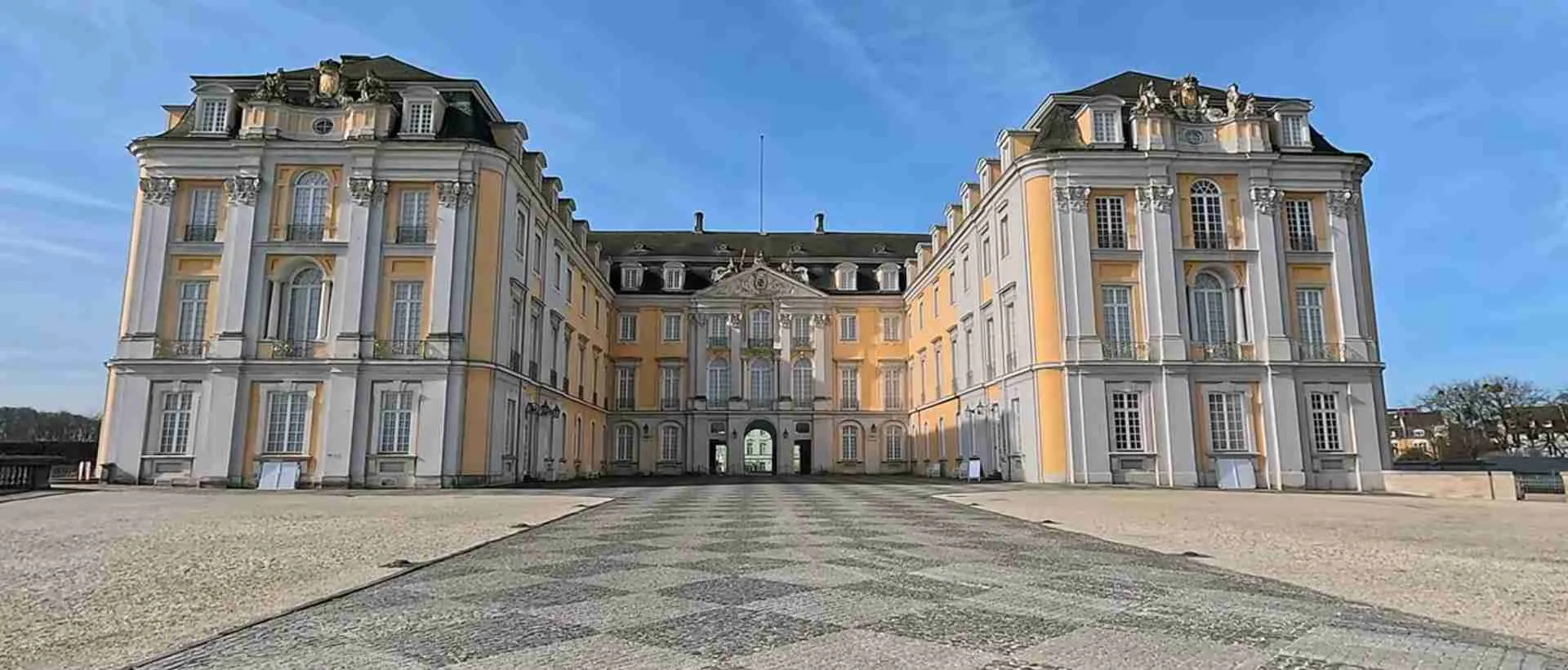
A History Lover's Dream: Short Getaway to Cologne and Aachen
- ✓ Booking needs min. 2 travelers
6 days
Moselle Discovery 2026
- ✓ Comprehensive Cologne tour
- ✓ Expert local guides included
- ✓ All accommodation arranged
- ✓ Transportation provided
5 days
Rhine Christmas Markets – Superior – MS Vistario
- ✓ Comprehensive Cologne tour
- ✓ Expert local guides included
- ✓ All accommodation arranged
- ✓ Transportation provided

5 days
Rhine Christmas Markets – Standard – MS Vistario
- ✓ Comprehensive Cologne tour
- ✓ Expert local guides included
- ✓ All accommodation arranged
- ✓ Transportation provided
Multi-day tour packages powered by TourRadar. Prices and availability subject to change.
Essential Planning Information 2026
Cathedral Visiting Details and Costs 2026
The cathedral maintains extensive opening hours throughout 2026, with the main church accessible daily 6 AM to 9 PM November through April, and 6 AM to 10 PM May through October. These generous hours accommodate varied visitor schedules, though the building closes during religious services when tourism activity pauses out of respect for worship. The tower climb operates daily 9 AM to 6 PM in summer months, 9 AM to 5 PM in winter, with last admission 30 minutes before closing. The 533-step climb requires moderate physical fitness, with narrow spiral staircases and limited air circulation creating challenging conditions for some visitors, but rewards effort with spectacular views across Cologne’s rooftops to the Rhine River and surrounding hills.
Tower climb tickets cost €6 for adults, €3 for students with valid ID and children ages 6-18, with children under 6 admitted free in 2026. Check dom-koeln.de for current official rates as pricing may vary. The treasury museum, located in the cathedral’s northern section, displays liturgical objects, religious art, and historical artifacts spanning centuries of cathedral history, charging €6 for adult admission, €3 for reduced tickets. Audio guide rentals cost €4 and provide detailed architectural commentary, historical context, and artistic analysis that significantly enhances self-guided visits by explaining structural innovations, iconographic programs, and restoration challenges that aren’t immediately apparent to casual observers.
Guided tours, offered in multiple languages including English, provide expert interpretation of the cathedral’s architecture, art, and history through 90-minute programs. Public tours cost €10 per person and operate at scheduled times requiring advance registration through the cathedral website. Private group tours accommodate specialized interests or language requirements for €140-180 per group of up to 15 participants. Photography inside the cathedral is permitted without flash, though restrictions apply during religious services when photographic activity might disturb worship. Respectful behavior including modest dress and quiet conversation maintains the cathedral’s sacred character while accommodating tourism activities.
City Transportation and Access 2026
Cologne’s public transportation system, operated by KVB (Kölner Verkehrs-Betriebe), provides comprehensive coverage through tram, light rail (Stadtbahn), and bus services connecting all major attractions, accommodation areas, and the airport. Single tickets cost €3.20 for Zone 1b covering the city center and most tourist areas, valid for 90 minutes including transfers between different lines and modes. Day tickets at €8.80 per person provide unlimited travel until 3 AM the following day, offering value for visitors making three or more journeys. Group day tickets at €17.80 cover up to five people traveling together, creating excellent value for families or small touring groups.
The main railway station (Köln Hauptbahnhof) sits immediately beside the cathedral, creating seamless arrival experiences for train travelers who emerge from the station to encounter the Gothic façade rising before them. High-speed ICE trains from Frankfurt complete the journey in 70 minutes, from Düsseldorf in 25 minutes, and from Amsterdam in approximately 2.5 hours. Regional trains connect Rhine Valley destinations including Bonn, Koblenz, and smaller Rhineland towns through frequent departures throughout the day. The station’s underground shopping mall provides services including luggage storage facilities, currency exchange, and extensive dining options serving arrival and departure needs.
Cologne Bonn Airport, located 15 kilometers southeast of the city center, receives both full-service and budget airline operations including significant Ryanair, EasyJet, and Eurowings service to European destinations. The S-Bahn S13 line provides direct rail connection from the airport terminal to Cologne main station in 15 minutes, operating every 20 minutes throughout the day for €3.20 single fare. Taxi services cost €25-35 for the airport to city center journey depending on traffic conditions and destination specifics. Bicycle rental services through Nextbike and KVB-Rad provide alternative transportation for exploring riverfront areas and reaching attractions along the Rhine promenades, with daily rental rates around €12-15.
Best Time to Visit Cologne 2026
Seasonal Characteristics and Considerations
Spring months from April through May offer excellent visiting conditions for 2026 Cologne travel, with warming temperatures averaging 12-18°C creating comfortable conditions for walking tours and outdoor activities. The cathedral area’s surrounding plazas and Rhine riverfront promenades become pleasant gathering spaces as outdoor café seating returns and gardens begin blooming. Tourist crowds remain moderate compared to summer peak season, creating more manageable cathedral tower climb queues and easier museum access. Accommodation rates stay reasonable during this shoulder period, with advance bookings still recommended for weekend visits but last-minute availability more feasible than during high season.
Summer from June through August brings peak tourist season with the longest daylight hours, warmest temperatures averaging 18-24°C, and most extensive cultural programming including outdoor concerts, festivals, and Rhine riverfront activities. The extended cathedral visiting hours maximize sightseeing opportunities, while evening warmth enables outdoor dining at brewhouses and riverfront restaurants. However, these advantages come with increased crowds at major attractions, higher accommodation rates particularly in July and August, and occasional heat waves creating uncomfortable conditions inside the cathedral where limited air circulation amplifies outdoor temperatures. Early morning visits to major attractions help avoid peak crowds, while air-conditioned museums provide refuge during afternoon heat.
Fall from September through October provides arguably the most pleasant visiting period, combining warm but not hot temperatures averaging 14-20°C with autumn colors emerging in riverside parks and reduced tourist crowds as summer vacation season ends. Cultural programming resumes full schedules after summer breaks, museums launch new exhibitions, and concert seasons begin at the Philharmonie and opera houses. Accommodation rates decline from summer peaks while remaining above winter low season, creating good value for quality lodging. Weather reliability decreases compared to summer, with increased rainfall probability requiring flexible planning and appropriate rain gear, though indoor attractions like museums provide excellent alternatives during wet periods.
Special Event Periods in 2026
Cologne Carnival transforms the city during late February 2026, with the main celebration days (Weiberfastnacht through Rosenmontag) falling February 19-24. This six-day celebration represents Germany’s most exuberant Carnival tradition, drawing hundreds of thousands of costumed participants to street parties, parades, and impromptu celebrations throughout the city center. The Rose Monday parade (Rosenmontag) on February 23, 2026, features elaborate floats, marching bands, and costume groups processing through central streets while distributing candy and flowers to massive crowds. Hotels become completely booked 6-8 months in advance, with rates tripling compared to normal periods and minimum-stay requirements of 3-4 nights common. Many restaurants and museums close during peak Carnival days as the city dedicates itself entirely to celebration.
The Christmas market season in December creates Cologne’s second major visitor influx, with multiple markets operating from late November through December 23. The cathedral market, positioned in the plaza before the Gothic façade, creates one of Germany’s most atmospheric settings for traditional Christmas shopping, food vendors, and entertainment. The market at Neumarkt, the harbor area market near Chocolate Museum, and the market at Heumarkt each offer distinct characters and specialties. Hotel rates increase 30-50% above normal December levels, advance booking becomes essential by October, and cold weather with temperatures averaging 2-7°C requires appropriate winter clothing. The markets close December 23, making Christmas Day itself a quiet period with most businesses closed and limited dining options available.
Cultural event programming peaks during specific periods offering enhanced visiting experiences. The Cologne Lights festival in July features fireworks displays along the Rhine synchronized to music, drawing large crowds to riverfront viewing areas. The Christopher Street Day parade in early July celebrates LGBTQ+ culture through one of Europe’s largest pride events, bringing festive atmosphere and increased visitor numbers. The Cologne Fine Arts fair in November attracts international art collectors and gallery visitors, filling hotels and creating programming at museums and galleries. Visitors interested in these specific events should plan accordingly, booking accommodation well in advance and preparing for increased crowds and altered normal operations.
Accommodation Strategies for 2026
Location Considerations and Neighborhood Characteristics
The Altstadt (Old Town) area immediately surrounding the cathedral provides maximum convenience for sightseers prioritizing walking access to major attractions, brewhouses, and Rhine riverfront areas. Hotels in this prime location command premium rates, with budget options largely absent and mid-range properties starting around €120-160 per night for double occupancy during normal periods. The area’s compact size creates pedestrian-friendly exploration, though limited parking and narrow streets make this location less suitable for visitors arriving by car. Evening noise from nearby brewhouses and entertainment venues affects some properties, making quiet courtyard rooms preferable for light sleepers.
The Belgian Quarter (Belgisches Viertel), located west of the ring road surrounding the old town, offers boutique hotels, apartments, and guesthouses in a trendy neighborhood characterized by independent shops, cafes, and restaurants. Accommodation rates run slightly lower than Altstadt properties at €100-140 per night for comparable quality, while the 15-20 minute walk or short tram ride to the cathedral maintains reasonable access to major attractions. The neighborhood’s local character provides more authentic residential atmosphere compared to tourist-focused old town areas, with evening dining and entertainment options catering to Cologne residents rather than primarily serving visitors.
The area around Cologne Main Station offers practical advantages for train travelers and those prioritizing transportation access, with numerous hotels across budget categories within 5-10 minutes walk of train platforms. Budget hotels start around €70-90 per night, mid-range properties run €110-150, creating good value compared to more central locations. The immediate station area lacks atmospheric charm, with chain hotels predominating and limited independent dining options, though the cathedral’s proximity (2-minute walk) provides instant access to historic center exploration. This location particularly suits one-night stays, business travelers, or visitors using Cologne as a Rhine Valley touring base who prioritize convenience over neighborhood character.
Budget Accommodation Options 2026
Hostel accommodations provide the most economical lodging for budget travelers, solo visitors, and young tourists comfortable with shared facilities and social atmosphere. Station Hostel for Backpackers, located near the main train station, offers dormitory beds from €28-35 per person depending on room size, with private rooms available from €75-90 for double occupancy. Wohngemeinschaft Cologne, positioned in the Belgian Quarter, provides similar rates with slightly more residential character and smaller scale creating quieter environment. Hostel facilities include shared kitchens enabling meal preparation, common areas facilitating social interaction, and luggage storage supporting flexible check-in/out timing.
Budget hotel chains including Ibis Budget, B&B Hotel, and Motel One operate multiple Cologne locations offering private rooms with en-suite bathrooms at rates competitive with hostel private rooms while providing more conventional hotel amenities. Ibis Budget properties start around €65-85 for double rooms during off-peak periods, rising to €95-120 during high season and events. Motel One hotels, positioned at the upper end of budget accommodation, charge €80-110 for design-oriented rooms with contemporary styling, central locations, and complementary breakfast bars. These options suit travelers seeking private accommodations at budget-friendly rates without requiring luxury amenities or extensive services.
Apartment rentals through platforms including Airbnb and Booking.com provide alternatives offering kitchen facilities, separate living spaces, and residential neighborhood locations. Studio apartments in areas like Ehrenfeld or Nippes start around €70-95 per night, while one-bedroom apartments suitable for couples or small families run €90-130 depending on size, location, and amenities. Multi-night stays often secure discounted rates, with weekly bookings reducing per-night costs by 15-25% compared to single-night pricing. Apartments particularly suit families, groups sharing costs, or extended stays where cooking facilities and separate spaces create comfort and economy unavailable in standard hotel rooms.
Mid-Range and Luxury Options 2026
Mid-range hotels balancing comfort, location, and value include properties like Stern am Rathaus, positioned near the Old Town Hall offering traditional German hospitality in renovated historic buildings at €140-180 per night for double rooms with breakfast included. Hotel im Wasserturm, created within a converted 19th-century water tower, provides distinctive architecture and upscale amenities at €160-220 per night. The Mauritius Hotel & Therme combines lodging with thermal spa facilities, offering packages including spa access, breakfast, and room accommodation starting around €180-240 per night for wellness-focused visitors seeking relaxation alongside sightseeing.
Luxury properties deliver premium experiences through exceptional service, central locations, and high-end amenities. Excelsior Hotel Ernst, positioned directly across from the cathedral, offers five-star luxury in a historic building with rates from €280-450 per night for classic rooms, rising significantly for suites and special occasion packages. The hotel’s Michelin-starred restaurant, marble lobby, and cathedral views create the ultimate splurge accommodation. Hyatt Regency Cologne provides contemporary luxury with Rhine River views and modern design at €220-350 per night, while 25hours Hotel The Circle offers design-forward luxury with rooftop views, local art integration, and experiential programming at €180-280 per night representing approachable luxury for style-conscious travelers.
Transportation Guide for Cologne 2026
Public Transportation System and Tickets
The KVB transportation network integrates trams, light rail (Stadtbahn), and buses providing comprehensive coverage across Cologne and extending to surrounding communities. The system operates on a zone-based fare structure, with Zone 1b covering central Cologne including all major tourist attractions, the airport, and most accommodation areas. Single tickets at €3.20 provide 90-minute validity including unlimited transfers between different lines and modes, making this option suitable for one-way journeys across the city. The tickets must be validated in platform machines before boarding, with failure to validate resulting in €60 fines if caught during ticket inspections that occur regularly and without warning.
Day tickets offer superior value for visitors making multiple journeys, with the Tagesticket at €8.80 per person providing unlimited travel until 3 AM the following day. The ticket activates upon first validation and doesn’t require re-validation for subsequent journeys, simplifying use for tourists unfamiliar with the system. Group day tickets (Kleingruppen-Ticket) at €17.80 cover up to five people traveling together, creating excellent value for families, couples, or small touring groups making multiple trips. The tickets cover all zones within Cologne and include local train (S-Bahn) services, enabling comprehensive exploration without additional fare purchases.
Multi-day visitors benefit from the KölnCard, a tourist pass combining unlimited public transportation with discounts at museums, attractions, restaurants, and Rhine cruises. The 24-hour card costs €9 for individual travelers, the 48-hour version runs €18, offering modest savings over regular day tickets while the attraction discounts provide additional value for museum-focused visitors. The CityCard group option covers up to five people for €19 (24 hours) or €38 (48 hours), suitable for families or groups visiting multiple museums and taking Rhine cruises where the 50% discounts create significant savings accumulating across multiple uses.
Arrival and Airport Connections 2026
Train arrivals at Cologne Main Station position visitors immediately beside the cathedral, with the station’s main exit opening to the cathedral plaza creating dramatic first impressions. The station serves as a major German rail hub receiving ICE high-speed services from all major German cities, international connections from Brussels, Amsterdam, and Paris, and regional trains throughout the Rhineland. Luggage storage facilities in the station’s underground shopping area charge €6-8 per 24 hours depending on locker size, enabling bag storage for visitors with afternoon departures who wish to continue sightseeing after hotel checkout.
Cologne Bonn Airport connections via the S13 S-Bahn line provide the most economical transfer option at €3.20 single fare, with trains departing every 20 minutes throughout the day and taking approximately 15 minutes to reach the main station. The airport station connects directly to Terminal 2 via covered walkway, while Terminal 1 requires a short walk or shuttle bus connection. Early morning and late evening services operate at reduced frequency requiring schedule verification for very early or late flights. Taxis from the airport to city center cost €25-35 depending on exact destination and traffic conditions, taking 20-30 minutes under normal traffic but extending significantly during rush hours.
Bus services including Airport Express SB60 provide alternative transfers to specific hotel areas and neighborhoods not directly served by the S-Bahn, charging similar fares to train service but requiring longer journey times due to multiple stops. Rideshare services including Uber operate from designated pickup areas with pricing comparable to taxis. Rental car pickup operates from the airport with major agencies including Sixt, Europcar, and Hertz maintaining desks, though car rental makes limited sense for visitors focused on Cologne city attractions given excellent public transportation and limited parking in central areas. Rental cars suit travelers planning Rhine Valley touring or requiring vehicle access for business purposes extending beyond the city center.
Budget Planning for Cologne 2026
Daily Cost Estimates by Travel Style
Budget travelers can experience Cologne’s major attractions for €85-110 per day excluding accommodation through careful planning and cost-conscious choices. Cathedral admission is free, with the €6 tower climb representing minimal expense for the signature experience. Budget dining focuses on bakeries for breakfast at €5-7, döner kebab or currywurst for lunch at €6-8, and supermarket supplies for dinner at €8-12, though occasional brewhouse meals provide authentic local dining experiences at €15-20. Transportation costs €8.80 for a day ticket, while museum admissions at discounted student rates average €5-8 per museum. An occasional beer at a brewhouse adds €3-4, street food snacks cost €3-5, creating a realistic budget day requiring discipline but delivering authentic Cologne experiences.
Mid-range travelers budgeting €140-180 per day excluding accommodation enjoy comfortable dining at traditional brewhouses for lunch and dinner, frequent museum visits, and occasional splurges on Rhine cruises or special experiences. Breakfast at hotel or café costs €10-15, brewhouse lunch with Kölsch beer runs €18-25, dinner at quality local restaurants totals €30-40, afternoon coffee and cake adds €8-10. Museum admissions at full adult rates average €8-12 per museum, Rhine River cruises cost €15-25 depending on duration and amenities, cathedral treasury and tower climb combine for €12. Transportation via day ticket costs €8.80, occasional taxis for evening returns to hotel add €10-15. This budget level supports relaxed exploration without constant cost concerns while avoiding luxury spending.
Luxury travelers spending €250-350+ per day excluding accommodation indulge in Michelin-starred dining, private tours, first-class transportation, and premium experiences. Breakfast at luxury hotel or upscale café costs €20-30, lunch at quality restaurant runs €40-60, fine dining dinner totals €80-120 per person including wine, afternoon refreshments at upscale venues add €15-20. Private guided tours cost €200-300 for half-day programs, Rhine cruise dinner experiences run €75-100 per person, concert or opera tickets at premium venues cost €50-120. Taxis replace public transportation at €15-25 per journey, and occasional champagne or premium drink purchases at cathedral area hotels add €15-25 per serving. This spending level enables all desired experiences without budget limitations while supporting top-tier service and comfort.
Money-Saving Strategies for 2026
The KölnCard tourist pass provides 50% discounts at most museums including Museum Ludwig, Wallraf-Richartz-Museum, and Roman-Germanic Museum, creating substantial savings for visitors planning multiple museum visits. The card’s free transportation eliminates separate ticket purchases, while restaurant and attraction discounts accumulate additional savings. For a visitor planning three museum visits, two Rhine cruises, and multiple restaurant meals, the discounts typically exceed the card’s €9-18 cost by the second day, making it worthwhile for culturally active travelers even when the transportation component alone wouldn’t justify purchase.
Dining at brewhouses during lunchtime rather than dinner reduces costs by 25-30% for equivalent food quality, as lunch menus offer smaller portions and lower pricing while maintaining traditional dishes and atmosphere. The Kölsch beer costs the same throughout the day, allowing budget-conscious visitors to enjoy authentic beer culture at any meal. Street food options including currywurst, döner kebab, and bakery items provide substantial, tasty meals for €5-8 rather than €15-25 restaurant equivalents, freeing budget for occasional splurge meals at quality establishments while maintaining daily cost targets.
Free walking tours, operating on a tips-only model, provide excellent historical and cultural orientation for budget travelers who might otherwise skip guided experiences. The tours cover major attractions including the cathedral, Old Town, and Rhine riverfront while guides share historical context, local stories, and practical orientation that enhances subsequent independent exploration. Participants typically tip €10-15 per person based on satisfaction and budget, receiving equivalent quality to tours costing €20-30 per person with advance booking. The flexibility to adjust tip based on experience quality and personal budget makes these tours accessible to all travelers while supporting enthusiastic local guides.
Sample 2026 Itineraries with Daily Costs
One-Day Cologne Experience
A focused one-day visit prioritizes the cathedral, Old Town exploration, and Rhine riverfront experiences for travelers with limited time or using Cologne as a stopover during longer Rhine Valley journeys. Begin at Cologne Cathedral by 9 AM before crowds intensify, allowing 90 minutes for church exploration, tower climb, and treasury visit. The morning cathedral focus maximizes available energy for the 533-step tower climb while morning light provides excellent photography conditions from the platform. Budget €12 for combined tower and treasury access, though cathedral church admission remains free for visitors skipping these enhancements.
Mid-morning transitions to Old Town exploration, walking south from the cathedral toward the historic city hall and Alter Markt square. Stop at a traditional brewhouse around noon for lunch experiencing Cologne’s beer culture through Kölsch served in traditional 0.2-liter glasses alongside regional dishes like Himmel un Ääd (blood sausage with mashed potatoes and apple sauce). Lunch costs €18-25 per person including multiple beers, providing authentic local dining in atmospheric historic settings. The afternoon continues with one museum visit—Museum Ludwig for modern art enthusiasts or Roman-Germanic Museum for archaeology and ancient history—requiring 90 minutes to two hours for meaningful exploration at €8-12 admission.
Late afternoon Rhine riverfront walk along the promenade provides relaxation, people-watching, and cathedral views from the opposite bank reached via Hohenzollern Bridge. The pedestrian bridge crossing, decorated with thousands of love locks, offers unique perspectives of the Gothic façade while Rhine shipping activity creates dynamic riverside atmosphere. Conclude with dinner at a brewhouse or riverfront restaurant, budgeting €30-40 per person for quality meal with drinks. The day’s total costs: cathedral admission €12, lunch €20, museum €10, dinner €35, snacks/drinks €8, transportation €8.80. Total day cost: €93.80 per person (excluding accommodation).
Three-Day Comprehensive Experience
A three-day visit enables deeper cathedral engagement, comprehensive museum exploration, Rhine River activities, and potential day trips while maintaining relaxed pacing. Day One follows the one-day itinerary outline, establishing cathedral familiarity, Old Town orientation, and initial museum visit. Evening extends with Rhine cruise, browsing Belgian Quarter boutiques, or attending a concert at the Philharmonie depending on cultural interests and event schedules. Rhine cruises departing in late afternoon cost €15-25 for one-hour trips providing cathedral views from the river, bridge passages, and glimpses of Cologne’s modern skyline development areas.
Day Two focuses on museums and cultural attractions beyond the initial visit. Morning at Wallraf-Richartz-Museum explores medieval, Renaissance, and Baroque art collections in a world-class institution charging €8-12 admission. Lunch at Belgian Quarter café provides change from brewhouse dining while exploring this trendy neighborhood’s independent shops and street art. Afternoon visits to the Chocolate Museum (€13.50 admission) combine education about chocolate history and production with tasting opportunities and Rhine harbor views. Alternative afternoon options include the German Sport and Olympic Museum (€6 admission) or exploring the Rheinauhafen modern architecture district where converted warehouse buildings create contemporary riverside living and working environments.
Day Three offers flexibility for a Bonn day trip (30-minute train at €12.40 return) visiting Beethoven’s birthplace and the excellent Museum Mile, or remaining in Cologne for deeper neighborhood exploration and missed museums. For travelers staying in Cologne, morning explores the Romanesque churches including St. Maria im Kapitol and St. Gereon, representing significant medieval architecture beyond the cathedral. Afternoon shopping along Hohe Strasse pedestrian street or relaxing at a Rhine riverfront café provides low-intensity conclusion before departure. Accommodation €120-180 per night (mid-range), meals €50-70 daily, museums €25-35 total, transportation €8.80 daily, Rhine cruise €20, snacks/drinks €15-20 daily. Total three-day cost: €615-750 per person (including accommodation).
Rhine River Activities and Cruises 2026
Cruise Options and Scheduling
Rhine River cruises departing from Cologne offer varied durations and experiences from one-hour city tours to full-day excursions reaching Rhine Gorge destinations like Rüdesheim or Koblenz. The standard panorama cruise, lasting approximately one hour, costs €15-18 for adults, €8-10 for children ages 4-14, providing cathedral views from the river, passage under multiple bridges including the distinctive Hohenzollern Bridge, and glimpses of modern Crane Houses in the Rheinauhafen district. Departures operate hourly during summer months from the landing near the Chocolate Museum, with reduced frequency during spring and fall shoulder seasons requiring schedule verification through KD Rhine or Cologne Panorama operators.
Evening cruises combine Rhine navigation with onboard dining, drinks, and sometimes live music entertainment, creating romantic experiences particularly appealing for couples and special occasions. Dinner cruises departing around 7 PM cost €75-100 per person including three-course meals, though drink purchases require additional budget. Sunset cruises without full dinner service operate at €35-45 per person including light snacks and one beverage, providing atmospheric experiences at lower cost than full dinner programs. These evening departures operate seasonally from April through October when extended daylight hours enable scenic viewing during cruises, with limited winter programming focusing on Christmas market specialty cruises during December.
Full-day Rhine Gorge excursions enable exploration of the river’s most scenic sections between Cologne and Koblenz, though these extended cruises require full-day commitment and advance planning. The downstream journey to destinations like Königswinter (Drachenfels) takes approximately 90 minutes each way, while Koblenz cruises require 4-5 hours per direction creating all-day commitments. Combination tickets including downstream cruise and upstream train return enable one-way river travel followed by efficient rail return, costing €35-50 per person depending on destination and accommodating travelers who want river experience without spending eight hours on boat. These combination options provide flexibility for Rhine Valley exploration while maintaining reasonable time investment for travelers with limited Cologne visiting days.
Alternative River Activities
Rhine riverfront promenades provide free walking and cycling paths extending for kilometers along both banks, creating accessible outdoor recreation for all fitness levels and budgets. The western bank promenade between Deutzer Brücke and Hohenzollern Bridge concentrates cafés, beer gardens, and gathering areas where locals and tourists mingle during warm weather. The eastern bank offers more tranquil walking with better cathedral photography perspectives, fewer commercial establishments, and extensive green space in the Rheinpark area. These promenades function year-round, though summer evening atmospheres with outdoor dining, sunset viewing, and casual socializing create the most appealing experiences.
The Rhine cable car (Rheinseilbahn), operating between Zoo/Flora station and Rheinpark across the river, provides unique aerial perspectives of the Rhine, cathedral, and city for €6.50 return adult fare, €4.50 for children. The ten-minute journey crosses the river at heights reaching 50 meters, creating photography opportunities and mild adventure for families with children. The cable car operates daily April through October during zoo operating hours, with limited winter schedule requiring verification. Combined zoo and cable car tickets create value for visitors planning zoo visits, though many travelers ride the cable car purely for the crossing experience and Rheinpark access.
Rhine swimming areas, marked and supervised during summer months, enable free water recreation for confident swimmers comfortable with river currents and cooler water temperatures averaging 18-22°C during peak summer. The designated swimming area near Rodenkirchen, south of central Cologne, provides beach-like atmosphere with sandy access points, shallow entry areas, and seasonal lifeguard supervision. This activity suits adventurous travelers seeking unique local experiences beyond standard tourist programming, though swimmers must exercise caution regarding river traffic, current strength, and water quality advisories issued occasionally following heavy rainfall events.
Museums and Cultural Attractions 2026
Major Museum Collections
Museum Ludwig ranks among Europe’s premier modern art institutions, housing exceptional collections spanning 20th and 21st century movements including Expressionism, Pop Art, and contemporary photography. The museum’s Picasso collection, one of the world’s largest outside Spain, includes works from all creative periods demonstrating the artist’s stylistic evolution. American Pop Art holdings featuring Warhol, Lichtenstein, and Wesselman provide comprehensive representation of this influential movement, while German Expressionist works by Kirchner, Heckel, and Schmidt-Rottluff establish the collection’s roots in Germanic modernism. Admission costs €12 for adults, €8 for reduced tickets including students and seniors, with free entry on the first Thursday of each month creating opportunities for budget-conscious art enthusiasts.
The Wallraf-Richartz-Museum focuses on Old Masters and 19th-century painting, displaying one of Germany’s oldest public art collections spanning medieval, Renaissance, Baroque, and Romantic periods. The medieval collection includes significant Gothic altarpieces from Cologne’s artistic golden age when the city functioned as a major artistic center. Baroque holdings feature Rubens, Rembrandt, and Dutch Golden Age masters, while the Impressionist and Post-Impressionist galleries include works by Monet, Renoir, and van Gogh. The museum charges €8-12 admission depending on exhibition programming, with combination tickets available for visitors planning multiple museum visits during their Cologne stay.
The Roman-Germanic Museum, positioned directly beside the cathedral, preserves and displays Cologne’s Roman heritage including the spectacular Dionysus mosaic discovered during World War II construction work. The collection encompasses Roman glass, jewelry, everyday objects, and architectural fragments documenting daily life in the Roman settlement Colonia Claudia Ara Agrippinensium. The museum building’s design incorporates the Dionysus mosaic’s original location, visible from the street through large windows creating free preview of this masterwork even for visitors not entering the museum. Full admission costs €8, reduced tickets €5, with English-language informational materials supporting non-German speakers exploring this specialized collection.
Specialized Museums and Attractions
The Chocolate Museum (Schokoladenmuseum) combines educational exhibits about chocolate history and production with interactive demonstrations, tasting opportunities, and a chocolate fountain where visitors sample fresh liquid chocolate. The exhibits trace cocoa cultivation, historical chocolate consumption, and industrial production processes through engaging displays accessible to all ages. The museum shop offers extensive chocolate purchasing options from artisanal bars to bulk selections, while the riverside café provides Rhine views alongside chocolate-themed refreshments. Admission costs €13.50 for adults, €9 for children ages 6-17, creating family-friendly cultural activity combining education with sensory pleasure.
The German Sport and Olympic Museum occupies a distinctive location in the Rheinauhafen harbor area, housed in a former customs building providing Rhine frontage and modern architecture integration. Interactive exhibits explore sports history, Olympic traditions, and athletic achievement through multimedia presentations, historical artifacts, and hands-on activities. The museum appeals particularly to sports enthusiasts and families with athletic children, offering perspectives on German sporting culture and Olympic participation. Admission costs €6 for adults, €4 reduced, representing excellent value for this specialized interest destination often overlooked by general tourists focused on art and history museums.
The Käthe Kollwitz Museum displays the largest Kollwitz collection worldwide, featuring drawings, prints, and sculptures by this important German Expressionist artist known for powerful works addressing war, poverty, and social injustice. The collection provides intimate encounter with an artist whose emotional intensity and social consciousness created distinctive voice in early 20th-century German art. The museum’s small scale enables complete viewing in 45-60 minutes, suiting visitors seeking focused cultural experiences between other activities. Admission costs €5, reduced €3, with English translations supporting international visitors’ comprehension of works addressing universal human experiences of loss, motherhood, and social suffering.
Cologne Cathedral Architecture and Art
The cathedral’s Gothic architecture represents the style at its most technically ambitious, with twin towers rising 157 meters creating vertical emphasis that draws eyes skyward from the massive façade. Construction began in 1248 following destruction of the previous Romanesque cathedral by fire, with initial building progressing through the medieval period until work ceased around 1560 with the structure significantly incomplete. The 19th-century completion, achieved between 1842 and 1880, followed medieval plans closely while incorporating Romantic-era interpretations of Gothic ideals and employing contemporary engineering knowledge enabling completion of the challenging tower structures.
The building’s five-aisled nave, soaring 43 meters in height, creates dramatic spatial volume enhanced by tall pointed-arch windows filling the interior with colored light filtered through stained glass. The choir, completed during the medieval construction period, demonstrates High Gothic architecture at its finest through slender columns, complex vaulting patterns, and harmonious proportions balancing upward thrust with stable structural geometry. The choir stalls, created in the 14th century, display masterful woodcarving with intricate details including biblical scenes, fantastic creatures, and everyday medieval life depictions that reward close examination.
The cathedral’s art treasures include the Shrine of the Three Kings, a large reliquary created in the 12th-13th centuries housing relics believed to be those of the Magi. The golden shrine, decorated with elaborate relief sculptures, enamel work, and gemstones, represents medieval goldsmith craft at its pinnacle while serving as the religious focus that motivated the cathedral’s construction as a worthy housing for these important relics. The Gero Cross, a 10th-century crucifix predating the Gothic cathedral, represents the oldest large-scale cross sculpture north of the Alps, demonstrating Ottonian art’s emotional power through expressive carving of Christ’s suffering.
Stained glass windows span the cathedral’s construction history from medieval period through contemporary installations. The medieval choir windows, created in the 14th century, employ deep blues and reds in narrative compositions depicting biblical scenes, saints, and donors. The 19th-century nave windows continue Gothic traditions through historicist stained glass created during the completion period. Notably, the 2007 installation of a Gerhard Richter window in the south transept brought contemporary abstract art into the medieval structure through a pixelated composition of 11,500 colored glass squares creating shimmering light effects that some visitors find jarring alongside Gothic traditions while others celebrate as successful contemporary intervention in living sacred space.
Practical Tips for Cologne Visits 2026
Language and Communication
English proficiency in Cologne’s tourism sector, hotels, and restaurants catering to international visitors enables comfortable communication for non-German speakers, though German remains the primary language in local businesses, markets, and residential neighborhoods. Museum signage includes English translations for major exhibits, audio guides provide comprehensive English commentary, and restaurant menus at tourist-focused establishments offer English versions. Learning basic German courtesies including “Guten Tag” (hello), “Danke” (thank you), and “Auf Wiedersehen” (goodbye) demonstrates respect and often receives warm responses from locals appreciating visitors’ language efforts.
Translation apps including Google Translate provide real-time assistance for reading German signs, menus, and navigational information, with offline language packs enabling translation without internet connectivity. The apps’ camera function allows photographing German text for instant translation, particularly useful for museum labels, transportation announcements, and product descriptions in supermarkets. These digital tools have transformed non-German speakers’ ability to navigate independently, though occasional technical limitations require backup strategies including showing written addresses to taxi drivers or seeking assistance from younger Germans who typically speak excellent English through strong educational systems.
Safety and Health Considerations
Cologne maintains excellent safety standards for tourists, with violent crime extremely rare and property crime focused primarily on pickpocketing in crowded tourist areas including the cathedral plaza, main shopping streets, and public transportation. Standard precautions including secure bag closures, awareness in crowded situations, and avoiding distraction from smartphone use while walking prevent most theft opportunities. The main train station area, particularly at night, concentrates social issues including substance abuse and homelessness, though these create discomfort rather than danger for most travelers exercising normal urban awareness.
Emergency services dial 112 throughout the European Union, connecting to English-speaking operators who can dispatch police, medical, or fire services as needed. Hospitals including University Hospital Cologne provide excellent medical care with English-speaking staff available, though travelers should carry European Health Insurance Cards (EHIC) for EU citizens or comprehensive travel insurance for non-EU visitors to cover potential medical expenses. Pharmacies (Apotheke), identified by red “A” signs, provide over-the-counter medications and professional advice for minor health concerns, with rotating emergency pharmacy schedules posted on all pharmacy doors indicating which location remains open overnight.
Tap water throughout Cologne meets high German safety standards, perfectly safe for drinking and free in restaurants when requested as “Leitungswasser,” though German dining culture typically serves bottled mineral water (“Sprudelwasser” for sparkling, “stilles Wasser” for still) without automatically offering tap water. The ubiquitous public restrooms (“Toilette” or “WC”) often require small fees of €0.50-1.00, with attendants collecting payment or automated turnstiles controlling access. These facilities maintain high cleanliness standards, with the modest fees supporting professional cleaning and maintenance that far exceeds free public restroom standards in many countries.
Local Customs and Etiquette
Cologne’s beer culture follows specific traditions including serving Kölsch beer in small 0.2-liter glasses (Stangen) delivered continuously by servers (Köbes) who mark beer tallies on coasters and bring fresh glasses without asking. Visitors should never order large beer portions in traditional brewhouses, as this marks tourist unfamiliarity with local customs. Placing a coaster atop an empty glass signals the server that no additional beer is wanted, preventing unwanted refills that accumulate charges for consumed beverages.
Restaurant dining in Germany includes distinct customs affecting visitor experiences. Service charges are included in menu prices, though rounding up bills or leaving 5-10% additional for good service represents standard practice. Meals proceed at leisurely paces without rushed service pushing diners toward departure, with servers only bringing checks (“die Rechnung”) when explicitly requested rather than assuming diners want to leave quickly. Splitting bills among multiple diners receives accommodation, though Germans typically divide costs precisely rather than American-style even splitting, with servers patiently calculating individual portions.
Sunday store closures affect visitors’ shopping and supply purchasing options, as most retail businesses except restaurants, museums, and tourist attractions close on Sundays throughout Germany. This includes supermarkets, clothing stores, and general retail, though exceptions exist for bakeries during morning hours and shops in train stations. Visitors should plan accordingly, purchasing necessary supplies on Saturdays or utilizing train station shops when Sunday needs arise. This tradition, rooted in religious observance and work-life balance values, creates quieter Sundays focused on recreation, cultural activities, and family time rather than commercial shopping.
Booking Strategies for 2026 Cologne Visits
Advance Planning and Reservations
Cathedral tower climb and treasury access require no advance reservations, with same-day ticket purchases at entrances supporting spontaneous visits and flexible scheduling. However, morning arrivals before 10 AM dramatically reduce tower climb wait times, as queues build throughout midday reaching 45-60 minute waits during summer peak periods. The treasury museum rarely experiences significant crowding, enabling comfortable viewing at any time during operating hours. Guided cathedral tours benefit from advance booking through the official website, guaranteeing English-language tour participation during preferred time slots rather than arriving hoping for tour availability.
Museum visits require little advance planning except during special temporary exhibitions attracting exceptional interest, when online ticket purchasing guarantees entry during preferred time slots. The Museum Ludwig’s permanent collection typically accommodates walk-in visitors throughout the day, though weekend afternoons create the heaviest crowds requiring queue patience. The combination KölnCard with museum discounts creates modest booking commitment—purchasing the 24 or 48-hour card version based on planned visit duration—while the card’s unlimited public transportation immediately activates upon first use with flexibility for timing subsequent museum visits.
Rhine River cruises benefit from advance booking during July-August peak season and weekend periods when popular departure times sell out, particularly evening and dinner cruises with limited capacity. Online booking through KD Rhine or Cologne Panorama websites enables schedule review, price comparison, and guaranteed seating during preferred departure windows. Spring and fall shoulder seasons allow spontaneous cruise decisions, with same-day ticket purchases at departure points typically securing spaces on most cruises except special event occasions. The advance booking commitment remains minimal—standard cruises allow cancellation with partial refunds up to 24 hours before departure—making early reservation low-risk strategy for travelers with structured itineraries.
Seasonal Booking Windows and Optimal Timing
Carnival week accommodation requires booking 6-8 months ahead, with most quality hotels fully reserved by September 2025 for the February 2026 Carnival period. Hotels enforce minimum-stay requirements of 3-4 nights during this period while charging rates 200-300% above normal pricing. Visitors interested in experiencing Carnival must accept these constraints and book very early, or alternatively avoid this period entirely if seeking standard sightseeing experiences in normal atmosphere. No intermediate options exist—Carnival completely transforms the city creating either extraordinary cultural experience for celebration-focused visitors or frustrating obstacle for traditional tourists.
Christmas market season (late November through December 23) creates the second major booking challenge, requiring 3-4 months advance planning for quality accommodation at reasonable rates. Hotels fill progressively through fall, with best-value properties booking first while options narrow to premium-priced or poorly-located properties by November. The optimal booking window opens in August-September when hotels release December inventory but demand hasn’t yet intensified. Visitors seeking market atmosphere while avoiding peak pricing should consider weekday visits rather than weekends, when local visitors supplement international tourists creating maximum crowding and highest rates.
Standard spring and fall shoulder season visits allow flexible booking patterns from several weeks to months in advance without significant rate penalties or limited availability. The sweet spot for booking balancing selection with reasonable pricing runs 4-8 weeks before travel dates, when hotel inventory remains good while early booking discounts begin appearing for filling remaining rooms. Last-minute booking within 2 weeks of travel occasionally secures exceptional deals as hotels discount unsold inventory, though this strategy risks limited choices and potential for paying premium rates if remaining properties maintain high prices.
Conclusion
Cologne delivers exceptional value for 2026 travelers through the combination of free cathedral access, excellent public transportation, comprehensive museum offerings, and authentic Rhineland culture accessible without luxury budgets or extensive pre-planning. The cathedral’s UNESCO World Heritage status attracts visitors worldwide, yet the building’s continued function as active religious space rather than museum creates authentic sacred atmosphere enhanced rather than diminished by tourist presence. The tower climb and treasury museum provide modest-cost enhancements to the free cathedral visit, creating accessible experiences of exceptional architectural and artistic achievement regardless of visitor budget constraints.
The city’s compact scale concentrates major attractions within walkable distances, while the efficient KVB public transportation system extends exploration possibilities to neighborhoods, museums, and viewpoints beyond immediate cathedral area. This physical accessibility combines with cultural accessibility through English-language museum materials, tourist-friendly services, and welcoming atmosphere toward international visitors. The Rhineland character, expressed through distinctive beer culture, relaxed social atmosphere, and pride in local traditions, creates memorable cultural experience beyond standard European city tourism patterns dominated by luxury shopping and international chain establishments.
Successful 2026 Cologne visits balance cathedral focus with broader cultural engagement including museums, Rhine riverfront activities, and traditional dining experiences that reveal the city’s character beyond its most famous monument. The flexibility to customize visits from budget day trips to luxury extended stays enables diverse traveler types to experience Cologne according to individual preferences, budgets, and time availability. The seasonal variations create distinct visiting experiences from Carnival celebration to Christmas market atmosphere to shoulder season cultural focus, with no single “best” approach but rather different optimal strategies for different visitor priorities.
Planning considerations emphasizing public transportation utilization, strategic museum selection based on personal interests, brewhouse dining for authentic local culture, and timing considerations balancing weather, crowds, and pricing enable visitors to optimize their 2026 Cologne experiences. The city rewards both careful advance planning and spontaneous exploration, with sufficient major attractions justifying structured itineraries while neighborhood character and riverside atmosphere inviting unstructured wandering and discovery. Whether experiencing Cologne as Rhine Valley touring base, German culture introduction, or dedicated urban cultural destination, the combination of outstanding cathedral, diverse museums, river landscape, and authentic Rhineland traditions creates compelling 2026 travel destination for visitors across budget categories and cultural interests.
Frequently Asked Questions About Cologne Travel 2026
Is two days enough for visiting Cologne in 2026?
Two full days provide adequate time for cathedral exploration including tower climb and treasury, major museum visits, Old Town walking tours, and Rhine River activities for first-time visitors. This duration enables seeing all major attractions without rushing while including relaxed brewhouse meals and atmospheric evening experiences. Extend to three days for deeper museum engagement, day trips to nearby Bonn or Brühl, or comprehensive cultural programming including concerts or theatre performances.
How much should I budget per day for Cologne in 2026 excluding accommodation?
Budget travelers can experience Cologne for €85-110 per day through hostel stays, street food meals, free cathedral access, and selective museum visits. Mid-range visitors budgeting €140-180 daily enjoy comfortable brewhouse dining, multiple museum admissions, and Rhine cruises without constant cost concerns. Luxury travelers spending €250-350+ daily access Michelin-starred dining, private tours, and premium experiences. These estimates exclude accommodation costs which vary significantly by season, location, and quality level.
Do I need to book Cologne Cathedral tickets in advance for 2026?
Cathedral church admission requires no tickets or advance booking, with free entry during daily operating hours except during religious services. Tower climb and treasury tickets can be purchased on-site without reservation, though morning visits before 10 AM encounter shorter queues than midday periods. English-language guided tours benefit from advance booking through the official website to guarantee tour participation, though walk-in spaces occasionally become available for same-day tours.
What is the best way to get from Cologne airport to city center in 2026?
The S13 S-Bahn train provides the most economical transfer at €3.20 single fare, departing every 20 minutes and reaching the main station beside the cathedral in approximately 15 minutes. This option suits budget travelers and those comfortable with public transportation. Taxis cost €25-35 for the same journey, taking 20-30 minutes under normal traffic conditions, suited to travelers with heavy luggage, groups splitting costs, or those arriving during early morning or late evening hours when train frequency reduces.
When is Carnival in Cologne in 2026?
The main Carnival celebration days in 2026 run from Weiberfastnacht (Women’s Carnival, February 19) through Rosenmontag (Rose Monday, February 23), with the grand parade on Rose Monday February 23 representing the celebration’s climax. Hotels require booking 6-8 months in advance with rates tripling and minimum stays of 3-4 nights enforced. Many museums and restaurants close during peak Carnival days as the entire city dedicates itself to celebration, creating extraordinary cultural experience for celebration-focused visitors but challenging conditions for standard sightseeing priorities.
How long should I spend at Cologne Cathedral in 2026?
Allow minimum 90 minutes for comprehensive cathedral visit including church exploration, tower climb, and treasury museum, with 2-3 hours enabling more relaxed pacing for photography, contemplation, and detailed examination of art treasures. The church interior alone requires 30-45 minutes for meaningful exploration, the tower climb takes 45-60 minutes including ascent, viewing platform time, and descent, while the treasury museum adds 30-45 minutes. Guided tours run approximately 90 minutes providing expert architectural and historical interpretation.
Is the KölnCard worth buying for 2026 visits?
The KölnCard provides value for culturally active visitors planning multiple museum visits and Rhine cruises through 50% discounts at most attractions. For travelers visiting three or more museums, taking a Rhine cruise, and dining at participating restaurants, the discounts typically exceed the €9-18 card cost by the second day. The included unlimited public transportation creates additional value, though visitors making limited museum visits or prioritizing free attractions may find regular day tickets more economical than the tourist pass.
What is traditional Cologne food to try in 2026?
Himmel un Ääd (Heaven and Earth), combining mashed potatoes, apple sauce, and blood sausage, represents the signature local dish served at traditional brewhouses. Halver Hahn, despite its name suggesting chicken, consists of a rye roll with aged Gouda cheese and mustard, typically eaten as a late-night snack with beer. Rheinischer Sauerbraten features marinated pot roast in sweet-sour sauce, while Reibekuchen (potato pancakes) with apple sauce or smoked salmon provide popular market and street food options. These dishes pair with Kölsch beer served in distinctive small glasses at traditional brewhouses throughout the old town.
How crowded is Cologne Cathedral in 2026?
The cathedral experiences heaviest crowds during summer months (June-August) with midday hours 11 AM to 3 PM seeing maximum visitor numbers. Tower climb queues reach 45-60 minutes during these peak periods, while the church interior accommodates crowds relatively well given its vast size. Visit before 9 AM or after 5 PM for quieter experiences with better photography opportunities and contemplative atmosphere. Off-season months (November-March) excluding Christmas market period offer significantly reduced crowds, though winter weather and shorter daylight hours affect overall visit conditions.
Can you visit Cologne Cathedral on Sundays in 2026?
The cathedral opens for visits on Sundays with modified hours accommodating morning and afternoon religious services. Tourist access pauses during mass times, typically 7 AM, 9 AM, 11 AM, and 6:30 PM, with the church remaining open between services for quiet visitation respecting worship atmosphere. The tower climb and treasury museum operate on Sunday with standard hours, enabling comprehensive visits while being mindful of service schedules. Sunday visits offer opportunities to experience the cathedral in active religious use, hearing organ music and observing German Catholic worship traditions, though photography restrictions apply during services.