
Christ the Redeemer at Sunset: The Ultimate Golden Hour Photography & Evening Views Guide
Picture this: the sun slowly setting behind the mountains of Rio de Janeiro, casting a golden glow over the city as Christ the Redeemer stands silhouetted against a vibrant orange and pink sky. This magical moment transforms Brazil’s most iconic monument into something truly transcendent, offering photographers and travelers an experience that goes far beyond a typical daytime visit.
🌅 Key Takeaways
- Perfect timing: Arrive 90 minutes before sunset for optimal lighting and positioning
- Best viewing spots: Multiple vantage points offer unique sunset perspectives of Christ the Redeemer
- Photography golden hour: The 30 minutes before and after sunset provide the most dramatic lighting
- Evening illumination: The statue lights up at dusk, creating spectacular nighttime photography opportunities
- Crowd strategy: Late afternoon visits offer smaller crowds compared to midday peak times
- Weather considerations: Clear evenings provide the best sunset visibility from Corcovado Mountain
While most visitors flock to Christ the Redeemer during the bright midday hours, those in the know understand that sunset visits reveal the true soul of this New Seven Wonder. The interplay of fading daylight, warm golden hour illumination, and the eventual lighting of the statue creates a photography and viewing experience unlike anywhere else in the world.
This comprehensive guide reveals everything you need to know about experiencing Christ the Redeemer at sunset, from optimal timing and camera settings to the best viewing positions and insider tips that will ensure your evening visit becomes an unforgettable highlight of your Rio de Janeiro adventure.
Why Sunset is the Ultimate Time to Visit Christ the Redeemer
The late afternoon and evening hours transform Christ the Redeemer from a magnificent daytime attraction into something truly magical. Professional photographers and seasoned travelers consistently rank sunset as the optimal viewing time, and for compelling reasons that extend far beyond simple aesthetics.
The Golden Hour Advantage
The golden hour—that precious time when the sun sits low on the horizon—bathes Christ the Redeemer and the surrounding cityscape in warm, diffused light that creates unparalleled photographic conditions. Unlike the harsh midday sun that creates stark shadows and overexposed highlights, sunset light provides even illumination that reveals texture and detail in both the statue and the panoramic Rio landscape.
The warm color temperature during golden hour ranges from 2000K to 3000K, producing those coveted orange and amber tones that make sunset photographs so compelling. This natural filter effect eliminates the need for extensive post-processing while creating images that capture the romantic, spiritual essence of this sacred site.
Reduced Crowds and Enhanced Experience
While Christ the Redeemer attracts over 2 million visitors annually, evening visitors represent only 15-20% of daily traffic. This dramatic reduction in crowds means more space for photography, quieter moments for reflection, and easier access to prime viewing positions around the statue’s base.
The peaceful atmosphere during sunset hours allows for a more contemplative experience, enabling visitors to fully appreciate the spiritual significance of this site while capturing photographs without the constant stream of people that characterizes midday visits.
Dual Experience: Day and Night Views
Sunset visits offer exceptional value by providing two distinct experiences in one trip. Visitors witness the transformation from daylight views of Rio’s beaches, mountains, and urban landscape to the sparkling city lights that emerge as darkness falls. The statue itself undergoes its own transformation when the LED illumination system activates at dusk, creating dramatic uplighting against the night sky.
Extended multi-day tours – 5+ days
Featured Rio De Janeiro Multi-Day Tour Packages
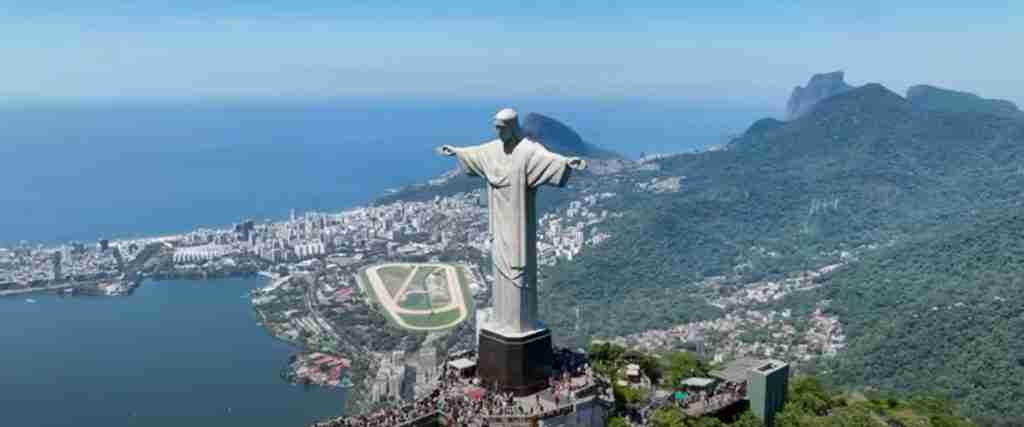
3 days
Rio De Janeiro 3-Day Discovery Tour
- ✓ Comprehensive Rio De Janeiro experience
- ✓ Expert local guides included
- ✓ All accommodation included
- ✓ Transportation provided
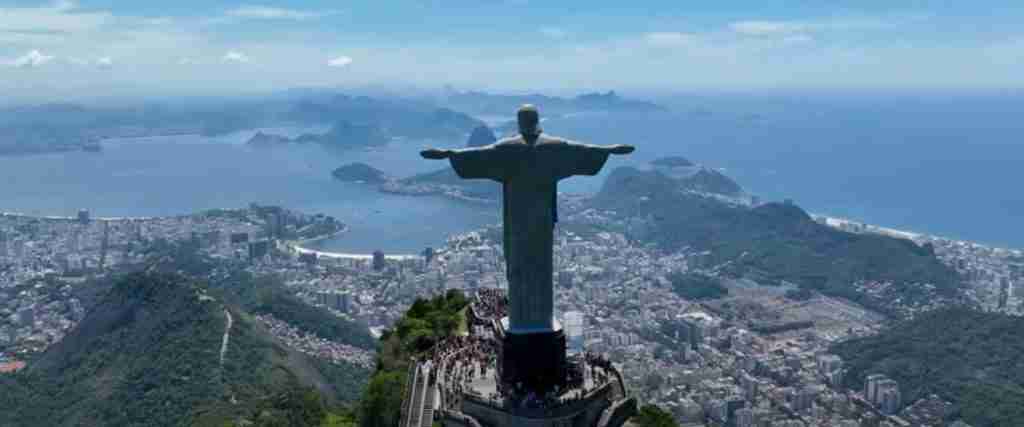
5 days
Rio De Janeiro 5-Day Highlights Experience
- ✓ Comprehensive Rio De Janeiro experience
- ✓ Expert local guides included
- ✓ All accommodation included
- ✓ Transportation provided

7 days
Rio De Janeiro 7-Day Cultural Journey
- ✓ Comprehensive Rio De Janeiro experience
- ✓ Expert local guides included
- ✓ All accommodation included
- ✓ Transportation provided
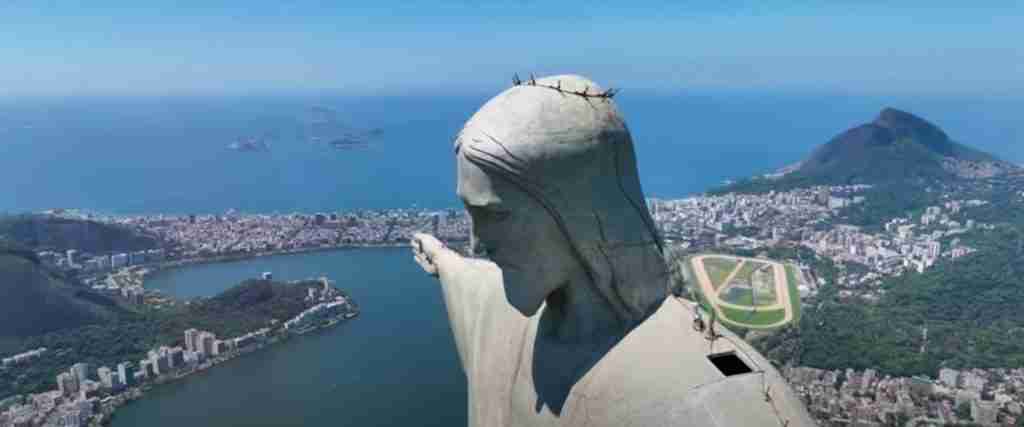
10 days
Rio De Janeiro 10-Day Complete Adventure
- ✓ Comprehensive Rio De Janeiro experience
- ✓ Expert local guides included
- ✓ All accommodation included
- ✓ Transportation provided
Multi-day tour packages powered by TourRadar. Prices and availability subject to change.
Perfect Timing: When to Arrive for Sunset Photography
Success in sunset photography at Christ the Redeemer depends entirely on timing. The magic doesn’t happen all at once—it unfolds over approximately two hours, each phase offering unique photographic opportunities and atmospheric conditions.
The 90-Minute Rule
Plan to arrive at Christ the Redeemer 90 minutes before the official sunset time. This timing serves multiple critical purposes: securing optimal viewing positions, allowing time for reconnaissance and composition planning, and ensuring you’re positioned when the golden hour begins.
Rio de Janeiro’s sunset times vary throughout the year, ranging from approximately 5:30 PM during winter (June-August) to 7:30 PM during summer (December-February). Check current sunset times and add 90 minutes to determine your arrival target.
The Three Phases of Sunset Photography
Phase 1: Pre-Golden Hour Setup (90-60 minutes before sunset)
Use this time to explore different viewing angles, test camera settings, and position yourself for optimal shots. The light during this phase provides excellent conditions for detail shots of the statue and wide-angle cityscape photography.
Phase 2: Golden Hour Magic (60 minutes before to 30 minutes after sunset)
This represents the peak photography window. The warm, directional light creates dramatic shadows and highlights while the color temperature produces those signature golden tones. Professional photographers consider the 30 minutes immediately before sunset as the absolute prime time.
Phase 3: Blue Hour and Illumination (30-90 minutes after sunset)
As the statue’s LED lighting system activates, the monument transforms into a beacon against the deepening blue sky. This phase offers excellent opportunities for silhouette photography and capturing the contrast between the illuminated statue and the city lights below.
Best Photography Positions and Viewing Spots
Christ the Redeemer’s position atop Corcovado Mountain provides numerous vantage points for sunset photography, each offering unique compositions and perspectives. Understanding these positions allows photographers to plan their shoots based on desired outcomes and artistic vision.
The Base Platform: Classic Sunset Shots
The primary viewing platform at the statue’s base offers the most accessible sunset photography opportunities. Position yourself on the western side of the platform for shots that include the statue silhouetted against the setting sun. The elevated position provides clear sightlines over the Tijuca Forest canopy toward the horizon.
Key advantages of base platform photography include easy access via elevator or stairs, multiple composition options within a small area, and the ability to include other visitors for scale references. The platform’s concrete surface provides stable footing for tripod setup, essential for low-light photography as evening progresses.
Lower Viewing Areas: Statue and Sunset Integration
The lower viewing areas, accessible via the pathway system, offer opportunities to capture Christ the Redeemer towering against the sunset sky. These positions allow for dramatic upward-angle compositions that emphasize the statue’s imposing presence while incorporating sunset colors in the background.
From these lower vantage points, photographers can use wide-angle lenses to capture the full statue against expansive sky, creating images that convey both the monument’s scale and the grandeur of the sunset setting. The varied elevation levels provide options for finding compositions that avoid crowds while maintaining clear sight lines.
Alternative Sunset Viewing Locations
Mirante Dona Marta: This viewpoint offers distant but spectacular sunset views of Christ the Redeemer. The elevated position allows photographers to capture the statue, Sugarloaf Mountain, and Rio’s beaches in a single frame as the sun sets over the western mountains.
Pedra do Arpoador: Located at the end of Ipanema Beach, this rocky outcrop provides sunset views with Christ the Redeemer visible on the distant mountainside. The combination of beach foreground, ocean, and mountain silhouettes creates compelling compositions during golden hour.
Sugarloaf Mountain: The cable car to Sugarloaf operates until 7:30 PM, allowing sunset visits that include distant views of an illuminated Christ the Redeemer. This perspective showcases the statue’s prominence in Rio’s skyline as city lights begin to twinkle.
Photography Equipment and Camera Settings for Golden Hour
Capturing stunning sunset photographs at Christ the Redeemer requires understanding both equipment capabilities and optimal camera settings for changing light conditions. The transition from bright daylight to deep twilight demands technical knowledge and preparation.
Essential Camera Equipment
Tripod: Absolutely essential for sunset photography. As light levels drop, shutter speeds extend beyond handheld capabilities. A sturdy tripod enables sharp images during blue hour and allows for creative techniques like light trails from aircraft or city traffic below.
Wide-Angle Lens (14-35mm): Captures the statue’s full height while including expansive sky for dramatic sunset compositions. Wide-angle lenses also allow inclusion of foreground elements and cityscape context.
Telephoto Lens (70-200mm): Compresses distance between statue and sun, creating images where the setting sun appears larger relative to Christ the Redeemer. Telephoto lenses also isolate specific architectural details during golden hour lighting.
Circular Polarizing Filter: Reduces reflections and enhances sky contrast, particularly valuable during the golden hour when atmospheric haze can reduce image clarity.
Optimal Camera Settings for Sunset Conditions
Shooting Mode: Manual mode provides complete control over exposure settings as lighting conditions change rapidly during sunset. Aperture Priority mode serves as an acceptable alternative for less experienced photographers.
ISO Settings: Begin with ISO 100-200 during bright golden hour, gradually increasing to ISO 400-800 as light diminishes. Modern cameras handle these ISO levels with minimal noise, maintaining image quality throughout the transition.
Aperture Selection: f/8 to f/11 provides optimal sharpness for landscape photography while maintaining sufficient depth of field to keep both statue and background in focus. Wider apertures (f/4-f/5.6) work well for isolating the statue against blurred backgrounds.
Shutter Speed Considerations: During golden hour, shutter speeds typically range from 1/60 to 1/250 second. As light decreases, extend shutter speeds accordingly, using tripod support for exposures longer than 1/30 second.
Specialized Techniques for Sunset Photography
Exposure Bracketing: The extreme contrast between bright sky and shadowed areas benefits from HDR (High Dynamic Range) techniques. Capture multiple exposures (-2, 0, +2 EV) to blend for balanced final images.
Focus Stacking: For maximum sharpness from foreground to background, capture multiple images focused at different distances, then blend in post-processing for complete depth of field.
Time-Lapse Opportunities: The gradual transition from day to night creates compelling time-lapse sequences. Set up cameras to capture images every 15-30 seconds throughout the sunset period.
Getting There: Transportation Options for Evening Visits
Planning transportation for sunset visits to Christ the Redeemer requires different considerations than daytime trips. Evening schedules, reduced service frequency, and limited options necessitate advance planning to ensure smooth access and return journeys.
Corcovado Railway for Sunset Visits
The historic Corcovado Railway operates extended hours to accommodate sunset visitors, with the last trains typically departing around 6:30 PM and return service continuing until approximately 8:00 PM. Advanced booking is essential for evening trains, which fill quickly due to limited capacity and high demand.
Evening train schedules vary seasonally to align with changing sunset times. During summer months (December-February), additional evening departures accommodate later sunsets, while winter schedules (June-August) reflect earlier sunset times.
The railway journey through Tijuca Forest takes approximately 20 minutes each direction, providing scenic views as the train climbs through Atlantic rainforest vegetation. Evening trips offer the additional experience of descending through darkened forest with only train lighting illuminating the journey.
Official Van Service Evening Options
The official Christ the Redeemer van service extends operations for sunset visits, departing from three locations: Largo do Machado, Copacabana (Praça do Lido), and Barra da Tijuca. Evening van schedules typically include departures every 30 minutes until 5:30 PM, with return services operating until 8:30 PM.
Van transportation offers several advantages for sunset photography: climate-controlled comfort during the 45-minute journey through Tijuca National Park, storage space for photography equipment, and direct access to the Paineiras visitor center. The winding mountain road provides glimpses of Rio’s evening lights as darkness falls.
Private Transportation and Tour Options
Private driver services offer maximum flexibility for sunset visits, allowing customized timing and extended stays for blue hour photography. Professional drivers familiar with Corcovado routes provide valuable local knowledge about optimal timing and alternative routes during peak traffic periods.
Sunset-specific tours combine Christ the Redeemer visits with other sunset viewing locations like Mirante Dona Marta or Pedra do Arpoador. These multi-location experiences maximize golden hour opportunities while providing professional guidance for photography and sightseeing.
Weather Considerations for Sunset Visits
Rio de Janeiro’s tropical climate and mountainous terrain create specific weather patterns that significantly impact sunset viewing conditions at Christ the Redeemer. Understanding these patterns helps visitors choose optimal days and prepare for changing conditions.
Seasonal Weather Patterns
Summer (December-February): High humidity and afternoon thunderstorms often clear by evening, creating dramatic skies for sunset photography. However, persistent cloud cover can obscure sunset views on approximately 40% of summer evenings.
Winter (June-August): Drier conditions and clearer skies provide more reliable sunset viewing, with clear conditions occurring on approximately 70% of winter evenings. Cooler temperatures make extended outdoor photography more comfortable.
Shoulder Seasons (March-May, September-November): Transitional weather patterns offer balanced conditions with moderate humidity and occasional clear skies. These periods often provide optimal sunset viewing with fewer crowds than peak summer months.
Mountain Microclimate Effects
Corcovado Mountain’s elevation (2,329 feet) creates localized weather patterns that can differ significantly from conditions at sea level in Rio. Cloud formation around the mountain peak frequently obscures the statue during late afternoon hours, even when coastal areas remain clear.
The Cristo Redeemer official website provides a live webcam showing current visibility conditions at the statue. Check this resource before making evening visits to avoid disappointment from completely obscured views.
Wind patterns at the mountain summit intensify during evening hours, with gusts reaching 20-30 mph. This impacts tripod stability and comfort during extended photography sessions, making windproof clothing and secure equipment mounting essential.
Best Weather Conditions for Sunset Photography
Partially cloudy skies often produce the most dramatic sunset photographs, as clouds provide texture and visual interest while allowing sufficient sunlight penetration for golden hour effects. Completely clear skies, while ensuring visibility, sometimes lack the dramatic elements that make sunset images compelling.
Post-rain conditions frequently create exceptional sunset viewing opportunities. The clearing atmosphere after thunderstorms produces enhanced clarity and more vibrant colors, while residual clouds add dramatic elements to sky compositions.
Sunset Tour Options and Guided Experiences
Professional sunset tours to Christ the Redeemer provide structured experiences that maximize viewing opportunities while handling logistics and local expertise. These guided options particularly benefit first-time visitors and serious photographers seeking optimal conditions.
Photography-Focused Sunset Tours
Specialized photography tours combine sunset timing with expert guidance on composition, camera settings, and location scouting. Professional photographer guides provide instruction on HDR techniques, golden hour timing, and advanced composition strategies specific to Christ the Redeemer’s unique setting.
These tours typically include pre-sunset positioning at multiple viewpoints, technical instruction during golden hour, and post-processing guidance for captured images. Equipment rental options often include professional-grade tripods, filters, and backup camera bodies.
Multi-Location Sunset Experiences
Comprehensive sunset tours combine Christ the Redeemer with additional Rio viewpoints for comparison photography and varied perspectives. Popular combinations include Mirante Dona Marta for distant sunset views, followed by Christ the Redeemer for close-up golden hour photography.
These extended experiences allow photographers to capture the same sunset from multiple angles, creating portfolio series that showcase Rio’s dramatic topography and Christ the Redeemer’s prominence in the cityscape.
Private Sunset Tours and Customization
Private guide services offer completely customized sunset experiences tailored to specific interests, whether photography, religious significance, or romantic occasions. Private tours provide flexibility in timing, location selection, and duration that group tours cannot match.
Luxury private options include helicopter transfers for aerial sunset photography, professional photography services to capture visitors at the statue, and extended access for blue hour and night photography sessions.
Safety and Practical Considerations for Evening Visits
Evening visits to Christ the Redeemer require additional safety awareness and practical preparations compared to daytime trips. The combination of crowds, changing light conditions, and mountain terrain demands careful planning.
Personal Safety During Evening Hours
While Christ the Redeemer maintains security presence throughout operating hours, evening visits involve reduced lighting and smaller security staff compared to peak daytime operations. Stay within designated viewing areas and maintain awareness of personal belongings, particularly expensive camera equipment.
The statue’s viewing platform becomes more challenging to navigate as light diminishes. Uneven surfaces and steps require careful attention, especially when carrying photography equipment. LED lighting around the statue provides basic illumination, but bring small flashlights for safe navigation.
Equipment Security and Weather Protection
Mountain weather can change rapidly during evening hours, with temperature drops of 10-15°F common as the sun sets. Protect camera equipment from condensation by allowing gradual temperature adjustment and carrying lens cloths for fog removal.
Secure all equipment against wind gusts that intensify at elevated locations during evening hours. Use camera straps and lens caps consistently, and consider backup storage for memory cards containing irreplaceable sunset images.
Return Journey Planning
Transportation services operate on reduced evening schedules, making advance planning essential for return journeys. Last trains typically depart by 8:00 PM, while van services conclude by 8:30 PM. Missing final departure times necessitates expensive private transportation arrangements.
Allow extra time for platform navigation and transportation queues during evening hours when visibility is reduced. Popular sunset viewing periods create concentrated departure demand, requiring patience and early positioning for return transportation.
Capturing the Perfect Sunset Shot: Composition Tips
Creating memorable sunset photographs at Christ the Redeemer extends beyond technical camera settings to encompass composition, timing, and artistic vision. Understanding compositional principles specific to this iconic location elevates casual snapshots to professional-quality images.
Rule of Thirds for Statue and Sky Balance
Position Christ the Redeemer along vertical third lines rather than centering the statue in frame compositions. This placement creates more dynamic images while allowing maximum sky space for dramatic sunset colors. Horizontal third lines should separate foreground elements, statue positioning, and sky areas for balanced visual weight.
When shooting wide-angle compositions that include Rio’s cityscape, position the horizon along the lower third line to emphasize sky drama while maintaining sufficient foreground interest. This proportion works particularly well during golden hour when sky colors dominate the visual impact.
Leading Lines and Foreground Elements
Utilize the viewing platform’s geometric patterns, stairway lines, and architectural elements to create leading lines that draw viewers’ eyes toward Christ the Redeemer. These compositional elements add depth and visual flow to sunset photographs while providing context for the statue’s impressive scale.
Include foreground elements like platform railings, visitors, or vegetation to create layered compositions that convey three-dimensional depth. These elements become silhouetted during golden hour, adding dramatic contrast against bright sunset skies.
Silhouette and Backlighting Techniques
Position yourself to capture Christ the Redeemer backlit against sunset skies for powerful silhouette images. Expose for sky highlights rather than statue details to maintain dramatic contrast and vibrant color saturation. This technique emphasizes the statue’s iconic outline while showcasing spectacular sunset colors.
For more balanced exposures that reveal statue details while maintaining sky drama, use graduated neutral density filters or HDR bracketing techniques. These methods preserve highlight detail in bright skies while lifting shadow areas around the statue.
Blue Hour and Night Photography at Christ the Redeemer
The photography opportunities don’t end when the sun disappears below the horizon. The blue hour period and full darkness reveal entirely different artistic possibilities that showcase Christ the Redeemer’s role as Rio’s nighttime beacon.
Understanding Blue Hour Timing
Blue hour occurs during the 20-30 minutes after sunset when the sky maintains deep blue coloration while artificial lighting begins to dominate the landscape. This transitional period provides optimal conditions for capturing Christ the Redeemer’s LED illumination against dramatic sky colors.
During blue hour, the color temperature balance between daylight remnants and artificial lighting creates compositions impossible to achieve during pure daylight or complete darkness. The statue’s white soapstone surface reflects the LED uplighting while maintaining detail visibility against the deepening blue sky.
Night Photography Techniques
Extended Exposures: Use shutter speeds of 10-30 seconds to capture light trails from aircraft overhead while maintaining statue sharpness. The constant LED illumination provides stable lighting for extended exposures, while moving lights add dynamic elements.
Light Painting: Combine ambient lighting with additional illumination sources to highlight specific statue details or create artistic effects. Small LED panels or smartphone flashlights can selectively illuminate areas during long exposures.
City Light Integration: Capture Rio’s sprawling city lights as backdrop elements that provide context and scale for the illuminated statue. Use telephoto lenses to compress distance and create compositions where city lights appear as jeweled backgrounds.
Technical Considerations for Night Photography
Increase ISO settings to 1600-3200 for night photography while maintaining acceptable noise levels through modern camera capabilities. Higher ISOs enable faster shutter speeds that reduce camera shake while preserving image quality.
Focus manually using live view magnification, as autofocus systems struggle in low-light conditions. Pre-focus during blue hour when sufficient light remains for accurate focusing, then switch to manual focus to maintain sharp images throughout the night session.
Seasonal Variations: Best Months for Sunset Photography
Christ the Redeemer’s sunset photography conditions vary dramatically throughout the year due to Rio de Janeiro’s tropical location and seasonal weather patterns. Understanding these variations helps photographers plan visits during optimal periods for their specific artistic goals.
Summer Sunset Characteristics (December-February)
Summer sunsets occur later in the evening (7:00-7:30 PM), providing extended golden hour periods but also challenging weather conditions. Afternoon thunderstorms frequently clear by evening, creating dramatic sky conditions with enhanced cloud formations and atmospheric effects.
High humidity during summer months can reduce visibility and create haze that softens distant city details. However, this atmospheric effect often enhances the romantic, dreamy quality of sunset photographs while creating natural diffusion for portrait-style compositions.
Summer also coincides with peak tourist season, resulting in larger crowds during sunset hours. Plan for more competitive positioning and consider weekday visits to minimize crowd impact on photography opportunities.
Winter Sunset Advantages (June-August)
Winter provides the most reliable sunset viewing conditions, with clear skies occurring on approximately 70% of evenings. Earlier sunset times (5:30-6:00 PM) allow for complete sunset experiences while maintaining comfortable return journey timing.
Cooler temperatures (65-75°F) create more comfortable conditions for extended photography sessions, while lower humidity enhances atmospheric clarity for sharp cityscape details. The reduced tourist season also means smaller crowds and easier access to prime viewing positions.
Winter’s stable high-pressure systems produce consistent weather patterns that allow reliable planning for photography trips, reducing the uncertainty common during summer’s changeable conditions.
Shoulder Season Opportunities (March-May, September-November)
Transitional seasons offer balanced conditions that combine summer’s dramatic skies with winter’s reliability. These periods frequently provide optimal sunset photography conditions with moderate crowds and stable weather patterns.
Shoulder seasons also coincide with favorable flight pricing and hotel availability, making them cost-effective periods for photography-focused trips to Rio de Janeiro. The combination of good weather and reasonable pricing attracts serious photographers seeking optimal conditions without peak season complications.
Combining Sunset with Other Rio Photography Locations
Maximizing photography opportunities during golden hour requires strategic planning that incorporates multiple Rio de Janeiro locations. Professional photographers often create circuit routes that capture sunset from various perspectives for comprehensive portfolio development.
Pre-Sunset Location Strategy
Mirante Dona Marta (4:00-5:30 PM): Begin sunset photography sessions at this elevated viewpoint for distant perspectives of Christ the Redeemer against Rio’s urban landscape. The early timing allows capture of golden hour’s beginning phases while providing context shots for later close-up work.
Parque Lage (5:30-6:00 PM): Transition to this historic mansion and gardens for foreground elements that frame distant views of Corcovado Mountain. The park’s architecture and vegetation provide compositional elements that enhance storytelling aspects of sunset photography.
Primary Sunset Location Timing
Christ the Redeemer (6:00-8:00 PM): Arrive during peak golden hour for primary sunset photography at the statue itself. This timing ensures optimal lighting conditions while providing sufficient time for multiple compositions and technical adjustments.
Post-Sunset Urban Photography
Sugarloaf Mountain (8:00-9:00 PM): Conclude sunset sessions with cable car access to Rio’s second most famous viewpoint for cityscape photography featuring an illuminated Christ the Redeemer in the distance. Night city lights provide dramatic backgrounds for wide-angle compositions.
Copacabana Beach (9:00-10:00 PM): End photography sessions with beachfront night scenes that include distant mountain silhouettes and urban lighting, creating complete visual stories of Rio’s diverse landscapes.
Professional Photography Services and Workshops
For visitors seeking to maximize their sunset photography results at Christ the Redeemer, professional services provide expert guidance, technical instruction, and insider access that independent visits cannot match. These specialized offerings cater to photographers of all skill levels who want to capture professional-quality images.
Private Photography Instruction
One-on-one photography workshops with local professionals combine technical instruction with location-specific expertise. These personalized sessions focus on individual skill development while ensuring optimal sunset timing and positioning for each participant’s equipment and experience level.
Private instruction typically includes pre-visit consultation for equipment recommendations, on-location technical guidance during golden hour, and post-processing instruction for captured images. Many workshops provide equipment rental options for participants seeking to experiment with professional-grade gear.
Group Photography Tours and Workshops
Small group photography experiences (6-8 participants) offer community learning environments while maintaining individualized attention. Group dynamics often enhance creativity through shared perspectives and collaborative problem-solving during challenging lighting conditions.
These workshops frequently include multiple locations beyond Christ the Redeemer, creating comprehensive Rio photography experiences that cover various techniques, lighting conditions, and compositional approaches throughout a single evening.
Professional Photography Services
For visitors seeking high-quality images without technical complexity, professional photography services capture sunset moments while clients enjoy the experience. Professional photographers handle all technical aspects while ensuring clients appear in stunning sunset compositions with Christ the Redeemer as backdrop.
These services often include same-day image delivery, professional editing, and multiple outfit/pose options during the golden hour period. Popular for proposals, anniversaries, and special occasions that benefit from professional documentation.
Making Your Sunset Visit Unforgettable
Experiencing Christ the Redeemer at sunset transcends typical sightseeing to become a profound encounter with one of the world’s most significant monuments during nature’s most beautiful daily performance. The combination of golden hour lighting, reduced crowds, and the statue’s evening illumination creates memories that last far beyond the photographs captured.
The key to maximizing your sunset experience lies in preparation: understanding optimal timing, bringing appropriate equipment, and maintaining realistic expectations about weather and conditions. Even partially cloudy evenings often produce spectacular results, while completely clear skies, though ensuring visibility, sometimes lack the dramatic elements that make sunset images truly compelling.
Remember that sunset photography at Christ the Redeemer represents both a technical challenge and an artistic opportunity. The rapidly changing light conditions demand quick adaptations and creative problem-solving, while the spiritual significance of the location adds emotional depth to every captured image.
Whether you’re capturing professional portfolio images or preserving family memories, the sunset hours at Christ the Redeemer offer unparalleled opportunities to document your connection with this sacred site against the backdrop of one of the world’s most beautiful cities. Plan carefully, arrive prepared, and allow yourself to be moved by the magic that unfolds as day transitions to night atop Corcovado Mountain.
The golden hour at Christ the Redeemer doesn’t just illuminate the statue—it reveals the soul of Rio de Janeiro itself, creating photographs and memories that capture both the grandeur of human achievement and the eternal beauty of the natural world in perfect harmony.
🌅 Sunset Photography FAQ
Q: What time should I arrive for sunset photography at Christ the Redeemer?
A: Arrive 90 minutes before official sunset time to secure optimal positions, test equipment, and capture the complete golden hour progression. Check current sunset times and plan accordingly.
Q: Can I take tripods to Christ the Redeemer for sunset photography?
A: Yes, tripods are permitted and essential for sunset photography. The viewing platform provides stable surfaces for tripod setup, crucial for sharp images as light diminishes.
Q: How late do transportation services operate for sunset visitors?
A: The Corcovado Railway’s last trains typically depart around 8:00 PM, while van services conclude by 8:30 PM. Verify current schedules as they vary seasonally.
Q: What camera equipment is essential for sunset photography?
A: A sturdy tripod is most important, followed by wide-angle and telephoto lenses. Circular polarizing filters and extra batteries are highly recommended for extended sessions.
Q: Are sunset visits less crowded than midday?
A: Yes, evening visitors represent only 15-20% of daily traffic, providing more space for photography and a more peaceful viewing experience.
Q: Can I photograph the statue’s LED illumination?
A: Absolutely. The LED lighting system activates at dusk, creating excellent opportunities for night photography and silhouette images against Rio’s city lights.
Q: What weather conditions are best for sunset photography?
A: Partially cloudy skies often produce the most dramatic results, providing texture while allowing sunlight penetration. Post-rain clearing conditions frequently create exceptional visibility and vibrant colors.
Q: Should I book sunset tours in advance?
A: Yes, evening transportation and tours have limited capacity and high demand. Advanced booking ensures access and optimal timing for golden hour photography.
Q: Can I stay for blue hour and night photography?
A: The site remains open until approximately 8:00 PM, allowing time for blue hour photography. However, return transportation schedules require planning for timely departure.
Q: What’s the best season for sunset photography at Christ the Redeemer?
A: Winter months (June-August) provide the most reliable clear conditions, while shoulder seasons (March-May, September-November) offer balanced weather with fewer crowds.