
Christ the Redeemer History: From Vision to Wonder of World
Key Takeaways
- Century-long journey: From 1850s concept to 1931 completion took over 80 years of planning and construction
- International collaboration: French sculptors, Brazilian engineers, and global fundraising created this masterpiece
- Art Deco achievement: World’s largest Art Deco sculpture representing 1920s artistic innovation
- Engineering marvel: Revolutionary use of reinforced concrete and soapstone on challenging mountain summit
- Religious significance: Symbol of Brazilian Catholicism and national identity since inauguration
- Modern recognition: Selected as New Seven Wonder of the World in 2007 by 100+ million votes
- Conservation legacy: Ongoing preservation efforts maintain monument for future generations
The majestic Christ the Redeemer statue overlooking Rio de Janeiro represents more than a century of Brazilian faith, artistry, and engineering excellence. From its humble conception in the 1850s to its recognition as one of the New Seven Wonders of the World in 2007, this iconic monument embodies Brazil’s spiritual and cultural identity while showcasing human achievement and international collaboration across generations.
Origins and Early Inspiration (1850s-1920)
The First Vision: Father Pierre Marie Boss
The concept of a religious monument atop Corcovado Mountain began in 1859 when French priest Pierre Marie Boss gazed from the window of a Catholic school in Tijuca and envisioned a Christian symbol overlooking Rio de Janeiro. This moment of divine inspiration would eventually transform into one of the world’s most recognizable landmarks, though the path from vision to reality would span eight decades.
Father Boss’s original vision included:
- Strategic positioning: Monument visible from throughout Rio de Janeiro
- Religious symbolism: Christian cross dominating the city’s skyline
- Spiritual purpose: Blessing and protection for Rio’s inhabitants
- Architectural integration: Harmonious relationship with natural mountain setting
- Evangelistic mission: Spreading Catholic faith through visual presence
Political and Social Context of 19th Century Brazil
The monument’s conception occurred during a transformative period in Brazilian history, with social, political, and religious changes creating the conditions for such an ambitious project.
Historical context influencing the project:
- Empire period (1822-1889): Brazil under Emperor Dom Pedro II seeking national identity
- Catholic Church influence: Strong religious presence in society and politics
- Slavery abolition movement: Princess Isabel’s role in ending slavery (1888)
- European immigration: Influx of Catholic immigrants reinforcing religious culture
- Modernization efforts: Infrastructure development including railways and urban planning
- National pride development: Desire for monuments reflecting Brazilian achievement
Early Monument Proposals and Debates
The original concept evolved through various proposals and public discussions throughout the late 19th century.
Initial proposal variations:
- Princess Isabel monument: Early suggestions to honor the princess who abolished slavery
- Religious alternative: Princess Isabel’s own preference for Christ figure over personal monument
- Location considerations: Debates between Corcovado and Sugarloaf Mountains
- Funding challenges: Questions about financing such an ambitious project
- Engineering feasibility: Concerns about building on challenging mountain summit
- Artistic vision: Various concepts for design and artistic approach
Mountain Access Development
Before any monument construction could begin, access to Corcovado’s summit required significant infrastructure development that would prove crucial for the eventual project.
Transportation infrastructure timeline:
- 1824: Emperor Dom Pedro I organizes first recorded expedition to Corcovado summit
- 1882: Dom Pedro II initiates construction of cog railway to facilitate mountain access
- 1884: First successful tram journey reaches Corcovado summit, opening new possibilities
- 1890s: Regular tourist excursions to summit establish accessibility
- 1910s: Railway improvements and maintenance create foundation for construction logistics
Extended multi-day tours – 5+ days
Featured Rio De Janeiro Multi-Day Tour Packages
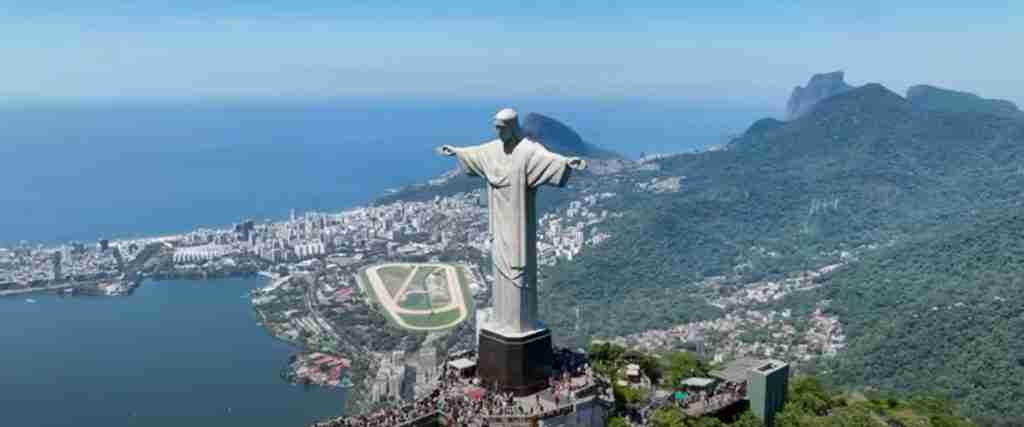
3 days
Rio De Janeiro 3-Day Discovery Tour
- ✓ Comprehensive Rio De Janeiro experience
- ✓ Expert local guides included
- ✓ All accommodation included
- ✓ Transportation provided
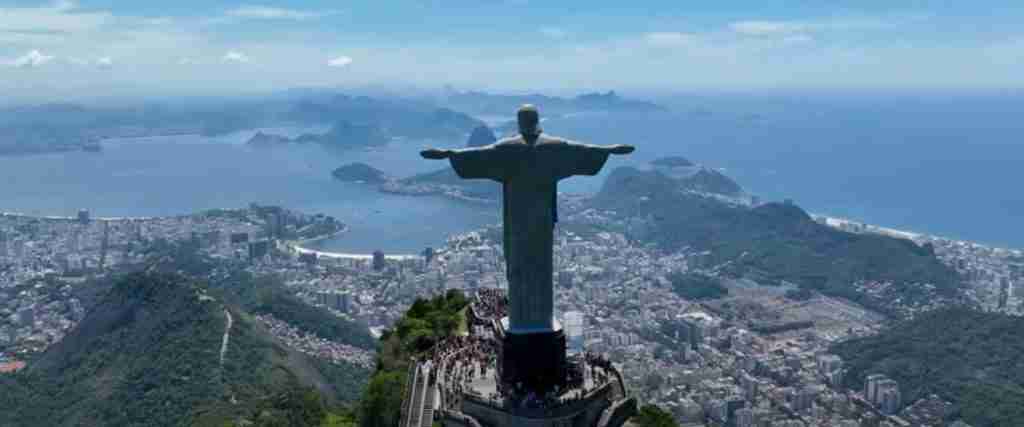
5 days
Rio De Janeiro 5-Day Highlights Experience
- ✓ Comprehensive Rio De Janeiro experience
- ✓ Expert local guides included
- ✓ All accommodation included
- ✓ Transportation provided

7 days
Rio De Janeiro 7-Day Cultural Journey
- ✓ Comprehensive Rio De Janeiro experience
- ✓ Expert local guides included
- ✓ All accommodation included
- ✓ Transportation provided
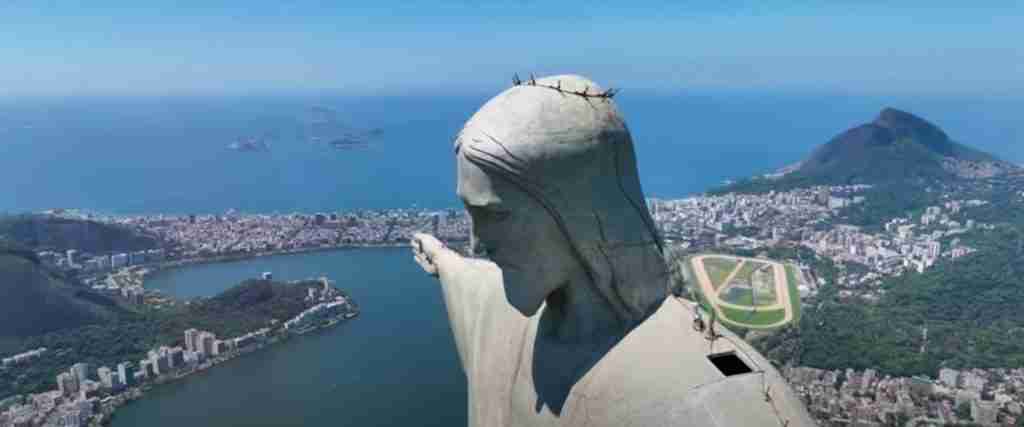
10 days
Rio De Janeiro 10-Day Complete Adventure
- ✓ Comprehensive Rio De Janeiro experience
- ✓ Expert local guides included
- ✓ All accommodation included
- ✓ Transportation provided
Multi-day tour packages powered by TourRadar. Prices and availability subject to change.
Project Revival and Planning Phase (1920-1926)
Brazilian Independence Centennial Catalyst
As Brazil approached its centenary of independence in 1922, national pride and Catholic Church influence converged to revive the long-dormant Christ statue project with unprecedented momentum and public support.
Key developments during the early 1920s:
- 1920: Catholic Church formally proposes Christ statue for Corcovado Mountain
- 1921: Organized citizens petition President Epitácio Pessoa for official project approval
- 1922: Foundation stone ceremonially laid on April 4th, commemorating independence centennial
- 1923: Major fundraising campaign launched throughout Brazil with church leadership
- 1924: International design competition announced and engineering consultations begin
- 1925: Final design selected and construction planning intensifies
National Fundraising Campaign
The Christ the Redeemer project represented one of Brazil’s first major crowdfunded initiatives, with donations pouring in from across Brazilian society, demonstrating unprecedented national unity around a shared vision.
Comprehensive fundraising campaign characteristics:
- Catholic Church leadership: Parishes throughout Brazil organized systematic donation collection
- Popular participation: Small donations from ordinary citizens formed majority of total funding
- Media campaign: Newspapers and emerging radio promoted project nationally
- International contributions: Brazilian expatriates and foreign supporters contributed significantly
- Government endorsement: Official blessing without direct public funding commitment
- Corporate support: Major Brazilian companies provided materials and services
- Cultural events: Concerts, festivals, and exhibitions raised additional funds
Design Evolution and International Collaboration
The statue’s final design emerged through extensive collaboration between Brazilian visionaries and international artistic expertise, creating a unique fusion of local vision and global talent.
Design development process and key figures:
- Heitor da Silva Costa: Brazilian engineer wins initial design competition with innovative concept
- Carlos Oswald: Brazilian artist provides crucial artistic input and design refinement
- Paul Landowski: Renowned French sculptor commissioned for head and hands design
- Albert Caquot: French engineer designs revolutionary reinforced concrete structure
- Gheorghe Leonida: Romanian sculptor contributes to facial features and expression
- Design evolution: Transformation from holding cross and globe to iconic open arms pose
Construction Phase: Engineering and Artistic Achievement (1926-1931)
Revolutionary Construction Techniques
Building Christ the Redeemer required innovative engineering solutions to overcome unprecedented challenges of construction at 2,310 feet elevation on a remote mountain summit exposed to harsh weather conditions.
Engineering innovations and unprecedented challenges:
- Material transportation logistics: All construction supplies carried via existing narrow-gauge cog railway
- Reinforced concrete pioneering: Advanced use of steel-reinforced concrete revolutionary for the era
- Foundation engineering mastery: Bedrock excavation and specialized mounting systems in challenging terrain
- Weather resistance design: Structure engineered for high winds, lightning strikes, and tropical storms
- Precision assembly coordination: Exact positioning of prefabricated sections transported from multiple locations
- Workforce logistics management: Housing, feeding, and coordinating workers on isolated mountain peak
- Safety protocol development: New safety standards for high-altitude construction work
International Manufacturing and Assembly Coordination
The statue’s construction represented unprecedented international collaboration in early 20th-century engineering, with components manufactured across continents and assembled with precision on Corcovado’s summit.
Global manufacturing locations and complex process:
- Boulogne-Billancourt, France: Paul Landowski’s studio creates head and hands in over 50 detailed pieces
- Rio de Janeiro, Brazil: Reinforced concrete structure built entirely on-site at Corcovado summit
- Minas Gerais soapstone quarries: Thousands of triangular tiles sourced from Brazilian mines
- Transatlantic shipping challenges: Complex logistics for moving delicate sculptural components
- Mountain transportation: Railway system pushed to limits carrying construction materials
- International coordination: Precise fitting of components from different countries and craftsmen
The Soapstone Covering Innovation
The choice of soapstone cladding represented both aesthetic brilliance and practical innovation, creating the statue’s distinctive luminous appearance while ensuring long-term durability in Brazil’s challenging tropical climate.
Soapstone selection advantages and application:
- Superior weather resistance: Natural durability against intense tropical sun, rain, and wind
- Aesthetic luminosity: Smooth, reflective surface creating distinctive glow in various lighting
- Local material sourcing: Brazilian soapstone supporting national industry and reducing costs
- Exceptional workability: Easy cutting and precise shaping for complex curved surfaces
- Cultural significance: Deep connection to Brazilian artistic and architectural traditions
- Maintenance advantages: Individual tile replacement system enabling ongoing preservation
- Lightning resistance: Natural properties providing protection against electrical strikes
Construction Workforce and Daily Life
The construction project employed hundreds of workers who lived and worked in challenging conditions on Corcovado’s summit for five years.
Workforce organization and conditions:
- International team: Brazilian workers, French artisans, and European technical specialists
- Mountain camp life: Temporary housing and facilities constructed on summit
- Daily work routine: Railway transport bringing workers up and down mountain daily
- Weather challenges: Work suspended during storms and dangerous conditions
- Skill specialization: Stone carvers, concrete specialists, and precision assembly teams
- Safety protocols: Early workplace safety measures for high-altitude construction
Inauguration and Early Years (1931-1950)
Historic Inauguration Ceremony
Christ the Redeemer’s inauguration on October 12, 1931 marked a pivotal moment in Brazilian cultural and religious history, with celebrations that demonstrated the monument’s immediate impact on national consciousness.
Detailed inauguration day events:
- Religious blessing ceremony: Catholic Church officials consecrate monument with formal religious rites
- First illumination spectacle: Electric lighting system reveals statue to entire city simultaneously
- Massive public celebration: Estimated 100,000 people gather in Rio’s streets and beaches
- National radio broadcast: Live transmission brings ceremony to all corners of Brazil
- International press coverage: Global media attention establishes immediate iconic status
- Political significance: Government officials present monument as symbol of Brazilian achievement
- Cultural impact: Immediate recognition as defining symbol of Rio and Brazil
Immediate Cultural and Religious Impact
From its first moments of illumination, Christ the Redeemer transformed Rio’s skyline and Brazil’s international image, becoming an instant cultural phenomenon.
Early cultural significance and influence:
- Tourist attraction revolution: Immediate draw for domestic and international visitors
- Religious pilgrimage destination: Catholic faithful travel from across Brazil to pray beneath statue
- National symbol establishment: Instant recognition as representing Brazilian hospitality and faith
- Artistic inspiration catalyst: Influence on Brazilian and international artists, writers, musicians
- Photographic icon creation: Early aviation and tourism photography establishing visual legacy
- Cultural identity reinforcement: Embodying Rio’s unique character and Brazilian spirit
- International recognition: Global awareness of Brazil through monument imagery
Early Maintenance and Preservation Challenges
The monument’s exposed location and massive scale immediately presented maintenance challenges that would influence preservation strategies for decades.
Initial preservation issues and solutions:
- Lightning strike damage: Regular repairs needed after electrical storms
- Weather erosion: Tropical climate effects on soapstone and concrete
- Visitor impact: Increasing tourist numbers requiring infrastructure adaptation
- Access improvements: Railway upgrades to handle growing demand
- Security concerns: Protecting monument from vandalism and unauthorized access
Mid-Century Developments and Global Recognition (1950-1980)
Tourism Growth and Infrastructure Development
Post-World War II tourism boom brought international attention to Christ the Redeemer while creating new challenges for monument accessibility and preservation.
Tourism development impacts and adaptations:
- Visitor number explosion: Growing international awareness brings thousands of new visitors annually
- Infrastructure strain management: Railway and summit facilities pushed beyond original capacity
- Maintenance needs escalation: Weather exposure and visitor impact requiring constant attention
- Safety consideration enhancement: Crowd management and visitor protection becoming priorities
- Commercial development integration: Souvenir shops and services developing around base station
- Photography evolution: Color photography and film making monument globally famous
First Major Restoration Project (1980)
Preparation for Pope John Paul II’s historic 1980 visit to Brazil prompted the first comprehensive restoration of Christ the Redeemer, establishing precedent for ongoing preservation efforts.
Comprehensive 1980 restoration project scope:
- Complete surface cleaning: Removal of 50 years of weather staining, pollution, and biological growth
- Soapstone repair program: Systematic replacement of damaged tiles and structural assessment
- Lightning protection enhancement: Advanced electrical systems for improved storm safety
- Access infrastructure improvements: Safer pathways and upgraded visitor facilities
- Comprehensive structural inspection: Engineering assessment of concrete integrity and foundation stability
- Illumination system upgrade: Modern lighting systems for better nighttime visibility
- Security enhancement: Improved protection systems and visitor safety measures
International Cultural Icon Status
During the mid-20th century, Christ the Redeemer evolved from national monument to global cultural icon, representing Brazil in international media and popular culture.
Global cultural influence expansion:
- Hollywood film appearances: Featured in numerous international movies
- Olympic symbolism: Associated with Brazilian sports and international competitions
- Tourism marketing icon: Primary visual symbol for Brazil tourism campaigns
- Diplomatic representation: Used in official Brazilian cultural diplomacy
- Artistic reproduction: Inspiration for artists and architects worldwide
- Popular culture integration: Referenced in music, literature, and media globally
Modern Era Developments and Technological Advances (1980-2007)
Accessibility Revolution (2002-2003)
Major infrastructure additions in the early 2000s transformed the visitor experience while preserving the monument’s historic integrity and improving universal access.
Comprehensive accessibility enhancement project:
- Elevator system installation: Modern lifts eliminating challenging 220-step climb to statue base
- Escalator system integration: Comfortable access accommodating all mobility levels and ages
- Panoramic elevator experience: Glass-enclosed lifts providing scenic ascent with educational information
- Universal access compliance: Wheelchair-friendly platforms and barrier-free pathways
- Safety improvement implementation: Modern railings and comprehensive crowd management features
- Visitor flow optimization: Strategic design reducing congestion and improving experience quality
75th Anniversary Chapel Addition (2006)
The addition of Nossa Senhora Aparecida Chapel marked the statue’s 75th anniversary while significantly enhancing its religious and cultural significance for Brazilian Catholics.
Chapel project significance and comprehensive features:
- Religious dedication honor: Consecrated to Brazil’s patron saint, Nossa Senhora Aparecida
- Architectural integration mastery: Seamless incorporation into existing structure without visual disruption
- Ceremonial space creation: Purpose-built venue for marriages, baptisms, and religious services
- Pilgrimage destination enhancement: Strengthened spiritual significance for religious visitors
- Cultural importance reinforcement: Deepened monument’s role in Brazilian Catholic tradition
- Accessibility inclusion: Chapel designed for universal access and comfort
- Educational component: Interpretive materials explaining religious and cultural significance
Digital Age Documentation and Preservation
Advanced technology integration began transforming monument preservation and visitor education during this period.
Technology integration initiatives:
- Digital monitoring systems: Real-time structural health monitoring
- Weather station integration: Comprehensive climate data collection
- Visitor information systems: Digital displays and educational materials
- Photography documentation: Systematic archival of monument condition
- 3D modeling initiation: Early digital preservation techniques
Recognition as Wonder of the World (2007)
The New7Wonders Campaign
Christ the Redeemer’s selection as one of the New Seven Wonders of the World represented unprecedented global recognition of its cultural, artistic, and spiritual significance to humanity.
Comprehensive campaign details and global significance:
- Global democratic voting: Over 100 million people participate in worldwide online and phone campaign
- Brazilian national mobilization: Unprecedented domestic campaign encouraging citizen participation and national pride
- International competition intensity: Victory over 21 other semi-finalist monuments from around world
- July 7, 2007 announcement: Official proclamation of New Seven Wonders in global ceremony
- Worldwide celebration events: International recognition ceremonies and extensive global media coverage
- Cultural validation: Confirmation of monument’s universal human significance
- Tourism impact: Immediate and sustained increase in international visitor numbers
Fellow Wonders Recognition and Context
Christ the Redeemer joined six other monuments representing the pinnacle of human architectural, cultural, and historical achievement spanning different civilizations and continents.
The complete New Seven Wonders of the World:
- Great Wall of China: Ancient fortification system representing Chinese civilization
- Taj Mahal, India: Marble mausoleum masterpiece of Mughal architecture
- Machu Picchu, Peru: Incan citadel showcasing pre-Columbian engineering
- Petra, Jordan: Rose-red city carved from sandstone by Nabataean civilization
- Chichén Itzá, Mexico: Maya pyramid complex demonstrating astronomical knowledge
- Colosseum, Italy: Roman amphitheater representing ancient engineering mastery
- Christ the Redeemer, Brazil: Art Deco statue symbolizing faith and modern achievement
Contemporary Era: Preservation and Global Impact (2007-Present)
2010 Major Restoration Project
A comprehensive restoration addressed accumulated weather damage and prepared the monument for increased tourism following Wonder of the World recognition.
Extensive 2010 restoration scope and cutting-edge innovations:
- Complete surface restoration: Comprehensive cleaning and systematic soapstone tile replacement
- Advanced structural assessment: Engineering evaluation using modern technology for concrete and foundation analysis
- Lightning protection revolution: State-of-the-art electrical systems following significant storm damage
- Visitor facility modernization: Contemporary amenities and enhanced safety features
- Environmental impact assessment: Comprehensive studies and long-term conservation planning
- Digital documentation: 3D scanning and modeling for future preservation efforts
- Sustainable practices integration: Environmentally conscious restoration methods
Lightning Strikes and Ongoing Maintenance Challenges
Christ the Redeemer’s exposed mountaintop location makes it particularly vulnerable to lightning strikes, requiring continuous innovation in protection systems and maintenance protocols.
Lightning-related challenges and comprehensive solutions:
- Annual strike frequency: Average of 3-6 direct lightning strikes per year requiring repairs
- 2014 major damage incident: Significant finger and head damage requiring extensive emergency restoration
- Advanced protection systems: Enhanced lightning rod networks and sophisticated grounding systems
- Maintenance cost escalation: Over $1 million annually for comprehensive ongoing preservation
- Emergency response protocols: Rapid deployment systems for immediate storm damage assessment
- Insurance and funding: Complex financial arrangements for ongoing protection
- Research and development: Continuous improvement in protection technology
21st Century Cultural and Technological Integration
Modern technology has transformed both the preservation and visitor experience of Christ the Redeemer while maintaining its spiritual and cultural essence.
Contemporary technological enhancements:
- Smart monitoring systems: Real-time structural health and environmental monitoring
- Advanced lighting systems: LED technology for energy efficiency and dramatic nighttime illumination
- Digital visitor experiences: Interactive displays and augmented reality applications
- Sustainable energy integration: Solar panels and energy-efficient systems
- Global connectivity: Live webcams and virtual tour capabilities
- Social media integration: Digital sharing platforms enhancing global reach
Cultural and Religious Significance Throughout History
Evolution of Religious Meaning
Christ the Redeemer has served as a focal point for Brazilian Catholic faith and practice since its inauguration, with its religious significance deepening over nine decades.
Comprehensive religious significance elements:
- Major pilgrimage destination: Catholics travel from across Brazil and internationally for spiritual experiences
- Prayer and contemplation center: Millions find spiritual peace and connection beneath the statue
- Religious ceremony venue: Masses, weddings, baptisms, and confirmations in associated chapel
- Symbol of divine protection: Widely perceived as Christ watching over and blessing Rio and Brazil
- Interfaith respect and recognition: Welcomed and appreciated by various religious communities
- Spiritual tourism catalyst: Religious travel industry development around monument
- Theological education: Teaching tool for Catholic doctrine and Brazilian religious history
National Identity and Cultural Impact Evolution
Beyond religious significance, Christ the Redeemer has become synonymous with Brazilian national identity and international image projection.
Comprehensive cultural identity elements:
- Universal hospitality symbol: Open arms representing famous Brazilian warmth and welcome
- Primary tourism icon: Essential visual symbol for all Brazil tourism marketing worldwide
- Artistic inspiration catalyst: Subject for countless artists, musicians, writers, and filmmakers
- International media representation: Instant Brazilian identifier in global film, television, and advertising
- Olympic Games symbolism: Prominent role during Rio 2016 Olympics as Brazilian pride symbol
- Cultural diplomacy tool: Representing Brazilian values in international relations
- Educational symbol: Teaching Brazilian history, culture, and achievement to global audiences
Architectural and Engineering Legacy
Art Deco Masterpiece Analysis
As the world’s largest Art Deco sculpture, Christ the Redeemer represents the pinnacle of 1920s artistic and architectural movement, influencing design philosophy globally.
Detailed Art Deco characteristics and influence:
- Geometric design principles: Clean lines and simplified shapes embodying movement ideals
- Monumental scale philosophy: Impressive size emphasizing power, permanence, and spiritual significance
- Modern material innovation: Pioneering use of reinforced concrete in artistic applications
- Stylistic unity achievement: Cohesive design from foundation to fingertips demonstrating artistic mastery
- Symbolic power expression: Representing hope, modernization, and spiritual transcendence
- International influence: Inspiring similar monuments and artistic works worldwide
- Preservation of movement ideals: Maintaining Art Deco principles through restoration efforts
Engineering Innovation Legacy and Global Influence
Construction techniques and solutions developed for Christ the Redeemer influenced subsequent monument construction worldwide and advanced engineering practices.
Comprehensive engineering legacy contributions:
- Reinforced concrete applications: Advanced techniques for complex curved structures in challenging environments
- Mountain construction methodology: Solutions for remote, high-altitude construction logistics
- Tropical climate adaptation: Weather resistance methods for intense sun, rain, and storm exposure
- International prefabrication techniques: Cross-continental component manufacturing and assembly methods
- Lightning protection innovation: Advanced electrical protection systems for exposed structures
- Foundation engineering advancement: Bedrock mounting techniques for massive structures
- Maintenance accessibility design: Built-in access systems for ongoing preservation work
Frequently Asked Questions
Construction and Engineering History
Q: How long did the entire Christ the Redeemer project take from conception to completion?
A: The complete journey spanned over 80 years, from Father Pierre Marie Boss’s initial vision in 1859 to the monument’s inauguration in 1931. The active construction phase lasted 5 years (1926-1931), but planning, fundraising, and design development occurred over many decades.
Q: Who were the key people responsible for designing and building Christ the Redeemer?
A: The monument resulted from international collaboration: Brazilian engineer Heitor da Silva Costa won the design competition and oversaw the project, French sculptor Paul Landowski created the head and hands, French engineer Albert Caquot designed the reinforced concrete structure, and Romanian sculptor Gheorghe Leonida contributed to facial features. Hundreds of Brazilian and international workers participated in construction.
Q: Why was soapstone chosen for covering the statue?
A: Soapstone was selected for multiple reasons: exceptional weather resistance against tropical climate, smooth aesthetic appeal creating the statue’s distinctive luminous appearance, local availability in Brazil supporting national industry, ease of cutting and shaping for complex curved surfaces, cultural significance in Brazilian artistic traditions, and practical maintenance advantages allowing individual tile replacement.
Q: How were the massive statue components transported to the mountain summit?
A: All materials were transported via the narrow-gauge cog railway built in the 1880s. The head and hands were shipped from France in over 50 carefully crafted pieces, then carried up the mountain using the railway system. The concrete structure was built entirely on-site, with cement, steel, and soapstone tiles transported via the same railway system over several years.
Historical Context and Significance
Q: What historical and cultural factors led to Christ the Redeemer being built?
A: The monument emerged from multiple historical factors: Brazil’s approach to independence centennial (1922) created national pride momentum, strong Catholic Church influence in society, Princess Isabel’s preference for religious monument over personal statue, successful fundraising demonstrating popular support, available technology and transportation (cog railway), and desire for symbol representing Brazilian achievement and modernization.
Q: When and how was Christ the Redeemer recognized as a Wonder of the World?
A: Christ the Redeemer was selected as one of the New Seven Wonders of the World on July 7, 2007, following a global campaign organized by the New7Wonders Foundation. Over 100 million people participated in worldwide voting via internet and telephone, with Brazil conducting extensive national mobilization campaigns to encourage citizen participation.
Q: What makes Christ the Redeemer historically significant beyond its religious meaning?
A: The monument represents multiple historical significances: successful international collaboration in early 20th century, pioneering use of reinforced concrete in monumental sculpture, world’s largest Art Deco sculpture representing 1920s artistic movement, symbol of Brazilian national identity and achievement, engineering innovation for mountain construction, and global cultural icon representing peace and welcome.
Cultural and Religious Evolution
Q: How has the religious significance of Christ the Redeemer evolved since 1931?
A: The monument’s religious significance has deepened over nine decades: originally conceived as Catholic symbol, it became major pilgrimage destination attracting millions annually, venue for religious ceremonies in the added chapel (2006), symbol of divine protection widely perceived as Christ blessing Rio and Brazil, interfaith appreciation extending beyond Catholicism, and educational tool for Brazilian religious history and Catholic doctrine.
Q: How has Christ the Redeemer influenced Brazilian culture and international image?
A: The statue profoundly shaped Brazilian cultural identity: became universal symbol of Brazilian hospitality through open arms gesture, primary visual identifier for Brazil in international tourism marketing, inspiration for countless artists, musicians, writers, and filmmakers, featured prominently in global media representing Brazil, served as symbol during major events like 2016 Olympics, and functions as cultural diplomacy tool representing Brazilian values internationally.
Q: Why are the arms of Christ positioned in an outstretched, welcoming pose?
A: The open arms design evolved from earlier concepts showing Christ holding a cross and globe. The outstretched arms symbolize welcome, embrace, and blessing, perfectly representing Brazilian hospitality and warmth. This design creates the iconic silhouette recognized worldwide and embodies the spiritual message of Christ offering protection and welcome to all people, reflecting Brazilian cultural values of openness and acceptance.
Preservation and Modern Challenges
Q: What are the main challenges in preserving Christ the Redeemer today?
A: Contemporary preservation faces multiple challenges: frequent lightning strikes (3-6 annually) requiring ongoing repairs, tropical climate effects on materials, managing nearly 2 million annual visitors sustainably, aging infrastructure needing updates, funding requirements exceeding $1 million annually, climate change effects increasing storm intensity, air pollution impact on soapstone surfaces, and balancing tourist access with monument protection.
Q: How many times has Christ the Redeemer undergone major restoration?
A: Major comprehensive restorations occurred in 1980 (preparing for papal visit), 2002-2003 (accessibility improvements with elevators and escalators), 2006 (chapel addition for 75th anniversary), and 2010 (comprehensive restoration addressing weather damage). Additionally, ongoing maintenance happens continuously, with emergency repairs following lightning strikes and regular soapstone tile replacement programs.
Q: What is the estimated annual cost of maintaining Christ the Redeemer?
A: Annual maintenance costs exceed $1 million USD, covering lightning damage repairs, soapstone tile replacement, structural inspections, elevator and infrastructure maintenance, cleaning and preservation treatments, security systems, visitor facilities upkeep, and emergency response capabilities. These costs continue increasing due to climate change effects, visitor impact, and aging infrastructure.
Christ the Redeemer stands as a testament to human faith, artistic achievement, and international cooperation spanning over a century. From Father Pierre Marie Boss’s humble vision to its status as a Wonder of the World, this magnificent monument continues inspiring millions while serving as an enduring symbol of Brazilian culture, religious devotion, architectural innovation, and humanity’s capacity for creating beauty that transcends time and touches the human spirit across all cultures and generations.