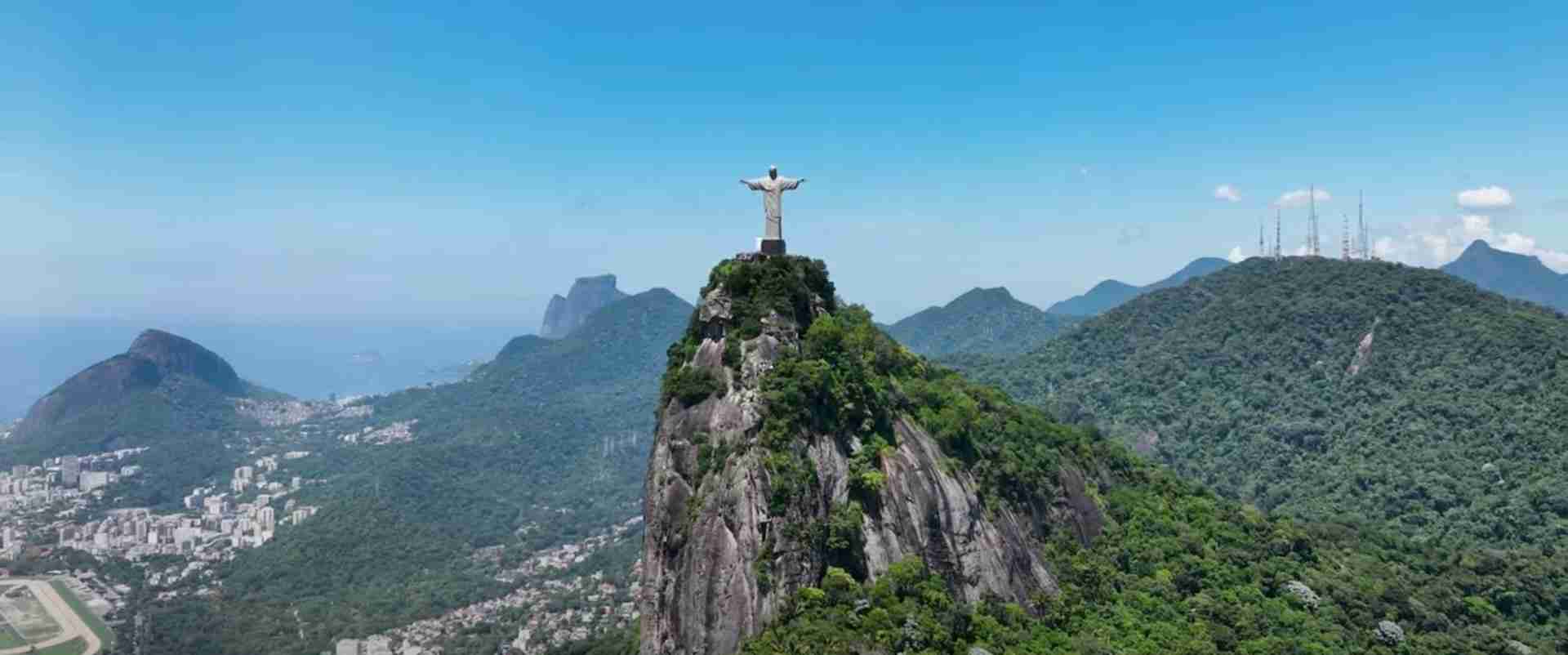
Christ the Redeemer Weather Guide: The Complete Seasonal Climate & Visibility Guide for 2026
Weather conditions dramatically impact the Christ the Redeemer experience, with mountain microclimates, seasonal variations, and daily weather patterns determining visibility, comfort, and photographic opportunities at this iconic New Seven Wonder. Unlike ground-level attractions, Corcovado Mountain’s 2,329-foot elevation creates unique weather challenges and advantages that visitors must understand for optimal planning.
🌤️ Key Takeaways
- Best weather window: June-August offers clearest skies with 70% visibility rates and comfortable temperatures
- Rainfall patterns: December-March brings afternoon thunderstorms but dramatic sky conditions for photography
- Temperature variations: Mountain elevation creates 10-15°F cooling effect compared to Rio city level
- Visibility monitoring: Real-time webcam and weather apps help optimize visit timing
- Seasonal crowds: Weather directly impacts visitor numbers with clear days bringing 300% more tourists
- Packing essentials: Layered clothing and weather protection crucial for mountain microclimate variations
Rio de Janeiro’s tropical climate combines with mountain elevation effects to produce weather patterns that can change dramatically within hours, making real-time monitoring and flexible scheduling essential for successful visits. Understanding seasonal patterns, daily weather cycles, and mountain-specific conditions helps travelers choose optimal timing while preparing for various weather scenarios.
This comprehensive weather guide reveals seasonal climate patterns, optimal visit timing, weather monitoring strategies, and practical preparation tips that ensure memorable Christ the Redeemer experiences regardless of when you choose to visit this magnificent monument.
Understanding Rio’s Mountain Weather Patterns
Christ the Redeemer’s location atop Corcovado Mountain creates weather conditions that often differ significantly from Rio de Janeiro’s coastal areas. Elevation effects, forest microclimate, and Atlantic Ocean influences combine to produce complex weather patterns that visitors must understand for successful planning.
Elevation Effects on Weather
Temperature Reduction:
Mountain elevation creates a consistent cooling effect of 10-15°F (5-8°C) compared to sea-level Rio temperatures. This cooling becomes more pronounced during evening hours and winter months, requiring additional clothing layers even when Rio’s beaches remain warm.
Wind Patterns:
Exposed mountain position creates consistently higher wind speeds, with gusts reaching 20-30 mph during normal conditions and 40+ mph during storms. Wind effects become particularly noticeable during photography and can impact elderly visitors or children.
Humidity Variations:
While Rio maintains high humidity year-round, mountain elevation and forest surroundings create more comfortable humidity levels at Christ the Redeemer, typically 10-20% lower than coastal areas.
Tijuca Forest Microclimate
Cloud Formation Patterns:
The Atlantic rainforest surrounding Corcovado Mountain generates localized cloud formation that can obscure the statue even when Rio’s city areas remain clear. These clouds often form rapidly in late morning and dissipate by early afternoon.
Precipitation Concentration:
Forest microclimate concentrates rainfall, with Corcovado Mountain receiving 20-30% more precipitation than central Rio. Brief, intense showers occur frequently but clear quickly due to mountain drainage patterns.
Morning Mist and Fog:
Early morning fog commonly forms in forest valleys, occasionally reaching statue elevation between 6-9 AM. This fog typically burns off by 10 AM, revealing spectacular clear conditions for midday visits.
Visibility Factors and Monitoring
Cloud Cover Impact:
Complete cloud cover at statue level occurs approximately 30% of days year-round, with higher frequencies during summer months (December-February) and lower frequencies during winter (June-August).
Real-Time Visibility Monitoring:
Official webcams provide live visibility conditions, allowing travelers to verify clear conditions before making the journey. Visibility can change within 15-30 minutes, making real-time monitoring crucial.
Atmospheric Clarity:
Air pollution and atmospheric haze reduce visibility quality on approximately 40% of days, particularly during dry season months when particulate matter concentrations increase.
Extended multi-day tours – 5+ days
Featured Rio De Janeiro Multi-Day Tour Packages
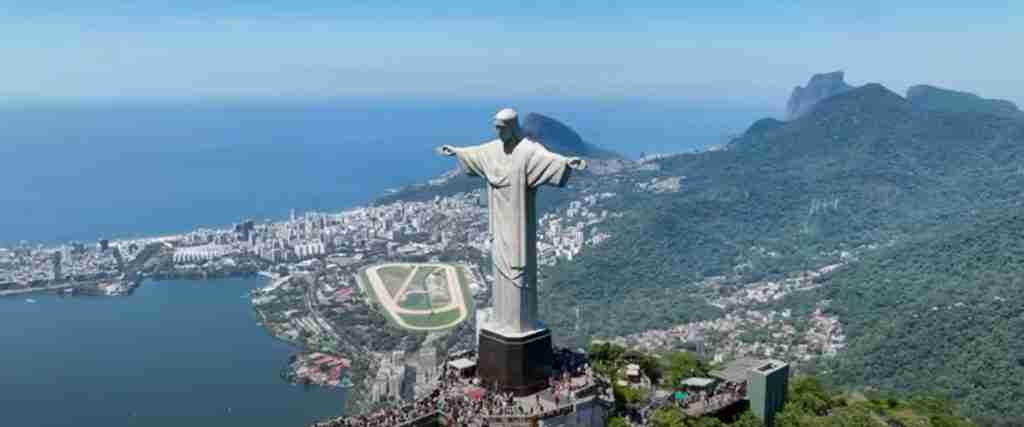
3 days
Rio De Janeiro 3-Day Discovery Tour
- ✓ Comprehensive Rio De Janeiro experience
- ✓ Expert local guides included
- ✓ All accommodation included
- ✓ Transportation provided
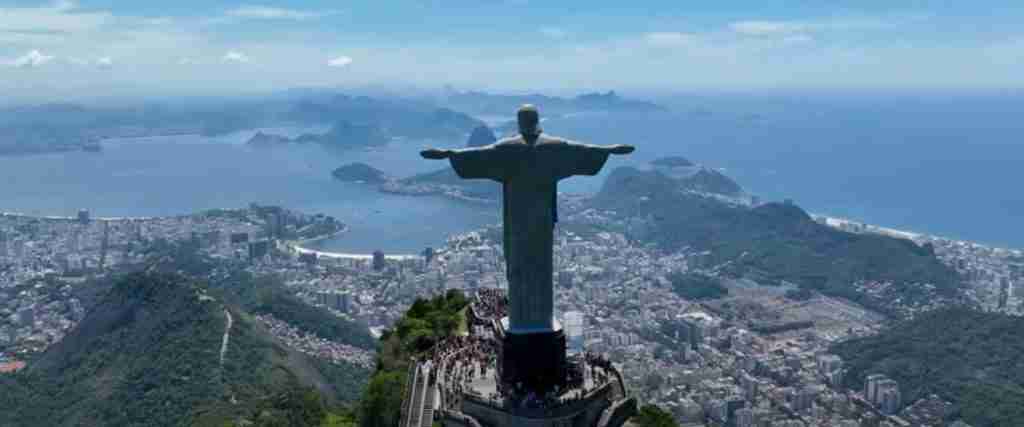
5 days
Rio De Janeiro 5-Day Highlights Experience
- ✓ Comprehensive Rio De Janeiro experience
- ✓ Expert local guides included
- ✓ All accommodation included
- ✓ Transportation provided

7 days
Rio De Janeiro 7-Day Cultural Journey
- ✓ Comprehensive Rio De Janeiro experience
- ✓ Expert local guides included
- ✓ All accommodation included
- ✓ Transportation provided

10 days
Rio De Janeiro 10-Day Complete Adventure
- ✓ Comprehensive Rio De Janeiro experience
- ✓ Expert local guides included
- ✓ All accommodation included
- ✓ Transportation provided
Multi-day tour packages powered by TourRadar. Prices and availability subject to change.
Seasonal Weather Breakdown
Each season brings distinct weather characteristics that impact the Christ the Redeemer experience differently. Understanding seasonal patterns helps travelers choose optimal visit timing based on weather preferences, photography goals, and comfort requirements.
Summer Season (December-February)
Temperature Characteristics:
– City level: 79-86°F (26-30°C)
– Mountain level: 68-75°F (20-24°C)
– High humidity: 75-85%
– Intense UV radiation due to summer sun angle
Rainfall Patterns:
Summer brings Rio’s wet season with afternoon thunderstorms occurring 4-5 days per week. Storms typically develop between 2-5 PM, lasting 1-3 hours before clearing to dramatic sunset conditions.
Visibility Conditions:
Morning hours (8-11 AM) provide optimal visibility with 60-70% clear condition probability. Post-storm periods (5-7 PM) often produce exceptional atmospheric clarity and dramatic lighting.
Photography Advantages:
Dramatic cloud formations, enhanced color saturation after rain, and spectacular sunset conditions make summer ideal for atmospheric photography despite weather unpredictability.
Crowd Impact:
Peak tourist season coincides with summer weather, creating maximum crowds during optimal weather windows. Clear morning conditions can attract 3-4 times normal visitor numbers.
Autumn Season (March-May)
Transitional Weather Patterns:
– Decreasing rainfall frequency: 2-3 storm days per week
– Moderate temperatures: 75-82°F city, 65-72°F mountain
– Reduced humidity: 65-75%
– Improving atmospheric clarity
Optimal Visit Conditions:
March-May represents the optimal balance of favorable weather and manageable crowds. Visibility rates improve to 70-80% while temperatures remain comfortable for extended outdoor activities.
Weather Reliability:
More predictable weather patterns with fewer sudden storms allow better visit planning. All-day clear conditions occur more frequently, enabling flexible timing.
Photography Conditions:
Autumn provides excellent lighting conditions with less atmospheric haze and more stable weather for extended photography sessions.
Winter Season (June-August)
Premium Weather Conditions:
– Coolest temperatures: 68-75°F city, 58-68°F mountain
– Lowest humidity: 55-65%
– Minimal rainfall: 1-2 storm days per month
– Maximum atmospheric clarity
Exceptional Visibility:
Winter provides the highest probability of clear conditions (80-85%) with exceptional atmospheric clarity allowing detailed views of distant landmarks and neighborhoods.
Comfort Advantages:
Cooler temperatures and lower humidity create ideal conditions for extended outdoor exploration, photography sessions, and family visits with children.
Clothing Considerations:
Mountain cooling effect becomes more pronounced during winter, requiring jackets or warm layers particularly during early morning or evening visits.
Tourism Benefits:
Reduced international tourism during Brazilian winter creates more peaceful viewing experiences while maintaining excellent weather conditions.
Spring Season (September-November)
Warming Transition:
– Increasing temperatures: 75-82°F city, 65-72°F mountain
– Rising humidity: 65-75%
– Moderate rainfall: 2-3 storm days per week
– Variable atmospheric conditions
Weather Unpredictability:
Spring weather shows high variability with rapid changes between clear and stormy conditions. Flexible scheduling becomes particularly important during this transitional period.
Optimal Planning Windows:
September offers the most stable spring conditions, while November begins transitioning toward summer weather patterns with increasing afternoon storm frequency.
Daily Weather Patterns and Optimal Timing
Understanding daily weather cycles at Christ the Redeemer enables precise timing that maximizes clear conditions and optimal viewing experiences. Mountain weather follows predictable daily patterns that smart travelers use to their advantage.
Early Morning Conditions (6-9 AM)
Fog and Mist Patterns:
Early morning fog occurs 30-40% of days, particularly during autumn and winter months. Fog typically burns off by 9-10 AM, revealing crystal-clear conditions perfect for photography.
Temperature Characteristics:
Coolest daily temperatures occur during early morning hours, requiring warm clothing layers that can be removed as temperatures rise throughout the day.
Crowd Advantages:
Minimal crowds during early hours provide peaceful viewing experiences and optimal photography conditions without human interference.
Wildlife Activity:
Morning hours offer best opportunities for wildlife viewing in Tijuca Forest during train journeys, with monkeys, birds, and butterflies most active during cooler temperatures.
Midday Conditions (10 AM-2 PM)
Peak Clarity Window:
Late morning through early afternoon typically provides optimal visibility conditions with minimal cloud cover and maximum atmospheric clarity. This represents the most reliable window for guaranteed views.
Temperature Management:
Peak daily temperatures occur during midday hours, requiring sun protection and hydration planning particularly during summer months.
Photography Considerations:
Harsh midday lighting creates challenging photography conditions with strong shadows and overexposed highlights, though panoramic cityscape views remain spectacular.
Crowd Peak:
Maximum daily crowds occur during midday hours, particularly when weather conditions are optimal, requiring patience for photography and viewing positions.
Afternoon Patterns (2-6 PM)
Storm Development:
Afternoon thunderstorms develop most frequently during this period, particularly December-March. Storms typically build gradually, providing 30-60 minutes warning before arrival.
Pre-Storm Conditions:
The hour before storms often provides dramatic atmospheric conditions with enhanced colors and interesting cloud formations ideal for dramatic photography.
Post-Storm Clarity:
After storms pass (typically within 1-3 hours), atmospheric clarity dramatically improves, often providing the day’s best visibility conditions.
Evening Conditions (6-8 PM)
Golden Hour Opportunities:
Evening visits during extended operating hours provide golden hour photography opportunities with warm lighting and potentially fewer crowds.
Temperature Comfort:
Cooling evening temperatures create comfortable conditions for extended photography sessions and leisurely viewing.
Sunset Timing:
Christ the Redeemer’s eastern position means direct sunset views are not possible, but western sky colors often provide dramatic backlighting for silhouette photography.
Weather Monitoring and Planning Tools
Successful weather planning for Christ the Redeemer requires multiple information sources and real-time monitoring capabilities. Combining traditional weather forecasts with mountain-specific monitoring tools provides the most accurate planning information.
Official Monitoring Resources
Christ the Redeemer Webcam:
Live webcam feeds show real-time visibility conditions at the statue, updated every 5-10 minutes. Most reliable source for current conditions and short-term planning.
Corcovado Railway Weather Updates:
Official railway service provides weather updates and visibility reports that influence train schedules and service modifications during poor conditions.
Tijuca National Park Weather Service:
Park service maintains mountain-specific weather monitoring with conditions reports specifically relevant to Corcovado Mountain elevation.
Mobile Apps and Weather Services
Local Weather Apps:
ClimaTempo and Weather Underground provide Rio-specific forecasts with mountain elevation adjustments and localized precipitation predictions.
Radar and Satellite Monitoring:
Real-time radar apps show precipitation movement and cloud cover development, allowing 1-2 hour advance planning for weather changes.
UV and Air Quality Monitoring:
Mountain elevation intensifies UV exposure while air quality can affect visibility. Specialized apps provide health-related weather information for sensitive individuals.
Professional Weather Services
Aviation Weather Reports:
Rio’s airports maintain detailed weather reports including visibility, cloud ceiling heights, and wind conditions relevant to mountain locations.
Tourism Weather Services:
Specialized tourism weather services provide activity-specific forecasts that consider photography conditions, outdoor comfort, and tourist activity suitability.
Seasonal Packing and Preparation Guide
Christ the Redeemer’s mountain location and variable weather conditions require strategic packing that accounts for temperature variations, precipitation possibilities, and mountain-specific challenges. Proper preparation ensures comfort and safety regardless of weather conditions encountered.
Essential Year-Round Items
Layered Clothing System:
Pack removable layers to accommodate 15-20°F temperature variations between arrival and mountain conditions. Lightweight fleece or light jacket essential even during summer months.
Sun Protection:
– High SPF sunscreen (30+ minimum)
– Wide-brimmed hat secured with strap
– Sunglasses with UV protection
– Long-sleeve shirt for extended exposure
Rain Protection:
Compact umbrella and lightweight rain jacket protect against sudden mountain showers that occur year-round. Quick-dry materials prevent extended discomfort from brief precipitation.
Footwear Considerations:
Non-slip shoes with good traction handle potentially wet surfaces and provide comfort during extended standing for photography and viewing.
Seasonal Packing Variations
Summer Packing (December-February):
Focus on rain protection, cooling strategies, and sun protection. Bring extra clothing changes due to higher probability of getting wet from afternoon storms.
Winter Packing (June-August):
Emphasize warm layers, wind protection, and extended outdoor comfort items. Early morning and evening visits require substantial warming clothing.
Shoulder Season Packing (March-May, September-November):
Maximum versatility required with preparation for rapid weather changes. Pack for both warm and cool conditions with emphasis on adaptability.
Photography Equipment Protection
Weather Sealing:
Protect cameras and electronic equipment from humidity, rain, and mountain conditions using weather-sealed cases or covers.
Lens Protection:
UV filters protect lenses while reducing atmospheric haze effects. Lens cloths essential for cleaning fog and moisture from equipment.
Battery Management:
Cold mountain conditions reduce battery life significantly. Carry spare batteries in warm clothing pockets to maintain charge capacity.
Weather Impact on Transportation
Weather conditions significantly impact transportation options to Christ the Redeemer, with different services responding differently to various weather scenarios. Understanding weather-related transportation policies helps travelers make informed decisions and develop backup plans.
Railway Operations in Various Weather
Rain and Storm Policies:
Corcovado Railway continues operating during moderate rain but suspends service during thunderstorms and high winds for safety reasons. Service typically resumes within 30-60 minutes after storm passage.
Fog and Visibility Operations:
Trains operate during fog conditions but provide reduced visibility warnings to passengers. Some travelers prefer waiting for fog clearance rather than visiting during limited visibility.
Wind Speed Limitations:
Sustained winds above 40 mph trigger service suspensions due to safety concerns. Mountain exposure makes railway more susceptible to wind than ground-level transportation.
Van Service Weather Adaptations
All-Weather Operations:
Van services typically continue operating during weather conditions that suspend railway service, providing more reliable transportation during marginal weather.
Route Modifications:
Severe weather may trigger route modifications or speed reductions, extending journey times but maintaining service availability.
Vehicle Comfort:
Climate-controlled vans provide weather protection during transportation, though mountain exposure remains unavoidable at the destination.
Private Transportation Flexibility
Weather Decision Flexibility:
Private drivers provide maximum flexibility for weather-related timing adjustments, route modifications, and real-time decision making.
Local Weather Knowledge:
Experienced drivers understand local weather patterns and can recommend optimal timing based on current conditions and forecasts.
Maximizing Your Weather Experience
Understanding Christ the Redeemer’s weather patterns transforms potential challenges into opportunities for enhanced experiences. Weather awareness enables strategic planning that captures optimal conditions while preparing for variables that make mountain destinations uniquely rewarding.
The key to weather success at Christ the Redeemer lies in flexibility, preparation, and realistic expectations. Perfect weather days provide spectacular experiences, while dramatic weather conditions often produce the most memorable and photographically compelling visits. Cloud formations, post-storm clarity, and seasonal atmospheric effects create unique viewing opportunities unavailable during standard clear conditions.
Remember that weather is just one factor in the Christ the Redeemer experience. The monument’s spiritual significance, architectural achievement, and cultural importance remain equally powerful regardless of atmospheric conditions. Some of the most meaningful visits occur during challenging weather that adds drama and intimacy to the encounter with this magnificent symbol.
Start planning your weather-optimized Christ the Redeemer visit today—understanding seasonal patterns and daily weather cycles enables confident planning that maximizes your chances of optimal conditions while preparing for the weather variables that make mountain destinations uniquely memorable and rewarding.
🌤️ Weather Planning FAQ
Q: What’s the best season for guaranteed clear views?
A: June-August (Brazilian winter) provides 80-85% probability of clear conditions with minimal rainfall and maximum atmospheric clarity.
Q: Should I cancel my visit if the forecast shows rain?
A: Not necessarily. Mountain weather changes rapidly, and afternoon storms often clear within 1-3 hours. Monitor real-time webcam conditions.
Q: How much cooler is it at Christ the Redeemer compared to Rio beaches?
A: Expect 10-15°F (5-8°C) cooler temperatures at mountain elevation, with the difference more pronounced during evening and winter months.
Q: What time of day has the best weather conditions?
A: Late morning (10 AM-12 PM) typically provides optimal visibility and weather conditions, though early morning offers fewer crowds.
Q: How can I check current weather conditions before my visit?
A: Use the official Christ the Redeemer webcam for real-time visibility, plus local weather apps like ClimaTempo for forecasts.
Q: Do transportation services operate during rain?
A: Van services continue during moderate rain. Railway suspends during thunderstorms but typically resumes within 30-60 minutes after storms pass.
Q: What should I pack for unpredictable weather?
A: Layered clothing, rain jacket, sun protection, non-slip shoes, and weather protection for electronics and cameras.
Q: Is the statue ever completely obscured by clouds?
A: Yes, complete cloud cover occurs approximately 30% of days. Check webcam before visiting and maintain flexible scheduling.
Q: Are there covered areas if weather turns bad during my visit?
A: Limited covered areas available. Visitor center provides shelter, but statue viewing platform is primarily exposed to weather conditions.
Q: How long do typical afternoon thunderstorms last?
A: Summer thunderstorms typically last 1-3 hours, often followed by exceptional clarity and dramatic lighting conditions.