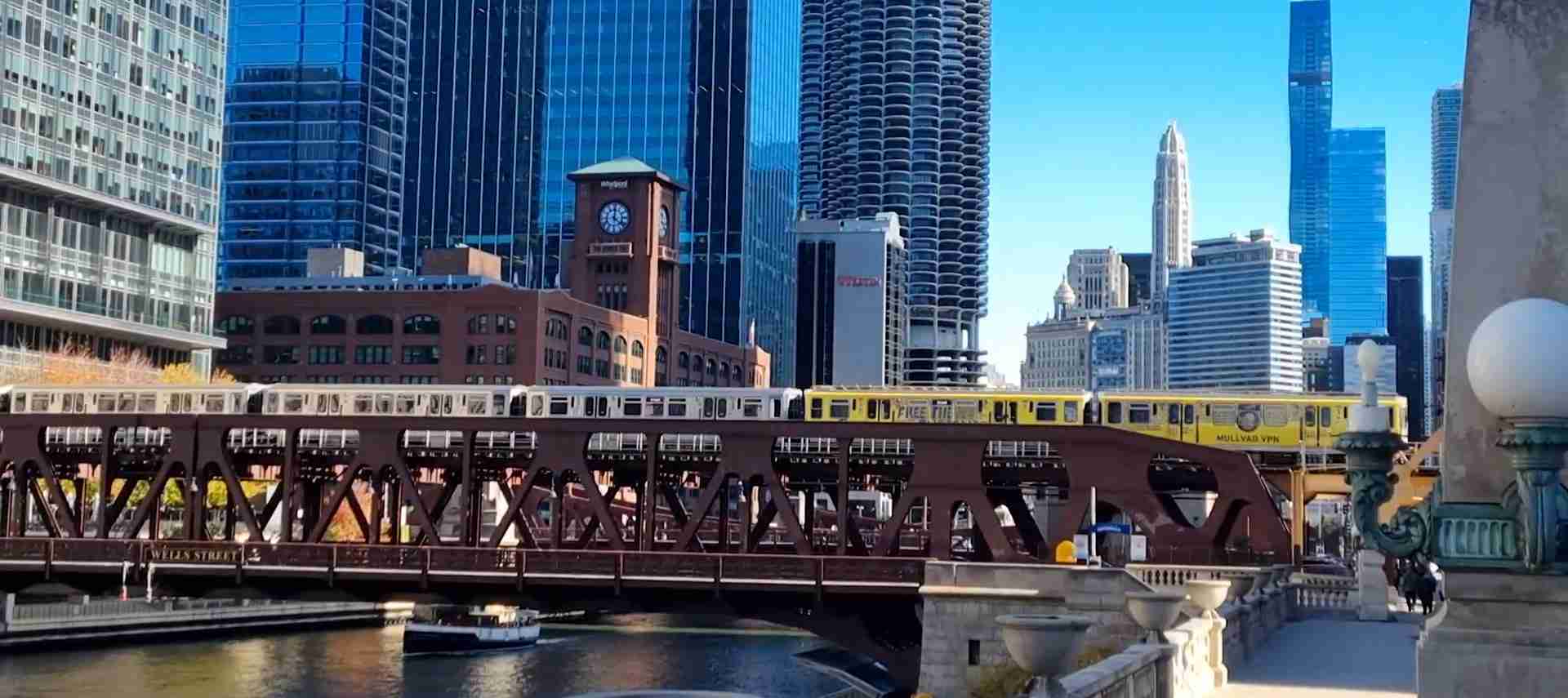
Chicago Travel Guide 2026: Ultimate Planning Resource
Chicago stands as America’s architectural crown jewel, where world-class museums, groundbreaking culinary innovation, and iconic skyline views converge along Lake Michigan’s shores. This guide provides comprehensive planning strategies for navigating the Windy City’s neighborhoods, attractions, dining scenes, and transportation networks in 2026. From budget-conscious travelers seeking value to visitors planning luxury experiences, Chicago delivers unforgettable urban exploration across every price tier.
Key Takeaways for Chicago Travel 2026
- Peak Season Strategy 2026: Summer months (June-August) bring festival season, outdoor dining, and highest hotel rates averaging $200-300 per night, while winter visits (December-February) offer rates 35-40% lower at $130-180 per night with access to holiday markets and indoor cultural attractions
- Transportation Value 2026: CTA unlimited passes provide the best value for attraction-heavy itineraries with 7-day passes costing $20 versus $2.25-2.50 per ride, while the Chicago CityPASS at $144 for adults saves up to 50% on five major attractions
- Budget Planning 2026: Daily per-person costs range from $87-125 for budget travelers using hostels and casual dining, $205-285 for mid-range comfort with quality hotels and diverse restaurants, and $460-700 for luxury experiences including premium accommodations and fine dining, all assuming two travelers sharing hotel rooms
- Neighborhood Positioning: The Loop and Magnificent Mile offer walkable access to major attractions but command premium prices, while emerging neighborhoods like Logan Square, Pilsen, and Andersonville provide authentic local experiences with craft breweries, independent restaurants, and lower accommodation costs
- Dining Intelligence 2026: Chicago Restaurant Week (January 23-February 8, 2026) offers prix fixe menus at $30 for lunch and $45-60 for dinner at over 500 participating restaurants including Michelin-starred establishments, representing the year’s best culinary value opportunity
- Weather Preparation 2026: Chicago’s continental climate demands seasonal planning with summer temperatures averaging 75-85°F perfect for lakefront activities, while winter lows of 15-30°F require layered clothing for outdoor exploration but deliver uncrowded museums and dramatic snow-dusted architecture photography
People Also Ask About Chicago Travel 2026
How much does a Chicago trip cost in 2026?
A three-day Chicago trip costs approximately $260-375 per person for budget travelers, $615-855 for mid-range comfort, or $1,380-2,100 for luxury experiences, assuming two travelers sharing hotel accommodations. Budget travelers spend $87-125 per person daily totaling $260-375 for three days using hostels ($35-50 per person nightly after splitting room costs), casual dining ($25-40 daily for meals), CTA transit ($20 for a 7-day pass), and free or low-cost attractions. Mid-range travelers invest $205-285 per person daily totaling $615-855 for three days with quality hotels ($90-130 per person nightly when sharing), diverse restaurant experiences ($65-90 daily), convenient transportation, and major attraction admissions. Luxury visitors allocate $460-700 per person daily totaling $1,380-2,100 for three days featuring premium hotels ($225-350 per person nightly when sharing), fine dining experiences ($110-180 daily), private tours, and VIP access to attractions. The Chicago CityPASS at $144 provides significant savings by bundling five major attractions.
What is the best time to visit Chicago in 2026?
The best time to visit Chicago in 2026 depends on your priorities. Summer (June-August) offers peak weather with temperatures 75-85°F, outdoor festivals including Lollapalooza and Taste of Chicago, al fresco dining, and extended attraction hours, but commands highest hotel rates $200-300 per night and draws maximum crowds at popular sites. Spring (April-May) and fall (September-October) provide ideal conditions with moderate temperatures 55-70°F, fewer tourists, hotel rates $160-220 per night, and spectacular seasonal displays including spring tulip gardens and fall foliage in parks. Winter (December-February) delivers the lowest prices with hotels $130-180 per night and uncrowded museums, plus unique experiences like Christkindlmarket and dramatic architecture photography with snow, though outdoor activities require cold-weather preparation with temperatures 15-30°F.
Is Chicago expensive to visit in 2026?
Chicago ranks as moderately expensive compared to other major US cities in 2026, with daily per-person costs $85-650 depending on travel style. The city proves more affordable than New York or San Francisco but costs more than Midwest alternatives like Milwaukee or Indianapolis. Strategic planning significantly reduces expenses through multi-day CTA passes at $20 for seven days versus individual rides, the Chicago CityPASS saving up to 50% on major attractions at $144 versus $287 for separate admissions, free admission days at major museums, and excellent budget dining options including ethnic neighborhoods where quality meals cost $8-15. Mid-range travelers find strong value with competitive hotel rates $150-200 per night, world-class museums at $25-32 admission, and diverse dining from $20-50 per person. Luxury experiences command premium prices with five-star hotels $450-650 per night and fine dining $80-150 per person before drinks.
How many days do you need in Chicago in 2026?
Chicago requires a minimum three days to experience major highlights, with four to five days ideal for comprehensive exploration and seven days perfect for deep neighborhood immersion. A three-day itinerary covers essential attractions including the Art Institute of Chicago, Millennium Park, Skydeck Chicago, architecture river cruise, and one to two neighborhoods, allowing visitors to sample the city’s cultural offerings, iconic architecture, and diverse dining scenes. Four to five days enable exploration of additional museums like the Field Museum or Museum of Science and Industry, visits to multiple distinct neighborhoods from Lincoln Park to Pilsen, a Cubs game at Wrigley Field or culinary tour, and day trip options to neighborhoods beyond downtown. Seven days permit thorough neighborhood exploration, multiple day trips to locations like Oak Park or Indiana Dunes, specialized interest pursuits including blues club circuits or architecture deep dives, and the relaxed pace to discover hidden local favorites without rushed scheduling.
Extended multi-day tours – 5+ days
Featured Midwest Usa Multi-Day Tour Packages
7 days
Chicago – The Home of Skyscrapers
- ✓ Booking needs min. 2 travelers
8 days
Chicago and Niagara ROT (including Niagara Falls)
- ✓ Comprehensive Midwest Usa tour
- ✓ Expert local guides included
- ✓ All accommodation arranged
- ✓ Transportation provided

8 days
From Chicago's Skyline to Niagara's Mist – 8 days
- ✓ Comprehensive Midwest Usa tour
- ✓ Expert local guides included
- ✓ All accommodation arranged
- ✓ Transportation provided

4 days
City Break in Chicago Among Skyscrapers
- ✓ Booking needs min. 2 travelers
Multi-day tour packages powered by TourRadar. Prices and availability subject to change.
Introduction: Planning Your Chicago Adventure in 2026
Chicago commands global recognition as a powerhouse of American culture, innovation, and urban vitality. The city’s architectural legacy spans from groundbreaking 19th-century skyscrapers to contemporary masterpieces by Gehry and Piano, creating a skyline that functions as a living museum of design evolution. Along Lake Michigan’s shores, 26 miles of public beaches and parks provide recreational access rivaling any coastal destination, while inland neighborhoods preserve distinct ethnic identities through cuisine, festivals, and community traditions passed through generations.
The metropolitan area’s 2.7 million residents inhabit 77 distinct neighborhoods, each maintaining unique character shaped by immigrant communities, industrial heritage, or artistic renaissance. From Ukrainian Village’s Eastern European authenticity to Bronzeville’s African American cultural landmarks, from Chinatown’s dim sum parlors to Little Italy’s family-run trattorias, Chicago’s neighborhoods reward exploration beyond downtown tourist circuits. This diversity extends to the culinary landscape where James Beard Award-winning chefs operate alongside fourth-generation taqueria owners, creating a dining scene recognized globally for both innovation and tradition.
Planning Chicago travel in 2026 requires strategic decision-making across multiple variables: seasonal timing affecting both weather and pricing, neighborhood selection balancing convenience with authenticity, and budget allocation determining accommodation quality, dining choices, and attraction access. The city’s comprehensive public transportation network via the CTA makes car-free travel practical and economical, while walkable downtown districts enable efficient multi-attraction days. Understanding Chicago’s scale and geographic layout prevents common visitor mistakes like underestimating travel times between neighborhoods or missing free admission opportunities at world-class museums.
This guide provides actionable intelligence for 2026 visits across all budget levels and travel styles. We detail current transportation costs following 2026 CTA pricing decisions, accommodation options with verified rate ranges across budget to luxury categories, dining strategies from street food to Michelin-starred restaurants, and attraction priorities with money-saving bundling options including the Chicago CityPASS. Seasonal planning guidance addresses Chicago’s dramatic climate variations, from summer festival abundance to winter’s unique urban beauty. Neighborhood profiles help visitors match lodging and dining choices to their interests, while practical logistics cover airport transfers, safety awareness, and day trip opportunities.
Whether you’re drawn to Chicago’s architectural heritage, seeking deep-dish pizza pilgrimage, exploring world-class museums, or experiencing the authentic neighborhood vitality that distinguishes this city from coastal alternatives, effective planning transforms a good visit into an exceptional one. Chicago rewards both meticulous preparation and spontaneous wandering, delivering surprises from hidden speakeasy bars in ordinary storefronts to lakefront sunrise views that rival any natural wonder. This comprehensive resource ensures your 2026 Chicago experience balances must-see highlights with personal discovery, budget realities with quality experiences, and efficient logistics with the freedom to explore at your own pace.
Understanding Chicago’s Layout and Neighborhoods in 2026
Chicago’s geography follows a logical grid system centered on the intersection of State and Madison Streets in the Loop, with addresses ascending in all four directions from this zero point. This organization makes navigation intuitive once understood: 800 in an address indicates roughly one mile from the center, whether north, south, east, or west. Lake Michigan forms the natural eastern boundary, while the Chicago River’s branches divide downtown into distinct districts. Major thoroughfares like Lake Shore Drive, Michigan Avenue, and Western Avenue serve as arterial routes, while the CTA elevated train system follows similar north-south and east-west patterns above or below street level.
The Loop forms Chicago’s traditional downtown core, bounded by elevated train tracks that gave the neighborhood its name. This compact district houses City Hall, major corporate headquarters, Chicago Board of Trade, and cultural institutions including the Art Institute of Chicago and Chicago Symphony Orchestra. Office workers dominate weekday foot traffic, while weekend visitors find surprisingly quiet streets ideal for architecture appreciation. Premium hotel rates in the Loop reflect walkable proximity to major attractions and convention centers, with room costs averaging $220-320 per night for mid-range properties and $500-700 for luxury brands.
The Magnificent Mile extends north along Michigan Avenue from the Chicago River to Oak Street, representing one of North America’s premier shopping districts. Flagship stores for luxury brands, department stores including Bloomingdale’s and Neiman Marcus, and vertical malls like Water Tower Place create retail density matched only by Fifth Avenue. Hotels along or near the Magnificent Mile command top-tier pricing $280-400 per night for standard rooms, justified by central positioning, lake proximity, and direct access to shopping, dining, and Navy Pier. This area serves first-time visitors well despite higher costs, offering walkability to multiple major attractions.
River North, west of the Magnificent Mile across the Chicago River, transformed from warehouse district to trendy neighborhood housing the city’s highest concentration of art galleries, design showrooms, and upscale restaurants. The area’s industrial architecture converted to lofts, boutique hotels, and entertainment venues creates atmospheric dining and nightlife. Hotel options here balance location advantages with slightly lower rates than Magnificent Mile properties, typically $200-300 per night, while offering better access to celebrated restaurants from Michelin-starred establishments to innovative casual concepts.
Lincoln Park extends along the lakefront north of downtown, combining the sprawling namesake park with a residential neighborhood of tree-lined streets, Victorian townhouses, and commercial corridors. DePaul University’s campus anchors the area’s south end, while Lincoln Park Zoo provides free admission year-round. The neighborhood attracts young professionals and families, supporting diverse dining from upscale bistros to neighborhood taverns, independent bookstores, and boutique shopping. Accommodation options include chain hotels at $180-250 per night and vacation rentals, with easy CTA Red Line access to downtown taking 15-20 minutes.
Wicker Park and Bucktown represent Chicago’s historic hipster neighborhoods, though rising rents and property values have introduced gentrification debates. Converted industrial spaces house independent boutiques, record stores, vintage shops, and contemporary art galleries. The dining scene emphasizes chef-driven casual concepts, craft cocktail bars, and authentic ethnic restaurants especially along Division Street and Milwaukee Avenue. Hotels remain scarce with most visitors choosing vacation rentals or boutique properties, while the area’s energy peaks during warm months when outdoor patios and rooftop bars capitalize on Chicago’s compressed social season.
Logan Square continues Wicker Park’s alternative culture vibe further northwest along the Milwaukee Avenue corridor, offering more affordable rents that support emerging restaurants, dive bars transformed into craft beer destinations, and music venues. The neighborhood’s Puerto Rican heritage influences festivals and street food, while Kentucky bourbon bar culture and artisanal coffee roasters reflect newer demographic shifts. Lodging options emphasize vacation rentals in historic greystone buildings, with the area positioned as a base for visitors seeking authentic local experiences over tourist-oriented downtown convenience.
Pilsen and Chinatown represent the South Side’s most visitor-friendly neighborhoods, both maintaining strong immigrant cultural identities. Pilsen’s Mexican-American community supports authentic taquerías, bakeries, and murals covering building facades, while the National Museum of Mexican Art provides cultural context. Chinatown clusters along Cermak Avenue with dim sum restaurants, herbal medicine shops, and the traditional Chinatown Gate. Both neighborhoods offer exceptional dining value with quality meals $8-15 per person, though accommodation options remain limited primarily to vacation rentals rather than traditional hotels.
Hyde Park on the South Side houses the University of Chicago and Museum of Science and Industry, creating an intellectual enclave distinct from surrounding neighborhoods. The University’s Gothic campus, Frank Lloyd Wright’s Robie House, and independent bookstores including the Seminary Co-op attract architecture and academic tourism. The neighborhood positions visitors near Jackson Park, lakefront beaches, and Obama Presidential Center (opening phases through 2026), though downtown access requires 25-30 minutes via Metra commuter rail or CTA bus, making it better suited for extended stays rather than short weekend visits.
Andersonville and Lincoln Square in the far north preserve Scandinavian and German immigrant heritage alongside contemporary LGBTQ+ community presence. Clark Street hosts independent bookstores, craft breweries, authentic Swedish restaurants, and welcoming gay bars. The neighborhoods deliver authentic residential Chicago experience with lower tourist density, though downtown access requires 35-45 minutes via CTA Red Line, positioning Andersonville as a day-trip destination or choice for visitors prioritizing local atmosphere over central location convenience.
Chicago Transportation Guide 2026: CTA, Rideshares, and Getting Around
Chicago’s public transportation network operated by the Chicago Transit Authority connects all major neighborhoods, attractions, and both airports through elevated trains, subway lines, and bus routes. The CTA serves as the most economical and often fastest option for visitors, eliminating parking costs, traffic stress, and expensive rideshare surge pricing during peak hours or major events. Understanding fare structures, route planning, and payment options maximizes value while enabling efficient multi-stop days across the sprawling metropolitan area.
CTA train lines (called the “L” for elevated) operate eight color-coded routes: Red and Blue Lines run 24 hours serving downtown, Near North Side, and airports, while Brown, Orange, Green, Pink, Purple, and Yellow Lines operate approximately 4 AM to 1 AM. The Red Line provides most visitor utility running north-south from Howard through downtown to 95th Street, with key stops at Jackson for the Art Institute, Chicago/State for shopping, and Addison for Wrigley Field. The Blue Line connects O’Hare Airport to downtown in 40-45 minutes, while the Orange Line reaches Midway Airport in 25-30 minutes. Base train fare costs $2.50 per ride with payment accepted via Ventra Card, Ventra mobile app, or contactless credit/debit card tap.
CTA bus routes supplement train coverage with stops every two to three blocks along major streets, reaching neighborhoods and destinations without direct rail access. Key visitor routes include the #146 Inner Lake Shore/Michigan Express connecting Museum Campus to Lincoln Park along the lakefront, the #6 Jackson Park Express running from downtown to Museum of Science and Industry, and the #10 Museum of Science and Industry route. Bus fare costs $2.25 per ride using the same payment methods as trains, with transfers between buses and trains free within two hours of initial tap using Ventra Card or app.
Ventra Cards function as reloadable fare cards purchased at train stations, convenience stores, or online, requiring a $5 initial card cost plus desired fare amount. Cards enable automatic transfer credits and work across all CTA buses and trains plus Pace suburban buses. The Ventra mobile app eliminates physical card needs, allowing smartphone tap-to-pay directly on readers with the same functionality. For visitors without Ventra cards, contactless credit or debit card payment works but costs $3.50 per ride versus $2.25-2.50 using Ventra, making the app download essential for multi-day visits.
CTA unlimited ride passes provide exceptional value for attraction-heavy itineraries. A 1-Day Pass costs $5 allowing unlimited rides across all CTA trains and buses during one calendar day, breaking even after just two trips. The 7-Day Pass at $20 becomes cost-effective for visitors taking four or more rides daily over several days, while the 30-Day Pass at $75 suits extended stays or residents. Passes activate upon first use and remain valid for the specified time period, purchased through the Ventra app, at train station vending machines, or select retailers.
Rideshare services Uber and Lyft operate throughout Chicago with base fares typically $8-12 for short downtown trips and $15-25 for longer cross-neighborhood journeys. Surge pricing multiplies costs during peak hours (7-9 AM and 4-7 PM weekdays), major events, and inclement weather, sometimes reaching 2-3 times standard rates. Rideshares make sense for late-night returns when CTA frequency decreases, group trips where costs split among four passengers, or destinations poorly served by public transit. Airport rideshares cost $35-50 to O’Hare and $25-35 to Midway depending on time and demand, compared to $2.50 CTA train fare.
Traditional taxi cabs remain available though less common than pre-rideshare era, with street hailing easiest at major hotels, transportation hubs, and busy commercial streets. Taxi rates start at $3.25 base fare plus $2.25 per mile and $1 for each additional passenger beyond the first, typically resulting in similar or slightly higher costs than rideshare standard pricing. Taxis accept credit cards though cash payment sometimes receives driver preference. For airport trips, taxi flat rates ($35-40 to O’Hare, $25-30 to Midway) compete with rideshare pricing and offer fixed costs avoiding surge unpredictability.
Divvy bike share stations dot downtown and near-north neighborhoods every few blocks, offering 30-minute rides perfect for lakefront cruising, neighborhood exploration, or short-distance transportation. A Single Ride costs $3.75 for one 30-minute trip, while a Day Pass at $16.50 provides unlimited 3-hour trips for 24 hours. The Divvy mobile app shows available bikes and open docking stations, essential for planning routes and avoiding full stations during rush periods. Lakefront Trail’s protected 18-mile path from Hollywood Beach to South Shore creates an exceptional cycling experience connecting neighborhoods, beaches, and parks car-free.
Walking serves as an excellent transportation mode within defined districts due to Chicago’s dense urban fabric and wide sidewalks. Downtown from Millennium Park north to Navy Pier covers roughly 1.5 miles easily walkable in 25-30 minutes, while the Loop’s compact square-mile core enables on-foot exploration of architectural landmarks. However, Chicago’s vast scale makes walking impractical for multi-neighborhood days: Lincoln Park to Pilsen spans 9 miles, Wicker Park to Museum of Science and Industry reaches 11 miles. Smart visitors combine walking within neighborhoods with CTA for longer transfers, maximizing ground-level detail appreciation while maintaining efficient scheduling.
Car rental makes sense only for visitors planning extensive suburban or regional travel including day trips to Starved Rock State Park, Indiana Dunes, Galena, or Milwaukee. Downtown parking costs $30-50 per day at hotels plus $15-25 per day for attraction parking, while street parking requires constant meter feeding or residential permit zones. Traffic congestion during rush hours, one-way street systems, and aggressive parking enforcement create frustration for visitors unfamiliar with local driving culture. Most Chicago itineraries operate more efficiently and economically using combinations of CTA, rideshare for strategic trips, and walking, with rental cars reserved for specific excursion needs.
Major Attractions and Must-See Sites in Chicago 2026
Chicago’s attraction landscape spans world-class museums, architectural landmarks, outdoor spaces, and entertainment districts, requiring strategic prioritization to maximize limited vacation days. Understanding admission costs, time requirements, and bundling options through passes like Chicago CityPASS helps visitors balance budget constraints with comprehensive cultural exposure. This section details major attractions with practical planning intelligence for 2026 visits.
The Art Institute of Chicago ranks among America’s finest museums, housing collections that span 5,000 years from ancient Mediterranean civilizations to contemporary installations. Iconic works including Grant Wood’s “American Gothic,” Seurat’s “A Sunday on La Grande Jatte,” Edward Hopper’s “Nighthawks,” and extensive Impressionist galleries make the museum essential for art enthusiasts. The Modern Wing by Renzo Piano showcases 20th and 21st-century art with architecture merging seamlessly into adjacent Millennium Park. General admission costs $32 for adults with check official website for current rates, with free admission for Illinois residents on select weekdays and Chicago residents always free on Thursdays after 5 PM. Budget 3-4 hours minimum, with serious art lovers requiring full days to explore the encyclopedic collections across multiple buildings and wings.
Millennium Park functions as Chicago’s front yard, a 24.5-acre green space hosting free concerts, public art installations, and year-round events. Cloud Gate, universally called “The Bean,” serves as the city’s most photographed sculpture, its polished stainless steel surface reflecting the skyline and creating interactive photo opportunities. The Crown Fountain’s dual glass towers project Chicago residents’ faces while spouting water, attracting children and adults during summer months. Frank Gehry’s Jay Pritzker Pavilion hosts free concerts through the Grant Park Music Festival (June-August), while Lurie Garden demonstrates innovative urban horticulture. Admission remains free with the park accessible 6 AM to 11 PM, positioning it as budget-friendly highlight and perfect starting point for downtown exploration.
Willis Tower Skydeck delivers Chicago’s most dramatic observation experience from the 103rd floor, 1,353 feet above street level. Four glass-floored ledges extending beyond the building face allow visitors to stand suspended above the city, creating vertigo-inducing photos and perspectives. Clear days enable views spanning four states (Illinois, Indiana, Wisconsin, Michigan), while sunset visits capture the cityscape transitioning from daylight to illumination. Admission includes expedited entry at $42 for adults, check official site for current pricing as rates vary seasonally, with longer waits during summer peak season. Lines form early; purchasing timed tickets online or visiting during weekday mornings minimizes wait times. Budget 60-90 minutes total including elevator ride, observation time, and potential queue periods.
The Field Museum houses one of the world’s premier natural history collections, featuring Sue, the largest and most complete Tyrannosaurus rex skeleton ever discovered. The Ancient Egypt galleries showcase authentic mummies and tomb artifacts, while the Pacific Island cultural exhibits demonstrate anthropological research breadth. The Grainger Hall of Gems sparkles with rare specimens, and rotating special exhibitions cover topics from climate science to dinosaur evolution. General admission plus two add-on experiences costs approximately $35-42 per adult, check official website for current rates, with free admission days typically offered monthly for Illinois residents. Plan 3-4 hours minimum to explore main permanent galleries, more for special exhibitions. CTA bus #146 or #130 provides direct access from downtown hotels.
Museum of Science and Industry claims distinction as the Western Hemisphere’s largest science museum, occupying the 1893 World’s Columbian Exposition’s only surviving building. Highlights include a captured German U-505 submarine from World War II, a full-size Boeing 727 suspended in the rotunda, the Coal Mine experience simulating underground mining, and the Science Storms exhibition demonstrating natural phenomena. The museum’s scale requires selective focus: attempting comprehensive coverage in one visit leads to exhaustion. General admission plus select experiences costs $32-42 per adult, check official site for current pricing, with Chicago residents receiving free admission days monthly. Located in Hyde Park requiring CTA #6 or #10 bus or Metra Electric Line from downtown, budget 3-5 hours plus 50-60 minutes round-trip travel time.
Navy Pier extends into Lake Michigan as a half-mile entertainment complex featuring an iconic Ferris wheel, Shakespeare theater, restaurants, and seasonal events. Originally constructed as a shipping and recreational facility in 1916, the pier reinvented itself as tourist destination while retaining architectural character. The Centennial Wheel reaches 196 feet tall providing climate-controlled gondola rides with skyline and lakefront views, operating year-round with admission $18-20 per person. Summer brings frequent fireworks displays on Wednesday and Saturday evenings, while winter transforms the pier with ice skating and holiday decorations. Free admission to pier itself makes it accessible for budget travelers, though individual attractions and dining carry costs. The pier positions well for architectural boat cruise departures departing from adjacent docks.
Architecture River Cruise represents Chicago’s signature tour experience, narrating the city’s built environment evolution while floating past landmarks on all three branches of the Chicago River. Docents from Chicago Architecture Center or other operators detail the stories behind iconic buildings including Willis Tower, Tribune Tower, Wrigley Building, and contemporary additions by star architects. The 90-minute tours operate April through November with limited winter schedules, costing $45-60 per person depending on operator and time. Sunset cruises command premium pricing but deliver golden hour photography of the illuminating skyline. Multiple tour companies operate from Michigan Avenue Bridge, Navy Pier, and near Willis Tower; Chicago Architecture Center’s docent program ensures architectural expertise, while Wendella and Shoreline Sightseeing offer comparable quality at similar prices.
Shedd Aquarium houses 32,000 aquatic animals across exhibits replicating Caribbean reefs, Amazon rainforests, and Pacific Northwest waters. The Caribbean Reef’s central tank contains sharks, sea turtles, and tropical fish viewed from multiple levels including underwater tunnels. The Oceanarium features beluga whales, Pacific white-sided dolphins, sea otters, and penguins in a setting overlooking Lake Michigan. The Wild Reef exhibit walks visitors through shark habitats including floor-to-ceiling tank walls placing predators at eye level. General admission plus experiences costs $42-61 per adult, check official website for current official rates as pricing may vary, with free admission days for Illinois residents offered periodically. Located on Museum Campus with easy CTA bus #146 or #130 access, the aquarium requires 2-3 hours for comprehensive visits.
360 Chicago Observation Deck occupies the 94th floor of the John Hancock Center (now officially 875 North Michigan Avenue), delivering sweeping Lake Michigan and skyline views from a less crowded alternative to Willis Tower. The TILT experience physically tilts visitors over Michigan Avenue in floor-to-ceiling windows for heart-racing perspectives. CloudBar serves cocktails while visitors appreciate views, adding social dimension to observation experience. Admission costs approximately $30-35 per person with various add-ons available, check official site for current rates. The observation deck’s position at the Magnificent Mile’s north end enables combination visits with shopping and dining, while its smaller scale compared to Willis Tower often means shorter wait times and more intimate atmosphere.
Adler Planetarium combines historic telescope collections, space science exhibitions, and Chicago’s best skyline photography vantage point from its peninsula location on Museum Campus. The planetarium’s sky shows project onto dome theaters explaining astronomical phenomena from black holes to planet hunting, while interactive exhibits explore solar system science and space exploration history. The outdoor plaza facing downtown provides unobstructed cityscape views popular with photographers at sunset and blue hour. General admission plus sky shows costs $35-45 per adult depending on shows selected, check official website for current rates. Free admission days for Illinois residents occur monthly. Located on Museum Campus, the planetarium combines well with Field Museum or Shedd Aquarium visits via CTA bus #146 or #130.
Chicago CityPASS and Attraction Savings Strategies 2026
The Chicago CityPASS bundles admission to five major attractions for one discounted price, representing the most significant savings opportunity for visitors planning comprehensive sightseeing itineraries. Understanding the pass structure, included attractions, and break-even mathematics helps travelers determine whether CityPASS suits their specific plans or if alternative strategies provide better value for their intended visits in 2026.
Chicago CityPASS 2026 costs $144 for adults and $114 for children ages 3-11, valid for nine consecutive days beginning with first attraction use. The pass includes guaranteed admission to two attractions: Shedd Aquarium (General Admission Plus 4-D Experience) with all exhibits, Animal Spotlights, seasonal Stingray Touch, and one 4-D film experience; and Skydeck Chicago with expedited entry bypassing regular ticket lines, access to the 103rd-floor observation deck, and The Ledge glass platform experiences. Pass holders then select three additional attractions from six options: Field Museum (General Admission Plus Two Standard Add-On Exhibitions) including permanent halls, galleries, and choice of two ticketed exhibitions or 3D movies; Shoreline Sightseeing Architecture River Tour providing 75-minute cruises with live narration; Art Institute of Chicago with access to world-class permanent collection and special exhibitions; Museum of Science and Industry (General Admission Plus Two Standard Add-On Experiences) including permanent exhibitions and two ticketed experiences; 360 Chicago Observation Deck with views from 94th floor; or Adler Planetarium (Museum Entry Plus Two Sky Shows) with all exhibitions and two planetarium shows.
CityPASS value calculation depends on selected attractions. At individual ticket prices, the bundled attractions cost approximately $287 total for adult admission, making the $144 CityPASS a savings of $143 or roughly 50% off retail pricing. This calculation assumes visitors select higher-value attractions like Field Museum, Art Institute, and Architecture River Tour as their three choices. Children’s passes save even more proportionally, with $114 cost versus approximately $239 individual admission total. The pass eliminates the need to research each attraction’s individual pricing, stand in separate ticket lines, or make real-time budget decisions about which attractions to visit.
Expedited entry at included attractions delivers time savings beyond monetary value, particularly at popular sites during peak summer season when regular admission lines extend 30-60 minutes. CityPASS holders access dedicated entry lanes at Shedd Aquarium and Skydeck Chicago, often reducing wait times to 10-15 minutes even on busy days. At museums like the Art Institute and Field Museum, pass holders bypass ticket purchase queues, heading directly to entrance scanning. For itineraries involving 3-4 attractions in a single day, these time savings accumulate to an extra 1-2 hours of actual touring versus queue standing.
CityPASS makes financial sense for visitors planning to visit four or more of the included attractions, particularly if those selections include higher-priced options like Shedd Aquarium, Field Museum, and Art Institute. Travelers focusing primarily on free attractions (Millennium Park, lakefront), architecture appreciation through walking tours, neighborhood exploration, or dining experiences gain less value from the pass. Budget travelers prioritizing cost minimization should calculate their specific attraction list: visiting only Shedd Aquarium and one other included attraction costs less with individual tickets than purchasing the full pass.
Alternative savings strategies complement or substitute for CityPASS depending on visitor priorities. Many Chicago museums offer free admission days for Illinois residents, with most extending this benefit monthly: Art Institute provides free entry for Illinois residents on select weekdays, while Field Museum offers Illinois resident free days once monthly, typically on weekdays to manage crowds. Chicago residents receive even more generous benefits with many museums providing free admission on specific weekly periods. Non-residents can time visits to capture discounted evening admission hours: the Art Institute admits all visitors free on Thursday evenings after 5 PM. Checking individual museum websites for current free admission schedules enables significant savings for flexible itineraries.
Go City Chicago Passes provide alternative bundling with different structures: the Explorer Pass allows choosing 2, 3, 4, or 5 attractions from 25+ options including many beyond CityPASS selections like Rooftop Cinema Club, gangster tours, comedy clubs, and food tours. Prices scale with attraction quantity, appealing to visitors interested in experiences beyond traditional museums. The All-Inclusive Pass grants access to 25+ attractions over 1, 2, 3, or 5 days, suitable for aggressive touring schedules attempting maximum attraction quantity. These passes work well for repeat visitors who’ve already seen CityPASS highlights, families seeking diverse activity types beyond museums, or travelers with specific niche interests poorly served by CityPASS’s focus on major institutions.
Museum membership programs deserve consideration for visitors planning extended Chicago stays, multiple visits within a year, or who appreciate reciprocal admission benefits at cultural institutions nationally. Field Museum membership costs $80-100 depending on level, providing unlimited visits, discounted special exhibition access, and reciprocal benefits at 350+ museums nationwide through Association of Science-Technology Centers network. Art Institute membership begins at $125, granting unlimited free admission, guest privileges, exhibition previews, and reciprocal benefits at dozens of art museums. For visitors already members at institutions with Chicago reciprocal agreements, confirming benefits before visit can eliminate need for admission payments.
Purchasing attraction tickets directly through official websites often provides online-only discounts, advance reservation capabilities ensuring entry on crowded days, and timed entry slots reducing wait times. Many attractions offer reduced pricing for students, seniors, military members, and children, requiring ID presentation at entry. Chicago residents almost universally receive significant discounts or free admission at city-funded cultural institutions, making residence verification documentation valuable. Combining direct purchase strategic timing with free admission days, evening discount hours, and CityPASS for premium experiences creates hybrid approach maximizing both savings and experience quality.
Accommodation Guide Chicago 2026: Hotels, Hostels, and Neighborhoods
Chicago’s lodging options span every budget tier and neighborhood preference, from downtown high-rise luxury towers to intimate boutique properties in residential areas, hostel dormitories for budget backpackers to vacation rentals in historic graystones. Strategic accommodation selection balances location convenience, nightly rate, amenities, and neighborhood character, with choice fundamentally shaping the visitor experience beyond mere sleeping arrangements.
Budget accommodation in Chicago 2026 starts with hostel dormitory beds at $35-50 per person nightly, providing basic sleeping arrangements, communal kitchens enabling food cost savings, and social atmosphere connecting international travelers. HI Chicago Hostel occupies prime Loop location near Grant Park with dorm beds $38-45, private rooms with shared bath $95-115, and included breakfast. Freehand Chicago in River North offers dormitory-style accommodations $40-50 per bed in a renovated 1920s building, with ground-floor bar and communal spaces blending hostel budgets with boutique hotel aesthetics. Budget hotels and motels in outer neighborhoods or near O’Hare provide private room options $70-95 per night, though locations require CTA commutes 30-45 minutes to downtown attractions.
Mid-range hotels dominate downtown and near-north neighborhoods, delivering comfortable accommodations, desirable locations, and essential amenities without luxury pricing. Hampton Inn, Holiday Inn Express, and Hilton Garden Inn properties across Loop, Magnificent Mile, and River North charge $150-200 per night for standard rooms with included breakfast, modern furnishings, and business amenities. These chains position well for first-time visitors prioritizing location over distinctive character, with walk-able access to major attractions and reliable service standards. Historic properties like The Congress Plaza Hotel in South Loop offer period charm with modern updates at similar pricing $160-210 per night, though room quality varies significantly between recently renovated and original sections.
Boutique hotels in transitional neighborhoods provide design-forward accommodations and local authenticity at competitive prices. The Robey in Wicker Park occupies a converted 1929 art deco building with rooms $180-260 per night, rooftop bar with skyline views, and location amid neighborhood restaurants and nightlife. The Hoxton in Fulton Market offers rooms $195-275 per night with lobby workspace, ground-floor restaurant, and proximity to West Loop’s acclaimed dining concentration. These properties sacrifice some downtown walkability for neighborhood immersion, appealing to repeat visitors or travelers prioritizing authentic local experience over tourist-circuit convenience.
Upper mid-range and lifestyle hotels bridge the gap between standard comfort and luxury indulgence. Virgin Hotels Chicago in the Loop features rooms $220-300 per night with contemporary design, social common spaces, and playful amenities challenging traditional hotel formality. Kimpton properties including Hotel Monaco and Kimpton Gray Hotel offer rooms $240-350 per night with included wine hour, pet-friendly policies without fees, and boutique service standards. Ace Hotel Chicago provides rooms $210-290 per night targeting creative-class travelers with minimalist design, photogenic public spaces, and cultural programming. These hotels deliver memorable lodging experiences justifying premium pricing through distinctive character beyond mere accommodation function.
Luxury hotels command Chicago’s highest rates while delivering white-glove service, exceptional locations, and amenity packages from Michelin-starred restaurants to lavish spas. The Langham Chicago occupies floors 2-13 of the Mies van der Rohe-designed IBM Building with rooms $450-650 per night, Chuan Spa, and Travelle restaurant. Four Seasons Hotel Chicago charges $480-700 per night for rooms and suites above Magnificent Mile with lake views, 50-foot indoor pool, and celebrated concierge service. Peninsula Chicago features rooms $520-750 per night with rooftop bar, afternoon tea service, and legendary Peninsula hospitality standards. The St. Regis Chicago, the city’s newest ultra-luxury property, offers rooms $550-800 per night with butler service, contemporary art collection, and Miru restaurant delivering Japanese fine dining.
Historic luxury properties maintain iconic status through architectural distinction and cultural heritage. The Palmer House Hilton, Chicago’s oldest continuously operating hotel since 1871, offers rooms $220-380 per night with ornate lobby ceiling frescoes, convenient Loop location, and period grandeur. The Drake Hotel commands the north end of Magnificent Mile with rooms $280-420 per night, Cape Cod Room seafood restaurant, and elegant 1920s atmosphere maintained through careful preservation. These properties sacrifice cutting-edge design for genuine historical character, appealing to visitors valuing architectural and social history.
Vacation rentals through Airbnb, VRBO, and similar platforms provide alternative lodging options, particularly valuable for groups, extended stays, or visitors seeking residential neighborhood immersion. One-bedroom apartments in Lincoln Park, Wicker Park, or Logan Square typically rent $120-180 per night, offering full kitchens enabling food budget control, living spaces for relaxation, and authentic neighborhood context. Two-bedroom units accommodating four guests cost $180-280 per night, delivering per-person value competitive with hostels while providing private rooms and amenities. Three-bedroom properties for larger groups or families run $250-400 per night, particularly attractive for week-long stays where hotel costs multiply dramatically. Tradeoffs include lack of daily cleaning, front desk services, and potential host communication challenges, though many listings rival boutique hotel quality and amenities.
Neighborhood accommodation selection requires balancing convenience against authenticity and budget. Downtown locations (Loop, Magnificent Mile, River North) minimize transportation time and maximize walkability to major attractions, justifying premium pricing for short visits where daily hotel returns make efficient sense. Near-north neighborhoods (Lincoln Park, Wicker Park) provide residential character, excellent dining access, and CTA convenience at lower rates, suitable for visitors comfortable with 15-20 minute train rides to downtown. Far-north or south neighborhoods deliver significant cost savings and authentic Chicago experience but require 30-45 minute CTA commutes, working best for extended visits where daily downtown trips aren’t necessary or for travelers specifically exploring those communities.
Seasonal pricing fluctuates dramatically, with summer months (June-August) commanding 40-50% premiums over winter rates. A downtown mid-range hotel charging $200 per night in February may rise to $320 per night in July during peak demand from leisure tourism, conventions, and festival season. Spring and fall shoulder seasons (April-May, September-October) offer moderate pricing typically 15-20% below summer peaks while delivering pleasant weather and fewer crowds. Convention activity at McCormick Place drives mid-week demand spikes even during typically slower winter months, making weekend rates occasionally more favorable. Booking 60-90 days in advance generally secures better rates, though last-minute deals sometimes appear for midweek winter stays when occupancy softens.
Chicago Dining Scene 2026: From Street Food to Michelin Stars
Chicago’s culinary landscape ranks among America’s most dynamic and diverse, combining immigrant community authenticity, James Beard Award-winning chef innovation, and accessible neighborhood taverns where Chicagoans actually eat. The city’s food scene resists easy categorization: deep-dish pizza tourism coexists with progressive tasting menus, Mexican taquería traditions flourish alongside contemporary fusion, and Polish pierogi shops operate blocks from experimental vegetable-forward concepts. Understanding Chicago’s dining structure, neighborhood specializations, and strategic timing enables visitors to maximize culinary experiences across all budget levels in 2026.
Chicago deep-dish pizza occupies its own category beyond typical pizza classification, with thick crust forming a pan-like container for chunky tomato sauce, mozzarella, and toppings in reverse-stacked configuration. Pequod’s Pizza in Lincoln Park builds legendary caramelized cheese crust edges and runs $20-30 for personal pan, $30-45 for medium serving 2-3 people. Lou Malnati’s multiple locations deliver classic Chicago-style with buttery crust and chunky tomato sauce at $25-35 for medium, while Giordano’s stuffed pizza adds second crust layer creating double-dough construction at $30-42 for medium. Lines form at peak dinner hours; calling ahead for takeout or arriving by 5:30 PM reduces waits. Budget 90 minutes digestion time after deep-dish consumption before attempting active touring.
Italian beef sandwiches represent Chicago’s working-class culinary soul: thinly sliced roast beef on Italian roll, dunked in beef jus, topped with giardiniera peppers or sweet peppers. Portillo’s chain locations serve reliable versions $7-9 with sides, perfect for quick affordable lunches. Al’s Beef locations across the city deliver authentic experience at $8-10 per sandwich, with the River North original drawing crowds from office workers and tourists. Order sandwiches “dipped” for full bread saturation or “dry” for structural integrity, with “hot” giardiniera adding vinegar tang and pepper heat. These sandwiches function as Chicago’s equivalent to Philadelphia cheesesteaks or New Orleans po’boys: essential regional food expressing local identity through humble ingredients and technique.
Mexican food in Chicago rivals American Southwest and Texas for quality and diversity, driven by large Mexican-American populations in Pilsen, Little Village, and suburban Cicero. Taquerías throughout Pilsen serve al pastor, carne asada, and carnitas tacos $2-3 each, with three tacos plus rice and beans totaling $10-12 for filling meals. Don Pedro Carnitas on Western Avenue specializes in whole-hog roasted pork, selling by the pound for $12-15 or in tacos and tortas. Birrieria Zaragoza in Archer Heights pioneered Chicago’s birria taco obsession, serving Jalisco-style goat stew and quesabirria (cheese-stuffed tortillas dipped in consommé) for $12-18 per order. The quality and authenticity of Chicago Mexican food surprises visitors expecting Americanized versions, with many restaurants operating Spanish-language menus and serving Mexican immigrant communities first, tourists second.
Chicago hot dogs follow specific construction dogma: all-beef Vienna Beef frank on poppy seed bun, yellow mustard, chopped onions, bright green relish, tomato wedges, pickle spear, sport peppers, celery salt, never ketchup. Portillo’s serves classic versions $4-5, while Superdawg Drive-In on the Northwest Side delivers retro 1950s experience with rooftop hot dog statues and carhop service. Gene & Jude’s in River Grove piles fresh-cut fries directly on the hot dog, creating combination meal in one wrapper for $6-8. The hot dog’s ubiquity and accessibility make it perfect budget lunch, with cart vendors throughout downtown charging $3-5 for basic versions. Understanding “Chicago-style” hot dog construction prevents visitor missteps like requesting ketchup, which marks tourists and violates local orthodoxy.
Chinatown concentrated along Cermak Avenue delivers excellent dim sum experiences at Minghin Cuisine and Phoenix Restaurant, with bamboo steamer baskets $4-7 each containing dumplings, buns, or small plates. Three people sharing 8-10 baskets plus tea totals $50-70, delivering exceptional value for quality handmade dumplings and traditional preparations. Trip Advisor and Yelp reviews sometimes mislead in Chinatown, as many top restaurants serve primarily Mandarin-speaking customers with English menus as secondary concern. Observing what neighboring tables order provides better guidance than menu descriptions.
West Loop’s Randolph Street and Fulton Market districts house Chicago’s highest concentration of acclaimed restaurants, with James Beard Award winners and Michelin-starred establishments operating in former meatpacking warehouses. Girl & The Goat delivers inventive small plates $16-28 each from chef Stephanie Izard, with reservations required weeks ahead and walk-in bar seating available for determined diners. Next operates as ticketed tasting menu restaurant changing themes quarterly, with tickets $95-275 per person purchased through Tock platform like concert admissions. Smyth offers vegetable-forward progressive tasting menus $265 per person with wine pairings adding $145-195, delivering Michelin two-star experience in intimate converted church space.
Chicago Restaurant Week (January 23-February 8, 2026) represents the year’s premier dining value opportunity, with 500+ participating restaurants offering prix fixe menus at $30 for brunch or lunch and $45 or $60 for dinner. Michelin-starred restaurants including The Alston, Hawksmoor, and Boka participate, enabling access to establishments where typical dinner costs $80-150 per person. Three-course lunches at RPM Italian, Esmé, or Swift Tavern during Restaurant Week deliver quality comparable to $60-80 regular menu dining. Reservations open in early January and competitive restaurants fill within days; booking immediately upon announcement ensures access to top-tier participants.
Neighborhood taverns and pubs provide authentic Chicago dining without tourist markup, serving elevated bar food, craft beer selections, and local social atmosphere. The Publican in Fulton Market emphasizes oysters, pork preparations, and beer pairings with entrees $18-32. Hopleaf in Andersonville delivers extensive Belgian beer list and mussels in various preparations $16-22 in cozy neighborhood setting. Longman & Eagle in Logan Square combines upscale bar food with Michelin recognition and whiskey selection, with most dishes $15-24. These establishments blur lines between restaurant and bar, offering full dinner menus in casual atmospheres where locals gather regularly.
Chicago steakhouses maintain carnivorous temple tradition, with Gene & Georgetti (River North since 1941) serving dry-aged steaks $42-78, Gibsons Bar & Steakhouse (Rush Street) delivering massive portions and scene-watching $45-85 per steak, and RPM Steak in River North combining contemporary design with classic preparations $48-95. Steakhouse dining in Chicago assumes expense account budgets or special occasions, with typical dinners including appetizers, sides, and drinks totaling $90-140 per person before tip. The experience delivers less about innovation than perfected execution of established techniques, proper aging, and generous portions reflecting Chicago’s meat industry heritage.
Budget dining strategies in Chicago include ethnic neighborhood exploration where authentic restaurants serve communities rather than tourists, with excellent meals $8-15 per person in Pilsen, Chinatown, or Devon Avenue’s Indian/Pakistani corridor. Grocery stores including Mariano’s and Whole Foods offer prepared food sections, sushi bars, and hot bars enabling picnic assembly for $10-15 per person, with lakefront parks providing perfect lunch venues. Late-night deals at deep-dish pizza chains include takeout discounts and midweek specials reducing costs 20-30%. Food halls including Revival Food Hall in the Loop and Time Out Market in Fulton Market gather multiple vendors offering small portions $6-12 each, enabling variety sampling and accommodating group preferences.
Chicago Budget Breakdown 2026: Daily Costs by Travel Style
Understanding Chicago’s cost structure across accommodation, dining, transportation, and attractions enables realistic budget planning matching financial resources to travel expectations. This section breaks down daily per-person costs assuming two travelers sharing hotel accommodation, with room rates divided by two before calculating per-person totals. All figures reflect 2026 pricing for three distinct travel styles: budget-conscious, mid-range comfort, and luxury experience.
Budget Travel Chicago 2026: $87-125 Per Person Daily
Budget travel in Chicago emphasizes cost minimization while maintaining quality experiences, requiring strategic choices across accommodation, dining, transportation, and attractions. This approach suits backpackers, students, or travelers prioritizing duration over luxury amenities.
Accommodation dominates budget travel expenses with hostel dormitory beds $35-50 per person nightly providing the most economical option. HI Chicago Hostel in the Loop charges $38-45 per dorm bed including breakfast, while Freehand Chicago dormitories run $40-50 per bed with included social spaces. Budget hotel rooms in outer neighborhoods like Bridgeport or near O’Hare cost $70-95 per night, splitting to $35-48 per person when two travelers share. These savings accumulate significantly over multi-day stays: a week in hostels costs $245-315 per person versus $455-560 for budget hotels split between two.
Dining on budget travel tier requires home meal preparation using hostel kitchens, ethnic neighborhood restaurants, and strategic timing. Breakfast costs $0-5 using hostel included breakfast or grocery store provisions. Lunch options include Chicago hot dogs from street carts $3-5, tacos from Pilsen taquerías $6-9 for three tacos, or food hall vendors $8-12. Dinner at budget-friendly restaurants costs $10-18 per person: Mexican, Chinese, or Thai neighborhood restaurants; Italian beef sandwiches; or pizza by the slice. Total daily food budget averages $25-40 per person with disciplined choices and occasional splurges.
Transportation costs minimize through CTA 7-Day Pass at $20 providing unlimited rides for the week, averaging under $3 per day. Budget travelers walk extensively within neighborhoods, using CTA strategically for longer distances. Rideshares remain off-budget except essential late-night returns, replaced by extended CTA service or walking.
Attractions on budget tier emphasize free options and strategic paid admissions. Millennium Park, lakefront beaches, walking architecture tours, neighborhood exploration, and window shopping Magnificent Mile cost nothing. Select one to two paid attractions during the trip: Art Institute $32, Field Museum $35, or Willis Tower Skydeck $42 spread across multiple days. Many museums offer free admission days for Illinois residents; creative budget travelers sometimes coordinate visits around these schedules. Daily attraction budget averages $8-15 per person accounting for 1-2 paid admissions across a week.
Sample budget day totals $87-125 per person: accommodation $35-50 (hostel dorm or shared budget hotel), meals $25-40 (breakfast $3, lunch $8, dinner $14 on low end), transportation $3 (7-day pass averaged), attractions $12 (major museum admission amortized), miscellaneous $12-20 (snacks, coffee, souvenirs). A four-day budget Chicago trip costs $350-500 per person total assuming two sharing accommodations.
Mid-Range Travel Chicago 2026: $205-285 Per Person Daily
Mid-range travel balances comfort, convenience, and experience quality without luxury excess, representing most visitors’ practical approach to Chicago tourism. This tier delivers reliable hotels, diverse dining, comprehensive attraction access, and stress-free logistics.
Accommodation at mid-range level emphasizes downtown or near-north chain hotels in the $180-260 per night range, splitting to $90-130 per person for two sharing. Hampton Inn, Holiday Inn Express, or Hilton Garden Inn properties deliver included breakfast, modern amenities, prime locations, and predictable quality. These hotels position within walking distance or short CTA rides from major attractions, eliminating accommodation-related planning stress. A week’s lodging costs $630-910 per person sharing versus $245-350 for budget hostels, with the premium justified by convenience, comfort, and breakfast inclusion.
Dining at mid-range tier allows restaurant variety without budget anxiety, mixing casual, mid-range, and occasional upscale experiences. Breakfast typically includes at hotel or costs $8-15 at neighborhood cafes. Lunch budgets $15-25 per person for casual restaurants, food hall vendors, or quality ethnic establishments. Dinner allocates $30-50 per person for mid-range restaurants with appetizers or drinks, deep-dish pizza from quality establishments, or steakhouse splurges. Total daily food budget reaches $65-90 per person enabling culinary exploration without financial stress. Chicago Restaurant Week visits during January-February enable Michelin-starred dining at $45-60 prix fixe versus $80-120 regular pricing.
Transportation for mid-range travelers combines CTA passes with strategic rideshare use. The 7-Day CTA Pass at $20 provides transit core, with rideshares added for late-night returns ($10-15 split between two), airport transfers ($18-25 per person for Uber/Lyft), or convenience during weather extremes. Daily transportation averages $8-12 per person including occasional taxi use.
Attractions receive comprehensive access through Chicago CityPASS at $144 covering five major sites, averaging $21 per day across a week. Additional paid attractions, tours, or special exhibitions add $15-25 daily. This tier enables experiencing all major museums, observation decks, architecture cruises, and special exhibitions without per-attraction decision paralysis. Entertainment including blues clubs, comedy shows, or sports events adds occasional costs $30-60 per person.
Sample mid-range day totals $205-285 per person: accommodation $90-130 (quality downtown hotel shared), meals $65-90 (breakfast $12, lunch $20, dinner $40 mid-range), transportation $10 (CTA plus occasional rideshare), attractions $25 (CityPASS amortized plus additional admission), miscellaneous $15-30 (coffee, snacks, shopping). A four-day mid-range Chicago trip costs $820-1,140 per person total assuming two sharing accommodations.
Luxury Travel Chicago 2026: $460-700 Per Person Daily
Luxury travel prioritizes exceptional experiences, impeccable service, premium locations, and eliminating cost concerns from decision-making processes. This tier delivers Chicago at its finest through five-star hotels, Michelin dining, VIP tours, and convenience services.
Accommodation centers on luxury hotels $450-700 per night, splitting to $225-350 per person for two sharing premium rooms or junior suites. Four Seasons, Peninsula, Langham, or St. Regis properties deliver white-glove service, spa facilities, Michelin-starred restaurants, lake views, and location prestige. Some luxury travelers choose boutique properties like The Robey or independent luxury hotels emphasizing design distinction over chain branding. A week’s luxury lodging costs $1,575-2,450 per person sharing, with single occupancy doubling costs.
Dining at luxury tier allocates $110-180 per person daily for exceptional culinary experiences. Breakfast at hotel restaurants or exceptional cafes costs $20-35. Lunch at acclaimed casual spots or lighter options runs $30-50. Dinner centers on fine dining experiences $60-95 per person before drinks: Alinea, Oriole, Smyth, or steakhouse dry-aged selections. Wine or cocktail pairings add $40-80 per person at top establishments. This budget enables multiple Michelin-starred experiences during a week-long visit, tasting menu restaurants, and spontaneous dining decisions without price checking.
Transportation emphasizes convenience through private car services, premium rideshares, or rental cars with valet parking. Airport transfers via private car service cost $80-100 versus $35-50 for standard rideshare. Daily rideshare use for cross-city travel averages $30-50 per person. Some luxury travelers rent cars for complete flexibility despite parking costs, while others appreciate rideshare freedom from parking logistics.
Attractions and experiences at luxury tier include VIP tours, private museum visits, architecture cruises with champagne service, private yacht charters, helicopter tours, shopping personal styling services, and premium entertainment. Daily attraction and experience budget reaches $40-70 per person for enhanced access: architecture foundation private tours versus standard cruises, wine-paired progressive dinners, or exclusive gallery previews. Evening entertainment includes premium theater tickets, jazz clubs with reserved tables, or rooftop bars with bottle service.
Sample luxury day totals $460-700 per person: accommodation $225-350 (five-star hotel shared), meals $110-180 (breakfast $28, lunch $40, dinner $85 mid-luxury), transportation $35 (premium rideshare), attractions $50 (VIP tours and premium entertainment), miscellaneous $40-85 (spa, shopping, premium services). A four-day luxury Chicago trip costs $1,840-2,800 per person total assuming two sharing accommodations.
Seasonal Planning Chicago 2026: Weather, Events, and Optimal Timing
Chicago’s four-season climate creates dramatically different visitor experiences across the calendar year, with each season offering distinct advantages and challenges for tourism. Understanding seasonal weather patterns, festival calendars, pricing fluctuations, and crowd levels enables strategic timing decisions aligning visit characteristics with personal priorities and tolerance for cold, heat, or tourist density.
Summer (June-August) represents Chicago’s peak tourism season, with warm weather 75-85°F and extended daylight hours enabling lakefront activities, outdoor dining, and festival proliferation. The city’s cultural calendar explodes with Grant Park Music Festival free concerts, Taste of Chicago food festival, Lollapalooza music festival, Chicago Air and Water Show, and neighborhood street festivals nearly every weekend. Outdoor patios fill with locals escaping long winter isolation, creating vibrant street life and social energy. However, summer brings highest hotel rates $200-300 per night for mid-range properties, attraction crowds requiring advance reservations, and occasional heat waves pushing temperatures above 95°F with humidity creating oppressive conditions. Summer visitors should book accommodations 60-90 days ahead, make restaurant reservations for popular spots, and prepare for wait times at major attractions despite advance tickets.
Spring (April-May) delivers Chicago’s most pleasant weather with temperatures 55-70°F, flowering trees and gardens, and tourism season ramping up without peak-summer intensity. Rain occurs frequently but typically passes quickly, with May averaging 12 rainy days. Spring hotel rates run $160-220 per night for mid-range properties, representing 20-25% savings versus summer peaks while maintaining comfortable touring weather. Attraction crowds remain manageable outside holiday weekends, and restaurants accommodate walk-ins more readily. Spring disadvantages include variable weather requiring layered clothing, occasional cold snaps returning temperatures to 40s, and lakefront water temperatures too cold for swimming. The season suits visitors prioritizing cost-value balance, architecture photography in ideal light, and avoiding extreme temperatures.
Fall (September-October) matches spring for tourism excellence, with September extending summer weather into 70s while October brings crisp autumn days 50-65°F and spectacular urban foliage. Chicago Marathon in October creates festival atmosphere, while cultural institutions launch new seasons and exhibition programs. Fall hotel rates run $170-240 per night for mid-range properties, slightly higher than spring due to convention season but still below summer peaks. Outdoor dining remains pleasant through mid-October, and reduced tourist crowds compared to summer enable easier restaurant reservations and shorter attraction lines. Fall’s primary disadvantage involves shorter daylight hours limiting outdoor touring time, with sunset arriving by 6 PM in late October versus 8:30 PM in summer.
Winter (November-March) tests visitor tolerance for cold while delivering unique urban beauty, dramatic cost savings, and uncrowded cultural attractions. Temperatures range 15-35°F with occasional Arctic blasts bringing subzero windchills, snowfall averaging 36 inches annually across the season, and overcast skies dominating. Despite harsh conditions, winter Chicago reveals unexpected magic: holiday decorations transform Magnificent Mile, Christkindlmarket creates German Christmas market atmosphere, museums remain world-class without crowds, theater season peaks, and snow-covered architecture photographs beautifully. Winter hotel rates drop 35-40% with mid-range properties $130-180 per night, restaurants welcome walk-ins readily, and attraction lines disappear. Winter suits cold-tolerant visitors prioritizing cultural immersion over outdoor activities, budget travelers maximizing lodging savings, and locals’ true Chicago experience without tourist veneer. Essential winter preparation includes layered clothing, waterproof insulated boots, warm coat rated to 0°F, gloves, hat, and realistic expectations about outdoor time limits in extreme cold.
Chicago Restaurant Week (January 23-February 8, 2026) creates exceptional winter incentive, with 500+ restaurants offering prix fixe menus enabling Michelin-starred dining at fraction of typical costs. The event justifies winter visit despite weather challenges, particularly for culinary-focused travelers. Combining Restaurant Week with Museum Campus visits, Theater District shows, and Christmas market (through December) creates compelling winter itinerary emphasizing indoor excellence.
Major events throughout 2026 influence crowd levels and pricing. Lollapalooza music festival (typically late July/early August) draws 100,000+ daily attendees, inflating downtown hotel rates 50-100% and creating transportation congestion. Chicago Marathon (typically second Sunday in October) affects Loop and North Side hotels with availability challenges and rate premiums. Convention activity at McCormick Place drives midweek demand throughout the year, with major trade shows eliminating downtown hotel inventory and creating restaurant capacity challenges. Checking convention calendars before booking reveals potential conflicts affecting accommodation availability.
Shoulder season timing (late April-May, September-early October) delivers optimal balance for most visitors: pleasant weather enabling both outdoor and indoor activities, moderate pricing 15-25% below summer peaks, manageable crowds at attractions, and restaurant availability without advance planning. These periods suit visitors without rigid schedules, families balancing weather and cost concerns, and travelers prioritizing experience quality over specific event attendance. The trade-off involves weather variability requiring flexible clothing layers and potential rain disruption of outdoor plans.
Free and Budget-Friendly Activities Chicago 2026
Chicago delivers extensive free and low-cost experiences rivaling paid attractions for quality and memorable impact, enabling budget-conscious visitors to experience authentic city culture, world-class art, architectural masterpieces, and natural beauty without admission fees. Strategic planning around free admission days, public spaces, walking tours, and neighborhood exploration creates rich Chicago experiences regardless of financial constraints.
Millennium Park provides Chicago’s most democratic cultural space, combining public art installations, architecture, performance venues, and green space accessible year-round without admission fees. Cloud Gate (“The Bean”) functions as the city’s most photographed sculpture, Lurie Garden demonstrates innovative urban horticulture, Crown Fountain projects video portraits while spouting water, and Jay Pritzker Pavilion hosts free concerts through Grant Park Music Festival summer season. The park operates 6 AM to 11 PM daily, with sunrise and sunset visits offering dramatic light on the skyline backdrop. Budget unlimited time for photography, picnicking, people-watching, and appreciating Frank Gehry’s architectural contribution.
Chicago Lakefront Trail extends 18 miles along Lake Michigan from Ardmore Beach to South Shore, providing paved path for walking, running, and cycling with continuous water views and beach access. The trail passes through multiple neighborhoods revealing Chicago’s relationship with its inland sea, from wealthy Gold Coast to working-class South Shore. Bike rental via Divvy stations enables efficient trail exploration, or budget walkers can cover shorter segments: Navy Pier to Oak Street Beach (2.5 miles), Museum Campus lakefront (1.5 miles), or Promontory Point in Hyde Park for skyline photography. Swimming at 26 public beaches remains free all summer, with Oak Street Beach and North Avenue Beach drawing largest crowds while neighborhood beaches offer local atmosphere.
Lincoln Park Zoo operates year-round with free admission, housing 200+ species across 35 acres including big cats, primates, farm animals, and seasonal butterfly house. The zoo’s urban location enables combination with Lincoln Park neighborhood exploration, North Pond restaurant views, or Conservatory gardens. Nature Boardwalk surrounding South Pond creates prairie wetland habitat within view of high-rise buildings, demonstrating innovative urban ecology. Budget 2-3 hours for comprehensive zoo visit, with early morning or late afternoon avoiding peak family crowds.
Major museums offer free admission days enabling world-class cultural access without ticket costs. Art Institute of Chicago provides free entry for Illinois residents on select weekdays year-round. Field Museum offers free Illinois resident days monthly. Museum of Science and Industry extends free admission to Illinois residents on specific dates. Chicago History Museum grants free admission for Illinois residents daily. While non-residents don’t qualify for these programs, coordinating visits around museums’ general free hours captures opportunities: Art Institute admits all visitors free Thursday evenings after 5 PM. Verifying current free admission schedules on museum websites before visiting ensures accurate planning.
Walking architecture tours following self-guided routes deliver Chicago’s signature experience without tour fees. The Chicago Architecture Center provides free online guides detailing building histories along multiple routes. Downtown walking loop (1.5 miles, 60-90 minutes) passes Willis Tower, Monadnock Building, Rookery Building, Chicago Board of Trade, Marquette Building, and Sullivan Center revealing architectural evolution from 1880s through present. River Walk extends 1.25 miles along Chicago River’s main branch connecting Lake Michigan to Wolf Point with restaurants, public art, and building perspectives. Prairie Avenue Historic District on Near South Side preserves Gilded Age mansions including Clarke House Museum and Glessner House Museum demonstrating 19th-century residential architecture.
Neighborhood exploration reveals Chicago’s authentic character beyond downtown tourist circuits. Pilsen’s 18th Street showcases vibrant murals covering building facades, authentic taquerías, and National Museum of Mexican Art with free admission. Andersonville’s Clark Street preserves Swedish heritage alongside LGBTQ+ community presence through independent bookstores, bakeries, and welcoming bars. Devon Avenue’s Indian/Pakistani corridor transports visitors to South Asia through sari shops, jewelry stores, and authentic restaurants. Chinatown’s compact core along Cermak Avenue features traditional gate, dim sum restaurants, and cultural landmarks. Each neighborhood rewards meandering exploration, window shopping, and observation of daily local life unavailable in sanitized tourist zones.
Chicago Cultural Center occupies a Beaux-Arts building featuring the world’s largest Tiffany stained-glass dome, free art exhibitions, concerts, and cultural programming. The building itself justifies visits for architectural details including marble mosaics and ornate plasterwork. Free lunchtime concerts occur regularly in Preston Bradley Hall beneath the dome. The Cultural Center positions perfectly for Loop walking tours, one block from Millennium Park and Art Institute.
Free festivals proliferate during summer months, with nearly every neighborhood hosting street festivals featuring live music, food vendors, beer gardens, and street closures creating block-party atmosphere. Do-Division Street Fest, Andersonville Midsommarfest, Taste of Lincoln Avenue, and dozens more occur weekends May through September. While food and drinks cost money, festival admission remains free with quality local bands performing outdoors. Blues and jazz festivals in Grant Park deliver world-class musicianship on free stages, though premium seating areas require tickets.
Chicago Public Library branches offer free WiFi, air conditioning during summer heat, warming during winter cold, restrooms, and comfortable spaces for rest or work. Harold Washington Library Center downtown spans nine floors with art exhibitions, theater, and rooftop garden. Branch libraries in neighborhoods provide local community connection and occasional cultural programming. Libraries serve practical function for budget travelers needing device charging, route planning, or escape from weather extremes.
Free observation views from public buildings compete with paid observation decks. John Hancock Center (875 North Michigan) houses Signature Lounge on 96th floor accessible via elevator without admission fee; purchase one cocktail ($15-20) for window seat views matching 360 Chicago observation deck while enjoying drinks. Chicago Cultural Center provides modest elevation views without admission. Various rooftop bars throughout the city charge for drinks but grant skyline perspectives for cost of beverages consumed.
Day Trips from Chicago 2026: Regional Exploration
Chicago’s central Midwest location enables diverse day trip options ranging from architectural pilgrimages to natural escapes, historic small towns to wine country, all accessible within 90 minutes to three hours by car or train. These excursions provide perspective on Chicago’s regional context, deliver outdoor recreation unavailable within city limits, and create variety for extended visits or repeat travelers who’ve exhausted downtown highlights.
Oak Park (10 miles west, 25 minutes via CTA Green Line or Metra Union Pacific West Line) preserves the world’s largest concentration of Frank Lloyd Wright architecture, with 25 buildings including his Home and Studio where Prairie School style emerged. Self-guided walking tours ($20 per person) or audio tours ($15) enable architectural immersion without guide costs, while Unity Temple demonstrates Wright’s innovative use of concrete and Prairie principles in religious architecture. Oak Park also claims Ernest Hemingway’s birthplace and childhood home, appealing to literary pilgrims. The compact village allows comprehensive exploration in 3-4 hours including lunch at neighborhood restaurants. Free street parking or $2.50 CTA train fare makes Oak Park exceptionally budget-friendly for internationally significant architectural experiences.
Indiana Dunes National Park (50 miles southeast, 60-75 minutes via car, 90 minutes via South Shore commuter rail) protects 15 miles of Lake Michigan shoreline with 50-foot sand dunes, oak savannas, wetlands, and swimming beaches providing wilderness escape from urban density. Mount Baldy, the park’s signature 126-foot dune, offers panoramic lake views after steep climbs. Beach areas from West Beach to Kemil Beach accommodate swimming, sunbathing, and picnicking summer months. Hiking trails including Cowles Bog Trail and Pinhook Bog boardwalk reveal diverse ecosystems within compact park boundaries. Park admission costs $6 per person or $25 per vehicle for week-long pass, with South Shore Line train from Millennium Station providing car-free access at $9-11 round-trip. Budget full day allowing morning beach time, afternoon hiking, and return evening. Portable coolers enable picnic meals avoiding restaurant costs.
Milwaukee (90 miles north, 90 minutes via car or Amtrak) delivers affordable Great Lakes city experience combining historic brewery heritage, Lake Michigan lakefront, and cultural attractions at lower price points than Chicago. Harley-Davidson Museum ($24 admission) chronicles motorcycle history and American culture, Milwaukee Art Museum showcases Santiago Calatrava’s winged addition with daily 10 AM and noon “wing flapping” mechanical movement, and Historic Third Ward neighborhood features galleries, restaurants, and Milwaukee Public Market. Milwaukee’s brewing legacy continues at Miller Brewery tours (free with advance reservation) and craft brewery taprooms throughout the city. Amtrak Hiawatha Service operates seven daily round-trips between Chicago Union Station and Milwaukee at $25 each way, enabling car-free day trips. Budget considerations favor Milwaukee for visitors seeking similar Midwest city atmosphere at reduced costs versus Chicago prices.
Starved Rock State Park (100 miles southwest, 100 minutes via car) protects 18 canyons carved by glacial meltwaters creating dramatic vertical sandstone walls, seasonal waterfalls, and Illinois River valley views. The park’s 13 miles of trails range from easy river bluff walks to moderate canyon explorations, with spring and fall delivering optimal hiking weather. Winter visits reveal frozen waterfalls creating ice pillars in canyon depths, while summer brings maximum green canopy density obscuring some geological features. Starved Rock Lodge provides full-service dining and overnight lodging, while picnic facilities enable packed meal strategies. No admission fees apply to park access, though parking costs $5-10 depending on season. The park requires personal vehicle or organized tour access, with no public transportation options. Budget full day allowing 3-4 hours hiking, lunch, and drive time.
Galena (165 miles northwest, 2.5 hours via car) preserves 19th-century lead mining town architecture with 85% of buildings listed on National Register of Historic Places. Main Street’s brick storefronts house antique shops, galleries, boutiques, and restaurants catering to Chicago weekend escapees. Ulysses S. Grant Home State Historic Site ($5 admission) interprets Civil War general and president’s connection to Galena, while historic homes tours reveal Victorian-era domestic architecture. Galena’s hilly terrain and Mississippi River proximity create scenic drives through rural northwest Illinois. The town functions primarily as overnight destination with numerous B&Bs and historic inns, though day trips remain feasible for early departures. Budget considerations include $5-10 parking downtown, attraction admissions $5-15, and restaurant pricing 20-30% above Chicago suburban equivalents due to tourist economy.
Matthiessen State Park (90 miles southwest, adjacent to Starved Rock) receives fewer visitors than its famous neighbor while offering similar canyon and waterfall scenery in more remote atmosphere. The park’s dells feature sandstone formations, seasonal streams, and forest ecosystems ideal for photography and solitude-seeking hikers. Free admission and parking make Matthiessen excellent budget outdoor option, with combination Starved Rock and Matthiessen visits creating full-day nature immersion. The park requires personal vehicle access with no public transportation, positioning it for visitors with rental cars or tour participation.
Chicago Botanic Garden (25 miles north in Glencoe, 35 minutes via car or Metra Union Pacific North Line plus shuttle) encompasses 385 acres of display gardens, native landscapes, and plant collections demonstrating horticultural excellence. The Japanese Garden, English Walled Garden, Rose Garden, and seasonal displays provide year-round interest with spring bulbs, summer perennials, and fall color. Free admission with $30 parking fee makes the garden budget-accessible, while Metra train plus free shuttle eliminates parking costs. Budget 2-4 hours exploring garden sections depending on horticultural interest level, with tram tours available for mobility-limited visitors.
Long Grove (35 miles northwest, 45 minutes via car) replicates historic village atmosphere with covered bridge, shops, restaurants, and seasonal festivals. The Strawberry Festival (June) and Apple Fest (September-October) draw regional crowds for craft sales, food vendors, and rural festival atmosphere. The village’s boutique shopping, antique stores, and confectioners create small-town escape from urban Chicago, though commercial orientation limits authentic historic preservation. Budget day trips work well when combined with Chicago Botanic Garden visits or as family-friendly outings emphasizing festivals over cultural attractions.
Practical Chicago Travel Tips 2026
Successfully navigating Chicago requires understanding practical logistics beyond major attractions and restaurants, including safety awareness, tipping customs, communication, currency, weather preparation, and local etiquette. These details prevent common traveler frustrations and enable confident, efficient city navigation.
Safety in Chicago requires context and awareness. Downtown, Near North Side, and most tourist neighborhoods maintain safe environments day and night, with heavy pedestrian traffic, police presence, and well-lit streets. The Loop empties after business hours, creating quieter streets that feel isolated without actually presenting elevated danger. Millennium Park, Magnificent Mile, River North, Lincoln Park, and Wicker Park generally pose minimal safety concerns for alert travelers. However, Chicago’s South and West Sides include neighborhoods with higher crime rates, gang activity, and limited visitor infrastructure. Travelers should exercise normal urban caution: maintain awareness of surroundings, avoid displaying expensive jewelry or electronics conspicuously, use rideshares for late-night travel rather than walking through unfamiliar areas, and trust instincts about uncomfortable situations. CTA trains and platforms generally operate safely, though late-night rides (after midnight) merit extra awareness. Women traveling solo report generally comfortable experiences in tourist areas and on CTA during daylight hours, with normal urban precautions appropriate for evening activities.
Tipping customs in Chicago follow American standards across service industries. Restaurant servers expect 18-20% of pre-tax bill for adequate service, 15% for substandard service, and 20-25% for exceptional experiences. Bartenders receive $1-2 per drink or 20% of total tab. Hotel housekeeping earns $3-5 per night left daily or at checkout. Taxi drivers and rideshare drivers receive 15-20% of fare. Tour guides merit $5-10 per person for group tours, more for private experiences. Valet parking warrants $2-5 at both drop-off and pick-up. Coffee counter tip jars work on volunteer basis with $1 appreciated but not obligatory. Credit card receipts provide tip lines at most establishments, though cash tips ensure money reaches intended recipients. Chicago service workers depend on tips as significant income portion, making appropriate tipping essential rather than optional.
Cell phone and internet access remains excellent throughout Chicago, with major carriers (Verizon, AT&T, T-Mobile) providing reliable coverage in downtown and most neighborhoods. International visitors should verify roaming charges with home carriers or purchase local SIM cards for extended stays. Free WiFi operates in most hotels, restaurants, cafes, and cultural institutions, while Chicago Public Library branches offer public computer access and free WiFi. Emergency calls to 911 function from any phone including those without service plans. Chicago operates on Central Time Zone, one hour behind Eastern Time, two hours ahead of Pacific Time, and six hours behind Greenwich Mean Time.
Currency and payment systems in the United States exclusively use US dollars, with coins (penny, nickel, dime, quarter) and paper bills ($1, $5, $10, $20, $50, $100). Credit cards dominate payment transactions in Chicago, with Visa and Mastercard accepted universally and American Express and Discover widely accepted. Many establishments prefer or require credit/debit card payment, particularly for CTA via Ventra app. ATMs dispense cash widely throughout Chicago, typically charging $2-4 fees for non-bank cards. International visitors should notify banks before travel to prevent fraud alerts blocking card usage. Exchange bureaus at O’Hare and Midway airports provide currency exchange at unfavorable rates; using ATMs for cash withdrawal typically delivers better exchange rates and convenience.
Weather preparation varies dramatically by season. Summer requires lightweight breathable clothing, sunscreen, sunglasses, and comfortable walking shoes, with layers for air-conditioned indoor spaces. Spring and fall demand adaptable layering with light jacket, long pants, and rain jacket or compact umbrella for frequent precipitation. Winter necessitates serious cold-weather gear: insulated coat rated to 0°F or below, waterproof boots with traction, warm hat covering ears, insulated gloves, and scarf for wind protection. Layering proves essential in winter: thermal underlayer, sweater or fleece middle layer, insulated outer shell enabling temperature regulation when transitioning between outdoor cold and overheated indoor spaces. Chicago’s lakefront location creates persistent winds requiring windproof outer layers regardless of season. Visitors consistently underestimate winter cold; locals emphasize dressing warmer than intuition suggests.
Local etiquette includes standing right, walking left on escalators and moving sidewalks, allowing passengers to exit trains before boarding, queuing in organized lines rather than crowding, and maintaining reasonable personal space in crowded areas. Chicagoans generally project friendly Midwest demeanor without matching Southern hospitality levels, responding helpfully to directions requests or recommendations but not initiating unsolicited tourist assistance. Restaurant reservations via OpenTable or Resy become increasingly standard even at casual establishments; calling ahead or using apps prevents disappointment at popular spots. Deep-dish pizza requires patience: 45-minute cooking times mean ordering upon arrival rather than expecting quick service. Smoking remains prohibited in restaurants, bars, workplaces, and public transportation, with designated outdoor areas or 15-foot distances from entrances required.
Shopping in Chicago ranges from luxury Magnificent Mile flagships to neighborhood vintage shops, with Illinois sales tax at 10.25% in Chicago (state plus local rates) added to marked prices. The Magnificent Mile concentrates flagship stores and vertical malls (Water Tower Place, 900 North Michigan Shops), while State Street downtown hosts Macy’s in historic Marshall Field’s building. Neighborhoods offer better value and character: Milwaukee Avenue through Wicker Park and Logan Square houses independent boutiques, record stores, and vintage shops. Lincoln Park’s Armitage Avenue combines chain and independent retailers. Outlets in suburban Rosemont or Aurora deliver discounted designer brands 30-45 minutes from downtown.
Luggage storage facilities operate at Union Station, O’Hare Airport, and various downtown locations through services like Bounce and LuggageHero, charging $5-10 per bag per day. Hotels typically hold luggage before check-in or after checkout for same-day use. Museums offer coat check and bag storage, though large backpacks may face restrictions at crowded institutions.
Accessibility varies across Chicago’s old and new infrastructure. Modern hotels, attractions, and restaurants generally provide wheelchair access, elevators, and accessible restrooms meeting ADA standards. CTA trains offer accessible stations marked on system maps, though many historic stations lack elevators requiring bus alternatives. All CTA buses feature wheelchair lifts or low floors. Sidewalk conditions vary by neighborhood with downtown maintaining better pavement quality than residential areas. Major cultural institutions provide wheelchairs for loan, assistive listening devices, and accessible programming. Millennium Park, Lincoln Park Zoo, and Museum Campus maintain accessible paths and facilities.
Chicago Neighborhoods Deep Dive: Where to Stay and Explore 2026
Chicago’s 77 officially recognized neighborhoods each maintain distinct identities shaped by immigrant heritage, industrial history, geographic position, or artistic communities. Understanding neighborhood characteristics helps visitors select accommodation positioning, allocate exploration time, and discover authentic Chicago beyond downtown tourist concentration. This section profiles ten neighborhoods offering visitor appeal ranging from establishment comfort to emerging creativity.
The Loop represents Chicago’s traditional downtown core, bounded by elevated train tracks and housing City Hall, financial district, theater district, and cultural institutions. The neighborhood buzzes with office worker energy weekdays while quieting dramatically evenings and weekends. Architectural masterpieces including Willis Tower, Monadnock Building, and Sullivan Center reward walking tours, while Millennium Park and Art Institute provide world-class cultural access. Hotels in the Loop emphasize business traveler amenities and convention proximity, with rates $220-350 per night for mid-range to upscale properties. The Loop suits visitors prioritizing walkability to major attractions, architectural interest, and efficient multi-day downtown itineraries.
Magnificent Mile extends along Michigan Avenue from the Chicago River north to Oak Street Beach, functioning as Chicago’s premier shopping and tourist corridor. Luxury flagship stores, vertical shopping malls, and landmark hotels cluster along the avenue, while side streets house restaurants, museums, and entertainment venues. The neighborhood’s central position enables walking access to Navy Pier, Museum of Contemporary Art, River Walk, and Millennium Park, while Oak Street Beach provides lakefront recreation. Hotel rates command premium pricing $280-450 per night reflecting prime location and tourist concentration. The Magnificent Mile serves first-time visitors well despite higher costs, offering walkable convenience and comprehensive service infrastructure.
River North occupies the area west of Michigan Avenue across the Chicago River, transformed from warehouse district to trendy neighborhood housing Chicago’s highest concentration of art galleries, design showrooms, and acclaimed restaurants. The area’s industrial architecture converted to lofts, boutique hotels, and entertainment venues creates atmospheric urban environment. River North positions well for restaurant-focused visits, with James Beard Award winners and Michelin-starred establishments concentrated in the West Loop section along Randolph Street and Fulton Market. Hotel options balance location advantages with rates slightly lower than Magnificent Mile at $200-320 per night. River North appeals to visitors prioritizing dining quality over major attraction density.
Gold Coast stretches along the lakefront north of Magnificent Mile, representing Chicago’s wealthiest residential neighborhood with historic mansions, luxury high-rises, and tree-lined streets. Oak Street Beach marks the neighborhood’s southern boundary, while Lincoln Park borders the north. The Original Playboy Mansion, Archbishop’s Residence, and Astor Street mansions demonstrate Gilded Age and early-20th-century residential architecture. Division Street’s bars and restaurants cater to young professional nightlife, while Rush Street’s restaurant row attracts older demographics. Accommodation options remain limited and expensive, with luxury hotels $380-550 per night. The Gold Coast functions better as exploration destination than lodging base, with window shopping, architecture appreciation, and beach access justifying visits from other accommodation neighborhoods.
Lincoln Park combines the sprawling namesake park with residential neighborhood extending west from the lakefront. DePaul University anchors the southern section, while Lincoln Park Zoo, Conservatory, and Nature Boardwalk provide free cultural and recreational amenities. The neighborhood’s tree-lined streets feature Victorian townhouses, elegant brownstones, and neighborhood commercial corridors along Lincoln Avenue, Halsted Street, and Armitage Avenue. Independent bookstores, upscale bistros, boutique shopping, and neighborhood theaters create refined urban village atmosphere. Hotel options remain limited with Hampton Inn and Best Western Plus properties $180-260 per night, while vacation rentals offer alternative lodging. Lincoln Park appeals to visitors seeking residential neighborhood experience, excellent dining diversity, park access, and CTA Red Line convenience delivering 15-20 minute rides to downtown.
Wicker Park and adjacent Bucktown represent Chicago’s historic hipster neighborhoods, though gentrification debates reflect rising rents and demographic shifts. The area’s conversion from Polish working-class community to arts district occurred through 1990s and 2000s, with independent boutiques, record stores, vintage shops, music venues, and chef-driven restaurants replacing industrial uses. Division Street and Milwaukee Avenue concentrate commercial activity, while residential side streets preserve converted greystone buildings and historic workers’ cottages. The neighborhood’s energy peaks warm-weather months when outdoor patios and rooftop bars capitalize on compressed social season. Lodging emphasizes vacation rentals over traditional hotels, with the Robey occupying converted art deco building as rare boutique hotel option. Wicker Park suits visitors prioritizing authentic neighborhood culture over tourist convenience, with Blue Line CTA access providing 15-minute rides to downtown.
Logan Square continues Wicker Park’s alternative culture vibe further northwest along Milwaukee Avenue corridor, offering more affordable rents supporting emerging restaurants, craft breweries, dive bars, and music venues. The neighborhood’s Puerto Rican heritage influences festivals and street food, while Kentucky bourbon bar culture and artisanal coffee roasters reflect demographic change. Logan Square’s geographic distance from downtown attracts fewer tourists, creating authentic local atmosphere. The neighborhood’s palm-tree-lined boulevard system (a local joke about tropical associations despite harsh winters) creates distinctive character, while Revolution Brewing’s brewpub serves as anchor institution. Lodging emphasizes vacation rentals, with Blue Line CTA requiring 20-25 minutes to downtown. Logan Square appeals to visitors seeking genuine local experience, excellent value dining, and craft beverage culture over efficient attraction access.
Pilsen maintains strong Mexican-American cultural identity through murals covering building facades, authentic taquerías, bakeries producing pan dulce, and National Museum of Mexican Art (free admission). The neighborhood’s artistic heritage includes gallery concentration, street art, and Second Fridays art walks. Pilsen’s proximity to downtown (10 minutes via Pink Line CTA) combined with lower costs and authentic character attracts adventurous visitors. Accommodation options emphasize vacation rentals and Airbnb properties, with the area lacking traditional hotels. Pilsen rewards daytime exploration for murals, museums, and lunches, with evening returns to downtown lodging areas common for visitors uncomfortable navigating unfamiliar neighborhoods after dark.
Hyde Park anchors the South Side as intellectual enclave housing University of Chicago and Museum of Science and Industry. The Gothic university campus, Frank Lloyd Wright’s Robie House, independent bookstores including Seminary Co-op, and 57th Street commercial district create college-town atmosphere within Chicago’s urban context. Jackson Park, lakefront beaches, and developing Obama Presidential Center (opening phases through 2026) provide outdoor and cultural amenities. Hyde Park’s geographic separation from downtown (25-30 minutes via Metra Electric Line or CTA bus #6) positions it as specialist destination or extended-stay base rather than first-time visitor accommodation choice. Hotels remain limited with Hyatt Place and Hampton Inn properties $160-220 per night. Hyde Park suits academic visitors, architecture enthusiasts, museum devotees willing to trade downtown convenience for intellectual atmosphere and lower costs.
Andersonville preserves Scandinavian immigrant heritage alongside contemporary LGBTQ+ community presence along Clark Street corridor in far North Side. Swedish restaurants, bakeries, boutique shopping, independent bookstores including Women & Children First, and welcoming gay bars create neighborhood distinct from downtown’s polish. Andersonville’s residential scale, slower pace, and local customer base deliver authentic Chicago experience without tourist infrastructure. Accommodation emphasizes vacation rentals, with Red Line CTA providing 35-40 minute rides to downtown. Andersonville works as day-trip destination from downtown hotels or residential base for visitors prioritizing neighborhood immersion and local business support over efficient attraction access.
Frequently Asked Questions About Chicago Travel 2026
Is Chicago worth visiting in 2026?
Chicago absolutely merits visiting in 2026 for its unparalleled combination of world-class architecture, internationally recognized museums, innovative dining scene, lakefront recreation, and authentic urban neighborhoods. The city delivers cultural experiences rivaling New York or Los Angeles at more accessible price points, with comprehensive public transportation enabling car-free exploration and diverse neighborhoods offering distinct identities from Mexican Pilsen to Scandinavian Andersonville. Chicago’s architectural heritage from 19th-century skyscrapers through contemporary masterpieces creates a living museum of design evolution, while museums including the Art Institute rank among America’s finest. The city’s flat Great Lakes geography enables extensive cycling via protected Lakefront Trail, while 26 miles of public beaches provide unexpected coastal recreation. Chicago rewards both first-time visitors seeking iconic attractions and repeat travelers exploring neighborhood depths, food scenes, and cultural institutions beyond downtown tourist circuits. The city’s Midwest location and lower international tourism compared to coastal cities creates authentic American urban experience without overwhelming tourist density outside peak summer season.
What is the cheapest month to visit Chicago in 2026?
January and February represent the cheapest months for Chicago visits in 2026, with hotel rates 35-40% below summer peaks at $130-180 per night for mid-range properties versus $200-300 per night during June-August. Winter’s extreme cold (15-35°F with occasional subzero windchills) deters leisure tourism, creating availability and competitive pricing across lodging, with airlines also reducing fares to Chicago during these months. December brings holiday market tourism and higher hotel rates despite cold weather, while March begins seasonal pricing increases as spring approaches. Chicago Restaurant Week (January 23-February 8, 2026) provides exceptional dining value during winter’s lowest accommodation prices, with 500+ restaurants offering prix fixe menus $30 for lunch and $45-60 for dinner including Michelin-starred establishments. Winter Chicago delivers uncrowded museums, available restaurant reservations, shorter attraction lines, and unique urban beauty with snow-covered architecture and holiday decorations, though visitors must prepare for legitimate cold requiring insulated coats, waterproof boots, gloves, hats, and realistic expectations about outdoor time limitations. Budget travelers tolerant of winter conditions maximize value through winter visits combining lowest hotel rates with Restaurant Week culinary opportunities and uncrowded cultural institutions.
How many days should I spend in Chicago in 2026?
Chicago requires three days minimum for essential highlights, four to five days for comprehensive exploration, and seven days for deep neighborhood immersion and relaxed pacing. A three-day itinerary covers major attractions including Art Institute of Chicago, Millennium Park, Willis Tower Skydeck, architecture river cruise, one museum (Field Museum or Museum of Science and Industry), and exploration of two neighborhoods like Lincoln Park and Wicker Park, allowing visitors to sample the city’s architecture, cultural offerings, and diverse dining without rushed scheduling. Four to five days enable visiting additional museums, exploring more neighborhoods from Pilsen to Andersonville, attending Cubs game at Wrigley Field or sports events, taking food tour, and incorporating day trip to Oak Park or Indiana Dunes without feeling pressured to maximize every hour. A week permits thorough multi-neighborhood exploration, multiple museum deep dives, day trips to Galena or Milwaukee, specialized interest pursuits including blues club circuits or extensive architecture photography, and discovering hidden local favorites through unscheduled wandering. First-time visitors typically find four days optimal, balancing comprehensive highlights coverage with sustainable touring pace avoiding museum fatigue and attraction overload. Repeat visitors or travelers specifically drawn to Chicago’s culinary scene, architecture, or neighborhood cultures benefit from extended stays enabling deeper engagement beyond surface tourism.
What is Chicago most famous for in 2026?
Chicago’s fame rests primarily on groundbreaking architecture spanning 140+ years from pioneering skyscrapers following the Great Chicago Fire of 1871 through contemporary designs by Frank Gehry, Jeanne Gang, and other stars. The city invented the modern skyscraper through innovations by Louis Sullivan, Daniel Burnham, and Chicago School architects, while Frank Lloyd Wright’s Prairie School emerged from Oak Park studios. Today’s skyline includes Willis Tower (formerly Sears Tower, world’s tallest building 1973-1998), John Hancock Center, Aqua Tower’s undulating balconies, and continuous architectural evolution. Deep-dish pizza defines Chicago’s culinary identity internationally, with thick-crusted pan pizza smothered in cheese and chunky tomato sauce representing quintessential Chicago food experience alongside Italian beef sandwiches and Chicago-style hot dogs. World-class museums including the Art Institute of Chicago (home to Grant Wood’s “American Gothic” and Georges Seurat’s “A Sunday on La Grande Jatte”), Field Museum (Sue the T-rex), and Museum of Science and Industry elevate cultural offerings. Lake Michigan’s 26 miles of Chicago public beaches and Lakefront Trail provide unexpected coastal recreation within major inland city. The city’s diverse neighborhoods from Mexican Pilsen to Polish Avondale, historic blues and jazz music scenes, championship sports teams (Cubs, White Sox, Bulls, Bears, Blackhawks), and authentic Midwest urban character distinguish Chicago from coastal alternatives.
Is public transportation good in Chicago 2026?
Chicago’s CTA public transportation system functions effectively for tourist and resident needs, operating comprehensive elevated train and bus networks enabling car-free city navigation. Eight CTA train lines (Red, Blue, Brown, Orange, Green, Pink, Purple, Yellow) connect downtown, neighborhoods, and both airports with frequent service, while Red and Blue Lines run 24 hours. Bus routes supplement train coverage reaching destinations without direct rail access, with key routes like #146 Inner Lake Shore Express and #6 Jackson Park Express serving major attractions. Base fares cost $2.25 for buses and $2.50 for trains using Ventra Card or mobile app, with contactless credit/debit card payment at higher $3.50 rate. Unlimited ride passes deliver exceptional value: 7-Day Pass $20 for visitors taking multiple daily trips. The system’s grid-based route structure and logical naming enable intuitive navigation once basic patterns are learned, with downtown convergence at State and Madison providing central transfer point. CTA trains run reliably with 5-15 minute frequencies during daytime, extending to 15-30 minutes evenings and weekends. Limitations include less frequent suburban service, occasional delays during extreme weather, and station conditions varying from modern to dated depending on neighborhood. Overall, CTA enables efficient tourism at fraction of rideshare costs, with Blue Line O’Hare Airport connection ($2.50, 40-45 minutes) particularly valuable compared to $35-50 rideshare fares. Safety on CTA remains generally good during daytime hours with normal urban awareness appropriate for late-night rides.
What should I wear in Chicago in 2026?
Chicago clothing requirements vary dramatically by season due to extreme continental climate swings from -10°F winter lows to 95°F summer highs. Summer (June-August) demands lightweight breathable clothing, comfortable walking shoes with good arch support for extensive pavement pounding, sunscreen, sunglasses, and light layers for air-conditioned buildings maintaining 68-72°F against 85°F outdoor temperatures. Spring and fall require adaptable layering with long pants, long-sleeve shirts, light jacket or sweater, and rain jacket or compact umbrella for frequent precipitation, with temperatures fluctuating 40-70°F requiring morning/evening warmth and afternoon shedding. Winter necessitates serious cold-weather investment: insulated coat rated to 0°F or below (down or synthetic fill), waterproof insulated boots with aggressive tread for snow and ice, warm hat covering ears, insulated gloves (mittens provide more warmth than gloves), scarf or neck gaiter for wind protection, and thermal underlayers. Locals emphasize layering: thermal base layer, warm sweater or fleece, windproof shell enabling temperature regulation when transitioning between outdoor -5°F and overheated indoor 75°F environments. Chicago’s persistent lakefront winds require windproof outer layers year-round, with “Windy City” nickname referencing political boasting but accurately describing meteorological reality. Fashion-conscious visitors can maintain style while addressing weather: quality winter coats from North Face or Canada Goose, designer scarves, and fashionable boots work functionally. Chicago tends toward casual dress outside high-end restaurants and business districts, with jeans and nice shirt acceptable for most restaurants, museums, and attractions.
Is Chicago expensive compared to other US cities in 2026?
Chicago ranks as moderately expensive among major US cities, more affordable than New York, San Francisco, Los Angeles, or Boston but costlier than Midwest alternatives like Indianapolis, Milwaukee, or Minneapolis. Hotel rates in Chicago average 20-30% below New York with comparable quality downtown hotels $180-260 per night mid-range versus $240-340 in Manhattan, while remaining 15-25% above Midwest regional cities. Restaurant pricing shows similar patterns with mid-range Chicago dinners $25-50 per person versus $35-65 in coastal cities but $20-40 in smaller Midwest markets. Chicago delivers strong value proposition through world-class cultural institutions (Art Institute, Field Museum) charging $25-35 admission versus $30-45 at comparable institutions in New York or Washington DC, comprehensive public transportation at $20 for 7-day unlimited pass versus $34 New York weekly MetroCard, and free attractions including Millennium Park, Lincoln Park Zoo, and 26 miles of lakefront beaches. The city’s diverse neighborhoods enable budget travelers to find authentic ethnic restaurants serving quality meals $8-15 per person, food halls gathering vendors at competitive pricing, and grocery stores for picnic assembly, while luxury travelers access Michelin-starred dining and five-star hotels at prices below coastal equivalents. Chicago CityPASS at $144 provides attraction bundling savings unavailable in most cities. Overall cost assessment depends heavily on travel style and strategic planning, with budget-conscious visitors spending $87-125 per person daily, mid-range travelers $205-285 daily, and luxury visitors $460-700 daily, all maintaining 15-20% cost advantage over coastal alternatives.
Can you see Chicago without a car in 2026?
Chicago functions exceptionally well for car-free tourism, with comprehensive CTA public transportation, walkable downtown districts, protected Lakefront Trail cycling paths, and strategic rideshare use enabling complete city exploration without vehicle. The CTA elevated train system connects downtown to neighborhoods, major attractions, and both airports, with Blue Line reaching O’Hare in 40-45 minutes and Orange Line serving Midway in 25-30 minutes eliminating expensive airport car rentals or parking. Downtown and Near North Side neighborhoods maintain sufficient density that major attractions from Millennium Park to Navy Pier, Art Institute to Museum of Contemporary Art, Magnificent Mile to River North restaurants position within 1-2 mile walkable radius or short CTA rides. The Loop, Magnificent Mile, Lincoln Park, and Wicker Park all reward pedestrian exploration with sidewalk-oriented architecture, storefront windows, and urban energy lost when driving. Divvy bike share provides alternative short-distance transportation at $3.75 per single ride or $16.50 day pass, with protected Lakefront Trail enabling 18 miles of car-free cycling recreation. Rideshares supplement CTA for specific situations: late-night returns when train frequency decreases, rainy weather comfort, group trips splitting costs among four passengers, or destinations poorly served by transit like certain suburban restaurants. Car rental becomes necessary only for extensive day trips beyond Chicago proper to Starved Rock State Park or Galena where public transportation doesn’t reach. Most visitors find car-free Chicago more convenient and economical than driving, avoiding parking costs $30-50 daily at hotels, attraction parking fees $15-25, traffic congestion during rush hours, and navigation challenges on one-way street systems.
What is the best way to get from O’Hare Airport to downtown Chicago in 2026?
The CTA Blue Line train provides the most economical and often fastest connection from O’Hare Airport to downtown Chicago, costing $2.50 per ride using Ventra app or card and reaching downtown stations in 40-45 minutes with trains departing every 8-12 minutes throughout the day and night. The Blue Line station connects directly to O’Hare terminals via underground walkway with clear signage, arriving at downtown stops including Jackson for Art Institute and Loop hotels, Clark/Lake for transfer to other CTA lines, and Grand for River North. Blue Line advantages include fixed cost regardless of time or demand, 24-hour operation, and avoiding traffic congestion that delays car-based options. Disadvantages include crowded trains during rush hours, luggage management on escalators and turnstiles, and no door-to-door hotel service requiring walking or transferring to final destination. Rideshare services (Uber, Lyft) cost $35-50 for standard vehicles from O’Hare to downtown depending on traffic and surge pricing, delivering 35-50 minutes travel time with door-to-door convenience and luggage handling assistance. Rideshares make sense for groups of 3-4 passengers splitting costs ($9-13 per person), late arrivals when carrying luggage through train stations feels overwhelming, or travelers staying at hotels poorly served by Blue Line. Traditional taxi flat rates run $40-45 to downtown with similar travel time as rideshares, offering fixed pricing avoiding surge uncertainty though less convenient than rideshare app ordering. Private car services charge $80-100 providing premium vehicles and professional drivers, suitable for business travelers or luxury visitors. For budget travelers willing to manage luggage, the Blue Line delivers unbeatable value at $2.50 versus $35-100 for car options, with time difference minimal outside peak traffic periods.
What are the must-try foods in Chicago 2026?
Chicago’s essential food experiences begin with deep-dish pizza from Lou Malnati’s, Pequod’s, or Giordano’s delivering thick-crusted pan pizza with chunky tomato sauce and cheese in distinctive Chicago construction. Italian beef sandwiches from Portillo’s or Al’s Beef provide thinly sliced roast beef on Italian roll dunked in beef jus with giardiniera peppers, representing Chicago’s working-class culinary heritage. Chicago-style hot dogs follow specific construction: all-beef Vienna Beef frank on poppy seed bun with yellow mustard, chopped onions, bright green relish, tomato wedges, pickle spear, sport peppers, celery salt, never ketchup, available at Portillo’s, Superdawg, or street carts. Authentic Mexican tacos in Pilsen from restaurants like Birrieria Zaragoza or street taquerías serve al pastor, carne asada, and birria preparations rivaling Texas or Southwest quality. Jibarito sandwiches invented in Chicago’s Puerto Rican community replace bread with fried plantains surrounding steak and toppings, found in Humboldt Park. Garrett Popcorn’s Chicago Mix combines caramel corn and cheese corn creating sweet-salty addiction with multiple locations throughout downtown. Italian ice (pronounced “icy”) from neighborhood stands like Mario’s Italian Lemonade provides summer refreshment. Upscale dining innovations from James Beard Award winners include Girl & The Goat’s inventive small plates, Alinea’s progressive molecular gastronomy tasting menus, and diverse ethnic excellence from Indian to Thai, Ethiopian to Polish. The complete Chicago food experience spans street cart hot dogs through Michelin three-star tasting menus, with deep-dish pizza, Italian beef, and Chicago hot dogs forming essential trilogy regardless of budget level or culinary sophistication.