Chianti Wine Tour from Siena 2026: Complete Guide
Exploring Chianti’s legendary vineyards from Siena in 2026 offers access to Tuscany’s most celebrated wine region through organized tours, self-drive itineraries, or public transport connections across the rolling hills that produce world-renowned Chianti Classico. Positioned just 30-40 kilometers from Siena’s medieval center, the Chianti wine country provides convenient day-trip opportunities ranging from budget-friendly winery visits to comprehensive full-day experiences that combine multiple estates, traditional Tuscan meals, and visits to hilltop villages.
Key Takeaways
- Organized half-day wine tours from Siena in 2026 cost €85-120 per person and include transportation, visits to two wineries with tastings, and stops at medieval villages like Castellina in Chianti or Monteriggioni, providing convenient access to Chianti without rental car logistics.
- Self-drive wine tours offer maximum flexibility in 2026, with car rentals from Siena starting around €40-60 per day from companies like Hertz, Avis, and Europcar located near the train station, allowing customized itineraries visiting multiple wineries at your own pace across the Chianti Classico region.
- Individual winery visits in Chianti cost €22-70 per person in 2026 depending on tasting length and wine selection, with advance booking essential during peak season (May-October) as many estates require reservations and sell out weeks ahead for weekend visits.
- The scenic SR222 Chiantigiana road connecting Siena to Florence through Chianti’s heart passes directly through major wine towns including Castellina, Radda, and Gaiole in Chianti, creating the region’s classic wine route with countless winery options and spectacular Tuscan countryside views.
- Public transport to Chianti from Siena remains limited in 2026, with regional trains to Castelfiorentino costing €5-10 and taking 43 minutes, while most wineries require private transportation, making organized tours or rental cars the practical choices for comprehensive wine experiences.
- Spring (April-May) and fall (September-October) provide ideal conditions for Chianti wine tours in 2026, combining pleasant weather, harvest activities, fewer crowds than summer months, and lower accommodation costs compared to peak July-August season when temperatures reach 32-35°C (90-95°F).
People Also Ask About Chianti Wine Tours from Siena 2026
How much does a Chianti wine tour from Siena cost in 2026?
Organized half-day wine tours from Siena in 2026 cost €85-120 per person, while full-day tours including lunch range from €140-180 per person. These prices include round-trip transportation from Siena, visits to two or three wineries with guided tastings of 4-6 wines per location, and often stops at medieval villages. Individual winery visits without transportation cost €22-70 per person depending on the tasting experience length and wine selection, with basic tastings of 3-4 wines at the lower end and comprehensive cellar tours with 6-8 wine tastings plus food pairings at the higher range. Check tour operator websites for current pricing as rates may vary seasonally.
Private wine tours for small groups cost €300-500 for half-day experiences accommodating 2-8 people, providing personalized itineraries, dedicated drivers, and customized winery selections. Self-drive options involve car rental costs of €40-60 per day plus fuel (approximately €15-20 for Chianti day trips) and individual winery tasting fees, totaling €100-150 per person for comprehensive experiences visiting three wineries. Budget-conscious travelers can minimize costs by selecting group tours, visiting wineries offering lower-priced tastings, or combining public transport to accessible wine towns with walking visits to nearby estates.
What is the best time to visit Chianti from Siena in 2026?
April through May and September through October represent the optimal periods for Chianti wine tours from Siena in 2026, offering comfortable temperatures of 18-25°C (64-77°F), manageable tourist crowds, and authentic vineyard experiences. Spring visits in April and May coincide with vineyard flowering and fresh green landscapes covering the hills, while September and October provide harvest season activities when many wineries conduct picking operations visible to visitors. These shoulder seasons deliver lower accommodation costs compared to peak summer months and reduced booking pressure for popular wineries.
Summer months from June through August bring peak tourist season with temperatures reaching 32-35°C (90-95°F), requiring advance reservations at least 2-3 weeks ahead for weekend tours and popular wineries. Winter months from November through March see many smaller wineries reducing hours or closing entirely, though major estates maintain year-round operations. January and February offer the quietest visiting conditions with lowest prices but limited winery options and potential weather disruptions. The September-October harvest period provides the most authentic wine-making experience, though popular tours book months in advance for these coveted dates.
Can you do a Chianti wine tour from Siena without a car in 2026?
Organized group tours provide the most practical car-free option for Chianti wine experiences from Siena in 2026, with companies offering half-day and full-day itineraries departing from central Siena locations and including all transportation, winery visits, and often meals. These tours eliminate driving concerns, allow wine consumption without alcohol limitations, and provide expert guides explaining Chianti wine traditions and production methods. Tours typically accommodate 8-20 participants in air-conditioned minibuses or coaches, departing around 9:00-10:00 AM and returning by 5:00-6:00 PM.
Public transport options remain limited for reaching Chianti wineries from Siena, as most estates operate in rural areas requiring private transportation. Regional trains connect Siena to Castelfiorentino in 43 minutes for €5-10, providing access to the western Chianti region, but reaching individual wineries from train stations requires taxis adding €20-40 per trip. Bus service to Chianti wine towns operates infrequently with limited weekend schedules. Private taxi services offer customized wine tours for €150-250 for half-day trips, though organized tours typically provide better value with multiple winery visits included in similar pricing.
Which Chianti wineries can you visit from Siena in 2026?
Chianti Classico estates accessible from Siena in 2026 include renowned properties like Castello di Brolio (the historic Ricasoli family estate), Castello di Ama, Badia a Coltibuono, and Castello di Volpaia, all located 30-50 kilometers from Siena within the officially designated Chianti Classico zone marked by the black rooster symbol. These estates offer structured tasting experiences ranging from basic wine flights at €25-35 to comprehensive tours including cellar visits, vineyard walks, and food pairings at €50-70 per person. Advance reservations prove essential, particularly for weekend visits during April-October when many estates book completely weeks ahead.
Smaller family-run wineries throughout the Chianti region provide more intimate tasting experiences often hosted by winemakers themselves, with properties around Castellina in Chianti, Radda in Chianti, and Gaiole in Chianti offering excellent access from Siena. The Chianti Colli Senesi subzone immediately north of Siena features numerous estates within 15-20 kilometer distances, providing shorter travel times and often lower visitor concentrations compared to central Chianti Classico areas. Organized tours typically visit 2-3 carefully selected wineries balancing prestigious estates with smaller producers, creating comprehensive introductions to Chianti wine diversity and production traditions.
Extended multi-day tours – 5+ days
Featured Siena Multi-Day Tour Packages

3 days
Siena 3-Day Discovery Tour
- ✓ Comprehensive Siena experience
- ✓ Expert local guides included
- ✓ All accommodation included
- ✓ Transportation provided
5 days
Siena 5-Day Highlights Experience
- ✓ Comprehensive Siena experience
- ✓ Expert local guides included
- ✓ All accommodation included
- ✓ Transportation provided

7 days
Siena 7-Day Cultural Journey
- ✓ Comprehensive Siena experience
- ✓ Expert local guides included
- ✓ All accommodation included
- ✓ Transportation provided
10 days
Siena 10-Day Complete Adventure
- ✓ Comprehensive Siena experience
- ✓ Expert local guides included
- ✓ All accommodation included
- ✓ Transportation provided
Multi-day tour packages powered by TourRadar. Prices and availability subject to change.
Introduction
Siena’s position at the southern edge of the Chianti wine region creates exceptional opportunities for exploring Tuscany’s most celebrated vineyards without the transportation complications facing visitors based in Florence or other Italian cities. The medieval city serves as an ideal launching point for wine experiences ranging from leisurely half-day excursions visiting two prestigious estates to comprehensive full-day adventures combining multiple wineries, traditional Tuscan meals, and exploration of the region’s spectacular hilltop villages. In 2026, the Chianti wine country continues evolving its tourism infrastructure while maintaining the authentic agricultural character that has defined these landscapes for centuries.
The Chianti region extends across the hills between Florence and Siena, encompassing both the prestigious Chianti Classico zone marked by the black rooster symbol and the broader Chianti designation covering seven subzones including Chianti Colli Senesi immediately north of Siena. This geographic diversity creates wine tour opportunities suited to different interests, budgets, and time constraints. Visitors seeking prestigious historic estates gravitate toward central Chianti Classico properties like Castello di Brolio and Badia a Coltibuono, while those preferring intimate family-run experiences explore smaller producers throughout the region’s countless medieval villages and farming communities.
Planning Chianti wine tours from Siena in 2026 requires understanding the practical realities of rural winery access, reservation requirements, and seasonal variations affecting both wine production activities and tourist infrastructure. Most Chianti wineries operate in isolated rural locations accessible only by private vehicle, making organized tours the convenient choice for visitors without rental cars. However, self-drive options provide maximum flexibility for creating customized itineraries, spontaneous stops at roadside wine shops and olive oil producers, and exploration of Chianti’s secondary roads winding through vineyard-covered hills offering spectacular photography opportunities at every turn.
This guide provides comprehensive information for planning Chianti wine experiences from Siena in 2026, covering organized tour options, self-drive itineraries, individual winery selections, transportation logistics, seasonal considerations, and budget planning for different travel styles. Whether seeking a simple half-day introduction to Chianti wines or comprehensive multi-day exploration of the region’s diverse estates and villages, the following sections deliver the practical details necessary for creating memorable wine country experiences from Siena’s perfectly positioned medieval base.
Understanding the Chianti Wine Region from Siena’s Perspective
The Chianti wine region encompasses approximately 70,000 hectares of vineyard-covered hills extending across the provinces of Florence and Siena, with the historic core called Chianti Classico occupying the territory between these two medieval cities. From Siena’s perspective, the Chianti wine country begins immediately north of the city, where the Chianti Colli Senesi subzone produces wines under the broader Chianti designation, and extends northward through the prestigious Chianti Classico zone reaching nearly to Florence’s southern suburbs approximately 60 kilometers distant.
Chianti Classico represents the region’s most prestigious designation, covering communes including Castellina in Chianti, Radda in Chianti, Gaiole in Chianti, Greve in Chianti, and portions of several others. These territories received official Chianti Classico status based on historical wine production dating to the 1716 decree by Grand Duke Cosimo III de’ Medici defining the original Chianti zone boundaries. The iconic Gallo Nero (black rooster) symbol marks authentic Chianti Classico wines, distinguishing them from the broader Chianti designation covering wines produced throughout the larger region following less stringent requirements.
The Chianti Colli Senesi subzone immediately north of Siena provides the closest wine country access for day trips, with estates located 15-30 kilometers from the city producing excellent Chianti wines often at lower price points than Chianti Classico properties. This proximity makes Colli Senesi particularly convenient for half-day tours or for visitors with limited time who want authentic wine experiences without extensive travel. The wines from this area emphasize Sangiovese character typical of Chianti while reflecting the warmer, drier conditions of Siena’s latitude compared to areas farther north.
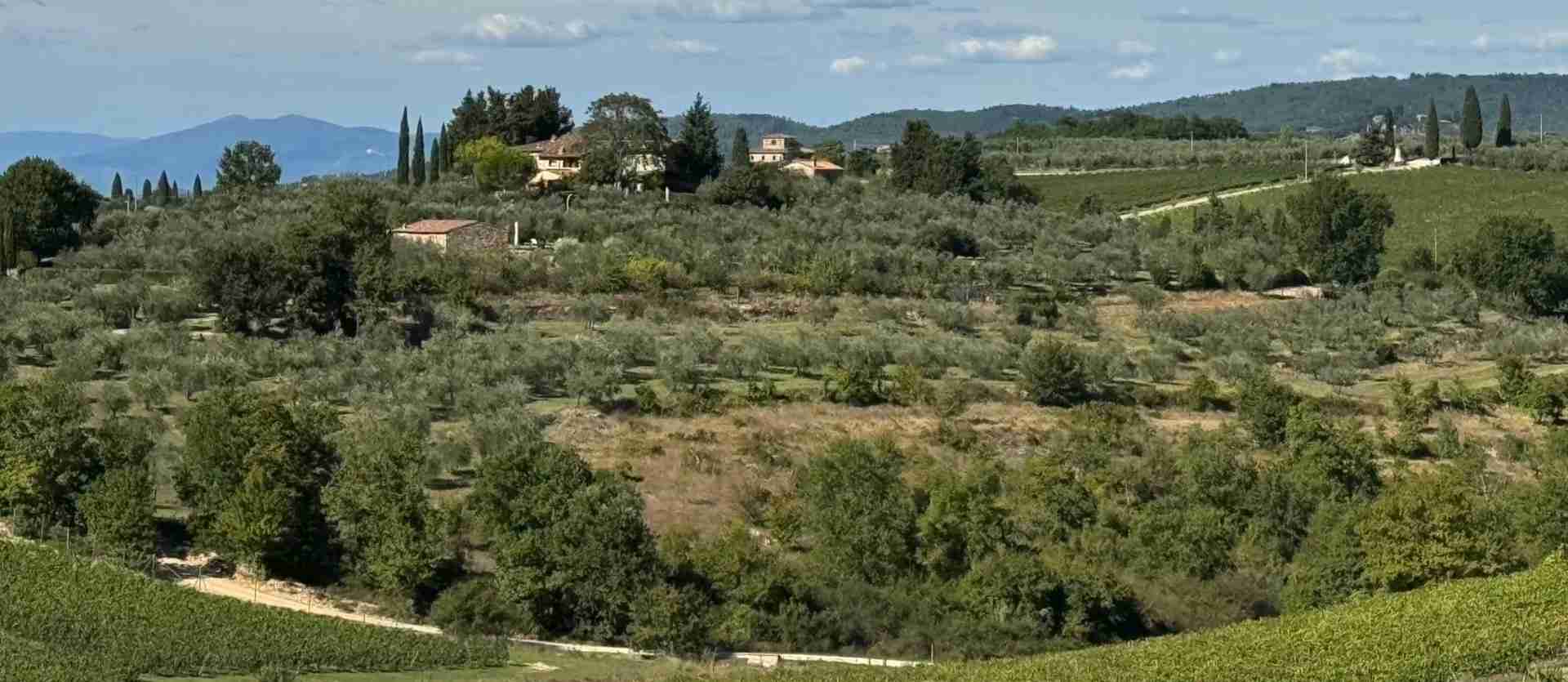
The landscape defining Chianti wine country consists of rolling hills covered with vineyards interspersed with olive groves, oak forests, and wheat fields creating the quintessential Tuscan countryside appearing on countless postcards and travel photographs. Medieval stone farmhouses dot the hillsides, many converted to agriturismi (farm stays) or luxury accommodations, while ancient villages crown strategic hilltops offering commanding views across the agricultural valleys. The SR222 road, known as the Chiantigiana, serves as the region’s spine, connecting Florence to Siena through the heart of Chianti Classico territory while passing directly through major wine towns.
Climate conditions in Chianti feature hot, dry summers with temperatures regularly reaching 30-35°C (86-95°F) and mild winters rarely seeing sustained freezing, though occasional snow dusts the higher elevations. The hills themselves create beneficial microclimates with vineyards planted on slopes offering excellent drainage, varied sun exposures, and temperature moderation from elevation effects. Soil compositions vary considerably across the region, ranging from the galestro (schistous clay) and alberese (limestone) characteristic of Chianti Classico to sandier compositions in some Colli Senesi areas, with these variations contributing to wine diversity across estates.
Sangiovese dominates Chianti wine production, required at minimum 80% in Chianti Classico blends and forming the essential character of all Chianti wines. Traditional blends incorporated white grape varieties Trebbiano and Malvasia, though modern regulations permit 100% Sangiovese or blends with international varieties like Cabernet Sauvignon, Merlot, and Syrah. The best Chianti Classico wines receive Riserva designation after minimum 24 months aging including three months in bottle, while the newer Gran Selezione category recognizes estate-grown wines aged minimum 30 months representing producers’ highest quality bottlings.
Understanding Chianti’s geographic organization helps planning efficient wine tour itineraries from Siena. The southernmost Chianti Classico estates around Castelnuovo Berardenga and Castellina in Chianti sit closest to Siena at 25-35 kilometer distances, making these natural first stops on wine tours. Moving northward, the central Chianti Classico zone around Radda and Gaiole requires 40-50 kilometer drives, while the northern areas near Greve approach 55-60 kilometers from Siena. Most half-day tours from Siena focus on southern Chianti estates to maximize winery time while minimizing driving, whereas full-day tours venture into central Chianti regions visiting more distant prestigious properties.
Types of Chianti Wine Tours from Siena 2026
Organized group wine tours represent the most popular Chianti touring option from Siena in 2026, combining convenience, value, and social interaction with fellow wine enthusiasts from around the world. These tours typically operate in air-conditioned minibuses accommodating 8-20 participants, departing from central Siena meeting points like Piazza Gramsci or in front of major hotels around 9:00-10:00 AM. Half-day tours lasting 4-5 hours visit two wineries with guided tastings at each, often including stops at medieval villages like Monteriggioni or Castellina in Chianti for brief exploration and photography opportunities.
Full-day wine tours from Siena extend the experience to 8-10 hours, visiting three or four wineries across broader Chianti territory and including traditional Tuscan lunches at estate restaurants or local trattorias. These comprehensive tours allow deeper exploration of Chianti wine diversity by selecting estates representing different styles, price points, and production philosophies. Lunch typically features regional specialties like pici pasta with wild boar ragù, bistecca alla fiorentina (Florentine steak), or ribollita (Tuscan bread soup) paired with wines from visited estates or local producers.
Small group tours limiting participation to 6-8 people provide more intimate experiences with increased flexibility for questions, extended time at each winery, and often access to smaller family-run estates unable to accommodate larger groups. These tours cost €120-150 per person for half-day experiences, reflecting the higher per-person transportation costs and specialized winery selections. The reduced group size creates more personal interactions with winemakers and estate owners, who often conduct tastings themselves rather than delegating to staff members handling larger commercial groups.
Private wine tours offer maximum customization, allowing travelers to specify exact wineries, departure times, pace, and additional stops at olive oil mills, artisan cheese producers, or specific villages. Pricing for private tours ranges from €300-500 for half-day experiences accommodating 2-8 people, making them economical for groups of four or more when costs are shared. Private tours eliminate waiting for other participants, allow spontaneous itinerary adjustments based on interests discovered during visits, and provide dedicated vehicles for exclusive use throughout the day.
E-bike wine tours combine wine tasting with cycling through Chianti countryside, typically covering 20-30 kilometers on electric-assisted bicycles that make hill climbing manageable even for recreational cyclists. These active tours depart from meeting points in southern Chianti villages like Castellina rather than Siena itself, requiring participants to reach starting locations independently or via organized shuttle services. The cycling format limits wine consumption compared to vehicle-based tours while emphasizing landscape appreciation, local interaction, and outdoor activity attracting active travelers seeking alternatives to traditional wine touring.
Multi-day wine tour packages combining Siena accommodation with daily Chianti excursions provide comprehensive regional exploration for serious wine enthusiasts. These 2-4 day programs visit 6-10 different estates, often including prestigious properties requiring advance arrangements not accessible to casual day-trippers. Packages incorporate varied experiences like barrel tastings with winemakers, vineyard walks with viticulturists explaining cultivation techniques, and private cellar tours showcasing aging facilities and bottling operations not shown on standard visits.
Specialized wine tours focusing on organic and biodynamic estates attract environmentally conscious travelers interested in sustainable viticulture practices increasingly common in Chianti. These tours visit certified organic properties using traditional farming methods without synthetic chemicals, often incorporating visits to estate vegetable gardens, olive groves, and farm animal operations demonstrating integrated agricultural approaches. The wines from organic estates command premium prices but appeal to consumers seeking products aligned with environmental values and natural production philosophies.
Sunset wine tours departing Siena around 3:00-4:00 PM emphasize romantic atmosphere and photography opportunities during golden hour light conditions highlighting Chianti’s spectacular landscapes. These tours visit one or two wineries for extended tastings on outdoor terraces overlooking vineyard panoramas, often including aperitivo spreads of local cheeses, salumi, and other specialties. The later departure timing suits travelers who want morning hours for Siena sightseeing before afternoon wine country excursions, though these tours typically visit only southern Chianti estates near Siena to ensure return before dark.
Chianti Wine Tour Costs and Pricing 2026
Half-day organized wine tours from Siena cost €85-120 per person in 2026, with variations based on group size, winery selection, and included amenities. Basic tours at the lower price range visit two wineries offering standard tastings of 4-5 wines with minimal food accompaniment, while premium half-day experiences include visits to more prestigious estates, extended tastings of 6-8 wines including reserve selections, and substantial food pairings beyond basic bread and cheese. Check tour operator websites for current rates as pricing may vary seasonally, with peak summer months sometimes commanding €10-15 premiums over shoulder season rates.
Full-day wine tours including lunch range from €140-180 per person, providing visits to three or four wineries with comprehensive tastings at each location plus traditional Tuscan lunch at an estate restaurant or carefully selected local trattoria. The lunch component alone typically represents €35-45 of the total price, featuring multi-course meals with wine pairings, house-made pasta, grilled meats, and dessert. Full-day tours departing around 9:00-9:30 AM and returning 6:00-7:00 PM offer substantially better value per winery visit compared to half-day options, making them preferred choices for serious wine enthusiasts willing to commit full days to Chianti exploration.
Individual winery visit costs without organized transportation range from €22-70 per person depending on tasting experience complexity and wine selections. Basic tastings of 3-4 current-release wines cost €22-35 at most estates, conducted at tasting room bars or outdoor tables with minimal explanatory content beyond tasting notes. Mid-range experiences at €40-55 add cellar or vineyard tours guided by knowledgeable staff, extended wine flights including reserve or single-vineyard selections, and food pairings with local cheeses, salumi, olive oil, and bread demonstrating how Chianti wines complement regional cuisine.
Premium winery experiences costing €60-70 per person include private guided tours of production facilities, barrel tastings of wines still aging in cellars, meetings with winemakers or proprietors discussing estate history and production philosophy, and elaborate food pairings sometimes rising to full meal levels. These comprehensive visits last 2-3 hours compared to 45-60 minutes for basic tastings, providing detailed education about Chianti wine production techniques, terroir influences, and aging practices impossible to cover in shorter commercial tastings accommodating multiple simultaneous groups.
Private wine tour pricing for 2-8 person groups ranges from €300-500 for half-day experiences, with full-day private tours costing €550-800 depending on winery selections and meal arrangements. These rates cover vehicle, driver, and basic tour organization but exclude individual winery tasting fees ranging from €25-45 per person per estate. Private tours become economical when costs split among four or more participants, matching or beating organized group tour per-person rates while providing dedicated service and customized itineraries impossible with commercial groups.
Transportation costs for self-drive wine tours include car rental at €40-60 per day for compact or mid-size vehicles from Siena rental agencies, fuel costs of approximately €15-20 for typical 100-kilometer Chianti day trips, and parking fees usually free at wineries but €2-5 in medieval village centers. The total self-drive transportation cost of €55-85 per vehicle allows splitting among multiple passengers, making this option economical for groups of three or four compared to organized tour pricing. However, self-drivers must add individual winery tasting fees and meal costs that organized tours include in comprehensive pricing.
Budget wine touring strategies minimizing costs include selecting group tours over private options, choosing half-day over full-day experiences, visiting wineries offering lower-priced basic tastings rather than comprehensive experiences, and combining limited organized tours with self-guided village explorations and wine shop purchases. Travelers can experience authentic Chianti wine culture for under €100 per person daily by selecting budget tour operators, purchasing picnic supplies rather than restaurant meals, and focusing on 1-2 quality winery visits rather than attempting exhaustive estate coverage requiring expensive multi-winery itineraries.
Additional costs beyond core tour pricing include gratuities for guides and drivers (€5-10 per person for satisfactory service, €15-20 for exceptional experiences), wine purchases at visited estates averaging €15-35 per bottle with shipping fees adding €20-40 for international delivery of 6-12 bottle orders, and incidental expenses like bottled water, espresso stops, and village gelato typically totaling €10-15 daily. Budget planning should allocate €150-200 per person for comprehensive half-day wine tour experiences including all touring, tasting, modest wine purchases, and incidental costs, or €250-300 for full-day adventures with restaurant lunches and more extensive wine buying.
Self-Drive Wine Tours: Car Rental and Planning 2026
Renting cars in Siena for self-drive Chianti wine tours provides maximum flexibility for customizing itineraries, spontaneous stops, and exploration at individual pace without group tour time constraints. Major rental companies including Hertz, Avis, Europcar, and Budget maintain offices near Siena’s train station approximately 2 kilometers from the historic center, with vehicles ranging from compact Fiat Pandas to larger sedans and small SUVs suitable for Chianti’s rural roads. Daily rental rates in 2026 start around €40-45 for economy vehicles and range to €55-65 for mid-size cars with automatic transmission, which costs €10-15 premium over manual options.
Booking rental cars online weeks or months ahead secures lowest rates and ensures vehicle availability, particularly during peak summer months when rental fleets operate at capacity. Most rental locations near Siena station require taxi transport from city center hotels or the train station itself, with fares around €8-12 covering the 10-15 minute journey. Some travelers prefer collecting cars from Florence airport or train station rental offices before traveling to Siena, allowing scenic drives through Chianti en route via the SR222 Chiantigiana road, though this approach requires navigating Florence traffic and potential restricted zone complications.
Insurance coverage represents essential consideration for Chianti wine tours, as narrow medieval village streets, unmarked rural roads, and challenging parking situations create elevated accident risks compared to highway driving. Basic rental agreements include minimal liability coverage but exclude collision damage, requiring substantial deposits (€500-1,500) held on credit cards. Supplemental collision damage waiver insurance adding €15-25 daily eliminates deductibles and provides peace of mind for drivers unfamiliar with Italian roads, though personal credit cards sometimes offer duplicate coverage making rental company insurance redundant.
Designated driver requirements create the primary limitation of self-drive wine tours, as Italian drunk driving laws enforce strict 0.05% blood alcohol limits with severe penalties for violations. Groups must designate rotating drivers abstaining from wine consumption or limiting intake to minimal tasting amounts insufficient for proper appreciation. This constraint makes self-drive options most suitable for couples where one partner abstains, groups willing to rotate driving duties across multiple days, or travelers prioritizing scenic driving and village exploration over comprehensive wine tasting experiences.
The SR222 Chiantigiana road connecting Siena to Florence through Chianti’s heart serves as the region’s primary wine route, passing directly through Castellina in Chianti, Radda in Chianti, Greve in Chianti, and numerous smaller villages while traversing spectacular vineyard-covered landscapes perfect for photography stops. This scenic route covers approximately 70 kilometers between cities but requires 1.5-2 hours driving time due to narrow winding sections, frequent curves, and slow-moving agricultural vehicles. Secondary roads branching from the Chiantigiana access countless individual wineries and remote villages offering authentic rural Chianti experiences away from main route tourist concentrations.
GPS navigation proves essential for Chianti wine touring, as many wineries occupy isolated rural properties accessed via unmarked gravel roads requiring precise directions. Most modern smartphones provide adequate navigation using apps like Google Maps or Waze, though cellular data coverage can weaken in remote valley areas. Rental cars increasingly include built-in GPS systems as standard equipment or available upgrades for €8-12 daily, providing reliable navigation independent of mobile phone signals. Paper maps from tourism offices supplement electronic navigation while helping visualize overall regional geography impossible to grasp from turn-by-turn directions.
Parking at Chianti wineries typically poses no difficulties, as estates maintain dedicated visitor parking areas near tasting rooms and production facilities. Medieval village parking requires more attention, with most historic centers maintaining restricted vehicle access requiring parking at designated lots on periphery areas. Castellina in Chianti, Radda in Chianti, and Gaiole in Chianti all offer paid parking lots (€2-5 per hour) within 5-10 minute walks of central areas, with some villages providing free parking in more distant locations requiring longer walks but saving parking fees for budget-conscious travelers.
Sample self-drive itineraries from Siena might include southern Chianti loops visiting Castellina in Chianti, Radda in Chianti, and Castello di Brolio before returning to Siena via different routes, covering 80-100 kilometers across 6-8 hours including winery visits and village stops. More ambitious full-day routes extend north through Gaiole in Chianti toward Greve, potentially reaching 120-140 kilometers but requiring early departures around 8:00-8:30 AM to allow adequate time at multiple wineries and lunch stops before returning to Siena by evening. These self-planned itineraries require advance winery reservations, as most estates demand booking confirmation days or weeks ahead rather than accepting walk-in visitors.
Transportation Options from Siena to Chianti 2026
Organized tour company vehicles provide the most straightforward transportation for Chianti wine experiences from Siena, eliminating driving concerns, parking challenges, and designated driver limitations while allowing full wine consumption at visited estates. Tours depart from central Siena locations including Piazza Gramsci, outside major hotels like Hotel Minerva on Via Giuseppe Garibaldi, or the bus station area, with specific meeting points confirmed during booking processes. Air-conditioned minibuses or coaches feature reclining seats, large windows for countryside viewing, and experienced drivers familiar with Chianti’s narrow roads and optimal scenic routes.
Private car rental from Siena opens maximum flexibility for independent wine touring, with major companies including Hertz (Via Vittorio Veneto), Avis (Via Simone Martini), Europcar (Viale Europa), and Budget maintaining offices near the train station. Rental locations operate Monday-Friday 8:00 AM-7:00 PM with reduced Saturday hours (typically 8:00 AM-1:00 PM) and Sunday closures at most agencies, requiring weekend renters to collect vehicles Friday and return Monday. Taxi transfer from Siena city center to rental offices costs €8-12, though some travelers walk the 20-25 minute distance when carrying minimal luggage and comfortable with roadside walking on busy thoroughfares.
Public train service from Siena to Chianti region operates hourly via regional trains departing Siena station for Castelfiorentino in 43 minutes at fares of €5-10 per person. However, Castelfiorentino sits on Chianti’s western periphery rather than central wine country, requiring onward taxi connections (€25-40) to reach actual winery areas around Castellina, Radda, or Gaiole. This multi-modal approach proves impractical for wine touring due to limited train schedules, substantial taxi costs, and logistical complications coordinating return transportation from rural winery locations without comprehensive bus networks serving agricultural areas.
Bus connections between Siena and Chianti villages remain sparse and irregular, with regional operator Tiemme operating limited routes to Castellina in Chianti and surrounding areas primarily serving local residents rather than tourists. Schedules typically offer 2-3 daily departures with reduced weekend service, making coordinated winery visits nearly impossible without extensive waiting between connections. The bus station in Siena’s Piazza Antonio Gramsci serves as the departure point for regional services, with ticket offices providing current schedules and fares averaging €4-8 for destinations within 30-40 kilometers.
Private taxi services from Siena offer customized wine tour options for €150-250 for half-day trips covering 4-5 hours and visiting 2-3 wineries selected by passengers. Taxi drivers familiar with Chianti can recommend wineries, make reservation calls, and provide basic regional information while handling all driving and navigation. This approach suits small groups of 1-4 people seeking flexibility without organized tour social dynamics, though costs typically exceed comparable group tour pricing unless split among maximum passengers. Taxi bookings require advance arrangements through Siena taxi companies (Radiotaxi Siena: +39 0577 49222) specifying wine tour requirements and desired destinations.
Bicycle touring between Siena and Chianti attracts hardy cyclists comfortable with 40-60 kilometer daily distances and substantial elevation changes totaling 600-1,000 meters climbing across rolling hills. The cycling distance from Siena to Castellina in Chianti spans approximately 35 kilometers via scenic rural roads experiencing light vehicle traffic, though the route involves continuous climbing and descending rather than flat terrain. Self-supported cyclists should budget 3-4 hours riding time before winery visits, while guided cycling tours with support vehicles carrying luggage and providing assistance on steep climbs operate from specialized adventure tour companies charging €120-180 per person for full-day experiences.
Combination transportation approaches maximize convenience and minimize costs by using organized tours for initial Chianti introduction while reserving car rentals for subsequent independent exploration after gaining regional familiarity. First-time visitors benefit from guide commentary, predetermined winery selections, and social interaction of group tours before attempting independent navigation of rural roads and winery booking procedures. This staged approach allows evaluating genuine interest in extended Chianti exploration before committing to rental car costs and self-guided itinerary planning requiring substantially more preparation than simply booking commercial tours.
Best Chianti Wineries Accessible from Siena 2026
Castello di Brolio stands as Chianti’s most historically significant estate, home to the Ricasoli family since 1141 and site where Baron Bettino Ricasoli developed the original Chianti wine formula in the mid-19th century that defined the region’s blending traditions for generations. Located 20 kilometers north of Siena near Gaiole in Chianti, this magnificent castle estate offers comprehensive tours including medieval fortress exploration, formal Italian gardens, family chapel visits, and extensive wine cellars housing both ancient and modern production facilities. Tasting experiences range from €25 basic flights to €65 premium experiences including reserved wines and traditional Tuscan lunch in the estate restaurant overlooking vineyard panoramas.
Badia a Coltibuono, a former Benedictine abbey converted to wine production in the 19th century, produces exceptional Chianti Classico from vineyards surrounding the dramatic stone monastery buildings in the hills above Gaiole in Chianti approximately 45 kilometers from Siena. The estate offers cooking classes in addition to wine tastings, allowing visitors to learn traditional Tuscan cuisine preparation before enjoying meals paired with Badia wines on monastery terraces. Standard tastings cost €30-40 per person, while combined cooking class and wine experiences require full-day commitments at €120-150 per person including instruction, meal, and wine.
Castello di Ama near Lecchi in Chianti represents modern Chianti excellence through biodynamic farming, contemporary art installations scattered across the property, and wines receiving international acclaim from critics and collectors. Located 35 kilometers from Siena, this innovative estate combines traditional winemaking with cutting-edge techniques and artistic sensibility reflected in striking cellar architecture and vineyard sculptures by renowned contemporary artists. Tastings emphasizing the estate’s flagship Chianti Classico and acclaimed single-vineyard selections cost €45-60 per person, with extended experiences including art tour components and meetings with winemakers available by special arrangement.
Castello di Volpaia occupies a perfectly preserved medieval village transformation into winery complex, where ancient stone buildings house modern production facilities, aging cellars, and tasting rooms while maintaining the settlement’s architectural integrity. Situated 48 kilometers from Siena near Radda in Chianti, Volpaia produces organic Chianti Classico alongside excellent olive oil from estate groves. The village setting creates unique touring atmosphere as visitors explore cobblestone lanes connecting various production buildings, with tastings conducted in atmospheric barrel rooms and outdoor terraces. Standard experiences cost €35-45 including village exploration and 5-6 wine tastings.
Smaller family estates throughout southern Chianti near Castellina provide intimate alternatives to prestigious properties, often featuring personal service from owners conducting tastings themselves while explaining family traditions spanning multiple generations. Properties like Fattoria Viticcio, Tenuta di Arceno, and Castello di Fonterutoli offer excellent wines at generally lower prices than more famous estates while delivering authentic interactions impossible at large commercial operations accommodating hundreds of daily visitors. These discoveries require research through wine tourism websites, local recommendations, or suggestions from tour guides familiar with hidden gems throughout the region.
Organic and biodynamic wineries attract environmentally conscious visitors seeking wines produced through sustainable farming without synthetic chemicals or industrial interventions. Estates like Querciabella, Rocca di Montegrossi, and Riecine maintain organic or biodynamic certifications while producing highly regarded Chianti Classico demonstrating that environmental responsibility supports rather than compromises wine quality. These properties typically charge premium tasting fees (€40-55) reflecting higher production costs and educational programming explaining organic viticulture principles, cover crop management, and natural pest control techniques replacing conventional chemical applications.
Wine shop alternatives in Chianti villages provide budget-friendly tasting opportunities without estate visit requirements, as establishments like Castellina’s enotecas and Radda’s specialty shops conduct walk-in tastings of multiple local producers’ wines for €15-25. These venues suit spontaneous visitors without advance winery reservations or travelers wanting broad regional surveys sampling wines from numerous estates impossible to visit individually. Shop owners provide expert guidance about regional wine diversity, vintage variations, and value selections while offering purchase opportunities at retail prices often lower than estate-direct pricing including tourism markup.
Planning Your Chianti Wine Tour Itinerary 2026
Half-day wine tour itineraries from Siena typically depart 9:00-10:00 AM and return by 2:00-3:00 PM, allowing morning Chianti exploration while preserving afternoon hours for Siena sightseeing, relaxation, or other activities. These condensed experiences visit two wineries located relatively close together to maximize tasting time while minimizing driving, usually focusing on southern Chianti estates around Castellina in Chianti or the Chianti Colli Senesi zone immediately north of Siena. Sample half-day itineraries might include Castello di Fonterutoli and a smaller family estate near Castellina, or visits to two Colli Senesi properties within 20-25 kilometers of Siena allowing efficient routing.
Full-day wine tours extending 8-10 hours enable deeper Chianti penetration, visiting three or four estates across broader geographic areas including central Chianti Classico territories around Radda in Chianti and Gaiole in Chianti. These comprehensive experiences allow balancing prestigious historic properties with smaller discoveries, combining different wine styles from various terroirs, and incorporating substantial lunch breaks at estate restaurants or village trattorias. Typical full-day routing might visit Castello di Brolio in morning, lunch in Gaiole in Chianti, afternoon visits to estates near Radda and Castellina, returning to Siena around 6:00-7:00 PM.
Self-drive itineraries require careful advance planning including winery reservation confirmations, realistic time allocations accounting for driving between estates, and contingency plans for delays or spontaneous discoveries meriting extended stops. A well-paced self-drive day visits 3-4 wineries maximum, allowing 60-90 minutes per estate including tours and tastings, 30-45 minutes driving time between properties, and 60-90 minutes for lunch. Attempting more than four winery stops creates rushed experiences providing insufficient time for meaningful engagement with wines, properties, or staff while increasing driving stress and fatigue from excessive vineyard hopping.
Seasonal considerations affect wine tour planning significantly, with harvest season in September-October offering authentic winemaking atmosphere but requiring advance bookings months ahead as this period attracts maximum visitor interest. Spring visits in April-May feature beautiful flowering vineyards and comfortable temperatures ideal for outdoor tastings, while summer July-August brings peak crowds, highest prices, and potentially uncomfortable afternoon heat during estate tours lacking air-conditioned facilities. Winter months November-March see reduced winery operations, though serious wine enthusiasts appreciate quieter tasting room experiences and unhurried interactions with staff freed from summer tourist management pressures.
Multi-day Chianti exploration allows dividing the region into geographic sectors visited on separate days, reducing daily driving while enabling thorough coverage of specific areas. A three-day approach might dedicate day one to southern Chianti and Chianti Colli Senesi near Siena, day two to central Chianti Classico around Castellina and Radda, and day three to northern territories near Greve in Chianti. This staged exploration permits discovering favorite estates meriting return visits, comparing wines across different terroirs and microclimates, and developing informed preferences about Chianti styles, price points, and production philosophies impossible to determine from single-day exposure.
Booking strategy timing depends on travel season and desired wineries, with peak summer weekends requiring reservations 3-4 weeks minimum for popular estates, while shoulder season weekdays often accept bookings within several days. Prestigious properties like Castello di Brolio, Badia a Coltibuono, and Castello di Ama maintain consistent booking pressure requiring advance planning regardless of season, whereas smaller family estates show more availability and flexibility. Email communication in English reaches most Chianti wineries, though phone bookings sometimes secure appointments faster particularly for last-minute arrangements within 48-72 hours of desired visits.
Rest and recovery pacing prevents wine fatigue from excessive tasting across too many estates in compressed timeframes, a common mistake degrading palate sensitivity and appreciation. Experienced wine tourists limit comprehensive tasting days to 3-4 wineries maximum, interspersing visits with substantial meals, water consumption, and breaks for walking, photography, or village exploration allowing palate recovery between properties. The temptation to maximize winery visits often produces diminishing returns as fatigue accumulates, making selective quality-focused approaches superior to exhaustive coverage attempts sacrificing meaningful engagement for superficial sampling.
What to Expect at Chianti Wineries in 2026
Winery arrival procedures typically involve checking in at tasting room reception desks or main office buildings where staff confirm reservations, collect tasting fees, and provide orientation about facility layout and experience format. Many estates require advance payment during online booking, while others accept payment upon arrival via credit card or cash. Arriving 5-10 minutes before scheduled appointment times allows parking, facility orientation, and restroom visits before tours begin, with late arrivals potentially forfeiting reserved time slots particularly when properties operate tightly scheduled back-to-back appointments throughout busy days.
Standard winery tours lasting 30-45 minutes include walks through production facilities showing crushing equipment, fermentation tanks, barrel aging cellars, and bottling lines while guides explain harvest timing, fermentation techniques, aging regimens, and quality control procedures. The level of technical detail varies based on group interest and knowledge, with guides adjusting explanations from basic wine production overviews for beginners to nuanced discussions of specific choices regarding punch-downs, maceration lengths, and oak aging programs for experienced enthusiasts. Vineyard walks sometimes supplement cellar tours, weather and season permitting, demonstrating grape cultivation methods, canopy management techniques, and terroir characteristics.
Wine tastings following tours present 4-6 different wines representing estate production range, typically beginning with entry-level Chianti or white wines before progressing to Chianti Classico, reserve selections, and potentially super-Tuscan wines or vin santo dessert offerings. Tastings occur at dedicated tasting rooms, barrel rooms converted for visitor service, or outdoor terraces overlooking vineyards depending on weather and estate facilities. Standard pours measure 1.5-2 ounces per wine, totaling 8-12 ounces across full flights—sufficient for evaluation without excessive alcohol consumption when spread across hour-long experiences.
Food accompaniments vary considerably between basic tastings offering only bread and water to elaborate pairings including local cheeses, salumi, olive oil tastings, grilled vegetables, and traditional Tuscan preparations demonstrating how regional wines complement local cuisine. Premium experiences at €50-70 per person typically provide substantial food components approaching light meal status, while standard €25-35 tastings offer minimal nibbles primarily serving as palate cleansers between wines. Some estates operate full restaurants where tastings transition into meals featuring estate wines paired with chef-prepared courses showcasing seasonal Tuscan ingredients.
Wine purchase opportunities appear at all wineries through on-site shops selling estate wines at prices generally matching or slightly exceeding normal retail, though some properties offer special visitor discounts or exclusive wines unavailable through standard distribution channels. International shipping services accommodate purchases beyond airline luggage allowances, though shipping costs of €20-40 for 6-12 bottle shipments sometimes exceed wine value for less expensive selections. Many visitors purchase 2-4 bottles of favorites for immediate consumption during Italian travels, deferring larger purchases to specialty importers in home countries offering broader selections at competitive prices without international shipping complications.
Photography policies permit casual tourist photos throughout most estates, including vineyard landscapes, barrel rooms, and facility exteriors, while restricting photography of proprietary production equipment or processes some wineries consider trade secrets. Drone photography requires advance permission rarely granted due to privacy concerns and disturbance to winery operations. Social media posting receives enthusiastic encouragement from most estates viewing tourist photos as free marketing generating future visitor interest, with many properties maintaining official hashtags and Instagram accounts regularly featuring guest images.
Dress codes remain casual and practical at virtually all Chianti wineries, with comfortable walking shoes essential for gravel pathways, uneven cellar floors, and potential vineyard excursions. Summer visits require sun protection including hats and sunscreen for outdoor tastings and vineyard tours, while cooler months benefit from layered clothing accommodating temperature variations between outdoor areas and temperature-controlled cellars. Some prestigious properties maintain slightly more formal atmosphere discouraging extreme casual attire like tank tops or flip-flops, though Chianti wine culture generally embraces approachable informality rather than pretentious exclusivity.
Tipping practices in Italian wine country differ from American expectations, as service charges typically include compensation for tasting room staff and tour guides. Exceptional service or particularly memorable experiences merit €5-10 gratuities per couple, while standard satisfactory visits require no additional tipping beyond stated tasting fees. Tour guides on organized excursions appreciate tips of €5-10 per person for half-day tours and €10-15 for full-day experiences, presented at conclusion of services when groups return to Siena.
Sample Chianti Wine Tour Itineraries 2026
A budget-conscious half-day self-drive tour departing Siena at 9:00 AM visits two Chianti Colli Senesi estates within 25 kilometers, selecting wineries offering basic tastings at €22-28 per person. The itinerary includes Fattoria di Fèlsina (9:45 AM arrival, €25 tasting, 60-minute visit) and Castello di Selvole (11:30 AM arrival, €28 tasting, 60-minute visit), returning to Siena by 1:30 PM. Costs total €53-56 per person for tastings, plus €12 fuel, with potential wine purchases adding €25-50 for 2-3 bottles. Total half-day cost: approximately €65-70 per person excluding lunch.
A mid-range full-day organized tour departing Siena at 9:30 AM includes transportation, three winery visits with comprehensive tastings, and traditional Tuscan lunch at an estate restaurant. The itinerary visits Castello di Fonterutoli (10:30 AM, guided tour and tasting), lunch at Badia a Coltibuono (1:00 PM, multi-course meal with wine pairings), and Castello di Volpaia (3:30 PM, village exploration and tasting), returning to Siena at 6:30 PM. Tour cost €165 per person includes all transportation, tastings, and lunch, with optional wine purchases and guide gratuities adding €30-50. Total full-day cost: €195-215 per person.
A premium self-drive experience over two days explores northern and central Chianti Classico territories through carefully selected prestigious estates. Day one visits Castello di Brolio (10:00 AM, €55 comprehensive experience including castle tour), lunch at Gaiole in Chianti trattoria (€35), and Castello di Ama (3:00 PM, €60 art and wine tour). Day two explores Badia a Coltibuono (10:00 AM, €50 extended tasting), lunch at San Felice estate restaurant (€40), and Castello di Volpaia (2:30 PM, €45 village and wine experience). Costs include car rental €50 daily, fuel €20 daily, tastings €210 total, meals €75 total. Two-day total: €355 per person, excluding wine purchases and accommodation.
An active cycling and wine itinerary departs Siena at 8:00 AM via e-bike for Castellina in Chianti, covering 35 kilometers over 3 hours with elevation gain of 650 meters. After late-morning arrival and village exploration, the afternoon includes two winery visits (Fattoria di Fèlsina at 12:30 PM, Castello di Fonterutoli at 3:00 PM) before returning to Siena via support vehicle shuttle. E-bike rental costs €45, tastings total €60, lunch €20, support vehicle €25 per person. Total active tour cost: €150 per person with advance booking through specialized cycling tour operators.
A romantic sunset wine experience departs Siena at 4:00 PM for intimate evening at a single prestigious estate featuring extended tasting on outdoor terraces during golden hour light. The itinerary includes Castello di Brolio or similar property offering €70 premium sunset experience with reserved wine selections, substantial antipasto spread, and private guide service through castle and gardens. Combined with private car service from Siena (€80 per couple round-trip), the experience totals €220 per couple, returning to Siena around 8:30 PM for dinner in the city’s medieval center.
Chianti Villages Worth Visiting 2026
Castellina in Chianti serves as the region’s southern gateway, occupying strategic hilltop position where defensive walls and fortifications testify to centuries of border conflicts between Florence and Siena. The compact medieval center features the Via delle Volte, a covered walkway built into the defensive walls providing atmospheric passage lined with wine shops and artisan studios. Restaurants around the central piazza serve traditional Tuscan cuisine, while enotecas offer tastings of local producers’ wines for visitors without winery reservations. Castellina’s position 25 kilometers from Siena makes it natural first stop on Chianti explorations, with parking available at designated lots on town periphery.
Radda in Chianti maintains authentic medieval character with minimal modern development disrupting the ancient stone buildings clustering around the central Piazza Ferrucci. This quiet agricultural town sees fewer tourists than more accessible villages, creating relaxed atmosphere where locals still outnumber visitors in cafés and market squares. The surrounding territory produces exceptional Chianti Classico from high-elevation vineyards, with numerous small estates offering tastings and tours near the village. Radda’s restaurants emphasize rustic traditional preparations rather than contemporary fusion approaches, appealing to food enthusiasts seeking authentic Tuscan cuisine unchanged by tourism demands.
Gaiole in Chianti sits in a valley rather than hilltop like most medieval Tuscan towns, serving historically as market center for surrounding agricultural areas. The main street through town features wine shops, restaurants, and provisions stores catering to local residents alongside growing tourist trade. Gaiole provides access to prestigious nearby estates including Castello di Brolio, Badia a Coltibuono, and Castello di Ama, making it logical lunch stop when touring central Chianti Classico areas. The monthly farmer’s market on second Sunday demonstrates continued agricultural character despite wine tourism development.
Greve in Chianti functions as unofficial capital of Chianti Classico region, hosting the annual Chianti Classico Wine Festival each September and maintaining the largest concentration of wine shops, tasting rooms, and tourist facilities. The distinctive triangular Piazza Matteotti lined with arcaded buildings creates atmospheric setting for cafés and restaurants, while specialized wine shops offer comprehensive selections from across the region. Greve’s position near Florence (30 kilometers) makes it equally accessible from both cities, attracting substantial day-trip crowds during peak season requiring patience navigating tourist congestion through narrow streets.
Panzano in Chianti occupies dramatic hilltop location offering spectacular valley views and hosts the famous Dario Cecchini butcher shop, a pilgrimage site for meat enthusiasts drawn by the legendary butcher’s theatrical personality and exceptional products. The village’s modest size and relative isolation preserve authentic character despite celebrity butcher bringing international attention. Panzano’s position along the Chiantigiana makes it natural stop when driving between Florence and Siena, with several excellent restaurants serving Cecchini’s products prepared in traditional Tuscan styles.
Volpaia exists as unique case where an entire medieval village transformed into integrated winery operation, with ancient stone buildings housing production facilities, aging cellars, and tasting rooms while maintaining architectural integrity. Walking Volpaia’s cobblestone lanes connects visitors to various winery components spread across the settlement, creating atmospheric wine touring impossible at conventional estate facilities. The village’s remote hilltop position 48 kilometers from Siena attracts fewer casual tourists than more accessible locations, rewarding visitors making special effort with uncrowded experiences and spectacular vineyard panoramas.
Food and Wine Pairing in Chianti 2026
Traditional Tuscan cuisine emphasizes simple preparations highlighting quality ingredients rather than complex techniques or elaborate presentations, creating natural compatibility with Chianti wines sharing similar food-friendly character and moderate alcohol levels. The region’s signature dishes including pappa al pomodoro (bread and tomato soup), ribollita (bread and vegetable soup), and pici pasta with various sauces demonstrate how Tuscan cooking transforms basic ingredients through careful seasoning and time-tested combinations. These preparations suit Chianti’s savory character, moderate tannins, and bright acidity that cuts through hearty preparations without overwhelming subtle flavors.
Bistecca alla fiorentina represents Tuscany’s ultimate meat preparation, featuring massive T-bone or porterhouse steaks from Chianina cattle grilled over wood fires to rare or medium-rare doneness and served with just sea salt, black pepper, and lemon wedges. This iconic dish demands robust Chianti Classico Riserva or Gran Selezione wines providing sufficient structure and tannin to complement the rich meat while the wine’s acidity balances the fat content. Estate restaurants throughout Chianti serve excellent bistecca, often from cattle raised on estate farms, creating authentic farm-to-table experiences pairing local beef with estate wines.
Pecorino cheese from Pienza and other southern Tuscan areas creates natural pairings for Chianti wines, particularly aged pecorino whose sharp, salty character complements wine tannins while the cheese’s fat content softens astringency. Winery tastings frequently include pecorino in various aging stages from fresh (fresco) to aged (stagionato), demonstrating how cheese development affects wine compatibility. The combination of pecorino with local honey creates sweet-salty contrast that many wineries feature in tastings, showing Chianti’s versatility with different flavor profiles.
Tuscan salumi including finocchiona (fennel-scented salami), prosciutto toscano (unsalted Tuscan ham), and various regional preparations appear at virtually all wine tastings and restaurant meals, providing protein-rich accompaniments that Chianti handles beautifully. The salt content and fat marbling in quality salumi soften wine tannins while the savory flavors complement Sangiovese’s earthy character. Many estates produce salumi from pigs raised on property, extending the farm-to-table philosophy to charcuterie programs supplementing wine production.
Wild boar preparations from traditional ragù sauce coating hand-rolled pici pasta to grilled chops and roasted whole animals represent Tuscan game cooking showcasing Chianti wine pairing capabilities. The gamey flavors and rich textures of wild boar meat suit aged Chianti Classico wines whose developed tertiary flavors and mellowed tannins complement rather than overwhelm the meat. Specialized sagre (food festivals) celebrating wild boar occur throughout autumn in various Chianti villages, offering opportunities to taste traditional preparations paired with local wines in festive community atmospheres.
Olive oil from Chianti estates deserves equal attention to wine in comprehensive food experiences, as the region produces exceptional extra virgin oils from Frantoio, Leccino, and Moraiolo olive varieties. Winery tours frequently include olive oil tastings alongside wines, demonstrating estates’ integrated agricultural production and allowing comparisons of terroir influences on both products. The peppery, fruity characteristics of quality Tuscan olive oil enhance bread, vegetables, and grilled meats while providing traditional Tuscan flavors impossible to replicate with oils from other regions or industrial production.
Booking Your Chianti Wine Tour 2026
Online booking platforms including Viator, GetYourGuide, and specialized wine tour websites offer comprehensive selections of Chianti wine experiences departing from Siena, providing customer reviews, detailed itineraries, and instant confirmation eliminating booking uncertainty. These platforms aggregate offerings from multiple tour operators, allowing price comparisons and feature evaluation across similar products. Booking fees sometimes add €5-10 to direct operator prices, though platforms offer consumer protections including standardized cancellation policies and dispute resolution processes independent operators may not provide.
Direct bookings with tour operators through company websites or phone contact sometimes secure better rates while allowing itinerary customization impossible through aggregator platforms. Established Siena-based operators including Tuscany Wine Tours, Franco’s Siena Tours, and various other local companies maintain direct booking systems accepting credit cards and providing immediate email confirmations. Direct contact enables special requests like dietary restrictions, specific winery preferences, or schedule adjustments accommodating other travel commitments, creating personalized experiences reflecting individual interests rather than standardized commercial products.
Individual winery reservations require separate bookings for each property, typically conducted via email to addresses listed on estate websites or through online reservation systems increasingly common at larger properties. Booking emails should specify desired date and time, party size, language preferences for tours (Italian or English), and any special requests regarding cellar tours, food pairings, or wine selections. Properties generally respond within 24-48 hours confirming availability or proposing alternative times, with some estates requiring credit card guarantees or advance payment particularly during peak season when no-shows represent lost revenue from turned-away visitors.
Advance booking timing depends on travel season and desired experiences, with summer weekend tours requiring reservations 4-6 weeks minimum while shoulder season weekday availabilities often remain 1-2 weeks before travel. Prestigious wineries like Castello di Brolio, Badia a Coltibuono, and Castello di Ama maintain consistent demand requiring 2-4 week advance bookings regardless of season, whereas smaller family estates show more flexibility accepting shorter notice particularly outside peak July-August months. Last-minute bookings within 48-72 hours sometimes succeed during low season or midweek periods, though choice becomes limited to whatever availabilities remain rather than optimal tour selections.
Cancellation policies vary significantly between tour operators and individual wineries, with commercial tours typically allowing free cancellation 24-48 hours before departure while charging full fees for later cancellations or no-shows. Individual winery reservations increasingly require credit card guarantees with cancellation fees of €10-25 per person when cancelled less than 48 hours before appointments, reflecting estates’ need to protect against revenue losses from blocked appointment slots. Travel insurance covering trip cancellation proves worthwhile for expensive multi-day wine tour commitments, though standard travel insurance may exclude cancellations due to changed preferences rather than covered emergencies.
Group bookings for parties of 8-15 people benefit from negotiated rates and customized itineraries impossible for individual travelers, with many tour operators offering private group experiences at per-person costs approaching standard tour pricing when participation exceeds 10-12 people. Large groups require advance coordination to secure winery capacity for simultaneous party accommodation, as most tasting rooms handle maximum 20-25 people comfortably requiring split groups at smaller properties. Wedding parties, corporate events, and extended family gatherings represent common large group wine tour occasions throughout Chianti, with specialized operators focusing on these markets providing comprehensive event planning beyond simple transportation and winery visits.
Chianti Wine Tour Tips and Practical Advice 2026
Pace wine consumption throughout tours to maintain palate sensitivity and avoid intoxication that degrades appreciation and creates health risks, particularly important during full-day experiences involving 15-20 wine tastings across multiple estates. Experienced wine tourists employ strategies including drinking substantial water between wineries, eating provided food accompaniments rather than discarding them, and using spittoons or dump buckets for partial tastings when offered more wine than desired. The goal involves meaningful wine evaluation rather than maximum consumption, a distinction professional tasters understand but casual tourists sometimes miss in vacation enthusiasm.
Designated driver rotation enables self-drive groups to share abstinence responsibilities across multi-day Chianti explorations, with different members driving on alternating days allowing everyone wine tasting opportunities while maintaining legal compliance and safety. This approach works best with groups of three or more where individual driving duties occur every third day rather than every other day, providing adequate wine enjoyment opportunities while distributing driving burden fairly. Couples must accept one partner abstaining during self-drive wine tours or arrange taxi/driver services eliminating driving responsibilities entirely.
Water and hydration receive insufficient attention from many wine tourists, despite alcohol’s dehydrating effects combining with Italian summer heat and outdoor activities creating substantial fluid loss. Carrying personal water bottles and drinking between wineries prevents headaches, fatigue, and impaired judgment while improving overall tour enjoyment. Many wineries provide complimentary water during tastings, though bringing adequate personal supplies ensures hydration independence from facility provisions that may prove inadequate during busy periods with limited staff attention.
Comfortable footwear proves essential for Chianti wine touring due to uneven gravel pathways, stone cellar floors, and potential vineyard walks requiring stable shoes rather than fashion-focused options. Women wearing heels or unstable sandals struggle with rural winery surfaces, while men’s dress shoes often prove too formal for agricultural settings and lack traction on slopes or gravel. Athletic shoes, walking shoes, or casual leather shoes combine appropriate formality with practical functionality for wine country activities.
Sun protection including hats, sunscreen, and sunglasses prevents discomfort during outdoor tastings and vineyard tours, particularly important during summer months when Tuscan sun intensity causes rapid sunburn on exposed skin. Many tastings occur on open terraces or in gardens without shade structures, requiring personal protection provisions for extended outdoor exposure. Light-colored, breathable clothing helps manage heat while maintaining presentable appearance appropriate for winery visits.
Notebook or smartphone note-taking captures impressions, wine names, and purchase intentions during tastings, as memory proves unreliable for distinguishing multiple similar Chianti wines across several estates visited in single days. Many wine enthusiasts photograph labels, record tasting notes on phones, or maintain paper journals documenting experiences for future reference when selecting wines for purchase after returning home. These records prove invaluable when attempting to locate specific favorites weeks or months after tours when memory fades regarding which estate produced which wine.
Wine shipping and transportation requires understanding airline restrictions on liquid quantities in checked luggage, typically limiting wine to 5 liters (approximately 6-7 bottles) packed in protective containers preventing breakage. International shipping from Italian wineries to non-EU countries involves customs duties, shipping costs, and potential breakage risks, often making purchases from domestic importers more economical than direct estate purchases despite romantic appeal of buying at production source. Some travelers allocate checked luggage space specifically for wine transportation, packing clothes around bottles for protection while accepting baggage weight increases.
Language barriers rarely create significant problems at Chianti wineries in 2026, as most properties catering to tourists employ English-speaking staff for tours and tastings. However, learning basic Italian wine vocabulary including rosso (red), bianco (white), secco (dry), dolce (sweet), and frizzante (sparkling) enhances interactions and demonstrates cultural respect. Simple phrases like “molto buono” (very good) and “grazie” (thank you) create positive impressions with winery staff who appreciate visitor efforts at Italian communication however basic.
Frequently Asked Questions
Do I need to book Chianti wine tours from Siena in advance in 2026?
Advance booking proves essential for organized wine tours from Siena during peak season (May-October), as popular half-day and full-day tours sell out 2-3 weeks ahead for summer weekends when demand peaks. Booking 4-6 weeks before travel secures preferred dates and tour types, particularly for small group or specialized experiences with limited daily capacity. Individual winery visits also require advance reservations, with prestigious estates like Castello di Brolio and Badia a Coltibuono booking completely for summer weekends 3-4 weeks ahead. Shoulder season visits (April, November) allow shorter booking windows of 1-2 weeks, while winter months see adequate availability even for last-minute arrangements within several days of desired visits.
What should I wear on a Chianti wine tour in 2026?
Casual comfortable clothing appropriate for agricultural settings suits Chianti wine touring, with practical footwear essential for navigating gravel pathways, cellar stairs, and potential vineyard walks. Women should avoid high heels in favor of wedges, flats, or athletic shoes providing stable footing on uneven surfaces, while men’s casual leather shoes or athletic footwear prove more practical than dress shoes. Summer visits require sun protection including hats and sunglasses for outdoor tastings, while spring and fall benefit from layered clothing accommodating temperature variations between outdoor areas and cool cellars. Smart casual attire strikes appropriate balance between tourist comfort and respect for winery environments, though Chianti wine culture generally embraces relaxed informality without strict dress codes.
Can I visit Chianti wineries with children in 2026?
Most Chianti wineries welcome families with children, though wine-focused experiences naturally emphasize adult interests over child entertainment. Outdoor spaces at many estates provide room for children to move around during tastings, while some properties maintain playgrounds, farm animals, or other family-friendly amenities. Specialized family wine tours marketed to parents traveling with children incorporate shorter winery visits, playground stops, and child-appropriate activities balancing adult wine interests with children’s needs. However, extended cellar tours and formal tastings prove challenging for young children requiring constant supervision, making family wine touring more successful with older children or teenagers capable of independent behavior during adult activities.
How much wine can I buy at Chianti wineries and bring home in 2026?
Airline regulations typically limit wine in checked luggage to 5 liters (approximately 6-7 bottles) packed in protective containers preventing breakage, with total checked bag weight restrictions of 23 kilograms (50 pounds) per bag requiring allocation of weight allowance between wine and other items. International shipping from Italian wineries to non-EU countries involves customs duties on alcohol imports, shipping costs of €20-40 for 6-12 bottle shipments, and potential breakage risks despite professional packaging. Many travelers purchase 2-4 bottles of favorites for immediate consumption during Italian travels while deferring larger purchases to specialty importers in home countries offering broader selections without international shipping complications and customs duty expenses.
What is the difference between Chianti and Chianti Classico wine in 2026?
Chianti Classico wines come from the historic core region between Florence and Siena marked by stricter production regulations including minimum 80% Sangiovese, lower maximum yields, and longer minimum aging requirements compared to broader Chianti designation covering seven subzones beyond the Classico territory. The black rooster (Gallo Nero) symbol distinguishes authentic Chianti Classico wines from other Chianti designations, with Classico wines generally commanding higher prices reflecting more rigorous standards and prestigious terroir. Chianti without the Classico designation can be produced throughout the larger region using less stringent requirements regarding grape varieties, yields, and aging, creating quality variations ranging from simple everyday wines to excellent examples rivaling Classico bottlings from conscientious producers.
Are Chianti wine tours suitable for people who don’t drink alcohol in 2026?
Non-drinkers can appreciate Chianti wine tours for cultural, educational, and scenic values beyond wine consumption itself, as tours include vineyard landscapes, medieval villages, agricultural traditions, and Tuscan countryside experiences appealing to anyone interested in rural Italy. Designated drivers on self-drive tours, pregnant women avoiding alcohol, and individuals abstaining for health or religious reasons regularly participate in wine tours focusing on non-consumption aspects while accompanying partners or friends who do drink. Most wineries offer non-alcoholic alternatives including grape juice, sparkling water, and soft drinks, though the fundamental wine focus means non-drinkers should ensure genuine interest in wine culture beyond personal consumption before committing to extended wine-centered activities.
What is the best way to get from Siena to Chianti without a car in 2026?
Organized group tours provide the most practical car-free transportation for Chianti wine experiences from Siena, with companies offering half-day and full-day itineraries including round-trip transportation, multiple winery visits, and often meals in comprehensive packages costing €85-180 per person. These tours eliminate driving concerns, parking challenges, and designated driver requirements while providing expert guides and predetermined winery selections requiring no independent research or booking. Public transportation to Chianti wineries remains impractical due to limited bus and train service to rural agricultural areas, making organized tours or private taxi arrangements (€150-250 for half-day trips) the realistic options for visitors without rental cars.
How long does a typical Chianti wine tour from Siena take in 2026?
Half-day wine tours from Siena last 4-5 hours, typically departing 9:00-10:00 AM and returning 2:00-3:00 PM, visiting two wineries with tastings and usually including stops at medieval villages. Full-day tours extend to 8-10 hours, departing around 9:00-9:30 AM and returning 6:00-7:00 PM, incorporating three or four winery visits plus substantial lunch at estate restaurants or local trattorias. Self-drive itineraries allow flexible timing, though comprehensive experiences visiting three wineries and including lunch typically require full days of 7-8 hours accounting for driving time, winery visits averaging 60-90 minutes each, and meal breaks.
What wines should I try at Chianti wineries in 2026?
Essential Chianti wine experiences include Chianti Classico representing the region’s signature style, Chianti Classico Riserva showing aged complexity after minimum 24 months maturation, and newer Gran Selezione category recognizing estates’ highest quality bottlings from estate-grown grapes. Many wineries also produce Super Tuscan wines using non-traditional grape varieties or blending proportions outside DOC regulations, vin santo dessert wine from dried grapes, and extra virgin olive oil from estate groves. Comprehensive tastings allow comparing vintages, understanding terroir influences across different vineyard sites, and evaluating how aging transforms young wines into developed expressions showing secondary and tertiary characteristics beyond primary fruit flavors.
Is it better to visit Chianti from Siena or Florence in 2026?
Siena provides excellent access to southern Chianti Classico and Chianti Colli Senesi areas with less tourist congestion and more authentic medieval atmosphere compared to Florence-based touring, though Florence sits closer to northern Chianti Classico territories around Greve and Panzano. Tour availability and pricing prove comparable from both cities, making the choice dependent on overall itinerary, accommodation preferences, and interest in seeing Siena’s spectacular medieval center versus Florence’s Renaissance masterpieces. Many travelers combine both bases across multi-day Tuscany visits, exploring southern Chianti from Siena and northern areas from Florence while experiencing both cities’ distinct characters and cultural offerings.