
Chianti Best Tours & Walking Routes 2026: Secret Spots & Lesser-Known Treasures
Chianti rewards visitors who get out of the car: an official network of marked footpaths links its hilltop towns, and a regional bus can drop you in the middle of the vineyards for the price of a coffee. This 2026 planning guide maps the walking routes, guided tours, e-bike rides, and overlooked hamlets that most itineraries skip, alongside verified 2026 pricing for tours, transport, and accommodation. Whether you have one afternoon or a full week, you will leave with a route plan rather than a list of wineries to drive past.
Key Takeaways
- The Chianti Classico Hiking Network, coordinated by the region’s municipalities, links freely walkable, signposted trails across Greve, Castellina, Radda, Gaiole, San Casciano, Barberino Tavarnelle, and Castelnuovo Berardenga in 2026, with no admission fee for the trails themselves.
- Regional buses connect Florence to Greve, Radda, Castellina, and Gaiole in 2026 for €4-5 per journey on Autolinee Toscane line 365, making car-free walking days realistic for most of central Chianti.
- Guided wine tastings with a winery visit average €47 per person in 2026, typically ranging €25-69 depending on duration and number of wines, while self-guided e-bike rental starts from €18 per day.
- Budget travelers touring Chianti on foot and by bus spend approximately €100-160 per person daily in 2026 (two sharing budget accommodation); mid-range travelers combining guided tours and agriturismo stays spend approximately €200-300; luxury travelers with private guiding and premium accommodation spend approximately €430-640 or more.
- The region’s most rewarding lesser-visited stops — the Etruscan tumulus at Montecalvario, the Cetamura del Chianti excavation near Gaiole, and hamlets like Volpaia, Vertine, and San Sano — charge little or nothing to visit and see a fraction of the crowds at the marquee towns.
- Spring (April-June) and early autumn (September-October) in 2026 offer the most comfortable walking temperatures; July and August bring heat that makes midday hiking impractical without an early start.
People Also Ask About Chianti Tours 2026
What is the best walking trail in Chianti in 2026?
The Montefioralle ring trail from Greve in Chianti is the best all-around walking route in Chianti in 2026 for visitors without serious hiking experience, covering roughly 8-10 kilometers in about two hours through vineyards and olive groves to the fortified medieval hamlet of Montefioralle. For a longer and more demanding day, the Greve-to-Panzano route covers 10-14 kilometers through forest and vineyard terrain with stops at working wine estates. Hikers seeking a genuinely quiet, less-touristed route should look at the Castellina-La Leccia-Lilliano loop, which runs largely on white gravel roads with minimal foot traffic.
How much do guided wine tours cost in Chianti in 2026?
Guided wine tastings with a winery tour average €47 per person in 2026, with most experiences priced between €25 and €69 depending on the number of wines poured, whether food is included, and tour length. Half-day bus tours from Florence that combine two wineries with transport typically fall in a similar range, while private guided experiences with a dedicated driver-guide and multi-course lunches run considerably higher, sometimes exceeding €200 per person for the most exclusive estates.
Is Chianti good for hiking without a car in 2026?
Yes, central Chianti is one of the more car-free-friendly rural areas of Tuscany in 2026, because the Autolinee Toscane 365 bus line connects Florence directly to Greve in Chianti, Panzano, Radda in Chianti, and Gaiole in Chianti for €4-5 per journey, and the official Chianti Classico Hiking Network is designed around trailheads reachable from town centers. Travelers basing themselves in Greve can reach several signposted trails on foot directly from the main square, without needing to drive at all.
What are the best hidden villages to visit in Chianti in 2026?
Volpaia, a fortified hamlet near Radda in Chianti built almost entirely from a single medieval castle complex, and Vertine, a walled hilltop settlement a short walk from Radda, see a fraction of the visitors that Greve or Castellina attract in 2026. San Sano, a small stone hamlet on the hiking route between Lecchi and Gaiole, and Fonterutoli, with its freely accessible Etruscan necropolis, round out a short list of villages where it is still possible to have a piazza largely to yourself.
Extended multi-day tours – 5+ days
Featured Siena Multi-Day Tour Packages

3 days
Siena 3-Day Discovery Tour
- ✓ Comprehensive Siena experience
- ✓ Expert local guides included
- ✓ All accommodation included
- ✓ Transportation provided
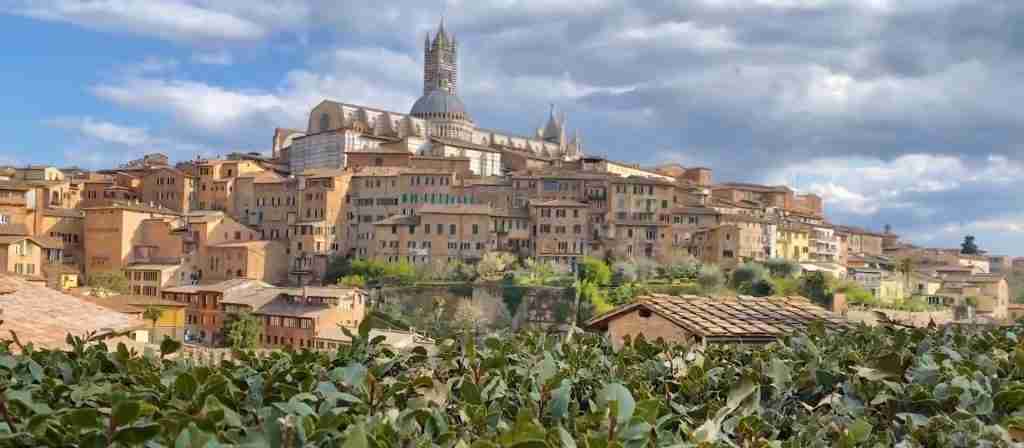
5 days
Siena 5-Day Highlights Experience
- ✓ Comprehensive Siena experience
- ✓ Expert local guides included
- ✓ All accommodation included
- ✓ Transportation provided

7 days
Siena 7-Day Cultural Journey
- ✓ Comprehensive Siena experience
- ✓ Expert local guides included
- ✓ All accommodation included
- ✓ Transportation provided
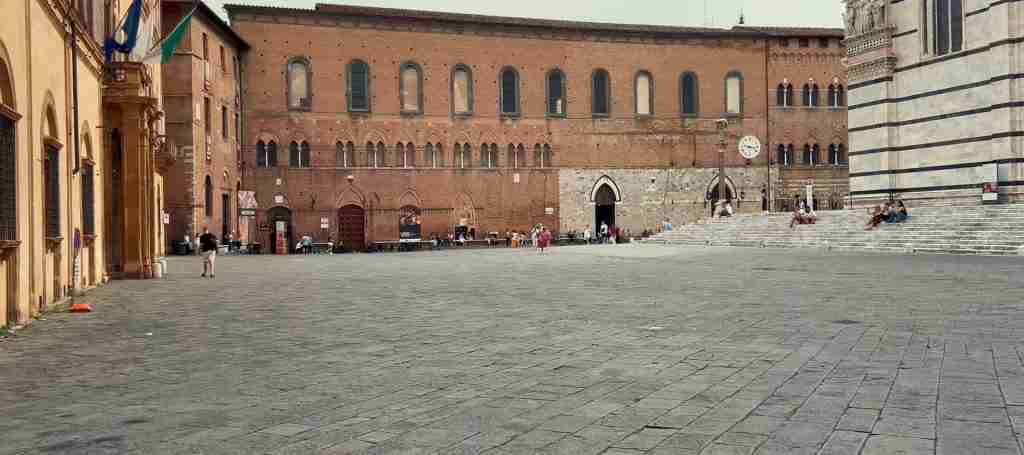
10 days
Siena 10-Day Complete Adventure
- ✓ Comprehensive Siena experience
- ✓ Expert local guides included
- ✓ All accommodation included
- ✓ Transportation provided
Multi-day tour packages powered by TourRadar. Prices and availability subject to change.
Introduction
Most visitors experience Chianti through a car window, stopping at two or three wineries on a loop between Florence and Siena before driving back out again. That approach misses the part of Chianti that rewards slower attention: an extensive, freely walkable trail network that the region’s own municipalities have spent years signposting and maintaining, a public bus system that can deposit a traveler at a trailhead for less than the cost of a sandwich, and a set of hamlets so small that most day-trip itineraries never mention them. This guide is built around movement on foot and by bike rather than movement by car, because that is where Chianti’s actual texture lives — in the half-hour between Greve and Montefioralle when the only sound is wind in the cypresses, or on the white road outside Castellina where Castello La Leccia appears on the hillside with no tour bus parked outside it.
What follows covers the official hiking network and its individual signposted routes around Greve, Castellina, Radda, and Gaiole; the guided walking, wine, and e-bike tours worth paying for versus the ones that duplicate what a free trail map already offers; the specific hamlets that reward a detour; verified 2026 transportation and accommodation costs broken into budget, mid-range, and luxury tiers; sample one-day and three-day itineraries; and the seasonal, packing, and safety considerations that make the difference between a pleasant Chianti walking day and a miserable one. Costs throughout are quoted in euros, since Italy uses the euro, and reflect a calculation already completed and verified before this guide was written rather than arithmetic shown on the page.
Understanding Chianti’s Tours and Walking Network in 2026
Chianti is not a single town but a hilly sub-region of central Tuscany straddling the provinces of Florence and Siena, anchored by Greve in Chianti, Castellina in Chianti, Radda in Chianti, Gaiole in Chianti, Panzano, San Casciano Val di Pesa, and Castelnuovo Berardenga. The terrain is a continuous alternation of vineyard-covered ridges and wooded valleys, with the highest point, Monte San Michele, reaching just under 900 meters. That topography is exactly what makes the region walkable in a way that flatter wine country is not: ridgelines offer long views across rows of Sangiovese vines toward Siena’s towers on clear days, and the valleys between them stay shaded and cool even in summer.
Three categories of movement cover almost everything a visitor will want to do here in 2026: walking the official, freely accessible trail network that links the main towns and hamlets; joining a guided experience, whether a wine-focused walking tour, a half-day minibus tour from Florence, or a private e-bike excursion; and self-guided cycling or e-biking on rented bikes along the same network of quiet provincial roads and white gravel tracks that the hiking trails use. None of these require advance planning weeks in advance, though the more popular guided wine experiences do sell out during the May-through-September peak season, and reserving a few days ahead is sensible.
What distinguishes Chianti from many other Tuscan hiking destinations is the density of waypoints. A walker is rarely more than an hour or two from a town with a café, a wine bar, or a bus stop, which means day hikes can be planned with real flexibility — shortening a route if the heat builds, or extending it to take in one more hamlet, without the logistical stakes of more remote Apennine trekking further north in the Garfagnana or in the Casentino hills.
Some background on the landscape itself helps explain why the area is organized the way it is. Chianti Classico, the historic core of the wider Chianti wine region, traces its formal boundaries to a 1716 edict issued by Grand Duke Cosimo III de’ Medici, an unusually early example of a regulated wine-production zone in European history. The Consorzio del Gallo Nero, the body that protects and promotes the historic Chianti Classico zone today, takes its name and its black rooster emblem — visible on bottle necks and on signage throughout the towns covered in this guide — from a local legend tied to a medieval boundary dispute between Florence and Siena. That long institutional history matters for walkers because it explains why trail infrastructure here feels more developed than in many comparable rural Italian wine regions: the same municipal bodies that regulate the wine appellation have, in recent years, also coordinated trail signage, maps, and difficulty grading across what would otherwise be seven separately administered municipalities with no shared standard.
The Official Chianti Classico Hiking Network in 2026
The Chianti Classico Hiking Network is an official, coordinated system of signposted trails maintained across the municipalities that make up the Chianti Classico wine appellation: Greve in Chianti, Castellina in Chianti, Radda in Chianti, Gaiole in Chianti, San Casciano Val di Pesa, Barberino Tavarnelle, and Castelnuovo Berardenga. Each trail can be walked freely with no entrance fee, following painted trail markers and signage at junctions. Routes are graded by difficulty along the lines of the Italian Alpine Club’s standard hiking scale, ranging from short, level paths suitable for casual visitors near town centers to longer routes over rougher terrain that call for proper hiking shoes and some fitness.
The network’s organizing logic is municipal: each town maintains its own set of local trails, which connect at the edges to trails maintained by neighboring municipalities, so a determined hiker can in principle walk between towns rather than driving between them. In practice, most visitors pick one or two trails near a single base rather than attempting a full multi-town traverse in a single trip, and that is the more realistic way to use the network on a short visit.
Trail information, including distance, elevation change, and an estimate of walking time, is published by the network and by regional tourism bodies, and is also extensively documented by outdoor recreation apps such as Wikiloc, Komoot, and AllTrails, where individual hikers upload GPS tracks and photographs from specific routes. Carrying a downloaded GPS track, rather than relying solely on physical signage, is worth doing on the longer or less-trafficked routes, since trail markers can be sparse in wooded sections and a missed turn can add an unplanned hour to a hike.
Best Walking Routes Around Greve in Chianti in 2026
Greve in Chianti, often called the gateway to Chianti for travelers coming from Florence, sits in a valley rather than on a hilltop like most of its neighbors, which makes it an unusually convenient walking base — trails climb away from town in several directions rather than requiring a drive to a trailhead first.
The Montefioralle ring trail is the signature short walk from Greve, covering approximately 8-10 kilometers on dirt paths and secondary roads in around two hours at a relaxed pace, with steady but manageable elevation change. It climbs to Montefioralle, a small fortified hilltop hamlet from the early 900s with stone houses and narrow lanes, and the birthplace of the explorer Amerigo Vespucci, whose family home along the main street still bears the family’s wasp-emblem coat of arms above the doorway. The trail is well-suited to families and casual walkers, and offers wide views back over the Greve valley.
A longer and more demanding option connects Greve to Panzano in Chianti, roughly 6 kilometers away as the crow flies but 10-14 kilometers by trail depending on the variant chosen, taking several hours and passing through forest and vineyard terrain with the chance to spot ancient Roman farmstead remains along the way. Carrying water is essential, since services along this stretch are limited.
For cyclists and e-bikers based in Greve, a popular loop runs from town along the Greve river to the hamlet of Lamole, then on to Panzano before returning via the provincial road past Poggio delle Lame, a route AllTrails lists at roughly 19.3 miles (about 31 kilometers) with significant elevation gain — by far the most strenuous single route in the immediate area, and one better suited to e-bikes or experienced road cyclists than to walkers.
Closer to town, the short circular walk around Greve’s own piazza and through the porticoed Piazza Matteotti — Greve’s triangular main square, lined on three sides by covered arcades sheltering shops, the historic Antica Macelleria Falorni butcher shop dating to 1729, and wine bars — costs nothing and takes under an hour, making it a natural bookend to a longer countryside walk.
Walking Routes Around Castellina, Radda, and Gaiole in Chianti in 2026
The Sienese side of Chianti — Castellina, Radda, and Gaiole — sits at slightly higher elevation than Greve and tends to draw a quieter crowd, which makes its trails feel less discovered even when they run close to well-known castles and estates.
From Castellina in Chianti, the circular route through Castello La Leccia and the historic estate of Lilliano covers approximately 11-12 kilometers and takes 3-4 hours at a steady pace, running mainly on white gravel roads and vineyard tracks with wide panoramas over the surrounding hills. Shade is limited on the exposed sections, so sun protection and water matter even on a moderate-distance walk like this one. Public transport connections to Castellina are less frequent than those to Greve, so travelers without a car should check bus timetables before planning a same-day return.
Around Radda in Chianti, the trail network is denser and more varied, with routes ranging from easy loops with minimal climbing to longer excursions that pass through the vineyards of small producers such as Monteraponi before climbing toward less-defined forest paths; hikers attempting the less-maintained stretches should expect some sections where the path is not as clearly marked as the main network trails, and a GPS track is genuinely useful here rather than optional.
Gaiole in Chianti offers one of the region’s most rewarding themed routes: a roughly 7.3-mile (11.7-kilometer) trail sometimes described locally as “Trekking Among the Castles,” which passes close to Castello di Meleto, a fortress first documented as a property of the Abbey of Coltibuono in the eleventh century before later passing to the Ricasoli family. The route requires good general fitness and roughly two hours of walking time for its shorter sections, extending to several hours for the full castle-to-castle variant.
A particularly memorable multi-hamlet route, documented by Tuscany’s official tourism authority as part of a longer three-day hiking itinerary, runs from the hamlet of Lecchi past the Osteria della Passera to the Rocca di Tornano, a quadrangular fortress that dates to approximately the year 1000 and today functions as a relais hotel, then continues through farmland near Castello di Cacchiano — from which, on the clearest days, the towers of Siena are visible in the distance — before descending past Monticello and Le Macie to the small stone hamlet of San Sano, which local accounts suggest may once have been fortified, though no detailed record of that fortification survives. This stretch is unhurried, lightly trafficked, and arguably the single best half-day walk in the Gaiole area for visitors who have already seen the marquee towns.
Hidden Trails and Lesser-Known Viewpoints in Chianti in 2026
Beyond the headline routes, Chianti’s network includes a number of quieter stretches that rarely appear in general-interest travel writing, largely because they do not pass directly through a famous town center.
Near San Donato in Poggio, a small walled village on the border between the Florentine and Sienese sides of Chianti, several short trails explore the Pesa river valley through olive groves, cypress-lined lanes, and patches of woodland, ranging from brief 5-kilometer walks to half-day itineraries. Public transport here is limited, so a car or e-bike is the more practical way to reach the trailhead, but the area is noticeably quieter than the Greve-Panzano corridor even in peak season.
Around Strada in Chianti, a small town that often gets bypassed entirely by visitors heading further south, looping trails pass three small lakes and the historic farmsteads of Castello di Cintoia and Castello di Sezzate, offering an easy, mostly flat walking option for travelers who want vineyard and woodland scenery without significant elevation gain.
For a genuinely strenuous full-day option, the Via dei Monti del Chianti route from San Polo to the summit area of Monte San Michele climbs to the highest point in the Chianti hills, with the most elevation gain of any documented trail in the immediate Greve area according to trail-tracking platform AllTrails. This is a route for experienced hikers in good condition rather than a casual afternoon walk, but it offers panoramic views unmatched by any of the lower-elevation routes.
Wine-country viewpoints worth seeking out specifically for the view rather than the destination include the stretch of trail above Vescine, near Monteraponi outside Radda, and the open ridge sections of the Castellina-Lilliano loop, both of which open onto long sightlines across rows of vines toward the next ridge of hills — the postcard image of Chianti that most visitors only see from a moving car window.
Secret Hamlets and Overlooked Villages Worth the Detour in 2026
Chianti’s main towns — Greve, Castellina, Radda, Panzano — see the bulk of day-trip traffic, but a short walk or drive from any of them reveals hamlets small enough that a single closed café can mean nobody else is around.
Volpaia, reached by a scenic descent from the high point near Badiaccia through forested valleys of century-old chestnut trees, is built almost entirely around a single fortified medieval complex amid vineyards and surrounding castles, and functions today as a working hamlet rather than a museum piece — visitors will find a working wine cellar, a small church, and narrow lanes with little commercial development. Vertine, a walled hilltop settlement a short walk from Radda in Chianti, offers a similarly compact, largely unrestored medieval core.
San Sano, already mentioned as a stop on the Lecchi-to-Gaiole walking route, is one of the better-preserved small stone hamlets in the region precisely because it has remained so lightly visited; its construction is notably uniform, built almost entirely from local stone.
Fonterutoli, along the ancient route that once connected the Etruscan cities of Vetulonia and Roselle to the Adriatic port of Spina, sits beside a small wooded area containing the Necropoli del Poggino, a sixth-century-BCE Etruscan necropolis of five burial chambers that remains freely and permanently accessible to visitors with no admission fee and no fixed opening hours.
Badia a Passignano, a fortified Vallombrosan abbey founded in 1049 just west of Greve, anchors one of Chianti’s most historically layered detours. The Antinori family, whose Florentine wine business traces its activity in the region to 1385 according to the estate’s own published history, has cultivated vineyards around the abbey for generations, and the refectory holds a Last Supper fresco attributed to Domenico Ghirlandaio and his workshop. The abbey can be visited with a pre-booked guided tour, typically combined with a wine tasting at the surrounding Antinori estate.
For travelers with an interest in archaeology rather than architecture, Cetamura del Chianti, a hilltop site near Gaiole that has been excavated by Florida State University’s Department of Classics since 1973 under field director Nancy de Grummond, has revealed Etruscan, Roman, and medieval occupation layers across more than five decades of work, including the remains of a twelfth-century Italian castle. A new museum, the Museum at the Origins of Chianti, opened in Gaiole in 2023 to display artifacts recovered from the site, and the excavation itself periodically welcomes visitors during its spring and summer field season.
Guided Walking and Wine Tasting Tours in Chianti in 2026
Guided experiences in Chianti fall into a few clear categories, each with its own price range and value proposition. Half-day winery tours from Florence, typically lasting 5 to 5.5 hours, combine round-trip coach transport with visits to two wineries and tastings of three to four wines per stop, usually paired with local snacks such as cheese, salami, and bread; these run in roughly the same band as standalone wine tastings, since the transport cost is built into a similar overall price.
Standalone wine tastings booked directly with individual estates average €47 per person in 2026 for an experience that includes both a cellar and vineyard tour and a guided tasting, with the typical range running €25-69 depending on the number of wines poured, whether food is included, and the prestige of the producer. Cellar tours without the educational vineyard component average slightly higher at €56, with the full range spanning €18 at the simplest end to €220 for the most exclusive single-estate experiences.
Genuinely walking-focused guided tours — as opposed to bus tours that happen to include a short stroll through a vineyard — are less common but do exist, typically organized by local guiding companies based in Greve, Radda, or Gaiole, and combine a few hours of walking on the official trail network with one or two tasting stops. These tend to be priced similarly to the standalone wine tasting figures above, since the walking itself adds time and context rather than significant additional cost.
Private tours with a dedicated driver-guide, which bundle transport, multiple winery visits, and often a multi-course lunch into a single booking, run considerably higher than the shared-group averages above, frequently exceeding €150-200 per person for a full day, reflecting the cost of exclusive access and a personalized itinerary rather than a fixed group schedule. Booking through a recognized marketplace or directly with an estate, rather than through an unverified third party, remains the more reliable way to confirm current pricing before committing.
E-Bike and Cycling Tours Through the Chianti Hills in 2026
Chianti’s combination of quiet provincial roads, gentle-to-moderate gradients on the white gravel “strade bianche,” and consistently good weather has made it one of the more established cycling destinations in Tuscany, frequented historically by professional cycling teams for training and by recreational e-bikers drawn to the assisted climbs.
Self-guided e-bike and bicycle rental is available from several outlets based in Greve and Gaiole, with rental rates starting from approximately €18 per day for the most basic options through dedicated apps that also provide curated GPS routes, and rising for higher-specification e-bikes or multi-day rentals; home delivery to accommodation outside the main towns is generally available for an additional per-kilometer fee. Renting independently gives the most schedule flexibility, but does mean navigating without a guide, even with an app-based route.
Guided full-day e-bike tours from Florence into Chianti, which include van transfer to the countryside starting point, a high-quality e-bike, helmet, English-speaking guide, and typically a wine and olive oil tasting, run approximately €140-180 per person in 2026 for a route that usually takes in Badia a Passignano, Montefioralle, and Greve or Panzano before returning to Florence by late afternoon. Multi-day e-bike tours connecting Florence to Siena over two or three days through Chianti, with overnight stays at countryside villas and luggage transfer included, are also available from specialist operators and represent a meaningfully different (and pricier) trip than a single day’s outing.
For visitors who prefer a motorized alternative without pedaling, scooter rental in the Greve area averages approximately €68 per day and motorcycle rental approximately €125 per day, both of which open up a wider radius of exploration than walking or cycling but trade away the slower, closer engagement with the landscape that the trail network is built for.
Multi-Day Walking and Cycling Itineraries in 2026
Travelers with three or more days available can string together the region’s best individual routes into a genuine multi-day journey rather than a series of disconnected day trips. A common structure starts in Greve, covers the Montefioralle ring trail or a Greve-Panzano walk on the first day, moves to a base in Radda or Gaiole for the second day to cover the castle-themed trails and the Lecchi-to-San Sano stretch, and finishes with a quieter day around Castellina or Fonterutoli before returning to Florence or continuing on to Siena.
Multi-day e-bike itineraries operated by specialist companies follow a similar logic but compress the geography into a continuous ride: a typical two-day Florence-to-Siena e-bike route covers Greve, Mercatale, and a stop in Panzano on day one, with an overnight stay at a countryside villa, before a second day descending through Radda and Gaiole — home of the historic L’Eroica vintage cycling event — and on to Siena, with luggage transfer and support van service included. A three-day variant extends the same concept along the historic Via Francigena pilgrimage route, adding a stop in the UNESCO-listed town of San Gimignano before reaching Siena.
For walkers rather than cyclists, the three-day hiking itinerary documented by Tuscany’s official tourism authority, which strings together the Lecchi-Rocca di Tornano-San Sano route with additional days around Cintoia and the Montagnola Senese area further south, offers a model for building a self-guided multi-day walk using nothing but the official trail network, a paper or digital trail map, and pre-booked accommodation at each overnight stop.
How Chianti’s Walking Network Compares to Other Tuscan Trails in 2026
Visitors weighing Chianti against other walking destinations in Tuscany benefit from understanding what makes its trail character distinct. The Via Francigena, the historic pilgrimage route running from Canterbury to Rome, passes directly through Chianti on its way between Florence and Siena, and several of the e-bike itineraries described above deliberately follow stretches of this ancient road; walkers who want a single, named long-distance route rather than a web of shorter local trails can use the Via Francigena’s well-documented stages through San Casciano, Tavarnelle, and onward toward San Gimignano and Siena as a backbone, with the Chianti Classico network’s shorter local trails available as detours along the way.
Further north, the Apuan Alps and the Garfagnana valley offer a genuinely different style of walking: steeper mountain terrain, marked CAI trails reaching well over 1,500 meters in elevation, and a more remote, less service-dense hiking experience overall. Travelers who have walked in the Garfagnana or in the Casentino hills east of Florence will find Chianti considerably gentler and more forgiving, with shorter distances between towns, more frequent opportunities to end a hike early if needed, and almost no genuine backcountry isolation — a meaningful difference for anyone choosing between a Chianti base and a more mountain-oriented Tuscan hiking trip.
Compared to the hiking infrastructure around better-known Tuscan hill towns such as San Gimignano or Montepulciano, Chianti’s network benefits from being coordinated across multiple municipalities rather than centered on a single town, which produces a denser overall mesh of trails even though no individual Chianti town matches the single-site fame of a San Gimignano. The practical result for a visitor planning a multi-day trip is that Chianti rewards staying in two or three different towns over the course of a week far more than most single-town Tuscan hill destinations do, since each base unlocks a genuinely different set of nearby trails rather than a slight variation on the same view.
Getting To and Around Chianti for Walking Tours in 2026
Florence is the natural gateway to Chianti for most international visitors, with Greve in Chianti reachable by the Autolinee Toscane 365 bus line from the Montelungo hub near Florence’s Santa Maria Novella train station; the journey takes approximately 55-60 minutes and costs €4-5 each way as of 2026, with tickets purchased via the Autolinee Toscane app or at a tobacconist before boarding, and validated on board. The same 365 line, in its extended routing, also serves Panzano, Radda in Chianti, and Gaiole in Chianti, making a car-free day trip from Florence to any of these towns realistic for a determined visitor willing to plan around the bus timetable.
By car, Greve sits approximately 30-32 minutes’ drive south of Florence along the scenic Chiantigiana road (SR 222), while Castellina, Radda, and Gaiole add another 20-40 minutes depending on the specific route taken. Rental car rates in Tuscany in 2026 average roughly €40-50 per day for a small economy car booked through a comparison platform, rising to €70-100 or more for a mid-size or premium vehicle, with significant seasonal variation — April tends to be the priciest month and November the cheapest. A car offers the most flexibility for reaching trailheads in the less bus-accessible parts of the region, such as the area around San Donato in Poggio or San Sano, but is not strictly necessary for a Greve- or Radda-based walking trip.
Within the towns themselves, walking is the only practical way to move, since most historic centers are pedestrianized or close to it; between towns, the same 365 bus line connects Greve, Panzano, Radda, and Gaiole, though service frequency drops outside the core daytime hours and is noticeably sparser on Sundays and holidays.
Daily Budget Breakdown for Touring Chianti in 2026
Costs below are expressed per person, per day, assuming two travelers sharing accommodation, with all room rates already divided in half before being combined with other daily expenses. Every figure is presented as a range rather than a single number, since accommodation quality, meal choices, and the number of paid activities booked on a given day all vary meaningfully even within the same budget tier.
Budget travelers relying on the free hiking network, regional buses, and modest agriturismo or B&B accommodation spend approximately €100-160 per person daily in 2026. This reflects budget room rates of roughly €85-130 per night split between two travelers, simple meals at trattorias and bakeries running €35-50 for the day, regional bus fares of €10-15, and an allowance of €15-30 for occasional paid extras such as the Castellina archaeological museum’s €9 admission or a single modest wine tasting.
Mid-range travelers combining a comfortable agriturismo stay with one guided wine tour or e-bike experience per day spend approximately €200-300 per person daily. This assumes mid-range accommodation at roughly €160-220 per night split two ways, more substantial meals including at least one dinner with wine running €55-80, a mix of bus travel and occasional taxi or private transfer at €20-35, and €45-75 for a guided wine tasting, e-bike rental, or similar paid activity.
Luxury travelers staying at premium countryside relais or boutique hotels with private guiding spend approximately €430-640 or more per person daily. This reflects luxury accommodation at roughly €350-500 per night split two ways, fine dining and wine-paired meals at €100-150, a premium or chauffeured vehicle at €45-70, and €110-170 for a private guided tour, exclusive wine tasting, or comparable bespoke experience.
These figures cover days spent actively touring and walking; days built entirely around relaxing at an accommodation’s own pool or restaurant will naturally run lower, since the activities component drops out almost entirely.
Sample One-Day and Three-Day Itineraries in 2026
A car-free one-day itinerary from Florence might begin with the early-morning 365 bus to Greve, arriving by mid-morning. After coffee in Piazza Matteotti, the Montefioralle ring trail fills the late morning and early afternoon, finishing back in Greve in time for a late lunch at a trattoria near the square — bus fare €4-5 each way, lunch around €18-25, and a stop at the Museum of Sacred Art for a few euros rounding out a low-cost but full day before catching the late-afternoon bus back to Florence.
A three-day itinerary based first in Greve and then in Radda might run as follows. Day one covers Greve and Montefioralle as above, with an overnight stay in Greve. Day two moves by bus or taxi to Radda in Chianti, with the afternoon spent walking out toward Vertine and back, followed by a guided wine tasting at a producer near Monteraponi (€25-69) and an overnight stay in or near Radda. Day three covers the Gaiole castle trail toward Castello di Meleto in the morning, followed by a taxi or short drive to Lecchi for the afternoon walk past the Rocca di Tornano to San Sano, before returning to Gaiole or onward to Siena by bus. Total costs for this three-day pattern, including two nights of mid-range accommodation, meals, one guided tasting, and local transport, land within the mid-range daily figures above multiplied across the three days, landing at approximately €600-900 per person for the full three days excluding any pre-existing Florence or Siena accommodation.
Best Months and Seasonal Considerations for Walking Chianti in 2026
Spring, from April through June, offers Chianti’s most comfortable walking conditions in 2026: daytime temperatures typically sit in a pleasant range for hiking, wildflowers and fresh vine growth make the landscape especially vivid, and the harvest-season crowds of late summer have not yet arrived. Early autumn, September and October, runs a close second, with the added appeal of the grape harvest itself visible in the vineyards and slightly cooler evenings than midsummer.
July and August bring consistent heat that makes midday walking genuinely uncomfortable and, on the more exposed white-road sections with little shade, potentially risky without adequate water and sun protection; an early-morning start, finishing the main walking by midday, is the standard local adaptation rather than an unusual precaution. Winter, from November through March, is the quietest season by far, with many smaller wineries and some restaurants reducing hours or closing for stretches, but the hiking trails themselves remain open and walkable on dry days, and the absence of crowds at hamlets like Volpaia or San Sano is its own reward for travelers willing to pack warmer layers.
Bus service frequency on the 365 line drops outside peak daytime hours year-round, and drops further on Sundays and Italian public holidays in every season, so checking the current Autolinee Toscane timetable before planning a car-free day, particularly in shoulder and winter months, is worth the few minutes it takes.
Local Food and Wine to Refuel After Walking in Chianti in 2026
A day spent on Chianti’s trails ends naturally at a trattoria table, and the region’s food culture is built specifically around what pairs well with its own Sangiovese-based wines. Cinta Senese prosciutto, made from a heritage breed of black-and-white pig native to the Sienese countryside, and Pecorino cheese served with local honey are standard starters at most trattorias in Greve, Radda, and Gaiole, and both are worth ordering as a way to taste the region’s pork and dairy traditions alongside its better-known wine. Bruschetta drizzled with peppery extra-virgin olive oil, often the estate’s own production if eaten at a winery restaurant, functions as the simplest possible introduction to Chianti’s olive oil, which carries its own DOP protection alongside the wine.
For a more substantial meal, Ribollita, a thick bread-and-vegetable soup built on leftover bread and seasonal greens, and Pappa al Pomodoro, a tomato-and-bread dish whose acidity is frequently noted as a natural match for the fruit and acidity of a young Chianti Classico Annata, both reflect the region’s historically frugal, ingredient-forward peasant cooking rather than the richer, meat-forward dishes more associated with Florence itself. Pici, a thick, hand-rolled pasta typical of the Sienese side of Chianti around Radda, Gaiole, and Castellina, is regularly served with a wild boar ragù or simply with garlic, olive oil, and breadcrumbs in the simpler “all’aglione” style.
Many wineries across the region, including several mentioned earlier in this guide, now pair their tastings directly with food rather than offering wine alone: a seated lunch or dinner format moving from lighter whites and starters through to the estate’s reserve Chianti Classico alongside a main course is increasingly the norm at the more established producers, and travelers planning a guided tasting as the centerpiece of a walking day should factor in two to three hours at the table rather than a quick twenty-minute stop. For walkers who prefer something lighter after a morning on the trail, the covered porticoes of Greve’s Piazza Matteotti and the wine bars in Radda’s and Castellina’s historic centers both offer simpler glass-and-snack options at a fraction of the cost and time commitment of a full tasting menu.
Money-Saving Strategies for Chianti Tours and Walks in 2026
The single largest cost lever in a Chianti walking trip is the choice between guided and self-guided activity. The official hiking network costs nothing to use, and a single well-chosen self-guided walk from Greve or Radda can fill an entire day for the price of bus fare and lunch, while a guided half-day wine tour from Florence can cost as much as several days of self-guided exploring. Mixing the two — one or two paid guided experiences across a multi-day trip, surrounded by free walking days — captures the educational and social value of a guide without paying for one every day.
Choosing the regional bus over a rental car for a Greve- or Radda-based trip removes both the daily rental cost and fuel, parking, and insurance considerations entirely, and at €4-5 per journey is difficult to beat on pure cost grounds for travelers based in or near Florence. For travelers who do want a car for flexibility, booking several days ahead and renting from a location slightly outside central Florence, rather than directly at the airport or train station, frequently returns a meaningfully lower daily rate.
Free and low-cost sights cluster more densely in Chianti than many visitors expect: the Montecalvario Etruscan tumulus and the Necropoli del Poggino at Fonterutoli are both freely accessible with no admission fee at any time, and the Castellina archaeological museum’s €9 full-price admission is modest relative to most regional museums. Building a day around several of these free or near-free stops, with a single paid wine tasting or guided activity as the day’s one splurge, keeps costs controlled without sacrificing the experiences that justify the trip.
Hidden Costs and Practical Booking Tips in 2026
Wine tasting prices quoted by individual estates and marketplaces typically cover the tasting and any accompanying snacks, but not always lunch, which can add €20-40 per person if a seated meal is included rather than a light pairing of bread, cheese, and cured meats. Confirming exactly what is included before booking, particularly for the higher-priced “experience” tastings, avoids an unwelcome surprise at checkout.
Bike and e-bike rental from independent shops generally includes a helmet, repair kit, and route suggestions in the base price, but home delivery to accommodation outside the rental shop’s immediate town — common for travelers staying at a countryside agriturismo rather than in a town center — typically carries an additional per-kilometer delivery fee, which is worth calculating in advance if the accommodation sits some distance from Greve or Gaiole.
Guided tour cancellation policies vary by operator, but many of the wine tour and e-bike tour marketplaces referenced in this guide offer free cancellation up to 24 hours before the start time, which is worth confirming and using as a hedge against Tuscany’s occasional sudden weather changes rather than booking a non-refundable rate purely to save a few euros.
Museum and archaeological site opening hours in smaller Chianti towns shift seasonally and sometimes close for several weeks in deep winter for maintenance; the Castellina archaeological museum, for instance, observes a seasonal winter closure period, so confirming current hours directly with the relevant municipal tourism office before a planned visit, particularly outside the May-through-September peak, prevents a wasted detour.
Choosing the Right Experience for Different Traveler Types in 2026
First-time visitors with limited time are generally best served by basing themselves in Greve, where the bus connection from Florence is most frequent, the Montefioralle ring trail offers an easy and rewarding introduction to the landscape, and a single guided half-day wine tour can be booked locally without advance planning from home.
Serious hikers and cyclists should look toward Radda and Gaiole, where the trail network includes the more demanding routes — the Via dei Monti del Chianti toward Monte San Michele, the full castle-to-castle Gaiole route, and the Lecchi-to-San Sano stretch — and where a multi-day e-bike or hiking itinerary connecting toward Siena makes the most geographic sense.
Families with children are well-suited to the shorter, flatter routes: the Montefioralle ring trail and the Strada in Chianti lake loop both keep elevation gain modest and total distance manageable for younger walkers, while the freely accessible Montecalvario tumulus and Fonterutoli necropolis offer no-cost historical stops that do not require a long museum visit to hold a child’s attention.
Wine-focused travelers with less interest in walking for its own sake will get the most value from booking one or two higher-end guided tastings at well-regarded estates near Greve or Panzano, such as those around Badia a Passignano, and treating the trail network as a scenic backdrop for shorter strolls between tastings rather than as the centerpiece of the trip.
Budget-conscious solo travelers benefit most directly from the bus network and the free trail system, since neither requires splitting a rental car cost or a guided tour’s per-person rate across a group, and a single traveler can move through Greve, Radda, and Gaiole entirely by bus and on foot for a fraction of what a couple booking private guided tours would spend.
What to Pack and Safety Tips for Walking in Chianti in 2026
Sturdy walking shoes with good grip matter more in Chianti than the gentle hill profile might suggest, since several of the most popular routes run on loose gravel or uneven dirt tracks that become slippery after rain; trail running shoes or light hiking boots are a better choice than sandals or fashion sneakers for anything beyond a short town walk. A refillable water bottle is essential, since several of the longer routes — the Greve-Panzano stretch and the Lecchi-to-San Sano walk in particular — pass through long sections with no shops, fountains, or services.
Sun protection deserves more attention than many visitors expect, particularly on the exposed white-road sections of the Castellina-Lilliano loop and the open ridge near Vescine, where shade is genuinely scarce for long stretches; a hat, sunscreen, and sunglasses are worth packing even for a hike planned in the cooler shoulder seasons. Hikers using gates to pass between farm fields, a common feature on several of the local trails to keep deer and wild boar away from cultivated vines, should always close the gate behind them, a point repeatedly noted by local hikers on trail-sharing platforms.
Mobile phone signal is generally reliable across the more popular trails near Greve, Radda, and Gaiole, but downloading an offline GPS track before setting out — through Wikiloc, Komoot, or AllTrails — remains good practice on the longer or less-trafficked routes, where official trail markers can be sparse in densely wooded sections. Layered clothing is advisable in spring and autumn, when morning temperatures in the hills can be noticeably cooler than the same afternoon’s high.
Wild boar are a genuine, if usually distant, presence in Chianti’s woodlands, and several local hikers note encountering them along forest stretches of the Greve-area trails, typically at dawn or dusk rather than during the middle of the day; boar generally avoid contact with walkers and the standard local advice is simply to make some noise on entering thick woodland and to give any animal encountered a wide berth rather than approaching. Hunting season in the surrounding countryside, which in Tuscany generally runs through the autumn and into early winter months, occasionally brings hunters into wooded areas adjacent to marked trails; wearing visible colors during this period and staying on the marked path is sensible, though the well-used trails described in this guide are not closed to walkers during hunting season.
Many of the routes around Castellina and Lilliano, and several of the loops near Greve, pass directly through working vineyards and olive groves rather than around them, so respecting field boundaries, staying on the marked track rather than cutting across rows of vines, and leaving any farm gate exactly as found — open if found open, closed if found closed — are basic courtesies that local hiking guides repeatedly emphasize, since these are working agricultural businesses rather than parkland set aside purely for recreation.
Frequently Asked Questions
Do I need a car to explore Chianti’s walking trails in 2026?
No, a car is not strictly necessary for a Chianti walking trip in 2026, since the Autolinee Toscane 365 bus line connects Florence to Greve, Panzano, Radda, and Gaiole for €4-5 per journey, and the official hiking network includes trailheads reachable on foot directly from those town centers. A car becomes more useful for reaching less bus-accessible trailheads, such as those near San Donato in Poggio or San Sano, or for travelers planning to cover several towns in a single day rather than basing themselves in one place.
What is the Chianti Classico Hiking Network?
The Chianti Classico Hiking Network is a coordinated system of signposted, freely walkable trails maintained by the municipalities that make up the Chianti Classico wine appellation, including Greve in Chianti, Castellina in Chianti, Radda in Chianti, Gaiole in Chianti, San Casciano Val di Pesa, Barberino Tavarnelle, and Castelnuovo Berardenga. Each municipality maintains its own local trails, which connect at the boundaries with routes maintained by neighboring towns, and trails are graded for difficulty along lines similar to the Italian Alpine Club’s standard hiking scale.
How long does it take to walk the Montefioralle ring trail?
The Montefioralle ring trail from Greve in Chianti covers approximately 8-10 kilometers and takes around two hours to complete at a relaxed walking pace, with steady but manageable elevation change on dirt paths and secondary roads. It is one of the more accessible routes in the region and is regularly recommended for families and casual walkers.
Are Chianti’s hiking trails suitable for families?
Many of Chianti’s trails are well-suited to families with children, particularly the Montefioralle ring trail from Greve and the flatter loop trails around Strada in Chianti, both of which keep total distance and elevation gain modest. More demanding routes, such as the Via dei Monti del Chianti toward Monte San Michele or the full castle-to-castle trail near Gaiole, are better suited to older children and adults with reasonable fitness, given their length and elevation change.
What is the best time of year to walk in Chianti in 2026?
Spring, from April through June, and early autumn, in September and October, offer the most comfortable walking conditions in Chianti in 2026, with moderate temperatures and, in autumn, the added interest of the grape harvest underway in the vineyards. July and August bring heat that makes midday walking uncomfortable on the more exposed trail sections, while winter remains walkable on dry days but sees reduced opening hours at smaller wineries and museums.
How much does a guided e-bike tour of Chianti cost in 2026?
A guided full-day e-bike tour from Florence into Chianti, including van transfer, e-bike rental, helmet, an English-speaking guide, and typically a wine and olive oil tasting, costs approximately €140-180 per person in 2026. Self-guided e-bike rental without a guide starts from approximately €18 per day through outlets based in Greve and Gaiole, with higher rates for premium e-bikes or multi-day rentals.
Can I visit Chianti on a day trip from Florence in 2026?
Yes, Chianti is a realistic day trip from Florence in 2026, whether by regional bus, which reaches Greve in approximately 55-60 minutes for €4-5 each way, or by rental car, which reaches Greve in around 30-32 minutes via the Chiantigiana road. A single day allows comfortable time for one substantial walking route, such as the Montefioralle ring trail, combined with lunch and a stop in the main square, though reaching the more distant towns of Radda or Gaiole and back in a single day leaves less time for walking once travel time is accounted for.
What should I pack for a walking trip to Chianti?
Sturdy walking shoes with good grip, a refillable water bottle, sun protection including a hat and sunscreen, and layered clothing for cooler mornings are the essentials for walking in Chianti in any season in 2026. A downloaded offline GPS track from an app such as Wikiloc, Komoot, or AllTrails is worth carrying on the longer or less-trafficked routes, where official trail signage can be sparse in wooded sections.
Are there free things to do while touring Chianti in 2026?
Yes, several of Chianti’s most rewarding stops cost nothing to visit in 2026, including the entire official hiking network, the Montecalvario Etruscan tumulus near Castellina, and the Necropoli del Poggino at Fonterutoli, both of which remain freely and permanently accessible. Walking through hamlets such as Volpaia, Vertine, and San Sano also carries no admission cost, since these are functioning small settlements rather than ticketed sites.
How do I get to Castellina, Radda, and Gaiole without driving in 2026?
The Autolinee Toscane 365 bus line, in its extended routing, connects Florence to Greve, Panzano, Radda in Chianti, and Gaiole in Chianti, with fares of €4-5 per journey depending on distance traveled in 2026. Service frequency is lower than within Florence itself and drops further on Sundays and public holidays, so checking the current timetable through the Autolinee Toscane app or website before planning a car-free day to the more distant Sienese-side towns is worthwhile.