Chania Travel Guide 2026: Venetian Harbor & Old Town
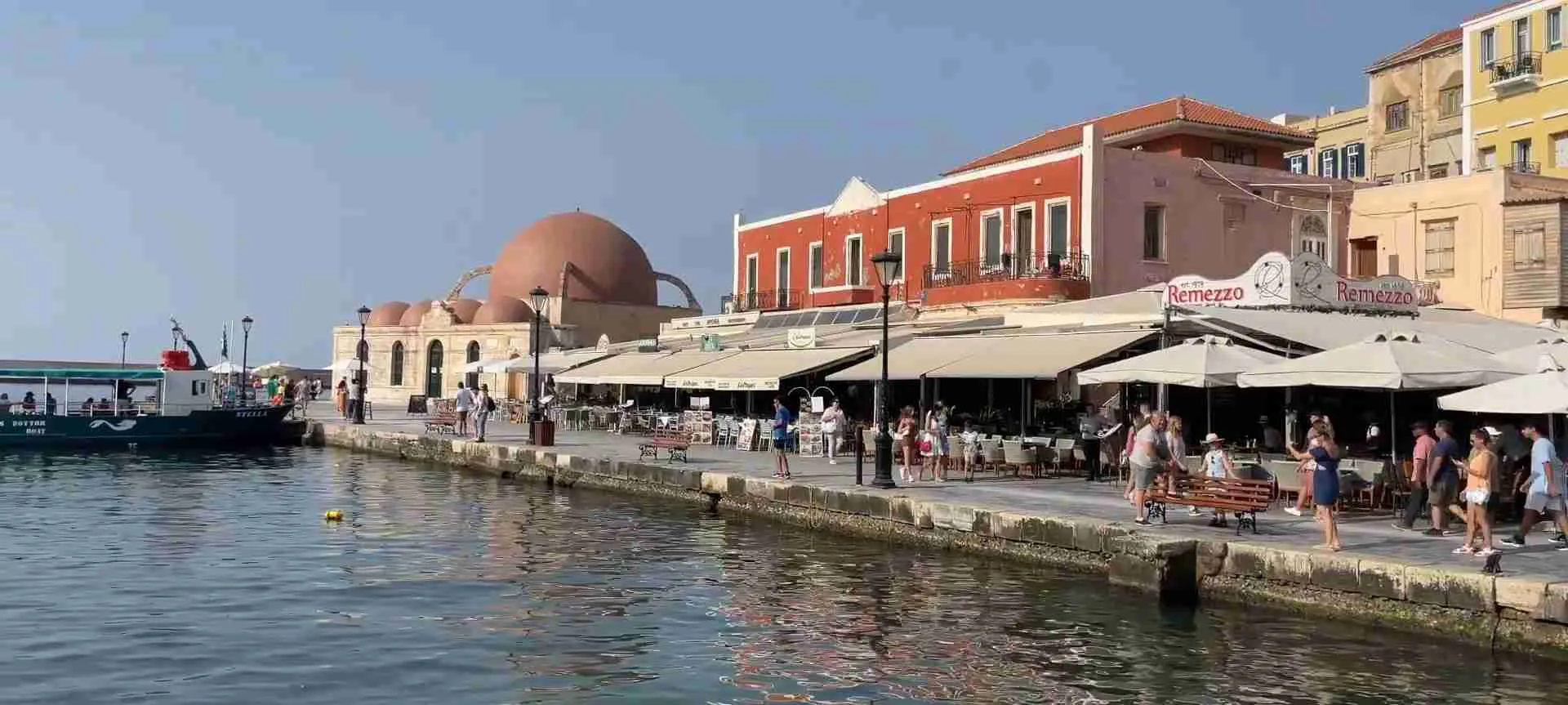
Chania’s Old Town wraps around one of the Mediterranean’s most photographed harbors, where 700-year-old Venetian architecture blends with Ottoman mosques and pastel-colored townhouses creating Greece’s most atmospheric historic quarter. The 21-meter Egyptian lighthouse marks the harbor entrance alongside Firkas Fortress, while behind the waterfront promenade, narrow pedestrian lanes wind through four distinct neighborhoods—Kastelli, Topanas, Splantzia, and Evraiki—each preserving unique architectural character from centuries of Venetian, Ottoman, and Greek heritage worth 2-4 days of focused exploration in 2026.
Key Takeaways for Chania Old Town 2026
- Venetian Harbor forms the photogenic heart with waterfront restaurants, lighthouse walks, and sunset viewing platforms creating Instagram-perfect settings best experienced during early morning hours (7:00-9:00 AM) or golden hour evenings (6:00-9:00 PM) avoiding midday crowds
- Old Town accommodation ranges €66-257 nightly for converted Venetian mansions and boutique hotels requiring luggage transport on foot through pedestrian lanes 200-500 meters from parking areas, trading vehicle convenience for historic atmosphere
- Dining costs span budget gyros (€3-7), mid-range tavernas (€15-25 per person), and upscale harbor restaurants (€30-50 per person), with best value found in backstreet neighborhoods away from prime waterfront positioning
- Walking constitutes the sole Old Town navigation method as pedestrianized lanes prohibit vehicles, with 2-3 hour self-guided routes covering main attractions though multi-day stays reveal hidden courtyards, artisan workshops, and neighborhood tavernas invisible to day visitors
- Museums including Maritime Museum (€2-6), Archaeological Museum (€15), and free Greek Football Museum provide cultural depth beyond architectural photography, requiring 3-4 hours combined for comprehensive visits
- Nearby beaches including Nea Chora (15-minute walk west) and Koum Kapi (10-minute walk east) enable swimming breaks from sightseeing without requiring transportation beyond Old Town base
People Also Ask About Chania Old Town 2026
How Many Days Do You Need in Chania Old Town in 2026?
Two to three days provides ideal timing for Chania Old Town exploration in 2026, allowing first-day orientation through Venetian Harbor waterfront walks and main neighborhood discovery, second-day museum visits and beach time combining culture with relaxation, and optional third-day deeper neighborhood immersion discovering artisan workshops, local markets, and residential areas invisible during rushed day visits. Single-day visitors accomplish surface-level highlights including lighthouse walks, harbor photography, and lunch at waterfront tavernas, but miss the Old Town’s essential character revealing itself through evening ambiance when locals emerge for promenades, sunset lighting transforms building facades, and harbor restaurants fill with animated Greek conversation. Week-long Chania stays enable Old Town as living base rather than tourist attraction, developing favorite breakfast cafes, recognizing neighborhood shopkeepers, and understanding daily rhythms separating resident life from visitor experiences.
Is Chania Old Town Walkable or Do I Need Transportation in 2026?
Chania Old Town requires exclusive walking as narrow pedestrianized lanes prohibit vehicles throughout the historic quarter, with complete exploration possible within compact 800-meter east-west and 400-meter north-south boundaries taking 15-20 minutes to cross at leisurely pace. The car-free environment creates peaceful strolling without traffic concerns, though cobblestone paving and occasional staircases challenge mobility-limited visitors requiring assistance navigating uneven surfaces. Luggage transport to Old Town hotels demands wheeled suitcases manageable on cobblestones or porter services some properties offer, as vehicle access terminates at historic district perimeter requiring 100-500 meter walks to specific accommodations. Taxis and rental cars serve arrivals and departures from parking zones surrounding Old Town including Souda Road lots and Municipal Market area, with 10-15 minute walks typical between parking and central harbor locations. The walkable scale proves ideal for exploration without time pressure, enabling spontaneous detours down intriguing alleyways and unhurried discovery of hidden courtyards impossible when rushing between distant attractions.
Where Should I Stay in Chania in 2026: Old Town or Beach Areas?
Old Town accommodation maximizes atmospheric historic character and walking convenience to restaurants, museums, and harbor promenades, costing €66-257 nightly for renovated Venetian mansions and boutique hotels occupying 400-600 year old buildings with exposed stone walls, wooden beam ceilings, and harbor or neighborhood views. These properties deliver authentic Chania experiences through architectural charm and evening ambiance but require luggage transport challenges, occasional noise from harbor nightlife, and premium pricing reflecting prime locations and limited inventory in protected historic buildings. Beach area alternatives 2-5 kilometers west at Agia Marina, Platanias, and Gerani provide modern resort hotels (€80-180 nightly) with swimming pools, organized beach facilities, parking convenience, and family-friendly amenities, sacrificing Old Town atmosphere for self-contained vacation comfort and easier vehicle access. The decision balances cultural immersion against relaxation priorities, with many visitors choosing hybrid strategies—Old Town for 2-3 nights experiencing evening harbor magic plus beach resort for 3-4 nights enabling pool relaxation and easy day trip departures to Samaria Gorge or western Crete beaches.
What Are the Best Restaurants in Chania Old Town in 2026?
Chania Old Town restaurants divide between prime harbor locations emphasizing views and ambiance at €25-50 per person, and hidden backstreet tavernas delivering superior value at €15-25 per person where locals outnumber tourists and family recipes matter more than waterfront real estate. Top-rated establishments include Tamam Restaurant in converted Turkish bathhouse serving contemporary Cretan cuisine (€20-35 per person), To Maridaki in Splantzia neighborhood offering fresh daily-catch seafood at remarkable value (€15-25 per person with generous portions), and Pallas on harbor offering refined modern Greek with sunset views (€30-50 per person). Budget options include Iordanis Bougatsa bakery serving traditional cheese and custard pies (€3-5), numerous gyro stands (€3-7 for filling wraps), and daily-special tavernas throughout residential neighborhoods where €10-15 buys complete meals with salad, main, and house wine. Restaurant selection strategies prioritize backstreet locations over prime harbor positioning for value, seek establishments serving local clientele indicating authentic cooking over tourist-oriented venues, and avoid aggressive touts recruiting sidewalk diners as quality restaurants require no such tactics attracting customers through reputation and word-of-mouth recommendations.
Extended multi-day tours – 5+ days
Featured Crete Multi-Day Tour Packages
3 days
Crete 3-Day Discovery Tour
- ✓ Comprehensive Crete experience
- ✓ Expert local guides included
- ✓ All accommodation included
- ✓ Transportation provided

5 days
Crete 5-Day Highlights Experience
- ✓ Comprehensive Crete experience
- ✓ Expert local guides included
- ✓ All accommodation included
- ✓ Transportation provided

7 days
Crete 7-Day Cultural Journey
- ✓ Comprehensive Crete experience
- ✓ Expert local guides included
- ✓ All accommodation included
- ✓ Transportation provided

10 days
Crete 10-Day Complete Adventure
- ✓ Comprehensive Crete experience
- ✓ Expert local guides included
- ✓ All accommodation included
- ✓ Transportation provided
Multi-day tour packages powered by TourRadar. Prices and availability subject to change.
Introduction to Chania Old Town and Venetian Harbor 2026
Chania Old Town occupies Greece’s northwestern Crete coast where centuries of Venetian rule (1252-1645) created Mediterranean port architecture rivaling Venice itself, followed by Ottoman period (1645-1898) adding mosque minarets and hammams to the Venetian streetscape, culminating in modern Greek restoration preserving this unique architectural fusion as Crete’s most photogenic destination. The Venetian Harbor serves as visual centerpiece where 14th-century breakwaters embrace fishing boats and yachts, colorful building facades reflect in calm morning waters, and the Egyptian Lighthouse stands sentinel at the western mole providing Chania’s iconic postcard image photographed by every visitor. Behind the harbor promenade, four historic neighborhoods reveal distinct characters—Kastelli’s ancient foundations and archaeological remains, Topanas’s Venetian mansions and romantic lanes, Splantzia’s working-class authenticity and locals-oriented tavernas, and Evraiki’s former Jewish Quarter now housing boutique hotels and artisan workshops.
The 2026 tourism infrastructure reflects Chania’s status as western Crete’s cultural capital and main visitor destination, with Old Town hotels occupying restored mansions, sophisticated restaurants elevating Cretan cuisine beyond rustic taverna stereotypes, and pedestrianized streets creating car-free zones where strolling constitutes the sole transportation method. Unlike mass-tourism beach resorts dominating eastern Crete coast, Chania attracts culturally-focused travelers, architecture enthusiasts, foodie pilgrims, and couples seeking romantic getaway atmospheres through harbor sunsets, candlelit dinners, and boutique accommodation character impossible in standardized hotel chains. The tourism season extends March-November with peak crowds July-August when European summer holidays fill hotels and restaurants, shoulder periods May-June and September-October delivering optimal conditions combining warm weather, operational services, and manageable visitor numbers, and winter months November-March seeing dramatic reductions in tourist presence revealing authentic local life as international visitors depart.
Chania’s positioning as day-trip base enables western Crete exploration including Samaria Gorge hiking (1 hour south), Balos Beach boat tours (45 kilometers northwest), Elafonisi pink sand beaches (75 kilometers southwest), and traditional mountain villages throughout White Mountains. The Old Town itself provides 2-4 days of focused attractions through museum visits, neighborhood walks, beach time at adjacent Nea Chora and Koum Kapi, restaurant diversity sampling Cretan specialties from boureki (cheese and zucchini pie) to fresh seafood landed daily at harbor, and evening entertainment ranging from harbor-view cocktails to live music tavernas to simple promenades watching sunset transform limestone facades into golden warmth. First-time visitors often underestimate Chania’s appeal planning single overnight stays, then extend reservations discovering the Old Town’s addictive character where rushed sightseeing gives way to relaxed immersion in Greek island pace impossible during brief visits.
The architectural preservation regulations protecting Old Town character create unique accommodation experiences where 15th-century Venetian townhouses become boutique hotels maintaining original stone walls, wooden ceilings, and courtyard layouts while adding modern bathrooms, air conditioning, and WiFi connectivity. These converted properties number approximately 50-80 throughout the historic quarter, occupying prime positioning steps from harbor or nestled in quiet residential lanes away from tourist thoroughfares. Booking timing proves critical during peak season when most desirable Old Town hotels sell out 2-3 months ahead requiring advance planning for July-August visits, while shoulder season (May-June, September-October) offers last-minute availability though still benefits from 4-6 week advance reservations securing preferred properties. Budget travelers find limited Old Town options as historic building conversion costs and small room counts drive pricing toward mid-range and luxury categories, with economical stays better served by neighborhoods surrounding historic quarter where modern construction allows larger properties with budget-friendly rates.
Venetian Harbor Highlights and Lighthouse Walk 2026
The Venetian Harbor stretches along three waterfront avenues—Akti Kountourioti, Akti Tombazi, and Akti Enoseos—forming U-shaped embrace of the inner harbor where fishing boats, yachts, and tour vessels moor beneath pastel building facades housing restaurants, cafes, and shops. Morning hours (7:00-9:00 AM) deliver photographer-perfect conditions when calm waters mirror building reflections, fishing boats unload overnight catches, and soft golden light illuminates eastern facades without harsh midday shadows or tourist crowds. The harbor promenade enables leisurely 30-minute complete circuit from Firkas Fortress at western end to Halepa district at eastern end, with strategic stopping points at outdoor cafes offering front-row harbor views for coffee breaks, people-watching, and extended photo sessions. Restaurant tables line the entire waterfront creating continuous dining ribbon where meal selection matters less than ambiance selection—sunset positions facing west toward lighthouse, romantic corner tables, family-friendly spaces, or lively central locations depending on dining priorities.
Egyptian Lighthouse Access and Photography 2026
The 21-meter Egyptian Lighthouse marks the harbor’s western entrance at the terminus of stone breakwater extending 400 meters from Firkas Fortress, accessible via walking path along Venetian walls requiring 15-20 minutes from harbor center through full sun exposure demanding sunscreen, sun hats, and water bottles during warm months. The lighthouse interior remains closed to public entry limiting visits to exterior photography and base area exploration, though the breakwater walk itself provides evolving harbor panoramas as perspective shifts from waterfront buildings to fishing vessel forest to open sea views. Photography opportunities multiply throughout the day—morning eastern light illuminating the lighthouse tower, midday dramatic Mediterranean blue contrasts, golden hour backlighting creating silhouette compositions, and twilight blue hour when lighthouse illumination activates creating romantic ambiance. The free access and iconic status make lighthouse walks obligatory for every Chania visitor, though early morning or late afternoon timing proves essential avoiding midday heat and peak tourist density when hundreds simultaneously crowd the narrow breakwater path.
Strategic photography positions include Firkas Fortress ramparts offering elevated lighthouse views framing harbor context, eastern harbor promenade capturing lighthouse from distance with foreground fishing boats, breakwater halfway point providing intimate lighthouse portraits, and various harbor-side restaurant terraces incorporating lighthouse into dining atmosphere shots. The lighthouse’s distinctive 16-sided minaret-style middle section reflects Egyptian restoration period (1839) following Ottoman neglect, creating unique architectural character distinguishing Chania’s beacon from typical cylindrical lighthouse designs common throughout Mediterranean. Sunset timing aligns perfectly with lighthouse walks as golden hour transitions to twilight illuminate both the structure and surrounding harbor creating ideal conditions for romantic evening strolls completing dinner at waterfront tavernas. The lighthouse has become so iconic to Chania identity that virtually every Old Town hotel, restaurant, and tourism business incorporates lighthouse imagery into marketing materials, postcards, and social media posts maintaining 400 years after original Venetian construction.
Firkas Fortress and Maritime Museum 2026
Firkas Fortress occupies the harbor’s western end where Venetian military architecture created defensive position protecting the port from Ottoman naval attacks during 16th-17th century Mediterranean conflicts. The fortress now houses the Maritime Museum of Crete charging €2-6 admission for single-hall exhibition displaying ship models, navigation instruments, naval warfare artifacts, and historical documentation of Crete’s maritime heritage from ancient through modern periods. The modest collection requires 30-45 minutes for complete viewing though architectural interest in fortress ramparts and panoramic harbor views from defensive walls justify visits beyond pure museum content. The strategic positioning enables combination visits pairing Maritime Museum cultural experience with lighthouse walk exercise and harbor promenade dining in efficient 2-3 hour waterfront itinerary. Free fortress rampart access provides elevated photography platforms overlooking entire harbor sweep, with western walls facing sunset particularly popular for golden hour sessions as departing sunlight paints waterfront buildings in warm tones.
Old Town Neighborhoods and Walking Routes 2026
Chania Old Town divides into four historic neighborhoods each maintaining distinct character from centuries of development under different ruling periods and economic functions. Kastelli occupies the harbor’s eastern hill where Bronze Age Minoan settlement preceded Venetian fortification, now containing archaeological sites, upscale hotels in restored mansions, and quiet residential character appealing to visitors seeking peaceful stays steps from harbor action. Topanas spreads west from harbor through narrow lanes lined with Venetian townhouses, artisan workshops, boutique hotels, and romantic tavernas creating the Old Town’s most photographed neighborhood with overhanging flower baskets, pastel facades, and intimate courtyard glimpses. Splantzia extends inland from eastern harbor as historically working-class neighborhood retaining authentic local character through residential population, neighborhood tavernas serving Greeks not tourists, and central square functioning as community gathering point rather than visitor attraction. Evraiki (Jewish Quarter) occupies southeastern section where Ottoman-era Jewish community thrived until World War II deportations, now preserving restored synagogue, memorial sites, and transformed residential buildings housing contemporary hotels and restaurants.
Self-Guided Walking Tour Route 2026
A comprehensive Old Town walking tour begins at Venetian Harbor’s central plaza near the Janissaries Mosque (Küçük Hassan Pasha Mosque), proceeds west along harbor promenade to Firkas Fortress and lighthouse breakwater (30 minutes), returns east along backstreet lanes through Topanas neighborhood discovering artisan workshops and hidden courtyards (45 minutes), continues through Splantzia Square for coffee break at traditional kafeneion (30 minutes including rest), explores Evraiki district’s restored buildings and memorial sites (30 minutes), and concludes at Municipal Market where local life centers around produce vendors, butchers, and food stalls (30 minutes). Total walking time spans 2.5-3 hours excluding museum visits, meal breaks, and photography stops that typically extend exploration to 4-6 hours for thorough experiences. The route flows naturally following harbor waterfront before cutting inland through residential areas, ensuring logical progression without backtracking or confusing navigation through maze-like lanes.
Strategic rest stops include waterfront cafes for harbor-view coffee breaks (€3-5 for Greek coffee or cappuccino), Splantzia Square tavernas for mid-exploration lunch (€12-20 per person for substantial meals), and Municipal Market’s internal cafes offering local atmosphere and people-watching opportunities. The walking route’s flat terrain with occasional staircases accommodates most fitness levels though cobblestone paving requires comfortable walking shoes and careful footing avoiding ankle twists on uneven surfaces. Printed maps prove unnecessary as compact Old Town dimensions and harbor orientation prevent serious disorientation, though smartphone mapping provides reassurance for directionally-challenged visitors and enables marking favorite discoveries for return visits. The pedestrianized environment eliminates traffic concerns allowing relaxed wandering without vehicle awareness, though bicycle traffic in some lanes requires peripheral vision maintaining safety sharing narrow passages with cyclists navigating between pedestrians.
Hidden Courtyards and Photo Opportunities 2026
Chania’s most atmospheric photography locations exist beyond obvious harbor waterfront through hidden courtyards, flower-draped balconies, and architectural details rewarding explorers wandering backstreet lanes with cameras ready. Topanas neighborhood specifically provides Instagram-worthy scenarios where bougainvillea cascades over Venetian doorways, cats sleep on sun-warmed stone steps, and weathered wooden shutters frame colorful facades creating romantic Mediterranean aesthetic. Strategic photography timing prioritizes morning hours (8:00-10:00 AM) when soft directional light illuminates building facades without harsh shadows or tourist crowds blocking compositions, and late afternoon golden hour (5:00-7:00 PM) when warm tones enhance pastel colors and longer shadows add dimensional interest. The compact Old Town rewards multiple passes through same areas at different times revealing how changing light transforms identical locations from pleasant to spectacular as sun angles shift throughout day.
Specific photography hotspots include Zambeliou Street’s colorful doorways and hanging flower baskets, Theotokopoulou Street’s Venetian architecture and artisan workshops, Splantzia Square’s plane tree and surrounding tavernas capturing local life, Kondilaki Street’s boutique shops and renovated mansions, and countless unnamed side lanes where spontaneous discoveries often surpass planned locations. Residential courtyard glimpses visible through open doorways provide private world peeks into Chanian domestic life where potted plants, laundry lines, and family dining tables occupy shared spaces maintaining community traditions impossible in modern apartment complexes. Photography etiquette respects resident privacy avoiding intrusive shooting into private spaces, obtaining permission before photographing individuals at close range, and maintaining awareness that Old Town remains living neighborhood not outdoor museum staged for tourist cameras.
Museums and Cultural Attractions in Chania 2026
Chania’s museum circuit provides cultural depth beyond architectural appreciation and harbor photography, requiring 4-6 hours combined for comprehensive visits across multiple institutions. The Archaeological Museum occupies modern purpose-built facility 2 kilometers from Old Town center (15-minute drive, 30-minute walk) displaying artifacts spanning Neolithic through Roman periods with particular strength in Minoan civilization materials including pottery, jewelry, tools, and frescoes excavated from western Crete sites. Admission costs €15 (half-price €7.50 November-March though inconsistently applied requiring verification at ticket desk), with 1.5-2 hours recommended for complete viewing of well-curated exhibitions explaining Crete’s ancient history through interpretive panels, multimedia presentations, and chronologically-organized galleries. The modern construction provides climate-controlled comfort, accessible facilities, free parking, and rooftop cafe with Chania views creating pleasant museum experience superior to older cramped facilities common in Greek archaeological sites.
Maritime Museum and Naval Heritage 2026
The Maritime Museum of Crete inside Firkas Fortress charges €2-6 admission (verify current rates at entrance) for single-hall exhibition documenting Crete’s naval history from ancient through modern periods including ship models, navigation instruments, naval warfare equipment, and Battle of Crete displays from World War II German invasion. The modest scale requires only 30-45 minutes for complete viewing though harbor views from fortress ramparts and combination potential with lighthouse walks justify inclusion in waterfront itineraries. The museum particularly appeals to military history enthusiasts, sailing aficionados, and families with children interested in maritime themes, while casual visitors may find limited exhibition depth compared to major maritime museums in larger European ports. Free access to fortress ramparts surrounding the museum provides strategic photography platforms overlooking the entire harbor sweep creating value even for visitors skipping museum entry to focus on exterior architecture and panoramic viewing.
Free and Low-Cost Cultural Experiences 2026
Budget-conscious cultural exploration includes the Greek Football Museum operating as free-admission passion project (tips welcomed) showcasing Greek national team memorabilia, jerseys, photographs, and artifacts from the historic 2004 European Championship victory with enthusiastic owner providing detailed commentary. The Folklore Museum charges minimal €3-4 admission for traditional Cretan lifestyle exhibits including period rooms, textiles, tools, and domestic artifacts illustrating pre-modern island culture. Church visits throughout Old Town remain free during non-service hours including the Cathedral of the Presentation of the Virgin Mary and various neighborhood chapels where Orthodox architecture, iconography, and atmospheric interiors provide cultural immersion without admission fees. The Municipal Market (Agora) functions as free cultural attraction where observing local life among produce vendors, butchers, cheese sellers, and herb merchants creates authentic experiences surpassing contrived tourist shows, with vendor interactions and market photography requiring only polite requests and small purchases establishing goodwill.
Dining in Chania Old Town: Restaurants and Tavernas 2026
Chania restaurant landscape divides between tourist-oriented harbor establishments emphasizing views and convenient positioning at €25-50 per person, and authentic backstreet tavernas serving Greek clientele at €15-25 per person where food quality and value surpass waterfront competitors. The harbor promenade’s continuous restaurant ribbon creates attractive dining theater where sunset views, people-watching, and romantic ambiance justify premium pricing for visitors prioritizing atmosphere over pure culinary excellence. Strategic restaurant selection involves wandering backstreets discovering establishments filled with Greek families and locals rather than exclusively tourist crowds, seeking handwritten daily specials boards indicating market-based cooking rather than fixed tourist menus, and noting Greek-language conversation predominance suggesting authentic cooking over internationalized adaptations.
Budget Dining Options €5-15 Per Person 2026
Budget meals in Chania center on gyro and souvlaki stands throughout Old Town and surrounding neighborhoods charging €3-7 for substantial pita wraps stuffed with grilled meats, vegetables, tzatziki, and fries creating filling meals rivaling sit-down restaurant value. Iordanis Bougatsa bakery near Municipal Market serves traditional breakfast pies filled with custard (sweet) or myzithra cheese (savory) at €3-5 per portion, with over century-long operation and Greek clientele validating authentic quality despite tourist discovery. Numerous small tavernas in Splantzia and residential neighborhoods offer daily specials (πιάτα ημέρας / piata imeras) at €8-14 including substantial mains like moussaka, pastitsio, or stuffed vegetables with salad and bread, targeting working Greeks on lunch breaks rather than leisurely tourists. Municipal Market food stalls provide ultra-budget options where €5-8 buys sandwiches, pies, or simple plates consumed standing or at basic seating areas surrounded by authentic local market atmosphere.
Self-catering strategies enable further savings through Municipal Market produce purchases (fresh vegetables, fruits, cheeses, olives, bread) creating picnic meals at Nea Chora Beach or Old Town courtyards at €3-5 per person versus €15-25 restaurant equivalents. Supermarkets including Lidl and local grocers throughout modern Chania neighborhoods provide standard packaged foods at prices 30-50% below restaurant meals, though requiring cooking facilities typically available in apartment rentals rather than standard hotel rooms. Breakfast strategies maximize value through accommodation selections offering included morning meals (typical at mid-range and luxury hotels) eliminating €8-15 daily breakfast costs, or purchasing bakery items and market fruits for self-prepared breakfasts at €3-5 per person versus €10-18 cafe breakfasts. The budget dining approach requires accepting simpler surroundings and faster service compared to leisurely restaurant experiences, but delivers authentic local interactions and substantial cost savings enabling longer trips or enhanced accommodation quality within equivalent total budgets.
Mid-Range Tavernas €15-25 Per Person 2026
Quality mid-range tavernas throughout Old Town backstreets deliver complete Greek dining experiences at €15-25 per person including appetizers, mains, house wine, and dessert where family recipes and market-fresh ingredients create memorable meals without harbor-view premiums. To Maridaki in Splantzia neighborhood exemplifies the category offering daily-catch seafood at remarkable value with generous portions, expert grilling, and complimentary desserts justifying repeat visits. Tamam Restaurant in converted Turkish bathhouse serves contemporary Cretan cuisine emphasizing seasonal ingredients and traditional preparations with modern presentations at €20-35 per person in atmospheric historic setting. Generic taverna meals typically include Greek salad (€5-8), grilled octopus or calamari (€10-14), lamb chops or chicken souvlaki (€10-15), and house wine in 500ml carafes (€3.50-6) creating satisfying dinners without financial stress.
Strategic ordering maximizes value through appetizer sharing enabling taste diversity, half-portion requests common at accommodating tavernas reducing quantities for solo diners or light eaters, and house wine selections providing 70-80% savings versus bottled wine while maintaining quality at establishments serving Greek clientele. Daily specials often represent best value featuring market-fresh ingredients in seasonal preparations at lower prices than standard menu items, with handwritten Greek-language boards requiring translation but rewarding effort with superior food. Meal timing affects atmosphere and service with lunch (1:00-3:00 PM) delivering quieter environments and quicker service versus dinner (8:00-11:00 PM) providing lively Greek dining culture including late arrivals, extended conversations, and relaxed pacing where rushing feels inappropriate. Traditional tavernas maintain unpretentious character through checkered tablecloths, simple décor, family service, and focus on food quality over ambiance creation, contrasting with modern restaurants emphasizing design, cocktails, and international fusion approaches.
Upscale Dining and Waterfront Restaurants €30-50+ Per Person 2026
Upscale Chania restaurants elevate Cretan cuisine through refined techniques, premium ingredients, extensive wine programs, and sophisticated presentations at €30-50+ per person in settings ranging from harbor-view terraces to intimate historic interiors. Pallas Restaurant on harbor waterfront combines modern Greek cuisine with stunning sunset views from pink facade building creating romantic dining destination where food quality matches ambiance at €30-50 per person. Kariatis blends Italian and Mediterranean influences in elegant harbor-side location serving pasta, risotto, and creative mains at €25-40 per person with extensive wine list and polished service. The harbor restaurant premium reflects real estate costs and view value rather than necessarily superior cooking, with discerning diners sometimes finding better food at half the price in backstreet establishments lacking waterfront positioning but excelling in culinary execution.
Fine dining strategies include reservations essential at popular restaurants during peak season and weekend evenings, early arrival (7:00-8:00 PM) securing prime sunset-view tables before later-dining Greeks arrive, and special occasion timing where anniversary dinners or celebration meals justify premium pricing for memorable experiences. Wine selections dramatically affect final bills with house wines costing €3.50-7 per 500ml versus €25-60 for quality bottles, cocktails adding €8-12 each, and premium spirits further escalating totals making beverage choices critical for budget management. The upscale dining category includes both excellent values where superior ingredients and skilled preparation justify pricing, and tourist traps where mediocre food commands inflated costs based purely on location and captive audience, requiring review research and local recommendations distinguishing worthy establishments from disappointing experiences.
Where to Stay in Chania Old Town 2026
Old Town accommodation occupies converted Venetian mansions and Ottoman-era buildings transformed into boutique hotels maintaining architectural character through exposed stone walls, wooden beam ceilings, traditional furnishings, and intimate scales (typically 5-15 rooms) creating unique stays impossible in modern hotel chains. Rates range €66-257 nightly depending on property quality, room category, harbor views, seasonal timing, and amenities, with most properties positioned mid-range €90-180 delivering comfortable updated rooms in historic settings. The accommodation challenges include limited vehicle access requiring luggage transport through pedestrian lanes, occasional noise from harbor nightlife and restaurant crowds, compact room sizes reflecting original building layouts, and absence of facilities like swimming pools or fitness centers common in beach resorts. These trade-offs reward guests prioritizing atmospheric character, walking convenience to attractions, and authentic Chania immersion over standardized hotel amenities and vehicle convenience.
Boutique Hotels €90-180 Nightly 2026
Mid-range boutique hotels throughout Old Town provide updated rooms with modern bathrooms, air conditioning, WiFi connectivity, and breakfast inclusion in €90-180 nightly range balancing historic character against contemporary comfort expectations. Casa Delfino Hotel & Spa occupies restored 17th-century Venetian mansion offering luxury rooms, spa facilities, and central positioning near harbor at €150-250 nightly. Porto Veneziano Hotel provides waterfront location with harbor views, rooftop terraces, and modern amenities at €120-200 nightly peak season. Numerous smaller properties in Topanas and Splantzia neighborhoods offer €90-150 alternatives sacrificing prime harbor positions for quiet residential character and better value. Breakfast inclusions common at mid-range properties save €8-15 per person daily versus cafe breakfasts while providing convenient starts to exploration days.
Room categories within boutique hotels typically include standard rooms (smallest, courtyard or street views, €90-130 nightly), superior rooms (larger, better views, €120-160), and suites (most spacious, harbor views, balconies, €160-250+), with upgrade value varying by specific property layout and positioning. Advance booking 2-3 months ahead secures availability at desirable properties during July-August peak season when most Old Town hotels sell out completely, while shoulder periods (May-June, September-October) enable 4-6 week reservations still accessing good inventory. Last-minute deals occasionally surface during unexpected slow periods when hotels discount remaining rooms through booking platforms, though relying on this strategy risks limited availability and less-desirable remaining properties. Direct hotel booking sometimes secures lower rates than booking platforms charging 15-20% commissions, making phone or email contact worthwhile comparing direct prices against platform offers.
Luxury Properties €200-400+ Nightly 2026
Luxury Old Town hotels deliver superior service, premium amenities, prime locations, and meticulous restoration preserving architectural heritage while incorporating modern luxury at €200-400+ nightly rates. Domus Renier Boutique Hotel occupies 600-year-old Venetian palace featuring period furnishings, luxury fabrics, harbor views, and personalized service at €200-350 nightly. Monastery Estate Venetian Harbor transforms historic monastery into exclusive suites with private terraces, premium amenities, and immediate harbor access at €250-450 nightly. These top-tier properties appeal to luxury travelers, special occasions (honeymoons, anniversaries), and visitors prioritizing perfect accommodation as vacation centerpiece rather than mere sleeping base. Spa facilities, rooftop terraces, gourmet breakfasts, concierge services, and architectural distinction justify premiums over mid-range alternatives for travelers valuing supreme comfort and exclusive experiences.
Budget Alternatives Near Old Town 2026
Budget travelers find limited options within historic Old Town boundaries as conversion costs and small scales drive pricing toward mid-range and luxury categories, with economical stays better served by surrounding neighborhoods offering modern construction enabling larger properties at €40-80 nightly rates. These budget hotels sacrifice atmospheric Old Town character for practical value, typically positioning 10-20 minute walks from harbor center in residential areas near Municipal Market or along modern shopping streets. Basic amenities include private bathrooms, air conditioning, and WiFi, but forgo boutique design, historic architecture, and central pedestrian zone positioning. The savings enable longer trips, enhanced dining budgets, or allocation toward activities and excursions versus accommodation expenditure, with daily walks to/from Old Town providing easy access while maintaining budget discipline.
Beaches Near Chania Old Town 2026
Chania Old Town positioning provides walking access to two city beaches enabling swimming breaks from sightseeing without requiring transportation. Nea Chora Beach extends 15-minute walk west from harbor along waterfront promenade, offering 1-kilometer sandy stretch with shallow waters, organized sections with umbrellas and loungers (€8-12 daily rental), free public sections, beachfront tavernas, and family-friendly character attracting local Greeks alongside tourists. The beach lacks exotic beauty of famous Cretan destinations like Balos or Elafonisi but delivers convenient proximity perfect for afternoon swimming after morning Old Town exploration or relaxed beach days without elaborate planning. Water quality remains good with regular testing and Blue Flag certification, though urban beach positioning creates busier atmosphere than remote coves with fishing boats, water sports, and continuous human activity versus isolated natural settings.
Koum Kapi Beach occupies the eastern waterfront 10-minute walk from harbor, presenting rocky narrow beach with deeper water, local swimming culture, and neighborhood taverna scene appealing to visitors seeking authentic Cretan beach life over tourist-oriented facilities. The beach suits confident swimmers comfortable with rocky entry and deeper water but challenges families with young children or visitors preferring sandy gradual entries. Sunset positions facing west provide romantic evening beach atmospheres, with beachfront tavernas serving fresh seafood and grilled meats creating destination dining rather than simple beach snack bars. Both city beaches offer free access and public infrastructure including showers and changing facilities, though parking challenges during peak season favor walking access from Old Town bases over driving attempts navigating limited waterfront parking.
Day Trip Beach Options 2026
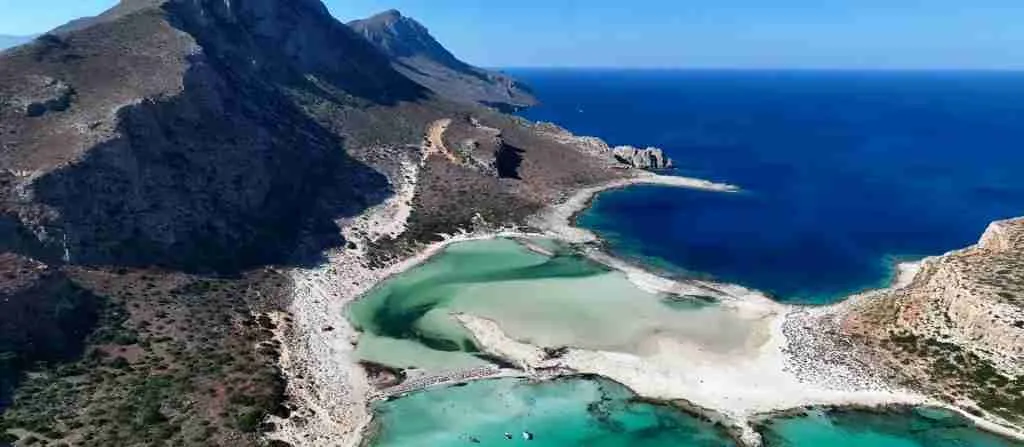
Superior beach experiences require day trips to western Crete destinations including Balos Lagoon (50 kilometers northwest via boat tour or 4×4 drive), Elafonisi (75 kilometers southwest with pink sand and shallow turquoise waters), Falasarna (60 kilometers west with golden sand and surf conditions), and numerous smaller coves accessible via rental car exploration. These premium beaches deliver exotic tropical aesthetics, pristine natural settings, and swimming quality justifying 1-2 hour drives or organized tour participation during Chania stays. Boat tours from Kissamos port (45 kilometers west of Chania) provide popular Balos and Gramvousa Island excursions at €21-35 per person for group departures enabling beach access without difficult mountain roads and hiking required for independent visits. Car rental flexibility allows custom beach exploration timing and multiple-beach days visiting 2-3 locations in single trips maximizing swimming variety within western Crete’s concentrated beach excellence.
Getting to Chania Old Town 2026
Chania International Airport (Ioannis Daskalogiannis) operates 14 kilometers east of Old Town center providing direct seasonal flights from 30+ European cities April-October plus year-round Athens connections enabling international arrivals via capital transit. Airport transportation includes taxis charging fixed €20-25 for airport-to-Old Town transfers (verify meter activation), public buses costing €2.50 running hourly to central Chania with 30-minute journey times (final stops 500-800 meters from harbor requiring short walks with luggage), and pre-booked transfers at €30-50 providing flight monitoring and guaranteed English-speaking drivers eliminating taxi meter concerns. Car rental agencies at airport enable immediate vehicle collection for travelers planning western Crete exploration beyond Old Town focus, though Old Town-only stays require no rental given pedestrianized historic quarter and walking access to all attractions.
Souda Port 7 kilometers east receives overnight ferries from Athens Piraeus (9-10 hours, €40-90 economy class) providing budget-conscious mainland connections and vehicle transport unavailable via flights. Port taxis charge €10-15 to Old Town, with public buses also serving the route at €1.70 though luggage space limitations during busy arrivals create practical challenges. Heraklion Airport 140 kilometers east serves as alternative arrival point for eastern Crete-focused trips, requiring rental car or 2.5-hour KTEL bus journey (€15) to reach Chania. The transportation decision balances convenience (direct Chania Airport flights), cost (ferry travel and bus options), and itinerary scope (rental cars for multi-destination trips versus Old Town-only stays using taxis and walking).
Parking and Vehicle Access 2026
Old Town pedestrianization prohibits vehicle access throughout historic quarter requiring parking at perimeter zones including Souda Road lots west of harbor, Municipal Market area lots, and street parking on surrounding modern neighborhoods. Parking costs €1.50-3 per hour at official lots, with all-day rates of €10-15 during peak season creating expensive proposition for multi-day stays. Hotel parking proves scarce with most boutique properties lacking dedicated spaces, though some arrangements exist with nearby lots offering guest discounts requiring inquiry during booking. The parking challenges favor car-free Old Town stays using taxis for airport transfers and organized tours for day trips, with rental car pickup only for departure days beginning western Crete road trips. Street parking regulations require attention to signage avoiding tow-away zones and resident-only areas, with enforcement active during business hours though relaxed evenings and Sundays.
Daily Budget Planning for Chania 2026
Realistic daily Chania budgets encompass accommodation, meals, transportation, activities, and incidentals creating total expenditures of €60-100 for budget travelers, €120-200 for mid-range visitors, and €250-450+ for luxury experiences. Budget strategy (€60-100 daily) employs accommodation near Old Town rather than within historic quarter (€40-70 nightly per person double occupancy), self-catered breakfasts from market purchases (€3-5), gyro or simple taverna lunches (€6-12), backstreet taverna dinners (€15-20), free beach time and walking, and limited paid attractions (€5-15 museum admissions). This approach requires discipline avoiding spontaneous harbor restaurant meals and tourist-trap pricing while accepting simpler surroundings and basic services, but enables comfortable Chania experiences on backpacker-friendly budgets.
Mid-range spending (€120-200 daily) provides boutique Old Town accommodation (€70-120 per person), cafe or hotel breakfasts (€8-15), taverna lunches with wine (€15-25), quality dinner restaurants (€25-40), occasional beach club lounger rentals (€10-15), museum visits and tours (€15-35), plus daily incidentals including coffee breaks, gelato, and small purchases. This budget level delivers comfortable hassle-free experiences without constant cost monitoring, enabling spontaneous choices and quality upgrades when desired. Luxury budgets (€250-450+ daily) eliminate financial constraints through top-tier Old Town hotels (€150-300+ per person), gourmet dining at upscale restaurants (€40-80 per person per meal), private tours and boat charters, spa treatments, premium wine selections, and focus on exceptional experiences over value optimization.
Money-Saving Strategies for Chania 2026
Strategic timing delivers significant savings through shoulder season visits (May-June, September-October) when accommodation costs drop 20-30% below July-August peaks while maintaining pleasant weather and operational services. Accommodation location trades Old Town premium positioning for surrounding neighborhood hotels at 30-40% discounts requiring 10-20 minute walks to harbor but accessing identical attractions. Meal strategies prioritize backstreet tavernas over harbor restaurants, self-catered breakfasts over cafes (€5-10 daily savings), lunch as main meal taking advantage of daily specials versus expensive dinners, and house wine selections over bottles (€15-30 savings per meal). Free activities including beach time, Old Town wandering, Municipal Market visits, lighthouse walks, and church explorations provide full days without admission costs, reserving paid attractions for genuine interest rather than obligation-driven tourism.
Supermarket shopping at Lidl and local grocers enables picnic meals, beach snacks, and accommodation room consumption at 50-70% savings versus equivalent restaurant purchases. Public bus usage (€1.70-2.50 per ride) substitutes for taxis (€10-25 typical trips) on routes serving beaches and surrounding areas, though walking prioritization maximizes both savings and authentic neighborhood discovery. Activity timing affects costs with many restaurants offering lunch specials and happy hour drink promotions providing value unavailable during prime dinner service. The budget approach balances savings against experience quality, focusing reductions on expense categories with minimal impact on enjoyment (self-catered breakfasts, public buses) while maintaining spending on unique experiences justifying Chania visits (harbor dinners with sunset views, quality taverna meals, boutique accommodation character).
Frequently Asked Questions About Chania Old Town 2026
Can I Use Credit Cards in Chania Old Town or Do I Need Cash?
Chania Old Town restaurants, hotels, larger shops, and museum ticket offices accept major credit cards (Visa, Mastercard) with contactless payment widely available at modernized establishments, while smaller tavernas, market vendors, beach cafe operators, and traditional shops often prefer or require cash to avoid transaction fees and maintain simpler accounting. ATMs throughout Old Town and surrounding modern districts enable euro withdrawals using international debit cards at reasonable exchange rates plus €2-5 bank fees depending on issuing institution. Practical cash needs include €100-200 weekly for meals at local tavernas, market purchases, small shops, tips, and situations where card payment proves impossible or inconvenient. Foreign transaction fees charged by credit card issuers (typically 1-3% of purchase amounts) plus dynamic currency conversion scams (when merchants offer home currency charging at poor exchange rates instead of euros) make understanding card costs important for budget management, with advance notification to banks preventing fraud blocks on foreign charges and enabling fee awareness before travel.
Is Chania Old Town Safe for Solo Travelers and Families?
Chania Old Town ranks among Greece’s safest tourist destinations with extremely low violent crime rates, welcoming local attitudes toward visitors, and family-oriented Mediterranean culture creating comfortable environments for solo female travelers and families with children. Petty theft including pickpocketing occurs occasionally at crowded harbor areas and busy restaurants requiring standard vigilance (bags zipped, valuables secured, awareness of surroundings) though violent crime against tourists remains virtually nonexistent. Solo travelers report feeling safe walking Old Town at night, dining alone without harassment, and exploring independently without security concerns, with Greek hospitality culture creating protective rather than predatory attitudes toward lone visitors. Families find child-friendly infrastructure throughout with high chairs at restaurants, tolerant attitudes toward children in public spaces including late-evening restaurant dining with families, and genuine warmth from locals who frequently indulge visiting families with extra attention and occasional complimentary desserts for kids.
The primary safety concerns involve traffic accidents on narrow Old Town lanes where infrequent vehicle access creates collision risks for distracted pedestrians, heat exhaustion during summer when inadequate hydration endangers health particularly for children and elderly, and swimming hazards at beaches including deeper Koum Kapi waters unsuitable for weak swimmers. Cobblestone paving throughout Old Town creates trip hazards requiring careful footing avoiding ankle injuries, with uneven surfaces particularly challenging for elderly visitors and those with mobility limitations. Evening alcohol consumption at harbor bars demands moderation maintaining awareness and judgment, with excessive drinking creating vulnerability to opportunistic theft or poor decisions. Overall safety levels permit relaxed exploration without paranoia, though maintaining basic urban awareness and common sense precautions ensures trouble-free Chania experiences.
What’s the Best Way to Explore Chania: Guided Tours or Independent?
Independent exploration suits Chania Old Town’s compact walkable scale, clear harbor orientation preventing serious disorientation, and straightforward attraction access requiring no transportation logistics or complex planning. Self-guided walking enables personal pacing, spontaneous photography stops, extended time at preferred locations, and flexible routing following curiosity rather than fixed schedules. The pedestrianized environment and small size mean getting pleasantly lost constitutes discovery opportunity rather than frustration, with harbor always visible or reachable within 10-minute walks from any Old Town position. Free orientation through hotel staff recommendations, online research, and smartphone mapping provides adequate planning for most visitors avoiding guide expenses (€30-60 per person for 2-3 hour walking tours).
Guided walking tours provide value through historical context, architectural details, local knowledge, and hidden location access invisible to independent visitors relying purely on visual exploration. Professional guides explain Venetian construction techniques, Ottoman modifications, Greek independence struggles, and contemporary restoration challenges enriching appreciation beyond surface-level beauty. Food tours combining walking with tastings at traditional bakeries, tavernas, and specialty shops (€60-90 per person) deliver cultural immersion and culinary education justifying premiums over independent meals. The tour decision balances learning desires against budget constraints and independence preferences, with many visitors choosing hybrid approaches—independent exploration for 1-2 days developing personal Old Town familiarity, then joining specialized tours (food, photography, historical) for deeper engagement in specific interest areas.
When Is the Best Time to Visit Chania to Avoid Crowds in 2026?
May-June and September-October deliver optimal Chania experiences in 2026 combining comfortable temperatures (22-28°C), moderate tourist numbers allowing easy restaurant reservations and pleasant harbor atmosphere without peak-season crowding, and full operational schedules with hotels, restaurants, and tours operating complete services. May specifically offers spring wildflowers, fresh season energy, and gradual tourism buildup before July-August peaks, while September provides warmest sea temperatures from summer heating plus harvest season activities at wineries and markets. These shoulder periods cost 20-30% less for accommodation versus July-August while maintaining excellent weather and avoiding the intense midday heat (30-35°C) testing comfort during peak summer months. October transitions toward autumn with cooling temperatures and increasing rainfall probability though remains viable for visitors accepting occasional showers and some business closures as tourism season winds down.
July-August peak season delivers guaranteed sunshine, calm seas, and warmest temperatures but brings maximum tourist density when harbor restaurants fill completely requiring reservations, popular hotels sell out 2-3 months ahead, and beaches see heavy use creating crowded rather than peaceful atmospheres. Early morning (7:00-9:00 AM) and late evening (8:00-11:00 PM) timing strategies mitigate crowds somewhat as tour groups and day visitors depart, though overall density remains high throughout peak months. November-March off-season sees dramatic tourism reduction revealing authentic local life as international visitors depart, with costs dropping 40-50% below summer but many hotels and restaurants closing for winter, cooler temperatures (12-18°C), and increased rainfall (6-10 days monthly) limiting beach appeal while maintaining cultural attraction access and peaceful Old Town wandering opportunities for travelers accepting limited services in exchange for authentic experiences and profound savings.
Can I Visit Chania Old Town as a Day Trip or Should I Stay Overnight?
Day trips enable surface-level Chania experiences covering harbor photography, lighthouse walk, Museum visit, and lunch at waterfront taverna in 4-6 hours, suitable for cruise ship passengers or travelers based in Rethymno or Heraklion making excursions to western Crete’s main town. The compact Old Town accommodates rushed touring though misses essential atmospheric character revealing itself through multiple-day stays when morning coffee rituals develop, favorite tavernas emerge through return visits, and evening harbor ambiance creates romantic memories impossible during brief afternoon visits. Overnight stays beginning 2-night minimum enable proper immersion experiencing sunset from harbor cafes, dinner at quality tavernas without rush, morning market visits, unhurried museum exploration, and neighborhood wandering discovering hidden courtyards and local life invisible to day visitors focused on efficient attraction coverage.
The overnight-versus-day-trip decision balances itinerary constraints against experience depth, with single nights providing minimal improvement over day visits given hotel check-in/check-out logistics consuming time better spent exploring. Three-night stays prove ideal for thorough Old Town experiences including day trips to Samaria Gorge or Balos Beach while maintaining Chania base, with week-long visits supporting western Crete exploration radiating from Old Town accommodation. Transportation logistics affect the decision as independent rental car travelers access Chania easily from other Crete bases, while those relying on public buses find KTEL schedules (€8-15 from Rethymno or Heraklion) limiting day-trip timing with early departures and late returns reducing actual Old Town hours to rushed 5-6 hour windows insufficient for relaxed exploration.
What Should I Buy as Souvenirs in Chania Old Town?
Authentic Chania souvenirs emphasize Cretan products including extra virgin olive oil from local groves (€8-25 per 500ml bottle), Cretan honey in varieties from thyme to pine (€6-15 per jar), herbs including Cretan oregano and dittany (€3-8), and traditional raki spirit (€10-20 per bottle). Municipal Market vendors sell these products at better prices than Old Town tourist shops, with quality verification through vendor conversations and local customer presence indicating genuine products over tourist-grade imitations. Handmade textiles including embroidered linens, woven rugs, and traditional costumes appear at artisan workshops throughout Topanas and Splantzia neighborhoods, with prices reflecting labor-intensive production (€30-200) but ensuring unique purchases supporting local craftspeople rather than mass-produced imports claiming Greek origin.
Ceramics and pottery from nearby Margarites village including decorative plates, bowls, and vases (€15-80) provide functional souvenirs reflecting traditional Cretan designs, with workshop purchases during village visits offering lower prices than Old Town retailer markups. Jewelry in silver and gold incorporating Minoan motifs, Byzantine crosses, and contemporary Greek designs ranges €30-300 depending on materials and craftsmanship, requiring attention to hallmarks verifying precious metal content. Edible souvenirs including dried figs, sultanas, local cheeses, and specialty preserves provide portable gifts sharable with friends while supporting agricultural producers. Souvenir shopping strategies prioritize Municipal Market and workshop direct purchases over tourist shop markups, verify product origins ensuring authentic Cretan rather than imported goods, and select practical items with post-vacation utility over decorative objects gathering dust at home.
Is English Widely Spoken in Chania Old Town?
English proficiency proves excellent throughout Chania Old Town tourist industry with hotel staff, restaurant servers, tour guides, and shop owners speaking functional to fluent English enabling straightforward communication for reservations, directions, and service requests. Tourism dependence drives English training as international visitors represent majority clientele April-October, with younger Greeks learning English throughout school creating widespread basic competency even outside tourism sectors. Older residents in residential neighborhoods may speak limited or no English creating occasional communication challenges resolved through gestures, translation apps, and Greek hospitality toward confused visitors attempting language barriers. Menu translations exist at most restaurants serving tourists though traditional tavernas in Splantzia and residential areas may present Greek-only menus requiring smartphone translation or pointing strategies combined with server patience.
Learning basic Greek phrases including “good morning” (kalimera), “thank you” (efharisto), “please” (parakalo), “excuse me” (signomi), and numbers enhances cultural respect and often elicits warmer service from Greeks appreciating linguistic effort even when fractured pronunciation creates amusement. Restaurant vocabulary including “check please” (to logarismo parakalo) and “water” (nero) enables basic needs communication, while emergency phrases prove unnecessary given widespread English in crisis situations and tourist police assistance. Smartphone translation apps provide backup though WiFi-dependent functionality requires data plans or offline dictionary downloads. Overall, English suffices for practical Chania travel needs without significant language barriers limiting enjoyment, though cultural enrichment comes from attempting Greek phrases demonstrating respect for host culture beyond expecting universal English accommodation.
Are There Any Cultural Customs I Should Know for Chania?
Greek cultural customs include relaxed attitudes toward time with meal service proceeding leisurely rather than rushing diners, making restaurant reservations approximate rather than rigid scheduled slots and patience essential for service pacing. Tipping practices remain less formal than American mandatory tipping culture, with 5-10% representing standard restaurant gratuity for good service and small coin roundings sufficient for cafes and casual venues. Greeks often pay restaurant bills as groups rather than splitting checks, though tourist establishments accommodate individual payments when requested. Physical greetings include handshakes for formal introductions and cheek kisses (two, alternating sides) for friends though tourists face no expectations beyond comfortable Western greeting norms.
Dress codes require modest clothing when visiting churches and monasteries including covered shoulders and knees, with lightweight scarves enabling quick coverage from beach attire to religious site appropriate dress. Siesta culture sees many shops closing 2:00-5:00 PM during summer heat, with evening hours extending until 9:00-10:00 PM compensating for afternoon closures. Photographing military installations, government buildings, and airport security areas remains prohibited requiring attention to posted signs, while general street and attraction photography proceeds freely. Greeks value conversation and human interaction over efficiency, making rushed service requests or impatient behavior culturally inappropriate versus relaxed appreciation for Mediterranean pace of life. Understanding these customs creates smoother interactions and demonstrates respect for host culture elevating visitor experiences beyond surface-level tourism.
What Are the Best Instagram Spots in Chania Old Town?
The Egyptian Lighthouse from eastern harbor promenade captures Chania’s iconic image particularly during golden hour when warm sunset light illuminates the distinctive minaret-style architecture against Mediterranean blue skies and turquoise waters. Venetian Harbor waterfront from elevated positions including Firkas Fortress ramparts frames colorful building facades, moored fishing boats, and surrounding mountains creating comprehensive Old Town panoramas. Topanas neighborhood lanes including Theotokopoulou and Zambeliou Streets provide Instagram-perfect scenarios where bougainvillea cascades over doorways, pastel building facades create colorful backdrops, and Venetian architectural details reward close-up photography. Janissaries Mosque (Küçük Hassan Pasha Mosque) positioned at harbor center offers distinctive Ottoman architecture with harbor and lighthouse context creating postcard compositions.
Splantzia Square’s plane tree and surrounding tavernas capture authentic local life with Greeks gathering for coffee and conversation providing cultural context beyond architectural beauty. Hidden courtyards glimpsed through open doorways throughout residential neighborhoods reveal private worlds where potted plants, traditional furniture, and domestic scenes create intimate Mediterranean lifestyle imagery. Sunset positions along western harbor promenade facing the lighthouse provide romantic golden hour lighting transforming ordinary scenes into spectacular images as departing sun paints everything in warm tones. Photography timing prioritizes early morning (7:00-9:00 AM) for soft directional light and empty streets, golden hour (90 minutes before sunset) for warm tones and dramatic shadows, and blue hour twilight when city lights activate creating romantic evening ambiance. Instagram success requires patience revisiting locations at different times, weather awareness capitalizing on dramatic skies following rain, and composition attention framing shots carefully rather than relying on beautiful settings alone carrying photographic quality.
Can I Swim at Chania Beaches Year-Round or Only in Summer?
Swimming season in Chania extends May-October when sea temperatures reach comfortable 20-26°C enabling pleasant beach experiences without wetsuits or extreme cold tolerance, with peak warmth August-September at 24-26°C providing ideal conditions. Early season May and late October see marginal 19-21°C water temperatures suitable for hardy swimmers but challenging for extended swimming without neoprene protection. November-April winter months bring 15-18°C sea temperatures comfortable only for dedicated cold-water swimmers, with most visitors finding conditions too cool for recreational beach time though sunny winter days enable shoreline walking and cafe lunches overlooking water without actual swimming. Local Greeks demonstrate year-round swimming culture with dedicated enthusiasts maintaining daily sea bathing regardless of temperature, though tourist swimming realistically concentrates May-October when warmth and sunshine combine creating conventional beach vacation conditions.
Beach infrastructure including organized sections with umbrellas and loungers, lifeguard services, and beachfront tavernas operates primarily June-September when visitor numbers justify staffing and equipment, with shoulder months May and October seeing reduced services and November-April bringing complete closure of tourist-oriented beach facilities. Free beach access and basic infrastructure including showers remains available year-round enabling swimming whenever personal cold tolerance permits. Air temperatures affect beach comfort as much as water temperatures, with May-October providing 22-32°C warmth supporting beach lounging and post-swim sunbathing versus November-April’s 12-18°C requiring warm clothing incompatible with beach recreation. The practical swimming season for most tourists spans June-September when all variables align optimally, expanding to May-October for visitors comfortable with cooler early/late season conditions and accepting reduced beach services.