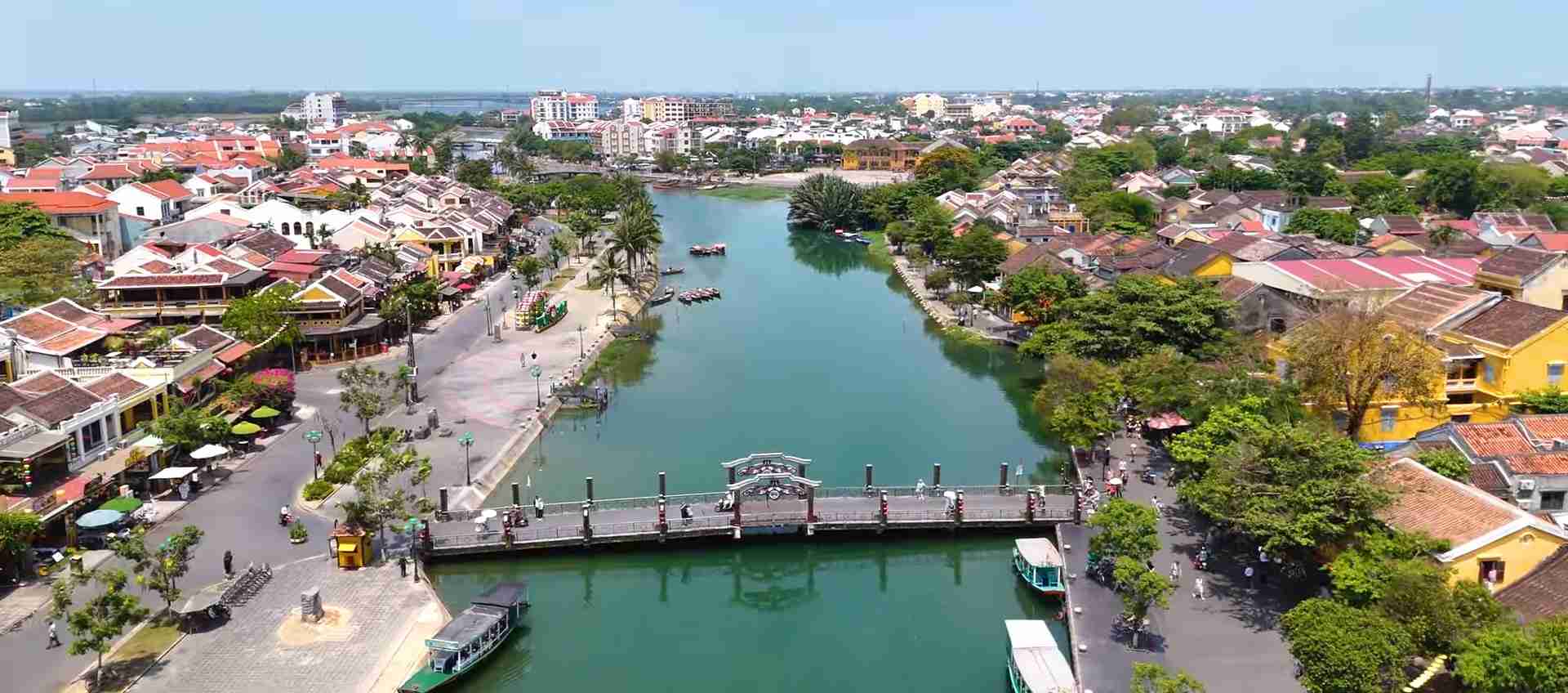
Central Vietnam Itinerary 2026: Hue, Hoi An & Da Nang
Central Vietnam encompasses three UNESCO World Heritage sites within a 130-kilometer coastal corridor, creating Southeast Asia’s most concentrated cultural tourism destination. This region combines Hue’s Imperial Citadel and royal tombs representing Nguyen Dynasty grandeur, Hoi An’s remarkably preserved ancient trading port frozen in 15th-18th century architecture, and Da Nang’s modern beach resort infrastructure with natural wonders including Marble Mountains and Ba Na Hills. A well-planned Central Vietnam itinerary in 2026 allows thorough exploration of these complementary destinations through short, scenic transfers that maximize cultural immersion while minimizing transportation fatigue.
Key Takeaways:
- Central Vietnam’s three main destinations (Hue, Da Nang, Hoi An) sit within 100 kilometers of each other, connected by frequent buses ($6-15), trains ($3-8), and private transfers ($40-80)
- Optimal itinerary allocates 2 days Hue exploring Imperial City (200,000 VND entry) and royal tombs, 1-2 days Da Nang for Marble Mountains (40,000 VND) and beaches, and 3 days Hoi An for ancient town immersion
- Hai Van Pass between Hue/Da Nang and Hoi An ranks among Asia’s most scenic coastal routes, accessible via train, motorbike, or private car with viewpoint stops
- Budget travelers spend $20-35 daily in Central Vietnam 2026, mid-range travelers $40-80, with accommodation ranging $6-15 hostels to $30-80 boutique hotels
- Peak season (January-March) delivers optimal weather but 25-35% higher prices and crowds; shoulder months (April-May, September-October) provide excellent value
- Hoi An deserves 3+ days for tailor shopping requiring multiple fittings, cooking classes, countryside cycling, and evening Ancient Town lantern ambiance that makes early departure difficult
People Also Ask About Central Vietnam Itinerary 2026
How many days do you need for Central Vietnam in 2026?
Six to eight days provides thorough Central Vietnam exploration covering essential highlights without rushing in 2026. Allocate 2 days Hue for Imperial City complex and 2-3 royal tombs via Perfume River boat tour or motorbike rental, 1-2 days Da Nang experiencing Marble Mountains, My Khe Beach, and optional Ba Na Hills ($39 cable car and park entry), and 3 days minimum for Hoi An including Ancient Town wandering, tailor clothing orders requiring fittings, cooking class with market tour, and countryside bicycle exploration. This pacing allows proper historical context absorption, prevents temple fatigue common with compressed schedules, and accommodates evening experiences like Hoi An’s magical lantern-lit waterfront. Travelers with 10-12 days add excursions to My Son Sanctuary (Hindu Cham temple ruins 40 kilometers from Hoi An) or Phong Nha-Ke Bang National Park (cave systems 220 kilometers north of Hue). Minimum 5-day itineraries sacrifice depth, typically selecting Hue plus Hoi An while skipping Da Nang, or choosing Hoi An plus Da Nang while omitting Hue.
What’s the best order to visit Hue, Da Nang, and Hoi An in 2026?
Either north-to-south (Hue → Da Nang → Hoi An) or south-to-north (Hoi An → Da Nang → Hue) functions equally well with choice determined by international flight arrival city and personal preference in 2026. North-to-south progression allows historical chronology, beginning with Hue’s imperial grandeur, transitioning through Da Nang’s modern development, and concluding at Hoi An’s ancient merchant atmosphere. This sequence suits travelers arriving Hanoi who journey south, or those combining Central Vietnam with southern destinations (Nha Trang, Ho Chi Minh City). South-to-north reverses the cultural arc, starting relaxed Hoi An beach-town atmosphere before building toward Hue’s formal imperial monuments. This direction benefits travelers arriving Da Nang International Airport (Vietnam’s third-largest airport with numerous international connections), allowing immediate Hoi An transfer (30 kilometers, 45 minutes, $6-12) before exploring the region. Most travelers save Hoi An for final destination regardless of direction, as the town’s exceptional accommodation, dining, and ambiance make departure reluctant.
How much does a week in Central Vietnam cost in 2026?
A seven-day Central Vietnam trip in 2026 costs $140-245 for budget travelers and $280-560 for mid-range travelers, excluding international flights. Budget allocation: Accommodation 7 nights in hostels at $8-12 nightly totals $56-84. Meals at street food stalls and local restaurants averaging $6-10 daily total $42-70. Transportation including one bus Hue-Da Nang ($8), bus Da Nang-Hoi An ($3), plus local transport totals $20-35. Attraction entrance fees including Hue Imperial City (200,000 VND), two royal tombs (300,000 VND), Marble Mountains (40,000 VND), Hoi An Old Town ticket (120,000 VND) total approximately $22-30. Miscellaneous water, snacks, tips adds $15-25. Mid-range budget increases accommodation to boutique hotels $35-55 nightly ($245-385 total), restaurant dining $15-25 daily ($105-175), includes cooking class ($30), adds private transportation segments ($30-50), and incorporates additional paid activities. Both budgets assume no Ba Na Hills visit ($39 + transport adds $50-60 to daily costs that day).
Can you do Central Vietnam without a tour in 2026?
Central Vietnam functions excellently for independent travel in 2026 with well-developed infrastructure, frequent public transportation, and concentrated geography eliminating complex logistics. Book buses and trains online through Baolau.com or 12go.asia connecting Hue-Da Nang-Hoi An for $3-15 per journey. Hoi An Old Town permits self-guided exploration with straightforward layout, English signage, and walkable distances to all attractions within ancient quarter. Hue’s Imperial City provides excellent English audio guide rental (30,000 VND) or downloadable smartphone apps explaining palace complex history. Da Nang’s Marble Mountains features clear paths and signage suitable for unguided exploration. Reserve specific day tours for attractions benefiting from expert explanation: Hue royal tombs tour with Perfume River boat component ($25-40 including guide, transport, lunch), My Son Sanctuary from Hoi An ($20-35 with English-speaking guide providing Cham Kingdom context), and Hoi An cooking class with market tour ($25-35, essential for local ingredient knowledge). This hybrid approach—independent city exploration supplemented with selective guided experiences—maximizes flexibility and value while ensuring cultural comprehension at historically complex sites.
Extended multi-day tours – 5+ days
Featured Vietnam Multi-Day Tour Packages

3 days
Vietnam 3-Day Discovery Tour
- ✓ Comprehensive Vietnam experience
- ✓ Expert local guides included
- ✓ All accommodation included
- ✓ Transportation provided
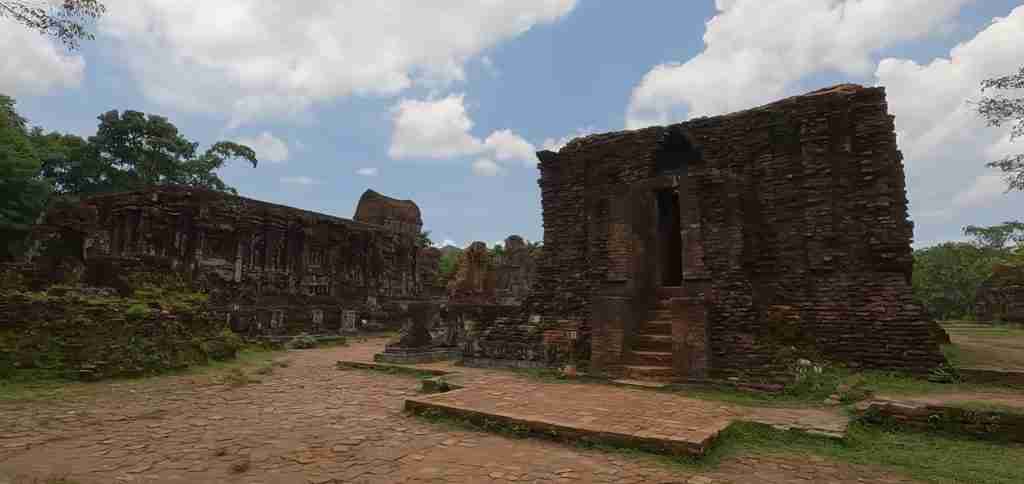
5 days
Vietnam 5-Day Highlights Experience
- ✓ Comprehensive Vietnam experience
- ✓ Expert local guides included
- ✓ All accommodation included
- ✓ Transportation provided
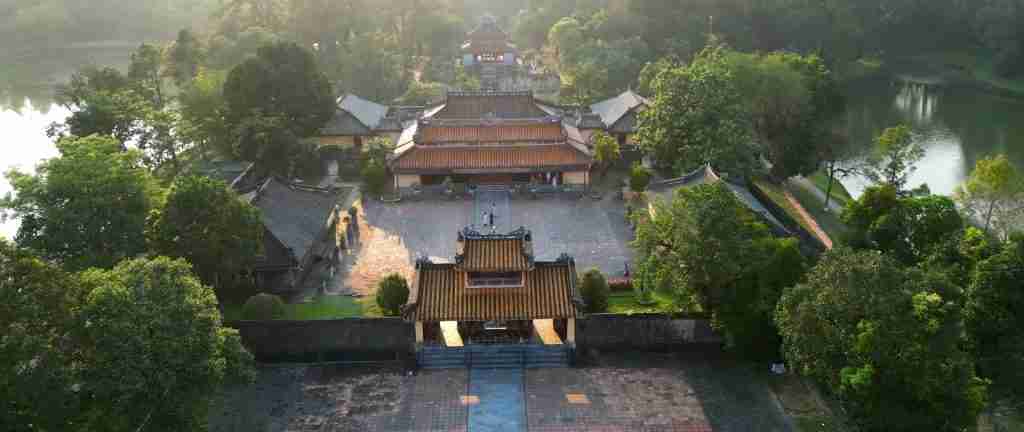
7 days
Vietnam 7-Day Cultural Journey
- ✓ Comprehensive Vietnam experience
- ✓ Expert local guides included
- ✓ All accommodation included
- ✓ Transportation provided
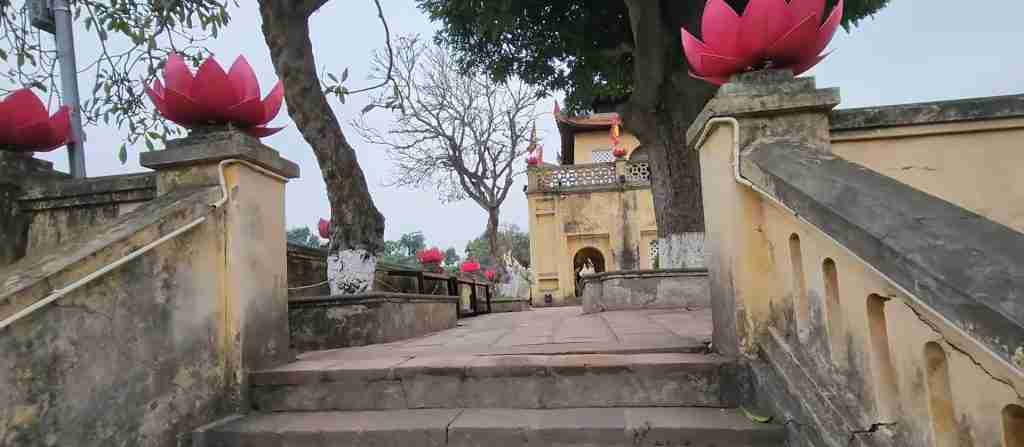
10 days
Vietnam 10-Day Complete Adventure
- ✓ Comprehensive Vietnam experience
- ✓ Expert local guides included
- ✓ All accommodation included
- ✓ Transportation provided
Multi-day tour packages powered by TourRadar. Prices and availability subject to change.
Introduction to Central Vietnam Travel in 2026
Central Vietnam’s compact geography concentrates remarkable cultural density along a 130-kilometer coastal corridor between Hue and Hoi An. This region served as Vietnam’s political and cultural center for centuries, evidenced by three UNESCO World Heritage designations: Hue’s Complex of Monuments (1993) representing Nguyen Dynasty imperial capital 1802-1945, Hoi An Ancient Town (1999) preserving Southeast Asian trading port architecture from 15th-19th centuries, and My Son Sanctuary (1999) protecting Hindu Cham temple ruins predating Vietnamese occupation. Da Nang anchors the corridor midpoint as Vietnam’s fourth-largest city, functioning as transportation hub with international airport, modern infrastructure, beach resorts, and natural attractions including Marble Mountains and Son Tra Peninsula.
The region’s appeal transcends historical significance through experiential diversity uncommon in single-region itineraries. Hue delivers formal imperial atmosphere with citadel walls, throne rooms, royal tombs scattered along Perfume River valley, and refined cuisine reflecting court culinary traditions. Hoi An presents diametric contrast—intimate ancient streets lit by silk lanterns, riverside cafes, tailor shops creating custom clothing in 24 hours, and laid-back beach-town rhythm encouraging extended stays. Da Nang bridges historical and contemporary Vietnam, offering sandy beaches developed for international tourism, cable car ascending to Ba Na Hills French colonial hill station 1,500 meters elevation, and iconic Dragon Bridge breathing fire weekend evenings. This complementary diversity allows varied experiences within limited geographic scope and minimal travel time between destinations.
Central Vietnam’s climate patterns favor dry season travel November through March when temperatures range 20-26°C (68-79°F) with minimal rainfall. January through March marks peak tourist season with higher accommodation prices (25-35% premium) and crowded attractions, particularly Hoi An Ancient Town and Hue Imperial City. April through May and September through October represent shoulder seasons offering optimal value—pleasant weather continues, prices drop to standard rates, and attraction crowds diminish significantly. June through August brings intense heat (temperatures exceeding 35°C/95°F) and humidity, though coastal Da Nang and Hoi An remain popular for beach activities. September through November marks rainy season with frequent afternoon showers and occasional tropical storms, though morning exploration typically proceeds without weather interference.
Hue Exploration: Imperial Capital Heritage 2026
Hue Imperial City Complex Tickets and Access 2026
Hue Imperial City entrance costs 200,000 VND ($8.50) for adults and 40,000 VND ($1.70) for children ages 7-12, valid for single-day entry to the entire citadel complex. This comprehensive ticket includes access to Ngo Mon Gate (imperial entrance with five passageways and Ngu Phung Pavilion), Nine Holy Cannons and Nine Dynastic Urns (bronze artillery and ceremonial vessels symbolizing Nguyen Dynasty power), Thai Hoa Palace (main throne hall where emperors held court), Forbidden Purple City (emperor’s residence and family quarters, heavily damaged during 1968 Tet Offensive with ongoing restoration), Truong Sanh and Dien Tho residences (queen mothers’ palaces with tranquil gardens), Duyet Thi Duong Royal Theater (daily traditional music performances at 9:30 AM and 2:30 PM included in admission), and Hue Museum of Royal Antiquities located outside citadel walls at 3 Le Truc Street.
The citadel operates daily 6:30 AM-5:30 PM April through September (summer hours) and 7:00 AM-5:00 PM October through March (winter hours), with ticket sales ending 5:00 PM year-round. Purchase tickets at booths flanking Ngo Mon Gate entrance—the citadel’s sole public entry point. Audio guides rent for 30,000 VND ($1.25) providing English, French, or Chinese narration explaining palace functions and Nguyen Dynasty history. Private tour guides congregate near ticket booths offering services 150,000 VND ($6.40) per guide for 2-3 hour comprehensive tour—particularly worthwhile for first-time visitors seeking historical context beyond self-guided exploration. Allocate 3-4 hours minimum for thorough Imperial City exploration, though history enthusiasts easily spend entire day wandering palace compounds, examining architectural details, and absorbing imperial atmosphere.
Hue Royal Tombs Entrance Fees and Logistics 2026
Hue’s royal tombs entrance fees charge 150,000 VND ($6.40) per tomb for adults, 30,000 VND ($1.25) for children 7-12. Essential tombs include Tomb of Minh Mang (8 kilometers south of city, harmonious architectural complex across forested hills with 40 structures), Tomb of Khai Dinh (10 kilometers south, ornate Vietnamese-European fusion architecture with intricate ceramic mosaic interiors), and Tomb of Tu Duc (6 kilometers south, peaceful retreat setting with lake, pavilions, and pine forests where emperor composed poetry). Each tomb requires 60-90 minutes exploration, featuring distinct architectural personalities reflecting individual emperors’ aesthetics and philosophies.
Combo tickets offer savings for multiple tomb visits: Three Sites package (Imperial City + choice of 2 tombs) costs 420,000 VND ($17.80) for adults, 80,000 VND ($3.40) for children, valid 2 days from purchase. Purchase combo tickets at Imperial City entrance or first tomb visited. Transportation to royal tombs requires motorbike rental ($5-8 per day from Old Quarter guesthouses), Grab car with driver ($30-40 for half-day visiting 2-3 tombs), or organized Perfume River boat tour ($20-35 per person including boat transport, tomb entries, lunch, and guide). Boat tours depart morning from docks near Truong Tien Bridge, cruising upstream to Thien Mu Pagoda (no entrance fee, Hue’s iconic seven-tier tower), then visiting 1-2 tombs accessible by water before riverside lunch and return, full-day excursion 8-9 hours. Independent motorbike exploration provides maximum flexibility for photography, allows visits to 3-4 tombs in single day, and includes scenic countryside riding through rice paddies and villages between tomb sites.
Recommended Hue Itinerary 2 Days 2026
Day 1 dedicates morning to Imperial City comprehensive exploration beginning 7:30-8 AM arrival beating tour group crowds and avoiding midday heat. Enter through Ngo Mon Gate, photograph Thai Hoa Palace’s red lacquer columns and golden emperor’s throne, wander Forbidden Purple City’s restoration progress, and visit Dien Tho Palace gardens. Mid-morning refreshments at on-site cafe (coffee 25,000-40,000 VND / $1-1.70) allow rest while observing citadel atmosphere. Exit Imperial City 11:30 AM-12 PM, lunch at Dong Ba Market’s second-floor food court ($2-4 for bun bo Hue spicy beef noodle soup or banh khoai crispy rice pancakes). Afternoon visits Hue Royal Antiquities Museum (included in Imperial City ticket, 20-minute walk from citadel) displaying imperial garments, furniture, and personal effects. Evening strolls Perfume River promenade and Truong Tien Bridge for sunset, dinner at com hen (baby clam rice, Hue specialty, $1.50-2.50 at riverside stalls).
Day 2 joins organized Perfume River boat tour (book through accommodation or Sinh Tourist office, $25-35 per person) departing 8-8:30 AM. Boat cruises to Thien Mu Pagoda (seven-tier tower built 1601, active Buddhist monastery), continues upstream to Tomb of Minh Mang for 90-minute guided exploration, and Tomb of Khai Dinh for mosaic interior admiration. Lunch included on boat or at riverside restaurant features nem lui (lemongrass pork skewers) and other Hue specialties. Return city center 4-5 PM. Alternative day 2 rents motorbike for independent tomb exploration visiting Tu Duc, Minh Mang, and Khai Dinh at own pace, allowing extended photography time and flexibility. Evening options include night food tour ($25-35 exploring local eateries with guide), bia hoi (fresh beer corner, $0.50-1 per glass), or traditional Hue royal court music performance at various venues ($10-15 tickets).
Da Nang Highlights and Marble Mountains 2026
Marble Mountains Entrance Fees and Exploration 2026
Marble Mountains entrance to Thuy Son (Water Mountain, the only peak open to tourists) costs 40,000 VND ($1.60) for adults and children over 6 years old, with children under 6 entering free. Separate admission to Am Phu Cave (Heaven and Hell Cave depicting Buddhist underworld) requires additional 20,000 VND ($0.80) ticket purchased at cave entrance separate from main mountain access. Optional elevator service ascending 150 meters to mid-mountain platform costs 15,000 VND ($0.60) one-way or 30,000 VND ($1.20) round-trip, recommended for travelers avoiding steep initial stairways though summit viewpoints still require additional climbing.
The Marble Mountains complex opens daily 7:00 AM-5:30 PM year-round with ticket sales closing 5:00 PM. Arrive early morning (7:30-8:30 AM) to avoid tour group crowds and intense midday heat, particularly during summer months when temperatures exceed 35°C (95°F). Allow 2-3 hours comprehensive exploration including Huyen Khong Cave (largest cavern with collapsed ceiling creating dramatic natural light shafts, Instagram-famous), Tang Chon Cave (smaller grotto with altar), Linh Ung Pagoda (ornate Buddhist temple with ocean views), Xa Loi Tower (seven-tier pagoda housing 200 Buddha statues), and summit viewpoints overlooking Da Nang coastline and city. Wear comfortable closed-toe shoes with grip—stairways can be steep and slippery, especially after rain. Modest clothing required (shoulders and knees covered) for temple areas. Bring water and snacks as mountain-top vendors charge premium prices.
Da Nang Beach Areas and My Khe Access 2026
Da Nang’s coastline stretches 30+ kilometers featuring multiple developed beach zones with My Khe Beach (also called China Beach during American War) ranking most famous and accessible. My Khe runs 7 kilometers from Son Tra Peninsula south to Marble Mountains with broad sandy beach, gentle waves suitable for swimming, and concentrated beachfront infrastructure including resorts, restaurants, beach clubs, and water sports rental. Beach access remains free throughout—no entrance fees or beach chair requirements though private establishments charge for loungers and umbrellas (40,000-80,000 VND / $1.70-3.40 for day rental).
Non Nuoc Beach extends south of Marble Mountains toward Hoi An, offering quieter atmosphere with fewer developments and locals preferring its calm waters. Public beach access points scattered along Truong Sa Street and Vo Nguyen Giap Boulevard. Optimal beach weather runs May through September when temperatures reach 30-35°C (86-95°F), though expect afternoon thunderstorms June-August. Water temperatures remain pleasant 24-28°C (75-82°F) year-round. Beach activities include swimming (lifeguard supervision sporadic—swim cautiously), surfing lessons and board rental ($15-30 for 2-hour session, March-September offers best waves), stand-up paddleboard rental ($8-15 per hour), and beachfront dining at seafood restaurants charging $8-20 per person for grilled fish, squid, and shellfish. Evening beach walks along illuminated promenades popular, particularly near Dragon Bridge where weekend 9 PM fire-breathing shows attract crowds.
Ba Na Hills Cable Car and Golden Bridge 2026
Ba Na Hills entrance package costs 950,000 VND ($39) for adults and children exceeding 1.39 meters height, 750,000 VND ($31) for children 1.0-1.39 meters, with smaller children entering free. This comprehensive ticket includes unlimited cable car rides (world’s longest nonstop cable car ascent at 5,801 meters), access to Fantasy Park indoor amusement complex with video game arcade and climbing activities, Golden Bridge walkway supported by giant concrete hands (Instagram sensation), Le Jardin d’Amour French gardens, Linh Ung Pagoda with 27-meter Buddha statue, and various restaurants and cafes throughout mountain complex.
Ba Na Hills operates daily 8:00 AM-10:00 PM though optimal arrival timing is 8:30-9 AM to maximize full-day experience before cable car queues extend. Located 25 kilometers west of Da Nang city center, reaching Ba Na Hills requires Grab taxi ($12-18, 30-40 minutes) or organized tour ($25-45 including transport, entrance, lunch, and guide—good value compared to independent visit taxi costs plus entrance fee). Allocate full day 6-8 hours experiencing cable car rides, Golden Bridge photography, Fantasy Park activities, French Quarter colonial architecture exploration, and summit viewpoint panoramas. Weather at 1,500-meter summit runs 8-10°C (46-50°F) cooler than Da Nang city—bring light jacket even during summer. Fog and mist common year-round can obscure views though creates atmospheric experience. Lunch options include multiple buffet restaurants (included in some tour packages, 200,000-400,000 VND / $8-17 if purchased separately) or individual restaurants charging $8-20 per person.
Hoi An Ancient Town Immersion 2026
Hoi An Old Town Entrance Ticket Details 2026
Hoi An Old Town entrance costs 120,000 VND ($5) for comprehensive 10-day ticket allowing entry to 5 attractions from 22 available heritage houses, assembly halls, museums, and workshops. Purchased ticket remains valid 10 days from purchase date, permitting return visits and flexible scheduling across multi-day Hoi An stays. Select attractions from categories: Old Houses (Tan Ky House displaying 200-year-old merchant residence architecture, Duc An Old House with Japanese-Chinese fusion design), Assembly Halls (Fujian Assembly Hall ornate Chinese temple with dragon sculptures, Cantonese Assembly Hall honoring Quan Cong general), Museums (Museum of Trade Ceramics explaining Hoi An’s ceramic export history, Museum of Sa Huynh Culture displaying pre-Cham artifacts), and Cultural Sites (Japanese Covered Bridge iconic 1593 structure, Quan Cong Temple, traditional craft workshops).
Purchase tickets at any of several booths located at Old Town entry points along Tran Phu Street, Nguyen Thai Hoc Street, and Bach Dang waterfront. Operating hours for ticketed sites typically run 8:00 AM-6:00 PM daily though many remain accessible outside these hours as living neighborhoods rather than museum compounds. Note that walking Ancient Town streets, shopping, dining, and riverside wandering requires no ticket—only entry to specific heritage buildings demands the 120,000 VND pass. Many travelers question ticket value considering Hoi An’s charm derives primarily from atmospheric streetscapes, lantern-lit evenings, riverside cafes, and shopping rather than interior building tours. However, visiting at least 2-3 heritage houses and assembly halls provides essential architectural and historical context for understanding Hoi An’s trading port development and multicultural influences.
Hoi An Tailor Shopping Process and Timeline 2026
Hoi An’s 400+ tailor shops create custom clothing requiring minimum 24-36 hours from initial measurements to completed garment, with quality shops preferring 2-3 days allowing multiple fittings and adjustments. Expect $25-50 for women’s dress or blouse using standard cotton or linen fabrics, $40-80 for men’s dress shirt and trousers, $80-150 for men’s two-piece suit, $120-200 for women’s ao dai (traditional Vietnamese dress requiring precise fitting), and $150-300 for leather jackets or formal wear using premium materials. Prices vary dramatically based on fabric selection—silk, wool, and imported materials cost significantly more than cotton and synthetic blends.
Tailor shopping workflow: Day 1 morning visits 3-4 shops comparing fabric quality, examining sample garments for construction details (check seam finishing, button quality, lining presence), and discussing designs. Reputable shops display customer photos, maintain professional cutting tables and sewing equipment visible from showroom, and quote prices itemizing fabric, construction, and customization costs separately. Avoid aggressive street touts and shops pressuring immediate deposits—quality tailors allow browsing and consideration. Once selecting shop, choose fabric from extensive selections, specify design from photos or shop samples, and complete measurements. Pay 50% deposit. Day 1 afternoon or Day 2 morning attends first fitting to check overall fit, sleeve and trouser length, and silhouette. Request adjustments. Day 2 afternoon or Day 3 morning attends final fitting for minor tweaks. Final payment and collection Day 3. Rush orders possible (24 hours) though quality suffers—allow proper timeline for best results.
Hoi An Cooking Class Experience 2026
Hoi An cooking classes cost $25-40 per person for half-day sessions (4-5 hours) including Central Market tour purchasing ingredients with instructor, hands-on preparation of 4-5 traditional dishes, and sit-down lunch consuming prepared food. Morning classes typically run 8:00 AM-12:30 PM beginning with market visit explaining Vietnamese herbs, vegetables, proteins, and specialty ingredients unfamiliar to Western cuisines. Return to cooking school (often riverside traditional house or countryside garden setting) for demonstration and hands-on cooking preparing cao lau (Hoi An exclusive thick rice noodles with pork), white rose dumplings (translucent shrimp-filled dumplings), banh xeo (sizzling rice pancakes), fresh spring rolls, and green papaya salad. Instructors provide recipe cards for recreating dishes at home.
Recommended schools include Red Bridge Cooking School (boat transfer across Thu Bon River to riverside garden location, emphasis on organic ingredients, $35 per person), Tra Que Cooking Class (held at Tra Que Vegetable Village 4 kilometers from town, includes farm tour and herb garden, $30 per person), and Green Bamboo Cooking School (family-run school in traditional house, intimate class sizes, $28 per person). Book 1-2 days advance through school websites or accommodation recommendations. Classes accommodate all skill levels from absolute beginners to experienced home cooks seeking Vietnamese technique knowledge. Vegetarian and allergy modifications available with advance notice. Beyond culinary skills, cooking classes provide cultural immersion understanding Vietnamese food philosophy, ingredient sourcing practices, and meal rituals impossible to absorb through restaurant dining alone.
Hoi An Countryside Cycling Routes 2026
Bicycle rental from Old Quarter shops costs $2-3 per day for basic single-speed cruisers, $5-8 for multi-speed mountain bikes. Popular self-guided cycling route follows 15-20 kilometer loop visiting Tra Que Vegetable Village (4 kilometers northeast, organic farming community supplying Hoi An restaurants with herbs and vegetables, free entry though donations appreciated), continues across Thu Bon River via ferry (15,000 VND / $0.65 per bicycle and rider) or bamboo bridge (when water level permits) to Cam Kim Island, explores Kim Bong Carpentry Village (traditional woodworking community crafting furniture and boats using centuries-old techniques, free to wander and observe artisans), visits Thanh Ha Pottery Village (ceramic production center operating 500+ years, free pottery museum entry, wheel-throwing sessions $2-5 for 30 minutes), and returns to Hoi An via An Hoi Bridge.
The route navigates quiet rural roads through rice paddies, water buffalo grazing areas, and traditional villages with minimal motor vehicle traffic—suitable for casual cyclists and families with children. Flat terrain throughout eliminates challenging climbs. Allow 4-5 hours including village exploration and refreshment stops. Bring sun protection, water, and small bills for ferry and village purchases. Alternative organized bicycle tours ($20-35 per person, 4-5 hours) include English-speaking guide providing cultural context, village entry permissions, and lunch at local family home. Many tours include cooking demonstration or traditional craft workshop. Morning departures (8-8:30 AM) avoid midday heat, particularly important April-September when temperatures exceed 30°C (86°F).
Central Vietnam Transportation Logistics 2026
Hue to Da Nang Transport Options 2026
Train from Hue to Da Nang operates multiple daily departures with journey time 2.5-3 hours traversing spectacular Hai Van Pass coastal route. Regular Vietnam Railways trains charge $3-8 depending on seat class (hard seat cheapest, air-conditioned soft seat most comfortable). Heritage tourist trains HD1 and HD3 operate with enhanced comfort and larger windows optimizing coastal views, pricing 180,000 VND ($7.60) weekdays, 210,000 VND ($8.90) weekends. Trains depart Hue Station various times 6:00 AM-6:00 PM with most popular departures mid-morning and early afternoon. Book tickets 3-7 days advance through Baolau.com, 12go.asia, or Vietnam Railways website (dsvn.vn, Vietnamese interface challenging for foreigners). The 100-kilometer rail journey ranks among Vietnam’s most scenic, hugging coastline through Tam Giang Lagoon and Lang Co Beach before climbing Hai Van Pass with panoramic ocean views from train windows. Sit left side facing Da Nang for optimal views.
Tourist buses and minivans from Hue to Da Nang cost $6-14 per person with 3-4 hour journey time via Hai Van Tunnel (shorter than coastal road but eliminates pass views). Companies including Techbus VN, Hoi An Express, and Hanh Cafe operate modern air-conditioned vehicles departing from Hue hotels and tourist offices, arriving Da Nang city center or specific hotels. Book online through 12go.asia or directly with bus companies. Private car with driver costs $40-80 for vehicle (not per person) accommodating 4 passengers, journey 2-3 hours with flexibility for Hai Van Pass viewpoint stops and Lang Co Beach refreshments. Request driver use old Hai Van Pass road rather than tunnel when booking private transfer. Grab app provides transparent fixed pricing for Da Nang-Hue routes, though private car services specializing in tourist routes (Danang Transfer, Mango Travel) include English-speaking drivers and guaranteed scenic routing.
Da Nang to Hoi An Connection 2026
Da Nang to Hoi An spans 30 kilometers with frequent, inexpensive transportation options. Local bus Route 1 operates between Da Nang Central Bus Station and Hoi An Bus Station every 20-30 minutes 5:00 AM-6:00 PM daily, fare 20,000-30,000 VND ($0.85-1.25), journey 45-60 minutes. This ultra-budget option suits backpackers though buses can be crowded during peak hours and lack air conditioning. Tourist shuttle buses operated by various companies charge $3-6 per person for more comfortable service with hotel pickup/drop-off. These shuttles depart multiple times daily from Da Nang hotels and Hoi An accommodations—book through hotel reception or online platforms.
Grab taxi or Grab bike (motorcycle taxi) from Da Nang to Hoi An costs approximately $10-18 for car, $4-7 for bike, journey 30-40 minutes depending on traffic. Fixed pricing through app eliminates negotiation and meter concerns. Private car with driver books for $25-35 through transfer companies. Many travelers arriving Da Nang International Airport proceed directly to Hoi An without overnight in Da Nang—airport to Hoi An Ancient Town measures 35 kilometers, Grab taxi $12-20, private transfer $25-40. This route passes Marble Mountains—drivers typically willing to stop 1-2 hours for mountain exploration with small additional fee ($5-10). Reverse Hoi An to Da Nang transport uses identical options and pricing.
Hue to Hoi An Direct Transport 2026
Direct tourist buses and minivans from Hue to Hoi An eliminate Da Nang transfer, charging $6-15 per person for 3.5-4.5 hour journey. Companies operating this route include April Adventure, Duc Duong, Sapa Discovery Travel, and Full Moon Party Tour. Vehicles depart from Hue hotels and tourist offices morning and early afternoon, arriving Hoi An Ancient Town area or specific hotels. Modern minivans (smaller 9-16 passenger vehicles) charge premium $12-15 but provide more comfort than larger buses. Book online through 12go.asia, Baolau.com, or directly with bus companies. Some services route via Hai Van Pass coastal road offering superior views though journey extends 45-60 minutes versus tunnel route.
Alternative train plus bus combination costs $10-13 total: Hue to Da Nang train ($3-8, 2.5-3 hours), then Da Nang to Hoi An bus ($3-6, 45-60 minutes). This option provides Hai Van Pass train scenery but requires Da Nang station to bus station transfer—manageable via Grab for $2-4. Total journey time 4-6 hours including transfers. Private car Hue to Hoi An direct costs $45-80 for vehicle, journey 2-3 hours with flexibility for Hai Van Pass viewpoint stops, Lang Co Beach break, and Marble Mountains visit en route. This door-to-door convenience appeals to groups of 3-4 splitting costs or travelers prioritizing comfort and sightseeing stops over budget.
Where to Stay in Central Vietnam 2026
Hue Accommodation Recommendations by Budget 2026
Hue accommodation concentrates in Pham Ngu Lao backpacker area (budget hostels and mini-hotels within walking distance of Imperial City) and riverside areas near Truong Tien Bridge (mid-range to upscale hotels with Perfume River views). Budget travelers select from Hue Backpackers Hostel (dormitories $8-12, private rooms $15-22, social atmosphere with bar and tour booking), Jade Hotel ($12-25 rooms, family-run guesthouse with breakfast, Imperial City proximity), or Stop and Go Hostel ($7-15 dormitories, $18-28 private rooms, rooftop terrace overlooking city). These properties cluster within 10-minute walk of citadel entrance and 5 minutes from Dong Ba Market.
Mid-range options include Orchid Hotel ($28-48, boutique property with pool, spacious rooms, Imperial City view from upper floors), Imperial Hotel Hue ($40-65, colonial-style building near Perfume River, complimentary breakfast), and Moonlight Hotel Hue ($35-55, rooftop pool, central location between citadel and river). Hue delivers exceptional accommodation value compared to Hanoi or Ho Chi Minh City—similar room quality costs 20-30% less. Higher-end properties including La Residence Hue Hotel & Spa ($120-200, restored 1930s French colonial governor’s residence on riverfront) and Pilgrimage Village ($100-180, resort setting 4 kilometers from city center with traditional Vietnamese architecture) serve luxury seekers. Book Hue accommodation near Imperial City for walking access to primary attraction and evening Dong Ba Market street food.
Hoi An Ancient Town Hotel Zones 2026
Hoi An accommodation divides into Ancient Town center (maximum atmosphere but noisiest at night from bars and traffic), An Hoi Peninsula (quiet residential area 5-10 minute walk from Ancient Town action across An Hoi Bridge), and An Bang Beach area (5 kilometers from town, beach access, requires bicycle or taxi for Ancient Town visits). Budget travelers favor An Hoi Peninsula’s mini-hotels and guesthouses offering $10-18 private rooms with air conditioning and breakfast, including Thanh Van 1 Hotel ($12-20, family-run, excellent breakfast), Little Hoian Central Hotel & Spa ($15-25, small pool, walkable to Ancient Town), and Tribee Kinh Hostel ($8-15 dormitories, young backpacker atmosphere).
Mid-range Ancient Town properties include Lasenta Boutique Hotel ($38-62, riverside location on quiet street, swimming pool with Ancient Town views), Little Riverside Hoi An ($32-52, traditional Vietnamese architecture, riverfront rooms overlook Thu Bon River), and Lantana Riverside Hoi An ($42-72, central yet peaceful, rooftop pool, complimentary breakfast). Book riverside rooms for lantern-lit Thu Bon River evening views—worth premium pricing. An Bang Beach area offers resort-style properties at competitive pricing: Allegro Hoi An ($50-85, beachfront, large pool, free beach access), La Siesta Hoi An Resort & Spa ($60-100, adults-only boutique resort, beach club). Hoi An’s exceptional accommodation density creates competitive market—expect superior room quality, generous breakfast spreads, and attentive service compared to equivalent pricing elsewhere Vietnam.
Da Nang Beachfront and City Hotels 2026
Da Nang beach accommodation lines Vo Nguyen Giap Boulevard (My Khe Beach southern section) and Truong Sa Street (Non Nuoc Beach near Marble Mountains). Budget options limited compared to Hue and Hoi An—Mojzo Inn ($8-15 dormitories, $18-30 private rooms, social hostel near beach) and Cong Hostel ($10-18 dormitories, central My Khe location) serve backpackers. Mid-range beachfront hotels include Liberty Central Nha Trang ($42-75, direct beach access, rooftop pool, breakfast buffet), Galina Hotel & Spa ($48-80, My Khe Beach proximity, spa services), and TTC Hotel Premium ($52-85, beachfront position, ocean-view rooms). These properties deliver excellent value for seaside resort experience with pools, breakfast, and beach amenities.
City center accommodation near Dragon Bridge and Han River offers lower prices without beach access but walking distance to restaurants and nightlife: Brilliant Hotel ($25-45, Han River views, rooftop pool) and Fivitel Da Nang ($35-60, modern business hotel, central location). Luxury beach resorts including InterContinental Da Nang ($150-300, architect-designed property with private beach) and Fusion Maia Resort ($200-400, all-inclusive spa resort, all-suite accommodations) cater to upscale travelers. Most visitors spend 1-2 nights Da Nang as base for Marble Mountains and beach activities rather than extended stays, with budget allocation favoring Hue and Hoi An where attractions warrant longer exploration.
Central Vietnam Budget Planning 2026
Daily Expense Breakdown by Travel Style 2026
Budget travelers in Central Vietnam spend $20-35 daily covering accommodation, meals, local transport, and attractions in 2026. Accommodation in hostels or budget guesthouses costs $8-15 nightly. Three meals daily at street food stalls and local restaurants total $6-12 (breakfast pho or banh mi $1-2, lunch com tam broken rice or mi quang noodles $1.50-3, dinner restaurant meal $3-7). Local transportation via buses, shared taxis, and bicycles runs $2-5 daily. Attraction entrance fees average $3-8 daily (some days higher with Imperial City or Ba Na Hills entry, other days free beach and Old Town wandering). Miscellaneous expenses including bottled water, coffee, snacks total $3-5. This budget excludes intercity transport and optional paid activities (cooking classes, guided tours).
Mid-range travelers budget $40-80 daily for enhanced comfort while maintaining value. Boutique hotels or superior guesthouses cost $30-55 nightly. Restaurant dining with mix of local and international cuisine totals $15-30 daily (breakfast cafe $3-6, lunch restaurant $5-10, dinner nice establishment $7-14). Private transportation for tours and taxis runs $8-18. Attraction fees including guided experiences average $10-25. Add coffee at trendy cafes, fresh fruit smoothies, evening drinks totaling $8-15 daily. Seven days in Central Vietnam costs budget travelers $140-245 total, mid-range travelers $280-560, excluding intercity transportation between Hue-Da Nang-Hoi An.
Money-Saving Strategies Central Vietnam 2026
Book accommodation 7-14 days advance through Booking.com or Agoda securing 10-15% early booking discounts and avoiding premium last-minute pricing during peak season. Travel April-May or September-October shoulder seasons when accommodation prices drop 20-30% compared to January-March peak while weather remains pleasant. Eat predominantly street food and local restaurants rather than tourist-oriented cafes—banh mi from street cart costs $1 versus $3 at Ancient Town restaurant for identical sandwich. Many attractions offer free entry: Hoi An Ancient Town streets and riverside (only heritage building interiors require ticket), Da Nang beaches, Hue’s Perfume River promenade, all pagodas and temples throughout region.
Rent bicycles ($2-3 daily) for local transportation in Hoi An and exploring surrounding villages rather than taxis and motorbike rentals. Join group tours for royal tombs and My Son rather than expensive private tours—group participation offers same cultural access at 40-50% savings. Skip costly Ba Na Hills ($39 entry plus transport) if budget constrained—Marble Mountains delivers memorable natural attraction experience at fraction of cost. Purchase water, snacks, and fruit from local markets rather than convenience stores (50% markup) or tourist areas (100% markup). Withdraw larger cash amounts ($100-200) from ATMs minimizing 30,000-50,000 VND ($1.25-2) per-transaction fees charged by most banks. These combined strategies can reduce Central Vietnam costs 25-40% while maintaining quality experience.
Practical Travel Tips Central Vietnam 2026
Best Time to Visit Central Vietnam 2026
January through March 2026 represents optimal Central Vietnam weather with temperatures 20-26°C (68-79°F), minimal rainfall, and dry conditions ideal for outdoor exploration, beach activities, and photography. This peak season brings 25-35% higher accommodation prices, crowded attractions (particularly Hoi An Ancient Town and Hue Imperial City requiring early arrival avoiding tour groups), and advance booking requirements for popular hotels and cooking classes. February timing allows Tet Holiday observation (January 29-February 2, 2026) when cities decorate extensively though many businesses close and domestic tourism peaks.
April through May and September through October 2026 offer superior value shoulder seasons maintaining pleasant weather while prices return standard rates and crowds diminish. April-May transitions into hot season with temperatures rising to 30°C (86°F) but remains comfortable for morning and evening activities, rain remains minimal, and beach season begins. September-October delivers post-monsoon freshness with occasional afternoon showers but morning exploration proceeds normally, lush green landscapes, and excellent photography light. Avoid June-August intense heat and humidity (temperatures regularly exceeding 35°C/95°F, high humidity creating oppressive conditions) though coastal areas remain popular for beach activities. November-December marks beginning rainy season with frequent showers though rarely all-day rain—carry umbrella or raincoat, plan indoor activities (museums, shopping) as afternoon backup.
Central Vietnam Cultural Etiquette 2026
Remove shoes before entering temples, pagodas, and traditional homes—observe local behavior if uncertain. Dress modestly at religious sites covering shoulders and knees (carry lightweight scarf or sarong for covering exposed areas when needed). Imperial City and royal tombs maintain strict dress codes enforced at entrances. Photography generally permitted at tourist sites though signs prohibit cameras at specific locations including Forbidden Purple City interior areas and certain pagoda shrines—respect restrictions. Request permission before photographing monks, elderly people, or ceremonies. Public displays of affection between couples considered inappropriate in traditional areas like Hue imperial sites, acceptable in modern contexts like Da Nang beach clubs.
Bargaining expected at markets and with independent vendors (motorbike drivers, craft sellers) but not restaurants, hotels, or shops with posted prices. Start negotiation at 50-60% of quoted price, settling around 70-80% through friendly exchange. Aggressive bargaining or anger creates loss of face for both parties—maintain smiles and respectful tone. Tipping not traditionally expected but increasingly common in tourist areas: round up restaurant bills, leave 10,000-20,000 VND ($0.40-0.85) for exceptional service, tip tour guides $3-5 per day, hotel staff 20,000-50,000 VND for luggage assistance or special requests. Respect elderly people and monks by addressing them deferentially and offering seats on public transportation.
Health and Safety Considerations 2026
Central Vietnam maintains safe environment for tourists with minimal violent crime. Petty theft including pickpocketing and bag snatching occurs in crowded tourist areas, particularly Hoi An Ancient Town night market and Hue Dong Ba Market. Use hotel safe for passports and excess cash, carry daypack on front in crowds, avoid displaying expensive jewelry or electronics. Traffic presents primary safety concern—cross streets slowly and steadily allowing motorbikes to flow around predictable movement pattern. Hoi An and Hue offer relatively calm traffic compared to Hanoi and Ho Chi Minh City, Da Nang maintains heavier vehicle flow requiring additional caution.
Tap water unsafe for drinking throughout region—purchase bottled water ($0.30-0.50 per liter) or use water purification tablets. Ice in restaurants and cafes generally safe as produced from filtered water, though rural areas require caution. Street food safety excellent with rapid turnover ensuring freshness—select stalls with local customer queues. Bring prescription medications in original packaging with doctor’s letter explaining need. Pharmacies widely available in cities dispensing antibiotics and common medications without prescriptions at fraction of Western costs. International-standard clinics including Family Medical Practice operate in Da Nang providing English-speaking doctors and accepting international insurance. Minor ailments typically resolve with over-counter medications—consult pharmacist describing symptoms.
Frequently Asked Questions About Central Vietnam Travel 2026
Can you swim at Da Nang beaches in February 2026?
Yes, February 2026 offers excellent Da Nang beach conditions with water temperatures 22-24°C (72-75°F) and air temperatures 22-26°C (72-79°F), though cooler than peak summer months. My Khe Beach and Non Nuoc Beach provide safe swimming with gentle waves, lifeguard presence during daylight hours, and clean sandy bottom. February marks beginning of beach season before intense summer heat arrives. Water feels refreshing rather than warm—comfortable for active swimming and water sports, though some visitors find it slightly cool for extended lounging in water. Bring towel and sun protection as February sun remains strong. Ideal beach timing is 9 AM-3 PM when temperatures peak. Avoid swimming during red flag warnings indicating dangerous currents or jellyfish presence.
Is Hoi An better than Hue for families with children in 2026?
Hoi An provides superior family destination compared to Hue in 2026 due to compact walkable scale, diverse activities beyond historical sites, relaxed atmosphere, and child-friendly amenities. Ancient Town’s small size allows easy navigation by foot or bicycle with children, riverside parks offer playground equipment and ice cream vendors, and beach proximity (An Bang Beach 5 kilometers) provides afternoon swimming breaks. Cooking classes welcome families teaching children Vietnamese cooking techniques, countryside bicycle tours suit families with older children (ages 8+), and lantern-making workshops engage creative interests. Hoi An restaurants offer Western children’s menus unavailable at Hue’s more traditional establishments.
Hue’s formal imperial sites prove less engaging for young children with extensive palace walking, limited interactive elements, and historical complexity requiring attention spans children lack. Royal tombs scattered 6-15 kilometers from city center require transportation and offer minimal child-specific interest. However, Hue suits families with teenagers interested in Vietnamese history, boat cruises on Perfume River provide enjoyable activity for all ages, and Dragon Boat rides (colorful traditional boats with dragon head prows) departing from riverfront docks entertain children while transporting to tombs. Consider Hoi An 3 days, Hue 1-2 days for balanced family itinerary.
How difficult is Marble Mountains climbing for seniors in 2026?
Marble Mountains presents moderate difficulty for active seniors with elevator option eliminating initial steep ascent, though summit viewpoints and deeper cave exploration require additional stair climbing. Elevator ascends 150 meters to mid-mountain platform (15,000 VND one-way) accessing Linh Ung Pagoda, several caves, and lower viewpoints without extensive stair climbing. From elevator platform, pathways connect major sites with handrails on steeper sections. Total walking time approximately 1.5 hours at leisurely pace covers primary highlights accessible from elevator drop-off.
Seniors seeking summit viewpoint or Huyen Khong Cave (most impressive cavern) face additional 150-200 steps beyond elevator access. Steps vary in height and smoothness with some sections lacking handrails. Recommend sturdy walking shoes with grip, arriving cool morning hours (7:30-9 AM), bringing water for hydration, and resting at benches scattered throughout mountain. Seniors with mobility concerns, balance issues, or knee problems should skip summit climb, enjoying accessible lower caves and pagodas instead. Alternative Linh Ung Pagoda on Son Tra Peninsula offers impressive Buddhist temple experience with minimal walking from parking area—consider substituting if Marble Mountains proves too challenging.
What’s the rainy season like in Central Vietnam September-October 2026?
September-October 2026 marks rainy season in Central Vietnam with increased precipitation but rarely continuous all-day rain disrupting full-day plans. Typical pattern features morning clear skies ideal for sightseeing, afternoon thunderstorms 2-4 PM lasting 1-3 hours, and evening clearing. Plan outdoor activities including Imperial City tours, Marble Mountains climbing, and countryside cycling for morning hours, reserving afternoons for indoor experiences like museums, shopping, massage, or hotel pool relaxation. Rain arrives quickly with dramatic intensity—carry compact umbrella or rain jacket in daypack. Streets can flood temporarily during heavy downpours, clearing within 1-2 hours.
September-October advantages include lowest tourist season with minimal crowds at attractions, accommodation prices at annual minimums (30-40% below peak season), lush green landscapes following monsoon rains creating beautiful photography, and fresh vegetables/fruits at markets. Disadvantages include occasional disrupted transportation if heavy rain floods roads, beach activities curtailed by rough seas and gray skies, and humidity remaining high. Hoi An Ancient Town particularly pleasant during light rain with lanterns reflecting on wet cobblestones creating atmospheric photography. Overall, September-October represents excellent value for travelers accepting weather uncertainty and planning flexible daily schedules accommodating afternoon rain patterns.
Can you visit Hoi An as day trip from Da Nang in 2026?
Hoi An functions as day trip from Da Nang though overnight stay strongly recommended to experience Ancient Town’s magical evening lantern atmosphere impossible to appreciate during afternoon visit. Day trip allows 4-6 hours Hoi An exploration (morning departure Da Nang 8-9 AM, return 4-5 PM) sufficient for Old Town heritage site visits, lunch at riverside restaurant, shopping along Nguyen Thai Hoc and Tran Phu streets, and Japanese Bridge photography. However, this compressed schedule omits cooking classes (half-day commitment), tailor clothing orders requiring multiple days for fittings, countryside cycling to nearby villages, and evening lantern-lit riverside wandering representing Hoi An’s most memorable experience.
Ancient Town transforms at sunset when colorful silk lanterns illuminate buildings and reflect in Thu Bon River, street food vendors set up along waterfront, and intimate atmosphere emerges absent during daytime tourist crowds. Release floating candles on river (20,000-30,000 VND), enjoy riverside dinner watching lantern reflections, and wander quiet residential streets accessible only after day-trippers depart. This evening experience alone justifies overnight stay. Budget-conscious travelers compromise by staying Da Nang beach hotels (often less expensive than equivalent Hoi An properties) while spending full days in Hoi An via morning bus arrival and evening return, though this sacrifices Hoi An’s special dawn and dusk hours when Ancient Town reveals its most photogenic character.
Is motorbike rental safe for tourists in Central Vietnam 2026?
Motorbike rental suits experienced riders comfortable navigating chaotic Vietnamese traffic, with Central Vietnam presenting less intense conditions than Hanoi or Ho Chi Minh City but still requiring defensive driving skills and Vietnamese road pattern understanding. Hue to Hai Van Pass motorbike journey ranks among Vietnam’s most famous scenic rides attracting adventurous travelers, though the 21-kilometer pass features steep climbs, sharp curves, and occasional heavy truck traffic. International Driving Permit required for legal operation though enforcement varies—carry IDP, passport, and rental documents during rides. Vietnamese traffic patterns differ dramatically from Western norms with right-of-way determined by size and assertiveness rather than signals or signs.
Rental shops including Hoi An Motorbike Rental and Tigit Motorbikes provide automatic scooters ($5-8 daily, easiest for beginners) and semi-automatic bikes ($8-12, better for pass climbing). Inspect brakes, lights, and tires before accepting vehicle, photograph existing damage, and verify insurance coverage (typically minimal—purchase supplementary travel insurance covering motorbike accidents). Wear helmet always (legally required and enforced, 200,000 VND fine for violations), avoid night riding when visibility drops and drunk driving increases, and drive defensively assuming other vehicles won’t yield. Beginners should practice quiet streets before attempting longer journeys. Alternative to self-driving: hire motorbike with experienced driver ($25-40 daily) providing same scenic access without navigation stress—popular option for Hai Van Pass and Hue tomb explorations.
What’s included in Hoi An cooking class prices?
Hoi An cooking class fees ($25-40 per person) include comprehensive experience beginning with morning Central Market tour where English-speaking instructor explains Vietnamese ingredient selection, demonstrates quality assessment of produce and proteins, and purchases items needed for recipes. Transportation between market and cooking school via walking (for downtown schools) or shuttle (for countryside locations like Tra Que Village) included. At cooking school, receive personal cooking station with ingredients, equipment, and recipe cards. Instructor demonstrates each dish preparation before participants cook hands-on with assistance. Prepare 4-5 traditional dishes including cao lau, white rose dumplings, banh xeo, fresh spring rolls, and Vietnamese salad variations.
After cooking, sit family-style consuming prepared meal as lunch with complimentary tea or water. Recipe cards provided allow recipe recreation at home. Most schools photograph participants during cooking and email photos after class. Aprons and chef hats provided for cooking portion. Class size typically limits 8-15 participants ensuring personalized instruction. Not included: alcoholic beverages beyond cooking wine used in dishes, transportation to/from accommodation unless specified, gratuities for instructor (optional 20,000-50,000 VND appreciated). Some schools offer market-to-table experiences where participants select live fish or chicken at market for preparation—clarify vegetarian/vegan modifications when booking as Vietnamese cooking heavily features fish sauce and pork. Children welcome at most schools with modified recipes and supervision, family discounts sometimes available.
Are Hue royal tombs worth visiting if short on time?
Yes, visiting at least one royal tomb justifies the 6-10 kilometer journey from Hue city center even with limited time, as these imperial mausoleums represent essential cultural experience impossible to replicate at Imperial City citadel. Each tomb complex spans 10-20 hectares integrating architecture with natural landscape through lakes, pine forests, gardens, and ceremonial structures reflecting individual emperor’s personality and aesthetic philosophy. Tomb of Minh Mang (150,000 VND entry, allocate 75-90 minutes) stands as finest example with symmetrical design across forested hills, while Tomb of Khai Dinh (150,000 VND, 60-75 minutes) showcases ornate Vietnamese-European fusion with intricate ceramic mosaic interiors rivaling any Asian palace decoration.
Travelers with single half-day available for tombs should select one tomb plus Thien Mu Pagoda (no entry fee, Hue’s iconic seven-tier tower overlooking Perfume River) accessed via organized boat tour ($25-35 including transport, guide, tomb entry, lunch, 4-5 hours total) departing morning from riverfront docks. This compressed option provides essential tomb experience while maximizing time efficiency. Independent travelers rent motorbike ($5-8 daily) visiting two tombs in 3-4 hours with flexibility for photography and exploration pace. Skip tombs only if visiting other Vietnamese imperial sites like Hue’s Imperial City suffices for architectural interest, or prioritize beach relaxation over cultural immersion. However, tombs’ natural setting integration and individual emperor personality expression offers different experience than citadel’s formal palace architecture.
What should I pack specifically for Central Vietnam in 2026?
Pack lightweight, breathable cotton or linen clothing for Central Vietnam’s warm temperatures averaging 24-32°C (75-90°F) most of year. Essential items include long pants and long-sleeve shirts for temple visits requiring modest dress (shoulders and knees covered), comfortable walking shoes with grip for Marble Mountains and Imperial City extensive walking, sandals for beach and casual wear, and wide-brimmed hat plus high-SPF sunscreen (50+) for sun protection during outdoor exploration. Bring modest swimwear for beach activities—skimpy bikinis and speedos considered inappropriate at public beaches, though resort pools accept Western-style swimwear. Rain jacket or compact umbrella essential for afternoon showers common year-round, particularly September-December rainy season.
Pack small daypack for carrying water, sunscreen, rain protection, and purchases during daily excursions. Bring reusable water bottle with filter reducing plastic waste and expense. Include basic first aid supplies (pain relievers, antihistamines, bandages, personal medications) as pharmacies stock different brands than home countries. Universal power adapter necessary—Vietnam uses Type A, C, and G outlets with 220V. Download offline maps for Hue, Da Nang, and Hoi An via Google Maps before arrival. Small LED flashlight useful for exploring darker cave sections at Marble Mountains and royal tombs. Leave expensive jewelry at home—simple accessories suffice and reduce theft target. Bring adequate local currency or international ATM card as many small vendors, street food stalls, and rural attractions accept only Vietnamese Dong cash.