Cecilienhof Palace: Potsdam Conference History & Significance
Key Takeaways
- Cecilienhof Palace served as the historic venue for the Potsdam Conference in summer 1945, where Allied leaders shaped the post-World War II world order
- Built between 1914-1917 in English Tudor style, the palace represents the last major construction commissioned by the Hohenzollern dynasty
- The palace museum preserves original conference rooms exactly as they appeared during the historic meetings of Truman, Stalin, and Churchill/Attlee
- Cecilienhof forms part of the UNESCO World Heritage designation “Palaces and Parks of Potsdam and Berlin” since 1990
- The palace combines architectural elegance with profound historical significance as the birthplace of the modern European political landscape
- Visitors explore authentic conference spaces, private apartments, and exhibitions documenting one of history’s most consequential diplomatic gatherings
Introduction: Where History Changed Course
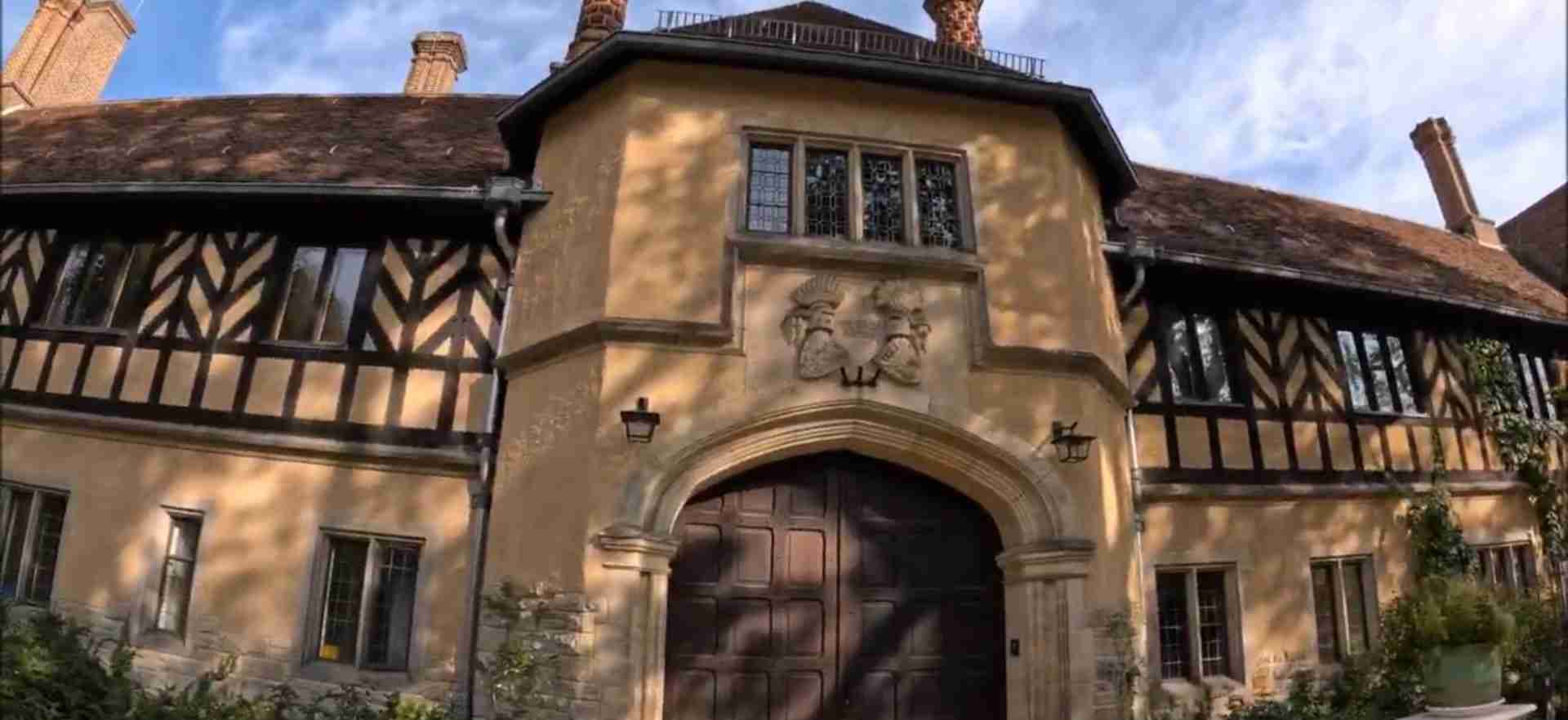
Cecilienhof Palace stands as a unique convergence of architectural beauty and world-altering historical significance. This English Tudor-style palace in Potsdam witnessed one of the 20th century’s most consequential diplomatic meetings—the Potsdam Conference of July-August 1945. Within its wood-paneled rooms, Allied leaders Harry S. Truman, Joseph Stalin, and Winston Churchill (later replaced by Clement Attlee) negotiated the terms that would define Europe’s political landscape for the next four decades and establish the framework for addressing defeated Germany.
Unlike many historic venues that have been extensively renovated or repurposed, Cecilienhof preserves the exact rooms and configurations used during the conference. Visitors walk through the same spaces where the “Big Three” debated boundaries, reparations, and the mechanisms of occupation. The palace’s significance extends beyond its political history—it represents the final architectural achievement of the Prussian royal family, completed just as their dynasty collapsed in the aftermath of World War I.
The palace embodies a fascinating historical irony: built as a private royal residence in the midst of global conflict, it became the stage where victorious powers determined the fate of nations. This transformation from imperial retreat to diplomatic crucible makes Cecilienhof a compelling destination for understanding how personal spaces become public history. The preservation efforts maintain both the intimate domestic character of the Hohenzollern apartments and the formal gravity of the conference chambers.
Today, Cecilienhof functions as a museum within the Prussian Palaces and Gardens Foundation Berlin-Brandenburg network. The palace offers visitors comprehensive exhibitions on the Potsdam Conference, the final years of the German Empire, and the architectural heritage of English Tudor influence in German palace construction. The surrounding New Garden (Neuer Garten) provides context for understanding how this residence fit into the broader landscape planning of Potsdam’s royal estates.
People Also Ask About Cecilienhof Palace
What happened at Cecilienhof Palace?
Cecilienhof Palace hosted the Potsdam Conference from July 17 to August 2, 1945, where Allied leaders negotiated the post-World War II settlement for Europe. President Harry S. Truman represented the United States, Premier Joseph Stalin led the Soviet delegation, and Prime Minister Winston Churchill (replaced by Clement Attlee after British elections on July 26) represented the United Kingdom. The conference resulted in the Potsdam Agreement, which established the principles for German occupation, defined territorial adjustments in Eastern Europe, addressed war reparations, and created the framework for prosecuting war criminals.
The delegates met in the palace’s large conference hall, specially prepared for the negotiations with a massive round table symbolizing equality among the three powers. Stalin occupied the suite on the ground floor’s left wing, Truman resided in the right wing, and the British delegation used the upper floor chambers. Daily plenary sessions alternated with bilateral meetings and working group discussions that addressed specific technical matters. The conference produced agreements on denazification procedures, economic principles for occupied Germany, the Polish-German border along the Oder-Neisse line, and the demand for Japan’s unconditional surrender.
Beyond the formal negotiations, Cecilienhof became the setting for crucial personal interactions among world leaders who had never met face-to-face. Truman informed Stalin about the successful atomic bomb test, Churchill hosted diplomatic dinners, and interpreters navigated complex political discussions across language barriers. The palace’s domestic architecture created an atmosphere different from traditional diplomatic venues—leaders conducted world-changing negotiations in rooms originally designed for family life, lending an intimate quality to momentous decisions.
Why was the Potsdam Conference held at Cecilienhof?
Soviet authorities selected Cecilienhof Palace for practical and symbolic reasons. The palace survived World War II largely undamaged, unlike many Berlin structures, providing suitable accommodation and meeting spaces. Its location in the Soviet occupation zone of Germany gave Stalin strategic advantage while remaining accessible to Western delegations. The palace’s 176 rooms offered sufficient space for the large American, British, and Soviet delegations along with their support staff, security details, and communications equipment.
The choice reflected deliberate symbolism as well. Holding the conference in a former royal palace emphasized the complete defeat of German militarism and the transformation of imperial spaces into sites of democratic negotiation. The English Tudor architecture created neutral aesthetic ground—neither explicitly German nor aligned with any Allied nation’s traditional diplomatic architecture. This architectural diplomacy mattered in creating an environment where three very different political systems could negotiate on theoretically equal terms.
Potsdam itself offered advantages beyond the palace. The city’s distance from devastated Berlin provided security and quiet conducive to focused negotiations. The surrounding palace parks allowed for private walks and informal discussions away from official proceedings. The presence of multiple palaces in Potsdam enabled separation of delegation headquarters while maintaining proximity for quick consultations. These practical considerations combined with the palace’s symbolic value to make Cecilienhof an ideal choice for shaping the post-war world order.
What architectural style is Cecilienhof Palace?
Cecilienhof Palace exemplifies English Tudor Revival architecture, a style characterized by half-timbering, steep gabled roofs, tall chimneys, and asymmetrical facades. Architect Paul Schultze-Naumburg designed the palace to resemble an English country manor house rather than traditional German palace architecture. The building features 176 rooms arranged around five interconnected courtyards, creating an intimate scale despite its substantial size. Red brick construction with contrasting white timber framing dominates the exterior, while interior spaces employ oak paneling, exposed beams, and inglenook fireplaces characteristic of Tudor domestic architecture.
The architectural choice reflected Crown Prince Wilhelm’s Anglophile tendencies and his wife Cecilie’s preference for informal, comfortable living spaces over formal palace grandeur. This preference for English architectural models appeared frequently in early 20th-century German aristocratic building projects, representing a cultural exchange between the British and German royal families who remained closely connected through marriage and diplomatic ties. The Tudor style’s emphasis on domestic comfort rather than ceremonial display suited the palace’s intended function as a private family residence rather than an official state building.
Specific architectural elements demonstrate authentic Tudor influence rather than superficial stylistic borrowing. The entrance courtyard features a star-pattern in clinker bricks—a deliberate reference to English garden design. Interior wood carving, particularly in the library and music room, follows English Renaissance precedents. The palace’s integration with its landscape through terraces, pergolas, and garden rooms reflects English landscape architecture principles. These details create architectural coherence that distinguishes Cecilienhof from mere Tudor-inspired decoration, making it a serious architectural statement about cultural affinity and domestic values.
Can you visit Cecilienhof Palace today?
Cecilienhof Palace operates as a museum open to public visitors throughout the year. The palace preserves the original conference rooms exactly as they appeared during the Potsdam Conference, allowing visitors to see the round conference table, national delegation rooms, and private apartments used by the Allied leaders. Permanent exhibitions document the conference proceedings, display original documents and photographs, and explain the historical context and consequences of the agreements reached. Additional exhibitions explore the Hohenzollern family’s final years and the palace’s construction during World War I.
Visitors access the palace through guided tours and self-guided exploration options depending on seasonal schedules and special exhibitions. The conference hall remains the central attraction, featuring the massive round table surrounded by the original chairs used by delegates. Personal artifacts from the conference participants, diplomatic correspondence, and multimedia presentations bring the historic negotiations to life. The palace also displays rooms prepared for the Allied leaders, showing how domestic spaces transformed into diplomatic headquarters with communication equipment, security arrangements, and working offices.
The surrounding New Garden enhances the palace visit with extensive parkland designed in English landscape style. Walking paths connect Cecilienhof to other historic structures including the Marble Palace and lakeside pavilions. The palace’s location on the shore of Jungfernsee creates scenic views that contextualize its original function as a royal retreat. Museum shops offer specialized historical publications about the Potsdam Conference, architectural guides, and commemorative items. The palace hosts academic conferences, diplomatic events, and educational programs that continue its legacy as a venue for international dialogue.
Extended multi-day tours – 5+ days
Featured Potsdam Multi-Day Tour Packages
7 days
Explore Berlin to Stockholm (9 destinations)
- ✓ Comprehensive Potsdam tour
- ✓ Expert local guides included
- ✓ All accommodation arranged
- ✓ Transportation provided
6 days
6 Days of Discovery: Berlin’s Stories Through Time
- ✓ Comprehensive Potsdam tour
- ✓ Expert local guides included
- ✓ All accommodation arranged
- ✓ Transportation provided

5 days
5 Days in Berlin: Discover Potsdam and Sachsenhausen with Expert Guides
- ✓ Comprehensive Potsdam tour
- ✓ Expert local guides included
- ✓ All accommodation arranged
- ✓ Transportation provided
5 days
Berlin in 5 Days: From Sachsenhausen to Potsdam & Beyond
- ✓ Comprehensive Potsdam tour
- ✓ Expert local guides included
- ✓ All accommodation arranged
- ✓ Transportation provided
Multi-day tour packages powered by TourRadar. Prices and availability subject to change.
Historical Background: From Royal Retreat to Diplomatic Venue
Cecilienhof Palace emerged from the particular circumstances of Crown Prince Wilhelm’s position as heir to the German throne during World War I. Kaiser Wilhelm II commissioned the palace in 1913 as a residence for his eldest son and daughter-in-law, Crown Princess Cecilie of Mecklenburg-Schwerin, for whom the palace was named. Construction began in 1914 just as Europe descended into war, creating the surreal situation of building a luxury residence while German society mobilized for total war. Architect Paul Schultze-Naumburg managed construction despite material shortages and labor constraints, completing the palace in 1917.
The choice to build in English Tudor style during a war against Britain reflects the complex cultural connections that persisted despite political conflict. Crown Prince Wilhelm had spent time in England and admired British country house architecture. His wife Cecilie preferred informal, comfortable living arrangements over the rigid formality of traditional German palace life. The palace design emphasized family spaces—nurseries, private sitting rooms, intimate dining areas—rather than grand ceremonial halls. This domestic focus distinguished Cecilienhof from earlier Prussian palaces built to project royal power and state authority.
The palace’s initial years coincided with the collapse of the German Empire. Crown Prince Wilhelm abdicated his rights to succession in 1918 following his father’s abdication, but the family continued occupying Cecilienhof until 1945. The palace witnessed the transformation from imperial residence to private home of the dispossessed royal family. During the interwar period, the Hohenzollerns maintained Cecilienhof as their primary residence, hosting cultural events and maintaining gardens while navigating their changed status in republican Germany. This period established the palace’s character as a family home rather than a symbol of royal authority.
The palace’s transformation into a diplomatic venue began in July 1945 when Soviet authorities selected it for the Potsdam Conference. The royal family evacuated hastily, leaving behind furniture, artwork, and personal effects. Soviet forces requisitioned the palace, conducting rapid renovations to prepare conference facilities. The main hall underwent significant modification to accommodate the round conference table and delegation seating. Communication equipment, security systems, and support facilities were installed throughout the building. This conversion occurred in less than two months, demonstrating both the palace’s architectural flexibility and the urgency of Allied negotiations.
The Potsdam Conference 1945: Shaping the Post-War World
The Potsdam Conference represented the final wartime summit among the principal Allied leaders, occurring after Germany’s surrender but before Japan’s capitulation. President Harry S. Truman arrived representing the United States in his first major international negotiation following Franklin D. Roosevelt’s death in April 1945. Premier Joseph Stalin led the Soviet delegation with the confidence of military victory and occupation of Eastern Europe. Prime Minister Winston Churchill began the conference but lost the British general election midway through negotiations, requiring Clement Attlee to assume the British position on July 28. This leadership transition mid-conference created additional complexity in maintaining negotiating positions.
The conference agenda addressed fundamental questions about Europe’s political reconstruction. Delegates negotiated the specifics of German occupation, dividing the country into four zones controlled by the United States, Soviet Union, Britain, and France. They established principles for denazification, democratization, and economic reconstruction. The agreement recognized Soviet territorial gains in Eastern Europe while attempting to secure democratic elections in liberated countries. Delegates addressed German war reparations, determining amounts and collection methods that would profoundly affect European economic recovery.
Daily sessions in the conference hall followed formal diplomatic protocol despite the palace’s domestic setting. Each delegation occupied assigned positions around the round table, with interpreters, note-takers, and advisors positioned behind their respective leaders. Discussions proceeded through simultaneous translation, creating deliberate pacing that allowed for careful consideration of positions. Working groups addressed technical matters—economic policy, territorial boundaries, legal frameworks—reporting findings to plenary sessions for final decisions. The conference schedule included both formal negotiating sessions and informal gatherings where leaders built personal relationships crucial for reaching agreements.
The conference produced the Potsdam Declaration demanding Japan’s unconditional surrender and the Potsdam Agreement establishing occupation principles for Germany. These documents reflected both genuine Allied cooperation and emerging tensions that would define the Cold War. Stalin secured recognition of Soviet territorial gains and influence in Eastern Europe. Truman established American leadership in Pacific affairs while testing Stalin’s reactions to atomic weapons development. Attlee sought to protect British interests while managing his nation’s declining global influence. The compromises reached at Cecilienhof created the framework for European division that persisted until 1989.
Beyond formal agreements, the conference established patterns of Cold War confrontation. Disagreements about Polish borders, German reparations, and Eastern European governance revealed fundamental incompatibilities between Western democracy and Soviet communism. The conference’s inability to resolve these differences peacefully foreshadowed four decades of superpower rivalry. Simultaneously, the meeting demonstrated possibilities for great power cooperation in addressing shared challenges like German militarism and Japanese aggression. This dual legacy—cooperation and conflict—makes the Potsdam Conference endlessly fascinating for understanding how World War II transformed into Cold War.
Architectural Significance: English Tudor in Prussian Context
Cecilienhof Palace represents a sophisticated architectural transplantation of English Tudor Revival style into the Prussian architectural tradition. Architect Paul Schultze-Naumburg studied English country houses extensively before designing Cecilienhof, incorporating authentic Tudor elements rather than superficial decorative features. The palace’s asymmetrical massing around five courtyards creates the impression of organic growth over time, characteristic of genuine Tudor manor houses that expanded according to family needs. This approach contrasted sharply with the symmetrical formality dominant in German palace architecture since the Baroque period.
The exterior construction employs traditional English building methods adapted to German climate and materials. Red brick walls with white-painted half-timbering create the characteristic Tudor visual vocabulary. Tall, ornamental chimneys rise above steep gabled roofs covered in red tiles. Mullioned windows with small panes divide wall surfaces rhythmically. The entrance courtyard features intricate brickwork patterns forming star designs—a direct reference to English Tudor courtyard paving. These exterior elements establish strong visual connection to English architectural precedents while accommodating German construction standards and thermal requirements.
Interior spaces demonstrate even more sophisticated engagement with Tudor architectural principles. The great hall features an exposed timber ceiling with carved beams and pendants modeled on English Renaissance examples. Oak paneling covers walls in principal rooms, creating warmth and acoustic intimacy. Inglenook fireplaces with built-in seating provide cozy gathering spaces within larger rooms. A grand oak staircase with carved newel posts and balusters rises through the central section of the palace. These interior architectural elements create authentic Tudor atmosphere rather than superficial period decoration, showing deep understanding of English domestic architectural traditions.
The palace’s integration with its landscape demonstrates English principles of architecture-garden unity. Terraces extend palace spaces into garden areas, creating transitional zones between interior and exterior. Pergolas covered in climbing plants frame views and create outdoor rooms. The New Garden’s informal landscape design complements the palace’s asymmetrical architecture, contrasting with the geometric formality of earlier Potsdam palace gardens. This landscape-architecture relationship reflects English landscape theory emphasizing natural picturesque beauty over controlled geometric design, representing significant departure from continental European palace garden traditions.
Architectural historians value Cecilienhof as evidence of cultural exchange between German and British aristocracies in the early 20th century. The palace demonstrates how architectural style expressed political and cultural affinities that transcended national boundaries. Crown Prince Wilhelm’s choice of English Tudor architecture reflected admiration for British constitutional monarchy and domestic culture. The palace’s completion during wartime highlights the persistence of these cultural connections despite military conflict. This architectural dialogue continued influencing German residential design throughout the 20th century, making Cecilienhof historically significant beyond its role as conference venue.
Cultural and Political Impact: Legacy of Historic Negotiations
The Potsdam Conference fundamentally altered European political geography and established institutional frameworks that governed international relations for decades. The conference legitimized Soviet control over Eastern Europe, effectively dividing the continent into spheres of influence that persisted until 1989. The agreement established principles for German occupation that evolved into separate East and West German states. The conference created mechanisms for Allied cooperation in prosecuting war criminals, leading to the Nuremberg Trials. These concrete outcomes shaped European history profoundly, making Cecilienhof a site of immense political significance.
The conference established precedents for superpower diplomacy that influenced Cold War summit meetings. The round table arrangement symbolized equality among powers while enabling face-to-face negotiation. The use of a palace rather than purpose-built conference facilities created informal atmosphere conducive to compromise. The inclusion of extensive support staff and working groups enabled technical experts to develop implementable agreements rather than vague declarations. These procedural innovations influenced subsequent summits at Geneva, Vienna, and other locations where Cold War adversaries sought diplomatic solutions to dangerous conflicts.
The conference’s cultural impact extended beyond immediate political outcomes. Photographs of Truman, Stalin, and Churchill/Attlee at Cecilienhof became iconic images representing Allied victory and cooperation. These images were reproduced globally, making the palace recognizable worldwide. The conference generated extensive documentation—minutes, memoranda, personal diaries—that became primary sources for understanding wartime diplomacy and post-war planning. Historians continue analyzing these materials to understand decision-making processes, personal relationships among leaders, and missed opportunities for different post-war arrangements.
The palace itself became a symbol of German division and eventual reunification. During Cold War decades, Cecilienhof stood in East Germany, accessible primarily to Communist Party officials and selected foreign visitors. The palace served as a museum celebrating Soviet victory and socialist construction, emphasizing Stalin’s role while minimizing Western contributions. After German reunification in 1990, the palace’s interpretation shifted to emphasize Allied cooperation and the conference’s role in establishing post-war European order. This evolution in historical presentation reflects changing political contexts and demonstrates how physical sites become contested memory spaces.
Contemporary cultural impact includes the palace’s role in educating new generations about World War II and its aftermath. School groups visit Cecilienhof to understand how diplomatic negotiations shaped their current political reality. International visitors seek to comprehend the origins of Cold War tensions and the processes of peace-building after catastrophic conflict. The palace functions as a teaching tool about diplomacy, compromise, and the long-term consequences of political decisions. This educational mission ensures Cecilienhof’s continued relevance beyond its immediate historical significance.
Exhibition and Museum Collections: Documenting Historic Negotiations
The palace museum maintains permanent exhibitions documenting the Potsdam Conference through original artifacts, documents, and multimedia presentations. The central conference hall preserves the massive round table used during negotiations, surrounded by the original chairs occupied by delegates. National flags mark the positions of American, British, and Soviet delegations. Wall panels display photographs of key negotiating sessions, showing leaders in discussion and delegates reviewing documents. Touch screens provide access to conference transcripts, allowing visitors to read actual negotiating exchanges and understand how agreements evolved through compromise and debate.
Personal artifacts from conference participants bring human dimension to historic events. Display cases contain Truman’s briefing materials, Churchill’s correspondence, and Stalin’s annotated maps showing Soviet territorial objectives. Visitors see the communication equipment used to maintain contact with Washington, London, and Moscow during negotiations. The palace exhibits personal effects from delegates’ stays—writing instruments, reading materials, personal photographs—illustrating the daily life of those conducting world-changing negotiations. These intimate objects complement formal diplomatic records, showing how individual personalities influenced political outcomes.
The museum preserves rooms exactly as they appeared during the conference. Truman’s suite maintains its original furniture arrangement, showing where the President conducted private meetings and reviewed briefing materials. Stalin’s ground-floor chambers display Soviet delegation working spaces. The British delegation’s upper-floor rooms show how Churchill and later Attlee organized their teams. These preserved spaces create powerful connection to the past, allowing visitors to stand where history unfolded and imagine the pressures and considerations that influenced crucial decisions.
Additional exhibitions explore the Hohenzollern family’s occupation of Cecilienhof from 1917 to 1945. Photographs show Crown Prince Wilhelm and Crown Princess Cecilie with their children in palace gardens and rooms. Original furniture and decorative arts illustrate aristocratic life during Germany’s transition from empire to republic. Family correspondence and personal documents reveal how the dispossessed royal family adapted to changed circumstances. These exhibitions provide context for understanding the palace’s transformation from private residence to diplomatic venue, showing how personal spaces became public history.
Special exhibitions regularly address specific aspects of the conference, German history, and diplomatic heritage. Topics include detailed analysis of specific Potsdam Agreement provisions, biographical studies of conference participants, technical examination of communication and security arrangements, and comparative studies of wartime summit conferences. The museum collaborates with international institutions to display materials from American, British, and Soviet archives, creating comprehensive documentation of this pivotal historical moment. These rotating exhibitions ensure the museum remains dynamic and encourages repeat visits.
Photography Guide: Capturing Historic Architecture and Landscapes
Photographing Cecilienhof Palace requires understanding how to capture both architectural beauty and historical atmosphere. The palace’s Tudor Revival architecture presents distinctive visual elements—half-timbering, tall chimneys, gabled roofs—that benefit from side lighting to emphasize texture and depth. Morning light from the east illuminates the main facade effectively, creating strong shadows that define architectural details. Late afternoon light enhances the red brick’s warmth and creates golden tones in the white timber framing. Overcast conditions work well for photographing intricate brickwork patterns in courtyards where direct sunlight creates harsh contrasts.
Interior photography challenges include managing the contrast between bright windows and darker paneled rooms. The conference hall benefits from wide-angle lenses that capture the full round table and delegation seating arrangement. Position yourself to include architectural details like the timber ceiling while showing the table’s symbolic central position. Natural window light creates atmospheric conditions in personal apartments, revealing the domestic character of spaces that hosted world leaders. The palace allows photography in most areas, enabling comprehensive documentation of both ceremonial and intimate spaces.
The palace’s integration with the New Garden provides excellent landscape photography opportunities. Photograph the palace from across the adjacent lake to show its picturesque setting and relationship to water. Garden paths through mature trees create natural frames for architectural views. The transition from formal terraces to informal parkland illustrates English landscape design principles. Spring brings blossoming trees and fresh greenery, summer offers full foliage and vibrant gardens, autumn provides rich color in the surrounding woods, and winter reveals the palace’s structure clearly against bare trees and possible snow.
Detail photography captures the authentic Tudor architectural elements that distinguish Cecilienhof. Close-up shots of brick patterns, timber joinery, carved woodwork, and decorative metalwork document the craftsmanship. Interior details include oak paneling, carved fireplace surrounds, stained glass, and period light fixtures. These architectural details tell the story of early 20th-century construction quality and design sophistication. Macro photography of materials—brick texture, wood grain, metal patina—reveals aging and preservation efforts that maintain the palace’s authenticity.
Historical documentation photography focuses on elements connected to the Potsdam Conference. The round conference table presents a powerful subject that symbolizes Allied cooperation and post-war negotiations. Photograph delegation chairs from perspectives that show their relationship to the table’s center. Document exhibition materials including original photographs, documents, and artifacts that illuminate conference proceedings. Capture the contrast between intimate domestic spaces and formal conference facilities to illustrate how personal architecture transformed into political venue. These images help preserve and communicate the palace’s unique dual nature as both residence and historic diplomatic site.
Conservation and Preservation: Maintaining Historic Authenticity
Preserving Cecilienhof Palace requires balancing heritage conservation with public access and changing environmental conditions. The Prussian Palaces and Gardens Foundation Berlin-Brandenburg manages ongoing maintenance addressing structural stability, climate control, and material preservation. The palace’s Tudor-style construction presents particular challenges—exposed timber framing requires regular inspection and treatment to prevent rot, brick masonry needs repointing to maintain weather resistance, and slate roofing demands periodic replacement. Conservation specialists employ traditional materials and methods to maintain architectural authenticity while incorporating modern preservation technologies where appropriate.
The conference hall receives special preservation attention as the site’s primary historical attraction. The massive round table undergoes regular conservation to prevent wood deterioration from handling and environmental fluctuations. Original chairs used by delegates are monitored for structural stability and finish preservation. The hall’s flooring experiences significant visitor traffic, requiring protective measures that don’t compromise historic character. Climate control systems maintain stable temperature and humidity levels that protect furnishings while accommodating thousands of annual visitors. These technical interventions remain invisible to visitors, preserving the illusion of stepping directly into 1945.
Conservation extends to the palace’s extensive collections of furniture, artwork, and decorative arts. Many pieces represent original Hohenzollern family furnishings from the palace’s residential period. Others were added during the 1945 conference preparations or during subsequent museum development. Conservation specialists analyze each object’s provenance, condition, and historical significance to develop appropriate preservation strategies. Regular condition surveys identify deterioration requiring intervention. Conservation treatments employ reversible methods allowing future conservators to refine approaches as technology advances.
The surrounding New Garden requires landscape conservation addressing historic plant materials, design features, and ecological health. Historic tree plantings receive expert arboricultural care to extend their lifespan while planning for succession plantings that maintain designed landscape character. Garden structures including pergolas, bridges, and ornamental features undergo periodic restoration. The landscape’s informal English style requires maintenance that preserves picturesque character while preventing overgrowth that would obscure designed views and spatial relationships. This landscape conservation complements architectural preservation, ensuring the palace remains integrated with its intended landscape setting.
Public interpretation programs help visitors understand conservation challenges and appreciate preservation efforts. Exhibition panels explain how specialists maintain historic materials and architectural features. Visible conservation work sometimes occurs during visiting hours, allowing public observation of skilled craftsmanship. Educational programs for students include conservation components that teach heritage stewardship principles. These initiatives build public support for continued preservation investment and communicate the complex technical work required to maintain historic sites. Understanding conservation helps visitors appreciate the palace not just as historical setting but as a living conservation laboratory demonstrating best practices in heritage preservation.
UNESCO World Heritage Recognition: Palaces and Parks of Potsdam
Cecilienhof Palace gained UNESCO World Heritage designation in 1990 as part of the “Palaces and Parks of Potsdam and Berlin” cultural property. This inscription recognized the ensemble’s outstanding universal value as an exceptional example of royal residential development from the 17th through early 20th centuries. The designation encompasses multiple palaces, gardens, and landscape features representing evolving approaches to palace architecture and landscape design across three centuries. Cecilienhof contributes to this ensemble as the final addition to Potsdam’s royal architectural heritage, demonstrating early 20th-century architectural internationalism and its transformation into a site of global historical significance.
The UNESCO recognition emphasizes several aspects of Cecilienhof’s significance. The palace exemplifies cultural exchange between British and German architectural traditions, representing internationalism in early 20th-century aristocratic culture. Its role as Potsdam Conference venue adds historical layers extending beyond architectural merit. The preservation of conference rooms in their historic arrangement demonstrates outstanding conservation practice and interpretation of 20th-century diplomatic history. The palace’s integration with the New Garden illustrates the continuation of Potsdam’s landscape tradition while adapting English picturesque principles to German context.
The World Heritage designation places Cecilienhof within a broader narrative about European palace culture and political history. The Potsdam ensemble documents the evolution from Baroque ceremonial palaces like Sanssouci to intimate residential buildings like Cecilienhof. This progression mirrors changing conceptions of monarchy, privacy, and architectural expression across centuries. The designation recognizes how these palaces collectively illustrate major phases in European cultural history, with Cecilienhof representing both the conclusion of aristocratic palace building and the transformation of royal spaces into democratic heritage.
Management responsibilities accompanying UNESCO designation require coordinated conservation, interpretation, and sustainable tourism development. The Prussian Palaces and Gardens Foundation implements management plans addressing visitor impact, climate change adaptation, and heritage transmission to future generations. International cooperation through UNESCO networks facilitates sharing conservation expertise and best practices with other World Heritage palace sites. The designation attracts international visitors who might not otherwise discover Cecilienhof, raising the palace’s global profile while creating management challenges around visitor numbers and site capacity.
The World Heritage status enhances the palace’s educational value and symbolic importance. Recognition by UNESCO’s international expert committees validates Cecilienhof’s significance beyond national heritage discourse. The designation encourages academic research, international conferences, and collaborative scholarship that deepens understanding of the palace’s multiple historical dimensions. For Potsdam and Germany, World Heritage status strengthens civic pride and commitment to heritage preservation. Internationally, the designation positions Cecilienhof as a shared heritage site where universal values of peace, diplomacy, and cultural exchange transcend national boundaries.
Frequently Asked Questions
How long did the Potsdam Conference last?
The Potsdam Conference lasted 17 days, from July 17 to August 2, 1945. The conference began shortly after Germany’s unconditional surrender and concluded with the Potsdam Declaration demanding Japan’s capitulation. Daily plenary sessions alternated with bilateral meetings and working group discussions. The conference schedule included breaks for consultations with home governments and social events designed to build personal relationships among delegates.
Were any agreements reached at Cecilienhof still in effect today?
The Potsdam Agreement established principles and territorial arrangements that fundamentally shaped modern Europe. The Oder-Neisse line defining the Polish-German border was confirmed by the Potsdam Agreement and remains Germany’s eastern border today. The agreement’s provisions for denazification and democratization established foundations for contemporary German democracy. While many specific administrative arrangements ended with German reunification in 1990, the conference’s broader framework for addressing defeated aggressor nations influenced international law and UN peacekeeping principles.
What happened to the Hohenzollern family after leaving Cecilienhof?
Crown Prince Wilhelm and his family left Cecilienhof in 1945 when Soviet forces requisitioned the palace for the conference. The family relocated to Hechingen in southwestern Germany, where they lived in reduced circumstances. Wilhelm died in 1951, maintaining claims to the throne despite having renounced succession rights in 1918. His descendants pursued legal claims for compensation for properties confiscated after World War II, including Cecilienhof, with partial resolutions reached in the 1990s after German reunification.
Can you see original documents from the Potsdam Conference?
The palace museum displays reproductions of key Potsdam Conference documents, including the final agreement and selected diplomatic correspondence. Original documents remain in national archives in Washington, London, and Moscow. However, the museum provides digital access to extensive archival materials through interactive displays. Special exhibitions occasionally include original documents on loan from partner institutions. The museum library maintains comprehensive documentary collections available to researchers by appointment.
What role did interpreters play during the conference?
Interpreters were essential to conference proceedings, enabling communication among leaders who spoke different languages. Charles Bohlen served as Truman’s interpreter for Russian, Major Arthur Birse interpreted for Churchill, and Vladimir Pavlov worked as Stalin’s English interpreter. The interpreters’ skill in conveying not just words but nuance and intent proved crucial for successful negotiations. Their presence around the conference table appears in many photographs, and their memoirs provide valuable insights into the conference dynamics and personal interactions among leaders.
How does Cecilienhof compare to other Potsdam palaces?
Cecilienhof differs fundamentally from earlier Potsdam palaces in style, scale, and function. Palaces like Sanssouci exemplify Baroque and Rococo ceremonial grandeur, while Cecilienhof embraces English Tudor domestic comfort. The palace’s asymmetrical design contrasts with the formal symmetry of 18th-century palaces. Its relatively modest scale and family-oriented layout distinguish it from state palaces built to project royal authority. These differences reflect changing conceptions of monarchy and private life in the early 20th century.
What makes the architecture authentically Tudor rather than just Tudor-inspired?
Cecilienhof’s architecture demonstrates authentic engagement with Tudor principles through structural systems, material choices, and spatial organization rather than superficial decoration. The half-timbering functions as genuine structural framing rather than applied ornament. Interior oak paneling employs traditional joinery methods. The asymmetrical plan develops organically around courtyards as genuine Tudor houses evolved. Architect Paul Schultze-Naumburg studied English examples extensively, incorporating authentic construction techniques adapted to German building traditions and climate requirements.
Are there any ghost stories or legends associated with Cecilienhof?
Unlike many centuries-old European palaces, Cecilienhof has accumulated relatively few ghost stories or legends given its recent construction. Some visitors report sensing the gravity of historic events in the conference hall, describing emotional responses to standing where world-altering decisions were made. Palace staff occasionally share anecdotes about unusual occurrences during evening events, though these remain informal stories rather than established legends. The palace’s primary mystique derives from documented history rather than supernatural lore.
How did the palace function during East German control?
During East German control from 1949 to 1990, Cecilienhof served as a museum and state guesthouse. The East German government emphasized the Potsdam Conference’s role in establishing socialist Eastern Europe, presenting Stalin as the primary architect of post-war order. The museum interpretation minimized Western contributions while celebrating Soviet victory. Access remained limited, with priority given to Communist Party officials and approved foreign visitors. The palace also hosted diplomatic events and state functions, continuing its role as a venue for international meetings.
What changes occurred at Cecilienhof after German reunification?
German reunification in 1990 transformed Cecilienhof’s management and interpretation. The palace transferred from East German state control to the Prussian Palaces and Gardens Foundation Berlin-Brandenburg. Museum exhibitions were redesigned to present balanced accounts of the Potsdam Conference, acknowledging all Allied contributions. Conservation priorities shifted to include Hohenzollern family history alongside diplomatic heritage. Public access expanded dramatically, attracting international visitors and school groups. UNESCO World Heritage designation in 1990 immediately following reunification emphasized the palace’s universal significance beyond Cold War divisions.