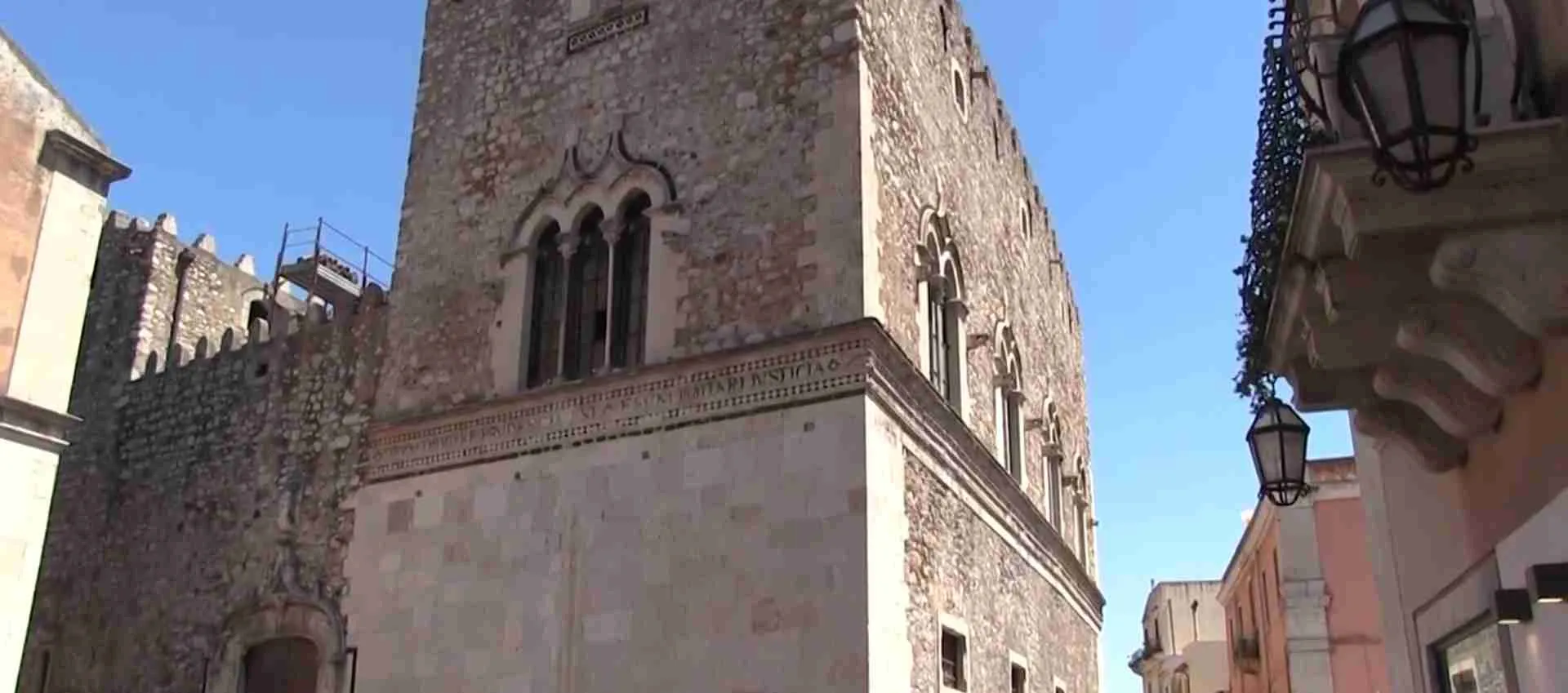
Catania Travel Guide 2026: Ultimate Sicily Travel Planning
This guide addresses practical 2026 planning essentials: accommodation strategies across neighborhoods from historic center to seaside Ognina, transportation options including metro, buses, and rental cars for Etna access, seasonal timing for volcano excursions and cultural festivals, budget planning for various travel styles, and detailed itineraries combining urban exploration with natural wonders. Whether you’re planning baroque architecture immersion, Etna hiking adventures, culinary deep dives into Sicilian seafood traditions, or comprehensive southeastern Sicily exploration using Catania as your base, this resource provides the framework for optimizing your 2026 visit to Sicily’s volcanic metropolis.
Key Takeaways
- Catania combines UNESCO baroque heritage with Mount Etna access, offering dramatic volcanic landscapes alongside elegant 18th-century architecture rebuilt after the 1693 earthquake
- Budget €80-120 daily per person for mid-range travel in 2026, covering accommodation, meals, local transport, and cultural experiences across Sicily’s second-largest city
- Spring (April-May) and fall (September-October) provide optimal weather for Etna excursions and baroque exploration, with comfortable temperatures and fewer summer crowds
- Strategic base location gives access to Mount Etna, Syracuse UNESCO sites, Taormina coastal beauty, and Val di Noto baroque towns within 60-90 minute drives
- Catania-Fontanarossa Airport connects directly to major European cities, positioning Sicily’s volcanic metropolis as an accessible Mediterranean destination for 2026 travelers
- Fish market, baroque squares, and volcanic stone architecture create distinctive Sicilian urban character impossible to experience elsewhere on the island
Introduction: Planning Your Catania Experience in 2026
Catania stands as Sicily’s dynamic volcanic metropolis, where Mount Etna’s dark lava stone defines baroque architecture and daily life unfolds against Europe’s most active volcano. The 1693 earthquake that devastated eastern Sicily became the catalyst for extraordinary urban reconstruction, as architects transformed destruction into opportunity, creating the harmonious baroque ensemble that earned UNESCO World Heritage designation. This complete guide provides essential planning information for experiencing Catania in 2026, from navigating volcanic stone streets to budgeting Etna excursions, timing your visit for optimal weather, and understanding how Sicily’s second city functions as your strategic base for exploring southeastern Sicily’s cultural and natural treasures.
The city’s unique character derives from this volcanic foundation—literally and figuratively. Black lava stone forms palace facades, church walls, and street paving, creating dramatic visual contrast with white limestone details and colorful baroque ornamentation. This distinctive aesthetic permeates every neighborhood, from the monumental Piazza del Duomo to the chaotic vitality of the fish market, where vendors still conduct business in Catania’s expressive dialect. Understanding this volcanic urbanism helps travelers appreciate how Etna shapes not just the landscape but Sicilian identity itself, making Catania fundamentally different from Palermo’s Arab-Norman heritage or Syracuse’s Greek classical foundations.
Beyond baroque beauty, Catania functions as eastern Sicily’s transportation hub and economic engine. Catania-Fontanarossa Airport welcomes flights from across Europe, while the city’s central location enables day trips to Mount Etna’s summit craters, Syracuse’s Greek theater, Taormina’s clifftop elegance, and Val di Noto baroque towns. This strategic position makes Catania ideal for travelers seeking comprehensive Sicilian experiences without constantly changing accommodation. Modern infrastructure coexists with historic character—metro lines connect airport to city center, while traditional markets maintain centuries-old trading rhythms.
People Also Ask About Catania 2026
Is Catania worth visiting in 2026?
Catania delivers exceptional value for travelers seeking authentic Sicilian urban experiences combined with Mount Etna access in 2026. The city offers UNESCO baroque architecture at significantly lower costs than Venice or Florence, with daily budgets of €80-120 per person covering quality accommodation, excellent seafood dining, and cultural exploration. Unlike tourist-saturated destinations, Catania maintains genuine working-city character—fish markets operate for locals, baroque squares host daily Catanian life, and volcanic stone architecture creates distinctive aesthetic impossible to replicate elsewhere. The strategic location enables day trips to Etna’s summit craters, Syracuse’s Greek theater, Taormina’s coastal beauty, and Val di Noto baroque towns, making Catania an efficient base for comprehensive eastern Sicily exploration without constantly changing hotels.
How many days do you need in Catania in 2026?
Three to four days provides optimal Catania experience in 2026, balancing urban exploration with regional excursions. Day one covers historic center baroque architecture including Duomo, Via Etnea shopping boulevard, and Castello Ursino museum. Day two focuses on Mount Etna day trip with summit crater access or lower slopes wine tasting. Day three explores local life through fish market morning visits, Ognina seaside neighborhood, and evening aperitivo culture. Optional day four enables additional excursions to Syracuse (90 minutes), Taormina (60 minutes), or Val di Noto towns (90 minutes). This timeframe allows experiencing Catania’s distinctive volcanic urbanism while accessing broader southeastern Sicily highlights, though travelers using the city as regional base may extend stays to 5-7 days for comprehensive area coverage including multiple day trips.
What is the best month to visit Catania in 2026?
May and September emerge as optimal months for Catania visits in 2026, offering ideal conditions for both urban exploration and Mount Etna excursions. May delivers spring temperatures of 18-24°C, perfect for volcano hiking without summer heat, with Etna’s slopes covered in wildflowers and broom blooms. September provides warm Mediterranean weather (20-26°C) with sea temperatures still comfortable for swimming at nearby beaches, fewer crowds than summer peak, and harvest season beginning across Etna wine country. Both months avoid July-August extreme heat that makes afternoon urban walking uncomfortable and Etna summit ascents challenging. April and October serve as secondary choices with slightly cooler weather but excellent value, while November-March brings reduced tourism and lower prices but limits high-altitude Etna access due to snow and weather conditions on the volcano.
How much does a trip to Catania cost in 2026?
Budget €80-120 daily per person for mid-range Catania experiences in 2026, covering accommodation, meals, transportation, and activities. Mid-range hotels cost €70-110 per night for double occupancy (€35-55 per person), while budget hostels and guesthouses range €25-40 per person. Daily meals total €35-50 including breakfast €5-8, lunch €12-18, dinner €18-25, with additional €5-8 for coffee and snacks. Local transportation via metro and buses costs €3-5 daily, with multi-day passes offering savings. Major activities include Mount Etna guided tours €50-90, Castello Ursino museum €10, Roman theater €6, with many baroque churches and squares free to explore. Budget travelers manage on €50-70 daily through hostel accommodation and self-catering, while luxury travelers budget €200-300+ daily for upscale hotels, fine dining experiences, and private Etna excursions. Weekly visits cost €560-840 per person mid-range, making Catania more affordable than northern Italian cities.
Extended multi-day tours – 5+ days
Featured Catania Multi-Day Tour Packages
5 days
Sicilian Secrets – Mini Tour of Sicily 5 days
- ✓ Comprehensive Catania tour
- ✓ Expert local guides included
- ✓ All accommodation arranged
- ✓ Transportation provided
7 days
7-Day Sicily in Style from Palermo to Catania, Private Tour
- ✓ Comprehensive Catania tour
- ✓ Expert local guides included
- ✓ All accommodation arranged
- ✓ Transportation provided
5 days
MINI TOUR OF SICILY from PALERMO TO CATANIA
- ✓ Comprehensive Catania tour
- ✓ Expert local guides included
- ✓ All accommodation arranged
- ✓ Transportation provided
5 days
A Taste of Sicily
- ✓ Comprehensive Catania tour
- ✓ Expert local guides included
- ✓ All accommodation arranged
- ✓ Transportation provided
Multi-day tour packages powered by TourRadar. Prices and availability subject to change.
Essential Planning Information 2026
Understanding Catania’s Geography and Layout
Catania’s urban structure reflects its volcanic foundation and baroque reconstruction. The historic center, rebuilt after 1693 earthquake, extends from the waterfront Piazza del Duomo northward along Via Etnea, the city’s main boulevard that runs straight toward Mount Etna’s summit visible 30 kilometers away. This north-south axis organizes the baroque city, with major squares (Piazza Università, Piazza Stesicoro) punctuating Via Etnea at regular intervals. The historic core occupies roughly 1.5 square kilometers, walkable in 20-30 minutes end-to-end, making urban exploration manageable without extensive transportation.
Beyond the baroque center, distinct neighborhoods offer different experiences. The fish market area (La Pescheria) spreads west of Piazza del Duomo, occupying streets between the cathedral and port, where early morning seafood trading creates Catania’s most chaotic and photogenic scene. East of the center, residential neighborhoods transition toward the coast, with Ognina providing seaside village character within city limits. North along Via Etnea, 19th and 20th-century expansion created middle-class residential zones and the university district, while peripheral areas hold little tourist interest beyond transit connections.
Mount Etna dominates the northern horizon, its summit visible from most historic center locations on clear days. This proximity explains the volcano’s psychological presence in Catanian life—residents live literally in Etna’s shadow, with eruptions occasionally depositing ash on city streets. Understanding this relationship helps travelers appreciate why volcanic stone permeates local architecture and why Etna excursions feel essential rather than optional. The volcano sits 30 kilometers from city center, accessible via winding mountain roads that climb from sea level to 1900 meters at Rifugio Sapienza base station or 1800 meters at Piano Provenzana northern access point.
Current Costs and Pricing Breakdown for 2026
Accommodation dominates Catania budgets in 2026. Mid-range hotels in historic center cost €70-110 nightly for double rooms with private bath, breakfast included, positioning €35-55 per person daily. Budget options including hostels and guesthouses range €25-40 per person in dorm beds or basic private rooms. Luxury hotels command €150-250+ nightly with rooftop terraces, pools, and upscale amenities. Book accommodations 2-3 months ahead for May and September optimal periods, 1-2 months for shoulder seasons. Check booking platforms for current rates as seasonal pricing variations affect availability.
Dining costs reflect Sicilian food culture and local ingredients. Breakfast in hotels typically includes continental buffets, while café breakfast costs €5-8 for cappuccino and cornetto. Lunch ranges €12-18 for trattoria meals or pizza, with many restaurants offering pranzo fisso (fixed lunch menus) providing better value than evening à la carte. Dinner costs €18-25 per person at mid-range restaurants, €30-45 at upscale establishments featuring creative Sicilian cuisine and Etna wines. The fish market area hosts budget-friendly seafood restaurants where €15-20 delivers generous portions of grilled fish, pasta with sea urchin, or mixed seafood platters. Street food including arancini (€3-4), cartocciata (€4-5), and granita with brioche (€4-6) provides economical eating between main meals.
Transportation costs remain minimal due to efficient public systems. Metro and buses operate on integrated ticketing: single rides cost €1.50, 90-minute transfers €2, and 24-hour passes €4.50. Weekly passes at €16 serve longer stays, though most visitors find individual tickets or daily passes sufficient for historic center exploration combined with airport transfers. Taxis from airport to city center cost €25-35 for fixed-rate service, while airport shuttle buses charge €4 per person. Car rentals for Etna and regional exploration range €35-60 daily for compact models, €50-80 for SUVs better suited to volcano’s rough access roads.
Activity costs vary significantly. Mount Etna guided tours represent the major expense at €50-90 for half-day excursions to summit craters, cable car, and 4×4 access included. Museums charge modest entry: Castello Ursino €10, Roman theater and amphitheater €6, Benedictine Monastery €9. Many baroque churches including the Cathedral remain free, though donations appreciated. Food tours and cooking classes cost €60-90 per person for 3-4 hour experiences including tastings and market visits. Wine tours to Etna vineyards range €70-120 covering transportation, multiple winery visits, and lunch. Budget €15-25 daily for miscellaneous expenses including bathroom access, tipping, snacks, and incidental purchases.
Best Time to Visit Catania 2026
Seasonal Analysis for 2026 Planning
Spring (April-May) emerges as Catania’s prime season, combining comfortable temperatures with volcanic landscape beauty. April delivers 15-20°C days ideal for urban walking and lower-altitude Etna exploration, though summit access remains limited by snow conditions early in the month. May provides consistently excellent weather at 18-24°C, with Etna’s slopes exploding in yellow broom flowers and red poppies creating spectacular contrast against black lava stone. Spring also brings fewer crowds than summer, lower accommodation prices, and comfortable conditions for extended outdoor activities. Easter celebrations (April 20, 2026) add cultural interest with religious processions, though accommodation books quickly around this period requiring advance reservations.
Summer (June-August) brings intense heat and peak tourism. June starts manageable at 24-28°C but July-August temperatures frequently exceed 30-35°C, making afternoon urban exploration uncomfortable and Etna excursions challenging during midday heat. This season works best for travelers prioritizing nearby beaches and evening urban exploration after temperatures drop. Accommodation costs peak, restaurants fill with tourists, and popular Etna tours require advance booking. However, summer delivers reliable sunny weather, longest daylight hours for activities, and vibrant evening atmosphere as locals emerge after siesta for passeggiata (evening strolls) and outdoor dining. Sant’Agata Festival (February) attracts huge crowds celebrating Catania’s patron saint.
Fall (September-October) rivals spring as optimal visiting period. September maintains summer warmth at 20-26°C with sea temperatures still comfortable for swimming at Ognina and nearby beaches, while October cools to 17-22°C perfect for hiking and urban exploration. Autumn brings grape harvest across Etna vineyards, creating opportunities for wine tourism and agriturismo experiences. Tourist numbers decline significantly after late September, returning more authentic local character to fish markets and baroque squares. Accommodation prices drop 20-30% from summer peaks, restaurants offer better service with fewer crowds, and Etna access remains fully operational through October with early November closures depending on snowfall.
Weather Patterns and Crowd Predictions for 2026
Catania’s Mediterranean climate delivers hot, dry summers and mild, occasionally wet winters. Summer (June-September) sees almost no rainfall, with temperatures averaging 28-32°C and July-August peaks reaching 35-38°C during heatwaves. Sea breezes moderate coastal temperatures slightly, but inland areas including Etna lower slopes experience intense heat. Winter (December-March) brings cooler temperatures of 8-15°C with occasional rain showers, though Catania receives significantly less precipitation than northern Italy. Mount Etna’s summit remains snow-covered November through May, with winter offering dramatic visual contrast between snowy volcano and green citrus groves at lower elevations.
Crowd patterns follow Italian vacation schedules and international tourism trends. Easter week (April 14-20, 2026) creates first major influx with Italian domestic tourists and religious pilgrims for Sant’Agata relics. May through June sees steady increases, with August representing absolute peak as Italian ferragosto (mid-August holiday) brings maximum congestion to all tourist sites, restaurants, and accommodation. September maintains moderate crowds through first two weeks before dramatic decline in late September. October-November offer excellent crowd conditions with manageable tourist numbers and authentic local atmosphere returning to markets and squares.
Mount Etna’s accessibility varies seasonally and deserves separate consideration. Summit crater access via cable car and 4×4 operates reliably May through October, weather permitting. November-April brings snow and ice to upper elevations, limiting access to lower altitude areas around Rifugio Sapienza and Piano Provenzana. Active eruptions can temporarily close summit access regardless of season, though eruptions add spectacular visual drama visible from Catania city center and surrounding areas. Check current volcanic activity and weather conditions when booking Etna excursions, as conditions change rapidly on the volcano. Winter volcano visits offer unique snow-covered crater experiences for equipped hikers, though professional guides remain essential for safety.
Getting to Catania 2026
Airport Connections and Flight Options
Catania-Fontanarossa Airport (CTA) serves as Sicily’s primary international gateway, handling 10 million passengers annually with direct connections across Europe. Located just 5 kilometers southwest of city center, the airport provides convenient access requiring 15-25 minutes for ground transportation. Terminal renovations completed in recent years improved passenger flow and services, though summer peak periods still create congestion at security and baggage claim. The airport operates extensive seasonal route networks with increased frequencies during April-October peak season.
Low-cost carriers dominate Catania routes with Ryanair offering the most extensive European network from bases in London, Berlin, Brussels, Paris, and Barcelona. EasyJet provides strong UK connections through London Gatwick, Manchester, and Bristol, while Wizz Air connects Eastern European cities including Budapest, Warsaw, and Bucharest. Traditional carriers including Alitalia (now ITA Airways), Lufthansa, and Air France operate year-round services with connections through Rome, Munich, and Paris hubs. Summer months bring additional seasonal routes from Scandinavia, Netherlands, and Switzerland operated by various carriers seeking Mediterranean leisure traffic.
Flight costs vary dramatically by season and booking timing. January-March off-season sees round-trip fares from London around €60-100, Frankfurt €80-120, Paris €70-110 on low-cost carriers booked 2-3 months ahead. April-June and September-October shoulder seasons bring prices to €100-180 from major European cities, while July-August peak commands €180-300+ even with advance booking. Last-minute summer bookings frequently exceed €400 round-trip. Book 3-4 months ahead for best rates, monitoring multiple carriers and departure cities as routing through Rome or Milan sometimes delivers better total pricing than direct Catania flights.
Ground Transportation from Airport to City Center
Alibus shuttle provides most efficient and economical airport connection, operating every 25 minutes from 5:00 AM to midnight daily. The dedicated airport service costs €4 per person one-way, accepting payment onboard or at airport ticket machines, stopping at central station and terminating at Piazza Duomo in historic center. Journey time runs 20-25 minutes depending on traffic, with luggage storage available under seats. This option works perfectly for travelers with standard luggage heading to historic center accommodation, avoiding taxi costs while maintaining reasonable comfort and speed. Purchase tickets at AMT booth in arrivals hall or from automatic machines, validating aboard the bus.
Taxis operate on fixed-rate basis from airport to city zones, eliminating meter concerns and price uncertainty. Fixed fare to historic center (Zone 1) costs €25 for up to four passengers with standard luggage, Zone 2 (peripheral areas) €30, with supplements of €2-3 for late-night service after 10 PM and Sundays. Licensed white taxis wait at designated stands outside arrivals, with journey taking 15-20 minutes outside rush hours. This option suits travelers with heavy luggage, small groups where per-person cost becomes comparable to bus fare, or arrivals outside Alibus operating hours. Avoid unlicensed taxis and always confirm fixed-rate pricing before departing.
Car rentals make sense primarily for travelers prioritizing Mount Etna and regional exploration over urban focus. All major international agencies (Hertz, Europcar, Avis, Sixt) maintain airport counters with vehicles available for immediate pick-up. Compact cars cost €35-50 daily, mid-size €45-60, SUVs €55-80 depending on season and booking timing. However, driving in Catania historic center creates more problems than solutions—restricted traffic zones (ZTL) prohibit non-resident vehicles in baroque core, parking costs €15-25 daily in monitored lots, and narrow streets make navigation frustrating. Rent cars only if planning immediate departure for Etna, Taormina, or Syracuse rather than starting with Catania urban days. Book 2-3 weeks ahead for better rates and vehicle selection.
Where to Stay in Catania 2026
Historic Center Accommodation Strategy
Historic center accommodation places travelers within walking distance of baroque architecture, fish market, restaurants, and Via Etnea shopping. Mid-range hotels occupying converted palazzos cost €70-110 nightly, offering atmospheric rooms with frescoed ceilings, central locations near Piazza del Duomo or Piazza Università, and included breakfast buffets. These properties deliver authentic baroque building experiences without luxury prices, though elevator absence in some buildings requires climbing historic staircases with luggage. Top choices include B&Bs and small hotels along Via Etnea between Piazza del Duomo and Piazza Bellini, providing easy access to major monuments while maintaining neighborhood tranquility.
Budget travelers find excellent hostel and guesthouse options in historic core at €25-40 per person in dorm beds or basic private rooms. These properties occupy palazzo upper floors, sharing baroque building character with upscale hotels but offering simpler amenities and shared facilities. The hostel scene attracts younger travelers creating social atmosphere and opportunities for organizing shared Etna excursions or Syracuse day trips. Location matters less at this price point since entire historic center remains walkable, though properties near fish market area provide most authentic local immersion despite potential early-morning market noise.
Luxury boutique hotels command €150-250+ nightly with rooftop terraces, pools, high-design interiors, and personalized service. Several properties occupy fully restored baroque palaces with contemporary interventions creating dramatic aesthetic juxtapositions—modern furnishings against 18th-century frescoes, minimalist bathrooms carved from volcanic stone chambers. These hotels offer the most memorable Catanian accommodation experiences, particularly properties with Etna-view terraces where morning coffee comes with volcano backdrop. Book 2-3 months ahead for May and September peak season, though last-minute deals sometimes appear for off-season winter months.
Alternative Neighborhoods and Coastal Options
Ognina, Catania’s traditional fishing village absorbed into eastern city sprawl, provides seaside alternative 3 kilometers from historic center. This neighborhood maintains authentic local character with seafood restaurants lining the small harbor, swimmers using volcanic rock platforms for summer Mediterranean access, and residential streets largely untouched by tourism. Accommodation options remain limited to small B&Bs and vacation rentals at €50-80 nightly, offering quieter atmosphere and local immersion in exchange for 15-20 minute bus rides to historic center. This choice suits travelers prioritizing seaside morning swims and neighborhood authenticity over immediate baroque access, particularly during summer when Mediterranean proximity provides cooling relief from inland heat.
The university district along upper Via Etnea offers another alternative with student-oriented amenities, lower prices, and good public transport connections. Guesthouses and apartments cost €40-70 nightly with more space than historic center equivalents, modern amenities, and proximity to supermarkets for self-catering. The area lacks baroque architectural drama but delivers authentic working Catania atmosphere with evening passeggiata along Via Etnea, neighborhood restaurants serving university crowds, and easy metro access to both historic center and airport. Consider this option for longer stays where apartment space and kitchen facilities justify slightly peripheral location.
Airbnb and vacation rentals proliferate across central neighborhoods, offering apartments at €60-120 nightly for 2-4 people. Entire apartments provide better value for small groups compared to multiple hotel rooms, with kitchens enabling breakfast and occasional dinner preparation to reduce dining costs. However, rental quality varies significantly—some occupy historic buildings with character, others inhabit modern apartment blocks with minimal atmosphere. Read reviews carefully, confirm exact location relative to major monuments, and verify accessibility for luggage handling. Many historic center buildings lack elevators, creating challenges for travelers with heavy bags or mobility limitations. Vacation rentals work best for stays of 4+ nights where apartment amenities justify slightly higher complexity compared to hotel simplicity.
Sample 2026 Catania Itineraries
Three-Day Essential Catania Experience
Day 1: Baroque Center and Fish Market Discovery
Begin at Piazza del Duomo observing morning city rhythms and volcanic stone architecture in early light. The Cathedral dedicated to Sant’Agata opens at 7:30 AM for free entry, offering baroque interior exploration before tourist crowds. Elephant Fountain in piazza center uses dark lava stone carved into the city’s symbol, topped by an Egyptian obelisk creating Catania’s most recognized monument. Walk west into fish market (La Pescheria) arriving by 8:00-8:30 AM when seafood trading reaches peak chaos—vendors shout prices, swordfish hang from hooks, and the sensory intensity captures authentic Sicilian market culture unlike sanitized tourist markets elsewhere.
Mid-morning explores Via Crociferi, Catania’s baroque church street where four ecclesiastical buildings demonstrate 18th-century reconstruction elegance. The street opens for visits 10 AM-1 PM and 4 PM-7 PM with free entry to most churches, though San Benedetto charges €6 for monastery complex access including baroque cloister and period furnishings. Continue to Villa Bellini public gardens for Mediterranean landscaping and Etna views from elevated terraces. Lunch at traditional trattoria costs €12-18 for pasta with seafood, grilled fish, or meat secondi with Etna wine. Afternoon visits Roman amphitheater ruins (€6 entry) where 2nd-century structure emerges from medieval housing, then Castello Ursino museum (€10) housing civic art collection in Frederick II’s 13th-century fortress.
Evening ascends Via Etnea for sunset viewing and passeggiata participation. This baroque boulevard runs straight north toward Etna, lined with shops, cafés, and palaces creating Catania’s social artery. Aperitivo at roof terrace bar costs €8-12 per drink with included snacks, offering volcano views and city panoramas. Dinner explores modern Sicilian cuisine at creative restaurants around Piazza Università, budgeting €25-35 per person for three courses with wine. Gelato finish at traditional gelateria (€3-5) completes the evening before returning to accommodation. Day cost: Museum and amphitheater €16, lunch €15, dinner €30, aperitivo €10, coffee and snacks €8, metro/bus €3. Total: €82 per person (excluding accommodation).
Day 2: Mount Etna Summit Excursion
Mount Etna demands full-day commitment, with guided tours departing Catania 8:30-9:00 AM for southern approach via Rifugio Sapienza. The organized tour option costs €65-90 covering hotel pick-up, cable car to 2500 meters, 4×4 transport to 2900 meters near summit craters, and guided crater rim walking with volcanologist explanations. Tours operate weather permitting April through October, with morning departures providing clearest visibility before afternoon clouds. Alternative independent approach via rental car or bus reaches Rifugio Sapienza (1900m) where cable car costs €30 round-trip, but summit crater access requires guide service prohibited to solo hikers due to active volcanic conditions.
Summit experience delivers extraordinary landscapes of recent lava flows, active fumaroles emitting sulfur gases, and summit crater views into smoking vents. The lunar landscape of black lava, yellow sulfur deposits, and red oxidized minerals creates otherworldly scenery impossible to replicate elsewhere in Europe. Weather changes rapidly at altitude—bring warm layers, wind protection, sunscreen, and sturdy hiking boots even in summer. Professional guides provide geological context, volcanic activity explanations, and safety supervision essential given active eruption risks. Morning summit visit typically concludes by 1:30-2:00 PM, with afternoon options including wine tasting at Etna DOC vineyards or honey/pistachio producer visits often included in comprehensive day tours.
Return to Catania arrives 5:00-6:00 PM depending on afternoon activities. Evening focuses on rest and light dining after demanding mountain day. Traditional pizzeria dinner costs €10-15 per person for pizza and beer, or explore Sicilian street food including arancini (€3-4) and panini with grilled meat or vegetables (€5-7). Early evening walk through illuminated baroque squares shows historic center in different light, with Cathedral facade dramatically lit and Via Etnea buzzing with post-work crowds. Day cost: Etna tour €75, lunch on tour included, pizza dinner €15, gelato €4, snacks €6. Total: €100 per person (excluding accommodation).
Day 3: Local Neighborhoods and Cultural Immersion
Begin at Ognina fishing village, reaching the coastal neighborhood via bus #534 or #721 in 20 minutes from city center. Morning hours show local life—elderly residents gather at harbor bars, fishing boats return with daily catch, and volcanic rock platforms host sun-seeking locals. Walk the waterfront promenade extending toward Acicastello visible in the distance, with swimming spots accessible for summer travelers seeking Mediterranean dips. Mid-morning explores Benedictine Monastery complex, Sicily’s largest monastic building hosting university departments. Guided tours cost €9 and operate 9:30 AM, 11:00 AM, 3:00 PM, and 5:00 PM, revealing baroque cloisters, baroque library, and museum collections explaining Benedictine life.
Lunch at fish market restaurants delivers most authentic Catanian dining—taverns surrounding the market serve ultra-fresh seafood at €15-20 per person including house wine. Grilled swordfish, pasta with sea urchins, or mixed seafood platters showcase morning market catches prepared simply with lemon and olive oil. Afternoon explores Via Etnea shopping from Piazza del Duomo north to Villa Bellini gardens, stopping at traditional pastry shops for cannoli (€2-3), cassatine (€3), or almond pastries (€2-4). The thoroughfare reveals Catania’s contemporary commercial life alongside baroque facades, with international chains mixing with Sicilian specialty stores.
Final evening celebrates Catanian cuisine through wine bar or enoteca experience. These establishments serve local Etna wines by glass (€5-8) with sharing plates of regional cheeses, cured meats, and vegetable preparations creating informal dinner alternative. Budget €20-25 per person for this dining style that emphasizes quality ingredients and wine focus over formal meals. Late evening passeggiata along Via Etnea observes peak social hours as entire neighborhoods emerge for evening strolls, creating vibrant street life that continues until midnight especially on weekends. Day cost: Monastery €9, lunch €18, dinner/wine bar €24, pastries €6, coffee and snacks €8, bus fares €4. Total: €69 per person (excluding accommodation).
Five-Day Comprehensive Eastern Sicily Exploration
Five-day itinerary adds regional excursions while maintaining Catania accommodation base. Day 1 follows the three-day baroque center exploration detailed above. Day 2 dedicates to Mount Etna as described. Day 3 introduces Syracuse day trip, UNESCO World Heritage site 70 kilometers south requiring 60-75 minutes by car or 90 minutes via train. Syracuse combines Greek archaeological park (€13.50 entry including theater, amphitheater, and quarries), Ortigia island baroque center, and coastal Mediterranean atmosphere. Full-day organized tours cost €60-75 including transportation and guide, while independent travelers take Trenitalia trains €7-10 each way departing hourly from Catania Centrale station.
Day 4 explores Taormina, Sicily’s elegant hilltop resort 60 kilometers north requiring 45-60 minutes by car or 50 minutes by train. The dramatic clifftop setting combines Greek theater with Etna views, medieval centro storico perfect for strolling, and luxury boutique shopping creating sophisticated atmosphere distinct from Catania’s working-city character. Train service costs €5-8 each way with frequent departures, arriving at Taormina-Giardini station requiring 10-minute local bus to town center. Organized day tours cost €50-65 including transportation, though Taormina’s compact size makes independent visits straightforward for confident travelers. Budget €35-45 for dining in this upscale destination significantly more expensive than Catania.
Day 5 covers Val di Noto baroque towns or Ragusa-Modica circuit, both representing UNESCO World Heritage baroque reconstruction after 1693 earthquake. Noto showcases theatrical baroque architecture along pedestrianized Corso Vittorio Emanuele, with church facades demonstrating different architectural approaches to earthquake-resistant design. Ragusa splits between upper town and atmospheric Ibla lower quarter where baroque churches cling to ravine edges. Modica adds famous chocolate production tradition and additional baroque monuments. These destinations sit 90-120 minutes from Catania by car, making organized tours (€55-70) more efficient than complex public transportation connections. Return to Catania each evening maintains consistent accommodation while accessing broader southeastern Sicily highlights demonstrating the region’s extraordinary cultural and natural diversity.
Money-Saving Strategies for 2026 Catania Visits
Accommodation and Booking Optimization
Shoulder season travel delivers greatest accommodation savings, with April and October rates 30-40% below peak season. A mid-range hotel costing €110 in September drops to €70-80 in late October, while maintaining excellent weather for urban exploration and Etna excursions. November through March sees even deeper discounts reaching 50% off peak rates, though weather becomes less predictable and some Etna access closes. Book directly with smaller hotels and B&Bs rather than through booking platforms, as many properties offer 10-15% discounts for direct reservations saving platform commissions. Email properties requesting best available rates, particularly for stays of 4+ nights where negotiations often succeed.
Alternative accommodation types reduce costs significantly. Hostels and guesthouses at €25-40 per person deliver baroque building character at budget prices, with private rooms sometimes available at €50-60 total for couples. University district apartments through Airbnb cost less than historic center equivalents while providing more space, kitchen facilities for breakfast and occasional meals, and authentic neighborhood immersion. For longer stays of one week or more, negotiate directly with property owners for weekly rates typically 15-20% below standard daily pricing. Avoid accommodation near train station despite lower costs, as the neighborhood lacks safety and atmosphere justifying savings.
Free accommodation elements add value without added cost. Many properties include breakfast buffets nominally saving €5-8 per person daily, though quality varies from minimal continental offerings to substantial spreads including local pastries, cheeses, and hot items. Properties with kitchenettes enable self-catering for some meals, with Catania’s supermarkets offering excellent Sicilian products at far lower costs than restaurant pricing. Balconies or terraces provide spaces for purchased takeaway meals, particularly valuable for budget-conscious families where restaurant dining with children becomes expensive quickly. Some properties offer free bicycle use for neighborhood exploration, saving bus fares while enabling more flexible movement.
Dining and Food Cost Reduction
Lunch-focused dining strategy reduces costs dramatically. Many restaurants offer pranzo fisso (fixed lunch menus) at €12-15 including primo, secondo, side dish, and water—the same food costing €25-30 at dinner. Pizzerias provide excellent value with quality margherita pizza at €6-8, more elaborate options €8-12, serving generous portions sufficient for light eaters or lunch meals. Self-catering breakfast using supermarket items costs €2-3 per person versus €5-8 at cafés, with overnight guests at properties with kitchenettes saving €10-15 daily on breakfast alone for couples.
Street food delivers authentic Sicilian flavors at minimal cost. Arancini cost €3-4 for substantial rice balls filled with ragù, cheese, or vegetables providing satisfying snacks. Cartocciata (folded pizza) runs €4-5 for portable meals perfect for market shopping days or Etna excursions. Fish market taverns surrounding La Pescheria serve ultra-fresh seafood at €15-20 per person including wine, undercutting tourist-oriented restaurants by 30-40% while delivering superior quality and authentic atmosphere. Avoid restaurants with English menus and tourist-facing locations near major monuments, instead seeking neighborhood trattorias where locals dine showing better value and quality.
Free and low-cost food experiences add culinary enjoyment without budget strain. Morning fish market visits cost nothing while providing memorable Sicilian cultural immersion and photography opportunities. Afternoon aperitivo at some bars includes substantial snacks with drink purchase, effectively providing dinner alternatives for €8-12 per person. Historic center pastry shops sell traditional sweets at €2-4 each, enabling sampling of cannoli, cassata, and almond pastries without restaurant dessert costs. Wine shops sell excellent Etna DOC bottles for €8-15 for enjoyment at accommodation, costing one-third of restaurant wine pricing while showcasing volcanic terroir wines gaining international acclaim.
Transportation and Activity Savings
Walking eliminates transportation costs for historic center exploration, with entire baroque core walkable in 20-30 minutes end-to-end. Via Etnea provides pleasant north-south axis, while east-west routes connect fish market, Castello Ursino, and Benedictine Monastery without bus requirements. For longer distances, public transportation costs just €1.50 per ride, €4.50 for 24-hour pass, or €16 for weekly pass—drastically cheaper than taxis at €10-15 for equivalent trips. Metro proves particularly valuable for airport connections at €1.50 versus €25-35 taxi fixed fares, saving €20+ per person each direction.
Free cultural attractions constitute surprising percentage of Catanian experiences. Cathedral, San Benedetto church, multiple baroque churches along Via Crociferi, Villa Bellini public gardens, and fish market all charge no admission while delivering essential architectural and cultural content. Walking Via Etnea, exploring baroque squares, and observing evening passeggiata cost nothing while providing authentic immersion in Sicilian urban life. Sunset viewpoints including Villa Bellini terraces offer free Etna panoramas rivaling paid observation decks elsewhere. Budget just €25-30 for paid attractions (Castello Ursino, Roman theater, Benedictine Monastery) spread across three days rather than €50-75 daily museum costs typical of Venice or Florence.
Day trip optimization reduces regional exploration costs. Independent travel to Syracuse via train (€14-20 round-trip) plus site entry (€13.50) totals €27.50-33.50 versus €60-75 for organized tours—savings of €30-45 per person particularly valuable for couples or small groups. Taormina similarly runs €10-16 train fare plus €10 theater entry independently versus €50-65 tours. However, Mount Etna and Val di Noto baroque towns require organized tours or rental cars due to limited public transportation, making those tour costs more justified. Balance independent and organized excursions based on confidence levels and group size, as two-person independent travel often matches or undercuts per-person tour pricing for destinations with good train connections.
Booking and Reservations for 2026 Visits
Accommodation Booking Timeline and Strategies
Book Catania accommodation 2-3 months ahead for May and September optimal periods, 1-2 months for shoulder seasons April and October, or 2-4 weeks for November-March off-season. Peak season advance booking secures better properties at moderate pricing, as procrastination forces choices between expensive last-minute rates or poor locations. However, excessive advance booking (6+ months) rarely delivers additional savings and removes flexibility for itinerary adjustments. Use booking platforms initially for comparison shopping, then contact preferred properties directly requesting best rates—many smaller hotels discount 10-15% for direct bookings eliminating platform commissions.
Compare multiple accommodation types before committing. Mid-range hotels provide convenience and breakfast inclusion suiting shorter stays of 2-4 nights. Apartments through Airbnb deliver better value for 5+ night visits, particularly for couples or small groups where apartment space and kitchen facilities justify slightly higher complexity. Hostels serve budget travelers and younger demographics seeking social atmosphere. Read recent reviews carefully, particularly regarding exact location (some “historic center” properties occupy peripheral areas requiring walks to major monuments), noise levels (fish market area and Via Etnea locations experience early morning activity), and accessibility (many baroque buildings lack elevators requiring stair climbing with luggage).
Tour and Activity Advance Planning
Mount Etna guided tours require 1-2 week advance booking during May-September peak season, though shoulder season often allows 2-3 day advance reservations. Cable car and 4×4 transport capacity limits daily numbers, with popular morning departure slots filling first. Book through established operators with volcanologist guides, appropriate insurance coverage, and positive safety records rather than cheapest options. Tours cost €65-90 for comprehensive experiences including hotel pick-up, though independent travelers can reach Rifugio Sapienza base station via rental car or bus then purchase cable car tickets (€30) and arrange 4×4 transport separately if availability permits.
Day trips to Syracuse, Taormina, and Val di Noto baroque towns book 3-7 days ahead during high season, though these destinations offer more tour operator options with greater flexibility than Etna excursions. However, independent travel via train to Syracuse and Taormina eliminates booking requirements entirely—trains depart hourly with tickets purchased same-day at stations. This flexibility suits travelers preferring spontaneous planning based on weather and energy levels rather than fixed advance commitments. For destinations requiring organized tours (Val di Noto, Ragusa-Modica), book after arriving in Catania when weather forecasts become more accurate for optimal day trip timing.
Museum and monument entry typically requires no advance booking except Easter week and August ferragosto when domestic tourism peaks. Castello Ursino, Roman theater, and Benedictine Monastery accept walk-up visitors throughout regular seasons, with minimal queuing except during occasional large group arrivals. Cathedral and baroque churches remain free with no capacity limits. This relaxed booking situation contrasts sharply with northern Italian destinations where advance online ticketing proves mandatory, making Catania ideal for flexible travelers disliking rigid advance scheduling. However, specialized experiences including food tours, cooking classes, and wine region excursions book 1-2 weeks ahead ensuring English-language guide availability and appropriate group sizing.
Practical Tips for 2026 Catania Visits
Safety and Common Sense Precautions
Catania maintains generally safe environment for tourists, though standard urban precautions apply. Pickpocketing occurs in crowded locations including fish market, main train station area, and packed buses during rush hours. Wear money belts or secure front pockets for valuables, avoid displaying expensive jewelry or electronics unnecessarily, and maintain awareness in crowded situations. The neighborhood immediately surrounding Catania Centrale train station experiences higher petty crime rates and lacks atmospheric interest—transit quickly to historic center accommodation rather than exploring this area. Evening safety remains good in central neighborhoods through midnight with street life providing natural surveillance, though deserted peripheral areas warrant standard caution after dark.
Traffic presents greater risks than crime for pedestrians. Sicilian driving style emphasizes aggressive acceleration, minimal turn signals, and creative traffic rule interpretation. Cross streets carefully at designated locations, make eye contact with drivers before proceeding, and never assume vehicles will yield at crosswalks despite legal requirements. Motorcycles and scooters weave through traffic unexpectedly, often using sidewalks during congestion. Visitors considering rental cars face challenging urban navigation, restricted traffic zones (ZTL) with automatic cameras issuing €80-120 fines mailed to rental agencies who add processing fees, and limited parking creating frustration that undermines rather than enhances the Catania experience.
Communication and Language Considerations
English proficiency remains limited outside hotels and major tourist-facing businesses. Many restaurant servers, shop owners, and local residents speak minimal English, though younger demographics and university district businesses show better language abilities. Learn basic Italian phrases for greetings, ordering food, requesting help, and expressing thanks—locals appreciate efforts even with imperfect execution. Restaurant menus increasingly offer English translations in historic center, though neighborhood trattorias maintain Italian-only menus requiring translation apps or willingness to order adventurously based on minimal understanding.
Download offline translation apps and Italian phrasebooks before arrival, as cellular data connectivity varies and WiFi access outside accommodation remains spotty. Google Translate camera function proves invaluable for photographing Italian menus and signs for instant translation. However, embrace some linguistic confusion as part of authentic travel experience rather than viewing communication challenges as problems requiring solution. Many memorable interactions occur through gestures, smiles, and mutual patience transcending language barriers, particularly in fish markets and neighborhood shops where locals enjoy helping confused but enthusiastic foreign visitors.
Health and Practical Considerations
Italian healthcare system provides excellent medical services through European Health Insurance Card (EHIC) for EU citizens or travel insurance for international visitors. Pharmacies (marked with green crosses) dispense many medications without prescriptions required elsewhere, with pharmacists providing basic health advice for minor issues. Summer heat requires sun protection, hydration, and afternoon rest avoiding peak UV hours 12:00-4:00 PM. Mount Etna excursions demand different preparation—bring warm layers for altitude cold even in summer, sunscreen for intense UV exposure at elevation, sturdy footwear for volcanic terrain, and sufficient water as summit areas lack facilities.
Tap water proves safe for drinking throughout Catania despite locals preferring bottled water, though volcanic mineral content affects taste. Public restrooms remain scarce—use facilities at accommodation before departing, cafe bathrooms when making purchases (technically restricted to customers though rarely enforced), or museums and monuments during visits. Carry small bills and coins as many businesses especially market vendors and small shops resist credit cards for purchases under €10-15. ATMs proliferate around Piazza del Duomo and along Via Etnea dispensing euros at better exchange rates than airport currency exchanges or hotel reception desks.
Frequently Asked Questions
Is Catania safe for solo travelers in 2026?
Catania maintains generally safe environment for solo travelers including women traveling alone, with standard urban precautions sufficient. Historic center and Via Etnea remain busy through evening hours providing natural safety through street life, while accommodation in central neighborhoods enables walking home after dinner without isolated dark street navigation. Solo travelers should avoid train station area after dark, secure valuables in crowded locations like fish market and buses, and trust instincts regarding situations or individuals creating discomfort. Female solo travelers report generally positive experiences, though unwanted attention and catcalling occurs as in many Mediterranean cities—firm but polite disengagement typically resolves situations. Join group tours for Mount Etna and regional day trips to meet other travelers while accessing destinations difficult to reach independently.
Do you need to speak Italian to visit Catania?
Basic Italian phrases enhance Catania experiences but English suffices for essential tourist transactions at hotels, major restaurants, and organized tours. However, neighborhood trattorias, markets, and shops operate primarily in Italian with limited English proficiency, creating situations requiring creativity through translation apps, gestures, and patience. Learning greetings (buongiorno, buonasera, grazie), basic food vocabulary, and simple questions transforms interactions from transactional to personal, as locals appreciate linguistic efforts even with imperfect execution. Download offline Italian dictionary and translation apps before arrival, and embrace some communication confusion as part of authentic travel rather than viewing language barriers as problems. Sicilian dialect differs from standard Italian adding complexity in markets and traditional neighborhoods, though younger residents and service workers typically speak standardized Italian.
What should I pack for Catania and Mount Etna?
Pack for dramatic elevation changes between sea level Catania and 3000-meter Etna summit. Urban exploration requires comfortable walking shoes for uneven volcanic stone paving, modest clothing for church visits (covered shoulders and knees), sun protection for intense Sicilian sunlight, and layers for variable weather. Mount Etna demands separate preparation—sturdy hiking boots for volcanic terrain, warm jacket even in summer as summit temperatures run 15-20°C below sea level, wind protection for exposed crater areas, sunglasses and sunscreen for intense UV at altitude, and refillable water bottles as summit facilities remain limited. Spring and fall visits need additional layers and rain gear, while summer enables lighter packing though warm layer still essential for Etna. Bring European power adapters for electronics, though most accommodation provides adapters on request. Pack any prescription medications plus basic first aid supplies as Sicilian pharmacies while excellent may not stock specific international brands.
Can you see Mount Etna from Catania city center?
Mount Etna dominates Catania’s northern horizon, visible from Via Etnea, baroque squares, and elevated viewpoints on clear days. The volcano sits 30 kilometers away appearing massive from city perspectives, with summit snowcap visible October through May and occasional eruption plumes adding dramatic visual elements. Morning hours offer clearest views before afternoon haze develops, with winter months providing most dramatic contrast between snow-covered summit and green citrus groves at lower elevations. Villa Bellini public gardens and upper Via Etnea provide best free viewing points, while some hotel rooftop terraces position Etna as permanent backdrop to Catania urban landscapes. However, summit crater details remain invisible from city distances—visiting the volcano delivers completely different experience compared to distant observation, as crater rims, fumaroles, recent lava flows, and lunar landscapes become accessible only through closer approach to 2500-3000 meter elevations.
How far is Catania from other major Sicilian cities?
Catania occupies strategic position in southeastern Sicily enabling efficient regional exploration. Syracuse sits 70 kilometers south requiring 60-75 minutes by car or 90 minutes via train, with hourly Trenitalia service costing €7-10. Taormina positions 60 kilometers northeast requiring 45-60 minutes driving or 50 minutes by frequent train service at €5-8. Mount Etna’s Rifugio Sapienza southern access point lies 30 kilometers north, reaching in 60 minutes via winding mountain roads. Ragusa and Modica baroque towns sit 100-120 kilometers southwest requiring 90-120 minutes driving with limited public transportation making organized tours more practical. Palermo occupies opposite end of Sicily 200 kilometers west, requiring 2.5-3 hours driving or 3 hours by train, positioning it beyond reasonable day trip range. Agrigento’s Greek temples sit 180 kilometers west requiring similar 2.5-3 hour journeys, again exceeding comfortable day trip parameters. Catania thus functions best for southeastern Sicily exploration—Etna, Syracuse, Taormina, Val di Noto—while western Sicily requires separate accommodation base.
What is Catania famous for?
Catania gains fame through its unique volcanic urbanism where dark lava stone defines baroque architecture creating aesthetic impossible to replicate elsewhere. The 1693 earthquake that devastated eastern Sicily catalyzed extraordinary reconstruction, as architects including Giovanni Battista Vaccarini reimagined the city in baroque style using local volcanic stone combined with white limestone details. This creates dramatic black-and-white architectural character earning UNESCO World Heritage designation. Mount Etna’s proximity shapes Catanian identity—the volcano appears omnipresent from city streets, occasional ash falls dust neighborhoods, and Etna wine production creates volcanic terroir gaining international recognition. The fish market (La Pescheria) represents Sicily’s most authentic and photogenic seafood market, with morning trading chaos capturing Mediterranean commercial traditions. Sant’Agata Festival celebrating the city’s patron saint attracts massive crowds each February with religious processions. Composer Vincenzo Bellini born in Catania creates musical heritage, while contemporary city functions as Sicily’s economic engine with modern port, airport, and university infrastructure coexisting with baroque historic character.
Is Catania expensive compared to other Italian cities?
Catania costs significantly less than northern Italian destinations including Venice, Florence, Rome, and Milan, with daily budgets 30-40% lower for equivalent quality accommodation, dining, and experiences. Mid-range hotels cost €70-110 nightly in Catania versus €120-180 in Venice, meals run €15-25 versus €25-40 in Florence, and museum entry remains affordable at €6-10 versus €15-25 northern city rates. However, Catania costs more than rural Sicily and southern Italian cities including Naples or Bari, reflecting its position as regional economic center and popular tourist destination. Budget €80-120 daily per person for comfortable mid-range Catania travel, compared to €120-180 in Rome or €150-220 in Venice for equivalent experiences. The value proposition proves excellent—UNESCO baroque heritage, Mount Etna access, excellent seafood dining, and authentic Sicilian culture at prices enabling longer stays and more relaxed budgeting compared to famous art cities extracting premium pricing from mass tourism infrastructure.
What are the best day trips from Catania?
Mount Etna represents essential day trip combining Europe’s most active volcano with lunar landscapes, summit craters, fumaroles, and Etna DOC wine production. Guided tours cost €65-90 covering cable car, 4×4 transport, and volcanologist guide explaining geological processes. Syracuse delivers equally compelling Greek and baroque heritage 70 kilometers south, combining archaeological park (Greek theater, Roman amphitheater, ancient quarries) with Ortigia island baroque center and coastal Mediterranean atmosphere—accessible via €60-75 tours or independently by train. Taormina showcases elegant hilltop resort character 60 kilometers north, with Greek theater offering Etna views, medieval centro storico, and sophisticated shopping/dining. Val di Noto baroque towns including Noto, Ragusa Ibla, and Modica demonstrate UNESCO earthquake reconstruction creating theatrical architecture across multiple hilltop locations. Each destination merits full-day excursion, with Catania accommodation enabling different day trip each day for travelers seeking comprehensive southeastern Sicily exploration without constantly changing hotels.