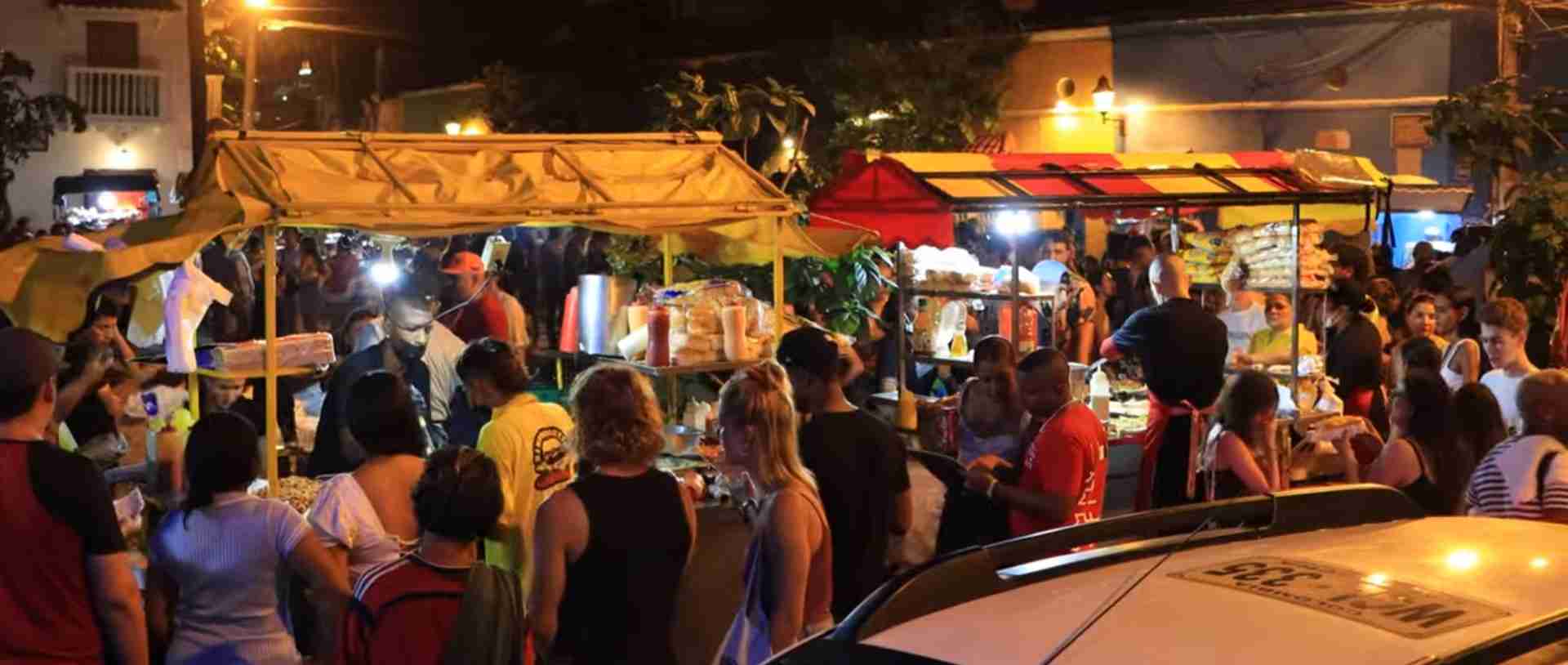
Cartagena Food Tour 2026: Street Food & Local Cuisine
Key Takeaways
- Tour Pricing: Professional food tours range $45-85 per person in 2026, including 8-12 tastings, expert guide narration, and 3-4 hour culinary exploration through Old City and Getsemaní neighborhoods
- Street Food Costs: Individual street food items run $1-5 per serving (arepas, empanadas, carimañolas, ceviche), allowing independent exploration for $15-25 daily food budget across 6-8 different vendors and local eateries
- Key Dishes: Essential Cartagena specialties include arepa de huevo, carimañola, butifarra, ceviche cartagenero, posta negra, and cazuela de mariscos representing African, indigenous, and Spanish culinary fusion
- Best Tour Timing: Evening tours 5:00-9:00 PM capture street food vendors at peak activity, provide cooler temperatures for walking exploration, and incorporate sunset views plus nighttime Old City atmosphere
- Market Experiences: Bazurto Market offers authentic local food culture mornings 6:00-11:00 AM with exotic fruits ($0.50-2 per fruit), fresh seafood, and traditional breakfast spots away from tourist-focused Old City restaurants
- Booking Strategy: Reserve food tours 2-4 days ahead during November-March high season, selecting small group tours (6-12 people) for better guide interaction and efficient vendor navigation through crowded streets
Planning Your Cartagena Food Experience in 2026
Cartagena’s culinary landscape tells the story of Colombia’s Caribbean coast through flavors that blend African, indigenous Zenú, and Spanish colonial influences into distinctive dishes found nowhere else. The city’s food culture extends far beyond upscale restaurants in the Old City—street food vendors operating from carts and small storefronts serve the authentic preparations that local families have eaten for generations, creating affordable and delicious entry points into Caribbean Colombian gastronomy.
The appeal of Cartagena food tours lies in expert guidance that navigates the overwhelming choices facing visitors encountering unfamiliar dishes and ingredients. Local guides identify the best vendors among hundreds of options, explain regional specialties and preparation methods, provide cultural and historical context for dishes, and ensure safety when trying street food that might intimidate independent travelers concerned about hygiene standards.
Food exploration patterns in Cartagena divide between organized evening tours that concentrate sampling across Old City and Getsemaní neighborhoods, morning market visits to Bazurto for wholesale produce and seafood commerce, and independent street food grazing throughout day using knowledge gained from guided experiences. Each approach delivers different insights into how Cartagena residents actually eat versus what tourist restaurants serve.
The 2026 food scene shows evolution in both traditional street food preservation and modern culinary innovation. Long-standing vendor families maintain generations-old recipes for specialties like arepa de huevo and carimañola, while new restaurants and food entrepreneurs experiment with contemporary presentations of classic ingredients. This dynamic creates opportunities to experience both authentic tradition and creative reinterpretation during single visits.
Climate considerations affect food tourism significantly—Cartagena’s heat and humidity (28-32°C year-round) make midday street food exploration exhausting, while cooler evening hours 5:00-9:00 PM provide comfortable walking conditions. The tropical environment also influences cuisine itself, with preservation techniques, spice combinations, and refreshing beverages all adapted to Caribbean coastal conditions that demand different culinary solutions than Andean or interior Colombian regions.
People Also Ask About Cartagena Food Tours 2026
How much does a Cartagena food tour cost in 2026?
Professional guided food tours cost $45-65 for standard 3-hour evening experiences including 8-10 tastings across multiple vendors, $70-85 for premium 4-hour tours with 12-15 tastings plus cocktail pairings, and $95-140 for private tours with customizable itineraries (check tour operator websites for current official rates as pricing may vary). Budget self-guided street food exploration runs $15-25 daily sampling 6-8 different items from vendors and small eateries.
Tour pricing structures typically include all food tastings, expert guide service, bottled water, and sometimes welcome cocktails or digestif drinks. The per-person cost decreases slightly for groups, with family tours (4+ people) or private group tours (6-8 people) running $40-60 per person versus $50-75 for standard small group tours joining other travelers. Premium experiences add mixology components with craft cocktail pairings at specialty bars, culinary demonstrations, and extended market visits with chef-guided shopping.
Individual street food prices allow affordable independent exploration: arepas $1-2, empanadas $1-2, carimañolas $1.50-2.50, butifarra sausage $2-3, ceviche cups $3-5, fresh fruit juices $1-2, tropical fruit servings $0.50-2. A comprehensive sampling across 8-10 different vendors costs $15-25, with restaurant meals adding $10-20 for lunch plates or $20-40 for dinner entrees at mid-range establishments.
What should you eat in Cartagena in 2026?
Essential Cartagena specialties start with arepa de huevo (deep-fried cornmeal pocket filled with egg, the city’s most iconic street food), carimañola (yuca fritter stuffed with meat or cheese), and butifarra (grilled sausage unique to coastal Caribbean Colombia). These foundational items appear at street corners throughout Old City and Getsemaní, costing $1-3 per serving and representing daily food for local residents.
Seafood preparations showcase Caribbean coastal cuisine: ceviche cartagenero (fish cured in lime with onions, cilantro, and coconut milk), cazuela de mariscos (seafood stew with coconut milk base), pargo frito (whole fried red snapper), and arroz con coco (coconut rice accompanying most seafood dishes). Fresh catches from Cartagena Bay and nearby waters appear in restaurants ranging from simple beach shacks to upscale dining rooms, with flavors defined by tropical ingredients unavailable in inland Colombian regions.
Meat dishes include posta negra (beef braised in dark sauce made from panela sugar), lengua en salsa (beef tongue in creole sauce), and sancocho (hearty soup with multiple meats, yuca, plantain, and corn). These preparations reflect African culinary influence combined with Spanish colonial cooking techniques, creating distinctive flavor profiles that differ dramatically from ceviche and seafood preparations.
Desserts and sweets range from cocadas (coconut candy balls in white or brown versions), enyucado (yuca and coconut cake), arequipe (dulce de leche used in numerous preparations), to fresh tropical fruits like lulo, guanábana (soursop), maracuyá (passion fruit), and zapote. Street vendors sell these items throughout Old City, providing sweet endings to spicy or savory explorations.
Are Cartagena food tours worth it for 2026?
Food tours deliver exceptional value for first-time Cartagena visitors through expert vendor identification among hundreds of options, cultural context explaining dishes beyond simple tasting, safety assurance when trying street food, and efficient 3-4 hour sampling that would take days to accomplish independently. The $45-85 per person investment provides education and experience that enhances all subsequent Cartagena dining throughout multi-day visits.
Tours prove particularly valuable for travelers with limited Spanish language skills, concerns about street food hygiene, or difficulty identifying quality vendors among tourist-trap establishments clustered around Plaza Santo Domingo and Parque Centenario. Guides navigate language barriers, select vendors with consistent quality and proper food handling, and share stories about family recipes and culinary traditions that transform simple eating into cultural education.
Independent food exploration works better for adventurous eaters comfortable with uncertainty, Spanish speakers who can communicate directly with vendors, return visitors already familiar with basic dishes, and budget travelers willing to accept occasional disappointing choices in exchange for lower costs. The DIY approach costs $20-40 less than guided tours while providing flexibility for dietary preferences and eating pace.
What time are Cartagena food tours in 2026?
Most food tours operate 5:00-9:00 PM taking advantage of cooler evening temperatures (26-28°C versus 30-32°C midday), peak street vendor activity, and atmospheric Old City lighting that enhances photographic opportunities and cultural ambiance. Evening timing allows tours to incorporate sunset views from city walls, nighttime plaza atmosphere, and late-night street food vendors who only appear after 7:00 PM serving residents heading home from work.
Morning market tours run 7:00-11:00 AM visiting Bazurto Market during peak wholesale activity, watching vendor setup, observing local shopping patterns, and sampling traditional breakfast preparations. These tours suit early risers interested in behind-scenes food systems and authentic local market culture away from tourist-focused experiences, though hot humid mornings require physical tolerance for Caribbean morning heat building toward midday peaks.
Afternoon tours 3:00-6:00 PM exist but remain less common due to intense heat, reduced vendor activity (many vendors close 2:00-4:00 PM for afternoon break), and harsh lighting conditions for photography. Some operators offer afternoon cooking class experiences instead of street food walking tours, providing air-conditioned learning environments more suitable for hottest daily hours.
Extended multi-day tours – 5+ days
Featured Cartagena Multi-Day Tour Packages
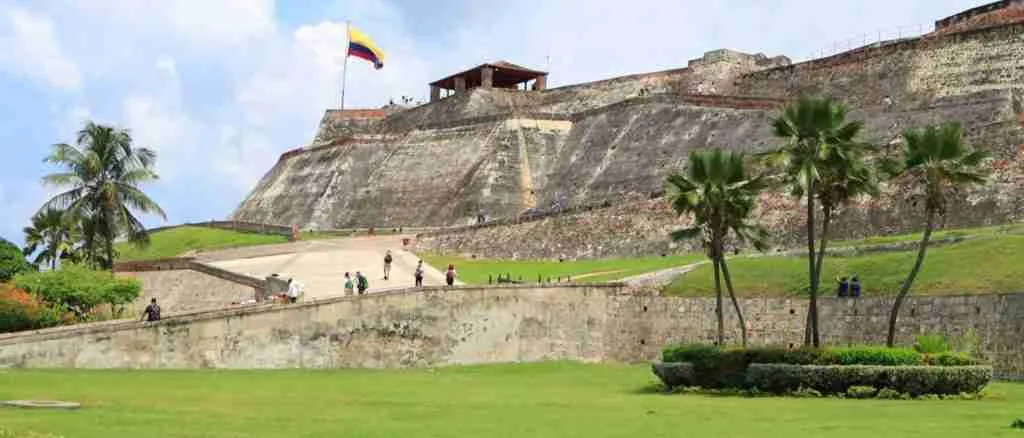
3 days
Cartagena 3-Day Discovery Tour
- ✓ Comprehensive Cartagena experience
- ✓ Expert local guides included
- ✓ All accommodation included
- ✓ Transportation provided
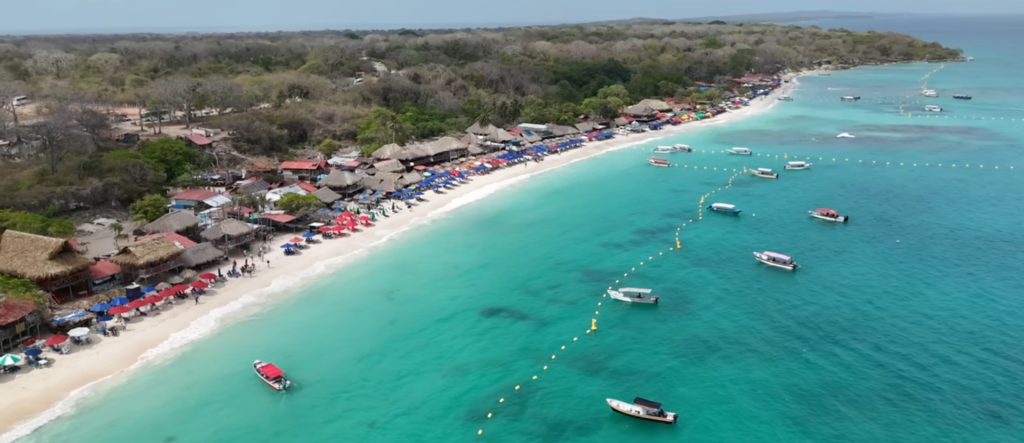
5 days
Cartagena 5-Day Highlights Experience
- ✓ Comprehensive Cartagena experience
- ✓ Expert local guides included
- ✓ All accommodation included
- ✓ Transportation provided

7 days
Cartagena 7-Day Cultural Journey
- ✓ Comprehensive Cartagena experience
- ✓ Expert local guides included
- ✓ All accommodation included
- ✓ Transportation provided
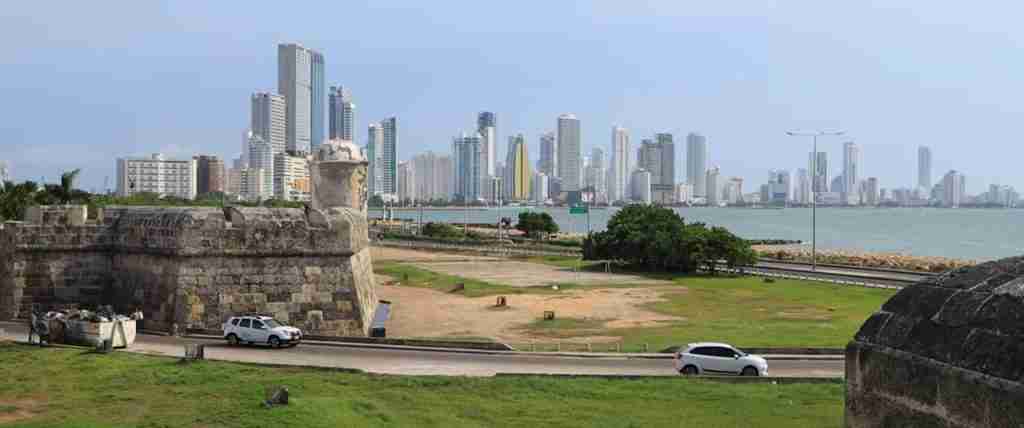
10 days
Cartagena 10-Day Complete Adventure
- ✓ Comprehensive Cartagena experience
- ✓ Expert local guides included
- ✓ All accommodation included
- ✓ Transportation provided
Multi-day tour packages powered by TourRadar. Prices and availability subject to change.
Understanding Cartagena’s Culinary Heritage
Cartagena’s food culture emerged from complex colonial history as major Caribbean port managing Spanish empire’s wealth flows between Americas and Europe. The city’s strategic importance attracted diverse populations—Spanish colonists, enslaved Africans, indigenous peoples, Middle Eastern traders, and European merchants—each contributing ingredients, techniques, and flavor preferences that merged into distinctive coastal Colombian cuisine.
African influence dominates Cartagena’s culinary identity through ingredients like plantain and yuca, cooking methods including deep frying, and flavor combinations emphasizing bold seasoning. Enslaved Africans brought okra, certain spice applications, and food preservation knowledge adapted to tropical climate. Their culinary traditions form the foundation of modern Cartagena street food, with dishes like carimañola and arepa de huevo showing clear African technique influences combined with New World ingredients.
Indigenous Zenú people contributed cassava (yuca) cultivation, corn preparations, tropical fruit knowledge, and fishing techniques still used by coastal communities. Pre-colonial food systems understood Caribbean coastal ecology and seasonal patterns, information that continues shaping when certain ingredients peak and what seafood appears in markets throughout the year.
Spanish colonial influence introduced meat consumption patterns, specific cooking techniques (braising, stewing), wheat-based preparations, and Mediterranean flavor profiles that merged with African and indigenous ingredients. The fusion created new dishes like posta negra (Spanish braising technique applied to tropical ingredients) that exist nowhere else in the Spanish-speaking world with exactly these flavor combinations.
Lebanese and Syrian immigration in early 20th century added Middle Eastern influences visible in kibbe (appearing on some Cartagena restaurant menus), certain spice combinations, and business ownership patterns in Old City restaurant districts. This relatively recent influence layers atop centuries-old African-indigenous-Spanish fusion, adding complexity to already diverse culinary landscape.
Contemporary Cartagena cuisine divides between traditional preparation preservation by street food vendors and family restaurants serving local residents, versus modern reinterpretation by trained chefs operating upscale establishments targeting international tourists. Both approaches have value—traditional vendors maintain authentic flavors and techniques, while innovative restaurants create new expressions of Caribbean Colombian identity that push cuisine forward while respecting heritage.
Essential Cartagena Street Food Guide 2026
Arepa de Huevo: Cartagena’s Iconic Street Snack
Arepa de huevo represents Cartagena’s most distinctive street food contribution—a cornmeal pocket deep-fried with a whole egg sealed inside, creating a crispy exterior surrounding soft arepa bread and runny yolk center. The preparation technique requires skill: forming the arepa, partially frying until puffed, cutting opening, cracking egg inside, sealing, and continuing to fry until golden brown without breaking the egg or deflating the pocket.
Vendors throughout Old City and Getsemaní sell arepas de huevo from small storefronts and carts, typically $1.50-2.50 depending on location (tourist areas charge premium over residential neighborhoods). The best versions maintain crispy texture without excess grease, contain properly seasoned arepa dough, and use fresh eggs with bright orange yolks. Vendors near Plaza de la Trinidad in Getsemaní and along Calle de la Media Luna serve exceptional versions to both tourists and local residents.
Eating technique involves carefully biting to avoid spilling hot egg yolk down front of clothing—experienced eaters orient the arepa horizontally and bite from the side, allowing yolk to drain into mouth rather than explode outward. The combination of crispy fried exterior, soft arepa bread, and rich egg yolk creates textures and flavors that make arepa de huevo addictive despite simple ingredients.
Variations include adding shredded beef, chicken, or cheese to the egg filling, though purists argue the classic egg-only version provides the proper flavor balance. Some vendors serve with hot sauce (ají) for additional spice, while others provide lime wedges to brighten the fried richness. Morning and late evening represent peak quality times when vendors prepare fresh batches frequently rather than serving arepas that sat in warming trays.
Carimañola: Yuca Fritter Perfection
Carimañola consists of seasoned yuca (cassava) dough formed into torpedo shapes, stuffed with seasoned ground beef or cheese, and deep-fried until crispy golden brown. The yuca exterior provides nutty flavor and slightly chewy texture contrasting with savory meat filling, while frying creates crispy shell protecting moist interior. The preparation showcases African culinary influence—yuca brought from Africa, frying technique, and meat seasoning patterns all reflect African diaspora food traditions.
Top vendors include establishments in Getsemaní (particularly along Calle de la Sierpe) and Old City streets near Plaza de los Coches, selling carimañolas for $1.50-2.50 with meat filling, $2-3 for cheese versions. Quality variations depend on yuca freshness (starchy versus waxy affects texture), seasoning complexity (simple versus well-developed flavor), and frying oil cleanliness (fresh oil creates crispy exterior versus greasy heavy texture).
Beef carimañolas contain ground meat seasoned with cumin, garlic, onions, and peppers sautéed until flavorful and slightly dry (excess moisture makes soggy filling). Cheese versions use coastal Colombian white cheese (similar to queso fresco) that melts slightly but maintains structure. Both versions serve as substantial snacks or light meals, providing protein and carbohydrates in portable format perfect for eating while walking Old City streets.
Serving accompaniments include ají (spicy sauce made from peppers, cilantro, lime juice), lime wedges for squeezing over fried exterior, and occasionally suero costeño (tangy fermented cream used throughout Colombian Caribbean coast). The additions brighten heavy fried flavors and add acidity balancing rich preparations.
Butifarra: Grilled Sausage Tradition
Butifarra exists as coastal Colombian Caribbean grilled sausage distinct from Spanish butifarra or other Latin American sausages. The Cartagena version contains ground pork (sometimes mixed with beef) seasoned with cumin, garlic, and black pepper, stuffed into natural casings, grilled over charcoal, and served in arepa rounds (small grilled corn cakes) with lime and ají sauce.
Street vendors cook butifarra on small charcoal grills throughout evening hours, particularly in Getsemaní around Plaza de la Trinidad and along Calle Arsenal near city walls. The charcoal grilling creates smoky flavor and crispy skin texture impossible to replicate with pan-frying, making fresh-grilled versions superior to pre-cooked sausages reheated at inferior vendors. Prices run $2-3 per serving (one sausage in arepa with condiments).
Texture ranges from firm snappy casings (good quality sausage) to soft mushy filling (lower quality or stale). The best butifarra maintains juicy interior despite grilling, uses quality meat with proper fat ratio preventing dryness, and achieves even cooking without burnt exterior or raw center. Vendors grilling to order rather than keeping sausages warm produce superior results.
Eating involves compressing the sausage and arepa together, adding squeezes of lime juice, and topping with ají sauce according to heat tolerance. The combination of smoky grilled meat, slightly sweet corn arepa, bright lime acidity, and spicy sauce creates flavor complexity exceeding simple grilled sausage expectations. Late evening hours (8:00-10:00 PM) see vendors at peak performance serving residents finishing work days and tourists exploring nighttime streets.
Ceviche Cartagenero: Caribbean Fish Preparation
Ceviche in Cartagena differs from Peruvian versions through addition of coconut milk creating creamier texture and tropical flavor profile. Fresh fish (typically corvina or red snapper) gets cured in lime juice with finely diced red onions, cilantro, and peppers, then coconut milk adds at serving time providing distinctive Caribbean character. Some preparations include diced tomato, avocado, or cucumber for additional texture and flavor complexity.
Street vendors sell ceviche from carts with proper refrigeration (critical for raw fish safety), serving in cups or plastic containers for $3-5 per serving. Tourist-focused vendors around Plaza Santo Domingo charge premium prices ($6-8) for similar portions, while vendors in residential areas and Bazurto Market offer better value. Quality depends entirely on fish freshness—cloudy eyes, off smell, or mushy texture indicate old fish that poses health risks.
The lime curing “cooks” fish proteins through acid denaturation, requiring 15-30 minutes for proper curing while maintaining firm texture. Overcured fish becomes mushy and flavor flat, while undercured fish tastes raw and poses food safety concerns. Reputable vendors prepare ceviche throughout day in small batches ensuring optimal curing time and fresh product.
Serving typically includes saltine crackers or patacones (fried green plantain slices) for scooping, lime wedges for additional brightness, and hot sauce for those preferring spicy versions. The combination of tangy lime-cured fish, creamy coconut, fresh vegetables, and crispy delivery vehicle creates refreshing contrast to fried street foods dominating Cartagena’s snack scene.
Planning Your 2026 Food Tour Experience
Selecting the Right Tour Operator
Professional food tour companies operating in Cartagena include established operators like Colombia Food Tours, Cartagena Connections, and Flavors of Cartagena offering consistent quality and reliable service. Standard evening walking tours run $45-65 per person for 3-hour experiences covering 8-10 tastings across Old City and Getsemaní neighborhoods, with small group sizes (6-12 people) allowing personal interaction with guides and efficient movement through narrow colonial streets.
Premium tours at $70-85 extend to 4 hours, increase tastings to 12-15 stops, incorporate cocktail pairings at craft cocktail bars, include cooking demonstrations or market visits, and reduce group sizes to 4-8 people for more intimate experiences. The additional investment suits serious food enthusiasts or travelers prioritizing culinary exploration as primary Cartagena activity, providing deeper education and more comprehensive sampling.
Private tours for couples or small groups run $95-140 per person (minimum 2-4 people depending on operator), offering customizable itineraries based on dietary preferences, schedule flexibility, ability to move at own pace without group coordination delays, and personalized guide attention. Private tours work well for food industry professionals, travelers with specific dietary restrictions, or those uncomfortable in group social dynamics.
Tour selection criteria include reviewing recent customer feedback on TripAdvisor and Google (looking for patterns in guide knowledge, food quality, pacing, and value), verifying tour company legitimacy through established web presence and booking systems, confirming group size limits (avoid tours accepting 20+ people), and checking included tastings list to ensure comprehensive coverage of key dishes rather than generic restaurant sampling.
Dietary accommodation varies by operator—most handle vegetarian preferences easily through alternative samplings, while vegan and gluten-free requirements need advance communication to ensure suitable options at each stop. Seafood allergies pose challenges given Cartagena’s coastal cuisine focus, though meat and vegetarian alternatives exist at most vendors. Communicate restrictions clearly at booking to avoid disappointment or hunger during tours.
What to Expect During Your 2026 Food Tour
Standard evening food tours depart 5:00-6:00 PM from central Old City meeting points (often Portal de los Dulces or Plaza de la Proclamación), beginning with welcome drink and tour overview explaining the evening’s route, number of stops, and cultural context for dishes. Comfortable walking shoes prove essential as tours cover 2-3 kilometers through colonial streets with uneven cobblestones, occasionally slippery from humidity or afternoon rain.
First stops typically include street food vendors for arepa de huevo, carimañola, or empanadas establishing foundation of Cartagena’s informal eating culture. Guides explain preparation methods, share history about African culinary influences, and provide eating techniques for messy items like arepa de huevo. These early tastings serve as appetizers, with portions sized to allow sampling without excessive fullness before subsequent stops.
Mid-tour progression moves to sit-down tastings at small family restaurants or more established eateries, trying dishes like posta negra, cazuela de mariscos, or sancocho served in proper restaurant presentations rather than street format. These stops provide rest breaks from walking while introducing more complex preparations requiring kitchen facilities beyond street vendor capabilities. Restaurant owners often share family stories and cooking techniques with tour groups, adding personal connections to culinary education.
Beverage pairings throughout tour include fresh fruit juices (lulo, maracuyá, guanábana), local beers (Club Colombia, Águila), Caribbean cocktails (rum-based preparations), and agua de panela (sweet beverage made from unrefined cane sugar). Premium tours incorporate craft cocktail stops at specialty bars mixing traditional ingredients into modern presentations, showcasing evolution of Caribbean Colombian beverage culture.
Final stops feature desserts and sweets—cocadas from street vendors, tropical fruit samplings, or artisanal ice cream at emerging establishments combining traditional ingredients with modern technique. Tours conclude 8:00-9:00 PM in central Old City locations allowing easy return to hotels or continuation into Cartagena nightlife for those seeking bar and music venues.
Photography throughout tour captures colorful food presentations, atmospheric street scenes, preparation techniques, and cultural moments, though guides request discretion when photographing vendors who may prefer privacy. The evening timing provides excellent lighting conditions with golden hour transitions and nighttime Old City illumination creating atmospheric backdrops for food documentation.
Independent Food Exploration Strategy 2026
Self-guided food discovery begins with vendor reconnaissance—walking Old City and Getsemaní streets during morning and evening hours observing which vendors maintain steady local customer flows (indicators of quality and value) versus establishments catering exclusively to tourists with inflated prices and mediocre preparations. Colombian families eating at vendors provides strongest endorsement, while empty vendors in tourist zones raise quality concerns.
Language basics smooth vendor interactions: requesting items (“una arepa de huevo, por favor”), asking prices (“cuánto cuesta?”), and expressing gratitude (“gracias, muy rico”) demonstrates respect and often results in better service and occasionally generous portions. Most vendors speak limited English but appreciate efforts to communicate in Spanish, creating positive interactions that enhance cultural exchange beyond simple transactions.
Safety considerations for street food center on vendor hygiene observations—clean preparation areas, proper food storage (items kept covered, refrigerated when necessary), fresh cooking oil (not dark brown or smoking), and proper hand washing or glove use. Reputable vendors maintain visible cleanliness standards, while questionable operations show accumulation of debris, uncovered food exposure, and lax sanitation practices.
Pacing independent exploration prevents excessive fullness interfering with continued sampling—street food items typically serve as snacks (100-300 calories) rather than full meals, allowing 6-8 different tastings throughout day with proper spacing. Eating small portions at each vendor, waiting 45-60 minutes between stops, and alternating food with hydration maintains energy and appetite for comprehensive sampling without feeling sick from overeating.
Budget management becomes simple with street food prices—bringing $25-35 cash in small denominations (20,000 and 10,000 peso notes preferred, 50,000 notes often create change-making difficulties for small vendors) covers extensive sampling plus beverages and tips. Credit cards work at established restaurants but street vendors operate cash-only, requiring planning for adequate peso supply from ATMs or currency exchange.
Evening exploration 6:00-9:00 PM concentrates around Plaza de la Trinidad in Getsemaní where dozens of vendors converge, creating carnival atmosphere with food carts, live music, and social gathering. The plaza serves as epicenter for authentic local street food culture, with residents and travelers mixing in casual evening dining. Vendors circle the plaza perimeter and extend along nearby streets, offering easy comparison shopping and diverse options within small geographic area.
Bazurto Market Experience 2026
Bazurto Market operates as Cartagena’s main wholesale food market, located outside Old City in working-class neighborhood approximately 4 kilometers from tourist zones. The market opens early morning (vendor setup begins 5:00 AM) with peak activity 7:00-11:00 AM as restaurants, hotels, and families purchase daily supplies. Afternoon hours see reduced activity as vendors close 1:00-2:00 PM when inventory depletes.
Transportation to Bazurto requires taxi or Uber ($3-5 from Old City, 10-15 minute drive depending on traffic), while public buses serve the route for $0.75-1 requiring local knowledge of Colombian bus systems. Most visitors arrive by taxi, particularly for morning market tours where early departure times (6:30-7:00 AM) make public transport less practical.
The market sprawls across covered warehouse structures and open-air sections, organized roughly by product categories—seafood area with fresh catches displayed on ice, fruit and vegetable sections showcasing tropical produce, meat areas with butchers preparing cuts to order, and prepared food vendors serving traditional breakfasts to market workers and shoppers. The chaotic atmosphere, overwhelming sensory experience, and authentic working market environment contrasts dramatically with sanitized tourist markets in other cities.
Fruit sections introduce exotic varieties rarely seen outside Colombia: lulo (orange-fleshed citrus), zapote (brown-fleshed sweet fruit), guanábana (soursop), maracuyá (passion fruit), uchuva (golden berry), and borojó (extremely nutritious green fruit). Vendors sell by unit ($0.50-2 per fruit) or by kilogram, often offering samples for tasting. Purchasing small quantities of multiple varieties creates affordable tropical fruit exploration impossible to replicate elsewhere.
Seafood displays showcase Caribbean catches including whole red snapper, corvina, sierra (mackerel), octopus, squid, shrimp in various sizes, and occasionally lobster depending on season. The visual spectacle of dozens of vendors competing for customers, calling out prices, and expertly filleting fish provides insight into Cartagena’s fishing economy and seafood supply chains feeding restaurant industry. Morning visits see freshest selection before premium items sell to restaurant buyers.
Traditional breakfast vendors serve sancocho (hearty soup), mondongo (tripe stew), caldo de costilla (beef rib soup), and simple rice dishes with fried fish or eggs, providing authentic local breakfast culture at $3-6 per serving. These preparations sustain market workers through long morning shifts and offer travelers substantial meals in entirely local environment where tourist presence remains minimal. Some vendors maintain decades-long family operations, serving second and third generation customers.
Safety awareness matters at Bazurto—bring only cash needed for purchases and photography equipment (leave expensive jewelry and excess valuables at hotel), maintain awareness of surroundings in crowded areas, and go with local guide or organized tour for first visit. The market environment feels overwhelming and occasionally intimidating for visitors unfamiliar with Latin American informal markets, though actual risks remain minimal with basic precautions. Tour guides navigate efficiently while providing translation, vendor recommendations, and cultural context explaining market operations.
Cartagena Dining Categories and Restaurant Guide 2026
Street Food Vendor Culture
Street food vendors constitute Cartagena’s most authentic dining category, serving preparations passed through family generations at prices local residents afford ($1-5 per item). These informal establishments range from mobile carts pushed through streets to small storefronts with limited seating, operating primarily evening hours when heat subsides and crowds emerge. Vendor locations cluster around Plaza de la Trinidad, Portal de los Dulces, along Calle de la Media Luna, and throughout Getsemaní residential areas.
Quality indicators include steady local customer flow (Colombians know which vendors maintain standards), visible food preparation (allowing hygiene assessment), fresh ingredient evidence (vegetables look crisp, proteins properly refrigerated), and vendor cleanliness (clean clothing, proper food handling). Avoid vendors with stagnant business, covered food of unknown age, or questionable sanitation practices where trash accumulates and surfaces show dirt buildup.
Traditional Colombian Restaurants (Cocina Tradicional)
Family-operated restaurants serving traditional Colombian Caribbean cuisine to local residents occupy middle ground between street vendors and tourist-focused establishments. These venues offer sit-down dining with full menu options, air conditioning or fans, proper bathrooms, and slightly elevated presentation while maintaining authentic flavor profiles and reasonable prices ($8-18 for lunch entrees, $12-25 for dinner). Locations concentrate in Getsemaní and neighborhoods outside Old City walls where rent costs allow family operations.
Menu staples include daily lunch specials (menú del día or corriente) at $8-12 covering soup, main course, rice, salad, beverage, and often dessert. These fixed-price meals provide substantial value and authentic experience of how middle-class Colombian families eat, though presentation remains simple and atmosphere focuses on food over ambiance. Evening à la carte dining runs slightly higher at $12-25 for entrees like pargo frito, sancocho, or lengua en salsa with sides.
Contemporary Colombian Cuisine
Modern restaurants operated by trained chefs reinterpret traditional Colombian Caribbean ingredients and dishes using contemporary technique and presentation, targeting affluent Colombian tourists and international visitors willing to pay premium prices ($25-45 for entrees). These establishments maintain high-quality ingredients, creative flavor combinations respecting traditional foundations, sophisticated plating, and refined service compared to family restaurants.
Representative restaurants include Carmen (upscale Colombian fusion), Alma (contemporary Caribbean), and Mesa (modern Colombian techniques). Reservations prove essential during high season, particularly for dinner service 7:00-9:00 PM when restaurants fill. The culinary experience provides different value proposition than street food or traditional restaurants—sophisticated presentations and creative technique versus authentic tradition and value pricing.
International and Fusion Restaurants
Old City restaurant scene includes numerous international establishments serving Italian, Asian, Mediterranean, and fusion cuisine catering to international tourists seeking familiar flavors. These restaurants occupy restored colonial buildings with romantic courtyard dining, candlelit atmosphere, and higher prices ($20-45 for entrees) justified by location and ambiance rather than necessarily exceptional food quality.
The international dining category serves important purpose for travelers experiencing Colombian Caribbean food fatigue after multiple days of street food and traditional restaurants, though arguably wastes Cartagena dining opportunities when excellent authentic options exist. Consider balancing itinerary between Colombian cuisine exploration and occasional international meals when craving comfort foods or dietary requirements demand alternatives.
Sample 2026 Food Itineraries
Guided Evening Food Tour Experience
Hotel departure 5:00 PM, walking to meeting point near Portal de los Dulces in Old City. Tour begins 5:30 PM with welcome rum-based cocktail and introduction covering evening route through Old City into Getsemaní, cultural context for Cartagena’s food heritage, and overview of dishes planned for tasting.
First stop 5:45-6:00 PM at arepa de huevo vendor near city walls, tasting Cartagena’s iconic street snack while guide explains African culinary influences and preparation technique. Walking through colonial streets toward Getsemaní with guide narrating architectural history and neighborhood evolution.
Second stop 6:15-6:30 PM features carimañola and butifarra at small storefront vendor, sampling yuca fritters and grilled sausage with lime and ají accompaniments. Guide discusses coastal Colombian Caribbean food culture and how it differs from Andean Colombian cuisine in Bogotá and Medellín.
Third stop 6:45-7:15 PM sits down at family restaurant in Getsemaní for cazuela de mariscos (seafood stew) served in traditional clay pot, accompanied by arroz con coco and patacones. Restaurant owner shares family history operating establishment for 30+ years serving same recipes. Fresh fruit juice tasting (lulo, maracuyá, or guanábana) provides beverage pairing.
Fourth stop 7:30-7:45 PM visits street vendor in Plaza de la Trinidad for empanadas and posta negra (braised beef) sampling, experiencing evening plaza atmosphere with live music and local social gathering. Guide explains Spanish colonial influence on meat preparations and braising techniques.
Fifth stop 8:00-8:15 PM includes craft cocktail experience at emerging mixology bar, tasting contemporary interpretations of traditional Caribbean ingredients in modern presentations. Bartender demonstrates technique and discusses evolution of Cartagena beverage culture.
Final stop 8:30-8:45 PM concludes with dessert sampling—cocadas from street vendor, tropical fruit presentation, or artisanal ice cream featuring regional flavors like guanábana, maracuyá, or coconut-lime. Tour wraps 9:00 PM in central Old City allowing guests to continue exploring nightlife or return to hotels.
Daily Cost Breakdown: Standard food tour $60-75 (includes all tastings, beverages, guide service). Additional spending for photos with vendors $2-5, tips for tour guide $10-15. Total cost: $72-95 per person (excluding accommodation).
Independent Full-Day Street Food Exploration
Morning 8:00 AM breakfast at traditional restaurant in Getsemaní, ordering menú del día breakfast special ($5-8) with scrambled eggs, arepas, fresh juice, and coffee. Alternatively, venture to Bazurto Market for authentic market breakfast experience with sancocho or simple rice and fish plate.
Mid-morning 10:30-11:00 AM street food sampling in Old City near Portal de los Dulces, trying empanadas ($1-2) and fresh fruit juice ($1-2) from established vendors with steady customer flow. Window shopping colonial streets and photographing architecture between food stops.
Lunch 1:00-2:00 PM at family restaurant outside Old City walls, ordering pescado frito (fried fish) with coconut rice, patacones, and salad ($10-15). The sit-down meal provides air-conditioned respite from midday heat while experiencing authentic Colombian Caribbean lunch service.
Afternoon 4:00-5:00 PM returns to hotel for siesta during hottest hours, or explores Cartagena museums and indoor attractions while digesting substantial lunch before evening food adventures resume.
Evening 6:00-8:30 PM concentrates around Plaza de la Trinidad in Getsemaní, systematically sampling from multiple vendors in carnival atmosphere—arepa de huevo ($1.50-2.50), carimañola ($1.50-2.50), butifarra ($2-3), ceviche ($3-5), and cocadas ($0.50-1). The plaza setting allows comparison shopping and people-watching while sampling diverse preparations from competing vendors within small area.
Late evening 9:00-10:00 PM concludes with craft beer or cocktail at Getsemaní bar, reflecting on day’s culinary discoveries while enjoying neighborhood nightlife atmosphere. Optional late-night snack from street vendors still operating near Plaza de la Trinidad.
Daily Cost Breakdown: Breakfast $5-8, mid-morning snacks $3-4, lunch $10-15, evening street food sampling (5-6 items) $10-18, beverages throughout day $5-10, dinner drink and late snack $8-12. Total day cost: $41-67 per person (excluding accommodation).
Premium Culinary Deep-Dive Experience
Morning 7:00 AM hotel departure for guided Bazurto Market tour ($45-65 per person for 3-hour experience), walking through wholesale sections with expert guide explaining tropical fruit varieties, seafood species, and market operations. Sampling exotic fruits ($2-4 for multiple tastings), traditional market breakfast ($5-8), and fresh coconut water ($1-2) while observing Cartagena’s food supply chains.
Mid-morning 10:30-11:30 AM cooking class at professional culinary school or chef’s home ($75-120 per person), learning preparation techniques for Caribbean Colombian specialties like cazuela de mariscos, arroz con coco, and patacones. The hands-on experience provides deeper understanding of ingredient combinations, cooking methods, and cultural significance beyond simple tasting.
Lunch 12:30-2:00 PM consists of dishes prepared during cooking class, served family-style with wine or beer pairings. The meal allows savoring accomplishments while discussing Colombian food culture with chef instructor.
Afternoon 3:00-5:00 PM hotel siesta recovering from morning activities and substantial lunch, or optional rum distillery tour near Cartagena learning about Caribbean rum production and Colombian spirits industry.
Evening 6:00-9:00 PM premium food tour ($70-85 per person) covering different route and establishments than morning activities, focusing on contemporary Colombian restaurants, craft cocktail bars, and high-end street food preparations. The small group size (4-8 people) and extended tasting menu (12-15 items) provides comprehensive culinary education.
Late evening 9:30 PM concludes with digestif cocktail at rooftop bar overlooking Old City, processing full day of intensive food exploration while enjoying Caribbean evening atmosphere.
Daily Cost Breakdown: Bazurto Market tour $45-65, market breakfast and fruits $8-15, cooking class $75-120, evening premium food tour $70-85, rooftop bar digestif $8-15, tips for guides $15-25, transportation $6-12. Total day cost: $227-337 per person (excluding accommodation).
Booking Your 2026 Food Tour
Online booking through tour operator websites provides best approach for securing spots 2-4 days ahead during November-March high season, reviewing detailed itineraries, reading customer reviews, and comparing prices across operators. Major companies maintain professional booking systems accepting credit cards and PayPal, sending confirmation emails with meeting point details, what to wear recommendations, and dietary restriction accommodation policies.
Comparison shopping reveals price variation for similar experiences—some operators charge $45-55 while others ask $65-75 for essentially identical 3-hour tours with 8-10 tastings. Customer reviews on TripAdvisor and Google provide better quality assessment than marketing descriptions, looking for patterns in feedback about guide knowledge depth, food quality and variety, pace appropriateness, and overall value. Recent reviews (past 6 months) matter most as guide turnover and vendor relationships change tour quality.
Small group tours with 6-12 people maximum create better experiences than large tours accepting 20+ participants. Smaller groups navigate narrow streets efficiently, allow personal interaction with guides for questions and discussions, and avoid overwhelming small vendor operations. Pay $5-10 premium for confirmed small group sizes versus cheaper large group tours where individual attention suffers.
Dietary restrictions require advance communication at booking to ensure tour operators plan appropriate alternatives at each stop. Most tours handle vegetarian preferences easily with advance notice, while vegan and gluten-free restrictions need careful planning given Cartagena’s cuisine emphasis on seafood, meat, and fried preparations. Severe allergies (shellfish, nuts) may limit some tours’ ability to accommodate safely—discuss honestly with operators before committing.
Cancellation policies vary by operator—look for flexible policies allowing free cancellation 24-48 hours before tour in case schedule changes or weather issues arise. Tropical rain showers occur year-round but rarely last more than 60-90 minutes; tours typically continue with brief rain delays rather than full cancellations. However, personal illness or schedule conflicts justify flexible booking policies worth slight premium over strict no-refund policies.
Payment methods include credit cards through online booking platforms (most convenient, slightly higher fees), direct payment via PayPal or bank transfer (sometimes offer 5-10% discount), or cash payment at meeting point (least common, typically only for walk-up bookings rather than advance reservations). Credit card payments provide consumer protection advantages and easier record-keeping for travel expense tracking.
Frequently Asked Questions About Cartagena Food Tours 2026
What is Cartagena’s most famous dish?
Arepa de huevo (deep-fried cornmeal pocket filled with whole egg) stands as Cartagena’s most iconic contribution to Colombian cuisine, found at street vendors throughout Old City and Getsemaní neighborhoods for $1.50-2.50. The preparation technique—forming arepa, partially frying until puffed, cracking egg inside sealed pocket, continuing to fry until crispy—creates unique texture combining crispy exterior with soft bread and runny egg yolk center. No other Colombian city prepares arepa exactly this way, making it distinctively Cartagena specialty worth seeking multiple vendor versions to compare quality.
How much do food tours cost in Cartagena for 2026?
Standard 3-hour evening food tours run $45-65 per person including 8-10 tastings, guide service, and bottled water, while premium 4-hour experiences with 12-15 tastings and cocktail pairings cost $70-85. Private tours for couples or small groups range $95-140 per person (minimum 2-4 people). Independent street food exploration runs $15-25 daily sampling 6-8 items from vendors, with restaurant meals adding $10-20 for lunch or $20-40 for dinner at mid-range establishments. Budget travelers allocate $30-40 daily for comprehensive food sampling, while those prioritizing culinary experiences spend $80-150 combining tours with quality restaurant dining.
Is street food safe in Cartagena in 2026?
Street food from reputable vendors maintains good safety standards when selecting establishments with visible cleanliness practices, steady local customer flow, proper food storage, and fresh ingredients. Observe preparation areas for sanitation indicators—clean surfaces, covered food when not actively serving, vendors using gloves or proper hand washing, cooking oil that looks clear rather than dark brown. Vendors popular with Colombian families provide strongest quality endorsement. Avoid establishments with questionable hygiene, uncovered food sitting exposed, or stagnant business suggesting old inventory. Most travelers experience no problems following basic vendor selection criteria, though those with sensitive stomachs may prefer sticking to cooked preparations over raw items like ceviche initially.
What time do Cartagena food tours operate in 2026?
Evening tours run 5:00-9:00 PM taking advantage of cooler temperatures (26-28°C versus midday 30-32°C), peak street vendor activity, and atmospheric Old City lighting for photography. This timing captures sunset views from city walls, allows experiencing nighttime plaza atmosphere, and visits late-night street food vendors serving local residents after work. Morning market tours operate 7:00-11:00 AM visiting Bazurto Market during peak wholesale activity, though hot humid conditions challenge some visitors. Afternoon tours remain rare due to intense heat and reduced vendor activity during traditional siesta hours 2:00-4:00 PM.
Should I take a food tour on my first day in Cartagena?
Schedule food tours for second or third day rather than arrival day, allowing acclimatization to Caribbean heat and humidity, recovery from travel fatigue, and basic orientation to Old City geography before intensive 3-4 hour walking experiences. First-day food tours risk exhaustion from combining travel stress, climate adjustment, and substantial food sampling in single evening. The delay also allows reconnaissance of vendor locations during independent exploration, reading menus and observing preparations before committing to guided experiences, creating better context for appreciating tour guide narration and vendor selections.
Can vegetarians enjoy Cartagena food tours in 2026?
Vegetarian travelers navigate Cartagena food tours successfully with advance communication to operators ensuring appropriate alternatives at each stop. Colombian Caribbean cuisine traditionally emphasizes seafood and meat, but substantial vegetarian options exist—arepas (without egg), patacones, coconut rice, tropical fruits, empanadas with vegetarian fillings, and various snacks. Tour operators accommodate vegetarians through alternative vendor selections and modified samplings, though vegans face greater challenges requiring careful advance planning given prevalence of dairy and eggs in Colombian coastal preparations. Communicate restrictions clearly at booking rather than day-of-tour to ensure satisfactory experience.
Do Cartagena food tours include restaurants or just street food?
Standard food tours combine street food vendors (arepa de huevo, carimañola, butifarra) with sit-down tastings at small family restaurants serving dishes requiring kitchen facilities like cazuela de mariscos, sancocho, or posta negra. The mixed format provides texture variety—crispy fried street snacks balanced with stewier restaurant preparations—while allowing rest breaks from walking and air-conditioned comfort during humid evenings. Some tours emphasize street food exclusively for authentic vendor-focused experiences, while premium tours incorporate upscale restaurants and contemporary Colombian establishments showcasing chef-driven reinterpretations of traditional dishes.
What drinks are included on Cartagena food tours in 2026?
Most tours include fresh fruit juices (lulo, maracuyá, guanábana), bottled water throughout evening, and welcome cocktail or digestif drink at tour end. Premium tours add Colombian beer tastings (Club Colombia, Águila), craft cocktail experiences at specialty bars, and occasionally wine pairings with restaurant courses. Alcoholic beverage inclusion varies by operator and tour price point—standard tours limit alcohol to 1-2 drinks, while premium experiences incorporate cocktails at multiple stops. Additional drink purchases beyond included beverages typically run $3-6 for beers, $6-12 for cocktails, and $2-4 for soft drinks at vendor stops.
How much walking is involved in food tours?
Typical evening food tours cover 2-3 kilometers through Old City and Getsemaní neighborhoods over 3-4 hours, pausing at each vendor/restaurant stop for 10-15 minutes of standing or sitting while tasting and listening to guide narration. The pace remains leisurely with frequent rest breaks, though Cartagena’s cobblestone streets, heat, and humidity challenge less physically fit travelers. Comfortable walking shoes prove essential—avoid flip-flops or dress shoes on uneven colonial stones. Tours accommodate reasonable fitness levels but require ability to walk continuously with periodic breaks rather than wheelchair accessibility or extreme physical limitations.
Should I bring cash or credit cards to Cartagena food tours?
Bring $20-40 in small Colombian peso denominations (20,000 and 10,000 peso notes preferred) for tips, photo opportunities with vendors, and additional drinks or snacks beyond tour inclusions. Food tour fees pay in advance through online booking or at meeting point, covering all planned tastings. Small vendors operate cash-only (no credit card processing), requiring pesos for any purchases beyond organized tour. Change-making difficulties occur with large bills (50,000 or 100,000 peso notes) at street vendors, so acquire smaller denominations from ATMs or hotel currency exchange before tours. Credit cards work at upscale restaurants but prove useless for street food culture.