Cartagena Budget Guide 2026: Complete Cost Breakdown
Key Takeaways
- Budget travelers visit Cartagena for $40-65 per day in 2026, covering hostel accommodation, street food dining, and free or low-cost activities
- Mid-range visitors spend $90-140 daily for comfortable hotels, restaurant meals, and organized tours across the colonial city and beaches
- Strategic timing during shoulder season (April-May, September-November) reduces costs 20-30% compared to December-March peak pricing
- Free activities including historic center walks, city walls exploration, and sunset watching provide substantial experiences without cost
- Transportation within Cartagena costs $1-3 per trip using buses and shared transportation, with walking covering most historic center distances
- Advance booking for accommodation and major tours saves 15-25%, particularly important for December-March high season visits
Understanding Cartagena Costs in 2026
Cartagena’s position as Colombia’s premier Caribbean tourist destination creates a pricing environment higher than most Colombian cities but remarkably affordable compared to international Caribbean destinations. The UNESCO World Heritage historic center’s popularity drives premium pricing in tourist zones, while local neighborhoods like Getsemaní and areas beyond the walled city offer budget-friendly alternatives maintaining authentic Colombian character. Understanding these geographic pricing variations proves essential for budget optimization.
The 2026 budget landscape in Cartagena shows three distinct tiers: backpacker-budget ($40-65 daily), mid-range comfort ($90-140 daily), and luxury experiences ($180-300+ daily). Each tier provides genuine Cartagena experiences, differing in accommodation comfort, dining quality, and activity selection rather than access to the city’s essential attractions. Budget travelers sacrifice air conditioning and private rooms but explore identical colonial streets, visit the same fortresses, and enjoy equivalent beach access compared to luxury visitors.
Colombia’s currency (Colombian Peso, COP) fluctuates against major currencies, affecting purchasing power for international visitors. The approximate 4,000-4,500 COP per 1 USD exchange rate in 2026 means significant expenses like accommodation list in USD while small purchases (street food, bus fares, market items) transact in COP. ATM withdrawals or currency exchange provide local currency for daily expenses, with ATMs offering better rates than airport or hotel exchange services but charging withdrawal fees of $3-5 per transaction.
Seasonal pricing variations create 20-30% cost differences between high season (December-March, June-July) and shoulder/low season (April-May, August-November). Hotels increase rates during peak periods, tour operators charge premium pricing, and even restaurants raise prices in tourist areas responding to increased demand. Budget-conscious travelers gain substantial advantages by visiting during shoulder season months when weather remains excellent but crowds and costs decrease significantly.
People Also Ask About Cartagena Budget Travel 2026
How much money do you need per day in Cartagena in 2026?
Budget travelers need $40-65 per day for hostel accommodation in shared dormitories ($15-25), street food and market meals ($12-20), local transportation ($3-5), and low-cost activities ($10-15). Check accommodation booking platforms for current hostel rates as pricing varies by season. Mid-range travelers require $90-140 daily for private hotel rooms ($50-80), restaurant dining ($25-35), guided tours ($15-25), and comfortable transportation. Luxury visitors spend $180-300+ daily for boutique hotels, fine dining, private tours, and premium experiences throughout the colonial city and surrounding areas.
These daily budgets exclude major one-time expenses like arrival transportation from Rafael Núñez International Airport ($10-25 depending on method) and day trip costs to destinations like Rosario Islands ($45-75), Totumo Mud Volcano ($35-65), or Barú beaches ($30-50). Budget an additional $100-200 total for these supplementary experiences across a typical 4-5 day Cartagena visit.
What is the cheapest way to visit Cartagena in 2026?
The cheapest approach to visiting Cartagena combines hostel accommodation in Getsemaní ($15-20 per night in dormitories), street food and market dining ($3-5 per meal), walking or bus transportation ($1-2 per trip), and free or low-cost activities like historic center exploration, city walls walking, beach visits to nearby Bocagrande, and sunset watching at Café del Mar. This strategy reduces daily costs to $35-50 while maintaining rich experiences of Cartagena’s culture, history, and Caribbean atmosphere.
Additional cost-saving techniques include booking accommodation 2-4 weeks ahead for 10-15% lower rates, visiting during shoulder season (April-May, September-November) when prices drop 20-30%, preparing occasional meals using hostel kitchens or market purchases, joining free walking tours (tip-based with suggested $5-10 contributions), and using shared transportation options like buses and colectivos rather than taxis. These combined strategies create comprehensive Cartagena experiences for budget-conscious travelers without sacrificing essential attractions or cultural immersion.
Is Cartagena expensive compared to other Colombian cities in 2026?
Cartagena ranks as Colombia’s most expensive city for tourists, with costs 40-60% higher than Bogotá, Medellín, or Cali in comparable tourist zones. However, Cartagena remains significantly cheaper than international Caribbean destinations, costing 50-70% less than similar experiences in Mexico’s Cancún, Dominican Republic’s Punta Cana, or Jamaica’s Montego Bay. The UNESCO heritage status, Caribbean beach access, and concentrated tourist infrastructure justify premium Colombian pricing while delivering exceptional value compared to regional alternatives.
Budget accommodation in Cartagena costs $15-25 per night (hostel dorms) compared to $8-15 in Medellín or Bogotá. Restaurant meals cost $8-15 in Cartagena tourist zones versus $5-8 for equivalent quality in other Colombian cities. Transportation costs remain consistent nationwide, though Cartagena’s compact historic center reduces daily transportation needs. The cost premium concentrates in tourist-dependent sectors (hotels, restaurants, tours) while local markets, street food, and public services maintain standard Colombian pricing.
What free activities can you do in Cartagena in 2026?
Cartagena offers extensive free activities including walking the historic center’s colonial streets with architectural photography and cultural observation, exploring the complete city walls circuit (Las Murallas) with Caribbean views and fortress perspectives, visiting Plaza de Bolívar and Plaza de Santo Domingo for people-watching and street performer entertainment, and watching sunset at Café del Mar’s exterior walls (interior requires beverage purchase but exterior viewing costs nothing). Beach access at Bocagrande remains free, providing Caribbean swimming and sand time without entrance fees.
Additional free experiences include Getsemaní neighborhood street art exploration with over 50 significant murals documenting social themes and cultural identity, attending free salsa dancing at Plaza de la Trinidad most evenings where locals teach visitors basic steps, exploring local markets like Bazurto Market for cultural immersion and photography (morning visits recommended for safety and activity), and joining free walking tours that operate on tip-basis (suggested contribution $5-10 but technically free participation). These activities create rich Cartagena experiences without budget impact beyond incidental costs for beverages or snacks.
Extended multi-day tours – 5+ days
Featured Cartagena Multi-Day Tour Packages
3 days
Cartagena 3-Day Discovery Tour
- ✓ Comprehensive Cartagena experience
- ✓ Expert local guides included
- ✓ All accommodation included
- ✓ Transportation provided
5 days
Cartagena 5-Day Highlights Experience
- ✓ Comprehensive Cartagena experience
- ✓ Expert local guides included
- ✓ All accommodation included
- ✓ Transportation provided

7 days
Cartagena 7-Day Cultural Journey
- ✓ Comprehensive Cartagena experience
- ✓ Expert local guides included
- ✓ All accommodation included
- ✓ Transportation provided

10 days
Cartagena 10-Day Complete Adventure
- ✓ Comprehensive Cartagena experience
- ✓ Expert local guides included
- ✓ All accommodation included
- ✓ Transportation provided
Multi-day tour packages powered by TourRadar. Prices and availability subject to change.
Essential Planning Information 2026
Accommodation Budget Strategies
Hostel accommodation in Getsemaní neighborhood provides the most budget-friendly lodging, with dormitory beds costing $15-20 per night in 2026 and private rooms in hostels ranging $35-50. Check booking platforms like Hostelworld or Booking.com for current rates as pricing varies seasonally. These hostels offer kitchen access for meal preparation, social common areas, and organized activities like pub crawls or beach trips. Getsemaní’s location adjacent to the historic center provides 5-10 minute walks to major attractions while maintaining authentic local character absent in tourist-heavy zones.
Budget hotels in Getsemaní and Centro neighborhoods cost $40-60 per night for basic private rooms with en-suite bathrooms, air conditioning, and WiFi. These establishments lack luxury amenities but provide comfortable, clean accommodation with reliable security and professional service. Advance booking through comparison platforms 2-4 weeks ahead secures 10-15% lower rates than last-minute reservations. High season (December-March) requires earlier booking—potentially 6-8 weeks ahead—as budget options sell out while premium hotels maintain availability.
Mid-range hotel options cost $70-100 per night for well-appointed rooms in restored colonial buildings or modern hotels in San Diego, Santo Domingo, or Getsemaní neighborhoods. These properties feature rooftop pools, complimentary breakfast, and upgraded amenities justifying premium pricing. Booking directly through hotel websites sometimes provides 5-10% discounts compared to booking platforms, plus potential upgrade opportunities or added amenities. However, platforms offer review aggregation and consumer protection that direct bookings lack, creating trade-offs between minor cost savings and booking security.
Alternative accommodation through Airbnb or similar platforms offers apartment rentals for $50-90 per night, beneficial for groups or travelers staying 5+ days. These rentals include full kitchens enabling meal preparation that reduces dining costs substantially. Monthly rental rates (relevant for digital nomads or extended visitors) drop to $800-1,200 for one-bedroom apartments in Getsemaní or Centro, representing significant per-night savings compared to nightly rental rates. However, short-term rentals lack daily housekeeping and front-desk services that hotels provide.
Dining Costs and Food Budget
Street food and market meals provide the most economical dining, with empanadas costing 1,000-2,000 COP ($0.25-0.50), arepas with cheese or meat 3,000-5,000 COP ($0.75-1.25), and full plate lunches (menu del día) at local fondas 8,000-12,000 COP ($2-3). These authentic meals deliver genuine Colombian flavors at prices that allow three daily meals for $8-12 total. Safety and quality remain high at established vendors with visible local customer bases, avoiding the perceived risks sometimes associated with street food in other destinations.
Casual restaurants in Getsemaní and beyond-the-walls neighborhoods serve meals for 15,000-25,000 COP ($4-6) including local specialties like arepas de huevo, ceviche, or cazuela de mariscos. These sit-down establishments provide table service, air conditioning, and menu variety while maintaining budget-friendly pricing accessible to local residents and cost-conscious tourists. Beverage costs add 3,000-8,000 COP ($0.75-2) for beer, fresh juice, or soft drinks. Daily dining budgets of $15-20 accommodate three restaurant meals plus beverages at this tier.
Tourist-oriented restaurants in the historic center’s main plazas charge 35,000-55,000 COP ($9-14) per entrée with elevated ambiance, international menu options, and premium locations compensating for higher prices. These establishments work well for occasional splurge meals or special occasions but devastate budgets if used for all dining. A 60/40 or 70/30 split between budget local dining and occasional tourist restaurant meals optimizes the balance between cost control and dining variety, maintaining daily food budgets around $20-25 while including some elevated experiences.
Self-catering using hostel or apartment kitchens dramatically reduces costs, with grocery purchases at Exito or Olímpica supermarkets providing meals for $3-5 each. Markets like Bazurto offer fresh produce, seafood, and meats at even lower prices, though require cooking knowledge and proper storage. Breakfast preparation (coffee, fruit, bread, eggs) costs $2-3 per person versus $8-12 at hotels or cafés. Lunch or dinner preparation runs $4-6 per person for quality home-cooked meals. This approach suits extended stays where cooking fatigue doesn’t develop and kitchen access exists reliably.
Transportation Costs Within Cartagena
Walking covers most historic center distances for free, with the compact walled city measuring approximately 1km x 0.8km. This walkable scale eliminates transportation costs for tourists whose activities concentrate in Centro, San Diego, and Getsemaní neighborhoods. Comfortable walking shoes and willingness to navigate cobblestone streets enable complete historic exploration without vehicles. However, midday heat (28-32°C/82-90°F) may necessitate occasional taxi use for comfort, particularly for heat-sensitive travelers or during extended exploration days.
Public buses (Transcaribe and traditional buses) cost 2,500 COP ($0.60) per ride, connecting historic center with Bocagrande beaches, shopping areas, and residential neighborhoods. The Transcaribe system uses rechargeable cards purchased at stations, requiring minimum loads of 4,000-5,000 COP ($1-1.25). Traditional buses accept cash payment, making them simpler for short-term visitors unfamiliar with the Transcaribe system. Route comprehension requires Spanish language skills or careful route research, as English signage remains limited outside major tourist zones.
Taxis within the historic center and to nearby destinations (Bocagrande, Manga, Castillo San Felipe) cost 8,000-15,000 COP ($2-4) for typical trips. Agree on prices before entering taxis, as meters exist but drivers often negotiate fixed fares with tourists. Uber operates in Cartagena with slightly lower rates than traditional taxis plus the advantages of price transparency, cashless payment, and driver accountability through the app system. A budget of $3-5 daily for transportation accommodates 2-3 taxi/Uber trips or unlimited bus usage combined with walking.
Airport transportation from Rafael Núñez International Airport to the historic center costs 15,000-20,000 COP ($4-5) using shared colectivo vans that depart when full, 30,000-40,000 COP ($8-10) for private taxis, or similar prices for Uber when available. The 15-minute journey makes expensive pre-arranged hotel transfers ($20-30) unnecessary for budget travelers. Return to airport follows identical pricing, with earlier departure timing required for shared colectivos that wait for passenger capacity before departing.
Activity Costs and Experience Budget 2026
Free and Low-Cost Historic Center Activities
The historic center provides exceptional free experiences through self-guided walking exploration. The complete city walls circuit spans approximately 4km, requiring 60-90 minutes of walking with frequent stops for photography and Caribbean views. Access points exist at multiple locations including Baluarte de Santo Domingo, Baluarte San Francisco, and near Café del Mar. Sunset timing (6:00-6:30 PM) creates optimal conditions for this walk, combining the activity with free sunset viewing from elevated fortress positions.
Plaza de Bolívar and adjacent Plaza de Santo Domingo serve as free people-watching venues with street performers, artisan vendors, and local social life. Afternoon and evening hours bring maximum activity, with musicians, dancers, and entertainers performing for voluntary tips. Participating through tips ($1-5) supports local artists but remains optional. The colonial architecture surrounding these plazas provides photography opportunities without entrance fees, capturing baroque facades, balconies with bougainvillea, and historic church exteriors.
Free walking tours operate daily in Cartagena, typically starting from Plaza de los Coches at 10:00 AM and 4:00 PM. These 2-3 hour tours cover historic center highlights, providing cultural context and historical narratives. Operating on tip-basis, guides expect $5-10 per person but technically charge nothing, making tours accessible regardless of budget constraints. The tours deliver professional knowledge comparable to paid alternatives while maintaining budget flexibility for travelers facing financial limitations.
Church visits throughout the historic center remain free or request minimal donations. Iglesia de San Pedro Claver, Cathedral of Cartagena, and Santo Domingo church allow interior access for prayer or quiet observation. These colonial religious buildings showcase baroque architecture, religious art, and historical significance without entrance fees. Respectful behavior expectations include appropriate clothing (covering shoulders and knees), quiet demeanor, and photography discretion during religious services.
Paid Attractions and Monument Costs
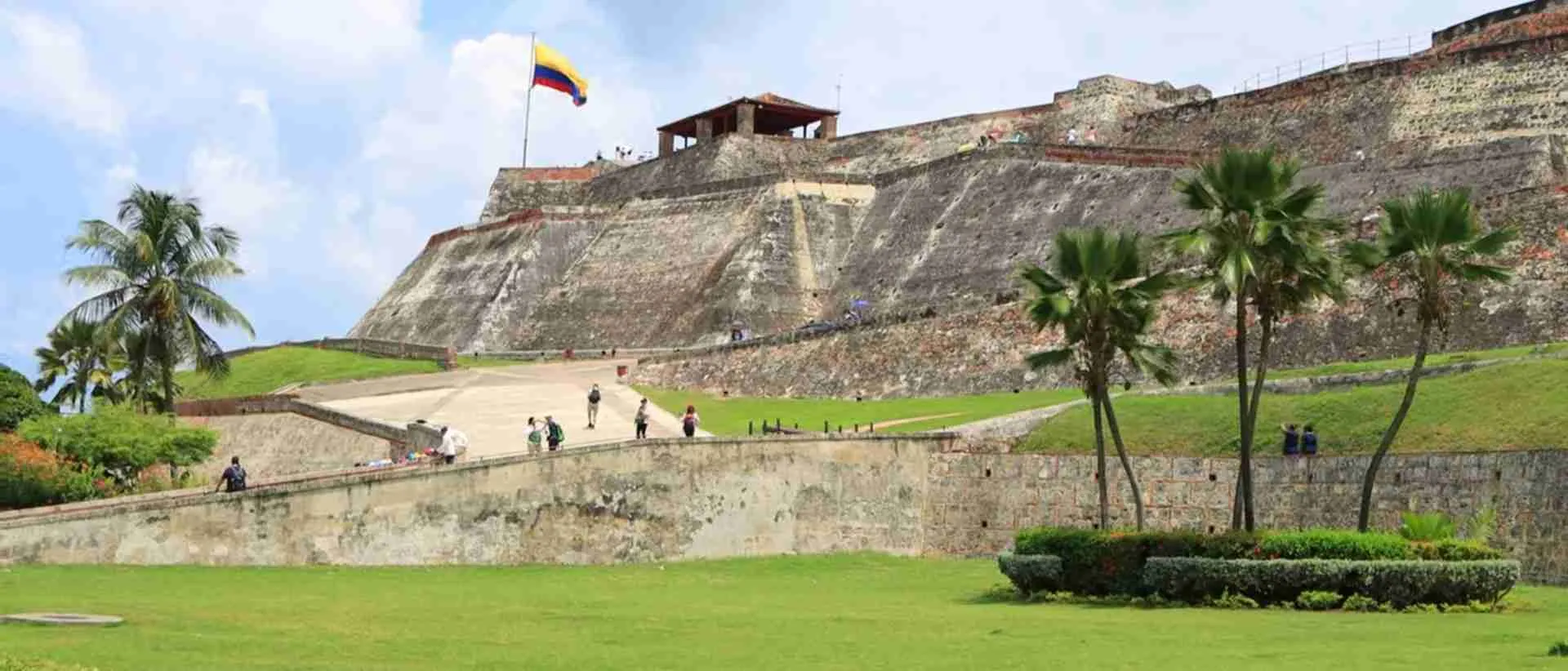
Castillo San Felipe de Barajas charges 30,000 COP ($7.50) entrance for international tourists in 2026, providing access to Colombia’s largest colonial fortress with tunnel systems, rampart walks, and panoramic city views. Check the fortress official website for current rates as pricing may vary. The 90-minute to 2-hour visit justifies the cost through historical significance and commanding views across Cartagena. Audio guides cost an additional 10,000 COP ($2.50), enhancing understanding of defensive architecture and historical context. Morning visits (8:00-10:00 AM) before midday heat optimize comfort during the extensive walking and stair climbing required.
The Inquisition Palace Museum (Museo Histórico de Cartagena) charges 28,000 COP ($7) entrance, displaying colonial-era torture devices, historical documents, and architectural features of the Spanish Inquisition building. The museum requires 60-90 minutes for thorough exploration of exhibition rooms across three floors. English signage exists for major exhibits, though Spanish dominates descriptive text. The entrance fee includes access to the central courtyard, balconies overlooking Plaza de Bolívar, and baroque architectural details of the palace structure itself.
Gold Museum (Museo del Oro Zenú) offers free admission, displaying pre-Columbian gold artifacts, pottery, and cultural items from Caribbean coastal indigenous groups. The small museum requires 30-45 minutes for complete viewing of all exhibit rooms. Free entrance makes this attraction valuable for budget travelers seeking cultural education without cost. Photography prohibition inside exhibits protects artifact preservation but limits personal documentation. Location within the historic center enables easy inclusion during walking tours without transportation expenses.
Las Bóvedas, the colonial vaulted archways converted into artisan shops, requires no entrance fee for walking through the structure or window shopping. However, purchasing handicrafts, emeralds, or artwork creates expenses ranging from 20,000 COP ($5) for small items to hundreds of dollars for quality emeralds or significant art pieces. The architectural experience itself provides value without purchases, as the historic military storage spaces showcase colonial engineering and strategic defensive positioning along the city walls.
Beach and Island Day Trip Budgets
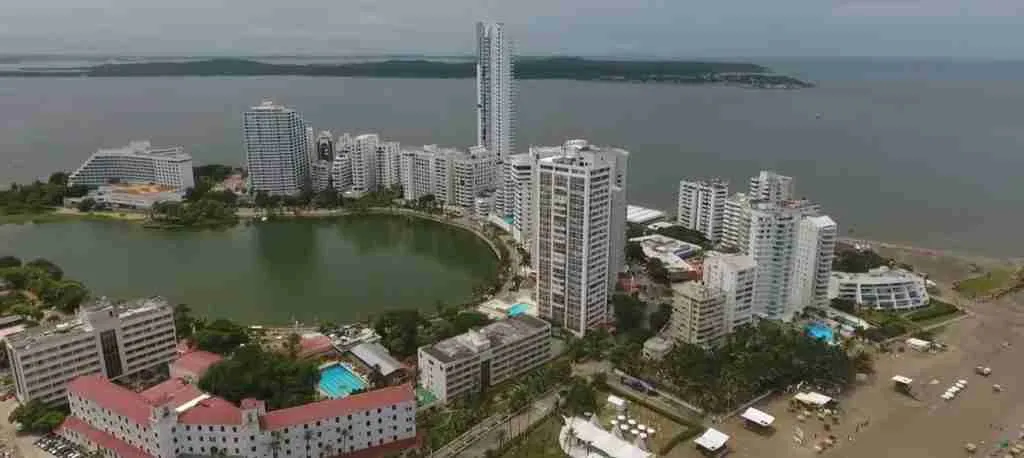
Bocagrande beach access remains completely free, providing Caribbean swimming, sunbathing, and beach volleyball without entrance fees. This public beach runs several kilometers along Cartagena’s modern district, 15-20 minutes by bus (2,500 COP/$0.60) from the historic center. Beach chair and umbrella rentals cost 15,000-25,000 COP ($4-6) for full-day use, while vendors sell beverages (5,000-8,000 COP/$1.25-2) and snacks (8,000-15,000 COP/$2-4). A beach day budget of $10-15 per person covers transportation, chair rental, lunch, and beverages for full-day Caribbean beach experiences.
Rosario Islands day trips represent significant expenses at $45-75 per person for organized boat tours including transportation, beach access, snorkeling equipment, and sometimes lunch. Budget travelers reduce costs by booking through local agencies in Getsemaní rather than hotel concierges or international booking platforms, potentially saving 15-25%. Tours depart daily from Bodeguita Pier around 8:00-9:00 AM, returning by 4:00-5:00 PM. Additional costs include national park entrance fee 19,000 COP ($5) collected on arrival at the islands, plus beverage and meal purchases if lunch isn’t included in tour packages.
Playa Blanca on Barú Island costs $30-50 for organized day trips including boat transportation and beach access, or $15-20 for independent visits using land transportation plus beach boat transfers. The independent approach requires bus or colectivo to Pasacaballos (6,000-8,000 COP/$1.50-2), then boat to Playa Blanca (20,000-25,000 COP/$5-6 per person). Return transportation follows identical pricing. Beach food vendors charge 15,000-30,000 COP ($4-7) for fresh seafood meals, significantly cheaper than organized tour lunch packages but requiring cash payment in Colombian pesos.
Totumo Mud Volcano day trips cost $35-45 for organized transportation and guided experience, or $15-20 for independent visits via public bus and taxi. The organized tours provide convenience, Spanish-English guides, and structured timing. Independent approaches save money but require Spanish language skills for bus system navigation and taxi negotiation. Additional on-site costs include volcano entrance fee 20,000-25,000 COP ($5-6), optional crater massage 10,000-15,000 COP ($2.50-4), and lagoon rinse assistance tips 5,000-10,000 COP ($1.25-2.50).
Evening Entertainment and Nightlife Budget
Free evening entertainment includes salsa dancing at Plaza de la Trinidad in Getsemaní most nights, with locals teaching visitors basic steps and social dancing continuing until midnight or later. This authentic cultural experience costs nothing beyond optional beverage purchases from nearby vendors or bars. Street performances throughout the historic center provide entertainment without entrance fees, operating on voluntary tip basis where $1-3 contributions support artists without breaking budgets.
Bar and club cover charges vary widely by venue, with popular spots like Alquímico, Donde Fidel, and Tu Candela charging 20,000-40,000 COP ($5-10) entrance during peak nights or special events. Many bars impose no cover charge, earning revenue entirely from beverage sales. Beer costs 8,000-15,000 COP ($2-4) at typical bars, while cocktails range 20,000-35,000 COP ($5-9) depending on venue sophistication and location within tourist zones versus local neighborhoods. Budget-conscious nightlife costs $15-25 per person for 3-4 drinks across an evening at modest establishments.
Café del Mar sunset viewing from the city walls requires beverage purchase if sitting at tables (minimum 25,000-30,000 COP/$6-8 for cocktails or beer), though external wall walking and sunset watching costs nothing. This creates tension between budget constraints and social pressure to purchase drinks when occupying premier sunset viewing positions. Strategic planning involves external sunset viewing followed by more affordable drink purchases at nearby Getsemaní bars rather than premium-priced tourist establishment consumption.
Cultural performances including traditional music shows, folkloric dance presentations, or theater productions cost 30,000-60,000 COP ($8-15) for tickets. These events occur sporadically rather than daily, requiring research through tourism offices or hotel concierges to discover scheduling. The cultural value and authentic Colombian artistic expression justify occasional splurges beyond daily budget constraints, particularly for travelers interested in music, dance, or theatrical traditions beyond standard tourist activities.
Sample 2026 Budget Itineraries
4-Day Backpacker Budget Plan
Day 1 – Arrival and Historic Center Introduction: Airport colectivo to historic center $4, hostel check-in (Getsemaní dormitory $18), lunch at local fonda $3, afternoon free walking tour (tip $5), street food dinner $4, evening exploration of Getsemaní murals free, beers at local bar $6. Total: $40 per person (excluding accommodation $18).
Day 2 – Fortresses and City Walls: Breakfast at hostel (self-prepared) $2, Castillo San Felipe entrance $7.50, lunch near fortress $4, afternoon city walls walk free, sunset viewing at Café del Mar walls (no purchase) free, dinner at Getsemaní restaurant $6, Plaza de la Trinidad salsa dancing free. Total: $19.50 per person (excluding accommodation $18).
Day 3 – Beach Day: Breakfast at hostel $2, bus to Bocagrande $0.60, beach access free, beach chair rental $5, lunch from beach vendor $4, beverages and snacks $3, return bus $0.60, dinner street food $4, evening at hostel common area free. Total: $19.20 per person (excluding accommodation $18).
Day 4 – Markets and Departure: Breakfast $2, morning Bazurto Market exploration (taxi) $3, market food samples $2, lunch $3, afternoon plaza relaxation free, airport colectivo $4, snacks $2. Total: $16 per person (excluding accommodation $18).
4-Day Backpacker Budget Total: Accommodation (3 nights) $54, daily costs $94.70. Grand total: $148.70 per person for complete 4-day Cartagena experience on strict backpacker budget.
4-Day Mid-Range Comfort Plan
Day 1 – Arrival and Colonial Exploration: Airport taxi $10, hotel check-in (mid-range Getsemaní hotel $75), lunch at colonial restaurant $12, afternoon paid walking tour $15, coffee at plaza café $4, dinner at recommended restaurant $18, cocktails at rooftop bar $12. Total: $71 per person (excluding accommodation $75).
Day 2 – Fortresses and Museums: Hotel breakfast included, Castillo San Felipe entrance $7.50, audio guide $2.50, lunch near fortress $10, afternoon Inquisition Museum $7, coffee break $4, evening sunset cruise $55, late dinner $15. Total: $101 per person (excluding accommodation $75).
Day 3 – Rosario Islands Day Trip: Breakfast included, organized Rosario Islands tour $65, national park fee $5, island beverage purchases $8, dinner in historic center $20, evening entertainment $10. Total: $108 per person (excluding accommodation $75).
Day 4 – Leisure and Departure: Breakfast included, morning shopping in Las Bóvedas (souvenirs) $30, lunch at upscale restaurant $25, afternoon hotel pool relaxation free, airport taxi $10, airport snacks $5. Total: $70 per person (excluding accommodation $75).
4-Day Mid-Range Budget Total: Accommodation (3 nights) $225, daily costs $350. Grand total: $575 per person for comfortable 4-day Cartagena experience with quality amenities and organized tours.
Week-Long Budget Optimization Plan
Days 1-2: Arrival, historic center exploration, free walking tour, city walls sunset walk. Focus on free activities and street food dining. Accommodation: Getsemaní hostel private room ($35-40 per night). Budget: $60-70 per person excluding accommodation.
Days 3-4: Castillo San Felipe visit, Bocagrande beach day, Getsemaní nightlife. Mix paid attractions with free beach access. Self-prepared breakfasts, mixed restaurant and street food dining. Budget: $50-65 per person daily excluding accommodation.
Days 5-6: Major splurge days with Rosario Islands day trip ($65) and Totumo Mud Volcano excursion ($40). These expensive days balanced by week’s budget activities. Restaurant dining for convenience. Budget: $95-120 per person daily excluding accommodation.
Day 7: Relaxation day with markets, plaza time, final meals at favorite discovered spots. Light spending prepares for departure. Budget: $30-40 per person excluding accommodation.
Week-Long Budget Total: Accommodation (6 nights private hostel room) $210-240, daily costs $385-445. Grand total: $595-685 per person for comprehensive week-long Cartagena experience balancing budget consciousness with occasional splurges on must-do activities.
Money-Saving Strategies for 2026
Accommodation Cost Reduction
Book accommodation 2-4 weeks ahead during low/shoulder season (April-May, September-November) for 10-15% lower rates compared to last-minute reservations. High season booking requires 6-8 weeks advance planning as budget options sell out first. Use comparison platforms like Booking.com, Hostelworld, or Hotels.com that aggregate rates across properties, enabling quick identification of best-value options. Set price alerts on platforms that notify when preferred properties reduce rates or flash sales occur.
Consider slightly longer stays (5-7+ nights) when requesting direct bookings from hotels or hostels. Many properties offer 10-15% weekly rate discounts that standard booking platforms don’t display. Email properties directly mentioning competitive rates you’ve found, asking if they can match or beat platform pricing with direct booking incentives. This approach works better with independent hotels than international chains, particularly in Getsemaní where owner-operated properties maintain pricing flexibility.
Share accommodation costs through double or twin room bookings when traveling as couples or friends. Private hostel rooms for two people cost $35-50 total ($17.50-25 per person), providing significant savings versus solo dormitory beds at $15-20 each. Budget hotels charging $50-70 for private rooms reduce to $25-35 per person with sharing, moving from dormitory-level to private room comfort at competitive per-person costs.
Investigate apartment rentals for groups of 3-4+ people or stays extending beyond 5 days. Three-bedroom apartments in Getsemaní cost $120-180 per night total, dividing to $40-60 per person for groups of 3-4. This pricing competes with mid-range hotels while providing full kitchens, living spaces, and local neighborhood immersion. The kitchen access enables meal preparation that recovers the slightly higher accommodation cost through reduced dining expenses.
Dining Budget Optimization
Eat breakfast at accommodations through included hotel buffets or hostel kitchen preparation. Hotel breakfasts worth $8-12 represent significant daily savings when included in room rates. Hostel guests should stock basics (coffee, bread, eggs, fruit) costing $10-15 total for multi-day breakfast supplies versus $8-12 per restaurant breakfast. This single meal optimization saves $50-80 across week-long visits without sacrificing nutrition or energy for daily activities.
Seek “menu del día” (menu of the day) at local restaurants serving Colombian workers and residents. These fixed-price lunches cost 10,000-15,000 COP ($2.50-4) including soup, main course with protein/rice/beans/salad, beverage, and sometimes dessert. The portions satisfy appetites and provide authentic Colombian cuisine at prices 50-70% below tourist restaurant meals. Restaurants displaying “menu del día” signs between 12:00-2:00 PM target local lunch crowds, ensuring quality and value.
Balance expensive historic center dining with Getsemaní and beyond-the-walls restaurant meals. Identical food quality costs 30-40% less outside prime tourist plazas. Walk 5-10 minutes from Plaza de Santo Domingo or Bolívar toward Getsemaní or Centro neighborhoods for authentic restaurants serving locals alongside tourists. This geographic strategy maintains dining variety and quality while controlling costs through venue selection rather than meal reduction.
Purchase snacks, beverages, and picnic supplies from supermarkets (Exito, Olímpica) rather than convenience stores or tourist vendors. A 500ml water bottle costs 2,000-3,000 COP ($0.50-0.75) at supermarkets versus 5,000-8,000 COP ($1.25-2) from street vendors. Beer costs 2,500-4,000 COP ($0.60-1) at supermarkets versus 10,000-15,000 COP ($2.50-4) at bars. Stock up on supplies for beach days, evening plaza socializing, or in-room relaxation, avoiding impulse purchases at marked-up tourist prices.
Activity and Tour Cost Management
Join free walking tours rather than paid alternatives for historic center introduction and cultural context. The tip-based model allows budget flexibility ($5-10 suggested) while receiving equivalent information to paid tours charging $15-25. Free tours provide initial orientation that informs subsequent self-guided exploration, maximizing the value of one guided experience rather than multiple paid tours covering similar content in different formats.
Book day trips through local Getsemaní agencies rather than hotel concierges or international booking platforms. Local agencies discount prices 15-25% compared to hotel arrangements, particularly for popular excursions like Rosario Islands, Totumo Mud Volcano, or Barú beach trips. Walk along Calle de la Media Luna in Getsemaní visiting 3-4 agencies to compare pricing and tour details before committing. This price shopping identifies genuine best values versus simply accepting first-quoted prices.
Consider independent visits to accessible destinations like Bocagrande beach, Castillo San Felipe, or city attractions reachable by public transportation or short taxi rides. Organized tours to these locations charge $25-40 for services worth $10-15 in actual transportation and entrance fees, with the premium buying convenience and guides. Budget travelers with time flexibility and basic Spanish skills save substantially through independent approaches that maintain equivalent experiences without organizational overhead.
Skip optional add-ons like audio guides ($2.50-5), professional photos ($10-20), or premium seating on tours unless genuine value exists for your interests. These extras accumulate across multiple activities, potentially adding $30-50 to weekly budgets without proportional experience enhancement. Budget that money toward better meals, additional day trips, or extending your Cartagena visit rather than incremental add-ons to existing activities.
Transportation and Transfer Savings
Walk whenever possible within the historic center and to nearby destinations like Getsemaní, Castillo San Felipe (20-25 minute walk), or even Bocagrande (40-50 minute walk along scenic routes). The compact city scale makes walking practical for most tourist activities, eliminating daily transportation costs entirely. Carry water bottles, wear comfortable shoes, and plan walking routes to avoid backtracking or midday heat exposure that necessitates taxi usage.
Use public buses for longer distances like airport transfers, Bocagrande beach visits, or shopping area trips. The 2,500 COP ($0.60) per-ride cost saves dramatically versus $3-5 taxis for equivalent routes. While requiring Spanish skills for navigation and slightly longer travel times, buses provide authentic local transportation experience while preserving budget for other expenses. Transcaribe buses offer air-conditioned comfort at identical pricing to traditional buses.
Share taxi costs with other travelers when heading to common destinations. Many hostel guests or hotel visitors target identical locations (airport, specific beaches, day trip meeting points), making cost-splitting natural and friendly. A $8-10 taxi divided among three people reduces per-person costs to $3-4, competitive with bus pricing but offering direct routing and air-conditioned comfort. Coordinate with hostel common area notices or hotel guest conversations to identify sharing opportunities.
Negotiate taxi fares before entering vehicles, particularly for longer trips or when meters aren’t running. Agree on total cost to destination, confirming the price includes all passengers and bags without surprise surcharges. When possible, use Uber for price transparency and cashless convenience that eliminates negotiation needs entirely. Uber’s upfront pricing prevents overcharging while maintaining competitive rates with traditional taxis.
Seasonal Budget Optimization 2026
High Season Realities (December-March)
High season visits to Cartagena bring 20-30% cost increases across accommodation, tours, and even restaurant prices in tourist zones. Budget hotels charging $50-60 in April-November increase to $65-80 during December-March, while hostel dormitory beds rise from $15-18 to $20-25. These premium prices reflect increased demand from international tourists escaping northern hemisphere winter plus Colombian domestic travelers during holiday periods.
Advance booking becomes critical during high season to secure any budget accommodation as properties sell out 4-8 weeks ahead of arrival dates. Last-minute travelers during Christmas, New Year, or mid-January through February face limited availability, often forcing acceptance of higher-priced options simply due to supply constraints. Book by October-November for December-February visits, prioritizing budget properties that fill fastest as cost-conscious travelers claim limited affordable inventory.
High season advantages include consistently excellent weather with minimal rainfall and maximum sunshine hours daily. Beach days, outdoor activities, and walking tours proceed without rain interruptions or weather contingencies. Social atmosphere intensifies as larger visitor populations create vibrant plaza scenes, active nightlife, and easy connections with fellow travelers. These benefits justify premium pricing for travelers prioritizing weather reliability and social energy over cost minimization.
Shoulder Season Opportunities (April-May, September-November)
Shoulder season visits deliver optimal budget value with 20-30% lower pricing than high season while maintaining excellent weather conditions. April-May represents post-Easter through early rainy season, featuring warm temperatures, occasional afternoon rain, and significantly fewer tourists. September-November captures post-summer period before Christmas rush, with similar weather patterns and reduced crowds across attractions, beaches, and restaurants.
Accommodation costs drop substantially during shoulder months, with budget hotels at $40-50 (versus $65-80 high season) and hostel dormitories at $12-18 (versus $20-25). Tour operators reduce day trip pricing or offer discounts for advance booking, making expensive excursions like Rosario Islands more accessible at $45-60 versus $65-85 peak season charges. Restaurant prices in tourist zones normalize toward local rates as demand pressure decreases, improving dining value throughout the historic center.
Rainy season concerns prove largely unfounded for Cartagena visits, as rainfall typically occurs in brief afternoon thunderstorms lasting 30-60 minutes rather than all-day rain. Morning activities proceed under clear skies, with rain often arriving after 2:00-3:00 PM. This pattern enables complete day trip schedules, fortress visits, and beach time before afternoon showers. The rain cools temperatures and clears dust, creating pleasant evening conditions after storms pass.
Low Season Considerations (Late May-August)
Low season months (late May through August) feature highest rainfall frequencies but deliver maximum budget value for travelers prioritizing cost over weather certainty. Accommodation prices bottom out with hotels at $35-50 for private rooms and hostel dormitories at $10-15. Tour operators discount heavily to maintain business during slower periods, offering day trips for 20-30% below high season pricing. Some properties and tour companies close temporarily, reducing options but those operating provide exceptional value.
Rainfall during low season occurs more frequently (potential daily afternoon/evening storms) but maintains the pattern of morning clear weather followed by afternoon rain. Most tourist activities concentrate in morning hours anyway, as midday heat makes afternoon touring uncomfortable regardless of rain. Indoor attractions like museums and churches provide rain backup plans, while roofed plaza cafés allow continued cultural immersion despite weather. Bring light rain jacket and flexible attitude toward minor weather adjustments.
Low season advantages beyond cost savings include minimal tourist crowds at major attractions, easy restaurant seating without reservations, and authentic local atmosphere as international visitor numbers drop dramatically. Locals reclaim public spaces, creating opportunities for genuine cultural exchange and Colombian social integration. Budget travelers seeking authentic experiences rather than constant tourist interaction find low season timing ideal despite minor weather compromises.
Practical Budget Tips for 2026
Cash Management and ATM Strategy
Withdraw larger amounts ($200-300 equivalent in COP) less frequently to minimize ATM fees charged per transaction ($3-5 typically). Most Colombian ATMs limit single withdrawals to 400,000-600,000 COP ($100-150), requiring multiple transactions for larger amounts. However, withdrawing maximum limits reduces total fee payments across your visit. Choose bank ATMs inside branches during business hours for security and immediate assistance if card issues occur, avoiding standalone ATMs in isolated locations.
Notify your bank and credit card companies before traveling to Colombia, preventing fraud blocks when Colombian transactions appear. Some U.S. banks charge 2-3% foreign transaction fees while others (Charles Schwab, certain credit unions) reimburse ATM fees and charge no foreign transaction fees. Research your specific bank’s international policies before departure, potentially opening fee-free accounts specifically for travel if your primary bank charges expensive international fees.
Carry small bills (10,000-20,000 COP denominations) for street food, buses, and small purchases where vendors lack change for 50,000 or 100,000 COP notes. Break large bills at supermarkets or established restaurants rather than street vendors who may genuinely lack appropriate change. Keep daily spending money separate from larger reserves, avoiding displaying significant cash amounts when making purchases in public spaces.
Budgeting Tools and Tracking
Use mobile budget apps like Trail Wallet or Splitwise to track daily expenses in real-time, preventing end-of-trip budget shock from unnoticed spending accumulation. Input each purchase immediately after completion, categorizing by type (accommodation, food, activities, transportation) to identify spending patterns and areas for adjustment. Daily budget reviews during evening downtime allow mid-trip corrections if spending exceeds plans.
Establish daily spending limits before arrival, calculating total available budget divided by trip days plus contingency reserve (10-15% of total budget for unexpected costs or emergency situations). Treat daily limits as flexible guidelines rather than rigid constraints, understanding that day trip days cost more than free walking days. Balance expensive activity days with cheaper rest days, maintaining average daily spending around target figures.
Separate major costs (accommodation, day trips) from variable daily expenses (food, transportation, entertainment) when budgeting. Pre-pay accommodation and major tours before arrival or early in trip, removing these fixed costs from daily budget considerations. This separation clarifies actual daily spending flexibility and prevents false sense of budget remaining that includes already-committed funds for upcoming major expenses.
Hidden Costs and Budget Surprises
Plan for tipping expectations throughout Cartagena, though Colombia maintains less aggressive tipping culture than United States. Restaurant service charges sometimes include 10% propina (tip) already, though additional 5-10% for exceptional service remains appreciated. Tour guides expect $5-10 per person for group tours, while private guides merit 10-15% of tour cost. Accommodation housekeeping doesn’t require daily tips but 5,000-10,000 COP ($1.25-2.50) at checkout acknowledges service.
National park fees for island destinations ($5 for Rosario Islands) aren’t always included in tour pricing, appearing as surprise charges during excursions. Confirm tour inclusions explicitly when booking, asking about park fees, lunch, snorkeling equipment, and beverage costs. Some budget tours advertise low base prices but exclude numerous components that create final costs matching initially expensive competitors who include everything upfront.
Souvenir and shopping temptations accumulate quickly in Cartagena’s artisan markets, street vendors, and Las Bóvedas shops. Emeralds, handcrafted bags, Colombian coffee, and local art appeal to many visitors, creating unplanned expenses of $50-200 if not consciously managed. Budget specifically for souvenirs if purchasing matters for your trip, or practice disciplined window-shopping to appreciate artisan work without financial commitment. Consider limiting purchases to final trip day after budgeting for all essential experiences.
Frequently Asked Questions
Can you visit Cartagena on $50 per day in 2026?
Visiting Cartagena on $50 daily proves feasible through strict budgeting: hostel dormitory accommodation ($15-20), street food and market meals ($12-18), free or low-cost activities ($5-10), and minimal transportation ($3-5). This budget requires discipline, foregoing expensive day trips, tourist restaurant dining, and nightlife beyond occasional beers. The approach suits backpackers or budget-conscious travelers willing to prioritize cost control over comfort, creating authentic Cartagena experiences while maintaining financial constraints.
Is it cheaper to book tours in advance or upon arrival in Cartagena?
Booking popular day trips (Rosario Islands, Totumo Mud Volcano) 1-2 weeks ahead provides 10-20% savings compared to last-minute arrangements, particularly during high season when availability tightens. Advance booking also guarantees preferred dates and departure times. However, booking locally upon arrival in Cartagena through Getsemaní agencies delivers lower prices than international booking platforms, creating a middle strategy: advance research online for price comparison, then book through local agencies after arrival for best rates and flexibility. Avoid hotel concierge bookings that charge 20-30% premiums.
What budget traps should you avoid in Cartagena?
Major budget traps include tourist restaurant meals in prime plazas charging 50-100% premiums over equivalent quality nearby, taxi overcharging for tourists without price negotiation or Uber alternatives, purchasing tours through hotel concierges rather than local agencies, buying beverages and snacks from tourist vendors rather than supermarkets, and accepting first-quoted prices without comparison shopping. Additionally, unnecessary guided tours to easily accessible attractions, over-tipping due to cultural unfamiliarity, and souvenir shopping without price negotiation all drain budgets unnecessarily.
How much should you budget for a week in Cartagena?
Budget travelers should plan $450-550 total ($65-80 daily) for week-long Cartagena visits including hostel accommodation, street food dining, free activities, and one major day trip. Mid-range travelers need $900-1,200 ($130-170 daily) for comfortable hotels, restaurant meals, multiple tours, and nightlife. These budgets include accommodation, food, activities, and local transportation but exclude international flights. Add $100-200 buffer for unexpected expenses, souvenirs, or experience upgrades during the trip.
Can you use credit cards everywhere in Cartagena?
Credit cards see acceptance at hotels, established restaurants, tour operators, and larger retailers, but street food vendors, local markets, buses, taxis, and small shops require cash. Budget approximately 40-50% of total spending in cash for these situations. Carry mix of small bills for daily expenses and credit cards for major purchases. Some credit cards charge foreign transaction fees (2-3%) making cash advantageous even where cards are accepted. Always ask “¿Aceptan tarjeta?” (Do you accept card?) before ordering at restaurants or services.
What’s the best neighborhood for budget accommodation?
Getsemaní represents optimal budget accommodation location, offering hostel dormitories ($15-20), budget hotels ($40-60), and excellent access to historic center attractions within 5-10 minute walks. The neighborhood maintains authentic local character with street art, affordable restaurants, and active nightlife centered around Plaza de la Trinidad. Safety proves adequate with normal urban precautions, though less tourist-concentrated than walled city center. Alternative budget areas include Centro (just outside main tourist zones) and Bocagrande (near beaches but farther from historic attractions).
How safe is budget travel in Cartagena?
Budget travel in Cartagena proves generally safe with normal precautions: avoid displaying valuable electronics or jewelry, use ATMs inside banks during daylight, take official taxis or Uber rather than unmarked vehicles, and avoid isolated areas late at night. Budget accommodations in Getsemaní and Centro maintain adequate security with lockers, 24-hour reception, and common traveler presence. Incidents remain opportunistic (pickpocketing, bag snatching) rather than violent, preventable through awareness and reasonable security practices applied in any urban environment.
Can solo travelers save money in Cartagena?
Solo travelers face slight budget disadvantages compared to couples or groups, as accommodation costs can’t be shared and private room rates equal prices couples pay for same space. However, hostel dormitories provide solo-friendly budget accommodation at $15-20 per night, while solo travelers easily connect with other hostellers for shared taxi costs, group tour joining, or meal splitting. The solo traveler community in Cartagena’s hostels creates natural opportunities for cost-sharing and social experiences without requiring pre-existing travel companions.
What expenses do people forget when budgeting for Cartagena?
Commonly forgotten expenses include airport transportation to/from historic center ($8-20), national park fees for island visits ($5), tips for guides and service staff ($5-10 per person daily), beverage costs at beaches and during tours ($3-8 daily), travel insurance premiums, incidental taxi usage during hot afternoons, ATM withdrawal fees ($3-5 per transaction), and souvenirs or shopping ($50-100 typical). Budget 15-20% above calculated costs for these miscellaneous expenses that accumulate across multi-day visits.
Is Cartagena affordable for long-term stays?
Extended Cartagena stays (3+ weeks) achieve better value through monthly apartment rentals ($800-1,200 for one-bedrooms in Getsemaní or Centro) versus nightly accommodation. Cooking most meals, establishing local routines, and avoiding constant tourist activities reduces daily costs to $30-45 for food, transportation, and incidentals. Digital nomads or slow travelers find Cartagena reasonably affordable at $1,200-1,800 monthly for comfortable living including accommodation, food, coworking space access, and entertainment, though higher than interior Colombian cities but lower than international beach destinations.