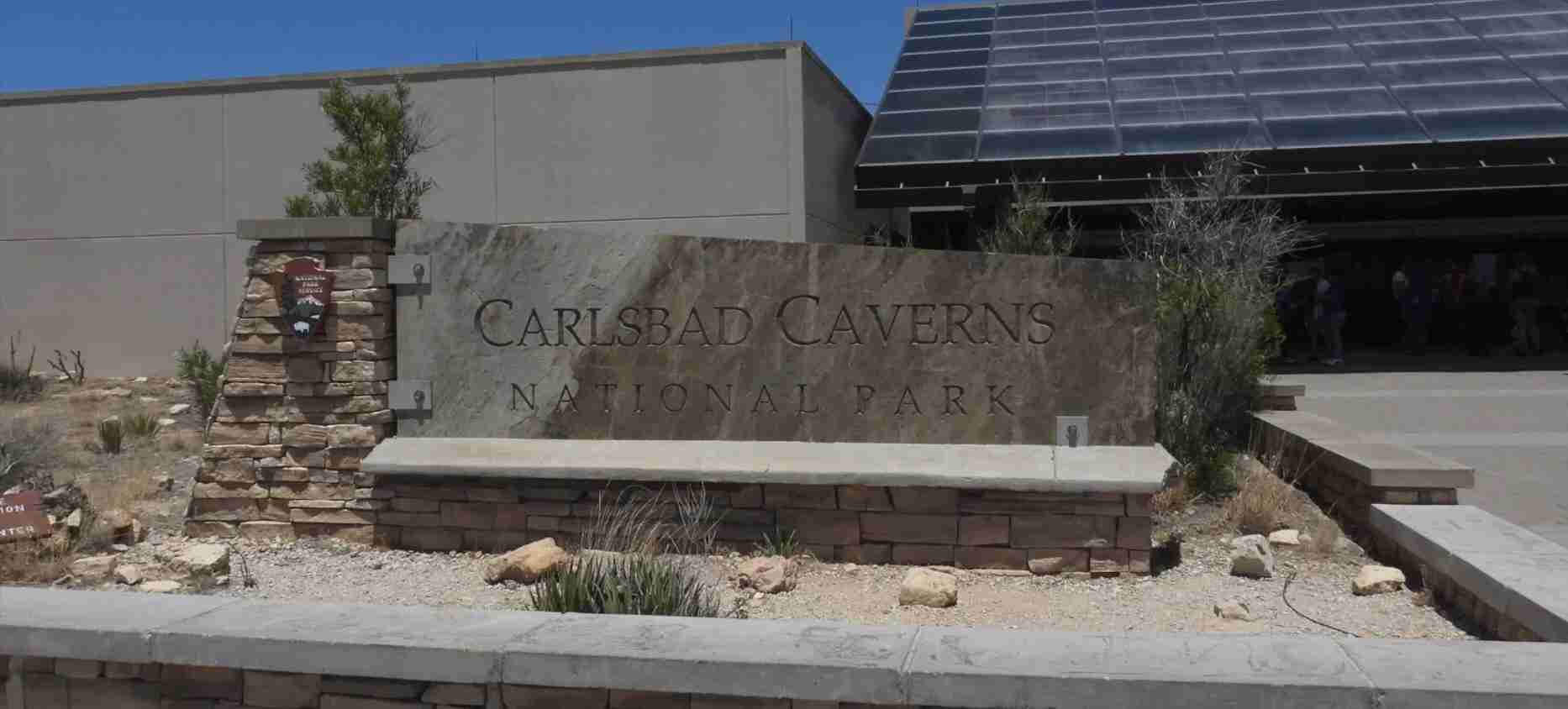
Carlsbad Caverns National Park Complete Guide 2026: Everything You Need to Know
Carlsbad Caverns National Park in southeastern New Mexico protects 119 known caves carved from an ancient fossil reef, including the massive Big Room chamber that extends 8.2 acres underground. Located beneath the Chihuahuan Desert, this extraordinary geological wonder draws over 300,000 visitors annually to witness stalactites, stalagmites, and limestone formations created over 250 million years. This guide covers everything you need to plan your 2026 visit, from cave access reservations and ranger-guided tours to accommodation options and daily budget breakdowns.
Key Takeaways for Visiting Carlsbad Caverns 2026
- Budget Planning by Tier 2026: Budget travelers need $90-120 per person daily (two sharing budget hotel), mid-range visitors spend $155-205 per person daily (two sharing mid-range hotel), and luxury experiences cost $250-310 per person daily (two sharing premium hotel). These figures include accommodation, meals, transportation, and park entrance fees.
- Timed Entry Reservations Required 2026: All visitors must reserve a $1 timed entry slot through Recreation.gov for Big Room access, with entry windows between 9:30 AM and 2:30 PM. This reservation does not include the $15 park entrance fee (children 15 and under free), which you pay upon arrival at the visitor center.
- Ranger-Guided Tours Availability 2026: Due to ongoing staffing shortages, only King’s Palace Tour ($10 adults, $5 children 4-15) and Lower Cave Tour ($30 adults, $15 children 12+) operate regularly. Tours sell out quickly through first-come, first-served ticket sales at the visitor center starting when doors open at 9:00 AM.
- Cave Temperature Constant Year-Round: The caverns maintain a steady 56°F (13°C) with 90% humidity regardless of surface conditions. Bring a light jacket or sweater even during summer when surface temperatures exceed 100°F, and wear sturdy walking shoes for the paved but sometimes steep cave trails.
- Accommodation Base in Carlsbad City: The town of Carlsbad, located 27 miles from the park entrance, serves as the primary accommodation hub. Hotels range from $70-95 nightly for budget options to $200-235 for premium properties during peak summer season (July), with rates dropping to $88 average in low season (September, November).
- Self-Guided Tour Options 2026: Visitors can explore the Big Room (1.25-mile loop) via elevator access or hike the Natural Entrance Trail (1.25 miles descending 750 feet) before connecting to the Big Room. The entire self-guided experience takes 2.5-3.5 hours, with the last entry at 2:30 PM and caves closing at 4:45 PM.
People Also Ask About Carlsbad Caverns 2026
How much does a trip to Carlsbad Caverns cost in 2026?
Daily costs range from $90-120 per person for budget travel to $250-310 for luxury experiences, assuming two people sharing hotel accommodation. The minimum spending includes the $15 park entrance fee plus $1 timed reservation (children 15 and under enter free but still need the $1 reservation), meals starting around $30-43 daily for budget dining, and accommodation beginning at $35-48 per person when sharing a $70-95 budget hotel room. Mid-range comfort typically costs $155-205 per person daily, covering $65-90 per person for hotel (mid-range properties $130-180 divided by two), $55-75 for three restaurant meals, transportation, and the optional $10 King’s Palace ranger tour. A three-day visit costs approximately $270-360 per person for budget travelers, $465-615 for mid-range comfort, or $750-930 for luxury accommodations and upscale dining.
Do I need reservations for Carlsbad Caverns in 2026?
Reservations are mandatory for all cave access in 2026 through Recreation.gov’s timed entry system. You must book your $1 per-person time slot up to 30 days in advance or as late as 5:00 AM Mountain Time on the day of your visit, selecting an entry window between 9:30 AM and 2:30 PM. This reservation holds your entry time but does not cover the park entrance fee—you pay the $15 adult admission (or present your America the Beautiful Pass) when you arrive at the visitor center. For ranger-guided tours like King’s Palace or Lower Cave, no advance online reservations are currently available. You must arrive early when the visitor center opens at 9:00 AM to purchase first-come, first-served tour tickets, which sell out quickly during peak season. The reservation system manages crowding and protects the delicate cave environment while ensuring everyone can plan their visit.
What is the best time of year to visit Carlsbad Caverns in 2026?
Spring (March-May) and fall (September-November) offer the most comfortable surface conditions for exploring above-ground trails and watching the bat flight program, with daytime temperatures ranging from 65-85°F and hotel rates averaging $88-130 nightly. The cave itself maintains a constant 56°F year-round regardless of surface weather, making the underground experience identical in all seasons. Summer (June-August) brings extreme heat above ground (95-105°F), peak visitor crowds, and higher accommodation costs reaching $180-235 per night, but this coincides with the spectacular Brazilian free-tailed bat evening flight program (May-October). Winter (December-February) delivers the lowest hotel rates ($75-100/night) and smallest crowds, though surface temperatures can drop to 30-50°F and bats are hibernating in Mexico. For the complete Carlsbad experience including both caves and bat flights, visit during shoulder seasons in May or September-October when you’ll find moderate temperatures, lower accommodation costs, active bat populations, and manageable visitor numbers.
How long does it take to tour Carlsbad Caverns in 2026?
A typical self-guided visit takes 2.5-3.5 hours covering the Natural Entrance Trail descent (1.25 miles, 45-60 minutes) and the Big Room loop (1.25 miles, 60-90 minutes at a moderate pace). Visitors who take the elevator directly to the Big Room complete the tour in 60-90 minutes, while those hiking the Natural Entrance add an extra hour for the steep descent through the natural cave opening. The King’s Palace ranger-guided tour adds 90 minutes to your visit, covering one mile through four decorated chambers at 830 feet below the surface. The Lower Cave tour, a more strenuous adventure requiring ladder descents and rope assistance, consumes three hours. Plan a full day (6-8 hours total) when including the 54-mile round-trip drive from Carlsbad accommodations, lunch at the Underground Lunchroom or visitor center, and time for the above-ground Walnut Canyon Desert Drive scenic loop. The park requires all visitors to begin their cave entry before 2:30 PM and exit by 4:45 PM, so early arrival maximizes your exploration time and improves your chances of securing ranger tour tickets sold first-come, first-served when the visitor center opens at 9:00 AM.
Extended multi-day tours – 5+ days
Featured Albuquerque Multi-Day Tour Packages
3 days
Albuquerque 3-Day Discovery Tour
- ✓ Comprehensive Albuquerque experience
- ✓ Expert local guides included
- ✓ All accommodation included
- ✓ Transportation provided
5 days
Albuquerque 5-Day Highlights Experience
- ✓ Comprehensive Albuquerque experience
- ✓ Expert local guides included
- ✓ All accommodation included
- ✓ Transportation provided
7 days
Albuquerque 7-Day Cultural Journey
- ✓ Comprehensive Albuquerque experience
- ✓ Expert local guides included
- ✓ All accommodation included
- ✓ Transportation provided
10 days
Albuquerque 10-Day Complete Adventure
- ✓ Comprehensive Albuquerque experience
- ✓ Expert local guides included
- ✓ All accommodation included
- ✓ Transportation provided
Multi-day tour packages powered by TourRadar. Prices and availability subject to change.
Introduction: Planning Your Carlsbad Caverns Visit in 2026
Carlsbad Caverns National Park stands as one of the world’s most spectacular underground landscapes, where an ancient Permian-era reef transformed over millions of years into a labyrinth of decorated caves beneath New Mexico’s Guadalupe Mountains. The park protects 119 known caves ranging from small passages to the colossal Big Room, the largest single cave chamber in North America at 8.2 acres and up to 255 feet high. Visitors descend into a subterranean world where sulfuric acid dissolution created stunning formations—massive columns, delicate soda straws, flowing draperies, and intricate helictites that defy gravity in their twisted growth patterns.
The 2026 visiting experience centers on a mandatory timed entry reservation system implemented to preserve the fragile cave environment while managing visitor flow. Unlike previous years when you could arrive and enter freely, you now must secure your $1 time slot through Recreation.gov before arriving, then purchase your $15 park entrance pass at the visitor center. This system has significantly reduced crowding in the caves, creating a more intimate experience where you can hear the silence, feel the humidity, and appreciate the formations without battling shoulder-to-shoulder crowds on narrow walkways.
Ranger-guided tours remain limited in 2026 due to staffing challenges that began during the pandemic. Only King’s Palace Tour and Lower Cave Tour operate regularly, with tickets sold first-come, first-served when the visitor center opens each morning. This scarcity has made these tours highly coveted experiences—arriving by 8:15 AM to queue before the 9:00 AM opening gives you the best chance of securing spots. The other historic tours (Slaughter Canyon Cave, Spider Cave, Left Hand Tunnel, Hall of the White Giant) remain suspended indefinitely, though park managers hope to restore them as staffing levels improve.
Your planning timeline should begin 30 days before your visit, when Recreation.gov releases timed entry slots. Book your entry window, then secure accommodation in Carlsbad (the closest hotel base 27 miles away), and finally plan your daily schedule around the caves’ limited operating hours. The caverns open for entry 9:30 AM-2:30 PM, with all visitors required to exit by 4:45 PM. This compressed timeframe means early starts are essential—most successful visits begin with arrival at the visitor center by 8:45 AM, securing ranger tour tickets if desired, then entering the caves by 9:30 or 10:00 AM to allow ample exploration time before the 2:30 PM entry cutoff.
The park’s location in remote southeastern New Mexico creates a true destination visit rather than a casual stop. Carlsbad Caverns sits 150 miles from El Paso, Texas, 140 miles from Roswell, New Mexico, and 280 miles from Albuquerque, making it one of the most isolated national parks in the lower 48 states. This remoteness preserves the area’s dark skies and natural quiet while requiring thoughtful trip planning—gas stations are sparse, dining options cluster in Carlsbad town, and the nearest major airport (El Paso International) requires a 2.5-hour drive to reach the park. Budget extra time for these distances and plan provisions accordingly.
Weather plays a dramatic role in the Carlsbad Caverns experience, creating stark contrasts between surface and underground environments. The Chihuahuan Desert above bakes in summer with temperatures regularly exceeding 100°F from June through August, yet stepping into the cave entrance delivers instant relief as temperatures plunge to the constant 56°F maintained year-round at depth. This 40-50 degree differential in summer requires layered clothing—you’ll need sun protection and light fabrics for surface exploration, then a jacket or sweater once underground. Winter reverses this dynamic, with surface temperatures dropping to 30-50°F while the caves remain a relatively comfortable 56°F, making the caverns feel warmer than the outside environment.
The Brazilian free-tailed bat flight program represents one of North America’s most spectacular wildlife phenomena, with 400,000+ bats emerging from the Natural Entrance each evening from May through October to feed on flying insects over the Pecos River valley. The evening ranger program (free with park admission) interprets this mass exodus, which begins around sunset and continues for 20-45 minutes depending on bat population size. Photography is prohibited during the flight to avoid disturbing the bats with flashes or electronic screen lights. This seasonal element means May-October visits offer dual attractions—spectacular cave formations and extraordinary wildlife viewing—while November-April visits focus exclusively on the underground geology as bats winter in Mexico.
Understanding Carlsbad Caverns Access and Entry System 2026
The timed entry reservation system fundamentally changed how visitors access Carlsbad Caverns, replacing the previous first-come, first-served model with a structured booking process that begins on Recreation.gov. You must secure your $1 per-person reservation slot before arriving at the park, selecting an entry window between 9:30 AM and 2:30 PM. Reservations open 30 days in advance and remain available until 5:00 AM Mountain Time on your visit date, though popular times (especially weekends and holidays) sell out weeks ahead.
This $1 reservation fee is separate from and does not include the park entrance fee. Upon arrival at the visitor center, you present your reservation confirmation and pay the $15 adult entrance fee, or show your America the Beautiful Pass (annual, senior, access, or military). Children 15 and under enter free but still require the $1 reservation—when booking online, you must create a reservation for each child in your party even though their entry fee is waived. The park strictly enforces the reservation requirement; showing up without a confirmation means you cannot enter the caves regardless of whether you’re willing to pay the entrance fee.
Your timed entry window functions as a starting point rather than a rigid deadline. If you book a 10:00 AM slot, you can enter the caves any time between 10:00 AM and 2:30 PM (when all cave entry ceases), but you cannot enter before your reserved time. This flexibility allows for traffic delays or extended ranger tour participation without forfeiting your reservation. However, later entry times reduce your exploration window—booking a 1:30 PM slot leaves you just one hour before the 2:30 PM entry cutoff, barely enough time for the Big Room if you take the elevator and skip the Natural Entrance Trail entirely.
Two entry methods provide access to the Big Room’s starting point at 750 feet below the surface. The elevator from the visitor center descends directly to the Big Room level in 60 seconds, delivering you to the loop trail entrance without any hiking. The Natural Entrance Trail offers a more immersive experience, following the cave’s original opening down a steep, paved 1.25-mile switchback trail that descends 750 feet through multiple geological zones before connecting to the Big Room. Most visitors combine both approaches—hiking down the Natural Entrance to appreciate the cave’s vertical scale and geological transitions, then riding the elevator back up to avoid the strenuous 750-foot climb that can take 45-60 minutes.
Cave regulations protect both visitors and the fragile formations. No food, candy, gum, or flavored beverages are permitted in the caves—only plain water in sealed containers. Hiking poles, tripods, bipods, and monopods are prohibited, as are pets (except service animals). Photography is allowed including flash use, though rangers request courtesy toward other visitors when using flash. The White-Nose Syndrome protocol requires that all clothing, shoes, and gear entering Carlsbad caves must not have been in any other caves or mines to prevent spreading the deadly fungal disease devastating bat populations across North America. First-time cavers have no restrictions, but experienced spelunkers must use dedicated Carlsbad-only gear or clean equipment according to park protocols.
The Underground Lunchroom, located 750 feet below ground near the Big Room entrance, provides the only food service inside the caves. This historic concession area dates to the 1950s and offers sandwiches, salads, soft drinks, and snacks during peak hours. Service is quick even during crowded periods, and the novelty of dining in a subterranean cafeteria 750 feet underground appeals to many visitors despite the basic menu. Prices run higher than surface restaurants due to the logistical challenges of provisioning an underground facility—expect $10-15 for sandwiches, $3-5 for drinks, and $8-12 for combination meals.
Accessibility features enable visitors with mobility challenges to experience portions of Carlsbad Caverns. The elevator provides full wheelchair access to the Big Room level, and approximately 60% of the Big Room loop trail accommodates wheelchairs and walkers. The visitor center provides accessibility maps highlighting the wheelchair-accessible sections and turnaround points where the trail becomes too steep or narrow. The Natural Entrance Trail is not accessible due to its steep grade and 750-foot elevation change. Ranger-guided tours like King’s Palace involve stairs and steep sections that prevent wheelchair access, though rangers can discuss alternative ways to learn about these cave sections through interpretive programs at the visitor center.
Park Entrance Fees and Ranger Tour Costs 2026
Carlsbad Caverns operates a two-part fee structure separating the timed entry reservation from the park entrance pass. The $1 timed entry reservation purchased through Recreation.gov secures your access window but does not admit you to the park. Upon arrival at the visitor center, you pay the $15 adult entrance fee (check official site for current rates as pricing may vary), valid for three consecutive days. This three-day validity allows multi-day exploration if you’re staying nearby—you can visit the caves one day, explore above-ground trails like Walnut Canyon Desert Drive the next day, and return for a ranger tour on day three without purchasing additional entrance passes.
Children 15 and under enter free, though they still require the $1 timed entry reservation created in their name. When booking a family of four with two adults and two children ages 10 and 12, you purchase four $1 reservations through Recreation.gov then pay two $15 adult entrance fees at the visitor center for a total of $34. Teen visitors ages 16-17 pay the full $15 entrance fee since the free admission cutoff is strictly enforced at age 15.
America the Beautiful passes provide substantial savings for frequent park visitors. The annual pass costs $80 and covers entrance fees for the pass holder plus three additional adults at per-vehicle fee parks, or the pass holder alone at per-person fee parks like Carlsbad Caverns. Senior passes (age 62+) cost $80 for an annual version or $20 for a lifetime pass, with both covering entrance fees and providing 50% discounts on ranger-guided tours. Access passes for permanently disabled individuals are free and include the same 50% tour discount. Military passes are free for active duty personnel and dependents. All pass holders must still purchase the $1 timed entry reservation through Recreation.gov—the passes waive entrance fees but not the reservation requirement.
The King’s Palace ranger-guided tour costs $10 for adults and $5 for children ages 4-15, payable at the visitor center when you secure your tour ticket. This 90-minute experience explores four elaborately decorated chambers 830 feet underground, including the titular King’s Palace room filled with massive columns, draperies, and cave formations not visible on the self-guided tour. Rangers lead groups of up to 25 visitors through paved trails with some steep sections and stairs, discussing cave formation processes, early exploration history, and the fragile ecosystem. The tour includes the famous “blackout” moment when rangers extinguish all artificial lighting to demonstrate the absolute darkness of the natural cave environment.
The Lower Cave tour, a more adventurous three-hour experience, costs $30 for adults, $15 for children ages 12-17, and $15 for Senior or Access Pass holders. This tour is physically demanding, requiring participants to descend 60 feet of ladders and navigate a slippery 10-foot slope using a knotted rope while wearing provided helmets and headlamps. The trail covers one mile through unimproved passages with natural floors, revealing sections where early explorers left evidence of their pioneering work. Minimum age is 12 due to the physical requirements and length of the tour.
Tour tickets for both King’s Palace and Lower Cave are currently sold first-come, first-served at the visitor center information desk starting when doors open at 9:00 AM. No advance online reservations are available as of 2026, a policy change from previous years when Recreation.gov handled tour bookings. This creates competition for limited tour spaces—arriving by 8:15-8:30 AM to queue outside the visitor center before opening gives you the best chance of securing tickets during peak season (Memorial Day through Labor Day). Tours may not operate every day due to staffing availability; call 575-785-2232 before your visit to confirm the schedule.
Additional specialized tours that operated in previous years—Slaughter Canyon Cave, Spider Cave, Left Hand Tunnel, Hall of the White Giant—remain suspended in 2026 due to insufficient ranger staffing. Park management hopes to restore these programs as budget and personnel situations improve, but no definite timeline exists for their return. These tours previously cost $20-30 per adult and offered more challenging caving experiences including crawling, climbing, and extended periods in undeveloped cave passages.
Accommodation Costs and Options Near Carlsbad Caverns 2026
Carlsbad city, located 27 miles northeast of the park entrance via US-62/180, serves as the primary overnight base for Carlsbad Caverns visitors. This small New Mexico city of approximately 30,000 residents offers 25+ hotel properties ranging from basic motels to mid-range chains, with no luxury resort options available. The 30-35 minute drive from Carlsbad hotels to the park visitor center becomes a daily routine, as no lodging exists closer to the caves.
Budget accommodation options cluster along National Parks Highway (US-62/180) on Carlsbad’s southern approach, convenient for morning drives to the park. Days Inn by Wyndham Carlsbad charges $70-85 per night for standard double rooms, while Motel 6 Carlsbad ranges $74-88 nightly. Rodeway Inn Carlsbad Caverns Area (rebranded as National Parks Inn) offers rooms starting at $70-82 per night. These properties provide basic amenities—free WiFi, parking, modest continental breakfast, and clean rooms—without frills like swimming pools or fitness centers. When shared between two travelers, nightly costs drop to $35-44 per person, fitting within tight budgets.
Mid-range hotels deliver better amenities and more comfortable stays for $110-180 per night. La Quinta Inn & Suites by Wyndham Carlsbad ($110-135/night) welcomes pets and includes a fitness center and outdoor pool. Comfort Suites Carlsbad ($125-160/night) earns high marks for cleanliness and includes a hot breakfast buffet. Hampton Inn & Suites Carlsbad ($130-165/night) features an indoor pool, hot tub, and complimentary breakfast. Sleep Inn & Suites Carlsbad Caverns Area ($115-145/night) and Quality Inn & Suites Carlsbad ($110-140/night) offer similar amenities at competitive rates. These properties deliver reliable comfort, professional service, and worthwhile breakfast options that reduce your daily food costs. Shared between two people, expect $55-90 per person nightly.
Upper-tier properties approaching luxury-lite status include Hyatt House Carlsbad ($140-190/night) with full kitchens in studio suites, daily breakfast, and an on-site restaurant with craft cocktails. Home2 Suites by Hilton Carlsbad ($145-185/night) provides suite layouts with kitchenettes, perfect for extended stays or families wanting to prepare simple meals. TownePlace Suites by Marriott Carlsbad ($135-175/night) offers similar extended-stay configurations. These properties cost $68-95 per person when sharing a room, delivering the highest local comfort tier without reaching true luxury standards given Carlsbad’s small-city limitations.
Seasonal pricing creates significant cost variations. Peak summer season (June-August) drives rates up 40-60% above shoulder season, with July commanding the highest prices—expect to pay $180-235/night for mid-range properties that cost $110-140 in spring or fall. This reflects both Carlsbad Caverns’ peak visitation and the regional oil and gas industry’s workforce demand for temporary housing. Low season (September, November, January-February) delivers the best values, with average rates around $88/night even at nicer properties. Memorial Day weekend, 4th of July, and Thanksgiving week see premium pricing and advance sellouts.
Weekend versus weekday pricing follows unusual patterns in Carlsbad due to oil industry influence. Saturday nights average $132 while Sunday nights rise to $174, reversing the typical vacation market pattern where Sunday is cheapest. Weekday rates (Monday-Thursday) often match or slightly exceed weekend rates due to business travel demand. Booking three weeks ahead typically secures better rates than last-minute reservations, especially during peak summer months.
White’s City, a tiny commercial outpost 7 miles from the park entrance, previously offered the closest lodging at Rodeway Inn Carlsbad Caverns. This property closed indefinitely during the pandemic and has not reopened as of 2026. Until new development occurs at White’s City or another nearby location, the 27-mile commute from Carlsbad remains unavoidable. Some visitors stay in Roswell (78 miles north) or El Paso, Texas (150 miles southwest), but the long drives make these options impractical for multi-day park visits.
Fiddler’s Inn, a bed and breakfast near Lake Carlsbad Recreation Area, provides a higher-touch experience for $125-160/night with continental breakfast, hot tub access, and individually decorated rooms. This six-room property books quickly during peak season due to its intimate scale and positive reviews. The location sits slightly north of downtown Carlsbad, adding 5-7 minutes to your morning park drive compared to southern highway hotels.
Booking strategies that minimize accommodation costs include visiting during shoulder seasons (March-May, September-October) when rates drop 30-40% below summer peaks while weather remains pleasant. Staying Sunday-Thursday averages $15-25/night cheaper than Friday-Saturday. Booking directly with hotel chains sometimes yields member discounts or free breakfast upgrades not available through third-party booking sites. For week-long visits, extended-stay properties with kitchenettes (Hyatt House, Home2 Suites, TownePlace Suites) save money on meals by enabling breakfast and lunch preparation in your room.
Food and Dining Costs in Carlsbad 2026
Carlsbad’s dining scene reflects its small-city character and oil industry workforce population, offering solid Mexican and American comfort food without the chef-driven or farm-to-table options found in larger tourist destinations. Budget dining focuses on local Mexican restaurants and fast-food chains, mid-range choices include family steakhouses and regional New Mexico cuisine, while upscale dining reaches its ceiling at two establishments serving elevated preparations in historic settings.
Budget breakfast options cost $8-12 per person at hotel continental buffets (included with room rate at most mid-range properties) or $10-15 at local diners. Blue House Bakery & Cafe serves pastries, breakfast burritos, and French toast for $9-14 per person. Fast-food chains (McDonald’s, Burger King, Sonic) cluster along Canal Street and National Parks Highway, delivering standard menu pricing around $8-11 per person. These breakfast costs make hotel continental breakfast inclusion a significant value—free hot breakfast saves $16-24 daily for couples, equaling $112-168 weekly.
Lunch at budget-conscious spots runs $10-18 per person. Junior’s Burritos & Mexican Restaurant serves authentic combination plates with rice and beans for $10-14. Carniceria San Juan de Los Lagos, a Mexican grocery with a deli counter, offers carnitas tacos and chile Colorado plates for $8-12. Local fast-casual chains and food trucks provide sandwiches and burgers for $10-15 including drinks. The Underground Lunchroom inside Carlsbad Caverns charges premium pricing due to its remote location—expect $12-16 for basic sandwiches and $10-14 for combination meals, more than outside restaurants but convenient when you want to maximize cave time rather than drive to Carlsbad for lunch.
Dinner at budget tier Mexican restaurants costs $12-20 per person. Mi Casita Mexican Restaurant and Lucy’s Mexicali Restaurant serve enchiladas, fajitas, and combination platters for $13-19 with generous portions often yielding leftovers. Danny’s Place, a barbecue institution since 1954, smokes brisket, ribs, and sausage over pecan wood with plates running $15-22 per person. Chain restaurants like Applebee’s and Chili’s maintain standard national pricing around $14-20 per entree. Budget-conscious travelers eating breakfast at their hotel, packing lunch from grocery stores or eating one inexpensive meal out, then enjoying a moderate dinner can maintain $30-43 daily food costs.
Mid-range dining elevates both quality and cost. Yellow Brix Restaurant, set in a 1928 yellow-brick home, offers creative dishes including sashimi tuna, roasted half chicken, and steak selections for $18-32 per entree. Appetizers and salads add $8-14, and the wine list encourages multi-course meals pushing total costs to $35-50 per person with drinks. Trinity Hotel Restaurant, occupying a converted 1892 bank building, serves the city’s most sophisticated fare—expect $22-38 for entrees like pan-seared salmon or hand-cut steaks, with appetizers adding $10-16 and craft cocktails $10-14 each. Completing a three-course dinner with wine or cocktails easily reaches $55-70 per person.
Lucky Bull Grill delivers elevated pub food including burgers, steaks, and poutine variations for $16-28 per person. Italian Villa Restaurant, widely regarded as Carlsbad’s best Italian option, serves substantial portions of eggplant parmesan, veal dishes, and pasta for $15-26 per entree, with meals often providing enough leftovers for lunch the next day. The complimentary garlic bread helps fill you up before massive main courses arrive.
Breakfast at mid-range sit-down restaurants costs $12-18 per person. No Whiner Diner encourages menu customization with creative breakfast options running $11-17. Trinity Hotel’s Sunday brunch featuring chicken cordon bleu hash and live piano music costs $18-25 per person, delivering both food and entertainment value. Most visitors staying at mid-range hotels with included hot breakfast save this $12-18 per person daily, applying those savings toward better lunch or dinner experiences.
Grocery shopping at Albertsons or Walmart provides the most economical meal solutions. A week of grocery shopping for two people—including breakfast items, sandwich materials, snacks, and beverages—costs $120-180, averaging $8-13 per person daily. Combining grocery breakfast and lunch with one restaurant dinner per day yields daily food costs of $40-60 per person, substantially less than three restaurant meals daily. Extended-stay hotels with kitchenettes or mini-refrigerators make this strategy practical.
Coffee culture in Carlsbad remains basic compared to larger cities. Starbucks and Dunkin’ Donuts provide familiar options at standard national pricing ($4-7 per drink), while local coffee shops charge $3-6 for drip coffee and $5-8 for espresso drinks. Most hotels offer free lobby coffee adequate for morning caffeine needs without specialty drink costs.
Alcohol costs at restaurants follow typical markup patterns—domestic beer $5-7, craft beer $7-10, house wine $8-12 per glass, cocktails $10-14. Liquor stores sell six-packs of craft beer for $10-14 and wine bottles for $12-35, offering savings if you’re staying at properties allowing alcohol consumption in rooms. The oil industry workforce sustains several sports bars and casual drinking establishments, though Carlsbad lacks craft brewery taprooms or wine bars common in tourism-dependent cities.
Transportation Costs and Getting Around 2026
Carlsbad Caverns National Park requires private vehicle transportation, as no public transit, shuttle services, or tour bus operations connect Carlsbad city to the park entrance. The 27-mile drive via US-62/180 takes 30-35 minutes each way through sparsely populated desert terrain with limited services—plan to arrive with a full fuel tank, as no gas stations operate between Carlsbad and the park.
Driving costs depend on your vehicle’s fuel efficiency and current gasoline prices. The 54-mile round trip from Carlsbad hotels to the park visitor center and back consumes 1.5-2.5 gallons depending on vehicle type, costing $5-10 daily at typical New Mexico gas prices of $3.20-4.00 per gallon. Larger vehicles, trucks, or SUVs push toward the higher end, while efficient sedans or hybrids stay near the lower range. Weekly visits (seven round trips) accumulate $35-70 in fuel costs per vehicle regardless of passenger count, making this a shared expense when traveling with companions.
Rental car costs in Carlsbad remain limited due to the small airport (Cavern City Air Terminal) serving only regional flights. Enterprise Rent-A-Car operates a Carlsbad location with economy cars starting around $45-60 daily, compact SUVs $60-80 daily, and full-size SUVs $75-95 daily during peak summer season. Weekly rentals typically discount daily rates by 15-25%, yielding $280-420 for economy cars or $420-560 for SUVs. Most visitors flying into the region rent vehicles at larger airports—Roswell International (78 miles north, $35-55/day economy), El Paso International Airport (150 miles southwest, $30-50/day economy), or Midland International (110 miles east in Texas, $35-55/day economy). One-way rental fees for picking up at one airport and dropping at another typically add $100-200 to your total cost.
The drive from El Paso International Airport to Carlsbad takes 2.5 hours via US-62/180, covering 150 miles through desert scenery and small towns like Guadalupe Mountains National Park turnoff and Whites City. This route passes no major services between El Paso suburbs and Carlsbad, making fuel stops in El Paso essential before departing. The Roswell to Carlsbad drive (78 miles, 75 minutes via US-285 south) offers slightly more frequent services with gas and food in Artesia at the halfway point. Both drives reveal the region’s extreme remoteness—expect long stretches without cell service, minimal roadside assistance options, and the importance of vehicle reliability.
Parking at Carlsbad Caverns National Park is free and abundant. The main visitor center parking lot accommodates 200+ vehicles with overflow areas rarely needed except on peak holiday weekends. No parking reservations or fees apply. Arrive early (by 8:30-9:00 AM) during summer weekends to secure spots closest to the entrance, though even late arrivals find parking within a 2-3 minute walk of the visitor center.
Rideshare services (Uber, Lyft) operate minimally in Carlsbad with very limited driver availability. Attempting to use rideshare for daily park visits proves impractical due to driver scarcity and the 27-mile distance generating expensive fares. A one-way rideshare from Carlsbad to the park costs $40-60 when drivers are available, making round trips $80-120 daily—far exceeding rental car costs. Taxi services face similar limitations and pricing. Visitors without personal vehicles must rent a car; there are no viable alternatives for accessing Carlsbad Caverns from Carlsbad city.
The Walnut Canyon Desert Drive, a 9.5-mile gravel scenic loop above the caves, requires high-clearance vehicles and closes during wet weather due to flash flood risk. Standard sedans can navigate this route during dry conditions, though slowly to avoid scraping the undercarriage on rough sections. The drive takes 30-45 minutes and delivers panoramic views of the Guadalupe Mountains, Chihuahuan Desert landscape, and the cave entrance area from above. No fee applies beyond your park entrance pass.
Bicycle access to Carlsbad Caverns is technically possible but practically inadvisable. The 27-mile ride from Carlsbad to the park entrance follows busy US-62/180 with no dedicated bike lanes, narrow shoulders in some sections, and significant traffic including large trucks serving the oil industry. Summer heat (regularly exceeding 100°F) creates dangerous conditions for the 1-2 hour ride each way. No secure bike parking or bike racks exist at the visitor center. The park prohibits bicycles inside the caves and on most trails. Cycling to Carlsbad Caverns appears occasionally in long-distance touring blogs but represents an extreme approach unsuitable for typical visitors.
Electric vehicle charging infrastructure in Carlsbad remains minimal, with two public charging stations (four total ports) located in downtown Carlsbad, both Level 2 chargers requiring 4-6 hours for full charges. No DC fast charging exists in Carlsbad or at the park. Tesla Superchargers are located in Roswell (78 miles north) and Van Horn, Texas (95 miles southwest). EV owners should charge overnight at Carlsbad hotels (some properties offer 110V outlets in parking areas) and arrive at the park with full batteries. The 54-mile daily round trip consumes 15-20% of typical EV range, well within daily driving capabilities but requiring planning since the park has no charging infrastructure.
Daily Budget Breakdowns by Travel Style 2026
Understanding daily costs enables accurate trip budgeting across different comfort levels. These breakdowns assume two people sharing accommodation, the standard travel configuration for couples and friends visiting Carlsbad Caverns. All figures represent per-person daily expenses including accommodation share, meals, transportation, and park fees.
Budget travel at Carlsbad Caverns requires $90-120 per person daily (two sharing budget hotel). Accommodation at budget properties like Days Inn or Motel 6 costs $70-95 per night, divided equally between two people equals $35-48 per person. Meals using hotel continental breakfast (free), packed lunch from grocery items or one inexpensive Mexican restaurant meal ($10-15), and budget dinner at local spots ($12-20) total $30-43 daily. Transportation costs for the 54-mile round trip to the park average $8-12 in fuel per vehicle shared between two people equals $4-6 per person. Park entrance fees ($15 adult plus $1 timed reservation) add $16 once per visit, though the three-day pass validity spreads this across multiple days for extended stays. Summing these components: $35-48 accommodation plus $30-43 meals plus $4-6 transportation plus $16 park entry (for a single-day visit) equals approximately $90-120 per person daily.
Mid-range comfort delivers substantially better experiences for $155-205 per person daily (two sharing mid-range hotel). Accommodation at properties like Comfort Suites, Hampton Inn, or La Quinta costs $130-180 per night, halved to $65-90 per person. Meals improve to hotel hot breakfast buffet (included free), sit-down lunch at local restaurants ($18-25), and quality dinner at places like Yellow Brix or Lucky Bull Grill ($25-35), totaling $55-75 daily when breakfast is complimentary. Transportation remains $4-6 per person when sharing vehicle fuel costs. Adding the King’s Palace ranger tour ($10) to your park entry ($15 entrance plus $1 reservation) brings park costs to $26 per person. Total mid-range daily expenses: $65-90 accommodation plus $55-75 meals plus $4-6 transportation plus $26 park entry with tour equals approximately $155-205 per person daily.
Luxury-tier experiences at Carlsbad peak around $250-310 per person daily (two sharing premium hotel), constrained by the region’s small-city amenities rather than unlimited spending potential. Premium accommodation at Hyatt House or Home2 Suites costs $200-235 per night, split to $100-118 per person. Upscale dining at Trinity Hotel for all three meals (breakfast $18-25, lunch $22-30, dinner $35-50 with drinks) totals $80-110 daily. Transportation costs remain similar at $4-6 per person for shared fuel, though luxury travelers might rent larger SUVs adding $3-5 daily. Park entry with both King’s Palace and Lower Cave tours ($15 entrance plus $1 reservation plus $10 King’s Palace plus $30 Lower Cave) reaches $56 per person on tour days. Purchasing the self-guided audio tour ($5) brings total park costs to $61. Daily luxury expenses: $100-118 accommodation plus $80-110 meals plus $4-6 transportation plus $56-61 park entry with multiple tours equals approximately $250-310 per person daily.
Solo travelers face higher per-person costs since hotel rooms must be paid entirely by one person rather than split. Budget solo travel costs $80-120 per person daily (private budget room $70-95, same meals $30-43, same fuel $8-12, same park entry $16). Mid-range solo travel reaches $185-255 daily (private mid-range room $130-180, same meals $55-75, same fuel $8-12, same park entry $26). Luxury solo travel costs $280-380 daily (private premium room $200-235, same meals $80-110, same fuel $8-12, same park entry $56-61). The accommodation doubling creates the primary differential—solo travelers pay 30-60% more daily than couples sharing rooms.
Weekly trip costs scale from these daily foundations. Budget travelers need approximately $630-840 per person for a seven-day visit (seven nights accommodation, all meals, fuel, and one park entry spread across multiple days since the pass remains valid three consecutive days). Mid-range comfort costs approximately $1,085-1,435 per person weekly. Luxury experiences total approximately $1,750-2,170 per person for seven days. These weekly figures assume some meal flexibility—not eating every meal at restaurants, perhaps cooking simple breakfasts in extended-stay hotel kitchenettes, or packing trail lunches some days.
Sample Three-Day Carlsbad Caverns Itineraries 2026
Three days provides ideal timing for experiencing Carlsbad Caverns’ highlights without feeling rushed. This duration allows one full day in the Big Room and Natural Entrance, a second day for ranger tours and lesser-known above-ground attractions, and a third day for driving scenic loops or visiting nearby Guadalupe Mountains National Park. The following itineraries demonstrate how different budget tiers approach the same timeframe.
Budget Three-Day Itinerary: $270-360 Per Person Total
Day 1 focuses on maximizing cave time while minimizing costs. Arrive at the visitor center by 9:00 AM with your pre-booked 9:30 AM timed entry reservation. Pay your $15 entrance fee and enter via the Natural Entrance Trail, hiking the steep 1.25-mile descent through the natural opening to experience the cave’s vertical scale and geological transitions. This 45-60 minute hike saves the elevator fee (there isn’t one, but psychologically rewards you with accomplishment). Explore the Big Room’s 1.25-mile loop at a leisurely pace, photographing major formations and reading interpretive signs about cave creation. Eat lunch at the Underground Lunchroom ($12-16) to maximize cave exploration time rather than driving to Carlsbad. Exit via elevator around 2:00 PM. Return to your budget hotel ($70-85/night, $35-43 per person) in Carlsbad. Dinner at Mi Casita or Junior’s Burritos costs $12-18 per person. Daily costs: $35-43 accommodation, $10 breakfast at hotel (free continental), $12-16 lunch underground, $12-18 dinner, $4-6 fuel, $16 park entry equals approximately $89-111 per person.
Day 2 explores above-ground attractions using your still-valid three-day park pass. Drive the 9.5-mile Walnut Canyon Desert Drive scenic loop (free) to see the Chihuahuan Desert landscape and panoramic mountain views. Stop at the visitor center museum exhibits and bookstore. If visiting May-October, return for the evening bat flight program (free) beginning around sunset. Pack lunch from Carlsbad grocery stores ($8-12) to avoid restaurant costs. Dinner at Danny’s Place barbecue costs $15-22 per person. Daily costs: $35-43 accommodation, $8-10 hotel breakfast (free), $8-12 packed lunch, $15-22 dinner, $4-6 fuel equals approximately $70-93 per person.
Day 3 adds variety with a day trip to Guadalupe Mountains National Park (60 miles west, 75 minutes) or explores Carlsbad’s Living Desert Zoo and Gardens State Park ($5 entry). If choosing Guadalupe Mountains, hike to McKittrick Canyon or the Guadalupe Peak trailhead for spectacular desert mountain scenery. Pack lunch ($8-12) for trail eating. Return to Carlsbad for final dinner at a local Mexican restaurant ($12-18). Daily costs: $35-43 accommodation, $8-10 hotel breakfast (free), $8-12 packed lunch, $12-18 dinner, $12-18 fuel for extended driving, $5 alternative park entry equals approximately $80-106 per person.
Three-day budget total: approximately $270-360 per person including accommodation at budget hotels, free hotel breakfasts plus two packed lunches and one underground cafeteria lunch, six restaurant dinners at local spots, all fuel costs, and park entries. This demonstrates how strategic meal planning and using included hotel breakfast substantially reduces overall costs.
Mid-Range Three-Day Itinerary: $465-615 Per Person Total
Day 1 combines cave exploration with the King’s Palace ranger tour. Arrive at the visitor center by 8:30 AM to queue for King’s Palace tour tickets sold first-come, first-served when doors open at 9:00 AM. Secure tickets for the 10:30 AM tour. Use your 9:30 AM timed entry reservation to descend the Natural Entrance Trail before your tour begins. Join the 90-minute King’s Palace tour at 10:30 AM, exploring decorated chambers 830 feet underground. After the tour concludes at noon, complete the Big Room loop (1.25 miles, 60-90 minutes). Lunch at Yellow Brix Restaurant in Carlsbad costs $18-25 per person. Return to your mid-range hotel ($130-180/night, $65-90 per person) to rest during peak afternoon heat. Dinner at Trinity Hotel costs $35-50 per person. Daily costs: $65-90 accommodation, $12-15 hotel breakfast (included), $18-25 lunch, $35-50 dinner, $5-6 fuel, $26 park entry with King’s Palace tour equals approximately $161-212 per person.
Day 2 starts with the Walnut Canyon Desert Drive scenic loop in morning light, photographing desert landscapes and distant mountains. Visit the Living Desert Zoo and Gardens State Park ($5 entry) in Carlsbad to see regional wildlife including Mexican wolves, roadrunners, and desert plants in naturalistic settings. Lunch at Lucky Bull Grill costs $16-24 per person. Afternoon rest at the hotel pool. Return to the park for the bat flight evening program (May-October, free). Dinner at Italian Villa Restaurant costs $20-30 per person. Daily costs: $65-90 accommodation, $12-15 hotel breakfast (included), $16-24 lunch, $20-30 dinner, $5-6 fuel, $5 zoo entry equals approximately $123-170 per person.
Day 3 explores Sitting Bull Falls, a desert oasis waterfall in Lincoln National Forest (45 miles northwest, 60 minutes). The short trail to the falls reveals a 150-foot cascade flowing year-round through desert canyon terrain. Pack lunch ($12-18) or visit the Blue House Bakery before departing Carlsbad. Final dinner at Lucy’s Mexicali Restaurant costs $18-28 per person. Daily costs: $65-90 accommodation, $12-15 hotel breakfast (included), $12-18 lunch, $18-28 dinner, $10-12 fuel for extended driving equals approximately $117-163 per person.
Three-day mid-range total: approximately $465-615 per person including accommodation at comfortable hotels with pools and hot breakfast, one ranger tour, quality restaurant meals, above-ground park activities, and side trip fuel costs. This tier delivers substantially more comfort and access to ranger programming while remaining affordable for most travelers.
Luxury Three-Day Itinerary: $750-930 Per Person Total
Day 1 maximizes guided experiences. Arrive at 8:15 AM to secure both King’s Palace and Lower Cave tour tickets when the visitor center opens at 9:00 AM. Purchase the self-guided audio tour ($5) for enhanced interpretation. Join the King’s Palace tour at 10:30 AM, then complete the Big Room with audio guide narration. Lunch at Trinity Hotel Restaurant costs $25-35 per person. Return for the 2:00 PM Lower Cave tour, a demanding three-hour adventure descending ladders and navigating natural passages with park-provided helmets and headlamps. This tour extends until 5:00 PM. Late dinner at Trinity Hotel costs $45-60 per person with cocktails. Accommodation at Hyatt House ($200-235/night, $100-118 per person). Daily costs: $100-118 accommodation, $18-22 Trinity breakfast, $25-35 lunch, $45-60 dinner, $5-6 fuel, $61 park entry with both tours plus audio guide equals approximately $254-302 per person.
Day 2 provides recovery after the strenuous Lower Cave tour. Leisurely hotel breakfast, then drive to Guadalupe Mountains National Park for moderate hiking in the Pine Springs area. The Devils Hall Trail (4.2 miles round trip) showcases dramatic canyon scenery without extreme difficulty. Pack gourmet picnic lunch prepared by Trinity Hotel ($35-45 per person) for trail consumption. Afternoon wine tasting at hotel bar or relaxation in suite. Dinner at Yellow Brix Restaurant costs $35-50 per person. Daily costs: $100-118 accommodation, $18-22 hotel breakfast, $35-45 packed gourmet lunch, $35-50 dinner, $12-15 fuel for Guadalupe Mountains drive equals approximately $200-250 per person.
Day 3 focuses on exclusive experiences. Private sunrise photography session at the Natural Entrance (requires early timed reservation booking). Breakfast at Blue House Bakery costs $15-20 per person. Visit the Carlsbad Museum & Art Center (suggested $5 donation) to learn regional history and Pueblo pottery traditions. Lunch at Lucky Bull Grill costs $20-28 per person. Final evening bat flight program (May-October) with premium viewing position arrived at 90 minutes before sunset. Farewell dinner at Trinity Hotel costs $45-60 per person. Daily costs: $100-118 accommodation, $15-20 breakfast, $20-28 lunch, $45-60 dinner, $5-6 fuel, $5 museum donation equals approximately $190-237 per person.
Three-day luxury total: approximately $750-930 per person including premium accommodation with full kitchens and upscale amenities, both available ranger tours, self-guided audio tour enhancement, all meals at Carlsbad’s finest restaurants, side trip to Guadalupe Mountains, and museum visit. This tier exhausts Carlsbad’s luxury potential within the constraints of a small regional city.
Best Time to Visit Carlsbad Caverns: Seasonal Planning 2026
Seasonal timing dramatically affects your Carlsbad Caverns experience through variables including surface temperature extremes, bat program availability, accommodation pricing, crowd levels, and storm patterns. The caves themselves maintain constant 56°F temperature year-round, making the underground environment identical regardless of season while surface conditions vary wildly from 30°F winter lows to 105°F summer highs.
Spring (March-May) offers ideal visiting conditions with moderate surface temperatures ranging 60-85°F, blooming desert wildflowers after winter rains, lower accommodation rates ($100-140/night mid-range), and manageable crowd levels. March and April see occasional spring break visitor spikes, but weekdays remain calm. May marks the transition into hot weather (often reaching 90-95°F by late month) while also bringing the first returning Brazilian free-tailed bats from Mexico wintering grounds. Bat flight programs typically begin mid-May, though populations start small and build through June. Disadvantages include unpredictable weather—late-season cold fronts can bring freezing temperatures in March, while dust storms occur during dry, windy periods common in April-May.
Summer (June-August) combines extreme heat, peak crowds, highest accommodation costs, and spectacular bat flights. Surface temperatures regularly exceed 100°F from mid-June through August, making above-ground hiking uncomfortable or dangerous during midday. The 40-50 degree temperature differential between surface heat and cave coolness becomes most dramatic—stepping from 105°F parking lot heat into the 56°F Natural Entrance delivers instant relief. Bat populations peak in July-August with 400,000+ individuals creating extraordinary evening flight programs. However, this coincides with maximum visitor crowds (especially July 4th week and late July-early August), accommodation costs reaching $180-235/night for mid-range properties, advance sellouts of both lodging and timed entry reservations, and competition for ranger tour tickets. Families with school-age children find summer the only practical visit window despite the crowds and costs.
Fall (September-November) provides the single best visiting season. September delivers summer-like weather (85-95°F) with decreasing crowds as schools resume, significantly lower accommodation rates ($88-130/night), and still-active bat populations through mid-October. October offers near-perfect conditions—comfortable 70-85°F daytime temperatures, stunning autumn color in Guadalupe Mountains, active bats through mid-month before migration to Mexico, minimal crowds, and excellent accommodation availability. November brings cooler weather (55-70°F), occasional freezing nights, departed bat populations, and rock-bottom accommodation prices ($80-110/night). The absence of bats makes November less appealing for first-time visitors wanting the complete Carlsbad experience, though cave formations remain spectacular and you’ll encounter few other visitors.
Winter (December-February) attracts the fewest visitors due to cold surface temperatures (30-55°F), no bat programs, and reduced park services. However, winter offers advantages for specific traveler types—solitude seekers enjoy nearly empty caves where you can hear your footsteps echo in the Big Room, budget hunters find accommodation for $75-100/night even at nice properties, and the 56°F cave temperature feels relatively warm compared to 35°F surface conditions. Christmas week and New Year’s see brief visitor spikes for the Carlsbad Christmas on the Pecos River light display, but January-February remain the park’s quietest months. Winter weather brings occasional snow or ice, though this rarely accumulates in the low-elevation Chihuahuan Desert—roads typically remain passable except during active storms.
Bat flight program timing creates a secondary seasonal consideration beyond weather. Brazilian free-tailed bats winter in Mexico from November through April, making May-October the only months for witnessing the evening emergence. Peak bat populations occur July-August before mothers and pups depart southward in September. The flight itself varies daily based on wind, temperature, and bat activity—calm, warm evenings produce spectacular flights, while windy or cool conditions delay or diminish the emergence. Rangers cannot guarantee flight quality even during peak season, as bats operate on their schedule. Photography is strictly prohibited during the flight program to avoid disturbing the bats.
Crowd management strategies work year-round but become essential in summer. Booking timed entry reservations 30 days in advance when Recreation.gov releases new dates ensures access during peak periods. Arriving at the visitor center by 8:30 AM allows ranger tour ticket purchases before sellouts. Weekday visits encounter 30-50% fewer people than weekends even in summer. The 9:30-10:30 AM entry windows deliver the quietest cave experience as most visitors arrive 11:00 AM-1:00 PM. Late afternoon entries (1:30-2:30 PM) also see reduced crowds, though this compresses your exploration time before the 4:45 PM exit deadline.
Weather preparation requirements shift dramatically by season. Summer visitors need sun protection (hat, sunscreen, sunglasses), light breathable clothing for surface heat, plus a jacket or long-sleeve layer for the 56°F caves. The extreme temperature differential creates a packing challenge—you’ll sweat in the parking lot then shiver in the Natural Entrance within 10 minutes. Layering solves this, with a lightweight packable jacket that compresses into a small day pack. Winter visitors face the opposite challenge—warm layers for 35°F surface temperatures, then shedding to t-shirts in the relatively warm 56°F cave environment. Spring and fall offer the easiest packing with moderate surface temps matching cave coolness, requiring only light layers throughout the day.
Storm seasons affect planning in subtle ways. Summer monsoon (July-August) brings afternoon thunderstorms that rarely last more than 30-60 minutes but can temporarily close the Walnut Canyon Desert Drive when flash flood risk develops. Lightning danger affects above-ground trails. Winter storms occasionally bring snow or ice, though accumulation in the desert lowlands rarely exceeds 1-2 inches. Spring dust storms create visibility hazards on highways. The caves themselves remain unaffected by all weather conditions—once underground, storms become irrelevant to your experience.
Ranger-Guided Tour Details and Booking Strategies 2026
Ranger-guided tours provide the only access to decorated cave sections beyond the self-guided Big Room and Natural Entrance Trail, taking visitors into chambers filled with pristine formations that would have suffered damage from unlimited public access. The 2026 tour landscape remains constrained by staffing shortages that began during the pandemic and continue to limit programming despite recovering visitation levels.
King’s Palace Tour represents the flagship ranger experience, operating most days subject to staffing availability. This 90-minute journey descends to 830 feet below the surface, exploring four elaborately decorated chambers—King’s Palace, Queen’s Chamber, Papoose Room, and Green Lake Room. The tour follows paved trails with steep sections and approximately 80 feet of elevation change including both descents and climbs. Participants must navigate stairs and a sustained uphill section at tour’s end. Minimum age is four years; children younger than six often struggle with attention span during the 90-minute duration and steep sections. Maximum group size is 25 people though staffing sometimes limits tours to 12-15 participants.
The tour’s highlight is the King’s Palace chamber itself, a massive room adorned with columns, draperies, and flowstone formations illuminated to showcase the limestone’s subtle colors and intricate details. Rangers discuss cave formation processes, early exploration history by Jim White and other pioneers, the delicate balance of cave ecology, and conservation challenges. The famous “blackout” moment occurs when rangers extinguish all artificial lights for 30-60 seconds, revealing the absolute darkness of the natural cave environment—a darkness so complete that visitors cannot see their hands inches from their faces. Some participants find this darkness peaceful; others experience mild anxiety. Rangers warn before the blackout and restore lights promptly.
King’s Palace tour tickets cost $10 for adults and $5 for children ages 4-15, payable at the visitor center information desk. No advance online reservations exist as of 2026—all tickets are first-come, first-served when the visitor center opens at 9:00 AM. Tours typically run twice daily at 10:30 AM and 12:00 PM during peak season (Memorial Day-Labor Day), once daily at 10:30 AM during shoulder seasons, and irregularly during winter based on staffing. Calling 575-785-2232 before your visit confirms the schedule for specific dates.
Booking strategy for King’s Palace requires early arrival. During peak summer weekends, arriving by 8:15-8:30 AM to queue outside the visitor center before the 9:00 AM opening provides the best chance of securing tickets. Tours sell out within 15-30 minutes on busy days. Weekdays see slower sellouts, sometimes remaining available until 9:30-10:00 AM. Having one person in your party claim your place in the tour ticket line while others use restrooms or browse the bookstore maximizes efficiency. You cannot purchase King’s Palace tickets until after paying your park entrance fee or presenting your pass, so have your America the Beautiful Pass or $15 entrance fee ready when doors open.
Lower Cave Tour, restored to regular operation in 2026 after pandemic suspension, offers a more challenging three-hour adventure into undeveloped cave passages. This tour is rated difficult and requires moderate physical fitness. Participants descend 60 feet of metal ladders, navigate a slippery 10-foot slope using a knotted rope while moving backward, and walk across uneven natural cave floors with no paved trails or permanent lighting. The park provides helmets and headlamps to all participants. Minimum age is 12 due to the physical demands and ladder descents. Maximum group size is 8-12 people.
The Lower Cave tour reveals a different side of Carlsbad Caverns—the raw, unimproved passages where early explorers crawled through tight spaces documenting never-before-seen chambers. You’ll see remnants of exploration history including old ropes, survey markers, and artifacts from pioneering trips. The natural floors, complete darkness between headlamp beams, and physical challenges create an authentic caving experience far removed from the paved, electrically-lit tourist routes. This tour appeals to adventure seekers rather than families with young children or visitors with mobility limitations.
Lower Cave tickets cost $30 for adults, $15 for ages 12-17, and $15 for Senior or Access Pass holders. The same first-come, first-served booking system applies—arrive early, purchase at the visitor center when doors open. Tours typically depart once daily at 9:30 AM, with an occasional second tour at 1:00 PM during peak season. The park limits Lower Cave tours to two per day maximum due to the small group size and staff-intensive nature. Participants receive safety briefings covering proper ladder descent technique, how to use the rope handline, and cave conservation ethics before departing.
Combining both King’s Palace and Lower Cave in a single day creates a full cave experience. Arrive by 8:15 AM, purchase tickets for both tours when doors open, complete the Lower Cave tour first (9:30 AM departure returning around 12:30 PM), eat lunch at the Underground Lunchroom, then join the 1:30 or 2:00 PM King’s Palace tour. This ambitious schedule requires good physical condition for back-to-back tours and extended underground time. Many visitors prefer splitting tours across two days, allowing recovery time and reducing physical strain.
The suspended tours—Slaughter Canyon Cave, Spider Cave, Left Hand Tunnel, Hall of the White Giant—offer different experiences when staffing allows their restoration. Slaughter Canyon Cave, located in a separate section of the park accessed via a different entrance, features a strenuous 500-foot elevation gain hike to reach the cave entrance followed by a ranger-led tour through large chambers with impressive formations. Spider Cave involves crawling through tight passages and climbing over breakdown piles. Left Hand Tunnel showcases pristine pools and formations reached via a relatively easy walk. Hall of the White Giant requires belly-crawling and rope climbing to reach an enormous white formation chamber. These tours previously cost $20-30 per adult and attracted serious cavers willing to accept physical challenges for unique access. No firm timeline exists for their restoration—check the park website or call before your visit if you specifically want these specialized tours.
Self-guided audio tours, available for purchase ($5) at the visitor center, provide an alternative to ranger-guided tours for visitors who miss tour ticket sales or prefer independent exploration. The audio guide narrates points of interest throughout the Natural Entrance Trail and Big Room using numbered markers corresponding to audio tracks. The narration discusses geology, exploration history, and specific formations in detail. While not replacing the interactive experience of ranger tours, audio guides substantially enhance self-guided visits for budget-conscious travelers or those unable to secure ranger tour spots.
Cave Tour Logistics: What to Expect Underground 2026
Descending into Carlsbad Caverns transports visitors from the Chihuahuan Desert surface into a constant 56°F subterranean environment with 90% humidity. This dramatic climate shift occurs within minutes—the Natural Entrance sees a 40-50 degree temperature drop in summer, while winter visits enter a cave warmer than the outside air. Understanding what to expect underground helps visitors prepare appropriately and maximize their comfort during 2-4 hours of cave exploration.
The Natural Entrance Trail serves as the primary walking route into the cave, descending 750 feet over 1.25 miles via steep switchbacks through the cave’s natural opening. This paved trail begins outside the visitor center and drops you into increasing darkness as you spiral downward through the Bat Cave passage where thousands of bats roost during warm months (visible on the ceiling from the trail). The trail steepness challenges some visitors—though paved and well-maintained, the continuous downward grade stresses knees and requires sturdy footwear. Walking poles might seem helpful but are prohibited in all Carlsbad caves to prevent accidental damage to formations if poles slip from hands. The descent takes 45-60 minutes at a moderate pace, faster for fit hikers, slower for those stopping frequently to photograph formations or rest tired legs.
The Big Room, accessed either via the Natural Entrance Trail or directly by elevator, encompasses 8.2 acres at 750 feet depth. The 1.25-mile loop trail circles this enormous chamber passing dozens of named formations including the Rock of Ages, Bottomless Pit, Giant Dome, Twin Domes, Temple of the Sun, and countless unnamed stalactites, stalagmites, columns, and draperies. The trail is mostly level with gentle grades, wheelchair-accessible for approximately 60% of its length before narrowing sections and stairs prevent further wheelchair progress. Walking the entire loop requires 60-90 minutes depending on photography stops and formation viewing pace. Benches positioned every 200-300 feet allow rest breaks while appreciating the cave’s scale.
Cave lighting uses energy-efficient LED systems replacing the old incandescent bulbs, reducing heat generation that encouraged algae growth on formations. The lights illuminate formations from below and sides to create dramatic shadows and highlight three-dimensional details. During peak hours (11:00 AM-2:00 PM), the Big Room hosts 200-400 people simultaneously, though the enormous size prevents crowding except at popular photo spots like the Rock of Ages where people queue for pictures. Early morning entries (9:30-10:30 AM) and late afternoon slots (1:30-2:30 PM) encounter fewer people, creating quieter, more intimate experiences.
Humidity affects comfort and photography. The constant 90% humidity feels clammy when you first enter from the dry desert air, and camera lenses fog when transitioning from warm outside air to cool cave environment. Allowing cameras to acclimate for 5-10 minutes before shooting prevents fog condensation on lenses. The humidity also preserves cave formations—evaporation would dry and damage the active formations still growing via water seepage. Visitors with respiratory conditions sometimes struggle with the humid air, though most adapt quickly.
Restroom facilities exist at three locations: the visitor center (before entering), the Underground Lunchroom at the Big Room level (750 feet depth), and back at the visitor center upon exit. No restrooms are located along the Natural Entrance Trail—your first facility after beginning descent is at the Underground Lunchroom 1.25 miles away. Plan accordingly before starting the Natural Entrance hike. The Underground Lunchroom also provides the only cave water fountains (except for water bottle refill stations), though visitors should carry water from the surface.
Photography succeeds best with certain equipment and techniques. Flash photography is allowed and often necessary due to low ambient light levels, though it disturbs other visitors if used excessively. Modern smartphone cameras with night modes produce surprisingly good results in the bright areas near trail lights. DSLRs or mirrorless cameras with fast lenses (f/2.8 or wider) capture better formation details and allow lower ISO settings reducing noise. Tripods are prohibited, eliminating long-exposure options and forcing higher ISO or flash use. The prohibition exists to prevent formation damage from tripod legs and to avoid blocking narrow trails where other visitors must pass. Formations like the Giant Dome and Rock of Ages photograph well from designated viewing areas using flash or high ISO (3200-6400).
Cell phone service does not exist inside the caves. The 750 feet of rock overhead blocks all signals completely. Some visitors appreciate this digital detox, while others find disconnection anxiety-inducing. The visitor center and parking lot provide the last cell coverage before entering and first coverage upon exit. Emergency communications inside the cave rely on park radios carried by rangers and positioned at the Underground Lunchroom and elevator stations.
Exit from the caves offers two options. The elevator ascends 750 feet to the visitor center in 60 seconds, saving the energy expenditure of climbing the Natural Entrance Trail’s steep grade. Most visitors who descended the Natural Entrance ride the elevator up, as climbing 750 vertical feet through 1.25 miles of steep switchbacks requires 45-60 minutes of sustained effort. Fit hikers sometimes choose to climb out, treating it as workout and enjoying different lighting angles on formations during the ascent. The climbing route is the same trail you descended—there’s no separate upward trail.
Claustrophobia concerns affect some first-time cave visitors, though Carlsbad Caverns’ enormous chambers rarely trigger anxiety. The Big Room’s 8.2-acre floor space and 255-foot ceiling height feel more like a sports arena than a cramped cave. The Natural Entrance Trail passes through some narrower sections in the first 0.25 miles, but nothing requiring squeezing or crawling—the trail maintains minimum 6-foot width throughout. Visitors with severe claustrophobia should take the elevator to the Big Room, skipping the Natural Entrance descent entirely.
Group tours and school groups create temporary crowding in specific Big Room sections, especially near popular formations. Park rangers manage group sizes to 25-40 students plus chaperones, and groups must maintain sufficient spacing from other parties. If you encounter a large group blocking a formation you want to photograph, waiting 5-10 minutes typically allows the group to move forward, clearing the area. Weekday visits in spring and fall see fewer school groups than May-June when field trips peak.
Above-Ground Attractions and Activities 2026
Carlsbad Caverns National Park protects 46,766 acres of Chihuahuan Desert terrain above the caves, offering hiking trails, scenic drives, and wildlife viewing opportunities that complement the underground experience. While the caves attract primary visitation, above-ground areas reveal desert ecology, fossil reef geology visible in canyon walls, and panoramic mountain vistas that provide context for the limestone formations created beneath the surface.
Walnut Canyon Desert Drive, a 9.5-mile gravel loop, delivers the park’s premier scenic experience without leaving your vehicle. This one-way route (counterclockwise direction only) climbs above the visitor center area, providing elevated views of the Guadalupe Mountains escarpment, desert canyon terrain, and the cave entrance from above. Six pullouts with interpretive signs explain desert plant communities, the ancient Capitan Reef formation visible in exposed rock layers, and geological processes. The drive requires 30-45 minutes at the suggested 15-mph speed limit for safe navigation of rough sections. High-clearance vehicles handle the route best, though standard sedans manage during dry conditions by driving slowly over rocky patches. The park closes this drive during and after rain due to flash flood danger—the road crosses several drainages that become impassable when water flows.
Rattlesnake Springs, located 5.5 miles south of the main park via Highway 418, protects a rare desert oasis supporting over 300 bird species including year-round residents and seasonal migrants. The historic stone building and picnic area provide shaded rest stops, while the 0.25-mile loop trail circles spring-fed pools surrounded by massive cottonwood trees. This microclimate habitat contrasts dramatically with surrounding desert, attracting birders particularly during spring and fall migrations when warblers, vireos, and flycatchers concentrate in the cottonwood canopy. The site is day-use only with sunrise to sunset hours.
The park maintains 50+ miles of wilderness hiking trails ranging from short nature walks to multi-day backpacking routes. Most visitors lack time for extended hikes given the focus on caves, but several shorter trails reward those wanting desert walking experiences. The Old Guano Road Trail, accessing the old mining operation site, descends 1.5 miles into Walnut Canyon with moderate difficulty and interpretive signs about the historic guano mining industry that predated park establishment. The Guadalupe Ridge Trail offers strenuous hiking along the escarpment rim with spectacular views, though summer heat makes this dangerous except during early morning hours.
The bat flight evening program runs May-October, weather permitting. Rangers present 30-45 minute talks at the outdoor amphitheater near the Natural Entrance beginning around 7:00-8:30 PM depending on sunset time (earlier in May, later in July). The program discusses Brazilian free-tailed bat biology, migration patterns, and conservation efforts before the bats begin emerging from the cave entrance in spiraling columns to hunt flying insects. Peak flights occur July-August with 400,000+ bats creating a continuous exodus for 20-45 minutes. Early season (May-June) and late season (September-October) flights are smaller but still impressive with 100,000-250,000 bats. Photography is strictly prohibited during the flight to avoid disturbing bats with flashes or screen lights.
Junior Ranger programs engage children ages 5-12 with activity booklets completed during their visit. Kids explore caves, answer questions about formations and ecology, attend ranger programs, and return completed booklets to rangers who review answers and administer the Junior Ranger oath before presenting official badges. The program costs $3 for the activity booklet and takes 2-3 hours to complete depending on child age and interest level. It successfully maintains children’s engagement during what could otherwise be a lengthy, adult-focused cave tour.
Star gazing at Carlsbad Caverns National Park benefits from extremely low light pollution, designated International Dark Sky Park status, and clear desert air. On moonless nights, the Milky Way appears as a bright band crossing the sky, and zodiacal light (sunlight reflected off interplanetary dust) becomes visible as a faint pyramid of light after sunset. The park occasionally hosts night sky programs led by rangers or astronomy club volunteers, though these are not regularly scheduled. Visitors interested in astronomy should bring binoculars or telescopes—the parking lot provides flat, stable ground for telescope setup.
The visitor center museum exhibits showcase cave geology, fossil reef history, human exploration, and regional ecology through interpretive displays, a theater showing an orientation film, and a 3D relief model of the cave system. The exhibits successfully answer common questions about cave formation, age of formations, early explorers, and current research. Spending 20-30 minutes in the museum before descending enhances your cave understanding and provides context for formations you’ll see underground.
The Western National Parks Association operates a bookstore in the visitor center selling field guides, geology books, regional history, children’s books, and gifts. Proceeds support park educational programs. The bookstore stocks excellent topographic maps, trail guides, and specialized references for serious geology students or cavers. Self-guided audio tours ($5) are purchased here if you want enhanced interpretation during your Big Room visit.
Family Travel and Visiting with Children 2026
Carlsbad Caverns appeals to families through spectacular formations that ignite children’s imaginations, educational ranger programs, and accessible trails suitable for various ages. However, the cave environment and limited amenities create challenges requiring thoughtful planning to ensure successful family visits with children ranging from toddlers through teenagers.
Children 15 and under enter Carlsbad Caverns free, though they still require the $1 timed entry reservation. A family of two adults and two children (ages 8 and 11) pays $32 for park access: four $1 reservations plus two $15 adult entrance fees. This makes Carlsbad one of the more affordable national park family visits compared to per-vehicle fee parks charging $35 per vehicle regardless of passenger count. The three-day pass validity allows spreading cave exploration and above-ground activities across multiple days without additional entrance fees.
Age appropriateness varies by trail and tour. The Big Room loop via elevator access works well for all ages including toddlers in strollers—approximately 60% of the trail is wheelchair and stroller accessible with gentle grades and wide paved surfaces. The remaining 40% includes stairs and narrower sections requiring carrying smaller children or using baby backpack carriers. The 1.25-mile loop takes families 90-120 minutes accounting for frequent stops to point out interesting formations and rest breaks. Parents often create games identifying formations that resemble animals, faces, or objects, maintaining children’s engagement during the walk.
The Natural Entrance Trail descent proves more challenging with young children. The steep 750-foot elevation change over 1.25 miles requires 45-60 minutes of downhill walking that stresses young legs and tests patience. Children ages 8+ typically manage well with encouragement and rest stops. Ages 5-7 vary widely based on individual hiking experience and temperament—some thrive on the adventure while others complain and struggle. Children under 5 rarely complete the Natural Entrance descent without being carried for portions, making baby backpack carriers essential for parents attempting this route with toddlers. Many families skip the Natural Entrance with young children, taking the elevator down and up while focusing energy on Big Room exploration.
The King’s Palace ranger tour accepts children ages 4-15, but the 90-minute duration and sustained walking with steep sections challenge children younger than 6-7. Rangers maintain group cohesion and cannot accommodate frequent stops for tired children. The blackout demonstration, while educational, frightens some young children despite warnings—parents should gauge their child’s reaction to darkness before joining this tour. Ages 8+ typically enjoy the tour’s educational content and special access to decorated chambers. The $5 child rate (versus $10 adult) makes this affordable family enrichment when children are old enough to appreciate it.
The Lower Cave tour’s 12+ age minimum reflects genuine physical requirements rather than arbitrary restriction. The ladder descents and rope-assisted slopes require strength and coordination that most children under 12 lack. Teenagers with hiking experience and good fitness enjoy this adventure, though parents should honestly assess their teenager’s abilities and comfort with heights/darkness before booking.
The Underground Lunchroom saves family energy and time by eliminating the need to exit caves and drive to Carlsbad for meals. Children’s menu items cost $8-12 for sandwiches, hot dogs, or chicken tenders with sides and drinks. The novelty of eating 750 feet underground appeals to kids, making the premium pricing more palatable. The lunchroom’s proximity to restrooms proves essential for families—younger children rarely signal bathroom needs with enough advance warning to reach the elevator, ride to surface, and reach visitor center facilities.
Packing considerations for family cave visits include layers for all children since adults often underestimate how cold 56°F feels to small bodies with less mass. A fleece jacket or sweatshirt for each child prevents discomfort and complaints. Children’s water bottles with secure closures prevent spills on cave trails. Snacks stay important for maintaining energy and mood, though only plain water is permitted in caves—save snacks for the lunchroom or after exiting. Small flashlights or headlamps entertain children while teaching them about darkness and light, though they must not shine lights at bats during evening programs.
The Junior Ranger program provides structured engagement for ages 5-12. The activity booklet ($3) includes age-appropriate questions, drawing activities, and challenges completed throughout the visit. Finishing the booklet and receiving the badge creates accomplishment and pride for children, transforming passive cave walking into active learning. Rangers administering the oath and presenting badges treat the ceremony with seriousness that children appreciate. Parents report this program as the highlight of their children’s visit, worth the modest cost.
Stroller accessibility limits exist beyond the Big Room’s partial access. The Natural Entrance Trail prohibits strollers due to steepness and stairs. Above-ground trails are unpaved and too rough for strollers. Only the Big Room’s 60% accessible sections accommodate strollers, though baby backpack carriers provide better mobility if you plan to explore non-accessible Big Room sections. The park loans baby backpacks at the visitor center information desk (free, subject to availability) for families who arrived without carriers.
Family accommodation in Carlsbad benefits from suite layouts at extended-stay properties. Home2 Suites and TownePlace Suites provide separate sleeping areas for parents and children plus kitchenettes for preparing simple breakfasts and snacks, reducing restaurant costs and accommodating picky eaters. Hotel pools offer essential energy release after hours of cave walking—children who cooperated during cave exploration earn pool time as reward. These properties cost $145-185/night but save money versus booking two separate rooms at cheaper hotels ($140-170/night for two rooms).
Timing family visits during shoulder seasons (March-May, September-October) provides ideal conditions—comfortable temperatures for above-ground activities, manageable crowds in caves, lower accommodation costs, and opportunity for bat flight viewing (May, September-October). Summer visits bring extreme heat that limits hiking and makes waiting in outdoor lines unpleasant for children, though many families have no choice due to school schedules. Winter visits work for hardy families willing to accept cold surface temperatures and no bat programs in exchange for solitude and budget pricing.
Safety concerns include keeping children on designated trails (formations take thousands of years to grow and break easily when touched), staying together in the large Big Room where children could wander away in maze-like passages, and preventing running on slippery cave floors. The park enforces strict rules about touching formations—rangers will remove visitors who damage formations through touching or vandalism. Teaching children “look but don’t touch” before entering prevents problems and protects fragile geology.
Accessibility and Mobility Considerations 2026
Carlsbad Caverns provides substantial accessibility for visitors with mobility challenges, visual impairments, or hearing difficulties, though the cave environment creates inherent limitations that cannot be fully overcome. Understanding accessible routes, available services, and realistic expectations helps visitors with disabilities plan successful cave experiences.
The visitor center meets full ADA compliance with wheelchair-accessible entrances, restrooms, exhibits, theater, and bookstore. Accessible parking spaces (20+ spots) are located closest to the entrance with smooth curb-cut pathways to doors. The theater showing orientation films provides wheelchair seating and assisted listening devices available at the information desk upon request. Visual exhibits include tactile elements and Braille labels for key displays.
The elevator provides the only wheelchair access to the Big Room, descending 750 feet in 60 seconds. The elevator accommodates standard wheelchairs easily, with doors wide enough for hospital-sized chairs or scooters. Once at Big Room level, approximately 60% of the 1.25-mile loop trail is wheelchair accessible with smooth pavement, gentle grades (less than 5% slope), and adequate width for wheelchair maneuvering. The accessible section reaches major formations including Rock of Ages, Temple of the Sun, and several large stalagmite groupings.
The remaining 40% of the Big Room trail becomes inaccessible due to steep grades, stairs, and narrow passages. The park provides accessibility maps at the visitor center highlighting accessible sections, turnaround points, and alternative viewing areas. Wheelchair users can complete an out-and-back route covering approximately 0.75 miles of trail, seeing substantial portions of the Big Room before reaching inaccessible sections requiring turning back.
Wheelchair rentals are not available at the park—visitors requiring mobility assistance must bring their own wheelchairs or scooters. The cave environment’s 90% humidity and 56°F temperature can affect battery performance in electric wheelchairs and scooters, though modern equipment typically functions normally. The park recommends ensuring full battery charge before entering.
Manual wheelchair users face challenges on Big Room accessible sections despite gentle grades. The 0.75-mile accessible route requires sustained pushing over smooth but gradually sloping pavement. Companions pushing wheelchair users should be physically capable of 30-40 minutes of pushing with occasional rest breaks. Some electric wheelchair users report battery drainage of 20-30% completing the accessible loop, well within normal operating margins.
Accessible restrooms exist at the visitor center and at the Underground Lunchroom 750 feet underground. The lunchroom facilities meet ADA standards with adequate space for wheelchair maneuvering and appropriate grab bar placement. No accessible restrooms exist along the Natural Entrance Trail, which is completely inaccessible to wheelchairs due to steep grades and stairs.
Service animals are permitted throughout the caves including inaccessible sections, though the Natural Entrance Trail’s steep descent and 750-foot elevation change challenges some service animals. The constant 56°F temperature and high humidity do not typically bother service dogs, though owners should carry water as the underground lunchroom may not have pet-accessible water fountains.
Visual accessibility features include descriptive audio for exhibits, though the caves themselves rely primarily on visual experience. Rangers can provide verbal descriptions of major formations during King’s Palace tours for visually impaired visitors, though the tour’s 90-minute walking component through steep sections creates mobility challenges for blind visitors unless accompanied by sighted guides who can describe path conditions ahead. The cave’s darkness actually creates more equitable conditions—sighted visitors cannot see much beyond immediate lighted areas, reducing visual advantage compared to surface environments.
Hearing accessibility includes assisted listening devices available for King’s Palace and Lower Cave ranger tours. Rangers use these systems for all tour narration, ensuring hearing-impaired visitors receive full educational content. The park does not provide ASL interpreters for tours—deaf visitors requiring sign language should arrange private interpreters before visiting.
America the Beautiful Access Pass provides free lifetime entrance to all national parks for permanently disabled U.S. citizens or permanent residents. This pass covers the $15 entrance fee at Carlsbad Caverns for the pass holder and waives fees for up to three accompanying adults. The pass also delivers 50% discounts on ranger-guided tours—King’s Palace costs $5 instead of $10, Lower Cave $15 instead of $30 for the pass holder. Obtaining the Access Pass requires showing medical documentation of permanent disability at any national park or applying online through the USGS store.
Mobility-impaired visitors who cannot access the Big Room still experience the park through above-ground attractions. Walnut Canyon Desert Drive, while rough gravel, can be navigated slowly in standard vehicles with disabled drivers/passengers remaining in the vehicle while companions walk short distances to viewpoints. The visitor center museum and film provide substantial educational content about cave formations, geology, and ecology without requiring cave entry. The bat flight evening program (May-October) occurs at a fully accessible outdoor amphitheater with wheelchair seating areas and paved pathways.
Cognitive accessibility considerations include the cave environment’s complexity and potential for disorientation. The Big Room’s maze-like passages and limited sightlines sometimes confuse visitors with dementia or developmental disabilities. Staying on the marked trail prevents getting lost, but the visual complexity of formations and passage intersections can overwhelm some visitors. Companion assistance helps maintain orientation and ensures safe trail following.
Temperature sensitivity affects visitors with certain medical conditions. The constant 56°F cave temperature is generally comfortable, but visitors with poor circulation, Raynaud’s syndrome, or similar conditions may struggle with the coolness during extended cave time. Bringing extra layers and limiting cave time to 60-90 minutes instead of 2-3 hours prevents discomfort. Conversely, the cool cave environment benefits visitors who overheat easily or have heat sensitivity—summer surface temperatures exceeding 100°F make the 56°F cave a comfortable refuge.
Photography Guide for Carlsbad Caverns 2026
Photographing Carlsbad Caverns challenges even experienced photographers through low ambient light, high contrast between lit and shadowed areas, no tripod permissions, and restrictions on interfering with other visitors. Successfully capturing the cave’s grandeur requires understanding technical settings, composition strategies, and working within park regulations designed to protect both formations and visitor experience.
Flash photography is permitted and often necessary given the low light levels along most of the Big Room trail. Modern TTL flash systems built into DSLRs and mirrorless cameras handle cave lighting reasonably well, though manual flash power adjustment yields better results. Direct flash creates harsh shadows and blows out highlights on white flowstone formations, making flash diffusers or bounce techniques essential. Pointing flash at cave ceilings (when possible) creates softer indirect lighting that reveals formation textures without harsh shadows. The park requests photographers use flash courteously, avoiding repeated flashes near other visitors trying to enjoy the darkness and natural lighting.
Smartphone cameras with night modes produce surprisingly capable results in brighter trail sections where park lighting adequately illuminates formations. Modern iPhone and Android flagship models capture 3-5 second night mode exposures while compensating for minor hand movement, revealing details invisible to the naked eye in shadowed areas. Night mode fails in true darkness away from trail lighting, where even 10-second exposures yield nearly black images without flash. Smartphone users should enable flash for formations beyond primary trail lights, accepting the harsher lighting as necessary for capturing any image at all.
DSLR and mirrorless camera users gain significant advantages through larger sensors gathering more light, faster lenses enabling lower ISO settings, and manual exposure control for mixed lighting scenes. Fast prime lenses like 24mm f/1.8, 35mm f/1.4, or 50mm f/1.8 capture formations in ambient lighting at ISO 3200-6400 with shutter speeds of 1/30-1/60 second—barely handholdable but avoiding flash entirely in well-lit areas. Zoom lenses with f/2.8 maximum aperture offer composition flexibility while maintaining decent light-gathering ability. Kit lenses with f/3.5-5.6 apertures force ISO 6400-12800 for ambient light shooting, introducing substantial noise even on modern high-ISO cameras.
The tripod prohibition eliminates long exposures that would normally solve low-light challenges. This park regulation protects formations from tripod leg damage and prevents tripod setups blocking narrow trails where other visitors must pass. Photographers sometimes attempt makeshift stabilization techniques—resting cameras on railings, pressing against tunnel walls, or using folded jackets as padding on rock ledges. These techniques risk camera damage from slipping and violate the spirit if not the letter of “no tripod” rules when rangers spot you. Monopods face the same prohibition, though handheld shooting with electronic stabilization or high-speed continuous shooting (capturing 5-10 frames and keeping the sharpest) partially compensates.
Composition challenges include the massive scale of formations and rooms. The Big Room’s 255-foot ceiling height and 8.2-acre floor space resist capture in standard camera frames—wide-angle lenses (16-24mm on full-frame cameras, 10-16mm on crop sensors) become essential for capturing room scale. However, ultra-wide lenses distort formations near frame edges, making them appear smaller and less impressive than they appear to the human eye. The solution involves combining wide shots establishing scale with tighter compositions isolating individual formations or formation groups.
The Rock of Ages, perhaps the Big Room’s most photographed formation, benefits from both wide and tight approaches. Wide shots from the main viewing rail show its position within the larger chamber context, while zooming to 70-100mm isolates its towering column against darker backgrounds, emphasizing vertical scale. Side lighting from trail lights creates texture and dimension when shooting from the designated viewpoint. Arriving during quiet periods (early morning or late afternoon entries) allows spending 5-10 minutes experimenting with compositions without crowds photobombing your frames.
White balance creates unusual challenges in caves lit by LED systems. Auto white balance often shifts excessively warm or cool, producing color casts that make formations appear orange or blue rather than their natural cream, tan, and brown tones. Setting manual white balance to 3200K-3800K (tungsten preset) yields more natural colors under most LED cave lighting. Shooting RAW format allows white balance adjustment during post-processing, recovering from on-site mistakes and fine-tuning colors at home.
The Natural Entrance Trail offers different photographic opportunities than the Big Room, with strong directional lighting from the entrance creating dramatic shadows and silhouettes in the twilight zone where outside light fades into cave darkness. The first 300 feet of descent, still receiving natural light from the entrance opening above, produces ethereal images with rim-lit formations and atmospheric haze. These shots require careful exposure balancing—meters reading the bright entrance area underexpose cave walls, while metering cave walls blow out the entrance. Bracketed exposures (three shots at different exposures) enable HDR processing combining the best parts of each frame.
Lens fogging creates frustration when transitioning from warm outside air into the cool cave environment. Camera lenses and bodies entering 56°F cave humidity from 95-105°F summer heat fog completely within seconds, requiring 5-10 minutes to acclimate before shooting. Smart photographers keep cameras in bags during the first 10 minutes underground, allowing gradual temperature equalization before removing equipment. Alternatively, shooting immediately in the first 100 feet of the Natural Entrance where temperatures haven’t yet dropped dramatically prevents fogging.
The bat flight evening program (May-October) strictly prohibits all photography including smartphones. This total ban protects bats from flash lights and screen glows that disturb their emergence and feeding patterns. Rangers enforce this strictly, asking violators to leave the amphitheater immediately. The program’s educational value and wildlife spectacle compensate for the inability to photograph, though many visitors initially chafe at leaving cameras in vehicles. Rangers explain that electronic screens emit light frequencies visible to bats that we perceive as dim or off, yet disturb bat vision adapted to near-total darkness.
Video recording is permitted in caves subject to the same flash courtesy guidelines—avoid bright video lights that disturb other visitors. Smartphone video using screen brightness as supplemental lighting creates minimal disturbance. Professional video equipment requires Special Use Permits for commercial filming or extensive lighting setups. Hobbyist video using consumer cameras faces no special restrictions beyond normal visitor conduct rules.
Post-processing techniques enhance cave photos substantially. Shadows/highlights adjustment recovers detail from near-black shadowed areas and blown-out highlights. Clarity and texture sliders reveal formation surface details invisible in straight-from-camera files. Noise reduction smooths high-ISO grain while preserving edge detail. Color temperature adjustment corrects LED color casts. Contrast adjustments compensate for the cave’s naturally low contrast that flattens images. Moderate processing (versus extreme HDR effects) maintains natural appearance while making formations more visually impressive than unedited captures.
Conservation and Responsible Cave Visitation 2026
Carlsbad Caverns’ delicate formations grow at rates measured in centuries—a single broken stalactite may represent 500-1000 years of mineral deposition, impossible to repair or replace within human lifespans. Understanding how visitor actions affect cave ecology enables responsible tourism that preserves these natural wonders for future generations while still allowing current enjoyment.
The “look but don’t touch” rule forms the foundation of cave conservation. Human skin oils, dirt, and moisture transfer to formations through touch, creating dark discoloration that attracts microorganisms degrading the limestone. Touched formations develop a dirty, darkened appearance contrasting with pristine white or tan natural coloring. High-traffic commercial caves like Mammoth Cave show clear evidence of touch damage—dark streaks along handrails, discolored formations at hand height, and grimy appearance near trail sections. Carlsbad has largely avoided this degradation through strict enforcement and visitor education.
White-Nose Syndrome represents the most serious current threat to North American bats, killing millions since its 2006 detection. This fungal disease spreads between caves through contaminated clothing, shoes, and caving gear, making decontamination protocols essential. Carlsbad Caverns requires that all clothing, shoes, and gear entering the park’s caves must not have been in any other caves or mines. First-time cavers face no restrictions. Experienced cavers must either use dedicated Carlsbad-only gear or decontaminate according to park protocols (washing with bleach solution, heating to 140°F, or quarantining for 6+ months). This seemingly extreme policy protects Carlsbad’s 400,000+ Brazilian free-tailed bats from a disease that could decimate populations within years.
Lint and loose threads from clothing accumulate in caves, creating the “cave lint” phenomenon visible as gray fuzz clinging to formations and walls along high-traffic areas. This lint attracts moisture and provides substrate for bacteria and fungi growth. While individually insignificant, 300,000 annual visitors each shedding microscopic fibers creates substantial accumulation over decades. The park combats this through annual cleaning efforts where staff use brushes and vacuums to remove lint from formations without damaging surfaces—painstaking work requiring hundreds of volunteer hours.
Cave climate stability depends on minimizing airflow between surface and cave environments. The visitor center elevator shaft and Natural Entrance create air exchange points that must be carefully managed. Large temperature differentials between surface and cave drive air currents—hot summer air sinking into the cave entrance, cool cave air rising outward in winter. These air currents alter humidity levels and evaporation rates affecting active formations. The park manages this through engineered airflow controls in the elevator shaft and maintaining stable visitation patterns rather than wild fluctuations in daily visitor numbers.
Light pollution within caves creates unintended consequences. Trail lighting enables safe visitor access, but these lights support algae growth on formations, creating green or brown films that would not naturally occur in the total darkness of undeveloped cave sections. LED lighting generates less heat than old incandescent systems, reducing algae growth rates. The park periodically cleans algae from formations near lights, another labor-intensive maintenance task balancing visitor access against ecological impact.
Leave No Trace principles apply underground as strictly as in wilderness areas. Dropping trash in caves creates permanent contamination—biodegradable items like apple cores or banana peels don’t decompose in the cool, bacteria-poor cave environment, potentially persisting for decades. Gum stuck to formations or walls becomes nearly impossible to remove without damaging underlying limestone. The park enforces strict “pack out everything you bring in” policies, with rangers issuing citations to violators who litter.
Photography impacts extend beyond flash disruption of other visitors. Photographers sometimes step off trails seeking better angles, compacting soil, crushing microbial colonies, or disturbing formations. The prohibition on tripods and monopods partly aims to prevent this off-trail scrambling by limiting photography to handheld shooting from designated trails and viewpoints. Photographers who respect these boundaries contribute to preservation by documenting cave beauty without damaging the subjects they photograph.
Crowding levels affect visitor experience and environmental impact. The pre-pandemic period saw Big Room visitor numbers sometimes exceeding 500 people simultaneously during peak hours, creating congestion, noise, and increased lint/dust dispersal. The 2026 timed entry reservation system effectively caps daily visitation around 300 people per hour, reducing crowding while improving visitor experience through quieter, more contemplative cave access. This demonstrates conservation and visitor satisfaction aligning—protecting the cave simultaneously enhances visitor enjoyment.
Research access balancing public visitation with scientific study remains ongoing. Carlsbad Caverns hosts active research projects studying cave formation processes, microbial ecology, paleoclimate records in formation layers, and bat population dynamics. Researchers require access to sensitive areas closed to public tours, sometimes closing sections temporarily for data collection. The park manages competing priorities—maximizing public access while enabling research that improves cave understanding and informs conservation strategies.
Climate change threatens caves through altered precipitation patterns affecting water seepage rates that create formations, changing bat migration timing and breeding success, and potentially increasing wildfire frequency in surrounding desert areas. Rising atmospheric CO2 concentrations slightly acidify rainwater that eventually percolates through limestone, potentially accelerating some dissolution processes while slowing others. These long-term threats remain difficult to combat through local park management, requiring broader climate action beyond any single park’s control.
Visitor contributions to conservation include entrance fees supporting park operations, donations to the Western National Parks Association funding educational programs, and volunteering for cleanup projects or trail maintenance. Annual funding from entrance fees averages $1.5-2 million, supporting 80% of park operations with the remainder coming from federal appropriations. Your $15 entrance fee directly funds ranger salaries, facility maintenance, and conservation programs protecting formations you view during your visit.
Regional Day Trips and Extended Itineraries 2026
Carlsbad Caverns’ remote location in southeastern New Mexico positions it within striking distance of additional natural wonders and cultural attractions that reward visitors extending their stay beyond cave-focused trips. Building multi-day itineraries combining Carlsbad Caverns with nearby destinations creates comprehensive Southwest experiences while maximizing value from long-distance travel to this isolated region.
Guadalupe Mountains National Park sits 60 miles west of Carlsbad Caverns (75 minutes via US-62/180), protecting the highest peaks of the ancient Capitan Reef formation visible at Carlsbad. This park offers exceptional hiking through rugged mountain terrain, with trails ranging from easy nature walks to strenuous summit climbs. The Guadalupe Peak Trail ascends 3,000 feet over 4.2 miles to reach the highest point in Texas at 8,749 feet, delivering panoramic views across west Texas and southern New Mexico. McKittrick Canyon, particularly spectacular in fall when bigtooth maples turn golden and red, provides moderate hiking through a canyon containing the only perennial stream in the region. Guadalupe Mountains charges no entrance fee (yet), making it an economical addition to Carlsbad itineraries.
Sitting Bull Falls, located in Lincoln National Forest 45 miles northwest of Carlsbad (60 minutes), creates a stunning desert oasis where a 150-foot waterfall cascades year-round into pools surrounded by lush vegetation. The short 0.25-mile trail to the falls base makes this accessible for all ages, with picnic areas and restrooms supporting half-day visits. The falls flow strongest in spring following winter snowmelt and after summer monsoon rains, diminishing to modest flow during dry periods. Swimming is prohibited to protect water quality, though wading in shallow areas away from the main pools is tolerated. No entrance fee applies, though the Forest Service charges $5 per vehicle for parking.
White Sands National Park, located 145 miles southwest of Carlsbad (2.5 hours via US-82 and US-70), protects the world’s largest gypsum dune field covering 275 square miles of brilliant white sand. The otherworldly landscape attracts photographers, hikers, and families who come to sled down dunes using plastic sleds sold at the visitor center. The 8-mile Dunes Drive provides vehicle access into the dune field with multiple parking areas and marked trails ranging from easy 0.5-mile walks to strenuous 5-mile backcountry routes. Visiting White Sands plus Carlsbad Caverns creates a “contrasts” itinerary—exploring the depths of dark caves one day, playing on brilliant white sand dunes the next. White Sands charges $25 per vehicle (valid 7 days) or accepts America the Beautiful passes.
Roswell, famous for 1947 UFO incident conspiracy theories, sits 78 miles north of Carlsbad (75 minutes via US-285). The International UFO Museum & Research Center ($5 adults, $2 children) presents exhibits on the alleged crash, government cover-up theories, and UFO phenomena generally with a skeptical but entertaining approach. Downtown Roswell embraces alien kitsch through alien-themed street lamps, murals, and gift shops. The Roswell Museum & Art Center (free admission) displays regional art and history including work by Peter Hurd and Henriette Wyeth. Roswell provides an amusing cultural counterpoint to Carlsbad’s geological focus, particularly appealing to families with teenagers or UFO enthusiasts.
Living Desert Zoo and Gardens State Park in Carlsbad (8 miles from downtown, $5 adults, free for children under 7) displays native Chihuahuan Desert wildlife and plants in naturalistic settings. The 1.3-mile elevated walkway passes habitats containing Mexican wolves, bobcats, javelinas, roadrunners, and dozens of other regional species. The botanical section showcases cacti, agaves, and desert wildflowers with interpretive signs explaining adaptations to extreme aridity. This provides excellent educational context for the desert ecosystem surrounding Carlsbad Caverns, helping visitors understand the surface environment that supports the underground cave system.
Lake Carlsbad and Pecos River recreation areas in Carlsbad offer water-based activities including kayaking, paddleboarding, and fishing for bass, catfish, and sunfish. The Riverwalk Recreation Area provides paved paths along the river with parks, playgrounds, and beach swimming areas. Equipment rentals (kayaks $15-25, paddleboards $20-30) operate at Pecos River Village during summer months. These activities provide active recreation contrasting with cave touring’s walking-focused nature.
A week-long Southwest itinerary might allocate three days to Carlsbad Caverns and surrounding attractions, two days for Guadalupe Mountains hiking, one day driving to and exploring White Sands, and one day for Roswell cultural diversions before departing from Roswell airport or continuing north to Albuquerque (190 miles, 3 hours). This pacing prevents exhaustion while maximizing regional highlights. Total costs for this week-long itinerary run approximately $630-840 per person budget tier, $1,085-1,435 mid-range, or $1,750-2,170 luxury level including all accommodations, meals, fuel for extended driving, and entrance fees for multiple parks.
El Paso, Texas (150 miles southwest, 2.5 hours) serves as an alternative gateway with better airport connections than Roswell or Carlsbad’s tiny regional airport. El Paso International Airport receives direct flights from major hubs including Dallas, Houston, Phoenix, Denver, and Los Angeles, with rental cars available from all major agencies. Spending a night in El Paso before driving to Carlsbad allows visit to Fort Bliss National Cemetery, El Paso Museum of Art (free), or sunset view from Scenic Drive overlooking the Rio Grande and Ciudad Juárez across the Mexican border. This approach works well for visitors flying from West Coast cities where El Paso provides the closest major airport to Carlsbad Caverns.
Frequently Asked Questions About Carlsbad Caverns 2026
Can you visit Carlsbad Caverns without reservations in 2026?
No, all cave access requires a timed entry reservation purchased through Recreation.gov for $1 per person, even for children 15 and under who enter free. The reservation system is mandatory and strictly enforced—you cannot enter the caves without a reservation confirmation regardless of your willingness to pay the $15 entrance fee. Reservations open 30 days in advance and remain available until 5:00 AM Mountain Time on your visit date. Popular times (weekends, holidays) sell out weeks ahead, so book as early as possible. This system manages visitor flow to protect the cave environment and prevents crowding that characterized pre-pandemic visits.
How much does a three-day trip to Carlsbad Caverns cost in 2026?
Three-day trips cost approximately $270-360 per person for budget travelers (two sharing budget hotel), $465-615 for mid-range comfort (two sharing mid-range hotel), or $750-930 for luxury experiences (two sharing premium hotel). Budget totals include accommodation at $70-95/night properties divided by two, free hotel continental breakfasts plus packed lunches and budget dinners, fuel for daily park drives, $15 park entrance plus $1 reservation valid three days, and no ranger tours. Mid-range totals add King’s Palace tour ($10), upgrade to comfortable $130-180/night hotels with pools and hot breakfast, quality restaurant meals at local favorites, and side trips to above-ground attractions. Luxury totals include both King’s Palace and Lower Cave tours, premium accommodation at Hyatt House or Home2 Suites, upscale dining at Trinity Hotel and Yellow Brix, self-guided audio tour, and extended day trip to Guadalupe Mountains National Park. Solo travelers pay 30-60% more due to single-occupancy hotel costs rather than sharing.
What should I wear to Carlsbad Caverns in 2026?
Wear sturdy closed-toe walking shoes with good tread for navigating potentially slippery cave floors, long pants or knee-length shorts to protect against cold on bare legs in the 56°F cave, and layered clothing allowing temperature adjustment. Start with a t-shirt or short-sleeve top comfortable in parking lot heat (often 85-105°F summer), then add a lightweight fleece jacket, cardigan, or long-sleeve shirt for the cave. Bring this extra layer even if surface temperatures feel hot—the 40-50 degree temperature differential in summer catches unprepared visitors who shiver through their cave tour. Avoid open-toed sandals, flip-flops, or shoes with smooth soles that slip on damp pavement. Tank tops and shorts leave too much skin exposed to 56°F temperatures for comfort during 2-3 hour cave visits. In winter, you’ll remove surface layers in the relatively warm 56°F cave, so wear clothing you can easily shed and carry. A small backpack holds your jacket when you’re warm, water bottles, snacks for the Underground Lunchroom, and camera equipment.
Are there restaurants inside Carlsbad Caverns in 2026?
The Underground Lunchroom operates 750 feet below the surface near the Big Room entrance, offering sandwiches ($12-16), salads ($10-14), hot dogs ($8-10), nachos ($9-12), soft drinks ($3-5), and coffee ($3-4). This is the only food service inside the caves. The visitor center on the surface has a restaurant serving breakfast and lunch with entrees ranging $10-18, though most visitors eat here either before entering or after exiting rather than during their cave tour. The Underground Lunchroom provides convenience for maximizing cave exploration time without returning to the surface for meals, though food quality is basic cafeteria-style and prices run 30-40% higher than Carlsbad restaurants due to logistical challenges of provisioning an underground facility. Only plain water is permitted in the caves—all snacks and flavored beverages must be consumed in the lunchroom, not carried on trails.
Can you take photos in Carlsbad Caverns in 2026?
Photography is permitted throughout the caves including flash photography, though the park requests courtesy toward other visitors when using flash. Tripods, monopods, and bipods are prohibited to prevent formation damage and trail blocking. Most visitors successfully photograph formations using smartphone cameras with flash or night modes, while serious photographers use DSLRs or mirrorless cameras with fast lenses (f/2.8 or wider) and high ISO settings (3200-6400) to capture formations in low ambient light. The Rock of Ages, Giant Dome, and major formations photograph well from designated viewing areas. Video recording is also allowed. However, photography is strictly prohibited during the bat flight evening program (May-October) to avoid disturbing bats with flash or screen lights—violators are removed from the amphitheater immediately. Rangers enforce this ban because electronic screens emit light frequencies visible to bats that disrupt their emergence and feeding patterns.
How long does it take to see Carlsbad Caverns in 2026?
A typical self-guided visit requires 2.5-3.5 hours covering the Natural Entrance Trail descent (1.25 miles, 45-60 minutes) and Big Room loop (1.25 miles, 60-90 minutes). Visitors taking the elevator directly to the Big Room skip the hour-long Natural Entrance descent, completing tours in 60-90 minutes. Adding the King’s Palace ranger tour extends your visit by 90 minutes. The Lower Cave tour consumes three hours. Most visitors plan a full day including the 54-mile round-trip drive from Carlsbad accommodations (30-35 minutes each way), arriving at the park by 9:00-9:30 AM and departing around 2:00-3:00 PM. This allows time for the visitor center museum, lunch at the Underground Lunchroom or in Carlsbad, and leisurely cave exploration without rushing. The park enforces entry cutoff at 2:30 PM and requires all visitors to exit by 4:45 PM, so late arrivals have minimal cave time before closure.
Is Carlsbad Caverns worth visiting in 2026?
Carlsbad Caverns absolutely merits the journey to remote southeastern New Mexico for travelers interested in geology, natural wonders, or unique experiences unavailable elsewhere. The Big Room’s 8.2-acre scale creates cathedral-like grandeur unmatched by smaller commercial caves, while the diversity of formations—stalactites, stalagmites, draperies, columns, helictites, cave popcorn, flowstone cascades—delivers constantly changing visual interest throughout the 1.25-mile loop trail. The mandatory timed entry system implemented for 2026 significantly improved the visitor experience by reducing crowding that previously diminished the cave’s peaceful atmosphere. First-time visitors consistently rate Carlsbad as exceeding expectations, particularly those who arrive with proper preparation regarding the temperature differential, reservation requirements, and realistic timing expectations. The cave underwhelms visitors who arrive unprepared for the physical requirements (steep trails, hours of walking), or those unable to appreciate geological wonders without dramatic colors or active water features. If you enjoy national parks, geological formations, or exploring unique environments, Carlsbad Caverns ranks among America’s most spectacular natural attractions worth the effort to visit.
What is the best month to visit Carlsbad Caverns in 2026?
October combines ideal conditions—comfortable 70-85°F surface temperatures, active bat populations through mid-month before migration to Mexico, minimal crowds after school resumption, hotel rates averaging $100-130/night (40% below summer peaks), stunning autumn color in nearby Guadalupe Mountains, and excellent timed entry reservation availability. September offers similar benefits with slightly warmer weather (85-95°F) and higher bat populations, while May provides spring alternative with blooming desert wildflowers and returning bats though populations remain smaller than summer peaks. These shoulder season months deliver the best balance of weather, cost, crowds, and access to both cave formations and bat flight programs. Summer (June-August) brings extreme heat above 100°F, maximum crowds, accommodation costs reaching $180-235/night, and spectacular peak bat flights—worthwhile for families constrained by school schedules but less ideal for flexible travelers. Winter (November-March) offers solitude and budget rates ($80-110/night) at the cost of no bat programs and cold surface conditions.
Can you bring food and drinks into Carlsbad Caverns in 2026?
Only plain water in sealed containers is permitted inside the caves. Food, candy, gum, flavored beverages, tobacco, and vaping products are strictly prohibited on all cave trails to prevent contamination and protect formations. The Underground Lunchroom 750 feet below ground provides the designated eating area where you can purchase food or consume items brought from outside. Many visitors pack lunches from Carlsbad grocery stores and eat them in the lunchroom, saving money compared to purchasing overpriced cafeteria sandwiches. Water fountains and bottle refill stations exist at the lunchroom but nowhere along the Natural Entrance Trail, making it essential to carry sufficient water from the surface—at least 16-24 ounces per person for a typical 2-3 hour visit. The visitor center and parking lot allow normal food consumption before entering or after exiting the caves. Surface picnic areas near the visitor center accommodate packed lunches with tables and shade structures.
Are there bats in Carlsbad Caverns year-round in 2026?
Brazilian free-tailed bats occupy Carlsbad Caverns only May through October, migrating to Mexico from November through April to winter in warmer climates with better insect populations. Peak bat populations occur July-August with 400,000+ individuals including mothers and newly-flying pups before southward migration begins in September. The evening bat flight program operates May-October subject to weather (wind and rain can delay or prevent flights), with rangers presenting educational talks at the outdoor amphitheater before bats emerge in spiraling columns to hunt insects. Small numbers of other bat species (including some that hibernate in the caves year-round) remain present during winter, but the spectacular evening emergence that attracts thousands of visitors occurs only during the May-October presence of the migratory Brazilian free-tailed bat population. Visitors planning trips November-March should understand they will not experience bat flights and should base their visit timing on cave formations, weather preferences, and cost considerations rather than wildlife viewing.