
Campeche Travel Guide 2026: Gateway to Calakmul
Key Takeaways:
- Campeche serves as the optimal base city for Calakmul archaeological visits, positioned 340 kilometers north via Highway 261 and Highway 186 with excellent hotel infrastructure and tour operator services unavailable in closer towns
- The UNESCO-listed historic center features 2.5 kilometers of colonial fortifications, eight defensive bastions, and perfectly preserved 16th-18th century architecture creating Mexico’s most complete walled city still inhabited by local populations
- Mid-range hotels in the historic center cost $70-110 per night in 2026, while waterfront properties along the malecón charge $90-140 (check booking platforms for current rates as pricing varies seasonally)
- Organized Calakmul tours from Campeche cost $120-160 per person including transportation, guide, entry fees, and lunch, departing 5:30 AM and returning 7:00 PM for full-day experiences covering 680 kilometers round-trip
- The city provides exceptional Gulf seafood dining $12-25 per meal, colonial museums $3-5 entry, and evening light shows illuminating fortification walls free to the public nightly at 8:00 PM
- Strategic positioning allows multi-site itineraries combining Calakmul (340km south), Edzná ruins (60km southeast), Uxmal UNESCO site (180km northeast), and coastal Champoton (60km southwest) within single-base logistics
Introduction to Campeche as Your 2026 Gateway
Campeche city anchors Mexico’s Yucatán Peninsula southwestern Gulf coast, functioning as the state capital and primary urban center for the broader Campeche region encompassing 57,507 square kilometers of tropical forest, archaeological treasures, and coastal ecosystems. The city’s population of 220,000 supports comprehensive tourism infrastructure while maintaining authentic Mexican character free from the resort development dominating Cancún and Playa del Carmen. UNESCO recognized Campeche’s Historic Fortified Town designation in 1999, acknowledging the Western Hemisphere’s most complete example of Spanish colonial military architecture still serving residential and commercial purposes.
For travelers targeting Calakmul archaeological zone deep in the southern jungle interior, Campeche provides the ideal staging point combining comfortable accommodation, tour operator expertise, rental car agencies, and cultural attractions worthy of dedicated exploration days before or after remote Maya ruins expeditions. The city sits 340 kilometers from Calakmul via paved highways traversing interesting colonial towns (Champotón, Escárcega, Xpujil) and offering provisions, fuel, and meal stops unavailable closer to the archaeological site.
Campeche International Airport (CPE) receives limited daily flights from Mexico City via Aeroméxico and Viva Aerobus, with connections facilitating arrivals from United States and Canadian gateways through Mexico City hub transfers. The airport positions 10 kilometers southeast of the historic center with taxi transfers costing $8-12 fixed rates. More extensive flight options exist via Mérida International Airport (MID) 180 kilometers northeast, served by United Airlines, American Airlines, and Volaris with direct connections to Houston, Miami, and domestic Mexican cities. Ground transportation between Mérida and Campeche operates via ADO bus service running hourly 6:00 AM – 11:00 PM with 2.5-hour journey times and $15-18 ticket costs.
The 2026 travel season sees Campeche positioned strategically for exploration of Mexico’s least-visited Maya archaeological sites concentrated in southern Campeche state and adjoining Guatemala Petén region. While Chichén Itzá and Tulum absorb 90% of Yucatán Peninsula archaeology tourism, Campeche provides gateway access to Calakmul, Becán, Chicanná, Hormiguero, and Balamkú sites receiving combined daily visitors numbering in hundreds rather than thousands, preserving authentic discovery experiences increasingly rare in overtouristed destinations.
People Also Ask About Campeche 2026
How many days should you spend in Campeche in 2026?
Allocate minimum 3-4 days for comprehensive Campeche and Calakmul coverage: 1-2 days exploring Campeche historic center, museums, fortifications, and waterfront, plus 1 full day for Calakmul expedition, and 1 buffer day for Edzná ruins or coastal relaxation. Extended 5-7 day itineraries incorporate multiple archaeological sites (Becán, Chicanná, Hormiguero) and natural attractions (Laguna de Términos, Champotón beaches) while maintaining Campeche as the comfortable base city avoiding daily hotel changes and packing logistics.
The city rewards leisurely exploration rather than rushed overnight stops. Colonial architecture photography benefits from different light qualities throughout the day: morning side-lighting on eastern fortification walls, midday harsh contrasts creating dramatic shadows, and golden hour illumination transforming pastel building facades into saturated color displays. Evening activities include malecón sunset viewing, plaza dining, and 8:00 PM nightly light shows projected onto fortification walls narrating pirate attack histories through multimedia presentations.
What is the best time to visit Campeche in 2026?
November through March offers optimal visiting conditions with comfortable temperatures 22-28°C (72-82°F), minimal rainfall, lower humidity, and peak tourist infrastructure operation including extended museum hours and daily tour departures. December-February sees highest visitor numbers during Northern Hemisphere winter escape season, though Campeche’s modest tourism volume means no overcrowding or booking difficulties affect independent travelers. March-May heat intensifies to 28-35°C (82-95°F) with occasional pre-rainy season storms but maintains dry conditions suitable for archaeological excursions and urban exploration.
June-October rainy season transforms the region with afternoon thunderstorms developing 2:00 PM – 5:00 PM most days, though morning hours stay predominantly clear for Calakmul trips departing 5:30 AM and completing core exploration before weather deteriorates. Hurricane season (June-November) occasionally impacts Gulf coastal areas, though Campeche’s protected bay location and western peninsula positioning reduces direct strike probability compared to Caribbean-facing Cancún and Cozumel. September-October sees lowest prices and emptiest sites, appealing to budget travelers and those prioritizing solitude over guaranteed perfect weather.
How far is Calakmul from Campeche in 2026?
Calakmul archaeological zone sits 340 kilometers south of Campeche city center via Highway 261 to Escárcega (150 kilometers, 2 hours), then Highway 186 east through Xpujil to the Calakmul access road turnoff (190 kilometers, 2.5 hours), followed by 60 kilometers south on the reserve access road (1.5 hours at reduced speeds for wildlife watching). Total one-way journey requires 5-6 hours including biosphere checkpoint processing and photo stops, making Calakmul day trips from Campeche feasible but intensive with 5:30 AM departures and 7:00 PM returns covering 680 kilometers round-trip.
Organized tours handle driving logistics while independent travelers benefit from rental car flexibility allowing overnight stays in Xpujil (95 kilometers from Calakmul) to reduce daily driving burden. However, Campeche’s superior accommodation quality, dining options, and evening activities justify the extended drive for travelers prioritizing comfort over proximity. The highway route passes interesting stops including Champotón colonial town, Edzná archaeological zone, and Escárcega regional center providing meal breaks and fuel access.
Is Campeche safe for tourists in 2026?
Campeche ranks among Mexico’s safest states with violent crime rates significantly below national averages and tourist-targeted incidents remaining rare throughout the historic center and primary tourism zones. The compact walled city layout concentrates evening activity within well-lit pedestrian areas patrolled regularly by municipal and tourist police. Standard precautions apply: avoid displaying expensive jewelry or electronics, use registered taxis or ride-sharing apps rather than unmarked vehicles, and stick to populated areas after dark. Solo travelers, families, and elderly visitors navigate Campeche comfortably with minimal security concerns affecting daily activities.
Highway travel to Calakmul and regional archaeological sites follows well-maintained routes through rural areas experiencing minimal crime affecting motorists. Daytime travel during normal hours (6:00 AM – 6:00 PM) presents no unusual risks compared to driving anywhere in rural Mexico. Rental car agencies provide comprehensive insurance coverage, and organized tours operate licensed vehicles with professional drivers familiar with regional road conditions and wildlife crossing hazards particular to the Calakmul access road where spider monkeys, peccaries, and occasionally jaguars cross pavement.
Extended multi-day tours – 5+ days
Featured Campeche Multi-Day Tour Packages
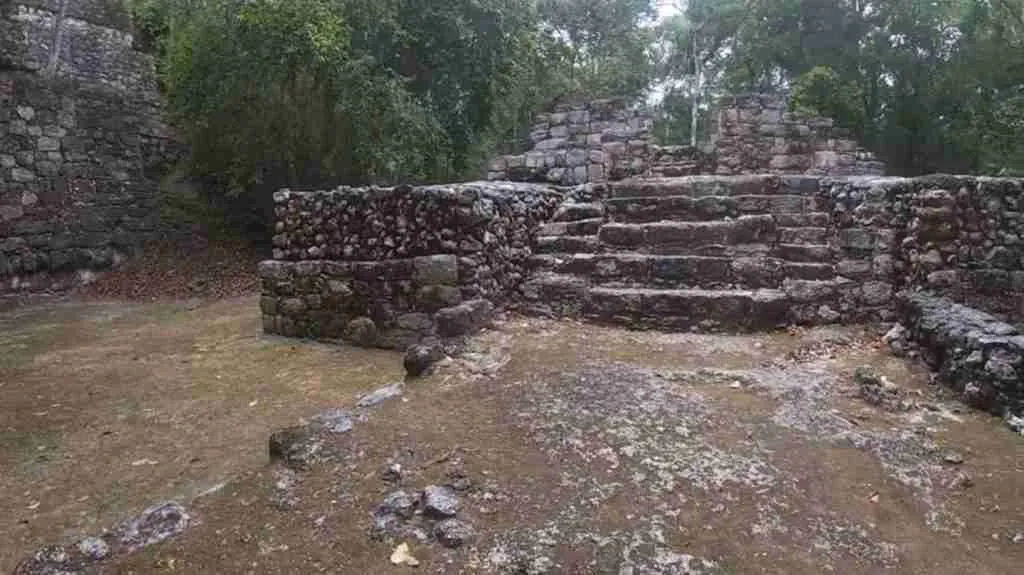
3 days
Campeche 3-Day Discovery Tour
- ✓ Comprehensive Campeche experience
- ✓ Expert local guides included
- ✓ All accommodation included
- ✓ Transportation provided
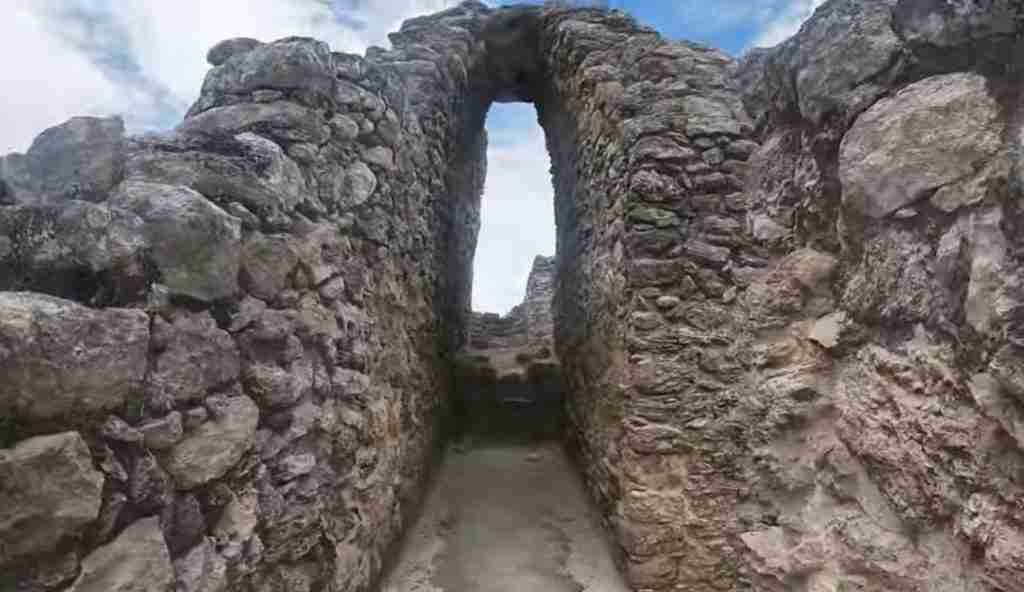
5 days
Campeche 5-Day Highlights Experience
- ✓ Comprehensive Campeche experience
- ✓ Expert local guides included
- ✓ All accommodation included
- ✓ Transportation provided
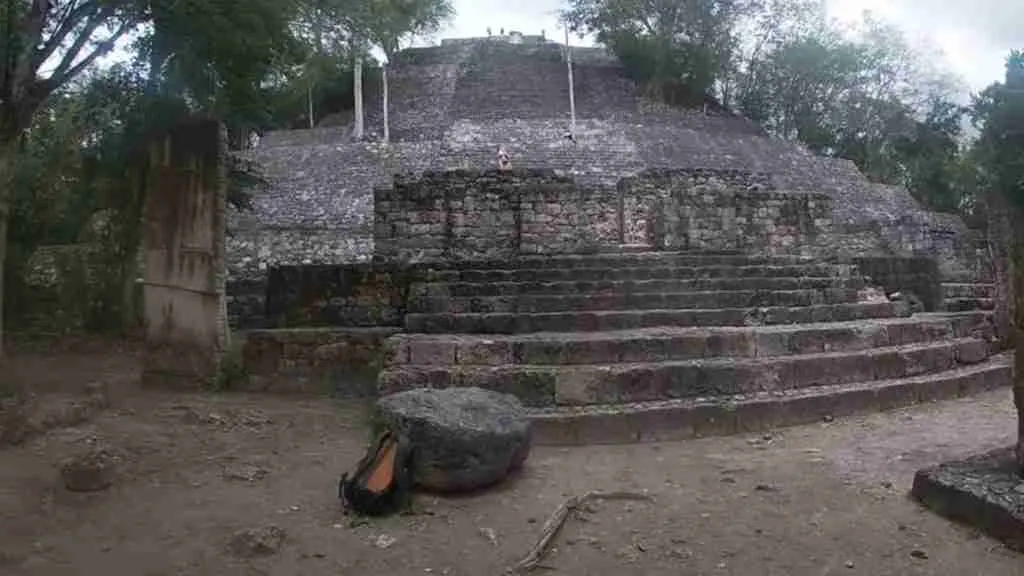
7 days
Campeche 7-Day Cultural Journey
- ✓ Comprehensive Campeche experience
- ✓ Expert local guides included
- ✓ All accommodation included
- ✓ Transportation provided
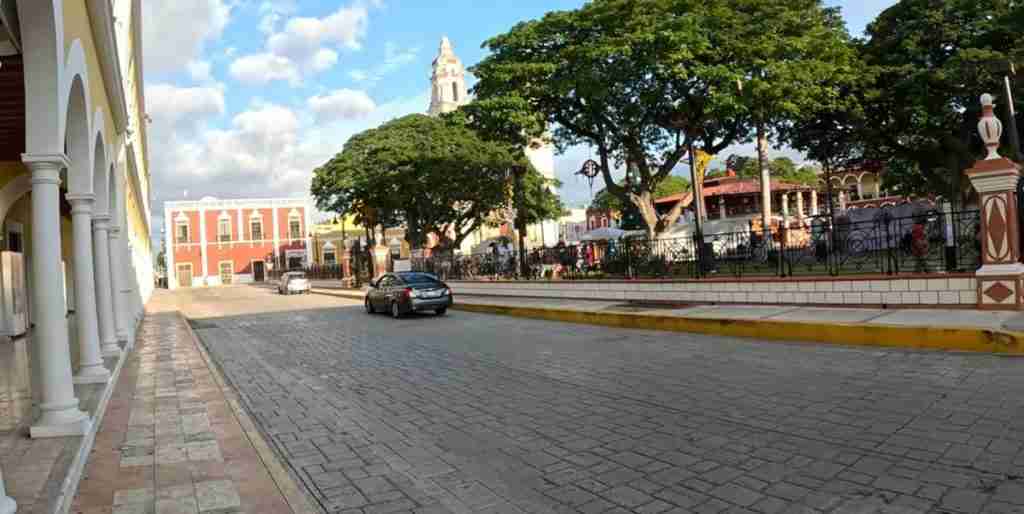
10 days
Campeche 10-Day Complete Adventure
- ✓ Comprehensive Campeche experience
- ✓ Expert local guides included
- ✓ All accommodation included
- ✓ Transportation provided
Multi-day tour packages powered by TourRadar. Prices and availability subject to change.
Essential Planning Information 2026
Getting to Campeche
Campeche International Airport (CPE) receives 2-3 daily flights from Mexico City via Aeroméxico (1.5 hours, $120-180 round-trip) and Viva Aerobus (1.5 hours, $80-140 round-trip). Check airline websites for current 2026 schedules and fares as routes and pricing adjust seasonally. International travelers typically connect through Mexico City’s Benito Juárez International Airport (MEX) from United States, Canadian, and European gateways. Alternative routing utilizes Mérida International Airport (MID) 180 kilometers northeast with significantly more flight options and competitive pricing, followed by ADO bus transfer to Campeche ($15-18, 2.5 hours, hourly departures).
Overland bus travel connects Campeche with major Yucatán Peninsula cities via ADO premium service offering air-conditioned coaches, onboard restrooms, and reclining seats. Routes serve Mérida (2.5 hours, $15-18, hourly), Cancún (8 hours, $35-45, 4 daily), Villahermosa (5 hours, $25-32, 6 daily), and Mexico City (18 hours, $75-95, overnight service). The ADO terminal positions 2 kilometers east of historic center with taxi connections $3-5 to downtown hotels. First-class ADO service exceeds comfort standards of economy Mexican buses, approaching United States Greyhound quality with professional operations and reliable scheduling.
Rental cars provide maximum flexibility for Calakmul trips and regional archaeological exploration, with agencies including Hertz, Avis, Budget, and Europcar operating airport and downtown locations. Compact sedans suitable for paved highway travel rent $35-50 daily, mid-size SUVs offering enhanced comfort for long-distance driving cost $55-75 daily. Insurance packages add $15-25 daily for comprehensive coverage recommended given rural highway conditions and wildlife collision risks. Advanced booking (2-4 weeks minimum) secures best rates and vehicle availability, particularly during December-March high season when compact car inventory depletes quickly.
Historic Center Orientation 2026
Campeche’s UNESCO-protected historic center occupies the original walled city area bounded by octagonal fortification perimeter measuring 2.5 kilometers circumference. Eight defensive bastions (baluartes) punctuate the walls at strategic intervals, with several converted into specialized museums. The street grid follows Spanish colonial planning with Plaza de la Independencia (main square) serving as the geographic and social center surrounded by cathedral, municipal buildings, and colonial mansions. Calle 59 bisects the historic core east-west as the primary commercial corridor lined with restaurants, shops, and hotels, while Calle 8 parallels the waterfront malecón providing Gulf of Mexico access.
Walking circuits explore the compact center efficiently within 2-3 hours, though leisurely appreciation requires full days. The fortification walls permit limited access via specific bastions offering elevated perspectives across red-tiled roofscapes toward the gulf. Puerta del Mar (Sea Gate) and Puerta de Tierra (Land Gate) represent the two surviving original entry portals from seven gates controlling colonial-era traffic. Evening strolls concentrate along the malecón where families, couples, and joggers utilize the waterfront promenade stretching 3 kilometers with benches, exercise stations, and frequent taco/elote vendors selling street food $2-4 per serving.
Climate and Weather Patterns 2026
Campeche experiences tropical savanna climate with pronounced wet (June-October) and dry (November-May) seasons. Dry season temperatures range 22-32°C (72-90°F) with December-February coolest months ideal for extended walking tours and archaeological excursions. March-May heat peaks reach 35-38°C (95-100°F) particularly during April-May pre-rainy season when humidity remains moderate and afternoon breezes off the gulf provide relief. Air-conditioned accommodation, shaded plaza cafés, and midday breaks at hotel pools help manage heat exposure during exploration-intensive itineraries.
Rainy season delivers 1,000-1,200mm annual precipitation concentrated June-October with September-October wettest months averaging 200mm monthly. Afternoon thunderstorms develop predictably 2:00 PM – 5:00 PM clearing by evening, making morning activities and evening dining unaffected. Hurricane season (June-November) occasionally threatens the region, though Campeche’s western Gulf positioning and bay protection reduces direct impact compared to Caribbean coastal zones. The city’s solid colonial construction and modern infrastructure handle tropical storms effectively, with disruptions mainly affecting outdoor activities rather than urban services.
Accommodation Options 2026
Historic Center Hotels
Colonial mansion conversions dominate historic center accommodation with properties ranging from boutique heritage hotels to modern chains occupying restored buildings. Hacienda Puerta Campeche exemplifies luxury heritage hospitality with 15 colonial houses integrated into sprawling resort featuring pools, spa, and fine dining $180-280 per night. Hotel Socaire provides mid-range boutique option $85-120 per night with rooftop terrace, on-site restaurant, and central Calle 59 location within 200 meters of plaza. Hotel Plaza Campeche offers economy comfort $55-75 per night with basic amenities, air conditioning, and safe neighborhood positioning 5 minutes walk from main square.
Check booking platforms like Booking.com, Hotels.com, and Expedia for current 2026 rates and availability as hotel pricing varies seasonally and promotional offers frequently reduce published rates 15-30%. Most hotels include continental breakfast (coffee, juice, pastries, fruit), air-conditioning, WiFi, and 24-hour reception. Premium properties add swimming pools, full restaurant service, tour booking assistance, and English-speaking staff. Book 2-4 weeks ahead during December-March high season when best-value properties fill capacity, while shoulder and rainy seasons offer walk-up availability and negotiated rates.
Waterfront Malecón Properties
Gulf-facing hotels along the malecón provide ocean views and immediate beach access at premium pricing reflecting prime locations. Gamma Campeche Malecón (Fiesta Inn brand) charges $100-150 per night for modern chain amenities including pool, gym, business center, and parking. Ocean View Hotel delivers affordable waterfront option $70-95 per night with basic comfort and sunset viewing from rooms. These properties position 1-2 kilometers from historic center core requiring taxi rides $3-4 or 15-20 minute walks along the malecón promenade into downtown dining and attractions.
Waterfront accommodation suits travelers prioritizing beach access, morning jogs along the malecón, and separation from tourist foot traffic concentrating around the plaza. However, the historic center provides superior restaurant density, evening entertainment, and architectural interest for visitors emphasizing cultural immersion over resort-style relaxation. Consider waterfront properties for multi-day stays incorporating both beach days and urban exploration balanced across itinerary duration.
Budget and Alternative Accommodation
Hostel Monkey provides backpacker-focused dormitory beds $12-18 per night and private rooms $35-45 per night with shared bathrooms, communal kitchen, and social atmosphere attracting independent travelers and tour-organizing opportunities. Airbnb rentals throughout the historic center offer apartments and entire homes $50-120 per night depending on size, amenities, and exact location. Colonial-style casas particulares (private home rentals) maintained by local families provide authentic cultural exchange $40-65 per night with breakfast often included and insider destination advice from hosts familiar with regional attractions.
Budget travelers balancing cost with comfort find excellent value in simple hotels ringing the historic center periphery where $40-55 nightly rates secure clean rooms with air conditioning, private bathrooms, and safe neighborhoods within 10-minute walks of central attractions. These properties lack luxury amenities but deliver reliable shelter for travelers spending daylight hours exploring sites rather than enjoying hotel facilities.
Dining and Local Cuisine 2026
Gulf Seafood Specialties
Campeche’s Gulf of Mexico coastal position delivers exceptional fresh seafood unavailable in interior Yucatán Peninsula destinations. Local specialties feature pan de cazón (layered tortillas with shredded baby shark in black bean sauce), pescado a la campechana (whole fried fish with tomato-caper sauce), and seafood cocktails combining shrimp, octopus, and fish in spicy tomato-lime broth. Restaurants along Calle 8 and the malecón specialize in maritime cuisine with Marganzo serving upscale preparations $18-28 per entrée, while La Pigua offers refined dining $22-35 per person in elegant colonial setting recognized by Michelin guide researchers.
Coctelería El Sombrero represents informal seafood tradition with plastic tables, rapid service, and massive seafood cocktails $8-12 served in glass tumblers. Taco stands near the Mercado Principal provide grilled fish tacos $1.50-2 each with freshly made tortillas, cabbage slaw, and salsa selection. Evening malecón vendors grill whole fish over charcoal selling plates $6-10 with rice, beans, and tortillas consumed at portable tables while watching gulf sunsets paint orange and purple across the water.
Traditional Yucatecan Cuisine
Despite coastal location, Campeche maintains connections to broader Yucatecan culinary traditions with restaurants serving regional favorites. Casa Vieja de los Arcos specializes in cochinita pibil (achiote-marinated slow-roasted pork) $12-16 per plate, poc chuc (citrus-marinated grilled pork) $10-14, and papadzules (egg-filled tortillas in pumpkin seed sauce) $8-12. La Parroquia occupies colonial building near the cathedral offering buffet-style Yucatecan spreads $10-15 per person with rotating daily specials including braised turkey, black bean cream, and handmade tortillas.
Street food stalls around the Mercado Principal sell panuchos (refried bean-stuffed fried tortillas topped with turkey) $1.50-2 each, salbutes (puffy fried tortillas with toppings) $1.50-2, and tamales colados (refined masa tamales) $2-3. These vendors operate 7:00 AM – 3:00 PM serving breakfast and lunch crowds with turnover ensuring fresh preparation and minimal food safety concerns when selecting busy stalls with visible cooking processes.
Fine Dining and International Options
The historic center supports expanding fine dining scene catering to domestic Mexican tourists and international visitors. Luz de Luna provides romantic rooftop setting $25-40 per person with fusion Mexican-Mediterranean cuisine and craft cocktail program. La Strada imports Italian tradition $18-28 per entrée with house-made pastas, wood-fired pizzas, and imported wine selections. These establishments maintain dress codes (no shorts, closed-toe shoes preferred) and accept reservations recommended for weekend evenings and holiday periods.
Casual international options including coffee shops, juice bars, and breakfast cafés cluster around the plaza and Calle 59. Café La Parroquia (unrelated to the Yucatecan restaurant) serves specialty coffee drinks $2.50-4.50 with air-conditioned seating and WiFi attracting digital nomads and morning planners. Juice bars prepare fresh tropical fruit combinations $3-5 from mango, papaya, pineapple, and watermelon displayed in refrigerated cases.
Transportation Guide 2026
Local Transportation Within Campeche
The compact historic center requires minimal vehicular transport with most attractions, hotels, and restaurants accessible via 5-15 minute walks. Taxis provide convenient short-distance service with fixed zone rates: historic center to bus station $3-5, historic center to airport $8-12, malecón to plaza $3-4. Official white taxis with meters and roof lights operate legitimately, though many drivers negotiate fixed prices rather than activating meters. Uber and Didi ride-sharing apps function in Campeche with competitive pricing often 20-30% below taxi rates and transparent upfront fare quotations eliminating negotiation stress.
City buses run extensive routes connecting residential neighborhoods with downtown core, though tourists rarely utilize local transit given walkable distances between primary attractions. Bicycle rentals exist through some hotels and dedicated shops charging $8-12 daily, though Campeche’s layout and traffic patterns prove less bicycle-friendly compared to Mérida’s organized ciclovía system. Walking remains the optimal exploration method within fortification walls, with taxis or ride-sharing handling airport transfers and excursions to peripheral attractions like Fuerte de San Miguel museum.
Regional Transportation to Archaeological Sites
Organized tours provide turnkey transportation to Calakmul and regional Maya sites through established operators including Expediciones Ecoturísticas, Campeche Expeditions, and Kaan Expediciones. Full-day Calakmul tours cost $120-160 per person including transportation, bilingual guide, entry fees, and lunch, departing 5:30 AM and returning 7:00 PM. These services eliminate navigation stress, provide expert archaeological interpretation, handle biosphere reserve protocols, and optimize wildlife viewing opportunities along the access road through driver experience recognizing animal behavior signs.
Rental car independence allows flexible scheduling and overnight stays in Xpujil reducing daily driving distances while increasing Calakmul exploration time. Highway 261 to Escárcega features excellent pavement, minimal traffic, and straightforward navigation with clear signage. Highway 186 from Escárcega to Xpujil crosses more remote territory with fuel stops in Escárcega, Xpujil, and Zoh Laguna. The 60-kilometer Calakmul access road requires 1.5 hours transit at reduced speeds for wildlife watching and rough pavement sections, though overall conditions support standard passenger vehicles during dry season.
Long-Distance Transportation to Other Destinations
ADO bus network radiates from Campeche terminal connecting major regional cities and peninsula destinations. Mérida service runs hourly 6:00 AM – 11:00 PM (2.5 hours, $15-18), Cancún departures occur 4 daily (8 hours, $35-45), Villahermosa routes run 6 daily (5 hours, $25-32). Premium ADO GL service adds luxury coaches with wider seats, reduced passenger capacity, and snack service on routes to Mexico City (18 hours overnight, $95-120) and Veracruz (10 hours, $55-70). Book advance tickets through ADO website or terminal ticket windows, though seat availability rarely constrains travel during normal seasons.
Driving connections reach Mérida in 2.5 hours via Highway 180 coastal route or Highway 261 inland route through Hecelchakán and Uxmal. Edzná archaeological zone sits 60 kilometers southeast via Highway 261 for 45-minute drive making half-day excursions feasible from Campeche base. Champotón beach town positions 60 kilometers southwest on Highway 180 offering coastal escape and seafood lunch breaks during multi-day itineraries. These proximate destinations combine easily into loop routings maximizing regional coverage from single base city.
Campeche City Attractions
Fortifications and Military Architecture
The 2.5-kilometer fortification perimeter constructed 1686-1704 represents the Western Hemisphere’s most complete example of Spanish colonial military defensive architecture still performing urban functions. Eight bastions (baluartes) punctuate the walls at strategic intervals: Baluarte de Santiago, San Carlos, San Francisco, San Juan, Santa Rosa, San Pedro, Soledad, and San José. Several bastions now house specialized museums: Baluarte de la Soledad displays Maya stelae and carved stones from regional archaeological sites ($3 entry), while Baluarte de San Carlos preserves colonial military equipment and maritime history ($3 entry).
Walking the fortification walls proves challenging as most sections remain off-limits to public access for preservation reasons, though specific bastions offer elevated viewing platforms. Puerta del Mar (Sea Gate) and Puerta de Tierra (Land Gate) represent the two surviving original entry gates from seven colonial portals. Puerta de Tierra hosts nightly sound-and-light shows at 8:00 PM (Tuesday, Friday, Saturday) projecting historical narratives onto fortress walls through multimedia presentations exploring pirate attacks, indigenous resistance, and Spanish conquest. These 45-minute spectaculars cost $5 admission and deliver historical context enhancing subsequent museum visits and architectural appreciation.
Museums and Cultural Institutions
Museo Arqueológico de Campeche (Fuerte de San Miguel) contains the region’s premier collection of Maya artifacts positioned 4 kilometers southwest of historic center via taxi ($5-7 each way). The fort location provides dramatic hilltop perspectives across Campeche bay while interior galleries display jade funeral masks from Calakmul royal tombs, ceramic vessels documenting Maya daily life, and carved stelae revealing hieroglyphic histories. Entry costs $5 with English-language interpretive materials available and professional guides offering tours $15-20 for groups. Allocate 1.5-2 hours for comprehensive viewing Tuesday-Sunday 8:30 AM – 5:00 PM.
Museo de la Ciudad (Baluarte de San Carlos) occupies downtown location accessible via short walks from most hotels, documenting Campeche’s colonial history through dioramas, period furnishings, and maritime exhibits. Entry costs $3 with operating hours Tuesday-Saturday 9:00 AM – 5:00 PM. Casa No. 6 Centro Cultural recreates wealthy merchant home from 1800s with original furniture, decorative arts, and costumed docents explaining daily life for Campeche’s colonial elite. Free admission and English signage make this 30-45 minute stop valuable for architectural and social history context.
Religious Architecture
Catedral de Nuestra Señora de la Purísima Concepción dominates the Plaza de la Independencia with baroque facade and twin bell towers constructed 1540-1705. The interior preserves colonial-era altarpieces, religious paintings, and Santo Entierro (Holy Burial) figure venerated during Easter week celebrations. Entry remains free with respectful dress requirements (covered shoulders and knees) and photography permitted without flash. Mass schedules occur daily at 7:00 AM and 6:00 PM with Sunday service at 11:00 AM drawing local congregations creating authentic cultural immersion opportunities.
Templo de San José features yellow facade and elaborate baroque retablo (altarpiece) in former Jesuit church dating to 1716. The attached cultural center hosts temporary art exhibitions and classical music concerts irregularly scheduled throughout the year. Ex-Templo de San José adjacent to the active church contains Maritime Museum with scale models documenting shipbuilding traditions, pirate vessel reconstructions, and naval battle dioramas. Entry costs $3 with combined tickets available for multiple museum visits offering modest discounts.
Planning Your Calakmul Trip from Campeche 2026
Organized Tour vs Independent Visit
Organized tours eliminate logistics complexity while providing expert archaeological and wildlife interpretation unavailable to independent travelers without specialized knowledge. Full-day Calakmul excursions cost $120-160 per person with 5:30 AM hotel pickup, air-conditioned transportation, bilingual guide, biosphere and archaeological entry fees, and packed lunch included. Professional guides identify spider monkeys, ocellated turkeys, and jaguar tracks along the access road while explaining Classic Maya political dynamics, hieroglyphic inscriptions, and dynastic warfare documented through carved monuments at the ruins. Groups typically number 6-12 participants creating social atmosphere and photography assistance opportunities.
Independent rental car visits offer scheduling flexibility, overnight stay options in Xpujil, and cost savings for parties of 2-4 travelers splitting vehicle and fuel expenses. However, self-guided exploration requires advance research understanding site layout, bringing comprehensive food and water supplies (no on-site services), navigating without interpretive signage, and managing wildlife encounters without expert assistance. The 60-kilometer access road demands vigilant driving watching for animals crossing pavement, with early morning departures (6:00 AM – 7:00 AM from Campeche) optimizing wildlife sightings and avoiding afternoon heat exhaustion during pyramid climbing.
Recommended Calakmul Tour Operators
Expediciones Ecoturísticas operates established Calakmul day trips $140-160 per person with maximum 8 participants ensuring personalized attention and flexible pacing. Guides speak fluent English and Spanish with university degrees in archaeology or biology informing expert commentary. Vehicles maintain air-conditioning and passenger comfort across the 680-kilometer round-trip journey. Lunch consists of regional Yucatecan specialties prepared fresh that morning rather than packaged sandwiches, enhancing the cultural experience.
Kaan Expediciones provides budget-friendly alternative $120-135 per person with slightly larger groups (12-14 maximum) and Spanish-dominant guiding though English speakers participate regularly. The company emphasizes wildlife watching with stops along the access road when spider monkeys, toucans, or interesting birds appear, rather than rushing directly to the ruins. Photography enthusiasts appreciate this approach though it extends total trip duration by 30-45 minutes.
Multi-Day Itinerary Options
Extended exploration allows overnight stays in Xpujil (95 kilometers from Calakmul) reducing daily driving while enabling visits to multiple archaeological sites concentrated in the Río Bec region. Two-day itineraries from Campeche depart Day 1 morning for Calakmul full-day visit, overnight in Xpujil at Hotel Calakmul or Río Bec Dreams ($45-75 per night), then Day 2 morning exploration of Becán, Chicanná, and Hormiguero ruins before returning to Campeche afternoon arrival. This pacing eliminates the marathon single-day drive while adding three significant archaeological sites to the experience.
Three-day versions incorporate Edzná ruins (60 kilometers from Campeche) on Day 1 afternoon before driving to Xpujil evening arrival. Day 2 focuses on Calakmul intensive exploration spending 6-7 hours at the site climbing multiple structures and hiking peripheral zones. Day 3 covers Becán and regional sites returning to Campeche with archaeological saturation and comprehensive regional coverage achieved. Total costs increase $90-150 per person for additional accommodation and meals but deliver significantly enhanced experience compared to rushed single-day logistics.
Sample 2026 Itineraries from Campeche
Three-Day Campeche Base with Calakmul
Day 1 – Campeche City Exploration: Morning arrival via flight or bus, hotel check-in historic center $70-110 per night. Walk to Plaza de la Independencia exploring cathedral, municipal buildings, and surrounding colonial architecture 10:00 AM – 12:00 PM. Lunch at Casa Vieja de los Arcos featuring Yucatecan specialties $12-16. Afternoon visit Museo de la Ciudad (Baluarte de San Carlos) learning colonial history $3 entry, 1-hour exploration. Return to hotel for rest during peak heat 3:00 PM – 5:00 PM. Evening malecón stroll watching sunset 5:30 PM – 6:30 PM, dinner at La Pigua upscale seafood $22-35. Nightly light show at Puerta de Tierra 8:00 PM free admission. Accommodation $70-110, meals $40-60, activities $3, taxi $5. Total: $118-178 per person.
Day 2 – Calakmul Full-Day Expedition: Organized tour pickup 5:30 AM hotel lobby, coffee and pastry grab during drive $5. Highway driving with breakfast stop Escárcega 7:30 AM – 8:00 AM. Arrival Calakmul biosphere checkpoint 10:00 AM after wildlife watching along access road. Archaeological zone exploration 10:30 AM – 3:00 PM including Structure II climb, Great Plaza photography, and peripheral temple visits. Packed lunch at ruins provided by tour operator. Return drive begins 3:00 PM reaching Campeche 7:00 PM. Dinner near hotel at local taquería $8-12. Tour cost $140-160, coffee/snack $5, dinner $10. Total: $155-175 per person (excluding accommodation).
Day 3 – Edzná and Departure: Morning Edzná ruins trip via rental car or taxi hire 8:00 AM departure (60 kilometers, 45 minutes drive). Site exploration 9:00 AM – 11:30 AM climbing Edificio de los Cinco Pisos and investigating Plataforma de los Cuchillos. Entry fee $5 with self-guided exploration or arranged guide $20-30. Return to Campeche 12:30 PM for lunch at Marganzo seafood restaurant $18-28. Afternoon free for final shopping at Mercado Principal or malecón relaxation. Evening departure via bus or flight. Taxi to Edzná $40-60 round-trip split by passengers, entry $5, lunch $20, miscellaneous $15. Total: $80-110 per person (excluding accommodation).
Three-day total: $423-573 per person including accommodation (2 nights), meals (6-7 meals), Calakmul tour, Edzná visit, and local transportation.
Five-Day Archaeological Immersion with Río Bec Circuit
Day 1: Campeche arrival and orientation following Day 1 itinerary above. Total: $118-178 per person.
Day 2: Early departure 7:00 AM via rental car Highway 261 to Edzná (60 kilometers) with 9:00 AM arrival. Two-hour exploration $5 entry. Continue Highway 261 to Hopelchén for lunch at local comedor $6-10. Highway 261 connects to Highway 186 at Escárcega, continue east to Xpujil arriving 5:00 PM. Check-in Hotel Calakmul $55-75 per night. Dinner at hotel restaurant $10-15. Rental car $45, fuel $25, Edzná entry $5, lunch $8, Xpujil hotel $60, dinner $12. Total: $155-180 per person.
Day 3: Calakmul full-day following Day 2 itinerary with independent visit requiring earlier 6:00 AM departure reaching ruins 8:30 AM. Biosphere entry $40, site entry $5, packed lunch $8. Extended exploration possible staying until 4:30 PM before returning to Xpujil 6:30 PM. Dinner Xpujil $10-15. Entries $45, lunch $8, fuel $20, dinner $12, accommodation $60. Total: $145-165 per person.
Day 4: Morning exploration Becán ruins (7 kilometers west of Xpujil) 8:00 AM – 10:30 AM, entry $5. Chicanná ruins (12 kilometers west) 11:00 AM – 12:30 PM, entry $5. Lunch Xpujil $8-12. Afternoon return drive to Campeche via Highway 186 and Highway 261 departing 2:00 PM, arriving 6:30 PM. Dinner Campeche historic center $15-20. Check-in hotel $70-110. Entries $10, fuel $30, lunch $10, dinner $17, accommodation $90. Total: $157-197 per person.
Day 5: Leisure morning exploring Mercado Principal, final museum visits, or beach trip to Champotón (60 kilometers southwest, 45 minutes). Lunch Campeche or Champotón seafood restaurant $12-20. Afternoon departure. Fuel/taxi $15-25, lunch $15, miscellaneous $20. Total: $50-65 per person.
Five-day total: $625-785 per person including rental car (3 days $135), fuel ($75), accommodation (4 nights), meals (12 meals), and all archaeological entries.
Budget Planning 2026
Daily Cost Breakdown by Travel Style
Budget Travel ($60-90 per day): Hostel dormitory $12-18 or economy hotel $40-55, street food and market meals $15-25 daily (breakfast $4-6, lunch $6-10, dinner $5-9), local transportation via walking and occasional taxis $3-8, free attractions including malecón, plaza, and Puerta de Tierra light show. Organized Calakmul tours exceed budget constraints requiring independent rental car logistics splitting costs among travelers or foregoing remote archaeological sites in favor of accessible Edzná visit via affordable taxi hire.
Mid-Range Travel ($120-180 per day): Historic center boutique hotel $70-110, sit-down restaurant meals $35-55 daily (breakfast $8-12, lunch $12-18, dinner $15-25), taxis and ride-sharing $8-15, museum entries and paid attractions $10-20, organized Calakmul day tour amortized across trip length. This comfort level allows full archaeological program participation, quality dining experiences, and air-conditioned accommodation without budget stress affecting daily decisions.
Luxury Travel ($250-400+ per day): Heritage hotel like Hacienda Puerta Campeche $180-280, fine dining at La Pigua and Luz de Luna $60-100 daily, private guides and drivers for archaeological excursions $200-300 per day, spa treatments and premium experiences. Luxury travelers optimize time through personalized services, avoid group tour compromises, and enjoy finest accommodation and culinary options the region offers.
Money-Saving Strategies for 2026
Traveling during shoulder seasons (April-May, September-October) reduces accommodation costs 20-30% compared to December-March peak pricing while maintaining acceptable weather conditions and full operational infrastructure. Booking hotels directly rather than through aggregator platforms sometimes yields 10-15% discounts through manager discretion, particularly for multi-night stays. Alternatively, booking 4-6 weeks ahead through Booking.com and Hotels.com captures early-bird promotional rates hotels offer filling future inventory.
Lunch represents the day’s main meal in Mexican culture with comida corrida (set menu lunches) at local restaurants costing $6-10 for soup, main course, drink, and dessert. This hearty afternoon meal supports lighter, more economical dinners of street tacos, tortas, or market foods $5-8. The strategy delivers authentic culinary experiences while reducing total food costs 30-40% compared to tourist-restaurant dining for all meals.
Rental car sharing among 3-4 travelers splits daily vehicle costs ($45-55) and fuel expenses ($25-30 daily) reducing per-person transportation to $20-30 versus $140-160 per-person organized tour costs. However, independent travel requires navigation confidence, Spanish communication ability, and comfort with self-guided archaeological exploration lacking professional interpretation. Cost savings prove substantial but come with increased logistical complexity.
Practical Tips and Travel Advice 2026
Language and Communication
Spanish dominates daily communication in Campeche with English proficiency limited primarily to upscale hotels, tour operators, and premium restaurants catering to international clientele. Learning basic Spanish phrases (greetings, numbers, directions, restaurant vocabulary) significantly enhances interaction quality and demonstrates cultural respect appreciated by locals. Translation apps like Google Translate function reliably with downloaded offline Spanish dictionary for situations lacking cellular data. However, gesture communication, patience, and humor bridge language gaps effectively in most tourism contexts.
Written English appears on museum signage at major sites (Fuerte de San Miguel), tour operator materials, and hotel information packets. Restaurant menus occasionally offer English translations though accuracy varies, making photo-based menu apps useful for identifying unfamiliar dishes before ordering. Hiring English-speaking guides for Calakmul and archaeological excursions eliminates language barriers during educational components where complex historical and cultural content requires fluent explanation.
Money and Banking
Mexican pesos (MXN) function as universal currency with credit cards accepted at hotels, upscale restaurants, and established tour operators. However, street food vendors, market stalls, taxis, and smaller restaurants operate cash-only requiring adequate peso supplies. ATMs throughout the historic center dispense pesos in denominations up to 500 MXN with transaction fees $3-5 per withdrawal. Withdrawing maximum amounts (typically 6,000-10,000 MXN per transaction) minimizes accumulated fees across trip duration.
United States dollars exchange at banks (better rates, slower service, weekday-only hours) or casas de cambio (slightly lower rates, faster service, extended hours). Avoid airport exchange kiosks offering significantly disadvantageous rates. Current exchange rates fluctuate around $1 USD = 17-19 MXN though daily variations affect conversion calculations. Notify credit card companies of Mexico travel plans preventing fraud blocks when cards process transactions from unexpected international locations.
Health and Safety Precautions
Tap water in Campeche undergoes treatment but travelers should consume only bottled water (agua purificada) minimizing gastrointestinal illness risk. Restaurants and hotels use purified water for ice, beverages, and food preparation, though street food stalls and market vendors may not maintain equivalent standards. Bring anti-diarrheal medication (Imodium), oral rehydration salts, and basic first-aid supplies for minor ailments. Pharmacies (farmacias) throughout the city sell medications over-the-counter that require prescriptions in United States and European countries, though generic options prove substantially cheaper than brand names.
Mosquito-borne illnesses including dengue and Zika occur in tropical Campeche region, though infection rates remain low among travelers practicing basic precautions. DEET-based repellent (30%+ concentration) applied every 2-3 hours during outdoor activities provides effective protection, supplemented by long lightweight pants and long-sleeved shirts for additional barrier during archaeological site exploration and evening malecón strolls. Window screens and air-conditioning in mid-range and upscale hotels eliminate bedroom exposure where nighttime mosquito feeding peaks.
Cultural Etiquette and Social Norms
Mexican culture values polite greetings with “buenos días” (good morning), “buenas tardes” (good afternoon), or “buenas noches” (good evening) before transactional interactions at shops, restaurants, and attractions. This brief pleasantry establishes respectful social connection before business proceeds. Tipping expectations follow: 10-15% restaurant service, $1-2 per bag hotel porters, $10-15 daily housekeeping, guide services 10-15% of tour cost. Taxi drivers in Mexico receive no mandatory tips though rounding up fares provides courteous gesture for quality service.
Campeche maintains conservative Catholic cultural values with church entry requiring modest dress (covered shoulders and knees for both genders). Swimming attire stays confined to beaches and pools rather than worn through city streets. Photography inside churches requires discretion avoiding flash during services and asking permission before photographing worshippers engaged in prayer. These respectful practices acknowledge local cultural norms while enabling authentic cultural exchange rather than superficial tourist encounters.
Frequently Asked Questions 2026
Do I need a car to visit Calakmul from Campeche?
Rental cars provide independence but organized tours eliminate driving logistics and provide expert interpretation making them optimal for single-day Calakmul visits from Campeche. Tour costs ($120-160 per person) prove competitive with rental car expenses when accounting for vehicle hire ($45-55 daily), fuel ($50 round-trip), insurance ($15-25 daily), and entry fees ($45 per person) totaling $155-175 for single travelers or $100-115 per person split between two people. Tours add bilingual guides, wildlife expertise, and social atmosphere justifying modest cost premium.
Can I visit Calakmul and Uxmal from Campeche?
Both sites prove accessible from Campeche base with Uxmal positioned 180 kilometers northeast (2.5 hours) and Calakmul 340 kilometers south (5-6 hours). However, attempting both on same trip requires minimum 3-4 days allowing full-day dedicated visits to each archaeological complex plus necessary Campeche exploration and rest days. Rushing both sites into tight itineraries creates exhausting marathon schedules undermining enjoyment and photographic quality. Alternatively, position Mérida as Uxmal base and Campeche as Calakmul base with overland travel connecting the cities for comprehensive Yucatán Peninsula archaeological coverage.
Is Campeche worth visiting without going to Calakmul?
Absolutely. Campeche’s UNESCO World Heritage historic center, maritime museums, Gulf seafood cuisine, and authentic Mexican atmosphere justify dedicated visits independent of archaeological excursions. Travelers interested in colonial history, military architecture, and coastal relaxation find 2-3 days excellent investment exploring the city and proximate Edzná ruins without committing to intensive Calakmul expedition. The city serves diverse travel interests beyond serving merely as archaeological staging ground.
What should I pack for Campeche and Calakmul trip?
Essential items include: lightweight breathable clothing (long pants and long sleeves for archaeological sites preventing sunburn and mosquito exposure), sturdy walking shoes with ankle support for pyramid climbing, wide-brimmed hat, high-SPF sunscreen, DEET-based insect repellent (30%+), refillable water bottle, small backpack for day trips, camera with telephoto lens for wildlife, flashlight for cave exploration and evening activities, basic first-aid kit, anti-diarrheal medication, and photocopies of passport stored separately from original. Rainy season travelers (June-October) add lightweight rain jacket and quick-dry clothing.
Are there beaches near Campeche?
Campeche’s malecón provides Gulf of Mexico waterfront access though the immediate city coastline consists primarily of seawall and rocky shoreline rather than sandy beaches suitable for swimming and sunbathing. Proper beach destinations exist 60 kilometers southwest in Champotón offering cleaner water and wider sand beaches popular with local families. Alternatively, Caribbean-quality beaches require travel to Isla del Carmen (140 kilometers southwest) or continuing to Quintana Roo coast (Playa del Carmen, Tulum) 6-8 hours east. Position Campeche primarily as archaeological and colonial heritage destination rather than beach resort base.
How does Campeche compare to Mérida as a base city?
Mérida offers superior hotel selection, restaurant diversity, and flight connectivity with larger international airport and frequent United States connections. However, Campeche provides closer proximity to Calakmul (340km vs 520km from Mérida), quieter atmosphere with fewer tourists, better-preserved colonial character, and exceptional Gulf seafood unavailable in interior Mérida. Choose Mérida for Uxmal and northern Yucatán Puuc Route archaeological sites, Campeche for Calakmul and southern Campeche state Maya complexes. Combining both cities into extended itineraries delivers comprehensive regional coverage impossible from single base.
What is the local specialty food I must try?
Pan de cazón represents Campeche’s signature dish: stacked tortillas layered with shredded baby shark, black beans, and tomato sauce, baked until crispy. Despite initial skepticism about shark consumption, the dish delivers delicious flavors while utilizing local Gulf catches sustainably harvested through regulated fisheries. Additional regional specialties include pámpano en escabeche (pompano fish in vinegar-spice marinade), camarones al coco (coconut shrimp), and arroz con mariscos (seafood rice). Sample these at La Pigua, Marganzo, or Coctelería El Sombrero for authentic preparations.
Is it safe to drive to Calakmul independently?
Highway driving to Calakmul follows well-maintained routes through rural areas experiencing minimal crime affecting motorists. Daytime travel (6:00 AM – 6:00 PM) presents standard rural Mexico safety conditions requiring no special precautions beyond normal defensive driving. The primary hazards involve wildlife crossings (spider monkeys, peccaries, occasionally jaguars) requiring reduced speeds and constant vigilance particularly along the 60-kilometer Calakmul access road. Vehicle breakdowns in remote areas create logistics challenges, so ensure rental includes roadside assistance coverage, maintain full cellular battery charge, and carry backup water and snacks for unexpected delays.
Can I see other archaeological sites near Campeche?
Edzná positions 60 kilometers southeast (45 minutes drive) offering excellent half-day excursion from Campeche featuring the impressive Edificio de los Cinco Pisos pyramid and extensive restoration allowing comprehensive plaza exploration. Entry costs $5 with minimal crowds creating contemplative atmosphere. The Río Bec region near Xpujil (280 kilometers from Campeche) contains multiple smaller sites including Becán, Chicanná, Hormiguero, and Balamkú, all accessible via multi-day itineraries positioning Xpujil as intermediate overnight base between Campeche and Calakmul visits.
When do the fortification light shows occur?
Puerta de Tierra (Land Gate) hosts sound-and-light shows Tuesday, Friday, and Saturday evenings at 8:00 PM projecting historical narratives onto fortress walls through 45-minute multimedia presentations. Entry costs $5 with shows operating year-round regardless of season. The presentations deliver historical context about pirate attacks, indigenous resistance, and Spanish conquest valuable for understanding Campeche’s military architecture significance. Arrive 15-20 minutes early securing good viewing positions and avoiding last-minute ticket purchase rushes.