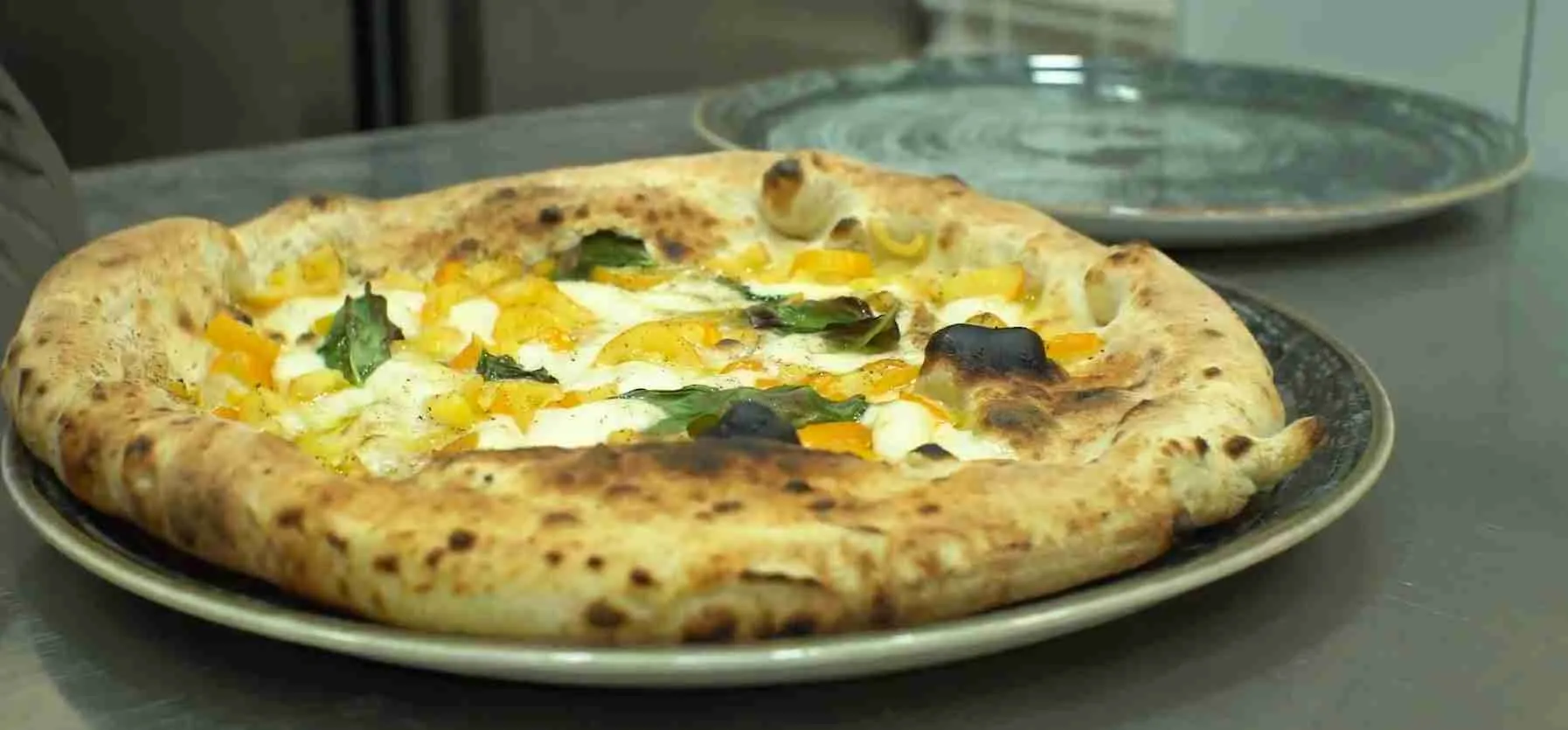
Campania Food Guide: Traditional Cuisine & Regional Specialties
Campania’s culinary identity fuses ancient Greek and Roman foundations with Arab, Norman, and Bourbon influences creating distinctive traditions centered on three defining elements: volcanic soil producing exceptional tomatoes and vegetables, Mediterranean buffalo herds yielding creamy mozzarella, and wood-fired ovens transforming simple ingredients into pizza recognized worldwide. This southern Italian region’s cuisine balances coastal seafood abundance with inland pastoral richness, aristocratic complexity with peasant simplicity, and time-honored techniques with vibrant contemporary innovation, establishing Campania as Italian gastronomy’s emotional and practical heart where eating transcends sustenance becoming cultural celebration.
Key Takeaways for Campania Culinary Traditions
- Pizza Napoletana UNESCO Heritage: Neapolitan pizza-making art received UNESCO Intangible Cultural Heritage status recognizing pizzaiuoli (pizza makers) whose centuries-refined techniques produce characteristic thick, charred, fluffy rim (cornicione) surrounding thin, soft center using specific Type 0 or 00 flour, wood-fired ovens reaching 430-480°C, and minimal toppings (Margherita features only tomato, mozzarella, basil, oil) celebrating ingredient quality over complexity.
- Mozzarella di Bufala Campana DOP Production: Over 55,000 tons annually produced using exclusively fresh Mediterranean water buffalo milk from Caserta and Salerno provinces through traditional pasta filata (stretched curd) technique where artisans hand-shape each piece, with Protected Designation of Origin status since 1996 ensuring authenticity and generating half-billion-euro industry ranking fourth among Italian DOP products after Grana Padano, Parmigiano Reggiano, and Prosciutto di Parma.
- Regional Culinary Division: Coastal areas (Naples, Amalfi Coast, Sorrento, islands) emphasize seafood traditions including spaghetti alle vongole (clams), impepata di cozze (mussels), polpo alla Luciana (octopus), and linguine allo scoglio (mixed seafood), while inland zones (Avellino, Benevento, Caserta interior) focus on pastoral products including wild boar, sausages, aged cheeses, and vegetable-based dishes reflecting agricultural rather than maritime rhythms.
- Slow-Cooked Ragù Traditions: Ragù alla napoletana requires 6-10 hours simmering creating concentrated meat sauce traditionally prepared Sundays for family gatherings, while pasta alla Genovese (despite name, purely Neapolitan) combines beef or veal with massive onion quantities (3:1 onion-to-meat ratio) slow-cooked until caramelized creating rich, sweet sauce fundamentally different from Bolognese ragù’s tomato-forward character.
- San Marzano Tomato Primacy: DOP-certified San Marzano tomatoes grown in volcanic soil near Mount Vesuvius provide Campania’s culinary foundation with elongated shape, fewer seeds, thicker flesh, sweeter flavor, and lower acidity compared to standard varieties, exported worldwide though authentic DOP examples require specific geographic origin and traditional cultivation methods verified through consortium certification.
- Dessert Pastry Complexity: Campanian sweets including sfogliatelle (layered pastry with ricotta filling), pastiera napoletana (Easter wheat-ricotta pie), rum babà (yeast cake soaked in citrus-rum syrup), and struffoli (honey-glazed fried dough balls) demonstrate sophisticated pastry techniques reflecting centuries of aristocratic and monastic culinary traditions requiring multi-day preparation and precise execution distinguishing professional from home versions.
People Also Ask About Campania Food Traditions
What makes Neapolitan pizza different from other pizza styles?
Neapolitan pizza distinguishes itself through strictly defined dough composition using Type 0 or 00 wheat flour, water, salt, and fresh yeast (never dried) hand-kneaded and rising minimum 8 hours at room temperature, producing characteristic gluten structure enabling the signature cornicione (puffy, charred rim) contrasting with centro (thin, soft center) impossible to replicate using different flour types or mechanical mixing. The wood-fired oven reaching 430-480°C bakes pizzas in 60-90 seconds creating distinctive charred spots (leopard spotting) on the crust’s underside while maintaining soft, pliable texture requiring knife and fork rather than American-style hand-held consumption. Traditional Neapolitan pizza follows Associazione Verace Pizza Napoletana regulations established 1984 specifying exact ingredient proportions, dough handling techniques, and acceptable toppings limited primarily to Pizza Margherita (tomato, mozzarella or fior di latte, basil, extra virgin olive oil) and Pizza Marinara (tomato, garlic, oregano, oil, no cheese) celebrating ingredient quality and proper technique over topping variety. The pizza’s dimensions measure 22-35 centimeters diameter with 0.4-centimeter center thickness expanding to 1-2 centimeters at rim, creating structural integrity supporting minimal toppings while providing textural contrast between crispy exterior and tender interior. Modern interpretations including gourmet toppings (buffalo mozzarella, cherry tomatoes, arugula, prosciutto) expand traditional boundaries while maintaining fundamental technical requirements distinguishing authentic Neapolitan pizza from Roman thin-crust style, Sicilian thick-crust variations, or American deep-dish and New York styles bearing little resemblance to Campanian originals despite shared “pizza” designation.
Is mozzarella di bufala really better than cow’s milk mozzarella?
Buffalo milk mozzarella possesses distinctly different characteristics from cow’s milk (fior di latte) versions due to water buffalo milk’s composition containing 8% fat versus cow milk’s 3.5%, 4.6% protein versus 3.2%, and unique fatty acid profile creating richer, creamier texture with more pronounced flavor and slightly tangy finish absent in milder fior di latte. The higher butterfat content produces luxurious mouthfeel and better moisture retention keeping buffalo mozzarella softer longer, while increased protein enables superior melting characteristics ideal for certain preparations though sometimes creating excessive moisture on pizza requiring modified techniques. Buffalo mozzarella commands premium pricing (typically double fior di latte cost) reflecting both superior raw material costs (buffalo produce less milk than cows requiring more animals for equivalent output) and Protected Designation of Origin regulations limiting production to specific Campania zones ensuring quality control but restricting supply. Nutritionally buffalo mozzarella provides easier digestion due to different protein structures, lower lactose content, and unique bioactive compounds potentially offering health benefits including cancer-prevention properties currently under research at University of Naples Federico II, though caloric density runs higher (288 kcal per 100 grams versus fior di latte’s 250 kcal) requiring portion awareness for calorie-conscious consumers. The “better” determination depends on application and preference: buffalo mozzarella excels in Caprese salad, eaten fresh from the dairy, or with simple preparations showcasing its flavor, while fior di latte performs better on pizza (less moisture preventing sogginess) and in baked dishes requiring melting without excessive liquid release. True connoisseurs argue buffalo mozzarella consumed within hours of production at Campania dairies represents transcendent experience impossible to replicate elsewhere given rapid flavor deterioration during transport and storage, making geographic proximity crucial for optimal enjoyment regardless of technical superiority debates.
What are the most important traditional Campanian dishes beyond pizza?
Ragù alla napoletana represents Campania’s soul-food tradition requiring 6-10 hours Sunday morning preparation filling homes with concentrated tomato-meat aroma as large cuts (beef, pork, or veal rolled with pine nuts, raisins, pecorino) simmer in San Marzano tomato sauce until meat becomes tender and sauce reduces intensely, served traditionally as two courses with pasta (ziti, rigatoni) dressed in sauce followed by meat as secondo. Pasta alla Genovese, despite its misleading name referring to Genoa, embodies purely Neapolitan tradition combining beef or veal braised with disproportionate onion quantities (3:1 ratio) and minimal tomato slowly cooking until onions caramelize creating sweet, rich sauce coating ziti or paccheri pasta, representing ultimate comfort food requiring patience and proper technique impossible to rush without compromising final character. Spaghetti alle vongole showcases coastal Campania’s seafood expertise combining fresh clams (vongole veraci), garlic, white wine, parsley, and sometimes tomato (bianco versus rosso variations debated by purists) tossed with al dente spaghetti capturing Mediterranean simplicity where ingredient quality and proper timing supersede technical complexity. Parmigiana di melanzane (eggplant parmigiana) demonstrates Campanian vegetable mastery layering fried eggplant slices with tomato sauce, mozzarella, fior di latte, and Parmigiano-Reggiano baked until bubbling, though debate continues whether Campania or Sicily originated this iconic dish with both regions claiming primacy. Impepata di cozze (peppered mussels) and polpo alla Luciana (octopus braised with tomatoes, olives, capers) represent essential seafood preparations showcasing Gulf of Naples abundance, while gnocchi alla sorrentina (potato dumplings baked with tomato, basil, mozzarella) demonstrates Sorrento Peninsula’s particular culinary identity. These dishes collectively illustrate Campanian cuisine’s fundamental principles: exceptional local ingredients, time-honored techniques, and emotional connection to family and tradition creating food transcending mere sustenance becoming cultural identity expression impossible to fully appreciate without understanding the historical, agricultural, and social contexts shaping each preparation.
How do coastal and inland Campanian cuisines differ?
Coastal Campania spanning Naples, Sorrento Peninsula, Amalfi Coast, and islands (Capri, Ischia, Procida) centers cuisine around Mediterranean abundance with daily fish markets supplying anchovies (alici), squid (calamari), octopus (polpo), mussels (cozze), clams (vongole), and numerous finfish species prepared simply (grilled, fried, baked) or incorporated into pasta sauces, risottos, and seafood stews celebrating briny freshness enhanced through minimal seasoning preserving oceanic flavors. The limoncello liqueur, lemon-based desserts, and citrus-forward savory preparations reflect coastal areas’ intensive lemon cultivation particularly Sorrento and Amalfi where terraced groves produce IGP-certified sfusato amalfitano lemons distinguished by elongated shape, thick aromatic peel, and intense fragrance permeating local cuisine. Coastal areas pioneered mozzarella di bufala production in marshy lowlands near Caserta and Salerno where water buffalo thrived historically, establishing dairy traditions including ricotta di bufala, provola affumicata (smoked provolone), and scamorza consumed fresh or incorporated into traditional preparations requiring exceptional dairy quality. Inland Campania encompassing Avellino, Benevento, and interior Caserta provinces shifts focus toward pastoral and agricultural products with wild boar (cinghiale), pork products (sausages, prosciutto), lamb, and game replacing seafood as protein sources, while chestnuts, mushrooms (porcini, tartufi), hazelnuts, and mountain vegetables provide seasonal ingredients unavailable at coast. The wine production concentrates inland with Taurasi DOCG (Aglianico grape), Greco di Tufo, and Fiano di Avellino white wines emerging from volcanic soils at higher elevations producing distinguished wines pairing naturally with regional inland cuisine’s richer, more robust flavors. Cheese production extends beyond buffalo mozzarella encompassing pecorino (sheep’s milk), caciocavallo (stretched cow’s milk cheese), and various aged varieties reflecting pastoral traditions predating buffalo introduction. Bread traditions vary with coastal areas producing softer, lighter styles while mountain regions favor denser, longer-keeping breads reflecting historical necessity for provisions lasting multiple days between baking cycles. These coastal-inland divisions create complementary culinary identities within unified regional cuisine where both zones share fundamental Campanian characteristics (emphasis on ingredient quality, family traditions, seasonal rhythms) while expressing terroir-specific variations reflecting distinct agricultural and maritime resources available in respective microclimates.
Extended multi-day tours – 5+ days
Featured Campania Multi-Day Tour Packages
7 days
Historic Rome To Sorrento Coastal Bliss
- ✓ Comprehensive Campania tour
- ✓ Expert local guides included
- ✓ All accommodation arranged
- ✓ Transportation provided
9 days
Campania Region Highlights, Private Tour
- ✓ Comprehensive Campania tour
- ✓ Expert local guides included
- ✓ All accommodation arranged
- ✓ Transportation provided

6 days
Best of Rome, Naples, Pompeii & Sorrento – 6 Days
- ✓ Comprehensive Campania tour
- ✓ Expert local guides included
- ✓ All accommodation arranged
- ✓ Transportation provided

4 days
Amalfi Coast Experience – Budget Friendly Small Group Tour
- ✓ Comprehensive Campania tour
- ✓ Expert local guides included
- ✓ All accommodation arranged
- ✓ Transportation provided
Multi-day tour packages powered by TourRadar. Prices and availability subject to change.
Introduction: Understanding Campania’s Culinary Heritage and Regional Identity
Campania’s cuisine emerges from millennia of cultural stratification beginning with ancient Greek colonization (8th century BCE) establishing Magna Graecia settlements introducing olive cultivation, wine production, and Mediterranean diet foundations still permeating modern cooking. Roman domination brought garum (fermented fish sauce) traditions ancestral to colatura di alici, elaborate aristocratic cooking techniques documented by Apicius, and agricultural organization maximizing Campania’s exceptional volcanic fertility particularly surrounding Mount Vesuvius where mineral-rich soil produces vegetables and fruits distinguished by concentrated flavors impossible to replicate elsewhere. The medieval period introduced Arab culinary influences through Sicily including pastry techniques (sfogliatelle ancestry), dried pasta consumption, and new agricultural products (citrus, sugarcane) transforming regional possibilities, while Norman conquests imported water buffalo from which mozzarella traditions developed creating Campania’s most internationally recognized product.
The Spanish Bourbon kingdom (18th-19th centuries) elevated Neapolitan cuisine to aristocratic refinement with elaborate preparations including sartù di riso (elaborate rice timbale), timballo di maccheroni (pasta pie), and sophisticated pastries requiring professional training differentiating from peasant cucina povera traditions emphasizing resourcefulness transforming humble ingredients (beans, pasta, vegetables) into satisfying meals. This dual-track development created Campanian cuisine’s distinctive character where sophisticated techniques coexist with rustic simplicity, complex preparations alongside basic formulas, and aristocratic refinement beside peasant earthiness, producing remarkable range spanning simple Pizza Marinara to elaborate pastiera napoletana requiring days of preparation.
Geographic diversity fundamentally shapes Campanian culinary identity with 350-kilometer coastline providing Mediterranean access, interior mountains reaching 1,900 meters elevation creating pastoral zones, fertile plains enabling intensive agriculture, and volcanic soils (Vesuvius, Campi Flegrei) producing exceptional vegetables distinguishing Campania from other Italian regions. The region divides into five provinces each contributing distinct specialties: Naples (pizza, seafood, street food), Caserta (mozzarella di bufala, pasta, rice dishes), Salerno (Amalfi Coast seafood, lemons, mountain products), Avellino (wines, chestnuts, hazelnuts, truffles), and Benevento (pasta traditions, liqueurs, agricultural products) collectively creating mosaic of interconnected but distinct culinary traditions unified through shared emphasis on ingredient quality and traditional preparation methods.
Climate patterns enable year-round agricultural productivity with mild winters, hot summers, and Mediterranean rainfall distribution supporting continuous vegetable cultivation, extended fruit seasons, and multiple annual harvests impossible in northern Italian regions. The Gulf of Naples and Tyrrhenian Sea provide consistent seafood access with varied species, seasonal migrations, and sustainable traditional fishing methods maintaining abundance despite modern pressures, while inland areas’ temperature variations, elevation differences, and microclimatic diversity create conditions for chestnuts, hazelnuts, mushrooms, truffles, and mountain products unavailable at coast.
Cultural attitudes toward food establish Campania’s particular identity with meals serving social functions beyond nutrition, cooking representing family continuity across generations, and ingredient provenance mattering intensely as reflection of territorial pride and quality consciousness. The Sunday family lunch remains sacred institution particularly in traditional households where multi-generation gatherings consume ragù prepared from dawn, pasta served as primo, meat as secondo, vegetables as contorno, followed by fruit, dessert, coffee, and digestivo liqueur extending meals for hours emphasizing conversation, relationship maintenance, and cultural transmission over mere consumption.
This guide examines Campania’s culinary landscape systematically covering pizza traditions receiving UNESCO recognition, pasta preparations central to regional identity, mozzarella di bufala production and consumption, seafood specialties reflecting maritime heritage, meat dishes from inland pastoral zones, vegetable preparations showcasing volcanic soil advantages, dessert traditions demonstrating sophisticated pastry techniques, and wine production complementing food traditions. Each section provides historical context, preparation fundamentals, ingredient specifications, and consumption traditions enabling comprehensive understanding of Campania’s cuisine as integrated cultural system rather than disconnected recipe collection.
Pizza Napoletana: UNESCO Heritage and Traditional Techniques
Neapolitan pizza represents Campania’s most globally recognized culinary contribution with origins traced to 18th-century Naples where flatbreads topped with tomatoes, oil, and cheese evolved from earlier focaccia traditions. The modern pizza napoletana crystallized late 19th century when pizzaiolo Raffaele Esposito at Pizzeria Brandi created Pizza Margherita honoring Queen Margherita of Savoy’s 1889 Naples visit, arranging red tomatoes, white mozzarella, and green basil representing Italian flag colors, though evidence suggests similar preparations predated this nationalistic creation myth. The Associazione Verace Pizza Napoletana established 1984 codified traditional techniques through international regulations specifying exact ingredient proportions, dough handling methods, and baking requirements distinguishing authentic Neapolitan pizza from countless variations worldwide claiming pizza designation without meeting fundamental standards.
UNESCO Intangible Cultural Heritage recognition granted December 2017 acknowledged not pizza itself but “art of Neapolitan pizzaiuolo” emphasizing traditional knowledge, preparation techniques, and cultural practices transmitted across generations maintaining continuity with historical origins. This designation recognized pizzaiuoli craft involving dough preparation beginning previous day, hand-stretching avoiding rolling pins, rapid wood-fired baking requiring precise timing, and theatrical performance aspects where skilled pizzaiuoli demonstrate virtuosity through dough spinning, rapid assembly, and confident movements entertaining diners while producing technically perfect results. The recognition elevated pizza-making from mere cooking to cultural practice deserving protection and transmission ensuring future generations maintain traditional methods despite globalization pressures favoring industrial efficiency over artisanal quality.
Traditional Dough Composition and Fermentation Process
Authentic Neapolitan pizza dough contains exclusively Type 0 or 00 wheat flour (finely milled soft wheat flour with specific protein content 11-12.5%), water, sea salt, and fresh compressed yeast creating simple formula where technique determines outcome more than ingredient complexity. The flour type proves crucial as gluten structure development during fermentation creates dough elasticity and extensibility enabling characteristic thin center supporting toppings while rim expands during baking forming cornicione. Water quantity typically ranges 55-62% of flour weight (hydration level) producing dough consistency permitting hand-kneading while maintaining sufficient moisture for proper fermentation and final texture, with higher hydration producing softer, more extensible dough requiring greater skill during shaping.
Fermentation proceeds minimum 8 hours at room temperature (20-25°C) with traditional pizzerias often employing 24-48 hour cold fermentation (4-6°C) developing complex flavors, improving digestibility through gluten breakdown, and creating stable dough structure simplifying handling during service hours. The fermentation duration affects final characteristics with longer times producing more pronounced flavor, enhanced browning during baking, and superior digestibility as enzymes break down starches and proteins making nutrients more bioavailable. Proper fermentation creates dough passing “windowpane test” where small piece stretches translucent without tearing indicating adequate gluten development, while insufficient fermentation produces brittle dough tearing during stretching and lacking characteristic cornicione expansion.
Hand-kneading remains essential traditional requirement with mechanical mixing prohibited under strict Associazione Verace Pizza Napoletana regulations, though modern pizzerias sometimes employ spiral mixers for initial incorporation before hand-finishing maintaining dough structure and artisanal character. The kneading develops gluten networks through folding and stretching motions requiring 10-15 minutes continuous work producing smooth, elastic dough forming cohesive ball when rested. After initial kneading, dough rests 2 hours at room temperature before division into individual 200-280 gram portions (panetti) arranged in oiled containers for continued fermentation until service enabling each portion developing independently while preventing skin formation.
Wood-Fired Oven Baking and Temperature Requirements
Traditional wood-fired ovens (forno a legna) constructed from refractory bricks or volcanic stone reaching 430-480°C provide intense radiant heat and wood smoke flavor impossible to replicate using gas or electric alternatives. The dome-shaped oven design concentrates heat at apex while floor temperature remains slightly lower (around 400-420°C) creating ideal conditions where pizza base cooks rapidly through direct contact while toppings receive intense overhead radiation preventing undercooking or excessive moisture. The wood fuel (typically oak, beech, or olive wood) burns continuously at oven entrance maintaining temperature while imparting subtle smoke character distinguishing wood-fired from gas-baked pizzas, though excessive smoke indicates improper combustion potentially creating acrid off-flavors requiring fire management skill.
Baking duration averages 60-90 seconds with skilled pizzaiuoli monitoring constantly and rotating pizza ensuring even cooking as flames concentrate at one side creating hotspots requiring compensation through positioning adjustments. The brief baking time produces characteristic leopard spotting (charred patches on crust underside) where dough directly contacts hottest floor areas while air pockets insulate other sections creating distinctive appearance and flavor contrast between charred, crispy sections and soft, chewy zones. The rapid cooking preserves mozzarella freshness preventing excessive browning or oil separation while tomato sauce maintains bright acidity without reducing to concentrated paste, creating harmonious balance impossible achieving through slower, lower-temperature baking.
Modern electric deck ovens and gas-fired alternatives attempt replicating wood-fired results through precise temperature control and specialized stone surfaces, sometimes achieving acceptable approximations for commercial operations lacking traditional oven access, though purists argue fundamental character differences remain perceptible to trained palates. The Associazione Verace Pizza Napoletana permits only wood-fired ovens for certification, though regional variations and modern interpretations employ alternative methods producing excellent results outside traditional definitions while acknowledging departure from classical standards.
Classic Pizza Varieties and Topping Traditions
Pizza Margherita represents quintessential Neapolitan preparation combining San Marzano tomato sauce, mozzarella (preferably buffalo mozzarella or fior di latte), fresh basil leaves, and extra virgin olive oil arranged on stretched dough creating tricolore appearance after baking. The tomato sauce preparation involves crushing whole San Marzano DOP tomatoes by hand removing seeds and excess liquid, seasoned only with sea salt creating fresh, bright sauce contrasting with cooked tomato sauces used elsewhere. The mozzarella (200-250 grams per pizza) tears into irregular pieces distributing across surface allowing proper melting while preventing moisture pooling, with buffalo mozzarella requiring careful moisture management given higher water content potentially creating soggy center if applied excessively.
Pizza Marinara predates Margherita representing oldest traditional variety featuring San Marzano tomato sauce, garlic slices, dried oregano, and extra virgin olive oil without any cheese demonstrating pizza’s origins as humble street food rather than elaborate preparation. The Marinara’s name references mariners (marinai) who consumed this simple, economical pizza before embarking on fishing voyages, with cheese absence reflecting both economic necessity and practical considerations as cheese spoiled rapidly without refrigeration. Modern Marinara preparation emphasizes ingredient quality with San Marzano tomatoes’ sweetness, high-quality extra virgin olive oil’s fruity character, and fresh garlic’s pungency creating surprisingly complex flavors despite minimalist composition, challenging assumptions that pizza requires cheese for satisfaction.
Pizza Fritta (fried pizza) represents traditional variation where dough folds around fillings (ricotta, cicoli, tomato, mozzarella) then deep-fries in oil creating calzone-like package with crispy exterior and molten interior, historically popular as street food providing portable, satisfying meal without requiring wood-fired oven access. Montanara pizza combines frying and baking where dough fries first creating crispy base then receives minimal toppings (tomato, fior di latte) before brief oven baking melting cheese without compromising crust crispness, representing creative evolution maintaining traditional techniques while exploring new textural possibilities. These variations demonstrate pizza’s adaptability while core principles (quality ingredients, proper dough handling, appropriate cooking method) remain consistent across preparations.
Pasta Traditions: Primi Piatti and Regional Preparations
Campania ranks among Italy’s highest pasta consumption regions with dried pasta (pasta secca) dominating daily meals though fresh pasta (pasta fresca) appears in special preparations and traditional dishes requiring specific textures. The historical pasta production centers around Naples and Gragnano (Torre Annunziata area) where combination of durum wheat quality, mountain spring water, and ideal drying climate created internationally recognized pasta industry continuing today with Gragnano pasta receiving IGP (Protected Geographic Indication) status certifying traditional production methods and geographic origin. Pasta shapes vary by sauce compatibility with long pasta (spaghetti, linguine, vermicelli) suiting oil-based and seafood sauces, while short tubular pasta (rigatoni, ziti, paccheri) pairs with thicker, chunky sauces clinging to interior surfaces and ridges providing texture contrast.
Ragù alla Napoletana: Sunday Sauce Tradition
Ragù alla napoletana represents Campania’s most emblematic slow-cooked sauce requiring 6-10 hours Sunday morning preparation creating concentrated tomato-meat sauce fundamental to traditional family meals. The preparation begins with large meat cuts (beef, pork, or combination) often rolled (braciole) enclosing filling of pine nuts, raisins, garlic, parsley, and pecorino cheese tied with kitchen twine, browned in olive oil then simmered in abundant San Marzano tomato sauce with onions, basil, and seasoning until meat becomes fork-tender and sauce reduces to thick, glossy consistency coating pasta completely. The traditional Sunday schedule involves early morning sauce preparation allowing flavors melding over extended cooking while family attends church, returning to home filled with concentrated tomato-meat aroma signaling approaching feast.
The sauce serves dual purpose coating pasta (traditionally ziti broken into shorter pieces or rigatoni) as primo piatto followed by meat served separately as secondo with vegetables, maximizing single preparation across multiple courses while providing contrasting experiences from same foundational cooking. The meat choice affects character with beef producing deeper, more robust flavor, pork adding sweetness and richness, while combination approaches balance characteristics creating complex result greater than individual components. Some families incorporate sausages, meatballs, or pork ribs alongside larger cuts creating mixed ragù (ragù misto) offering variety within single preparation, though purists argue simplicity focusing on quality beef braciole produces superior results highlighting fundamental flavors without distraction.
Modern interpretations sometimes shorten cooking time using pressure cookers or immersion blenders creating acceptable approximations in 2-3 hours, though traditional cooks argue extended gentle simmering develops irreplaceable flavor complexity and meat texture impossible achieving through accelerated methods. The sauce freezes successfully enabling batch preparation though freshly made versions demonstrate superior brightness and complexity compared to reheated preparations, making traditional weekly preparation rhythm optimal for maintaining quality while managing time investment across regular consumption schedule.
Pasta alla Genovese: Onion-Based Neapolitan Specialty
Pasta alla Genovese, despite its name suggesting Genoese origins, represents purely Neapolitan tradition combining beef or veal braised with disproportionate onion quantities creating sweet, rich sauce fundamentally different from any Ligurian preparation. The onion-to-meat ratio typically reaches 3:1 with 2-3 kilograms onions slow-cooking with 1 kilogram meat over 6-8 hours until onions completely dissolve into thick, caramelized sauce while meat becomes tender, creating preparation requiring patience and proper technique impossible to rush without compromising final character. The name’s origin remains disputed with theories suggesting Genoese merchant influence introducing technique, corruption of Genovese surname of early practitioners, or simple misattribution over time, though regardless of etymology the dish embodies quintessentially Neapolitan character through ingredient proportions and cooking methodology.
Traditional preparation uses beef shoulder, chuck, or veal shoulder cut into large pieces browned thoroughly before adding thinly sliced onions (preferably yellow or white varieties), rendered lard or olive oil, salt, pepper, and minimal liquid allowing onions releasing natural moisture during extended cooking. The cooking proceeds over very low heat with pot covered and occasional stirring preventing scorching while onions gradually break down and caramelize, transforming from sharp, pungent flavor to sweet, complex character coating meat and creating sauce consistency. Some recipes incorporate carrots, celery, white wine, or tomato though purists argue these additions dilute fundamental onion-meat relationship defining authentic Genovese, creating ongoing debate between traditional minimalism and enhanced complexity.
The pasta choice traditionally involves ziti or candele (very long tubular pasta broken into shorter segments before cooking), with sauce coating pasta interior while meat serves separately as secondo or incorporated throughout creating unified dish. The Genovese’s appeal extends beyond flavor to cultural significance representing ultimate comfort food requiring dedication and time investment demonstrating cook’s commitment to family nourishment, making preparation itself meaningful beyond mere result as expression of care and maintenance of tradition linking contemporary families to ancestral cooking practices.
Seafood Pasta Specialties from Coastal Campania
Spaghetti alle vongole showcases coastal Campania’s seafood expertise combining fresh clams (vongole veraci preferably), garlic, white wine, parsley, and sometimes tomato (bianco versus rosso variations) with al dente spaghetti capturing Mediterranean simplicity where ingredient quality supersedes technique complexity. The preparation begins with purging clams in salted water eliminating sand, followed by sautéing sliced garlic in olive oil until fragrant, adding clams and white wine covering pot allowing clams opening through steam (3-5 minutes), then tossing with cooked spaghetti and chopped parsley creating cohesive dish where pasta absorbs briny clam liquor and starchy pasta water emulsifies with oil creating light, clinging sauce.
The bianco version omits tomato emphasizing clam flavor and white wine acidity, while rosso variation adds cherry tomatoes or tomato sauce creating more robust, visually dramatic presentation though potentially overwhelming delicate clam character depending on tomato quantity. Purists debate appropriate version with coastal natives often favoring bianco maintaining seafood purity, though both approaches produce excellent results when executed properly using fresh clams harvested same day. The critical error involves overcooking clams until rubbery or using frozen, pre-shelled clams lacking fresh examples’ sweet, briny flavor and tender texture, making ingredient sourcing more important than preparation technique for achieving authentic character.
Linguine allo scoglio (rock pasta) expands seafood complexity incorporating mixed species including mussels, clams, shrimp, squid, sometimes scampi or small lobster creating abundant seafood preparation reflecting fisherman’s catch rather than single-species focus. The preparation follows similar methodology as vongole with sequential addition ensuring each seafood type cooks properly without overcooking earlier additions, typically beginning with harder-cooking squid before adding shellfish and finishing with delicate shrimp cooking briefly in accumulated juices. The resulting dish demonstrates Mediterranean abundance and coastal prosperity through generous seafood quantities and multiple species, though requiring higher ingredient investment than simpler preparations making allo scoglio special occasion rather than everyday meal for most families.
Mozzarella di Bufala Campana: Production and Consumption Traditions
Mozzarella di bufala campana represents Campania’s most internationally recognized food product with Protected Designation of Origin (DOP) status granted 1996 certifying geographic origin and traditional production methods, generating over half-billion-euro annual industry ranking fourth among Italian DOP products after Grana Padano, Parmigiano Reggiano, and Prosciutto di Parma. Production totaled over 55,000 tons with approximately 40% exported internationally, though domestic consumption remains substantial with Italians consuming majority fresh within days of production maximizing flavor and texture quality rapidly deteriorating during transport and storage. The geographic production zone encompasses primarily Caserta and Salerno provinces where water buffalo herds concentrate, with smaller authorized production areas in Naples province, southern Lazio, northern Puglia, and Molise’s Venafro municipality maintaining traditional practices outside core Campania zones.
Water Buffalo Milk Characteristics and Nutritional Profile
Mediterranean water buffalo milk contains substantially higher fat (8% versus cow milk’s 3.5%) and protein (4.6% versus 3.2%) creating richer, creamier mozzarella with more pronounced flavor compared to cow’s milk fior di latte. The increased butterfat produces luxurious mouthfeel and superior moisture retention keeping buffalo mozzarella soft longer, while unique fatty acid profile including higher levels of beneficial conjugated linoleic acid (CLA) potentially offers health advantages currently under research. The higher protein content enables superior pasta filata stretching characteristics creating characteristic smooth, elastic texture and better melting properties, though also increasing moisture content potentially creating challenges in certain applications like pizza where excessive liquid can compromise crust crispness.
Buffalo milk’s nutritional advantages include easier digestibility due to different protein structures, substantially lower lactose content (0.4% versus cow milk’s 4.8%) making buffalo mozzarella tolerable for many lactose-sensitive individuals unable consuming cow’s milk products, and rich micronutrient profile including exceptional calcium (210 mg per 100 grams) and vitamin B12 (1.7 micrograms per 100 grams) contributing to nutritional density despite relatively high caloric content (288 kcal per 100 grams). Recent research at University of Naples Federico II identified unique bioactive compounds including δ-valerobetaine present at higher levels in buffalo milk potentially offering cardiovascular protective effects and anti-inflammatory properties, though further studies required confirming human health applications beyond cell culture and animal models.
The water buffalo themselves represent Mediterranean subspecies (Bubalus bubalis) distinct from Asian varieties with specific adaptations to Italian climate and terrain, particularly thriving in Campania’s coastal plains where historical marshlands provided ideal habitat before 20th-century land reclamation. Current population exceeds 250,000 animals with approximately 130,000 lactating females distributed across 1,850 farms, concentrated 80% in Campania with remaining 20% in adjacent regions. The buffalo produce substantially less milk than dairy cows (2,356 kilograms over 270-day lactation versus cows’ 8,000-10,000 kilograms annually) explaining mozzarella di bufala’s premium pricing reflecting true production costs rather than mere luxury positioning.
Traditional Pasta Filata Production Process
Mozzarella production begins with fresh buffalo milk collected from registered farms, processed within 60 hours of milking maintaining flavor and preventing spoilage, heated to 33-38°C before adding natural whey starter (innesto) from previous production introducing essential microflora defining mozzarella’s characteristic flavor profile. The acidification proceeds 4-5 hours developing proper pH (5.1-5.3) before adding rennet coagulating milk into firm curd, cut into hazelnut-sized pieces facilitating whey expulsion during maturation continuing until curd achieves proper acidity and structure for filatura (stretching) process.
The filatura represents mozzarella production’s defining moment where curd pieces immerse in hot water (95°C) becoming malleable, stretched and kneaded by hand using wooden paddle until achieving smooth, elastic consistency without lumps or irregularities. The stretching develops gluten-like protein networks creating mozzarella’s characteristic texture and layered structure visible when torn, while hot water treatment pasteurizes final product eliminating potential pathogens without requiring separate heat treatment. Skilled mastri casari (master cheesemakers) judge proper consistency through feel and appearance, recognizing exact moment when curd achieves ideal extensibility and elasticity for shaping without over-working causing excessive protein breakdown and texture deterioration.
The shaping (mozzatura) traditionally occurs manually where cheesemaker pinches off portions using thumb and forefinger movements giving mozzarella its name (mozzare meaning “to cut off”), forming individual balls (100-800 grams typical) or other shapes (bocconcini, ciliegine, trecce braids, nodini knots) before plunging into cold water fixing shape and cooling to room temperature. The salting occurs through brine immersion or incorporation during filatura creating characteristic mild saltiness enhancing flavor without overwhelming delicate dairy character. Final packaging occurs immediately at production facility with mozzarella submerged in protective liquid (mix of whey, brine, and lactic acid) maintaining moisture and flavor while preventing spoilage, with DOP certification requiring pre-packaging at origin ensuring traceability and authenticity throughout distribution chain.
Consumption Guidelines and Culinary Applications
Fresh mozzarella di bufala achieves optimal flavor and texture when consumed same day or within 24-48 hours of production before characteristic elasticity degrades to softer, more melting consistency, though properly stored examples remain excellent up to two weeks when kept refrigerated in original liquid. The temperature dramatically affects enjoyment with room temperature (20-22°C) consumption revealing full flavor complexity and proper texture, while cold mozzarella tastes muted and maintains firm texture masking characteristic creamy character. Traditional practice involves removing mozzarella from refrigeration 30-60 minutes before serving allowing proper temperature equilibration, cutting just before service to prevent oxidation browning and flavor deterioration.
Caprese salad (insalata caprese) represents quintessential mozzarella showcase combining thick buffalo mozzarella slices, ripe tomatoes (preferably San Marzano or similar varieties), fresh basil leaves, high-quality extra virgin olive oil, and sea salt creating simple preparation where ingredient quality determines result completely. The dish’s Capri island origins (hence name) emphasize regional pride and ingredient-focused simplicity characteristic of Campanian cuisine, with color arrangement (red tomato, white mozzarella, green basil) representing Italian flag providing nationalistic symbolism alongside gastronomic appeal. Variations incorporate additional elements (balsamic reduction, arugula, grilled vegetables) though purists argue additions distract from fundamental ingredient trinity requiring perfection in each component rather than complexity through elaboration.
Pizza application requires technique modification given buffalo mozzarella’s higher moisture content potentially creating soggy centers, with solutions including pre-draining, reduced quantity, or combination with fior di latte balancing moisture control with buffalo mozzarella’s superior flavor. Some pizzerias add buffalo mozzarella after baking (pizza con bufala crudo) preserving fresh characteristics while avoiding cooking-related moisture issues, creating contemporary interpretation maintaining traditional techniques while accommodating ingredient-specific challenges. Other applications include stuffed pasta filling, melted atop vegetables or meat dishes, incorporated into rice preparations, or simply enjoyed fresh from dairy with crusty bread capturing pure flavor without manipulation demonstrating ultimate confidence in product quality.
Campanian Seafood Traditions: Coastal Specialties and Preparations
The Gulf of Naples and broader Tyrrhenian coastline provide Campania’s maritime culinary foundation with varied species, traditional fishing methods, and deeply rooted consumption patterns shaping coastal cuisine fundamentally differently from inland traditions. The daily fish markets (pescherie) in Naples, Sorrento, Positano, and coastal towns display remarkable variety including pesce azzurro (blue fish: anchovies, sardines, mackerel), mollusks (squid, octopus, cuttlefish), shellfish (mussels, clams), crustaceans (shrimp, scampi), and numerous finfish species consumed according to seasonal availability and traditional preferences. The ancient fishing villages including Santa Lucia (Naples), Marina Grande (Sorrento), and Cetara (Amalfi Coast) maintain traditional practices though modern pressures, overfishing concerns, and regulatory frameworks increasingly challenge historic sustainability enabling Mediterranean fisheries supporting human populations for millennia.
Anchovy Traditions and Colatura di Alici Production
Anchovies (alici) represent Campania’s most culturally significant fish with consumption spanning fresh preparations, preserved forms, and fermented products demonstrating versatility and historical importance to coastal economies and cuisines. Fresh anchovies appear briefly during spring spawning season (March-June) consumed raw (alici marinate), fried (alici fritte), or simply grilled with lemon showcasing delicate flavor and tender texture impossible preserving through salting or oil-packing methods. The bulk harvest undergoes traditional preservation through salt-curing where whole anchovies layer with sea salt in wooden barrels, weighted and aged 6-12 months developing concentrated umami character and firm texture enabling long-term storage without refrigeration, historically crucial for inland distribution and winter food security.
Colatura di alici represents fermentation’s ultimate expression where anchovy-salt mixture liquid by-product (historically discarded or used only locally) receives contemporary recognition as premium ingredient descended from Roman garum (fermented fish sauce fundamental to classical cuisine). The production centers in Cetara (Amalfi Coast) where traditional methods involve collecting clear amber liquid draining from salted anchovies, filtering, and aging in glass containers developing complex savory character with intense umami, moderate salinity, and distinctive anchovy essence without fishiness. The colatura usage requires restraint given intensity with several drops sufficient flavoring pasta, vegetables, or simple preparations where umami enhancement proves desirable without overwhelming other ingredients.
The contemporary colatura renaissance reflects broader fermentation appreciation and traditional ingredient revaluation, with premium examples commanding high prices (€40-60 per 100 milliliters) reflecting labor-intensive production, limited supply from traditional producers, and growing international demand. The product serves garnishing role rather than cooking ingredient with heat application destroying delicate flavor compounds, making raw applications or last-minute additions optimal for preserving characteristic complexity. Substitution possibilities include Asian fish sauces (particularly Vietnamese nuoc mam) sharing fermented fish foundation though differing in specific flavor profiles and production methodologies, enabling global availability while acknowledging differences from authentic Cetara colatura produced through centuries-old methods.
Octopus and Squid Preparations
Polpo alla Luciana represents Naples’ signature octopus preparation named after Santa Lucia fishing village where fishermen developed technique braising octopus with tomatoes, garlic, olive oil, olives, and capers until tender, serving with crusty bread for soaking flavorful sauce. The preparation requires careful octopus selection (1-2 kilogram specimens ideal) and proper cooking beginning with initial boiling tenderizing muscle, followed by braising in tomato-based sauce concentrating flavors while octopus absorbs seasoning. Traditional methodology involves wood ash or wine cork added to boiling water allegedly tenderizing octopus though modern understanding suggests extended gentle cooking proves more critical than folkloric additions, with proper technique producing tender, flavorful result without excessive chewiness plaguing improperly cooked versions.
Squid preparations emphasize freshness and simplicity with fried calamari (calamari fritti) representing ubiquitous preparation throughout coastal Campania where tender squid rings and tentacles coat lightly in flour before frying in olive oil until golden and crispy, served with lemon wedges highlighting natural sweetness and tender texture. The critical factors include using small, young squid (no larger than 12-15 centimeters) ensuring tenderness, minimal coating allowing delicate flavor shining through without flour overwhelm, very hot frying oil (180-190°C) creating immediate crust preventing greasiness, and brief cooking (2-3 minutes maximum) maintaining tenderness before proteins toughen. Stuffed squid (calamari ripieni) represents more elaborate preparation filling cleaned squid bodies with breadcrumb mixture incorporating tentacles, parsley, garlic, sometimes cheese or seafood, baked in tomato sauce creating substantial dish suitable main course rather than appetizer or street food role.
Campanian Vegetables: San Marzano Tomatoes and Volcanic Soil Products
Campania’s volcanic soils particularly surrounding Mount Vesuvius produce vegetables distinguished by concentrated flavors, exceptional sweetness, and unique characteristics impossible replicating elsewhere even using identical varieties grown in different terroirs. The mineral-rich volcanic substrate combined with Mediterranean climate, altitude variations, and traditional cultivation methods create optimal conditions for tomatoes, peppers, eggplants, artichokes, friarielli (broccoli rabe), and numerous other vegetables fundamental to regional cuisine. The agricultural zones divide between coastal plains (tomatoes, peppers, leafy vegetables), hillside terraces (grapes, olives, nuts), and mountain areas (chestnuts, mushrooms, potatoes) creating diverse production supporting year-round fresh vegetable consumption unusual in other Italian regions experiencing more pronounced seasonal limitations.
San Marzano Tomato Cultivation and Characteristics
San Marzano tomatoes bearing DOP certification grow exclusively in designated zone surrounding Mount Vesuvius spanning portions of Naples and Salerno provinces where volcanic soil composition, microclimate, and traditional cultivation methods produce tomatoes distinguished by elongated plum shape, fewer seeds, thick flesh, bright red color, and exceptional sweet flavor with low acidity making them ideal for sauce production and fresh consumption. The variety name references San Marzano sul Sarno municipality where cultivation concentrated historically though modern production expands throughout authorized zone maintaining quality standards through consortium oversight. The tomatoes grow on supported vines (unlike ground-grown processing tomatoes elsewhere) requiring labor-intensive cultivation including hand-tying, selective harvesting, and careful handling maintaining fruit integrity for premium pricing.
The production process involves traditional methods rejecting industrial agriculture’s efficiency in favor of quality maximization through reduced yields, organic or low-input cultivation, and artisanal processing where tomatoes undergo hand-selection removing defective fruits before peeling (achieved through brief hot water immersion loosening skins), packing whole in tomato liquid or puree, and heat-processing in characteristic tall rectangular cans enabling vertical storage and distinctive branding. The DOP certification requires meeting specific standards including minimum Brix (natural sugar content 6.5° minimum), specific variety (San Marzano 2, Kiros, or similar approved types), geographic origin within designated zone, and consortium-verified production methods ensuring authenticity combating widespread counterfeiting where generic tomatoes receive “San Marzano style” labeling without meeting legitimate certification requirements.
The flavor characteristics include pronounced sweetness balanced by gentle acidity (pH typically 4.2-4.4), firm flesh resisting breakdown during cooking maintaining texture in sauces, and clean tomato flavor without bitterness or vegetal notes plaguing lesser varieties. These qualities make San Marzano tomatoes preferred for Pizza Marinara sauce, pasta sauces, and preparations where tomato character must shine clearly without competition from strong seasonings. The premium pricing (€4-8 per kilogram fresh, €3-5 per 400-gram can) reflects genuine production costs including labor-intensive cultivation, limited geographic zone, and DOP certification expenses, though widespread availability of cheaper imitations creates market confusion requiring educated consumers verifying authenticity through proper labeling and authorized producer lists.
Friarielli and Other Traditional Vegetables
Friarielli (known elsewhere as cime di rapa or broccoli rabe) represents quintessential Campanian vegetable with slightly bitter flavor and tender texture when properly prepared, traditionally paired with sausages though also appearing alongside pasta, in frittatas, or as pizza topping demonstrating versatility beyond single-application limitations. The preparation involves blanching in salted boiling water (2-3 minutes) reducing bitterness while maintaining texture, followed by sautéing in olive oil with garlic and sometimes peperoncino (chili pepper) creating simple but flavorful contorno (side dish) or pasta sauce component. The seasonal availability (primarily fall through spring) and perishability make friarielli special regional product rather than year-round staple, with locals anticipating first autumn appearances as harbinger of cooler weather and heartier cuisine replacing summer’s lighter fare.
Eggplant (melanzana) features prominently in Campanian cuisine with parmigiana di melanzane representing most famous preparation layering fried eggplant slices with tomato sauce, mozzarella, and Parmigiano-Reggiano creating substantial vegetarian main course or side dish served at room temperature showcasing Mediterranean flavors and satisfying texture. The eggplant preparation requires salting sliced eggplant beforehand (30-60 minutes) drawing out excess moisture and bitterness, thorough draining, then frying in olive oil until golden and tender before assembling with sauce and cheese. Traditional versions employ abundant oil creating rich, almost decadent result, while modern interpretations sometimes grill or bake eggplant reducing fat content though sacrificing traditional character and flavor depth.
Campanian Desserts and Pastries: Sfogliatelle, Pastiera, and Traditional Sweets
Campania’s dessert traditions demonstrate sophisticated pastry techniques reflecting centuries of aristocratic and monastic culinary development with elaborate preparations requiring specialized skills distinguishing professional pastry shops (pasticcerie) from home kitchens. The regional sweets divide between daily consumption items (sfogliatelle, babà, zeppole) available year-round and special occasion desserts (pastiera napoletana, struffoli, roccocò) prepared for specific holidays maintaining religious and cultural traditions. The Arab influence appears through honey usage, nut incorporation (almonds, pine nuts), and pastry layering techniques, while Spanish Bourbon aristocracy contributed elaborate recipes and sophisticated presentation standards elevating simple concepts to artistic expressions requiring years mastering fundamental techniques.
Sfogliatelle: Layered Pastry Technique
Sfogliatelle exist in two distinct forms: sfogliatella riccia (curly) featuring hundreds of paper-thin layers creating shell-like appearance with crispy, flaky texture, and sfogliatella frolla using shortcrust pastry forming smoother, softer alternative. The riccia version represents technical masterpiece requiring dough rolling extremely thin (pasta sfoglia), layering with lard or butter, folding repeatedly creating hundreds of layers, then shaping into characteristic cone filled with ricotta-semolina mixture enriched with candied citrus, cinnamon, and vanilla before baking until golden and crispy. The preparation demands expertise developed through apprenticeship with pastry masters (pasticceri) who guard specific techniques and family recipes maintaining competitive advantages in Naples’ intensely competitive sfogliatelle market.
The filling preparation involves cooking semolina in milk creating thick pudding, cooling, then mixing with ricotta, sugar, eggs, candied orange and lemon peel, vanilla, and cinnamon creating rich, sweet mixture contrasting crispy pastry layers. The balance between pastry crispness and filling moisture proves crucial with properly made sfogliatelle maintaining distinct textures rather than soggy pastry or dried-out filling, achieved through precise baking temperatures, appropriate filling moisture, and immediate consumption maximizing quality. The sfogliatella santarosa variation from Amalfi Coast incorporates custard and sour cherry instead of ricotta filling, named after Santa Rosa convent where nuns allegedly invented this variation centuries ago.
Pastiera Napoletana: Easter Wheat Pie
Pastiera napoletana represents Easter tradition throughout Campania though particularly associated with Naples, combining wheat berries, ricotta, eggs, sugar, candied citrus, and aromatic orange blossom water in sweet tart requiring multi-day preparation and specific technique producing distinctive texture and complex flavor impossible achieving through shortcuts or substitutions. The preparation begins days before Easter with wheat berry soaking and gentle cooking in milk with lemon peel creating soft, creamy wheat mixture (grano cotto) cooled before incorporating into ricotta-based filling. The traditional large format (30-35 centimeter diameter) serves entire extended family with leftovers consumed throughout Easter week, with proper pastiera improving second or third day as flavors meld and moisture equilibrates throughout filling.
The filling combines cooked wheat, ricotta, sugar, eggs, candied orange and citron peel, vanilla, cinnamon, and critical orange blossom water (acqua di fiori d’arancio) providing distinctive floral aroma central to authentic character. The pastry crust uses pasta frolla (sweet shortcrust) enriched with lard traditionally though butter substitutes acceptably, rolled thin and fitted into tart pan before filling and topping with lattice strips creating characteristic presentation. The baking requires low-moderate temperature (160-170°C) for extended period (60-90 minutes) setting custard-like filling without over-browning crust, with proper result demonstrating firm but creamy texture, balanced sweetness, and harmonious spice-floral notes distinguishing exceptional examples from mediocre versions.
Rum Babà and Other Traditional Sweets
Rum babà arrived Campania through French pâtissiers serving Bourbon aristocracy, with regional adoption creating distinctly Campanian version featuring lighter, more delicate sponge and citrus-forward syrup distinguishing from French original. The preparation involves yeast-leavened dough enriched with eggs and butter, portioned into individual molds or large ring shape, baked until golden, then soaked in rum syrup flavored with lemon and orange creating moist, boozy cake glazed with apricot jam and sometimes topped with whipped cream or pastry cream. The proper babà demonstrates light, airy crumb thoroughly saturated with syrup without becoming mushy or falling apart, achieving balance requiring precise baking and appropriate syrup concentration.
Struffoli represents Christmas tradition throughout Campania consisting of small fried dough balls (similar to doughnut holes) tossed with warm honey, arranged on serving platter in mound or wreath shape, decorated with candied fruit and colored sprinkles (diavulilli) creating festive presentation. The dough preparation uses eggs, flour, butter, and liqueur (traditionally anisette), rolled into thin ropes cut into small pieces before frying until golden, draining thoroughly, then tossing with heated honey ensuring complete coating. The struffoli’s appeal extends beyond taste to nostalgic associations with Christmas Eve gatherings (Vigilia di Natale) where families prepare collectively, maintaining traditions and creating opportunities for intergenerational recipe transmission and skill development.
Campanian Wines: Aglianico, Fiano, and Greco Varietals
Campania’s wine production focuses on indigenous grape varieties thriving in volcanic soils, coastal influences, and elevation variations creating distinctive wines pairing naturally with regional cuisine while maintaining unique character distinguishing from other Italian wine regions. The white wine production emphasizes Fiano, Greco, and Falanghina varieties producing mineral-driven, aromatic wines with exceptional acidity balancing Campanian cuisine’s richness, while red wine centers on Aglianico grape producing age-worthy, structured wines rivaling Piedmont’s Nebbiolo and Tuscany’s Sangiovese in complexity though maintaining Southern Italian warmth and power. The volcanic terroir particularly around Mount Vesuvius and in Irpinia (Avellino province) imparts distinctive mineral character and complexity impossible replicating elsewhere even using identical varieties.
Aglianico and Taurasi DOCG
Aglianico represents Campania’s noble red variety producing full-bodied, tannic wines requiring extended aging revealing complex flavors of dark fruit, earth, leather, and tobacco with firm structure supporting decades of cellar evolution. The variety name possibly derives from “Hellenico” (Hellenic) suggesting ancient Greek introduction, though definitive origins remain uncertain with archaeological evidence confirming millennia of Campanian cultivation. The Taurasi DOCG zone in Irpinia’s hills produces Aglianico’s finest expressions from vineyards at 400-700 meters elevation where volcanic soils, diurnal temperature variations, and traditional viticulture create wines balancing power with elegance, requiring minimum three years aging before release including one year in wood.
The Aglianico’s challenging tannin structure and high acidity demand proper bottle aging with young wines (under five years) showing austere, closed character gradually opening with time revealing underlying complexity and fruit. The food pairing naturally suits Campanian meat dishes, aged cheeses, and robust preparations requiring substantial wine balancing richness without overwhelming, with braised meats, ragù, and game proving ideal matches. Lesser-known Aglianico-based wines including Aglianico del Taburno and various regional (IGT) expressions offer more accessible pricing and earlier drinkability than Taurasi, though lacking ultimate complexity and aging potential justifying premium wines’ costs.
White Wines: Fiano di Avellino and Greco di Tufo
Fiano di Avellino DOCG produces aromatic white wines from ancient Fiano variety (possibly Roman Vitis apiana, “grape of the bees” referencing bees’ attraction to ripe fruit) grown in Avellino province’s volcanic soils creating distinctive minerality, ripe stone fruit flavors, and refreshing acidity suitable extended aging unusual for Italian white wines. The wines demonstrate complexity rivaling great white Burgundy though maintaining Southern Italian character through generous fruit expression and Mediterranean warmth, aging 5-10 years or more developing nutty, honeyed notes while retaining vibrant acidity and mineral backbone. The food pairing suits seafood, rich pasta preparations, white meats, and moderate cheeses requiring substantial white wine balancing flavors without tannic interference.
Greco di Tufo DOCG produces powerful, mineral-driven whites from Greco variety (possibly Greek origin though disputed) in calcareous-volcanic soils around Tufo village creating wines with pronounced minerality, citrus-stone fruit flavors, bracing acidity, and distinctive volcanic terroir expression. The wines’ high acidity and structure enable substantial aging (5-15 years) developing complexity while maintaining freshness, making Greco suitable accompanying Campanian cuisine throughout meal from antipasti through seafood and vegetables to moderate cheeses. Falanghina represents third major white variety producing lighter, more aromatic wines for earlier consumption emphasizing fresh fruit, floral notes, and easy-drinking character suiting casual dining and warmer weather consumption complementing simple seafood and vegetable preparations.
Street Food Traditions and Market Culture in Naples and Beyond
Naples’ street food (cibo di strada) culture rivals any global city with accessible, affordable, high-quality foods consumed throughout day reflecting working-class traditions and contemporary fast-casual dining preferences. The offerings range from simple snacks to substantial meals with many preparations deriving from cucina povera traditions transforming humble ingredients into satisfying food through skilled preparation and quality consciousness. The street food markets, friggitorie (fry shops), and specialized vendors concentrate in historic Naples neighborhoods particularly Spaccanapoli, Spanish Quarter, and market areas where locals and tourists alike consume traditional preparations maintaining centuries-old recipes and techniques.
Pizza Fritta and Fried Preparations
Pizza fritta (fried pizza) represents quintessential Naples street food combining pizza dough filled with ricotta, provola cheese, ciccioli (pork cracklings), sometimes tomato or salami, folded into half-moon shape and deep-fried in olive oil creating crispy exterior enclosing molten filling consumed immediately from paper wrapping. The preparation originated as affordable alternative to wood-fired pizza enabling vendors without oven access producing satisfying food, with historical credit extended to post-WWII period when flour and oil availability exceeded other ingredients enabling creative adaptations feeding hungry Neapolitans. Contemporary pizza fritta maintains popularity despite increased prosperity and dining options, demonstrating enduring appeal transcending economic necessity becoming cultural institution appreciated for taste and nostalgic associations rather than mere affordability.
Panzerotti (small fried calzones) and crocchè (potato croquettes) appear ubiquitously throughout friggitorie offering quick, inexpensive snacks consumed while walking or as appetizer before main meal. The crocchè preparation involves mashed potatoes mixed with eggs, Parmigiano-Reggiano, sometimes prosciutto or other additions, formed into cylinders, breaded, and fried until golden creating crispy exterior contrasting creamy potato interior. The quality variations span wide spectrum with best examples using quality potatoes, proper seasoning, and fresh frying oil creating exceptional result, while inferior versions demonstrate greasiness, bland filling, or stale oil off-flavors undermining enjoyment.
Traditional Markets and Food Shopping Culture
Naples’ historic markets including Pignasecca, Porta Nolana, and La Pignasecca maintain traditional shopping culture where locals purchase daily fresh ingredients from specialized vendors selling vegetables, seafood, meat, cheese, bread, and prepared foods creating vibrant, chaotic atmosphere contrasting modern supermarket anonymity. The market interactions involve negotiation, personal relationships, and quality assessment skills where experienced shoppers evaluate freshness, select optimal ripeness, and establish vendor relationships ensuring priority access to best products. The seasonal rhythm remains visible with products appearing and disappearing according to natural cycles rather than year-round availability characterizing industrial food systems, creating connection between consumption and agricultural production cycles maintaining awareness of terroir and seasonality increasingly rare in contemporary urban environments.
Frequently Asked Questions About Campania Food and Cuisine
Can authentic Neapolitan pizza be made at home without a wood-fired oven?
Home cooks can approximate authentic Neapolitan pizza using conventional ovens preheated to maximum temperature (typically 250-280°C) with pizza stone or steel positioned on oven floor absorbing and radiating heat simulating wood-fired oven conditions, though fundamental differences remain including lower temperatures preventing 60-90 second baking times and characteristic leopard-spotted charring, lack of wood smoke flavor contribution, and different heat distribution patterns affecting crust development. The successful home approach requires dough preparation following traditional formula (Type 00 flour, proper hydration, adequate fermentation time), stone or steel preheating minimum 45-60 minutes ensuring thermal mass stabilization, minimal toppings avoiding excessive moisture preventing sogginess, and acceptance that results approximate rather than replicate pizzeria quality due to equipment limitations. Some enthusiasts invest in outdoor wood-fired ovens, high-temperature countertop pizza ovens (Ooni, Roccbox), or modified conventional ovens enabling closer approximation of professional results, though cost and space requirements limit accessibility for most home cooks. The psychological and cultural dimensions prove equally important as technical execution with Neapolitan pizza representing not merely recipe but entire cultural practice encompassing pizzaiolo skills, communal consumption traditions, and specific geographic terroir impossible fully capturing in home kitchens regardless of technical sophistication, making pizzeria visits essential for complete authentic experience complementing home approximations rather than replacing professional productions.
What is the difference between Neapolitan and Roman pizza styles?
Neapolitan pizza features thick, puffy rim (cornicione) surrounding thin, soft center produced through specific dough composition, hand-stretching technique, and wood-fired oven baking at 430-480°C for 60-90 seconds, typically served as individual portion consumed with knife and fork rather than hand-held, with toppings limited to simple combinations (Margherita, Marinara) emphasizing ingredient quality and proper dough technique. Roman pizza (pizza romana or pizza tonda) demonstrates thinner, crispier crust throughout including edges, baked lower temperature conventional ovens for longer duration, often featuring more elaborate topping combinations extending beyond Neapolitan minimalism, and larger diameter enabling slicing for sharing rather than individual consumption. The dough composition differs with Roman versions sometimes incorporating olive oil directly into dough creating different texture and flavor profile, while fermentation times may vary from Neapolitan requirements though proper Roman pizza still requires adequate rising developing flavor and digestibility. The distinction extends beyond technical differences to cultural identity with both styles representing respective cities’ culinary pride and territorial claims to pizza supremacy, creating ongoing friendly rivalry between Naples and Rome partisans arguing respective superiority though objective assessment recognizes both as legitimate, excellent expressions of Italian pizza tradition serving different contexts and preferences. Additional regional styles including Sicilian (thick, square, substantial toppings), Ligurian focaccia-style, and contemporary Neapolitan-Roman hybrid approaches further complicate categorization, though Naples and Rome remain dominant traditional poles defining Italian pizza’s stylistic spectrum with other variations positioned between or extending beyond these foundational models.
Why does mozzarella di bufala spoil so quickly?
Buffalo mozzarella’s rapid perishability results from high moisture content (approximately 60%), minimal salt preservation (unlike aged cheeses), lack of protective rind exposing entire surface to environmental contamination, and continued enzymatic activity after production gradually degrading texture and developing off-flavors within days even under refrigeration. The fresh cheese production without extended aging or controlled ripening means microbiological stability relies primarily on initial cleanliness and cold storage preventing pathogen growth, with any temperature abuse accelerating deterioration through bacterial multiplication and enzymatic breakdown. The traditional consumption pattern involves eating same day or next day after production when mozzarella demonstrates optimal texture (slightly elastic, fresh dairy flavor, bright appearance), while storage beyond 48-72 hours shows progressive texture softening, flavor dulling, and potential off-flavors development as lactic acid bacteria continue fermenting residual lactose creating increased acidity and sometimes unpleasant sourness. The protective liquid (combination of whey, brine, lactic acid) surrounding packaged mozzarella provides some stability maintaining moisture and limiting oxygen exposure, though cannot indefinitely prevent deterioration requiring consumers understanding proper storage (refrigerate immediately, consume quickly, maintain in original liquid) and realistic expectations about shelf life compared to aged cheeses lasting months or years. Commercial examples sold distant from production sites undergo modified packaging (modified atmosphere, vacuum sealing) extending viable shelf life to 7-14 days though never matching same-day-consumption quality accessible to Campania locals visiting dairies directly, creating inherent geographic advantage in buffalo mozzarella appreciation where proximity to production enables consuming at peak quality impossible achieving elsewhere regardless of distribution efficiency.
Is Campanian cuisine very different from other Italian regional cooking?
Campanian cuisine distinguishes itself through specific ingredient emphases (buffalo mozzarella, San Marzano tomatoes, seafood varieties), preparation techniques (wood-fired pizza, long-simmered ragù, pasta filata cheese), and cultural attitudes (street food prominence, family meal centrality, ingredient-quality focus) while sharing fundamental Italian characteristics including seasonal eating, regional pride, traditional recipe preservation, and ingredient-driven rather than technique-driven cooking philosophy. The Southern Italian identity places Campania alongside Sicily, Calabria, Puglia, and Basilicata sharing characteristics including olive oil preference over butter, pasta dominance over rice/polenta, seafood/vegetable emphasis relative to meat, Arab-Norman historical influences, and Mediterranean climate effects, contrasting with Northern Italian regions (Piedmont, Lombardy, Veneto) demonstrating butter usage, risotto prominence, substantial meat consumption, and Alpine-Continental climate influences. Within Southern Italy, Campania maintains distinct identity through pizza’s global prominence, buffalo mozzarella uniqueness, particular pasta shapes and preparations, sophisticated pastry traditions reflecting aristocratic-monastic influences, and Naples’ specific urban food culture contrasting rural-focused cuisines dominating neighboring regions. The ingredient accessibility, volcanic soil advantages, and historical capital status (Naples as Kingdom of Two Sicilies capital) created unique development trajectory where peasant and aristocratic traditions merged more completely than regions lacking similar urban-rural integration or historical political prominence. Contemporary Campanian cuisine balances tradition preservation with innovation as younger chefs explore modern techniques and ingredient combinations while maintaining respect for foundational preparations and cultural continuity, creating dynamic culinary scene attracting international attention beyond pizza and mozzarella stereotypes revealing depth, complexity, and sophistication rivaling any Italian region despite occasional dismissive attitudes from Northern Italians historically regarding Southern cooking as rustic or unsophisticated compared to French-influenced Piedmontese or sophisticated Venetian traditions.
What are the most important Campanian ingredients to source for authentic cooking?
San Marzano DOP tomatoes represent single most critical ingredient for authentic Campanian cooking providing proper flavor foundation for pizza sauce, pasta preparations, and countless dishes where tomato character proves central, with legitimate DOP certification ensuring volcanic terroir and traditional cultivation methods distinguishing from generic “San Marzano-style” imitations lacking terroir-driven characteristics. High-quality extra virgin olive oil preferably from Campania (though acceptable alternatives include other Southern Italian regions) provides essential fat component and flavor contribution, with DOP Colline Salernitane or Cilento examples offering regional authenticity though excellent quality oils from elsewhere suffice absent authentic Campanian sources. Type 00 flour for pizza and fresh pasta ensures proper gluten development and texture replication, though Type 0 provides acceptable alternative and North American all-purpose flour with higher protein content sometimes approximates Italian flours better than pastry/cake flour despite naming conventions suggesting otherwise. Buffalo mozzarella di bufala campana DOP purchased from reputable sources maintaining cold chain and consumed quickly provides authentic dairy flavor impossible substituting with cow’s milk mozzarella or inferior buffalo versions lacking proper certification and freshness, though acknowledging that grocery-store buffalo mozzarella several days old demonstrates inferior quality compared to same-day Campanian dairy purchases. Anchovies preserved in salt (alici sotto sale) or high-quality oil-packed versions, Parmigiano-Reggiano DOP for pasta preparations (acknowledging some traditional recipes specify Pecorino Romano or local pecorino), dried pasta from Gragnano IGP or similar artisanal producers using bronze dies and slow drying, and proper sea salt rather than iodized table salt complete essential ingredient foundation enabling authentic Campanian cooking while accepting that perfect ingredient sourcing outside Campania remains impossible requiring reasonable substitutions maintaining spirit if not exact specification of traditional preparations.
How can I tell if I’m eating at an authentic Campanian restaurant abroad?
Authentic Campanian restaurants abroad demonstrate several indicators including limited menu focusing on regional specialties rather than pan-Italian greatest hits compilation, visible wood-fired pizza oven (for pizzerias) with skilled pizzaioli performing dough preparation and baking publicly, ingredient sourcing transparency mentioning DOP products and specific Italian imports, reasonable pricing reflecting quality ingredients and skilled labor without excessive luxury markup exploiting “authentic Italian” cachet, and ideally Campanian ownership or chef training documented through biography or restaurant story. The menu should emphasize classic preparations (ragù napoletano, pasta alle vongole, parmigiana, specific pizza varieties) rather than invented “Italian-American” dishes (chicken parmesan, fettuccine Alfredo, spaghetti with meatballs as unified dish) unknown in Italy suggesting inauthentic approach or American palate accommodation. Staff knowledge about regional traditions, ingredient origins, and proper preparation methods indicates serious commitment versus superficial Italian theming, with ability discussing San Marzano tomatoes, mozzarella di bufala sources, or traditional techniques suggesting genuine expertise rather than marketing performance. Physical atmosphere elements including reasonable decor avoiding excessive “Italian restaurant” clichés (checkered tablecloths, Chianti bottles, operatic music), Italian language materials and conversations among staff/owners, and clientele including Italian speakers or obvious Italian expatriate community members provide circumstantial evidence supporting authenticity claims. However, absolute authenticity remains impossible outside Campania given ingredient limitations, terroir absence, and cultural context differences, with best foreign restaurants achieving excellent approximations respecting traditional principles while acknowledging inevitable compromises inherent to distance from source making realistic expectations crucial for satisfaction rather than seeking perfect replication impossible outside specific geographic and cultural contexts defining authentic Campanian cuisine.
Are there vegetarian and vegan options in traditional Campanian cuisine?
Traditional Campanian cuisine offers numerous naturally vegetarian dishes reflecting cucina povera heritage where meat scarcity necessitated vegetable-based meals, including parmigiana di melanzane (eggplant), pasta al pomodoro (simple tomato sauce), pasta e fagioli (beans), pizza Marinara (no cheese), numerous vegetable preparations (friarielli, peppers, zucchini), and vegetable-focused antipasti though many preparations incorporate cheese (particularly mozzarella, ricotta, Parmigiano) complicating strict vegan requirements. Pizza becomes easily vegetarian through Margherita and vegetable-topped variations, with vegan adaptation requiring cheese omission creating Marinara as default vegan pizza or requesting Marinara with additional vegetable toppings, though traditional restaurants may resist customization given pride in established preparations and concern that modifications compromise intended character. Pasta preparations adapt relatively easily to vegan requirements using tomato-based or vegetable sauces (arrabbiata, puttanesca without anchovies, simple aglio olio peperoncino) avoiding cream, cheese, and butter dominant in Northern Italian cooking, while antipasti including grilled vegetables, olives, caponata, and vegetable preparations provide vegan-friendly options requiring only cheese/anchovy omission in some cases. The cultural challenge involves communicating requirements clearly as traditional Italian dining assumes cheese and occasional meat stock acceptable for “vegetarian” preparations, requiring explicit vegan specifications (vegano) explaining no animal products whatsoever including hidden ingredients like Parmigiano in tomato sauce or lard in pizza dough, with younger, urban establishments generally more accommodating than traditional family restaurants maintaining strict recipe adherence without substitutions. The dessert options prove most challenging for vegans as traditional sweets rely heavily on eggs, butter, ricotta, and cream with few naturally vegan preparations besides fruit-based items, though increasing vegan awareness creates new options at progressive establishments while traditional pasticcerie maintain classical recipes without vegan alternatives expecting customers accepting limitations or seeking specialized vegan establishments emerging in urban areas responding to dietary trend growth.
What is the proper way to eat pizza in Naples?
Traditional Neapolitan pizza consumption involves seated restaurant dining using knife and fork cutting pizza into manageable pieces rather than American-style hand-held consumption, with entire individual pizza (30-35 centimeter diameter) constituting single diner’s meal rather than shared appetizer or group food. The soft, pliable Neapolitan crust structure with wet center prevents neat hand-held consumption as toppings slide off and center collapses under handling, making utensils practical necessity rather than mere etiquette preference, though Neapolitans sometimes fold quarter-sections (libretto or wallet method) for street consumption when purchasing pizza by the slice (pizza a portafoglio) from specialized vendors. The consumption timing emphasizes eating pizza fresh from oven while still hot as cooling degrades texture and flavor rapidly, with proper pizzerias timing service ensuring diners receive pizza at optimal temperature requiring immediate consumption rather than letting it sit while photographing or conversing. Traditional accompaniments remain minimal with beer, cola, or water representing typical beverage choices rather than wine typically reserved for more elaborate meals, though contemporary practices increasingly include craft beer pairings or wine reflecting modern dining sophistication. The consumption order in full meal typically positions pizza as main course (secondo) following antipasti if any, rather than first course (primo) position pasta occupies, though stand-alone pizza meals without other courses represent perfectly acceptable, common practice especially lunch or casual dining. Children often receive smaller pizza allowing appropriate portions, while pizza sharing among adults remains uncommon given individual-serving tradition and expectation each diner orders personal preference rather than group selecting collectively, though tourists unfamiliar with protocol sometimes share creating awkward situations with traditionalist servers expecting standard individual ordering patterns.
How important is food quality and authenticity to Campanians?
Food quality and authenticity represent fundamental cultural values for Campanians extending beyond mere gustatory preference to identity, pride, and social cohesion matters where ingredients, preparation methods, and traditional recipes maintain living connection to ancestral practices and territorial distinctiveness. The DOP and IGP certifications protecting regional products (mozzarella di bufala, San Marzano tomatoes, Gragnano pasta, numerous others) receive serious institutional support and consumer attention reflecting widespread concern about counterfeiting and quality degradation threatening cultural heritage and economic interests. Family recipe transmission across generations maintains particular preparations’ continuity with grandmothers (nonne) holding respected position as tradition keepers whose methods and standards define acceptable results against which all subsequent attempts are judged, creating high expectations and constant quality consciousness throughout food selection, preparation, and consumption. Market shopping emphasizes personal relationships with vendors, hands-on ingredient selection, and seasonal awareness reflecting values prioritizing ingredient provenance and freshness over convenience and year-round availability characterizing industrial food systems. Restaurant criticism focuses substantially on authenticity and proper technique rather than mere taste preference, with debates about ragù cooking times, proper pizza dough handling, or mozzarella freshness reflecting deep knowledge and serious concern about maintaining standards threatened by commercialization, tourism, and generational change potentially corrupting traditions. This intensity occasionally manifests as resistance to innovation or adaptation with conservative elements viewing any deviation from established formulas as threat to cultural integrity, creating tension with younger chefs exploring modern techniques or ingredient combinations while attempting maintaining respect for foundational traditions, producing ongoing negotiation between preservation and evolution characterizing living food cultures rather than museum pieces frozen in idealized past.