Calgary 3-Day Itinerary 2026: First-Time Visitor Guide
Calgary combines cosmopolitan sophistication with authentic western heritage, delivering urban parks, world-class museums, renowned dining, and proximity to the Canadian Rockies. This three-day itinerary balances Calgary’s signature attractions with cultural experiences, efficient routing, and strategic timing to maximize your first visit to Alberta’s dynamic gateway city.
Key Takeaways
- Budget Planning 2026: Expect CAD $205-280 ($148-202 USD) per person daily for mid-range comfort, assuming two sharing hotel accommodation. Budget travelers manage CAD $105-145 ($76-105 USD) daily, while luxury visitors invest CAD $355-500+ ($256-360+ USD) daily including premium dining and five-star hotels.
- Transportation Strategy 2026: Calgary Transit CTrain provides free downtown travel plus affordable access to zoo, Stampede grounds, and Heritage Park. Single rides cost CAD $4 ($3 USD), making transit planning essential for budget optimization.
- Seasonal Timing 2026: Summer maximizes outdoor experiences with Heritage Park’s full operations and extended daylight, while winter offers value pricing, festive events, and proximity to world-class skiing minus peak-season crowds.
- Essential Pre-Booking 2026: Reserve Calgary Tower visits for sunset timing, book Heritage Park admission during summer peak, and secure hotel rooms downtown within CTrain access to eliminate rental car needs and parking expenses of CAD $10-30 ($7-22 USD) daily.
- Three-Day Coverage 2026: This itinerary delivers Calgary’s core attractions, authentic dining, strategic rest periods, and flexible alternatives across 72 hours, designed for couples, solo travelers, and small groups seeking comprehensive first-visit experience.
People Also Ask About Calgary 3-Day Itinerary 2026
How much does a 3-day Calgary trip cost in 2026?
A mid-range three-day Calgary visit costs CAD $615-840 ($443-605 USD) per person assuming two sharing accommodation. Budget travelers spend CAD $315-435 ($227-313 USD) per person for three days using hostels and economical dining, while luxury visitors invest CAD $1,065-1,500+ ($767-1,080+ USD) per person for premium hotels, fine dining, and enhanced experiences. These totals cover accommodation, meals, local transit, and attraction admissions but exclude flights to Calgary.
What are the must-see Calgary attractions in 3 days during 2026?
Calgary Tower observation deck delivers 360-degree city and mountain panoramas, Calgary Zoo showcases over 1,000 animals across immersive habitats, and Heritage Park Historical Village recreates western Canada’s settlement era across 127 acres. Downtown’s Stephen Avenue Walk provides dining and architecture, Prince’s Island Park offers riverside trails, and Kensington Village delivers boutique shopping and cafes. These six experiences capture Calgary’s urban sophistication, natural beauty, and heritage authenticity within a three-day timeframe.
Is Calgary worth visiting for 3 days in 2026?
Calgary merits three full days for first-time visitors seeking urban amenities, cultural depth, and Rocky Mountain proximity without Banff’s tourist density. The city delivers world-class zoo facilities, authentic western heritage preservation, sophisticated dining scenes, extensive urban park systems, and serves as an affordable Canadian Rockies base. Three days provide sufficient time to experience Calgary’s signature attractions, explore distinct neighborhoods, sample diverse cuisines, and determine whether extended Alberta exploration suits your travel preferences.
What is the best time to visit Calgary in 2026?
July through August provides peak Calgary experiences with 16-hour daylight, Heritage Park full operations, outdoor festival programming, and consistent 20-25°C (68-77°F) temperatures, though hotel rates increase 35-50% above shoulder seasons. May through June and September offer moderate pricing, comfortable weather, reduced crowds, and full attraction access. December through March delivers lowest hotel rates, winter sports access, festive programming, and dramatic mountain scenery despite -10 to -20°C temperatures requiring substantial cold-weather preparation.
Extended multi-day tours – 5+ days
Featured Calgary Multi-Day Tour Packages
7 days
Great Resorts of the Canadian Rockies
- ✓ Comprehensive Calgary tour
- ✓ Expert local guides included
- ✓ All accommodation arranged
- ✓ Transportation provided
7 days
Grand Hotels of the Canadian Rockies: Banff, Jasper & Lake Louise
- ✓ Comprehensive Calgary tour
- ✓ Expert local guides included
- ✓ All accommodation arranged
- ✓ Transportation provided
7 days
Canadian Rockies & Glacier National Park
- ✓ Comprehensive Calgary tour
- ✓ Expert local guides included
- ✓ All accommodation arranged
- ✓ Transportation provided
7 days
Rockies to Rainforest Tour: Calgary to Vancouver
- ✓ Comprehensive Calgary tour
- ✓ Expert local guides included
- ✓ All accommodation arranged
- ✓ Transportation provided
Multi-day tour packages powered by TourRadar. Prices and availability subject to change.
Introduction to Calgary 3-Day Planning for 2026
Calgary occupies a distinctive position in Canadian travel as both a sophisticated metropolitan center and an authentic gateway to western heritage and Rocky Mountain wilderness. The city’s 1.3 million residents sustain world-class cultural institutions, diverse dining scenes reflecting Canada’s multicultural fabric, extensive urban park systems along the Bow and Elbow Rivers, and a downtown core compressed into walkable boundaries that eliminate constant transit dependency. Unlike Toronto’s sprawl or Vancouver’s geographic barriers, Calgary’s compact downtown delivers major attractions within 20-minute walks while maintaining neighborhood character through distinct districts from Beltline’s residential towers to Inglewood’s heritage storefronts.
Calgary’s strategic value extends beyond its urban amenities. The city sits 90 minutes from Banff National Park, positioning it as a practical base for visitors seeking Rocky Mountain access without resort pricing. Calgary’s accommodation costs run 40-60% below Banff equivalents while providing superior restaurant variety, cultural programming, and airport connectivity. A three-day Calgary focus allows first-time Alberta visitors to experience western Canada’s urban character before committing to mountain destinations, test physical readiness for altitude activities, and determine whether extended Rockies exploration aligns with personal travel preferences.
The three-day timeframe strikes an optimal balance between surface-level sampling and genuine cultural immersion. Day one establishes orientation through core downtown attractions including Calgary Tower’s panoramic perspectives and Glenbow Museum’s historical context. Day two explores Calgary Zoo’s internationally recognized conservation programs and Heritage Park’s living history interpretation across 127 acres of reconstructed settlement buildings. Day three addresses neighborhood character through Kensington Village’s boutique retail, Prince’s Island Park’s riverside trails, and optional excursions to Drumheller’s badlands or mountain day trips depending on interests revealed during days one and two.
Calgary’s seasonal personality shifts dramatically across the calendar, influencing both visitor experience and budget requirements. Summer months of June through August deliver Heritage Park’s full operations including paddlewheeler cruises and antique train rides, extended evening light for photography, and outdoor festival programming. However, summer hotel rates increase substantially with premium downtown properties commanding CAD $200-300 ($144-216 USD) nightly. Winter months of December through March slash accommodation costs by 30-45% while providing access to Canada Olympic Park’s winter sports facilities, festive light displays, and dramatic snow-covered mountain backdrops. Spring and fall shoulder seasons balance moderate pricing with comfortable temperatures and reduced tourist density.
Budget planning for Calgary requires understanding both obvious costs and hidden expenses that accumulate across multi-day visits. Major attraction admissions total CAD $91 ($66 USD) per person for Calgary Tower, zoo, and Heritage Park combined. Dining expenses vary dramatically from CAD $15-25 ($11-18 USD) for casual breakfast options to CAD $35-60 ($25-43 USD) for sit-down dinner experiences at mid-range establishments, with premium steakhouse experiences commanding CAD $80-150+ ($58-108+ USD) per person. Calgary Transit’s CAD $4 ($3 USD) single-ride fare makes strategic planning essential, while downtown’s free-fare CTrain zone eliminates costs for movements between Stephen Avenue and Eau Claire districts. Accommodation represents the dominant variable, with hostel beds starting CAD $40-60 ($29-43 USD), mid-range hotels ranging CAD $140-220 ($101-158 USD) per room, and luxury properties exceeding CAD $300+ ($216+ USD) per room nightly before taxes.
Daily Budget Breakdown 2026
Calgary costs per person per day in 2026 span three distinct budget tiers, with all calculations assuming two travelers sharing hotel accommodation. Per-person costs divide nightly hotel rates by two before adding individual meal, transit, and attraction expenses to produce complete daily totals. Solo travelers should expect higher accommodation costs as single-room rates typically run 70-85% of double-room pricing rather than 50%.
Budget Tier Planning 2026 (CAD $105-145 / $76-105 USD Per Person Daily)
Budget-conscious travelers achieve three-day Calgary experiences through strategic accommodation choices, meal planning combining grocery purchases with selective dining, and free attraction prioritization. Hostel dormitory beds at HI Calgary City Centre or similar properties cost CAD $40-60 ($29-43 USD) per person nightly, already presented as per-person rates requiring no division. Budget hotel private rooms range CAD $80-120 ($58-86 USD) per room, dividing to CAD $40-60 ($29-43 USD) per person when shared. Breakfast from grocery stores costs CAD $8-12 ($6-9 USD) for quality items, lunch from fast-casual chains runs CAD $12-18 ($9-13 USD), and dinner at Vietnamese, Indian, or Chinese restaurants delivers CAD $18-28 ($13-20 USD) for substantial portions. Calgary Transit optimizes value for visitors making multiple daily trips, while free attractions including Prince’s Island Park, Stephen Avenue Walk, and Inglewood heritage district eliminate admission costs on strategic days.
A budget three-day Calgary visit requires CAD $315-435 ($227-313 USD) per person total. Accommodation represents CAD $120-180 ($86-130 USD) for three nights in hostel dormitories or shared budget hotel rooms. Meals cost CAD $108-162 ($78-117 USD) across nine meals combining breakfast from groceries, lunch from casual chains, and dinner from affordable ethnic restaurants. Transit expenses run CAD $31-37 ($22-27 USD) for three days using combination of strategic walking and selective transit use. Major paid attractions limited to two visits total CAD $56 ($40 USD), covering Calgary Tower and one major site while allocating remaining time to free parks, neighborhoods, and walking experiences.
Mid-Range Tier Planning 2026 (CAD $205-280 / $148-202 USD Per Person Daily)
Mid-range budgets provide comfortable Calgary experiences combining quality hotels within CTrain access, diverse dining across Calgary’s ethnic and contemporary restaurants, and admission to all major attractions without budget anxiety. Three-star downtown hotels cost CAD $140-180 ($101-130 USD) per room nightly, dividing to CAD $70-90 ($50-65 USD) per person for two sharing. Four-star properties in Beltline or downtown districts range CAD $200-260 ($144-187 USD) per room, producing CAD $100-130 ($72-94 USD) per person when shared. Breakfast at hotel restaurants or nearby cafes runs CAD $15-22 ($11-16 USD), lunch at Stephen Avenue or Kensington establishments costs CAD $25-35 ($18-25 USD), and dinner at mid-range restaurants with wine or craft beer reaches CAD $50-70 ($36-50 USD) including tax and moderate tipping.
Mid-range travelers spend CAD $615-840 ($443-605 USD) per person for three Calgary days. Accommodation totals CAD $210-330 ($151-238 USD) for three nights in comfortable downtown or Beltline hotels with modern amenities. Dining expenses reach CAD $280-360 ($202-259 USD) across nine meals combining hotel breakfasts, varied lunch options, and quality dinner experiences showcasing Alberta beef and international cuisines. Transportation costs CAD $34-59 ($24-42 USD) for CTrain and bus access throughout the city. Attraction admissions total CAD $91 ($66 USD) covering Calgary Tower, zoo, and Heritage Park without budget constraints.
Luxury Tier Planning 2026 (CAD $355-500+ / $256-360+ USD Per Person Daily)
Luxury Calgary experiences emphasize premium hotels, fine dining showcasing Alberta’s culinary reputation, private transportation options, and enhanced attraction access. Four-star superior and five-star hotels command CAD $300-400 ($216-288 USD) per room nightly, dividing to CAD $150-200 ($108-144 USD) per person when shared. Fairmont Palliser’s historic grandeur, Hotel Arts’ contemporary sophistication, or boutique character properties deliver superior service and prime locations. Breakfast at hotel restaurants costs CAD $25-40 ($18-29 USD), lunch at acclaimed establishments runs CAD $40-65 ($29-47 USD), and dinner at Calgary’s renowned steakhouses reaches CAD $100-150 ($72-108 USD) with wine pairings. Taxi or ride-share services rather than public transit add CAD $30-40 ($22-29 USD) daily.
Luxury three-day Calgary visits require CAD $1,065-1,500+ ($767-1,080+ USD) per person. Premium accommodation totals CAD $450-600 ($324-432 USD) for three nights in Calgary’s finest hotels featuring concierge services and upscale dining. Dining expenses reach CAD $450-720 ($324-518 USD) across nine exceptional meals highlighting Alberta’s beef reputation and innovative contemporary cuisine. Private transportation costs CAD $90 ($65 USD) for convenient taxi movements throughout the city. Attraction admissions and enhanced experiences total CAD $75-90 ($54-65 USD) including all major sites plus potential private tours or specialized programs.
Getting to Calgary in 2026
Calgary International Airport serves as Alberta’s primary aviation gateway, positioned 17 kilometers northeast of downtown with comprehensive domestic and international connectivity. Major Canadian carriers Air Canada and WestJet maintain Calgary as a significant hub, providing direct flights from Vancouver, Toronto, Montreal, and eastern Canadian cities alongside international routes to United States destinations, European cities including Frankfurt and London, and seasonal connections to Mexico and Caribbean islands. Airport transit to downtown takes 25-35 minutes via Calgary Transit Route 300 express bus connecting to CTrain’s Red Line at Whitehorn Station, with combined fare of CAD $4 ($3 USD) representing Calgary’s most economical airport transfer option. Private shuttle services cost CAD $20-35 ($14-25 USD) per person for shared-ride vehicles, while taxis and ride-share services charge CAD $45-65 ($32-47 USD) for direct hotel delivery.
Driving to Calgary from United States locations follows Trans-Canada Highway 1 from British Columbia or Interstate 15 north from Montana through Sweetgrass-Coutts border crossing. Vancouver to Calgary spans 970 kilometers requiring 10-12 hours of driving time, while Seattle to Calgary covers 840 kilometers through 9-11 hours of mountain and prairie driving. Montana’s Great Falls sits just 320 kilometers south representing four-hour access for American Rockies travelers. Calgary’s downtown parking typically costs CAD $15-30 ($11-22 USD) daily at hotel facilities. Rental cars prove unnecessary for visitors concentrating on downtown, zoo, and Heritage Park due to comprehensive CTrain coverage, but become valuable for Drumheller or mountain exploration beyond Calgary’s transit network.
Train service via VIA Rail connects Calgary to Vancouver through the Canadian route, though schedules operate just three times weekly and journey duration of 18-20 hours makes this option more romantic than practical for three-day itineraries. Bus services including Red Arrow and Ebus link Calgary to Edmonton in 3.5 hours for CAD $45-70 ($32-50 USD). Most visitors reach Calgary via air travel given superior time efficiency and competitive pricing on major routes, particularly when booking 6-8 weeks advance for optimal fare structures.
Calgary Transportation Strategy 2026
Calgary Transit operates comprehensive bus and CTrain light rail networks serving downtown, major attractions, and residential districts throughout the city. The CTrain system provides two primary lines with Red Line running north-south through downtown and Blue Line traveling northeast-southwest. Downtown Calgary maintains a free-fare zone between City Hall and West Kerby stations allowing cost-free travel through the city core including connections to Stephen Avenue Walk, Eau Claire Market, and Chinatown. This free zone eliminates transit costs for many downtown movements, with paid fares required only when traveling beyond these boundaries to destinations including Calgary Zoo, Heritage Park, and Stampede grounds.
Calgary Transit fares increased to CAD $4 ($3 USD) per single ride effective January 2026, with 90-minute transfer validity allowing bus-to-CTrain or CTrain-to-bus connections within the time window. Monthly passes cost CAD $126 ($91 USD) proving economical for visits exceeding one week. Tickets require activation before boarding buses or entering CTrain paid zones, with Calgary Transit peace officers conducting random fare checks. The CTrain operates approximately every 15 minutes during daytime hours with extended intervals during early morning and late evening periods, while major bus routes maintain 10-15 minute frequencies on weekdays with reduced weekend schedules.
Walking serves as Calgary’s most effective transportation mode within downtown boundaries and between adjacent neighborhoods. Stephen Avenue Walk to Calgary Tower measures just 400 meters requiring five-minute strolls, while Kensington Village sits 1.5 kilometers from downtown core representing comfortable 18-20 minute walks. Prince’s Island Park connects to downtown via pedestrian bridges spanning the Bow River, creating scenic walking routes requiring 10-15 minutes from Stephen Avenue. Calgary’s river pathway system extends 85 kilometers along Bow and Elbow Rivers, providing paved multi-use trails that connect major parks, neighborhoods, and attractions throughout the city. Winter weather requires proper footwear with traction given icy sidewalk conditions from December through March, though downtown’s Plus 15 elevated walkway system allows indoor movement between buildings during extreme cold periods.
Day 1 2026: Downtown Orientation and Tower Views
Morning: Stephen Avenue Walk and Glenbow Museum
Begin Calgary exploration at Stephen Avenue Walk, the city’s pedestrian shopping and dining corridor running eight blocks through downtown core between 3 Street SW and 4 Street SE. This historic street features sandstone buildings dating from Calgary’s late-1800s settlement era, now housing retail shops, restaurants, and corporate offices. Coffee shops including Phil and Sebastian or Rosso Coffee provide breakfast options with locally roasted beans and quality pastries for CAD $8-14 ($6-10 USD), while Tim Hortons offers economical Canadian chain breakfast for CAD $6-9 ($4-7 USD).
Glenbow Museum sits at 130 9 Avenue SE just two blocks east of Stephen Avenue, opening daily at 9:00 AM for early visitors seeking crowd-free gallery experiences. The museum presents western Canadian history, indigenous cultures, contemporary art, and rotating exhibitions across four floors of display space. Admission costs CAD $18 ($13 USD) for adults with free entry for youth under 18. Allow 90-120 minutes for comprehensive museum exploration covering Blackfoot cultural exhibits, Alberta settlement history, and contemporary art galleries. The museum shop offers indigenous art, Alberta-themed books, and Canadian craft items for gifts requiring cultural authenticity.
Late morning exploration continues through Calgary’s downtown blocks revealing the city’s architectural evolution from Victorian sandstone to contemporary glass towers. Walk west along 9 Avenue to Calgary Tower’s base at 101 9 Avenue SW, noting the street-level retail districts and lunch restaurant options. The 15-minute walk from Glenbow Museum to Calgary Tower provides downtown familiarization, street photography opportunities, and restaurant reconnaissance for afternoon or evening dining.
Afternoon: Calgary Tower and Downtown Exploration
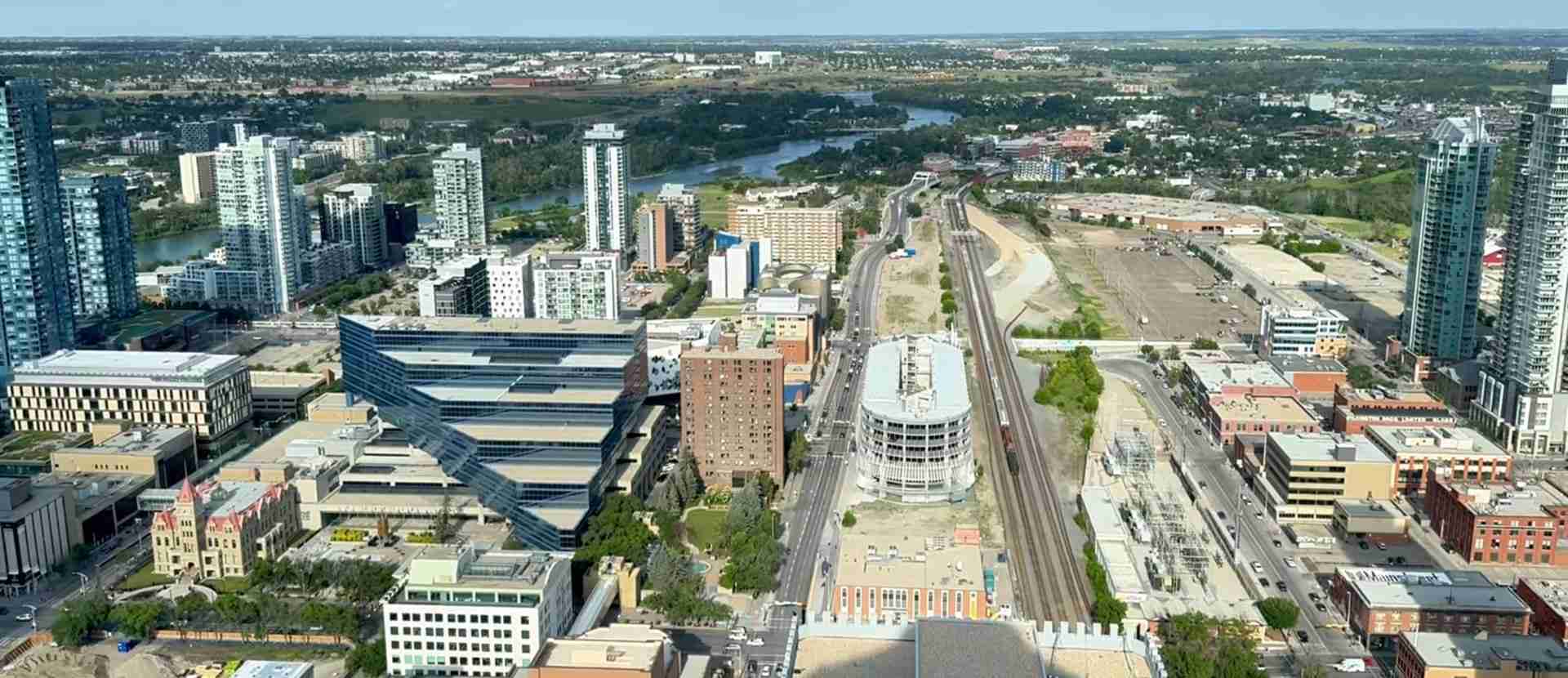
Calgary Tower represents the city’s most recognized landmark, rising 191 meters above street level with observation deck delivering 360-degree panoramas encompassing downtown skyline, distant Rocky Mountain peaks, rolling prairie extending eastward, and Bow River pathways cutting through the urban core. Admission costs CAD $22 ($16 USD) for adults in 2026, with tickets available online or at ground-floor ticket desk. Visit timing critically impacts experience quality, with afternoon visits providing excellent mountain visibility under optimal weather conditions while sunset visits deliver spectacular lighting transitions.
The observation deck features glass floor panels allowing vertigo-inducing views straight down to street level 190 meters below, interpretive displays identifying visible landmarks, and complimentary digital viewfinders providing historical photographs showing Calgary’s transformation from prairie settlement to modern city. Audio tours available in eight languages explain Calgary’s history, significant buildings, and geographical context. Photography enthusiasts should visit during late afternoon golden hour or sunset timing for optimal lighting conditions. Clear-day visibility extends 100-130 kilometers westward revealing snow-capped peaks of Banff National Park.
Sky 360 revolving restaurant operates one floor below the observation deck, completing full rotation every 45-60 minutes during lunch and dinner service. Restaurant reservations eliminate observation deck admission fees as dining guests receive complimentary elevator access, though meal costs of CAD $45-85 ($32-61 USD) per person at lunch and CAD $70-140 ($50-101 USD) per person at dinner exceed the CAD $22 tower admission for non-dining visits.
Post-tower afternoon activities depend on energy levels and weather conditions. Downtown’s Plus 15 elevated walkway system connects office towers, shopping centers, and hotels through 18 kilometers of enclosed pedestrian bridges allowing indoor exploration during cold or rainy weather. Alternatively, Eau Claire Market district along the Bow River sits 800 meters northwest of Calgary Tower requiring 10-12 minute walks through downtown streets. This riverside area features Prince’s Island Park pedestrian bridge access, paved pathway systems, and casual dining options.
Evening: Dinner and Beltline Exploration
Calgary’s Beltline neighborhood immediately south of downtown delivers the city’s highest concentration of restaurants, bars, and casual dining establishments serving diverse cuisines from Vietnamese pho to contemporary Canadian farm-to-table concepts. The district spans roughly 12 blocks between 10 Avenue and 17 Avenue SW, with 17 Avenue specifically functioning as Calgary’s primary dining and entertainment corridor. Dinner options range from CAD $18-30 ($13-22 USD) at Vietnamese, Indian, or Mexican restaurants to CAD $40-70 ($29-50 USD) at mid-range establishments including Ten Foot Henry’s vegetable-forward menu or Pigeonhole’s wine bar small plates.
Budget-conscious diners find excellent value at Beltline’s ethnic restaurants including Pho Dau Bo for Vietnamese soup at CAD $12-16 ($9-12 USD), Tandoori Grill for Indian curries at CAD $15-22 ($11-16 USD), or Native Tongues Taqueria for Mexican tacos at CAD $18-26 ($13-19 USD) per person. Mid-range visitors should explore Ten Foot Henry at 228 17 Avenue SW for seasonal vegetable dishes with optional protein additions, charging CAD $16-32 ($12-23 USD) per dish. Premium diners can experience Shokunin’s contemporary Japanese izakaya at 1414 8 Street SW with dinner costs reaching CAD $70-110 ($50-79 USD) per person including sake pairings.
Post-dinner options include returning to downtown hotels via 10-minute walks from Beltline’s northern edge, exploring 17 Avenue’s bar and live music scene, or walking to Prince’s Island Park for evening river pathway strolls during summer’s extended daylight. Calgary’s relatively early nightlife closing times compared to larger Canadian cities mean most bars and restaurants wind down by 1:00 AM.
Day 2 2026: Zoo and Heritage Park Immersion
Morning: Calgary Zoo Eastern Hemisphere
Calgary Zoo ranks among North America’s finest zoological institutions, housing over 1,000 animals representing 100+ species across 30 hectares of naturalistic habitats. The zoo opens at 9:00 AM year-round, with summer hours extending to 5:00 PM and winter hours concluding at 4:00 PM. Admission costs CAD $35 ($25 USD) for adults and CAD $25 ($18 USD) for children 3-15 years. Parking adds CAD $10 ($7 USD) for personal vehicles, while Calgary Transit riders reach the zoo via CTrain Blue Line to Zoo Station requiring 15-minute ride from downtown with CAD $4 ($3 USD) single fare.
Strategic zoo routing begins at Canadian Wilds section near main entrance, exploring North American species including grizzly bears, wood bison, whooping cranes, and grey wolves before crowds accumulate during mid-morning hours. Continue clockwise through African Savannah section featuring giraffes, hippos, lions, and gorillas, allowing 90-120 minutes for these two major areas. The zoo’s naturalistic habitat design requires substantial walking between exhibits, with total pathway distance reaching 3-4 kilometers for comprehensive visits. Comfortable walking shoes, weather-appropriate clothing, and personal water bottles prove essential.
Mid-morning focus shifts to Destination Asia section showcasing red pandas, Amur tigers, and giant pandas within specialized habitats replicating Asian mountain and forest ecosystems. Penguin Plunge features underwater viewing galleries revealing four penguin species swimming and diving beneath surface ice, while Eurasia zone displays Pallas’s cats, Turkmenian markhors, and Bactrian camels. Morning timing optimizes animal activity levels as many species remain active before afternoon heat.
Midday: Zoo Dining and Prehistoric Park
Calgary Zoo operates multiple dining facilities ranging from full-service Kitamba Café in African Rainforest building to grab-and-go kiosks throughout grounds. Kitamba Café serves hot meals including burgers, pasta, and daily specials at CAD $15-22 ($11-16 USD) per person. Alternatively, Grazers food court near main entrance offers pizza, sandwiches, and snacks at CAD $10-16 ($7-12 USD) per person. Budget-conscious visitors can bring outside food as zoo policy permits coolers and picnic supplies.
Post-lunch exploration continues at Prehistoric Park featuring life-size dinosaur replicas positioned throughout Alberta badlands landscape recreation. This outdoor section operates seasonally from April-October, showcasing 20+ dinosaur models including Albertosaurus, Triceratops, and Tyrannosaurus rex. Children particularly enjoy this interactive section with climbing opportunities and fossil dig areas. Adults appreciate the section’s botanical diversity featuring native prairie plants and interpretive signage explaining Alberta’s paleontological significance.
Afternoon: Heritage Park Historical Village
Depart Calgary Zoo by 1:30-2:00 PM to allow sufficient Heritage Park exploration time. Transit to Heritage Park requires CTrain Blue Line returning to downtown, transferring to Red Line southbound toward Heritage station, with total travel time of 35-45 minutes. Single Calgary Transit fare of CAD $4 ($3 USD) covers this multi-segment journey through 90-minute transfer validity.
Heritage Park Historical Village recreates western Canadian settlement from 1860s through 1950s across 127 acres of Glenmore Reservoir shoreline. The living history museum features 200+ authentic buildings relocated from sites throughout Alberta, working steam trains, paddle wheeler boat cruises, costumed interpreters demonstrating period crafts and trades, and Gasoline Alley Museum housing North America’s largest antique vehicle collection. Full Heritage Park admission costs CAD $34 ($24 USD) for adults during May-October summer season when complete village operations include train rides, boat cruises, and all buildings open to visitors. Winter season November-April offers reduced admission of CAD $15-18 ($11-13 USD) accessing only Gasoline Alley Museum and select Heritage Plaza shops.
Heritage Park exploration requires strategic routing given the site’s substantial size. Begin at Gasoline Alley Museum near main entrance, allowing 45-60 minutes to explore three floors of antique automobiles, oil industry artifacts, vintage gas station recreations, and transportation history exhibits spanning 1900-1950s eras. Exit Gasoline Alley’s west door directly into Heritage Plaza featuring period-appropriate shops selling crafts, candy, and souvenirs, then proceed downhill via walking paths or horse-drawn wagon service to Historical Village proper.
Historical Village layout spreads chronologically with 1860s fur trading fort and indigenous encampment at southwestern edge, 1880s railway settlement in central area, and 1910-1930s town square and residential streets at eastern boundary. Key buildings include Hudson’s Bay Company fort replica, functioning blacksmith shop, operational print shop, Wainwright Hotel offering afternoon tea service, and numerous residential structures showcasing domestic life evolution. Costumed interpreters staff most buildings, providing historical context and demonstrating period-appropriate activities.
S.S. Moyie paddle wheeler operates 30-minute cruises on Glenmore Reservoir from mid-May through September, departing Heritage Park dock hourly during peak summer season. Boat rides included in general admission provide relaxing reservoir views and captain’s narration. Steam train rides operate on similar schedules, circling Heritage Park’s perimeter via narrow-gauge railway with period coal-fired locomotive and vintage passenger coaches.
Evening: Heritage Park Dining and Return
Heritage Park contains three dining options. Selkirk Grille in the Wainwright Hotel serves lunch and dinner featuring contemporary Canadian cuisine at CAD $18-36 ($13-26 USD) per entree. Railway Café at Heritage Square offers casual fare including sandwiches and burgers at CAD $12-18 ($9-13 USD). Budget visitors can skip park dining, instead eating at nearby neighborhoods after returning downtown via CTrain.
Heritage Park closes at 5:00 PM during summer season, requiring departure planning by 4:30-4:45 PM. Return transit to downtown via CTrain Red Line requires 25-30 minutes from Heritage station to downtown core stops. This flexibility acknowledges that day two involves 6-7 hours of walking across two major outdoor attractions, producing fatigue levels that may require adjustment to evening plans.
Day 3 2026: Neighborhoods and Optional Excursions
Morning: Kensington Village and Sunnyside
Kensington Village occupies Calgary’s inner northwest adjacent to Bow River, functioning as the city’s premier independent retail and cafe district. The neighborhood spans Kensington Road NW between 14 Street and 10 Street, featuring 200+ businesses including bookstores, boutique clothing shops, gift retailers, coffee houses, and restaurants within compact four-block commercial corridor. Morning exploration begins at Good Earth Coffeehouse or Higher Ground for quality breakfast and locally roasted coffee at CAD $10-16 ($7-12 USD), then continues through Kensington’s retail mix discovering Made by Mama home goods, Paper Umbrella contemporary gifts, or Cookbook Co. Cooks culinary bookshop.
Kensington connects via pedestrian bridge to Sunnyside neighborhood north across Bow River, extending morning walk through residential streets lined with early-1900s character homes and mature tree canopies. The combined Kensington-Sunnyside walking loop covers 3-4 kilometers requiring 60-90 minutes at casual pace. CTrain access from downtown reaches Kensington station on Red Line requiring 10-minute ride with CAD $4 ($3 USD) fare, while walking from downtown hotels spans 2-2.5 kilometers taking 25-30 minutes.
Late Morning: Prince’s Island Park
Prince’s Island Park occupies a natural island in Bow River connected to downtown via pedestrian bridges from Eau Claire Market and Memorial Drive pathways. The 20-hectare urban park features paved walking trails, natural wetland areas, picnic facilities, seasonal festivals, and river views framing downtown skyline. Access from downtown hotels requires 12-18 minute walks via Stephen Avenue to 3 Street SW. Alternatively, continue from Kensington neighborhood via Bow River pathway system, following paved trails 2 kilometers eastward to Prince’s Island requiring 20-25 minutes of riverside walking.
Prince’s Island walking explores the island’s perimeter trail circuit at 2.4 kilometers length, discovering riverside beaches, willow groves, interpretive signage explaining Bow River ecology, and multiple viewpoints photographing downtown towers. Summer months bring frequent festivals and events to island’s central lagoon area including folk music concerts and indigenous cultural celebrations, while quieter spring and fall seasons emphasize nature observation.
Afternoon: Inglewood Heritage District
Inglewood represents Calgary’s oldest neighborhood, established 1875 as settlement predating Calgary’s incorporation. The district occupies southeast downtown edge along 9 Avenue SE between Bow River and 12 Street, featuring heritage buildings housing antique shops, art galleries, restaurants, and craft breweries within walkable four-block commercial corridor. Notable destinations include Esker Foundation contemporary art gallery providing free admission to rotating exhibitions, Vintage Vinyl Boutique selling curated record collections, and multiple antique stores. Lunch options range from Without Papers Pizza’s Detroit-style pies at CAD $18-28 ($13-20 USD) per person to Spolumbo’s Italian deli sandwiches at CAD $12-16 ($9-12 USD).
Fort Calgary historic site sits at Inglewood’s northeast edge where Bow and Elbow Rivers converge, marking the North-West Mounted Police post establishment in 1875 that catalyzed Calgary’s founding. The 16-hectare parkland contains interpretive center exploring indigenous history, police fort reconstruction, and Calgary’s transformation. Admission costs CAD $15 ($11 USD) for adults with exhibits requiring 60-75 minutes for comprehensive exploration.
Alternative Day 3: Drumheller Badlands Excursion
Visitors seeking dramatic landscape change can substitute day-three neighborhood exploration with full-day excursion to Drumheller’s badlands and Royal Tyrrell Museum. The 135-kilometer drive northeast from Calgary requires 90 minutes via Highway 9. Rental car necessity adds CAD $60-90 ($43-65 USD) daily plus fuel costs of CAD $20-30 ($14-22 USD), making this option economical only for groups of 3-4 splitting expenses.
Royal Tyrrell Museum at Drumheller functions as Canada’s premier paleontology research institution and public museum, displaying 40+ complete dinosaur skeletons and interactive fossil dig experiences. Admission costs CAD $21 ($15 USD) for adults with 2-3 hours recommended. Surrounding badlands offer numerous hiking opportunities including Horsethief Canyon viewpoint and Hoodoos Trail photographing eroded sandstone pillars. Combined Drumheller excursion requires 6-8 hours total including museum visit, badlands photography stops, and return driving to Calgary.
Evening: Final Dinner and Departure Planning
Day three evening concludes Calgary exploration with final dinner showcasing the city’s dining strengths. Budget options include Vietnamese district along Centre Street North serving excellent pho at CAD $12-16 ($9-12 USD), while mid-range choices emphasize Alberta beef at establishments including Charcut Roast House at 899 Centre Street SW charging CAD $38-65 ($27-47 USD). Premium diners should reserve tables at River Café on Prince’s Island Park combining riverside setting with seasonal Canadian cuisine at CAD $50-95 ($36-68 USD) per person, or Modern Steak downtown offering dry-aged beef selections at CAD $65-120 ($47-86 USD) per person.
Calgary International Airport recommends arriving 90 minutes before domestic flights and 2-3 hours before United States or international departures, with Calgary Transit’s airport bus route 300 requiring 45-50 minutes from downtown including CTrain connection timing.
Accommodation Recommendations 2026
Calgary hotel selection prioritizes downtown or Beltline locations providing CTrain access, walking proximity to restaurants and attractions, and value optimization across budget tiers. Downtown accommodation places visitors within 10-15 minute walks of Calgary Tower, Stephen Avenue, and Prince’s Island Park while eliminating rental car dependence. Beltline properties one kilometer south of downtown core sacrifice slight convenience for superior restaurant access while maintaining CTrain connectivity.
Budget Accommodation (CAD $70-120 / $50-86 USD Per Room)
HI Calgary City Centre at 520 7 Avenue SE functions as Calgary’s premier hostel property, offering dormitory beds at CAD $40-55 ($29-40 USD) per person and private rooms at CAD $95-130 ($68-94 USD) per room. The facility provides shared kitchen facilities, common areas, and prime downtown location within five-minute walk of Calgary Tower. Alternative budget options include Ramada Plaza Calgary Downtown at 708 8 Avenue SW with rooms starting CAD $85-110 ($61-79 USD) including breakfast buffet, or Days Inn by Wyndham Calgary Northwest providing CAD $70-95 ($50-68 USD) rates though located 6 kilometers from downtown requiring longer CTrain journeys.
Mid-Range Accommodation (CAD $140-220 / $101-158 USD Per Room)
Sandman Signature Calgary Downtown at 888 7 Avenue SW combines central location with consistent quality at CAD $150-190 ($108-137 USD) nightly, featuring renovated rooms, complimentary breakfast, and indoor pool. Hampton Inn Calgary Downtown at 55 5 Avenue SE charges CAD $165-210 ($119-151 USD) with contemporary rooms, hot breakfast included, and proximity to Beltline restaurants. Hotel Arts at 119 12 Avenue SW targets design-conscious travelers at CAD $180-260 ($130-187 USD) nightly, offering boutique atmosphere, rooftop pool, and Beltline location.
Luxury Accommodation (CAD $300-450+ / $216-324+ USD Per Room)
Fairmont Palliser at 133 9 Avenue SW represents Calgary’s most historic luxury property, charging CAD $300-450 ($216-324 USD) nightly for elegant rooms within 1914 heritage building featuring marble-detailed public spaces and afternoon tea service. Hotel Le Germain Calgary at 899 Centre Street SW emphasizes contemporary luxury at CAD $320-480 ($230-346 USD) with minimalist European design and personal concierge service. Alt Hotel Calgary Downtown at 333 5 Avenue SE delivers modern boutique experience at CAD $280-380 ($202-274 USD) featuring design-forward aesthetics and Bow River views.
Dining Guide 2026
Calgary’s culinary scene reflects Alberta’s agricultural abundance, multicultural population diversity, and increasing sophistication. The city’s signature ingredient remains Alberta beef raised on nearby ranches producing exceptional marbling and flavor profiles, though contemporary dining embraces vegetable-forward approaches and global cuisines beyond traditional steakhouse formulas. Restaurant pricing ranges from CAD $12-18 ($9-13 USD) at ethnic restaurants to CAD $80-150+ ($58-108+ USD) at premium steakhouses, with robust mid-range sector at CAD $25-50 ($18-36 USD).
Breakfast and Brunch Recommendations
OEB Breakfast Co. operates multiple Calgary locations including 1329 9 Avenue SE and 438 11 Avenue SW, serving creative breakfast dishes at CAD $16-24 ($12-17 USD). Weekend brunch crowds require 30-60 minute waits without reservations. Reds Diner at 1414 8 Street SW provides 1950s atmosphere with classic diner breakfast at CAD $12-18 ($9-13 USD), while Phil and Sebastian Coffee Roasters delivers excellent coffee with pastries at CAD $8-14 ($6-10 USD).
Lunch Options Across Budgets
Vietnamese restaurants along 17 Avenue SE and Centre Street North serve exceptional pho at CAD $12-16 ($9-12 USD), with Golden Bell and Pho Hoai recommended. Spolumbo’s at 1308 9 Avenue SE produces Italian deli sandwiches and fresh pasta at CAD $12-18 ($9-13 USD). Mid-range lunch venues include Ten Foot Henry at 228 17 Avenue SW emphasizing seasonal vegetables at CAD $16-28 ($12-20 USD) per dish, or Clive Burger at multiple locations providing gourmet burgers at CAD $14-20 ($10-14 USD).
Dinner Recommendations by Cuisine
Alberta beef specialists include Vintage Chophouse at 320 11 Avenue SW charging CAD $48-85 ($35-61 USD) for premium steaks, Caesars Steakhouse at 512 4 Avenue SW providing classic steakhouse experience at CAD $55-95 ($40-68 USD) per person, or Modern Steak at 220 8 Avenue SW combining dry-aged beef with contemporary wine program at CAD $65-120 ($47-86 USD) per person. Budget alternatives include Palomino Smokehouse at 109 7 Avenue SW delivering Texas-style barbecue at CAD $18-32 ($13-23 USD) per person.
International options emphasize Calgary’s diverse communities. Calcutta Cricket Club at 340 17 Avenue SW serves contemporary Indian cuisine at CAD $18-35 ($13-25 USD) per person. Anju at 344 17 Avenue SW provides Korean-inspired dishes including Korean fried chicken at CAD $16-32 ($12-23 USD) per dish. Native Tongues Taqueria at 235 12 Avenue SW delivers Mexican street food at CAD $18-28 ($13-20 USD) per person. Vietnamese options include Golden Bell at 107 10 Street NW providing comprehensive Vietnamese menu at CAD $15-26 ($11-19 USD) per person.
Craft Beverage Scene
Calgary’s brewery concentration rivals larger Canadian cities, with over 30 craft breweries operating throughout metropolitan area. Downtown and Beltline options include Last Best Brewing at 607 11 Avenue SW, Cold Garden Brewery at 1100 11 Street SE in Inglewood, and High Line Brewing at 1301 9 Avenue SE offering taproom experiences with flights at CAD $12-18 ($9-13 USD) and pints at CAD $7-10 ($5-7 USD). Wine bars including Pigeonhole at 306 17 Avenue SW provide extensive by-the-glass programs at CAD $12-22 ($9-16 USD) per glass.
Seasonal Considerations 2026
Calgary experiences dramatic seasonal variations influencing both visitor experience and budget requirements across the calendar year. Understanding these patterns allows strategic timing maximizing desired weather conditions, attraction availability, and cost optimization.
Summer Season June-August 2026
Summer delivers Calgary’s peak tourist season with consistent 20-25°C (68-77°F) temperatures, minimal precipitation, and extended daylight reaching 16+ hours during June-July peak. Heritage Park operates full programming including paddlewheel cruises and steam train rides, while Calgary Stampede rodeo occurs annually during early July attracting 1.2+ million visitors. Hotel rates increase 35-50% above shoulder season pricing with downtown properties commanding CAD $200-300+ ($144-216+ USD) nightly, while advance booking 8-12 weeks prior proves essential.
Summer advantages include optimal weather for outdoor attractions and maximum programming. Disadvantages encompass elevated accommodation costs, increased tourist density requiring advance tickets, and potential extreme heat days exceeding 30°C (86°F). Summer visitors should pack sunscreen, reusable water bottles, comfortable walking shoes, and light layers.
Fall Shoulder Season September-October 2026
Fall provides Calgary’s optimal value season combining comfortable 12-18°C (54-64°F) temperatures, reduced tourist density, moderate hotel pricing at CAD $120-180 ($86-130 USD) for mid-range downtown properties, and autumn foliage. Heritage Park maintains weekend operations through mid-October with full Historical Village access though reduced weekday hours. September weather proves particularly reliable, while October introduces increasing cold potential.
Fall advantages emphasize cost savings, comfortable walking weather, and reduced crowds. Disadvantages include Heritage Park’s transition to limited operations after Canadian Thanksgiving in mid-October and earlier darkness limiting evening exploration. Fall visitors should pack layered clothing, waterproof jacket, and comfortable walking shoes.
Winter Season November-March 2026
Winter transforms Calgary with average temperatures ranging -5 to -15°C (23 to 5°F), occasional extreme cold reaching -25 to -35°C (-13 to -31°F), and persistent snow cover. Hotel rates drop to annual lows at CAD $90-140 ($65-101 USD) for mid-range downtown properties, while Heritage Park operates winter schedule accessing only Gasoline Alley Museum for reduced admission of CAD $15-18 ($11-13 USD). Calgary’s proximity to winter sports facilities including Canada Olympic Park provides cold-weather alternatives.
Winter advantages include dramatic cost savings, winter-specific attractions, and Rocky Mountain ski access. Disadvantages encompass extreme cold requiring substantial winter gear, limited Heritage Park operations, reduced daylight with sunset at 4:30-5:00 PM, and potential flight delays. Winter visitors require insulated coat rated -30°C or colder, thermal underlayers, waterproof insulated boots, warm hat, insulated gloves, and neck warmer.
Spring Shoulder Season April-May 2026
Spring represents Calgary’s most variable season with temperatures ranging 5-18°C (41-64°F), unpredictable precipitation mixing rain and occasional snow particularly during April, and gradually increasing daylight. Hotel rates remain moderate at CAD $110-160 ($79-115 USD) for mid-range downtown properties, while Heritage Park transitions from winter operations to full Historical Village opening during May long weekend.
Spring advantages include moderate pricing, comfortable temperatures, and spring flower blooms. Disadvantages encompass weather unpredictability requiring flexible daily planning, potential late-season snowstorms through April, and Heritage Park limited operations until late May. Spring visitors should pack layered clothing, waterproof jacket with hood, comfortable walking shoes with traction, and maintain flexible attitude toward daily plans.
Money-Saving Strategies 2026
Calgary travel costs can be substantially reduced through strategic planning, alternative accommodation choices, dining optimization, and attraction timing without sacrificing trip quality. These approaches prove particularly valuable for budget-conscious travelers, families managing multiple admissions, and extended-stay visitors.
Accommodation Optimization
Booking accommodations 8-12 weeks advance typically yields 15-25% savings versus last-minute reservations, while shoulder season travel during April-May or September-October reduces rates 30-45% compared to July-August peak. Consider Beltline properties rather than downtown hotels for superior restaurant access at potentially lower nightly rates, or examine northeast Calgary hotels near airport offering CAD $70-100 ($50-72 USD) nightly with free parking though requiring longer CTrain journeys. Hostel dormitories provide budget accommodation at CAD $40-55 ($29-40 USD) per person, while vacation rental apartments offer kitchen facilities enabling grocery shopping and meal preparation.
Dining Cost Reduction
Grocery shopping at Safeway, Co-op, or Real Canadian Superstore provides breakfast supplies, sandwich ingredients, and snacks at 60-75% savings versus restaurant equivalents. Vietnamese, Indian, and Chinese restaurants deliver substantial portions at CAD $12-18 ($9-13 USD) per person representing excellent value. Lunch specials at many mid-range restaurants offer identical menu items at 25-40% discount versus dinner pricing. Happy hour specials at bars and restaurants typically run 3:00-6:00 PM weekdays, providing discounted appetizers and drinks.
Attraction and Transportation Savings
Calgary Tower, zoo, and Heritage Park represent the three major paid attractions at combined cost of CAD $91 ($66 USD) per person, while Prince’s Island Park, river pathways, Stephen Avenue Walk, Kensington Village, and Inglewood provide free neighborhood exploration opportunities. Museums including Esker Foundation contemporary art gallery offer free admission. Calgary Transit day passes prove economical only for visitors making 4+ trips daily given single-ride fare of CAD $4 ($3 USD), while many downtown movements occur within free-fare zone or comfortable walking distances. Tourism Calgary provides occasional attraction discount coupons, while students, seniors, and families should verify available discounts.
Frequently Asked Questions
How many days should I spend in Calgary in 2026?
Three days provides optimal Calgary coverage for first-time visitors seeking comprehensive attraction experiences, neighborhood exploration, and quality dining sampling without rushed scheduling. Two-day visits can cover Calgary Tower, one major attraction like the zoo, and downtown exploration but sacrifice either Heritage Park or neighborhood discovery. Five-day stays allow Drumheller excursions, Banff day trips, and deeper restaurant sampling. Most travelers find three days sufficient to experience Calgary’s signature attractions and determine whether extended Alberta exploration suits their preferences.
Is Calgary expensive to visit in 2026?
Calgary costs run moderate compared to other major Canadian cities, with accommodation rates 30-45% below Vancouver and 15-25% below Toronto equivalents while restaurant pricing remains similar. Mid-range travelers spend CAD $205-280 ($148-202 USD) per person daily including quality hotels, diverse dining, and attraction admissions. Strategic accommodation timing during shoulder seasons, ethnic restaurant selection, and free attraction emphasis can reduce daily costs to CAD $105-145 ($76-105 USD) per person, while luxury experiences push costs to CAD $355-500+ ($256-360+ USD) daily.
Can I visit Calgary without a car in 2026?
Calgary functions effectively as car-free destination for visitors concentrating on downtown attractions, zoo, Heritage Park, and accessible neighborhoods through comprehensive CTrain and bus coverage. Single Calgary Transit fare of CAD $4 ($3 USD) enables 90-minute multi-segment journeys reaching all major attractions except Drumheller requiring rental vehicle. Downtown walkability eliminates transit needs for movements between Calgary Tower, Stephen Avenue, Prince’s Island Park, and Beltline restaurants, while free-fare CTrain zone provides cost-free travel through city core. Cars prove necessary only for visitors planning Banff day trips, Drumheller excursions, or rural Alberta exploration.
What is the best neighborhood to stay in Calgary for tourists in 2026?
Downtown accommodation provides optimal tourist value combining walking proximity to Calgary Tower, Stephen Avenue dining, Prince’s Island Park pathways, and direct CTrain access reaching zoo and Heritage Park within 20-30 minutes. Beltline neighborhood immediately south of downtown delivers superior restaurant density along 17 Avenue, slightly lower hotel rates, and comparable CTrain connectivity. East Village at downtown’s eastern edge offers contemporary properties near Bow River pathways, while Kensington northwest of downtown combines boutique retail atmosphere with riverside location though requiring CTrain journeys to downtown attractions. Most first-time visitors prioritize downtown location for convenience.
When is the Calgary Stampede in 2026?
Calgary Stampede occurs annually for 10 days in early July, with 2026 dates typically falling July 3-12 pending official schedule confirmation. The world-renowned rodeo and western festival attracts 1.2+ million visitors producing severe accommodation pressure with downtown hotel rates increasing 40-60% above typical July pricing and many properties requiring 3-4 night minimum stays. Visitors seeking Stampede experiences should book accommodations 4-6 months advance and expect CAD $250-400+ ($180-288+ USD) nightly for mid-range downtown hotels. Those prioritizing lower costs should avoid Stampede week entirely, visiting Calgary during non-festival summer periods or shoulder seasons.
Is Calgary a good base for visiting Banff in 2026?
Calgary serves as practical Banff alternative for budget-conscious travelers seeking Rocky Mountain access without resort pricing. Calgary accommodation costs run 40-60% below Banff equivalents at CAD $140-220 ($101-158 USD) for mid-range hotels versus CAD $200-350+ ($144-252+ USD) in Banff, while restaurant variety and pricing prove superior. The 135-kilometer distance requires 90-minute driving or 2-hour bus connections making Calgary suitable for single-day Banff excursions but less practical for visitors planning multi-day mountain immersion. This approach works best for travelers splitting time between urban Calgary attractions and mountain day trips.
What should I pack for Calgary in 2026?
Summer visitors require comfortable walking shoes, sunscreen, reusable water bottle, light jacket for evening temperature drops, and layers accommodating 15°C (59°F) morning to 25°C (77°F) afternoon variations. Winter travelers need insulated coat rated -30°C or colder, thermal underlayers, waterproof insulated boots, warm hat, insulated gloves, and neck warmer. Spring and fall shoulder seasons demand layered clothing systems, waterproof jacket with hood, comfortable walking shoes with traction, and flexible wardrobe options addressing 5-20°C (41-68°F) daily temperature ranges. All seasons require camera for downtown architecture and mountain backdrop photography.
Are Calgary attractions open year-round in 2026?
Calgary Tower and Calgary Zoo operate year-round with consistent daily hours, while Heritage Park maintains seasonal operations with full Historical Village access May long weekend through Canadian Thanksgiving in October, then reduced winter schedule November-April accessing only Gasoline Alley Museum. Prince’s Island Park and river pathways remain accessible throughout the year though ice and snow conditions limit winter walking options, while indoor attractions including Glenbow Museum and contemporary art galleries operate standard schedules regardless of season. Most restaurants and retail establishments maintain year-round operations with potential Monday closures at independent businesses.
How far is Calgary from the Rocky Mountains in 2026?
Calgary sits 125 kilometers east of Banff National Park’s eastern entrance at Canmore, requiring 90-minute drives via Trans-Canada Highway through gradually rising foothills terrain before entering dramatic mountain valleys. Clear-day visibility from Calgary Tower observation deck reveals Rocky Mountain skyline 80-100 kilometers westward. Kananaskis Country provincial park system begins 60 kilometers west of Calgary requiring 50-minute drives, providing mountain hiking opportunities closer than Banff though lacking the national park’s extensive facilities. Day trips from Calgary to Banff prove realistic for rental car visitors willing to invest 3+ hours round-trip driving.
What is Calgary’s weather like in 2026?
Calgary experiences four distinct seasons with summer June-August averaging 20-25°C (68-77°F) with occasional 30°C+ (86°F+) peaks, winter December-March ranging -5 to -15°C (23 to 5°F) with extreme cold snaps reaching -25 to -35°C (-13 to -31°F), and shoulder seasons spanning 5-18°C (41-64°F) with variable precipitation. Chinook winds bring dramatic winter warm-ups when Pacific air crosses mountains and descends into Calgary, temporarily raising temperatures 15-20°C within hours. Annual precipitation totals just 420mm making Calgary among Canada’s driest major cities. Visitors should monitor weather forecasts during trip planning and pack appropriate clothing for forecast conditions.