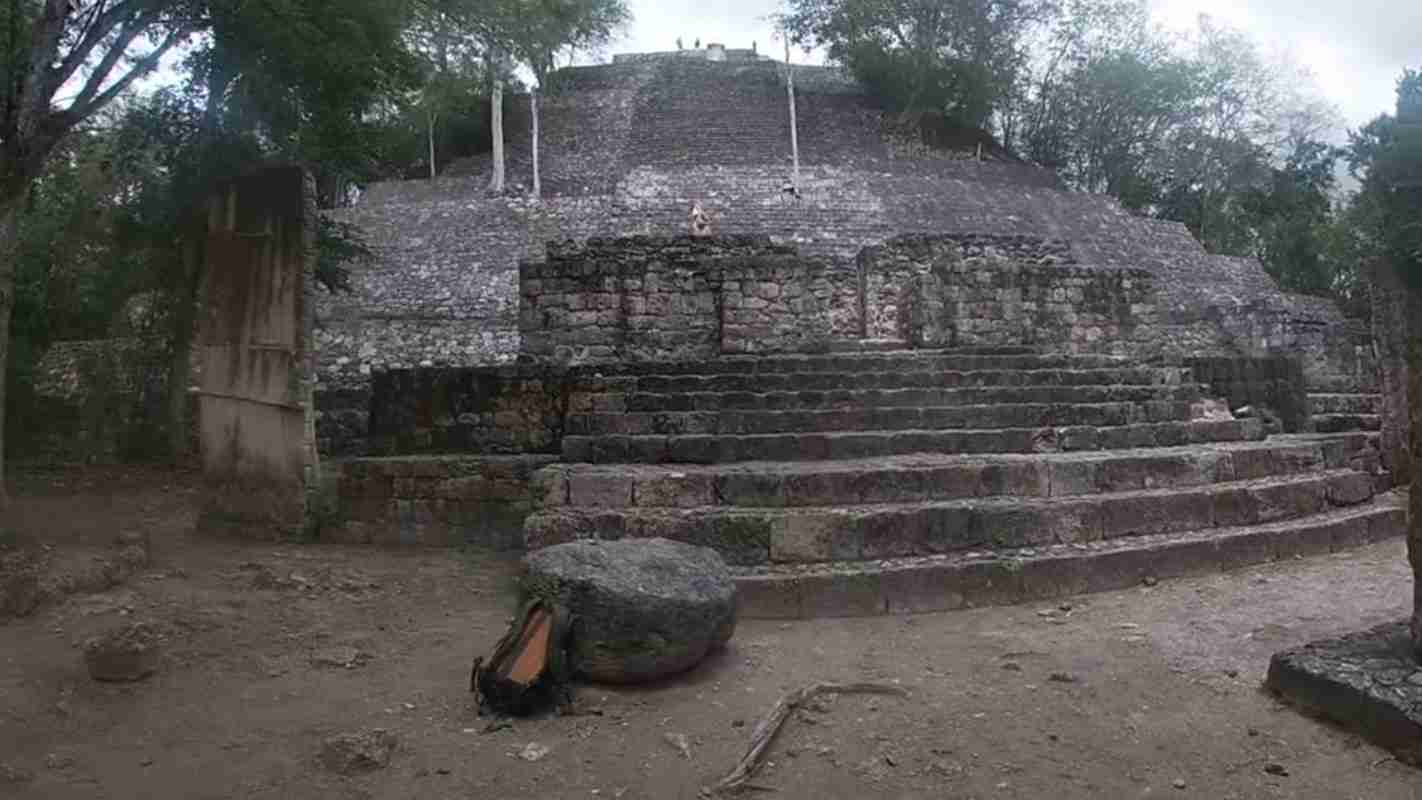
Calakmul 2026: UNESCO Maya Ruins in the Biosphere Reserve
Key Takeaways
- Calakmul combines Mexico’s largest Maya archaeological site with one of Central America’s most pristine tropical biosphere reserves in 2026
- Site access costs $8-12 USD for archaeological zone plus $3-5 USD for biosphere entry, with guided tours recommended at $30-50 USD per group for 2026 visits
- Remote location requires 60-kilometer drive from Xpujil base town through dense jungle, taking 90-120 minutes each way with wildlife viewing opportunities
- Climbing both main pyramids (Structures I and II) provides unparalleled jungle canopy views and represents rare pyramid-climbing access still permitted in Mexico in 2026
- Dual UNESCO World Heritage designation (2002 cultural, 2014 mixed) recognizes both archaeological significance and exceptional biodiversity with 350+ bird species and five big cat species
- Visit planning for 2026 requires minimum two days: one for Calakmul exploration, one for biosphere wildlife experiences and secondary archaeological sites
Understanding Calakmul’s Unique UNESCO Status in 2026
Calakmul represents a remarkable convergence of Maya civilization and pristine tropical ecosystem within southern Mexico’s Campeche state. The archaeological zone preserves one of the most powerful Maya city-states that dominated the region for over a millennium, while the surrounding Calakmul Biosphere Reserve protects 723,000 hectares of tropical forest representing the largest protected tropical forest in Mexico and second-largest in the Americas after the Amazon. This dual significance earned Calakmul the rare distinction of UNESCO World Heritage status under both cultural (2002) and natural (2014) criteria, making it one of only 39 mixed heritage sites worldwide.
The ancient city reached its zenith between 500-700 CE as capital of the Kaan (Snake) dynasty, controlling a vast territory through strategic alliances and military campaigns. Archaeological evidence reveals a sophisticated urban center with over 6,000 structures including massive pyramid temples, palace complexes, residential compounds, and an extensive network of sacbeob (raised causeways) connecting different sectors. The site’s remote location deep within the biosphere has preserved remarkable integrity, with structures emerging from dense jungle canopy much as 19th-century explorers first encountered them.
What makes Calakmul exceptional for 2026 visitors is the combination of relatively unrestricted access—you can still climb the main pyramids for panoramic jungle views—and the immersive biosphere experience. The 60-kilometer access road winds through primary tropical forest where jaguar, puma, ocelot, margay, and jaguarundi still roam freely alongside tapir, peccary, spider monkeys, and howler monkeys. The morning drive to the ruins typically provides wildlife sightings that rival dedicated safari experiences, with ocellated turkeys, curassows, and toucans commonly spotted.
The biosphere designation protects not just the archaeological core but an enormous buffer zone encompassing 14 different Maya archaeological sites, creating an integrated landscape where cultural and natural heritage remain inseparable. This holistic protection approach reflects the Maya relationship with their environment and preserves the ecological context in which Maya civilization developed. For 2026 travelers, this means experiencing not just ancient ruins but understanding how Maya cities functioned within their natural environment.
People Also Ask About Calakmul 2026
How much does it cost to visit Calakmul in 2026?
Calakmul entry costs $8-12 USD for the archaeological zone plus $3-5 USD for biosphere reserve access in 2026. Check the official INAH (Instituto Nacional de Antropología e Historia) website for current rates as pricing may vary. Guided tours range $30-50 USD per group for 2-4 people. Transportation from Xpujil costs $90-150 USD for private vehicle round-trip, or $25-40 USD per person for shared shuttle services. Total day trip costs run $140-200 per person including all entries, guide, and shared transportation.
When is the best time to visit Calakmul in 2026?
Visit Calakmul during the dry season from November through April for optimal conditions in 2026. December through March provides the most comfortable temperatures (70-85°F) with minimal rainfall, though wildlife viewing peaks during early dry season (November-December) when animals concentrate near water sources. May through October brings heavy rains making road access challenging and wildlife more dispersed, though fewer tourists and lush green landscapes offer trade-offs. Spring months (March-April) before rains can be extremely hot but provide excellent bird migration viewing.
Do you need a guide for Calakmul in 2026?
Guides enhance the Calakmul experience significantly though not mandatory in 2026. The site covers 70 square kilometers with limited signage, and guides identify obscure structures, explain hieroglyphic inscriptions, and spot wildlife during the access drive. Local authorized guides cost $30-50 USD for groups and provide 3-4 hours of comprehensive interpretation. Self-guided visitors should bring detailed maps, field guides for wildlife identification, and allow 4-5 hours minimum for adequate exploration of the main plaza, both climbable pyramids, and surrounding structures.
Can you still climb the pyramids at Calakmul in 2026?
Calakmul maintains open pyramid climbing access in 2026, unlike most Maya sites where climbing is now prohibited. Both Structure I (55 meters) and Structure II (45 meters) remain accessible via original stone steps, providing 360-degree jungle canopy views from their summits. Climbs require reasonable fitness as steps are steep and irregular, taking 15-20 minutes to ascend carefully. Early morning climbs offer the best photography light and cooler temperatures, while late afternoon provides dramatic sunset views over the endless forest canopy.
Extended multi-day tours – 5+ days
Featured Campeche Multi-Day Tour Packages

5 days
5 Days Mayan Heritage: Turquoise Waterfalls & Ancient Mysteries
- ✓ Comprehensive Campeche tour
- ✓ Expert local guides included
- ✓ All accommodation arranged
- ✓ Transportation provided
7 days
Best of Chiapas & Yucatan with the Maya Train
- ✓ Comprehensive Campeche tour
- ✓ Expert local guides included
- ✓ All accommodation arranged
- ✓ Transportation provided
5 days
México: Tulum, Kohunlich, Chicanná, Becán, Misol-Há, Palenque, Campeche, Edzná, Uxmal, Mérida, Chichén Itzá – 5 days
- ✓ Comprehensive Campeche tour
- ✓ Expert local guides included
- ✓ All accommodation arranged
- ✓ Transportation provided
6 days
The Mystical Mayan Trail: A Trip Through Mexico's Vibrant Culture and Natural Beauty (spanish/German Guide )
- ✓ Booking needs min. 2 travelers
Multi-day tour packages powered by TourRadar. Prices and availability subject to change.
Essential Planning Information 2026
Current Costs and Pricing Breakdown 2026
Archaeological zone entry costs $8-12 USD (150-200 Mexican pesos) for adults, with Mexican nationals receiving reduced rates. The biosphere reserve charges an additional environmental conservation fee of $3-5 USD (50-75 pesos). Children under 13 enter free, while students and seniors with valid identification receive 50% discounts on archaeological entry. These fees support ongoing conservation and archaeological research programs.
Guided tour services cost $30-50 USD for groups of 2-4 people covering approximately 3-4 hours of interpretation. Larger groups negotiate slightly higher rates. Guides provide Spanish and English language services, with some offering French or German by advance arrangement. The official guide association operates from the visitor center, and booking in advance during peak season (December-March) ensures availability. Independent naturalist guides specializing in biosphere ecology charge similar rates and can be arranged through Xpujil hotels.
Transportation represents the largest expense for most visitors. Private vehicle rental from Xpujil costs $90-150 USD for the round-trip including driver and fuel. Shared shuttle services operate at $25-40 USD per person with 4-6 person minimums. The 120-kilometer round-trip takes 3-4 hours total driving time. Vehicle rental requires reservations 2-3 days ahead during high season. Self-driving rental cars from Campeche or Chetumal cost $40-60 USD daily plus fuel ($20-30 USD for the round-trip), though this option suits only experienced drivers comfortable with remote jungle roads and basic Spanish.
Accommodation in Xpujil base town ranges $50-90 USD per night for mid-range hotels with air conditioning, hot water, and breakfast. Budget options start at $25-40 USD for basic rooms with fans. The nearest luxury option, a jungle ecolodge 15 kilometers from the ruins, charges $150-250 USD per night with guided nature walks included. Most visitors spend 2-3 nights in the region combining Calakmul with other nearby archaeological sites like Becan, Chicanna, and Hormiguero.
Site Hours and Seasonal Access 2026
Calakmul opens daily 8:00 AM to 5:00 PM year-round, with last entry at 3:30 PM. The site closes Christmas Day and New Year’s Day. Visitors must exit by 5:00 PM as the access road gates close precisely at this time with no exceptions. Plan to arrive by 9:00 AM to allow adequate time for wildlife viewing during the drive, comprehensive site exploration, pyramid climbing, and return journey before gate closure.
Peak visitation occurs December through March when weather conditions remain ideal and holiday travelers from North America and Europe increase visitor numbers. Even during peak season, Calakmul receives only 100-200 daily visitors compared to thousands at major sites like Chichen Itza, providing a remarkably uncrowded experience. Shoulder seasons (November and April) offer excellent value with fewer visitors and good weather, though April brings intense heat.
The rainy season from May through October sees dramatically reduced visitor numbers but also increased access challenges. Heavy rains can temporarily close the access road, and mud conditions make wildlife spotting more difficult as animals disperse across the enlarged habitat. However, the jungle displays peak lushness during this period, photography benefits from dramatic cloud formations, and the near-complete absence of other tourists provides an exceptionally private experience. Confirm road conditions with hotels before planning wet season visits.
Planning Your 2026 Calakmul Visit
Optimal Visit Duration and Timing
Allocate a full day for Calakmul archaeological exploration, departing Xpujil by 7:00 AM to maximize wildlife viewing during the cool morning drive and arriving at the ruins by 8:30-9:00 AM. Spend 4-5 hours exploring the main plaza, climbing both pyramids, visiting secondary plazas, and investigating outlying temple groups before beginning the return journey by 2:00 PM. This schedule allows leisurely exploration while ensuring exit before the 5:00 PM gate closure with comfortable buffer time.
A comprehensive Calakmul region experience requires minimum 3 days: Day 1 for arrival in Xpujil and exploration of nearby ruins (Becan, Chicanna, Xpujil), Day 2 for Calakmul full-day excursion, and Day 3 for additional biosphere activities like the Dos Lagunas wetlands or Rio Bec archaeological route. Serious archaeology enthusiasts and naturalists often extend to 4-5 days adding remote sites like El Hormiguero and specialized birding or wildlife tracking experiences.
Early morning visits provide the best wildlife viewing along the access road as animals remain active during cooler temperatures. The golden hour from 6:30-8:00 AM offers optimal lighting for jungle photography and peak bird activity. Mid-morning through early afternoon at the ruins avoids the most intense heat and provides good lighting for architectural photography. Late afternoon visits (arriving by 1:00 PM latest) allow experiencing the ruins in peaceful late-day light but reduce wildlife viewing opportunities.
Weather and Climate Considerations 2026
Calakmul’s tropical climate divides into pronounced dry season (November-April) and wet season (May-October). Dry season temperatures range 70-85°F with minimal rainfall, though March-April can reach 95°F during midday. Humidity remains high year-round (70-90%) but becomes less oppressive during dry months. Cool fronts occasionally affect the region December-February bringing overnight temperatures to 60°F and cloudy conditions lasting 2-3 days.
Wet season brings daily afternoon thunderstorms typically starting 2:00-4:00 PM and lasting 1-3 hours. Morning conditions remain clear and suitable for ruins exploration, but the access road can become temporarily impassable during heavy rainfall events. June and September receive the heaviest precipitation with average monthly totals of 10-12 inches. October transitions toward drier conditions while retaining lush green landscapes.
Pack appropriate clothing for tropical conditions: lightweight, quick-dry fabrics in light colors, wide-brimmed hat, sunglasses, and high-quality sunscreen. Sturdy hiking shoes with good traction handle the pyramid climbs and uneven terrain. Rain jacket or poncho proves essential even during dry season as brief showers occur. Insect repellent containing DEET protects against mosquitoes, though biting insects remain less problematic during dry season.
Comprehensive Transportation Guide 2026
Getting to Xpujil Base Town
Xpujil serves as the primary base for Calakmul visits, located 60 kilometers from the archaeological site. The town sits on Highway 186 connecting Campeche (300 kilometers west) and Chetumal (120 kilometers east). First-class ADO buses serve the route with departures from Campeche ($25-30 USD, 5 hours) and Chetumal ($12-18 USD, 2.5 hours) running 3-4 times daily. Book tickets advance through the ADO website during peak season as buses sometimes fill completely.
Driving from Cancun takes 5-6 hours (350 kilometers) via Highway 307 south to Bacalar, then Highway 186 west to Xpujil. The route passes through several small towns with speed bumps requiring reduced speeds. Fuel stations operate in Bacalar and Xpujil but nowhere in between, making the Bacalar fill-up essential. Road conditions remain good on major highways, though occasional potholes require attention during rainy season.
From Campeche city, the 300-kilometer drive west on Highway 186 takes 4-5 hours through increasingly remote territory. The final 100 kilometers from Escarcega to Xpujil cross sparsely populated forest with limited services. Fuel up in Escarcega as the next station appears only in Xpujil. This route works well for visitors combining Pacific coast beach time in Campeche with jungle archaeology.
Organized tours from Bacalar or Chetumal include Calakmul as day trips departing 5:00 AM and returning 7:00-8:00 PM. These cost $80-120 USD per person including transportation, entry fees, guide, and lunch, though the rushed schedule (14-15 hours total) limits time at the ruins to 3 hours and makes for an exhausting experience. Multi-day tours staying overnight in Xpujil provide more relaxed pacing and better wildlife viewing opportunities.
Access Road and Wildlife Viewing 2026
The 60-kilometer access road to Calakmul branches south from Highway 186 at the small settlement of Conhuas, marked by clear signage. The first checkpoint at kilometer 0 collects the biosphere entry fee and provides basic information. The road quality varies from excellent paved sections to rough gravel stretches requiring reduced speeds. Allow 90 minutes minimum for the drive though wildlife sightings often extend this to 2 hours.
Drive slowly and scan the road edges and canopy continuously as wildlife frequently crosses or feeds near the roadway. Morning drives (6:00-9:00 AM) provide the best viewing opportunities with ocellated turkey, great curassow, plain chachalaca, and various toucan species commonly spotted. Mammals including spider monkeys, howler monkeys, coatimundi, and occasionally tapir appear along the route. Jaguar and puma sightings occur but remain rare—perhaps 1 in 50 drives.
Several observation towers along the route at kilometers 20, 35, and 50 provide canopy-level wildlife viewing. The kilometer 20 tower offers particularly good early morning bird activity. Stop frequently, move quietly, and use binoculars to scan treetops where parrots, trogons, and raptors perch. The late afternoon return drive sometimes reveals animals emerging for evening activity, though sightings typically decrease compared to morning hours.
Exploring the Archaeological Site 2026
Site Layout and Main Structures
The mapped core area of Calakmul covers approximately 70 square kilometers, though only a fraction remains cleared for visitor access. The main concentration focuses on the Gran Plaza, a massive ceremonial center surrounded by pyramid temples, palace complexes, and residential structures. From the visitor center parking area, a 500-meter trail leads to the site entrance and main plaza.
Structure II dominates the northern side of the Gran Plaza, rising 45 meters as the most prominent and best-restored pyramid. The structure underwent continuous modification over 1,000 years with at least seven construction phases. Visitors climb the western stairway to reach three temple chambers at the summit containing remnants of original roof combs. The panoramic view from the top reveals Structure I to the south, endless jungle canopy in all directions, and on clear days, the Guatemala border hills 50 kilometers distant.
Structure I, also called the “Great Pyramid,” rises 55 meters on the Gran Plaza’s southern edge as Calakmul’s tallest structure and one of the largest Maya pyramids by volume. The climb proves more challenging than Structure II with steeper, less-restored steps. The summit provides the quintessential Calakmul vista: three temple chambers in the foreground, Structure II across the plaza, and primary forest extending to the horizon. Early morning light from the east creates dramatic shadows accentuating the jungle’s contours.
Between the two main pyramids, the Gran Plaza extends 200 meters as a vast open space once hosting public ceremonies, markets, and political gatherings. Numerous stelae (carved stone monuments) stand throughout the plaza commemorating rulers and important events. The most significant, Stela 89, records a 731 CE military victory and displays exceptional carved details. Additional stelae scattered around the site document Calakmul’s long dynastic history and political relationships with other Maya centers.
Secondary Areas and Extended Exploration
Beyond the Gran Plaza, several cleared pathways lead to secondary plazas and structure groups. The Chiik Nahb complex located 400 meters northeast features well-preserved palace structures with multiple rooms and elaborate architectural details. The name translates as “Knot of Water” referencing the natural aguada (seasonal pond) near the complex that provided critical water supply for the ancient city.
Structure III, positioned 600 meters west of the Gran Plaza, represents another major ceremonial pyramid rising 40 meters with intact stucco masks decorating the lower levels. The masks portray the Maya sun god with elaborate headdresses and demonstrate the original vivid polychrome decoration once covering most structures. The trail to Structure III passes several ball courts indicating the site’s emphasis on ritual ball games.
The extensive residential zones surrounding the ceremonial core remain largely unexcavated, appearing as jungle-covered mounds extending in all directions. These residential compounds housed the city’s estimated peak population of 50,000-60,000 people. Walking trails penetrate these areas providing atmosphere of exploration and sense of the city’s enormous scale. The quieter zones away from the main plaza offer excellent opportunities for wildlife observation including various monkey species, coatimundi, and diverse bird species.
Photography Strategies and Best Angles
Photograph the main structures from the Gran Plaza using wide-angle lenses (16-35mm) to capture the massive scale and jungle context. Climb Structure II first for overall site orientation photos showing Structure I relationship to the broader complex. Late morning light (9:00-11:00 AM) provides even illumination minimizing harsh shadows while maintaining good contrast.
Summit photography from both pyramids benefits from telephoto lenses (70-200mm) for compressing the endless jungle canopy layers. Use polarizing filters to manage hazy atmospheric conditions common in tropical environments and enhance cloud detail. The 360-degree views allow composing in any direction based on current light and cloud formations. Wide-angle shots from pyramid summits include foreground temple chambers for scale and architectural interest.
Detail photography focuses on stucco masks, hieroglyphic carvings, architectural elements, and individual stelae. Macro lenses (100mm) capture intricate carving details, while bringing a small portable reflector helps fill shadows in deeply carved glyphs. Many stelae position under protective palapas (thatched shelters) creating challenging lighting requiring careful exposure management. Early morning or late afternoon side-lighting accentuates carving relief.
Wildlife photography during the access drive requires telephoto zoom lenses (100-400mm minimum) and high ISO capability for low forest light. Photograph from vehicle windows when possible as most wildlife accepts vehicles but flees from approaching people. Birds in the canopy often require 500mm equivalent focal lengths for adequate frame-filling. Monolithic tripods remain impractical given the mobile nature of wildlife photography, making image stabilization or fast shutter speeds essential for sharp results.
Biosphere Reserve Experiences 2026
Ecological Significance and Conservation
The Calakmul Biosphere Reserve protects Mexico’s largest remaining tropical forest and one of Central America’s most significant biodiversity hotspots. The 723,000-hectare reserve provides habitat for five big cat species (jaguar, puma, ocelot, margay, jaguarundi), maintaining one of Mexico’s last viable jaguar populations. Large mammal populations include Baird’s tapir, white-lipped peccary, spider monkey, and howler monkey.
Bird diversity exceeds 350 species including globally threatened species like the ocellated turkey (Mexico’s national bird), great curassow, harpy eagle, and orange-breasted falcon. The reserve encompasses 14 different Maya archaeological sites demonstrating the integrated cultural-natural landscape. This holistic conservation approach recognizes that Maya civilization developed sophisticated management of forest resources over centuries.
The reserve operates under three protection zones: core zone with minimal human activity, buffer zone allowing controlled access and traditional use by local communities, and transition zone permitting sustainable economic activities. Tourism concentrates in buffer and transition zones with strict regulations preventing habitat degradation. The biosphere designation protects not just individual species but entire ecosystems including seasonal wetlands, permanent aguadas, various forest types, and underground cave systems.
Wildlife Viewing Opportunities Beyond the Ruins
The Dos Lagunas wetlands area 30 kilometers north of Calakmul provides exceptional bird watching during dry season when waterfowl concentrate in remaining pools. Over 200 species occur here including wood stork, jabiru, roseate spoonbill, numerous heron and egret species, and migrating waterfowl from North America. Access requires hiring local guides from the Dos Lagunas ejido community ($40-60 USD for half-day tours). The wetlands remain inaccessible during wet season when the entire area floods.
Night safaris along the access road reveal nocturnal wildlife including various owl species, nightjars, kinkajou, armadillo, and occasionally cats. Several Xpujil hotels organize guided night drives ($50-80 USD per person, 2-3 hours) departing after the site closes. The full-moon periods provide enough natural light for viewing while maintaining the atmospheric nighttime jungle experience. Spotlights remain essential for locating wildlife but guides use them judiciously to minimize disturbance.
Specialized multi-day wildlife tracking expeditions venture deeper into the reserve targeting specific species like jaguar or tapir. These require advance arrangement with conservation organizations or specialized ecotourism operators and cost $200-400 USD per day including guide, equipment, and camping. Success rates vary considerably depending on season, recent rainfall, and simply luck, but the immersive biosphere experience provides extraordinary insight into tropical ecosystem function regardless of marquee species sightings.
Sample 2026 Itineraries
Three-Day Classic Calakmul Experience
Day 1: Arrival and Rio Bec Sites – Arrive Xpujil by mid-morning bus or drive. Check into mid-range hotel ($70 per night). After lunch, explore the nearby Rio Bec style sites: Xpujil ruins (20-minute walk from town, $5 entry), Becan (7 kilometers east, $5 entry, impressive defensive moat), and Chicanna (10 kilometers east, $5 entry, spectacular monster-mouth doorway). Return for dinner in town. Xpujil entry $5, Becan entry $5, Chicanna entry $5, lunch $10-15, dinner $12-18, local transportation $15-20. Total day cost: $47-66 per person (excluding accommodation $70).
Day 2: Calakmul Full-Day Excursion – Depart hotel 6:45 AM for 7:00 AM departure via shared shuttle ($35 per person). Drive to Calakmul with wildlife viewing (90-120 minutes). Archaeological zone entry $10, biosphere entry $4, guided tour $15 per person (for 4-person group). Explore site 9:00 AM-2:00 PM: climb both pyramids, investigate Gran Plaza, visit secondary structures, photograph stelae. Packed lunch $8-12 or picnic lunch from hotel. Return to Xpujil by 5:00 PM. Dinner in town. Shuttle $35, entries $14, guide $15, lunch $8-12, dinner $12-18. Total day cost: $84-94 per person (excluding accommodation).
Day 3: Dos Lagunas and Departure – Early morning birding tour to Dos Lagunas wetlands with local guide ($50 per person, 6:00-10:00 AM). Return to hotel for checkout and late breakfast. Afternoon departure by bus or drive to next destination. Birding tour $50, breakfast $8-12. Total day cost: $58-62 per person (excluding accommodation). Three-day total: $189-222 per person excluding accommodation ($140-210 for two nights), transportation to/from Xpujil, and any alcohol or souvenirs.
Five-Day Comprehensive Archaeological and Nature Experience
Day 1: Arrival and Orientation – Arrive Xpujil, settle into jungle ecolodge accommodation ($180 per night including breakfast and dinner). Afternoon nature walk on property trails with resident naturalist guide (included). Evening wildlife presentation. Lunch $12-15, nature walk included, dinner included. Total day cost: $12-15 per person (excluding accommodation $180 including meals).
Day 2: Calakmul Archaeological Focus – Private vehicle to Calakmul (7:00 AM departure, $120 for vehicle). Archaeological zone entry $10, biosphere entry $4, private guide $45 per person (2-person group). Extended 5-hour site exploration covering main plaza, both pyramids, all secondary areas. Packed lunch. Return by 4:00 PM. Dinner at lodge (included). Vehicle $60 per person, entries $14, guide $45, lunch $12. Total day cost: $131 per person (excluding accommodation with dinner included).
Day 3: Becan and Rio Bec Route – Explore Becan (entry $5, guide $30 for 2 people), Chicanna ($5 entry, guide $25 for 2 people), and Hormiguero ($5 entry, guide $25 for 2 people). Private vehicle for day ($80). Pack lunch or restaurant meal. Evening return to lodge. Dinner included. Entries $15, guides $40 per person, vehicle $40 per person, lunch $12-15. Total day cost: $107-110 per person (excluding accommodation with dinner included).
Day 4: Dos Lagunas and Biosphere Exploration – Full-day birding and wildlife expedition to Dos Lagunas with specialized guide ($85 per person). Packed breakfast and lunch. Return evening. Dinner at lodge (included). Birding tour $85, meals included. Total day cost: $85 per person (excluding accommodation with meals included).
Day 5: Morning Birding and Departure – Dawn birding walk on lodge property (included). Breakfast (included). Mid-morning departure. Total day cost: $0 (excluding accommodation with breakfast included). Five-day total: $335-348 per person excluding ecolodge accommodation ($720 for four nights including most meals), transportation to/from Xpujil, and alcohol or souvenirs.
Accommodation Strategies 2026
Xpujil Town Options
Xpujil offers 6-8 hotel options ranging from basic budget to comfortable mid-range. The town lacks luxury properties, with the nearest upscale accommodation located at jungle ecolodges outside town. Budget hotels ($25-40 per night) provide basic rooms with fans, private bathrooms, and typically no hot water. These suit travelers prioritizing cost savings over comfort and work adequately given the limited time spent in rooms when maximizing site visits.
Mid-range hotels ($50-90 per night) include air conditioning, hot water, WiFi, swimming pools, and on-site restaurants. The best options feature traditional Maya-inspired architecture, garden settings, and knowledgeable staff who arrange guides and transportation. Book these properties directly rather than through booking platforms to access lower rates and better service. During peak season (December-March), reserve 2-3 weeks ahead as the limited room inventory fills quickly.
The hotels cluster along the main highway through town making location less important than specific property quality. Request rooms away from the highway to minimize traffic noise, though traffic decreases dramatically after 9:00 PM. Air conditioning represents the most important amenity given the consistently warm climate, while WiFi quality varies considerably between properties—lower expectations for connectivity help avoid frustration.
Jungle Ecolodge Experiences
Two jungle ecolodges operate within 15-20 kilometers of Calakmul offering immersive biosphere experiences. These properties charge $150-250 per night for comfortable bungalows with private bathrooms, screened windows, solar power, and included meals. The higher rates reflect the remote locations, included guided nature walks, exceptional wildlife viewing from property trails, and atmospheric jungle settings.
Ecolodges include naturalist-led walks, bird watching sessions, night safaris, and extensive trail systems through primary forest. The properties attract serious nature enthusiasts and photographers willing to pay premium rates for direct access to pristine habitat. Social atmosphere develops among guests sharing interests in wildlife and archaeology, creating opportunities for cost-sharing on private guides and transportation.
Book ecolodges 4-6 weeks ahead during peak season as their limited capacity (typically 8-12 rooms) fills completely. Off-season visits (May-October) sometimes allow last-minute bookings and occasional room-rate discounts. The properties provide the only dining options in their vicinity, so the included meal plans represent genuine value rather than forced purchases. Vegetarian and special dietary requirements can be accommodated with advance notice.
Practical Travel Tips 2026
What to Bring and Pack
Bring sturdy hiking shoes or boots with good ankle support and traction for pyramid climbing and uneven terrain. The steep, irregular stone steps require careful footing, and quality footwear significantly improves safety and confidence. Break in new footwear before the trip to avoid blisters during long exploration days.
Pack lightweight, breathable clothing in light colors that dry quickly. Long pants and long-sleeve shirts in light fabrics protect against sun exposure, insects, and scratching vegetation. Wide-brimmed hat provides essential sun protection, while bandana or buff serves multiple purposes including sweat management and mosquito protection. Bring more clothing than typical as high humidity makes achieving fully dry laundry challenging.
Essential items include high-SPF sunscreen (50+ recommended), DEET-based insect repellent (30%+ concentration), adequate water bottles (3 liters minimum for full-day site visits), headlamp for early departures and potential power outages, basic first-aid supplies including blister treatment, and any prescription medications in sufficient quantity. Consider bringing electrolyte supplements to maintain hydration in high heat and humidity.
Photography equipment should include adequate memory cards and spare batteries as charging opportunities may be limited. Bring lens cleaning supplies as jungle humidity creates condensation issues. Ziplock bags protect electronics from rain and humidity. Binoculars enhance both wildlife viewing and architectural detail appreciation—8×40 or 10×42 models provide good balance of magnification and light gathering.
Health and Safety Considerations
Malaria risk exists in the Calakmul region though infection rates remain low. Consult travel medicine specialists 4-6 weeks before departure regarding prophylaxis recommendations. Most travelers opt for insect bite prevention through DEET repellent and protective clothing rather than prophylactic medications, but individual risk tolerance and health history determine appropriate approaches.
Drink only bottled or purified water throughout the region. Most hotels provide purified water, but confirm before drinking tap water. Avoid ice in drinks unless confident of water source. Food safety remains generally good at established hotels and restaurants, though exercise normal precautions with street food. Fresh fruits and vegetables served at tourist hotels are typically safe.
The nearest medical facilities with reasonable capabilities operate in Chetumal (120 kilometers east) and Campeche (300 kilometers west). Xpujil has a basic clinic handling minor issues but serious medical emergencies require evacuation. Comprehensive travel insurance including medical evacuation coverage provides essential protection given the remote location and limited local medical infrastructure.
Cell phone coverage remains sporadic outside Xpujil town, with no service along the Calakmul access road or at the archaeological site. WiFi availability at hotels varies in quality and reliability. Inform hotels and guides of your planned schedule so someone knows your expected return times. The remoteness represents part of Calakmul’s appeal but requires greater self-sufficiency and preparedness than more developed tourist areas.
Money and Banking
Bring adequate Mexican pesos in cash as ATMs in Xpujil prove unreliable and often run out of money during peak season. No ATMs exist at Calakmul or along the access road. Credit card acceptance remains limited to larger hotels and some restaurants—assume cash-only for most transactions including site entries, guides, and transportation.
The nearest reliable ATMs operate in Chetumal or Escarcega, making cash withdrawal during transit to Xpujil advisable. Bring small bills (20, 50, 100 peso notes) as vendors often lack change for larger denominations. USD dollars can be exchanged in Xpujil but at poor rates—better to exchange in Campeche, Chetumal, or other larger cities before arriving.
Budget approximately $150-200 per person in cash for a three-day visit covering entry fees, guides, meals, and incidentals. Longer stays or additional activities require proportionally more. Carry cash securely in money belt or hidden pocket rather than wallet. Leave valuable jewelry and unnecessary credit cards secured at accommodation.
Booking Strategies for 2026
Advance Planning Timeline
Book accommodation 3-4 weeks ahead for peak season visits (December-March) when Xpujil’s limited hotel capacity fills quickly. Shoulder season (November, April) allows 1-2 weeks advance booking, while wet season visits can be arranged days ahead though confirming road access conditions becomes critical. Jungle ecolodges require 4-6 weeks advance booking year-round given their very limited capacity.
Transportation arrangements through hotels should be made 3-5 days ahead during peak season to ensure vehicle availability and preferred departure times. Shared shuttle services require minimum passenger numbers, so early booking helps ensure tours operate. Private vehicle rentals offer more flexibility but cost significantly more for solo travelers or couples—forming groups with other travelers at hotels can share costs effectively.
Guide services can be arranged 24-48 hours ahead during most periods, though peak season benefits from advance booking to secure the most experienced guides. The official guide association at Calakmul visitor center accepts walk-up requests but advance arrangement through hotels ensures someone awaits your arrival. Specialized guides for birding, wildlife tracking, or photography require 1-2 weeks advance booking through ecolodges or conservation organizations.
Combining with Other Destinations
Calakmul fits naturally into larger Yucatan Peninsula itineraries combining Caribbean beaches, colonial cities, and archaeological sites. Common routes include Cancun or Playa del Carmen (beach) → Tulum (coastal ruins) → Bacalar (lagoon) → Calakmul region (jungle and ruins) → Campeche (colonial city) → Merida (cultural center) → Chichen Itza or Uxmal (major ruins) → return to Cancun. This circuit takes 10-14 days minimum moving at reasonable pace.
Alternative routes approach from Pacific coast combining Palenque (major Maya site in Chiapas) → Calakmul region → Edzna (ruins near Campeche) → Campeche city → Celestun biosphere (flamingo viewing) → Merida. This western route sees fewer tourists and emphasizes archaeology and nature over beach time, requiring 8-12 days minimum.
Guatemala extensions work naturally from Calakmul, crossing the border at El Ceibo (45 kilometers south) to reach Flores and Tikal, Guatemala’s premier Maya site. This combination creates the ultimate Maya civilization circuit pairing two of the largest ancient cities. The border crossing involves more paperwork than major crossings but remains straightforward for most nationalities. Allow 2-3 days minimum for Tikal region exploration.
Understanding Calakmul’s Historical Significance
The Kaan Dynasty and Political Power
Calakmul rose to prominence during the Classic Period (250-900 CE) as capital of the powerful Kaan (Snake) dynasty. At its height during the 6th-7th centuries CE, Calakmul controlled a vast territory across the southern Maya lowlands through military conquest, strategic marriages, and tributary relationships. The city engaged in prolonged rivalry with Tikal, 100 kilometers to the south in modern Guatemala, with conflicts spanning multiple generations and shaping Maya political history.
Archaeological evidence reveals Calakmul’s sophisticated political organization including hierarchical administration, specialized craft production, extensive trade networks, and complex religious institutions. The city maintained alliances with smaller centers throughout the region, creating a network of dependent cities owing loyalty to Calakmul rulers. This political structure enabled resource mobilization for massive construction projects including the monumental pyramids dominating the site.
The hieroglyphic record preserved on stelae and temple inscriptions documents dynastic history, military campaigns, royal marriages, and religious ceremonies spanning centuries. Ruler names like Yuknoom Ch’een II (“Great Skull”) and Yuknoom the Great appear in texts describing their accomplishments and strengthening their legacy. The detailed inscriptions provide unique insights into Maya political ideology, warfare practices, and elite social structures.
Urban Planning and Architecture
Calakmul’s urban layout reflects sophisticated planning organizing the city into distinct zones for ceremonies, administration, elite residence, craft production, and commoner housing. The massive pyramids served multiple functions as temples for religious ceremonies, elite burial locations, and symbols of political power visible across the surrounding landscape. Structure II contains multiple burial chambers revealing elaborate grave goods including jade masks, ceramic vessels, and carved bones.
The architectural style combines elements from various Maya regions demonstrating Calakmul’s wide-reaching connections and cosmopolitan character. Construction techniques employed sophisticated engineering including corbel vaulting, massive terrace platforms, intricate stucco decoration, and complex drainage systems managing tropical rainfall. The builders quarried local limestone, shaped it precisely without metal tools, and assembled it using lime mortar into structures lasting over 1,000 years.
Residential zones spreading across 70+ square kilometers housed craftspeople, merchants, farmers, and laborers supporting the elite core. House platforms, storage facilities, workshops, and kitchen gardens formed integrated compounds reflecting family and occupational groups. The urban density fluctuated over centuries with population peaks coinciding with political power and military success. This extensive residential zone demonstrates that Calakmul ranked among the Maya world’s largest cities with estimated peak population of 50,000-60,000 people.
2026 Updates and Current Information
Conservation Projects and Site Development
Mexico’s National Institute of Anthropology and History (INAH) maintains ongoing conservation work at Calakmul focusing on structural stabilization, vegetation management, and visitor infrastructure improvement. Recent projects completed drainage systems protecting excavated structures from water damage during rainy season. The conservation philosophy emphasizes preservation over reconstruction, maintaining the atmospheric jungle-enveloped appearance that characterizes the site.
New visitor facilities completed in recent years include improved restroom facilities at the visitor center, covered picnic areas, and interpretive signage in Spanish and English throughout the main plaza. The access road received partial repaving improving all-season reliability though sections remain gravel requiring careful driving. These infrastructure improvements enhance visitor experience while maintaining the site’s remote wilderness character.
Archaeological research continues annually during dry season with universities from Mexico, United States, and Europe conducting excavations revealing new insights into Maya civilization. Recent discoveries include additional stelae, elaborate murals in residential structures, and evidence of water management systems sustaining the large population. Some newly excavated areas open to visitors following completion of conservation work, gradually expanding the accessible site area.
Current Access and Regulations
The biosphere reserve management has implemented enhanced environmental regulations balancing tourism with conservation objectives. These include strict limits on group sizes (maximum 25 people with one guide), designated trails preventing vegetation damage, and prohibition of single-use plastics within the reserve. Visitors must carry out all trash as no waste disposal facilities exist at the ruins.
Drone photography requires advance permits from INAH and the biosphere authority, submitted 30-60 days ahead of planned use. Unauthorized drone operation results in equipment confiscation and substantial fines. Professional photography and videography for commercial purposes requires similar permits and potential fees. Personal photography for non-commercial use faces no restrictions.
The official Calakmul website (www.inah.gob.mx) provides current information regarding hours, admission fees, and road conditions. The biosphere reserve maintains a separate website (www.reservabiocalakmul.com) detailing conservation programs, wildlife information, and community tourism initiatives. Social media channels (@CalakMulOficial on Facebook, Instagram) post updates about temporary closures, special events, and visitor advisories.
Frequently Asked Questions About Calakmul 2026
How difficult is climbing the pyramids at Calakmul?
Pyramid climbing at Calakmul requires moderate fitness and comfort with heights but presents no technical climbing challenges. Structure II features slightly easier access with better-preserved steps and handrails on portions of the ascent. Structure I has steeper, more irregular steps requiring greater care and effort. Both climbs take 15-20 minutes ascending at comfortable pace with rest breaks. Descent requires equal or greater caution as downward facing increases perception of height and requires confidence in footing. People with knee problems, acrophobia, or cardiovascular issues should assess their comfort level carefully before attempting the climbs.
Is Calakmul suitable for families with children?
Calakmul works well for families with children 8 years and older who enjoy outdoor activities and can handle the physical requirements of pyramid climbing and several hours of walking. The wildlife viewing during the access drive captivates children, and the jungle setting provides natural adventure. However, the heat, humidity, insects, and distance from medical facilities require careful consideration for younger children or those with health issues. The lack of child-specific facilities or activities means children must genuinely enjoy archaeological sites and nature experiences to appreciate Calakmul fully.
What’s the best strategy for photography at Calakmul?
Arrive early (by 8:30 AM) for optimal morning light on the main structures and to complete pyramid climbs before midday heat becomes oppressive. Photograph the Gran Plaza from ground level first, then climb Structure II for elevated views of Structure I and the surrounding jungle canopy. The 9:00-11:00 AM window provides the best balance of lighting and manageable heat. Bring wide-angle lenses for architectural shots, telephoto zooms for wildlife during the access drive, and consider a polarizing filter to manage tropical haze. Protect camera equipment from humidity using silica gel packets and ziplock bags.
How does Calakmul compare to other major Maya sites?
Calakmul offers a fundamentally different experience than highly developed sites like Chichen Itza or Tulum. The combination of remoteness, minimal crowds, climbable pyramids, and immersive jungle setting creates an atmospheric experience more akin to early archaeological exploration. The site lacks the refined restoration and modern facilities of major tourist sites but provides authenticity and wilderness immersion. For travelers prioritizing adventure, nature, and uncrowded experiences over convenience and Instagram-ready reconstructions, Calakmul delivers unparalleled value. Those seeking primarily architectural beauty might prefer Uxmal or Palenque, while beach-proximity tourists favor Tulum.
Can you visit Calakmul independently without a guide?
Independent visits work perfectly well as guides are not mandatory and the main structures cluster around the accessible Gran Plaza. However, guides significantly enhance the experience by identifying subtle architectural details, explaining hieroglyphic inscriptions, pointing out wildlife, and providing historical context that brings the ruins to life. The site lacks comprehensive signage or interpretive materials, so self-guided visitors benefit from bringing reference materials, field guides, and site maps. The cost of guide services ($30-50 USD for 3-4 hours) represents excellent value for the enhanced understanding and wildlife spotting they provide.
What’s the malaria risk at Calakmul?
The Calakmul region has low but present malaria risk, with very few reported cases among tourists annually. The mosquito species capable of transmitting malaria exists in the area, but infection rates remain minimal. Most travel medicine specialists recommend bite prevention through DEET repellent (30%+ concentration), protective clothing, and sleeping under fans or air conditioning rather than prophylactic medications for short visits during dry season. Travelers with specific health concerns, extended stays, or wet season visits should consult travel medicine physicians 4-6 weeks before departure for personalized recommendations. The decision balances low statistical risk against individual risk tolerance and any medication side effect concerns.
Is the access road safe to drive independently?
The Calakmul access road presents no significant safety concerns for experienced drivers comfortable with remote rural roads in Mexico. The main considerations include the 120-kilometer round-trip distance through unpopulated jungle, occasional rough surface requiring reduced speeds, absence of cell phone coverage or roadside assistance, and potential wildlife crossings. Drivers must carry adequate fuel (fill up in Xpujil), spare tire in good condition, basic tools, and extra water. The road remains passable year-round in dry season, though wet season conditions require confirming status with hotels before attempting the drive. Most traffic consists of tour vehicles and local trucks, with very few private cars attempting independent access.
How much Spanish do you need for Calakmul?
Basic Spanish significantly improves the Calakmul experience though organized tours operate with English-speaking guides. Hotel staff in Xpujil typically speak functional English sufficient for arranging transportation and guides. Restaurant menus often lack English translations, and limited English prevails among taxi drivers and local service providers. Knowing numbers, basic questions, and food vocabulary helps navigate practical situations. Transportation, guides, and entry fees can be arranged with minimal Spanish through hotels acting as intermediaries. Smartphone translation apps work when WiFi or cell coverage exists but don’t function along the access road or at the ruins. The effort to learn 20-30 basic phrases demonstrates respect and usually results in warmer interactions with local people.
What alternative archaeological sites exist near Calakmul?
The Rio Bec architectural region surrounding Calakmul contains numerous smaller but significant sites easily visited from Xpujil. Becan (7 kilometers east, $5 entry) features an impressive defensive moat and well-preserved structures. Chicanna (10 kilometers east, $5 entry) displays elaborate monster-mouth doorways exemplifying Rio Bec decorative style. Xpujil (adjacent to town, $5 entry) shows classic Rio Bec twin-tower temples. Hormiguero (20 kilometers south, $5 entry) offers atmospheric ruins accessed via rough road through primary forest. Balamku (60 kilometers west toward Escarcega, $5 entry) preserves exceptional stucco friezes. Rio Bec itself (15 kilometers south of Xpujil, $5 entry) provides the type site for the distinctive architectural style. These smaller sites can be visited in 1-2 days, creating a comprehensive Rio Bec archaeology experience combined with Calakmul.
What should I know about Calakmul during rainy season?
Rainy season visits (May-October) offer trade-offs worth considering for flexible travelers. Advantages include dramatically fewer tourists, lush jungle vegetation, active wildlife, reduced accommodation rates, and spectacular cloud formations for photography. Disadvantages include daily afternoon thunderstorms, potentially impassable road conditions during heavy rain events, increased mosquito activity, high humidity making physical activity more taxing, and some tour operators reducing services. The key strategy involves morning site visits before afternoon storms, maintaining flexible schedules allowing weather-related delays, and confirming current road status with hotels daily. September typically receives the heaviest rainfall and presents the highest risk of access problems, while June and October represent transitional months with better reliability.