
Cairo Travel Tips 2026: Essential Planning Guide
This comprehensive guide provides essential practical information for 2026 Cairo visitors, covering documentation requirements, safety considerations, money management, cultural etiquette, communication strategies, health precautions, and logistical solutions for common traveler challenges. The advice emphasizes confident navigation of Cairo’s unique environment while maintaining cultural respect and personal security throughout your UNESCO heritage exploration.
Key Takeaways
- Egyptian e-visa system processes applications in 3-7 business days for $25, with 30-day single-entry and 90-day multiple-entry options available for 2026 travelers
- ATMs provide the best exchange rates in 2026 with withdrawal fees of $3-5 per transaction, superior to currency exchange services charging 8-12% commissions
- Uber and Careem eliminate taxi price negotiations with transparent GPS-based pricing averaging 60-70% of traditional taxi rates
- Conservative dress covering shoulders and knees reduces unwanted attention and shows cultural respect during mosque visits and traditional neighborhoods
- Friday afternoon closures affect mosques and some shops from 12:00-2:00 PM for weekly congregational prayers, requiring adjusted touring schedules
- Tourist police maintain visible presence at major sites providing security infrastructure and assistance to international visitors throughout 2026
Introduction: Navigating Cairo Successfully in 2026
Cairo presents first-time visitors with a complex urban environment where ancient traditions intersect with modern metropolitan life across a sprawling megacity of 22 million residents. Success in navigating the Egyptian capital requires understanding practical essentials ranging from visa requirements and money management to cultural customs and transportation logistics. The city’s reputation for aggressive vendors, traffic chaos, and communication barriers intimidates many travelers, though proper preparation and strategic awareness transform potentially frustrating situations into manageable aspects of the Egyptian experience.
The Egyptian government has invested substantially in tourism infrastructure improvements for 2026, expanding digital visa services, enhancing tourist police presence, and improving airport facilities at Cairo International. These developments create smoother arrival processes and better visitor support throughout the city, though fundamental urban challenges like traffic congestion and informal economy practices persist regardless of government initiatives. Understanding what to expect and how to respond proves more valuable than hoping Cairo will conform to Western organizational standards.
People Also Ask About Cairo Travel Tips 2026
Is Cairo safe for tourists in 2026?
Cairo maintains generally safe conditions for tourists in 2026, with dedicated tourist police stationed at major heritage sites, hotels, and transportation hubs providing security infrastructure specifically protecting international visitors. Violent crime against tourists remains rare, though petty theft including pickpocketing and bag snatching occurs in crowded areas like Khan el-Khalili bazaar, public transportation, and busy streets. The Egyptian government prioritizes tourism security given the sector’s economic importance, creating visible law enforcement presence at pyramids, Egyptian Museum, and Islamic Cairo monuments. Travelers exercise standard urban precautions including securing valuables in hotel safes, maintaining awareness in crowded spaces, avoiding isolated areas after dark, and using reputable transportation services. Political demonstrations occasionally occur in downtown Cairo, particularly near Tahrir Square, with authorities typically establishing security perimeters and restricting access. Monitor news developments, register with your embassy, and follow local authority guidance if civil disturbances occur during your visit. Solo female travelers generally experience safe environments when dressing conservatively, booking reputable tours, and avoiding late-night independent exploration. The vast majority of Cairo visitors complete trips without security incidents through basic situational awareness and sensible precautions.
Do you need a visa to visit Cairo in 2026?
Most nationalities require visas for Egyptian entry in 2026, with two primary options available. The Egyptian e-visa system provides online applications processing in 3-7 business days at $25 for single-entry 30-day visas or $60 for multiple-entry 90-day visas. Apply through the official visa2egypt.gov.eg portal 7-30 days before departure, providing passport scans, accommodation details, and payment by credit card. The e-visa prints on standard paper for presentation at airport immigration, eliminating visa-on-arrival queues. Visa-on-arrival remains available at Cairo International Airport for eligible nationalities at $25 for 30-day single entry, processed through dedicated bank windows before immigration counters. Lines extend significantly during peak arrival periods (afternoon/evening flights from Europe), creating 45-90 minute waits compared to 10-15 minutes with pre-arranged e-visas. U.S., Canadian, U.K., E.U., Australian, and most developed nation citizens qualify for both e-visa and visa-on-arrival options. Check current visa requirements specific to your nationality at Egyptian embassy websites, as regulations periodically update. Passport validity of 6+ months beyond intended departure date and blank visa pages prove essential for Egyptian entry.
How much cash should you bring to Cairo in 2026?
Bring $200-400 cash per person for initial expenses and emergency backup in 2026, relying primarily on ATM withdrawals for larger amounts and credit cards for hotels, tours, and upscale restaurants. Egyptian pounds (EGP) purchase upon arrival through airport ATMs offering better rates than currency exchange counters. ATM withdrawal limits range 5,000-10,000 EGP ($160-320) per transaction with $3-5 international fees, making occasional larger withdrawals more economical than frequent small transactions. U.S. dollars and Euros exchange easily throughout Cairo at banks, exchange offices, and major hotels, though ATMs consistently provide 3-5% better rates than currency exchange services. Credit cards work at international hotels, tour operators, upscale restaurants, and major retailers, though smaller establishments, markets, street vendors, and taxis operate cash-only. Carry mix of small bills (20 EGP, 50 EGP, 100 EGP) for tipping, taxi rides, market purchases, and street food, as vendors frequently claim inability to provide change for 200 EGP or 500 EGP notes. Distribute cash across multiple locations including hotel safe, money belt, and daily wallet to minimize loss risk if theft occurs. Notify your bank and credit card companies of Egyptian travel plans before departure to prevent fraud alerts blocking legitimate transactions.
What should you wear in Cairo in 2026?
Conservative dress covering shoulders, chest, and knees to mid-calf proves appropriate for both cultural respect and reducing unwanted attention in Cairo’s predominantly Muslim environment in 2026. Women wear loose-fitting long pants or maxi skirts with shirts covering shoulders, avoiding tight or revealing clothing that attracts harassment and disapproving looks in traditional neighborhoods. Lightweight cotton or linen fabrics provide comfort in hot weather while maintaining modesty standards. Headscarves remain optional for non-Muslim women except inside mosques requiring hair covering for female visitors. Men wear long pants and shirts with sleeves, avoiding shorts, tank tops, and sleeveless shirts except in hotel pools or private resort areas. Beach resort areas like Hurghada accept Western beach attire, though Cairo’s urban environment maintains conservative standards even for tourists. Comfortable closed-toe walking shoes with good support prove essential for full-day sightseeing involving 5-10 kilometers of walking on uneven ancient surfaces, though sandals work acceptably during hot summer months. Sun protection including wide-brimmed hats, sunglasses, and high-SPF sunscreen prevents sunburn during outdoor pyramid visits and desert excursions. Pack modest swimwear for hotel pools, layers for air-conditioned museums and restaurants, and lightweight scarves for women to cover hair when entering mosques.
Extended multi-day tours – 5+ days
Featured Cairo Multi-Day Tour Packages
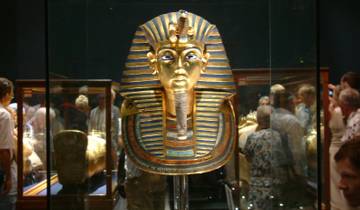
2 days
2 Days Private in Giza and Cairo
- ✓ Comprehensive Cairo tour
- ✓ Expert local guides included
- ✓ All accommodation arranged
- ✓ Transportation provided
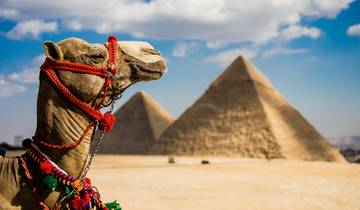
3 days
3 Days of Wonder: Explore Giza, Cairo & Alexandria
- ✓ Comprehensive Cairo tour
- ✓ Expert local guides included
- ✓ All accommodation arranged
- ✓ Transportation provided
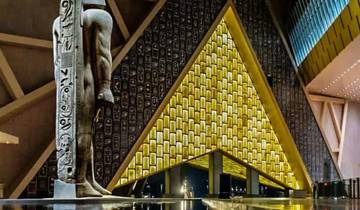
2 days
2 Days Luxury Private Tour to all Pyramids and Old Cairo
- ✓ Comprehensive Cairo tour
- ✓ Expert local guides included
- ✓ All accommodation arranged
- ✓ Transportation provided
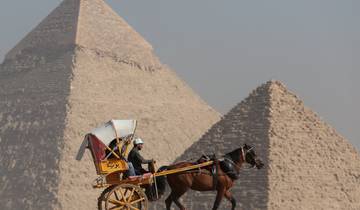
3 days
City of Wonders: 3-Day Private Cairo Tour – Pyramids, Sphinx, Egyptian Museum & Nile Dinner Cruises
- ✓ Comprehensive Cairo tour
- ✓ Expert local guides included
- ✓ All accommodation arranged
- ✓ Transportation provided
Multi-day tour packages powered by TourRadar. Prices and availability subject to change.
Essential Documentation and Entry Requirements for 2026
Visa Application Process and Requirements
The Egyptian e-visa application requires valid passport with 6+ months remaining validity, recent passport-style photograph, Egyptian hotel name and address, return flight details, and credit card payment. Complete applications through the official visa2egypt.gov.eg government portal, avoiding third-party visa services charging inflated fees of $50-80 for identical service. The application form takes 10-15 minutes, requesting personal information, travel dates, accommodation details, and purpose of visit. Upload clear passport scan and digital photograph meeting specifications (white background, no glasses, neutral expression). Processing times average 3-5 business days, though occasional delays extend to 7-10 days during peak season periods. Check application status through the portal’s tracking system using reference number provided after submission.
Print the approved e-visa on standard paper, carrying both physical and digital copies throughout your trip. Present the e-visa at airport immigration alongside your passport, with officers typically stamping entry without additional questions for straightforward tourist visits. The 30-day single-entry e-visa allows one entry with continuous stay up to 30 days, requiring visa extension or exit if longer periods desired. The 90-day multiple-entry e-visa permits unlimited entries during 90-day validity period, appealing to travelers combining Egypt with regional destinations or making multiple short visits.
Customs Regulations and Prohibited Items
Egyptian customs permits duty-free import of 200 cigarettes or 25 cigars, 1 liter of alcohol, and personal effects including electronics, cameras, and laptops without declaration. Professional photography or video equipment may require temporary import permits, though tourist-level cameras and smartphones pass without issues. Prohibited items include drones (require Ministry of Defense permits virtually never granted to tourists), satellite phones, certain medications (particularly psychotropic drugs), and amounts of currency exceeding $10,000 requiring declaration. Archaeological artifacts, antiques exceeding 100 years age, and cultural heritage items face strict export restrictions with severe penalties for violations including imprisonment.
Prescription medications travel in original pharmacy containers with accompanying doctor’s letters explaining medical necessity, particularly for controlled substances like sleeping pills or anxiety medications. Bring sufficient medication quantities for your entire trip, as Egyptian pharmacies may not stock identical formulations and obtaining prescriptions as foreign visitors creates complications. Cannabis products including CBD oils remain illegal in Egypt with severe penalties for possession, regardless of medical marijuana legal status in your home country. Alcohol import allowances prove essential as Egypt taxes alcohol heavily, with imported liquor costing $40-80 per bottle in hotels and restaurants compared to duty-free prices of $15-25 at airport shops.
Money Management Strategies for 2026
Banking, ATMs, and Currency Exchange
ATMs throughout Cairo accept international cards displaying Visa, Mastercard, Cirrus, or Plus network logos, dispensing Egyptian pounds with English language options. Withdrawal fees consist of Egyptian bank charges (20-30 EGP per transaction) plus your home bank’s international fees ($3-5 per withdrawal). Maximize withdrawal amounts to minimize fee-to-cash ratios, though ATM daily limits restrict single transactions to 5,000-10,000 EGP depending on machine. Airport ATMs immediately after customs clearance provide initial Egyptian pounds for taxi rides, tips, and immediate expenses before reaching your hotel.
Currency exchange services operate throughout tourist areas, hotels, and commercial districts, displaying rates on boards showing buying and selling prices. Banks provide official rates with 2-3% margins, while private exchange offices charge 5-8% commissions and hotels demand 8-12% premiums. Compare rates at multiple locations before large exchanges, calculating actual Egyptian pounds received rather than focusing solely on advertised exchange rates. Count all currency carefully before leaving exchange windows, verifying correct amounts as shortchanging occurs occasionally at high-volume tourist locations.
Credit cards accepted at international hotels, established restaurants, tour operators, and modern shopping malls charge 2-3% foreign transaction fees unless your card specifically waives international charges. Inform establishments before payment if you want to pay in Egyptian pounds rather than dynamic currency conversion charging at your home currency with poor exchange rates adding 5-8% premium. Small merchants, street vendors, local restaurants, taxis, and market stalls operate cash-only, necessitating Egyptian pounds for majority of daily transactions outside major hotels and international establishments.
Tipping Culture and Expected Gratuities for 2026
Tipping (baksheesh) forms essential income for Egyptian service workers receiving minimal base wages, with tourists expected to tip for virtually all services in 2026. Restaurant service warrants 10-15% tips even when service charges appear on bills, as these charges rarely reach wait staff directly. Hotel housekeeping receives 20-30 EGP per day, bellhops get 10-20 EGP per bag, and concierge services merit 50-100 EGP for substantial assistance. Taxi drivers receive 10% tips or rounding up to convenient amounts, while private drivers for full-day tours deserve 50-100 EGP depending on service quality and vehicle condition.
Tour guides receive $5-10 per person per day for group tours or $15-20 per day for private guides, with drivers earning $3-5 per day. Museum attendants who open locked rooms or provide unsolicited information expect 10-20 EGP, while bathroom attendants receive 2-5 EGP. Photography subjects at markets or with animals receive 5-10 EGP for posed photos, establishing price agreement before taking pictures. Carry small bills constantly (5 EGP, 10 EGP, 20 EGP) for tipping, as service providers typically lack change and protest receiving “too much” when only larger bills available.
Aggressive tipping demands from individuals providing unrequested “help” or “guidance” deserve polite but firm refusals. Legitimate service providers wait for tips rather than demanding immediate payment, while scam artists aggressively pursue tourists who accepted unsolicited assistance. Clarify whether services requested are complimentary or require payment before accepting offers, particularly from unofficial guides approaching travelers at tourist sites.
Transportation Navigation for 2026
Airport Transfer Options and Logistics
Cairo International Airport serves as primary entry point, located 22 kilometers northeast of central Cairo and 35 kilometers from Giza pyramids. Pre-arranged hotel transfers cost $15-30 from established hotels, providing air-conditioned vehicles with drivers meeting arrivals at the terminal. Uber and Careem rides to downtown hotels cost 200-300 EGP ($6-10), to Giza pyramids 350-450 EGP ($11-14), operating from designated pickup zones at terminal exits. Airport taxis demand $25-40 for identical routes, requiring price negotiation before entering vehicles and frequently attempting mid-ride price increases.
Allow 60-90 minutes minimum for airport transfers to accommodation given Cairo’s notorious traffic congestion, with travel times doubling during rush hours (7:00-10:00 AM, 4:00-8:00 PM). Plan arrival day schedules conservatively, avoiding same-day tour bookings or time-sensitive appointments immediately after landing. Cairo Metro Line 3 connects airport to central Cairo for 7 EGP ($0.20), though trains prove impractical for jet-lagged travelers with luggage navigating unfamiliar transit systems and crowded carriages.
Urban Transportation Options Within Cairo
Uber and Careem operate throughout Cairo providing transparent GPS-based pricing without negotiation requirements. Basic Uber rides within central Cairo cost 40-80 EGP ($1.30-2.50), to pyramids from downtown 100-150 EGP ($3-5), creating economical alternatives to traditional taxis. Both services display estimated prices before booking, track routes via GPS preventing circuitous “tourist routes,” and process payment through apps eliminating cash handling and change disputes. Download apps before arrival, setting up accounts and payment methods to enable immediate use upon landing.
Traditional taxis identified by black-and-white paint schemes operate throughout the city but require price negotiation before entering vehicles. Establish clear price agreements in Egyptian pounds, confirming driver understanding of destination and route. Standard taxi rates from downtown to pyramids run 150-200 EGP ($5-6), downtown area short trips 30-50 EGP, though drivers initially demand 2-3x these amounts from tourists. Meters remain non-functional on most taxis, making pre-trip price agreements essential. Hotels provide rough price guidance for common routes, use those estimates as negotiation baselines.
Cairo Metro provides economical transportation along three lines connecting major districts for 5-7 EGP per trip regardless of distance. Trains operate 5:30 AM-12:00 AM daily with 5-10 minute frequencies during peak hours. First two carriages on each train reserve exclusively for women, providing harassment-free travel for female passengers. Metro proves useful for Egyptian Museum (Sadat Station), Coptic Cairo (Mar Girgis Station), and downtown hotel district access, though lines don’t reach Giza pyramids requiring taxi or ride-hailing transfers for pyramid visits.
Cultural Etiquette and Social Customs for 2026
Religious and Cultural Sensitivities
Egypt’s predominantly Muslim culture creates social expectations affecting tourist behavior, particularly during Ramadan when daytime eating, drinking, and smoking in public spaces shows disrespect to fasting Muslims. Restaurants catering to tourists remain open during Ramadan daylight hours, though many local establishments close until sunset. Friday represents the Islamic holy day, with mosques closing to tourists during congregational prayers from 12:00-2:00 PM, requiring schedule adjustments for Islamic Cairo exploration. Remove shoes before entering mosque prayer areas, with shoe storage provided at entrances or shoes carried in provided bags.
Public displays of affection including kissing and intimate touching outside marriage prove culturally unacceptable, with even married couples exercising restraint in traditional neighborhoods. Conservative dress covering shoulders and knees shows cultural respect and reduces unwanted attention, particularly for female travelers in non-touristy areas. Avoid pointing feet at people or religious objects, as feet represent the lowest and dirtiest body part in Egyptian culture. Accept and give items using right hand or both hands, never left hand alone which handles hygiene tasks and therefore considered unclean.
Photography inside mosques requires permission from caretakers, with some religious sites prohibiting photography entirely. Never photograph people without permission, particularly women in traditional dress or during religious activities. Requesting permission politely often results in agreement and friendly interactions, while sneaking photos creates offense and potential confrontations. Men should avoid addressing or prolonged eye contact with women in conservative neighborhoods, while female travelers declining male attention respond firmly but politely, avoiding friendly engagement that may be misinterpreted as romantic interest.
Bargaining and Market Interactions
Bargaining proves expected and required at markets, bazaars, and informal merchants, with initial asking prices typically 2-4x reasonable final prices in tourist areas. Merchants deliberately inflate starting prices for foreign tourists, making counter-offers of 30-40% of asking prices reasonable opening positions. Expect extended back-and-forth negotiations involving dramatic exasperation, claims of financial hardship, and theatrical performances from sellers. Maintain friendly demeanor throughout haggling, treating the process as cultural game rather than serious conflict.
Walk away if prices remain unreasonable, frequently triggering sellers to call you back with better offers as they prefer sales at reduced margins over no sales. Compare prices at multiple stalls before committing to purchases, establishing market rates for desired items. Tourist-oriented bazaar sections like Khan el-Khalili charge 50-100% premiums over local market prices, with better values found in less touristy commercial districts. Fixed-price stores, chains, and modern shopping malls display non-negotiable prices, providing reference points for evaluating bazaar pricing.
Street vendors approaching tourists with goods or services invariably overcharge substantially, with “special friend prices” often exceeding standard market rates. Aggressive sales tactics including following tourists, grabbing arms, or claiming special relationships with hotel staff signal merchants to avoid. Legitimate vendors accept polite refusals without harassment, while pushy operators merit firmer rejections and disengagement. Purchase items you genuinely want at prices you consider fair, avoiding guilt-based buying from aggressive sales tactics or elaborate hard-luck stories designed to manipulate tourist sympathy.
Communication and Language Strategies for 2026
Language Basics and Translation Resources
Arabic serves as Egypt’s official language, though Egyptian Arabic dialect differs substantially from Modern Standard Arabic taught in language courses. Tourism sector workers at major hotels, tour operators, restaurants, and tourist sites speak functional English, while drivers, market vendors, and service providers outside tourism industry possess limited English proficiency. Learn basic Arabic phrases including “shukran” (thank you), “min fadlak/fadlik” (please – male/female), “aiwa” (yes), “la” (no), “bikam” (how much), and “mafi mushkila” (no problem) to facilitate basic interactions and demonstrate cultural respect.
Google Translate app provides real-time translation via smartphone camera pointed at Arabic text, proving invaluable for reading menus, signs, and market price labels. Download offline Arabic language pack before arrival for translation functionality without cellular data. Translation apps work adequately for basic communication though struggle with Egyptian dialect peculiarities and colloquial expressions. Tourist areas throughout Cairo display dual Arabic-English signage at hotels, museums, restaurants, and major landmarks, while local neighborhoods lack English translations requiring translation apps or gesture-based communication.
Numbers prove particularly important for price negotiations and taxi fare discussions. Learn Arabic numerals (1-10) and practice understanding spoken amounts during transactions. Many merchants write prices on calculators or paper for tourist clarity, eliminating language barriers in commercial interactions. Hotel concierges and tour guides provide translation assistance for complex communications, restaurant ordering, and resolving service issues when language barriers create difficulties.
Mobile Connectivity and Internet Access
International roaming charges for cellular service in Egypt range $10-15 per day through major carriers, adding $70-150 to weekly trip costs. Egyptian SIM cards provide superior value at 100-150 EGP ($3-5) with 5-10 GB data packages lasting 1-2 weeks. Purchase SIM cards at Cairo Airport arrivals area, presenting passport for mandatory registration. Vodafone, Orange, and Etisalat operate Egypt’s primary networks, offering comparable coverage and data speeds throughout Cairo and major tourist destinations. Hotels, cafes, and restaurants provide WiFi with varying speeds and reliability, adequate for messaging and web browsing though often too slow for video streaming or large uploads.
WhatsApp serves as Egypt’s primary messaging platform, with most businesses, tour operators, and service providers preferring WhatsApp communication over traditional SMS or phone calls. Download and configure WhatsApp before arrival, saving tour operator contacts and hotel details for easy communication. VoIP services like WhatsApp calls, FaceTime, and Skype work freely in Egypt without government blocking, providing free international calling using WiFi or cellular data.
Egyptian government monitors internet traffic and blocks certain websites including international VoIP services (Zoom, occasionally Skype Business), political content, and some social media features during sensitive periods. Standard social media platforms including Facebook, Instagram, Twitter, and YouTube function normally for tourists. VPN services work to bypass restrictions, though Egypt periodically attempts blocking VPN protocols with varying success. Download VPN apps and configure them before arrival, testing functionality immediately after landing to ensure proper operation.
Health and Safety Considerations for 2026
Food and Water Safety Precautions
Tap water in Cairo contains high mineral content and potential bacterial contamination, requiring bottled water for drinking, teeth brushing, and ice consumption. Hotels provide complimentary bottled water daily, while corner shops and vendors sell 1.5-liter bottles for 5-10 EGP ($0.15-0.30). Verify bottle seals remain intact before purchasing or consuming, as refilled bottles with tap water occasionally appear at low-price vendors. Restaurants catering to tourists use filtered or bottled water for cooking and ice, though traditional local establishments may use tap water in food preparation.
Traveler’s diarrhea affects 30-50% of visitors to Egypt, caused by unfamiliar bacteria, questionable hygiene standards, and rich spiced foods. Minimize risks by eating thoroughly cooked hot foods, avoiding raw vegetables and fruits washed in tap water, and selecting busy restaurants with high customer turnover ensuring fresh food. Street food from established vendors with proper cooking procedures proves generally safe, while obscure stalls with questionable hygiene merit avoidance. Carry anti-diarrheal medication, electrolyte packets, and antibiotics prescribed by your doctor before departure for treating moderate-to-severe gastrointestinal issues.
Restaurant food safety varies dramatically with upscale hotel restaurants, international chains, and established tourist venues maintaining high standards, while budget local eateries demonstrate inconsistent practices. Observe kitchen conditions when visible, noting cleanliness, food storage practices, and fly control measures as indicators of overall hygiene. Hot freshly-prepared foods prove safest, while buffets sitting at room temperature or reheated dishes pose higher contamination risks. Fruits you peel yourself (bananas, oranges) prove safe, while pre-cut fruit salads or smoothies may use contaminated water in preparation.
Medical Services and Travel Insurance for 2026
International-standard medical facilities operate in Cairo including As-Salam International Hospital, Cairo Medical Center, and Dar Al Fouad Hospital, providing quality care at 40-60% of Western medical costs. Visit private hospitals rather than public facilities for tourist medical needs, as private facilities maintain better hygiene standards, English-speaking staff, and modern equipment. Consultations cost 500-1,000 EGP ($16-32), prescription medications range 50-300 EGP depending on drug type, and minor procedures remain affordable compared to Western healthcare costs.
Travel insurance covering medical emergencies, evacuation, and trip cancellation costs $50-150 for 1-2 week Cairo trips depending on age, coverage limits, and optional add-ons. Purchase comprehensive coverage including emergency medical treatment, medical evacuation to home country, trip cancellation/interruption, and baggage loss. Read policy terms carefully regarding pre-existing condition exclusions, adventure activity coverage (if planning desert safaris or hot air balloon rides), and claims filing requirements. Carry insurance cards and policy numbers while traveling, with digital copies stored in email accounts for access if physical documents lost.
Pharmacies throughout Cairo operate without prescriptions required for most medications, selling antibiotics, stomach remedies, pain relievers, and common drugs over-counter. Pharmacists provide basic medical advice and treatment recommendations for minor ailments, often speaking adequate English in tourist districts. Verify expiration dates on medications, as outdated drugs occasionally appear on pharmacy shelves. Bring sufficient prescription medications from home for chronic conditions, as Egyptian equivalents may differ in formulation or dosage from prescribed versions.
Sun Protection and Heat Management
Cairo’s desert climate creates intense sun exposure with minimal cloud cover year-round, demanding rigorous sun protection even during winter months. Apply high-SPF sunscreen (50+) every 2-3 hours during outdoor activities, covering all exposed skin including ears, neck, and feet in sandals. Wide-brimmed hats protecting face and neck prove essential for pyramid visits and desert excursions, while UV-blocking sunglasses prevent eye damage from bright desert glare and sand reflection.
Summer temperatures exceed 35-40°C (95-104°F) requiring aggressive hydration strategies and heat management during outdoor sightseeing. Drink 3-4 liters water daily, beginning hydration before feeling thirsty as thirst indicates existing dehydration. Schedule outdoor activities early morning (before 11:00 AM) or late afternoon (after 4:00 PM) when temperatures moderate, reserving midday for air-conditioned museum visits, hotel rest, or indoor activities. Heat exhaustion symptoms include dizziness, nausea, rapid heartbeat, and confusion – seek shade, rehydrate, and rest immediately if experiencing these indicators.
Dress in light-colored loose-fitting cotton or linen clothing for maximum cooling through air circulation while maintaining modest coverage. Synthetic fabrics trap heat and sweat, creating uncomfortable conditions during extended outdoor exposure. Carry portable fans, cooling towels, or spray bottles for additional cooling during pyramid visits and desert experiences. Children and elderly travelers require extra attention to hydration and heat management, with more frequent breaks and conservative activity pacing necessary during hot months.
Practical Logistics for 2026 Cairo Visitors
Accommodation Safety and Security
Store passports, extra cash, credit cards, and valuable items in hotel room safes rather than leaving unsecured in luggage or visible locations. Photograph important document pages (passport, visa, insurance cards, credit cards) storing digital copies in email or cloud storage for access if originals lost or stolen. Verify hotel safe functionality immediately after check-in, testing with less valuable items before storing important documents. Some budget hotels use master keys accessing all room safes, making front desk safety deposit boxes more secure than in-room options.
Hotel location security varies significantly with establishments in Zamalek, Garden City, and near Egyptian Museum generally maintaining good security infrastructure, while downtown budget hotels in older buildings sometimes lack proper entrance controls. Read recent hotel reviews focusing on security comments, noting concerns about unauthorized access, non-functional locks, or theft incidents. International chain hotels (Marriott, Hilton, Four Seasons) provide highest security standards with 24-hour reception desks, surveillance systems, and professional security personnel.
Electrical Power and Device Charging
Egypt uses 220V electrical power with European-style two-pin plugs (Type C) as standard, though some outlets accept British three-pin plugs (Type G). North American visitors require voltage converters for devices without dual-voltage capability (110-220V) and plug adapters for all devices. Modern electronics including phones, laptops, and camera batteries typically support dual voltage, requiring only plug adapters available at airport shops for 50-100 EGP or electronics stores for 20-40 EGP. Hotels provide limited adapters at front desks though supply rarely meets guest demand, making personal adapters essential.
Power outages occur occasionally in older Cairo neighborhoods, typically lasting 10-30 minutes during peak demand periods. Hotels use backup generators maintaining power for air conditioning, lighting, and outlets, though budget establishments may lack comprehensive backup systems. Charge devices opportunistically whenever outlets available, maintaining full batteries for photography, navigation, and communication throughout sightseeing days. Portable power banks provide backup charging capacity for phones and small devices, essential for full-day tours without return to hotels.
Luggage and Packing Strategies
Pack light with versatile conservative clothing suitable for religious sites, hot weather, and air-conditioned indoor environments. Include long-sleeve shirts, full-length pants or maxi skirts, comfortable walking shoes, sun protection, and lightweight layers for temperature variations between outdoor heat and aggressively air-conditioned museums. Carry minimal jewelry avoiding expensive watches or obvious wealth displays attracting unwanted attention. Leave valuable items at home when possible, bringing only essential electronics and modest amounts of cash and cards.
Medications, prescription items, and essential toiletries travel in carry-on luggage preventing loss if checked bags delayed or misrouted. Egyptian pharmacies stock basic items though specific brands may differ from home country versions. Sunscreen proves expensive in Cairo tourist areas (150-200 EGP for 200ml versus $8-12 in Western countries), making home purchase and packing economical. Hand sanitizer, wet wipes, and tissues provide hygiene support when restroom facilities lack proper washing stations or toilet paper.
Scams and Tourist Traps to Avoid in 2026
Common Tourist Scams
The “friendly guide” approach involves English-speaking Egyptians striking up conversations with tourists near major sites, offering to show “special viewpoints” or “uncrowded entrances” before leading visitors to commission-generating shops or demanding payment for unsolicited services. Decline these offers politely but firmly, walking away if individuals persist. Legitimate guides carry visible credentials and work through licensed tour operators, not approaching strangers on streets.
Papyrus shop scams pressure tourists into “free” papyrus factory tours culminating in high-pressure sales tactics for expensive art pieces. Real papyrus costs 200-500 EGP per quality piece, while tourist trap operations charge 2,000-5,000 EGP for identical items. Factory tours themselves prove interesting and genuinely free, though expect sustained sales pressure afterward. Polite firm refusals eventually allow exit without purchases.
Taxi detours route foreign passengers through longer circuitous routes inflating fares and sometimes including stops at shops paying driver commissions. Combat this through GPS navigation apps tracking routes, questioning unexplained detours immediately, and using Uber/Careem services with preset GPS routes eliminating driver discretion. Traditional taxi agreements on fixed prices prevent mid-ride increases, establishing clear expectations before departing.
Overpriced Tourist Restaurants and Services
Restaurants with aggressive street touts stationed outside establishments invariably charge inflated prices for mediocre food quality. Quality restaurants rely on reputation and word-of-mouth rather than aggressive sidewalk recruiting. Establishments directly adjacent to major tourist sites (pyramids, Egyptian Museum) charge 50-100% premiums over comparable restaurants two blocks away. Walk 5-10 minutes away from primary tourist zones finding superior food quality at half the cost with authentic local atmosphere.
Pyramid area camel and horse rental operators initially demand 300-500 EGP for 30-minute rides, settling for 80-120 EGP after negotiation. Establish clear price agreements, duration, and route details before mounting animals, with payment only after completing rides. Guides offering to take “special” photographs with your camera before demanding tips deserve firm refusals. Photography services requested explicitly merit fair compensation (10-20 EGP), while unsolicited photo-taking deserves nothing beyond polite thanks.
Emergency Contacts and Resources for 2026
Essential Contact Numbers
Tourist Police emergency number operates 126 throughout Egypt, providing English-speaking operators assisting tourists with security concerns, theft reports, or harassment incidents. Regular police emergency number 122 handles serious criminal matters though operators may lack English proficiency. Tourist police maintain stations at major sites including pyramids, Egyptian Museum, and Khan el-Khalili bazaar, offering in-person assistance for immediate issues. Ambulance services reach via 123, though private hospital emergency departments often provide faster response than public ambulance systems.
Embassy contact information for your nationality deserves storage in phone contacts and written backup copies. U.S. Embassy: +20-2-2797-3300, British Embassy: +20-2-2791-6000, Canadian Embassy: +20-2-2791-8700, Australian Embassy: +20-2-2770-6600. Register travel plans through your government’s travel registration system (U.S. STEP, Canadian Travel Registry) enabling embassies to contact you during emergencies and provide assistance if civil disturbances or natural disasters occur.
Lost Passport and Document Replacement
Passport loss requires immediate reporting to local police obtaining police report documentation, then visiting your embassy for emergency travel document issuance. U.S. citizens receive emergency passports same-day at Cairo embassy with passport photos, police report, proof of citizenship, and $135 fee. British and EU citizens follow similar procedures through respective embassies. Bring digital or physical copies of passport photo pages, visa, and travel itinerary documentation expediting replacement processes. Emergency travel documents permit Egyptian exit and return to home country though may face restrictions for onward international travel.
Credit card loss requires immediate reporting to card issuers via international toll-free numbers printed on cards or available through issuer websites. Most major card companies issue emergency replacement cards within 24-48 hours delivered to hotels or embassies. Carry backup credit cards from different issuers stored separately from primary cards, ensuring payment capability if one card lost or compromised. Travel insurance policies often reimburse emergency cash advances and replacement document fees, requiring police reports and documentation of losses.
Frequently Asked Questions About Cairo Travel Tips 2026
Do you need travel insurance for Cairo in 2026?
Travel insurance proves highly recommended though not legally required for Egyptian entry in 2026. Comprehensive policies costing $50-150 for 1-2 week trips cover medical emergencies, trip cancellation, baggage loss, and evacuation services providing peace of mind and financial protection against unexpected incidents. Medical treatment at quality Cairo hospitals remains affordable compared to Western costs, though serious injuries or evacuation to home country create expenses reaching $50,000-100,000 without insurance coverage. Trip cancellation insurance protects substantial prepaid expenses for flights, hotels, and tours if illness, family emergencies, or unforeseen circumstances prevent travel. Baggage delay coverage reimburses essential purchase costs if luggage fails to arrive with travelers. Review policy terms carefully, understanding coverage limits, exclusion clauses, and claims procedures before purchase. Consider policies with 24-hour emergency assistance hotlines providing support during crises.
Can you drink alcohol in Cairo in 2026?
Alcohol remains legal and available in Cairo despite Egypt’s predominantly Muslim population in 2026, sold at licensed establishments including upscale hotels, tourist restaurants, and specialty liquor stores. International hotel bars, rooftop lounges, and Western-style restaurants serve beer, wine, and cocktails at premium prices (beer 60-100 EGP, cocktails 150-250 EGP). Liquor stores stock imported and domestic alcohol, though locations concentrate in tourist districts and expatriate neighborhoods rather than traditional Egyptian areas. Public intoxication and drinking on streets prove culturally unacceptable and potentially illegal, restricting consumption to licensed premises. During Ramadan, many establishments cease alcohol service during daylight hours respecting the holy month. Tourist hotels continue serving alcohol throughout Ramadan though sometimes discretely without prominent display. Duty-free shops at Cairo Airport offer best alcohol prices, with travelers permitted one liter duty-free import. Egyptian-produced Stella beer and Sakara Gold provide acceptable local options at lower costs than imported brands.
What vaccinations do you need for Cairo in 2026?
No vaccinations prove mandatory for Cairo entry in 2026 for travelers arriving from most countries, though yellow fever vaccination certificates require presentation if arriving from endemic areas in sub-Saharan Africa or South America. Routine vaccination updates recommended before Egyptian travel include tetanus, measles-mumps-rubella, and seasonal influenza. Hepatitis A vaccination proves advisable given food and water contamination risks, while hepatitis B merits consideration for travelers anticipating medical procedures or extended stays. Typhoid vaccination provides additional protection against contaminated food and water, though proper hygiene and food safety practices prove more important than vaccination alone. Rabies vaccination remains unnecessary for standard tourism itineraries, though merits consideration for travelers planning extended rural stays or wildlife interactions. Consult travel medicine specialists 6-8 weeks before departure, allowing time for multi-dose vaccination series if recommended. Bring vaccination records or International Certificate of Vaccination documenting yellow fever status if arriving from endemic regions.
Is Cairo wheelchair accessible in 2026?
Cairo presents significant accessibility challenges with limited wheelchair infrastructure, uneven sidewalks, scarce curb cuts, and ancient sites featuring rough surfaces and stairs without ramps. Modern hotels including international chains provide accessible rooms with roll-in showers and proper facilities, though older establishments lack accessibility modifications. The Egyptian Museum features some ground floor wheelchair access though upper galleries require stair navigation. Grand Egyptian Museum opening in 2026 incorporates full accessibility design with ramps, elevators, and barrier-free exhibition spaces representing substantial improvement over existing museum infrastructure. Pyramid complexes present major obstacles with rough limestone surfaces, sand pathways, and interior chamber access via steep narrow passages completely unsuitable for wheelchairs. Some tour operators offer modified itineraries emphasizing viewpoint vehicle access rather than walking tours, using adapted vehicles and limiting sites to accessible locations. Travelers with mobility limitations benefit from booking private tours with accessibility-experienced operators, setting clear expectations about physical capabilities and limitations. Advance research of specific site accessibility proves essential, as online information may not reflect actual accessibility conditions.
Can you use your phone in Cairo in 2026?
Unlocked phones function in Egypt with local SIM cards purchased at airport arrivals or mobile phone shops throughout Cairo. International roaming activates automatically for most carriers though generates substantial charges ($10-15 per day), making local SIM cards far more economical at 100-150 EGP including 5-10 GB data valid 1-2 weeks. Present passport for mandatory SIM registration, with activation occurring immediately at purchase. Egyptian networks use GSM technology compatible with most international phones, though verify your device supports Middle Eastern frequency bands before departure. Locked phones tied to specific carriers require international roaming or portable WiFi hotspot rentals (300-500 EGP per week). Hotel WiFi provides basic connectivity for messaging and web browsing, though speeds prove inadequate for video streaming or large uploads. Download offline maps, translation apps, and essential information before arrival enabling device utility without constant data connectivity. WhatsApp serves as Egypt’s primary communication platform, preferred by businesses and tour operators over traditional calls or SMS messaging.
What is the best area to stay in Cairo for first-time visitors in 2026?
Zamalek offers first-time visitors the optimal balance of location, safety, and amenities, occupying a Nile island between downtown Cairo and Giza with tree-lined streets, quality restaurants, convenient transportation access, and peaceful atmosphere compared to chaotic downtown districts. Mid-range to upscale hotels in Zamalek cost $60-180 per night, positioning guests 20-30 minutes from pyramids, 10-15 minutes from Egyptian Museum, and walking distance to upscale shopping and dining. Downtown Cairo near Tahrir Square provides closest access to Egyptian Museum and central locations for metro and taxi connections, though traffic congestion, street noise, and dated infrastructure create less comfortable environments than Zamalek. Accommodation costs run $40-120 per night for comparable quality hotels. Giza pyramid area hotels offer immediate pyramid access though isolate guests from other Cairo attractions, restaurants, and urban cultural experiences. These hotels cost $50-200 per night depending on pyramid views and amenities. Garden City combines central location with relatively quiet residential character, featuring embassies, upscale apartment buildings, and proximity to Nile corniche at rates similar to Zamalek ($70-200 per night).
How much should a Cairo taxi cost in 2026?
Uber and Careem provide transparent pricing eliminating taxi negotiation uncertainty, with typical Cairo routes costing: downtown to pyramids 100-150 EGP ($3-5), airport to downtown 200-300 EGP ($6-10), Egyptian Museum to Islamic Cairo 40-60 EGP ($1.30-2), short downtown trips 30-50 EGP ($1-1.60). Traditional taxis charge similar base rates though initially demand 2-3x these amounts from tourists, requiring negotiation before entering vehicles. Agree on fixed prices in Egyptian pounds before departing, confirming driver understands destination and route. Traffic conditions dramatically affect journey times with 15-minute routes extending to 45-60 minutes during rush hours, though prices remain fixed regardless of duration for Uber/Careem rides. Taxi meters exist but remain non-functional on most vehicles, making pre-trip price agreements essential for traditional taxis. Night surcharges of 25-50% apply for rides after midnight through traditional taxis, while Uber/Careem implement dynamic pricing during peak demand increasing costs 30-50%.
Is it safe to walk around Cairo at night in 2026?
Walking safety at night varies dramatically by Cairo neighborhood, with tourist districts including Zamalek, Garden City, and major hotel areas maintaining reasonable safety through midnight with adequate street lighting, pedestrian traffic, and security presence. Downtown Cairo away from main boulevards proves less safe after dark with reduced lighting, fewer people, and increased harassment risks particularly for female travelers. Islamic Cairo and Khan el-Khalili bazaar remain relatively safe during evening hours as restaurants and shops operate late, though deserted alleyways merit avoidance. Giza pyramid area lacks pedestrian infrastructure and street lighting, making evening walking impractical and unsafe regardless of security concerns. Solo female travelers exercise additional caution avoiding independent walking after 9:00-10:00 PM even in safer neighborhoods, using taxis or ride-hailing services for evening transportation. Groups of two or more experience fewer issues though maintain awareness of surroundings and avoid displaying expensive electronics, jewelry, or large cash amounts. Friday evenings after weekly prayers see increased foot traffic and busier streets compared to other evenings. Egyptian culture emphasizes late dining and socializing, with restaurants and cafes busy past midnight in tourist areas creating active pedestrian environments providing safety through numbers.
Additional Frequently Asked Questions
Do you tip in Cairo restaurants in 2026?
Restaurant tipping of 10-15% proves expected throughout Cairo in 2026, even when service charges appear on bills, as these charges rarely reach wait staff directly. Calculate tips on pre-tax amounts, rounding to convenient EGP denominations rather than exact percentages. Leave cash tips on tables rather than adding to credit card payments, ensuring servers receive gratuities directly. Upscale hotel restaurants and tourist establishments expect higher-end tipping (12-15%) while casual local eateries accept lower ranges (10%). Fast-casual restaurants without table service merit 5-10 EGP tips left in jars at payment counters. Street food vendors and market food stalls don’t expect tips, though keeping small change proves appreciated. Delivery services deserve 20-30 EGP depending on order size and distance. Poor service merits reduced but not eliminated tipping given Egyptian reliance on gratuity income, with 5% minimums appropriate for genuinely substandard service.
What should you avoid doing in Cairo?
Avoid photographing military installations, government buildings, bridges, or security personnel as these subjects prove illegal to photograph and create potential arrest situations. Never photograph people without explicit permission, particularly women in traditional dress or during religious activities. Avoid drinking tap water or consuming ice made from tap water even in upscale restaurants, as contamination creates health risks. Never consume street food from obviously unhygienic vendors lacking proper cooking equipment or food storage. Avoid walking alone in unfamiliar neighborhoods after dark, particularly downtown areas away from main tourist districts. Never accept unsolicited guide services or offers from friendly strangers approaching at tourist sites, as these interactions invariably lead to commission-generating shops or payment demands. Avoid discussing Egyptian politics, government, or religious matters in public spaces, as controversial opinions attract unwanted attention. Never attempt bribing police or officials if encountering legal issues, as this constitutes serious crime despite perceived corruption. Avoid displaying expensive electronics, jewelry, or designer goods attracting theft and unwanted attention. Never leave drinks unattended in bars or clubs, following universal safety precautions against drink tampering.