Cairo Cultural Significance Guide: Bridge Between Ancient and Modern Worlds
Key Takeaways
- Cairo represents the only city where Pharaonic, Greco-Roman, Coptic, and Islamic civilizations coexist in continuous cultural expression
- The city serves as the intellectual and spiritual capital of the Arab world, housing Al-Azhar University, the oldest continuously operating degree-granting university
- Cairo’s cultural significance extends beyond monuments to living traditions practiced daily by 22 million residents across ancient neighborhoods
- The metropolis functions as Africa’s cultural powerhouse, producing literature, cinema, music, and arts that influence the entire Arabic-speaking world
- Understanding Cairo’s cultural layers requires recognizing how ancient Egyptian concepts continue to influence contemporary Egyptian social structures and beliefs
Introduction: The Cultural Heart of Three Continents
Cairo stands as one of humanity’s most culturally significant urban centers, serving as a living bridge between Africa, Asia, and Europe for over a millennium. The city’s cultural importance extends far beyond its role as Egypt’s capital – it represents the intellectual, artistic, and spiritual epicenter of the Arab and Islamic worlds while maintaining deep connections to its Pharaonic foundations. With 22 million inhabitants navigating daily life among monuments spanning 5,000 years of continuous civilization, Cairo offers unparalleled insights into how ancient traditions adapt and thrive in modern contexts.
The metropolis functions as a cultural laboratory where ancient Egyptian philosophical concepts merge with Islamic scholarship, Coptic Christian traditions interweave with secular modernity, and rural Egyptian customs blend with cosmopolitan influences. This unique cultural synthesis produces distinctive social patterns, artistic expressions, and community practices found nowhere else on Earth. Cairo’s neighborhoods preserve cultural micro-traditions dating back centuries, while simultaneously generating contemporary arts, literature, and music that shape cultural trends across the Arabic-speaking world.
Understanding Cairo’s cultural significance requires moving beyond surface-level observations of monuments and museums to examine the lived experiences of Cairenes who navigate multiple cultural identities simultaneously. The city’s true cultural power lies not in its ancient stones but in the continuity of traditions, the vitality of its creative communities, and the sophisticated social structures that have evolved over millennia. Cairo doesn’t merely preserve culture – it actively produces and exports cultural influence that reverberates throughout Africa, the Middle East, and the global Islamic diaspora.
People Also Ask About Cairo Cultural Significance
What makes Cairo culturally significant to the Arab world?
Cairo serves as the undisputed cultural capital of the Arab world through its dominance in media production, intellectual discourse, and religious scholarship. Egyptian Arabic, specifically the Cairene dialect, functions as the lingua franca across the Arabic-speaking world due to Egypt’s film and television industry, which produces over 80% of Arabic-language content. Al-Azhar University in Cairo has educated Islamic scholars for over 1,000 years, making its religious rulings influential across Sunni Islam globally. The city’s literary community has produced Arab world literary giants including Naguib Mahfouz, the only Arabic-language Nobel laureate in literature, whose Cairo-set novels defined modern Arabic literature.
Cairo’s cultural influence extends through its music industry, which exports Arabic pop music throughout the Middle East and North Africa, and its publishing houses, which distribute books across the Arab world. The Egyptian Museum holds the world’s largest collection of Pharaonic artifacts, making Cairo the primary destination for Arabs seeking connection with ancient civilizations. Cairo’s position as host to the Arab League headquarters reinforces its role as the political and diplomatic center of the Arab world, while its universities attract students from across Africa and the Middle East, creating intellectual networks that amplify the city’s cultural reach for generations.
How does ancient Egyptian culture influence modern Cairo?
Ancient Egyptian cultural concepts permeate modern Cairene life in ways both obvious and subtle, creating continuities that span millennia. The Egyptian concept of ma’at (cosmic order, truth, and justice) continues to influence social expectations around hospitality, community obligations, and proper behavior in contemporary Cairo. Agricultural festivals along the Nile maintain timing and rituals remarkably similar to ancient Egyptian celebrations, particularly the flooding season observances that date back to Pharaonic times. Architectural elements in traditional Cairene houses reflect ancient Egyptian cooling techniques, with wind-catchers and courtyard designs that mirror structures found in ancient settlements.
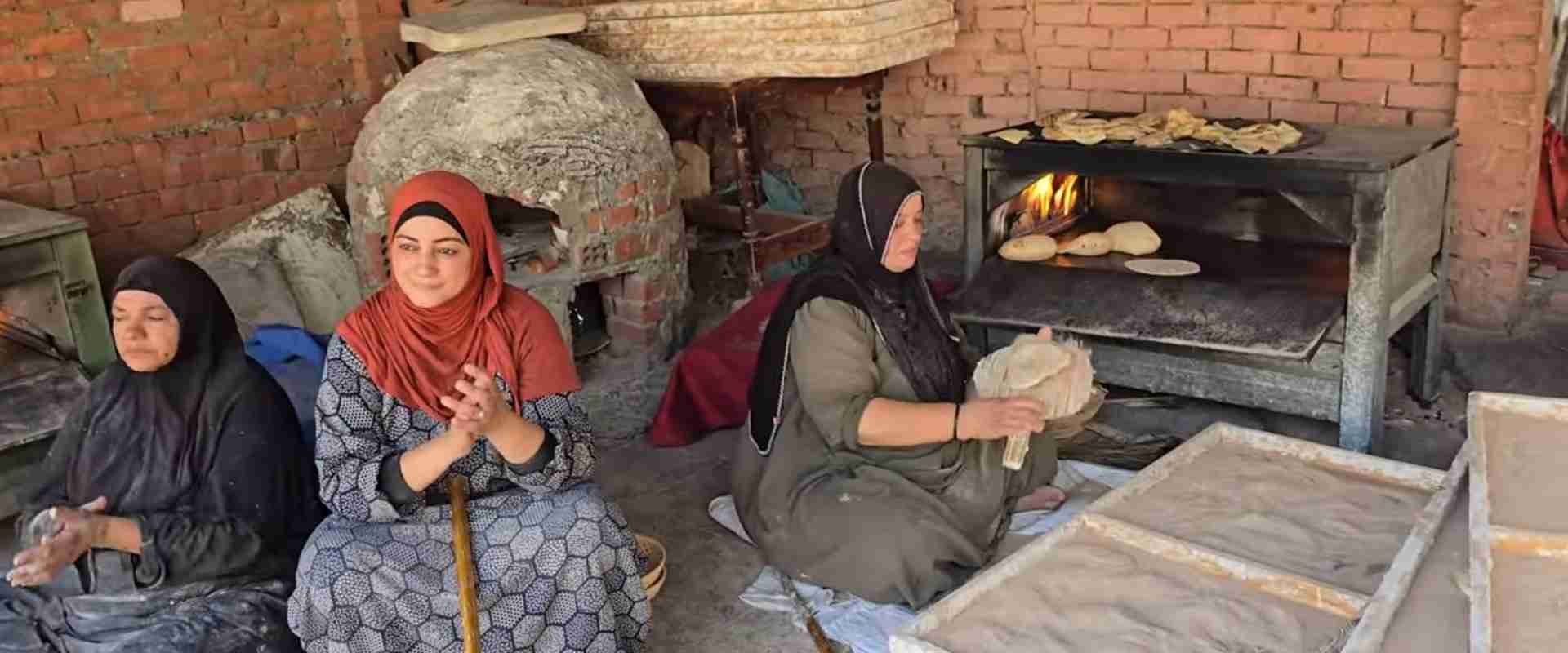
The reverence for the Nile as a life-giving force remains central to Cairene identity, just as it was for ancient Egyptians who viewed the river as a deity. Family structures in Cairo emphasize extended kinship networks and generational continuity in patterns recognizable from ancient Egyptian texts describing family obligations. The Egyptian emphasis on elaborate funeral traditions, multi-day mourning periods, and cemetery visitations connects directly to ancient Egyptian beliefs about the afterlife and the importance of remembering the deceased. Even contemporary Cairene cuisine preserves ingredients and preparation methods documented in ancient Egyptian records, including bread-making techniques, beer production, and the use of specific herbs and spices.
Why is Cairo considered the intellectual center of the Islamic world?
Al-Azhar Mosque and University, founded in 970 CE, established Cairo as the preeminent center of Islamic learning and scholarship. The institution has produced Islamic jurisprudence, theological discourse, and scholarly interpretations that guide Muslim communities worldwide. Al-Azhar’s Grand Imam serves as one of the most influential voices in Sunni Islam, with pronouncements on religious matters carrying weight from Morocco to Indonesia. The university’s curriculum, combining traditional Islamic sciences with modern disciplines, creates scholars who bridge classical Islamic thought with contemporary challenges facing Muslim communities.
Cairo’s intellectual significance extends beyond religious scholarship to encompass political thought, scientific research, and cultural criticism that shapes discourse across the Muslim world. The city’s universities, research institutes, and think tanks produce scholarship addressing modern challenges facing Islamic societies, from governance models to economic development strategies. Cairo’s publishing industry disseminates Islamic texts, from Quranic commentaries to contemporary theological debates, making the city the primary source for religious literature across Arabic-speaking Muslim communities. The capital hosts international Islamic conferences, scholarly symposia, and interfaith dialogues that attract religious leaders, academics, and intellectuals from across the globe, reinforcing Cairo’s position as the intellectual meeting ground for Islamic thought.
What role does Coptic culture play in Cairo’s identity?
Coptic Christians, who comprise approximately 10% of Egypt’s population with significant concentrations in Cairo, maintain cultural traditions that predate Islam’s arrival by six centuries. Coptic Orthodox Christianity represents the direct continuation of Egypt’s Christian heritage from the Roman and Byzantine periods, preserving liturgical languages, artistic traditions, and architectural styles unique to Egyptian Christianity. The Coptic Museum in Old Cairo houses irreplaceable artifacts documenting Egypt’s Christian civilization, while dozens of ancient churches across Cairo demonstrate architectural and artistic traditions distinct from European Christian traditions.
Coptic cultural influence permeates Cairo beyond religious boundaries, particularly in craftsmanship traditions, jewelry-making, textile production, and metalworking that Coptic artisans have practiced for centuries. The Coptic calendar, based on ancient Egyptian solar calculations, continues to influence agricultural timing and festival dates across Egypt regardless of religion. Coptic language preserves the final evolution of ancient Egyptian language, maintaining linguistic connections to Pharaonic Egypt that Arabic cannot provide. The Coptic community’s emphasis on education, professional achievement, and cultural preservation contributes significantly to Cairo’s intellectual and artistic communities, with Copts playing prominent roles in medicine, law, business, and the arts throughout Egyptian history.
Extended multi-day tours – 5+ days
Featured Cairo Multi-Day Tour Packages

3 days
Cairo 3-Day Discovery Tour
- ✓ Comprehensive Cairo experience
- ✓ Expert local guides included
- ✓ All accommodation included
- ✓ Transportation provided
5 days
Cairo 5-Day Highlights Experience
- ✓ Comprehensive Cairo experience
- ✓ Expert local guides included
- ✓ All accommodation included
- ✓ Transportation provided

7 days
Cairo 7-Day Cultural Journey
- ✓ Comprehensive Cairo experience
- ✓ Expert local guides included
- ✓ All accommodation included
- ✓ Transportation provided
10 days
Cairo 10-Day Complete Adventure
- ✓ Comprehensive Cairo experience
- ✓ Expert local guides included
- ✓ All accommodation included
- ✓ Transportation provided
Multi-day tour packages powered by TourRadar. Prices and availability subject to change.
Pharaonic Foundations: Ancient Cultural DNA
Cairo’s location at the apex of the Nile Delta positions it at the geographic and cultural heart of ancient Egyptian civilization, inheriting cultural patterns established over three millennia of Pharaonic rule. The pyramids of Giza, visible from modern Cairo neighborhoods, serve as constant reminders of Egypt’s ancient grandeur and technological sophistication, reinforcing contemporary Egyptian pride in their ancestors’ achievements. Ancient Egyptian concepts of divine kingship, centralized authority, and bureaucratic administration established governmental patterns that continue to influence Egyptian political culture, including expectations around leadership authority and state control.
The ancient Egyptian emphasis on literacy, record-keeping, and administrative precision created cultural values around education and professional competence that persist in Cairo’s contemporary society. Pharaonic Egypt’s artistic traditions established aesthetic principles visible in modern Cairene architecture, decorative arts, and design sensibilities, particularly the emphasis on symmetry, geometric patterns, and symbolic representations. The ancient Egyptian agricultural calendar, based on Nile flooding cycles, continues to structure rural life in villages surrounding Cairo, maintaining temporal rhythms established 5,000 years ago.
Ancient Egyptian religious concepts, particularly beliefs about the afterlife, moral accountability, and cosmic order, profoundly influenced later religious developments in Egypt, including Christianity and Islam. The Pharaonic emphasis on monumental architecture, evident in pyramid construction and temple complexes, created cultural expectations around building scale and grandeur that influenced later Islamic architectural traditions in Cairo. Ancient Egyptian social structures, including professional guilds, craft specializations, and hierarchical organization, established patterns that medieval Cairo’s Islamic guilds and modern professional associations continue to reflect.
Islamic Civilization: Cairo’s Golden Age Cultural Foundations
The Fatimid founding of Cairo in 969 CE established the city as a planned Islamic capital designed to showcase Muslim civilization’s intellectual and artistic achievements. Al-Azhar Mosque became the world’s second-oldest continuously operating university, creating an educational tradition that attracted scholars from across the Islamic world and established Cairo as the center of Sunni Islamic learning. The Fatimid, Ayyubid, and Mamluk dynasties transformed Cairo into one of the medieval world’s largest and most prosperous cities, with cultural production rivaling Baghdad, Damascus, and Cordoba.
Medieval Cairo’s cultural significance manifested in architectural innovations like the muqarnas dome, the minaret architectural tradition, and the madrasa complex combining education, worship, and social services. Islamic artistic traditions flourished in Cairo, producing distinctive calligraphy styles, geometric pattern innovations, and decorative arts that influenced Islamic aesthetics worldwide. The city’s manuscript production, book trade, and library collections preserved and transmitted classical knowledge from Greek, Persian, and Indian sources, making Cairo a crucial link in human intellectual history.
Cairo’s Islamic cultural institutions established models for urban organization that spread across the Muslim world, including the waqf system of religious endowments funding public services, the organization of neighborhoods around central mosques, and the integration of commercial, residential, and religious spaces. The city’s sufi traditions, with dozens of mystical orders establishing zawiya spiritual centers, created alternative paths to Islamic spirituality that influenced Muslim devotional practices across Africa and Asia. Cairo’s role as a center of Quranic recitation developed distinctive recitation styles and training methods that established standards for Quranic performance throughout the Sunni Muslim world.
Modern Egyptian Identity: Cultural Synthesis and National Pride
Cairo functions as the stage where modern Egyptian national identity emerged through the synthesis of Pharaonic heritage, Islamic tradition, and contemporary aspirations. The 19th-century Nahda (Arab Renaissance) centered on Cairo’s intellectual circles, producing Arab nationalism, modernist literature, and cultural reform movements that shaped the entire Arab world. Egyptian cinema, born in Cairo in the 1920s, created a distinctive Arabic film tradition that exported Egyptian cultural values, humor, and social commentary throughout the Middle East and North Africa.
Cairo’s music industry developed uniquely Egyptian musical forms blending ancient melodic structures, Islamic vocal traditions, and modern instrumentation, producing cultural icons like Umm Kulthum whose influence transcends Egypt. The city’s literary community revolutionized Arabic literature through novels, poetry, and essays addressing modern Arab experiences, with Cairo serving as the setting for countless works exploring themes of tradition versus modernity, urban alienation, and social transformation. Cairo’s theater tradition, from classical Arabic drama to contemporary experimental performances, created performance arts that challenge social conventions while celebrating Egyptian cultural identity.
Modern Cairo’s cultural significance extends through its role as the primary producer of Arabic-language educational materials, children’s literature, and popular culture that shapes how Arabic-speaking children and adults understand their world. The city’s fashion industry, while less globally recognized than other cultural sectors, creates distinctive styles blending Islamic modesty requirements with contemporary trends, influencing dress patterns across the Muslim world. Cairo’s sports culture, particularly football fandom, creates communal experiences and social rituals that unite Egyptians across class and regional divisions, with Al-Ahly and Zamalek clubs commanding loyalties that transcend sport into cultural identity markers.
Living Traditions: Daily Cultural Practices
Cairo’s cultural significance manifests most authentically in daily practices maintained across generations in the city’s traditional neighborhoods. The ahwa (coffeehouse) tradition creates male social spaces where political discussion, business negotiation, and community bonding occur over tea, coffee, and shisha, maintaining patterns established centuries ago. Street food vendors serving ta’ameya (Egyptian falafel), koshari, and ful medames preserve culinary traditions connecting contemporary Cairenes to their ancestors while creating communal dining experiences across socioeconomic boundaries.
Wedding celebrations in Cairo maintain elaborate multi-day ceremonies blending pre-Islamic customs, Islamic requirements, and modern innovations, creating ritualized transitions from individual to married life that reinforce family and community bonds. The tradition of afternoon family visits, particularly on Fridays, maintains intergenerational knowledge transmission and family cohesion despite modern urban pressures fragmenting traditional family structures. Ramadan transforms Cairo into a city-wide celebration where sunset iftar meals become communal events, street decorations create festive atmospheres, and nighttime activities continue until dawn, demonstrating Islam’s integration into urban rhythms.
Cairo’s souq (marketplace) tradition preserves medieval commercial practices where haggling, personal relationships between merchants and customers, and craft specialization continue despite modern retail competition. The tradition of naming neighborhoods after historical events, prominent residents, or architectural landmarks maintains historical memory and creates layers of meaning invisible to outsiders but rich with significance for Cairenes. Cemetery visitations during holidays, particularly Eid al-Fitr, maintain connections between living and deceased family members while creating social occasions that reinforce extended family bonds and community identity.
Artistic Heritage: Cairo’s Creative Communities
Cairo’s art scene blends classical Islamic artistic traditions with contemporary international influences, creating distinctive Egyptian aesthetic sensibilities. The city’s calligraphy tradition, with master calligraphers maintaining centuries-old techniques while experimenting with contemporary applications, demonstrates how ancient arts adapt to modern contexts. Cairo’s contemporary visual arts community, centered in neighborhoods like Zamalek and Downtown, produces works engaging with Egyptian history, political challenges, and social transformations through installations, paintings, and multimedia works exhibited globally.
Traditional craft communities in districts like Khan el-Khalili preserve metalworking, textile production, jewelry-making, and woodworking techniques passed through family workshops for generations. These artisans maintain quality standards and aesthetic principles that make their products recognizable as distinctively Egyptian worldwide. Cairo’s graffiti and street art movements, emerging prominently during and after the 2011 revolution, created public art addressing political and social issues while reclaiming urban spaces for creative expression.
The city’s musical heritage encompasses classical Arabic music performed at the Cairo Opera House, Mahraganat electronic shaabi music emerging from working-class neighborhoods, and independent rock and hip-hop scenes creating fusions of Egyptian and global musical traditions. Cairo’s dance traditions, from classical belly dance to folkloric regional dances, preserve movement vocabularies with ancient roots while adapting to contemporary performance contexts. The city’s comedy tradition, from street performers to television stars, creates satirical commentary on Egyptian society that both critiques and celebrates Cairene life.
Educational Legacy: Knowledge Production and Transmission
Cairo’s universities, led by Cairo University and Al-Azhar University, educate hundreds of thousands of Egyptian and international students annually, shaping intellectual development across Africa and the Middle East. The city’s educational institutions produce research addressing challenges specific to developing nations, from water management to sustainable development, contributing knowledge relevant far beyond Egypt’s borders. Cairo’s libraries and archives preserve manuscript collections, historical documents, and cultural materials essential for understanding Islamic, Arab, and African history.
The tradition of private lessons and tutorial systems supplements formal education while maintaining personal mentorship relationships between teachers and students, preserving educational models with roots in medieval madrasas. Cairo’s language schools attract students worldwide seeking to learn Arabic, making the city a center for Arabic language education and the Cairene dialect the standard for Arabic as a second language instruction. The city’s religious education system, training Islamic scholars at Al-Azhar and Coptic priests at theological seminaries, produces religious leaders who serve communities globally.
Cairo’s publishing industry produces textbooks, academic journals, and popular literature distributed throughout the Arabic-speaking world, making Egyptian educational materials standard references from Morocco to Iraq. The city’s scientific research institutions conduct research addressing regional challenges like desert agriculture, renewable energy, and public health, contributing technical knowledge applicable across arid and developing regions. Cairo’s vocational training centers maintain craft traditions and technical skills through apprenticeship programs connecting master craftsmen with new generations of artisans.
Social Structures: Community Organization and Family Systems
Cairo’s neighborhood structure creates micro-communities where residents maintain close relationships, mutual obligations, and collective identities distinct from the broader urban context. The bawwab (doorman) system creates neighborhood security and information networks while providing employment and social support for rural migrants adapting to urban life. Traditional family compounds, where extended families occupy adjacent buildings or floors, maintain kinship networks that provide economic support, childcare, and elder care outside formal institutions.
The tradition of collective problem-solving through neighborhood councils and informal mediators maintains social cohesion and conflict resolution mechanisms independent of state institutions. Gender-segregated social spaces, from male coffeehouses to female visiting networks, create parallel social structures where men and women maintain distinct but complementary community roles. The practice of collective celebrations for weddings, births, and holidays transforms individual family events into neighborhood-wide occasions reinforcing communal bonds.
Cairo’s class structures, while often hierarchical, maintain social mobility pathways through education, entrepreneurship, and professional achievement that allow movement between socioeconomic levels. The tradition of charitable giving, both through formal waqf institutions and informal mutual aid, creates social safety nets supporting vulnerable community members. Professional associations and guilds maintain standards, training, and mutual support systems for occupational groups from lawyers to taxi drivers, creating identity and solidarity beyond family and neighborhood ties.
Religious Pluralism: Coexistence and Competition
Cairo’s religious landscape demonstrates both successful interfaith coexistence and sectarian tensions, creating complex dynamics where Muslims and Christians share neighborhoods, businesses, and friendships while maintaining distinct religious identities. Shared sacred spaces, including sites claimed by multiple religious traditions, create overlap in spiritual geography where pilgrimage routes and holy places attract diverse devotees. Religious festivals, particularly major Islamic holidays and Coptic celebrations, create public manifestations of faith that both celebrate religious identity and demonstrate Egypt’s religious diversity.
Sufi traditions in Cairo maintain mystical Islamic practices including dhikr ceremonies, moulid celebrations honoring saints, and spiritual disciplines that create alternative expressions of Islamic piety beyond orthodox practices. The coexistence of reformist Islamic movements emphasizing scriptural literalism with traditional practices incorporating pre-Islamic customs creates theological diversity within Cairo’s Muslim communities. Coptic-Muslim relationships, while sometimes strained, include long-standing friendships, business partnerships, and intellectual collaborations that demonstrate successful interfaith coexistence at personal levels.
Cairo’s role as seat of both Al-Azhar’s Grand Imam and the Coptic Pope creates dual religious authority centers that influence their respective global communities. The city’s diverse Islamic schools of thought, from conservative Salafi interpretations to progressive reform movements, create theological debates that shape Islamic discourse worldwide. Interfaith dialogue initiatives bring religious leaders, scholars, and communities together addressing shared concerns around poverty, education, and social justice.
Cultural Preservation: Balancing Change and Continuity
Cairo faces constant tensions between development pressures threatening historic neighborhoods and conservation efforts preserving cultural heritage. The demolition of traditional architecture for modern construction eliminates physical spaces where cultural practices occurred while erasing architectural records of Cairo’s layered history. Organizations documenting endangered traditions, from oral histories to craft techniques, race against time to record knowledge held by aging practitioners before it disappears.
Government and NGO initiatives restore historic buildings, establish heritage zones, and create cultural tourism promoting historic preservation while generating economic benefits for traditional neighborhoods. The challenge of adapting traditional crafts to contemporary markets forces artisans to balance maintaining authentic techniques with creating products appealing to modern consumers. Educational programs teaching traditional arts, music, and crafts to young Cairenes combat cultural amnesia while creating new generations of practitioners adapting heritage to contemporary contexts.
Digital documentation projects archive manuscripts, record oral traditions, and photograph endangered buildings creating permanent records of cultural materials at risk. The tension between Islamic architectural conservation emphasizing religious buildings and the need to preserve secular vernacular architecture reflects broader questions about which aspects of Cairo’s heritage deserve preservation resources. Community-based preservation initiatives empower neighborhood residents to identify, document, and protect local cultural landmarks and traditions often overlooked by official heritage programs.
Global Influence: Cairo’s Cultural Reach Beyond Egypt
Egyptian cinema, television, and music produced in Cairo dominate media consumption across the Arab world, making Egyptian cultural products the primary source of entertainment for 400 million Arabic speakers. Cairo-educated religious scholars serve as imams, teachers, and community leaders in Muslim communities worldwide, spreading Cairene interpretations of Islamic practice and thought. Egyptian literature translated into multiple languages introduces global audiences to Arab perspectives, social realities, and cultural traditions through Cairo-centered narratives.
Cairo’s architectural and artistic traditions influence contemporary design across the Muslim world, with architects and artists drawing on Cairene aesthetic principles and decorative traditions. The Egyptian diaspora, numbering millions worldwide, maintains connections to Cairene culture through media consumption, remittances supporting cultural institutions, and return visits reinforcing cultural ties. International academic interest in ancient Egypt, Islamic civilization, and contemporary Arab affairs focuses scholarly attention on Cairo, making the city a primary subject of research across multiple disciplines.
Cultural exchange programs bring international students, artists, and researchers to Cairo, creating networks that amplify the city’s cultural influence through personal relationships and professional collaborations. Cairo’s position as an African megacity influences urban development models, social movements, and cultural trends across the continent, with other African cities looking to Cairo’s experiences navigating modernization challenges. The city’s role as a crossroads between African, Arab, and Mediterranean cultures creates hybrid cultural forms that influence regional identities and artistic expressions across multiple cultural zones.
Contemporary Challenges: Cultural Identity in Transition
Globalization pressures Cairo’s cultural distinctiveness as international media, consumer goods, and lifestyle patterns compete with traditional Egyptian culture for young people’s allegiance. The exodus of rural migrants to Cairo introduces regional cultural variations that both enrich urban diversity and create tensions between traditional Cairene culture and provincial practices. Economic pressures forcing both parents to work outside the home disrupt traditional family structures and intergenerational knowledge transmission previously occurring through daily household interactions.
Digital media transforms how young Cairenes access information and entertainment, potentially disconnecting them from traditional media forms and cultural practices requiring face-to-face interaction. Brain drain of educated professionals leaving Egypt for economic opportunities abroad depletes the city of cultural producers and intellectual leaders who would otherwise contribute to Cairo’s cultural vitality. Political restrictions on artistic expression, journalism, and public discourse constrain cultural production and critical engagement with contemporary Egyptian society.
The tension between secular and religious visions for Egyptian society creates cultural conflicts around appropriate dress, entertainment forms, and social practices, particularly affecting women’s public participation. Gentrification of historic neighborhoods displaces traditional residents and cultural practices, replacing authentic community life with tourist-oriented commercial activities. Environmental degradation, air pollution, and traffic congestion diminish quality of life, making Cairo less livable and potentially driving cultural producers to seek opportunities elsewhere.
FAQ: Understanding Cairo’s Cultural Significance
How does Cairo influence culture across Africa?
Cairo serves as Africa’s largest cultural production center, generating media, music, and arts consumed across the continent. Egyptian films and television shows, dubbed or subtitled, reach audiences throughout Sub-Saharan Africa, introducing Egyptian cultural values and lifestyle patterns to diverse African communities. Al-Azhar University educates Islamic scholars from across Muslim Africa, making Cairo the primary center for Islamic education on the continent. Cairo’s position as headquarters for the African Union and numerous pan-African organizations creates networks facilitating cultural exchange between Egyptian and other African cultural producers. Egyptian music, particularly contemporary pop and hip-hop, influences musical developments across North and East Africa, with Egyptian artists collaborating with musicians from other African countries.
What makes Cairene hospitality culturally significant?
Cairene hospitality traditions reflect ancient Egyptian concepts of ma’at requiring proper treatment of guests and strangers. The cultural expectation that visitors receive generous food offerings, comfortable accommodations, and protection creates social obligations binding hosts and guests in reciprocal relationships. Refusal of hospitality offerings insults hosts by rejecting their generosity and questioning their honor, making acceptance of even token refreshments culturally necessary. The practice of offering hospitality regardless of economic circumstances demonstrates cultural values prioritizing social relationships over material considerations. Hospitality rituals create social bonds transcending transactional relationships, transforming strangers into people with mutual obligations and social connections.
How do Cairo’s cultural traditions accommodate modern lifestyles?
Traditional practices adapt to contemporary realities through creative compromises maintaining cultural essence while adjusting forms. Wedding celebrations compress multi-day traditional ceremonies into single-day events or split them across weekends accommodating work schedules. Family visits shift from daily afternoon gatherings to weekly Friday lunches maintaining intergenerational connections within modern time constraints. Religious obligations like daily prayers adapt to workplace realities through brief breaks or combined prayers accommodating employment schedules. Traditional crafts incorporate modern materials and techniques while maintaining aesthetic principles and quality standards. Gender-segregated social spaces evolve to include mixed-gender professional settings while preserving separate social contexts for gender-specific gatherings.
What role does coffee culture play in Cairene social life?
Coffeehouses serve as male social spaces where political discussions, business negotiations, and community bonding occur outside domestic settings. The tradition of spending hours over tea, coffee, and shisha creates temporal rhythms prioritizing social interaction over efficiency, reflecting cultural values around relationships and leisure. Coffeehouses function as neighborhood information centers where news circulates, gossip spreads, and community consensus forms on local issues. The coffeehouse tradition maintains social hierarchies where seating positions, service order, and deference patterns reflect age, status, and social standing. Regular coffeehouse attendance establishes male social identities and neighborhood belonging, with extended absences noted and questioned by community members.
How does Cairo’s street life reflect Egyptian culture?
Cairo’s streets serve as extended living spaces where social interaction, commercial activity, and entertainment blur boundaries between public and private life. Street vendors providing food, goods, and services create informal economies employing millions while offering affordable products accessible to all economic classes. Spontaneous conversations between strangers reflect cultural values around social openness and the assumption that public space belongs to everyone for interaction and commerce. Children playing in streets demonstrate community childcare approaches where neighbors collectively supervise and discipline children regardless of family relationship. The mixing of vehicular traffic, pedestrians, street vendors, and animals creates chaotic energy reflecting Egyptian cultural comfort with disorder, improvisation, and creative problem-solving.
What significance does the Nile hold in Cairo’s cultural identity?
The Nile remains central to Cairene identity as the life-giving force enabling Egypt’s existence and Cairo’s prosperity. Cultural references to the Nile permeate Egyptian literature, music, and visual arts, with the river serving as metaphor for life, fertility, and continuity. The practice of Nile-side recreation, from felucca rides to riverside cafes, creates leisure activities connecting contemporary Cairenes to ancient traditions of Nile reverence. Environmental concerns about Nile pollution and reduced water flow create anxieties extending beyond practical considerations to cultural fears about losing connection to Egypt’s foundational geographic feature. The Corniche promenade serves as Cairo’s primary public space where Egyptians from all backgrounds gather, making the Nile’s edge a democratizing social zone transcending class divisions.
How do Cairo’s neighborhoods maintain distinct cultural identities?
Historic neighborhoods preserve cultural micro-traditions through architectural styles, commercial specializations, and social practices distinguishing them from adjacent areas. Islamic Cairo maintains traditional crafts, religious institutions, and medieval urban patterns creating cultural continuity with the Mamluk period. Coptic Cairo preserves Christian traditions, ancient churches, and communal practices connecting modern Copts to Egypt’s Christian heritage. Garden City’s early 20th-century architecture and cosmopolitan history maintain European-influenced cultural patterns distinct from traditional Egyptian neighborhoods. Zamalek’s island location, upscale residences, and arts galleries create bohemian cultural identity attracting artists and intellectuals. Working-class neighborhoods like Imbaba develop distinct musical forms, social practices, and commercial activities reflecting residents’ rural origins and economic circumstances.
What cultural tensions exist in contemporary Cairo?
Generational divides separate young Cairenes influenced by global media from elders maintaining traditional values, creating conflicts around appropriate behavior, career choices, and lifestyle decisions. Religious-secular tensions manifest in debates over Islamic law application, women’s public roles, and state religious authority. Class divisions create parallel cultural worlds where wealthy Cairenes and working-class residents inhabit the same city but participate in entirely different cultural spheres. Gender issues create ongoing negotiations around women’s public participation, appropriate dress, and behavioral expectations in mixed-gender spaces. Urban-rural divides manifest in cultural conflicts when rural migrants bring provincial practices into conflict with traditional Cairene urban culture. Political restrictions limiting free expression create tensions between artists and intellectuals seeking creative freedom and state authorities demanding cultural production serve nationalist narratives.
How does Cairo’s cuisine reflect cultural synthesis?
Cairene food combines Pharaonic agricultural products, Mediterranean ingredients, Turkish Ottoman influences, and contemporary innovations creating distinctive Egyptian cuisine. Staple dishes like koshari (mixing Italian pasta, Indian lentils, and Egyptian spices) demonstrate Cairo’s role as cultural crossroads synthesizing diverse influences. Street food traditions create democratic dining where all social classes consume the same foods, breaking down barriers separating economic groups. The emphasis on communal dining, shared plates, and extended meals reflects cultural values prioritizing social relationships over efficiency. Religious dietary restrictions from Islamic halal requirements and Coptic fasting periods influence ingredient choices and cooking methods across Egyptian cuisine. The tradition of food gifts between neighbors, particularly during Ramadan, maintains reciprocal relationships and community bonds through culinary exchange.
What future challenges face Cairo’s cultural preservation?
Rapid development threatens historic neighborhoods with demolition, displacing traditional cultural practices and communities maintaining authentic traditions. Economic pressures force artisans to abandon traditional crafts for more profitable work, endangering craft knowledge accumulated over centuries. Globalization introduces cultural homogenization pressures replacing distinctively Egyptian practices with international lifestyle patterns. Environmental degradation makes Cairo increasingly unlivable, potentially driving cultural producers to emigrate and depleting the city of creative talent. Digital transformation disrupts traditional knowledge transmission by eliminating face-to-face mentorship relationships through which cultural knowledge previously passed between generations. Political instability creates uncertainty discouraging long-term cultural institution investment and international cultural exchange partnerships essential for Cairo’s global cultural position.