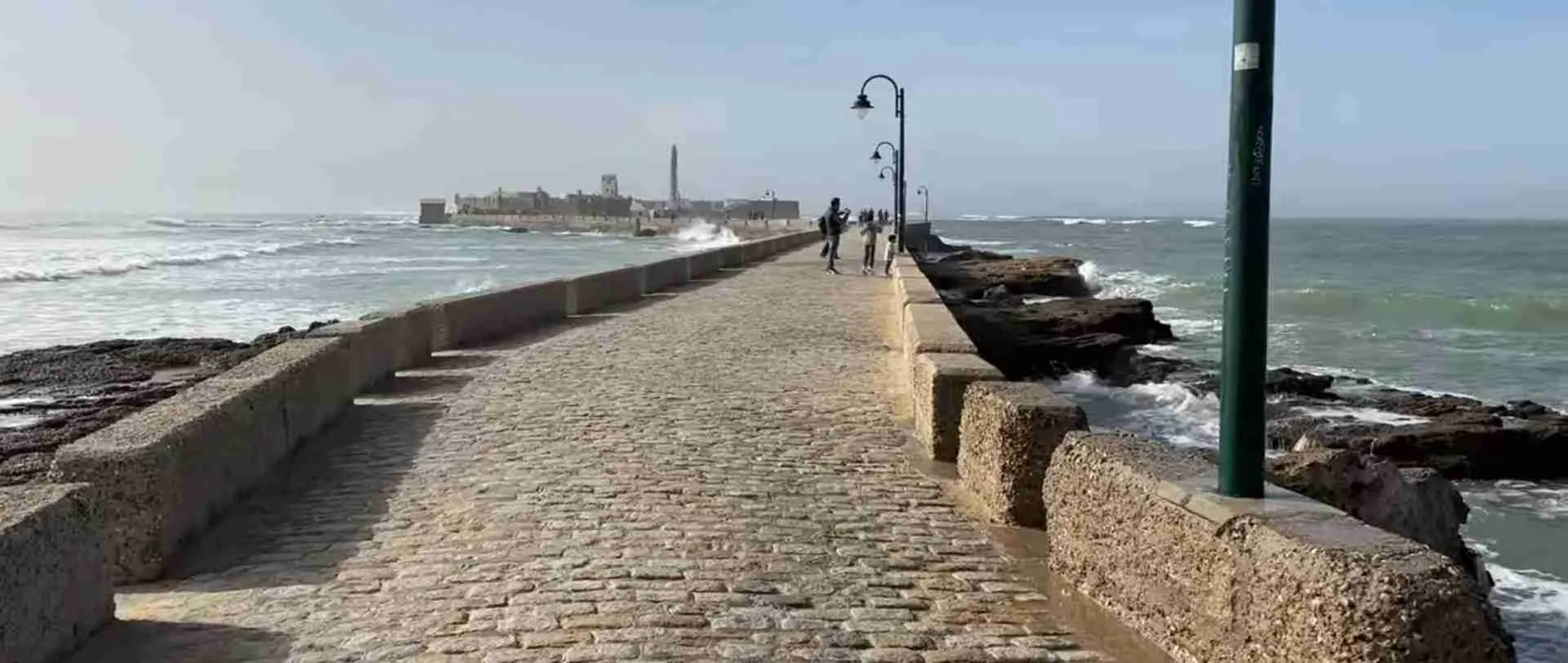
Cádiz Travel Guide 2026: Spain’s Oldest City & Atlantic Heritage
Key Takeaways:
- Cádiz is Western Europe’s oldest continuously inhabited city, founded by Phoenicians around 1100 BCE with 3,000 years of maritime heritage and Atlantic culture
- Cathedral admission costs €7 for adults in 2026, Torre Tavira €6, and combined city museum pass €15 (check official tourism websites for current rates as pricing may vary)
- April through June and September through October offer optimal weather conditions with temperatures 18-25°C, fewer crowds than summer, and lower accommodation rates
- The city sits on a narrow peninsula connected to mainland Spain, accessible by direct trains from Seville (2 hours, €12-18) and buses from major Andalusian cities
- Budget travelers spend €60-85 daily, mid-range visitors €120-180, while luxury experiences cost €250-400 per person in 2026
- Carnival in February transforms Cádiz into Spain’s most vibrant street festival, requiring advance bookings 4-6 months ahead for accommodation
Planning Your Cádiz Visit in 2026
Cádiz stands as Western Europe’s oldest continuously inhabited city, where Phoenician traders established their settlement around 1100 BCE on a strategic Atlantic peninsula. This ancient maritime capital evolved through Roman occupation as Gades, Moorish rule as Qādis, and Golden Age prominence as Spain’s gateway to the Americas. The city’s 3,000-year heritage manifests in archaeological layers beneath modern streets, baroque cathedral towers rising above whitewashed neighborhoods, and fortress walls that once protected treasure fleets from New World colonies.
Modern Cádiz balances historical preservation with contemporary Andalusian life across its compact 12-square-kilometer peninsula. The historic center concentrates around Plaza de San Juan de Dios, where travelers find the neoclassical town hall, covered market selling Atlantic seafood, and narrow streets leading to hidden plazas. La Caleta beach divides the peninsula, offering urban swimming between two fortresses, while the newer Playa de la Victoria extends 3 kilometers along the Atlantic coast with golden sand and beach bars serving pescaíto frito.
Planning a 2026 Cádiz visit involves understanding the city’s seasonal patterns, transportation connections, and cultural calendar. The compact old town allows exploration on foot, with most major attractions within 20-minute walks from each other. Spring and autumn provide ideal conditions for discovering archaeological sites, climbing baroque towers, and experiencing local gastronomy without summer crowds. The city’s position on Spain’s southwestern coast creates distinct Atlantic weather patterns, ocean-influenced temperatures, and dramatic sunset views that differ from Mediterranean destinations.
This guide provides comprehensive planning information for 2026 Cádiz visits, covering practical logistics, budget strategies, seasonal timing, accommodation options, and cultural experiences. From ancient Phoenician settlements to contemporary seafood markets, from baroque architecture to Carnival celebrations, Cádiz offers travelers an authentic Andalusian experience shaped by centuries of Atlantic maritime heritage.
People Also Ask About Cádiz 2026
How many days do you need in Cádiz in 2026?
Three days allow comprehensive exploration of Cádiz’s historic center, beaches, and major attractions in 2026. Day one covers the Cathedral, Torre Tavira, and old town neighborhoods. Day two focuses on fortress sites, archaeological museum, and La Caleta beach. Day three enables day trips to nearby Jerez de la Frontera for sherry bodegas or El Puerto de Santa María for coastal experiences. Two-day visits work for focused travelers prioritizing key monuments and gastronomic experiences, while four to five days permit deeper cultural immersion, additional beach time, and exploration of Bay of Cádiz coastal towns.
What is Cádiz most famous for in 2026?
Cádiz ranks as Western Europe’s oldest continuously inhabited city, founded by Phoenician traders around 1100 BCE. The city gained international fame as the departure point for Christopher Columbus’s second and fourth voyages to the Americas, later becoming Spain’s most important Atlantic port during the Golden Age. Modern Cádiz attracts visitors for its February Carnival celebration, considered Spain’s best street festival with elaborate costumes, satirical performances, and ten days of public revelry. The city’s culinary reputation centers on pescaíto frito (fried fish), Atlantic seafood from the Bay of Cádiz, and traditional taverns serving manzanilla sherry and local specialties.
Is Cádiz worth visiting in 2026?
Cádiz delivers exceptional value for travelers seeking authentic Andalusian experiences away from mass tourism in 2026. The city offers 3,000 years of archaeological heritage, baroque architecture, Atlantic beaches within walking distance of historic centers, and gastronomic traditions focused on fresh seafood. Daily costs run 30-40% lower than Seville or Granada, with excellent tapas bars, local markets, and free beach access. The compact peninsula layout enables car-free exploration, while proximity to Jerez’s sherry triangle, Costa de la Luz beaches, and white villages creates diverse day trip opportunities. Spring and autumn visits provide optimal weather conditions, cultural events, and lower prices compared to summer high season.
What is the best month to visit Cádiz in 2026?
May stands as the optimal month for visiting Cádiz in 2026, combining pleasant temperatures of 18-24°C, minimal rainfall, longer daylight hours, and spring festivities. The city celebrates Cruz de Mayo with decorated crosses in neighborhoods, outdoor concerts, and traditional events. Ocean temperatures reach 17-18°C for swimming, beaches operate without summer crowds, and accommodation prices remain 25-35% below July-August rates. April and early June offer similar advantages with slightly cooler conditions. September provides excellent alternatives with warm ocean temperatures of 20-21°C, harvest season gastronomy, and post-summer price reductions while maintaining good weather conditions.
Extended multi-day tours – 5+ days
Featured Cadiz Multi-Day Tour Packages

3 days
Cadiz 3-Day Discovery Tour
- ✓ Comprehensive Cadiz experience
- ✓ Expert local guides included
- ✓ All accommodation included
- ✓ Transportation provided

5 days
Cadiz 5-Day Highlights Experience
- ✓ Comprehensive Cadiz experience
- ✓ Expert local guides included
- ✓ All accommodation included
- ✓ Transportation provided

7 days
Cadiz 7-Day Cultural Journey
- ✓ Comprehensive Cadiz experience
- ✓ Expert local guides included
- ✓ All accommodation included
- ✓ Transportation provided

10 days
Cadiz 10-Day Complete Adventure
- ✓ Comprehensive Cadiz experience
- ✓ Expert local guides included
- ✓ All accommodation included
- ✓ Transportation provided
Multi-day tour packages powered by TourRadar. Prices and availability subject to change.
Essential Planning Information 2026
Current Costs and Pricing Breakdown for 2026
Cathedral admission costs €7 for adults, with reduced rates of €5 for students and seniors in 2026. The Torre Tavira camera obscura charges €6 for adults, €4.50 for reduced admission. Combined city museum pass covering Museo de Cádiz, Roman Theatre, and Casa del Obispo costs €15 for adults (check official tourism websites for current rates as pricing may vary). Individual museum entries range €3-6, while fortress sites charge €3-5 for access. Many churches offer free entry outside mass times, including the Oratorio de San Felipe Neri where Spain’s first liberal constitution was drafted in 1812.
Guided walking tours of the old town cost €15-25 per person for 2-3 hour experiences. Specialized tours focusing on Phoenician archaeology, baroque architecture, or gastronomic routes charge €35-55. Flamenco tablao shows in the historic center range €25-40 including one drink, with dinner packages costing €50-75. Cooking classes teaching pescaíto frito techniques and Andalusian seafood preparation charge €65-95 for 3-4 hour sessions including market visits and meal consumption.
Transportation Options and Schedules for 2026
Renfe trains connect Cádiz with Seville in 1 hour 50 minutes, with tickets costing €12.30-18.50 depending on train type and booking timing. Trains operate every 1-2 hours throughout the day, with first departures around 6:30 AM and last services after 9 PM. Madrid requires connections in Seville, with total journey times of 4-5 hours. Advance booking online through Renfe website provides 20-40% discounts compared to station purchases, particularly for AVE and Avant services.
Comes buses serve routes from Seville (2 hours, €12-16), Jerez (30 minutes, €3.50-5), and Tarifa (2 hours, €15-20). Regional buses reach white villages like Arcos de la Frontera and coastal towns along Costa de la Luz. The main bus station sits on Plaza de la Hispanidad near the old town entrance, with ticket offices and information desks operating 7 AM-10 PM.
Cádiz airport closed to commercial flights in 2012, with nearest service at Jerez Airport 40 kilometers away. Airport buses run to Cádiz in 50 minutes for €4.50, while taxis charge €50-65 for direct transfers. Seville Airport offers more international connections, located 120 kilometers from Cádiz with bus services operating 3-4 times daily for €16-22.
Best Time to Visit Cádiz in 2026
Seasonal Analysis for 2026 Planning
Spring (March-May) creates ideal conditions for Cádiz exploration with temperatures ranging 15-24°C, low rainfall after March, and blooming jacaranda trees coloring streets purple in April. March sees some rainfall but fewer crowds, with accommodation prices 30-40% below summer rates. April combines excellent weather with Semana Santa processions, though Easter week requires advance bookings. May delivers peak spring conditions with warm temperatures, minimal rain, longer days, and Cruz de Mayo celebrations throughout neighborhoods. Ocean temperatures reach 16-18°C for brave swimmers, while beaches remain uncrowded for walking and sunset viewing.
Summer (June-August) brings peak tourist season with temperatures 25-32°C, minimal rainfall, and Atlantic breezes moderating heat compared to inland Andalusia. July and August see maximum crowds at Playa de la Victoria, higher accommodation prices, and fully booked beach restaurants. Ocean temperatures warm to 20-22°C for comfortable swimming. The city celebrates San Juan on June 23rd with beach bonfires and midnight swimming traditions. Concert series, outdoor cinema, and beach bars operate full schedules. Expect 35-45% higher accommodation costs and advance booking requirements for quality properties.
Autumn (September-November) provides excellent value with September maintaining summer warmth at 23-28°C, October cooling to comfortable 18-24°C, and November bringing occasional rainfall. September offers the best combination of warm ocean temperatures (20-21°C), reduced crowds after school returns, and 20-30% lower accommodation prices. October features harvest season gastronomy, wine festivals in nearby Jerez, and perfect temperatures for walking tours. November sees more unpredictable weather but delivers the lowest prices and authentic local atmosphere without tourists.
Winter (December-February) transforms Cádiz during Carnival season, typically falling in February with exact dates varying annually. The 2026 Carnival runs February 19-March 1, creating Spain’s most vibrant street festival with costume competitions, satirical chirigotas performances, and continuous celebrations. Accommodation during Carnival requires booking 4-6 months ahead, with prices 60-80% above normal rates. December and January offer mild temperatures of 12-18°C, occasional rainfall, and very low tourist numbers. Winter provides authentic experiences of local life, excellent gastronomy focused on hearty dishes, and budget-friendly prices for long-term stays.
Weather Patterns and Crowd Predictions for 2026
Atlantic weather systems create distinct patterns in Cádiz compared to Mediterranean Andalusia. Strong Levante winds from the east bring hot, dry conditions particularly in summer months, while Poniente winds from the west deliver cooler, humid air and occasional precipitation. Wind patterns affect beach conditions significantly, with Levante creating choppy waters unsuitable for swimming but excellent for windsurfing and kitesurfing. Calm days occur most frequently in April, May, September, and October.
Rainfall concentrates between November and March, with December and January receiving 70-90mm monthly. February sees reduced precipitation despite Carnival celebrations. March transitions toward dry season with 40-50mm rainfall. April through October remain largely dry, with occasional brief showers. The city experiences 300+ sunny days annually, providing reliable weather for outdoor activities most of the year.
Crowd levels peak during Carnival week, Semana Santa (varies annually, March 30-April 6 in 2026), July-August summer holidays, and long weekends throughout the year. May, early June, September, and October offer the best balance of good weather and moderate tourist numbers. November through early February see minimal international visitors, creating authentic local atmosphere but with some restaurants and attractions operating reduced hours.
Accommodation Strategies for 2026
Budget Accommodation Options in 2026
Hostels in Cádiz’s old town charge €18-28 per bed in shared dormitories during low season, rising to €25-38 in summer months. Cadiz Inn Backpackers on Calle San Francisco offers social atmosphere, roof terrace with cathedral views, and organized activities for €22-32 per bed. Hostel Inturjoven on Calle Diego Arias operates year-round with modern facilities, breakfast included, and rates of €20-30 for youth hostel members.
Budget hotels and guesthouses provide private rooms for €45-70 nightly in low season, €65-95 in shoulder seasons, and €85-130 during summer. Pension Centro Sol near Plaza de las Flores offers basic but clean rooms with shared bathrooms for €40-65. Hotel Argantonio combines central location with period architecture, charging €55-85 for doubles with breakfast. Casa Caracol provides boutique guesthouse experience in restored 18th-century building for €70-110 including breakfast and rooftop terrace access.
Apartment rentals through booking platforms offer excellent value for groups or extended stays, with one-bedroom units in the old town costing €50-80 nightly in low season, €75-120 in shoulder periods, and €110-180 during summer. Two-bedroom apartments accommodate up to four people for €80-140 in off-peak, €120-200 in shoulder seasons. Weekly rentals often include 15-20% discounts, while monthly stays attract 30-40% reductions from nightly rates.
Mid-Range and Luxury Options for 2026
Mid-range hotels occupying restored historic buildings charge €90-150 nightly in low season, €130-200 in shoulder periods, and €180-280 during summer peaks. Hotel Parador Atlántico overlooks La Caleta beach with modern comfort, sea views, and rates of €120-190 including breakfast buffet. Monte Puertatierra Hotel provides contemporary design near Playa de la Victoria for €95-165 with parking included. Boutique properties like Hotel Convento Cádiz convert religious buildings into luxury accommodations, charging €140-240 for rooms with historic architectural details.
Luxury hotels deliver premium experiences for €200-350 nightly in low season, €280-450 in shoulder periods, and €350-600 during summer and Carnival. Senator Cádiz Spa Hotel offers beachfront location on Playa de la Victoria with rooftop pool, spa facilities, and sea-view rooms for €180-320. Las Cortes de Cádiz occupies restored 19th-century building with boutique styling, central location, and rates of €160-280 including breakfast. Top-tier properties include rooftop terraces, gourmet restaurants, spa services, and concierge assistance for reservations and experiences.
Book accommodation 3-4 months ahead for spring and autumn visits, 4-6 months for summer high season. Carnival requires 6-9 months advance reservations, with many properties selling out completely or implementing 3-4 night minimum stays. Semana Santa week also demands early booking. Shoulder season allows more flexibility, with good availability booking 4-6 weeks ahead. Winter months offer last-minute deals through booking platforms, though selection narrows as properties close for renovations.
Sample 2026 Itineraries
One-Day Cádiz Discovery Itinerary with Costs
Begin at Plaza de San Juan de Dios to explore the neoclassical town hall and covered market selling fresh Atlantic seafood. Walk to the Cathedral (€7 admission) to climb Torre Poniente for panoramic peninsula views, examining baroque facades and neoclassical dome. Continue to Torre Tavira (€6) for camera obscura demonstrations showing real-time city views through optical systems. Explore surrounding streets to discover Plaza de las Flores with flower stalls and cafe terraces, plus the Roman Theatre ruins offering free access to archaeological remains from the 1st century BCE.
Take lunch at traditional tavern for €15-22 per person, ordering pescaíto frito selections with local manzanilla sherry. Walk through Barrio del Pópulo, Cádiz’s oldest neighborhood with narrow medieval streets, whitewashed houses, and hidden plazas. Visit Casa del Obispo museum (€3) to see archaeological excavations beneath the episcopal palace revealing Phoenician, Roman, and medieval layers. Continue to La Caleta beach for coastal walking and sunset views between fortress walls, then explore Barrio de la Viña to experience the most authentic neighborhood famous for Carnival traditions and seafood restaurants.
Cathedral €7, Torre Tavira €6, Casa del Obispo €3, lunch €15-22, dinner €25-35, coffee and snacks €8-12. Total day cost: €64-85 per person.
Three-Day Comprehensive Cádiz Experience with Budget Breakdown
Day One – Historic Center and Monuments: Start with Cathedral complex and tower climbing (€7), then Torre Tavira camera obscura (€6). Visit Museo de Cádiz (included in €15 city pass) to see Phoenician sarcophagi and fine arts collection. Explore old town neighborhoods discovering churches, plazas, and market atmosphere. Take guided walking tour (€20) for historical context and hidden corners. Evening tapas route in Barrio de la Viña sampling local specialties.
Day one costs: Cathedral €7, Torre Tavira €6, city museum pass €15, guided tour €20, lunch €18-25, dinner €28-38, transportation €3, snacks €8-12. Total: €105-126 per person (excluding accommodation).
Day Two – Fortresses and Beaches: Visit Castillo de Santa Catalina (€3) on La Caleta beach examining fortress architecture and temporary exhibitions. Walk La Caleta beach to Castillo de San Sebastián (€3) for Atlantic views and cultural installations. Afternoon at Playa de la Victoria for swimming and beach bar lunch (€12-18). Evening flamenco show (€30) in atmospheric old town venue with drink included. Dinner in modern tapas bar trying contemporary interpretations of local cuisine.
Day two costs: Castillo Santa Catalina €3, Castillo San Sebastián €3, beach lunch €12-18, flamenco show €30, dinner €30-40, bus tickets €3, gelato and drinks €10-15. Total: €91-112 per person (excluding accommodation).
Day Three – Day Trip to Jerez de la Frontera: Take morning train to Jerez (€3.50 each way) for sherry bodega tours and equestrian shows. Visit González Byass bodega for comprehensive tour and tasting (€18-25). Explore historic center discovering Gothic cathedral and Moorish fortress. Return to Cádiz for sunset dinner at seaside restaurant overlooking the Atlantic.
Day three costs: Train tickets €7, bodega tour €18-25, Jerez lunch €15-22, Cádiz dinner €35-45, additional tasting €15-20, snacks €8-12. Total: €98-131 per person (excluding accommodation).
Three-day total activities and meals: €294-369 per person, plus accommodation €135-420 depending on category selected (€45-140 nightly). Combined three-day budget: €429-789 per person.
Transportation Guide 2026
Public Transport Options and Costs for 2026
Cádiz operates compact bus network covering the peninsula and newer neighborhoods, with single tickets costing €1.30 purchased on board. Ten-ride bonobús cards cost €8, providing 38% savings for multiple journeys. Tourist passes offer unlimited travel for 1 day (€4.50) or 3 days (€10). Main bus routes connect the old town with Playa de la Victoria, train station, and bus terminal. Buses run every 15-30 minutes during daytime, reducing to hourly service after 10 PM.
The city center measures just 2 kilometers from north to south, making walking the most practical transportation method for old town exploration. Most attractions concentrate within 10-15 minute walks from Plaza de San Juan de Dios. Comfortable walking shoes prove essential for cobblestone streets, while the flat terrain enables easy navigation without significant climbing beyond tower ascents.
Bicycle rentals cost €10-15 daily, €40-60 weekly, with multiple shops near the old town and Playa de la Victoria. The city maintains bike lanes along main avenues and beachfront, though narrow old town streets require walking bikes or using alternative routes. Municipal bike-sharing system charges €3 daily subscription plus usage fees based on time, suitable for residents rather than short-term visitors.
Private Transport and Alternatives for 2026
Taxis charge €1.50 base fare plus €0.85 per kilometer within city limits, with typical old town to Playa de la Victoria rides costing €6-9. Train station to old town runs €8-12, while bus station transfers cost €7-10. Taxis wait at designated ranks in main plazas, or travelers call Radio Taxi Cádiz at fixed phone numbers. Ride-sharing apps operate with limited availability compared to larger Spanish cities.
Car rentals make little sense for Cádiz city exploration due to narrow streets, limited parking, and walking-friendly distances. The old town restricts vehicle access to residents only, with parking garages on the periphery charging €18-25 daily. However, cars provide excellent options for exploring Bay of Cádiz coastal towns, white villages inland, and Costa de la Luz beaches. Rental rates start €30-45 daily for economy cars, €50-75 for mid-size vehicles, with advance online booking providing 20-30% discounts compared to airport counters.
Day trip transportation to nearby destinations costs €3.50-5 for trains to Jerez, €12-16 for buses to Seville, €8-12 for buses to Tarifa. Organized day tours including transportation, guide, and admission fees charge €55-85 per person for sherry triangle experiences, €65-95 for white villages routes, and €75-110 for Gibraltar and Tangier combinations. These packages provide convenience and comprehensive experiences while eliminating navigation and language concerns for international visitors.
Money-Saving Strategies for 2026
Advance Booking Benefits and Timing
Book accommodation 3-4 months ahead for 15-25% discounts compared to last-minute rates, with additional savings for non-refundable reservations. Train tickets from Renfe offer 20-40% discounts when purchased online 15-60 days before travel, with highest savings for advance booking of AVE services. Museum passes providing access to multiple sites cost €15 compared to €25-30 for individual admissions. Walking tours booked online directly with operators save €5-10 per person versus street sign-ups.
Carnival accommodation requires booking 6-9 months ahead to secure reasonable rates, with prices doubling or tripling during festival week. Early reservations ensure selection of properties and neighborhoods before sellout. Similarly, Semana Santa week demands 4-6 months advance planning for decent prices and availability. Summer high season benefits from 3-4 month booking windows, while shoulder seasons allow 6-8 weeks for good deals.
Seasonal Optimization Tips for 2026
Visit during May, early June, September, or October for optimal weather with 25-35% lower accommodation costs than July-August. Shoulder season maintains excellent temperatures, functional beach facilities, and all attractions operating full hours while delivering significant savings. September offers particular value with warm ocean temperatures, harvest season gastronomy, and post-summer price drops.
November through March provides rock-bottom prices outside Carnival week, with accommodation 40-50% below summer rates. Winter delivers authentic local atmosphere, excellent seafood season, and uncrowded museums and monuments. Pack layers for variable weather and expect occasional rainfall, but benefit from genuinely local experiences and budget-friendly costs. Many restaurants offer menú del día lunches year-round for €12-16 including three courses, bread, and drink – book tables early as locals fill these spots.
Eat at neighborhood taverns in Barrio de la Viña or near Mercado Central rather than tourist-oriented restaurants on main plazas, saving 30-40% on equivalent quality. Lunch proves cheaper than dinner, with restaurants offering substantial portions for €10-15 during afternoon service. Local wine from Cádiz province costs €2-4 per glass versus €5-8 for premium selections. Markets sell fresh produce, cheeses, and charcuterie for picnic assembly, with bread from traditional panaderías completing budget-friendly beach meals.
Cultural Experiences and Activities 2026
Gastronomic Traditions and Dining for 2026
Cádiz’s culinary identity centers on fresh Atlantic seafood prepared simply to highlight ocean flavors. Pescaíto frito represents the signature dish – small fish and seafood lightly battered and fried in olive oil, served in paper cones at beach bars and traditional taverns. Local species include boquerones (anchovies), chocos (cuttlefish), calamares (squid), and urta (sea bream). Taverns charge €8-15 for generous portions, while beach chiringuitos offer €12-20 for mixed selections with sea views.
Traditional establishments like El Faro, Casa Manteca, and La Gorda te da de Comer maintain generations of gastronomic heritage. These taverns serve ortiguillas (sea anemones), tortillitas de camarones (shrimp fritters), and cazón en adobo (marinated dogfish) alongside manzanilla sherry from nearby Sanlúcar de Barrameda. Expect €20-35 per person for substantial tavern dining with wine. Modern tapas bars interpret local ingredients through contemporary techniques, charging €4-8 per tapa with tasting menus at €35-55.
Mercado Central operates Monday through Saturday mornings selling fresh seafood landed at Bay of Cádiz ports, local vegetables, olives, cheeses, and charcuterie. The market atmosphere peaks before noon when locals shop for daily cooking. Surrounding bars serve market-fresh seafood at lunch for €12-18 per person. Food tours combine market visits, tavern tastings, and cultural context for €45-65 per person in 3-4 hour experiences.
Carnival and Cultural Celebrations for 2026
Cádiz Carnival runs February 19-March 1 in 2026, transforming the city into Spain’s most uninhibited street festival. Unlike formal carnival parades in other cities, Cádiz celebrates through spontaneous street performances, satirical singing groups called chirigotas, and elaborate costumes. Groups compete in official contests at Teatro Falla, with performances broadcast citywide and tickets selling out months ahead (€15-35 for preliminary rounds, €45-75 for finals).
Street celebrations operate continuously during Carnival week, with neighborhoods hosting performances, costume contests, and impromptu parties. No admission fees apply to street festivities, though crowded bars charge premium prices for drinks. Traditional costume rental shops offer period outfits for €30-60, while many visitors create DIY costumes or dress in everyday party attire. The festival peaks on Carnival Sunday and Monday with largest crowds, most elaborate costumes, and citywide celebration reaching maximum intensity.
Beyond Carnival, Cádiz celebrates Cruz de Mayo in early May with neighborhoods decorating crosses with flowers and organizing traditional events. June brings San Juan beach bonfires on June 23rd with midnight swimming traditions. August features Virgen del Rosario maritime processions with decorated boats. September’s wine harvest celebration connects to nearby Jerez, while December creates Christmas markets and nativity scenes in churches and plazas throughout the old town.
Booking Your 2026 Cádiz Experience
Official Booking Channels and Resources
Cathedral tickets book online through official Cádiz Cathedral website or purchase at site ticket office, with online booking recommended for summer visits to avoid queues. Torre Tavira admits visitors without advance reservations except during peak summer hours when brief waits occur. Museo de Cádiz requires no advance booking, operating Tuesday through Sunday with free admission for EU citizens, €1.50 for others.
Accommodation books through major platforms like Booking.com, Airbnb for apartments, or direct hotel websites for best rate guarantees. Direct booking often includes breakfast, parking, or other perks unavailable through third-party sites. Compare prices across platforms and hotel sites before finalizing reservations. Properties in old town require early booking for Carnival and Semana Santa, while summer season benefits from 2-3 month advance planning.
Train tickets purchase through Renfe.com website or app, with English language options and credit card payment. Create account for faster checkout and saved passenger details. Book 60 days ahead when reservations open for maximum advance purchase discounts. Print tickets or save mobile versions on phone for conductor scanning. Bus tickets for longer routes book through company websites or purchase at bus station, though advance reservation proves unnecessary except for holiday weekends.
Tour Operators and Organized Experiences for 2026
Local walking tour companies operate daily departures for historic center tours, tapas routes, and specialty experiences. Companies like Free Tour Cádiz offer tip-based walking tours departing from Plaza de San Juan de Dios at 10:30 AM and 5 PM daily, lasting 2 hours with English-speaking guides. Specialized paid tours charge €20-35 for focused experiences including archaeological heritage, baroque architecture, or gastronomic traditions. Book online through company websites or platforms like GetYourGuide, Viator for convenience and reviews from previous participants.
Day trip operators organize sherry triangle tours to Jerez bodegas for €55-75 including transportation, guide, bodega visits, and tastings. White villages tours explore Arcos de la Frontera and surrounding hill towns for €65-85. Some companies offer combination experiences visiting Gibraltar and Tangier in single day trips for €95-130 with ferry crossings and guide services included. These organized options eliminate navigation concerns while providing cultural context and efficient routing for limited timeframes.
Cooking classes book through local culinary schools and gastronomic tourism operators, with experiences teaching pescaíto frito techniques, seafood preparation, and traditional recipes for €65-95 per person. Classes include market visits, ingredient explanations, cooking instruction, and meal consumption. Flamenco shows in intimate tablaos book through venue websites or hotel concierges, with performances typically scheduled 9 PM and 11 PM. Tickets cost €25-40 including one drink, with dinner packages at €50-75 providing reserved seating and full meals before performances.
Planning Your 2026 Visit
Entry Requirements and Documentation
Spain participates in Schengen Area allowing visa-free entry for US, Canadian, Australian, and many other passport holders for stays up to 90 days within 180-day period. Visitors from these countries need only valid passports with minimum six months validity beyond planned departure date. EU citizens use national ID cards for entry without additional documentation. Travelers from countries requiring Schengen visas must apply through Spanish consulates before departure, with processing taking 15-30 days.
No special health documentation applies for Cádiz visits in 2026, though travelers should verify current requirements closer to departure dates. EU citizens use European Health Insurance Card for access to Spanish public healthcare system. Non-EU visitors need comprehensive travel insurance covering medical emergencies, with policies costing €40-80 for two-week coverage depending on age and coverage levels. Pharmacies throughout Cádiz provide medications without prescriptions for common ailments, with staff offering guidance on appropriate treatments.
Practical Logistics and Services
Cádiz operates with reliable mobile network coverage throughout the city and surrounding areas. Major EU carriers work seamlessly under roaming regulations. International visitors purchase Spanish SIM cards from Orange, Vodafone, or Movistar shops for €15-25 including 5-10GB data and local calls. Tourist offices, many restaurants, and accommodations provide free WiFi for internet access without mobile data consumption.
ATMs throughout the old town and modern neighborhoods accept international cards, with Santander and BBVA banks charging no withdrawal fees for many foreign cards. Exchange rates through ATM withdrawals beat currency exchange offices by 2-4%. Notify banks before travel to prevent fraud blocks on foreign transactions. Most restaurants, hotels, and larger shops accept credit cards, though small taverns and market stalls prefer cash. Carry €40-60 daily for smaller purchases, coffee, and traditional establishments operating cash-only.
Drinking water from taps meets EU safety standards throughout Cádiz, though locals often prefer bottled water for taste preferences. Restaurants provide complimentary tap water when requested, while bottled water costs €1.50-2.50 for 500ml in bars and restaurants. Public restrooms operate in main plazas and markets, though most travelers use facilities in bars and cafes where small purchases like coffee grant access without question.
Frequently Asked Questions About Cádiz 2026
Do I need to speak Spanish to visit Cádiz in 2026?
Basic Spanish enhances Cádiz experiences significantly, as English proficiency remains limited outside tourist-oriented establishments. Hotel staff, tour operators, and main attraction ticket offices provide English assistance, while neighborhood taverns, local shops, and markets operate primarily in Spanish. Learning essential phrases for ordering food, asking directions, and basic courtesies proves highly valuable. Younger Spaniards demonstrate better English skills than older generations, and patient communication with gestures succeeds in most situations. Translation apps help with menu reading and complex communication needs.
Is Cádiz safe for tourists in 2026?
Cádiz ranks among Spain’s safest cities with very low violent crime rates and minimal tourist-targeted incidents. Pickpocketing occurs occasionally in crowded areas during Carnival and summer beach seasons, requiring standard precautions with valuables and bags. Beach belongings need attention while swimming, with waterproof pouches recommended for phones and money. The city maintains safe walking conditions throughout day and evening, with well-lit streets and active nightlife creating natural surveillance. Solo travelers and families experience comfortable security conditions across all neighborhoods.
Can you swim in Cádiz beaches year-round?
La Caleta and Playa de la Victoria allow swimming from late May through October with comfortable ocean temperatures of 18-22°C during peak season. June through September provide warmest conditions, with July-August reaching 21-22°C for extended swimming sessions. Spring and autumn require tolerance for cooler 16-19°C temperatures, attracting mainly locals and brave tourists. Winter ocean temperatures drop to 14-16°C, suitable only for cold-water enthusiasts and wetsuit users. Beaches operate lifeguard services from June through September during daylight hours, with red flags indicating dangerous conditions during storms or strong currents.
What day trips work best from Cádiz in 2026?
Jerez de la Frontera stands as the premier day trip destination 30 minutes away by train, offering sherry bodega tours, Royal Andalusian School of Equestrian Art performances, and historic center exploration. El Puerto de Santa María combines beaches, seafood restaurants, and sherry production just 20 minutes away. Arcos de la Frontera provides quintessential white village experiences perched on dramatic cliff edges. Tarifa attracts visitors for Africa views, kitesurfing culture, and ferry connections to Tangier, Morocco. Seville reaches in 2 hours by train for comprehensive historic city experiences. Doñana National Park offers nature experiences with wetland wildlife including flamingos and Iberian lynx.
Does Cádiz get crowded in summer 2026?
July and August bring significant domestic tourism with Spanish families on summer holidays, crowding Playa de la Victoria beaches and popular restaurants. The old town maintains more manageable visitor numbers than major cities like Seville or Granada, though main attractions and best restaurants fill during peak lunch and dinner hours. Beach areas require early arrival for good umbrella positions and parking spaces. June and September offer better crowd conditions while maintaining good weather and beach functionality. Spring and autumn provide minimal crowding except during Carnival week and Semana Santa when the city transforms into major event destination requiring advance planning and tolerance for celebratory chaos.
Are there vegetarian and vegan options in Cádiz in 2026?
Traditional Cádiz cuisine centers heavily on seafood, though vegetarian options exist in most restaurants through vegetable dishes, salads, and egg-based preparations. Gazpacho andaluz, pimientos de padrón, ensalada mixta, tortilla española, and berenjenas con miel provide reliable vegetarian choices. Vegan dining proves more challenging in traditional taverns, requiring clear communication about animal products in cooking. Modern restaurants and international cuisine establishments offer dedicated vegetarian and vegan menus with greater variety. Health food shops and vegetarian restaurants concentrate near the university area and modern neighborhoods rather than the old town. Markets sell fresh produce for self-catering needs, while bakeries provide vegan bread and pastry options when specifically requested.
What should I pack for Cádiz in different seasons?
Spring and autumn require layered clothing with light jackets for cool mornings and evenings, comfortable walking shoes for cobblestone streets, sun protection including hats and sunscreen, and sweaters for wind or cooler days. Summer demands light cotton clothing, beach wear, strong sun protection, comfortable walking sandals, and hat for intense midday sun. Evening temperatures remain warm enough for outdoor dining without jackets. Winter needs layers including medium-weight jacket, sweater, long pants, and waterproof outerwear for occasional rain. Comfortable walking shoes prove essential year-round for exploring on foot. Beach towels and swim gear pack for May through October visits, while umbrella or light rain jacket helps during November through March travel.
How expensive is Cádiz compared to other Andalusian cities in 2026?
Cádiz costs 25-35% less than Seville for accommodation, dining, and activities, with particularly notable savings in restaurant prices and hotel rates outside peak seasons. Budget travelers spend €60-85 daily including accommodation, meals, and activities – significantly below €90-120 required for similar experiences in Granada or Córdoba. Mid-range visitors budget €120-180 daily versus €150-220 in larger Andalusian cities. The city’s compact size reduces transportation costs to near zero for most visitors, while excellent local taverns provide quality dining at fraction of tourist restaurant prices. Beach access remains free, many churches charge no admission, and walking tour options include tip-based experiences rather than fixed high prices common in major tourist centers.