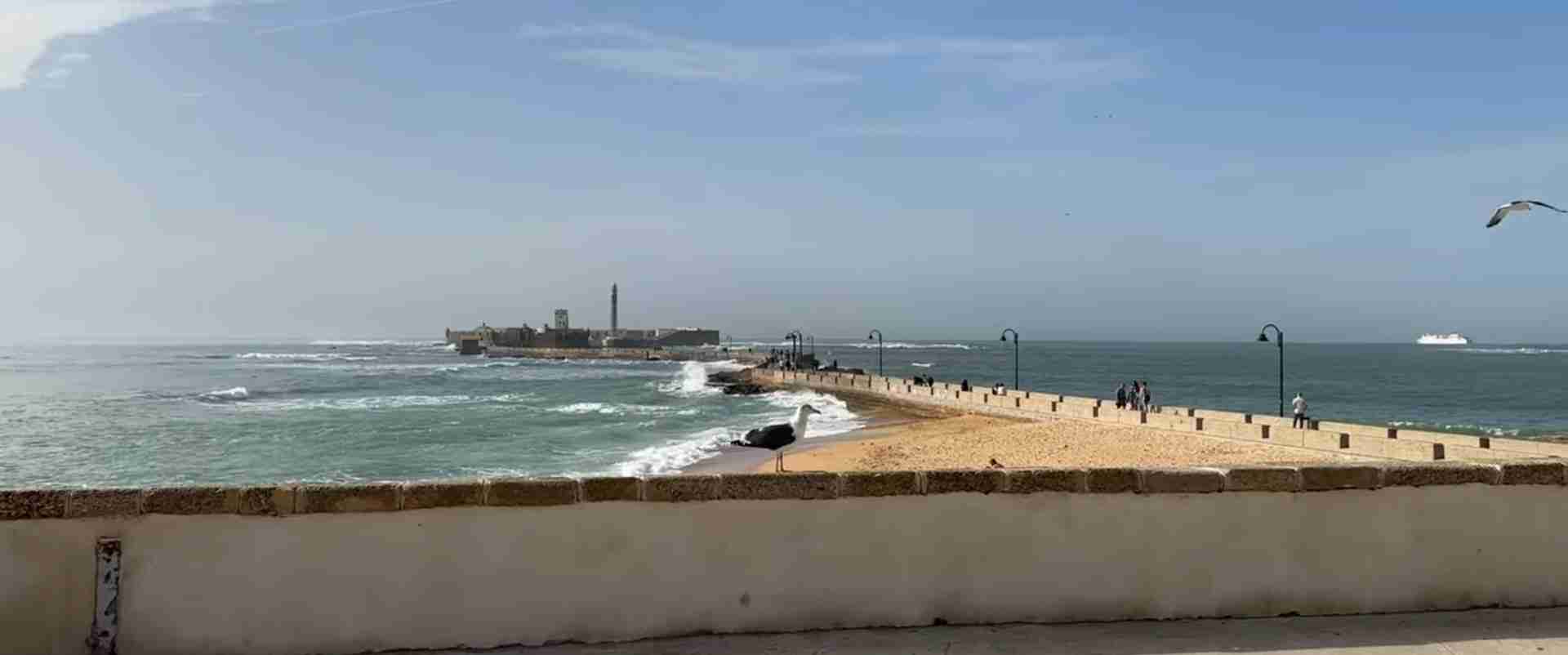
Cádiz Day Trips 2026: White Villages, Sherry & Beaches
Key Takeaways:
- White village day trips cost €65-85 per person in 2026, visiting hilltop pueblos blancos like Arcos de la Frontera and Vejer de la Frontera with 8-9 hour itineraries including transportation and guided tours
- Sherry triangle excursions range €40-75 per person in 2026, exploring Jerez bodegas, Sanlúcar manzanilla cellars, and El Puerto coastal vineyards with production tours and comprehensive tastings
- Atlantic beach day trips cost €35-55 per person in 2026, accessing pristine coastlines at Tarifa, Bolonia Roman ruins beach, and Zahara de los Atunes with turquoise waters rivaling Caribbean destinations
- Independent day trips via public transportation cost €8-15 roundtrip in 2026, with regional bus networks connecting Cádiz to nearby destinations every 30-90 minutes during peak season
- Gibraltar excursions range €55-75 per person in 2026, including border crossing logistics, Rock of Gibraltar tours, dolphin watching opportunities, and duty-free shopping experiences
- Early departure times 8:30-9:30 AM maximize day trip experiences, allowing 5-7 hours at destinations before 4:00-6:00 PM returns to Cádiz for evening activities
Planning Your Cádiz Day Trips in 2026
Cádiz occupies a strategic position in southwestern Andalusia where Atlantic coastlines meet fertile agricultural valleys, creating exceptional day trip opportunities within 50-90 kilometer radius. The surrounding region contains UNESCO World Heritage white villages cascading down dramatic escarpments, centuries-old sherry production facilities defining Spanish wine culture, pristine beaches where turquoise Atlantic waters rival Mediterranean beauty, and diverse natural landscapes from wetland bird sanctuaries to pine-covered coastal dunes. This geographical richness enables travelers to experience multiple Andalusian identities—maritime, agricultural, mountainous, cultural—through day excursions from a single Cádiz base.
The 2026 day trip landscape benefits from improved regional transportation infrastructure including upgraded highway connections, expanded bus schedules, and enhanced tour operator services coordinating multi-destination itineraries. White village routes navigate mountain roads offering spectacular valley vistas, though winding ascents require comfortable vehicles and strong constitutions for motion-sensitive travelers. Sherry triangle destinations sit on flat agricultural plains allowing straightforward access via direct highways. Beach excursions follow coastal routes where Atlantic horizons provide continuous scenic accompaniment. Natural park visits combine highway efficiency with final approaches on maintained dirt roads accessing remote ecosystems.
Day trip categories serve different traveler interests and physical activity preferences. Cultural enthusiasts prioritize white village excursions exploring medieval architecture, Moorish heritage, and traditional Andalusian life preserved in hilltop settlements. Wine aficionados focus on sherry triangle experiences visiting production facilities where traditional solera aging systems create world-famous fortified wines. Beach lovers emphasize coastal day trips accessing pristine Atlantic shorelines with crystal-clear waters, golden sands, and opportunities for swimming, surfing, or relaxed seaside atmospheres. Nature enthusiasts select wetland or forest parks offering bird watching, hiking, and ecosystem diversity.
Transportation options range from organized group tours providing comprehensive logistics, expert guides, and pre-arranged entrance permissions to independent journeys via public buses offering budget-friendly flexibility and spontaneous exploration. Group tours cost €40-85 per person including transportation, guided commentary, entrance fees, and sometimes meals, operating on fixed schedules with 8-12 hour durations. Independent travel via regional buses costs €8-15 roundtrip with journey times 45-90 minutes depending on destination, requiring self-guided exploration and basic Spanish language capabilities for navigation and local interactions.
People Also Ask About Cádiz Day Trips 2026
What is the best day trip from Cádiz in 2026?
The best Cádiz day trip in 2026 depends on your primary interests, though white village excursions to Arcos de la Frontera and Vejer de la Frontera consistently rank as most popular choices combining dramatic landscapes, medieval architecture, cultural immersion, and photographic opportunities. These pueblos blancos feature whitewashed buildings cascading down steep hillsides, creating iconic Andalusian postcard scenes. Day trips cost €65-85 per person with organized tours, covering roundtrip transportation, guided walks through historic quarters, free time for independent exploration and lunch, and return to Cádiz by 5:00-6:00 PM. The 8-9 hour itineraries provide comprehensive experiences without overnight requirements.
For wine enthusiasts, sherry triangle day trips visiting Jerez bodegas offer authentic encounters with Spanish wine culture. These excursions (€40-75 per person) include visits to traditional cellars where solera aging systems produce fino, amontillado, oloroso, and pedro ximénez sherries. Production facility tours explain centuries-old techniques while tastings showcase diverse flavor profiles from bone-dry fino served chilled to syrupy-sweet pedro ximénez dessert wines. The combination of historical facilities, expert guidance, and comprehensive tastings creates definitive sherry experiences.
Beach lovers prioritize Atlantic coastal day trips to Tarifa or Bolonia (€35-55 per person organized tours, €10-15 public transport). Tarifa offers dramatic wind-swept beaches where Atlantic and Mediterranean waters meet, creating ideal conditions for windsurfing and kitesurfing alongside swimming and beach relaxation. Bolonia features pristine golden sands backed by extensive Roman ruins including well-preserved fish salting factories and public baths. The archaeological and natural beauty combination proves unique among Spanish beach destinations.
Gibraltar excursions (€55-75) appeal to travelers wanting British territory experiences, Rock of Gibraltar cable car rides, Barbary macaque encounters, and duty-free shopping opportunities within 90 minutes from Cádiz. The best day trip ultimately matches your primary interest—culture, wine, beaches, nature, or unique international experiences—with schedule and budget parameters.
How much do day trips from Cádiz cost in 2026?
Organized day trip costs from Cádiz in 2026 range from €40 for basic sherry tasting tours to €85 for comprehensive white village excursions, with most experiences falling in the €55-75 range. White village tours cost €65-85 per person for 8-9 hour itineraries visiting Arcos de la Frontera and Vejer de la Frontera or alternative pueblos blancos combinations. Check tour operator websites for current official rates as pricing may vary by season and group size. These packages include air-conditioned coach transportation, English-speaking guides, guided walks through historic quarters, entrance fees where applicable, and sometimes traditional lunch at local restaurants (adding €15-20 to base costs).
Sherry triangle excursions range €40-75 per person depending on bodega quality, number of visits, and tasting comprehensiveness. Basic packages (€40-50) include roundtrip transportation and visits to one traditional bodega with 3-4 wine tastings. Premium packages (€60-75) visit two historic cellars, provide 6-8 sherry tastings from fino through pedro ximénez, include traditional tapas pairings, and offer extended production facility access. All sherry tours include transportation as integral components given the 30-50 kilometer distances from Cádiz.
Atlantic beach day trips cost €35-55 per person for organized tours to Tarifa, Bolonia, or Zahara de los Atunes including transportation, beach equipment rental options, and free time for swimming and exploration. Gibraltar excursions range €55-75 per person covering border crossing coordination, Rock of Gibraltar tours, cable car access, and return transportation. Natural park visits to Doñana wetlands cost €70-90 per person for full-day 4×4 safari experiences with expert naturalist guides and bird watching opportunities.
Independent day trips via public transportation dramatically reduce costs, with regional bus fares ranging €8-15 roundtrip to most destinations. Arcos de la Frontera buses cost €8-10 roundtrip with 75-minute journey times each direction. Jerez buses cost €6-8 roundtrip with 40-minute journeys. Tarifa buses cost €12-15 roundtrip covering the 100-kilometer distance in 90 minutes. Independent travel requires self-guided exploration, basic Spanish language skills, and flexibility with bus schedules operating every 60-90 minutes during daytime hours.
Can you visit white villages from Cádiz in one day in 2026?
White village day trips from Cádiz easily accomplish visits to 2-3 pueblos blancos within standard 8-9 hour itineraries, providing sufficient time for guided tours, independent exploration, photography, and traditional lunch experiences. The most common combination pairs Arcos de la Frontera with Vejer de la Frontera, two dramatically different hilltop villages separated by 65 kilometers but connected through efficient highway routes. Tours depart Cádiz 8:30-9:00 AM, reach Arcos approximately 10:00-10:30 AM for 2-2.5 hours exploration, transfer to Vejer around 1:00 PM for 2.5-3 hours including lunch, and return to Cádiz by 5:00-6:00 PM.
Arcos de la Frontera sits dramatically on a limestone ridge overlooking the Guadalete River valley, with whitewashed houses seeming to defy gravity as they cascade down near-vertical cliffs. The historic center contains medieval castle remains, Santa María basilica featuring multiple architectural styles from Gothic through baroque periods, and narrow streets barely wide enough for modern vehicles. The main plaza provides spectacular valley vistas extending to agricultural plains and distant mountain ranges. Guided walks last 60-90 minutes covering major monuments, leaving free time for café stops and independent photography.
Vejer de la Frontera crowns a coastal mountain 8 kilometers inland from Atlantic beaches, preserving exceptional Moorish character through maze-like street patterns, arched passages, and fortress walls encircling the historic core. The village atmosphere feels more intimate than Arcos, with traditional shops, artisan workshops, and local residents maintaining daily life patterns within tourist-visited areas. The combination creates authentic cultural experiences alongside architectural appreciation. Extended lunch stops (90-120 minutes) allow sampling regional specialties including retinto beef, local cheeses, and Vejer’s signature tagarninas (wild thistle stew).
Alternative white village combinations include Medina Sidonia paired with Vejer, or Grazalema with Zahara de la Sierra for travelers wanting more remote mountain villages. These routes require slightly longer travel times but offer enhanced natural landscapes and reduced tourist presence. Single-village day trips focusing entirely on Arcos or Vejer allow deeper exploration including peripheral neighborhoods, extended museum visits, and relaxed pacing suiting travelers preferring quality over quantity in cultural immersion experiences.
What is the sherry triangle and how do you visit it from Cádiz in 2026?
The sherry triangle comprises three historic wine-producing cities—Jerez de la Frontera, Sanlúcar de Barrameda, and El Puerto de Santa María—forming a geographic zone where unique climatic conditions and chalk-rich albariza soils create optimal environments for sherry production. The region produces the world’s only authentic sherry wines, with “sherry” being protected designation of origin terminology applied exclusively to fortified wines produced within this precise geographic triangle. Distances from Cádiz range 25-40 kilometers making any or all three cities accessible within day trip timeframes.
Jerez de la Frontera, 35 kilometers northeast of Cádiz, represents sherry production’s historic heart with 50+ operational bodegas including world-famous names like Tío Pepe (González Byass), Sandeman, Harveys, and Fundador. Day trips departing Cádiz at 9:30 AM reach Jerez around 10:15-10:30 AM, allowing visits to 1-2 bodegas with comprehensive tours explaining solera aging systems, flor yeast development, and fortification processes. Production facility visits showcase massive aging rooms containing thousands of oak barrels arranged in three-level solera pyramids, with the oldest wines resting at ground level and youngest at upper tiers. Tours conclude with tastings of 3-8 sherry varieties from bone-dry fino through sweet pedro ximénez.
Sanlúcar de Barrameda sits at the Guadalquivir River mouth where Atlantic breezes create microclimates perfect for manzanilla sherry production. This variant develops similar to fino but gains distinctive saline notes from coastal proximity and constant maritime humidity. Manzanilla serves as Andalusian summer aperitif, consumed ice-cold alongside fresh seafood in beachside chiringuitos (beach bars). Day trips combining Jerez and Sanlúcar provide comparative understanding of how slight geographic variations produce distinct sherry styles despite identical grape varieties and production techniques.
El Puerto de Santa María, positioned directly across Cádiz bay 15 kilometers distant, offers convenient half-day options accessible via local train (Cercanías) services departing every 30 minutes. The 20-minute journey costs €2.50 each direction, making independent exploration highly viable. Major bodegas including Osborne (home of the iconic black bull silhouette billboards) and Gutiérrez Colosía offer English-language tours Tuesday-Saturday. The coastal setting combines sherry culture with maritime heritage as the port historically shipped wines to Americas and Northern Europe.
Are Cádiz beach day trips worth it in 2026?
Cádiz beach day trips absolutely merit inclusion in Andalusian itineraries, particularly for travelers seeking pristine Atlantic coastlines with dramatically different characteristics than typical Mediterranean beaches. The Costa de la Luz (Coast of Light) stretching from Cádiz southward to Tarifa features extensive golden sand beaches backed by natural dune systems, pine forests, and protected coastal ecosystems rather than hotel developments dominating much of Spain’s Mediterranean shoreline. Water clarity rivals Caribbean destinations with turquoise hues created by Atlantic currents and sandy bottoms, while wave action provides surfing opportunities unavailable on calmer Mediterranean coasts.
Tarifa represents the southernmost point of continental Europe where Atlantic Ocean meets Mediterranean Sea, creating unique marine conditions and constant wind patterns making it the continent’s premier windsurfing and kitesurfing destination. Beyond water sports enthusiasts, Tarifa appeals to travelers wanting dramatic coastal scenery, bohemian town atmosphere, Moroccan cultural influences from visible North African coastline 14 kilometers across the strait, and exceptional fresh seafood. Day trips cost €45-55 per person with organized tours or €12-15 via direct buses departing Cádiz every 90 minutes during summer season. Beach time spans 4-6 hours allowing swimming, sunbathing, beachside lunch at chiringuitos, and town exploration.
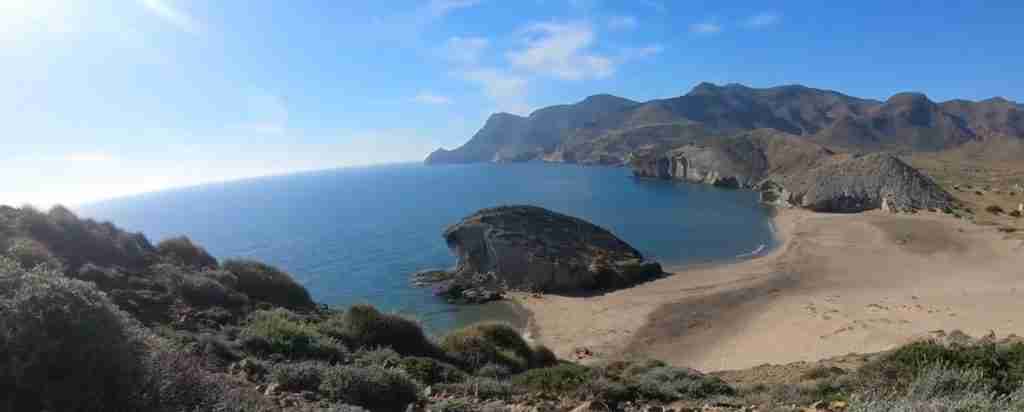
Bolonia beach combines pristine natural beauty with exceptional archaeological significance as extensive Roman ruins of ancient Baelo Claudia occupy coastal positions adjacent to 4-kilometer golden sand beach. The juxtaposition creates unique experiences where morning visits explore 2nd-century BCE fish salting factories, public baths, forum, and theatre, followed by afternoon beach relaxation on largely undeveloped shoreline protected within natural park boundaries. The beach curves in perfect arc between rocky headlands with transparent turquoise waters ideal for swimming and snorkeling. Day trips cost €40-50 with tours or €10-12 via public buses requiring one transfer through Tarifa.
Zahara de los Atunes offers quieter alternative to Tarifa with traditional fishing village atmosphere, excellent bluefin tuna restaurants serving almadraba (traditional trap-caught tuna), and wide beaches perfect for families. The less commercialized environment appeals to travelers seeking authentic coastal experiences over resort amenities. Independent access via bus costs €10-12 roundtrip with 90-minute journey times. All Costa de la Luz beaches benefit from June-September swimming season when water temperatures reach comfortable 19-23°C, though spring and autumn visits provide uncrowded conditions perfect for walking, photography, and cultural exploration without beach swimming focus.
Extended multi-day tours – 5+ days
Featured Cadiz Multi-Day Tour Packages

3 days
Cadiz 3-Day Discovery Tour
- ✓ Comprehensive Cadiz experience
- ✓ Expert local guides included
- ✓ All accommodation included
- ✓ Transportation provided

5 days
Cadiz 5-Day Highlights Experience
- ✓ Comprehensive Cadiz experience
- ✓ Expert local guides included
- ✓ All accommodation included
- ✓ Transportation provided
7 days
Cadiz 7-Day Cultural Journey
- ✓ Comprehensive Cadiz experience
- ✓ Expert local guides included
- ✓ All accommodation included
- ✓ Transportation provided

10 days
Cadiz 10-Day Complete Adventure
- ✓ Comprehensive Cadiz experience
- ✓ Expert local guides included
- ✓ All accommodation included
- ✓ Transportation provided
Multi-day tour packages powered by TourRadar. Prices and availability subject to change.
Essential Planning Information 2026
Transportation Options and Costs
Organized group tours provide comprehensive day trip solutions including air-conditioned coach transportation, English-speaking guides, pre-arranged entrance permissions, and coordinated timing ensuring efficient multi-stop itineraries. Tour costs range €40-85 per person depending on destination complexity and inclusions. White village tours (€65-85) operate with 20-35 passenger coaches departing designated pickup points in Cádiz historic center at 8:30-9:00 AM, returning 5:00-6:00 PM. Sherry triangle tours (€40-75) use similar vehicles with smaller group sizes (15-25 participants) enabling more intimate bodega experiences. Beach tours (€35-55) vary from large coaches to smaller minibuses depending on destination remoteness and demand levels.
Tour operators provide hotel pickup for accommodations within Cádiz historic center and immediate surrounding neighborhoods including Barrio de la Viña and Playa de la Victoria areas. Pickup times start approximately 30 minutes before official departure times, with operators providing specific timing when booking confirmation. Central meeting points near Plaza de San Juan de Dios or cathedral serve as alternatives for travelers staying outside pickup zones or preferring to meet at departure locations. Tours include rest stops every 90-120 minutes during longer journeys, providing restroom access, refreshment purchases, and leg-stretching opportunities.
Regional bus networks offer budget-friendly alternatives to organized tours, with Consorcio de Transporte Bahía de Cádiz and Comes company operating extensive routes connecting Cádiz to surrounding destinations. Buses depart from Estación de Autobuses near Plaza de España approximately 1.5 kilometers from historic center core, accessible via 15-20 minute walks or local bus connections (€1.30 per ride). Advance reservations are unnecessary for most routes as buses operate hourly or more frequently during daytime, though purchasing tickets 30-60 minutes before departure ensures seat availability during peak summer season.
Arcos de la Frontera buses cost €4.50-5.00 each direction with 75-minute journey times, departing approximately every 90 minutes 7:00 AM-8:00 PM. Return buses operate similar frequencies allowing flexible stay durations from 3-8 hours. Jerez buses cost €3.50-4.00 each direction with 40-minute journeys departing every 30-60 minutes throughout day. Sanlúcar buses cost €4.00-4.50 with 60-minute journeys every 60-90 minutes. Tarifa buses (€6.50-7.50 each direction) operate every 90-120 minutes with 90-100 minute journey times. All fares represent standard adult rates, with return tickets offering no discount over single-journey purchases.
Rental cars provide maximum flexibility for travelers wanting customized itineraries, multiple village visits, or remote beach access. Compact cars rent €35-50 per day in 2026 with unlimited mileage, manual transmission standard. Automatic transmission vehicles cost €50-65 daily. Insurance adds €15-25 daily depending on coverage levels selected. Fuel costs approximately €8-15 for typical day trip distances 150-250 kilometers roundtrip. Parking at white villages requires attention as historic centers feature narrow streets with limited vehicle access, though designated parking areas sit within 200-400 meters of main attractions. Beach destinations offer ample free parking except during peak July-August weekends when early arrival (before 10:00 AM) ensures space availability.
Current Day Trip Costs and Pricing Breakdown
White village organized tours cost €65-85 per person for standard 8-9 hour experiences in 2026. Check tour operator websites for current official rates as pricing may vary by season and group size. Basic packages (€65-70) include air-conditioned transportation, English-speaking guide, guided walks in 2-3 villages, and entrance fees for major monuments (typically €2-4 per site). Comprehensive packages (€75-85) add traditional lunch at village restaurants featuring regional specialties, extended time allocations enabling deeper exploration, and visits to artisan workshops or local museums. Private group tours for 4-6 participants cost €280-360 total (€47-90 per person depending on group size), offering customized village selections and flexible scheduling.
Sherry triangle day trips range €40-75 per person including roundtrip transportation and bodega experiences. Basic packages (€40-50) visit one traditional bodega with production facility tour and 3-4 wine tastings. Mid-range packages (€55-65) include two bodega visits, 5-6 tastings, and light tapas pairings. Premium packages (€70-75) feature visits to prestigious historic bodegas, 6-8 comprehensive tastings including rare añada (vintage-dated) sherries, traditional lunch with wine pairings, and extended time in Jerez historic center. All packages include air-conditioned transportation as distances (25-40 kilometers) require dedicated vehicles rather than walking portions of itineraries.
Atlantic beach day trips cost €35-55 per person for organized tours. Tarifa excursions (€45-55) include roundtrip transportation, 5-6 hours beach time, optional equipment rentals (surfboards, umbrellas, loungers at additional cost €8-15), and coastal town exploration. Bolonia packages (€40-50) combine beach access with Roman ruins guided tours, entrance fees included. Zahara tours (€35-45) emphasize relaxed beach atmosphere with traditional fishing village exploration. All beach tours allow flexible activity levels from active swimming and water sports to relaxed sunbathing and beachside dining.
Gibraltar day trips range €55-75 per person covering border crossing logistics, Rock of Gibraltar tours, Upper Rock Nature Reserve access, cable car rides (€15 value), and return transportation. The packages navigate international border procedures requiring passport presentation and occasional inspection delays adding 20-40 minutes to journey times. Tours include time for duty-free shopping where tobacco, alcohol, electronics, and luxury goods offer savings 20-40% below Spanish retail prices, though personal use limits apply for re-entry to European Union territory.
Doñana National Park full-day 4×4 safaris cost €70-90 per person for 8-hour experiences including specialized vehicles navigating restricted park areas, expert naturalist guides identifying bird species and ecosystem features, and beach segments along undeveloped Atlantic coastline. The protected wetland status limits daily visitor numbers maintaining ecological integrity, requiring advance booking 2-4 weeks during peak season April-October when migratory bird populations reach maximum diversity.
Seasonal Considerations for 2026 Day Trips
Peak season April-October offers maximum day trip availability with daily departures for all destination categories, optimal weather conditions, and extended daylight hours enabling longer explorations. April and May provide ideal white village conditions with moderate temperatures 18-24°C, spring wildflower displays enhancing countryside scenery, and reduced crowds compared to summer peak. These months offer comfortable walking conditions during village explorations where steep streets and sun-exposed plazas become challenging during July-August heat (temperatures 30-35°C). Sherry triangle visits operate year-round though spring harvest and autumn production periods add interesting seasonal activities to standard tours.
June through August represents absolute peak when domestic Spanish tourism combines with international visitors creating maximum demand for all day trip categories. Beach excursions prove most popular during these months when swimming becomes primary activity rather than coastal walking emphasis during cooler seasons. Water temperatures reach comfortable 19-23°C compared to cooler 15-17°C during spring and autumn. Book beach tours 3-4 weeks ahead during summer as capacity fills completely, particularly for weekend departures. White village tours shift to earlier departure times (8:00-8:30 AM vs. 9:00-9:30 AM other seasons) avoiding midday heat during walking portions.
September and October maintain excellent conditions combining warm weather (22-27°C), reduced crowds as school schedules resume, and harvest season activities at vineyards and olive groves adding agricultural interest to countryside journeys. These months provide 20-25% lower tour costs compared to July-August peak while maintaining comprehensive service levels. Beach swimming remains viable through September with pleasant water temperatures and fewer beachgoers creating more relaxed atmospheres. Wildlife observation improves during autumn as migratory birds begin arriving at coastal wetlands including Doñana National Park.
November through March constitutes low season with reduced tour frequencies, limited operators running white village excursions (often weekend-only operations), and weather variability affecting outdoor activities. Sherry triangle tours maintain Tuesday-Saturday schedules year-round as indoor bodega facilities remain unaffected by weather. Beach day trips prove less appealing during winter months though dramatic coastal scenery, uncrowded conditions, and exceptional Atlantic storm watching create alternative appeal for non-swimming visitors. Low season advantages include 30-40% tour savings, authentic local atmospheres as tourism pressures decrease, and flexibility to book tours with 3-5 days notice rather than weeks-ahead requirements during high season.
Best White Village Day Trips 2026
Arcos de la Frontera and Vejer de la Frontera combination represents the quintessential white village experience, pairing two dramatically different pueblos blancos within efficient 8-9 hour itinerary. Tours depart Cádiz 8:30-9:00 AM, reaching Arcos approximately 10:00-10:30 AM via 70-kilometer journey through olive groves and grain fields characteristic of inland Andalusian agriculture. Arcos crowns a limestone ridge rising 185 meters above the Guadalete River, with buildings seeming to grow organically from vertical cliffs in gravity-defying architectural arrangements. The approach provides spectacular vistas as whitewashed houses catch morning sunlight against blue sky backdrops.
Arcos exploration begins at Plaza del Cabildo, the main square where castle remains, Santa María basilica, and town hall (ayuntamiento) cluster around a viewpoint terrace offering panoramic perspectives across river valley to agricultural plains extending toward distant Sierra de Grazalema mountains. Santa María basilica construction spans 1550-1732 combining Gothic, Renaissance, and baroque elements, with the main facade featuring elaborate stone carvings and the interior displaying altarpiece masterworks by Andalusian artists. The adjacent mirador (viewpoint) provides vertiginous perspectives straight down cliff faces to the river 180 meters below, creating dramatic photographic opportunities.
Guided walks navigate the historic quarter’s narrow streets barely wide enough for single vehicles, passing traditional whitewashed houses with flower-filled balconies, artisan workshops producing leather goods and ceramics, and intimate plazas where locals gather for morning coffee rituals. The Calle Cuna slopes steeply connecting upper and lower town levels, lined with shops selling regional products including olive oils, local wines, and traditional sweets. Free time (60-90 minutes) allows café stops, photography, and independent wandering through peripheral neighborhoods where resident life continues largely unchanged by tourism presence.
The journey to Vejer covers 65 kilometers southward through changing landscapes where inland agricultural plains transition to coastal mountains and Mediterranean vegetation. Vejer crowns a 200-meter hill 8 kilometers from Atlantic beaches, preserving exceptional Moorish architectural character through maze-like street patterns, arched passages, and defensive walls encircling the historic core. Unlike Arcos’ dramatic cliff-edge position, Vejer spreads across a broader hilltop allowing more extensive walking without vertiginous exposure, creating different atmosphere despite similar whitewashed aesthetic.
Vejer’s Jewish quarter retains medieval layout with covered passageways (cobertizos) creating shaded pedestrian routes between buildings, a design element rare in Christian-reconquered towns that typically demolished such structures. The main plaza features palm trees unusual in Andalusian mountain villages, remnant of 19th-century romantic landscaping when Spanish elite rediscovered their Moorish heritage. Traditional shops sell leather goods, textiles, and local cheeses while maintaining authentic commercial character rather than tourist-focused merchandise predominant in some pueblo heritage sites.
Lunch allocations in Vejer provide 90-120 minutes for sampling regional cuisine including retinto beef raised on surrounding pastures, payoyo cheese produced from local goat herds, and tagarninas stew using wild thistles gathered from coastal hillsides. Restaurant selections range from traditional taverns serving time-tested recipes to contemporary establishments reinterpreting Andalusian classics with modern techniques. The extended lunch period allows relaxed Spanish dining pace where meals represent social experiences rather than mere fuel intake.
Alternative white village combinations include Grazalema and Zahara de la Sierra for travelers prioritizing mountain scenery over coastal proximity. These villages sit within Sierra de Grazalema Natural Park where limestone peaks reach 1,654 meters elevation and annual rainfall exceeds 2,000mm—Spain’s highest precipitation supporting unique ecosystems including relict pinsapo fir forests. The dramatic mountain landscapes provide stunning backdrops for whitewashed village architecture, though accessing these remote locations requires additional travel time (90-120 minutes each direction) reducing on-site exploration periods compared to Arcos-Vejer routing.
Best Sherry Triangle Day Trips 2026
Jerez de la Frontera Essential Sherry Experience delivers comprehensive introduction to fortified wine production defining regional identity, operating Tuesday-Saturday with departures at 9:30 AM from Cádiz and returns approximately 2:30-3:30 PM. The 35-kilometer journey northeast traverses flat agricultural plains dominated by albariza soils—chalk-rich formations creating ideal conditions for Palomino grape cultivation. These soils retain moisture during scorching Andalusian summers while providing excellent drainage during occasional heavy rains, producing grapes with optimal sugar levels and balanced acidity essential for sherry production.
First bodega visits typically include historic establishments like González Byass (home of Tío Pepe brand), Sandeman (recognizable by iconic Don silhouette logo), or Harveys (Bristol Cream producers). These centuries-old facilities occupy extensive compounds in Jerez historic center, with massive aging rooms (naves) containing thousands of American oak barrels arranged in traditional solera systems. Guides explain how the three-tier solera pyramids enable fractional blending where wine moves progressively from youngest barrels at top levels to oldest at bottom, creating consistent flavor profiles across decades despite annual vintage variations.
The solera process represents sherry’s defining characteristic distinguishing it from standard wines. New wine enters top-level barrels (criaderas) while mature wine draws from bottom-level (solera) for bottling, with each level receiving replacement wine from the tier above. This continuous blending means bottled sherry contains wine fractions from original solera establishment—some González Byass soleras date to 1844, meaning modern bottles include infinitesimally small amounts from mid-19th century vintages. The visual impact of barrel-lined cathedral-like halls with sunlight streaming through high windows creates atmospheric backdrops enhancing educational content.
Flor yeast development provides another essential element distinguishing fino and manzanilla sherries. After fermentation completes and wine fortifies to 15% alcohol, natural yeast strains spontaneously form creamy-white layers on wine surfaces in partially filled barrels. This biological aging protects wine from oxidation while imparting distinctive nutty, yeasty flavors and pale color. Guides show active flor layers through barrel bung holes, explaining how Jerez cellars maintain 15-18°C temperatures and 65-75% humidity creating ideal flor development conditions. Manzanilla production in Sanlúcar benefits from additional maritime humidity producing slightly different flor characteristics creating distinct flavor nuances.
Tasting sessions progress through sherry style spectrum: bone-dry fino served chilled 6-8°C exhibiting pale straw color and almond-saline notes; amontillado oxidatively aged after flor dies producing amber color and nutty-caramel flavors; oloroso intentionally oxidized throughout aging exhibiting dark mahogany color and rich walnut-dried fruit complexity; pedro ximénez from sun-dried grapes creating syrupy-sweet dessert wine with fig-raisin intensity. Guides provide serving suggestions and food pairing recommendations: fino with olives, almonds, Iberian ham; amontillado with aged cheeses; oloroso with red meats and game; pedro ximénez drizzled over vanilla ice cream or blue cheese.
Premium packages visiting two bodegas enable comparisons between different production philosophies and facility types. Large commercial operations demonstrate industrial-scale production while smaller family bodegas showcase traditional techniques and limited-production sherries unavailable in international markets. The contrast provides comprehensive understanding of sherry diversity and production range. Some tours include lunch at traditional Jerez tabernas where sherry accompanies regional dishes in authentic consumption contexts rather than isolated tasting room experiences.
Sanlúcar de Barrameda manzanilla tours explore the distinctive sherry variant produced exclusively in this Guadalquivir River mouth location. The 50-kilometer journey from Cádiz passes through salt marshes and coastal wetlands before reaching the historic fishing port where manzanilla bodegas cluster near the waterfront. The constant Atlantic breezes and maritime humidity create microclimate conditions producing flor with slightly different characteristics than inland Jerez, resulting in manzanilla’s distinctive saline notes and lighter body compared to standard fino. Manzanilla serves as quintessential Andalusian summer aperitif, consumed ice-cold alongside fresh seafood at beachside chiringuitos.
Major Sanlúcar bodegas including La Guita, Barbadillo, and Hidalgo-La Gitana offer English-language tours explaining manzanilla’s unique production conditions and showcasing aging facilities positioned to maximize Atlantic air circulation. The proximity to beach environments and traditional fishing culture creates different atmospheres than Jerez’s agricultural surroundings. Tours often conclude with beachside manzanilla tastings paired with local langostinos (prawns) and ortiguillas (fried sea anemones), experiencing the wine in its ideal consumption context.
Best Beach Day Trips 2026
Tarifa Atlantic Coast Experience combines Europe’s southernmost continental point, world-class windsurfing conditions, bohemian town atmosphere, and spectacular coastal scenery in full-day excursions departing Cádiz 9:00 AM with returns approximately 6:00 PM. The 100-kilometer southbound journey follows coastal routes offering continuous Atlantic vistas, passing through Chiclana, Conil, and Vejer before descending to sea level at Tarifa. The town occupies strategic position where Atlantic Ocean meets Mediterranean Sea, creating unique maritime conditions and constant wind patterns that established Tarifa as the continent’s premier kitesurfing and windsurfing destination.
The famous Levante and Poniente winds blow 300+ days annually creating ideal conditions for wind sports enthusiasts while challenging traditional beach relaxation during strong wind events. Summer months June-August provide most consistent swimming conditions when morning hours (9:00 AM-1:00 PM) offer relative calm before afternoon winds strengthen. Playa de Los Lances stretches 10 kilometers northward from town with fine white sand, shallow entry, and turquoise waters rivaling Caribbean beauty. The beach’s northwestern exposure provides wind protection in specific sections allowing swimming even during moderate wind days when other areas prove too rough.
Tarifa town exploration reveals fascinating cultural blend where Andalusian traditions meet Moroccan influences from visible North African coastline 14 kilometers across the Strait of Gibraltar. The old town features medieval castle remains, whitewashed houses with Moorish architectural details, and narrow streets filled with surf shops, bohemian cafes, and international restaurants reflecting the town’s cosmopolitan wind sport community. The atmosphere feels distinctly different from typical Andalusian towns, with international residents, alternative lifestyle emphasis, and beach culture dominance creating unique identity.
Whale and dolphin watching opportunities add natural history dimension to Tarifa visits, with boat tours departing from town harbor several times daily April-October (€35-45 per person for 2-hour excursions). The Strait of Gibraltar forms critical migration corridor for multiple cetacean species including pilot whales, orcas, sperm whales, and various dolphin species. Sighting probabilities reach 70-80% during summer months when marine mammal activity peaks. The combination of beach time, town exploration, and potential whale watching creates diverse experience impossible in standard beach resort destinations.
Bolonia Beach and Roman Ruins day trip delivers unique combination where pristine natural coastline meets exceptional archaeological heritage. The 85-kilometer journey from Cádiz passes through Vejer before descending coastal roads to Bolonia village, a small settlement of 100-150 permanent residents maintaining traditional fishing and agricultural livelihoods. The beach extends 4 kilometers in gentle arc between rocky headlands, with fine golden sand, transparent turquoise waters, and dramatic sand dune backing reaching 30 meters height. The largely undeveloped character results from natural park protections maintaining ecological integrity while permitting sustainable tourism.
Baelo Claudia Roman ruins occupy extraordinary coastal position directly adjacent to beach, with archaeological site entrance €1.50 (EU citizens free). The ancient city flourished 2nd century BCE through 3rd century CE based on garum production—fermented fish sauce exported throughout Roman Empire as highly valued condiment. Excavated remains include extensive fish salting factories (cetariae) with stone vats still visible in situ, forum, public baths, shops, houses, and well-preserved theatre where performances occasionally stage during summer months. The seaside setting creates unique archaeological experiences where ancient maritime commerce remains clearly evident through industrial infrastructure and coastal positioning.
The combination of beach relaxation and cultural exploration enables diverse day trip experiences. Morning hours typically dedicate to archaeological exploration when cooler temperatures favor walking among exposed ruins. Afternoon beach time provides swimming, sunbathing, and beachside lunch at the single chiringuito serving fresh seafood and traditional Spanish beach fare (fried fish, paella, salads). The limited development and crowd levels (except peak July-August weekends) create peaceful atmospheres contrasting dramatically with developed Costa del Sol resort beaches further east.
Zahara de los Atunes offers traditional fishing village experience with excellent bluefin tuna gastronomy, wide family-friendly beaches, and authentic coastal atmosphere. The 70-kilometer journey from Cádiz provides quickest beach access among major day trip destinations, with the village maintaining strong local character despite seasonal tourism. The name derives from almadraba—traditional tuna trap fishing technique dating to Phoenician times where migrating bluefin tuna swim into fixed net systems during spawning runs April-June. Fresh tuna preparations during almadraba season create exceptional gastronomic experiences unavailable in winter months.
The beach extends several kilometers with gentle slope entry ideal for children and novice swimmers, clean sand maintained through regular cleaning, and lifeguard service during summer season. Beach bars serve traditional fried fish, refreshing tinto de verano (red wine with lemon soda), and local specialties. The less commercialized environment compared to Tarifa appeals to families and travelers seeking relaxed beach days without extensive resort infrastructure. Village exploration reveals traditional architecture, active fishing harbor where boats unload daily catches, and local markets selling regional produce and seafood.
Sample 2026 Day Trip Itineraries
White Villages Cultural Immersion Itinerary
Depart Cádiz 8:30 AM aboard air-conditioned coach, reaching Arcos de la Frontera approximately 10:00 AM after 70-kilometer journey through Andalusian agricultural landscapes. Begin with guided walk starting Plaza del Cabildo, visiting Santa María basilica (€3 entrance), exploring castle exterior, and experiencing main viewpoint perspectives 185 meters above Guadalete River valley. The 90-minute guided portion covers approximately 1.5 kilometers at relaxed pace with multiple photo stops and historical commentary explaining Moorish origins, Christian reconquest significance, and architectural evolution.
Free time 11:30 AM-12:45 PM allows independent exploration through Calle Cuna commercial street, café stops at plaza-side establishments, and photography of flower-filled balconies and traditional whitewashed architecture. Artisan workshops selling leather goods, ceramics, and local food products provide shopping opportunities supporting local crafts. Coffee and pastry at traditional café costs €4-6 per person.
Depart Arcos 1:00 PM for 65-kilometer journey to Vejer de la Frontera, arriving approximately 2:00 PM. Lunch at traditional restaurant in historic quarter features regional specialties: retinto beef, payoyo cheese, tagarninas stew, local wines. Three-course meal with wine costs €20-28 per person. The extended 90-minute lunch period embraces Spanish dining culture where meals represent social experiences rather than rapid fuel intake.
Guided Vejer exploration 3:30-5:00 PM covers Jewish quarter cobertizo passages, defensive walls circuit, main plaza, and peripheral viewpoints offering coastal vistas extending to Atlantic horizon. The maze-like street network creates intimate atmospheres where groups naturally separate enabling personal discovery moments. Free time 5:00-5:30 PM allows final photography, small purchases, or relaxed plaza observation of local evening rituals as residents emerge for traditional paseo (evening stroll).
Return journey departs 5:30 PM, reaching Cádiz approximately 6:45-7:00 PM positioning perfectly for evening beach walks, tapas dinners, or rest before next day’s activities.
Tour €75, Arcos entrance €3, coffee €5, Vejer lunch €24. Total day cost: €107 per person (excluding accommodation).
Sherry Triangle Gastronomic Itinerary
Morning departure 9:30 AM from Cádiz reaches Jerez de la Frontera approximately 10:15 AM via 35-kilometer highway route. First bodega visit at González Byass (Tío Pepe) includes 90-minute comprehensive tour covering aging room solera systems, flor yeast development demonstration, barrel-making workshop, historical wine museum, and tasting of 4 sherry varieties (fino, amontillado, oloroso, cream). The facility tour navigates extensive compound showing industrial-scale production while maintaining traditional techniques in specific solera halls.
Mid-morning break 11:45 AM-12:15 PM in Jerez historic center allows brief exploration of cathedral exterior, Plaza del Arenal, and commercial streets. Café stop for coffee and local pastries costs €4-6 per person. The 30-minute allocation provides necessary break between extended bodega experiences while introducing Jerez urban character beyond wine production focus.
Second bodega visit 12:30-2:00 PM at smaller family operation like Bodegas Tradición showcases limited-production sherries, intimate facility tour, and extended tasting session featuring 5-6 wines including rare añada (vintage-dated) sherries unavailable in commercial markets. The contrast between large commercial and small artisanal operations demonstrates sherry production diversity and philosophies. Premium package includes traditional lunch with wine pairings: Iberian ham and cheese starters, main course (local fish or meat), dessert, paired with appropriate sherry selections.
Afternoon transfer 2:30 PM covers 50 kilometers to Sanlúcar de Barrameda, arriving 3:15 PM at Barbadillo bodega for manzanilla-focused experience. The 75-minute tour explains distinctive microclimate conditions producing manzanilla’s unique characteristics, showcases waterfront aging facilities maximizing Atlantic air circulation, and provides tastings of 3-4 manzanilla expressions from young to aged styles. The coastal setting and lighter wine styles create different atmospheres than Jerez’s richer sherries.
Beachside conclusion 4:30-5:30 PM at Sanlúcar waterfront allows manzanilla tasting paired with fresh langostinos at traditional chiringuito, experiencing the wine in its ideal consumption context. The casual beach bar setting contrasts dramatically with formal bodega tasting rooms, demonstrating how Andalusians actually consume sherry in daily life rather than isolated tasting contexts. Additional manzanilla and seafood costs €12-18 per person.
Return journey 5:30 PM reaches Cádiz approximately 6:30 PM after full day of sherry education and gastronomic experiences.
Premium sherry tour €70, coffee break €5, additional manzanilla/seafood €15. Total day cost: €90 per person (excluding accommodation).
Atlantic Beaches and Archaeology Itinerary
Early departure 8:30 AM from Cádiz allows maximum beach time, reaching Bolonia approximately 10:00 AM via 85-kilometer coastal route through Vejer. Morning archaeological visit to Baelo Claudia Roman ruins (€1.50 entrance, EU citizens free) explores well-preserved fish salting factories, forum, theatre, and public baths. The 90-minute guided exploration explains ancient garum production creating city’s economic foundation, demonstrates Roman urban planning principles, and showcases exceptional coastal setting where commerce and maritime industries merged. Cool morning temperatures (20-24°C) prove ideal for walking among exposed ruins before midday heat intensifies.
Beach time 11:30 AM-4:00 PM provides extended hours for swimming in transparent turquoise waters, sunbathing on fine golden sand, and beachside lunch at chiringuito. The 4-kilometer beach length ensures space availability even during summer weekends, with northern sections offering more privacy than central areas near restaurant facilities. Swimming conditions prove excellent May-October with shallow gradual entry, minimal currents, and water temperatures reaching 19-23°C during summer peak.
Lunch at beach chiringuito features fresh grilled fish caught that morning, traditional Spanish beach fare including paella, salads, fried calamari, and cold beverages. Three-course meal with drinks costs €18-25 per person. The casual atmosphere and seafront positioning create authentic Spanish beach dining experiences where extended lunches under shade canopies represent integral cultural practices rather than rushed feeding between swimming sessions.
Optional activities include climbing the dramatic 30-meter sand dune backing the beach, offering spectacular panoramic perspectives across bay toward Cape Trafalgar. The dune system maintains dynamic natural processes with constant wind-driven sand movement creating ever-changing formations. Photography enthusiasts particularly value afternoon light illuminating archaeological ruins and coastal landscapes with warm golden tones. Snorkeling equipment (bring your own or rent €8-12) enables underwater exploration of rocky areas at beach ends where marine life concentrations create interesting observation opportunities.
Departure 4:00 PM allows return journey reaching Cádiz approximately 5:30 PM, providing early evening hours for accommodation rest, historic center walks, or tapas dining.
Beach tour €45, ruins entrance €1.50, chiringuito lunch €22, snorkel rental €10. Total day cost: €78.50 per person (excluding accommodation).
Comprehensive Andalusian Diversity Itinerary
This three-day sequence demonstrates regional diversity through white villages, sherry culture, and Atlantic coastlines, operating Thursday-Saturday to align with optimal schedules for each component.
Day One Thursday focuses on white villages with standard Arcos-Vejer itinerary departing 8:30 AM. The cultural immersion includes guided village tours, traditional lunch, and comprehensive architectural and historical education, returning Cádiz 6:45 PM. Evening free time allows tapas dinner sampling Cádiz coastal cuisine and relaxed waterfront walks.
Day One: Tour €75, Arcos entrance €3, coffee €5, Vejer lunch €24, evening tapas €18. Total: €125 per person (excluding accommodation €120-180).
Day Two Friday explores sherry triangle with Jerez double-bodega premium tour plus Sanlúcar manzanilla experience. The comprehensive wine education spans 8 hours of bodega visits, tastings, and lunch pairings, creating definitive understanding of Andalusian fortified wine culture. Return 6:30 PM allows evening rest or optional flamenco show in Cádiz.
Day Two: Premium sherry tour €70, coffee €5, additional seafood €15, optional flamenco €30. Total: €90-120 per person.
Day Three Saturday combines beach relaxation with archaeological exploration at Bolonia. The morning ruins visit provides cultural content while extended afternoon beach time offers relaxation balancing previous days’ intensive touring. The diverse schedule prevents cultural fatigue while maintaining comprehensive Andalusian experience sampling.
Day Three: Beach tour €45, ruins €1.50, lunch €22, snacks €10. Total: €78.50 per person.
Three-day total: €293.50-323.50 per person (excluding accommodation €240-360 for two nights).
Booking and Reservations 2026
Direct booking through tour operator websites provides optimal rates avoiding third-party commission markups typically adding 10-15% to tour costs. Major operators including Andalucía Incoming, Cádiz Excursions, and Costa de la Luz Tours maintain English-language booking platforms accepting international credit cards and providing instant email confirmations. The direct relationships ensure accurate communication regarding special requirements, dietary restrictions, or accessibility needs while eliminating intermediary coordination challenges.
Advance booking timelines vary by tour popularity and season. White village excursions require 2-4 weeks advance booking during high season April-October for guaranteed English-speaking guides and optimal departure times, reducing to 1-2 weeks during shoulder seasons March and November. Sherry triangle tours need 2-3 weeks advance notice coordinating with bodega visit schedules and group size optimization. Beach day trips require 1-2 weeks booking during summer peak July-August, with same-week availability common during shoulder seasons when demand decreases.
Payment policies generally require full payment at booking for tours under €100 per person, with 50% deposits accepted for premium packages and multi-day combinations. Final payment deadlines typically fall 7-14 days before tour dates. Cancellation policies commonly offer full refunds for cancellations 7+ days before scheduled dates, 50% refunds for 4-6 days notice, and no refunds for cancellations within 72 hours of departures. Weather-related cancellations initiated by operators result in full refunds or alternative date rescheduling at participant choice.
Group booking discounts activate for parties of 6+ participants, typically offering 10-15% reductions from standard per-person rates. Private group tours for 8-12 participants cost approximately 25-35% more than standard group rates but provide customized itineraries, flexible scheduling, and personalized guide attention valuable for families, special interest groups, or corporate team-building experiences. The cost differential often justifies through enhanced experience quality and precise interest alignment.
Money-Saving Strategies for 2026 Day Trips
Independent travel via regional buses reduces day trip costs by 60-75% compared to organized tours, with roundtrip bus fares (€8-15) versus organized tour prices (€40-85) creating substantial savings for budget-conscious travelers. The trade-offs involve self-guided exploration requiring basic Spanish language capabilities, flexible scheduling around bus timetables operating every 60-120 minutes, and individual responsibility for entrance tickets, meals, and navigation. Travelers comfortable with independent exploration save €150-200 across three day trips compared to equivalent organized tour experiences.
Early booking discounts provide 10-20% savings when reserving 6-8 weeks ahead of travel dates. Most operators implement tiered pricing where earliest bookings receive maximum discounts while reservations within 2 weeks pay full rates. A white village tour saving €12-15 through early booking, combined with sherry tour savings €8-12, accumulates meaningful reductions across multiple day trips. The advance planning requirement suits organized travelers comfortable committing to specific dates early in trip planning processes.
Package bundling delivers better value than booking day trips individually. Three-day packages combining white villages, sherry tours, and beach excursions typically cost €185-220 per person compared to €150-180 if booking components separately, representing 20-25% savings. The packages include accommodation and some meals creating additional value beyond pure tour savings. Multi-day commitments enable operators to optimize logistics and vehicle utilization, passing efficiency savings to customers through reduced per-person pricing.
Off-season travel November-March provides 25-35% tour cost reductions while maintaining access to core experiences. White village beauty remains year-round independent of weather, sherry bodegas operate continuously, and coastal scenery proves spectacular during winter months despite cooler swimming conditions. A three-day winter trip might cost €420-480 total (tours + accommodation) compared to €580-680 during peak summer season, representing €160-200 savings for flexible travelers unconcerned with beach swimming focus.
Lunch strategies significantly impact daily costs. Organized tour lunch inclusions add €15-20 to base prices, while independent dining at local establishments costs €12-18 for equivalent meals. Bringing picnic supplies from Cádiz supermarkets reduces lunch costs to €6-10 per person for quality prepared foods, cheeses, breads, and beverages consumed at scenic viewpoints or beach locations. The savings across three day trips (€15-30 total) could fund an additional experience like cathedral entrance or flamenco show.
Planning Your 2026 Day Trip Strategy
Selecting appropriate day trips requires matching experiences to interests, available time, physical abilities, and budget parameters. Cultural enthusiasts prioritize white village excursions and sherry triangle experiences delivering historical architecture, traditional lifestyles, and gastronomic heritage. Nature lovers emphasize beach day trips and natural park visits offering coastal scenery, wildlife observation, and outdoor activities. Comprehensive travelers balance multiple categories creating diverse experiences preventing single-focus fatigue across multi-day Cádiz stays.
Time allocation determines day trip selection strategies. Three-day Cádiz visits comfortably accommodate two day trips plus one Cádiz city exploration day, avoiding over-scheduling fatigue. Five-day stays enable three day trips with intervening rest days for beach relaxation, independent wandering, or spontaneous discoveries. Seven-day visits support four day trips including extended options like Doñana National Park or Gibraltar while maintaining relaxed pacing. Single overnight Cádiz visits typically preclude day trips given travel time requirements, though half-day Jerez sherry tours remain viable for very early arrivals or late departures.
Physical capability considerations prove important for white village tours involving 2-3 kilometers walking including steep streets, irregular pavement surfaces, and potential heat exposure during summer months. Beach day trips require minimal physical exertion beyond optional swimming and walking. Sherry tours involve limited walking (indoor bodega facilities) suitable for most mobility levels. Communicate any accessibility requirements when booking to ensure operators can accommodate needs through route modifications or specialized arrangements.
Weather monitoring becomes essential during shoulder and low seasons when Atlantic conditions affect coastal day trips and rainfall influences outdoor activities. White village tours operate year-round relatively unaffected by weather except extreme rain creating hazardous cobblestone walking conditions. Beach day trips prove most weather-dependent, with wind strength determining swimming viability and comfort levels. Summer months June-August provide most reliable conditions with 85-90% probability of favorable weather. Spring and autumn maintain good conditions 65-75% of days while winter sees variable patterns requiring flexible scheduling.
Frequently Asked Questions
Can you visit Gibraltar from Cádiz in one day in 2026?
Gibraltar day trips from Cádiz easily accomplish within standard 8-10 hour timeframes, covering the 130-kilometer distance in 90-110 minutes each direction via highway routes through Algeciras. Organized tours (€55-75 per person) depart Cádiz 8:00-8:30 AM, handle border crossing logistics requiring passport presentation and occasional vehicle inspections, provide guided Rock of Gibraltar tours including Upper Rock Nature Reserve access and cable car rides, allow duty-free shopping time, and return to Cádiz by 5:00-6:00 PM. The British Overseas Territory offers unique experiences combining Mediterranean natural beauty, military history, Barbary macaque encounters, and significant duty-free shopping savings on tobacco, alcohol, electronics, and luxury goods.
Border crossing procedures add 20-60 minutes to journey times depending on traffic levels and inspection thoroughness, with summer weekends experiencing longest delays. Valid passports remain mandatory as Gibraltar maintains separate border controls from European Union despite UK-Spain proximity. The tour packages coordinate crossing timing to minimize delays through established relationships with border authorities and optimized scheduling avoiding peak congestion periods. Independent travelers using rental cars face similar crossing requirements plus vehicle insurance documentation verification.
Rock of Gibraltar tours via cable car access provide panoramic perspectives across Strait of Gibraltar to North African coastline, opportunities to observe semi-wild Barbary macaque populations (Europe’s only wild monkeys), and exploration of Great Siege Tunnels demonstrating 18th-century military engineering. The nature reserve contains Mediterranean vegetation, migratory bird observation points, and multiple viewpoints offering spectacular vistas. Duty-free shopping attracts many visitors with savings 25-40% below Spanish retail prices on select goods, though personal use limits apply for re-entry to EU territory. Full-day Gibraltar trips balance natural attractions, historical sites, macaque encounters, and commercial opportunities creating diverse experiences impossible through simple border-crossing shopping visits.
What is the best white village to visit from Cádiz in 2026?
Arcos de la Frontera and Vejer de la Frontera both merit “best” designation through different strengths, making combined visits ideal but requiring choice if time constraints limit to single village selection. Arcos offers more dramatic topographical setting perched on 185-meter limestone cliff creating vertiginous perspectives and gravity-defying architectural arrangements. The approach provides stunning visual impact as whitewashed buildings catch sunlight against blue sky and deep valley backgrounds. Historic monuments including Santa María basilica and castle remains concentrate around main plaza creating efficient walking circuits. The atmospheric old quarter features extremely narrow streets, flower-filled balconies, and traditional shops maintaining authentic commercial character.
Vejer emphasizes Moorish architectural heritage through exceptional preservation of Islamic urban planning including maze-like passages, covered walkways (cobertizos), and defensive wall circuits. The hilltop position provides coastal vistas extending to Atlantic horizon without Arcos’ vertiginous cliff exposure, creating more relaxed exploration atmospheres. The village maintains stronger resident population relative to tourism presence, with daily markets, traditional shops, and local services creating authentic lived-in feelings rather than museum-town atmospheres. Gastronomic opportunities prove superior in Vejer with excellent restaurants reinterpreting traditional Andalusian cuisine using local ingredients including retinto beef and payoyo cheese.
For dramatic scenery and photographic impact, choose Arcos. For authentic cultural immersion and gastronomic experiences, select Vejer. For comprehensive white village understanding representing pueblo blanco diversity, visit both through standard combination tours. Independent travelers comfortable with extended single-destination focus might dedicate full days to either village, enabling peripheral neighborhood exploration, extended museum visits, and relaxed pacing impossible during standard tour time allocations. The choice ultimately depends whether topographical drama or cultural authenticity takes priority in Andalusian village experiences.
Are Cádiz day trips suitable for children in 2026?
Day trip suitability for children varies significantly by tour type and child age. White village excursions challenge children under 8 years through 8-9 hour durations, cultural content requiring sustained attention, historical focus lacking interactive elements, and 2-3 kilometer walking including steep streets. Children ages 10-14 participate successfully when parents set appropriate expectations for educational content and physical requirements. The dramatic cliff-edge viewpoints particularly captivate older children and teenagers appreciating dramatic landscapes and photography opportunities.
Beach day trips suit children ages 4+ who enjoy water activities and can tolerate 90-minute bus journeys each direction. Bolonia combines archaeological interest with extensive beach time creating diverse experiences preventing boredom. Tarifa’s constant wind conditions may challenge young children’s beach enjoyment despite excellent swimming areas, though the town’s relaxed atmosphere and international community create family-friendly environments. Zahara de los Atunes provides most child-appropriate beach option through gentle water entry, clean sand, lifeguard presence, and traditional village safety.
Sherry triangle tours exclude children under 14 due to alcohol focus, though some operators offer modified versions emphasizing agricultural aspects and non-alcoholic productions for teenage participants. Gibraltar excursions appeal to children 8+ through cable car rides, macaque encounters, and duty-free shopping experiences parents can frame as adventure activities. The Rock’s military tunnels and natural caves create exploration atmospheres engaging young imaginations beyond pure tourism experiences.
Family-oriented tour operators provide modified itineraries with child-appropriate content, reduced walking distances, extended break periods, and flexible scheduling. Request family-specific recommendations when booking to ensure age-appropriate selections. Consider independent travel via rental car allowing customized pacing, frequent stops, and flexibility to adjust itineraries based on children’s energy levels and interest sustainability throughout long touring days.
What should you bring on Cádiz day trips in 2026?
Essential items for all day trip types include comfortable walking shoes with good support, sun protection (hat, sunglasses, SPF 30+ sunscreen), reusable water bottle (1-liter capacity minimum), and light daypack carrying personal items. Andalusian summer sun proves intense with UV levels requiring diligent protection even during seemingly moderate temperature days. Comfortable footwear remains critical as white village tours cover 2-3 kilometers including cobblestone streets, beach excursions involve sand walking, and sherry tours navigate industrial facility floors potentially wet from cellar humidity.
White village specific items include camera equipment for architectural and landscape photography (dramatic lighting conditions reward quality equipment), light rain jacket during shoulder/low seasons November-April when occasional showers interrupt otherwise pleasant days, and small Spanish phrasebook or translation app facilitating interactions at shops and restaurants during free time periods. Modest clothing covering shoulders and knees enables cathedral interior visits respecting religious site protocols.
Beach day trip essentials include swimwear, beach towel, change of clothes, waterproof bag protecting electronics from sand and water exposure, snorkeling equipment if desired (rental costs €8-12 or bring personal gear), and reef-safe sunscreen protecting marine ecosystems. Cash in small denominations (€5-20 notes) facilitates beach bar purchases and parking fees at some locations. Windbreaker provides protection during breezy conditions common at Tarifa and other exposed Atlantic beaches.
Sherry tour considerations include light sweater or jacket as bodega cellars maintain cool 15-18°C temperatures year-round creating noticeable contrast with outdoor summer heat. Notebook for tasting notes proves valuable for wine enthusiasts wanting to remember specific sherries and producers. Small snacks help maintain energy between meals as tour schedules may not align perfectly with individual hunger patterns. Cash enables purchases of favorite sherries at bodega shops offering direct-from-producer pricing unavailable through retail channels.
How far in advance should you book Cádiz day trips for 2026?
Optimal booking timelines vary by season and tour category. During peak season April-October, book white village excursions 3-4 weeks ahead ensuring English-speaking guide availability and preferred departure times. Sherry triangle tours require 2-3 weeks advance notice coordinating bodega visit schedules and group size optimization. Beach day trips need 1-2 weeks booking during summer peak July-August when capacity fills, while shoulder season allows same-week reservations. Gibraltar excursions require 2-4 weeks advance booking due to border crossing coordination and limited vehicle permissions for commercial tours.
Shoulder season March, November bookings succeed with 1-2 weeks notice as demand decreases while operators maintain reasonable service frequencies. Low season December-February allows last-minute bookings (3-7 days ahead) except during Christmas and New Year holiday periods when Spanish domestic tourism creates temporary demand spikes. Weekend departures require longer advance booking than midweek options year-round as local Spanish participants concentrate weekend travel creating higher occupancy levels.
Early booking beyond minimum requirements provides additional benefits including 10-20% early-bird discounts from many operators, guaranteed optimal departure times rather than accepting leftover late-afternoon slots, better accommodation of dietary restrictions and special requirements, and reduced pre-travel stress eliminating last-minute availability concerns. Travelers with fixed itineraries unable to accommodate flexible dates benefit most from advance commitments securing confirmed places regardless of subsequent demand increases.
Last-minute booking (24-72 hours ahead) occasionally succeeds during low season or when individual cancellations create unexpected availability, though relying on this strategy risks missing preferred experiences entirely. The savings from spontaneous decision-making rarely justify the risk of sold-out tours forcing alternative inferior choices or complete activity omission. Plan and book day trips during initial trip planning phases alongside accommodation reservations for optimal availability and pricing.
Can you do Cádiz day trips independently without tours in 2026?
Independent day trips via regional buses prove entirely viable for budget-conscious travelers comfortable with self-guided exploration and basic Spanish language capabilities. Bus services connect Cádiz to all major day trip destinations with frequencies every 60-120 minutes during daytime hours, costs €8-15 roundtrip, and journey times 40-100 minutes depending on destination. The regional bus terminal (Estación de Autobuses) sits approximately 1.5 kilometers from historic center, accessible via 15-20 minute walks or local bus connections.
Arcos de la Frontera independent visits cost €9-10 roundtrip with 75-minute journeys, departing approximately every 90 minutes 7:00 AM-8:00 PM allowing flexible stay durations 3-8 hours. The compact historic center enables self-guided walking tours following printed maps or smartphone navigation apps. Santa María basilica admission (€3) and Torre Tavira access (€4) represent only required expenses beyond transportation. Traditional restaurants serve lunch menus €12-18 creating complete day trip costs under €30 per person compared to €70-85 organized tour equivalents.
Jerez independent exploration costs €7-8 roundtrip with 40-minute journeys departing every 30-60 minutes. Many major bodegas accept walk-in visitors for standard tours and tastings (€12-18 per person) Tuesday-Saturday, though English-language tours may require advance email/phone reservations. The combination of transportation (€8), bodega visit (€15), lunch (€15), creates total costs around €38 compared to €50-75 organized tour packages. The savings enable multiple bodega visits or extended time in Jerez historic center visiting the Alcazar, cathedral, or equestrian school.
Beach destinations including Tarifa (€13-15 roundtrip, 90 minutes), Bolonia (€10-12 via Tarifa connection), and Zahara (€10-12) all prove accessible via public buses. The self-guided approach provides maximum beach time flexibility without group coordination constraints. Baelo Claudia ruins admission (€1.50) adds minimal cost to beach day budgets. Total independent beach day costs (transportation + entrance + lunch) range €25-40 versus €40-55 organized tour equivalents.
Independent travel trade-offs include responsibility for navigation, limited historical context without expert guides, language requirements for restaurant ordering and information gathering, and rigid bus schedule dependencies potentially limiting exploration time. The 60-70% cost savings justify these trade-offs for budget travelers, students, and experienced independent travelers comfortable with self-directed exploration. First-time Andalusia visitors or those prioritizing convenience and expert interpretation benefit more from organized tour structures despite higher costs.
What is the weather like for Cádiz day trips in 2026?
Cádiz day trip weather varies significantly by season, affecting activity comfort and appropriate destination selection. April-May provides ideal conditions with moderate temperatures 18-25°C, low rainfall probability (10-15% chance on any given day), spring wildflower displays enhancing countryside beauty, and comfortable walking conditions for white village explorations. These months offer excellent photography lighting without harsh summer sun creating extreme contrast challenges. Beach swimming remains cool (water temperatures 16-18°C) though relaxed coastal walks, archaeological visits, and village explorations proceed under perfect conditions.
June-August represents peak season with temperatures reaching 28-35°C creating intense heat during midday hours. White village tours adjust to earlier departures (8:00 AM) and extended lunch breaks during traditional siesta 2:00-4:00 PM when heat peaks. Beach day trips prove most popular during summer with swimming-appropriate water temperatures 20-23°C and reliable sunny conditions 90-95% of days. The intense sun requires diligent hydration (2-3 liters daily), regular sunscreen application, and light breathable clothing minimizing heat retention. Coastal positions benefit from Atlantic breezes moderating extreme temperatures, making beach destinations more comfortable than inland white villages during peak heat.
September-October maintains warm weather (22-28°C) with reduced humidity compared to summer months, creating pleasant conditions for all day trip types. Rainfall probability increases slightly (15-20% daily chance) requiring light rain jacket inclusion in daypacks. Water temperatures remain comfortable 19-21°C enabling beach swimming through September, decreasing to 17-19°C by late October when swimming becomes less appealing though coastal scenery remains spectacular. These months provide optimal balances between favorable weather and reduced crowding as school schedules resume limiting family tourism.
November-March constitutes low season with variable weather patterns ranging from pleasant sunny days (15-18°C) to rainy periods and occasional Atlantic storms. White village and sherry tours continue year-round largely unaffected by weather beyond potential rain interrupting outdoor walking portions. Beach day trips prove less appealing with cooler temperatures (12-16°C air, 14-16°C water) and higher wind probabilities, though dramatic coastal storm watching and uncrowded atmospheric conditions create alternative appeal for photography and contemplative experiences. Bring layered clothing including waterproof jackets, warm sweaters, and versatile pieces adapting to changing conditions throughout touring days.