Bulgaria Travel Guide 2026: Ultimate Planning Resource
Bulgaria emerges as Europe’s most underrated value destination in 2026, combining UNESCO World Heritage Sites, pristine Black Sea beaches, and dramatic mountain landscapes with costs 60-70% lower than Western Europe. With the country’s January 2026 euro adoption simplifying transactions and daily budgets ranging €33-310 per person depending on travel style, this Balkan gem delivers authentic Eastern European culture, 6,000 years of history, and world-class outdoor adventures at prices that make extended travel genuinely affordable.
Key Takeaways
- Euro Currency Adoption 2026: Bulgaria officially adopted the euro on January 1, 2026, eliminating currency exchange hassles. Bulgarian lev (BGN) remained accepted through January 31, 2026, with dual pricing continuing through mid-2026 in some locations. ATMs now dispense euros exclusively, and contactless card payments work seamlessly throughout Sofia, Plovdiv, and coastal resorts.
- Exceptional Value Positioning: Bulgaria delivers the lowest travel costs in the European Union with budget travelers managing €33-64 per person daily, mid-range comfort at €80-145 per person daily, and luxury experiences at €215-310 per person daily, all assuming two sharing accommodation. These figures include lodging, meals, local transport, and attraction admission—representing savings of 60-70% compared to Prague, Budapest, or Vienna.
- UNESCO World Heritage Depth: Bulgaria protects 10 UNESCO World Heritage Sites spanning medieval monasteries (Rila, Ivanovo Rock Churches), Thracian archaeological treasures (Kazanlak and Sveshtari tombs), Byzantine religious art (Boyana Church), ancient Black Sea settlements (Nessebar), pristine mountain ecosystems (Pirin National Park), and the iconic Madara Rider cliff carving—concentration rivaling Romania and Croatia despite receiving fraction of their tourism volume.
- Year-Round Destination Diversity: Spring (April-May) and autumn (September-October) offer ideal conditions at 18-24°C with 30-40% lower accommodation costs than summer peaks. Summer (June-August) brings Black Sea beach season with water temperatures reaching 24°C and extended daylight until 9 PM. Winter (December-February) delivers Europe’s most affordable skiing at Bansko and Borovets resorts, with lift tickets and equipment rental costing 50% less than Alpine destinations.
- Regional Price Variations 2026: Sofia maintains Europe’s lowest capital city costs with mid-range hotels at €50-95 nightly and traditional mehana restaurant meals at €6-12. Plovdiv offers cultural richness 28% cheaper than Sofia. Black Sea resorts (Sunny Beach, Golden Sands) charge summer premiums of 40-60% above shoulder season rates. Mountain villages (Bansko, Borovets, Pamporovo) see winter ski season peaks but remain remarkably affordable compared to Western European alternatives.
- Transportation Infrastructure 2026: Sofia’s metro system expanded to four lines connecting airport directly to city center for €0.80 single rides with automatic daily caps at €2.05 after three trips using contactless payment. Intercity buses link major destinations efficiently with Sofia-Plovdiv at €8-12 and Sofia-Varna at €15-22. Rental cars cost €25-40 daily providing flexibility for Rila Monastery, Belogradchik Rocks, and remote monastery access where public transport reaches limitations.
People Also Ask About Bulgaria Travel 2026
How much does Bulgaria cost per day in 2026?
Bulgaria costs €33-64 per person daily for budget travelers, €80-145 per person daily for mid-range comfort, and €215-310 per person daily for luxury experiences, all assuming two people sharing hotel accommodation. Budget travelers stay in hostel dormitories at €15-20 nightly or budget hotels at €17-25 per person, eat at self-service cafeterias and local mehanas for €14-25 daily, use public transport day passes at €2, and visit free attractions supplemented with occasional museum entries. Mid-range travelers occupy comfortable hotels at €25-48 per person (two sharing), dine at traditional restaurants and modern cafes for €35-55 daily, combine metro travel with occasional taxis for €5-12, and budget €15-30 for paid museums and guided tours. Luxury visitors book upscale hotels at €75-100 per person, enjoy refined dining throughout the day for €75-110, arrange private transfers and premium taxis for €25-40, and access exclusive experiences and private guides for €40-60. These ranges remain consistent whether exploring Sofia’s cultural sites, relaxing on Black Sea beaches, or hiking mountain trails, though seasonal accommodation variations affect totals by 20-40% between shoulder and peak periods.
Is Bulgaria safe for tourists in 2026?
Bulgaria maintains a Level 1 travel advisory (Exercise Normal Precautions) from the U.S. State Department in 2026, indicating one of the safest destinations in Eastern Europe with violent crime against tourists remaining exceptionally rare. Travelers should exercise standard urban precautions against pickpocketing in crowded Sofia metro stations, busy Vitosha Boulevard shopping areas, and packed Black Sea resort waterfronts during July-August peaks, particularly around Central Bus Station and tourist-heavy restaurant districts. Financial scams targeting tourists occasionally surface in Sunny Beach and Golden Sands resort areas, typically involving inflated taxi fares, nightclub drink scams, and currency exchange manipulations—all easily avoided by using licensed taxi apps (Taxi Me, Yellow Taxi), checking metered rates before entering vehicles, and withdrawing euros from bank ATMs rather than private exchange offices. Women traveling solo report feeling comfortable throughout Bulgaria, with Sofia’s well-lit metro system operating safely until midnight and accommodation options spanning female-only hostel dormitories to centrally-located hotels near major attractions. Bulgarian hospitality remains genuine and helpful, with younger generations speaking functional English in cities while rural areas require basic phrase knowledge or translation apps for effective communication. Emergency services respond via 112 universal number with English-speaking operators, and Sofia’s medical facilities meet Western European standards for routine care and emergency treatment.
When is the best time to visit Bulgaria in 2026?
The best time to visit Bulgaria in 2026 depends on your priorities: late spring (May and June) and early autumn (September and early October) deliver optimal conditions with temperatures of 18-24°C, accommodation costs 30-40% below summer peaks, uncrowded UNESCO sites, and festival-rich cultural calendars including Sofia Film Fest (March), Plovdiv’s Kapana Fest (May-June), and Burgas’ Spirit of Burgas music festival (August). Summer (July-August) brings peak Black Sea beach season with water temperatures at 23-24°C, extended 9 PM sunsets perfect for outdoor dining, and maximum tourist infrastructure operation—but also highest accommodation rates (€70-95 nightly in Sofia versus €40-75 in shoulder months), crowded coastal resorts, and urban temperatures reaching 32°C requiring air-conditioned hotels. Winter (December-February) offers Europe’s most affordable skiing at Bansko, Borovets, and Pamporovo with lift tickets at €30-45 daily compared to €60-90 in Alps, Sofia’s atmospheric Christmas markets, and city hotel bargains, though smaller mountain villages close entirely and daylight shrinks to 8 hours limiting sightseeing flexibility. Spring (April-May) brings blooming valleys, comfortable hiking weather in Rila and Pirin mountains, and Easter celebrations particularly atmospheric at monasteries, while autumn (September-October) delivers golden foliage, harvest festivals, grape harvest experiences, and warm-but-not-scorching city exploration weather. Avoid November for persistent grey skies and rain, and late March for unpredictable snow-to-mud shoulder season transitions unless targeting dramatically discounted off-season rates.
Do I need a visa to visit Bulgaria in 2026?
U.S. citizens, Canadian citizens, UK nationals, EU residents, Australian citizens, and New Zealand travelers do not require visas for tourist visits to Bulgaria up to 90 days within any 180-day period in 2026, entering with passports valid for at least six months beyond planned departure dates. Bulgaria remains outside the Schengen Area despite European Union membership and January 2026 euro adoption, meaning border controls operate at land crossings with Romania, Serbia, North Macedonia, Greece, and Turkey—budget 15-45 minutes for document checks when traveling overland from neighboring countries. Tourist visa exemptions cover leisure travel, family visits, cultural tourism, hiking and outdoor recreation, and business meetings not involving paid work, with arrivals receiving passport stamps at Sofia Airport, Burgas Airport, Varna Airport, and land border crossings documenting entry dates for 90-day counting purposes. Travelers planning extended Balkan itineraries should track days carefully since Bulgaria’s 90-day allowance operates independently from Schengen Area calculations, affecting those combining Romanian, Greek, and Bulgarian portions in single trips. South African citizens, Chinese nationals, Indian passport holders, and some other nationalities require advance visa applications through Bulgarian embassies or consulates in home countries, with processing taking 15-30 days and requiring hotel confirmations, return flight bookings, and proof of sufficient funds. Travel insurance covering medical emergencies and evacuation costs €30,000 minimum is strongly recommended though not mandatory for visa-exempt visitors, protecting against unexpected hospital bills and trip interruptions throughout Bulgaria stays.
Extended multi-day tours – 5+ days
Featured Bulgaria Multi-Day Tour Packages
8 days
Wonders of Bulgaria (16 destinations)
- ✓ Comprehensive Bulgaria tour
- ✓ Expert local guides included
- ✓ All accommodation arranged
- ✓ Transportation provided
5 days
From Sofia to Bucharest (10 destinations)
- ✓ Comprehensive Bulgaria tour
- ✓ Expert local guides included
- ✓ All accommodation arranged
- ✓ Transportation provided
7 days
Best of Bulgaria Roundtrip
- ✓ Comprehensive Bulgaria tour
- ✓ Expert local guides included
- ✓ All accommodation arranged
- ✓ Transportation provided
10 days
Legends of Emperors and Crusaders , Wines, Traditional Cuisine. Museum Towns and Villages
- ✓ Booking needs min. 2 travelers
Multi-day tour packages powered by TourRadar. Prices and availability subject to change.
Introduction
Bulgaria stands as Eastern Europe’s most compelling value destination entering 2026, combining millennia of Thracian, Roman, Byzantine, and Ottoman heritage with dramatic natural landscapes spanning Black Sea coastlines, alpine mountain ranges, and Europe’s lowest-cost infrastructure for authentic cultural immersion. The country’s January 2026 euro adoption marked a watershed transformation, eliminating currency exchange confusion while triggering modest 8-15% price adjustments that still leave Bulgaria 60-70% cheaper than Prague, Budapest, or Vienna for equivalent experiences. Ten UNESCO World Heritage Sites concentrate centuries of religious architecture, archaeological treasures, and pristine ecosystems within a compact territory smaller than Pennsylvania, accessible through Sofia’s expanded four-line metro system, efficient intercity bus networks, and improving highway infrastructure connecting remote mountain monasteries to cosmopolitan capital sophistication.
The Bulgarian tourism landscape divides into distinct geographic zones, each offering specialized experiences at remarkably affordable rates. Sofia anchors the country as a 2,000-year-old capital where Roman ruins intersect with Communist-era brutalist architecture, Orthodox golden domes, and contemporary street art districts, all surrounded by Vitosha Mountain’s hiking trails and ski slopes reachable via 30-minute metro rides from city center. Plovdiv, Bulgaria’s second city, preserves one of Europe’s oldest continuously-inhabited urban centers with a Roman amphitheater hosting summer concerts, colorful National Revival mansions leaning over cobblestone hills, and emerging creative quarters where art galleries and wine bars occupy Ottoman-period buildings—all at prices 28% lower than Sofia equivalents. The Black Sea coast extends 378 kilometers from Romanian border to Turkish frontier, balancing party-focused mega-resorts (Sunny Beach, Golden Sands) with UNESCO medieval towns (Nessebar’s Byzantine churches), laid-back fishing villages (Sozopol’s wooden houses), and undeveloped nature reserves (Strandzha mountains meeting secluded beaches).
Bulgaria’s mountain regions deliver year-round outdoor adventure opportunities rarely associated with Eastern Europe. The Rila range contains Musala, the Balkans’ highest peak at 2,925 meters, alongside the country’s spiritual symbol—Rila Monastery—a 10th-century UNESCO complex of frescoed churches, defensive towers, and monk cells carved into alpine valleys. Pirin National Park protects ancient glacial lakes, limestone karst formations, and endemic Balkan chamois populations within UNESCO-designated wilderness. The Central Balkan mountains separate northern Danube plains from southern Thracian valleys, concealing medieval rock-hewn churches (Ivanovo’s 13th-century frescoes), dramatic rock formations (Belogradchik’s fortress-crowned spires), and the iconic Madara Rider—an 8th-century relief carved 100 meters up sheer cliff faces. Winter transforms Bansko, Borovets, and Pamporovo into internationally-recognized ski destinations offering modern lift systems, varied terrain for all abilities, and après-ski scenes at 50% of Alpine resort costs.
The practical realities of traveling Bulgaria in 2026 center on unprecedented affordability combined with steadily improving infrastructure. Sofia’s public transport system went predominantly contactless in 2023, allowing travelers to tap bank cards for €0.80 metro rides with automatic daily spending caps at €2.05 protecting against multiple-journey costs. Hotels span €15 hostel dormitories through €50-95 mid-range comfort to €150-200 luxury properties, all delivering better value-for-money than Western European equivalents at similar star ratings. Traditional mehana restaurants serve hearty Bulgarian cuisine—banitsa pastries, shopska salads, kebapche grilled sausages, slow-cooked kavarma stews—for €6-12 per person including local wine or rakia, while upscale dining in Sofia’s Lozenets neighborhood rarely exceeds €25-35 per person for three-course meals with imported wines. The Bulgarian Tourism Board’s expanding English-language information, growing Sofia startup scene attracting digital nomads, and younger generation’s functional English proficiency combine to create increasingly foreigner-friendly environments in major cities and established resort areas.
Planning Bulgaria travel in 2026 requires understanding seasonal variations affecting both weather conditions and pricing structures. The April-May and September-October shoulder seasons deliver optimal combinations of comfortable 18-24°C temperatures, uncrowded attractions, accommodation costs 30-40% below summer peaks, and full operational schedules for restaurants, tours, and cultural sites. Summer’s June-August window brings maximum heat (often 30-32°C in cities), peak Black Sea beach conditions with 24°C water temperatures, extended daylight until 9 PM, and highest accommodation rates particularly on coast where resort hotels charge July-August premiums of 40-60% above May-June rates. Winter splits between urban sightseeing season (November-March) offering lowest hotel prices and atmospheric Christmas markets, and mountain ski season (December-February) when Bansko, Borovets, and Pamporovo operate full lift systems, ski schools, and equipment rental infrastructure at costs dramatically below Alpine competitors. This guide provides comprehensive planning resources for 2026 Bulgaria travel across all seasons, budgets, and traveler types, ensuring informed decisions about timing, routing, budgeting, and logistics for this exceptional value destination.
Understanding Bulgaria’s Euro Adoption in 2026
Bulgaria became the European Union’s 21st eurozone member on January 1, 2026, marking the country’s most significant monetary transformation since independence. The euro adoption process concluded a multi-year preparation involving banking system updates, dual-pricing implementation, and public education campaigns about the fixed conversion rate of 1.95583 Bulgarian lev (BGN) to one euro—effectively €1 equals approximately $1.08 USD at 2026 exchange rates. The transition period ran through January 31, 2026, during which both Bulgarian lev and euros functioned as legal tender, allowing businesses and consumers to adjust gradually. From February 1, 2026, onward, euros became Bulgaria’s sole official currency for all transactions, though some merchants continued displaying dual BGN-EUR pricing through mid-2026 to ease customer adaptation.
The practical implications for travelers visiting Bulgaria in 2026 center on simplified transactions and eliminated currency exchange needs. ATMs throughout Sofia, Plovdiv, Varna, Burgas, and tourist areas dispense euro banknotes exclusively, with standard withdrawal fees of €2-4 per transaction at non-affiliated bank machines while home bank ATM networks often waive fees for euro withdrawals within EU. Credit and debit cards work seamlessly via contactless payment terminals widely adopted in Sofia’s metro system, restaurants, hotels, and retail establishments, with Visa and Mastercard acceptance approaching near-universal levels in cities while smaller mountain villages and traditional markets still prefer cash transactions. The euro adoption eliminated previous frustrations with exchange rate calculations, dual-pricing confusion at tourist sites, and risks of unfavorable rates at private exchange offices that historically targeted uninformed visitors.
Pricing adjustments followed euro adoption with most goods and services experiencing 8-15% increases as businesses rounded conversions upward and adjusted to eurozone inflation expectations. Hotels that charged 150 BGN (€77) per night in 2025 typically reset to €80-85 in 2026, while restaurant meals previously priced 20 BGN (€10) now cost €10-12 for equivalent offerings. Public transport in Sofia maintained relative stability with single metro rides moving from 1.60 BGN to €0.80—virtually identical conversion—though monthly passes increased slightly above mathematical parity. These adjustments preserved Bulgaria’s position as the European Union’s most affordable destination even as absolute costs rose moderately, with Sofia remaining 60-70% cheaper than Prague or Budapest and coastal resorts still dramatically undercutting Croatian, Greek, or Italian Mediterranean alternatives for similar beach experiences.
The psychological and practical barriers to visiting Bulgaria decreased substantially following euro adoption. European travelers no longer confront unfamiliar Cyrillic-lettered banknotes, eliminating cognitive load of mental currency calculations during transactions. Americans and other non-EU visitors benefit from straightforward euro-to-dollar conversions using widely-known exchange rates rather than navigating two-step BGN-to-USD calculations via euro intermediary rates. Restaurant menus, hotel booking platforms, attraction admission prices, and transportation costs all appear in euros across digital and physical channels, allowing direct comparison with other European destinations when planning multi-country Balkan itineraries. The euro adoption also improved Bulgaria’s psychological positioning in Western European markets, where the currency change signals modernization and European integration beyond symbolic EU membership achieved in 2007.
Budget Planning for Bulgaria 2026
Understanding realistic daily costs forms the foundation of effective Bulgaria travel planning in 2026, with three distinct budget tiers accommodating different comfort expectations, lifestyle preferences, and financial constraints. Budget travelers managing €33-64 per person daily achieve authentic Bulgarian experiences through hostel dormitories, local mehana restaurants, public transport, and free-admission attractions supplemented with occasional paid museums. Mid-range travelers spending €80-145 per person daily access comfortable three-star hotels, diverse dining including both traditional Bulgarian and international cuisines, flexible transport combining metro rides with taxis, and comprehensive attraction access including guided tours. Luxury travelers investing €215-310 per person daily enjoy boutique hotels or five-star properties, upscale dining throughout the day, private transportation, and premium experiences including private guides and exclusive wine tastings. All these figures assume two people sharing hotel accommodation, with solo travelers facing 20-35% higher per-person costs due to single-occupancy room supplements.
Weekly costs for Bulgaria travel in 2026 range €231-448 for budget trips, €560-1,015 for mid-range comfort, and €1,505-2,170 for luxury experiences, calculated by multiplying daily rates by seven days. A budget-conscious couple sharing costs can explore Bulgaria for €462-896 per week combined, accessing youth hostels in Sofia, Plovdiv, and coastal towns, eating at self-service restaurants and local bakeries, traveling exclusively via public buses and trains, visiting free churches and hiking mountain trails, and allocating €50-70 weekly for occasional paid museums or monastery donations. Mid-range couples investing €1,120-2,030 weekly combined enjoy significantly enhanced comfort with private hotel rooms, air conditioning during summer months, daily restaurant meals including appetizers and local wines, flexibility to take taxis when convenient, and budgets allowing Rila Monastery guided tours, Thracian tomb admissions, and Black Sea boat excursions. Luxury couples spending €3,010-4,340 weekly combined access Bulgaria’s finest accommodations, dine at top-rated restaurants nightly, arrange private drivers for day trips, book exclusive wine region tours, and experience premium mountain lodges or Black Sea resort properties without budget constraints limiting choices.
Regional pricing variations within Bulgaria affect daily costs significantly depending on destinations selected. Sofia maintains the country’s most moderate capital city prices with mid-range hotel rooms at €50-95 nightly, three-course restaurant dinners at €15-25 per person, and comprehensive public transport coverage via four metro lines supplemented by buses and trams. Plovdiv offers cultural richness at prices 25-30% below Sofia equivalents, with charming guesthouses in the Old Town at €40-70 nightly and traditional mehanas serving exceptional local wines for €8-15 per person. Black Sea coastal resorts show dramatic seasonal swings, with July-August accommodation rates 40-60% above shoulder season prices—a Sunny Beach hotel charging €120-180 in peak summer drops to €60-90 in May-June or September. Mountain resort towns (Bansko, Borovets, Pamporovo) experience winter ski season premiums but remain remarkably affordable compared to Alpine destinations, with December-February lift tickets at €30-45 daily versus €60-90 in Austria or Switzerland, and slope-side hotels at €80-140 nightly for rooms costing €200-350 in Chamonix or Zermatt.
Seasonal cost fluctuations create opportunities for significant savings when booking Bulgaria travel during shoulder periods. April-May and September-October shoulder months offer accommodation at 30-40% below peak summer rates while maintaining pleasant weather conditions and full operational schedules for restaurants, museums, and tour operators. A Sofia hotel charging €85 nightly in July-August typically drops to €55-65 in May or September, while Black Sea properties show even more dramatic variations with beachfront rooms at €150-200 in July falling to €80-110 in early June or late September when water temperatures still reach comfortable 21-23°C. Winter brings different dynamics with city hotels slashing rates 40-50% during November-February low season—except Christmas-New Year week—while mountain ski resorts maintain stable pricing throughout December-February season when snow conditions support full operations. Travelers prioritizing maximum savings should target November, late January through February (post-ski season), or late March shoulder periods when accommodation costs hit annual lows though weather becomes less predictable and some rural guesthouses close entirely.
Accommodation Costs and Options Throughout Bulgaria 2026
Budget accommodation in Bulgaria spans €15-50 nightly per person depending on property type, location, and season, delivering exceptional value compared to Western European equivalents. Hostel dormitories in Sofia, Plovdiv, and Black Sea towns charge €15-22 per bed with popular options including Hostel Mostel Sofia (€18-24 dorms near Alexander Nevsky Cathedral), Art Hostel Plovdiv (€15-20 dorms in renovated Old Town building), and Burgas Beach Hostel (€20-28 summer season, €15-18 shoulder months). These hostels typically provide shared bathrooms, communal kitchens allowing self-catering to reduce meal costs, free Wi-Fi, and social common areas attracting international backpacker communities. Private rooms in budget hotels and family-run guesthouses range €30-60 nightly for doubles with en-suite bathrooms, including Sofia properties like Family Hotel Alen Mak (€35-45 near South Park) and Plovdiv options like Guest House Hebros (€40-55 in Kapana creative quarter with breakfast included).
Mid-range accommodation occupies the €50-140 nightly range depending on location and season, offering three- to four-star comfort with air conditioning, modern bathrooms, breakfast buffets, and reception staff speaking functional English. Sofia mid-range options include boutique hotels like Les Fleurs (€70-95 in city center with Art Nouveau details), business hotels like Ramada Sofia City Center (€65-85 with gym and sauna), and neighborhood properties like Hotel Favorit (€55-75 near National Palace of Culture). Plovdiv mid-range accommodations cluster in the renovated Old Town with properties like Hebros Hotel (€85-110 in 19th-century mansion) and Renaissance Hotel (€75-95 with rooftop terrace overlooking Roman ruins). Black Sea coast mid-range hotels range €80-140 nightly during July-August peaks versus €50-80 in shoulder months, with properties like Hotel Mirage Nessebar (€90-130 summer with sea views) and Hotel Divna Sozopol (€70-100 in historic fishing village setting). Mountain resort mid-range lodging includes Bansko ski hotels at €70-120 during December-February season and Borovets properties at €60-100 with slope proximity and equipment rental services.
Luxury accommodation in Bulgaria ranges €150-350 nightly for boutique properties and five-star hotels, delivering premium experiences at 40-60% of equivalent Western European pricing. Sofia luxury options include Grand Hotel Sofia (€180-240 in former Communist party headquarters with spa and fine dining), Sofia Balkan Palace (€200-280 near city center with historic pedigree), and boutique properties like Sense Hotel (€150-200 with minimalist design and gourmet restaurant). Plovdiv luxury remains limited but growing, with Hebros Hotel representing top tier at €110-140 for suites in meticulously-restored National Revival architecture. Black Sea luxury concentrates in newer developments with properties like Sunset Resort Pomorie (€180-280 summer with spa and beachfront), Marina Royal Palace Duni (€200-320 all-inclusive resort), and boutique hotels in Nessebar Old Town at €150-200 for renovated period buildings. Mountain luxury reaches highest levels at Bansko where properties like Kempinski Grand Arena (€220-350 ski season) and Lucky Bansko (€180-260 with spa facilities) compete with Alpine resorts at fraction of costs.
Neighborhood selection significantly impacts both accommodation costs and overall Sofia experience in 2026. City Center (around Alexander Nevsky Cathedral and Vitosha Boulevard) offers walkable access to major attractions, highest hotel concentrations at €60-180 nightly mid-range, and maximum restaurant-cafe-shopping density but also heaviest tourist presence and occasional noise from nightlife districts. Lozenets residential neighborhood 15 minutes south provides quieter atmosphere, South Park proximity for jogging and green space, authentic Bulgarian restaurants at lower prices than city center, and mid-range hotels at €50-90 nightly with better value-for-money than equivalent central properties. Oborishte, just east of city center, appeals to culture-focused travelers with proximity to National Gallery, Ivan Vazov Theatre, and Sofia University, offering boutique hotels at €70-120 and walkable access to center while maintaining residential neighborhood character. Studentski Grad (Student City) on Sofia’s southwestern edge delivers absolute budget minimum with guesthouses at €35-55 nightly and hostel options under €20, though 25-30 minute metro commutes to center make this suitable primarily for extended-stay travelers prioritizing cost savings over convenience.
Food and Dining Costs in Bulgaria 2026
Bulgarian cuisine centers on hearty Balkan traditions emphasizing grilled meats, fresh salads, yogurt-based dishes, and flaky pastries at prices dramatically below Western European equivalents for similar quality and portion sizes. Budget dining options include self-service cafeterias charging €3-6 for full hot meals with main dishes, sides, and drinks, with chains like Happy Bar & Grill offering standardized menus and reliably clean environments. Traditional bakeries sell banitsa (cheese-filled phyllo pastries) at €1-2 per generous portion perfect for breakfast or snacks, while street food vendors offer grilled kebapche sausages at €2-3 each, making €15-25 daily meal budgets achievable for travelers eating primarily at local establishments. Supermarkets like Kaufland, Fantastico, and Billa provide self-catering options with prepared sandwiches at €2-4, yogurt and fresh fruit for €3-5 daily, and ingredients for apartment cooking reducing daily food costs to €10-15 when paired with occasional restaurant meals.
Mid-range dining at traditional mehanas and modern Bulgarian restaurants costs €8-18 per person for main courses, with full three-course dinners including appetizers, mains, and desserts ranging €15-28 per person before drinks. Popular Sofia mehanas like Hadjidraganovite Kashti serve shopska salads (€4-6), kavarma stews (€8-12), grilled pork chops (€9-14), and Snezhanka cucumber-yogurt dips (€3-5) in atmospheric settings with live folk music on weekends. Plovdiv traditional restaurants like Pavaj deliver similar menus at 20-25% lower prices than Sofia, with three-course meals for €12-20 per person in Old Town locations offering Roman amphitheater views. Wine consumption adds €8-15 to meal costs for quality Bulgarian vintages, with house wines at €3-5 per glass or €12-18 per bottle, while local rakia spirits cost €2-4 per serving. Beer prices range €2-4 for domestic brands (Zagorka, Kamenitza) in restaurants versus €1-2 at neighborhood bars and supermarkets.
Upscale dining in Sofia’s emerging restaurant scene charges €18-35 per person for main courses at contemporary Bulgarian fusion restaurants, Italian imports, and international cuisines, with top-rated establishments like Sasa Asian Pub (€25-40 per person for innovative Asian fusion), Motto (€20-35 for modern European), and Made in Home (€22-38 for farm-to-table Bulgarian ingredients) attracting both locals and tourists. Wine-focused restaurants charge €15-25 per glass for premium Bulgarian wines from Thracian Valley estates or imported bottles, while full wine-pairing tasting menus reach €50-75 per person at restaurants like Tenebris emphasizing Bulgarian wine-food combinations. Black Sea coastal dining shows sharp seasonal variation with beachfront restaurants charging tourist premiums during July-August—grilled fish at €18-28 per person versus €12-18 in shoulder months—while inland restaurants in Nessebar and Sozopol Old Towns maintain more stable pricing at €12-22 per person for seafood mains. Tipping conventions expect 10% for good service at sit-down restaurants, with amounts rounded up to nearest euro for convenience.
Regional specialties and local ingredients create opportunities for exceptional dining experiences at modest costs throughout Bulgaria. Thracian Valley wine regions surrounding Plovdiv offer winery restaurant meals at €15-25 per person including multiple wine tastings, with estates like Villa Yustina and Bessa Valley providing gourmet food-wine pairings in vineyard settings at prices unthinkable in French or Italian wine regions. Rhodope Mountain villages serve slow-cooked traditional dishes like cheverme (spit-roasted lamb) at €10-15 per person in family-run taverns, while Rose Valley towns near Kazanlak offer rose petal jams, rose water spirits, and rose-infused desserts unique to Bulgaria’s perfume industry regions. Black Sea fishing villages deliver exceptional seafood value with grilled sea bass, mussels, and octopus at €12-20 per person versus €25-40 for equivalent Mediterranean coastal dishes in Greece or Croatia. Sofia’s Central Market Hall (Tsentralni Hali) provides fresh produce, local cheeses, cured meats, and bakery goods at wholesale prices, perfect for assembling picnic supplies before Vitosha Mountain hikes or Rila Monastery day trips.
Transportation Costs and Logistics Within Bulgaria 2026
Sofia’s public transport system operates as one of Europe’s most affordable and increasingly efficient urban transit networks, with contactless payment integration simplifying access for foreign visitors. Single rides on metro, buses, trams, and trolleybuses cost €0.80 when tapping contactless bank cards or phones at blue validators on vehicles and at metro gates, with the system automatically implementing daily spending caps at €2.05 after three or more rides using the same card. This fare structure makes unlimited daily travel cheaper than purchasing conventional day passes, though traditional paper tickets remain available from metro station machines at €0.80 for single rides or from bus drivers at €1 with exact change preferred. Monthly passes cost €25.50 for unlimited metro-bus-tram-trolleybus access, valuable for stays exceeding two weeks when daily caps would accumulate to higher totals.
Sofia’s metro system expanded to four lines by 2026, with M1 red line connecting Slivnitsa to Business Park, M2 blue line running Obelya to Vitosha terminus near Paradise Mall, M3 green line linking Gorna Banya to Hadzhi Dimitar, and M4 yellow line connecting Sofia Airport to Obelya with convenient Terminal 1 and Terminal 2 stations. Metro trains operate 5:30 AM to midnight daily with 2-3 minute intervals during rush hours (7-9 AM, 5-7 PM) and 5-10 minute intervals during off-peak periods, providing fastest point-to-point transit within Sofia especially during surface traffic congestion. Key tourist-relevant stations include Serdika (city center interchange connecting all four lines near Alexander Nevsky Cathedral), NDK (National Palace of Culture for concerts and conferences), Sofia University (student district with cafes and bookshops), and Vitosha (access to Paradise Mall and bus connections to Vitosha Mountain). Night buses N1-N4 operate midnight to 4 AM hourly, meeting at Knyaz Alexander Battenberg Square for transfers, with €1.02 fares or inclusion in 24-hour and monthly passes.
Intercity buses form Bulgaria’s primary long-distance public transport network, connecting Sofia with all major cities, coastal resorts, and many smaller towns at prices dramatically below Western European equivalents. Sofia-Plovdiv routes run hourly throughout the day via companies like Union Ivkoni and Grup Perelik, taking 2-2.5 hours for €8-12 depending on service class and advance booking, with buses departing Sofia’s Central Bus Station near Serdika metro station. Sofia-Varna connections to the Black Sea coast operate 5-6 daily departures requiring 6-7 hours for €15-22, while Sofia-Burgas routes take similar duration for €14-20 with coastal access to Sunny Beach, Nessebar, and Sozopol via connecting local buses. Mountain destinations require careful scheduling with Sofia-Bansko buses at €10-15 taking 2.5-3 hours primarily serving weekend ski traffic, and Rila Monastery day-trip buses at €12-18 round-trip operating morning departures with afternoon returns through agencies like Traventuria. Advanced booking through company websites or BusTicket.bg platform secures seats during summer weekends and ski season peaks when buses fill capacity.
Rental cars cost €25-55 daily depending on vehicle class, rental duration, and season, providing maximum flexibility for exploring Bulgaria’s remote monasteries, mountain national parks, and archaeological sites poorly served by public transport. International companies like Sixt, Hertz, and Europcar operate at Sofia Airport with reliable late-model vehicles, air conditioning, and comprehensive insurance options, while local Bulgarian companies like Top Rent A Car and Nano Car Rental offer lower base rates of €20-35 daily for economy vehicles with more variable fleet quality and insurance coverage requiring careful review. Road conditions throughout Bulgaria improved substantially with EU infrastructure investments, with highways connecting Sofia to Plovdiv, Sofia to Burgas, and Sofia to Greek border offering smooth high-speed driving, while mountain routes to Rila Monastery, Belogradchik, and Rhodope villages feature narrower winding roads requiring confidence with manual transmission vehicles and mountain driving experience. Fuel costs approximately €1.40-1.60 per liter for unleaded petrol in 2026, with highway toll charges via electronic vignettes required for periods of 1 day (€5), 7 days (€10), 1 month (€20), or 1 year (€67) purchased online or at border crossings.
Taxi services in Bulgaria divide sharply between licensed metered companies and tourist-targeting scams, making advance knowledge essential for avoiding inflated fares. Licensed Sofia taxi companies include OK Supertrans (dial 02/973-2121), Yellow Taxi (app-based booking), and Taxi Me (app with English interface), with regulated rates approximately €0.80 per kilometer plus €0.80 initial fee, resulting in €4-8 typical fares within central Sofia versus €15-30 attempted charges from unlicensed airport touts and tourist area predators. Ride-sharing apps like Bolt operate in Sofia offering similar pricing to licensed taxis with English-language interfaces and automatic card payment eliminating cash transaction disputes. Black Sea resort areas show higher concentration of taxi scams particularly in Sunny Beach and Golden Sands, where travelers should insist on metered rates before entering vehicles, use hotel-called taxis rather than street-hailed drivers, or walk to nearby towns like Nessebar via coastal paths avoiding transport needs entirely. Private transfers for day trips to Rila Monastery, Plovdiv, or Belogradchik cost €80-150 for full-day car and driver services accommodating 3-4 passengers, valuable for groups splitting costs and valuing flexibility over fixed bus schedules.
Major Attractions and Admission Costs 2026
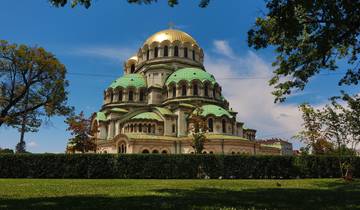
Alexander Nevsky Cathedral dominates Sofia’s skyline as one of the world’s largest Eastern Orthodox cathedrals, accommodating 5,000 worshippers beneath golden domes visible throughout the capital. The cathedral itself remains free to enter for visitors respecting active worship spaces, with modest dress codes requiring covered shoulders and knees, while photography inside costs €6 for permit allowing non-flash images of stunning frescoes and chandeliers. The cathedral’s crypt museum houses Europe’s most extensive Orthodox icon collection spanning 9th through 19th centuries, charging €6 admission (€3 students) for access to Byzantine masterpieces including rare medieval works from Bulgarian monasteries. Guided tours of the cathedral complex cost €17 for 1-2 hour experiences explaining architectural details, religious significance, and historical connections to Russian liberation of Bulgaria from Ottoman rule in 1870s. The surrounding square hosts informal antique markets on weekends where vendors sell Soviet-era memorabilia, traditional crafts, and religious items at negotiable prices.
Rila Monastery stands as Bulgaria’s spiritual symbol and most-visited attraction, located 117 kilometers south of Sofia in alpine Rila Mountains at 1,147 meters elevation. The monastery courtyard and main church remain free to access year-round, with visitors welcomed to observe architectural details, medieval frescoes, and active monastic life dating from 10th-century founding by hermit monk St. Ivan of Rila. The Monastery Museum charges €4 admission (€2 students) for access to extraordinary wood-carved Rafail’s Cross featuring 650 figures carved into single piece of wood, historical manuscripts, religious vestments, and Bulgarian National Revival period artwork. Hrelyo’s Tower admission costs €3 (€2 students) for climbing Bulgaria’s oldest preserved secular building from 14th century, offering panoramic mountain views and defensive architecture examination. Guided tours from Sofia typically cost €25-35 per person including round-trip bus transport, English-speaking guide, and visits to both Rila Monastery and Boyana Church, departing 9 AM from Alexander Nevsky Cathedral area and returning 5-6 PM. Independent travelers can reach Rila via public bus from Sofia’s Ovcha Kupel station at €6-8 each way, though limited schedules require overnight monastery accommodation (€10-15 per bed in pilgrim cells) to avoid rushing visits.
Boyana Church, located 8 kilometers southwest of Sofia city center, protects Bulgaria’s most celebrated medieval frescoes within a UNESCO World Heritage Site dating from 10th century with extraordinary 1259 additions. Admission costs €10 (€2 students) for strictly-controlled 15-minute viewing sessions limiting humidity and crowd impacts on fragile frescoes, with English explanations provided during entry about artistic significance predating Italian Renaissance naturalism by half-century. Bus 64 from Sofia’s Sofia University metro station reaches Boyana Church in 25 minutes for €0.80 standard fare, with hourly departures making independent visits practical for budget travelers avoiding combined Rila-Boyana tours. The nearby National History Museum charges €12 admission (€6 students) for comprehensive Bulgarian chronology from Thracian gold treasures through medieval religious artifacts to Communist period exhibits, located in former dictator Todor Zhivkov’s residence with surrounding park free to explore. Bus 63 connects National History Museum to city center, though many visitors combine Boyana Church and National History Museum via taxi at €10-15 total fare given close proximity.
Plovdiv’s Ancient Theatre ranks among Europe’s best-preserved Roman amphitheaters, seating 3,500 spectators for contemporary concerts and performances against backdrop of 2nd-century AD architecture restored to working condition. General admission costs €5 (€2 students) for self-guided exploration outside performance schedules, with summer evening concerts and opera performances charging separate ticket prices of €15-45 depending on artists and seating locations. The Old Town’s cobblestone lanes, colorful National Revival mansions, galleries, and cafes remain free to explore, with individual house museums charging €3-6 admission for period interiors and historical explanations including Balabanov House (Renaissance art collection) and Hindliyan House (19th-century merchant residence). Walking tours of Plovdiv cost €18-25 per person for 2-3 hour guided experiences explaining Roman heritage, Ottoman period architecture, and contemporary creative scenes in Kapana Arts District, though self-guided exploration using free city maps from tourist information centers proves equally rewarding for independent travelers comfortable navigating without structured commentary.
Bulgaria’s UNESCO World Heritage Sites
Bulgaria protects 10 UNESCO World Heritage Sites recognized between 1979 and 2017, representing exceptional concentrations of cultural and natural heritage within relatively compact territory. Rila Monastery (inscribed 1983) serves as the country’s spiritual symbol and architectural masterpiece, founded in 10th century by hermit monk St. Ivan of Rila with current buildings reconstructed during 19th-century Bulgarian National Revival movement featuring vibrant frescoes, distinctive striped facades, and defensive towers surrounding central church complex. Located 117 kilometers south of Sofia at 1,147 meters elevation in Rila Mountains, the monastery functions simultaneously as active religious community, museum preserving medieval manuscripts and wood carvings, and pilgrimage destination attracting both Orthodox faithful and secular tourists appreciating architectural and artistic significance beyond religious context.
Boyana Church (inscribed 1979) safeguards Bulgaria’s most significant medieval frescoes within small 11th-century structure expanded in 13th century when 1259 paintings were added under patronage of Bulgarian nobleman Sebastocrator Kaloyan. These frescoes revolutionized European religious art by depicting realistic human portraits with individual facial features and emotional expressions, predating similar developments in Italian Renaissance by 50 years and influencing subsequent Orthodox icon painting traditions throughout Balkans. The church’s diminutive size requires visitor number limitations protecting fragile frescoes from humidity and crowding, with strictly-enforced 15-minute viewing sessions allowing detailed examination of masterworks depicting donors, biblical scenes, and architectural details demonstrating sophisticated artistic techniques unavailable elsewhere in medieval Eastern Europe. Located 8 kilometers from Sofia city center in Boyana village suburb, the church combines easily with National History Museum visits or Vitosha Mountain hikes for day itineraries.
The Thracian Tomb of Kazanlak (inscribed 1979) represents Bulgaria’s most important archaeological discovery, a 4th century BC burial chamber decorated with exceptionally-preserved frescoes depicting Thracian funeral rituals, horse-drawn chariots, and spiritual beliefs about afterlife. The original tomb remains sealed to protect fragile paintings, with full-scale exact replica constructed adjacent to archaeological site allowing visitor access to magnificent artwork demonstrating sophisticated Thracian civilization contemporaneous with Classical Greek period. Located in Rose Valley town of Kazanlak 200 kilometers east of Sofia, the tomb forms centerpiece of broader Thracian heritage tourism including Valley of Thracian Kings archaeological sites, Shipka Pass memorial to Russian-Turkish liberation war, and Buzludzha abandoned Communist monument transformed into post-apocalyptic photography subject. The Thracian Tomb of Sveshtari (inscribed 1985) in northeastern Bulgaria near Romanian border adds complementary perspectives on Thracian royal burial customs with unique architectural features including caryatid half-human half-plant figures carved into walls of 3rd century BC chamber tomb discovered in 1982.
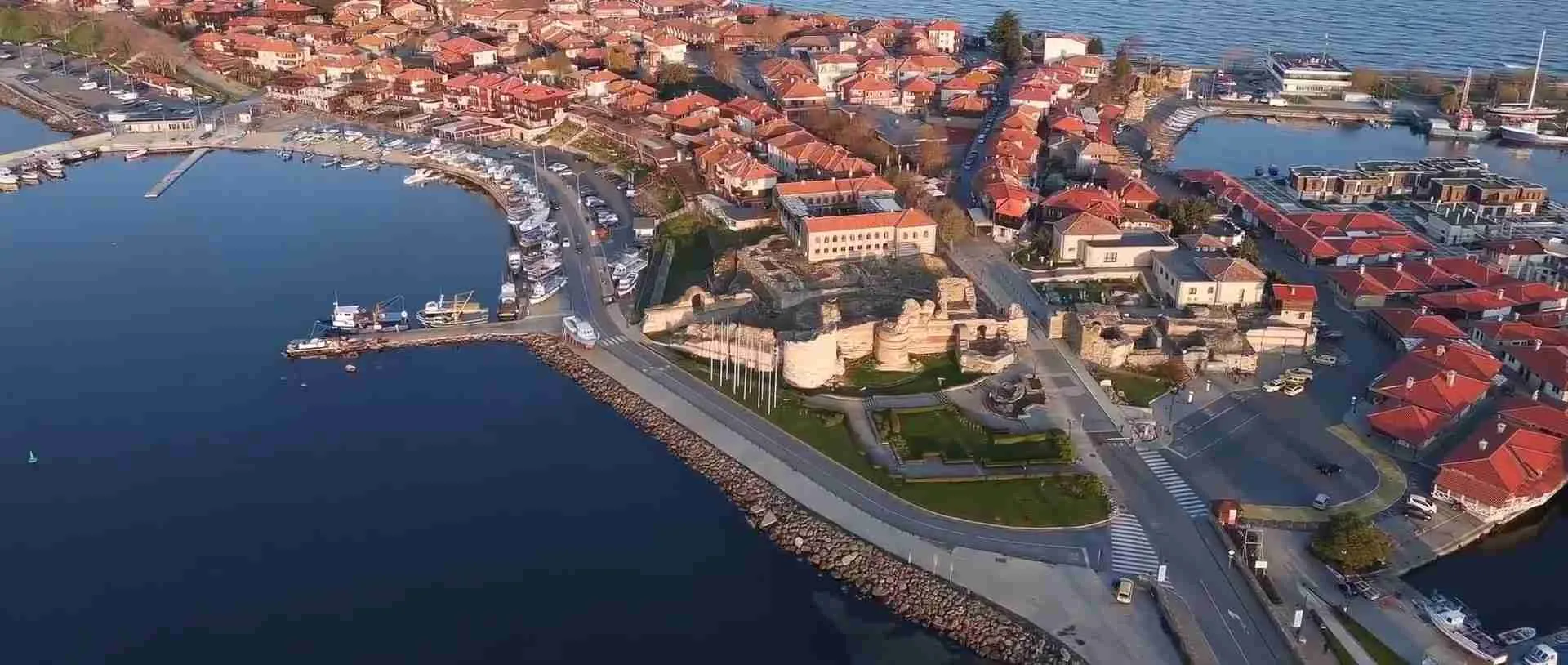
Ancient City of Nessebar (inscribed 1983) preserves 3,000 years of continuous habitation on small Black Sea peninsula connected to mainland by narrow isthmus, with archaeological layers revealing Thracian settlements, Greek colonies, Roman expansion, Byzantine fortifications, and Bulgarian medieval churches competing for limited space within compact Old Town. More than 40 medieval churches survive in various preservation states, with structures like Church of Christ Pantocrator (13th-14th century) and Church of St. John Aliturgetus demonstrating architectural evolution from Early Christian basilicas through High Byzantine cross-domed plans to Bulgarian National Revival renovations. Wooden houses from 18th-19th centuries lean over cobblestone lanes on upper floors supported by stone foundations, creating picturesque lanes filled with restaurants, souvenir shops, and galleries catering to summer beach resort visitors from adjacent Sunny Beach mega-resort. The peninsula’s compact walkable size allows 2-3 hour self-guided explorations combining UNESCO heritage appreciation with Black Sea swimming, seafood dining, and sunset photography from ancient fortification remnants.
Ivanovo Rock Churches (inscribed 1979) comprise 13th-century chapels, churches, and monastic cells carved directly into vertical limestone cliffs along Rusenski Lom River canyon in northeastern Bulgaria near Danube River and Romanian border. Medieval monks excavated living quarters and worship spaces 36 meters above river level, decorating carved chambers with extraordinary frescoes demonstrating Turnovo School painting traditions during Second Bulgarian Empire’s cultural golden age. The frescoes’ exceptional quality, preservation, and artistic sophistication earned UNESCO recognition, with scenes depicting Christ’s miracles, biblical narratives, and donor portraits providing insights into medieval Bulgarian religious life and artistic achievements. Modern metal stairways allow visitor access to several churches within the complex, with guided tours explaining historical context, artistic techniques, and monastic communities that inhabited these remote canyon sanctuaries until 17th century Ottoman period when Christian monasteries faced increased pressures and eventual abandonment. The site combines with nearby Cherven medieval fortress ruins and Srebarna Nature Reserve (also UNESCO-listed) for comprehensive northeastern Bulgaria heritage tourism exploring lesser-known regions beyond Sofia-Plovdiv-Black Sea coastal circuits.
Madara Rider (inscribed 1979) presents one of Europe’s most enigmatic medieval monuments: an 8th-century relief carved 23 meters up sheer limestone cliff depicting mounted horseman triumphing over lion, accompanied by dog and Greek inscriptions recording Bulgarian Khan victories over Byzantine Empire. The relief’s symbolic significance as representation of emerging First Bulgarian Empire power, technical achievement carving detailed figures at such heights without scaffolding evidence, and historical documentation value of accompanying inscriptions combine to earn UNESCO recognition and Bulgarian national symbol status. Located near town of Shumen in northeastern Bulgaria at archaeological complex including Madara Plateau caves, Roman fortifications, and medieval fortress remnants, the rider requires steep stairway climb for close viewing though most dramatic perspectives come from designated viewpoint across ravine capturing full compositional arrangement of horseman, defeated enemies, and cliff face context. The site attracts Bulgarian school groups studying national history alongside international tourists appreciating unique early medieval artistic achievement unparalleled elsewhere in Balkans.
Pirin National Park (inscribed 1983) protects 400 square kilometers of alpine and subalpine ecosystems in southwestern Bulgaria’s Pirin Mountains, with limestone karst formations, glacial lakes, ancient forests, and endemic flora-fauna species earning natural heritage recognition. The park encompasses Vihren peak at 2,914 meters as Bulgaria’s second-highest summit, alongside 70 glacial lakes including famous Banderishki Lakes cirque accessible via challenging hiking trails from Bansko town. Biodiversity includes 1,300 plant species, 45 mammal species including brown bears and Balkan chamois, and pristine forests of Macedonian pine, Bosnian pine, and endemic Pirin poppies. Summer hiking season runs June through September with mountain hut accommodations at €10-20 per night for multi-day treks, while winter transforms park periphery into ski terrain with Bansko resort operating lifts and trails on park boundaries under careful environmental management. UNESCO recognition came with specific requirements for balancing tourism development around Bansko with wilderness preservation deeper in park, creating ongoing tensions between local economic development interests and international conservation standards.
Srebarna Nature Reserve (inscribed 1983) safeguards critical Danube River wetland ecosystem near Bulgarian-Romanian border, with 600-hectare freshwater lake attracting 220 bird species including endangered Dalmatian pelicans, ferruginous ducks, and various heron colonies using the reserve for breeding, migration stopovers, and wintering. The reserve’s positioning along Via Pontica bird migration route between Europe and Africa creates globally-significant ornithological value, with spring and autumn migrations bringing spectacular concentrations of waterfowl, raptors, and wading birds observable from designated viewing platforms and educational center explaining wetland ecology and conservation challenges. Road access from Silistra town allows day visits combining birdwatching with Danube River cultural sites, though visiting outside peak migration seasons (April-May, September-October) reduces wildlife observation opportunities significantly. UNESCO recognition helped secure Bulgarian government protection against drainage schemes that historically threatened Danube wetlands throughout Romania and Bulgaria, preserving rare natural lake ecosystems increasingly scarce in heavily-modified European riverine landscapes.
Ancient and Primeval Beech Forests of the Carpathians and Other Regions of Europe (inscribed 2017 expansion) includes Bulgarian forest stands within transnational UNESCO property spanning 12 countries and protecting old-growth beech forest ecosystems largely eliminated elsewhere through centuries of logging and land clearing. Bulgarian components include sections of Central Balkan National Park protecting pristine montane forests untouched by industrial forestry, with ancient beech trees exceeding 300 years age demonstrating forest dynamics and biodiversity absent in managed woodlands. The inscription recognizes ecological value of old-growth forests as genetic repositories, wildlife habitats, and scientific benchmarks for understanding natural forest processes before human modification. Practical visitor access focuses on Central Balkan National Park hiking trails from Kalofer and Karlovo towns, with spring wildflower displays and autumn foliage colors offering most dramatic visual appeals beyond purely ecological significance appreciated by specialist researchers and conservation advocates.
Regional Destinations Throughout Bulgaria 2026
Plovdiv ranks as Bulgaria’s second city and one of Europe’s oldest continuously-inhabited settlements, with 8,000 years of human presence creating archaeological layers from Neolithic villages through Thracian fortifications, Roman urbanization, Byzantine administration, Ottoman governance, and Bulgarian National Revival cultural flowering. The Ancient Theatre dominates visitor attention with its 2nd-century AD amphitheater seating 3,500 spectators for contemporary summer concerts, while Roman Stadium remnants surface in central pedestrian zones alongside archaeological exhibits explaining ancient Trimontium’s regional importance. The Old Town’s colorful National Revival houses lean over cobblestone lanes on wooden upper floors overhanging stone ground levels, with museums preserving period interiors, art galleries occupying renovated merchant mansions, and atmospheric restaurants serving traditional Bulgarian dishes in courtyards with amphitheater views. Kapana Arts District transformed from derelict Ottoman-period quarters into Sofia’s creative hub with street art, independent boutiques, craft beer bars, and experimental restaurants attracting younger demographics beyond conventional heritage tourism appeals.
The Black Sea coast extends 378 kilometers from Romanian Danube Delta to Turkish border, dividing into northern resort concentrations (Golden Sands, Albena), central beach mega-resorts (Sunny Beach, Nessebar), and southern alternatives balancing development with character (Sozopol, Pomorie, Tsarevo). Sunny Beach represents Bulgaria’s largest resort with 130 hotels, 200 restaurants, and capacity for 300,000 tourists during July-August peaks, delivering package holiday experiences with all-inclusive properties, beach clubs, water sports, and intensive nightlife at prices 50% below Spanish or Greek Mediterranean equivalents. Nessebar Old Town provides cultural counterpoint on adjacent peninsula, with UNESCO medieval churches and wooden Revival houses creating atmospheric dining and shopping districts accessible via 10-minute walks from Sunny Beach accommodation. Golden Sands resort north of Varna offers similar mass-tourism infrastructure focused on northern European package tourists, while Albena presents more upscale positioning with quality hotels, spa facilities, and family-oriented atmosphere eliminating Sunny Beach’s party-heavy reputation. Sozopol in south maintains fishing village character despite summer tourism, with stone Old Town houses, seafood restaurants serving daily catches, and local character missing from northern mega-resorts.
Varna functions as Black Sea coast’s administrative and cultural center, combining working port city character with resort infrastructure, Roman thermal baths preserving 2nd-century AD public bathing complexes, Archaeological Museum displaying world-famous Varna Chalcolithic Necropolis golden treasures from 4,600 BC, and Sea Garden parks extending along shoreline with summer festivals, open-air theatre, and Dolphinarium attractions. The city offers mid-range hotel concentrations at €50-90 nightly undercutting resort town premiums, authentic Bulgarian restaurant scenes beyond tourist-oriented menus, and convenient base for exploring northern coast including Balchik’s Palace and Botanical Garden or Kaliakra Cape nature reserve with dramatic cliff formations and medieval fortress remnants. Burgas serves parallel role for southern coast, with less architectural heritage than Varna but stronger natural surroundings including three coastal lakes (Burgas, Atanasovsko, Mandrensko) attracting significant birdlife, fishing traditions supplying excellent seafood restaurants, and ferry connections to Nessebar and Sozopol providing beach access without resort accommodation costs.
Bansko dominates Bulgarian winter sports as the country’s premier ski resort, with modern eight-seat gondola connecting town center to slopes at 2,500 meters elevation, 75 kilometers of marked runs from beginner greens through challenging blacks, snowmaking systems ensuring reliable conditions December through March, and après-ski scenes rivaling Alpine resorts at fraction of costs. Lift tickets cost €38-45 daily (€170-200 weekly) compared to €60-90 in Austria or France, while ski school group lessons at €25-35 per day and equipment rentals at €15-25 daily maintain Bulgaria’s value proposition for winter sports. The town itself preserves National Revival architecture in mehana-lined old quarter, with taverns serving slow-roasted meats, live folk music, and local wines creating cultural experiences beyond pure ski focus. Summer transforms Bansko into hiking base for Pirin National Park, with glacial lake trails, Vihren peak ascents, and mountain hut accommodations attracting outdoors enthusiasts when winter visitors depart. Borovets and Pamporovo offer alternative ski resorts with Borovets positioned closest to Sofia at 70 kilometers facilitating day trips, while Pamporovo in Rhodope Mountains delivers gentler terrain suitable for families and intermediate skiers alongside unique cultural positioning near Thracian archaeological sites and Muslim Pomak villages.
Veliko Tarnovo ranks among Bulgaria’s most historically significant cities as former capital of Second Bulgarian Empire during 12th-14th centuries, with Tsarevets Fortress commanding clifftop position above Yantra River loops, medieval churches including Church of Forty Martyrs preserving victory inscriptions from Bulgarian Tsar Kaloyan, and Old Town quarters (Asenov and Varosha) climbing steep hillsides with traditional architecture and artisan workshops. Sound and light shows illuminate Tsarevets during summer evenings, with dramatic projections and music narrating Bulgarian historical events from fortress battlements. The city functions as convenient base for exploring Arbanasi village’s fortified church complexes with remarkable frescoes, Preobrazhenski Monastery in nearby gorges, and Dryanovo Monastery combining religious significance with cave hermitages and surrounding karst landscapes. Hotel costs run 20-30% below Sofia equivalents at €35-70 nightly mid-range, with excellent traditional restaurants serving regional Balkan specialties and university student populations creating affordable cafe and nightlife scenes beyond pure tourism economies.
Seasonal Weather Patterns and Best Times to Visit Bulgaria 2026
Spring emerges as one of Bulgaria’s optimal travel windows, with April and May bringing temperatures of 15-22°C, blooming valleys particularly spectacular in Rose Valley near Kazanlak, comfortable hiking conditions in Rila and Pirin mountains before summer heat, and 30-40% lower accommodation costs than peak summer months. April sees occasional rain showers requiring flexible outdoor planning, though Sofia’s museums, galleries, and churches provide weather-independent alternatives when precipitation forces indoor pivots. May delivers more reliable sunshine with extended daylight hours and pre-summer pricing for Black Sea coast early-season visitors finding beaches nearly empty, water temperatures cool but swimmable at 18-20°C, and resort infrastructure operating at reduced capacity with limited restaurant choices compared to July-August abundance. Spring festivals include Sofia Film Festival in March showcasing Bulgarian and international cinema, Orthodox Easter celebrations particularly atmospheric at monasteries with midnight services and traditional foods, and early-season cultural events in Plovdiv capitalizing on shoulder-season tourist arrivals.
Summer dominates Bulgarian tourism with June through August bringing peak visitor numbers, highest accommodation rates particularly on Black Sea coast, maximum operational hours for attractions and restaurants, and weather extremes ranging from Mediterranean beach perfection to urban heat requiring air-conditioned hotel rooms. July and August deliver consistent 28-32°C temperatures in Sofia and inland cities, with occasional heat waves pushing 35°C and making midday outdoor activities uncomfortable without shade and hydration planning. Black Sea coast benefits from moderating sea breezes keeping temperatures at 26-30°C, with water reaching peak warmth at 23-24°C perfect for extended swimming, beach clubs operating full entertainment programs, and resort towns like Sunny Beach and Golden Sands reaching capacity with package tourists predominantly from Germany, UK, Russia, and Scandinavia. Mountain regions provide escape from lowland heat, with Vitosha, Rila, and Pirin offering 5-8°C cooler temperatures at elevation, forest shade for hiking trails, and glacial lake destinations like Seven Rila Lakes requiring full-day treks rewarding effort with alpine scenery and relative solitude compared to coast crowds.
Autumn rivals spring for ideal Bulgaria travel conditions, with September and early October maintaining summer warmth at 20-26°C while eliminating peak-season crowds and reducing accommodation costs 30-40% as package tourists depart. September continues Black Sea swimming season with water temperatures at 22-24°C, beaches dramatically less crowded than July-August chaos, and restaurants maintaining full operations before October shoulder-season closures. Grape harvest season transforms wine regions around Plovdiv and Melnik into active production zones, with wineries offering harvest experiences and new vintage tastings supplementing standard tours. October brings autumn colors to mountain forests particularly stunning in Rhodopes and Pirin ranges, harvest festivals celebrating agricultural traditions in rural villages, and comfortable city exploration weather before November rain and grey skies arrive. Sofia and Plovdiv maintain full cultural calendars through autumn with concert seasons, gallery exhibitions, and restaurant scenes undistorted by tourist influxes characterizing summer months.
Winter divides Bulgaria into distinct seasonal experiences, with ski resorts reaching peak operation and pricing December through February while cities offer lowest accommodation rates and fewest tourists December through March excluding Christmas-New Year week. Bansko, Borovets, and Pamporovo deliver reliable snow conditions through snowmaking supplementing natural precipitation, with January-February providing best powder and longest operational hours though also coldest temperatures at -5 to -15°C requiring appropriate clothing and equipment. Sofia transforms into winter city with Christmas markets on Alexander Nevsky square, atmospheric cafes and museums providing indoor cultural activities, and hotel bargains at €40-65 nightly for mid-range properties charging €70-95 in summer. Black Sea coast largely hibernates with resort hotels closing November through March, though Varna and Burgas maintain year-round operations as working cities rather than pure tourism destinations. Monastery visits gain special character in winter snow with fewer visitors, enhanced atmospheric conditions, and opportunities to observe monastic life without summer tourist disruptions, though remote mountain monasteries may face access challenges during heavy snowfall periods.
Day Trips and Excursions from Sofia 2026
Rila Monastery represents Bulgaria’s most popular day trip from Sofia, combining UNESCO World Heritage architecture, mountain scenery, and spiritual significance in single excursion feasible within standard 8-10 hour timeframe. Organized tours departing 9 AM from Sofia city center cost €25-35 per person including round-trip bus transport, English-speaking guide, monastery admission charges, and often combined visits to Boyana Church on return route, returning to Sofia approximately 5-6 PM. These tours provide hassle-free logistics, historical context via guides explaining medieval monastery founding, National Revival period reconstructions, and religious artifacts including Rafail’s Cross wood carving masterpiece, plus time management ensuring groups avoid missing return buses. Independent travelers can reach Rila via public bus from Sofia’s Ovcha Kupel station at €6-8 each way, though limited schedules with single morning departure and late afternoon return require precise timing or overnight monastery accommodation stays to avoid rushing 2-3 hour monastery explorations necessary for appreciating complex’s architectural details, frescoes, and museum collections.
Seven Rila Lakes hiking excursion delivers Bulgaria’s most spectacular alpine scenery, with glacial lakes arranged at different elevations in Rila Mountains cirque accessible via gondola lift from mountain resort base. Full-day trips from Sofia combine 2-hour drives to Panichishte or Pioneers Hut trailheads, gondola ascents reducing elevation gain for moderate-fitness hikers, and 3-4 hour lake circuits at 2,100-2,500 meters altitude with panoramic mountain views and pristine alpine environments. Tour packages at €45-60 per person include transport, gondola tickets, packed lunches, and guide services explaining geology, ecology, and mountain legends associated with lakes named The Tear, The Eye, The Kidney, etc., based on shapes. Independent adventurers with rental cars can drive directly to trailheads, though mountain road conditions require confidence with switchbacks and limited shoulders, while gondola-free hiking routes add 1,000+ meters elevation gain creating strenuous full-day slogs suitable only for experienced mountain hikers with proper equipment, weather planning, and early starts allowing return before afternoon thunderstorms common in summer months.
Plovdiv excursions offer cultural alternatives to mountain and monastery trips, with Bulgaria’s second city located 150 kilometers southeast of Sofia reachable in 2 hours via highway or 2.5 hours by intercity bus at €8-12. The Ancient Theatre, Old Town’s National Revival architecture, Roman Stadium remains, and Kapana Arts District provide full-day explorations combining archaeological heritage, museum visits, traditional mehana lunches, and contemporary creative scenes in single compact walkable urban center. Organized tours at €35-50 per person include transport, guide services explaining Thracian, Roman, and Bulgarian historical layers, Old Town orientation walks, and often wine tastings at Thracian Valley estates en route. Independent travelers using intercity buses gain maximum flexibility for self-guided explorations, with hourly bus departures throughout day allowing morning trips for extended afternoon Old Town wanderings or late-morning departures facilitating overnight Plovdiv stays at hotels 25-30% cheaper than Sofia equivalents. The Bachkovo Monastery located 30 kilometers south of Plovdiv adds religious architecture component to Plovdiv itineraries, with 11th-century founding, extraordinary frescoes, and Rhodope Mountain forest settings creating atmospheric half-day excursions combinable with Plovdiv city tours.
Koprivshtitsa represents Bulgaria’s best-preserved National Revival town, with 19th-century wooden houses, museums honoring April Uprising revolutionary heroes, and mountain valley setting creating open-air architectural museum atmosphere 110 kilometers east of Sofia. Day trips by organized tour at €40-55 per person include transport, guide services explaining Bulgarian liberation struggles against Ottoman Empire, museum admissions to period houses demonstrating wealthy merchant lifestyles, and traditional restaurant lunches featuring regional Balkan specialties. The town’s compact size allows 2-3 hour self-guided explorations hitting major house museums (Oslekov House, Lyutov House, Kableshkov House), churches, and traditional craft shops, though limited public transport connections via infrequent buses from Sofia Central Bus Station make organized tours or rental cars most practical access methods. Summer folk festival in August brings traditional costumes, music performances, and craft demonstrations adding cultural depth beyond purely architectural tourism, while winter snow creates postcard atmospheres though some house museums close November through March during low-season periods.
Vitosha Mountain looms directly above Sofia’s southern suburbs, providing immediate outdoor recreation access via 30-minute metro rides to Vitosha station followed by bus connections or taxi transfers to trailheads. The mountain’s 2,290-meter Cherni Vrah summit requires 3-4 hours hiking from Golden Bridges trailhead, with panoramic Sofia views, alpine meadows, and forest trails varying difficulty from family-friendly nature walks to challenging peak ascents. Winter transforms Vitosha into Sofia’s backyard ski resort with Aleko area lifts operating weekends and holidays, though limited vertical drop and variable snow conditions create inconsistent ski experiences compared to purpose-built Bansko or Borovets resorts. Summer brings hiking, mountain biking, and trail running opportunities alongside traditional mountain hut refreshments serving grilled meats, bean soups, and Zagorka beers at authentic Bulgarian prices undistorted by urban tourist markups. Day trips combining Vitosha hiking with Boyana Church visits maximize UNESCO cultural heritage and outdoor recreation in single efficient itinerary, with bus 64 connecting both destinations to Sofia University metro station for seamless public transport logistics.
Bulgarian Cuisine and Traditional Foods 2026
Bulgarian cuisine evolved from Thracian, Slavic, and Ottoman culinary traditions, emphasizing grilled meats, fresh vegetables, yogurt-based preparations, and hearty stews flavored with paprika, savory, and local herbs. Shopska salad anchors nearly every Bulgarian meal, combining chopped tomatoes, cucumbers, peppers, and onions topped with crumbled white sirene cheese (similar to feta) and drizzled with sunflower oil, served as appetizer or side dish at €3-6 in restaurants. Banitsa represents quintessential Bulgarian breakfast pastry—flaky phyllo dough layered with white cheese, eggs, and butter, baked until golden and served warm from bakeries for €1-2 per generous slice. Kavarma slow-cooked stews combine pork or chicken with mushrooms, peppers, tomatoes, and red wine in traditional clay pots, developing rich flavors through extended cooking and served bubbling-hot with crusty bread for sauce absorption at €8-14 per portion. Kebapche and kyufte dominate Bulgarian grilled meat selections, with kebapche resembling elongated grilled sausages made from ground pork and beef seasoned with cumin and served with lyutenitsa (roasted pepper-tomato relish) and French fries, while kyufte presents as spiced meatballs similarly grilled and accompanied by traditional sides.
Tarator cold soup provides refreshing summer staple combining Bulgarian yogurt, cucumbers, dill, garlic, and walnuts with cold water, creating tangy gazpacho-like starter served in chilled bowls particularly welcome during July-August heat. Bulgarian yogurt itself deserves recognition beyond cuisine component, with Lactobacillus bulgaricus bacteria creating distinctive tangy flavor and creamy texture unavailable in Western yogurt products, consumed plain with honey for breakfast, mixed into Snezhanka cucumber-yogurt dip (similar to Greek tzatziki), or incorporated into countless recipes. Bob chorba bean soup represents Bulgaria’s national comfort food—white beans slow-cooked with peppers, tomatoes, onions, and savory herbs, served steaming in traditional clay bowls with crusty bread and optional hot pepper garnish at €4-7 per bowl. Musaka differs significantly from Greek moussaka, presenting as potato-egg casserole rather than eggplant-meat layering, with some regions adding ground meat layers while others maintain vegetarian versions—served as main course or substantial side dish at €6-10 per portion.
Traditional mehana restaurants provide authentic Bulgarian dining atmospheres with wood-beamed ceilings, folk music performances, traditional costumes on waitstaff, and menus emphasizing regional specialties and ancestral recipes. Sofia mehanas like Hadjidraganovite Kashti (€10-18 mains), Chevermeto (€12-20 mains with live music weekends), and Pri Yafata (€8-15 mains in renovated National Revival house) deliver cultural experiences alongside meals, with appetizer platters including lukanka (cured sausage), sudzhuk (spicy dried sausage), various sirene cheese preparations, and fresh vegetables creating shared starter courses before individual main dish selections. Wine accompaniments emphasize Bulgarian varieties from Thracian Valley estates, with Mavrud red wines offering robust full-bodied character, Melnik reds providing elegant alternatives, and Misket whites delivering aromatic refreshing options at €12-25 per bottle in restaurants (€8-15 retail for equivalent quality). Rakia fruit brandies conclude traditional meals as digestifs, with plum rakia most common though grape, apricot, and pear varieties available at €2-4 per serving in restaurants.
Regional specializations create opportunities for focused culinary tourism throughout Bulgaria. Rose Valley around Kazanlak produces rose petal jams, rose water, and rose-infused desserts utilizing petals from fields supplying global perfume industry, with rose-flavored Turkish delight and rose liqueurs available at specialty shops and restaurants during May-June harvest season. Rhodope Mountain regions prepare cheverme (whole lamb spit-roasted for hours), served at village festivals and specialized taverns at €10-15 per generous portion with traditional bread and salads. Black Sea coast emphasizes seafood with grilled sea bass at €12-20 per fish, mussel dishes at €8-12 per pot, and octopus salads incorporating Mediterranean preparation influences from centuries of Greek and Turkish coastal interactions. The Melnik wine region in southwestern Bulgaria produces distinctive red wines from indigenous Shiroka Melnishka variety, with small family wineries offering tastings paired with local meats and cheeses at €15-25 per person in vineyard settings showcasing terraced hillside viticulture and medieval town atmospheres.
Practical Travel Tips for Bulgaria 2026
Language presents moderate challenges in Bulgaria, with Cyrillic alphabet used for all Bulgarian text creating initial disorientation for visitors unfamiliar with Slavic writing systems. Major tourist areas in Sofia, Plovdiv, and Black Sea resorts feature English signage for museums, restaurants, and hotels, while younger Bulgarians under 40 often speak functional English from school instruction and internet exposure. Learning basic Cyrillic letters allows reading street signs, metro stations, and menu items, with straightforward phonetic correspondences making alphabet memorization easier than feared—letters like Ш (sh), Ж (zh), and Ц (ts) quickly become recognizable after minimal practice. Translation apps like Google Translate provide camera function translating Cyrillic text to English in real-time via smartphone screens, essential for navigating rural areas, reading bus schedules, and understanding restaurant menus in traditional establishments without English translations. Basic Bulgarian phrases—”Zdraveyte” (hello), “Blagodarya” (thank you), “Kolko struva?” (how much?)—demonstrate respect and often unlock friendly assistance from locals appreciating foreigners’ linguistic efforts.
Mobile connectivity requires either international roaming plans from home carriers or local Bulgarian SIM cards purchased at Sofia Airport, city center mobile shops, or convenience stores. Bulgarian mobile networks Vivacom, A1, and Yettel offer prepaid tourist SIM packages at €10-20 including 10-20GB data, unlimited domestic calls, and EU roaming under regulation allowing SIM usage throughout European Union at Bulgarian rates. These packages provide essential navigation via Google Maps, restaurant research, translation apps, and communication flexibility throughout Bulgaria travels without incurring expensive international roaming charges potentially reaching €10-15 per day from U.S. or other non-EU carriers. Wi-Fi availability approaches ubiquitous levels in hotels, restaurants, cafes, and museums throughout Sofia and Plovdiv, with Black Sea resorts and mountain destinations showing more variable connectivity requiring mobile data backup for reliable internet access during outdoor activities and remote monastery visits.
Safety considerations remain minimal throughout Bulgaria, with violent crime against tourists exceptionally rare and petty theft concentrated in predictable locations allowing simple precautions to mitigate risks. Sofia metro stations, particularly Serdika interchange and Central Bus Station area, attract pickpockets targeting crowded trains during rush hours—maintain awareness of bags, avoid displaying expensive electronics or jewelry conspicuously, and carry wallets in front pockets or secure bags preventing easy access. Black Sea resort areas, especially Sunny Beach nightlife districts, host occasional drink scams and inflated charges at clubs—verify prices before ordering, pay per drink rather than running tabs, and avoid isolated establishments with aggressive touts soliciting customers. Street scams remain uncommon compared to Western European tourist cities, though airport taxi touts offering rides at inflated rates require declining in favor of official taxi stands, Uber/Bolt apps, or pre-booked transfers arranged through accommodation. Emergency services respond to 112 universal number with English-speaking operators, while embassies in Sofia provide consular assistance for serious problems including lost passports, legal issues, or medical emergencies requiring hospitalization.
Cultural etiquette emphasizes Bulgarian traditions around hospitality, religious sites, and social interactions. Orthodox churches and monasteries expect modest dress with shoulders covered, knees covered, and head scarves available for women at entrance areas, while photography inside churches often requires permission or small fees respecting sacred spaces and artistic heritage. Removing shoes upon entering Bulgarian homes follows standard Balkan hospitality customs, with hosts typically offering house slippers to guests as comfort gesture. Tipping conventions expect 10% at sit-down restaurants for good service, with amounts rounded to nearest euro for convenience, while taxis appreciate rounding up fares to next euro though not mandatory for basic rides. Bulgarian head gestures reverse Western conventions with head nods indicating “no” while head shakes signal “yes”—foreign visitors often initially confuse these signals until recognizing pattern, though younger Bulgarians increasingly adopt Western gesture conventions from media exposure creating occasional ambiguity requiring verbal confirmation of responses.
Health precautions remain minimal for Bulgaria travel, with tap water safe to drink throughout cities though bottled water widely available and inexpensive at €0.50-1 per liter, European Health Insurance Card providing EU citizens with access to Bulgarian public healthcare system at local rates, and comprehensive travel insurance recommended for non-EU visitors covering medical evacuation and private hospital treatment avoiding public system limitations. Pharmacies marked with green crosses throughout cities provide over-the-counter medications for minor ailments, with pharmacists often speaking English and offering advice for common travel health issues. No vaccinations beyond routine recommendations required for Bulgaria entry, though tick-borne encephalitis vaccination worth considering for travelers planning extensive mountain hiking in forested Rila, Pirin, or Rhodope ranges during April-October active tick season. Summer heat creates primary health risk with dehydration possibilities during extended outdoor activities requiring adequate water intake, sun protection via hats and sunscreen, and scheduling strenuous hiking or sightseeing for morning or late afternoon hours avoiding midday heat peaks exceeding 30°C regularly during July-August.
Hidden Gems and Off-the-Beaten-Path Bulgaria
Belogradchik Rocks present one of Bulgaria’s most dramatic natural formations, with 200-meter-high limestone and sandstone pillars creating otherworldly landscapes in northwestern region near Serbian border. The rocks inspired fortress construction with medieval walls connecting natural towers into defensive complex, while individual formations earned names like The Madonna, The Horseman, and The Schoolgirl based on imagined silhouettes. Located 180 kilometers northwest of Sofia near small town of Belogradchik, the area receives fraction of visitors compared to Rila or coastal destinations despite extraordinary scenery rivaling American Southwest rock formations. Full-day independent trips require rental cars given limited public transport, though organized tours from Sofia at €55-75 per person combine Belogradchik with Magura Cave’s prehistoric paintings and Serbian border village visits. The rocks provide exceptional photography opportunities during golden hour, while fortress explorations at €4 admission reveal panoramic views across Bulgarian-Serbian borderlands and Danube plains stretching toward Romanian frontier.
Melnik preserves Bulgaria’s smallest town status with 290 permanent residents, yet harbors oversized architectural heritage with National Revival mansions, 17th-18th century churches, and wine cellars carved into sandstone cliffs supporting indigenous red wine production from Shiroka Melnishka grape variety. The town’s dramatic setting in Pirin Mountain foothills with distinctive white limestone pyramids surrounding compact historic center creates photogenic landscapes rarely visited by international tourists despite UNESCO tentative list inclusion. Family-run wineries offer tastings at €10-20 per person, with Damianitza and Logodazh estates providing tours explaining centuries-old viticulture traditions and local grape varieties unavailable elsewhere in Bulgaria. Rozhen Monastery located 5 kilometers from Melnik adds religious architecture dimension, with 13th-century founding, excellent frescoes, and mountain forest setting accessible via forest trail hikes from town. Accommodation options remain limited with several small guesthouses at €25-40 nightly including breakfast and wine, making Melnik suitable for overnight excursions from Sofia (170 kilometers, 3 hours) or combinations with Rila Monastery and Bansko itineraries exploring southwestern Bulgaria regions.
Shiroka Laka village exemplifies Rhodope Mountain traditional architecture and culture, with stone-roofed houses climbing steep hillsides, narrow cobblestone lanes connecting multi-story family compounds, and Museum of Rhodope Folk Musical Instruments preserving unique bagpipe and other instruments traditions. The village hosts folklore festivals featuring traditional costumes, Rhodope polyphonic singing, and ritual performances maintaining authenticity rarely found in commercial tourism presentations. Winter brings kukeri masked carnival celebrations with elaborately-costumed dancers performing rituals to chase evil spirits, while summer attracts hikers accessing Rhodope trails from village base. Accommodation consists of family guesthouses at €20-35 nightly with home-cooked meals featuring local specialties like patatnik (potato-cheese casserole) and cheverme (spit-roasted lamb), providing insights into rural Bulgarian hospitality and mountain village life unchanged for generations. Located 230 kilometers southeast of Sofia and 90 kilometers south of Plovdiv, Shiroka Laka requires rental car access though combination with Bachkovo Monastery, Pamporovo ski resort, and Smolyan regional museum creates comprehensive Rhodope Mountains cultural immersion itineraries.
Rupite thermal springs area near Greek border combines natural hot springs, unique microclimate, and Baba Vanga pilgrimage site with unusual Neo-Byzantine church designed by Bulgarian mystic’s architect. The spring-fed wetland attracts bird species typically found in Mediterranean climates, with subtropical vegetation thriving in geothermal-heated microclimate surrounded by Bulgarian temperate zones. Church of Saint Petka Bulgarska features controversial frescoes and design choices reflecting Baba Vanga’s syncretic beliefs combining Orthodox Christianity with folk traditions, creating unique religious site unlike conventional Bulgarian monasteries. Thermal pools allow bathing in 70°C spring water cooled to comfortable temperatures, with small spa facilities and picnic areas lacking commercial development characterizing more famous thermal destinations. Located 15 kilometers from Petrich town near Greek border, Rupite combines well with Melnik visits or standalone day trips from Plovdiv (150 kilometers, 2.5 hours), appealing to travelers seeking unusual cultural-natural combinations beyond standard tourist circuits.
Buzludzha Monument towers on central Balkan mountain peak as Bulgaria’s most iconic Communist-era architecture, a UFO-shaped concrete structure commemorating Bulgarian socialist movement with mosaic-decorated interior now abandoned and decaying into post-apocalyptic photography subject. The monument’s remote 1,441-meter elevation location, monumental scale with 70-meter-diameter main hall, and dramatic deterioration state create surreal atmospheres attracting urban exploration photographers, architecture enthusiasts, and travelers fascinated by Communist heritage. Official access remains restricted with fences and warning signs, though determined visitors reach the site via rough mountain road requiring 4WD vehicles and tolerance for boundary ambiguities. The surrounding Balkan Range offers legitimate hiking attractions including Shipka Pass memorial to Russo-Turkish liberation war and Shipka Memorial Church with golden domes visible for kilometers, creating legal alternatives or combinations with Buzludzha approaches. Located 14 kilometers from Kazanlak near Rose Valley, the area combines with Thracian Tomb visits for day trips from Plovdiv or Sofia exploring central Bulgarian historical layers from ancient Thracian through Communist periods.
Wine Tourism and Bulgarian Wine Regions 2026
Bulgarian wine culture dates to Thracian antiquity with archaeological evidence revealing 6,000 years of viticulture traditions, surviving Byzantine, Ottoman, and Communist periods to emerge in 21st century as quality-focused industry rediscovering indigenous grape varieties and terroir-driven approaches. The Thracian Valley wine region stretches across central-southern Bulgaria between Stara Zagora and Plovdiv, encompassing over 50% of national vineyard area and producing full-bodied red wines from Mavrud, Rubin, and international Cabernet Sauvignon and Merlot varieties alongside aromatic Misket whites. Major estates like Bessa Valley, Villa Yustina, and Chateau Copsa offer tastings at €15-25 per person including vineyard tours, cellar visits, and food pairings showcasing Bulgarian cheeses and charcuterie, with appointment-based visits ensuring personalized attention unavailable at mass-tourism wine destinations in France or Italy. The region’s proximity to Plovdiv creates convenient day-trip circuits combining Roman archaeological sites, Old Town architecture, and multiple winery visits within single itineraries.
Melnik wine subregion in southwestern mountains specializes in indigenous Shiroka Melnishka red variety producing wines with distinctive tannin structure, aging potential, and regional character reflecting sandstone pyramid landscapes surrounding historic town. Small family wineries like Sintica, Damianitza, and Logodazh maintain traditions of aging wines in hand-carved sandstone cellars, with some tunnels dating to medieval period and maintaining natural temperature-humidity conditions ideal for slow maturation. Tastings at €10-20 per person often include vintner conversations about local viticulture challenges, harvest timing in high-altitude vineyards, and market positioning of indigenous varieties competing against international grapes. The remote location 170 kilometers from Sofia prevents casual tourism, ensuring visitors genuinely interested in wine discovery rather than mass entertainment, while dramatic mountain scenery and historic architecture create comprehensive cultural experiences beyond pure wine focus.
Struma Valley wine region along southwestern Bulgarian-Greek border benefits from Mediterranean climate influences, with warmer temperatures and earlier harvest timing than interior regions producing distinctive wine styles from both indigenous and international varieties. The valley’s geography channels warm air from Aegean Sea creating thermal growing conditions reflected in riper fruit profiles and fuller body structures. Wineries like Logodazh and smaller family estates offer less-developed tourism infrastructure than Thracian Valley, requiring advance arrangements and often Bulgarian language skills or tour guide intermediaries, though precisely this lower development appeals to wine enthusiasts seeking authentic producer encounters without commercial tourism trappings. Combinations with Melnik town visits, Rozhen Monastery, and Greek border crossings to Drama wine region create international wine tourism circuits exploring shared Thracian-Greek viticultural heritage across modern political boundaries.
Rose Valley surrounding Kazanlak represents unique Bulgarian specialization, with damask rose cultivation for perfume industry creating May-June harvest season spectacular fields of pink blooms and rose-infused products including rose wine, rose rakia, rose liqueurs, and rose jams. Rose picking festivals during harvest attract tourists to fields for traditional celebrations, rose distillation demonstrations at facilities like Regina Rosa, and tastings of rose-flavored foods and drinks unique to this region. The valley combines well with Thracian Tomb visits, Shipka Pass historical sites, and Buzludzha Monument explorations for comprehensive central Bulgarian itineraries, with specialized rose product shops throughout Kazanlak offering authentic purchases supporting local producers rather than tourist-oriented mass-production competitors. Rose-infused wines remain novelty products rather than serious viticulture, though distinctive flavors and cultural significance make tastings worthwhile for travelers seeking regional specializations beyond conventional wine tourism.
Outdoor Activities and Adventure Tourism Bulgaria 2026
Hiking opportunities throughout Bulgarian mountain ranges provide experiences rivaling Alpine destinations at minimal costs, with marked trails, mountain hut accommodations, and pristine wilderness areas attracting serious trekkers alongside casual day-hikers. The Seven Rila Lakes represent Bulgaria’s most popular alpine hiking destination, with glacial lakes at 2,100-2,500 meters elevation accessible via gondola reducing approach hikes or full-day treks from valley trailheads. The classic circuit requires 3-4 hours at moderate pace, connecting seven lakes named for shapes and colors—The Tear, The Eye, The Kidney, The Twin, The Trefoil, The Fish Lake, and Lower Lake—with panoramic views of Rila’s highest peaks and alpine meadow wildflowers during June-August bloom seasons. Mountain huts including Ivan Vazov Hut and Seven Rila Lakes Hut provide overnight accommodation at €10-20 per bed in dormitories, allowing multi-day circuits accessing more remote corners of Rila National Park beyond day-hike radius from gondola stations.
Pirin National Park offers more challenging terrain than Rila, with limestone karst formations, exposed ridges requiring scrambling skills, and over 70 glacial lakes scattered through cirques and valleys creating multi-day trekking possibilities for experienced mountain hikers. The Vihren peak ascent at 2,914 meters represents Bulgaria’s second-highest summit, requiring full-day commitment via Vihren Hut base camp and technical sections with chains and painted markers guiding routes through rocky terrain. Banderishki Lakes circuit provides gentler alternative with spectacular scenery, starting from Vihren Hut (accessible via 4×4 road from Bansko or 3-hour hike) and touring multiple lakes in single 4-5 hour loop. Mountain hut accommodations at €10-25 per night operate June through September with basic facilities, hearty Bulgarian food, and social atmospheres bringing together Bulgarian hikers, international trekkers, and local shepherds maintaining traditional summer pasture grazing. The park’s UNESCO status ensures trail maintenance, posted regulations, and ranger presence, though remote sections require self-sufficiency in navigation, weather preparation, and emergency planning given limited rescue infrastructure compared to Alpine equivalents.
Rock climbing developed rapidly in Bulgaria during 2000s-2010s with sport climbing routes established throughout limestone regions, attracting international climbers discovering excellent rock quality at negligible crowds compared to Spanish or French climbing destinations. Lakatnik area northwest of Sofia offers 200+ routes from beginner 5a grades through advanced 7c challenges, with limestone crags overlooking Iskar River gorge and convenient access via hourly trains from Sofia for €2-3. Vratsa limestone cliffs near northwestern city provide multi-pitch routes and spectacular geological formations, while Belogradchik Rocks permit climbing on some formations though access restrictions protect geological monuments. Climbing guidebooks in English remain limited though Bulgarian Climbing Federation website provides route information, topo downloads, and seasonal access restrictions during bird nesting periods. Local climbing communities welcome foreign visitors, with Sofia climbing gyms like Cosmos Climbing Center offering beta on outdoor destinations, gear rental, and partnership opportunities for travelers without climbing partners.
Mountain biking infrastructure developed unevenly throughout Bulgaria, with purpose-built trail networks near Pamporovo and Bansko ski resorts operating June-October alongside extensive network of forestry roads and single-track trails accessing remote valleys and mountain huts. Yundola region in Rhodope Mountains offers challenging downhill trails with shuttle services reducing uphill efforts, while Vitosha Mountain provides convenient Sofia day-trip options for cross-country rides through forests and meadows with cafes and restaurants at regular intervals. Rental options remain limited outside major resorts, with travelers often bringing own bikes or partnering with specialized tour operators like Traventuria offering guided multi-day mountain bike tours including equipment, accommodations, and mechanical support. The Via Pontica coastal route under development links Black Sea towns via dedicated bike paths and low-traffic roads, though incomplete sections require sharing highways with vehicle traffic limiting family-friendly accessibility—completed segments around Burgas and between Nessebar-Sunny Beach provide taste of coastal cycling potential.
Skiing dominates Bulgarian winter sports, with Bansko, Borovets, and Pamporovo offering modern lift systems, varied terrain, and infrastructure rivaling Alpine resorts at 50% costs for lift tickets, rentals, and ski school instruction. Bansko leads in lift capacity and vertical drop with eight-seat gondola accessing 2,560-meter elevation, 75 kilometers marked runs from gentle greens through challenging blacks, snowmaking covering 70% of terrain ensuring reliable December-March conditions despite climate warming impacts. Ski school group lessons cost €25-35 per day with English-speaking instructors, while private instruction reaches €40-55 per hour for personalized attention. Equipment rental packages (skis, boots, poles or snowboards, boots) range €15-25 daily for standard gear, €25-40 for performance equipment, with multi-day rentals discounted 20-30% encouraging week-long stays. Après-ski scenes blend Bulgarian mehana traditions with international party atmospheres, featuring live music, folk dancing performances, and late-night clubs catering to UK package tourists and regional visitors from Romania, Serbia, and Greece.
Family Travel and Activities with Children in Bulgaria 2026
Bulgaria accommodates family travel exceptionally well through combination of affordability, beach destinations, outdoor activities suitable for children, and cultural sites engaging younger travelers without requiring extensive historical background knowledge. Black Sea resorts provide primary family draw, with Sunny Beach offering dedicated children’s pools, kids’ clubs at larger hotels, water parks nearby, gentle beach slopes with shallow water perfect for young swimmers, and all-inclusive hotel options simplifying meal planning and budgeting. Albena resort focuses specifically on family demographics with organized children’s activities, playgrounds throughout resort areas, traffic-free zones protecting small children from vehicle concerns, and medical facilities addressing minor injuries and illnesses. Accommodation costs for families remain remarkably affordable, with three-star family rooms at €80-140 nightly in July-August accommodating parents and two children, versus €200-350 for equivalent Western European beach resorts offering no better facilities or beach quality.
Sofia provides urban family activities combining education with entertainment, with Sofia Zoo hosting 1,200 animals including lions, elephants, and local wildlife at €4 adult admission (€2 children), though facilities show age compared to modern Western European zoos. The National Museum of Natural History fascinates children with dinosaur exhibits, mineral collections, and Bulgarian wildlife dioramas at €6 adult entry (€3 children), while hands-on exhibits allow touching fossils and examining specimens. Vitosha Mountain adventures appeal to active families, with gondola rides to Aleko area at €8 round-trip adults (€4 children) accessing mountain hut restaurants, easy forest walks, and playground facilities at mountain base stations. South Park near Lozenets offers playgrounds, lake paddleboats, mini-golf, and ice cream vendors creating afternoon recreation options when museum-heavy itineraries tire younger travelers, with metro access via multiple stations facilitating easy returns to hotels for nap breaks or meal routines.
Interactive historical sites work better for family engagement than museum-heavy itineraries, with Tsarevets Fortress in Veliko Tarnovo allowing children to explore medieval battlements, climb towers, and run across fortress walls while parents appreciate historical significance—entrance at €6 adults (€3 children) providing several hours of exploration. Belogradchik Rocks fortress combines dramatic natural rock formations with medieval walls creating adventure-playground atmosphere, while climbing opportunities on rocks themselves (under careful supervision) engage older children’s energy and imagination. Roman Theatre in Plovdiv’s open-air setting allows children to stand on ancient stage, climb amphitheater seating tiers, and experience historical space beyond glass-case museum displays—admission at €5 adults (€2 children) with ice cream vendors nearby rewarding cultural site patience. Rila Monastery’s architectural drama, mountain setting, and museum artifacts including Rafail’s Cross wood carving masterpiece engage older children (10+) interested in detailed artwork and religious significance, though younger children may find monastery courtyards more interesting than museum interiors.
Bulgarian hospitality extends naturally to families traveling with children, with restaurants accommodating special meal requests, hotels providing extra beds or cribs without excessive charges, and locals offering assistance with strollers, directions, and entertainment suggestions. Meal costs for families remain exceptionally moderate compared to Western Europe, with children’s portions at restaurants costing €4-8 versus adult mains at €8-18, while family-style portions allowing sharing reduce overall meal expenses further. Beach restaurants along Black Sea provide children’s playgrounds adjacent to outdoor seating, allowing parents to enjoy leisurely meals while children burn energy safely within sight. Sofia’s increasing number of family-friendly cafes with play corners, changing facilities, and nursing-friendly spaces reflect growing recognition of family tourism market, though rural areas and mountain villages maintain traditional approaches with limited specialized children’s facilities beyond fundamental hospitality and homemade food appeals.
Festivals and Cultural Events Throughout Bulgaria 2026
Bulgarian festival calendar combines Orthodox religious celebrations, folk traditions maintaining pre-Christian rituals, contemporary cultural programming, and regional harvest festivals creating diverse event opportunities throughout year. Kukeri winter carnival celebrations occur January-February with elaborately-costumed masked dancers performing in villages throughout Bulgaria, with Pernik hosting largest organized kukeri festival attracting thousands of participants from surrounding regions. The costumes feature animal furs, bells, wooden masks, and ritual accessories, with performances intended to chase evil spirits, ensure fertile crops, and welcome spring—traditions predating Christianity and surviving through Byzantine, Ottoman, and Communist periods. Village celebrations in Razlog, Shiroka Laka, and Breznik offer more authentic experiences than Pernik’s festival atmosphere, though require local connections or tour guide arrangements accessing remote rural communities.
Rose Festival in Kazanlak celebrates damask rose harvest during late May-early June, with rose picking ceremonies at dawn, rose distillation demonstrations, traditional folk dancing in costumes, and crowning of Rose Queen in pageant traditions. The festival coincides with peak bloom in Valley of Roses where majority of world’s rose oil production originates, with fields creating spectacular pink carpets throughout valley and perfuming air with intense floral fragrances. Rose-infused products including rose water, rose jams, rose liqueurs, and rose cosmetics fill market stalls, with opportunities for visitors to participate in traditional rose picking wearing folk costumes and learning distillation processes requiring 3,000 roses producing single gram of essential oil. The festival combines with nearby Thracian Tomb visits and Shipka Pass historical sites for comprehensive cultural immersion in central Bulgaria beyond coastal and mountain destinations dominating tourism attention.
Sofia Film Festival in March attracts international directors, actors, and cinema enthusiasts for Bulgaria’s premier film event, screening European and world cinema alongside Bulgarian productions at venues throughout capital including NDK National Palace of Culture, Cinema House, and outdoor summer screenings. Tickets cost €6-12 per screening with festival passes offering better value for multiple film viewings, while English subtitles on foreign-language films accommodate international audiences. The festival emphasizes Balkan cinema, documentaries, and independent productions over Hollywood blockbusters, appealing to serious film audiences seeking alternatives to commercial mainstream offerings. March timing coincides with shoulder season low accommodation costs and pleasant spring weather ideal for combining festival attendance with Sofia cultural sightseeing and nearby day-trip destinations.
Spirit of Burgas music festival in August brings international rock, pop, and electronic music acts to Black Sea coast, with three-day event on Burgas beach attracting 30,000+ attendees to Bulgaria’s largest music festival. Past lineups featured major European and American artists performing on multiple stages with camping options, beach swimming between sets, and party atmospheres rivaling established Western European festival circuits at dramatically lower ticket costs of €60-90 for three-day passes versus €200-300 for comparable European events. The festival’s beach location allows combining music focus with Black Sea resort vacation, though accommodation in Burgas and surrounding coastal towns fills completely requiring advance booking months prior to August dates. Alternative music festivals include Meadows in the Mountains boutique electronic music event in Rhodope highlands, Varna Summer International Music Festival featuring classical performances in Roman amphitheater, and various folk festivals throughout Bulgaria celebrating regional musical traditions.
Sustainable and Responsible Tourism in Bulgaria 2026
Bulgarian tourism development confronts challenges balancing economic growth opportunities with environmental protection and cultural preservation, particularly in fragile mountain ecosystems, UNESCO heritage sites, and coastal areas facing development pressures. Mass tourism concentration on Black Sea coast creates seasonal employment supporting local economies while straining water resources, generating waste management challenges, and driving real estate speculation displacing local communities from beachfront areas. Sunny Beach mega-resort exemplifies development model prioritizing tourist capacity over sustainability, with 300,000-person summer peaks overwhelming infrastructure and creating environmental impacts from sewage treatment to beach erosion accelerated by protective structure construction. Alternative development models in Sozopol and smaller coastal towns attempt balancing tourism growth with architectural heritage preservation and local character maintenance, though economic pressures consistently favor new hotel construction over heritage protection or environmental conservation.
Responsible travelers can support sustainable Bulgarian tourism through accommodation choices emphasizing locally-owned guesthouses and boutique hotels over international chains extracting profits from communities, dining at traditional mehanas sourcing ingredients from regional suppliers versus imported food served at tourist-oriented restaurants, and using local guides for tours providing deeper cultural insights while supporting Bulgarian tourism professionals. Family-run guesthouses throughout Bulgaria offer authentic hospitality, home-cooked traditional meals, and direct economic benefits to host families at prices often lower than equivalent chain hotels—with €25-45 nightly rates including breakfast and personal recommendations about local attractions, hiking trails, and cultural events missing from standardized hotel information. Traditional restaurants emphasizing Bulgarian cuisine, local wines, and seasonal ingredients support domestic agriculture and food traditions while providing superior culinary experiences compared to generic international menus catering to perceived tourist preferences.
Environmental considerations require attention to waste generation, water consumption, and energy use throughout Bulgaria travels. Single-use plastic water bottles create unnecessary waste given safe tap water throughout cities—refillable bottles reduce plastic consumption while saving money compared to purchasing bottled water at €0.50-1 per liter repeatedly. Public transport usage over rental cars reduces carbon emissions while supporting Bulgarian urban transport infrastructure investments, though remote monastery and national park access often necessitates private vehicles given limited bus services. Accommodation choices favoring properties with environmental certifications, water-saving fixtures, renewable energy sources, and waste reduction programs demonstrate sustainable tourism commitments, though such properties remain limited in Bulgaria compared to Western European destinations where environmental standards developed earlier and stronger regulatory frameworks enforce compliance.
Cultural sensitivity respects Bulgarian traditions, Orthodox religious practices, and local customs while avoiding behaviors reinforcing negative tourist stereotypes. Orthodox monasteries and churches function as active worship spaces rather than purely tourism attractions, requiring modest dress, photography restrictions, and appropriate behavior avoiding loud conversations or disruptive actions during services. Some monasteries restrict female visitors during certain religious periods or limit access to specific areas following Orthodox traditions—respecting these boundaries demonstrates cultural awareness rather than dismissing traditions as outdated restrictions. Tipping appropriately at 10% supports service industry workers earning modest wages, while bargaining at markets should remain friendly without aggressive price negotiations demeaning sellers—Bulgaria’s affordability already provides exceptional value without requiring hard bargaining tactics appropriate in different cultural contexts.
Frequently Asked Questions About Bulgaria Travel 2026
What language do they speak in Bulgaria?
Bulgarian is the official language, a South Slavic language written in Cyrillic alphabet similar to Russian and Serbian scripts. Younger Bulgarians under 40 typically speak functional English learned in schools and through internet exposure, with hospitality industry workers in Sofia, Plovdiv, and Black Sea resorts offering English-language services to tourists. Russian remains widely understood among older generations from Soviet-era education, while German finds recognition in Black Sea resort areas attracting German package tourists. Learning basic Cyrillic letters allows reading street signs, menus, and transport schedules—the alphabet’s phonetic nature makes memorization easier than anticipated, with smartphone translation apps providing camera-based instant translation for complex text passages.
Can I use credit cards in Bulgaria?
Credit and debit cards function widely in Sofia, Plovdiv, Varna, Burgas, and established tourist destinations, with Visa and Mastercard acceptance at hotels, restaurants, museums, and retail shops approaching near-universal levels. Contactless payment terminals allow tap transactions for purchases under €50, with Sofia’s public transport system accepting contactless bank cards for €0.80 single rides and automatic daily spending caps. Smaller mountain villages, traditional markets, rural guesthouses, and some restaurants in less-touristed areas prefer cash transactions—maintaining €50-100 cash reserves ensures payment flexibility throughout Bulgaria travels. ATMs dispense euros in Sofia, major cities, and tourist towns with standard withdrawal fees of €2-4 for non-affiliated bank machines, making ATM cash withdrawals more economical than exchanging currency at airport kiosks or private exchange offices.
How much should I budget per week for Bulgaria travel in 2026?
Weekly Bulgaria budgets range €231-448 for budget travelers, €560-1,015 for mid-range comfort, and €1,505-2,170 for luxury experiences, all calculated per person assuming two people sharing accommodation. Budget travelers stay in hostel dormitories at €15-22 nightly or budget hotels at €17-25 per person when sharing double rooms, eat at self-service cafeterias and traditional mehanas for €14-25 daily, rely on public transport day passes at €2 supplemented with occasional taxis, and visit free attractions with selective paid museum entries. Mid-range travelers occupy comfortable three-star hotels at €25-48 per person nightly (two sharing), dine at diverse restaurants mixing traditional Bulgarian and international cuisines for €35-55 daily, combine metro travel with convenient taxis for €5-12 daily, and budget €15-30 daily for museum admissions and guided tours. Luxury travelers book boutique or five-star hotels at €75-100 per person (two sharing), enjoy upscale dining throughout the day for €75-110, arrange private transfers and premium transportation for €25-40 daily, and access exclusive experiences and private guides for €40-60 daily.
Is Bulgaria safe for solo female travelers?
Bulgaria maintains excellent safety record for solo female travelers, with violent crime against tourists exceptionally rare and harassment levels lower than many Western European destinations. Solo women travel independently throughout Sofia, Plovdiv, coastal resorts, and mountain regions without significant safety concerns beyond standard urban precautions applicable anywhere. Female-only hostel dormitories provide comfortable budget accommodation options in major cities, while hotel safety standards meet European norms with secure room locks, 24-hour receptions, and well-lit common areas. Evening activities including restaurant dining, walking main boulevards, and using public transport remain safe practices, though applying universal precautions—avoiding poorly-lit isolated areas late night, monitoring drink consumption at bars and clubs, and trusting instincts about uncomfortable situations—provides sensible risk management. Bulgarian attitudes toward women travelers generally show respect and helpfulness, with locals offering directions, restaurant recommendations, and assistance with luggage or navigation when observing travelers needing guidance.
What are the best months to visit Bulgaria for good weather and fewer crowds?
May and September represent optimal Bulgaria travel months, combining comfortable temperatures of 18-24°C, accommodation costs 30-40% below July-August peaks, uncrowded attractions and beaches, and full operational schedules for restaurants, tours, and cultural sites. May brings spring blooms particularly spectacular in Rose Valley and mountain meadows, Easter celebrations at monasteries, and increasing daylight hours without summer heat peaks, though occasional rain showers require weather flexibility. September maintains summer warmth with Black Sea water temperatures at 22-24°C, harvest festivals celebrating agricultural traditions, autumn colors beginning in mountain forests, and significantly reduced tourist crowds as package tourists depart after August school holiday endings. Early June and late April provide secondary shoulder season options with similar advantages though cooler water temperatures and shorter operating hours at some seasonal businesses, while October offers excellent city exploration weather before November rains arrive though Black Sea resort infrastructure largely closes for winter season.
How do I get from Sofia Airport to the city center?
Sofia Metro’s M4 yellow line connects Sofia Airport directly to city center with stations at both Terminal 1 and Terminal 2, offering fastest and most economical transport option at €0.80 single ride or automatic €2.05 daily cap when tapping contactless bank cards. Trains operate 5:30 AM to midnight daily with 10-minute intervals, reaching Serdika central interchange station in 18 minutes where all four metro lines intersect providing connections throughout Sofia. Buses 84 and 384 offer alternative public transport reaching city center in 30-45 minutes depending on traffic for same €0.80 fare, though metro’s underground route avoids traffic delays making it consistently faster. Licensed taxis via OK Supertrans, Yellow Taxi, or Taxi Me apps cost €8-15 for 20-25 minute rides to city center hotels depending on exact destination, with airport taxi stands offering metered service at regulated rates—avoid unlicensed drivers soliciting in arrivals hall offering inflated €30-50 rides to unsuspecting tourists.
What vaccinations do I need for Bulgaria?
No mandatory vaccinations required for Bulgaria entry from any country, with routine immunizations (MMR, tetanus-diphtheria, polio) providing sufficient protection for standard tourist activities. Tick-borne encephalitis vaccination merits consideration for travelers planning extensive mountain hiking in forested Rila, Pirin, or Rhodope ranges during April-October when ticks remain active, though risks remain relatively low for casual day-hikers staying on maintained trails versus off-trail bushwhacking through tall grass and shrubs. Hepatitis A vaccination provides protection against food-borne illness transmission though Bulgaria’s food safety standards meet European Union requirements minimizing risks at established restaurants and hotels. COVID-19 vaccination requirements may apply depending on current regulations—check Bulgarian Ministry of Health website and home country embassy guidance for up-to-date entry requirements as policies evolve with pandemic conditions.
Can I visit both Bulgaria and Romania in one trip?
Combined Bulgaria-Romania trips work excellently given shared border, complementary attractions, and efficient transport connections between Sofia and Bucharest (350 kilometers, 6-7 hours by bus or train). Two-week itineraries comfortably accommodate highlights of both countries, with Sofia-Rila-Plovdiv forming Bulgarian core paired with Bucharest-Brașov-Sibiu Romanian circuit, connected via overnight train or bus between capitals. Border crossings operate smoothly with EU membership facilitating free movement, though Bulgaria remains outside Schengen Area requiring passport controls at Romanian border—budget 20-45 minutes for document checks when crossing by bus or car. Combined trips maximize regional travel investments, with flight costs to Sofia often lower than Bucharest while cultural experiences complement each other showcasing Balkan and Romanian distinctiveness within broader Eastern European contexts. Single-country focus allows deeper explorations particularly in Bulgaria’s Black Sea coast, mountain hiking, or comprehensive UNESCO site visits requiring more time than multi-country circuits permit.
What should I pack for Bulgaria in summer?
Summer Bulgaria packing requires lightweight breathable clothing for 28-32°C temperatures, sun protection via hats and sunscreen for extended outdoor activities, modest attire covering shoulders and knees for Orthodox church visits, comfortable walking shoes for cobblestone Old Town explorations, and swim attire for Black Sea beaches or mountain lake dips. Air-conditioned hotels and restaurants alternate with hot outdoor environments, making layered clothing approach valuable for temperature transitions between air-conditioned metro trains and sun-exposed street walks. Evening temperatures drop 10-15°C from daytime peaks particularly in mountain destinations like Bansko or Rila, requiring light jacket or sweater for outdoor restaurant dining or evening strolls. Rain gear remains optional as summer precipitation patterns favor occasional afternoon thunderstorms rather than extended rainy periods, with compact folding umbrellas providing sufficient protection for brief showers. Power adapters for European Type C/F outlets charge electronics, while reusable water bottles reduce plastic waste and expenses given safe tap water throughout cities.
Are there ATMs throughout Bulgaria?
ATMs operate widely throughout Bulgaria dispensing euros following January 2026 currency adoption, with excellent availability in Sofia, Plovdiv, Varna, Burgas, and tourist destinations including Black Sea resorts and ski areas. Major international bank networks including Euronet, BACB, and UniCredit Bulbank maintain ATM networks accepting foreign cards, with machines typically charging €2-4 withdrawal fees for non-affiliated bank transactions. Sofia metro stations, shopping centers, city center pedestrian zones, and hotel areas host multiple ATMs providing convenient access whenever cash needs arise, while smaller mountain villages and remote monastery locations may lack ATM access requiring advance cash withdrawals in larger towns. Daily withdrawal limits typically cap at €300-500 per transaction depending on home bank policies and card types, with multiple transactions possible for larger cash needs. Currency exchange offices persist throughout tourist areas though ATM withdrawals typically provide better euro conversion rates and convenience compared to carrying large amounts of home currency for exchange.