
Buenos Aires Travel Guide 2026: Complete City Guide
Key Takeaways
- Buenos Aires offers exceptional value in 2026 with daily budgets ranging from $80-150 for budget travelers to $300-500+ for luxury experiences
- The optimal visiting periods are March-May (autumn) and September-November (spring) when temperatures remain pleasant and tourist crowds thin out
- Neighborhoods like Palermo, Recoleta, San Telmo, and La Boca each deliver distinct experiences from bohemian charm to elegant sophistication
- Public transportation via SUBE card costs approximately $0.30-0.50 per ride, making Buenos Aires one of the most affordable major cities to navigate
- Advance booking for popular tango shows, specialty restaurants, and weekend excursions saves both money and disappointment
Introduction to Buenos Aires in 2026
Buenos Aires stands as South America’s most cosmopolitan capital, a sprawling metropolis of 15 million residents where European elegance meets Latin American passion. The city earned its nickname “Paris of South America” through its grand Haussmann-style boulevards, magnificent Beaux-Arts architecture, and a café culture rivaling any European capital. For travelers planning a 2026 visit, Buenos Aires delivers an intoxicating blend of world-class cuisine, legendary tango performances, vibrant street art, and some of the continent’s finest museums.
Argentina’s capital functions as the country’s cultural, economic, and political heart. The city spreads across 203 square kilometers along the Río de la Plata estuary, divided into 48 distinct barrios (neighborhoods) each possessing unique character and attractions. From the colorful tin houses of La Boca to the tree-lined avenues of Palermo, Buenos Aires rewards exploration with discoveries around every corner.
The 2026 travel season brings particular advantages for international visitors. Argentina’s favorable exchange rates continue making Buenos Aires exceptionally affordable compared to other major world capitals. A meal at a traditional parrilla (steakhouse) that costs $40-60 in New York runs $15-25 in Buenos Aires. This economic reality transforms Buenos Aires into a destination where travelers experience luxury-level dining, accommodation, and entertainment at moderate prices.
Understanding Buenos Aires requires appreciating its distinct rhythms. Porteños (Buenos Aires residents) dine late—restaurants fill between 9-11 PM—and the city pulses with energy well past midnight. Tango milongas (dance halls) reach peak attendance around 1 AM, and weekend nightclubs welcome crowds until dawn. This nocturnal culture shapes every aspect of visiting, from planning dinner reservations to scheduling afternoon siestas before evening activities.
People Also Ask About Buenos Aires 2026
How much does a trip to Buenos Aires cost in 2026?
A Buenos Aires trip in 2026 costs $80-150 per day for budget travelers, $150-300 for mid-range visitors, and $300-500+ for luxury experiences. These figures include accommodation, meals, transportation, and activities. Flight costs from North America range $800-1,500 round-trip depending on season and advance booking (check airline websites for current fares as prices fluctuate). Budget travelers staying in hostels, eating at local parrillas, and using public transportation achieve comfortable visits at the lower range. Mid-range travelers enjoying boutique hotels, quality restaurants, and guided tours fall in the middle tier. Luxury visitors selecting five-star properties, Michelin-recommended dining, and private excursions reach the upper range.
What is the best time to visit Buenos Aires in 2026?
The best time to visit Buenos Aires in 2026 spans March-May (autumn) and September-November (spring). Autumn brings comfortable temperatures between 15-22°C (59-72°F), colorful foliage in parks, and the prestigious Buenos Aires Tango Festival in August. Spring delivers similar temperatures with jacaranda trees blooming purple throughout the city. Summer (December-February) brings intense heat reaching 35°C (95°F) with many Porteños escaping to coastal resorts, leaving some restaurants closed. Winter (June-August) remains mild by Northern Hemisphere standards at 8-15°C (46-59°F) but brings occasional cold snaps and rain.
Is Buenos Aires safe for tourists in 2026?
Buenos Aires maintains reasonable safety for tourists exercising standard urban precautions. Tourist-friendly neighborhoods including Palermo, Recoleta, Puerto Madero, and San Telmo (during daylight hours) present minimal risk for aware visitors. Common-sense measures include keeping valuables secure, avoiding flashy jewelry displays, using registered taxis or ride-share apps, and staying alert in crowded areas where pickpocketing occurs. The tourist police (Comisaría del Turista) operates 24/7 at Avenida Corrientes 436, providing English-speaking assistance for any incidents.
How many days do you need in Buenos Aires in 2026?
Buenos Aires deserves 5-7 days minimum in 2026 for a comprehensive experience. This duration allows thorough neighborhood exploration, multiple tango shows, day trips to Tigre Delta or San Antonio de Areco, and sufficient time absorbing the city’s café culture. Rushed visitors spending 3-4 days capture highlights but miss Buenos Aires’ essential rhythm—the late dinners, leisurely afternoons, and spontaneous discoveries defining the Porteño experience. Travelers with 10+ days incorporate excursions to Colonia del Sacramento (Uruguay) and deeper exploration of outer barrios.
Extended multi-day tours – 5+ days
Featured Buenos Aires Multi-Day Tour Packages
3 days
Buenos Aires 3-Day Discovery Tour
- ✓ Comprehensive Buenos Aires experience
- ✓ Expert local guides included
- ✓ All accommodation included
- ✓ Transportation provided

5 days
Buenos Aires 5-Day Highlights Experience
- ✓ Comprehensive Buenos Aires experience
- ✓ Expert local guides included
- ✓ All accommodation included
- ✓ Transportation provided

7 days
Buenos Aires 7-Day Cultural Journey
- ✓ Comprehensive Buenos Aires experience
- ✓ Expert local guides included
- ✓ All accommodation included
- ✓ Transportation provided

10 days
Buenos Aires 10-Day Complete Adventure
- ✓ Comprehensive Buenos Aires experience
- ✓ Expert local guides included
- ✓ All accommodation included
- ✓ Transportation provided
Multi-day tour packages powered by TourRadar. Prices and availability subject to change.
Essential Planning Information for 2026
Entry Requirements and Documentation 2026
Citizens from the United States, Canada, European Union countries, United Kingdom, Australia, and New Zealand enter Argentina visa-free for tourism stays up to 90 days. All visitors require passports valid for at least six months beyond their departure date. Argentina eliminated the reciprocity fee previously charged to American, Canadian, and Australian citizens, removing this former barrier to entry.
Travelers arriving at Ministro Pistarini International Airport (Ezeiza) or Jorge Newbery Airport (Aeroparque) complete electronic immigration forms within 48 hours before arrival through the Argentina Travel Portal. Immigration processing takes 20-45 minutes during peak periods at Ezeiza. Visitors receive a 90-day stamp, renewable once at the Dirección Nacional de Migraciones for an additional 90 days.
Currency and Money Matters 2026
Argentina’s complex currency situation requires strategic planning in 2026. The Argentine Peso (ARS) remains the official currency, but the blue dollar (parallel exchange rate) continues offering significantly better value than official bank rates. International visitors benefit from exchanging dollars or euros at casas de cambio (exchange houses) rather than ATMs or banks.
Credit card payments in Argentina process at official exchange rates, making cash advantageous for many purchases. However, major hotels, upscale restaurants, and tour operators accepting foreign credit cards charge in dollars, bypassing the exchange rate question. ATM withdrawals incur fees from both Argentine banks (approximately $5-10 per transaction) and your home bank, with daily limits around $200-300 equivalent.
Bring crisp, undamaged US dollars or euros for exchange—Argentine casas de cambio reject marked, torn, or excessively worn bills. Denominations of $50 and $100 receive the best rates. Keep exchange receipts for potential customs verification upon departure.
Connectivity and Communication 2026
Purchasing a local SIM card provides the most economical connectivity solution. Major carriers including Claro, Movistar, and Personal sell prepaid SIM cards at their stores throughout the city for approximately $5-10 including initial credit. Data packages offering 10-20 GB cost $10-20 monthly. Airport SIM purchases cost premium prices; wait until reaching the city center.
Free WiFi availability spans cafés, restaurants, shopping centers, and public spaces throughout Buenos Aires. The city government provides free WiFi at major plazas, parks, and public buildings under the “BA WiFi” network. Hotels universally include WiFi, though connection speeds vary considerably.
Neighborhoods Guide for 2026 Visitors
Palermo: Buenos Aires’ Largest and Trendiest Barrio 2026
Palermo encompasses four distinct sub-neighborhoods, each catering to different traveler preferences. Palermo Soho centers around Plaza Serrano (officially Plaza Cortázar), where cobblestone streets host independent boutiques, designer shops, and innovative restaurants. This area delivers Buenos Aires’ most concentrated dining and nightlife scene, with options spanning Peruvian-Japanese fusion to authentic Italian trattorias.
Palermo Hollywood earned its name from the production companies establishing headquarters here. The neighborhood now features upscale dining, rooftop bars, and a slightly more sophisticated atmosphere than Soho. Restaurant reservations prove essential for Friday and Saturday evenings at popular establishments.
Palermo Viejo encompasses the quieter residential streets surrounding the main commercial zones. Charming cafés, antique shops, and local boutiques line these blocks, offering respite from busier areas. Palermo Chico, adjacent to the parks, houses embassies, mansions, and the MALBA museum.
The 400-hectare Bosques de Palermo (Palermo Woods) provides green escape with lakes, rose gardens, the Japanese Garden, and the Planetario. Weekend mornings bring joggers, cyclists, and families to these parks, while evenings see couples strolling the illuminated pathways.
Recoleta: Elegance and Culture 2026
Recoleta represents Buenos Aires’ most traditionally elegant neighborhood, where French-influenced architecture lines wide boulevards and the city’s wealthy residents stroll between upscale boutiques. The famous Recoleta Cemetery draws visitors to its elaborate mausoleums, including Eva Perón’s tomb, attracting thousands daily.
Cultural institutions concentrate in Recoleta, including the Museo Nacional de Bellas Artes (free admission), Centro Cultural Recoleta, and numerous galleries along Avenida Alvear. The neighborhood’s cafés—particularly those facing Plaza Francia—embody Buenos Aires’ refined café culture, perfect for lingering over coffee and medialunas (croissants).
Weekend visitors find the Feria de Recoleta transforming Plaza Francia into a sprawling artisan market. Local craftspeople display leather goods, silver jewelry, artwork, and handcrafts beneath the plaza’s massive gomero tree. Street performers, food vendors, and the festive atmosphere make this market Buenos Aires’ most enjoyable weekend destination.
San Telmo: Bohemian Heart and Antique Soul 2026
San Telmo preserves Buenos Aires’ colonial character through cobblestone streets, crumbling grandeur, and the city’s highest concentration of antique dealers. The neighborhood’s centerpiece, Mercado de San Telmo, houses vendors selling vintage treasures, fresh produce, artisan cheeses, and specialty foods under its iron-and-glass roof.
Tango thrives in San Telmo more authentically than anywhere else in Buenos Aires. Milongas (tango dance halls) fill historic buildings nightly, while street performers demonstrate the dance at outdoor cafés. Plaza Dorrego hosts impromptu tango performances throughout the day, reaching peak activity on Sundays during the famous Feria de San Telmo.
The Sunday antique market transforms Defensa street into a pedestrian zone stretching over 10 blocks. Vendors display everything from vintage cameras to colonial-era furniture, while the surrounding streets fill with musicians, artists, and food stalls. This market draws both tourists and locals, creating Buenos Aires’ liveliest weekly gathering.
La Boca: Colorful History and Football Passion 2026
La Boca’s Caminito street epitomizes Buenos Aires’ postcard imagery—brightly painted tin houses, tango dancers posing for photos, and artists selling vibrant paintings. This pedestrian street and surrounding blocks constitute the safe tourist zone in La Boca, where restaurants, galleries, and souvenir shops crowd the colorful passages.
Beyond Caminito, La Boca remains a working-class neighborhood requiring visitor caution. The recommended approach confines sightseeing to the main tourist area during daylight hours, arriving and departing by taxi or rideshare rather than walking from distant points. Tour groups provide safety in numbers for those wanting broader neighborhood exploration.
Football fans make pilgrimage to La Bombonera, Boca Juniors’ legendary stadium, for stadium tours and museum visits. Experiencing a match day—even outside the stadium—provides insight into Argentina’s football obsession, though tickets for actual matches require advance planning and often connecting with tour operators specializing in match-day experiences.
Puerto Madero: Waterfront Modernity 2026
Puerto Madero transformed from abandoned docklands into Buenos Aires’ most modern neighborhood over the past three decades. Renovated red-brick warehouses now house upscale restaurants, international hotels, and corporate offices. The waterfront promenade stretches several kilometers, popular for evening walks, jogging, and cycling.
While architecturally impressive, Puerto Madero offers less distinctive Buenos Aires character than older neighborhoods. Restaurants here command premium prices, often 30-50% higher than equivalent quality in Palermo or Recoleta. The neighborhood suits visitors seeking international hotel brands, waterfront dining, and modern urban environment over historic charm.
The Puente de la Mujer (Woman’s Bridge), designed by Santiago Calatrava, anchors Puerto Madero’s northern end. This rotating pedestrian bridge creates particularly stunning photography during golden hour. The Reserva Ecológica Costanera Sur, a nature reserve created on reclaimed land, provides unexpected wildlife viewing opportunities just meters from the high-rise district.
Transportation Guide for Buenos Aires 2026
Airport Transfers and Arrival Options 2026
International flights arrive at Ministro Pistarini International Airport (Ezeiza), located 35 kilometers southwest of Buenos Aires city center. Transfer options include official airport taxis (approximately $35-45 to central neighborhoods), shuttle services like Tienda León ($18-25), and rideshare apps including Uber and Cabify ($25-35). The journey takes 40-75 minutes depending on traffic conditions.
Domestic flights and regional connections from Uruguay and southern Brazil use Jorge Newbery Airport (Aeroparque), conveniently located in Palermo just 5 kilometers from downtown. Taxis from Aeroparque cost $10-15 to most central neighborhoods, with journey times of 15-30 minutes. Public bus routes connect Aeroparque to the city center for under $1, though managing luggage on crowded buses proves challenging.
Public Transportation System 2026
The SUBE card unlocks Buenos Aires’ comprehensive public transportation network. This rechargeable card works on subte (subway), colectivos (buses), and trains throughout the metropolitan area. Purchase SUBE cards at subway stations, lottery kiosks (marked “Lotería”), and convenience stores for approximately $5, then recharge as needed. Single rides cost approximately $0.30-0.50 in 2026, making Buenos Aires remarkably affordable to navigate.
The Subte operates six lines (A through H) connecting major city areas. Line A runs historic wooden carriages along its route—the oldest subway line in South America. Service operates 5 AM to 11 PM weekdays, with reduced weekend hours. Station signs indicate direction by naming the terminus station. Peak hour crowding reaches uncomfortable levels, particularly on Lines B and D.
Colectivos (city buses) reach neighborhoods beyond subway coverage, with over 180 routes crisscrossing the metropolitan area. Google Maps and the BA Cómo Llego app provide accurate route planning. Board at the front, tap your SUBE card, and exit through the rear door. Most buses operate 24 hours, though frequency decreases significantly after midnight.
Taxis and Rideshare Services 2026
Black and yellow taxis blanket Buenos Aires streets, available for hailing or from designated stands. Meters display fares in pesos, with typical center-city trips running $3-8. Confirm the driver will use the meter before departing, and carry smaller peso bills as drivers frequently lack change.
Radio taxis (called by phone or app) offer additional security by registering trip details. Hotels and restaurants call radio taxis upon request, eliminating street-hailing concerns. Companies including Radio Taxi Premium and PideTaxi operate reliable services.
Uber, Cabify, and Didi function throughout Buenos Aires despite operating in a legal gray area. Drivers occasionally request passengers sit in front to appear as personal passengers rather than commercial customers. Payment processes through the apps, eliminating cash exchange complications. Rideshare fares run comparable to or slightly below taxi rates.
Walking and Cycling Buenos Aires 2026
Buenos Aires rewards pedestrian exploration, with most tourist neighborhoods highly walkable during daylight hours. Sidewalks vary from pristine in Recoleta to uneven in San Telmo—comfortable footwear proves essential. Traffic rarely yields to pedestrians despite crosswalk presence; cross with local crowds for safety.
The Ecobici bike-sharing program provides free bicycle access for residents and tourists throughout 400+ stations. Registration through the BA Ecobici app requires a local phone number, potentially limiting tourist access. Private bike rental shops in Palermo offer hourly and daily rentals for $5-15, including helmets and locks.
Protected bike lanes span major avenues including Libertador, Las Heras, and the waterfront. Weekend mornings see reduced traffic, ideal for cycling exploration. The Costanera Sur path extending through Puerto Madero and the Reserva Ecológica provides the most scenic cycling route.
Accommodation Strategies for Buenos Aires 2026
Budget Accommodation Options 2026
Hostels throughout Palermo, San Telmo, and the Microcentro provide beds from $15-30 per night in shared dormitories. Private rooms in quality hostels run $40-70. Popular choices including Milhouse Hostel, Art Factory, and Palermo Viejo Bed & Breakfast consistently receive positive reviews for cleanliness, social atmosphere, and helpful staff.
Budget hotels in the Microcentro area (around Avenida de Mayo and Corrientes) offer private rooms for $50-80 per night. These properties sacrifice modern amenities and fashionable locations for affordability and central positioning. Noise from these busy areas affects light sleepers—request interior rooms when possible.
Apartment rentals through Airbnb and local platforms provide kitchen facilities reducing meal costs. Studios in desirable neighborhoods rent for $60-100 nightly, with weekly discounts often available. Verify listings include air conditioning for summer visits and heating for winter—crucial comfort factors the photos don’t reveal.
Mid-Range Accommodation Options 2026
Boutique hotels define Buenos Aires’ mid-range sweet spot, offering characterful properties at $120-200 nightly. Palermo concentrations include Mine Hotel, Home Hotel, and Fierro Hotel, each blending contemporary design with intimate atmospheres. San Telmo options like Mansion Vitraux and Patios de San Telmo occupy restored historic buildings.
International chains including NH Hotels, Dazzler, and Intercity operate properties in the $100-180 range. These hotels provide reliable comfort without local character, suitable for travelers prioritizing predictable amenities over distinctive experiences.
Apart-hotels bridge hotels and apartments, offering full kitchens with hotel services like daily cleaning. Properties in Palermo and Recoleta provide excellent value for stays exceeding one week, with rates of $100-150 nightly including amenities that self-catered travelers appreciate.
Luxury Accommodation Options 2026
Buenos Aires’ luxury hotels deliver world-class experiences at prices below equivalent North American or European properties. Alvear Palace Hotel represents the city’s grand dame, where Belle Époque elegance commands $400-700 nightly. Four Seasons Buenos Aires occupies a restored mansion alongside modern tower, with rates from $350-600.
Faena Buenos Aires in Puerto Madero provides Philippe Starck-designed maximalist luxury from $500-900 nightly, including access to the Faena Universe’s restaurants, spa, and art installations. Park Hyatt Buenos Aires in Recoleta combines a restored palace with contemporary tower from $350-550.
Design-forward luxury seekers choose properties like Palacio Duhau Park Hyatt or Home Hotel’s suites, where architectural distinction matches impeccable service. Rates at these properties fluctuate significantly by season—winter visits (June-August) often bring substantial discounts.
Dining Guide for Buenos Aires 2026
Understanding Porteño Food Culture 2026
Buenos Aires revolves around beef, with asado (barbecue) representing both cooking method and social ritual. Parrillas (steakhouses) form the city’s culinary backbone, where cuts including bife de chorizo (sirloin), ojo de bife (ribeye), and entraña (skirt steak) arrive sizzling from wood or charcoal grills. A proper parrilla meal begins with choripán (chorizo sandwich) or morcilla (blood sausage) before the main event.
Italian immigration shaped Porteño cuisine profoundly, introducing pasta, pizza, and gelato that developed distinct local character. Buenos Aires pizza features thick, chewy crusts loaded with cheese—nothing like Neapolitan or New York styles. Fugazzeta (onion-topped) and fugazzeta rellena (cheese-stuffed) represent quintessential local variations. Traditional pizzerias like Güerrín and El Cuartito serve standing-room slices alongside sit-down meals.
Café culture permeates daily life, with confiterías (traditional cafés) serving cortados (espresso with milk), medialunas (croissants), and facturas (pastries) throughout the day. Historic cafés including Tortoni, Los 36 Billares, and La Biela preserve century-old traditions where conversation flows as freely as coffee.
Budget Dining Strategies 2026
Menu del día (fixed-price lunch specials) offer the best value in Buenos Aires dining, with prices from $8-15 for multi-course meals. Many restaurants serving dinner at premium prices provide lunch specials including appetizer, main, dessert, and beverage at a fraction of evening costs. Look for chalkboard signs advertising “menu ejecutivo” outside restaurants.
Empanadas provide quintessential street food, with individual pastries costing $1-2 from specialty shops and bakeries. Fillings range from traditional carne (beef) to jamón y queso (ham and cheese) and creative modern variations. El Sanjuanino and La Cocina offer particularly celebrated versions.
Supermarket chains including Carrefour, Jumbo, and Día provide ingredients for self-catering at fraction of restaurant costs. Delis within these stores sell prepared foods, rotisserie chickens, and fresh salads ideal for apartment picnics. Markets including the Mercado de San Telmo feature vendors selling ready-to-eat items alongside raw ingredients.
Mid-Range Dining Recommendations 2026
Palermo concentrates Buenos Aires’ most innovative dining scene, where young chefs reinterpret Argentine traditions. Restaurants like Proper, Chori, and Sarkis deliver memorable meals for $20-40 per person including drinks. Reservations prove essential for weekend dinners at popular spots.
Classic parrillas including Don Julio, La Cabrera, and El Pobre Luis command significant followings—expect 30-90 minute waits without reservations at prime hours. Meals at these celebrated steakhouses run $35-60 per person including generous portions of beef, sides, and wine. The quality justifies both the price and patience.
Closed-door restaurants (puertas cerradas) provide intimate dining experiences in chefs’ homes or private spaces. These multi-course meals featuring seasonal ingredients and personal attention cost $50-100 per person, representing exceptional value for the experience level. Reservations book days or weeks ahead through direct contact or platforms like The Fork.
Fine Dining Experiences 2026
Buenos Aires houses several restaurants earning international recognition, led by Don Julio’s position among Latin America’s best. Chef-driven destinations including Aramburu, Tegui, and Elena at Four Seasons deliver tasting menus ranging $80-150 per person excluding wine. These experiences require reservations often made 2-4 weeks in advance.
The asado experience reaches its apex at multi-hour Sunday gatherings combining exceptional beef with convivial atmosphere. Restaurants like La Brigada and Cabaña las Lilas present this tradition in refined settings, while countryside estancias (ranches) accessible as day trips offer authentic gaucho-style asados. These extended meals run $70-120 per person including unlimited meat courses and accompaniments.
Buenos Aires Activities and Attractions 2026
Cultural Attractions and Museums 2026
MALBA (Museo de Arte Latinoamericano de Buenos Aires) showcases the continent’s finest modern and contemporary art in a striking building designed by Argentine architects. Admission costs $8 for general entry, with Wednesday admission half-price. The collection spans Frida Kahlo to contemporary video installations.
Museo Nacional de Bellas Artes houses Argentina’s most significant fine art collection at no charge. Works range from European masters including Rembrandt, El Greco, and Renoir to comprehensive Argentine art representation. The museum’s Recoleta location allows easy combination with cemetery and neighborhood exploration.
Teatro Colón ranks among the world’s great opera houses, its acoustics and Belle Époque architecture rivaling La Scala and the Paris Opéra. Guided tours ($15-20) operate daily, revealing backstage areas, workshops, and the magnificent auditorium. Performance tickets range from $20 for restricted-view seats to $200+ for prime orchestra positions.
Casa Rosada, the pink presidential palace fronting Plaza de Mayo, offers free guided tours on weekends. These visits include the presidential balcony made famous by Eva Perón. Reservations through the official website open several weeks in advance and fill quickly.
Tango Experiences 2026
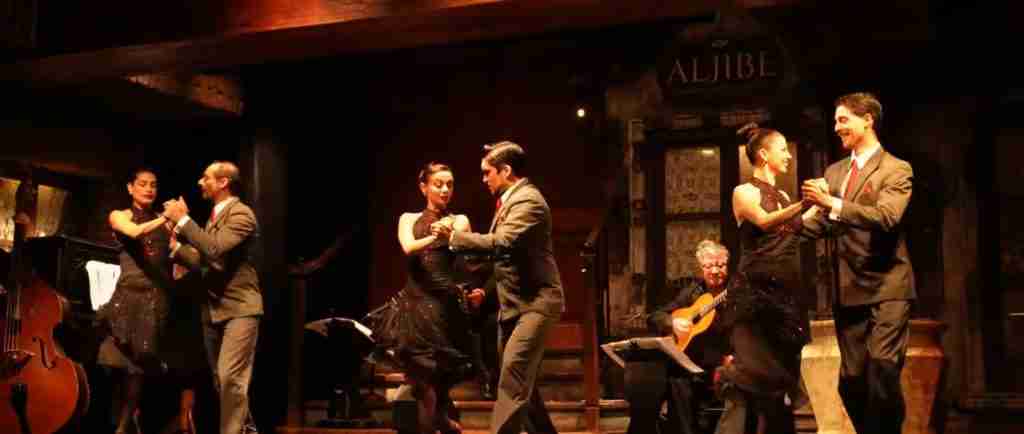
Tango dinner shows present the dance in theatrical settings, combining multi-course meals with professional performances. Leading venues including Café de los Angelitos ($80-120 with dinner), Esquina Carlos Gardel ($90-130), and El Viejo Almacén ($70-100) produce spectacular shows nightly. Transport to and from hotels includes in many packages.
Milongas provide authentic tango experience where locals and visitors dance together in traditional halls. Venues including La Catedral, Salon Canning, and La Viruta welcome all skill levels, with entry typically $5-15. Many milongas include introductory lessons before the main dance session begins.
Tango lessons range from group classes ($15-25) at cultural centers and milongas to private instruction ($50-80 per hour) with professional dancers. San Telmo concentrations include Tango Porteno and Academia Nacional del Tango for structured learning. Two or three lessons provide sufficient foundation for milonga participation.
Day Trips from Buenos Aires 2026
Tigre and the Paraná Delta lie 30 kilometers north, accessible by Tren de la Costa or standard rail from Retiro station. This intricate waterway network of islands and channels invites exploration by boat, with kayaking, rowing, and launch tours available from the Tigre waterfront. Full-day visits including train journey and boat excursion cost $30-50 independently or $60-90 through organized tours.
San Antonio de Areco, a traditional gaucho town 110 kilometers northwest, preserves Argentine cowboy culture through silversmith workshops, historic estancias, and weekend asados. Day trips run $80-150 including transportation, estancia visit, and traditional lunch with folk show. Independent visitors reach the town via frequent buses from Retiro terminal ($15 round-trip).
Colonia del Sacramento, Uruguay, requires ferry crossing (1-3 hours depending on service) across the Río de la Plata. This UNESCO World Heritage town features colonial Portuguese architecture, cobblestone streets, and charming riverside setting. Ferry and day-trip packages cost $80-150 round-trip; independent booking through Buquebus or Colonia Express runs $60-100 for transportation alone.
Money-Saving Strategies for Buenos Aires 2026
Free and Low-Cost Experiences 2026
Buenos Aires offers exceptional free attractions beyond typical cities. The Museo Nacional de Bellas Artes charges no admission, its collection rivaling paid institutions worldwide. Plaza de Mayo, Congreso, and other historic plazas present significant architecture at no cost. The Recoleta Cemetery, while not free ($8), provides hours of exploration among elaborate mausoleums and Buenos Aires history.
Free walking tours operate daily from various meeting points, with guides working for tips only. Companies including BA Free Tour and Buenos Aires Free Walks provide neighborhood introductions with passionate local guides. Tours covering San Telmo, Recoleta, and Palermo each run 2-3 hours.
Sunday transforms Buenos Aires into a city of free entertainment. The San Telmo market fills Defensa street with performers and artists. Palermo parks host families, musicians, and mate-drinking groups. The Recoleta Fair occupies Plaza Francia with artisan vendors and street performers. These Sunday activities create full days of experience without spending.
Transportation Savings 2026
The SUBE card provides dramatic savings over taxis for regular city movement. A day of heavy sightseeing using subte and buses costs under $3, versus $30-50 covering equivalent distances by taxi. Recharging SUBE requires cash at kiosks or subway stations.
Walking between adjacent neighborhoods takes less time than many visitors expect. Recoleta to Palermo stretches 30-40 minutes on foot through pleasant residential streets. San Telmo to Puerto Madero requires 15-20 minutes. These walking routes reveal neighborhood transitions and unexpected discoveries impossible from transportation.
Dining and Shopping Savings 2026
Lunch specials at quality restaurants provide the best dining value in Buenos Aires. The same restaurants charging $40-60 for dinner service offer $12-20 lunch menus with similar quality and generous portions. Planning major meals for midday significantly reduces food costs without sacrificing experience.
Leather goods, silver jewelry, and Argentine souvenirs cost significantly less in Buenos Aires than abroad. San Telmo’s Sunday market offers bargaining opportunities on antiques and crafts. Palermo boutiques sell designer clothing at prices below international equivalents. Duty-free limits returning to most countries allow substantial souvenir acquisition.
Sample Buenos Aires Itineraries 2026
Three-Day Essential Buenos Aires 2026
Day 1: Historic Center and San Telmo
Begin at Plaza de Mayo, exploring the Casa Rosada, Cabildo museum ($5), and Metropolitan Cathedral (free). Walk Avenida de Mayo to Café Tortoni for coffee ($8-12). Continue to Congreso before heading south to San Telmo. Explore Mercado de San Telmo for lunch ($12-20), then wander Defensa street’s antique shops. Evening dinner at a San Telmo parrilla ($30-45). End with a milonga or tango show ($60-100).
Café $10, Cabildo $5, lunch $15, dinner $40, tango show $80, transportation $3. Total day cost: $153 per person (excluding accommodation).
Day 2: Recoleta and Palermo
Start at Recoleta Cemetery ($8), spending 2-3 hours exploring tombs and history. Visit Museo Nacional de Bellas Artes (free), then lunch at a Recoleta café ($15-25). Afternoon in Palermo, walking through Bosques de Palermo and Japanese Garden ($5). Explore Palermo Soho boutiques, then dinner at a Palermo restaurant ($35-50). Optional nightlife in Palermo Hollywood.
Cemetery $8, Japanese Garden $5, lunch $20, dinner $45, transportation $4. Total day cost: $82 per person (excluding accommodation).
Day 3: La Boca, Puerto Madero, and Departure
Morning taxi to La Boca ($10-15), exploring Caminito and surroundings for 2 hours. Lunch in La Boca ($15-25) before taxi to Puerto Madero ($8-12). Walk the waterfront, crossing Puente de la Mujer and exploring the Reserva Ecológica (free). Late afternoon exploring the Microcentro’s Florida street shopping before airport transfer.
Taxis $25, lunch $20, snacks/shopping $30, transportation $3. Total day cost: $78 per person (excluding accommodation).
Seven-Day Comprehensive Buenos Aires 2026
Days 1-3: Follow the three-day itinerary above.
Day 4: Theater and Culture
Morning Teatro Colón guided tour ($18). Walk Avenida Corrientes, Buenos Aires’ theater district. Lunch at a traditional pizzeria ($12-18). Afternoon at MALBA ($8) exploring Latin American art. Evening attending a theater performance or orchestra concert ($25-80).
Teatro Colón tour $18, lunch $15, MALBA $8, evening performance $50, transportation $4. Total day cost: $95 per person (excluding accommodation).
Day 5: Tigre Delta Day Trip
Morning train to Tigre (SUBE card, ~$1). Explore Puerto de Frutos market and town center. Take a boat tour of the delta ($25-40) including lunch stop on an island ($20-30). Return by late afternoon, evening free in Buenos Aires for dinner ($35-50).
Transportation $5, boat tour $35, lunch $25, dinner $45. Total day cost: $110 per person (excluding accommodation).
Day 6: San Antonio de Areco or Colonia
Full-day excursion to gaucho country or Uruguay. Organized tours including transportation and lunch run $90-150, or independent travel $60-80 for transportation plus meals and activities.
Tour package $120, incidentals $20. Total day cost: $140 per person (excluding accommodation).
Day 7: Personal Interests and Departure
Return to favorite neighborhoods, complete shopping, or visit remaining attractions. Consider morning tango lesson ($25) or cooking class ($60-80). Final lunch at a beloved parrilla before airport transfer.
Activity $50, lunch $30, transportation $5. Total day cost: $85 per person (excluding accommodation).
Booking and Reservations Guide 2026
What to Book in Advance 2026
Restaurant reservations at popular establishments require 1-2 weeks advance booking for weekend dinners. Don Julio, La Cabrera, and other celebrated parrillas fill completely without reservations. Use TheFork app or direct contact for bookings.
Tango show dinner packages benefit from advance booking for preferred seating and occasional early-booking discounts. Major venues accept reservations through their websites or tour operators. Peak season (March-May, October-November) requires earlier booking than off-season.
Teatro Colón performances for opera, ballet, and orchestral events sell out popular productions. Check the theater’s official website for 2026 programming and purchase tickets upon release for best selection. Guided tours accommodate more visitors but still benefit from online advance booking.
Day trips to estancias and organized excursions during peak season merit 3-7 days advance booking. Small-group tours to San Antonio de Areco and Colonia often fill completely. Individual providers including Estancia tours and Gray Line accept online reservations.
What to Book Upon Arrival 2026
Many Buenos Aires experiences work best arranged locally. Milonga schedules change weekly; check publications like “La Milonga” or ask hotel concierges for current recommendations. Tango lesson schedules accommodate same-day or next-day booking at most schools.
Neighborhood restaurants below top-tier fame seat walk-in visitors readily, even on weekends. Having hotel staff call ahead for same-evening reservations often succeeds where online systems show full.
Tour variations and local guides found through hotel recommendations often surpass advance-booked alternatives. Concierges know current favorite guides and can arrange custom experiences impossible to book internationally.
Practical Tips for Buenos Aires 2026
Health and Safety Considerations 2026
Buenos Aires requires no special vaccinations for most visitors. Tap water is safe throughout the city. Medical facilities meet international standards, with British Hospital and Hospital Alemán providing English-speaking care. Travel insurance covering medical evacuation remains recommended for any international travel.
Pharmacies (farmacias) stock most common medications and operate extended hours. Argentine pharmacies dispense many medications without prescription that require prescriptions elsewhere. Chains including Farmacity and Dr. Ahorro dot every neighborhood.
Petty crime, particularly pickpocketing and bag-snatching, presents the primary tourist concern. Keep valuables in secure pockets or bags worn across the body. Leave unnecessary cards and cash in hotel safes. Avoid displaying expensive electronics in crowded areas or on public transportation.
Language and Communication 2026
Spanish with distinctive Rioplatense accent characterizes Porteño communication. The “ll” and “y” sounds as “sh” (rather than “y” as in Mexican Spanish) creates Buenos Aires’ recognizable speech pattern. Basic Spanish serves visitors well; English fluency varies but has increased significantly in tourist-facing businesses.
Useful phrases include “habla inglés?” (do you speak English?), “la cuenta, por favor” (the check, please), and “dónde está…?” (where is…?). Translation apps work effectively for complex communications; Google Translate handles Rioplatense Spanish reasonably well.
Cultural Etiquette 2026
Greetings involve a single kiss on the right cheek between people of all genders—not handshakes in social situations. Wait for locals to initiate; business contexts sometimes prefer handshakes.
Dining schedules run considerably later than North American or European norms. Restaurants rarely open before 8 PM, filling between 9:30-11 PM on weekends. Breakfast barely exists; Porteños typically consume only coffee and medialunas before lunch at 1-3 PM.
Tipping conventions suggest 10% in restaurants (often included as “cubierto” but additional tips appreciated), rounding up taxi fares, and modest tips for tour guides and hotel staff. Credit card tips don’t reach servers; leave cash tips directly.
Buenos Aires 2026 Travel Planning Summary
Buenos Aires rewards visitors who embrace its distinctive rhythms—the late nights, long meals, passionate conversations, and spontaneous discoveries defining Porteño life. The city delivers exceptional value in 2026, combining world-class experiences with approachable prices that make extended stays feasible.
Planning success depends on understanding the dual nature of Buenos Aires: scheduled experiences (tango shows, restaurant reservations, theater performances) require advance booking, while the city’s best moments often emerge spontaneously. Building itineraries with structured anchors and flexible exploration time captures both dimensions.
Whether visiting for three days or three weeks, Buenos Aires offers depths impossible to exhaust. The neighborhoods, the food, the tango, and above all the Porteños themselves create a city unlike any other—European yet distinctly South American, sophisticated yet warmly welcoming, historic yet constantly evolving.
Frequently Asked Questions About Buenos Aires 2026
What is the cheapest month to visit Buenos Aires in 2026?
June through August (Argentine winter) brings the lowest prices for flights and accommodation in 2026. Hotel rates drop 20-40% from peak season pricing, and international flight prices decline significantly. Weather remains mild by Northern Hemisphere winter standards at 8-15°C (46-59°F), though occasional cold snaps require warm clothing. Indoor attractions like museums, theaters, and restaurants operate normally year-round.
Do I need to speak Spanish in Buenos Aires?
Spanish helps but isn’t essential for Buenos Aires travel in 2026. Tourist-oriented businesses including hotels, restaurants, and tour operators employ English-speaking staff. Younger Porteños increasingly speak English, particularly in Palermo and Recoleta. Translation apps bridge communication gaps effectively. Learning basic phrases demonstrates respect and enhances interactions, but language barriers rarely prevent successful travel.
Is Buenos Aires suitable for solo travelers in 2026?
Buenos Aires ranks among South America’s best solo travel destinations. The city’s café culture encourages lingering alone with coffee and people-watching. Hostel social scenes connect solo travelers easily. Tango milongas welcome unaccompanied dancers through the “cabeceo” (eye-contact invitation system). Solo dining at parrilla bars and casual restaurants feels comfortable. Standard urban precautions regarding safety apply regardless of travel style.
What should I pack for Buenos Aires in 2026?
Pack versatile layers accommodating Buenos Aires’ variable weather. Comfortable walking shoes prove essential on uneven sidewalks. Summer visitors need light clothing, sunscreen, and sun protection. Winter requires warm jacket, scarf, and potentially rain gear. Smart-casual clothing suits most restaurants and venues; formal attire for Teatro Colón and upscale establishments. Adapter plugs for Argentina’s Type I outlets (similar to Australia) power electronic devices.
Can I use US dollars in Buenos Aires?
US dollars circulate widely in Buenos Aires tourism in 2026. Many hotels quote dollar rates, and tour operators accept dollar payment. However, daily transactions at restaurants, shops, and transportation require Argentine pesos. Exchange dollars at casas de cambio (exchange houses) rather than banks for better rates. Bring crisp, unmarked bills—damaged currency faces rejection. Credit cards process at official exchange rates, making cash advantageous for most purchases.
How do I get from the airport to Buenos Aires city center?
From Ezeiza International Airport, options include official taxis ($35-45, 40-75 minutes), shuttle services like Tienda León ($18-25), and rideshare apps ($25-35). Arrange transportation before exiting the terminal to avoid unofficial taxi solicitation. From Aeroparque domestic airport, taxis cost $10-15 for the 15-30 minute journey to central neighborhoods.
What neighborhoods should I stay in for a first visit to Buenos Aires?
Palermo provides the best first-visit base in 2026, combining excellent restaurants, convenient transportation, safe streets, and lively atmosphere. Recoleta suits travelers preferring elegant, traditional environment near major museums. San Telmo appeals to those prioritizing historic character and tango atmosphere, though it requires more safety awareness after dark. Puerto Madero offers modern hotels but less neighborhood character.
Is it safe to drink tap water in Buenos Aires?
Buenos Aires tap water is safe to drink throughout the city in 2026. The water meets international quality standards and poses no health risk to visitors. Many Porteños and restaurants serve tap water routinely. Bottled water remains widely available for those preferring it, costing $1-2 per liter at convenience stores.