Budapest Travel Guide 2026: Ultimate Planning Resource
Budapest stands as one of Europe’s most captivating capitals, blending imperial grandeur with vibrant modern culture along the banks of the Danube. This comprehensive planning resource provides verified 2026 prices, transportation strategies, and insider knowledge to help you experience Hungary’s stunning capital city with confidence and ease.
Key Takeaways: Essential Budapest Planning for 2026
- Budget-Friendly Capital: Budapest offers exceptional value compared to Western European cities, with daily costs ranging €35-100 depending on travel style
- Efficient Public Transport: The BKK system provides metro, tram, and bus connections throughout the city, with single tickets at 450 HUF (€1.15) and 72-hour passes at 5,500 HUF (€14.50)
- Thermal Bath Culture: Europe’s largest thermal bath complex, Széchenyi, costs €20-30 for full-day access with 18 pools including three outdoor thermal pools
- Divided City: Buda (west) features Castle Hill and historic sites; Pest (east) offers Parliament, shopping, and nightlife—connected by iconic bridges
- Year-Round Destination: Spring (April-May) and fall (September-October) provide ideal weather with fewer crowds, while summer brings festivals and winter offers magical Christmas markets
- Budapest Card Value: Available for 24-120 hours, includes free public transport and discounts at 70+ attractions, making it cost-effective for intensive sightseeing
People Also Ask About Budapest 2026
How much does a trip to Budapest cost in 2026?
Budget travelers spend €35-60 daily covering hostel accommodation (€20-25/night), local meals (€15-25 total), public transport (€6-15 for passes), and one paid attraction (€9-15). Mid-range travelers budget €80-150 daily with hotel rooms (€65-95/night), restaurant dining (€35-55 total), guided tours (€20-35), and multiple attractions. Luxury travelers allocate €200+ daily for premium hotels (€150-250/night), fine dining (€80-120), private tours, and spa treatments. Actual costs vary based on season—summer and December cost 20-30% more than shoulder seasons.
What is the best way to get around Budapest in 2026?
Public transport provides the most efficient option, with the BKK system operating four metro lines, over 40 tram routes, and 200+ bus lines. Single tickets cost 450 HUF (€1.15) for one journey, while 24-hour passes (2,500 HUF/€6.50), 72-hour passes (5,500 HUF/€14.50), or 7-day passes (6,500 HUF/€17) offer better value for tourists. Metro Line M1 (yellow) serves major tourist areas, while trams 2 and 2B run along the Danube embankment with spectacular views. Taxis cost €20-35 for typical cross-city journeys. Walking works well in central districts V, VI, and VII.
Do I need to book Budapest attractions in advance for 2026?
Advance booking proves essential for several attractions. Hungarian Parliament tours sell out weeks ahead, especially English-language tours (book 3-4 weeks minimum). Széchenyi Thermal Baths experiences long queues in summer—online tickets provide skip-the-line access. Popular restaurants in District V and VII require 1-2 week reservations for weekend dinners. Danube river cruises and evening bath parties book up during peak season (June-August). Free walking tours recommend reservations to secure spots, though drop-ins often work weekdays. Budapest Card can be purchased upon arrival without advance booking.
Is Budapest safe for tourists in 2026?
Budapest ranks as one of Europe’s safer capitals for tourists, with violent crime rare in tourist areas. Standard precautions prevent most issues: watch for pickpockets on crowded metro lines M3 and M4, in District VII (ruin bar area), and at major attractions. Legitimate taxis display company names and yellow color—avoid unmarked vehicles. Ticket inspectors on public transport wear official BKK uniforms with photo ID. District VIII can be sketchy late at night, though gentrification continues. Women solo travelers report feeling comfortable throughout central districts. Emergency number 112 works throughout Hungary with English operators.
Extended multi-day tours – 5+ days
Featured Budapest Multi-Day Tour Packages

3 days
Hungary: Christmas Markets in Budapest
- ✓ Booking needs min. 2 travelers
7 days
A Piece of Europe GO
- ✓ Comprehensive Budapest tour
- ✓ Expert local guides included
- ✓ All accommodation arranged
- ✓ Transportation provided
5 days
Highlights of Budapest & Danube Bend – 5 Days
- ✓ Comprehensive Budapest tour
- ✓ Expert local guides included
- ✓ All accommodation arranged
- ✓ Transportation provided
6 days
6 Day Vienna, Salzburg, Budapest, Bratislava, and the Danube Valley
- ✓ Comprehensive Budapest tour
- ✓ Expert local guides included
- ✓ All accommodation arranged
- ✓ Transportation provided
Multi-day tour packages powered by TourRadar. Prices and availability subject to change.
Understanding Budapest: Geography and Districts 2026
The Danube River divides Budapest into two distinct areas, creating the unique character that defines the city. Buda occupies the western, hillier side with Castle Hill rising above the river, offering panoramic views and historic monuments including Buda Castle, Matthias Church, and Fisherman’s Bastion. Pest stretches across the flatter eastern bank, housing the commercial center, Parliament building, and majority of hotels, restaurants, and nightlife.
Nine bridges connect the two sides, with Chain Bridge (Széchenyi Lánchíd) serving as the most iconic. Margaret Bridge links both banks to Margaret Island, a 2.5-kilometer recreational island popular with joggers and families. Elisabeth Bridge and Liberty Bridge provide additional crossings between central areas.
District numbering spirals outward from the center. District I covers Castle Hill and Buda’s historic core. District V (Belváros-Lipótváros) contains Pest’s city center with Parliament, St. Stephen’s Basilica, and Váci Street shopping. District VI features Andrássy Avenue, State Opera House, and upscale dining. District VII hosts the Jewish Quarter with ruin bars, synagogues, and hip cafes. Districts XIII-XIV include City Park (Városliget) with Széchenyi Thermal Baths and Heroes’ Square.
Understanding this division helps with navigation and planning. Most tourists base themselves in District V for central access or District VII for nightlife proximity. Buda offers quieter, more residential neighborhoods with higher prices but stunning views.
When to Visit Budapest: Weather and Seasons 2026
Spring (April-May) delivers ideal conditions with temperatures 15-22°C, blooming gardens in City Park, and moderate tourist numbers. Cherry blossoms peak in late April, creating photogenic scenes around Parliament and Margaret Island. Rain occurs periodically, requiring packable layers. Hotel prices remain 20-30% below summer rates.
Summer (June-August) brings warm weather (25-30°C), peak tourism, and numerous festivals. Sziget Festival in August attracts thousands for week-long music events. Outdoor thermal pools and river cruises reach maximum appeal. Expect crowds at major attractions with 1-2 hour waits at Parliament without advance booking. Accommodation costs peak during this period, especially weekends. Afternoon thunderstorms provide brief relief from heat.
Fall (September-October) matches spring for pleasant weather (15-20°C) with golden foliage in parks and along the Danube embankment. September retains summer warmth without peak crowds. October brings cooler evenings perfect for thermal baths. Wine harvest season introduces special tastings and events. Prices drop after September 15.
Winter (November-March) features cold temperatures (-2 to 5°C) with occasional snow creating postcard scenes. Christmas markets transform Vörösmarty Square and St. Stephen’s Basilica Square from late November through January 1. New Year’s Eve fireworks over the Danube draw large crowds. Thermal baths become especially atmospheric with steam rising into cold air. Lowest hotel rates and minimal queues at attractions offset shorter daylight hours (8-9 hours).
Specific 2026 dates to consider: Spring Festival (March 15-April 6) features classical music and theater. Budapest Pride Week (July 1-6) brings parades and celebrations. Budapest Wine Festival (September 10-14) takes over Buda Castle. Christmas markets run November 21-January 6, 2027.
Getting to Budapest in 2026
By Air
Budapest Ferenc Liszt International Airport (BUD) serves as Hungary’s main gateway, located 16 kilometers southeast of city center. Terminal 2 handles all commercial flights with modern facilities, duty-free shopping, and currency exchange (though rates favor city ATMs).
Transfer options to city center:
Bus 100E Airport Express: Direct service to Deák Ferenc tér (city center) costs 2,200 HUF (€5.70) per person, operates 3:30 AM-1:20 AM with 20-30 minute intervals. Journey takes 30-45 minutes depending on traffic. Luggage space accommodates large suitcases. Tickets sold at airport machines or via BudapestGO app—standard BKK tickets not valid on this route.
Bus 200E + Metro: Budget option connects airport to Kőbánya-Kispest metro station (terminus of M3 blue line). Bus costs 450 HUF (€1.15), metro another 450 HUF. Total journey 45-60 minutes with transfer. Operates 4 AM-11 PM. Less luggage space than 100E. Monthly Budapest passes valid.
Taxis: Official airport taxis (Budapest Airport Taxi or Főtaxi) charge fixed rates to different zones: 8,500-9,500 HUF (€22-25) to city center. Journey takes 25-40 minutes. Available 24/7 at designated taxi stands outside arrivals. Avoid unmarked vehicles offering services inside terminal.
Private transfers: Pre-booked services cost €25-35 for standard sedan, €40-50 for luxury options. Drivers meet passengers at arrivals with name signs. Book through reputable platforms for guaranteed service.
By Train
Four main railway stations serve Budapest, with international trains primarily using two:
Keleti Pályaudvar (Eastern Station): Handles most international arrivals from Vienna, Prague, Krakow, and Bucharest. Located in District VIII with metro connections (M2 red line, M4 green line). Facilities include left luggage, shops, and restaurants. Direct trains from Vienna ÖBB Railjet (2.5 hours, €29-59) and Prague EC trains (6.5 hours, €35-65).
Nyugati Pályaudvar (Western Station): Serves domestic routes and some international connections. Metro M3 blue line provides city center access. The historic building, designed by Gustave Eiffel’s company, houses cafes and shops.
Budapest’s position on European rail networks makes overnight trains feasible from Krakow (11 hours), Munich (9 hours), and Zagreb (6.5 hours). Couchette and sleeper options available through Austrian ÖBB and Hungarian MÁV carriers.
By Bus
International bus services arrive at Népliget bus station (M3 metro connection) from cities throughout Central and Eastern Europe. FlixBus, RegioJet, and Eurolines operate frequent connections. Vienna buses (3 hours, €10-20) and Bratislava buses (2.5 hours, €8-15) provide budget alternatives to trains.
By Car
Driving to Budapest from Vienna (243 km, 2.5 hours via M1), Bratislava (200 km, 2 hours), or Prague (525 km, 5 hours) follows well-maintained highways. Hungarian vignette (e-matrica) required for motorway use: 3,500 HUF (€9) for 10 days, purchased at borders, gas stations, or online. Parking in Budapest proves challenging and expensive—hotel parking costs €15-25 daily. District V enforces strict parking regulations with frequent ticketing. Car rental unnecessary for Budapest exploration due to excellent public transport.
Transportation in Budapest 2026
BKK Public Transport System
Budapesti Közlekedési Központ (BKK) operates integrated metro, tram, bus, and trolleybus networks covering the entire city. Services run 4:30 AM-11:30 PM daily, with night buses operating 11:40 PM-4:20 AM. The same tickets work across all modes (except special routes like 100E airport bus).
Metro Lines
Four metro lines create the core of the system:
M1 Yellow Line: Continental Europe’s oldest metro (1896) runs from Vörösmarty tér to Mexikói út. Serves major tourist sites including Opera House, Oktogon, and Heroes’ Square. Shallow stations with vintage character. Trains every 3-5 minutes peak times, 5-10 minutes off-peak.
M2 Red Line: Connects Déli pályaudvar (South Station) with Örs vezér tere, crossing the Danube between Buda and Pest. Stops include Batthyány tér (for Castle Hill funicular), Kossuth Lajos tér (Parliament), and Keleti pályaudvar (East Station). Major transfer hub at Deák Ferenc tér where all four lines intersect.
M3 Blue Line: Runs from Újpest-Központ to Kőbánya-Kispest, passing through city center. Key stops: Nyugati pályaudvar (West Station), Deák Ferenc tér, Ferenciek tere (near Váci Street). Most crowded line—watch belongings carefully.
M4 Green Line: Newest line (2014) links Keleti pályaudvar with Kelenföld, serving City Park area and Gellért Hill. Modern stations with platform screen doors. Less crowded than older lines.
Trams
Over 40 tram lines provide extensive coverage, particularly useful for scenic routes and areas without metro access. Key lines for tourists:
Tram 2/2B: Runs along Danube embankment on Pest side from Jászai Mari tér to Közvágóhíd. Spectacular views of Buda Castle, Chain Bridge, and Parliament. Considered one of world’s most scenic tram routes. Operates 4:30 AM-11:20 PM with trams every 5-10 minutes.
Tram 4-6: Budapest’s busiest tram route circles Pest side, connecting Nyugati pályaudvar, Oktogon, and Móricz Zsigmond körtér. Extremely crowded during rush hours (7-9 AM, 4-7 PM). Trams every 3-5 minutes daytime.
Tram 19: Connects Buda waterfront from Batthyány tér to Kelenföld, providing alternative Danube views from western bank.
Buses and Trolleybuses
Over 200 bus routes serve areas beyond metro/tram reach, including Castle Hill (buses 16, 16A, 116), Gellért Hill (bus 27), and outer districts. Trolleybuses (electric buses with overhead wires) operate on 15 routes through central areas.
Night buses (numbered 900-999) replace daytime services, operating every 15-60 minutes depending on route popularity. All converge at Deák Ferenc tér for connections.
Tickets and Passes 2026
BKK offers various ticket options, all available at metro stations, newsagents, and through BudapestGO mobile app:
Single ticket: 450 HUF (€1.15) for one uninterrupted journey. Valid for metro, bus, tram, or trolleybus, but no transfers allowed except between metro lines in same direction. Must validate upon boarding or metro entry using yellow machines. Buying from driver on buses costs 600 HUF (€1.55).
Transfer ticket: 650 HUF (€1.70) allows one transfer within 90 minutes between any two services. Validate at start and upon transfer.
Block of 10 tickets: 4,000 HUF (€10.30), saving 500 HUF versus individual purchases. Share among group or use across multiple days.
24-hour travelcard: 2,500 HUF (€6.50) for unlimited travel from first validation. Covers all BKK services except 100E airport bus and boat. Cost-effective if making 6+ journeys daily.
72-hour travelcard: 5,500 HUF (€14.50) for three days unlimited access. Best value for typical tourist stays with frequent attraction hopping.
7-day travelcard: 6,500 HUF (€17) for weekly unlimited travel. Economical for week-long visits making 15+ trips.
Monthly Budapest pass: 8,950 HUF (€23) for residents or extended stays.
Children under 6 travel free. EU citizens 65+ travel free with valid ID. Hungarian students receive discounts with student ID, though international students pay full price on single tickets.
Budapest Card
This official city card combines transport and attractions, available for 24, 48, 72, 96, or 120 hours. Includes free unlimited BKK transport (except 100E), free entry to St. Lukács Thermal Bath, free walking tours, and 10-50% discounts at 70+ attractions including Parliament tours, Széchenyi Bath, museums, and restaurants. Purchased online or at Tourist Info centers (airport, city center). Cost-effective for intensive sightseeing schedules visiting multiple paid attractions daily.
Taxis and Ride-Sharing 2026
Legitimate taxis display yellow color, company names (Főtaxi, City Taxi, Budapest Taxi), phone numbers, and official rate cards. Base fare starts around 700 HUF (€1.80) with 490 HUF/km daytime, 560 HUF/km nighttime. Typical cross-city journey costs 2,500-4,000 HUF (€6.50-10.50). Order via phone apps (Főtaxi, Bolt) for best rates—hailing on street often yields higher prices. Avoid unmarked taxis, especially near tourist sites and stations.
Bolt operates widely with competitive prices, often 20-30% below traditional taxis. Download app before arrival for English-language interface and transparent pricing.
Accommodation Strategies for Budapest 2026
Budget Accommodation (€20-45/night)
Hostels cluster in Districts V, VI, and VII, offering dorms (€20-25/night) and private rooms (€45-65). Most include free breakfast, wifi, and common areas. Top-rated options maintain high cleanliness standards despite budget prices. Many organize free walking tours and pub crawls, providing easy social connections.
Budget hotels and guesthouses in outer districts (XIII, XIV, XV) cost €35-45/night for basic double rooms. Expect simple furnishings, shared bathrooms in some cases, but clean facilities. Metro access within 5-10 minute walk. Family-run pensions offer personal service and local recommendations.
Mid-Range Accommodation (€65-95/night)
Three-star hotels in Districts V and VII provide comfortable stays with private bathrooms, air conditioning, and breakfast included. €65-85/night secures well-located properties near attractions. Former apartment buildings converted to hotels maintain historic character with modern amenities.
Aparthotels and rental apartments offer excellent value for 3+ night stays, providing kitchenettes, washing machines, and more space than hotels. €70-90/night for one-bedroom units in central locations. Booking platforms show detailed photos and reviews—select properties with 8.5+ ratings and 50+ reviews for reliability.
Upscale Accommodation (€150-250+/night)
Four and five-star hotels deliver luxury experiences in historic buildings. Grand hotels along the Danube (Four Seasons Gresham Palace, Kempinski Corvinus) charge €250-400/night for river-view rooms with exceptional service, spas, and fine dining. Pest-side properties near St. Stephen’s Basilica offer central locations at €180-250/night.
Boutique hotels in renovated palaces and mansions (District V, VI) combine heritage architecture with contemporary design. €150-220/night includes personalized service, unique interiors, and often rooftop terraces or courtyards. Limited room counts ensure intimate atmospheres.
Booking Strategies 2026
Book 2-3 months ahead for summer stays (June-August) and Christmas market period (late November-December). Prices increase 30-40% during peak season with limited availability. Spring and fall offer more flexibility with 3-4 week advance booking sufficient.
Weekday rates run 15-25% lower than weekends in all categories. Consider Monday-Thursday visits for better value, especially in business hotels that cater to weekday travelers.
Compare prices across booking platforms (Booking.com, hotel direct websites, Agoda) as rates vary significantly. Direct hotel bookings sometimes include breakfast or upgrades not available through third parties. Read cancellation policies carefully—free cancellation provides flexibility if plans change.
Districts V and VII command premium prices for central locations. Districts VI, VIII, and XIII offer 20-30% savings with excellent metro access. Avoid staying far from metro lines—walking through unfamiliar areas with luggage proves frustrating.
Top Attractions and Experiences in Budapest 2026
Buda Castle and Castle District
Buda Castle dominates the skyline from its hilltop position above the Danube. The Royal Palace complex houses Hungarian National Gallery and Budapest History Museum. Exterior grounds, courtyards, and terraces remain free to explore, offering panoramic city views. Museum entries cost €15-20 each (check official websites for current rates).
Castle Hill Funicular provides scenic access from Clark Ádám Square—return tickets cost 3,200 HUF (€8.30). Alternatively, walk up cobbled streets or take bus 16/16A from Deák Ferenc tér.
Matthias Church showcases Gothic and Art Nouveau architecture with ornate roof tiles and interior frescoes. Entry €12-15 includes access to church museum and crypt. Adjacent Fisherman’s Bastion offers neo-Romanesque terraces—lower levels free, upper towers cost 1,700 HUF (€4.40). Free access after 7 PM (October-May) or 9 PM (June-September).
Medieval streets lined with cafes, galleries, and souvenir shops create atmospheric wandering. Hospital in the Rock museum reveals underground hospital and nuclear bunker from WWII and Cold War—guided tours only, €18-22 per person.
Hungarian Parliament Building
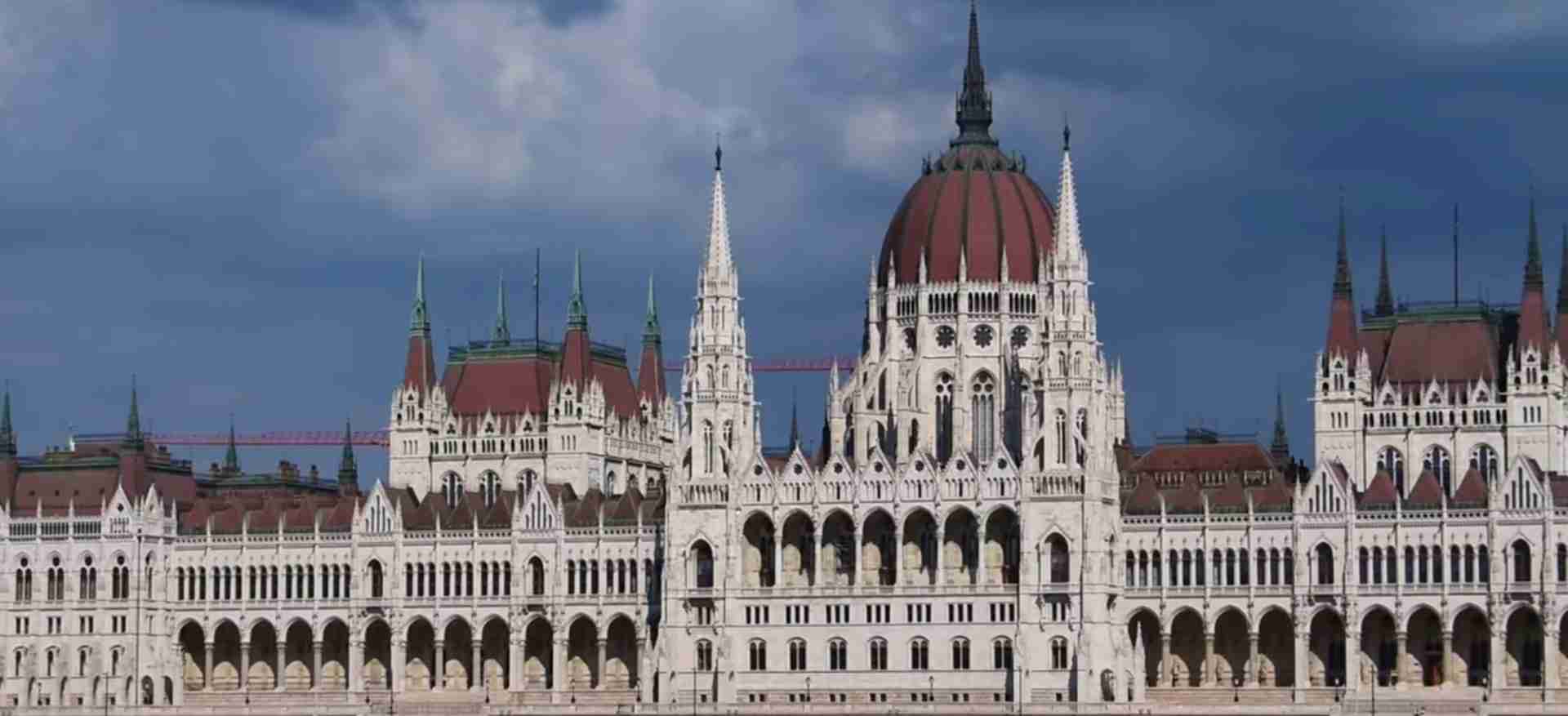
This Gothic Revival masterpiece stretches 268 meters along the Danube embankment, housing the Hungarian Crown Jewels and National Assembly. Guided tours required for interior access—English tours operate 10 AM, noon, 2 PM daily (subject to parliamentary sessions). Tickets €24-28 depending on booking method (check official parliament website for current rates). Book minimum 3-4 weeks ahead for summer visits as tours sell out rapidly.
45-minute tours cover Grand Staircase, Dome Hall with Crown Jewels, one of the two debating chambers, and various lobbies adorned with gold leaf and frescoes. Photography permitted in most areas. Arrive 15 minutes before tour time for security screening. EU citizens receive reduced rates with valid ID.
Evening illumination transforms the building into spectacular photo subject—view from Fisherman’s Bastion or Danube embankment. Free exterior viewing anytime from surrounding streets and Kossuth Square.
St. Stephen’s Basilica
Budapest’s largest church accommodates 8,500 worshippers beneath its 96-meter dome, matching Parliament’s height (symbolic of Hungary’s founding date, 896 AD). Baroque-Neo-Classical interior features marble columns, golden mosaics, and stained glass. Free entry to nave, suggested donation €2-3. Tower access costs €9-12 for panoramic city views—364 steps or elevator available (check official basilica website for current rates).
Holy Right Hand relic (mummified right hand of St. Stephen, Hungary’s first king) displayed in chapel—illuminated by coin donation. Treasury museum showcases sacred art and vestments for additional fee. Organ concerts scheduled regularly—check basilica website for 2026 schedule and ticket prices (typically €15-25).
Exterior illuminated evenings, creating dramatic facade. Christmas concerts and New Year’s Eve services attract crowds—arrive early for seating.
Széchenyi Thermal Baths
Europe’s largest thermal bath complex offers 18 pools (3 outdoor, 15 indoor) fed by natural hot springs at 74-77°C. Neo-Baroque palace in City Park has operated since 1913, providing year-round relaxation. Water contains calcium, sulphate, and metaboric acid with therapeutic properties.
Full-day entry costs €20-28 depending on weekday/weekend and locker/cabin choice (check official Széchenyi website for current rates). Skip-the-line online booking recommended—summer weekends see 1-2 hour queues. Minimum age 14 years. Bring swimsuit, towel, and flip-flops (rentals available for additional fees). Bathing caps required only in indoor lap pool.
Outdoor thermal pools especially magical in winter with steam rising into cold air. Chess players gather around waterproof boards in pools—iconic Budapest image. Massage treatments available from €90 (full-day entry plus 20-minute massage). Saturday evening “Sparty” combines thermal pools with music and lights (separate ticket required).
Open 6 AM-10 PM daily. Avoid peak times (11 AM-3 PM weekends) for less crowded experience. Budapest Card provides 20% discount.
Great Market Hall
Central Market Hall (Nagycsarnok) spans three floors of Neo-Gothic architecture at southern end of Váci Street. Ground floor bustles with fresh produce, meats, cheeses, spices, and Hungarian specialties including paprika, Tokaji wine, and Túró Rudi chocolate bars. Prices marked clearly—vendors speak basic English.
Upper floor houses traditional crafts, embroidered linens, carved wood items, and tourist souvenirs. Food court serves authentic Hungarian dishes—try lángos (fried dough with toppings, €4-6), goulash (€8-10), or Kürtőskalács (chimney cake, €4-5). Atmosphere lively with locals shopping alongside tourists.
Free entry, open Monday 6 AM-5 PM, Tuesday-Friday 6 AM-6 PM, Saturday 6 AM-3 PM, closed Sunday. Arrive before 11 AM for freshest produce and avoid tour group crowds. Metro M3/M4 to Fővám tér, or Tram 2 along Danube.
Danube River Cruises
Daytime and evening cruises showcase Budapest’s UNESCO-listed riverfront—Parliament, Buda Castle, Chain Bridge, and Gellért Hill all illuminated spectacularly after dark. Standard 60-70 minute cruises cost €15-25 including audio guide in multiple languages. Dinner cruises (90-120 minutes) with Hungarian buffet and live music cost €65-85.
Evening departures (8-9 PM) offer best light conditions year-round. Spring-fall provides comfortable outdoor seating. Winter boats heat enclosed areas but forego deck access. Book online for guaranteed seats—walk-up availability varies seasonally.
Dock locations near Parliament, Chain Bridge, or near Erzsébet Bridge. Arrive 20 minutes before departure. Some cruises include drinks packages—review inclusions carefully when comparing prices.
Jewish Quarter and Ruin Bars
District VII’s Jewish Quarter contains Europe’s largest synagogue (Dohány Street Synagogue) seating 3,000. Museum, temple, and memorial garden entry costs €25-30 (combined ticket, check official website for current rates). Guided tours provide historical context of Budapest’s Jewish community and Holocaust history.
Former Jewish Quarter has transformed into hip neighborhood with street art, vintage shops, and famous ruin bars. Szimpla Kert, Budapest’s first and most iconic ruin bar, occupies abandoned building filled with mismatched furniture, quirky decor, and multiple rooms playing different music. Free entry, drinks €4-8. Open daily 4 PM-4 AM (later weekends).
Other notable ruin bars include Instant-Fogas (massive complex with 20+ rooms), Mazel Tov (Mediterranean courtyard restaurant and bar), and Ellátó Kert (locals’ favorite with garden). Bar crawl tours (€25-35) visit multiple venues with skip-the-line access and drinks included—popular for solo travelers and groups.
Heroes’ Square and City Park
Heroes’ Square anchors Andrássy Avenue terminus with Millennium Monument honoring Hungarian history. Statues of seven tribal chieftains flank central column topped by Archangel Gabriel. Flanking semicircles display Hungarian kings and leaders. Free access 24/7—stunning when illuminated evenings.
City Park (Városliget) behind square contains Vajdahunyad Castle (eclectic architectural styles), lake for boating summer/ice skating winter, Budapest Zoo, and Széchenyi Thermal Baths. Park provides green respite from urban exploration—locals jog, picnic, and relax year-round. Metro M1 yellow line to Hősök tere (Heroes’ Square) or Széchenyi fürdő.
Budapest Food and Dining 2026
Traditional Hungarian Cuisine
Hungarian food emphasizes hearty portions, rich flavors, and generous paprika use. Essential dishes to try:
Goulash (Gulyás): Beef soup/stew with vegetables, paprika, and caraway seeds. Restaurant servings €8-14 depending on location. Traditional preparation simmers for hours, creating tender meat and flavorful broth.
Chicken Paprikash (Paprikás Csirke): Chicken in creamy paprika sauce with sour cream, served with nokedli (Hungarian dumplings). Main course €10-16. Home-style versions often superior to tourist restaurant preparations.
Lángos: Deep-fried dough topped with sour cream, cheese, and garlic. Market hall versions €4-6, tourist areas €6-9. Authentic preparation results in crispy exterior and soft interior.
Töltött Káposzta: Stuffed cabbage rolls with minced pork and rice in tomato sauce. Traditional winter comfort food €9-13. Grandmother recipes vary by family, incorporating different seasonings and preparations.
Dobos Torte: Layered sponge cake with chocolate buttercream and caramel topping. Slice in cafes €5-8. Created in Budapest 1885, now national dessert icon.
Budget Dining Options
Market halls provide cheapest authentic meals. Great Market Hall food court serves generous portions €5-10. Local stand-up “büfé” establishments in Districts VIII and IX offer daily menus (soup, main, dessert) for €6-9. University areas near Corvinus University or ELTE contain student-friendly restaurants with €7-12 full meals.
Bakeries sell fresh lángos, kürtőskalács (chimney cake €4-6), and pogácsa (savory scones €1-2). Supermarkets (Spar, Aldi, Tesco) provide groceries for self-catering—fresh bread, cheese, cold cuts, and produce significantly cheaper than restaurants.
Mid-Range Restaurants
Traditional Hungarian restaurants charge €15-25 for main courses with sides. Portions generous—sharing starters often wise. Districts V, VI, and VII contain highest concentration. Reservations recommended for dinner, especially weekends.
Bistros and contemporary Hungarian cuisine blend traditional flavors with modern presentations—expect €18-28 for innovative mains. Wine pairings available featuring Hungarian wines (Tokaji, Egri Bikavér) for additional €6-10 per glass.
Fine Dining
Michelin-starred restaurants (Costes, Stand, Onyx) deliver exceptional experiences at €80-150 for tasting menus with wine pairings. Reservations required weeks ahead. Dress code enforced (smart casual minimum). Multi-course degustations showcase seasonal Hungarian ingredients with contemporary techniques.
Coffee Culture
Budapest’s cafe culture rivals Vienna. Historic cafes (New York Cafe, Gerbeaud, Central Cafe) serve coffee and pastries in gilded Belle Époque settings—expect €8-15 for coffee and cake due to atmospheric premium. Third-wave specialty coffee shops in District VII offer quality espresso €3-5 in minimalist spaces popular with digital nomads.
Sample Budapest Itineraries 2026
3-Day First-Time Visitor Itinerary
Day 1 – Pest Exploration: Start free walking tour from Deák Ferenc tér (10:30 AM departure, tip guide €10-15). Covers Parliament exterior, St. Stephen’s Basilica, and city history. Lunch in Great Market Hall (€10-15). Afternoon Parliament interior tour (€24-28, pre-booked). Evening Danube cruise (€20-25) viewing illuminated buildings.
Daily costs: Walking tour tip €12, market lunch €12, Parliament €26, cruise €22. Total €72 (excluding accommodation, transport pass purchased separately).
Day 2 – Buda Castle District: Morning Castle Hill funicular (€8 return) to Buda Castle. Explore courtyards and terraces (free), visit Hungarian National Gallery (€15) or Budapest History Museum (€15). Lunch castle district cafe (€15-20). Afternoon Matthias Church (€12) and Fisherman’s Bastion towers (€4.40). Walk down hill through medieval streets. Evening in Jewish Quarter ruin bars (drinks €15-20).
Daily costs: Funicular €8, museum €15, lunch €18, Matthias Church €12, Fisherman’s Bastion €4.40, dinner/drinks €25. Total €82 (excluding accommodation and transport).
Day 3 – Thermal Baths and City Park: Morning Széchenyi Thermal Baths (€25 full-day entry, arrive 9 AM to beat crowds). Spend 3-4 hours relaxing in pools. Lunch in City Park (€10-15). Afternoon Heroes’ Square (free), Andrássy Avenue shopping and architecture walk. Evening authentic Hungarian dinner (€20-28), optional opera or concert (€25-60).
Daily costs: Széchenyi entry €25, lunch €12, dinner €24. Total €61 (excluding accommodation, transport, and optional evening performance).
Three-day total excluding accommodation and 72-hour transport pass (€14.50): €215-230 per person for sightseeing, food, and activities.
5-Day In-Depth Itinerary
Expand 3-day itinerary with additional experiences: Day 4 covers Margaret Island cycling and thermal baths, Danube bank walking, and sunset photography from Liberty Bridge. Day 5 explores Memento Park (Communist statues, €8 entry plus transport), Central Market Hall food tour, and evening at Hungarian State Opera (performances €25-80).
Budget Weekend Itinerary
Focus on free attractions: Buda Castle exteriors, Fisherman’s Bastion after 7 PM, Parliament and St. Stephen’s Basilica exterior viewing, Heroes’ Square, City Park strolls, Danube embankment walks, free walking tours (tip-based), and market hall browsing. Purchase picnic supplies from supermarkets. Stay in hostels. Weekend costs under €100 including accommodation, food, and transport.
Practical Tips and Information for Budapest 2026
Currency and Money
Hungary uses Hungarian Forint (HUF or Ft), not Euro despite EU membership. Exchange rate approximately 385 HUF = €1 (subject to fluctuation). ATMs provide best exchange rates—withdraw forints directly from machines using debit cards (check foreign transaction fees with your bank). Avoid currency exchange booths in tourist areas, which charge 10-15% markings.
Credit cards accepted in hotels, restaurants, and larger shops. Smaller establishments, markets, and public transport ticket offices prefer cash. Contactless payment widespread. Carry €50-100 worth of forints for markets, street food, and taxis.
Language
Hungarian (Magyar) is official language—notoriously difficult for English speakers with unique grammar and vocabulary. English widely spoken in hotels, restaurants, and tourist attractions, especially by younger residents. German serves as second language among older population.
Learn basic phrases: “Köszönöm” (thank you), “Szia” (hello/bye informal), “Egészségedre” (cheers). Pointing and gestures work in markets. Google Translate app helpful for menus and signs. Hungarians appreciate attempts at their language despite difficulty.
Safety and Scams
Budapest remains safe compared to many European capitals. Standard urban precautions prevent most problems:
Pickpocketing: Crowded metro lines M3 and M4, trams 4-6, and major attractions see occasional pickpockets. Keep valuables in front pockets or secure bags. Never leave bags unattended or hanging on chair backs in cafes.
Ticket inspectors: BKK inspectors wear official uniforms with photo ID badges. They check tickets frequently on metro and trams. Validate tickets properly to avoid €40-100 fines. Legitimate inspectors never demand immediate cash payment.
Taxi scams: Unmarked taxis overcharge dramatically. Use only yellow taxis with company names or Bolt app. Agree on approximate price before journey or ensure meter running.
Restaurant scams: Tourist-focused restaurants occasionally add unexpected charges or serve low-quality “tourist menus.” Check bills carefully before paying. Seek recommendations from locals or read recent reviews. Service charge often included—additional tipping optional.
Street hustlers: Váci Street sees occasional aggressive vendors or “petition” scammers. Politely decline and keep walking. Legitimate charities don’t solicit tourists on streets.
Internet and Connectivity
Free WiFi available in most hotels, cafes, restaurants, and some public spaces. Quality varies—upscale establishments provide fastest speeds. Tourist Info centers offer free WiFi. Many attractions provide free WiFi (Parliament, thermal baths, museums).
European visitors with EU SIM cards use phones without roaming charges. Non-EU visitors consider purchasing local SIM (Vodafone, Telekom, Telenor) for €10-20 with 5-10 GB data for week-long stays. Budapest Free WiFi network operates in certain public areas with registration.
Tipping Etiquette
Service charges often included in restaurant bills—check before adding tip. If service not included, 10-15% standard for good service. Round up taxi fares to nearest 500 HUF. Tip hotel porters 500-1,000 HUF per bag. Free walking tour guides expect €10-20 depending on tour quality. Spa attendants and massage therapists appreciate 10% tips.
Drinking Water
Tap water safe to drink throughout Budapest. Thermal water from public fountains not for drinking—marked clearly. Restaurants provide free tap water upon request (kérek egy pohár csapvizet). Bottled water costs €1-2 in shops.
Climate and What to Pack
Continental climate brings hot summers (25-35°C) and cold winters (-5 to 5°C). Spring and fall mild but unpredictable—pack layers. Rain possible year-round—compact umbrella useful.
Summer: Lightweight clothing, sunscreen, sunglasses, swimsuit for thermal baths, comfortable walking shoes. Light jacket for air-conditioned venues.
Winter: Warm coat, gloves, scarf, hat, waterproof boots. Thermal bath visits require swimsuit—outdoor pools operate year-round regardless of weather.
Year-round: Comfortable walking shoes essential (cobblestones in Castle District), day pack for water and purchases, power adapter (European Type C/F), flip-flops for thermal baths.
Day Trips from Budapest 2026
Szentendre
Charming riverside town 20 kilometers north features cobblestoned streets, art galleries, and Serbian Orthodox churches. HÉV suburban train (H5 line from Batthyány tér) reaches Szentendre in 40 minutes, costing 450 HUF each way with standard BKK tickets. Trains every 10-20 minutes. Day trip includes wandering pedestrian streets, visiting museums (€6-10 each), and riverside dining (€15-25 per person).
Visegrád
Medieval castle ruins crown hilltop above Danube Bend with panoramic river views. Located 40 kilometers north, accessible by bus from Újpest-Városkapu (1 hour, €5-8). Citadel entry €8-12, Solomon Tower museum €6-8. Hike between lower palace ruins and upper citadel (30-40 minutes) or take shuttle bus (€3-4). Combine with Esztergom for full-day Danube Bend tour.
Esztergom
Hungary’s largest basilica dominates skyline of former royal capital 60 kilometers northwest. Buses from Újpest-Városkapu (1.5 hours, €8-10) or trains from Nyugati pályaudvar (1.5 hours, €6-9). Basilica entry free, Treasury museum €8-12, dome climb €5-7. Cross bridge to Štúrovo, Slovakia (passport required) for riverside views back to basilica.
Gödöllő Palace
Baroque royal palace served as favorite residence of Empress Elisabeth (Sisi) of Austria-Hungary. Located 30 kilometers east, reachable by HÉV suburban train (H8 from Örs vezér tere, 45 minutes, 450 HUF). Palace entry €12-18, includes royal apartments, exhibitions, and gardens. Audio guides available. English tours scheduled weekends.
Frequently Asked Questions About Budapest 2026
How many days should I spend in Budapest?
Three days covers major attractions including Parliament, Buda Castle, thermal baths, and Danube cruise with comfortable pacing. Five days allows deeper exploration including Jewish Quarter, City Park, multiple museums, day trip to Danube Bend, and leisurely cafe culture experiences without rushing. Weekend visits (2 nights/2 full days) work for highlights-focused itineraries but require selective planning. Week-long stays accommodate multiple day trips and full immersion in neighborhoods beyond tourist center.
Is Budapest expensive for tourists in 2026?
Budapest offers excellent value compared to Western European capitals. Budget travelers manage €35-60 daily including hostel accommodation, local meals, public transport, and select attractions. Mid-range visitors spend €80-150 daily with comfortable hotels, restaurant dining, guided tours, and multiple paid sites. Prices increased 15-20% from pre-pandemic levels but remain 40-50% below Paris, London, or Vienna equivalents. Thermal baths, public transport, and local dining provide exceptional quality for cost.
What should I not miss in Budapest?
Parliament building tour showcases crown jewels and stunning architecture—book weeks ahead. Széchenyi Thermal Baths deliver quintessential Budapest experience in historic setting. Evening Danube cruise reveals illuminated UNESCO riverfront. Castle District exploration including Matthias Church and Fisherman’s Bastion provides historical context and views. Jewish Quarter ruin bars represent unique Budapest nightlife culture. Great Market Hall offers authentic local atmosphere and Hungarian specialties. Free walking tours provide excellent city orientation and historical overview.
Can I use euros in Budapest?
Limited acceptance—some tourist restaurants, hotels, and souvenir shops accept euros but apply unfavorable exchange rates (10-20% markup). ATM withdrawals in forints provide best value. Credit cards work widely. Convert €100-150 to forints for markets, street food, public transport, and smaller establishments. Keep small denominations for tipping and minor purchases. Larger denominations (10,000 or 20,000 HUF notes) may face refusal in small shops.
Is Budapest safe at night?
Central districts (V, VI, VII) remain safe with busy streets, restaurants, and nightlife until late. Danube embankment well-lit and populated. Jewish Quarter ruin bar area sees heavy foot traffic until 2-3 AM weekends. Standard precautions apply: watch belongings, stay alert, avoid dark alleys. District VIII edges can feel sketchy late night—stick to main roads or use taxis. Solo female travelers report feeling comfortable in tourist areas. Public transport operates night buses, though taxis provide safer late-night option.
Do I need to book attractions in advance?
Parliament tours require advance booking (3-4 weeks minimum for summer English tours)—limited daily capacity sells out consistently. Széchenyi Thermal Baths benefit from skip-the-line online tickets, especially summer weekends with 1-2 hour queues. Popular restaurants need 1-2 week weekend reservations. Danube cruises and bath parties book up peak season. Walking tours appreciate reservations though drop-ins often work. Other attractions (museums, churches, castle areas) accept walk-up visits with minimal wait except peak summer afternoons.
What is the best way to experience Budapest like a local in 2026?
Venture beyond District V tourist core to residential neighborhoods. District VIII southern parts house authentic Hungarian restaurants frequented by locals. Visit thermal baths on weekday mornings when locals outnumber tourists. Shop at neighborhood markets (Hold Street Market, Lehel Market) rather than only Great Market Hall. Take tram 2 during commute hours observing daily life. Explore City Park on weekends when families picnic and exercise. Learn basic Hungarian phrases—locals appreciate linguistic effort. Eat at “étkezde” simple restaurants serving home-style daily menus. Attend events at Müpa Budapest or Palace of Arts for culture beyond tourist shows.
How walkable is Budapest?
Central Pest (Districts V, VI, VII) easily walkable with attractions concentrated within 2-3 kilometer radius. Buda Castle requires hill climbing—funicular or bus alternatives available. Danube embankment provides scenic 5-kilometer walking route between Margaret Bridge and Gellért Hill. Andrássy Avenue stretch from city center to Heroes’ Square measures 2.5 kilometers (pleasant 30-40 minute stroll). Castle District cobblestones and steep streets challenge mobility-limited visitors. Public transport complements walking—metro/tram for longer distances, walking for neighborhood exploration. Comfortable shoes essential due to cobblestones, uneven sidewalks, and daily 15,000+ steps typical tourist days.
What are the best Hungarian souvenirs to buy in 2026?
Paprika in decorative tins or bags (€4-12 depending on quality and quantity) makes practical gift—purchase from Great Market Hall or specialty shops for authentic varieties. Tokaji wine, Hungary’s famous dessert wine, costs €15-50 per bottle depending on age and producer. Hand-embroidered textiles (tablecloths, pillowcases, runners) showcase traditional folk art at €20-80. Herend porcelain, luxury Hungarian china brand, ranges €50-500 for hand-painted pieces. Túró Rudi chocolate bars (€1-2) provide tasty cheap souvenir. Hungarian salami from Pick or Herz (€8-15) if traveling allows. Unicum liqueur (€12-20) offers distinctive bitter herbal taste. Purchase from reputable shops rather than tourist-trap vendors for quality guarantees.
Can I drink tap water in Budapest?
Yes, Budapest tap water meets high EU standards and tastes clean without chlorine taste. Restaurants provide free tap water upon request (ask for “csapvíz”). Thermal bath drinking fountains marked clearly—thermal water not for consumption. Carry reusable water bottle to refill throughout day, reducing plastic waste and costs. Bottled water widely available but unnecessary for health reasons—choose based on personal preference only.