
Budapest 10 Free Things to Do: 2026 Budget Travel Guide
Budapest offers exceptional value for budget-conscious travelers in 2026, with countless attractions, viewpoints, and cultural experiences available at absolutely no cost. From panoramic hilltop vistas and historic castle grounds to thermal springs and architectural masterpieces, Hungary’s capital delivers memorable experiences without requiring you to open your wallet. This guide reveals the best free attractions and activities that make Budapest one of Europe’s most budget-friendly destinations.
Key Takeaways
- Budapest’s major viewpoints—Fisherman’s Bastion, Gellért Hill, and Buda Castle grounds—are completely free to explore and offer stunning Danube panoramas
- Public transport in 2026 costs 500 HUF (~€1.30) per single ticket, while 24-hour passes provide unlimited travel for 2500 HUF (~€6)
- Heroes’ Square, the Hungarian Parliament exterior, St. Stephen’s Basilica main area, and City Park require no admission fees
- Free walking tours depart daily from St. Stephen’s Basilica at 11:00 AM, covering Budapest’s major landmarks in 3.5 hours
- The Great Market Hall, Danube Promenade, and numerous parks offer authentic local experiences without spending a single forint
- Budapest Card 2026 provides free public transport and 30+ attraction entries starting at €35 for 24 hours (check official site for current rates)
People Also Ask About Budapest Free Attractions 2026
What are the best free viewpoints in Budapest in 2026?
Gellért Hill provides Budapest’s finest panoramic views, reached via a 30-minute hike through forested paths leading to the Citadella and Liberty Monument. The lower terraces of Fisherman’s Bastion offer equally impressive vistas without the upper terrace fee, while Buda Castle grounds deliver sweeping Danube views. Margaret Bridge connects to Margaret Island’s parkland, and the Danube Promenade on the Pest side creates perfect riverside photo opportunities.
Is public transport expensive in Budapest for tourists in 2026?
Budapest public transport remains affordable in 2026, with single tickets costing 500 HUF (~€1.30). The 24-hour travel card costs 2500 HUF (~€6) and the 72-hour card costs 5500 HUF (~€14.50), providing unlimited metro, tram, and bus access. Block tickets of 10 cost 4000 HUF (~€10), offering savings for multiple single journeys. Public transport operates efficiently from 4:30 AM to 11:50 PM, with night buses continuing service until 5:00 AM.
Can I visit the Hungarian Parliament building for free in 2026?
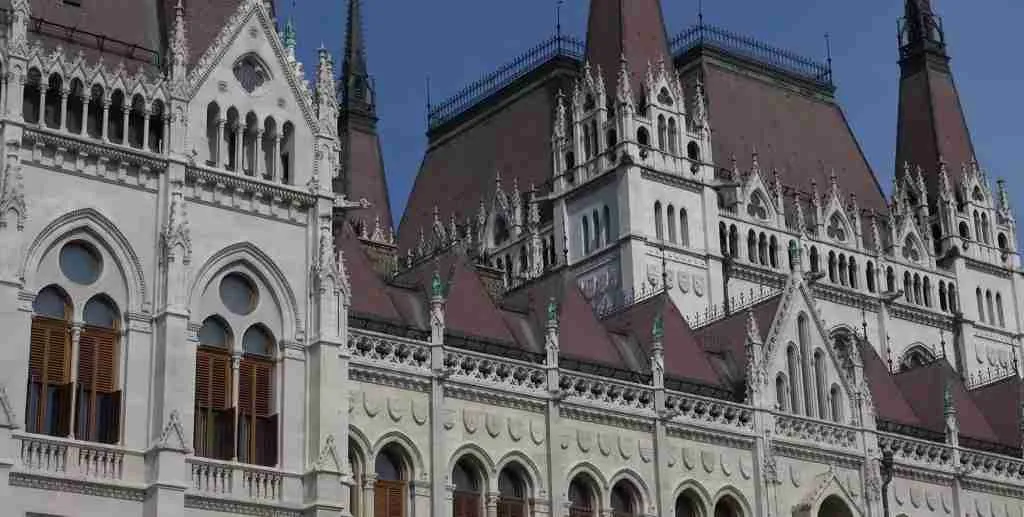
The Hungarian Parliament exterior can be admired from multiple viewpoints completely free in 2026, particularly beautiful from the Danube riverbanks and Buda Castle hill. The Parliament’s Neo-Gothic architecture, with its distinctive dome and riverside location, creates stunning photographs especially at dawn and dusk. Interior tours require paid tickets, but the building’s exterior magnificence and surrounding areas offer free exploration. The Kossuth Square area hosts the Parliament and provides free access to public monuments.
Are there free thermal baths or spa experiences in Budapest?
While Budapest’s famous thermal baths like Széchenyi and Gellért require admission fees, several free alternatives exist. The Danubius Hotel Gellért offers free thermal spring viewpoints from surrounding public areas. City Park contains free outdoor areas near the Széchenyi Baths where thermal steam creates atmospheric effects. Natural thermal springs can be observed at Egerszalók Salt Hill formations outside Budapest. For actual bathing experiences, thermal baths charge fees, but the cultural atmosphere around these facilities can be experienced freely.
Extended multi-day tours – 5+ days
Featured Budapest Multi-Day Tour Packages

3 days
Budapest 3-Day Discovery Tour
- ✓ Comprehensive Budapest experience
- ✓ Expert local guides included
- ✓ All accommodation included
- ✓ Transportation provided
5 days
Budapest 5-Day Highlights Experience
- ✓ Comprehensive Budapest experience
- ✓ Expert local guides included
- ✓ All accommodation included
- ✓ Transportation provided

7 days
Budapest 7-Day Cultural Journey
- ✓ Comprehensive Budapest experience
- ✓ Expert local guides included
- ✓ All accommodation included
- ✓ Transportation provided

10 days
Budapest 10-Day Complete Adventure
- ✓ Comprehensive Budapest experience
- ✓ Expert local guides included
- ✓ All accommodation included
- ✓ Transportation provided
Multi-day tour packages powered by TourRadar. Prices and availability subject to change.
Introduction to Free Budapest Experiences in 2026
Budapest stands as one of Europe’s most accessible capitals for budget travelers, offering an extraordinary range of free attractions that rival many paid experiences. The city’s dramatic topography, split by the Danube River into Buda and Pest, creates natural viewpoints and riverside promenades that cost nothing to enjoy. Historical monuments, grand architecture from the Austro-Hungarian Empire, expansive parks, and vibrant market halls welcome visitors without admission charges.
In 2026, Budapest continues to provide exceptional value through its free offerings. Unlike many European capitals where major sights require expensive tickets, Budapest’s most iconic landmarks—from the Parliament’s exterior to Buda Castle grounds—remain accessible to all. The city’s efficient and affordable public transport system connects these free attractions, while walking routes along the Danube and through historic districts reveal architectural treasures at every turn.
This comprehensive guide explores Budapest’s best free experiences, organized by category to help you maximize your visit without draining your budget. From hilltop fortresses and riverside walks to cultural markets and historic squares, Budapest rewards those who explore thoughtfully. The free attractions discussed here represent genuine highlights, not second-tier substitutes for paid venues.
Free Panoramic Viewpoints in Budapest 2026
Gellért Hill and the Citadella
Gellért Hill offers Budapest’s most spectacular panoramic views, completely free to access via several hiking routes. The 30-minute climb through forested paths leads to the Citadella fortress at 235 meters elevation, where the Liberty Monument dominates the skyline. From this vantage point, the entire city unfolds: the Danube curves through Budapest, the Chain Bridge connects Buda and Pest, the Parliament building asserts its Neo-Gothic grandeur, and Buda Castle spreads across Castle Hill.
The main approach starts from Gellért Square, ascending through switchback paths lined with oak and chestnut trees. Alternative routes begin from the Elizabeth Bridge or climb directly from the southern side via steeper trails. The Citadella itself remains partially closed for renovations in 2026, but surrounding viewpoints and the Liberty Monument area provide unrestricted access. Multiple lookout points around the hilltop offer different perspectives—north toward Margaret Island, east across Pest’s cityscape, south toward Buda’s residential districts, and west over the Buda Hills.
Early morning visits deliver golden light on the Parliament building and fewer crowds. Sunset transforms the Danube into a ribbon of reflected light, while evening visits reveal Budapest’s illuminated bridges and buildings. The climb requires moderate fitness, but benches along the route provide rest stops. Paths can be slippery after rain, so proper footwear helps. The entire Gellért Hill experience—hiking, viewpoints, Liberty Monument, and fortress grounds—costs nothing.
Fisherman’s Bastion Lower Terraces
Fisherman’s Bastion, a neo-Romanesque observation deck built for the 1896 Hungarian Millennium celebrations, provides one of Budapest’s most photographed views. While the upper terraces charge an admission fee in 2026, the lower terraces remain completely free and offer nearly identical panoramas. Seven towers symbolizing the seven Magyar tribes spread across 140 meters of white stone ramparts, creating fairy-tale architecture against the Danube backdrop.
The free lower terraces deliver full views of the Hungarian Parliament across the river, the Chain Bridge, Margaret Island, and Pest’s skyline. White stone arches frame photographs perfectly, while multiple levels provide varied perspectives. The adjacent Matthias Church, though requiring tickets for interior access, presents striking exterior architecture with its colorful tile roof. The equestrian statue of King Stephen I stands prominently in the forecourt.
Access from Clark Ádám Square involves either the Buda Castle Funicular (which charges a fee) or free walking routes through the Castle District’s cobblestone streets. The walk from the base of Castle Hill takes 10-15 minutes and reveals medieval architecture along the way. Fisherman’s Bastion experiences peak crowds from 10:00 AM to 4:00 PM in summer, making early morning or evening visits more pleasant. The site stays open 24 hours, allowing sunrise and night photography without time pressure.
Buda Castle Grounds and Gardens
Buda Castle’s exterior grounds, courtyards, and gardens are completely free to explore in 2026, despite the castle housing paid museums. The vast complex spreads across Castle Hill’s summit, offering multiple viewpoints, historic architecture, and landscaped spaces. The Royal Palace facade, though the interior museums charge admission, presents impressive Neo-Baroque architecture visible from all surrounding areas.
The Castle District’s cobblestone streets wind through medieval and baroque buildings, creating atmospheric walking routes at no cost. The main courtyard provides panoramic views across Budapest, while the eastern ramparts look directly onto the Danube and Pest. Ornamental gardens with sculptures, fountains, and manicured lawns create peaceful spaces away from tourist crowds. The Habsburg Steps descend toward the river, offering graduated viewpoints and photo opportunities.
Free walking routes circle the entire castle complex, revealing different architectural periods and perspectives. The western side overlooks the Buda Hills and residential districts, while the northern areas provide quiet garden spaces. Castle Hill’s strategic elevation means any spot around the complex delivers worthwhile views. The area stays accessible 24 hours, though lighting after dark varies by location.
Free Historic Landmarks and Architecture 2026
Hungarian Parliament Building Exterior
The Hungarian Parliament Building stands as Budapest’s most iconic structure, and its magnificent Neo-Gothic exterior can be admired from countless free vantage points in 2026. At 268 meters long and 96 meters high, the building dominates the Pest riverbank, its white stone facade and distinctive central dome creating Budapest’s most recognizable silhouette. Designed by Imre Steindl and completed in 1904, the Parliament combines Gothic Revival with Renaissance and Baroque elements.
The best free viewpoints include Kossuth Square directly in front of the building, where the formal gardens and monuments create foreground interest for photographs. Across the Danube, the Buda Castle ramparts and Fisherman’s Bastion deliver elevated perspectives showing the Parliament’s full length. The Danube Promenade at street level provides close proximity to the riverside facade, while the Chain Bridge offers mid-distance views framing the Parliament with the bridge’s suspension cables.
Kossuth Square, surrounding the Parliament, contains several free monuments including the 1956 Revolution Memorial and statues of Hungarian historical figures. The square hosts occasional public events and protests, as it serves as Hungary’s primary civic gathering space. Evening illumination transforms the Parliament into a golden spectacle reflected in the Danube, making sunset and night photography particularly rewarding. The area experiences heavy pedestrian traffic from 9:00 AM to 6:00 PM, but early morning and evening hours offer quieter appreciation.
Heroes’ Square and Millennium Monument
Heroes’ Square (Hősök tere) ranks among Budapest’s grandest public spaces, completely free to visit and surrounded by cultural institutions. The Millennium Monument dominates the square’s center, featuring a 36-meter column topped by the Archangel Gabriel and surrounded by statues of the seven Magyar chieftains who founded Hungary. Semicircular colonnades flank the monument, displaying statues of Hungarian kings and national leaders.
The square, completed in 1900 to commemorate Hungary’s millennium, serves as the gateway to City Park (Városliget). The Museum of Fine Arts and the Műcsarnok Art Hall frame the square’s sides, their imposing neoclassical facades creating architectural symmetry. While these museums charge admission, their exteriors and the square itself require no tickets. The vast open space allows appreciation of the monument’s details and proportions from multiple angles.
Heroes’ Square connects to Andrássy Avenue, a UNESCO World Heritage boulevard lined with neo-Renaissance mansions and embassies. Walking the avenue from Heroes’ Square toward the city center reveals Budapest’s 19th-century grandeur at no cost. The square hosts occasional public events, concerts, and demonstrations. Early morning visits find the space nearly empty, ideal for photographs without tourist crowds. The surrounding area provides free people-watching and architectural appreciation throughout the day.
St. Stephen’s Basilica Main Area
St. Stephen’s Basilica, Budapest’s largest church, allows free entry to its main worship area in 2026, though donations are appreciated. The vast interior, capable of holding 8,500 people, displays Neo-Renaissance architecture with soaring columns, ornate frescoes, and marble decoration. The central dome rises 96 meters, matching the Hungarian Parliament’s height to symbolize equal importance of church and state.
The basilica’s interior features intricate mosaics, stained glass windows, and sculptural details visible from the free main floor. While viewing the dome’s interior from the cupola requires a ticket, and access to St. Stephen’s mummified right hand (a significant religious relic) involves a small donation, the nave and side chapels remain freely accessible. The organ, one of Hungary’s largest, occasionally provides free concert performances during services.
The basilica’s exterior presents impressive twin bell towers and a classical pediment, best viewed from St. Stephen’s Square. The plaza in front hosts seasonal events, Christmas markets in winter, and regular street performers. The area connects to Budapest’s main shopping streets, making the basilica a natural waypoint during city exploration. Free walking tours typically depart from the basilica’s front steps at 11:00 AM daily, though tipping the guide is customary.
Free Parks and Green Spaces 2026
City Park (Városliget)
City Park, Budapest’s largest green space, provides extensive free recreation areas, walking paths, and cultural attractions in 2026. The park spreads across 100 hectares adjacent to Heroes’ Square, combining natural landscapes with architectural highlights. Lakes, meadows, playgrounds, sports facilities, and tree-lined paths create diverse environments within walking distance of the city center.
Vajdahunyad Castle, located within the park, can be admired from outside at no cost. This architectural pastiche, originally built for the 1896 Millennium Exhibition, combines Romanesque, Gothic, Renaissance, and Baroque elements representing Hungarian architectural history. The castle’s exterior provides excellent photo opportunities, particularly when reflected in the adjacent lake. Winter transforms the lake into one of Europe’s largest ice skating rinks, where skating requires a fee but watching skaters and the surrounding atmosphere costs nothing.
The park contains the House of Music Hungary, a contemporary architectural landmark designed by Sou Fujimoto. Entry to the building itself is free, allowing appreciation of the innovative glass and sound-hole roof design. The surrounding park areas include playgrounds, dog parks, ping-pong tables, and street workout equipment, all freely available. Benches throughout the park provide rest spots, while diverse tree species create shaded walking routes during summer.
City Park hosts the Széchenyi Thermal Bath, Budapest Zoo, and the Budapest Circus, though these require admission fees. However, the park’s extensive free areas, including the Japanese Garden, sports courts, and open meadows, provide ample enjoyment without tickets. Weekend afternoons bring locals for picnics, sports, and socializing, offering authentic glimpses of Budapest life beyond tourist attractions.
Margaret Island
Margaret Island, a 2.5-kilometer-long island in the Danube between Buda and Pest, offers car-free parkland accessible via Margaret Bridge or Árpád Bridge. The entire island functions as a public park, with walking and cycling paths circling its perimeter and crossing its interior. Ancient plane trees, rose gardens, musical fountains, and ruins of medieval monasteries create varied landscapes throughout the island.
The island’s northern section contains a small wildlife park with deer and other animals, viewable free of charge. The musical fountain, near the island’s center, provides free shows with choreographed water jets and music during summer months. Medieval ruins, including remains of a 13th-century Dominican convent, can be explored without tickets. The Japanese Garden, with its pond, bridges, and ornamental plants, offers peaceful contemplation areas.
Recreational facilities include running paths, outdoor fitness equipment, and sports courts available without charge. The island attracts joggers, cyclists, and families throughout the day, particularly during weekends. While the Palatinus Thermal Bath on the island requires admission, surrounding lawns and riverside areas provide free sunbathing and relaxation spots. The promenade encircling the island delivers continuous Danube views and fresh air away from city traffic.
Danube Promenade
The Danube Promenade, stretching along the Pest riverbank from Chain Bridge to Elizabeth Bridge, provides Budapest’s premier riverside walk at no cost. The broad pedestrian pathway passes major landmarks including the Hungarian Academy of Sciences, Gresham Palace, and numerous riverside hotels. River views, bridge perspectives, and Buda Castle vistas create constantly changing scenes along the route.
The Shoes on the Danube Bank memorial, located between the Parliament and Chain Bridge, commemorates Budapest’s Holocaust victims with 60 pairs of iron shoes along the waterfront. This powerful memorial requires no admission and remains accessible 24 hours. Street performers, artists, and musicians frequently occupy the promenade, providing free entertainment. Benches along the route offer rest stops with prime Danube views.
Evening walks reveal Budapest’s illuminated bridges and buildings reflected in the water. The promenade connects to numerous free riverside spaces, creating extended walking routes. Danube river cruises depart from several points along the promenade, though these require tickets. However, the land-based promenade views rival cruise perspectives for many visitors. The area experiences heavy foot traffic during peak tourist seasons, but early morning and late evening hours provide quieter appreciation.
Free Cultural Experiences and Markets 2026
Great Market Hall (Nagyvásárcsarnok)
The Great Market Hall, Budapest’s largest and most famous indoor market, allows free entry while offering authentic Hungarian cultural immersion. Built in 1897, the neo-Gothic building features colorful Zsolnay tile roofing and a vast iron-frame interior. The ground floor displays fresh produce, meats, cheeses, and Hungarian specialties like paprika, sausages, and wines. The upper floor sells traditional crafts, embroidered textiles, and souvenirs.
Simply browsing the market stalls provides rich sensory experiences without requiring purchases. Vendors arrange their goods artistically, creating photogenic displays of Hungarian products. The market atmosphere—bustling vendors, local shoppers, and tourist visitors mixing in the historic space—offers genuine Budapest character. The building’s architecture, with natural light filtering through glass and metal work, creates an impressive interior worth visiting for aesthetic appreciation alone.
The market operates Tuesday-Friday 6:00 AM to 6:00 PM, Saturday 6:00 AM to 3:00 PM, and Monday 6:00 AM to 5:00 PM, closed Sunday. Morning visits find the freshest produce and most active vendor interactions. The upper floor becomes busier with tourists during midday, while the ground floor maintains local customer focus throughout operating hours. The market’s Fővám tér location, near Liberty Bridge, connects to other free riverside attractions.
Free Walking Tours
Free walking tours operate daily in Budapest, departing from St. Stephen’s Basilica at 11:00 AM and covering major city landmarks in approximately 3.5 hours. These tours, while technically free, operate on a tip-based model where guides work for gratuities. The standard Budapest walking tour visits the Parliament exterior, shoes memorial, Chain Bridge, Buda Castle area, and Matthias Church, providing historical context and local insights along the route.
Additional specialized free walking tours cover topics including Communist history, street art, Jewish quarter heritage, and food culture. These tours can be found through platforms like GuruWalk, which lists various themed options. The tours provide structured exploration with expert guidance, helping visitors understand Budapest’s complex history and cultural layers beyond what independent sightseeing reveals.
While the tours carry no mandatory fee, appropriate tips range from 2000-4000 HUF (~€5-10) per person based on tour quality and length. Guides typically expect tips as their primary compensation, making this an affordable but not entirely free experience. However, the value provided—expert knowledge, organized routing, and group dynamics—often exceeds what paid tours deliver. Booking is not required; simply arrive at the departure point 10 minutes early.
Budget-Friendly Transportation Options 2026
Public Transport System and Costs
Budapest’s public transport network—consisting of metro, tram, bus, and suburban railway lines—provides efficient city-wide coverage at affordable rates in 2026. Single tickets cost 500 HUF (~€1.30), valid for one continuous journey including metro line transfers. Transfer tickets allowing one change between different transport modes cost 550 HUF. Block tickets of 10 singles cost 4000 HUF (~€10), providing minor savings for multiple journeys.
Time-based tickets offer better value for tourists making multiple transfers. The 90-minute ticket costs 700 HUF, allowing unlimited transfers within the time window. The 24-hour travel card costs 2500 HUF (~€6), providing unlimited travel across all public transport from validation time. The 72-hour card costs 5500 HUF (~€14.50), ideal for short visits. Seven-day cards cost 5500 HUF, while monthly passes cost 8950 HUF (~€22), though tourists rarely need these longer options.
Tickets can be purchased from BKK ticket machines at metro stations, through the BudapestGO smartphone app, at newsagents and tobacco shops, or from customer service centers. The 100E Airport Express bus requires a special ticket costing 2500 HUF (~€7), not covered by standard tickets or passes. All tickets must be validated before travel—paper tickets in orange validators, digital tickets by scanning QR codes. Ticket inspectors frequently check compliance, with fines reaching 16,000 HUF for violations.
Walking Budapest’s Compact Center
Central Budapest’s main attractions cluster within walkable distances, making pedestrian exploration both free and efficient. The Pest side’s inner city—from the Great Market Hall north to Parliament, and west to the Danube—can be traversed in 20-30 minutes. Similarly, Buda Castle and Fisherman’s Bastion connect via 15-minute walks through the Castle District. Bridges linking Buda and Pest take 10-15 minutes to cross on foot, themselves becoming attractions with bridge-level Danube views.
Andrássy Avenue, stretching 2.5 kilometers from Erzsébet Square to Heroes’ Square, creates an ideal walking route showcasing Budapest’s 19th-century architecture. The boulevard’s tree-lined sidewalks, mansion facades, and luxury shops provide continuous interest. The entire route takes 30-40 minutes at a moderate pace, with numerous cafes and benches for rest stops. Side streets reveal additional architectural details and local life.
Walking routes allow flexible pacing, unexpected discoveries, and cost-free exploration. Budapest’s relatively flat topography (except for castle hills and Gellért Hill) makes walking accessible for most fitness levels. Street maps available at tourist information centers and smartphone navigation apps facilitate route planning. Many of Budapest’s most photogenic scenes—building details, street scenes, cafe terraces—reveal themselves only to pedestrians who can stop and appreciate without time pressure.
Free Seasonal Events and Activities 2026
Summer Outdoor Concerts and Festivals
Budapest’s summer months bring numerous free outdoor concerts, festivals, and cultural events to public spaces. City Park hosts free music performances during summer weekends, ranging from classical concerts to contemporary genres. Margaret Island’s musical fountain shows, though not technically concerts, provide free evening entertainment combining water choreography with music. The Danube Promenade occasionally features free jazz performances and street musicians.
The Budapest Summer Festival, spanning June through August, includes some free events among its paid programming. Public squares throughout the city host smaller neighborhood festivals celebrating local culture, food, and music without admission charges. Church concerts, particularly at St. Stephen’s Basilica and Matthias Church, sometimes offer free performances during religious services or special occasions.
Free cinema screenings in City Park and other green spaces occur during summer months, showing Hungarian and international films after sunset. These events typically require no reservation—simply arrive with a blanket or chair. Food vendors at these events sell refreshments, but bringing your own supplies remains acceptable. Checking Budapest’s official tourism website and event calendars reveals the current year’s free programming, as schedules change annually.
Christmas Markets and Winter Activities
Budapest’s Christmas markets, operating from late November through early January, allow free entry while creating festive winter atmospheres. The main markets at Vörösmarty Square and St. Stephen’s Basilica Square feature decorated stalls, illuminated decorations, and seasonal crafts. Browsing the markets, enjoying the decorations, and experiencing the festive atmosphere costs nothing, though purchasing food, drinks, or crafts requires payment.
Ice skating rinks open in City Park and other locations during winter, though skating requires rental fees. However, watching skaters and enjoying the winter park atmosphere costs nothing. The city’s illuminated buildings and bridges create spectacular winter night scenes, enhanced by Christmas lighting. Evening walks through decorated squares and streets provide free seasonal entertainment.
New Year’s Eve celebrations in Budapest include free public gatherings along the Danube promenade, though these become extremely crowded. Winter markets continue into early January, extending the festive period. Some museums and cultural institutions offer free admission days during winter months, though these vary by year and institution.
Money-Saving Strategies for Budapest 2026
Budapest Card Value Analysis
The Budapest Card 2026 includes free public transport and entries to 30+ museums and attractions, plus discounts on tours, restaurants, and other services. The 24-hour card costs €35, the 48-hour card €45, and the 72-hour card €55 (check official site for current rates). For visitors planning to visit multiple paid attractions, the card can provide significant savings compared to individual tickets.
However, for travelers focusing primarily on free attractions, the Budapest Card’s value diminishes. Public transport costs of 2500 HUF (~€6) for 24 hours mean the card needs to offset its higher price through museum entries and discounts. Calculating whether the card saves money requires tallying your intended paid attractions and comparing against the card price. For free-focused itineraries, standard transport passes prove more economical.
The card’s convenience factor—no need to queue for individual tickets or carry cash—adds non-monetary value for some travelers. The included guidebook and discounts at restaurants can offset costs beyond attraction entries. Purchase the card online through the official Budapest Card website or at tourist information centers and the airport.
Combining Free and Low-Cost Experiences
Maximizing Budapest’s budget-friendly appeal involves strategically mixing free attractions with selective paid experiences. For example, spending mornings exploring free sites like Buda Castle grounds, Heroes’ Square, and the Danube Promenade, then choosing one paid thermal bath visit in the afternoon creates a satisfying day without excessive costs. Similarly, free walking tours in the morning can be followed by independent free exploration in the afternoon.
Free picnics in City Park or along the Danube substitute for expensive restaurant meals, with supplies from the Great Market Hall costing a fraction of cafe prices. Budapest’s abundant free parks and viewpoints provide natural rest stops between activities, reducing the need for paid cafes simply to rest. Evening entertainment comes free through riverside walks viewing illuminated buildings rather than expensive night tours.
Budapest’s thermal baths, while not free, charge significantly less than similar spas in other European capitals. Budgeting for one thermal bath visit while keeping other experiences free creates affordable luxury. Similarly, choosing one paid museum visit to complement multiple free architectural and cultural experiences provides educational depth without budget strain.
Practical Information for Free Budapest Exploration 2026
Best Times to Visit Free Attractions
Summer months (June-August) deliver long daylight hours and warm weather ideal for outdoor free attractions, though tourist crowds peak during this period. Spring (April-May) and fall (September-October) provide moderate temperatures, fewer crowds, and beautiful seasonal colors in parks and gardens. Winter (November-March) brings cold weather but dramatically fewer tourists at outdoor sites, plus special Christmas market atmospheres.
Daily timing affects crowd levels significantly. Major viewpoints like Fisherman’s Bastion and Buda Castle experience heaviest traffic from 10:00 AM to 4:00 PM. Early morning visits (7:00-9:00 AM) find sites nearly empty, with better light for photography and peaceful appreciation. Evening visits (after 6:00 PM) also reduce crowds while adding illuminated building views and sunset colors.
Monday mornings tend to be quieter as many paid museums close Mondays, drawing fewer tourists overall. Wednesday through Friday see moderate visitor numbers. Weekends bring more local visitors to parks and markets but fewer tour groups at architectural sites. Free walking tours operate daily but may have smaller groups during weekdays.
Safety and Practical Considerations
Budapest ranks as one of Europe’s safest capitals, with low violent crime rates and generally trustworthy environments. Standard precautions apply: watch for pickpockets in crowded tourist areas like the Great Market Hall and public transport, avoid displaying expensive electronics unnecessarily, and stay aware of surroundings in less populated areas after dark.
Drinking fountains in City Park and other public spaces provide free potable water—Budapest’s tap water is safe to drink throughout the city. Public restrooms at major metro stations and some parks charge 200-300 HUF, though cafes and restaurants allow customer use for free. Large parks have free public facilities, though cleanliness varies.
Most Budapest residents speak some English, particularly younger generations, but learning basic Hungarian phrases (hello, thank you, please) enhances interactions. Free maps available at tourist information points and smartphone GPS eliminate navigation challenges. Wi-Fi is available free at many public spaces, cafes, and restaurants, though the BudapestGO app can be used offline for transport navigation once downloaded.
Frequently Asked Questions
Is Budapest really affordable for budget travelers in 2026?
Budapest remains one of Europe’s most affordable capitals in 2026, with numerous free attractions, reasonable public transport costs, and inexpensive food options. Visitors can enjoy full days of sightseeing without spending beyond transport and meals. Free viewpoints, parks, walking routes, and architectural landmarks provide rich experiences without admission fees. Budget-conscious travelers can explore Budapest thoroughly spending only on accommodation, transport passes, and food, keeping daily costs well below €50 per person.
How many days should I spend in Budapest to see free attractions?
Three to four days allows thorough exploration of Budapest’s free attractions without feeling rushed. Day one can cover Buda Castle, Fisherman’s Bastion, and Gellért Hill viewpoints. Day two explores Pest’s free sites including Parliament exterior, Heroes’ Square, St. Stephen’s Basilica, and the Danube Promenade. Day three visits City Park, Margaret Island, and the Great Market Hall. Additional days allow for deeper neighborhood exploration, free walking tours, and revisiting favorite spots at different times of day.
Can I visit Budapest’s thermal baths for free?
Budapest’s famous thermal baths—Széchenyi, Gellért, Rudas, and others—all charge admission fees ranging from 6000-8000 HUF (~€15-20) in 2026. No major thermal baths offer free entry, as they operate as commercial or municipal facilities requiring maintenance funding. However, thermal spring phenomena can be observed free at City Park around Széchenyi Baths, where steam rises from pools. Natural thermal springs exist in surrounding areas like Egerszalók, though reaching them requires transport costs.
Are free walking tours really free in Budapest?
Free walking tours operate on a tips-based model rather than being completely free. Tours charge no mandatory upfront fee, but guides work for gratuities provided at tour’s end. Standard tips range 2000-4000 HUF (~€5-10) per person depending on tour quality and length. Tipping remains technically optional but expected, as guides receive no other compensation. The term “free” refers to no advance payment or fixed price, not completely cost-free participation. Budget travelers should plan to tip appropriately.
What’s the best free viewpoint in Budapest?
Gellért Hill provides Budapest’s finest panoramic views, combining Citadella fortress access, Liberty Monument proximity, and 360-degree city vistas. The 30-minute climb through forest paths remains completely free and delivers views superior to many paid observation decks. Alternative exceptional free viewpoints include Fisherman’s Bastion lower terraces (upper levels charge fees), Buda Castle eastern ramparts, and the Danube bridges at pedestrian level. Each offers distinct perspectives—Gellért for comprehensive panoramas, Fisherman’s for Parliament views, Castle ramparts for river vistas.
Does the Great Market Hall charge entry fees?
The Great Market Hall allows completely free entry in 2026, operating as a public market without admission charges. Visitors can browse all three floors, observe vendors, photograph the architecture, and experience the market atmosphere without purchasing anything. The market sells food, produce, crafts, and souvenirs, but browsing costs nothing. This makes it an ideal free cultural experience showing authentic Budapest commerce and Hungarian products.
Can I use Budapest public transport without buying tickets?
Budapest public transport requires valid tickets for all journeys—free travel is not available except for children under 6 and seniors over 65 (any nationality). Ticket inspectors frequently check compliance across metro, tram, and bus services, issuing fines of 16,000 HUF (~€40) for violations. Even short journeys require validation. The enforcement system operates efficiently, making fare evasion both illegal and financially risky. Budget travelers should factor transport costs into planning, as the 2500 HUF 24-hour pass provides affordable unlimited travel.
Are Budapest’s free attractions open year-round?
Most free outdoor attractions—Buda Castle grounds, Fisherman’s Bastion, Gellért Hill, Heroes’ Square, and the Danube Promenade—remain accessible year-round, 24 hours daily. Weather affects comfort but not access. City Park and Margaret Island stay open continuously. The Great Market Hall operates Tuesday-Saturday with limited Monday hours, closed Sundays. St. Stephen’s Basilica maintains daily visiting hours but closes during services. Free walking tours operate daily throughout the year, though schedules may reduce during winter months.
Is it safe to walk around Budapest at night visiting free sites?
Budapest’s central areas, including the Danube Promenade, Castle District, and main squares, remain safe for evening walks with standard precautions. Well-lit tourist areas see regular pedestrian traffic until late evening. The Danube riverside walks become particularly beautiful after dark with illuminated buildings and bridges, and many visitors specifically seek night photography opportunities. Less central neighborhoods require more awareness, but violent crime against tourists is rare. Solo travelers should stay in populated areas after dark and avoid isolated parks late at night.
What free Budapest experiences are suitable for children?
City Park offers numerous free child-friendly spaces including playgrounds, dog parks (children love watching), and open meadows for running. The park’s playground near Vajdahunyad Castle features slides, climbing structures, and swings. Margaret Island provides car-free cycling and walking paths, plus a small free zoo with deer. The Danube Promenade allows easy walking with stroller access, street performers providing entertainment. Heroes’ Square’s wide-open space suits active children. Free walking tours generally welcome children, though 3.5-hour duration may challenge younger ones. Most viewpoints involve stairs or hills requiring supervision for small children.