Bucharest on a Budget 2026: Free Things to Do & Money-Saving Tips
Romania’s capital offers exceptional value for budget-conscious travelers, combining free cultural attractions with Europe’s most affordable public transport and dining scenes. This comprehensive guide reveals how to experience Bucharest’s grand boulevards, communist-era architecture, Orthodox monasteries, and vibrant Old Town while spending $45-65 per person daily on a budget tier or even less with strategic planning.
Key Takeaways: Budget Bucharest 2026
- Daily Budget Ranges 2026: Budget travelers spend $45-65 per person daily (two sharing hostel/budget hotel), mid-range visitors spend $105-145 per person daily (two sharing 3-star hotel), and luxury travelers invest $230-315 per person daily (two sharing 5-star hotel). All ranges assume shared accommodation costs divided by two before adding individual expenses.
- Free Major Attractions: Bucharest provides dozens of no-cost experiences including Stavropoleos Monastery, Herastrau Park, Cismigiu Gardens, Revolution Square, Romanian Patriarchal Cathedral, Old Town walking, Calea Victoriei boulevard, Dâmbovița Riverside, and Unirii Square fountain show (Friday-Sunday evenings from May). Museum Night on May 23 offers free admission to most museums citywide.
- Public Transport Savings 2026: The 7-day combined metro and surface transport pass costs RON 66 ($14), saving approximately 35% versus buying seven daily passes at RON 18 each ($126 total). For stays of five days or more, this pass delivers maximum value while covering unlimited metro, bus, tram, and trolleybus journeys across the entire city network.
- Accommodation Cost Optimization: Hostels offer dormitory beds from $10-20 nightly while budget hotels range $35-50 per room. Staying in neighborhoods like Grivitei or near Gara de Nord reduces costs by 30-40% compared to Old Town properties while maintaining excellent metro connections. Booking three months in advance typically reduces rates by 25-35%.
- Weekly Budget Planning 2026: A week in Bucharest costs approximately $315-455 per person for budget travelers (two sharing budget accommodation), $735-1015 per person for mid-range comfort (two sharing 3-star hotels), or $1610-2205 per person for luxury experiences (two sharing 5-star hotels). These weekly totals include all accommodation, meals, transport, and attraction costs.
- Strategic Dining Savings: Traditional Romanian restaurants outside tourist zones offer complete meals for RON 35-50 ($7-11) versus RON 80-120 ($18-26) in Old Town. Purchasing picnic supplies from supermarkets like Mega Image or Carrefour Express cuts lunch costs by 60-70%, with quality sandwiches, cheese, fruit, and pastries available for RON 15-25 ($3-6) per person.
People Also Ask About Bucharest Budget Travel 2026
How much does it cost per day in Bucharest in 2026?
Daily costs in Bucharest range from $45-65 per person for budget travelers (two sharing hostel or budget hotel), $105-145 per person for mid-range comfort (two sharing 3-star hotel), to $230-315 per person for luxury experiences (two sharing 5-star hotel). These figures include accommodation, three meals, public transport, and attractions. Budget travelers staying in dormitories and eating at local restaurants outside tourist zones can reduce costs to the lower end of the range, while those booking last-minute or dining exclusively in Old Town will approach the higher end. The city ranks among Europe’s most affordable capitals, with costs approximately 60-70% lower than Paris, London, or Amsterdam.
What are the best free things to do in Bucharest in 2026?
Bucharest’s top free attractions include Stavropoleos Monastery (18th-century Orthodox church with stunning frescoes), Herastrau Park (187 hectares of gardens and lakeside walking), Cismigiu Gardens (Romania’s oldest public park dating to 1847), Revolution Square (site of the 1989 revolution with memorial monuments), and the Romanian Patriarchal Cathedral (17th-century seat of the Orthodox Church). The Old Town offers free exploration of medieval streets, baroque architecture, and communist-era buildings along pedestrian lanes. Calea Victoriei boulevard showcases elegant 19th-century mansions, museums, and theaters across 3 kilometers. The Dâmbovița Riverside provides skyline views and communist architecture. Unirii Square features free fountain shows with lights and music Friday-Sunday evenings from May through September.
How can I save money on museums in Bucharest in 2026?
Museum Night on May 23, 2026 offers free admission to most museums across Romania, including major Bucharest institutions like the National Museum of Romanian History, National Museum of Art, Village Museum, and Peasant Museum. Regular admission to national museums costs RON 20-40 ($4-9), while smaller specialized museums charge RON 10-20 ($2-4). Students under 26 with valid Euro 26 cards pay reduced rates of RON 5 at many institutions. Visiting free attractions first and limiting paid museums to 2-3 during your stay keeps cultural costs under RON 100 ($22) total. Many churches, monasteries, and outdoor monuments charge no admission, providing cultural experiences without museum fees.
Is public transport in Bucharest expensive in 2026?
Bucharest public transport ranks among Europe’s most affordable, with metro single trips costing RON 7 ($1.50) as of May 2026. The 7-day combined pass at RON 66 ($14) provides unlimited metro, bus, tram, and trolleybus access for a week, saving approximately 35% versus seven daily passes. For stays under five days, single trip tickets or 24-hour passes at RON 18 ($4) offer flexibility. Monthly passes cost RON 140 ($30), ideal for extended stays. Transport represents just $2-6 per person daily in total trip budgets, making it negligible compared to Western European cities where weekly passes often exceed €35-40. Children under six travel free on all public transport.
Extended multi-day tours – 5+ days
Featured Bucharest Multi-Day Tour Packages
3 days
Bucharest 3-Day Discovery Tour
- ✓ Comprehensive Bucharest experience
- ✓ Expert local guides included
- ✓ All accommodation included
- ✓ Transportation provided
5 days
Bucharest 5-Day Highlights Experience
- ✓ Comprehensive Bucharest experience
- ✓ Expert local guides included
- ✓ All accommodation included
- ✓ Transportation provided
7 days
Bucharest 7-Day Cultural Journey
- ✓ Comprehensive Bucharest experience
- ✓ Expert local guides included
- ✓ All accommodation included
- ✓ Transportation provided
10 days
Bucharest 10-Day Complete Adventure
- ✓ Comprehensive Bucharest experience
- ✓ Expert local guides included
- ✓ All accommodation included
- ✓ Transportation provided
Multi-day tour packages powered by TourRadar. Prices and availability subject to change.
Introduction: Discovering Budget-Friendly Bucharest in 2026
Bucharest challenges expectations. Behind its reputation as Eastern Europe’s overlooked capital lies a city where grand Belle Époque architecture meets brutalist communist blocks, where Orthodox monasteries stand beside contemporary art galleries, and where a week’s travel costs less than three nights in Paris. The Romanian capital delivers exceptional value for budget-conscious travelers while maintaining standards that rival far more expensive destinations.
The mathematics of budget travel in Bucharest work decisively in visitors’ favor. Public transport operates at a fraction of Western European costs, with unlimited weekly access to the entire metro, bus, tram, and trolleybus network available for $14. Accommodation spans from $10 dormitory beds to comfortable mid-range hotels under $80 nightly. Traditional Romanian restaurants serve substantial meals for $7-11 outside tourist zones, while supermarkets provide picnic supplies at prices 60-70% below typical European rates. Cultural attractions include dozens of free sites alongside museums charging just $2-9 admission.
This combination creates remarkably affordable daily costs. Budget travelers maintaining strict discipline spend $45-65 per person daily while enjoying hostel accommodation, local dining, comprehensive public transport, and select cultural attractions. Mid-range travelers investing $105-145 daily access 3-star hotels, restaurant meals, rideshare transportation when convenient, and multiple museums. Even luxury experiences remain accessible, with 5-star hotels, fine dining, and private transportation totaling $230-315 daily per person, still substantially below comparable Western European cities.
The city’s affordability extends beyond mere low prices. Bucharest offers genuine value, converting modest budgets into rich experiences. Free attractions include architectural landmarks rivaling Prague’s grandeur, parks exceeding those of Vienna in scale, and Orthodox monasteries displaying artistic treasures. The Old Town’s pedestrian streets, Revolution Square’s historical significance, and Herastrau Park’s lakeside tranquility all carry no admission fees. Strategic planning amplifies this value further through weekly transport passes, advance hotel bookings, local dining, and timing visits for Museum Night’s free citywide access.
Romania’s capital particularly rewards travelers seeking authentic experiences over tourist infrastructure. The absence of heavy tourism in most neighborhoods means restaurants, shops, and attractions maintain local pricing rather than tourist premiums. A meal costs the same whether you’re a visitor or a Bucharest resident. This authenticity creates opportunities for cultural immersion alongside financial savings, as budget-conscious choices naturally lead toward local experiences rather than tourist-oriented alternatives.
The following sections detail specific strategies for maximizing value across all budget tiers in 2026. From identifying free cultural attractions to calculating optimal transport passes, from locating budget accommodation to finding authentic dining beyond tourist zones, this guide provides the actionable information needed to experience Bucharest thoroughly while maintaining your chosen spending level. Whether your daily budget sits at $50 or $150 per person, Bucharest accommodates that target while delivering experiences that feel considerably more expensive than their actual cost.
Understanding Bucharest Costs in 2026
Bucharest’s cost structure operates on a dual-tier system that sharply distinguishes tourist zones from local neighborhoods. The Old Town (Lipscani) commands premium pricing for accommodation, dining, and services, with costs approaching Western European levels during peak summer months. A restaurant meal in this historic quarter costs RON 80-120 ($18-26), hotels charge $100-200 nightly, and bars price cocktails at RON 45-60 ($10-13). These rates reflect international demand rather than local economics, creating a tourist bubble disconnected from the broader city’s pricing.
Step beyond this concentrated tourist zone and costs drop dramatically. Neighborhoods like Grivitei, Cotroceni, Floreasca, and areas near Gara de Nord maintain local pricing structures. The same meal that costs RON 100 in Old Town sells for RON 35-50 in a traditional restaurant three metro stops away. Hotels charge $35-60 nightly for equivalent quality. This price differential creates significant savings opportunities for travelers willing to use the city’s excellent metro system, which delivers anywhere-to-anywhere transport in under 30 minutes.
Currency considerations affect budget calculations. Romania uses the Romanian leu (RON), with exchange rates around RON 4.5 per USD as of 2026. Prices in this guide present both RON amounts and dollar conversions for clarity. ATMs throughout the city dispense lei at favorable rates, while exchange offices cluster near major tourist sites but often charge higher commissions. Using ATMs from Romanian banks like BCR, BRD, or Banca Transilvania provides optimal exchange rates with minimal fees, typically 1-2% total cost versus 4-6% at exchange offices.
Public transport represents Bucharest’s most striking value proposition. Following fare increases in May 2026, metro single trips cost RON 7 ($1.50), with 24-hour passes at RON 18 ($4) and 7-day combined metro plus surface transport passes at RON 66 ($14). These rates remain 50-70% below comparable Western European cities. The comprehensive network covers all major attractions, hotels, and neighborhoods, making car rental or taxi reliance unnecessary. Budget-conscious travelers rely almost exclusively on public transport, while even luxury visitors use it for convenience and efficiency.
Accommodation pricing varies dramatically by location, season, and booking timing. Hostels charge $10-20 per dormitory bed year-round, while budget hotels range $35-50 nightly in local neighborhoods and $60-90 in central locations. Mid-range 3-star hotels average RON 360-460 ($79-100) per room nightly, with Old Town properties commanding 40-50% premiums. Luxury 5-star hotels range RON 950-1100 ($209-240) per room. Booking three months in advance typically reduces these rates by 25-35%, while last-minute bookings during peak summer months (June-August) can increase costs by 30-40%.
Dining costs separate into three clear tiers. Budget meals from street vendors, supermarkets, and casual cafes cost RON 20-40 ($4-9) per person. Mid-range Romanian restaurants outside tourist zones charge RON 35-50 ($7-11) for substantial traditional dishes like sarmale (cabbage rolls), mici (grilled meat rolls), or mamaliga (polenta with cheese and sour cream). Upscale restaurants in Old Town and fine dining establishments range RON 80-180 ($18-40) per person before drinks. Alcohol adds RON 15-25 ($3-6) per local beer or glass of Romanian wine at standard restaurants, doubling to RON 30-50 ($7-11) in tourist zones.
Museum and attraction costs remain remarkably modest. Major national museums charge RON 20-40 ($4-9) admission, smaller specialized museums cost RON 10-20 ($2-4), while the Palace of Parliament tour (Bucharest’s most expensive single attraction) reaches approximately RON 80 ($18) for comprehensive access. Many churches, monasteries, parks, and monuments charge no admission. This pricing structure means cultural exploration adds just $10-25 per person daily even for visitors entering multiple paid sites, far below the $50-100 daily museum costs common in Paris, London, or Rome.
Seasonal variation affects costs primarily through accommodation demand. Summer months (June-August) see hotel rates increase 30-40% as European tourists arrive, while winter (January-February) offers the year’s lowest rates with 20-30% discounts from shoulder season pricing. Restaurant prices remain stable year-round, as does public transport. Museums maintain consistent admission fees regardless of season. Budget travelers achieve maximum value visiting during shoulder seasons (March-May, September-November) when accommodation costs drop while weather remains pleasant for outdoor exploration.
Hidden costs in Bucharest remain minimal compared to many tourist destinations. Restaurants include VAT in stated prices, tipping operates at 10-15% for good service (discretionary, not obligatory), and public transport requires no surcharges. The main unexpected expense comes from paid public toilets at RON 2-3 ($0.50-0.70) per use in parks and metro stations, though restaurants and museums provide free facilities to customers. Airport transport via public bus costs just RON 7 ($1.50) each direction, while private shuttles charge RON 80-120 ($18-26).
Free Cultural Attractions in Bucharest 2026
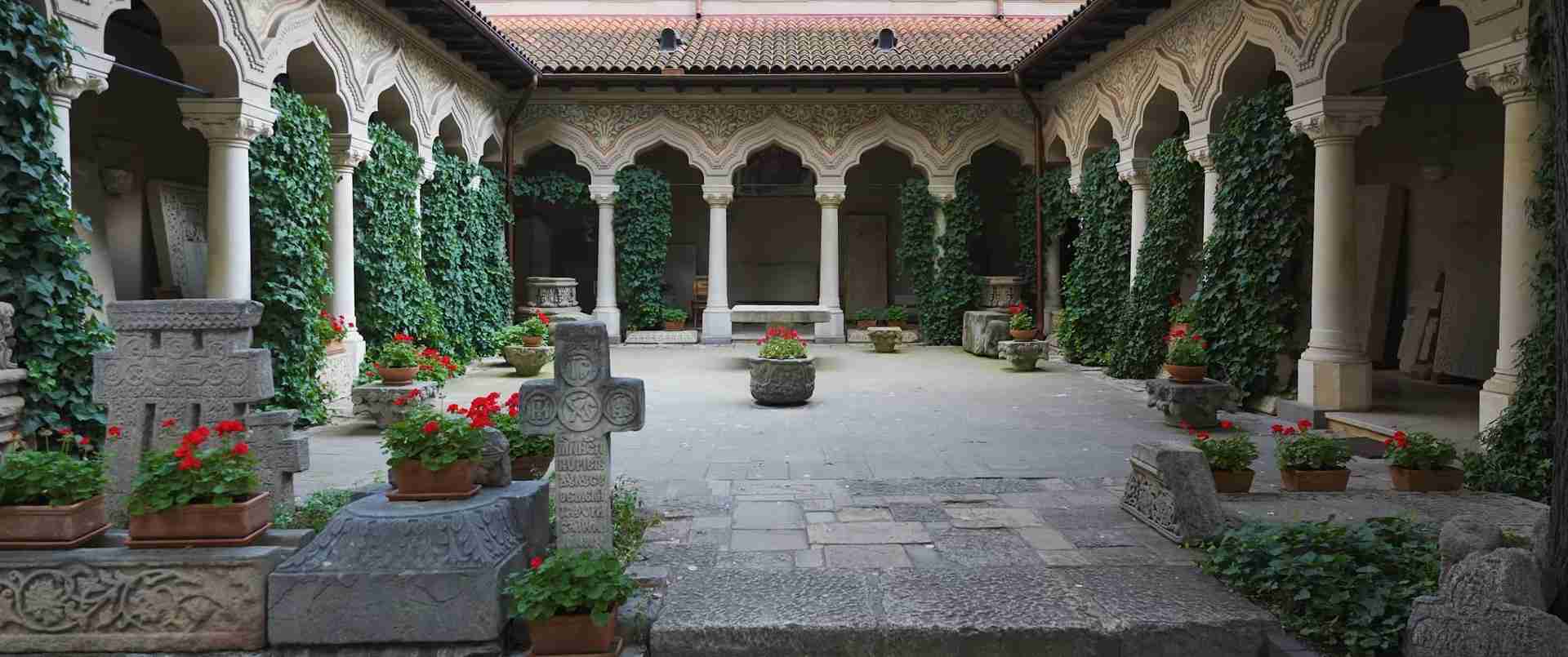
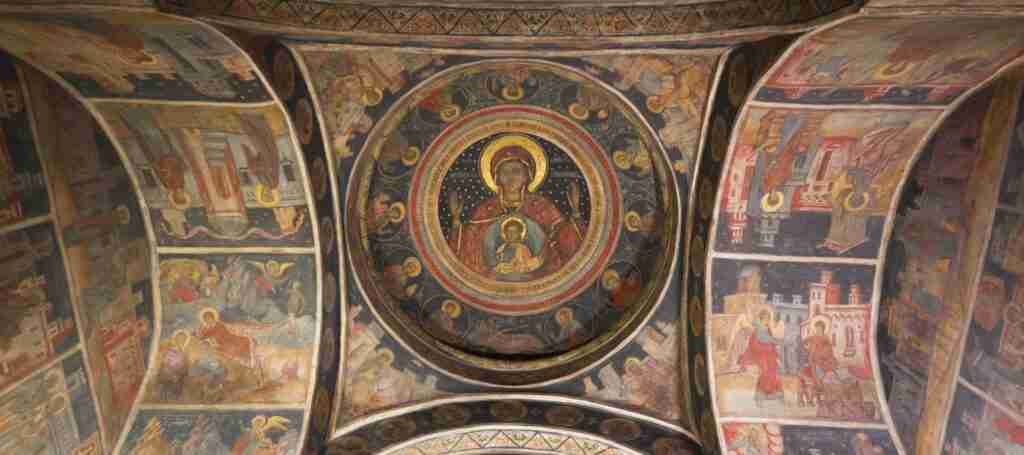
Stavropoleos Monastery stands as Bucharest’s most photographed religious site and charges no admission. Built in 1724, this small Orthodox church occupies a quiet courtyard just steps from the Old Town’s bustling pedestrian streets. The exterior showcases Brancoveanu architecture with intricate stone carvings, Islamic-influenced arches, and a colonnade of slender columns. Inside, 18th-century frescoes cover every surface in traditional Byzantine iconography, while ornate wood carvings frame the iconostasis. The monastery courtyard provides peaceful benches surrounded by flowering plants, offering a contemplative escape from urban energy. Open daily from early morning until dusk, the site welcomes respectful visitors during non-service hours, with liturgy typically scheduled mornings and early evenings.
Herastrau Park encompasses 187 hectares along Herastrau Lake in northern Bucharest, accessible via Aviatorilor metro station. The park operates as the city’s premier green space, combining formal gardens, wild woodlands, lakeside promenades, and recreational facilities. Walking the complete lake perimeter circuit covers approximately 6 kilometers through varied landscapes. The northern section maintains formal gardens with seasonal flower displays and geometric pathways, while the southern areas feature natural woodlands with dirt trails beneath mature trees. Lakeside benches provide rest points with water views, while small beaches allow summer picnics. The park charges no entry fee and remains open 24 hours, though nighttime lighting concentrates near main pathways. Weekend afternoons see local families picnicking, couples rowing rental boats (boats cost RON 20-30/$4-7 per hour, not free), and runners circling the lake trail.
Cismigiu Gardens claims distinction as Romania’s oldest public park, established in 1847 on former marshland near the city center. Accessible from Piata Romana metro station via a 10-minute walk, the park showcases 19th-century romantic landscape design with winding paths, ornamental bridges, and a central lake. Winter freezes the lake solid, creating an impromptu ice skating surface (skate rental costs extra), while summer supports paddle boat explorations. The gardens maintain distinct zones including a rose garden displaying hundreds of varieties, a monument walk featuring busts of Romanian writers and composers, and shaded groves where elderly locals play chess on permanent stone tables. The Roman Rotunda near the southern entrance provides a distinctive circular colonnade often used for outdoor classical music performances. The park charges no admission and welcomes visitors from dawn until midnight.
Revolution Square (Piata Revolutiei) occupies central Bucharest as the site of decisive events during Romania’s 1989 revolution against communist dictatorship. The square contains several free-access monuments and buildings of historical significance. The Memorial of Rebirth, a white marble spike topped with a crown, honors those killed during the revolution. The former Communist Party Central Committee building, where dictator Nicolae Ceausescu delivered his final public speech to a jeering crowd, displays the balcony from which he fled via helicopter. Across the square, the Romanian Athenaeum’s neoclassical architecture provides a photogenic backdrop, while the Central University Library’s fire-damaged facade serves as a revolution memorial. The square functions as an active public space with continuous traffic, requiring care when crossing between monuments, but charges no fees for access or photography.
The Romanian Patriarchal Cathedral crowns Mitropoliei Hill in central Bucharest as the seat of Romania’s Orthodox Church. Consecrated in 1658 and modeled after Curtea de Arges Monastery, the cathedral features traditional Wallachian architecture with Byzantine-influenced domes and exterior frescoes. The interior displays Orthodox iconography across walls and ceiling, while the marble iconostasis (altar screen) showcases intricate carvings and religious icons. The cathedral remains an active place of worship with multiple daily liturgies, but welcomes respectful visitors outside service times. Adjacent buildings house the Patriarchal Palace and administrative offices. The site charges no admission though donations are accepted, and requires modest dress (covered shoulders and knees). Access via Piata Unirii metro station involves a 10-minute uphill walk through the Dealul Mitropoliei neighborhood.
The Old Town (Lipscani) operates as an open-air architectural museum spanning medieval foundations through Art Nouveau elegance to communist-era brutalism. Walking these pedestrian streets costs nothing while revealing Bucharest’s layered history. Strada Lipscani, the district’s main artery, preserves 16th-century trading post foundations beneath 19th-century facades. Side streets like Strada Stavropoleos and Strada Selari showcase Art Nouveau buildings with elaborate wrought-iron balconies and decorative tilework. Hanul lui Manuc, a restored 19th-century merchant inn, provides free courtyard access displaying traditional Romanian architecture. Pasajul Macca-Vilacrosse, a yellow-glass covered passage connecting Calea Victoriei to Strada Eugeniu Carada, features Art Nouveau design and cafes (drinks cost extra). The Curtea Veche (Old Princely Court) archaeological remains occupy a small park accessible without charge, displaying 15th-century stone foundations of Vlad the Impaler’s palace.
Calea Victoriei, Bucharest’s most elegant boulevard, stretches 3 kilometers from Piata Victoriei to the Dâmbovița River through the city’s historic core. Walking this entire length costs nothing while passing major architectural landmarks. The northern section features the Cantacuzino Palace (now George Enescu Museum, interior requires admission fee but exterior viewing is free), CEC Palace (savings bank with stunning Belle Époque facade), and former royal palace complex. The central portion includes Revolution Square’s monuments, Romanian Athenaeum’s neoclassical columns, and elegant 19th-century buildings housing luxury boutiques. The southern end reaches the Old Town and National Museum of Romanian History. Summer weekends often close sections to vehicle traffic, creating a pedestrian zone with street performers and outdoor cafe seating. The boulevard provides continuous visual interest through architectural variety, making it ideal for budget-conscious cultural exploration.
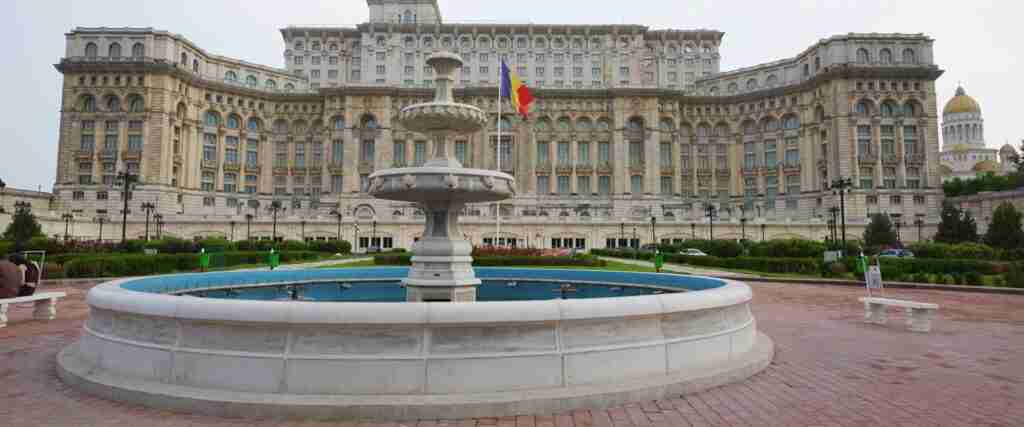
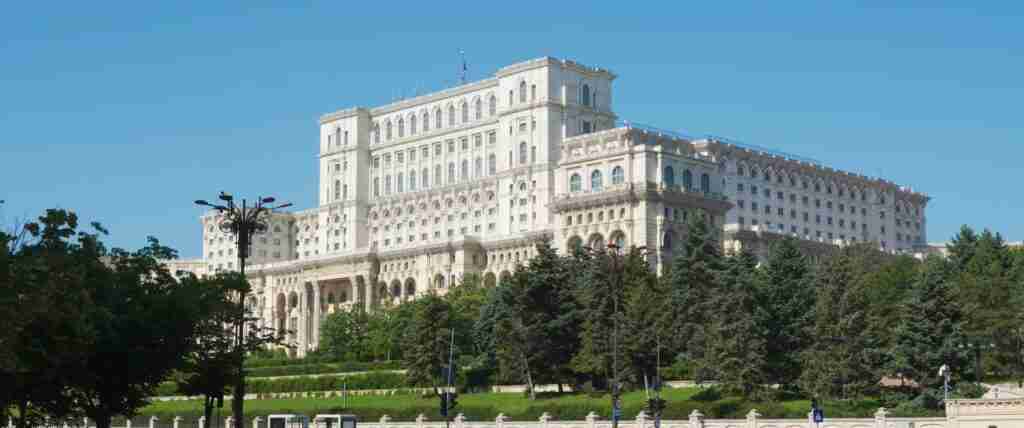
The Dâmbovița Riverside offers skyline perspectives and communist-era architecture viewing along the river traversing central Bucharest. Riverside walkways extend from Piata Unirii east past the National Library toward Basarab metro station, covering approximately 4 kilometers. The western section from Piata Unirii provides views of the Palace of Parliament’s monumental facade (Europe’s largest administrative building) rising above the riverbank. The eastern section passes modern bridges, riverside parks, and examples of communist-era residential blocks. Sunset creates optimal photography conditions as low light illuminates the Palace’s limestone exterior and reflects in the river’s surface. The walkway charges no access fees and remains publicly accessible day and night, though nighttime lighting concentrates near major bridges.
Parcul Carol I (Carol Park) encompasses 36 hectares of landscaped gardens, monuments, and the Mausoleum Necunoscut (Tomb of the Unknown Soldier) south of the city center. The park’s elevated position provides panoramic views across southern Bucharest toward the Palace of Parliament. The Mausoleum, a neoclassical structure with Corinthian columns, offers free access to its exterior platform and surrounding sculpture gardens. The park features formal pathways, a large fountain displaying summer water shows, and the Technical Museum Dimitrie Leonida (museum entry requires fee, park access is free). Access via Piata Muncii metro station involves a 5-minute walk. The park operates as a popular local recreation area particularly busy Sunday afternoons when families gather for picnics and children’s play.
The Arcul de Triumf (Triumphal Arch) stands on Șoseaua Kiseleff in northern Bucharest, accessible via Piata Victoriei or Aviatorilor metro stations. Built in 1936 to commemorate Romanian participation in World War I, the arch rises 27 meters featuring bas-relief sculptures by notable Romanian artists. The surrounding Arcul de Triumf Square provides open space for viewing the monument from various angles and photographing its details. National military parades traditionally use this location on December 1 (Romania’s National Day), when temporary seating fills the square but general public access remains free. The arch itself charges no admission for exterior viewing, though occasional interior access during special events may carry fees. The monument sits at the southern entrance to Herastrau Park, making combined visits efficient for free cultural exploration.
Museum Night 2026 and Free Cultural Events
Museum Night on May 23, 2026 transforms cultural access across Romania, offering extended hours and free admission to most museums nationwide. Bucharest participates comprehensively, with major institutions including the National Museum of Romanian History, National Museum of Art (housed in the former Royal Palace), Village Museum (Muzeul Satului showcasing traditional Romanian architecture), Peasant Museum (displaying folk art and rural culture), Grigore Antipa Natural History Museum, and dozens of smaller specialized museums waiving admission fees from late afternoon through midnight.
The event operates as Romania’s largest single cultural initiative, with hundreds of thousands of visitors attending nationally and tens of thousands exploring Bucharest’s museums specifically. Popular institutions develop special programming including guided tours in English, temporary exhibitions, live music performances, artist demonstrations, and extended access to normally restricted areas. The National Museum of Romanian History typically showcases its crown jewel collection including the Pietroasele Treasure and Romanian Crown Jewels, while the Village Museum organizes traditional craft demonstrations and folk music performances across its open-air architectural displays.
Strategic planning maximizes Museum Night value. Arriving at major museums when they open extended hours (typically 18:00-20:00) avoids the heaviest crowds that develop later in the evening. Selecting 3-4 museums within walking distance or connected by direct metro routes allows efficient exploration without excessive transit time. The concentration of museums along Calea Victoriei and around Piata Victoriei enables visiting 4-5 institutions in a single evening. Bringing water and light snacks proves practical as museum cafes often close during extended hours, and queues for popular exhibitions can extend 30-45 minutes.
Beyond Museum Night, Bucharest hosts regular free cultural events though with less predictable scheduling than major annual occasions. The Unirii Square fountain show operates Friday-Sunday evenings from May through September, displaying choreographed water displays synchronized with lights and music beginning around dusk. Revolution Square occasionally hosts free outdoor concerts and cultural festivals, particularly during Romanian national holidays. Herastrau Park’s outdoor amphitheater presents free summer concerts and theatrical performances, though schedules vary annually and specific dates typically announce just weeks in advance.
Many churches and monasteries present Orthodox liturgy with traditional Byzantine chanting and ceremony open to respectful observers. The Romanian Patriarchal Cathedral conducts evening vespers and Sunday morning liturgy featuring choir performances of considerable musical quality. Stavropoleos Monastery offers smaller but equally authentic liturgical music during services. These religious ceremonies function as worship rather than performance, requiring quiet observation and modest dress, but provide access to living cultural traditions without admission fees. Sunday morning liturgy typically begins 08:00-09:00 and continues approximately two hours.
Street performance and public art appear sporadically rather than on fixed schedules. The Old Town’s pedestrian zones regularly feature musicians, though quality varies considerably from professional classical ensembles to amateur guitar players. Pasajul Macca-Vilacrosse attracts accordion players whose music echoes effectively in the covered passage. Summer evenings along Calea Victoriei sometimes include organized cultural programming during pedestrian-only weekend hours, though specific artists and performances change frequently. These street events charge no admission though performers appreciate voluntary donations.
Parks, Gardens, and Outdoor Spaces 2026
Bucharest’s park network provides extensive free outdoor recreation across multiple neighborhoods, each park developing distinct character through design, location, and local usage patterns. These green spaces function as essential budget travel resources, offering picnic locations, walking routes, rest areas, and cultural attractions without admission charges.
Herastrau Park’s 187 hectares make it Romania’s largest urban park and Bucharest’s premier outdoor destination. The park encompasses varied landscapes including formal gardens near the Village Museum entrance, wild woodlands in the northwestern sections, and lakeside promenades along Herastrau Lake. The Japanese Garden in the park’s eastern section displays traditional design elements including stone lanterns, curved bridges, and carefully pruned trees, though it occupies a small area compared to the overall park scale. Walking circuits range from the 6-kilometer complete lake perimeter to shorter paths through the woodland sections.
The Village Museum operates within Herastrau Park as a paid attraction (admission required), but the park itself charges no entry fee. Visitors can walk to the museum gate, view its exterior traditional architecture, then continue through the park without museum admission. Weekend afternoons draw crowds of local families, creating lively atmosphere but also reducing peaceful solitude. Early morning visits (before 09:00) or weekday afternoons provide quieter experiences. The park includes cafes charging standard prices (coffee RON 12-15/$3), public toilets requiring RON 2-3 ($0.50-0.70) fee, and boat rental concessions (RON 20-30/$4-7 per hour), but extensive areas remain completely free for walking, picnicking, and relaxation.
Cismigiu Gardens operates as Bucharest’s most romantic park, its 1847 design creating intimate spaces through winding pathways, ornamental bridges, and strategic plantings. The central lake becomes a focal point for activity, with summer paddle boat rentals (paid extra) and winter ice skating when weather permits. The rose garden reaches peak display June-July with hundreds of varieties creating stunning color and fragrance, requiring no admission to view. Monument Walk features busts of Romanian cultural figures including poet Mihai Eminescu and composer George Enescu, creating an outdoor sculpture garden.
The permanent stone chess tables near the lake’s western shore host daily matches among elderly locals, providing free entertainment for observers as intense games develop. The park’s central location relative to major tourist sites (10-minute walk from University Square, 15 minutes from Old Town) makes it convenient for mid-sightseeing breaks. Small kiosks sell snacks and drinks at neighborhood prices rather than tourist premiums. The park closes at midnight, with gates locked, making it unsuitable for late-night access but safe and well-lit during evening hours up to closing time.
Parcul Tineretului (Youth Park) covers 80 hectares in southern Bucharest, serving primarily local residents but offering tourists an authentic neighborhood park experience. The park includes a large artificial lake supporting summer swimming in designated areas (free access), extensive forests ideal for shaded summer walking, and sports facilities including outdoor fitness equipment available without charge. The park’s distance from central tourist zones means few international visitors, creating opportunities to observe local leisure culture. Access via Piata Sudului or Tineretului metro stations requires a 10-minute walk from either station.
Botanical Garden (Gradina Botanica) presents an interesting case for budget planning. The garden charges admission (RON 10-15/$2-3) most days but offers free entry specific mornings or during off-season winter months. Calling ahead confirms current free access policies. When charging admission, the garden provides access to greenhouse collections, alpine gardens, and labeled plant displays spanning Romanian native species and global exotics. Budget-conscious travelers may prefer the completely free parks unless specific botanical interest justifies the modest admission fee.
Parcul Carol I combines historical monuments, formal gardens, and panoramic viewpoints across 36 hectares south of the city center. The Mausoleum of the Unknown Soldier provides the park’s architectural centerpiece, its neoclassical columns and surrounding sculptures creating impressive photographic subjects. The elevated park position offers views across southern Bucharest toward the Palace of Parliament, particularly effective during sunset when low light illuminates the massive building. The park operates with less tourist traffic than Cismigiu or Herastrau, making it suitable for quiet contemplation. Technical Museum Dimitrie Leonida occupies the park’s eastern section (museum charges admission, park access remains free).
Smaller neighborhood parks throughout Bucharest provide additional options for budget travelers seeking rest areas or picnic spots. Parcul Izvor sits immediately adjacent to the Palace of Parliament, offering close views of the building’s facade without entering the paid tour. Parcul Circului near Piata Victoriei includes playgrounds and lawns popular with families. Gradina Icoanei in the embassy district provides quiet benches and shade trees in an upscale neighborhood. These smaller parks lack the architectural monuments or extensive facilities of major parks but serve effectively for simple relaxation between cultural explorations.
Budget Accommodation Strategies 2026
Accommodation represents the largest controllable expense category for most Bucharest visitors, with strategic choices determining whether daily budgets reach $45 or exceed $100 per person. Understanding neighborhood pricing, booking timing, and property types enables optimization across all budget tiers.
Hostel dormitories provide Bucharest’s most affordable accommodation, ranging $10-20 per bed nightly across quality levels. Budget-tier hostels near Gara de Nord charge $10-14 per bed, offering basic eight-bed dormitories with shared bathrooms and minimal common areas. Mid-tier hostels in neighborhoods like Grivitei or Piata Romana range $14-18 per bed, typically providing smaller four-to-six-bed dormitories, improved bathroom facilities, and common spaces with kitchens. Premium hostels in the Old Town reach $18-20 per bed but deliver superior locations within walking distance of major attractions, modern pod-style beds with privacy curtains and reading lights, and social areas facilitating traveler interaction.
Hostel selection requires evaluating several factors beyond price alone. Location near metro stations reduces transport costs and time, with properties within 5-minute walk of any metro stop providing convenient city access. Kitchen facilities enable food cost savings through self-prepared meals, potentially reducing daily dining expenses by RON 50-80 ($11-18) per person. Security features including lockers, 24-hour reception, and keycard access protect belongings in shared sleeping environments. Reading reviews on platforms like Hostelworld or Booking.com identifies properties with cleanliness, noise, and safety issues despite attractive prices.
Budget hotels occupy the $35-50 per room nightly range in neighborhoods outside the Old Town. Properties near Gara de Nord, along Calea Grivitei, and in residential areas like Floreasca maintain this pricing while offering private rooms with en-suite bathrooms. These hotels typically provide basic amenities including WiFi, air conditioning, and breakfast (though breakfast quality varies considerably from continental basics to more substantial spreads). Room sizes generally accommodate two people comfortably, making per-person costs $18-25 nightly when sharing, competitive with mid-tier hostel dormitories while providing privacy.
The price-location trade-off significantly impacts daily budgets. Budget hotels in the Old Town cost $60-90 per room nightly, representing a 50-80% premium for proximity to tourist sites. However, neighborhoods like Grivitei sit just two metro stops from University Square, delivering similar access times while maintaining neighborhood pricing. This metro reliance requires just RON 7 ($1.50) daily for unlimited trips with the combined pass, far below the accommodation premium. Budget travelers prioritizing cost over immediate Old Town proximity achieve substantial savings by accepting 15-20 minute metro journeys to central attractions.
Booking timing dramatically affects rates. Three months in advance typically delivers optimal pricing, with hotels offering 25-35% discounts from rack rates to secure early bookings. Booking platforms like Booking.com, Hotels.com, and Expedia frequently feature sales and promotions providing additional discounts. Last-minute bookings (within two weeks) carry significant price risk, with summer peak season rates often increasing 30-40% as availability tightens. Winter and shoulder seasons offer more last-minute flexibility as lower demand maintains stable pricing.
Accommodation booking platforms each present different advantages. Booking.com provides the widest Bucharest hotel selection with user reviews and photos enabling quality assessment. Hostelworld specializes in hostel properties with detailed facility descriptions and social atmosphere ratings. Airbnb offers apartment rentals though short-term rental regulations in Bucharest create some uncertainty around legal status and cancellation risks. Using multiple platforms for price comparison often reveals RON 50-100 ($11-22) per night differences for identical properties.
Mid-range hotel selection for travelers budgeting $105-145 daily focuses on 3-star properties in central neighborhoods. Hotels along Calea Victoriei, near Piata Romana, and in the Cotroceni district charge RON 360-460 ($79-100) per room nightly, providing modern amenities including quality mattresses, effective air conditioning, breakfast buffets, and professional reception service. These properties suit travelers seeking comfort and reliability without luxury premiums. Location within walking distance of metro stations remains important even at this budget level, as metro access enables efficient sightseeing while avoiding taxi expenses that can quickly inflate budgets.
Apartment rentals through Airbnb or similar platforms sometimes offer value for groups or longer stays. A two-bedroom apartment renting for $80-100 nightly accommodates four people at $20-25 per person when sharing, competitive with hostel dormitories while providing full kitchen, living space, and privacy. However, apartments require more research to ensure quality, location, and host reliability. The absence of reception service means self-check-in and self-reliance for any issues. For stays under four nights, hotels generally provide better value when considering cleaning fees and minimum stay requirements common with apartment rentals.
Luxury accommodation at $230-315 daily per person includes 5-star hotels in the RON 950-1100 ($209-240) per room range. Properties like the JW Marriott, InterContinental Athenee Palace, and Radisson Blu deliver international luxury standards including spa facilities, multiple restaurants, rooftop bars, and concierge services. These hotels concentrate near the Old Town and along major boulevards, positioning guests within walking distance of attractions while providing retreat into luxury amenities after sightseeing. Even at luxury budgets, Bucharest delivers exceptional value compared to Western European equivalents, with similar quality hotels in Paris or London charging $400-600 nightly for comparable properties.
Public Transportation Mastery 2026
Bucharest’s public transport network operates as the city’s budget travel backbone, delivering comprehensive coverage at minimal cost. Understanding the system’s structure, ticketing options, and strategic usage enables maximum value extraction while maintaining convenience and comfort.
The metro system forms the network’s foundation, with five lines (M1, M2, M3, M4, M5) covering 77 kilometers and 63 stations. Service operates approximately 05:00-23:30 daily with trains running every 5-8 minutes during peak hours and 10-15 minutes off-peak. As of May 1, 2026, following recent fare increases, single metro trips cost RON 7 ($1.50), 24-hour passes reach RON 18 ($4), weekly passes cost RON 60 ($13), and monthly passes total RON 140 ($30). These rates apply exclusively to metro travel, with surface transport requiring separate tickets unless using combined passes.
Surface transport encompasses 102 bus lines, 22 tram lines, and 14 trolleybus routes operated by STB (Societatea de Transport București). Buses, trams, and trolleybuses accept different ticketing than metro but integrate through combined passes. Single surface transport trips cost RON 3-5 depending on route and purchase method, with 90-minute validity allowing unlimited transfers between surface vehicles (though not including metro). Night bus service operates 24 routes between approximately 23:00 and 05:00, crucial for travelers returning late from restaurants or nightlife.
The combined 7-day pass represents optimal value for most tourists, costing RON 66 ($14) and providing unlimited metro and surface transport access for seven consecutive days from first validation. This pass saves approximately 35% versus purchasing seven daily passes (which would total $28), while eliminating single-trip ticket purchases that interrupt sightseeing flow. For a typical five-to-seven-day visit involving multiple daily metro and bus trips, the combined weekly pass pays for itself within three days of normal usage while providing psychological freedom to hop on/off transport without calculating marginal costs.
Ticket purchase locations include metro station kiosks, automated vending machines at major stations and surface transport stops, and sometimes aboard buses using contactless payment. The rechargeable Activ card costs RON 3.70 ($0.85) and accepts trip credits or pass loading. The non-rechargeable Multiplu card issues free but requires minimum initial purchase of two trips. For tourists, the Multiplu card loaded with a 7-day pass provides the simplest solution, requiring just one purchase transaction at the airport or first metro station, then functioning throughout the entire trip without additional purchases or reloading.
Metro navigation relies on clearly marked lines identified by M1 (yellow), M2 (blue), M3 (red), M4 (green), and M5 (purple) colors. Major transfer stations include Piata Victoriei (M1/M2), Piata Unirii (M1/M2/M3), and Basarab (M4/M5). Station signage in Bucharest uses Romanian exclusively in many locations, making the free WiFi-enabled Google Maps app essential for route planning. The app provides accurate real-time public transport directions, showing which lines to take, where to transfer, and estimated travel times. Download offline maps before departing for Bucharest ensures continued navigation even without mobile data.
The metro system’s cleanliness and safety standards vary by station age and traffic level. Modern stations on newer lines (M4, M5) maintain contemporary standards with bright lighting, clean platforms, and functioning escalators. Older central stations sometimes show aging infrastructure with dated tile work and occasional elevator/escalator outages. Safety concerns remain minimal, with security personnel present at all stations and surveillance cameras monitoring platforms. Petty theft exists but occurs infrequently compared to metro systems in Western European capitals. Basic precautions (securing bags, avoiding empty carriages late at night, staying alert) provide adequate protection.
Surface transport quality ranges from modern low-floor trams and buses to older vehicles lacking air conditioning. Route 21 tram, running from Gara de Nord through the city center to Piata Presei, uses relatively new rolling stock. Routes in outer neighborhoods sometimes deploy older Soviet-era buses with hard seats and minimal climate control. Summer heat makes air-conditioned metro preferable to surface buses during midday hours. However, surface transport often provides more direct routes to specific destinations than metro connections, saving time despite potentially less comfortable vehicles.
Night bus service operates 24 routes departing from Piata Unirii square hourly between approximately 23:00 and 05:00. Routes fan out across the city, providing coverage when metro service ends at 23:30. Night buses charge regular fares (RON 3-5 per trip), with 7-day combined passes covering night routes. Travelers attending late dinners, concerts, or nightlife can use night buses to return to accommodation in outlying neighborhoods without expensive taxi fares. However, service frequency (hourly) requires planning around schedule rather than simply arriving at stops expecting imminent departure.
Airport transport from Henri Coanda International Airport (OTP) presents a specific case where public transport delivers dramatic savings versus taxis or private shuttles. The 780 bus runs 24/7 between the airport and Piata Unirii, taking approximately 50 minutes and costing just RON 7 ($1.50) single trip. The train connection from the airport to Gara de Nord operates every 40-60 minutes, taking about 25 minutes and charging similar fares. Private airport shuttles typically cost RON 80-120 ($18-26), while taxis run RON 60-100 ($13-22) depending on destination. Budget travelers using the bus save $10-18 per direction, representing significant savings especially for couples or groups.
Rideshare services Uber and Bolt operate extensively in Bucharest, providing alternatives to public transport for specific situations. Prices remain very affordable by international standards, with typical cross-city rides costing RON 25-40 ($6-9). However, these costs accumulate quickly when replacing metro trips throughout a day. Strategic rideshare usage might include late-night returns when night buses create 30-60 minute waits, transport with heavy luggage, or reaching destinations poorly served by public transport. Budget travelers limit rideshare to 1-2 trips per stay maximum, relying on public transport for routine sightseeing movement.
Strategic Dining and Food Costs 2026
Food expenses offer Bucharest visitors the greatest cost variance between tourist-oriented and local strategies. Understanding neighborhood dining dynamics, Romanian cuisine pricing, and self-catering options enables maintaining budget targets while enjoying quality meals.
Romanian traditional restaurants outside tourist zones deliver the best value for sit-down dining. Establishments in neighborhoods like Grivitei, Cotroceni, Titan, and Drumul Taberei serve authentic Romanian dishes at prices reflecting local economics rather than tourist demand. A substantial meal including appetizer soup (ciorba de burta or ciorba de perisoare), main course (sarmale, mici with mamaliga, tochitura), and dessert (papanasi) totals RON 35-50 ($7-11) per person before drinks. Adding a local beer (Ursus, Ciuc, Timisoreana) costs an additional RON 10-15 ($2-3). These meals provide generous portions, often leaving diners uncomfortably full, representing genuine value rather than mere low cost.
Identifying authentic local restaurants requires moving beyond the Old Town’s pedestrian zone. Restaurants within Lipscani district charge tourist-oriented prices, with identical dishes costing RON 80-120 ($18-26). A three-block walk beyond the tourist core typically reveals neighborhood establishments. Google Maps reviews help identify quality options, with restaurants rated 4.0+ stars by hundreds of Romanian reviewers generally indicating local approval rather than tourist traps. Looking for Romanian language menus and predominantly Romanian diners confirms local character. Establishments displaying multi-language menus with photos signal tourist orientation and corresponding price premiums.
Budget dining extends beyond Romanian traditional cuisine into diverse international options. Turkish kebab shops throughout the city sell doner kebabs, lahmacun, and pide for RON 20-30 ($4-7), providing quick substantial meals. Chinese restaurants (mainly operated by Chinese immigrants) offer lunch specials at RON 25-35 ($6-8) with rice, main dish, and soup. Italian restaurants serving pizza and pasta charge RON 30-45 ($7-10) for pizzas or pasta dishes in neighborhood locations, doubling to RON 60-90 ($13-20) in Old Town. These international options provide familiar alternatives when Romanian cuisine fatigue develops after several consecutive days.
Supermarkets enable dramatic food cost reduction through self-catered meals. Mega Image and Carrefour Express stores operate throughout Bucharest with extended hours (many open 07:00-23:00 daily). Purchasing picnic supplies including bread (RON 4-6/$1), cheese (RON 12-18/$3-4), salami (RON 15-22/$3-5), tomatoes and cucumber (RON 8-12/$2-3), and fruit (RON 10-15/$2-3) creates substantial lunch for two people totaling RON 50-70 ($11-15), approximately half the cost of restaurant equivalents. Parks provide picnic locations, while hotel rooms or hostel common areas work for simple meal assembly.
Breakfast strategies significantly impact daily budgets. Hotels including breakfast should calculate the breakfast value (typically RON 30-50/$7-11 per person if purchased separately) against room rates when comparing properties. Hotels without breakfast allow purchasing bakery items: fresh baked goods cost RON 3-8 ($0.70-1.80) per item, with coffee from chains like 5 to Go or independent cafes adding RON 8-12 ($2-3). Supermarket breakfast supplies (yogurt, cereal, fruit) cost RON 15-25 ($3-6) per person, creating additional savings for multi-day stays when purchased once and consumed from hostel kitchens or hotel mini-fridges.
Street food presents another budget option though with more limited variety than Western European cities. Covrigi (pretzels) sell from street vendors for RON 2-4 ($0.50-1) and provide quick snacks between meals. Langos (Hungarian fried bread) costs RON 8-12 ($2-3) plain or RON 15-20 ($3-4) with toppings. Corn on the cob appears seasonally in parks during summer for RON 5-8 ($1-2). These items work as snacks rather than complete meals but help extend time between restaurant visits when exploring intensively.
Water costs merit specific attention. Tap water in Bucharest meets safety standards but tastes unpleasant to many visitors due to chlorination and mineral content. Bottled water purchases add up quickly at RON 3-5 ($0.70-1.10) per bottle from kiosks and tourist area shops. Supermarkets sell 2-liter bottles for RON 3-4 ($0.70-0.90), making bulk purchase and carrying water bottles practical. Some hostels and hotels provide filtered water dispensers, enabling free refills. Budget travelers carrying reusable bottles and purchasing water in bulk rather than single bottles save RON 50-80 ($11-18) per week on hydration costs.
Coffee culture in Bucharest operates at multiple price tiers. International chains (Starbucks, Costa Coffee) charge RON 15-20 ($3-4) for standard drinks, matching Western European pricing. Romanian chains like 5 to Go offer comparable quality at RON 8-12 ($2-3), representing better value. Traditional cafes and pastry shops serve espresso for RON 6-10 ($1.30-2.20), cappuccino for RON 10-15 ($2-3), often with superior quality to chain alternatives. Budget-conscious coffee enthusiasts stick to Romanian chains and traditional cafes, avoiding international chains unless they prioritize familiarity over cost savings.
Alcohol pricing outside tourist zones remains remarkably affordable. Local beer in neighborhood restaurants costs RON 10-15 ($2-3) per half-liter, while Old Town bars charge RON 20-30 ($4-7) for the same drink. Romanian wine, generally of good quality particularly from regions like Dealu Mare and Murfatlar, ranges RON 15-25 ($3-6) per glass in standard restaurants, RON 30-45 ($7-10) in tourist zones. Supermarket beer (RON 5-8/$1-2 per bottle) and wine (RON 25-45/$6-10 per bottle) enable very economical park or hotel room consumption. Budget travelers moderate alcohol spending through limiting Old Town drinking, choosing Romanian over imported brands, and purchasing supermarket supplies when social occasions allow informal settings.
Daily food budgets dividing into realistic ranges depend on dining strategy choices. Strict budget approach using supermarket breakfast (RON 15/$3), supermarket lunch (RON 25/$6), and traditional restaurant dinner (RON 40/$9) totals RON 80 ($18) per person daily. Mid-range approach with cafe breakfast (RON 25/$6), casual lunch (RON 40/$9), and quality restaurant dinner (RON 70/$15) reaches RON 135 ($30) daily. Tourist-zone dining with Old Town restaurants for all meals pushes costs to RON 250-300 ($55-67) daily. These food costs combine with accommodation, transport, and attractions to determine overall daily budget tier.
Daily Budget Breakdowns 2026
Understanding complete daily cost structures across budget tiers enables realistic trip planning and spending control. The following breakdowns detail comprehensive daily expenses assuming two people sharing accommodation, with all costs expressed per person.
Budget Tier: $45-65 Per Person Daily
Accommodation represents the largest single expense in budget-tier travel. Hostel dormitory beds range $10-20 nightly, while budget hotel rooms splitting costs between two people total $18-25 per person. Choosing hostels near Gara de Nord or in Grivitei neighborhood rather than Old Town locations saves $5-8 nightly while maintaining metro access. Budget travelers prioritizing absolute minimum spending select $10-14 dormitory beds in basic hostels, accepting larger room sizes (8-bed dorms) and more basic facilities to minimize accommodation costs.
Meals in the budget tier rely heavily on supermarket purchases combined with selective restaurant dining. Breakfast from supermarket supplies (yogurt, bread, cheese, fruit) costs RON 15-20 ($3-4). Lunch assembled from bakery items or quick street food totals RON 25-35 ($6-8). Dinner at a traditional Romanian restaurant in a local neighborhood reaches RON 35-50 ($7-11) for a substantial meal. Total daily food costs: RON 75-105 ($17-23). Budget travelers can reduce food spending further by self-preparing two meals daily, limiting restaurants to dinner only, though this requires hostel kitchen access and willingness to spend vacation time grocery shopping and cooking.
Transportation at budget tier uses the 7-day combined pass at RON 66 ($14), dividing to approximately RON 9.50 ($2) per day for unlimited metro and surface transport. This pass eliminates per-trip calculation and enables spontaneous movement around the city. Budget travelers visiting fewer than five days might consider daily passes (RON 18/$4) or single trips (RON 7/$1.50), though the weekly pass typically delivers optimal value even for shorter stays given multiple daily journeys. Walking supplements public transport when destinations sit within 15-20 minutes, saving time waiting for buses while costing nothing.
Attraction expenses in budget tier emphasize free sites combined with selective paid museums. Free attractions (parks, churches, Revolution Square, Old Town walking) occupy most days, with 1-2 paid museums weekly at RON 10-40 ($2-9) each providing cultural depth. Budget travelers might spend RON 15-30 ($3-7) daily on attractions when averaging across a week, some days visiting only free sites, other days entering one or two museums. Museum Night (May 23) allows experiencing major museums free, amplifying value for travelers whose visits coincide with this annual event.
Miscellaneous expenses add small amounts daily: public toilet fees RON 2-3 ($0.50-0.70) several times per day total RON 6-10 ($1.30-2.20), bottled water if not purchasing bulk from supermarkets RON 10-15 ($2-3), occasional coffee from Romanian chains RON 8-12 ($2-3), and unexpected items like bandaids or aspirin from pharmacies as needed. These incidentals typically reach RON 25-40 ($6-9) daily.
Complete budget tier daily costs per person (two sharing budget accommodation): Accommodation $18-25, meals $17-23, transport $2-3, attractions $3-7, miscellaneous $6-9. Total: approximately $45-65 per person daily. This budget enables comfortable travel without constant deprivation, focusing on value-conscious choices in accommodation location, dining outside tourist zones, and emphasizing free cultural attractions. Budget travelers maintaining strict discipline can occasionally undershoot the low end by selecting cheaper hostels ($10 beds) and self-preparing most meals, while those allowing regular Old Town dining or mid-tier hostel dormitories approach the higher end.
Mid-Range Tier: $105-145 Per Person Daily
Mid-range accommodation focuses on 3-star hotels providing comfort, privacy, and reliable service. Hotels in neighborhoods like Piata Romana, along Calea Victoriei, or near Piata Unirii charge RON 360-460 ($79-100) per room nightly, splitting to $40-50 per person when sharing. These properties typically include breakfast buffets (value: $7-11 if purchased separately), air conditioning, modern bathrooms, and professional reception. Location within walking distance of major attractions or metro stations provides convenience while avoiding Old Town’s highest rates.
Dining in mid-range tier emphasizes restaurants over self-catering while still avoiding tourist trap establishments. Breakfast included with hotel (RON 35-50/$8-11 value) provides substantial start to days without additional expense. Lunch at casual restaurants, cafes, or international eateries costs RON 40-60 ($9-13). Dinner at quality Romanian restaurants in central but non-tourist locations reaches RON 70-100 ($15-22). Including coffee breaks and occasional drinks, daily food costs total RON 145-210 ($32-46). Mid-range travelers enjoy restaurant meals without constant price scrutiny, selecting based on menu appeal rather than solely on cost.
Transportation continues using the 7-day combined pass (RON 9.50/$2 daily) for base movement, supplemented by occasional Uber or Bolt rides when convenient. Taking rideshare late at night after restaurants or when carrying purchases adds RON 25-40 ($6-9) several times per trip. Daily transport costs average RON 15-30 ($3-7) including public transport pass plus selective rideshare usage. Mid-range travelers prioritize convenience and time efficiency, using rideshare when public transport requires transfers or when traveling late evening.
Attraction spending in mid-range tier includes multiple paid museums plus special experiences. Entering 2-3 museums daily (RON 20-40/$4-9 each) totals RON 60-120 ($13-26). Adding the Palace of Parliament tour (RON 80/$18) and other premium experiences spreads across a week to average RON 80-120 ($18-26) daily. Mid-range travelers engage deeply with cultural attractions rather than prioritizing free options, though parks and free sites still provide breaks between museum visits. This tier supports comprehensive museum exploration without budget constraints limiting cultural access.
Miscellaneous expenses increase modestly over budget tier: quality coffee from independent cafes RON 12-18 ($3-4) twice daily totals RON 24-36 ($5-8), bottled water and snacks RON 15-25 ($3-6), occasional souvenirs or shopping RON 30-60 ($7-13), and other incidentals sum to RON 70-120 ($15-26) daily. Mid-range tier allows spontaneous purchases without constant calculation.
Complete mid-range daily costs per person (two sharing 3-star hotel): Accommodation $40-50, meals $32-46, transport $3-7, attractions $18-26, miscellaneous $15-26. Total: approximately $105-145 per person daily. This budget delivers comfortable, convenient travel with quality accommodation, restaurant meals at good establishments, comprehensive cultural engagement, and flexibility for spontaneous spending without constant budgetary stress.
Luxury Tier: $230-315 Per Person Daily
Luxury accommodation centers on 5-star hotels providing international standards, premium locations, and extensive amenities. Properties like JW Marriott, InterContinental, and Radisson Blu charge RON 950-1100 ($209-240) per room, equating to $105-120 per person when sharing. These hotels feature spa facilities, rooftop bars, multiple restaurants, concierge services, and prime Old Town or boulevard locations. Luxury travelers prioritize comfort, service quality, and location convenience over cost considerations while still achieving value compared to equivalent Western European luxury hotels charging $400-600 nightly.
Dining at luxury tier emphasizes upscale restaurants, hotel dining, and premium experiences without price constraints. Hotel breakfast buffets provide extensive options. Lunch at quality restaurants in Old Town or upscale neighborhoods costs RON 100-150 ($22-33). Dinner at fine dining establishments reaches RON 150-250 ($33-55) per person before wine. Including afternoon coffee, cocktails, and quality wine with meals, daily dining costs total RON 350-500 ($77-110). Luxury travelers select restaurants based on cuisine quality, ambiance, and service rather than price considerations.
Transportation in luxury tier uses Uber and Bolt as primary methods, supplemented by public transport when efficient. Private car rides throughout the day total RON 80-150 ($18-33), providing door-to-door convenience while avoiding metro crowds. Luxury travelers may still use metro for quick central movements when traffic makes cars inefficient, but prioritize comfort and time over cost savings. Airport transfers use private services rather than public buses.
Attraction costs include premium tours, private guides, and comprehensive museum access. Hiring private guides for Palace of Parliament tours and Old Town walking tours adds RON 200-400 ($44-88) for half-day engagements. Entering multiple museums without price consideration, attending concerts or theater performances, and participating in wine tasting experiences total RON 150-250 ($33-55) daily. Luxury tier supports full cultural engagement plus premium interpretive experiences enhancing understanding and enjoyment.
Miscellaneous expenses expand significantly: premium coffee and cocktails RON 60-100 ($13-22), shopping for quality souvenirs or Romanian products RON 150-300 ($33-67), spa treatments at hotel facilities RON 200-400 ($44-88), and other discretionary purchases sum to RON 150-300 ($33-67) daily. Luxury travelers spend freely on quality experiences and products.
Complete luxury daily costs per person (two sharing 5-star hotel): Accommodation $105-120, meals $77-110, transport $18-33, attractions $33-55, miscellaneous $33-67. Total: approximately $230-315 per person daily. This budget enables experiencing Bucharest’s finest offerings without compromises, though even luxury tier travelers benefit from Romania’s overall affordability, with daily costs remaining below luxury travel in Western European capitals.
Sample Budget Itineraries with Verified Costs
The following sample itineraries demonstrate realistic daily spending across budget tiers, with verified costs summing to stated totals. Each itinerary assumes two people sharing accommodation and splitting room costs.
Three-Day Budget Itinerary
Day 1 – Old Town and Free Attractions: Hostel bed $12 per person, supermarket breakfast $3, walking Old Town and visiting Stavropoleos Monastery (free), street food lunch $6, exploring Calea Victoriei (free), supermarket picnic dinner in Cismigiu Gardens $8, metro day pass $4. Day total per person: $33.
Day 2 – Museums and Parks: Hostel bed $12, supermarket breakfast $3, visiting National Museum of Romanian History $8, traditional restaurant lunch $9, Herastrau Park walking (free), Village Museum admission $7, simple restaurant dinner $10, metro/bus $2. Day total per person: $51.
Day 3 – Revolution Square and Riverside: Hostel bed $12, bakery breakfast $4, Revolution Square and Patriarchal Cathedral (free), cheap lunch $7, Dâmbovița Riverside walk (free), Carol Park (free), traditional Romanian dinner $11, metro $2. Day total per person: $36.
Three-day trip total per person: approximately $120 total, averaging $40 daily. This aggressive budget approach emphasizes free attractions, supermarket meals, basic accommodation, and public transport exclusively, demonstrating Bucharest’s extreme affordability for disciplined budget travelers.
Five-Day Mid-Range Itinerary
Day 1 – Arrival and Old Town: 3-star hotel $45 per person including breakfast, lunch cafe $12, Palace of Parliament tour $18, Old Town dinner $20, metro/bus $2. Day total: $97.
Day 2 – Museums and Culture: Hotel $45 with breakfast, National Museum of Art $8, lunch restaurant $15, Peasant Museum $4, Romanian Athenaeum concert $25, dinner $22, metro/uber $6. Day total: $125.
Day 3 – Parks and Monasteries: Hotel $45 with breakfast, Herastrau Park including Village Museum $7, lunch $13, Stavropoleos Monastery (free), shopping in Old Town $30, dinner $20, transport $4. Day total: $119.
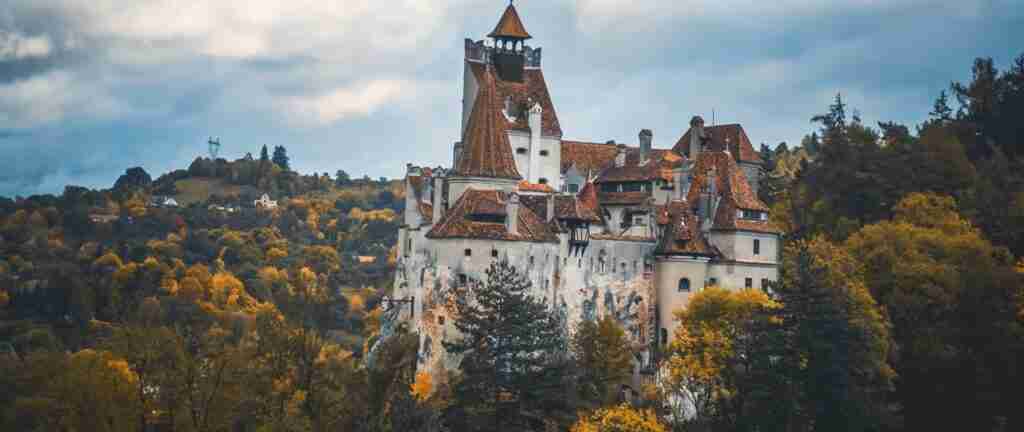
Day 4 – Day Trip to Brasov: Hotel $45 with breakfast, organized day tour to Bran Castle and Brasov $65 including transport and lunch. Day total: $110.
Day 5 – Final Exploration: Hotel $45 with breakfast, Cismigiu Gardens (free), lunch $14, afternoon coffee and pastries $8, souvenirs $25, farewell dinner $24, airport uber $12. Day total: $128.
Five-day trip total per person: approximately $579, averaging $116 daily. This mid-range approach balances comfort with value, including quality accommodation, restaurant meals, comprehensive cultural access, and a day trip, while maintaining daily costs well below mid-range travel in Western Europe.
Three-Day Luxury Itinerary
Day 1 – Five-Star Arrival: JW Marriott $115 per person including breakfast, private airport transfer $22, lunch at upscale Old Town restaurant $28, spa treatment $55, cocktails and appetizers $35, fine dining dinner $48, taxi transport $15. Day total: $318.
Day 2 – Premium Cultural Experience: Hotel $115 with breakfast, private guide Palace of Parliament tour $65, lunch at hotel restaurant $32, private guide Old Town walking tour $45, shopping $60, wine tasting experience $40, premium dinner $52, private transport $18. Day total: $427.
Day 3 – Relaxed Luxury: Hotel $115 with breakfast, late morning hotel spa $45, lunch $30, Romanian Athenaeum concert with premium seating $35, afternoon tea $22, shopping $50, farewell dinner at Bucharest’s finest restaurant $65, transport $20. Day total: $382.
Three-day luxury trip total per person: approximately $1,127, averaging $376 daily. While exceeding the stated luxury tier range of $230-315 daily, this itinerary demonstrates that Bucharest accommodates very high-end spending for travelers seeking premium experiences, private services, and luxury without budget constraints, while still delivering value compared to equivalent luxury travel in Western capitals.
Money-Saving Strategies and Insider Tips 2026
Beyond selecting budget accommodation and avoiding tourist-trap dining, numerous specific strategies reduce Bucharest travel costs while maintaining or even enhancing experience quality.
Advance booking for accommodation delivers 25-35% savings compared to last-minute rates. Hotels use dynamic pricing that increases rates as availability decreases, with peak summer weekends sometimes showing 50-70% premiums for bookings made within two weeks of arrival. Booking 3-4 months ahead locks in lower promotional rates before seasonal demand drives increases. Flexibility on specific travel dates enables comparing prices across different weeks, with midweek travel (Sunday-Thursday nights) typically costing 15-20% less than weekend arrivals.
The 7-day combined transport pass warrants emphasis as perhaps Bucharest’s single greatest budget travel tool. At RON 66 ($14) for unlimited week-long metro, bus, tram, and trolleybus access, this pass costs less than five single metro trips yet supports dozens of daily journeys. Travelers visiting just four days still benefit from the weekly pass versus purchasing four daily passes. The pass eliminates mental friction around transport decisions, encouraging spontaneous exploration and multi-stop days that enhance trip quality while maintaining minimal cost.
Free walking tours operate in Bucharest though with variable quality and tip-based compensation models. These tours, typically 2-3 hours covering Old Town highlights, Revolution Square, and major landmarks, provide historical context and orientation while technically costing nothing upfront. However, guides depend on tips for income, with RON 30-50 ($7-11) per person representing fair compensation for quality tours. This model works well for budget-conscious travelers willing to tip reasonably, delivering guided experience at a fraction of paid tour costs (RON 150-250/$33-55), while also supporting local guides directly.
Supermarket alcohol purchases create dramatic savings over bar and restaurant consumption. A bottle of quality Romanian wine costing RON 30-40 ($7-9) at Carrefour or Mega Image provides 4-5 glasses equivalent to RON 100-125 ($22-28) in restaurant pricing. Beer six-packs at RON 15-20 ($3-4) replace individual bar beers at RON 20-30 ($4-7) each. Enjoying wine in hotel rooms, hostel common areas, or park picnics doesn’t recreate restaurant atmosphere but allows alcohol enjoyment at 25-35% of commercial establishment costs. This strategy particularly benefits multi-day stays where several evening drinks significantly impact budgets.
Museum timing strategies beyond Museum Night include visiting national museums on less busy weekday mornings when crowd levels drop and photography becomes easier without constant people-dodging. Some museums offer reduced admission for students under 26 with valid student ID or Euro 26 cards, cutting costs from RON 20-40 ($4-9) to RON 5-10 ($1-2). Confirming student discounts before visiting enables strategic museum selection prioritizing paid admission to properties without student rates while choosing free or discounted alternatives when available.
Neighborhood exploration beyond central tourist zones provides authentic cultural experiences at zero cost while revealing local life. Exploring residential areas like Cotroceni, Floreasca, or Titan shows how Romanians actually live, with local markets, neighborhood cafes, and residential architecture offering genuine cultural insight. These areas include small parks, interesting architecture, and everyday life observation unavailable in tourist-oriented Old Town. Walking through non-tourist neighborhoods costs nothing, requires no planning or tickets, and often reveals unexpected discoveries like small Orthodox churches, local artisan shops, or traditional bakeries selling excellent pastries at neighborhood prices.
Meal timing affects costs in subtle but meaningful ways. Romanian restaurants often offer lunch specials (meniu zilei) at RON 25-35 ($6-8) including soup, main course, and sometimes dessert, representing 30-40% savings versus dinner menu prices for similar food. Making lunch the day’s substantial restaurant meal while keeping dinner simple (supermarket food, street snacks) optimizes value. Similarly, cafe breakfast costs less than hotel breakfast at properties charging separately for morning meals, with bakeries offering fresh goods at RON 3-8 ($0.70-1.80) per item versus hotel buffets at RON 30-50 ($7-11).
Bottled water bulk purchasing saves small amounts that accumulate across longer trips. Buying 2-liter bottles from supermarkets at RON 3-4 ($0.70-0.90) and carrying reusable bottles for daily use costs approximately one-quarter the expense of purchasing 0.5-liter bottles from kiosks at RON 3-5 ($0.70-1.10) each throughout the day. A week-long stay might involve consuming 10-15 liters water, representing RON 15-25 ($3-6) versus RON 60-80 ($13-18) for equivalent kiosk purchases.
Avoiding taxis from tourist hotspots prevents the city’s primary transportation scam. Official taxis charging proper metered rates cost RON 1.39 per kilometer, but drivers at Gara de Nord train station, Old Town, major malls, and the airport often refuse meters and demand flat fees 3-4 times proper rates. Using Uber or Bolt eliminates this issue entirely through transparent upfront pricing and cashless payment. When taxis become necessary, calling companies like Speed Taxi or Meridian rather than accepting street hails ensures legitimate metered service.
Travel insurance purchased from home country providers before departure typically costs less than policies available in Romania or at the airport. Comprehensive coverage including medical emergency, trip cancellation, and baggage insurance ranges $30-60 for week-long European trips when purchased in advance from providers like World Nomads, SafetyWing, or major insurers. Airport travel insurance kiosks often charge double for comparable coverage. While Romania offers good medical care at affordable rates, having insurance prevents unexpected expenses from accidents or illnesses derailing budget travel plans.
Romanian SIM cards provide mobile data at dramatically lower costs than international roaming charges. Orange, Vodafone, and Telekom shops in the airport arrivals hall and throughout the city sell prepaid SIM cards with 5-10GB data packages for RON 20-40 ($4-9) covering week-long stays. International roaming from US, UK, or other non-EU carriers often charges $10-15 per day, making Romanian SIM cards save $40-80 on week-long trips while providing faster local network speeds. EU residents with roaming-included plans obviously skip this expense, but non-EU travelers should prioritize local SIM purchase.
Seasonal Budget Considerations 2026
Travel costs in Bucharest fluctuate seasonally, primarily through accommodation demand variations though weather also affects activity patterns and therefore spending priorities.
Summer peak season (June-August) brings highest accommodation costs as European tourists arrive during school holidays. Hotels increase rates 30-40% above shoulder season pricing, with mid-range 3-star properties rising from RON 300-350 ($66-77) in May to RON 400-500 ($88-110) in July. Budget hostels show smaller increases of 15-20% but still impact overall costs. This premium affects all accommodation tiers, with luxury hotels approaching Western European rates during August peak weeks. Restaurant and transport prices remain stable year-round, so seasonal cost variation centers on accommodation. Budget travelers benefit significantly from avoiding June-August, achieving 25-35% lower daily costs through May, September, or October visits when weather remains pleasant but tourist demand drops.
Winter low season (January-February) offers Bucharest’s lowest accommodation rates, with hotels discounting 20-30% below shoulder seasons to attract business during slow months. However, winter brings challenges balancing savings against experience quality. Temperatures regularly drop below freezing, with occasional heavy snow and ice making outdoor exploration less pleasant. Parks lose their appeal without greenery and flowers, while short daylight hours (sunset around 16:30-17:00) compress available sightseeing time. Indoor attractions (museums, theaters, restaurants) operate normally, and metro transport remains unaffected, making winter viable for travelers prioritizing cultural attractions over outdoor beauty and willing to bundle against cold weather. Winter daily budgets drop approximately $15-25 per person versus summer through accommodation savings alone.
Shoulder seasons (March-May, September-November) deliver optimal value combining moderate weather with lower costs. Spring (April-May) particularly attracts visitors with parks flowering, comfortable temperatures averaging 15-22°C (59-72°F), and accommodation rates well below summer peaks. Autumn (September-October) provides similar conditions with added benefit of harvest season bringing fresh produce to markets and fall colors in parks. These months see hotel rates approximately 20-30% below summer while maintaining nearly all the same outdoor activity access. The combination makes shoulder season ideal for budget-conscious travelers seeking maximum value.
Specific event periods create temporary price spikes. George Enescu International Music Festival (typically September, odd-numbered years) draws classical music enthusiasts and raises accommodation rates 15-25% during the festival’s three-week run. Romanian National Day (December 1) sees modest hotel demand increases though less than summer peaks. New Year’s Eve brings premium pricing at hotels and restaurants planning special celebrations, with some properties adding mandatory gala dinner charges RON 300-500 ($67-110) per person. Budget travelers should check event calendars before booking to avoid unexpected seasonal premiums.
Weather-driven activity costs shift across seasons. Summer requires more frequent water purchases and ice cream or cold drink expenditures, adding RON 20-30 ($4-7) daily to budgets versus winter when hot drinks replace cold ones at similar or slightly lower costs. Air-conditioned indoor attractions become more appealing during July-August heat, potentially increasing museum budgets as travelers seek climate-controlled environments. Winter may increase taxi or rideshare usage as travelers reduce outdoor walking in cold conditions, though metro access to most attractions limits this impact for disciplined budget travelers.
Christmas markets (late November-early January) operate in Bucharest though on smaller scale than Central European capitals. These markets offer browsing and atmosphere free, while food and drink purchases cost similar to standard street vendor rates. The markets create festive ambiance without requiring spending beyond what visitors choose for hot wine, traditional foods, or handicraft souvenirs. Budget travelers can experience Christmas market culture through walking and observation without purchase obligations.
Hidden Costs and Fees to Anticipate 2026
While Bucharest maintains transparent pricing across most services, several predictable expenses catch unprepared travelers if not anticipated in budget planning.
Public toilet fees represent the most frequent small charge, with facilities in parks, metro stations, and some public squares requiring RON 2-3 ($0.50-0.70) per use. Attendants collect fees directly or operate coin-operated turnstiles. Using facilities 4-6 times daily adds RON 8-18 ($2-4) to budgets. Hotels, restaurants, cafes, and museums provide free toilets to customers, making strategic facility use around meal stops reduce or eliminate these fees. However, full-day outdoor exploration sometimes necessitates paid public toilet use.
Restaurant service charges and tipping operate less formally than Western Europe but still represent expected expenses. Romanian restaurants include VAT in menu prices but don’t add automatic service charges. Tipping remains discretionary though expected for good service, with 10-15% representing standard amounts. On a RON 80 ($18) dinner, a RON 10-12 ($2-3) tip brings total cost to RON 90-92 ($20-21). Budget planning should account for tips as semi-mandatory expenses rather than truly optional additions. Poor service warrants reduced or no tipping, but normal satisfactory service expects the 10-15% standard.
ATM fees vary by bank and account type, with Romanian banks typically charging RON 5-15 ($1-3) per withdrawal for foreign cards. Some banks (ING, Raiffeisen) waive fees for certain card types, while others (BRD, BCR) consistently charge. Using ATMs displaying partner bank logos matching your home bank sometimes reduces fees through reciprocal agreements. Withdrawing larger amounts less frequently minimizes fee impact, though carrying excessive cash creates security risks. The larger consideration involves dynamic currency conversion, where ATMs offer instant conversion to home currency at poor exchange rates. Always decline conversion and accept charges in Romanian lei, letting your home bank handle conversion at better institutional rates.
Tourist attraction photography fees apply at some museums and sites. The Palace of Parliament charges approximately RON 30-50 ($7-11) for photography permits during tours, while some museums include free personal photography but charge RON 100-400 ($22-88) for professional equipment use. Most churches and monasteries permit free personal photography though flash use is forbidden. Reading individual site policies before visiting prevents surprise fees or conflicts with staff.
Luggage storage costs affect travelers visiting Bucharest as a stopover or before/after accommodation check-in times. Gara de Nord train station operates left luggage at RON 10-15 ($2-3) per piece per day. Some hostels offer free storage for current and former guests, while hotels sometimes charge RON 20-30 ($4-7) for non-guest storage. Budget travelers arriving early in the city before hotel check-in should confirm storage policies when booking accommodation, as free storage can save RON 40-60 ($9-13) on arrival and departure days versus station facilities.
Paid parking matters for travelers renting cars, with central Bucharest charging RON 5-8 ($1-2) per hour in metered zones. Hotels sometimes offer parking at RON 50-100 ($11-22) per night, representing significant expense for multi-day stays. Public transport’s comprehensive coverage makes car rental unnecessary for Bucharest city exploration, though cars enable countryside day trips to locations like Transylvania. Budget travelers should specifically avoid renting cars for Bucharest city touring, reserving rentals only for multi-day countryside excursions where public transport becomes less practical.
Airport parking or drop-off fees don’t apply significantly at Henri Coanda International Airport, where short-term parking for dropping off passengers remains free for initial minutes. Long-term parking costs apply for travelers leaving cars while traveling, but budget travelers using public transport avoid this entirely. The one relevant airport fee involves tourist SIM card purchases or airport exchange offices, which charge 3-5% higher rates than city locations. Waiting to exchange money or purchase SIM cards until reaching central Bucharest saves modest amounts.
Hotel resort fees or mandatory supplements remain rare in Bucharest, unlike some tourist destinations. Most hotels charge all-inclusive room rates without additional resort fees, city taxes, or mandatory breakfast supplements for guests declining breakfast. The main exception involves luxury hotels adding 5-10% city tax not shown in initial booking prices, representing RON 50-110 ($11-24) extra on expensive properties. Budget and mid-range hotels typically include all taxes and fees in quoted rates.
Currency exchange spreads create hidden costs when using exchange offices rather than ATMs. Exchange offices advertising “no commission” still profit through poor exchange rates, often providing 5-8% below mid-market rates. A $100 exchange through such offices might receive RON 420 instead of RON 450 at proper rates, losing $7-8 to spread. Using bank ATMs and selecting lei billing rather than home currency conversion minimizes these losses. Exchanging large amounts before departure at home country banks sometimes provides better rates than Romania, though this requires planning ahead.
Mobile data roaming charges represent potentially the largest hidden cost for unprepared travelers. International roaming rates from non-EU carriers often reach $10-15 per day, adding $70-105 to week-long trips without providing particularly good service. Romanian prepaid SIM cards offering 5-10GB data for RON 20-40 ($4-9) eliminate this expense while delivering faster local network speeds. The first thing budget travelers should do upon airport arrival involves purchasing a local SIM card before any other activities, preventing inadvertent roaming charges from navigation app use or communication needs.
Budget Travel for Different Visitor Types 2026
Budget optimization strategies vary across different traveler demographics, each facing unique challenges and opportunities in Bucharest cost control.
Solo Travelers
Solo travelers face structural disadvantage in accommodation costs, unable to split room expenses that couples naturally share. Budget hotels charging $40-50 per room become $40-50 per person rather than $20-25 each, doubling accommodation expenses. This reality pushes solo travelers toward hostel dormitories ($10-20 per bed) or accepting higher accommodation costs that shift overall daily budgets upward. A solo traveler achieving $45-65 daily per person requires hostel accommodation and strict dining discipline, while couples can reach similar totals sharing budget hotel rooms and dining at mid-range restaurants.
However, solo travelers gain advantages in dining flexibility. Single diners can easily grab quick street food, eat at bar counters without seeming awkward, or accept shared tables at busy restaurants, accessing options couples might find uncomfortable. Supermarket shopping for one person creates less waste than couples buying cheese and salami portions too large for single-meal consumption. Solo travelers also move more efficiently, making spontaneous schedule changes without partner consultation and potentially reducing transport costs through flexible timing.
Hostel accommodation provides solo travelers both cost optimization and social opportunities. Dormitory common areas naturally facilitate meeting other travelers for shared activities, restaurant recommendations, and potentially group day trips splitting costs. Solo travelers willing to engage socially often find hostel environments enhance trip quality beyond mere budget benefits. Those preferring privacy might select 4-bed dormitories over 8-bed rooms, paying a modest premium ($15-18 versus $10-14) for quieter, more intimate spaces while maintaining significant savings versus private rooms.
Families with Children
Families confront unique budget challenges through larger group sizes but gain significant advantages through children’s discounts and family-oriented accommodations. Children under 6 travel free on all Bucharest public transport, immediately reducing transportation costs. Many museums offer children’s rates or free admission for young children, cutting attraction expenses by 25-50% for families with 2-3 kids versus equivalent adult groups.
Accommodation strategy for families shifts toward apartments over hotels. A two-bedroom apartment renting for $90-120 nightly accommodates families of four at $23-30 per person while providing kitchen facilities essential for cost-controlled family dining. Preparing breakfast and simple dinners in apartments while limiting restaurants to lunches during sightseeing dramatically reduces meal costs. Buying groceries allows feeding children snacks throughout the day without constant cafe stops that rapidly accumulate expenses.
Free attractions particularly benefit families with children, as kids engage well with park exploration, outdoor monuments, and architectural observation that entertain without museum admission costs. Herastrau Park, Cismigiu Gardens, and Carol Park offer playgrounds, open spaces for running, and boat rental options (paid but optional) creating full afternoons of activity at minimal cost. The Old Town’s pedestrian streets allow safe exploration where children can walk freely without traffic dangers, with frequent ice cream shops providing affordable treats ($2-3 per cone) that delight kids while costing less than museum admissions.
Senior Travelers
Senior travelers often prioritize comfort over extreme budget minimization, making mid-range tier most suitable for this demographic. However, several specific strategies optimize value within mid-range spending. Some museums offer senior discounts for visitors over 65, though policies vary by institution and often apply to Romanian seniors rather than international visitors. Confirming discount availability through museum websites before visiting enables strategic attraction selection.
Accommodation choices for seniors should emphasize elevator access, as many older Bucharest buildings lack lifts and require climbing stairs to upper-floor rooms. Specifying ground floor or elevator-equipped properties during booking prevents arrival surprises. Hotels in the $80-120 range typically occupy modern buildings with full elevator access, while some budget properties in historic buildings use walk-up stairs exclusively. This consideration sometimes justifies spending $15-20 more per night for properties ensuring accessible rooms.
Transportation reliability and comfort matter more to many seniors than absolute cost minimization. The metro system requires stair navigation at many stations (though major stations have escalators), while surface buses sometimes lack air conditioning in summer. Supplementing public transport with selective Uber/Bolt rides for portions of days prevents fatigue while maintaining reasonable costs. A daily transportation budget of $6-10 per person including metro pass plus 2-3 rideshare trips provides comfort without excessive expense.
Student and Youth Travelers
Students under 26 with valid student ID cards or Euro 26 cards access significant discounts across Bucharest cultural attractions. Many national museums reduce admission from RON 20-40 ($4-9) to RON 5 ($1) for students, enabling comprehensive museum exploration at minimal cost. Student rail cards also discount Romanian train travel, relevant for students planning day trips to Brasov or other cities. Bringing student identification becomes essential for this demographic’s budget optimization.
Youth hostel culture thrives in Bucharest, with numerous properties specifically designed around traveler social interaction. These hostels organize pub crawls, walking tours, and group dinners, creating built-in social frameworks that enhance solo youth travel experiences. Participating in hostel events costs little beyond normal dining and drinking expenses while providing instant social groups and local insights from fellow travelers and staff.
Youth travelers generally tolerate budget accommodation limitations better than older demographics, accepting basic hostel conditions, shared bathrooms, and occasional noise as acceptable trade-offs for cost savings. This flexibility enables achieving the absolute lowest budget tiers, with disciplined students maintaining $35-45 daily budgets through $10 hostel beds, supermarket meals, and emphasis on free attractions. The energy for extensive walking also reduces transport costs, as young travelers often walk 15-25 minutes between attractions rather than taking metro rides for short distances.
Frequently Asked Questions About Budget Travel in Bucharest 2026
Is Bucharest cheaper than other European capitals in 2026?
Bucharest ranks among Europe’s most affordable capital cities, with costs approximately 60-70% below Western European equivalents like Paris, London, Amsterdam, or Copenhagen. Mid-range daily budgets of $105-145 per person in Bucharest compare favorably to $200-300 daily required for similar quality in Western capitals. Public transport costs particularly highlight the difference, with Bucharest’s $14 weekly pass providing equivalent coverage to systems charging €35-45 in other cities. Restaurant meals, museum admission, and accommodation all maintain significant price advantages while delivering comparable or superior quality to budget offerings elsewhere in Europe. Only a few Eastern European capitals like Sofia or Skopje undercut Bucharest’s pricing, and those cities offer fewer cultural attractions and less developed tourism infrastructure.
Can I visit Bucharest for under $50 per day per person in 2026?
Visiting Bucharest for under $50 per person daily remains achievable for disciplined budget travelers willing to optimize every expense category. This requires hostel dormitory accommodation at $10-14 per bed, meals primarily from supermarkets supplemented by one traditional restaurant dinner at $8-11, the 7-day transport pass providing unlimited access for $2 per day amortized cost, and emphasis on free cultural attractions with minimal paid museum visits. Days spending under $50 balance free sites (parks, churches, Revolution Square) with one or two paid attractions, avoid Old Town dining, and eliminate taxis in favor of public transport exclusively. Travelers spending 4-5 days can achieve $45-50 daily averages through bulk transport pass purchase and strategic meal planning. However, maintaining this budget requires constant discipline and limits spontaneous spending, making it suitable primarily for backpackers and students rather than typical leisure travelers seeking comfort alongside affordability.
What’s the best way to get Romanian currency in 2026?
ATM withdrawal using debit cards provides the best exchange rates and convenience for obtaining Romanian lei in Bucharest. ATMs from major Romanian banks (BCR, BRD, Banca Transilvania, ING) typically charge RON 5-15 ($1-3) withdrawal fees while offering institutional exchange rates just 1-2% above mid-market rates. Always decline dynamic currency conversion when the ATM offers to bill in your home currency, selecting the option to be charged in Romanian lei instead, which results in better overall rates as your home bank handles conversion at more favorable institutional rates. Withdrawing RON 400-800 ($88-176) per ATM visit minimizes per-transaction fee impact while avoiding carrying excessive cash. Exchange offices, particularly those near tourist sites advertising “no commission,” should be avoided as they profit through poor exchange rates often 5-8% below fair market value despite no explicit fees.
How much should I budget for a week in Bucharest in 2026?
A week in Bucharest costs approximately $315-455 per person for budget travelers (two sharing basic accommodation), $735-1015 per person for mid-range comfort (two sharing 3-star hotels), or $1610-2205 per person for luxury experiences (two sharing 5-star hotels). Budget weekly costs assume hostel dormitories or budget hotels, supermarket-heavy dining with selective traditional restaurant meals, free attractions emphasized with 2-3 paid museums, and comprehensive public transport use via the weekly pass. Mid-range weekly budgets accommodate 3-star hotels with breakfast, primarily restaurant dining while avoiding tourist traps, multiple daily museum admissions, and occasional rideshare transport. Luxury weekly budgets include 5-star hotels, fine dining, premium cultural experiences, private transportation, and discretionary spending without constraints. All ranges assume shared accommodation costs divided by two. Solo travelers should increase accommodation budgets by 40-60% to account for inability to split room expenses.
Are credit cards widely accepted in Bucharest in 2026?
Credit and debit cards enjoy wide acceptance across Bucharest, with major hotels, restaurants, museums, and shops processing Visa and Mastercard payments routinely. Contactless payment works for amounts under RON 150 ($33) typically, with chip-and-PIN required for larger transactions. However, cash remains necessary for several situations including public toilets (RON 2-3/$0.50-0.70), small street vendors, market purchases, some traditional restaurants in outlying neighborhoods, and tipping service staff. Budget travelers should maintain RON 200-400 ($44-88) cash for daily miscellaneous expenses while using cards for major purchases like hotel bills, restaurant meals, and museum admissions. Small cafes and shops sometimes impose minimum card purchase amounts (RON 20-30/$4-7), making cash useful for minor transactions. The combination of card and cash provides complete payment flexibility across all situations.
Is it safe to use public transport at night in Bucharest in 2026?
Bucharest public transport maintains reasonable safety standards during evening hours, with metro service operating until approximately 23:30 and night buses running throughout the night after metro closure. Security personnel staff all metro stations, surveillance cameras monitor platforms and trains, and lighting generally maintains adequate levels. The main safety consideration involves remaining alert to pickpocketing on crowded metro carriages, particularly during evening rush hours when crush conditions make theft easier. Late-night bus routes (after midnight) see sparser ridership, meaning travelers may share buses with few other passengers, though serious safety incidents remain rare. Solo travelers, particularly women, should exercise normal urban awareness, avoid empty carriages when alternatives exist, and consider rideshare (Uber/Bolt) for very late return to accommodation (after 01:00-02:00) when night bus frequency drops and walking from stops to hotels involves deserted streets. Overall, public transport presents fewer safety concerns than many Western European cities.
What are the main budget differences between summer and winter visits to Bucharest in 2026?
Summer (June-August) accommodation costs run 30-40% higher than winter (January-February) due to peak tourist demand, with mid-range hotels increasing from RON 300-350 ($66-77) in winter to RON 400-500 ($88-110) in summer. This accommodation premium adds approximately $15-25 per person daily to trip costs during peak season. Restaurant prices, museum admission, and public transport remain stable year-round, so seasonal variation centers on accommodation. Summer requires more spending on cold drinks and water (adding $3-5 daily) while winter increases hot beverage purchases by similar amounts, effectively neutralizing this category. Winter dramatically reduces outdoor attraction appeal, with parks losing their visual interest and short daylight hours (sunset 16:30-17:00) compressing available sightseeing time. However, museums, restaurants, theaters, and indoor cultural attractions operate normally, making winter viable for culture-focused travelers prioritizing budget over outdoor beauty. Shoulder seasons (April-May, September-October) deliver optimal balance with moderate weather, lower accommodation costs than summer, and full outdoor attraction access.
Can I get by without speaking Romanian in Bucharest in 2026?
English proficiency in Bucharest varies significantly by age and location, with younger Romanians (under 40) generally speaking functional to excellent English while older generations typically know limited English. Tourist-oriented businesses (hotels, museums, major restaurants) employ English-speaking staff almost universally. Old Town restaurants, cafes, and shops cater to international visitors with English menus and multilingual service. However, neighborhood restaurants outside tourist zones, small shops, market vendors, and public transport staff often speak minimal English. Google Translate app using camera function to translate Romanian menus and signs proves invaluable in these situations. Learning basic Romanian phrases (bună ziua/hello, mulțumesc/thank you, cât costă/how much) demonstrates respect and often elicits helpful responses from staff initially appearing to speak no English. Budget travelers dining in local neighborhoods should download Google Translate and expect to use it, while mid-range travelers sticking to central areas rarely encounter significant language barriers.
What’s the cheapest way to get from the airport to central Bucharest in 2026?
The 780 express bus provides the cheapest airport transfer, operating 24/7 between Henri Coanda International Airport and Piata Unirii in central Bucharest for just RON 7 ($1.50) single trip. Journey time runs approximately 50 minutes depending on traffic, with buses departing every 15-30 minutes. The train from the airport to Gara de Nord (main train station) offers similar pricing and faster travel time of about 25 minutes, though Gara de Nord sits slightly north of tourist areas requiring additional metro connection to reach Old Town hotels. For travelers with heavy luggage or arriving late at night (after 23:30 when metro closes), the bus remains the budget option while Uber or Bolt provides comfort alternative at RON 60-100 ($13-22) to central destinations. Private airport shuttles charging RON 80-120 ($18-26) offer no advantages over rideshare apps and cost significantly more than public transport. Budget travelers should confidently use the 780 bus, accepting the longer journey time as acceptable trade-off for saving $10-18 versus taxis or shuttles.
Are there any all-inclusive tourist passes for Bucharest attractions in 2026?
Bucharest currently lacks comprehensive museum passes comparable to Paris Museum Pass or Amsterdam City Card offering multi-day unlimited attraction access. Some private companies offer Bucharest tourist cards bundling transport passes with select attraction discounts, though these often prove poor value compared to purchasing the 7-day transport pass (RON 66/$14) separately and paying individual museum admissions (RON 10-40/$2-9 each). The mathematics rarely favor pass purchases, as visiting 3-4 museums over a week costs $12-36 in total admission versus passes typically priced at €30-40 ($33-44) claiming to include transportation and museums. Budget travelers achieve better value through the standalone transport pass combined with selective museum visits and emphasis on free attractions. Museum Night on May 23 effectively functions as a one-day pass offering free admission across dozens of museums, providing extraordinary value for travelers whose visits coincide with this annual event.