
Brussels Beer Tour: Belgian Beer Tasting Guide
Belgium produces more distinct beer styles per capita than any other country in the world, with Brussels serving as both historic brewing center and contemporary craft beer capital where medieval traditions coexist with cutting-edge innovation. From ancient Trappist monasteries to modern microbreweries, the Belgian capital offers beer experiences that span centuries of brewing mastery, religious devotion, and cultural identity expressed through grain, hops, yeast, and water.
Key Takeaways
- Belgium produces over 1,500 different beers across more than 20 distinct beer styles, more diversity than any other beer-producing nation
- Trappist beers, brewed by monks in only 14 monasteries worldwide (6 in Belgium), represent the pinnacle of traditional Belgian brewing with centuries-old recipes and methods
- Lambic beers unique to Brussels and Pajottenland use spontaneous fermentation with wild airborne yeasts, creating naturally sour beers aged in oak barrels for years
- Belgian beer culture emphasizes serving each beer in its specific glass designed to enhance that beer’s particular characteristics of aroma, flavor, and appearance
- Brussels houses over 400 beer cafés including legendary establishments that have served beer continuously for over 300 years
- Belgian brewing law strictly regulates beer production, particularly for protected appellations like Trappist and Gueuze, ensuring quality and authenticity
People Also Ask About Brussels Beer Tours
What makes Belgian beer different from other beers?
Belgian beer distinguishes itself through several fundamental characteristics that create immediately recognizable profiles distinct from beer traditions elsewhere. Belgian brewers employ unique yeast strains that produce complex fruity and spicy flavors, particularly the phenolic character described as clove-like and the fruity esters reminiscent of banana, apple, or pear. These yeast-derived flavors feature prominently rather than being suppressed, contrasting with lager traditions that emphasize clean, neutral fermentation.
Belgian brewing embraces diversity and innovation while respecting tradition. Brewers add unusual ingredients including coriander, orange peel, cherries, raspberries, and even chocolate, creating flavor combinations unimaginable in more conservative brewing cultures. The country’s beer styles span the full spectrum from light, refreshing wheat beers to intensely strong, complex dark ales exceeding 12% alcohol. Many Belgian beers undergo bottle conditioning, where live yeast in the bottle creates natural carbonation and allows flavor development during aging, contrasting with the force-carbonated, pasteurized beers common elsewhere. This bottle conditioning means Belgian beers can age and evolve like wine, with vintage considerations for certain styles.
What is a Trappist beer and why are they significant?
Trappist beer carries legal designation requiring production within Trappist monastery walls under monks’ direct supervision, with profits supporting monastic community and charitable works. Only 14 breweries worldwide hold Authentic Trappist Product certification, six in Belgium including Westmalle, Chimay, Orval, Rochefort, Westvleteren, and Achel. This designation represents not just quality but religious vocation, as monks view brewing as prayer through work, bringing spiritual dimension to beer production.
Trappist significance extends beyond legal protection to brewing excellence and historical continuity. Monks have brewed beer for over a thousand years, developing recipes and techniques passed down through centuries. Trappist breweries maintain traditional methods while incorporating modern quality control, balancing heritage with consistency. The beers themselves demonstrate extraordinary complexity, with multiple fermentations, extended aging, and bottle conditioning creating depth impossible to achieve through quick, industrial production. Westvleteren XII regularly ranks among the world’s best beers despite extremely limited availability, as monks brew only enough to support their monastery rather than pursuing profit maximization. This non-commercial approach, combined with centuries of brewing tradition, gives Trappist beers mystique and quality that inspire passionate devotion among beer enthusiasts worldwide.
What are lambic and gueuze beers?
Lambic represents ancient beer style unique to Brussels and surrounding Pajottenland region, relying on spontaneous fermentation from wild airborne yeasts and bacteria rather than cultivated brewer’s yeast. Brewers cool wort overnight in shallow vessels called coolships, exposing it to microorganisms floating in the air. This uncontrolled fermentation creates complex, tart, funky beers with flavors impossible to achieve through conventional brewing. Lambic production follows strict geographic designation, as the specific wild microorganisms in Brussels air cannot be replicated elsewhere.
Young lambic, aged 1-2 years, tastes intensely sour and funky, challenging even experienced beer drinkers. Most lambic undergoes further processing into more accessible forms. Gueuze blends young and old lambics, typically 1, 2, and 3-year-old beers, then bottle conditions for several more years. This blending creates champagne-like beer with complex sourness, subtle sweetness, and remarkable depth. Fruit lambics add cherries (kriek) or raspberries (framboise) to barrels, where fruit ferments with the lambic, creating naturally pink or red beers balancing fruit and sour flavors. Traditional gueuze and lambic require patience, skill, and risk tolerance, as wild fermentation can produce inconsistent or even undrinkable results. Modern craft breweries worldwide attempt lambic-style sour beers, but authentic traditional lambic remains exclusively Belgian phenomenon centered on Brussels.
How should you properly taste Belgian beer?
Belgian beer tasting follows systematic approach engaging all senses to appreciate the beer’s full complexity. Begin with visual examination, noting color ranging from pale gold to opaque black, clarity versus intentional cloudiness, and head formation including size, texture, and retention. Belgian beers’ distinctive appearances often predict flavor characteristics, with darker beers generally indicating richer, more intense flavors.
Smell the beer before tasting, as aroma comprises significant portion of flavor perception. Bring the glass to your nose and inhale deeply, identifying primary aromas like malt, hops, fruit, spice, and yeast character. Belgian beers often display complex aromatic profiles with multiple distinct scent layers. Take the first sip and let beer coat your entire palate, noting initial flavors, mouthfeel, carbonation level, and how flavors develop from front to back of tongue. Belgian beers frequently present evolving flavor profiles where initial sweetness gives way to spicy, fruity, or bitter notes, finishing with lingering aftertaste that can last minutes. Pay attention to balance between malt sweetness, hop bitterness, alcohol warmth, and any spice or fruit additions. Take multiple sips, as Belgian beer complexity reveals different aspects with subsequent tastes. Between different beers, cleanse your palate with water and neutral crackers or bread, avoiding strong flavors that might interfere. Progress from lighter, lower-alcohol beers to stronger, more intense examples, preventing powerful beers from overwhelming subtle ones.
Extended multi-day tours – 5+ days
Featured Belgium Multi-Day Tour Packages
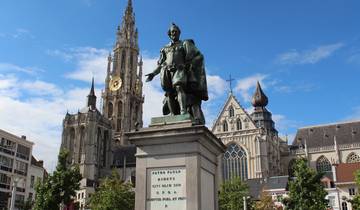
7 days
7 Day Brussels including Antwerp, Battle of the Bulge, Flanders Fields, Ghent, Bruges, Luxemburg & Dinant
- ✓ Comprehensive Belgium tour
- ✓ Expert local guides included
- ✓ All accommodation arranged
- ✓ Transportation provided
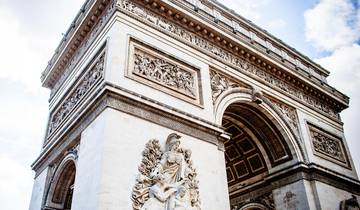
7 days
7 Days Across Paris & Brussels: From Eiffel Tower to Grand Place
- ✓ Comprehensive Belgium tour
- ✓ Expert local guides included
- ✓ All accommodation arranged
- ✓ Transportation provided
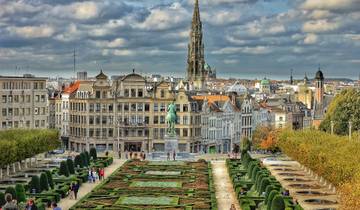
6 days
6 Days of Belgian Charm: Bruges, Ghent, Antwerp, Dinant & Luxembourg
- ✓ Comprehensive Belgium tour
- ✓ Expert local guides included
- ✓ All accommodation arranged
- ✓ Transportation provided

9 days
9 Days in Brussels and Luxembourg by Train: Fairytale Cities, Castles & Culture
- ✓ Comprehensive Belgium tour
- ✓ Expert local guides included
- ✓ All accommodation arranged
- ✓ Transportation provided
Multi-day tour packages powered by TourRadar. Prices and availability subject to change.
Introduction to Brussels Beer Culture
Brussels beer culture represents living history where medieval brewing traditions, monastic devotion, and contemporary craft innovation coexist in single glass. The city’s relationship with beer extends far beyond beverage consumption into realms of cultural identity, social ritual, and artistic expression. Walking through Brussels means encountering beer at every turn, from grand cafés serving hundreds of beers to tiny corner bars specializing in spontaneous fermentation, from Trappist abbey shops to experimental microbreweries challenging brewing conventions.
Beer functions as Belgian social lubricant, conversation starter, and cultural ambassador. Belgians don’t just drink beer; they discuss it, analyze it, collect it, and travel to experience it. Beer knowledge represents cultural literacy, with educated Belgians expected to distinguish between beer styles, identify breweries by flavor profile, and recommend appropriate beers for different occasions and food pairings. This sophisticated beer culture creates environment where quality and diversity thrive, as demanding consumers support both traditional and innovative breweries.
Brussels particularly exemplifies Belgian beer culture’s depth and breadth. The city houses several beer museums, the Belgian Brewers Museum documenting centuries of brewing heritage, and countless educational beer experiences from brewery tours to tasting seminars. Beer festivals throughout the year celebrate specific styles, seasonal releases, and brewing innovations. The annual Belgian Beer Weekend transforms the Grand Place into massive beer garden featuring dozens of breweries, live music, and thousands of participants celebrating Belgian brewing excellence.
The city’s café culture centers on beer in ways foreign to wine-centric France or spirits-focused countries. Historic beer cafés like Delirium Café, Moeder Lambic, and A La Mort Subite function as cultural institutions where generations gather, tourists discover Belgian beer diversity, and enthusiasts debate brewing techniques and flavor profiles. These cafés curate beer selections with sommelier-level expertise, matching beers to foods, seasons, and customer preferences.
Brussels’ geographic position makes it ideal beer exploration base. Within two hours lie Trappist monasteries, historic breweries, and spontaneous fermentation lambic producers. The city itself hosts numerous breweries from ancient Cantillon, still producing traditional lambic, to modern craft breweries pushing stylistic boundaries. This accessibility allows comprehensive Belgian beer exploration without extensive travel, making Brussels essential destination for anyone seeking to understand beer at its most diverse and refined.
The History of Belgian Brewing Excellence
Belgian brewing history extends back over a thousand years, with monasteries establishing brewing traditions that continue influencing beer production today. Medieval monks brewed beer as safe drinking alternative to often-contaminated water, as boiling during brewing killed pathogens. Monasteries developed sophisticated brewing operations, experimenting with ingredients, techniques, and aging methods that laid foundations for Belgian beer diversity.
The Benedictine and Cistercian orders particularly embraced brewing, viewing it as form of prayer through work while generating income to support religious communities. Monks brewed different beer strengths for different purposes: weak table beer for daily consumption, medium-strength beer for guests, and strong beer for special occasions and trade. This tradition of multiple beer strengths from single brewery persists in Trappist production, where dubbel, tripel, and quadrupel designations reflect historical strength categories.
Brussels emerged as significant brewing center during the Middle Ages due to several advantages. The city’s location on the Senne River provided crucial water source for brewing. Surrounding agricultural lands produced barley and wheat for malting. The developing city created large market for beer consumption. Guild systems organized brewers, establishing quality standards and protecting trade secrets. By the 15th century, Brussels housed over 200 breweries, producing millions of liters annually for local consumption and export.
The lambic brewing tradition unique to Brussels and Pajottenland developed during this medieval period. Brussels’ specific microclimate and airborne microorganisms created conditions for spontaneous fermentation found nowhere else. Brewers learned to harness these wild yeasts, developing techniques for coolship fermentation, barrel aging, and blending that remain virtually unchanged today. This ancient method connects contemporary lambic drinkers directly to medieval Brussels, tasting beer made using techniques and ingredients remarkably similar to those from 500 years ago.
The industrial revolution transformed Belgian brewing as it did other industries. Steam power, refrigeration, and scientific understanding of fermentation allowed larger-scale, more consistent production. Some breweries modernized and expanded, while others maintained traditional small-batch methods. This bifurcation created the dual structure still visible today, where international brands like Stella Artois coexist with tiny traditional producers like Westvleteren.
World Wars devastated Belgian brewing, with occupying forces requisitioning copper brewing equipment for war materials and destroying infrastructure. Many historic breweries closed permanently. Those that survived emerged stronger, their resilience and commitment to brewing traditions becoming part of their identity. The post-war period saw consolidation, with larger breweries acquiring smaller operations, though many maintained distinct brand identities and brewing methods despite common ownership.
The late 20th century brought craft beer revolution that reinvigorated Belgian brewing. While industrial lagers dominated many markets, Belgian brewers doubled down on tradition, diversity, and quality, positioning Belgian beer as premium alternative to mass-produced brands. The global craft beer movement drew inspiration from Belgian brewing traditions, with brewers worldwide attempting Belgian styles and techniques. This international attention validated Belgian brewing culture while creating export markets for traditionally local beers.
Contemporary Brussels brewing scene blends ancient tradition with modern innovation. Cantillon continues producing traditional lambic in working-class Brussels neighborhood, offering brewery tours where visitors observe unchanged methods. Simultaneously, new microbreweries experiment with barrel aging, wild fermentation, and unconventional ingredients, expanding Belgian beer’s boundaries while respecting its foundations. This coexistence of old and new, traditional and experimental, makes Brussels essential destination for understanding beer’s past, present, and future.
Belgian Beer Styles and Varieties
Belgian beer encompasses extraordinary style diversity, with brewers producing more distinct beer types than any other brewing nation. Understanding these styles provides framework for navigating Belgian beer’s complexity and appreciating brewers’ artistry and technical skill.
Trappist and Abbey beers represent Belgian brewing’s monastic heritage. Trappist beers require production within Trappist monastery under monks’ supervision, while Abbey beers follow similar recipes without monastic production. Both styles emphasize complex malt character, fruity yeast esters, and bottle conditioning. Dubbels feature dark malts creating caramel and dried fruit flavors balanced with spicy phenolics from Belgian yeast. Tripels use pale malts to create golden beers with deceptively high alcohol hidden behind fruity, spicy flavors and dry finish. Quadrupels push strength to 10-12% alcohol or higher, developing port-like complexity with dark fruit, caramel, and subtle alcohol warmth. These styles demonstrate Belgian brewers’ ability to create complex, sophisticated beers that reward contemplative drinking.
Belgian strong ales extend beyond monastic traditions while maintaining similar philosophy of strength balanced with drinkability. Golden strong ales like Duvel use pale malts, Belgian yeast, and bottle conditioning to create champagne-like beers hiding 8-9% alcohol behind effervescent, fruity character. Dark strong ales range from sweet and malty to dry and complex, often featuring spice additions or fruit aging. Belgian brewers excel at making high-alcohol beers that never taste harsh or overpowering, maintaining balance despite strength.
Saisons originated as farmhouse beers brewed during cooler months for summer field workers, creating refreshing, sessionable beers despite rustic production conditions. Traditional saisons emphasize Belgian yeast’s peppery, fruity character alongside earthy, herbal hop notes and dry finish that makes them remarkably refreshing. Contemporary saison brewers expand the style’s boundaries, incorporating wild yeast, barrel aging, and creative ingredient additions while maintaining the style’s refreshing core character.
Witbier, or white beer, represents ancient Belgian wheat beer tradition revitalized in the 20th century. Brewed with roughly equal parts wheat and barley malt, witbier features distinctive cloudiness from wheat proteins and suspended yeast. The style traditionally includes coriander and orange peel, creating refreshing, slightly tart beer with complex spice and citrus notes. Witbier’s approachability makes it gateway Belgian beer for those unfamiliar with more challenging styles.
Lambic and gueuze represent Belgian brewing’s most unusual achievement, embracing wild fermentation that other brewing cultures avoid. Straight lambic tastes intensely funky and sour, challenging even experienced beer drinkers. Gueuze blends young and old lambics, creating champagne-like complexity with balanced sourness. Fruit lambics add cherries (kriek), raspberries (framboise), or other fruits, creating naturally colored, balanced sweet-sour beers. Traditional lambic production requires years of patience and significant risk, as wild fermentation can fail or produce undrinkable results. The resulting beers, when successful, offer flavor profiles impossible to achieve through conventional brewing.
Belgian pale ales, including styles like Belgian blonde and Belgian pale, offer accessible introduction to Belgian yeast character without the intensity of stronger styles. These beers balance malt sweetness with moderate bitterness and showcase Belgian yeast’s fruity, spicy characteristics at lower alcohol levels suitable for extended drinking sessions.
Belgian dark ales encompass various styles unified by dark malt character and Belgian yeast. These beers range from sweet and chocolaty to dry and roasty, often incorporating candy sugar that creates distinctive Belgian dark ale flavor difficult to replicate through malt alone. The category includes everything from session-strength dark ales to intense, contemplative strong darks approaching wine in complexity.
Bières de Garde, while primarily French, sees Belgian production particularly in French-speaking Wallonia. These “keeping beers” were traditionally brewed strong to survive long storage, developing malty, slightly funky character through extended aging. The style overlaps with saison in farmhouse origins while diverging in flavor profile toward malt-forward rather than yeast-forward character.
Experimental and hybrid beers increasingly appear from Belgian brewers, particularly smaller craft operations. These might combine Belgian yeast with American hops, incorporate barrel aging with wild yeasts, or blend historical styles in novel combinations. While purists sometimes criticize these innovations, they represent brewing tradition’s living evolution rather than museum preservation.
The Belgian Beer Brewing Process
Belgian beer brewing follows fundamental beer-making processes while incorporating distinctive techniques, ingredients, and philosophies that create characteristic Belgian flavors and textures. Understanding these methods reveals why Belgian beer tastes different from beer produced elsewhere, even when using similar ingredients.
Malt selection begins the brewing process, with Belgian brewers favoring specific barley and wheat varieties and malt houses. While some brewers use Belgian-grown barley, many import premium malts from other European countries, particularly German Pilsner malt for lighter styles. Belgian brewers frequently incorporate specialty malts including caramel malts for color and sweetness, aromatic malts for complexity, and roasted malts for dark beers. Wheat malt features prominently in witbier and some saisons, contributing protein haze, fuller body, and subtle tartness.
Mashing, the process of converting grain starches to fermentable sugars, receives particular attention in Belgian brewing. Many Belgian brewers employ step mashing, gradually raising temperature through specific ranges that activate different enzymes. This complex mashing creates varied sugar profiles, with some sugars fermenting completely while others remain to provide body and residual sweetness. The resulting beers achieve better balance than single-temperature mashing might produce.
Belgian brewers traditionally use less hops than British or American brewing cultures, viewing hops primarily as preservative and balancing agent rather than dominant flavor source. Continental European hops like Saaz or Styrian Goldings contribute subtle, herbal bitterness without aggressive hop flavor. However, some contemporary Belgian brewers experiment with American hops, creating fusion beers that challenge traditional Belgian restraint regarding hop character.
Sugar additions distinguish Belgian brewing from many other traditions. Belgian brewers add various sugars including clear candi sugar that ferments completely, creating higher alcohol without additional body; dark candi sugar that contributes distinct dark fruit and caramel flavors; and invert sugars that add complexity. These sugars aren’t shortcuts or adjuncts in the negative sense but deliberate flavor and texture tools that create effects impossible through malt alone. The practice extends back centuries, when brewers discovered that partially fermenting wort outside the mash tun then returning it created more fermentable, complex beers.
Yeast selection represents perhaps the most crucial Belgian brewing decision. Belgian yeast strains produce distinctive phenolic and ester characters that define many Belgian styles. These yeasts often ferment at higher temperatures than lager or ale yeasts elsewhere, sometimes reaching 25-28°C (77-82°F), producing more fruity and spicy flavors. Many Belgian breweries maintain proprietary yeast strains cultured continuously for decades or even centuries, considering them trade secrets as valuable as recipes. The yeast character can dominate other ingredients, making strain selection fundamental to style achievement.
Fermentation practices vary dramatically across Belgian brewing. Primary fermentation typically occurs in stainless steel tanks at controlled temperatures. Some brewers employ open fermentation, allowing wild yeasts and bacteria to contribute character. Lambic brewers take this extreme, relying entirely on wild fermentation from spontaneous inoculation. Extended primary fermentation, sometimes several weeks, allows complex flavor development. Many Belgian beers undergo secondary fermentation in bottles, where additional yeast and sugar create natural carbonation and allow beer to evolve during aging.
Barrel aging plays significant role in lambic production and increasingly in other Belgian styles. Oak barrels, often previously used for wine or spirits, impart subtle flavors while allowing slow oxygen exposure that develops complexity. Lambic requires barrel aging, with blenders maintaining large collections of barrels containing beers of various ages. Some contemporary Belgian brewers experiment with barrel aging non-lambic styles, incorporating American whiskey barrels, French wine barrels, or other vessels that contribute unique flavors.
Bottle conditioning, the practice of adding yeast and sugar to bottles before sealing, creates natural carbonation and allows beer to age and develop in bottle. This living beer approach distinguishes Belgian brewing from filtered, pasteurized, force-carbonated production common elsewhere. Bottle-conditioned beers require different handling, often improving with age and developing sediment that careful pouring leaves in bottle. The practice requires quality control confidence, as yeast in bottles could continue fermenting if sufficient fermentable sugars remain, creating overcarbonation or bottle bombs.
Water chemistry influences Belgian beer character, though less dramatically than in some brewing traditions. Brussels water historically contained high carbonate levels suitable for darker beer production, while other Belgian regions had different water profiles. Modern brewers often adjust water chemistry to suit styles, adding minerals or using reverse osmosis to start with blank slate. However, tradition and local character often lead brewers to work with their natural water rather than completely engineering it.
Belgian Beer and Food Pairing
Belgian beer’s extraordinary diversity makes it exceptionally versatile for food pairing, with appropriate beers for every course from appetizers through dessert. Belgian cuisine evolved alongside beer culture, creating natural affinities that generations have refined. Understanding beer and food pairing principles allows creating memorable dining experiences that showcase both beer and food at their best.
The fundamental pairing principle involves matching intensity, where robust foods pair with strong, flavorful beers while delicate dishes require subtle beers that won’t overpower. Belgian beer’s range allows precise intensity matching from light witbier to powerful quadrupel. Complementary pairing matches similar flavors between beer and food, such as chocolate beer with chocolate desserts or fruit lambic with fruit tart. Contrasting pairing uses opposite flavors, like sweet beer cutting through salty food or sour beer balancing fatty richness.
Belgian classics like moules-frites (mussels and fries) traditionally pair with witbier or Belgian blonde ale. The beer’s subtle citrus and coriander notes complement seafood’s sweetness while moderate carbonation cleanses palate between bites. Crisp, refreshing character balances fried potatoes’ richness without overwhelming delicate mussel flavor.
Carbonnade flamande, beef braised in Belgian beer, naturally pairs with the same beer used in cooking or similar style. Dubbel or Belgian dark ale’s malty sweetness and low bitterness complement rich beef and caramelized onions. The beer’s complexity matches the dish’s depth while cutting through fatty richness with carbonation and slight alcohol warmth.
Belgian cheese, from mild cream varieties to pungent washed-rind selections, pairs beautifully with Belgian beer across spectrum. Young, mild cheeses work well with saisons and pale ales that won’t overwhelm subtle flavors. Aged, crystalline cheeses like old Gouda pair with tripels or strong golden ales, where beer’s complexity matches cheese’s intensity. Blue cheeses surprisingly pair excellently with strong dark ales or barleywines, the beer’s sweetness balancing cheese’s saltiness and pungency. Washed-rind cheeses like Chimay or Orval, some produced by beer-brewing monasteries, naturally pair with those breweries’ beers, creating perfect regional harmony.
Chocolate and Belgian beer create combinations ranging from obvious to surprising. Dark chocolate pairs classically with strong dark ales or imperial stouts, where roasted malt echoes chocolate’s bitterness while beer’s complexity adds dimensions. Milk chocolate works with dubbels or sweet dark ales that complement rather than compete with chocolate’s sweetness. White chocolate surprisingly pairs with fruit lambics, the beer’s tartness cutting through chocolate’s sweetness while fruit flavors bridge both elements. Adventurous pairings like chocolate with Trappist tripel create interesting contrasts where beer’s dry, spicy character offsets chocolate’s richness.
Game meats and Belgian beer share rustic, intense character that creates natural affinity. Wild boar, venison, or duck pair excellently with Belgian strong ales, quadrupels, or dark abbey beers. The meat’s richness requires beer with enough strength and flavor complexity to match without being overwhelmed. Fruit additions in some Belgian darks complement game’s slight sweetness while alcohol warmth balances fatty richness.
Seafood beyond mussels pairs well with various Belgian beers depending on preparation. Light, grilled fish needs delicate treatment with witbier or saison that won’t overpower. Heartier fish like salmon can handle pale ales or even light Trappist beers. Rich seafood dishes with cream sauces pair with tripels whose dry character cuts through fat while subtle spice complements seafood’s sweetness.
Belgian endive, the vegetable synonymous with Belgian cuisine, pairs surprisingly well with Belgian beer. The vegetable’s slight bitterness works with saisons or pale ales, while cream or cheese preparations call for tripels or strong blondes. Endive gratin, rich with cheese and cream, needs beer with enough acidity and carbonation to cut through richness, making saisons or gueuze excellent choices.
Desserts pair excellently with Belgian beers, particularly fruit lambics and strong dark ales. Fruit tarts match beautifully with kriek or framboise, where beer’s natural fruit flavors complement dessert without adding excessive sweetness. Rich chocolate desserts pair with quadrupels or imperial stouts whose intensity matches decadent preparations. Cheese-based desserts like cheesecake work with tripels or strong golden ales, the beer’s dry character preventing overwhelming sweetness while carbonation cleanses palate.
Regional pairing emphasizes matching foods and beers from same area, philosophy that Belgian cuisine embraces enthusiastically. Dishes from Brussels pair naturally with Brussels lambics, while Flemish stews call for Flemish red ales. This regional approach ensures ingredients, flavors, and cultural contexts align, creating harmonious pairings that feel authentic and appropriate.
Famous Brussels Beer Cafés and Breweries
Brussels hosts extraordinary concentration of beer cafés and breweries, from historic establishments operating for centuries to cutting-edge craft breweries expanding beer’s boundaries. Each location offers distinct character, beer selection, and atmosphere that contributes to Brussels’ reputation as essential beer destination.
Delirium Café, located in narrow alley off Grand Place, holds Guinness World Record for most beers available in single bar, with over 2,000 different beers in their selection. The café’s chaotic, crowded atmosphere attracts tourists and locals alike, particularly on weekends when the alley fills with people drinking Delirium Tremens, the café’s signature blonde ale served in distinctive pink elephant glasses. Multiple floors and outdoor seating provide escape from main floor’s intensity. The café demonstrates Brussels beer culture’s accessibility and enthusiasm, where novices and experts share space and appreciation.
Moeder Lambic operates two locations offering carefully curated selections emphasizing Belgian craft beers and rare imports. The staff’s expertise helps customers navigate complex beer lists, making recommendations based on preferences and food orders. The café’s serious approach to beer service, including proper glassware and serving temperatures, appeals to enthusiasts seeking quality over quantity. Rotating taps ensure regular visitors discover new beers while staples remain available.
A La Mort Subite, operating since 1928, maintains Art Nouveau interior transporting visitors to early 20th-century Brussels. The café specializes in traditional gueuze and kriek from Timmermans brewery, served in handleless stoneware jugs that preserve beer’s temperature and carbonation. The unchanged interior, traditional service, and focus on classic Brussels beers create authentic historical experience increasingly rare in modernizing cities. Weekend afternoons see locals playing card games while drinking gueuze, continuing social traditions spanning generations.
Cantillon Brewery and Museum, located in Brussels’ Anderlecht neighborhood, produces traditional lambic using methods virtually unchanged since the brewery’s 1900 founding. The working brewery offers self-guided tours where visitors observe actual production, from grain delivery through coolship fermentation to barrel aging. The brewery sells its lambics directly in attached tasting room, allowing fresh consumption of beers that rarely appear in shops due to tiny production and high demand. Cantillon represents living link to Brussels’ brewing past, maintaining traditions that industrial breweries abandoned decades ago.
Brussels Beer Project exemplifies contemporary craft brewing movement in Brussels. The experimental brewery crowdsources beer ideas, brewing batches based on customer suggestions and votes. Their taproom showcases rotating selection of innovative beers alongside core offerings, creating environment where experimentation is celebrated rather than avoided. The brewery demonstrates that Brussels remains brewing innovation center, not just historical preservation site.
Brasserie de la Senne, though small, produces highly regarded beers emphasizing bitterness and hop character unusual in traditional Belgian brewing. Their Taras Boulba, a hoppy blonde ale, shows that Belgian yeast character can coexist with assertive hop bitterness. The brewery’s taproom allows direct purchase and tasting, introducing customers to their philosophy of “Hop, No Nonsense” that challenges Belgian brewing conventions.
Le Cirio, operating since 1886, maintains Belle Époque décor and traditional Brussels café culture. The grand café’s elaborate interior, efficient service, and classic beer selection attract business people for lunch and pre-dinner drinks. The café’s half-en-half, a blend of champagne and white wine, represents Brussels café traditions beyond beer, though their beer selection remains excellent.
Café Belga on Place Flagey combines modern design with serious beer selection in Brussels’ Ixelles neighborhood. The large terrace provides people-watching opportunities while sampling Belgian beers in neighborhood setting away from tourist crowds. The café’s mix of classic Belgians and craft offerings appeals to younger locals seeking contemporary atmosphere without sacrificing beer quality.
Poechenellekelder, located near Manneken Pis, offers extensive beer list in quirky interior filled with puppets and local memorabilia. The café’s character appeals to tourists seeking authentic Brussels atmosphere while providing locals with neighborhood meeting place. Their beer knowledge and traditional snacks like cheese croquettes make it worthwhile beyond novelty interior.
Goupil le Fol, hidden in Galeries Royales Saint-Hubert, attracts discerning beer lovers with carefully chosen selection emphasizing quality over quantity. The small, intimate space encourages conversation and focused beer appreciation. The knowledgeable staff provides detailed beer information and thoughtful recommendations, creating educational drinking experience.
These establishments represent fraction of Brussels’ beer café landscape, with hundreds more offering various specializations, atmospheres, and beer philosophies. Exploring Brussels beer cafés becomes education in Belgian beer culture, revealing how deeply beer is woven into city’s social fabric and how diversity in brewing translates into diversity in drinking establishments.
Brussels Beer Experiences and Tours
Brussels offers structured beer experiences beyond casual café visits, from guided tours and tastings to hands-on brewing classes and beer-focused museums. These experiences provide deeper understanding of Belgian beer culture while creating memorable activities for visitors and residents alike.
The Belgian Brewers Museum, located near Grand Place, traces brewing history from ancient techniques through contemporary craft movement. Interactive exhibits demonstrate malting, mashing, fermentation, and bottling processes. The museum includes historical brewing equipment, vintage advertisements, and explanations of different beer styles. The included beer tasting allows practical application of theoretical knowledge. The museum provides comprehensive introduction to Belgian brewing suitable for both novices and enthusiasts seeking deeper understanding.
Several companies offer guided beer tours visiting multiple Brussels establishments while providing historical and cultural context. These tours typically include 3-5 café stops, each featuring beer tastings paired with explanations about styles, breweries, and Belgian beer culture. Knowledgeable guides share stories about brewing traditions, famous breweries, and beer’s role in Belgian society. Tours often include traditional Belgian snacks that complement beers. The structured format helps visitors navigate Brussels’ overwhelming beer selection while ensuring exposure to various styles and cafés they might not discover independently.
Cantillon Brewery’s self-guided tours provide rare opportunity to observe traditional lambic production in working brewery. Visitors walk through facility at their own pace, reading explanations of each production step while observing actual brewing operations. The tour culminates in tasting room where visitors sample fresh lambic, gueuze, and fruit lambics directly from the source. The authentic, unglamorous brewery environment contrasts sharply with polished visitor experiences at larger breweries, providing honest look at artisan beer production.
Brussels Beer Project and other craft breweries offer brewery tours showcasing contemporary beer-making alongside traditional methods. These tours typically include explanation of ingredient selection, brewing process demonstrations, and tastings of multiple beers including experimental brews not commercially available. The informal atmosphere encourages questions and discussion about brewing techniques and philosophies. Many breweries offer merchandise and packaged beer sales, allowing visitors to take home discoveries.
Hands-on brewing classes allow participants to brew beer under professional guidance. These workshops, offered by various breweries and beer schools, range from abbreviated demonstrations to full-day intensive courses covering grain-to-glass process. Participants learn mashing, boiling, fermentation management, and bottling while understanding the science and art of brewing. Most classes allow participants to take home bottles of beer they helped create, providing tangible souvenirs and bragging rights. These experiences particularly appeal to homebrewers seeking to refine techniques or beer enthusiasts curious about production complexity.
Beer and food pairing dinners, offered by select restaurants and beer cafés, showcase Belgian beer’s culinary potential through multiple courses each paired with appropriate beer. Professional sommeliers or brewers explain pairing principles while discussing each beer’s characteristics and production methods. These formal dining experiences elevate beer to equal status with wine, demonstrating its sophistication and versatility. The structured format helps participants develop pairing skills applicable beyond the specific menu.
Private tastings and masterclasses cater to serious enthusiasts seeking in-depth knowledge. These sessions, often conducted by certified beer sommeliers or brewery representatives, cover specific topics like lambic production, Trappist brewing traditions, or beer and food pairing principles. Small group sizes allow detailed discussion and personalized attention impossible in larger tours. Participants taste rare or vintage beers while learning evaluation techniques and flavor identification skills.
The Brussels Beer Challenge and other beer festivals provide opportunities to sample dozens or hundreds of beers in single event. These festivals typically feature brewery booths offering tastings, live music, food vendors, and educational seminars. The concentrated beer diversity allows rapid exploration of styles and breweries, though serious tasting becomes difficult in crowded, festive environments. Annual events like Belgian Beer Weekend on Grand Place attract thousands of participants celebrating Belgian brewing excellence.
Some Brussels hotels offer beer-themed packages combining accommodation with curated beer experiences. These packages might include brewery tours, private tastings, beer dinners, and local beer café recommendations. The structured approach appeals to visitors seeking convenience and quality assurance while exploring Brussels beer culture.
Self-guided beer routes, mapped by tourist offices and beer organizations, direct visitors through neighborhoods highlighting significant breweries, cafés, and beer-related landmarks. These routes provide flexibility while ensuring comprehensive exposure to Brussels beer culture. Maps typically include historical information, beer style explanations, and tasting suggestions.
Understanding Belgian Beer Labels and Glassware
Belgian beer bottles and labels convey significant information through design, terminology, and symbols that educated consumers learn to interpret. Similarly, Belgian beer glassware follows precise traditions where each beer receives specific glass designed to enhance its particular characteristics. Understanding these elements enriches beer appreciation and demonstrates respect for Belgian beer culture.
Belgian beer labels typically identify brewery, beer name, style, and alcohol content, but subtle details reveal additional information. Protected appellations like “Trappist” appear only on beers meeting strict criteria, with Authentic Trappist Product hexagonal logo guaranteeing monastic production. “Abbey” beers follow similar recipes without monastic production, often paying royalties to monasteries for name usage. Geographic indications like “Vlaams Rood” (Flemish Red) or “Gueuze” protect traditional beers from specific regions.
Alcohol by volume (ABV) appears clearly on labels, crucial information given Belgian beer’s wide strength range from 4% wheat beers to 12% quadrupels. Some labels indicate original gravity or Plato, technical measurements of sugar content before fermentation that beer geeks use to calculate attenuation and predict flavor characteristics. Vintage dates on some beers, particularly lambics and strong ales, indicate production year, as these beers can age and evolve for years or decades.
Bottle sizes convey information beyond volume. Standard 33cl (11oz) bottles suit single servings of session-strength beers. Larger 75cl (25oz) bottles often contain stronger beers meant for sharing, with champagne-style bottles suggesting special occasion character. Some breweries offer multiple bottle sizes of same beer, with collectors seeking complete sets. Magnum and larger format bottles occasionally appear for special releases or aged beers.
Cork-and-cage closures on many Belgian beers indicate bottle conditioning and suggest premium character. The closure allows slow gas exchange during aging while maintaining carbonation. Crown caps serve similar function on more modestly priced bottles. Some lambic producers use traditional cork-only closures, requiring openers and careful handling but connecting drinkers to historical packaging methods.
Label artwork ranges from traditional to contemporary, often reflecting brewery’s character and target audience. Historic breweries maintain traditional designs emphasizing heritage and continuity. Craft breweries often employ modern, eye-catching artwork distinguishing them from established brands. Some labels feature detailed information about ingredients, brewing process, and serving suggestions, particularly on special releases or educational beers.
Belgian beer glassware follows strict traditions where each beer, sometimes each brewery, has designated glass. These specialized glasses aren’t merely marketing but functional designs enhancing specific beer characteristics. Tulip glasses, with bulbous body and flared rim, trap aromas while allowing head retention, suitable for many Belgian ales. Goblets and chalices, often thick-walled with stems, maintain temperature while allowing swirling to release aromatics, perfect for Trappist ales and strong darks. Thistle glasses, shaped like Scottish thistles, showcase color and clarity while concentrating aromatics toward nose, ideal for Scotch ales and some Belgian interpretations.
Flute glasses, tall and narrow, preserve carbonation and showcase effervescence in champagne-like beers like tripels and lambics. Tumbler-style glasses, wider and shorter, allow easy drinking of sessionable beers while showing color and clarity. Stange glasses, narrow cylinders, traditionally serve Kölsch but appear for some Belgian pale beers. Weizen glasses, tall with slight curve, accommodate wheat beer’s large, billowing head while showing suspended yeast’s cloudiness.
Many Belgian breweries produce branded glassware distributed to bars ensuring proper serving. Enthusiast collectors seek complete sets of brewery glasses, sometimes traveling specifically to obtain rare or vintage examples. The practice of serving beer in correct glass is taken seriously in Belgium, with some establishments refusing to serve beer in improper glassware, viewing it as disrespectful to brewery and beer.
Glassware etiquette includes proper pouring technique and presentation. Belgian beers, particularly bottle-conditioned ones, require careful pouring to manage yeast sediment. The traditional approach involves gentle, continuous pour until only sediment remains, creating proper head while leaving yeast in bottle. Some drinkers prefer adding yeast at end, swirling bottle and pouring remaining beer with sediment into glass, providing nutritional benefits and increased haze. Presentation matters, with proper glass on appropriate coaster or tray, demonstrating respect for beer and drinking ritual.
Frequently Asked Questions About Brussels Beer
How many different Belgian beers exist?
Belgium produces over 1,500 different labeled beers from approximately 200 breweries, though exact numbers fluctuate as breweries open, close, and introduce new beers. This extraordinary diversity stems from Belgium’s brewing culture that encourages experimentation, small-batch production, and style variation. Many breweries produce multiple beers spanning various styles, from year-round flagship offerings to seasonal releases and one-off experimental batches. The number increases when counting different package sizes, vintage variations, and private label beers produced for specific retailers or restaurants. No other country of Belgium’s size produces comparable beer diversity, making comprehensive tasting virtually impossible even for dedicated enthusiasts. The continuous introduction of new beers from craft breweries ensures the total continues growing, while some historic beers disappear as breweries consolidate or close.
What is the strongest Belgian beer available?
Several Belgian beers compete for highest alcohol content, with strengths sometimes exceeding 12-14% ABV. Westvleteren XII, the legendary Trappist beer from St. Sixtus Abbey, reaches 10.2% but isn’t the strongest despite its reputation as world’s best beer. Bush de Noël, a winter seasonal, achieves 12% alcohol while maintaining remarkable drinkability. Belgian brewers have produced limited releases exceeding 15% alcohol, sometimes approaching wine strength. However, these extreme beers often sacrifice drinkability for novelty, with alcohol heat overwhelming other flavors. Most acclaimed Belgian strong ales, including quadrupels and imperial stouts, balance strength between 9-12% where alcohol warmth enhances rather than dominates flavor. The highest alcohol beers require careful consumption, as their sweetness and complexity can mask significant intoxication potential. Many Belgian beer enthusiasts prefer moderately strong beers around 7-9% where complexity and drinkability coexist without overwhelming alcohol presence.
Can you visit Westvleteren Abbey brewery?
St. Sixtus Abbey, which brews Westvleteren, does not offer public tours or tastings, maintaining monastic privacy while focusing on religious life rather than commercial beer operations. The monks produce limited quantities sold primarily at the abbey gate through advance phone reservations that sell out within minutes of becoming available. The reservation system limits purchases to one case per vehicle per month, preventing commercial resale while ensuring beer reaches individual consumers. The abbey’s café, In de Vrede, located across the street, serves Westvleteren beers alongside simple food, providing the only reliable public tasting opportunity. The café also sells packaged gift sets without advance reservation, though at premium prices reflecting convenience and scarcity. This restricted access contributes to Westvleteren’s legendary status, as difficulty obtaining the beer enhances its mystique and value among beer collectors worldwide. Most beer enthusiasts never taste Westvleteren, making it holy grail of beer hunting despite objective assessments suggesting other Belgian beers match or exceed its quality.
How should you store Belgian beer?
Belgian beer storage requirements vary by style and whether beer is meant for aging or immediate consumption. Store bottles upright to minimize beer contact with caps or corks, preventing oxidation and off-flavors from prolonged contact. Maintain constant temperature between 10-15°C (50-59°F), as temperature fluctuations accelerate aging and can create off-flavors. Cool cellars or dedicated beer refrigerators work better than kitchen storage where temperatures vary significantly. Keep beer away from light, particularly sunlight and fluorescent bulbs, as light creates skunky flavors through photochemical reactions with hop compounds. Dark storage areas or opaque containers protect beer from light damage. Humidity control prevents label deterioration and maintains cork integrity on corked bottles, with 50-70% relative humidity ideal. Some Belgian beers, particularly strong dark ales, lambics, and barleywines, improve with age, developing more complex flavors as harsh notes mellow and subtle characteristics emerge. Age these beers 1-10+ years depending on strength and style, tasting periodically to track development. Most Belgian beers, including pale ales, wheat beers, and hoppy styles, taste best fresh, consumed within months of production before flavors fade and oxidation damages quality.
What is the difference between Trappist and Abbey beers?
Trappist beers carry legal designation requiring production within Trappist monastery walls under monks’ direct supervision, with profits supporting monastic community and charitable works. Only 14 breweries worldwide hold Authentic Trappist Product certification, six in Belgium: Westmalle, Chimay, Orval, Rochefort, Westvleteren, and Achel. Abbey beers follow similar recipes and styles without monastic production, often brewed in commercial facilities using traditional methods. Some abbey beers maintain connections to historic monasteries through licensing agreements where breweries pay royalties to support religious communities. Quality differences between Trappist and abbey beers vary widely, with some abbey beers matching or exceeding Trappist quality while others produce mediocre commercial beers trading on abbey associations. The Trappist designation guarantees authentic monastic production but doesn’t automatically ensure superior quality, though Trappist breweries’ centuries of tradition and non-commercial focus generally correlate with exceptional beers. Abbey beers often offer more accessible pricing and wider availability than rare Trappists, making them practical alternatives for regular consumption while saving Trappists for special occasions.
How do you pronounce common Belgian beer names?
Belgian beer names derive from Dutch, French, and occasionally Latin, creating pronunciation challenges for non-native speakers. “Duvel” (Devil) pronounces roughly “DOO-vel” with short ‘u’ sound. “Chimay” (shee-MAY) uses French pronunciation with emphasis on second syllable. “Westmalle” (west-MAH-luh) maintains Flemish pronunciation. “Rochefort” (rosh-FOR) follows French sounds. “Orval” (OR-val) emphasizes first syllable. “Westvleteren” (west-FLAY-ter-en) challenges English speakers with Dutch sounds. “Kriek” (creek) and “gueuze” (ger-zuh) represent common lambic terms worth learning. “Tripel” (TREE-pel) uses Dutch pronunciation rather than French triple. Belgian beer staff generally understand English approximations and rarely correct pronunciation, though attempting proper pronunciation demonstrates respect for Belgian culture. Many beer enthusiasts learn pronunciations through exposure at Belgian cafés where hearing locals provides authentic models. The diversity of Belgian languages, with Dutch dominant in Flanders and French in Wallonia, means some beers have multiple acceptable pronunciations depending on regional origin.
Are Belgian beers expensive compared to other beers?
Belgian beer prices vary enormously from affordable session beers to expensive limited releases. In Belgium, standard Belgian beers cost €2-4 in shops and €3-6 in cafés, comparable to craft beers elsewhere but more expensive than mass-market lagers. Trappist beers command premium prices, with Westvleteren reaching €10-15 per bottle at the abbey or significantly more through secondary markets. Special releases, vintage beers, and rare lambics can cost €20-50+ per bottle, approaching wine prices for exceptional examples. Export prices outside Belgium increase significantly due to shipping, import duties, and retailer markup, with Belgian beers in foreign markets costing 50-200% more than Belgian prices. The higher costs reflect several factors: small-batch production prevents economies of scale; premium ingredients including pure cocoa butter and extended conching add expense; hand work in artisan production increases labor costs; long aging for lambics and some strong ales ties up inventory and facilities; bottle conditioning requires higher quality control and storage; and brand prestige from centuries of tradition commands luxury pricing. Despite higher prices, Belgian beer offers value through superior taste, complexity, and craftsmanship that justify premium over cheap industrial lagers. Many beer enthusiasts consider Belgian beers worth the investment, accepting higher costs as reasonable for exceptional quality and unique characteristics impossible to find elsewhere.
Can you bring Belgian beer back through airport customs?
International travelers can bring Belgian beer through customs subject to quantity limits and declaration requirements varying by destination country. European Union travelers face no restrictions moving beer between EU countries, making Brussels beer purchases simple for European residents. United States allows one liter of alcohol per person duty-free, with additional quantities subject to import duties and state laws. The liter limit permits 3-4 bottles depending on size, with excess quantities taxed but generally permitted for personal consumption. Canada allows limited alcohol imports varying by province, typically 1-2 liters duty-free with additional quantities taxed. Australia permits 2.25 liters duty-free per person over 18. Asian countries vary widely, with some prohibiting alcohol imports entirely while others allow limited quantities. Always declare alcohol when passing through customs, as undeclared alcohol can result in confiscation, fines, or worse. Pack bottles carefully in checked luggage wrapped in clothing or bubble wrap, as airline baggage handling can break bottles. Some travelers use specialized wine shipping boxes or bottle protectors purchased at Belgian shops catering to tourists. Brussels Airport houses several post-security beer shops selling travel-appropriate packaging and shipping services for larger purchases. Consider purchasing beer online for international delivery rather than airline transport, particularly for large quantities or fragile bottles, though shipping costs and minimum orders may reduce this option’s practicality.
What Belgian beers are good for people who don’t typically like beer?
Belgian beer’s diversity includes approachable styles that convert beer skeptics through interesting flavors and refined production. Fruit lambics, particularly kriek (cherry) and framboise (raspberry), taste more like sophisticated fruit beverages than traditional beer, with natural fruit flavors and gentle sourness creating wine-like complexity. These beers appeal to wine drinkers and those who find conventional beer too bitter or heavy. Witbier’s light, refreshing character with subtle coriander and orange notes creates accessible gateway Belgian beer, particularly brands like Hoegaarden served with lemon or orange slice. The style’s cloudiness and slight tartness distinguish it from bland mass-market beers while remaining approachable. Belgian blonde ales offer moderate strength, balanced sweetness, and subtle fruity character without aggressive bitterness that turns off beer skeptics. Tripels, despite higher alcohol, often convert non-beer drinkers through champagne-like elegance, fruity aromatics, and dry finish that lacks conventional beer’s heavy, filling character. Some Belgian strong ales feature chocolate, coffee, or dark fruit notes that appeal to those who enjoy these flavors in other contexts. Serving temperature matters significantly, with many Belgian styles best slightly warmer than American lager temperature, allowing flavors to emerge that cold serving suppresses. Using proper glassware enhances presentation and aromatics, making beer feel special rather than ordinary. Pairing Belgian beer with appropriate food, particularly cheese or chocolate, demonstrates beer’s culinary sophistication beyond simple drinking. Start with lower-alcohol, fruit-forward styles before progressing to more challenging beers, allowing palate development without overwhelming novice drinkers.
How long does opened Belgian beer stay good?
Opened Belgian beer degrades rapidly from carbonation loss and oxidation, requiring consumption within hours for optimal quality. Once bottle is opened and poured, drink within 30-60 minutes as carbonation dissipates and flavors flatten. The high carbonation in many Belgian beers means they lose effervescence quickly once exposed to air, transforming from lively to flat disappointingly fast. Attempting to save opened beer, even with recapping, results in mediocre to poor quality by the next day as oxidation creates cardboard or sherry-like off-flavors. The only exceptions involve very strong beers like quadrupels or barleywines where high alcohol and intense flavors survive better, potentially remaining drinkable for 12-24 hours recapped and refrigerated, though still degraded from fresh. Some drinkers cook with leftover opened beer rather than drinking suboptimal beer, as heat drives off carbonation and some off-flavors while concentrating sugars and flavors useful in cooking. Better practice involves purchasing appropriate bottle sizes for consumption, with 33cl bottles providing single servings while 75cl bottles suit sharing. Belgian beer culture encourages complete consumption in single session, with proper glassware and serving temperature making each beer an event rather than casual sipping beverage repeatedly opened and closed. When sharing large format bottles, pour all beer immediately, dividing among guests rather than partially consuming and attempting to save remainder.