
Bourton-on-the-Water & Bibury 2026: Planning Your Perfect Cotswolds Visit
Key Takeaways
- Visit between April-June or September-October 2026 for optimal weather and manageable crowds, with spring offering wildflower displays and autumn delivering golden foliage without peak summer congestion
- Budget £80-120 per person daily excluding accommodation for a comprehensive two-village experience including attractions, quality meals, and local transportation with parking
- Book accommodation 3-4 months ahead for summer 2026 visits, with Stow-on-the-Wold or Cirencester offering better value than staying directly in the villages
- Arrive at Bourton-on-the-Water before 10 AM or after 3 PM to secure parking easily, with similar timing strategies for Bibury’s limited village parking spaces
- Combine both villages in one day trip efficiently, allocating 3-4 hours for Bourton-on-the-Water and 1.5-2 hours for Bibury with 20-minute drive between locations
- Purchase Cotswold Attractions Pass if visiting 3+ paid sites, saving 15-20% compared to individual admission pricing across the region
Introduction: Planning Your 2026 Cotswolds Village Experience
Bourton-on-the-Water and Bibury represent the quintessential Cotswolds experience, offering honey-colored stone architecture, tranquil riverside settings, and authentic English village charm that attracts visitors from around the globe. Planning your 2026 visit to these iconic villages requires strategic timing, practical logistics understanding, and budget awareness to maximize your experience while avoiding common pitfalls that diminish visitor satisfaction.
Bourton-on-the-Water, often called the “Venice of the Cotswolds,” features the River Windrush flowing through the village center with elegant low stone bridges creating picture-perfect scenes at every turn. The village supports five museums, traditional tea rooms, artisan shops, and riverside gardens that provide 3-4 hours of exploration for thoroughly engaged visitors. Bibury, famously described by William Morris as “the most beautiful village in England,” centers on Arlington Row’s 14th-century weavers’ cottages and the crystal-clear River Coln habitat supporting wild trout that create an idyllic rural English scene.
Your 2026 planning success depends on understanding seasonal visitor patterns, accommodation booking windows, transportation logistics for non-car travelers, parking strategies during peak periods, and realistic budget expectations for quality Cotswolds experiences. This comprehensive guide provides actionable strategies, current pricing with strategic disclaimers, confident operational information about services and schedules, and sample itineraries with verified cost calculations to ensure your Cotswolds village visit exceeds expectations.
The challenges visitors face include severe parking limitations during summer months, limited public transportation options requiring careful schedule coordination, accommodation scarcity in the villages themselves necessitating broader area searches, and budget management across admission fees, meals, and activities that can quickly exceed initial estimates without proper planning. Strategic advance booking, flexible timing around peak hours, realistic daily budget allocation, and efficient multi-village routing solve these challenges while maintaining the relaxed pace these villages deserve.
People Also Ask About Bourton-on-the-Water & Bibury 2026
How much does it cost to visit Bourton-on-the-Water and Bibury in 2026?
A comprehensive day visiting both Bourton-on-the-Water and Bibury costs £80-120 per person excluding accommodation in 2026. This budget includes parking fees totaling £8-12 for both villages, admission to 2-3 attractions at £6-9 each, lunch at £15-25, cream tea or snacks at £8-12, dinner at £25-35, and incidental expenses for photography spots or artisan purchases. Museum admission in Bourton-on-the-Water costs £6-9 per attraction, with the Model Village priced at £7.50 for adults, Birdland at £9.95, and the Motor Museum at £8.50 (check individual attraction websites for current official rates as pricing may vary). Bibury remains largely free to explore, with Arlington Row and the River Coln requiring no admission fees, though parking costs £3-5 depending on duration and location selection.
Budget-conscious visitors can reduce daily costs to £50-70 by bringing picnic supplies, limiting museum visits to one carefully selected attraction, utilizing free village walks and photography opportunities, and choosing pubs over formal restaurants for meals. Mid-range travelers spending £90-110 enjoy quality restaurant meals, multiple museum admissions, traditional cream teas, and artisan shop purchases without constant budget monitoring. Luxury visitors allocating £150-200+ access fine dining experiences, private guided tours, extensive shopping at boutique galleries, and premium accommodation in historic coaching inns or manor house hotels.
Additional costs for extended visits include accommodation at £120-180 per night for mid-range Cotswolds B&Bs, £180-250 for boutique hotels, and £250-400+ for luxury manor house properties during peak 2026 summer season. Transportation adds £20-40 for return train travel from Oxford or Cheltenham to the nearest stations, plus £30-50 for taxi connections to the villages themselves for non-car travelers. Fuel costs for self-drive visitors from London total approximately £25-35 return, while organized day tours from major cities range £65-95 per person including transportation and guided commentary.
When is the best time to visit Bourton-on-the-Water and Bibury in 2026?
April through June and September through October represent optimal visiting periods for Bourton-on-the-Water and Bibury in 2026, offering pleasant weather, manageable crowds, and enhanced natural beauty from seasonal changes. Spring months deliver wildflower displays along river banks, baby ducklings on the Windrush, and cherry blossom in village gardens, with temperatures ranging 12-18°C creating comfortable walking conditions. Late spring in May and early June provides the longest daylight hours before summer crowds arrive, allowing leisurely exploration with excellent photography light extending until 8-9 PM.
September and early October bring autumn foliage transforming honey-colored stone against golden leaves and russet tones, with harvest festivals, reduced accommodation rates compared to summer, and reliably mild weather averaging 14-19°C. These shoulder season months offer 40-50% fewer visitors than July-August while maintaining full service availability at restaurants, tea rooms, and attractions. School holidays during late July and all of August create the busiest periods with parking challenges, longer restaurant wait times, and diminished photography opportunities from crowd presence in iconic spots.
Winter visits from November through March offer authentic village experiences with minimal tourist presence, festive decorations during December, and dramatic riverside scenes with frost or light snow, though daylight hours shorten to 8-9 hours and some attractions reduce operating schedules. Weather unpredictability increases during winter months with frequent rain requiring flexible outdoor plans, but accommodation rates drop 30-40% and popular photography locations become accessible without crowds. Tuesday through Thursday visits year-round provide the quietest experiences, while Saturdays and Sundays bring weekend crowds regardless of season.
Do you need advance bookings for Bourton-on-the-Water and Bibury in 2026?
Advance booking requirements for 2026 Bourton-on-the-Water and Bibury visits depend primarily on accommodation and specialized experiences rather than general village access or most attractions. Book accommodation 3-4 months ahead for visits during May-September 2026, particularly for weekend stays, as village properties and nearby Cotswolds locations fill quickly during peak season. Last-minute bookings during summer often require searching 15-20 miles radius from the villages, significantly impacting daily logistics and travel time.
Most Bourton-on-the-Water attractions accept walk-up visitors throughout the day, with Birdland, the Model Village, and museums maintaining capacity that rarely reaches limits except during bank holiday weekends. However, specialized experiences including private guided tours, cooking classes at local venues, or exclusive photography sessions require 2-4 week advance booking during high season. Popular restaurants in Bourton-on-the-Water like The Kingsbridge Inn or The Chestnut benefit from reservations during lunch and dinner service, particularly Friday-Sunday, though walk-ins usually find seating with 15-30 minute waits.
Bibury requires minimal advance planning beyond accommodation and restaurant reservations at The Swan Hotel or Catherine Wheel, as the village functions primarily as a walking and photography destination without ticketed attractions. Organized day tours from Oxford, Bath, or London to the Cotswolds villages require 1-2 week advance booking during April-October 2026 to secure preferred dates and departure times. Self-drive visitors without accommodation needs can visit spontaneously, though arriving before 10 AM or after 3 PM provides significantly better parking availability and crowd-free experiences at both villages.
What’s the best way to visit both villages in one day in 2026?
Visiting both Bourton-on-the-Water and Bibury efficiently in one day during 2026 requires starting early at Bourton-on-the-Water around 9-9:30 AM before crowds arrive, spending 3-4 hours exploring the riverside, visiting 1-2 selected attractions, and having lunch, then driving the 20-minute route to Bibury for a 1.5-2 hour afternoon visit focused on Arlington Row, the River Coln, and St. Mary’s Church before crowds thin. This routing takes advantage of morning light for Bourton photography, midday dining options when restaurants are fully operational, and afternoon golden hour light at Bibury’s iconic cottages.
Alternative reverse routing starts at Bibury at 8:30-9 AM for completely crowd-free photography of Arlington Row, a quiet village walk, and early coffee at The Swan Hotel, then continues to Bourton-on-the-Water by 11 AM for museum visits during midday hours, lunch at riverside venues, and afternoon shopping or additional attractions. This approach works particularly well during summer when Bibury parking fills rapidly after 10:30 AM and early arrival proves essential for vehicle accommodation in village parking areas.
The 20-minute drive between villages follows scenic rural roads through quintessential Cotswolds countryside, passing traditional farms, dry-stone walls, and occasional village detours worth brief stops including Coln St. Aldwyns or Lower Slaughter. Budget 6-7 hours total for a comprehensive two-village experience including driving time, attraction visits, meals, and sufficient photography opportunities without rushing. Organized tours combining both villages operate from London, Oxford, Bath, and Stratford-upon-Avon, though fixed schedules limit flexibility compared to self-drive visits that allow spontaneous timing adjustments based on weather, crowds, or personal interests.
Extended multi-day tours – 5+ days
Featured Cotswolds Multi-Day Tour Packages
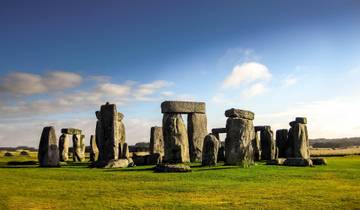
2 days
Windsor, Stonehenge, Bath & Oxford from London – 2 Days
- ✓ Comprehensive Cotswolds tour
- ✓ Expert local guides included
- ✓ All accommodation arranged
- ✓ Transportation provided

6 days
Oxford, Cotswolds, Bath, Avebury & Cambridge – 6 Days (Small-Group)
- ✓ Comprehensive Cotswolds tour
- ✓ Expert local guides included
- ✓ All accommodation arranged
- ✓ Transportation provided
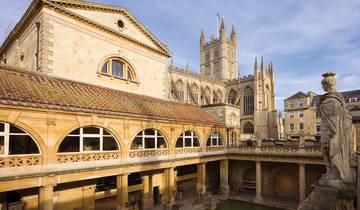
7 days
London Daytripper – 7 Days/6 Nights
- ✓ Comprehensive Cotswolds tour
- ✓ Expert local guides included
- ✓ All accommodation arranged
- ✓ Transportation provided
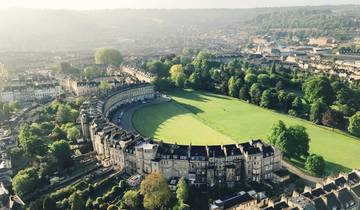
4 days
Oxford, Cotswolds, Bath & Avebury – 4-Day Small-Group Tour
- ✓ Comprehensive Cotswolds tour
- ✓ Expert local guides included
- ✓ All accommodation arranged
- ✓ Transportation provided
Multi-day tour packages powered by TourRadar. Prices and availability subject to change.
Essential Planning Information 2026
Current Costs and Pricing Breakdown for 2026
Understanding comprehensive cost structures for Bourton-on-the-Water and Bibury visits in 2026 enables accurate budget planning and prevents unexpected expenses that diminish travel experiences. Parking represents the first significant cost, with Bourton-on-the-Water charging £2-3 for up to 2 hours, £4-6 for 4 hours, and £7-9 for full-day parking in village car parks. Station Road Car Park and Victoria Street Car Park serve as primary parking locations, though spaces fill by 10:30 AM during summer weekends requiring arrival before 10 AM or alternative parking in nearby communities with short walks to the village center.
Attraction admission fees in Bourton-on-the-Water include the Model Village at £7.50 for adults, Birdland at £9.95, Motor Museum at £8.50, Dragonfly Maze at £6, and Cotswold Perfumery at £3.50 for factory tours (check individual attraction websites for current official rates as pricing may vary). Family tickets provide 10-15% savings compared to individual adult admissions, while senior and child reductions apply at most venues. The Cotswold Attractions Pass costs £45-55 for adults covering admission to 7-10 major area attractions including several Bourton properties, delivering value for visitors planning multiple site experiences across the region.
Meal costs vary significantly based on venue selection and dining style preferences. Casual lunch at village pubs costs £12-18 for mains plus £3-5 for beverages, while cream tea with scones, jam, clotted cream, and tea ranges £8-12 per person at traditional tea rooms. Quality dinner at established restaurants runs £20-35 for three courses excluding wine, with premium dining venues charging £35-50+ per person. Takeaway options including fish and chips, sandwiches, or bakery items provide budget alternatives at £6-12 per meal, allowing picnic-style dining along the riverside in pleasant weather conditions.
Bibury costs remain minimal beyond parking at £3-5 for village car park access near Arlington Row, with no admission charges for viewing the famous cottages, walking riverside paths, or exploring St. Mary’s Church. The Swan Hotel offers coffee and refreshments at £3-8, while The Catherine Wheel provides pub meals at £12-22 per main course. Accommodation represents the largest expense for overnight stays, ranging £120-180 per night for standard Cotswolds B&Bs within 5-10 miles of the villages, £180-250 for boutique hotels with period features, and £250-400+ for luxury manor house properties or coaching inns during peak 2026 summer season.
Transportation Options and Schedules for 2026
Self-drive transportation provides the most flexible and efficient method for visiting Bourton-on-the-Water and Bibury in 2026, allowing spontaneous timing adjustments, luggage management, and multi-village itineraries without public transport constraints. The villages sit approximately 100 miles northwest of London via M40 and A40 routes taking 2-2.5 hours depending on traffic, 50 miles from Birmingham via M5 and A429 requiring 1.5 hours, and 30 miles from Oxford through scenic Cotswolds roads taking 50-70 minutes with variable traffic on single-track sections.
Parking strategy proves crucial for successful self-drive visits, particularly during April-October 2026 peak season. Bourton-on-the-Water’s Station Road Car Park and Victoria Street Car Park provide 200+ combined spaces charging £7-9 for full-day parking, though arrival before 10 AM during weekends and holidays becomes essential as spaces fill rapidly. Alternative parking in nearby Lower Slaughter or Upper Slaughter villages offers overflow options with short 15-20 minute walks to Bourton center through scenic countryside paths. Bibury’s limited village parking accommodates 30-40 vehicles near Arlington Row, filling by 10:30 AM during summer requiring very early arrival or parking in nearby Barnsley or Coln St. Aldwyns with longer walks.
Public transportation to Bourton-on-the-Water operates through Pulhams Coaches service 801 connecting to Cheltenham Spa railway station with 5-7 daily departures taking 45 minutes, costing £6-8 return. Moreton-in-Marsh railway station on the London Paddington-Worcester line provides the nearest rail connection, positioned 8 miles from Bourton-on-the-Water requiring taxi service at £18-25 per journey or infrequent bus connections. Bibury lacks direct public transport access, requiring taxi services from Cirencester or Kemble railway stations at £20-30 per journey, making public transport visits challenging without organized tours.
Organized day tours solve transportation logistics for non-drivers, operating from London, Oxford, Bath, and Stratford-upon-Avon with prices ranging £65-95 per person including coach transport, guide commentary, and village visit time. Tours typically combine Bourton-on-the-Water and Bibury with 1-2 additional Cotswolds locations like Broadway, Stow-on-the-Wold, or the Slaughter villages, though fixed schedules limit time at each destination to 45-75 minutes. Private driver services cost £200-350 for full-day customized Cotswolds tours accommodating 1-4 passengers with flexible timing and routing based on passenger preferences.
Best Time to Visit in 2026
Seasonal Analysis for 2026 Planning
Spring season from April through June 2026 delivers optimal conditions for Bourton-on-the-Water and Bibury visits, combining pleasant weather, emerging natural beauty, and manageable visitor numbers before peak summer congestion arrives. April brings daffodils and early wildflowers along riverbanks, with average temperatures 10-15°C requiring light jacket layering but comfortable for outdoor walking. May and June provide the finest visiting conditions with temperatures reaching 16-20°C, long daylight hours extending to 9 PM for extended photography sessions, and village gardens reaching full bloom enhancing the picturesque settings.
Spring advantages include 40-50% lower accommodation rates compared to July-August peaks, availability of same-week booking at quality properties, less crowded iconic photography spots allowing better compositions, and easier parking access even with late morning arrivals. The Bourton-on-the-Water Spring Festival typically occurs in early May featuring local crafts, food vendors, and entertainment, while Bibury’s natural beauty reaches annual peaks with lambing season in fields surrounding the village and lush green landscapes from spring rainfall.
Summer season from July through August represents peak visitor period with maximum crowds, highest accommodation prices, and parking challenges, though weather provides the most reliable sunshine and warmest temperatures averaging 20-24°C. July school holiday begins attract family travelers, while August brings international visitors and extended British holiday periods creating the busiest conditions year-round. Summer visits require strict early arrival before 9:30 AM for parking access, advance restaurant reservations for quality venues, and acceptance of crowds in all photography compositions unless visiting very early morning or late evening hours.
Autumn season from September through October offers the year’s best value proposition, combining reduced accommodation rates 20-30% below summer peaks, significantly diminished crowds after school term resumes, golden foliage creating stunning photography opportunities, and harvest season featuring local food festivals and produce markets. September maintains mild temperatures 15-19°C with generally stable weather, while October brings more variable conditions with increasing rainfall but dramatic autumn colors throughout villages and countryside. The Bourton-on-the-Water Harvest Festival in late September showcases local produce, traditional crafts, and seasonal celebrations worth timing visits around.
Winter season from November through March provides authentic village experiences with minimal tourist presence, festive decorations during December creating magical atmospheres, and lowest accommodation rates of the year dropping 30-40% below summer pricing. December Christmas markets, traditional pub atmospheres, and winter riverside scenes offer unique experiences unavailable during warmer months, though short daylight hours from 8 AM-4:30 PM limit photography time and some attractions reduce operating hours or close entirely during January-February. Weather unpredictability increases with frequent rain, occasional frost, and rare snow creating beautiful but challenging conditions requiring flexible outdoor planning.
Weather Patterns and Crowd Predictions for 2026
Weather patterns in the Cotswolds region demonstrate significant seasonal variation affecting visit planning, photography opportunities, and activity feasibility throughout 2026. Spring months average 8-12 rainy days per month with showers typically brief and interspersed with sunny periods, requiring umbrella preparation but rarely preventing full-day outdoor exploration. Summer weather provides the most reliable sunshine with 5-8 rainy days monthly, though July-August humidity can reach uncomfortable levels during afternoon hours making morning and evening activities more pleasant than midday wandering.
Autumn weather shows increasing variability through September-October with 10-14 rainy days monthly, though September often delivers extended sunny periods creating ideal conditions before October’s less predictable patterns emerge. Mist and fog occur frequently during autumn mornings, particularly along rivers, creating atmospheric photography opportunities but requiring patience for clearing before detailed architectural shots become possible. Winter brings the wettest conditions with 12-16 rainy days per month and short daylight windows, though cold clear days provide dramatic low-angle light and frost effects enhancing stone architecture and riverside scenes.
Crowd predictions for 2026 follow established patterns with marked differences between weekdays and weekends regardless of season. Summer Saturdays and Sundays bring peak congestion with Bourton-on-the-Water’s riverside paths becoming shoulder-to-shoulder crowded between 11 AM-4 PM, while Bibury’s Arlington Row experiences constant visitor presence from 10 AM-5 PM making unobstructed photography nearly impossible. Bank holiday weekends throughout the year multiply typical weekend crowds by 50-80%, with Easter weekend, May Day bank holiday, and August bank holiday representing the year’s busiest periods requiring maximum advance planning.
Weekday visits Tuesday-Thursday offer dramatically reduced crowds even during peak summer season, with morning hours before 11 AM and late afternoon after 4 PM providing near-empty village conditions at both locations. School term periods from early September through mid-December and early January through late March see minimal family travelers, reducing overall visitor numbers by 60-70% compared to holiday periods. Weather-dependent crowd patterns show increased visitors during sunny spells following rainy periods, as locals and regional travelers capitalize on good weather windows creating temporary congestion even during typically quiet seasons.
Accommodation Strategies 2026
Budget and Mid-Range Accommodation Options for 2026
Budget accommodation for Bourton-on-the-Water and Bibury area visits in 2026 centers on B&Bs, guesthouses, and village pubs with rooms in surrounding communities, offering authentic experiences with local hosts and competitive pricing compared to hotels. The Lamb Inn in Burford provides quality pub accommodation at £90-120 per night for double rooms including breakfast, positioned 12 miles from Bourton-on-the-Water with excellent restaurant and village atmosphere. The Wheatsheaf Inn in Northleach offers similar pricing at £85-110 per night with comfortable rooms above traditional pub settings, located 8 miles from Bourton and providing good access to both target villages.
Stow-on-the-Wold serves as practical base location offering more accommodation variety than smaller villages while maintaining convenient access within 15-minute drives to both Bourton-on-the-Water and Bibury. Budget B&Bs in Stow range £70-95 per night for double rooms with en-suite facilities, including properties like Number Nine or Crooked Cottage providing traditional Cotswolds character. Cirencester represents another strategic base option with larger town amenities, supermarkets for self-catering supplies, and broader accommodation range at £75-110 per night for quality B&Bs, positioned 8-10 miles from both villages.
Mid-range travelers allocating £120-180 per night access superior accommodation quality with period features, enhanced breakfast offerings, and prime village locations. The Old Manse in Bourton-on-the-Water charges £140-180 per night for boutique rooms with riverside views and convenient walking access to all village attractions. The Dial House in Bourton offers similar pricing with elegant Georgian architecture, lovely gardens, and reputation for exceptional breakfast quality. The Catherine Wheel in Bibury provides mid-range accommodation at £130-160 per night combining traditional pub atmosphere with comfortable modern rooms, though limited to 4-5 rooms requiring early booking.
Self-catering cottages offer excellent value for groups or extended stays, with weekly rates £600-900 during 2026 spring and autumn shoulder seasons for properties sleeping 4-6 guests. Cottage accommodation provides kitchen facilities for breakfast and picnic preparation reducing meal costs significantly, private parking solving daily logistics concerns, and homey atmospheres for relaxed evening unwinding. Book cottage rentals 4-6 months ahead for summer weeks and 2-3 months for shoulder seasons through agencies like Cotswold Cottages or Manor Cottages specializing in area properties.
Luxury and Boutique Properties for 2026
Luxury accommodation in the Bourton-on-the-Water and Bibury area delivers exceptional experiences through manor house hotels, country estates, and boutique properties combining historical architecture with contemporary amenities and elevated service standards. The Swan at Bibury represents the area’s most iconic luxury property with rooms at £250-400 per night including magnificent riverside setting, elegant period interiors, fine dining restaurant, and immediate access to Arlington Row. The hotel’s superior rooms feature antique furnishings, luxury bathrooms, and either river or garden views creating memorable stays worth premium pricing for special occasions.
Lower Slaughter Manor positioned 2 miles from Bourton-on-the-Water offers manor house luxury at £280-450 per night with stunning grounds, indoor pool and spa facilities, Michelin-star dining, and just 16 rooms ensuring intimate exclusive atmosphere. The 17th-century property provides exceptional service standards, beautiful interiors combining period features with modern comfort, and convenient access to both target villages while maintaining peaceful countryside setting. The hotel’s packages including dinner, spa treatments, and guided village tours provide comprehensive luxury experiences worth considering for celebration visits.
Barnsley House near Bibury delivers boutique luxury at £300-500 per night for rooms in converted 17th-century manor with cinema room, spa, stunning gardens, and acclaimed restaurant under chef Francesco Volgo. The property features just 18 rooms and suites maintaining exclusive feel, modern luxury bathrooms, beautiful interior design balancing contemporary and period elements, and helpful staff arranging village visits, private tours, and customized experiences. The hotel’s location 4 miles from Bibury and 8 miles from Bourton-on-the-Water provides excellent access while maintaining secluded peaceful ambiance.
Calcot Manor near Tetbury extends luxury to family travelers with dedicated family accommodation, children’s amenities, spa facilities, pools, and extensive grounds at £220-350 per night depending on room category and season. While positioned 12 miles from Bibury, the property serves families seeking luxury base with activities for children between village visits. Lords of the Manor in Upper Slaughter offers similar luxury at £280-420 per night with 27 rooms, fine dining, beautiful grounds, and 2-mile proximity to Bourton-on-the-Water making it convenient luxury base for village exploration.
Money-Saving Strategies 2026
Advance Booking Benefits for 2026
Strategic advance booking delivers substantial savings across accommodation, organized tours, and attraction packages while securing preferred dates and reducing travel stress. Accommodation booking 3-4 months ahead for summer 2026 visits provides access to early bird rates typically 15-20% below standard pricing, with many Cotswolds properties offering discounts for direct booking through their websites rather than third-party platforms. Boutique hotels and popular B&Bs release allocation rooms gradually, meaning earliest bookers secure prime rooms with best views, layouts, or amenities before standard rooms fill.
Organized day tours to the Cotswolds villages from London, Oxford, or Bath offer early booking discounts of 10-15% when reserved 4-8 weeks before travel dates, with premium operators like Cotswold Tours and Rabbies providing additional perks for advance bookers including guaranteed window seats or first choice for optional activities. Tour operators typically increase prices 2-4 weeks before departure or implement surcharges during peak demand periods, making advance commitment financially advantageous. Group bookings of 4+ travelers often secure additional 5-10% discounts on tour pricing regardless of advance booking timeline.
The Cotswold Attractions Pass delivers best value when purchased online at least one week before visits, providing admission to 7-10 major area attractions at £45-55 per adult compared to individual ticket costs totaling £60-75 if purchasing at each venue. The pass includes several Bourton-on-the-Water attractions alongside regional sites like Blenheim Palace and Sudeley Castle, proving worthwhile for visitors planning 3+ paid attraction experiences. Online purchase avoids on-site ticket queues and allows activation flexibility within 12-month validity period from purchase date.
Restaurant reservations for popular venues like The Kingsbridge Inn, Dial House Restaurant, or The Swan Hotel in Bibury prevent disappointment and potential need for expensive last-minute alternatives when preferred options are fully booked. While not directly saving money, advance reservations secure desired dining experiences and prevent settling for less appealing venues or inappropriate meal timing that can diminish overall visit satisfaction. Most quality Cotswolds restaurants accept reservations through OpenTable or direct phone booking without requiring deposits for standard table reservations.
Seasonal Optimization Tips for 2026
Shoulder season visits during April-May or September-October provide the best combination of favorable weather, reduced crowds, and lower costs compared to peak summer months, with accommodation rates 20-30% below July-August pricing while maintaining full service availability at restaurants, shops, and attractions. Late September and early October deliver particularly strong value as weather remains pleasant, autumn colors enhance photography, and harvest season brings food festivals without summer congestion. September bookings made in July often secure last-minute deals as properties aim to fill remaining availability.
Weekday visits Tuesday-Thursday throughout the year reduce accommodation costs 10-20% compared to Friday-Sunday pricing at hotels and B&Bs catering to weekend leisure travelers. Weekday timing also dramatically improves parking availability, reduces restaurant wait times, and provides better photography conditions from reduced crowds, adding non-monetary value through enhanced experiences. Combining weekday visits with shoulder season timing maximizes both financial and experiential benefits, particularly at luxury properties offering midweek packages at significant discounts.
Multi-night stays unlock better accommodation rates through extended stay discounts typically offering third or fourth night at 20-30% reduction from standard nightly rates. This strategy proves particularly effective when combined with shoulder season booking, creating opportunities for comprehensive Cotswolds exploration across multiple villages while securing favorable per-night costs. Extended stays allow more relaxed pacing, flexibility for weather-dependent activities, and deeper engagement with village atmospheres beyond single-day tourist experiences.
Winter visits from November-March deliver lowest accommodation rates of the year at 30-40% below peak season pricing, with December offering particularly appealing Christmas market atmospheres and festive decorations at competitive rates once holiday week premiums end. January-February see absolute lowest pricing though some attractions reduce operating hours and weather unpredictability increases. Winter weekday stays at luxury properties sometimes drop below £150 per night compared to £300+ during summer weekends, providing accessible luxury for budget-conscious travelers willing to accept weather risks.
Budget-Conscious Dining and Activities for 2026
Self-catering strategies reduce meal costs dramatically, with supermarket stops in Cheltenham, Cirencester, or Stow-on-the-Wold providing picnic supplies at £15-25 for high-quality provisions serving 2-3 meals for two people. Riverside picnics in Bourton-on-the-Water utilize public benches and grassy areas allowing affordable scenic dining without restaurant expenses, while Bibury’s River Coln banks provide equally pleasant picnic settings. Local bakeries and farm shops offer quality prepared foods at £6-12 per person including sandwiches, pies, salads, and treats that support local businesses while maintaining budget control.
Traditional pub lunches provide better value than formal restaurant dining, offering hearty mains at £12-18 including fish and chips, ploughman’s lunches, or seasonal pies in authentic settings. Many village pubs feature outdoor gardens or riverside seating comparable to expensive restaurants while maintaining reasonable pricing, and lunch service typically sees better availability than evening dining without requiring reservations. Sharing starters or desserts, choosing tap water over bottled beverages, and avoiding wine with lunch reduce total meal costs 20-30% while maintaining quality dining experiences.
Free activities dominate both villages, with Bourton-on-the-Water’s riverside walks, bridge photography, duck feeding (bring your own appropriate food), village green access, and church visits requiring no admission fees. Bibury’s primary attractions including Arlington Row exterior viewing, River Coln walks, St. Mary’s Church, and surrounding countryside rambles remain completely free, meaning comprehensive village experiences cost nothing beyond transportation and parking. Self-guided village walks using downloaded maps or guidebook resources provide structured exploration without paid tour expenses.
Selective attraction choosing maximizes value from paid experiences, with many visitors finding one carefully selected museum or attraction in Bourton-on-the-Water sufficient alongside extensive free village exploration. Birdland provides the most comprehensive experience justifying its £9.95 admission through 50+ species, regular feeding demonstrations, extensive grounds, and 2-3 hour visit potential. The Model Village appeals particularly to families with children or photography enthusiasts, while the Motor Museum serves automobile enthusiasts specifically rather than general visitors. Evaluate individual interests against admission costs before committing to multiple attractions that may provide diminishing returns.
Sample 2026 Itineraries
One-Day Bourton-on-the-Water & Bibury Itinerary with Costs
This comprehensive one-day itinerary combines both villages efficiently with realistic timing, strategic routing, and verified cost calculations for budget-conscious travelers. The schedule assumes self-drive transportation allowing flexible timing, though organized tour participants can adapt the activity sequence to fixed tour schedules with reduced time at each location.
8:30 AM – Arrival at Bourton-on-the-Water: Arrive early to secure parking before crowds, utilizing Station Road Car Park at £7-9 full day rate. Early arrival allows stress-free parking selection and immediate start to village exploration in morning light ideal for photography. Walk to village center along the River Windrush, photographing bridges and riverside views without crowd interference. Coffee or light breakfast at Bakery on the Water costs £4-7 per person for coffee and pastry, providing fuel for morning activities.
9:00 AM – Village Walking Tour: Self-guided exploration of Bourton-on-the-Water’s main streets, bridges, and riverside paths utilizing free village map from information center or downloaded resources. Focus on Lower High Street’s traditional shops, the iconic stone bridges crossing the Windrush, and village green areas. Allow 45-60 minutes for comprehensive walking tour including photography stops at scenic viewpoints. This activity costs nothing beyond time investment and delivers essential village orientation.
10:00 AM – Model Village Visit: Tour the Model Village featuring 1:9 scale replica of Bourton-on-the-Water constructed over 90 years ago, offering unique perspective and excellent photography opportunities. Admission costs £7.50 per adult with typically 45-60 minute visit duration for thorough exploration and photography. The attraction provides indoor-outdoor combination useful if weather deteriorates, and represents one of the village’s most distinctive experiences justifying admission expense.
11:15 AM – Birdland Park Visit: Explore Birdland’s extensive grounds featuring 50+ bird species including penguins, flamingos, and rare exotic species across well-designed naturalistic habitats. Admission costs £9.95 per adult with 1.5-2 hour recommended visit time to appreciate all aviaries, attend feeding demonstrations typically held at scheduled intervals, and enjoy the peaceful garden settings. This represents the morning’s major expense but delivers comprehensive experience with regular animal interactions unavailable in free village exploration.
1:00 PM – Lunch at Traditional Pub: Dine at The Kingsbridge Inn or Rose Tree for traditional pub lunch in riverside setting. Choose mains at £14-20 including fish and chips, ploughman’s lunch, or seasonal specials, plus beverages at £3-5 per drink. Budget £18-25 per person for satisfying lunch without fine dining premiums. Outdoor seating overlooking the river provides pleasant atmosphere during good weather, while interior dining areas offer cozy traditional English pub ambiance with stone walls and timber beams.
2:15 PM – Drive to Bibury: Depart Bourton-on-the-Water for 20-minute scenic drive to Bibury through classic Cotswolds countryside. The route passes through traditional farming landscapes with dry-stone walls, occasional village glimpses, and photogenic rural scenes worth brief stops. Arrive at Bibury village car park near Arlington Row, parking costs £3-5 for afternoon duration allowing flexible exploration timing without meter concerns.
2:45 PM – Arlington Row Photography: Photograph Bibury’s iconic 14th-century weavers’ cottages from the designated public viewing area, capturing the honey-colored stone, steep roofs, and riverside setting that make this England’s most photographed street. Afternoon light provides warm tones enhancing stone color, though summer visits may show full sun creating harsh shadows requiring patient timing for optimal shots. Allow 30-45 minutes for photography, village walk to viewing perspectives, and appreciation of the architectural details that attracted William Morris’s famous praise.
3:30 PM – River Coln Walk & St. Mary’s Church: Walk along the River Coln path observing the crystal-clear water, wild brown trout habitat, and water meadows that create idyllic English countryside scenes. Visit St. Mary’s Church featuring Saxon foundations, medieval architecture, and peaceful churchyard worth 20-30 minute exploration. These activities remain completely free while providing essential Bibury experiences beyond Arlington Row. The riverside walk extends approximately 1 mile offering pleasant strolling with benches for relaxation.
4:30 PM – Tea at The Swan Hotel: Enjoy afternoon cream tea on The Swan’s riverside terrace or elegant interior, featuring scones with jam and clotted cream, selection of teas or coffee, and views of the River Coln and surrounding gardens. Cost £10-14 per person for complete cream tea service in historic coaching inn setting. This traditional English experience caps the day appropriately while providing rest before return journey, with The Swan’s atmosphere justifying premium over basic tea room pricing.
5:30 PM – Departure: Return to accommodation or begin journey home, allowing approximately 1.5-2 hours for return to major cities like London or Birmingham. Alternative timing includes extended Bibury stay until 6-7 PM during summer months taking advantage of long daylight hours for additional photography or village exploration.
Total Day Cost Summary: Parking £10-14, Model Village £7.50, Birdland £9.95, lunch £18-25, afternoon tea £10-14, morning coffee £4-7, parking Bibury £3-5. Total day cost: £63-93 per person (excluding accommodation). This budget provides comprehensive two-village experience including key attractions, quality meals, and traditional experiences without luxury dining or extensive shopping additions. Budget-conscious travelers can reduce costs to £40-55 by eliminating one attraction, choosing takeaway lunch, and skipping afternoon tea, while those allocating £100-120 can add museum visits, premium dining, or artisan shop purchases.
Two-Day Extended Cotswolds Itinerary with Costs
This extended itinerary spreads Bourton-on-the-Water and Bibury visits across two days, allowing more relaxed pacing, additional Cotswolds villages exploration, and deeper engagement with each location without rushing. The schedule accommodates accommodation in the area with flexibility for evening activities and morning photography opportunities in optimal light.
Day One – Bourton-on-the-Water Focus:
9:00 AM – Arrival and Breakfast: Arrive at Bourton-on-the-Water, secure parking at Station Road Car Park £7-9, and enjoy proper breakfast at The Bakery or The Croft providing full English breakfast at £10-15 per person. This unhurried morning start allows flexibility for check-in timing if staying locally, and provides substantial breakfast supporting full morning of activities.
10:15 AM – Comprehensive Village Exploration: Dedicate 2-3 hours to thorough Bourton-on-the-Water exploration including all riverside walks, bridge photography from multiple angles, village shops browsing, and relaxed appreciation of the village atmosphere without time pressure. Visit the information center for local recommendations, explore side streets beyond the main tourist areas, and photograph from less common viewpoints for unique images.
12:30 PM – Museum Visits: Tour both the Model Village and the Motor Museum (or Birdland based on interests), spending adequate time at each without rushing. Combined admission costs £16-18 per person with 2-3 hours total visit duration allowing comprehensive exploration and photography. The Motor Museum particularly appeals to automobile enthusiasts with rotating exhibits and rare vehicle collection, while Birdland serves nature enthusiasts and families with regular feeding demonstrations.
3:00 PM – Lunch at Quality Restaurant: Enjoy relaxed lunch at The Dial House Restaurant or The Kingsbridge Inn, choosing from broader menu selection than quick pub lunch would offer. Budget £20-30 per person for quality meal with appetizer or dessert, beverages, and unhurried dining experience in pleasant surroundings. This represents day’s major meal, supporting afternoon activities without need for substantial dinner expenses.
4:30 PM – Lower Slaughter & Upper Slaughter Visit: Drive 2 miles to explore the Slaughter villages, both offering classic Cotswolds architecture, quiet riverside settings, and authentic village atmospheres without Bourton’s tourist crowds. Lower Slaughter features the River Eye, converted water mill, and traditional stone cottages, while Upper Slaughter provides church visits and peaceful village green. These villages require no admission fees, offering free exploration complementing paid Bourton activities. Allow 1.5-2 hours for both villages including driving between them.
6:30 PM – Stow-on-the-Wold Evening Visit: Drive to Stow-on-the-Wold for early evening exploration of the historic market town, browsing antique shops, art galleries, and traditional pubs. The market square provides central gathering point with tea rooms, restaurants, and local atmosphere. Casual dinner at pub costs £15-25 per person, or choose accommodation with dinner included if staying at properties offering this option. Stow’s elevated position delivers sunset views across surrounding countryside worth timing evening visit around.
Day One Cost Summary: Parking £7-9, breakfast £10-15, museum admissions £16-18, lunch £20-30, dinner £15-25. Total day cost: £68-97 per person (excluding accommodation £120-180). This pacing allows comprehensive Bourton experience with additional villages exploration without exhausting marathon touring, creating relaxed enjoyable day supporting quality photography and genuine village appreciation.
Day Two – Bibury and Area Exploration:
8:30 AM – Early Bibury Visit: Arrive at Bibury before crowds for optimal Arlington Row photography in morning light without visitor presence obstructing shots. Parking costs £3-5 with morning hour providing stress-free space selection. Spend 1-1.5 hours on photography, village walking, and River Coln observation in peaceful morning atmosphere before tourist buses arrive after 10:30 AM. This timing delivers the experience most visitors miss, with golden morning light warming stone cottages and mist effects along the river if weather cooperates.
10:00 AM – Bibury Trout Farm Visit: Tour the working trout farm adjacent to Arlington Row, learning about trout cultivation, feeding fish in outdoor pools, and browsing the farm shop. Admission costs £5-7 per person with typically 30-45 minute visit duration offering educational insight into traditional Cotswolds industry. The farm shop sells fresh trout for self-catering visitors, smoked fish products, and local specialties worth considering for picnic supplies or gifts.
11:00 AM – Coffee at The Swan Hotel: Enjoy coffee or light refreshments at The Swan’s riverside terrace at £4-8 per person, taking advantage of the historic property’s atmosphere and views without committing to full meal expenses. The elegant lounges and gardens provide relaxing environment for planning afternoon activities or simply appreciating Bibury’s peaceful character.
12:00 PM – Barnsley or Coln St. Aldwyns Exploration: Drive to nearby villages Barnsley or Coln St. Aldwyns for additional Cotswolds atmosphere away from tourist concentrations. Barnsley features renowned gardens at Barnsley House viewable from public paths, traditional village architecture, and The Village Pub offering quality lunch at £18-25 per person. Coln St. Aldwyns provides another riverside setting with historic buildings, peaceful village green, and The New Inn pub for casual dining. These authentic villages demonstrate traditional Cotswolds life without tourist infrastructure dominating the character.
2:00 PM – Cirencester Market Town Visit: Drive to Cirencester, the Cotswolds’ largest town, for afternoon exploration including the Roman Corinium Museum admission £6-8, market square with diverse shops, traditional pubs, and local food vendors. The town provides practical amenities including supermarkets for self-catering supplies, banking services, and broader restaurant selection than village options. Budget 2-3 hours for comprehensive Cirencester exploration including museum visit, market browsing, and refreshment stop.
5:00 PM – Afternoon Tea at Local Tea Room: Return toward accommodation area for traditional afternoon tea at village tea room costing £10-14 per person, providing classic English experience with scones, jam, cream, sandwiches, and tea service. Alternatively, skip formal tea and enjoy relaxed arrival at accommodation for evening unwinding after full day’s activities.
6:30 PM – Casual Dinner at Accommodation or Local Pub: Dine at accommodation if dinner included in booking, or visit nearby village pub for relaxed dinner at £20-30 per person. Choose venues within walking distance of accommodation avoiding additional driving after full day’s touring. Evening flexibility allows weather-dependent decisions or spontaneous choices based on daily energy levels.
Day Two Cost Summary: Parking Bibury £3-5, trout farm admission £5-7, coffee £4-8, lunch £18-25, museum £6-8, afternoon tea £10-14 (optional), dinner £20-30. Total day cost: £66-97 per person (excluding accommodation). Alternative cost-saving approach eliminates museum admission and afternoon tea, reducing total to £50-65 while maintaining quality dining experiences.
Two-Day Total Summary: Day one £68-97, day two £66-97, accommodation £120-180 per night for two nights = £240-360. Combined two-day cost: £374-554 per person including accommodation and comprehensive activities. This extended itinerary provides relaxed pacing, additional villages exposure, and quality experiences without constant rushing between locations that single-day visits require. Couples sharing accommodation reduce per-person costs to £320-450 total for two-night comprehensive Cotswolds experience including all listed activities and quality dining.
Booking and Reservations 2026
Official Booking Channels and Trusted Operators for 2026
Official booking channels for Bourton-on-the-Water attractions include individual attraction websites providing direct online booking with best-price guarantees and no third-party fees. Birdland operates bookings through birdland.co.uk with immediate confirmation and print-at-home or mobile tickets eliminating on-site queuing. The Model Village accepts walk-up visitors without advance booking required, though busy periods occasionally see queues manageable through 10-15 minute waits. The Motor Museum and other Bourton attractions similarly operate walk-up admission systems with minimal wait times except bank holiday weekends when early arrival before 11 AM avoids any queue development.
Accommodation booking works most effectively through direct property contact for small B&Bs and guesthouses, often securing better rates than booking platforms while establishing direct communication for special requests or questions. Properties with strong direct booking focus sometimes offer exclusive packages, room upgrades, or flexible cancellation terms unavailable through third-party channels. Booking.com and Hotels.com serve larger properties and hotels effectively, providing comprehensive reviews, clear cancellation policies, and reliable booking confirmation, though commission structures mean prices sometimes exceed direct booking rates by 5-10%.
Organized Cotswolds tour operators offering quality Bourton-on-the-Water and Bibury visits include Rabbies Tours, Cotswold Tours, Premium Tours, and Lion Tours from London with established reputations, professional guides, comfortable vehicles, and comprehensive insurance coverage. Book directly through operator websites for best pricing and full package transparency including what’s covered versus additional costs. Reviews on TripAdvisor or Trustpilot provide reliable operator assessment, with consistently high ratings indicating quality experiences and attention to customer service standards important for day-long touring comfort.
Taxi and private driver services require booking through established local companies with proper insurance and licensing rather than informal operators lacking professional coverage. Local firms including Cotswold Green Cars, Executive Travel Cotswolds, and private driver services advertised through quality hotel concierges provide reliable transportation with professional drivers knowing area roads, parking strategies, and alternative routing if primary locations experience congestion. Clarify all costs upfront including waiting time charges, parking fees responsibility, and gratuity expectations before confirming bookings preventing misunderstandings upon service completion.
Advance Planning Timeline for 2026 Visits
Six months before travel represents ideal timing for initial planning and major booking decisions, particularly for peak summer 2026 visits during July-August or bank holiday weekends throughout the year. Research accommodation options, identify preferred properties, monitor pricing trends, and finalize travel dates ensuring personal schedule alignment and optimal weather windows based on seasonal preferences. Organized tour bookings for June-August dates should occur at this stage securing preferred operators and departure times before popular slots fill.
Three to four months before travel execute accommodation bookings for summer visits, securing preferred properties at best available rates before last-minute premiums emerge or availability diminishes. Boutique hotels and popular B&Bs in prime locations fill earliest, with properties offering special charm or superior locations requiring this advance booking timeline. Contact properties directly exploring package deals, multi-night discounts, or special occasion arrangements that may provide enhanced value or upgraded amenities beyond standard bookings.
Four to six weeks before travel represents optimal window for organized day tour booking from London, Oxford, or Bath, accessing early booking discounts while maintaining flexibility if weather forecasts or personal circumstances suggest date adjustments. Review tour operator cancellation policies ensuring reasonable terms allowing changes if necessary, typically finding free cancellation up to 48-72 hours before departure. Restaurant reservations at popular Bourton-on-the-Water venues and The Swan Hotel in Bibury should occur during this timeframe, particularly for Friday-Sunday visits when walk-up seating becomes challenging.
One to two weeks before travel finalize activity planning, purchase Cotswold Attractions Pass if visiting multiple paid sites, review weather forecasts beginning long-range trend monitoring, and confirm all booking details including accommodation addresses, contact information, and any special arrangements made during initial booking. Download offline maps, village guides, and photography location resources supporting on-site navigation without constant internet connectivity. Create flexible daily schedules allowing spontaneous adjustments based on weather, crowds, or unexpected opportunities discovered during the visit.
Day before travel confirm accommodation check-in procedures, review parking locations and strategies for both villages, verify restaurant reservations, and pack weather-appropriate clothing based on updated forecasts. Check attraction websites for any operational changes, special events, or temporary closures affecting planned visits. Ensure camera batteries charge fully, pack rain protection even if forecasts appear favorable, and organize comfortable walking shoes essential for village exploration across cobblestone streets and riverside paths.
Planning Your 2026 Visit: Practical Logistics
Essential Planning Checklist for 2026
Transportation planning forms the foundation for successful Bourton-on-the-Water and Bibury visits, with self-drive visitors needing reliable GPS or mapping apps, understanding of narrow rural road navigation, and parking strategy awareness before arrival. Download offline maps for the Cotswolds region ensuring navigation capability if mobile signals weaken in rural areas, common occurrence outside major towns. Identify parking locations beforehand including backup options if primary car parks fill, reducing stress upon arrival and preventing wasted time circling for spaces during busy periods.
Weather preparation proves essential regardless of season, with layered clothing appropriate for variable Cotswolds weather patterns showing significant temperature shifts between morning and afternoon or sunny and shaded areas. Pack waterproof jacket or umbrella even during summer visits when afternoon showers can develop rapidly, alongside sun protection including hat, sunglasses, and sunscreen for extended outdoor exploration. Comfortable waterproof walking shoes support extended village wandering across cobblestone streets, riverside paths, and potential muddy sections after rainfall that renders fashion footwear impractical and uncomfortable.
Photography equipment planning involves camera gear appropriate for architectural photography, including wide-angle lens for building compositions and general walk-around lens for detailed shots and village scenes. Tripod proves useful for evening low-light shots or long exposure river photography, though crowds during busy periods make tripod use challenging at popular viewpoints. Spare camera batteries and memory cards prevent disappointing situations where equipment limitations curtail photography opportunities, while lens cleaning cloth addresses frequent issue of rain spots or condensation affecting image quality in humid conditions.
Financial planning includes adequate cash for parking meters, small village shops occasionally lacking card readers, and convenience of quick transactions without card authorization delays. Most restaurants and larger shops accept credit cards, but traditional cash payment remains preferred at some establishments valuing local atmosphere over modern payment processing. ATMs exist in Bourton-on-the-Water and nearby Stow-on-the-Wold, though carrying sufficient cash from home or larger towns prevents last-minute searching during village visits focused on enjoyment rather than banking logistics.
Meal planning considers breakfast strategy, with accommodation including breakfast providing best start to touring days, while self-catering visitors should shop for supplies in larger towns before arriving at villages where convenience stores offer limited selection at premium prices. Bring reusable water bottles for free refills at public facilities, restaurants, or accommodation, supporting hydration during outdoor activities while reducing plastic waste and avoiding overpriced bottled water purchases. Snack supplies including fruit, nuts, or energy bars support sustained energy during active exploration without requiring constant stopping for refreshments that interrupt touring flow and increase daily expenses.
Technology and Connectivity for 2026
Mobile phone connectivity throughout Bourton-on-the-Water and Bibury generally maintains reliability with major UK carriers providing 4G coverage, though signal strength occasionally weakens in rural areas between villages or within stone buildings where thick walls interfere with reception. Download essential information including accommodation addresses, booking confirmations, and village maps before arrival ensuring access regardless of connectivity issues that might emerge unexpectedly. Offline GPS mapping apps like Maps.me or Google Maps offline mode provide navigation backup if data signals weaken during rural driving.
WiFi availability exists at most accommodation properties, major restaurants, and some cafes, though connection speeds and reliability vary significantly from modern high-speed access at newer properties to basic email-capable connections at traditional establishments. The Swan Hotel in Bibury and contemporary Bourton-on-the-Water restaurants typically offer reliable WiFi for guests, while traditional village pubs may lack WiFi entirely expecting visitors to embrace disconnection from constant connectivity during countryside visits. Plan content uploading, photo backups, or work communications around accommodation WiFi access rather than expecting constant connectivity throughout village exploration.
Photography apps including weather forecast applications showing sunset/sunrise times, golden hour calculations, and local weather radar prove invaluable for optimal photography planning. Applications like PhotoPills or Sun Surveyor help photographers predict light angles, shadow patterns, and optimal timing for specific shots, while traditional weather apps provide hourly forecasts supporting activity timing decisions. These applications typically function with cached data allowing limited use even with weak signals, though initial data loading requires adequate connectivity.
Booking and confirmation apps from accommodation properties, tour operators, or restaurant reservation systems should download confirmation documents as PDFs or screenshots stored locally on devices, preventing access issues if connectivity fails precisely when confirmation details become necessary. Many establishments now accept digital booking confirmations displayed on phones, though printing backup paper copies provides security against unexpected device battery failures, screen damage, or system errors occurring at inopportune moments.
Special Considerations for 2026 Visits
Accessibility considerations at both villages present challenges for visitors with mobility limitations, as cobblestone streets, narrow sidewalks, and historic building layouts rarely accommodate wheelchair access or significant mobility aids effectively. Bourton-on-the-Water’s flat riverside paths provide better accessibility than many Cotswolds villages, though surfaces remain uneven and some areas lack ramped access. Most modern attractions including Birdland feature accessible paths and facilities, while historic properties like The Swan Hotel or village churches maintain period features limiting accessibility modifications. Contact specific venues beforehand discussing accessibility needs and receiving accurate assessment of facility capabilities rather than encountering unexpected barriers upon arrival.
Family travel with young children requires additional planning around nap schedules, meal timing flexibility, and entertainment strategies during potential wait times at restaurants or during less engaging activities for children. Birdland provides excellent family attraction with animal interactions holding children’s interest, while riverside areas in both villages offer duck feeding opportunities (bring appropriate food, not bread), shallow water observation, and general outdoor play space. Consider bringing compact strollers for young children tired from walking, though cobblestone surfaces and narrow paths make jogging strollers or large prams impractical for village exploration.
Pet-friendly travel attracts many visitors bringing dogs to Cotswolds villages, with outdoor areas, riverside walks, and many pub gardens welcoming well-behaved dogs. Most B&Bs and some hotels accept dogs with advance notice and potential cleaning fees £10-25 per stay, while attractions like Birdland prohibit pets for obvious animal welfare reasons. Outdoor dining areas at pubs typically welcome dogs, and water bowls commonly appear outside shops and cafes acknowledging significant dog-owning visitor demographic. Bring waste bags, leads, and plan indoor attraction visits around one party member supervising pets outside if traveling in groups.
Photography etiquette proves particularly important at Bibury’s Arlington Row where residents occupy the famous cottages and deserve privacy despite living in England’s most photographed street. Photograph from public areas without entering private gardens, avoid intrusive window shots capturing interior details, and respect “private property” signs preventing trespassing despite photography temptation. Professional photography especially involving tripods, large groups, or commercial purposes may require special permissions, with residents occasionally emerging to redirect photographers exceeding reasonable public access boundaries.
2026 Updates and Current Information
Recent Developments and Changes for 2026
Parking regulations in Bourton-on-the-Water underwent updates during 2024-2025 with installation of improved payment systems accepting contactless cards and mobile payment apps alongside traditional coin operation, simplifying payment processes for visitors unfamiliar with local parking procedures. Maximum stay durations remain enforced at 4-6 hours in most village car parks preventing all-day parking by local workers and ensuring visitor turnover, though enforcement during winter months becomes less strict when parking demand diminishes significantly. Violation penalties increased to £50-70 for expired meters or prohibited parking, with appeals processes requiring photographic evidence of payment attempts if technical failures caused apparent violations.
Bibury village management initiated new parking guidance during 2025 directing visitor parking toward designated village car park rather than narrow roadside spaces that previously created traffic congestion and resident access difficulties. Clear signage now directs arriving vehicles toward proper parking areas, with increased enforcement of restricted zones preventing the roadside parking previously common along Arlington Row approach. These changes improve visitor experience through reduced frustration searching for legal parking while addressing resident concerns about access, emergency vehicle clearance, and quality of life impacts from previous parking chaos during peak seasons.
Several Bourton-on-the-Water attractions completed renovations or expansions during 2024-2025, with Birdland adding new aviaries and visitor facilities improving accessibility and viewing opportunities. The Motor Museum refreshed exhibits featuring rotating special displays highlighting specific automotive eras or manufacturers, maintaining repeat visit interest for enthusiasts. These improvements justify continued visitor investment in admission fees while enhancing overall village attraction portfolio supporting longer stays and increased visitor satisfaction beyond free riverside walking.
Accommodation properties across the Cotswolds region continue upgrading facilities with focus on sustainability initiatives including electric vehicle charging points, reduced single-use plastics, local sourcing for breakfast provisions, and energy efficiency improvements responding to environmental consciousness among travelers. Many properties now highlight these initiatives in marketing materials appealing to environmentally aware visitors prioritizing sustainable tourism choices. These upgrades occasionally coincide with moderate rate increases reflecting investment costs, though competitive market dynamics limit excessive pricing beyond reasonable inflation adjustments.
Planning Resources and Information Sources for 2026
Official tourism websites provide most reliable planning resources including cotswolds.com offering comprehensive regional information, accommodation directories, event calendars, and practical visitor guidance. The website features interactive maps, suggested itineraries, and seasonal highlights supporting initial research and detailed planning stages. Bourton-on-the-Water’s village website bourton-on-the-water.co.uk maintains current attraction information, event schedules, and local business directories, while individual attraction websites offer detailed admission information, opening hours, and special program schedules most relevant for specific visit planning.
Social media platforms particularly Instagram provide real-time visitor experiences, current photography showing recent conditions, crowd levels, and seasonal variations helpful for setting accurate expectations. Follow hashtags like #BourtonOnTheWater, #Bibury, #Cotswolds for steady stream of visitor content revealing current village states, weather conditions, and popular new venues or experiences. Instagram also surfaces local photographer accounts showcasing optimal viewpoints, ideal timing, and creative composition ideas inspiring personal photography planning and location discovery beyond obvious tourist spots.
Weather forecast services including Met Office (metoffice.gov.uk) provide most accurate UK weather predictions with hourly forecasts, rainfall radar, and severe weather warnings essential for outdoor-focused visits where conditions significantly impact enjoyment and photography quality. Check forecasts beginning 7-10 days before travel for general trends, then daily in final 2-3 days for detailed hourly predictions supporting specific activity timing decisions. Understand that Cotswolds weather shifts rapidly with localized variations meaning forecasts serve as guidance rather than guarantees requiring flexible planning and backup indoor options during questionable periods.
Review platforms including TripAdvisor provide valuable accommodation, restaurant, and attraction assessments from recent visitors, though apply critical evaluation recognizing review bias toward extreme experiences whether exceptionally positive or negative. Focus on recent reviews from past 6-12 months reflecting current operations rather than historical experiences that may no longer represent reality after ownership changes, renovations, or operational adjustments. Consistent patterns across multiple reviews prove more reliable than individual accounts, particularly regarding service quality, cleanliness standards, and value perception matching personal expectations and priorities.
Local visitor information centers in larger Cotswolds towns including Cirencester, Cheltenham, or Stow-on-the-Wold provide face-to-face assistance with current conditions, last-minute accommodation availability, event information, and practical logistics questions. Staff typically possess detailed area knowledge, personal experience with recommended venues, and insider tips unavailable through website research alone. These centers also offer printed materials including detailed maps, walking routes, and discount vouchers occasionally providing unexpected value additions to pre-planned itineraries.
Frequently Asked Questions About Planning Your 2026 Visit
Can you visit Bourton-on-the-Water and Bibury without a car in 2026?
Visiting both villages without a car proves challenging but possible through organized day tours from London, Oxford, Bath, or Stratford-upon-Avon offering the most practical carless option. Tours cost £65-95 per person including transportation, guide commentary, and scheduled village time, though fixed schedules limit flexibility with typically 60-90 minutes at each location feeling rushed for photographers or thorough explorers. Public transportation requires rail travel to Cheltenham Spa or Kemble stations followed by infrequent bus connections or expensive taxi services, with total journey times from London exceeding 4-5 hours making day trips impractical and overnight stays necessary to justify travel investment.
How much time should you spend at each village in 2026?
Bourton-on-the-Water warrants 3-4 hours for comprehensive village experience including riverside walks, one or two attraction visits, meal or refreshment stop, and adequate shopping or photography time without rushing. Bibury requires 1.5-2 hours covering Arlington Row photography, River Coln walk, St. Mary’s Church visit, and brief village exploration, as the smaller village offers less built environment to explore though natural beauty and photography opportunities justify leisurely pacing. Allocate full day combining both villages with driving time, meals, and flexible schedule allowing spontaneous extensions at locations exceeding expectations or weather-dependent timing adjustments maximizing outdoor activity during optimal conditions.
What’s the best month to visit Bourton-on-the-Water and Bibury in 2026?
May and September represent optimal visiting months for 2026, delivering peak conditions across weather, crowds, accommodation value, and natural beauty factors. May provides spring wildflowers, comfortable temperatures 15-19°C, increasing daylight hours, and manageable visitor numbers before summer peak arrives, while September offers autumn color beginnings, reduced crowds after school term resumes, pleasant weather averaging 16-20°C, and 20-30% lower accommodation rates than August. Both months avoid July-August parking nightmares, restaurant overcrowding, and photography challenges from excessive visitor presence at iconic viewpoints while maintaining full service availability and reliable attraction operating hours.
Are there accommodation options directly in Bourton-on-the-Water or Bibury in 2026?
Both villages offer limited accommodation directly within village boundaries, with Bourton-on-the-Water providing 8-10 small B&Bs and guesthouses at £90-160 per night plus The Dial House boutique hotel at £140-220 per night. Bibury accommodation centers on The Swan Hotel at £250-400 per night and The Catherine Wheel pub rooms at £130-160 per night, with very limited additional options requiring extremely early booking for summer dates. Most visitors stay in surrounding villages like Stow-on-the-Wold, Lower Slaughter, or Cirencester offering broader accommodation variety, better availability, similar pricing, and convenient 5-15 minute drives to both villages while avoiding nighttime parking limitations and providing alternative evening activity options beyond village boundaries.
Do restaurants in Bourton-on-the-Water and Bibury require reservations in 2026?
Reservations prove essential for quality restaurants during lunch Friday-Sunday and dinner Thursday-Saturday throughout April-October 2026, with walk-up seating limited or impossible at popular venues like The Kingsbridge Inn, Dial House Restaurant, or The Swan Hotel during peak periods. Weekday lunches and early dinners before 6:30 PM typically accommodate walk-ins with minimal waits, while casual pub dining offers more flexibility than formal restaurants throughout the week. Book 2-7 days ahead for Friday-Sunday dining at preferred venues during summer, or accept alternative options potentially including nearby village restaurants outside Bourton itself when first choice locations are fully committed.
Is Bourton-on-the-Water suitable for families with young children in 2026?
Bourton-on-the-Water provides excellent family destination with multiple child-appropriate attractions including Birdland’s animal interactions, the Model Village’s miniature buildings fascinating children, riverside duck feeding opportunities, and generally safe flat walking terrain along the Windrush. Most restaurants welcome families with children’s menus available, while tea rooms offer relaxed atmospheres accepting inevitable noise and movement from young travelers. However, extensive historic village wandering may bore children under 8-10 years without specific attractions or activities sustaining interest, suggesting visits focusing on Birdland, riverside play areas, and limited walking combined with frequent breaks for refreshments maintaining positive family dynamics throughout the day.
What photography equipment works best for Bourton-on-the-Water and Bibury in 2026?
Standard zoom lens 24-70mm range covers most photography needs across both villages, handling architectural shots, river compositions, detail captures, and general village scenes without constant lens changing. Wide-angle lens 16-35mm proves valuable for interior church photography, narrow street perspectives, and expansive landscape compositions including surrounding countryside. Tripod supports evening low-light photography and long exposure river effects creating smooth water motion, though crowded conditions during busy periods make tripod use challenging requiring early morning or late afternoon shooting windows. Polarizing filter reduces river glare, enriches blue skies, and manages reflections on building windows significantly improving image quality beyond basic lens capabilities.
Can you swim or wade in the rivers at Bourton-on-the-Water or Bibury in 2026?
Neither village permits swimming or deliberate wading in rivers, with signage and local bylaws prohibiting water entry for safety, water quality, and wildlife protection reasons. The River Windrush in Bourton-on-the-Water flows through shallow sections tempting children during warm weather, but regulations prevent water play beyond accidental splashing from riverside access. Similarly, Bibury’s River Coln supports wild brown trout habitat requiring protection from human disturbance, with access limited to viewing from banks and bridges. Children attracted to water require close supervision preventing temptation to enter shallow accessible sections that appear safe but violate local regulations protecting both visitors and sensitive river ecosystems.
Are there guided tours available specifically for Bourton-on-the-Water and Bibury in 2026?
Local guided walking tours operate in Bourton-on-the-Water through seasonal arrangements, typically available April-October with booking through the village website or visitor information center at £8-15 per person for 60-90 minute village history and architecture tours. Bibury lacks regular scheduled guided tours given its small size and limited built environment, though private guides can arrange customized village tours at £80-120 for 2-hour sessions covering local history, Arlington Row architecture, and river ecology. Broader Cotswolds guided tours from nearby towns include both villages with professional guides providing transportation and commentary, representing more practical option for visitors seeking guided experiences without self-drive navigation concerns.
What happens if weather is poor during your planned 2026 visit?
Poor weather contingency planning includes focusing on Bourton-on-the-Water’s indoor attractions during heavy rain, with Birdland providing covered aviaries and indoor areas, the Motor Museum entirely indoor, and the Model Village offering mix of covered and outdoor sections manageable during light rain. Tea rooms and pubs accommodate extended stays during weather breaks, allowing comfortable waiting for improvement while enjoying traditional cream teas or meals. Photography in light rain or immediately following showers creates atmospheric images with wet stone enhancing honey colors and reduced crowds providing composition opportunities impossible during clear weather crowded conditions. Accept that English weather unpredictability forms part of authentic Cotswolds experience, with appropriate clothing and flexible attitude transforming potential disappointment into memorable unique visit perspective.