
Boulders Beach Penguins Travel Guide 2026: Simon’s Town Colony
- Entry to Boulders Beach penguin colony costs R190 for adults, R95 for children in 2026, with advance booking recommended during peak summer season
- Best viewing times are early morning (7-9 AM) and late afternoon (4-6 PM) when penguins are most active and temperatures are comfortable
- Simon’s Town is accessible via 45-minute scenic train ride from Cape Town (R38-52 per journey) or 40-minute drive along Chapman’s Peak
- Peak season (December-February) requires booking 2-3 weeks ahead, while shoulder months (September-November, March-April) offer fewer crowds and better photography conditions
- Budget R350-450 per person for a full day including entry, meals, and transport from Cape Town, excluding accommodation
- Combine with Cape Point, penguin kayaking tours, or Kalk Bay fishing village for comprehensive False Bay exploration
Introduction to Boulders Beach Penguin Colony Planning 2026
Boulders Beach in Simon’s Town hosts one of only three land-based African penguin colonies in South Africa, offering visitors unprecedented access to these endangered seabirds in their natural habitat. The colony, established in 1982 when two breeding pairs settled on the protected beach, has grown to approximately 3,000 penguins and forms part of the Table Mountain National Park Marine Protected Area. Planning your 2026 visit requires understanding seasonal patterns, booking strategies, and optimal viewing times to maximize your experience while respecting conservation protocols.
The penguin colony thrives in this sheltered cove where granite boulders create protected breeding areas and calm swimming conditions. Visitors access the colony through two main viewing areas: Foxy Beach boardwalk system offering elevated perspectives of nesting sites, and Boulders Beach itself where controlled beach access allows swimming near (but not with) the penguins. Both areas are managed by SANParks with strict visitor guidelines designed to minimize disturbance while providing excellent photography and observation opportunities.
Your 2026 visit coincides with critical conservation efforts as African penguins face declining populations due to food scarcity, climate change, and historical habitat disruption. The colony at Boulders Beach represents a conservation success story, demonstrating how protected areas and responsible tourism can support endangered species recovery. Understanding the ecological significance, visiting responsibly, and supporting conservation initiatives through your visit contribute directly to penguin preservation efforts.
People Also Ask About Boulders Beach Penguins 2026
How much does it cost to visit Boulders Beach penguins in 2026?
Entry to Boulders Beach penguin viewing areas costs R190 for adults and R95 for children (ages 2-11) in 2026. Check the SANParks official website for current rates as pricing may vary. The Wild Card annual pass (R1,760 individual, R2,950 family) provides unlimited access to all South African National Parks including Boulders Beach, offering value for visitors planning multiple park visits during 2026. International visitors pay slightly higher rates: R290 for adults and R145 for children.
Additional costs include parking at R40 per vehicle and optional guided walks at R150-200 per person. The entry fee covers access to both Foxy Beach boardwalk and Boulders Beach swimming area. Photography permits for professional equipment require advance application through SANParks at R500-1,000 depending on shoot duration and commercial use. Budget travelers benefit from the Monday-Thursday off-peak discount of 15% when booking advance Wild Card memberships.
What is the best time to visit Boulders Beach penguins in 2026?
Early morning hours between 7-9 AM provide optimal penguin viewing in 2026, with active feeding, preening, and social behavior before midday heat. Late afternoon visits from 4-6 PM offer excellent photography light and increased penguin activity as birds return from fishing expeditions. Shoulder season months of September-November and March-April deliver the best overall experience, combining comfortable temperatures, fewer crowds, and active breeding behavior without peak summer congestion.
December-February represents peak breeding season with maximum penguin activity but also highest visitor numbers and intense heat (25-32°C). Winter months June-August see reduced breeding activity but offer uncrowded viewing and dramatic storm watching opportunities. Midweek visits (Tuesday-Thursday) throughout 2026 provide 40-50% fewer visitors compared to weekends, significantly improving photography opportunities and beach access.
Can you swim with penguins at Boulders Beach in 2026?
Swimming is permitted at Boulders Beach swimming area, but direct interaction with penguins is prohibited to protect both wildlife and visitors. Penguins often swim near beachgoers, and you may see them on the beach or in the water, but maintaining a 2-meter distance is mandatory. Rangers enforce these regulations with on-the-spot fines of R500-1,000 for violations. The controlled swimming area ensures safe penguin observation while allowing visitors to experience the unique environment.
Water temperatures at Boulders Beach range 14-18°C year-round due to cold Benguela Current, requiring wetsuits for comfortable swimming. Rental wetsuits cost R100-150 per day from Simon’s Town operators. The sheltered cove provides calm conditions ideal for families and novice swimmers, with maximum depths of 2-3 meters and minimal currents. Swimming sessions of 30-45 minutes allow sufficient penguin observation without causing disturbance or hypothermia risk.
How do you get to Boulders Beach from Cape Town in 2026?
The Southern Line train from Cape Town to Simon’s Town departs hourly from 6 AM to 6 PM, taking 45-50 minutes and costing R38-52 per journey depending on class selection. The scenic coastal route passes through Muizenberg, Kalk Bay, and Fish Hoek, offering spectacular False Bay views. From Simon’s Town station, Boulders Beach is a 20-minute walk (1.5 km) or R40-60 taxi ride. First-class metro cards provide comfort and security for tourists carrying camera equipment.
Driving from Cape Town via M3 and M4 takes 40-50 minutes in normal traffic, extending to 75-90 minutes during morning rush hours (7-9 AM). The spectacular Chapman’s Peak Drive alternative adds R85 toll but delivers stunning Atlantic coast scenery. Parking at Boulders Beach costs R40 per day with limited spaces (80 vehicles), filling by 9 AM during peak season. Uber and Bolt rides cost R350-450 one-way from Cape Town city center, with return booking recommended as ride availability is limited in Simon’s Town.
Extended multi-day tours – 5+ days
Featured Cape Town Multi-Day Tour Packages
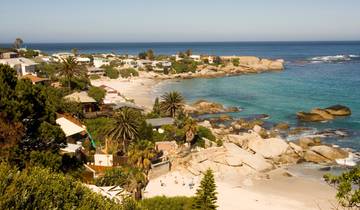
1 days
1-Day Cape Town Coastal & Peninsula Scenic Tour
- ✓ Comprehensive Cape Town tour
- ✓ Expert local guides included
- ✓ All accommodation arranged
- ✓ Transportation provided
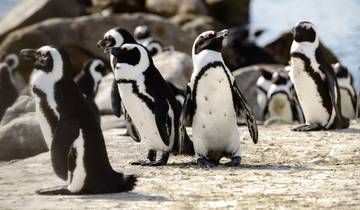
1 days
Cape Point and Penisula Xplorer
- ✓ Comprehensive Cape Town tour
- ✓ Expert local guides included
- ✓ All accommodation arranged
- ✓ Transportation provided

1 days
Urban Xplorer
- ✓ Comprehensive Cape Town tour
- ✓ Expert local guides included
- ✓ All accommodation arranged
- ✓ Transportation provided
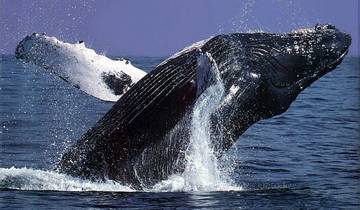
5 days
South Africa Cape Town 5-Days Attraction Tours: Whale Watching & Cape Peninsula & Wine Tasting & Aquila safari & Paraglading Tour
- ✓ Comprehensive Cape Town tour
- ✓ Expert local guides included
- ✓ All accommodation arranged
- ✓ Transportation provided
Multi-day tour packages powered by TourRadar. Prices and availability subject to change.
Essential Planning Information for Boulders Beach 2026
Current Costs and Pricing Breakdown 2026
Comprehensive cost planning for Boulders Beach visits requires understanding both fixed entry fees and variable expenses. Entry fees remain consistent throughout 2026: R190 adults, R95 children for South African residents; R290 adults, R145 children for international visitors. Check SANParks official website for current official rates as pricing may vary. The Wild Card annual pass at R1,760 (individual) or R2,950 (family of 6) provides unlimited access to all 19 South African National Parks, offering value for visitors planning Table Mountain, Cape Point, or Kruger visits alongside Boulders Beach.
Transportation costs from Cape Town vary by method: train R38-52 each way, Uber/Bolt R350-450 each way, rental car R350-550 per day (including fuel and tolls). Parking at Boulders Beach costs R40 daily with no hourly options. Meals in Simon’s Town range R80-150 per person for casual dining, R200-350 for upscale seafood restaurants. Budget R150-200 for lunch and snacks during a full-day visit.
Optional activities include guided penguin walks R150-200 per person (90 minutes), penguin kayaking tours R650-850 per person (2-3 hours), and combination Cape Point tours R850-1,200 per person (full day). Professional photography permits require advance application at R500-1,000 depending on commercial use and duration. Wetsuit rentals for swimming cost R100-150 per day, while snorkeling equipment rentals add R80-120 per set.
Total daily budgets for Boulders Beach visits: budget travelers R350-450 per person (entry, transport, basic meals), mid-range visitors R600-850 per person (adding guided tours or activities), luxury travelers R1,200-1,800 per person (including kayaking, premium dining, private transport). These totals exclude accommodation, which ranges R800-1,500 per night in Simon’s Town or R1,200-2,500 in Cape Town central areas.
Opening Hours and Access Information 2026
Boulders Beach penguin viewing areas open daily 7 AM to 6:30 PM from December through February (peak summer season), with slightly reduced hours 8 AM to 5 PM during winter months June-August. Shoulder season hours (March-May, September-November) maintain 7 AM to 6 PM access. Last entry is accepted 30 minutes before closing time. The park never closes for holidays, operating 365 days including Christmas Day and New Year’s Day, making it accessible for international visitors throughout 2026.
Ticket counters at both Foxy Beach and Boulders Beach entrances open 15 minutes before official opening times, allowing early arrivals to purchase tickets and enter promptly. Online advance booking through SANParks website (sanparks.org) opens 90 days ahead, recommended for December-February visits when daily visitor quotas of 550 people per section may fill. Online bookings receive priority entry during peak hours, bypassing ticket counter queues that extend 20-30 minutes during busy periods.
Access limitations include maximum group sizes of 15 people on boardwalks, with larger groups splitting into multiple units separated by 10-minute intervals. Wheelchair-accessible boardwalks at Foxy Beach provide excellent viewing for mobility-limited visitors, though beach access involves stairs unsuitable for wheelchairs. Service animals are permitted on boardwalks but not on beaches due to wildlife disturbance concerns.
Weather Patterns and Climate Considerations 2026
Simon’s Town experiences Mediterranean climate with distinct seasonal variations impacting penguin viewing conditions. Summer months (December-February 2026) bring warm temperatures 22-28°C, occasional southeaster winds reaching 40-60 km/h, and peak tourist crowds. Morning visits before 10 AM avoid midday heat and wind, while afternoon visits after 4 PM capture golden hour lighting for photography. Summer brings 15-20 days of strong wind per month, affecting beach access and water visibility.
Autumn (March-May 2026) delivers ideal visiting conditions with mild temperatures 18-24°C, minimal wind, and excellent water clarity for viewing swimming penguins. This shoulder season sees 40% fewer visitors than summer while maintaining active penguin breeding behavior. Winter (June-August 2026) brings cooler temperatures 12-18°C, increased rainfall (80-100mm per month), and dramatic storm watching opportunities. Penguins remain visible year-round, with winter offering uncrowded viewing despite less breeding activity.
Spring (September-November 2026) marks breeding season renewal with comfortable temperatures 16-22°C, wildflower blooms in surrounding fynbos, and increasing penguin activity. September-October represents optimal photography season with clear skies, manageable crowds, and active penguin behavior. Pack layers for all seasons as coastal conditions change rapidly, with morning temperatures 5-8°C cooler than afternoon peaks.
Best Time to Visit Boulders Beach Penguins 2026
Seasonal Analysis for 2026 Penguin Viewing
Peak summer season (December 2026-February 2026) offers maximum penguin activity with breeding pairs actively nesting, chicks hatching, and constant feeding expeditions. However, this period brings intense crowds with 400-550 daily visitors, midday temperatures reaching 28-32°C, and strong southeaster winds disrupting photography. Book accommodations 6-8 weeks ahead and arrive at opening time (7 AM) to secure optimal viewing positions before crowds arrive. Summer provides longest daylight hours (6 AM-8 PM) allowing flexible visit timing, though midday heat (11 AM-3 PM) reduces both penguin activity and visitor comfort.
Autumn shoulder season (March-May 2026) delivers the most balanced experience, combining comfortable temperatures, active penguin behavior, and 40-50% fewer visitors than summer. Adult penguins continue feeding juveniles through March-April, providing excellent behavioral observation opportunities. Water clarity peaks during autumn due to reduced wind and plankton blooms, enhancing underwater photography for snorkelers. March remains warm enough for comfortable beach swimming (water 16-18°C), while April-May require wetsuits for extended water time.
Winter low season (June-August 2026) offers uncrowded viewing with 60-70% fewer visitors than summer, allowing extended boardwalk time and unobstructed photography angles. Penguin breeding activity decreases, but adults remain visible during feeding expeditions and beach socializing. Winter brings dramatic storm watching opportunities and spectacular lighting conditions, though rainfall averages 80-100mm per month with 8-12 rainy days. Pack waterproof gear and expect occasional beach closures during severe weather events.
Spring emergence (September-November 2026) marks breeding season renewal with mate selection, nest preparation, and increasing colony activity. September-October represents optimal overall visiting period, combining mild weather, moderate crowds, and peak penguin behavior. Spring wildflower blooms in Table Mountain National Park enhance the broader False Bay experience. November begins transitioning toward summer crowds while maintaining comfortable temperatures and active wildlife viewing.
Daily Timing Strategies 2026
Early morning visits between 7-9 AM provide optimal penguin viewing across all seasons in 2026. Penguins are most active during early hours, engaging in preening, nest maintenance, and social interactions before departing for morning fishing expeditions. Morning light angles favor photography at Foxy Beach boardwalk, with sun illuminating penguin colonies without harsh shadows. Crowds remain minimal until 9:30-10 AM, allowing unobstructed viewing and peaceful observation. Summer mornings offer comfortable temperatures 18-22°C before midday heat intensifies.
Midday periods (10 AM-3 PM) see reduced penguin activity as birds seek shade under boulders and vegetation during peak heat. Visitor crowds peak between 11 AM-2 PM, especially on weekends and school holidays. However, midday visits work well for swimming at Boulders Beach, as penguins often enter water to cool down, providing unique observation opportunities for patient visitors. Photography becomes challenging due to harsh overhead lighting and heat haze affecting image quality.
Late afternoon sessions (4-6 PM) rival morning hours for penguin viewing quality, with birds returning from fishing expeditions and engaging in evening social behaviors. Golden hour lighting (5-6 PM summer, 4-5 PM winter) creates spectacular photography conditions with warm light illuminating white penguin breasts against dark boulders. Afternoon crowds thin after 4 PM as day visitors depart, restoring peaceful viewing conditions. Plan late afternoon visits during December-February when extended daylight (sunset 7:30-8 PM) allows leisurely viewing without rush.
Weekday visits (Tuesday-Thursday) throughout 2026 deliver significantly better experiences than weekends, with 40-50% fewer visitors, easier parking access, and relaxed viewing atmospheres. Monday mornings see moderate crowds as weekend visitors extend stays, while Friday afternoons begin weekend influxes. School holiday periods (June-July, mid-December-mid-January) bring family crowds regardless of weekday timing, requiring earlier arrival times to secure optimal viewing positions.
Transportation Guide 2026: Reaching Boulders Beach
Public Transport Options from Cape Town 2026
The Southern Line metro train from Cape Town to Simon’s Town operates hourly from 6 AM to 6 PM daily, providing the most scenic and economical transport option to Boulders Beach. First-class carriages cost R52 per journey versus R38 for economy class, offering more comfortable seating and enhanced security for tourists carrying camera equipment. Purchase metro cards at Cape Town station or load existing cards, as cash payments are not accepted onboard. The 45-50 minute journey follows the False Bay coastline through St. James, Muizenberg, Kalk Bay, and Fish Hoek, each offering distinctive architecture and ocean views.
From Simon’s Town station, Boulders Beach lies 1.5 km south, accessible via 20-minute flat walk along scenic residential streets or R40-60 metered taxi ride. Walking route follows Belmont Road then turns onto Seaforth Road, passing Simon’s Town Yacht Club and naval installations. Local taxis wait at the station specifically for tourist transfers, accepting both cash and card payments. Return trains to Cape Town depart Simon’s Town hourly until 6 PM, with last departure ensuring 7 PM arrival in Cape Town city center.
The MyCiTi bus service does not directly serve Simon’s Town or Boulders Beach, requiring connections through Hout Bay or Noordhoek. This indirect routing takes 90-120 minutes versus 45-50 minutes by train, making it impractical for day trips. Budget travelers preferring bus transport should use trains for Simon’s Town access, reserving MyCiTi buses for other Cape Town peninsula destinations like Camps Bay or Hout Bay.
Private Vehicle and Rental Car Access 2026
Driving from Cape Town to Boulders Beach via M3 and M4 coastal route takes 40-50 minutes covering 43 km in normal traffic conditions. Morning rush hours (7-9 AM) extend travel time to 75-90 minutes, particularly through Muizenberg and Fish Hoek congestion zones. The M4 coastal route passes through scenic False Bay communities, offering numerous photo stops at St. James tidal pool, Kalk Bay harbor, and Fish Hoek beach. Fuel costs for the round trip total R120-160 depending on vehicle efficiency.
The alternative Chapman’s Peak Drive route adds 15 km and R85 toll (charged one direction westbound) but delivers spectacular Atlantic coast scenery along one of the world’s most beautiful coastal drives. This route works well for visitors combining Boulders Beach with Cape Point or other peninsula attractions, as it connects Simon’s Town with Hout Bay via dramatic cliff-edge roadway. Chapman’s Peak occasionally closes during high winds or rock fall risk, requiring advance checking via official website or radio traffic updates.
Parking at Boulders Beach costs R40 per day with 80 spaces split between two entrances (Foxy Beach 45 spaces, Boulders Beach 35 spaces). Parking fills by 9-9:30 AM during December-February peak season and remains full until 4-5 PM. Overflow parking along Seaforth Road requires 5-10 minute walks to beach entrances and carries informal attendant fees of R20-40 for “security watching.” Simon’s Town municipal parking (R15 per hour) provides alternative parking 1 km north, combined with pleasant walk through town to beach entrances.
Car rental rates for compact vehicles in Cape Town range R350-550 per day including basic insurance and 200 km daily allowance (sufficient for Boulders Beach day trips). International driving permits are required for non-South African licenses, obtained from your home country before travel. GPS navigation works reliably throughout Cape Peninsula, though cellular data provides superior real-time traffic updates via Google Maps or Waze applications.
Ride-Sharing and Private Transport Services 2026
Uber and Bolt operate throughout Cape Town and Cape Peninsula, offering reliable transport to Boulders Beach. One-way rides from Cape Town city center cost R350-450 depending on time of day and demand surge pricing, taking 40-60 minutes. Return booking availability from Simon’s Town can be limited, especially during early morning or late afternoon periods when driver presence decreases. Request return rides 10-15 minutes before desired departure time to ensure pickup availability.
Private taxi services in Simon’s Town charge R500-650 for round-trip Cape Town transfers including 2-3 hours waiting time at Boulders Beach. This option suits small groups (2-4 people) splitting costs, families with young children requiring flexible timing, or visitors combining multiple False Bay stops. Book private taxis through Simon’s Town Tourism Bureau or hotel concierge services, confirming total costs and waiting time allowances before departure.
Organized tour operators offer comprehensive Cape Peninsula day trips including Boulders Beach, Cape Point, Chapman’s Peak Drive, and additional stops for R850-1,200 per person. These tours provide transport, guide services, and often include some entry fees, delivering value for first-time visitors wanting comprehensive peninsula coverage. However, tour groups typically allocate only 60-90 minutes at Boulders Beach, insufficient for serious penguin observation or photography. Independent travelers preferring extended beach time benefit from self-drive or train options allowing flexible scheduling.
Accommodation Strategies for Boulders Beach 2026
Simon’s Town Accommodation Options 2026
Simon’s Town offers accommodation ranging from budget guesthouses to luxury boutique hotels, all within 1-3 km of Boulders Beach. Staying in Simon’s Town provides early morning beach access before day-tripper crowds arrive, evening penguin viewing after tour groups depart, and authentic naval town atmosphere distinct from Cape Town’s urban character. Budget guesthouses and backpackers hostels range R400-700 per person per night, offering basic amenities, shared facilities, and walking distance to beach entrances.
Mid-range bed and breakfast establishments charge R800-1,500 per room per night, typically including breakfast, en-suite bathrooms, and helpful local knowledge from resident hosts. Boulders Beach Lodge and Boulders Beach House sit within 500 meters of penguin colony entrances, offering premium convenience at R1,800-2,800 per room. False Bay views, private balconies, and sunset vantage points characterize these properties. Book 6-8 weeks ahead for December-February peak season, when availability tightens and rates increase 30-40% above shoulder season pricing.
Luxury boutique hotels in Simon’s Town, such as Quayside Hotel and Chartfield Guesthouse, provide upscale accommodation at R2,500-4,500 per room per night. These properties offer fine dining, concierge services, and curated False Bay experiences beyond standard penguin viewing. The Heritage Collection properties emphasize historical architecture and naval heritage themes, appealing to travelers valuing authentic local character over generic luxury hotel experiences.
Self-catering apartments and holiday homes in Simon’s Town range R1,200-2,500 per night for 2-bedroom units, providing economical options for families or small groups staying multiple days. Full kitchens allow budget-conscious dining and flexible meal timing around penguin viewing schedules. Seaforth residential area between Simon’s Town center and Boulders Beach offers quiet family-friendly accommodation within 10-15 minute walks of both town restaurants and penguin colonies.
Cape Town Central Accommodation Base 2026
Staying in Cape Town V&A Waterfront or City Bowl areas provides broader attraction access but requires daily 80-100 minute round-trip transport to Boulders Beach. This strategy suits travelers prioritizing Table Mountain, Robben Island, and urban Cape Town experiences over exclusive penguin focus. Budget backpackers hostels in Cape Town city center charge R250-450 per person per night, with private rooms at R600-900 per night. Long Street and Gardens neighborhoods offer character properties within walking distance to city attractions.
Mid-range Cape Town hotels range R1,200-2,500 per room per night, concentrated around V&A Waterfront, Sea Point, and Gardens areas. These properties provide superior restaurant access, evening entertainment options, and easier airport connections (20-30 minutes) compared to Simon’s Town base (60-75 minutes to airport). The Peninsula All Suite Hotel in Sea Point and Radisson RED in V&A Waterfront offer excellent value for quality-conscious mid-range travelers.
Luxury Cape Town hotels at R3,500-8,000 per room per night include One&Only Cape Town, Belmond Mount Nelson, and Cape Grace, delivering world-class service and facilities. These properties suit travelers for whom premium accommodation experience outweighs convenience for specific attraction access. Cape Town luxury hotels provide concierge-arranged private transport to Boulders Beach, though this adds R1,500-2,000 to daily costs compared to self-drive or public transport options.
Alternative Accommodation Areas 2026
Kalk Bay and Fish Hoek, located 5-8 km north of Simon’s Town, offer charming coastal village accommodation at slightly lower rates than Simon’s Town properties. Kalk Bay guesthouses charge R700-1,400 per room per night, providing authentic fishing village character, excellent seafood restaurants, and working harbor atmosphere. The village lies directly on the Southern Line train route, offering easy rail connections to both Cape Town and Simon’s Town/Boulders Beach.
Muizenberg, 15 km north of Simon’s Town, serves as budget-friendly base with backpackers hostels from R300-500 per person per night and surfing-oriented atmosphere. However, the additional 20-25 minute travel time to Boulders Beach (total 60-75 minutes from Muizenberg to penguins) reduces efficiency for penguin-focused visits. Muizenberg works better for travelers prioritizing surfing, beach lifestyle, and longer Cape Peninsula stays over intensive penguin observation.
Cape Point area offers limited luxury safari-style accommodation at Olifantsbos and Tented Camps within Table Mountain National Park. These exclusive properties charge R4,500-7,500 per room per night, providing unique wilderness experiences in the park’s southern reaches. However, remote locations require private vehicle access and offer minimal restaurant or service options, suiting adventurous travelers rather than convenience-focused visitors.
Money-Saving Strategies for Boulders Beach 2026
Advance Booking Benefits 2026
The SANParks Wild Card annual pass at R1,760 individual or R2,950 family (up to 6 people) provides unlimited access to all South African National Parks including Boulders Beach, Table Mountain National Park, and Cape Point. The family card achieves cost savings after just 8 family visits to Boulders Beach or 4 visits when combining Table Mountain and Cape Point entries. Purchase Wild Cards online at least 14 days before travel to receive physical cards by mail, or collect cards at any SANParks office upon arrival in South Africa.
Accommodation booking 8-12 weeks ahead secures shoulder season rates before peak pricing takes effect. Simon’s Town guesthouses typically increase rates 30-40% for December-February high season, with advance bookings locking in March-November pricing even for summer visits. Flexible date searching (±3 days) on booking platforms reveals significant price variations, with Tuesday-Thursday arrivals often R300-500 per night cheaper than Friday-Sunday bookings for identical properties.
Cape Town car rental advance booking (30+ days ahead) reduces daily rates by 20-35% compared to walk-in pricing, with compact vehicles dropping from R550-650 to R350-450 per day. Rental rate comparison across Avis, Europcar, and local operators reveals R150-250 per day price differences for equivalent vehicles. Avoid airport pickup surcharges (R150-250) by using city center rental offices accessed via Uber (R100-150 from airport), generating net savings of R50-100 per rental period.
Shoulder Season Optimization 2026
Visiting Boulders Beach during March-April or September-October delivers 40-50% savings on accommodation compared to December-February peak season while maintaining excellent penguin viewing conditions. Simon’s Town guesthouses charging R1,500-1,800 in January drop to R900-1,200 in April, representing R2,400-3,600 savings on typical 4-night stays. Shoulder season visits avoid school holiday crowds, improving photography opportunities and reducing wait times at popular attractions.
Airlines offer Cape Town flight sales during shoulder seasons, with return flights from European hubs dropping R3,000-6,000 (€150-300) below peak December-January pricing. Flight comparison tools reveal significant savings on Tuesday-Wednesday departures versus Friday-Sunday travel. Red-eye flights (overnight eastbound, late evening westbound) typically cost R1,500-2,500 less than daytime services while delivering identical arrival timing for multi-night stays.
Restaurant pricing remains constant year-round, but shoulder season travel allows relaxed dining experiences without peak season waits. Simon’s Town restaurants fill to capacity during summer evenings, requiring reservations and potentially limiting menu choices. March-April and September-November visits provide walk-in seating and unhurried service at identical menu prices, enhancing overall dining satisfaction without additional cost.
Budget Transportation Tactics 2026
The Southern Line train at R38-52 per journey (R76-104 round trip) delivers R500-700 savings versus Uber rides (R700-900 round trip) for Cape Town-Boulders Beach transport. Groups of 3-4 people achieve cost parity between train and Uber splitting, though train service offers scenic coastal views unavailable from road transport. Purchase Metro Card with R100-150 stored value to cover Boulders Beach trip plus additional Cape Town local transport throughout your stay.
Rental car sharing among 3-4 travelers reduces per-person costs to R90-140 per day versus R350-550 solo driver expenses. Simon’s Town accommodations often include free parking, eliminating Cape Town city center parking fees (R30-60 per day). Self-drive flexibility enables cost-effective combination trips: Boulders Beach morning visit followed by Cape Point afternoon (single R85 Chapman’s Peak toll) delivers two major attractions for combined transport cost under R200 per person when split among 4 travelers.
Walking between Simon’s Town center and Boulders Beach (1.5 km, 20 minutes) eliminates taxi costs of R40-60 per trip, generating R160-240 daily savings on accommodation-beach-dining-beach-accommodation movements. The flat, scenic coastal walk passes naval installations and residential areas, offering pleasant alternative to vehicle dependence. Morning walks to beach arrive during optimal penguin viewing times while evening returns capture sunset views over False Bay.
Dining and Provisioning Strategies 2026
Simon’s Town Spar supermarket provides self-catering supplies at standard South African pricing: breakfast items R30-50 per person, picnic lunches R60-90 per person, compared to restaurant meals at R80-150 (lunch) and R150-300 (dinner). Budget-conscious travelers saving R200-400 daily through self-catering over 3-4 day stays generate R600-1,600 total savings, offsetting accommodation costs or enabling upgraded lodging. Self-catering accommodations with full kitchens maximize these savings while offering flexible meal timing around penguin viewing schedules.
Simon’s Town takeaway shops offer quality meals at 30-40% below sit-down restaurant pricing: fish and chips R75-95, curry bunny chow R65-85, pizza slices R25-40. Bertha’s Restaurant takeaway counter and Lighthouse Cafe provide tourist-quality food at local pricing, delivering excellent value for quick lunches. Combine takeaway meals with picnic seating at Jubilee Square or Seaforth Beach for harbor atmosphere without restaurant service charges.
Early dinner dining (5-6 PM) at some Simon’s Town restaurants offers reduced pricing or two-for-one specials, particularly during midweek shoulder season periods. The Salty Sea Dog and Bertha’s Restaurant advertise weekly early dining promotions, delivering R100-150 per couple savings on identical menu items ordered during standard dinner hours. Advanced restaurant research via websites or local tourism office reveals current promotion schedules for optimal savings planning.
Sample Boulders Beach Itineraries 2026
Half-Day Penguin Focus Itinerary 2026
This efficient half-day schedule maximizes penguin viewing during optimal morning hours while allowing afternoon Cape Town activities or relaxation. Begin with early train departure from Cape Town station at 6:45 AM or self-drive departure at 6:30 AM, arriving Boulders Beach at opening time (7:30-8 AM). Early arrival secures parking before 9 AM fill-up and provides peaceful viewing before major tour group arrivals at 10 AM.
Spend first 45-60 minutes at Foxy Beach boardwalk system, observing penguin nesting areas, social behaviors, and morning feeding preparations. The elevated boardwalk provides excellent photography angles with soft morning light illuminating colony against granite boulders. Penguin activity peaks 7:30-9 AM as birds complete overnight shelter and prepare for fishing expeditions. Rangers offer informal information sharing during quiet morning hours, providing insights unavailable during crowded midday periods.
Transition to Boulders Beach swimming area for second viewing perspective, either observing from beach seating or entering water with wetsuits (rental R100-150). Swimming sessions of 30-45 minutes allow close (but respectful 2-meter distance) penguin observation as birds enter water to cool down or commence fishing activities. Beach viewing offers different behavioral insights compared to elevated boardwalk perspectives, with penguins actively moving through sand and interacting at water’s edge.
Conclude visit with late morning coffee and light lunch at Seaforth Restaurant (R80-120 per person) or takeaway from Simon’s Town center shops (R50-70). Browse naval heritage museum or charter boat harbor before returning to Cape Town via noon-1 PM train (arriving Cape Town 1-1:45 PM) or self-drive (arriving 12:30-1:30 PM). This schedule delivers 3-4 hours prime penguin viewing plus cultural Simon’s Town experience within half-day timeframe.
Half-day costs summary: Entry R190-290, transport R76-104 (train round trip) or R240-320 (fuel and tolls if self-drive), lunch R80-120, optional wetsuit rental R100-150. Total half-day cost: R346-664 per person (excluding accommodation).
Full-Day Boulders Beach and False Bay Itinerary 2026
This comprehensive schedule combines extended penguin observation with broader False Bay coastal exploration, ideal for first-time Cape Peninsula visitors wanting diverse experiences. Depart Cape Town 6:30-7 AM by self-drive (train schedule insufficient for full-day False Bay touring), stopping at St. James tidal pool for photo opportunities (15 minutes, free). Continue to Kalk Bay harbor arriving 7:30-8 AM for working harbor atmosphere, seal watching, and harbor café breakfast (R70-120 per person).
Reach Boulders Beach at 9-9:30 AM for morning penguin viewing during moderate crowd levels (avoiding both early opening quiet and midday peaks). Spend 2-3 hours split between Foxy Beach boardwalk and Boulders Beach swimming area, allowing comprehensive observation, photography, and optional swimming/snorkeling. Extended stay captures penguin behavior transitions as morning fishing departures conclude and midday shelter-seeking begins.
Lunch at Seaforth Restaurant or Bertha’s in Simon’s Town (R120-200 per person) around 12:30-1 PM, followed by afternoon Cape Point exploration. Drive 15 km south to Cape of Good Hope section of Table Mountain National Park (R380 entry per vehicle, 2-7 passengers), visiting Cape Point lighthouse, coastal hiking trails, and dramatic Atlantic-Indian Ocean meeting point. Allocate 3-4 hours for Cape Point including Two Oceans Restaurant refreshments or snacks (R60-100).
Return north via Chapman’s Peak Drive (R85 toll), stopping at Hout Bay harbor (30 minutes) for late afternoon harbor atmosphere and optional seal island boat tours (R80-120 per person, if time permits). Arrive Cape Town 6-7 PM via Camps Bay coastal route, completing comprehensive Peninsula circumnavigation. This full-day itinerary delivers UNESCO-quality penguin experience plus signature Cape scenery within single efficient day.
Full-day costs summary: Entry Boulders Beach R190-290, Cape Point entry R380 per vehicle (R95-127 per person for 3-4 passengers), Chapman’s Peak toll R85 per vehicle (R21-28 per person), breakfast R70-120, lunch R120-200, snacks R60-100, fuel R180-240. Total full-day cost: R716-1,105 per person (excluding accommodation).
Multi-Day Penguin and Peninsula Immersion 2026
This three-day itinerary provides deep penguin observation combined with comprehensive Table Mountain National Park exploration, suited for wildlife enthusiasts and serious photographers. Base in Simon’s Town accommodation (R800-1,500 per night) for convenient early morning and evening beach access without daily transport logistics.
Day 1 focuses on intensive Boulders Beach penguin study: morning visit 7-10 AM capturing peak activity and optimal light, midday break for Simon’s Town exploration and lunch, evening return visit 4-6:30 PM for different behavioral observations and golden hour photography. This full-day penguin immersion reveals behavioral patterns and social dynamics unavailable to brief visitors, with seasonal breeding activities (September-March) providing particularly rich observation opportunities.
Day 2 expands to broader False Bay ecology: morning penguin kayaking tour from Simon’s Town departing 8 AM (R650-850 per person, 2-3 hours) for water-level penguin observation, followed by afternoon snorkeling at Boulders Beach or nearby Seaforth Beach. Optional guided penguin walk (R150-200, 90 minutes) provides expert naturalist interpretation of colony ecology, conservation challenges, and African penguin population dynamics. Evening includes sunset photography at Boulders Beach or dinner at harbor-view restaurant.
Day 3 ventures to Cape Point and Cape of Good Hope nature reserve: full-day exploration including hiking trails, wildlife viewing (bontebok, eland, baboons, ostriches), coastal scenery, and historic lighthouses. Return via Chapman’s Peak Drive with Hout Bay harbor stop, completing comprehensive Peninsula natural heritage experience. This day provides context for Boulders Beach colony within broader Table Mountain National Park marine ecosystem.
Three-day costs summary: Accommodation R1,600-3,000 (2 nights Simon’s Town), entry Boulders Beach R190-290 (multiple visits on same day allowed with single ticket), penguin kayak tour R650-850, guided walk R150-200, Cape Point entry R190-290, Chapman’s Peak toll R85, meals R400-700 per day, transport R240-400 (fuel for Day 3 driving). Total three-day cost: R3,505-5,815 per person (including accommodation).
Booking and Reservations for Boulders Beach 2026
Official Booking Channels and Procedures 2026
SANParks manages all Boulders Beach penguin colony access through official booking systems. Online advance reservations open 90 days ahead via sanparks.org website, requiring registration with valid email and credit card. The booking system allocates specific entry time windows during peak season (December-February) when daily visitor quotas of 550 people per section (Foxy Beach and Boulders Beach separate allocations) may fill. Advance online bookings receive priority entry during busy periods, bypassing walk-in ticket counter queues extending 20-30 minutes.
Walk-in ticket purchases remain available at entrance ticket counters opening 15 minutes before official park hours (6:45 AM summer, 7:45 AM winter). During moderate seasons (March-November), walk-in access functions smoothly with minimal wait times. However, December-February weekends and South African school holidays (late June-mid July, mid-December-mid January) see advance sellouts, particularly for morning entry slots. Book 2-3 weeks ahead for guaranteed summer access during preferred time windows.
Wild Card annual pass holders bypass booking requirements entirely, gaining direct entry at any time during operating hours regardless of daily visitor quotas. This provides significant flexibility advantage during peak season, allowing spontaneous visit timing based on weather conditions or photography light quality. Purchase Wild Cards online (delivered by mail within 7-10 business days) or collect immediately at Cape Town SANParks office near V&A Waterfront. Physical card presentation is mandatory; digital copies or confirmation emails are not accepted.
Group bookings for 15+ people require separate advance arrangements through SANParks Group Booking Department ([email protected]), submitted at least 30 days before visit dates. Group entries receive allocated time slots preventing overcrowding on boardwalks and beaches. Educational group discounts of 15-20% apply for school visits with proper documentation, while commercial tour operators pay standard rates. Group bookings include guided walk options and private ranger interpretation, adding value for organized tours.
Tour Operator Options 2026
Numerous Cape Town-based tour operators offer Boulders Beach packages ranging from half-day penguin-focused trips to comprehensive Peninsula full-day tours. Standard half-day tours (R650-850 per person) include Cape Town hotel pickup/dropoff, transport, entrance fees, and guide services for 4-5 hour experiences. These tours allocate 60-90 minutes at Boulders Beach, sufficient for casual observation but limiting serious photography or extended viewing. Tours operate minimum 4-6 passengers, occasionally combining penguin visit with Chapman’s Peak Drive, Hout Bay, or Kalk Bay stops.
Full-day Peninsula tours (R850-1,200 per person) incorporate Boulders Beach, Cape Point, Chapman’s Peak Drive, and additional coastal stops into comprehensive 8-10 hour experiences. These tours provide excellent value for first-time visitors wanting guided interpretation and worry-free logistics, though penguin viewing time remains constrained to 60-90 minutes within broader itinerary. Quality operators include African Eagle Day Tours, Hylton Ross Tours, and Day Trippers, all maintaining 4.5+ ratings on major review platforms.
Private custom tours (R2,500-4,000 per vehicle, 2-6 passengers) offer flexible scheduling allowing extended Boulders Beach time based on passenger preferences. These work exceptionally well for photography enthusiasts, families with young children requiring flexible pacing, or visitors with specific wildlife observation goals. Private tours eliminate group waiting times and accommodate spontaneous itinerary adjustments based on weather, wildlife activity, or passenger interests. Book private tours directly through operators or via hotel concierge services, confirming all costs and inclusions before commitment.
Specialized penguin kayaking tours (R650-850 per person) depart from Simon’s Town harbor for 2-3 hour ocean-based penguin observation experiences. These tours launch early morning (typically 8 AM) for calm water conditions and active penguin fishing behavior. Kayaking provides unique low-angle penguin photography perspectives and close (but respectful) wildlife observation impossible from land-based viewing. Tours include all equipment, safety briefings, and guide services. Minimum age restrictions (typically 10-12 years) and basic swimming ability requirements apply for safety reasons.
Accommodation Booking Strategies 2026
Simon’s Town accommodation booking 6-8 weeks ahead secures optimal properties during December-February peak season when popular guesthouses and boutique hotels fill completely. Booking.com, Airbnb, and local booking platforms reveal availability patterns showing Tuesday-Thursday nights easier to secure than Friday-Sunday arrivals. Properties offering 5+ night stays sometimes provide discounts of 10-15% on nightly rates, benefiting visitors combining penguin observation with extended Cape Town stays.
Flexible date searching (±3 days from target dates) reveals R300-800 per night price variations for comparable properties. December 20-January 5 represents absolute peak pricing period with rates 40-50% above shoulder season levels. Booking January 6-31 captures summer weather while avoiding premium holiday pricing, generating significant savings. Late March-April bookings offer 30-40% discounts versus summer while maintaining excellent weather and active penguin breeding observation.
Cape Town city center accommodation provides broader attraction access but requires acceptance of 80-100 minute daily round-trip transport to Boulders Beach. This strategy suits travelers prioritizing Table Mountain, Robben Island, and urban experiences alongside penguin visits. Waterfront and Gardens properties offer superior restaurant access and evening entertainment unavailable in Simon’s Town’s quieter residential character. However, inability to access early morning (7 AM) penguin viewing without extremely early Cape Town departure (5:45 AM) represents significant trade-off for photography and wildlife observation enthusiasts.
Penguin Viewing Best Practices 2026
Wildlife Observation Guidelines and Regulations 2026
SANParks enforces strict regulations protecting African penguin colony welfare while enabling visitor access. Mandatory 2-meter minimum distance from penguins applies throughout Boulders Beach, with rangers actively monitoring and correcting violations. Approaching closer for photography, touching penguins, or feeding wildlife incurs immediate on-the-spot fines of R500-1,000, potential expulsion from park, and in extreme cases, criminal charges under National Environmental Management: Protected Areas Act.
Penguin nesting areas marked with rope barriers or signage are completely off-limits to visitors. Stepping off designated boardwalks or entering restricted vegetation zones damages fragile coastal ecosystems and disturbs nesting birds. African penguins are endangered species with declining populations (current South African population approximately 13,000 breeding pairs versus 70,000 pairs in 2001), making habitat protection and breeding success critical for species survival.
Noise restrictions require quiet conversation levels near viewing areas, with rangers enforcing regulations against loud music, shouting, or disruptive behavior. Penguins are sensitive to acoustic disturbance during breeding season, with excessive noise causing nest abandonment or chick neglect. Flash photography is prohibited when penguins are within 5 meters, as sudden bright flashes cause stress and disrupt natural behaviors. Standard photography without flash is welcomed and encouraged for conservation awareness purposes.
Littering carries severe penalties (R1,000+ fines) as plastic waste, fishing line, and food waste pose lethal threats to seabirds. Penguins mistake plastic fragments for food, leading to internal injuries, starvation, and death. Visitors must carry all waste out of beach areas, with limited trash receptacles provided only at entrance areas. Food consumption is restricted to designated picnic areas away from penguin observation zones, preventing habitation and human food dependence.
Photography Techniques and Equipment Recommendations 2026
Optimal penguin photography requires telephoto lenses in 70-200mm range for frame-filling portraits while maintaining mandatory 2-meter distances. Wider 24-70mm lenses capture environmental context showing penguins within boulder landscape and ocean setting. Entry-level camera systems with 18-55mm kit lenses struggle to capture detailed penguin behavior without violating proximity regulations, though smartphone cameras now offer impressive 3-5x optical zoom capabilities suitable for casual documentation.
Morning golden hour (7-9 AM) and evening golden hour (4-6 PM summer, 3:30-5 PM winter) provide warm directional lighting enhancing white penguin breast feathers against dark granite boulders. Midday overhead sun creates harsh shadows and unflattering contrast, though overcast conditions deliver soft even lighting excellent for behavioral documentation throughout the day. South African summer sun intensity requires polarizing filters reducing glare from water and wet rocks while enhancing sky and ocean saturation.
Fast shutter speeds (1/500 second or faster) freeze penguin movement during preening, flipper stretching, and social interactions. Slower speeds (1/125-1/250 second) introduce motion blur emphasizing swimming penguins or wave action while maintaining subject sharpness. Aperture selection balances shallow depth of field (f/2.8-f/4) isolating individuals against blurred backgrounds versus deeper focus (f/8-f/11) maintaining environmental context and group sharpness.
Behavioral photography requires patience and observation, waiting for authentic moments rather than forcing artificial interactions. Peak behavioral activity occurs during feeding preparation (morning), nest maintenance (mid-morning), social bonding (afternoon), and fishing return (late afternoon). Continuous shooting modes (5-10 frames per second) capture dynamic interactions, courtship behaviors, and feeding sequences. Video capabilities on modern cameras document vocalizations, flipper displays, and swimming agility supplementing still photography.
Tripods and monopods face restrictions on narrow boardwalk sections during peak visitor periods to prevent obstruction. Handheld shooting with image stabilization (lens-based or in-body) delivers sharp results at moderate telephoto focal lengths. Backup battery power is essential as cold coastal wind drains battery life 30-40% faster than standard conditions, particularly during winter visits. Weather-resistant camera bodies and lenses protect equipment from salt spray, wind-blown sand, and occasional rainfall.
Conservation Context and Species Status 2026
African penguins (Spheniscus demersus) are classified as Endangered on IUCN Red List, with population declining from approximately 150,000 breeding pairs in 1950s to current 13,000 pairs across South African and Namibian colonies. Primary threats include sardine and anchovy population collapse (principal food sources), climate change impacts on ocean productivity, oil spills, egg collection (historical), and introduced predators. Boulders Beach colony represents one of few population growth success stories, increasing from 2 breeding pairs in 1982 to current 3,000 individuals through protected area management and predator control.
Commercial fishing depletion of sardine and anchovy stocks forces penguins to travel farther offshore for food, increasing energy expenditure and reducing breeding success. Average foraging distances have increased from 30-40 km to 60-80 km offshore, causing higher adult mortality and lower chick survival rates. Conservation organizations advocate for “penguin exclusion zones” closing commercial fishing in critical foraging areas around major colonies, controversial policy facing industry resistance despite demonstrated conservation benefits.
Climate change drives ocean warming and altered upwelling patterns, reducing nutrient availability supporting plankton, fish populations, and ultimately penguin food chains. Extreme weather events (severe storms, heat waves) increasingly impact coastal breeding sites, with adult heat stress and chick mortality during temperature extremes above 35°C. Boulders Beach’s sheltered location and shade-providing boulders offer some climate resilience, though long-term warming trends threaten all African penguin colonies regardless of local advantages.
Visitor fees directly support SANParks conservation programs including predator monitoring, nest box installation, beach cleanup, and penguin rehabilitation. The SANCCOB (Southern African Foundation for the Conservation of Coastal Birds) operates nearby rehabilitation facility treating injured and oiled penguins, funded partially through tourist donations and volunteer programs. Responsible tourism at Boulders Beach demonstrates successful model balancing wildlife conservation with economic benefits for local communities, with entrance fees reinvested in park management and research programs.
Beyond Boulders Beach: Extending Your Simon’s Town Experience 2026
Simon’s Town Naval Heritage and Cultural Attractions 2026
Simon’s Town functions as active South African Navy base, with naval heritage permeating town character through museums, historic buildings, and working harbor facilities. The Simon’s Town Museum (R30 entry) occupies the Old Residency building dating to 1777, presenting 200+ years of naval history, local community stories, and the famous Just Nuisance memorial (the only dog officially enlisted in Royal Navy). The museum opens Tuesday-Saturday 9 AM-4 PM, with knowledgeable volunteers offering detailed historical context unavailable through displays alone.
The South African Naval Museum on St. George’s Street (free entry) displays maritime artifacts, ship models, and naval warfare history from World War II through contemporary operations. The museum occupies historic Victorian buildings within active naval dockyard area, providing authentic military atmosphere. Access requires passport or ID presentation at gate security, with photography restrictions in place near active naval installations. Museum hours are Monday-Friday 10 AM-3 PM, closed weekends and public holidays.
Historic St. George’s Street features Victorian and Edwardian architecture housing antique shops, maritime galleries, and craft boutiques. The street preserves character from British naval era (1795-1957), with numerous buildings protected as provincial heritage sites. Walking the main street between Jubilee Square and naval dockyard reveals architectural layers spanning three centuries of maritime history. Local guide pamphlets (available free at Simon’s Town Tourism Bureau) map self-guided heritage walks covering 15-20 significant buildings and sites.
Working harbor remains active fishing and naval facility, with morning fish landings (6-9 AM) offering authentic maritime atmosphere and fresh seafood sales direct from boats. Seals haul out on harbor slipways, providing additional wildlife viewing opportunities complementing penguin observations. Charter boats offer fishing trips (R650-850 per person, half day) and ocean wildlife tours, though penguin colony viewing from boats is restricted to protect breeding areas.
Complementary False Bay Attractions 2026
Kalk Bay, 7 km north of Simon’s Town, combines working fishing harbor with vibrant arts community, antique shops, and acclaimed restaurants. Morning visits (7-9 AM) capture authentic harbor atmosphere as fishing boats return with catches, with seals congregating for scraps and local community purchasing fresh seafood. Kalk Bay Theatre presents evening performances, while Olympia Café and Harbour House Restaurant provide notable dining experiences. The village walkability allows several hours exploration combined with Boulders Beach visit within comprehensive False Bay day trip.
St. James tidal pool, 10 km north of Simon’s Town, offers Instagram-famous Victorian bathing boxes (colorful changing rooms) against mountain backdrop. The tidal pool provides safe swimming in naturally filtered ocean water, free to public with limited parking (R20 informal attendants). The site works well as brief photography stop (15-20 minutes) during drives between Cape Town and Boulders Beach, particularly during golden hour when low sun illuminates colorful beach structures.
Muizenberg Beach, 15 km north of Simon’s Town, presents surfing heritage through Surfers Corner and colorful Victorian bathing boxes similar to St. James. The long sandy beach offers beginner-friendly surf conditions with numerous surf schools (R350-450 for 2-hour lessons). The town’s affordable accommodation and bohemian atmosphere attract budget travelers and long-term visitors, though increased distance from Boulders Beach (30-minute drive) reduces efficiency for penguin-focused trips.
Cape Point (15 km south of Simon’s Town) represents dramatic southwestern tip of Cape Peninsula, with historic lighthouse, clifftop viewpoints, and convergence of Atlantic and Indian Oceans. The Cape of Good Hope section of Table Mountain National Park offers hiking trails, wildlife viewing (bontebok, eland, baboons, ostriches), and pristine coastal scenery. Entry costs R190-290 per person with vehicle access, or include Cape Point in guided Peninsula tours covering multiple attractions. Allocate 3-4 hours minimum for meaningful Cape Point exploration beyond quick lighthouse photo stop.
Additional Penguin Viewing Opportunities 2026
Stony Point in Betty’s Bay (90 km east of Cape Town) hosts smaller African penguin colony offering less crowded alternative to Boulders Beach. The colony of approximately 3,000 penguins inhabits similar coastal habitat with boardwalk viewing systems. Entry costs R35 adults, R15 children, significantly cheaper than Boulders Beach though requiring longer drive time (75-90 minutes from Cape Town). Betty’s Bay colony works well for visitors already touring Hermanus whale watching areas (peak season August-November) or Cape Winelands combining multiple Peninsula attractions.
Robben Island penguin colony near Cape Town harbor hosts small population visible during island tours, though penguin viewing is incidental to primary historical focus (Nelson Mandela imprisonment site). The 3.5-hour island tours (R450 adults, R230 children) emphasize political history and prison tour rather than wildlife observation. Penguin sightings occur during harbor approach and beach walks, providing unexpected bonus rather than guaranteed viewing opportunity. Book Robben Island tours 7-14 days ahead as daily visitor numbers are limited.
Penguin rehabilitation centers like SANCCOB (Rietvlei/Table View) offer educational tours showcasing conservation work with injured, oiled, or orphaned penguins (R50 donation entry). These tours provide close viewing of rescued penguins undergoing treatment and rehabilitation, with expert guides explaining conservation challenges and medical procedures. Visits support rehabilitation work directly through entry donations and merchandise sales. However, these facilities house distressed birds in medical treatment, offering different experience than wild colony observations at Boulders Beach.
Practical Tips for Boulders Beach Visits 2026
What to Bring and Wear 2026
Sun protection equipment is essential for all-season visits: SPF 50+ reef-safe sunscreen reapplied every 90 minutes, wide-brimmed hat or cap, polarized sunglasses reducing water glare, lightweight long-sleeve sun shirt for extended exposure. South African summer sun intensity (UV index 10-12) causes rapid sunburn, particularly with reflected glare from white sand and water surfaces. Reef-safe sunscreens protect marine ecosystems from chemical damage affecting penguins and other wildlife.
Layered clothing accommodates rapid coastal temperature fluctuations and wind conditions. Morning temperatures start 8-12°C cooler than afternoon peaks, requiring light jacket or windbreaker for early visits. Wind-resistant outer layers combat southeaster winds reaching 40-60 km/h during summer months. Comfortable walking shoes with good traction navigate granite boulder areas and beach sand, avoiding flip-flops or sandals on uneven rocky surfaces. Wetsuits (3mm full suits) enable comfortable swimming in 14-18°C water temperatures year-round.
Photography equipment should include backup batteries (cold wind drains power 30-40% faster), spare memory cards (assume 500+ photos for serious shooting sessions), lens cleaning cloth for salt spray removal, and weather protection for cameras during unexpected rain. Plastic bags or dedicated camera rain covers protect equipment from salt water spray and wind-blown sand. Telephoto lenses (70-200mm or longer) capture frame-filling penguin portraits while maintaining mandatory 2-meter distances.
Personal items to pack include reusable water bottles (1.5+ liters for full-day visits), snacks or picnic supplies (limited food availability near beach entrances), binoculars for distant penguin observation, and plastic bags for carrying out all waste. Small backpacks or daypacks carry supplies comfortably during 2-4 hour beach visits. Waterproof phone cases protect devices from water damage during swimming or coastal spray exposure.
Health and Safety Considerations 2026
African penguins rarely pose direct danger to humans, but maintain 2-meter distances to avoid defensive bites during breeding season (September-March) when birds are protective of nests and chicks. Penguin bites break skin causing puncture wounds requiring immediate medical attention due to bacterial infection risk. Parents with young children must maintain constant supervision preventing inadvertent penguin approaches, as curious children sometimes try touching wildlife despite regulations and parental warnings.
Ocean hazards include cold water hypothermia risk (water temperatures 14-18°C year-round), occasional strong currents during high tide, and marine animals (seals, jellyfish). Lifeguards do not patrol Boulders Beach swimming area, making visitors responsible for own safety assessment. Swim only in designated swimming zones marked by buoys, avoiding rocky areas with strong currents and surge. Never swim alone, and limit exposure time to 30-45 minutes in cold water to prevent hypothermia symptoms (shivering, confusion, fatigue).
Sun exposure causes rapid burns given South African UV intensity and reflected glare from white sand and water. Reapply SPF 50+ sunscreen every 90 minutes, seek shade during midday hours (11 AM-3 PM), and wear protective clothing for extended beach time. Heat exhaustion symptoms (dizziness, nausea, rapid heartbeat) require immediate shade, hydration, and potentially medical attention. Carry 1.5+ liters of water per person for full-day visits, increasing intake during hot summer conditions.
Basic first aid facilities exist at beach entrance areas, though serious medical situations require emergency services via 10177 (national emergency number) or transfer to Simon’s Town Medical Centre (6 km). Cape Town has excellent medical facilities within 45-60 minutes, though travel insurance providing emergency medical coverage is strongly recommended for international visitors. Minor issues (cuts, sunburn, dehydration) are addressable through self-care and pharmacy supplies available in Simon’s Town center.
Mobile Connectivity and Digital Services 2026
Cellular coverage at Boulders Beach and Simon’s Town is excellent across major South African networks (MTN, Vodacom, Cell C), providing reliable 4G/5G data for navigation apps, photography backup, and communication. International visitors purchase prepaid SIM cards at Cape Town International Airport (R50-100) with data packages (R149 for 5GB, R299 for 15GB) providing excellent value versus international roaming charges. SIM card purchase requires passport presentation and RICA (Regulation of Interception of Communications Act) registration completing in 10-15 minutes.
Free WiFi is not available at Boulders Beach entrance areas or beaches, though some Simon’s Town restaurants and accommodations provide guest WiFi access. Rely on mobile data for real-time weather updates, photography backup to cloud storage, and communication throughout beach visits. Simon’s Town Tourism Bureau provides WiFi access during office hours (Monday-Saturday 9 AM-5 PM) for basic connectivity needs including accommodation booking or tour reservations.
Photography enthusiasts shooting 500+ images should bring adequate memory card capacity (32GB+ cards) or backup to cloud storage via mobile data during meal breaks. Modern smartphones provide excellent penguin photography, supplementing or replacing dedicated cameras for casual visitors. However, smartphone cameras struggle with telephoto reach beyond 3-5x zoom, limiting frame-filling penguin portraits without violating proximity regulations.
Accessibility and Special Needs Considerations 2026
Foxy Beach boardwalk system provides wheelchair-accessible viewing platforms with gentle ramps and wide pathways accommodating wheelchairs and mobility devices. Accessible facilities include designated parking spaces (4 spaces at Foxy Beach entrance), accessible restrooms, and level pathways to viewing areas. However, Boulders Beach swimming area involves stairs and uneven sand access, making it unsuitable for wheelchair users or visitors with significant mobility limitations.
Visitors with visual impairments benefit from audio descriptions available through ranger-guided walks (R150-200 per person), though standard boardwalk access lacks tactile guides or Braille signage. The sound of penguin vocalizations (braying calls audible 100+ meters) and ocean waves provides audio orientation. Visitors with service animals should contact SANParks advance ([email protected]) to arrange access, as standard pet restrictions apply even to service animals due to wildlife disturbance concerns.
Elderly visitors and families with young children appreciate early morning visits (7-9 AM) avoiding midday heat and crowds. Benches along boardwalks provide rest stops during viewing, with shade limited to small covered sections near entrances. Parents with strollers navigate Foxy Beach boardwalk successfully, though Boulders Beach stairs prevent stroller access to swimming beach. Baby-changing facilities exist at both entrance restroom areas.
Environmental and Conservation Awareness 2026
Understanding African Penguin Conservation Challenges 2026
African penguins face extinction risk within 10-15 years without significant conservation intervention and policy changes. Current population of approximately 13,000 breeding pairs represents 97% decline from historical peak of 350,000+ pairs in early 1900s. Primary threats include commercial overfishing depleting sardine and anchovy stocks (principal food sources), climate change impacts on ocean productivity, oil spills, habitat degradation, and predation by introduced species like domestic cats and kelp gulls.
Commercial fishing industries harvest sardine and anchovy at rates exceeding sustainable levels, forcing penguins to forage 60-80 km offshore versus historical 30-40 km ranges. Increased foraging distances cause higher adult mortality, reduced breeding success, and lower chick survival rates. Conservation organizations advocate for expanded marine protected areas and seasonal fishing closures around major penguin colonies, policies facing strong industry resistance despite demonstrated conservation benefits in existing protected zones.
Climate change drives ocean warming, altered upwelling patterns, and extreme weather events threatening penguin populations. Warming waters reduce nutrient availability supporting plankton and fish populations, while severe storms destroy coastal nesting sites and cause direct chick mortality. Heat waves with temperatures exceeding 35°C cause adult heat stress and egg abandonment. African penguins evolved for temperate-cool conditions and lack physiological adaptations for increasing temperatures predicted under climate change scenarios.
Historical threats including guano harvesting (destroying natural nesting substrate), egg collection for food, and oil pollution continue impacting population recovery despite current protection. Historical habitat destruction forces penguins to nest in suboptimal exposed locations lacking natural burrows, increasing predation vulnerability and heat exposure. Modern conservation efforts include artificial nest box installation, predator management, and oil spill response protocols, though these address symptoms rather than fundamental threats of food scarcity and climate change.
Responsible Tourism Practices 2026
Responsible tourism at Boulders Beach balances visitor experience with conservation imperatives, requiring adherence to viewing regulations and conscious environmental choices. Maintain mandatory 2-meter distances from penguins, stay on designated paths and boardwalks, avoid flash photography, and never feed wildlife. These basic guidelines prevent disturbance to breeding activities, reduce stress on endangered population, and ensure sustainable tourism model supporting both conservation funding and local economic benefits.
Minimize environmental impact through reef-safe sunscreen (avoiding oxybenzone and octinoxate chemicals harmful to marine life), reusable water bottles eliminating single-use plastics, and complete trash removal from beach areas. Even small plastic fragments pose lethal threats to seabirds through ingestion or entanglement. Participate in informal beach cleanup by collecting any encountered litter, contributing to habitat protection beyond regulatory compliance.
Support conservation organizations through donations to SANCCOB (Southern African Foundation for the Conservation of Coastal Birds) operating nearby rehabilitation facility. Visit SANCCOB facility (R50 donation entry) to understand conservation challenges directly and observe rehabilitation work. Purchase merchandise from official conservation organizations, with proceeds funding penguin research, rescue operations, and education programs. Volunteer opportunities exist for international visitors staying 2+ weeks, involving penguin feeding, cleaning, and public education activities.
Educate others about African penguin conservation status and challenges facing endangered populations. Share responsible tourism practices with fellow travelers, correct inappropriate behaviors observed at colony, and advocate for marine protected area expansion through letters to government representatives. Conservation success requires both immediate funding (through tourism fees and donations) and long-term policy changes addressing overfishing and climate change root causes. Individual visitor actions collectively determine whether Boulders Beach colony continues thriving or follows broader population decline patterns.
Supporting Local Community and Economy 2026
Tourism revenue distribution between international corporations and local communities affects economic sustainability and community conservation support. Choose locally-owned guesthouses and restaurants over international hotel chains, maximizing direct economic benefits to Simon’s Town residents. Local businesses employ community members, purchase supplies from regional providers, and reinvest profits in local development rather than extracting wealth to foreign shareholders.
Support Simon’s Town restaurants, shops, and service providers beyond minimum required spending. Eat meals in local establishments rather than bringing all food from Cape Town supermarkets, purchase gifts from local craft shops, and hire local guides for enhanced area interpretation. Small businesses depend heavily on tourist spending, with seasonal variations causing financial strain during winter months (May-August). Off-season visits provide particularly valuable support when tourism income decreases 50-60% compared to summer peaks.
Respect local communities through appropriate behavior, photography etiquette (ask permission before photographing people), and cultural sensitivity. Simon’s Town residents live alongside constant tourist presence, requiring visitor consideration for residential neighborhoods adjacent to beach entrances. Keep noise levels moderate when walking residential streets, dispose of trash properly, and park courteously avoiding blocking driveways or narrow streets.
Understand tourism’s role in conservation advocacy and funding. SANParks relies on visitor fees for approximately 30% of operational budget, with remaining funding from government allocations vulnerable to political changes and competing priorities. Robust tourism revenue demonstrates public value of protected areas, strengthening political support for conservation funding and policy reforms. Every responsible visit reinforces arguments for marine protected area expansion and commercial fishing restrictions benefiting penguin populations.
Frequently Asked Questions About Boulders Beach Penguins 2026
Are penguins at Boulders Beach all year round?
Yes, African penguins at Boulders Beach remain at the colony year-round, providing reliable viewing opportunities every season. The colony functions as permanent resident population rather than migratory, with birds breeding, nesting, and raising chicks at Boulders Beach throughout the year. Peak breeding activity occurs September-March (spring and summer), with chicks visible November-March. Winter months (June-August) see reduced breeding but maintain adult population visible during feeding expeditions and beach socializing.
How long should I spend at Boulders Beach?
Allocate 2-3 hours minimum for meaningful Boulders Beach experience covering both Foxy Beach boardwalk viewing and Boulders Beach swimming area access. Casual visitors complete basic viewing in 60-90 minutes, but extended time allows observation of behavioral changes, multiple photography opportunities under varying light conditions, and relaxed pace without rush. Serious photographers and wildlife enthusiasts easily spend 4-5 hours capturing behaviors and optimal light conditions. Half-day visits (4-5 hours) combine extended penguin viewing with Simon’s Town exploration.
Can children swim at Boulders Beach with penguins?
Children can swim at designated swimming area at Boulders Beach with adult supervision, though direct interaction with penguins is prohibited. Penguins often swim near beachgoers, and children may see them on beach or in water, but maintaining 2-meter distance is mandatory regardless of age. The controlled swimming area provides safe conditions for families with calm water, maximum depths of 2-3 meters, and minimal currents. However, water temperature (14-18°C year-round) requires wetsuits for comfortable swimming beyond brief exposure.
What should I not do at Boulders Beach?
Never approach penguins closer than 2 meters, touch wildlife, feed birds, use flash photography within 5 meters, or step off designated boardwalks and paths. These actions disturb endangered penguin colony, violate SANParks regulations, and risk on-the-spot fines of R500-1,000. Additional prohibited activities include littering, loud noise or music, smoking near viewing areas, bringing pets (except registered service animals with advance permission), and entering restricted nesting areas. Respect all signage, barriers, and ranger instructions to protect endangered species while maintaining public access.
Is Boulders Beach wheelchair accessible?
Foxy Beach boardwalk system is fully wheelchair accessible with gentle ramps, wide pathways, and designated parking spaces. Accessible restrooms and level viewing platforms provide excellent penguin observation for mobility-limited visitors. However, Boulders Beach swimming area involves stairs and uneven sand access, making it unsuitable for wheelchairs. Visitors requiring full accessibility should focus on Foxy Beach boardwalk section, which provides comprehensive colony viewing without beach access barriers.
What is the best month to visit Boulders Beach?
September-November represents optimal visiting period, combining mild weather (16-22°C), active breeding behavior, moderate crowds (40-50% less than summer), and excellent photography conditions. These spring months capture breeding season renewal with mate selection, nest preparation, and increasing colony activity. December-February offers maximum penguin activity but also peak crowds and intense heat. March-April provides excellent balance of warm weather, active chicks, and reduced visitors. Winter (June-August) delivers uncrowded viewing but cooler temperatures and occasional rain.
How much does a day trip to Boulders Beach cost from Cape Town?
Budget day trips cost R350-450 per person including entry (R190), train transport round trip (R76-104), and basic meals (R80-150). Mid-range visits range R600-850 per person adding activities like guided walks (R150-200) or upgraded dining. Luxury experiences with private transport, kayaking tours, and premium dining total R1,200-1,800 per person. These costs exclude accommodation. Self-drive option reduces transport to fuel costs (R120-160 round trip) but requires rental car (R350-550 per day split among passengers).
Can I bring food to Boulders Beach?
Food is permitted at Boulders Beach but must be consumed in designated picnic areas away from penguin viewing zones. Eating near boardwalks or beaches is prohibited to prevent wildlife habituation and littering. Pack reusable containers and bags, and carry all trash out as receptacles are limited. Many visitors purchase takeaway from Simon’s Town and picnic at Seaforth Beach or Jubilee Square before or after penguin viewing. No food vendors or restaurants exist at beach entrance areas, requiring advance provisioning for snacks and meals.
Are guided tours worth it for Boulders Beach?
Guided tours provide value for first-time visitors wanting expert interpretation of penguin ecology, conservation challenges, and behavioral insights. Specialized penguin walks (R150-200, 90 minutes) deliver substantially more educational content than self-guided visits. However, standard Peninsula tours allocate only 60-90 minutes at Boulders Beach, insufficient for serious photography or extended observation. Independent visitors gain flexibility for optimal timing (early morning or late afternoon), extended stays, and spontaneous itinerary adjustments based on weather and wildlife activity.
What other wildlife can I see at Boulders Beach?
Cape fur seals occasionally visit Boulders Beach waters, visible swimming offshore or hauling out on rocks near swimming area. Rock hyrax (dassies) inhabit granite boulder areas, resembling large guinea pigs but actually related to elephants. Seabirds including kelp gulls, hartlaub’s gulls, cormorants, and terns frequent the area. Marine life visible while swimming includes various fish species, sea urchins, and occasional octopus in rocky areas. Vervet monkeys and baboons inhabit surrounding areas but rarely enter beach zones. Broader Table Mountain National Park surrounding Boulders Beach hosts bontebok, eland, ostriches, and numerous bird species along hiking trails.